

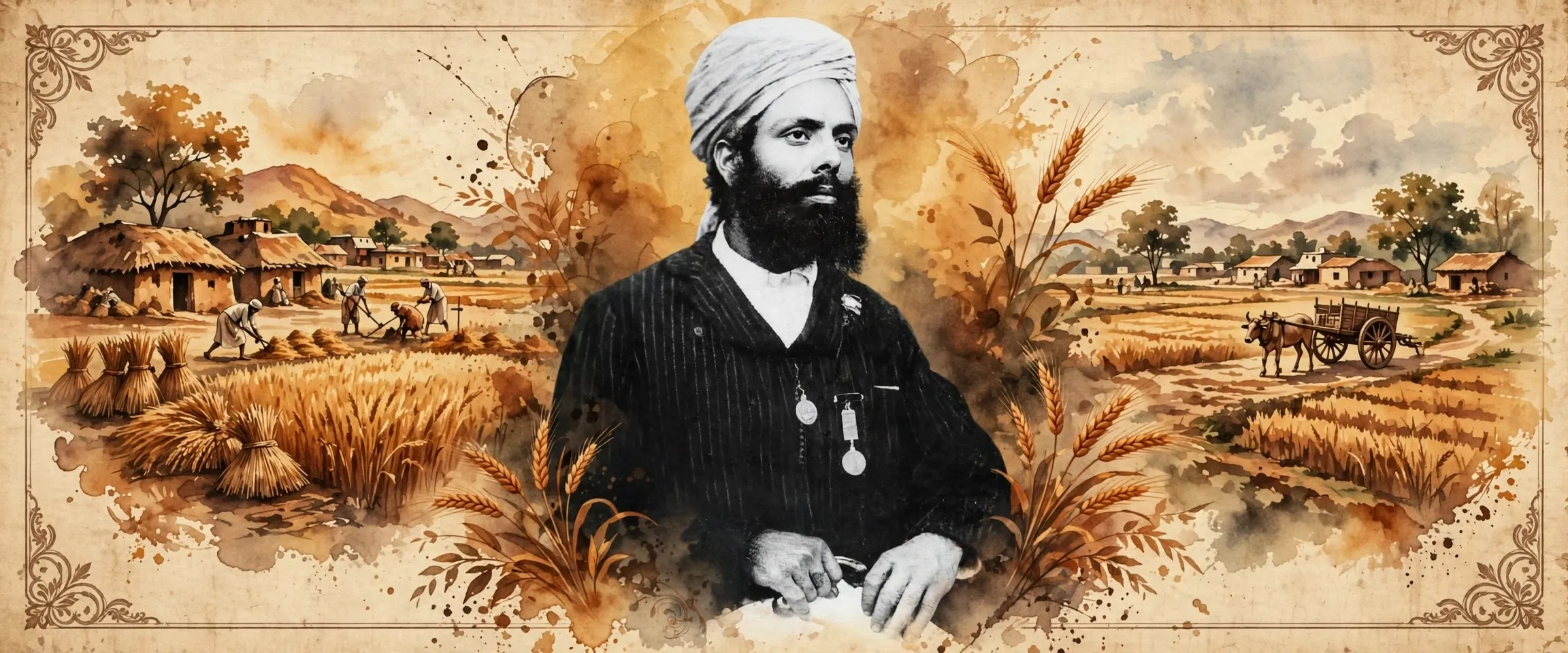
ਅਹਮਦ ਖ਼ਾਨ ਖਰਲ ਝਾਮਰਾ, ਸਾਂਦਲ ਬਾਰ ਦੇ ਖਰਲ ਕਬੀਲੇ ਦੇ ਸਰਦਾਰ ਸਨ, ਜਿਨ੍ਹਾਂ ਨੇ ਪੰਜਾਬ ਦੇ ਗੋਗੇਰਾ ਇਲਾਕੇ ਵਿੱਚ ਈਸਟ ਇੰਡੀਆ ਕੰਪਨੀ ਦੇ ਖ਼ਿਲਾਫ਼ 1857 ਦੇ ਉਭਾਰ ਦੀ ਅਗਵਾਈ ਕੀਤੀ। ਉਨ੍ਹਾਂ ਨੇ 26 ਜੁਲਾਈ 1857 ਨੂੰ ਗੋਗੇਰਾ ਜੇਲ੍ਹ ਉੱਤੇ ਹਮਲਾ ਕੀਤਾ, ਸਾਥੀ ਬਾਰ ਕਬੀਲਿਆਂ ਨਾਲ ਗੁਰੀਲਾ ਮੁਹਿੰਮ ਲੜੀ, ਅਤੇ 21 ਸਤੰਬਰ 1857 ਨੂੰ ਮਾਰੇ ਗਏ। ਪੰਜਾਬੀ ਲੋਕ ਗੀਤ ਉਨ੍ਹਾਂ ਨੂੰ ਬਾਰ ਦੇ ਲੋਕ ਨਾਇਕ ਵਜੋਂ ਯਾਦ ਰੱਖਦੇ ਹਨ।
- ਪੰਜਾਬੀ ਨਾਂ
- ਅਹਮਦ ਖ਼ਾਨ ਖਰਲ
- ਜਨਮ
- ਝਾਮਰਾ; ਜਨਮ ਸਾਲ ਸਰੋਤਾਂ ਵਿੱਚ ਤੈਅ ਨਹੀਂ (ਬਹੁਤੇ ਸਾਰਾਂਸ਼ਾਂ ਵਿੱਚ ਲਗਭਗ 1776, ਇੱਕ ਅਖ਼ਬਾਰੀ ਬਿਰਤਾਂਤ ਵਿੱਚ 1803)
- ਦੇਹਾਂਤ
- 21 ਸਤੰਬਰ 1857, ਗੋਗੇਰਾ ਨੇੜੇ (ਅੰਗਰੇਜ਼ ਰਿਕਾਰਡਾਂ ਵਿੱਚ ਗਸ਼ਕੋਰੀ; ਪਰਿਵਾਰਕ ਰਵਾਇਤ ਵਿੱਚ ਨੂਰੇਵਾਲਾ)
- ਕਬੀਲਾ
- ਖਰਲ
- ਖਿਤਾਬ
- ਰਾਏ; ਕੁਝ ਬਿਰਤਾਂਤਾਂ ਵਿੱਚ ਝਾਮਰਾ ਦਾ ਨਵਾਬ ਕਿਹਾ ਗਿਆ
- ਘਰ ਦਾ ਥਾਂ
- ਝਾਮਰਾ
All 10 facts
- ਜ਼ਿਲ੍ਹਾ
- ਫ਼ੈਸਲਾਬਾਦ
- ਤਹਿਸੀਲ
- ਤਾਂਦਲਿਆਂਵਾਲਾ
- ਇਲਾਕਾ
- ਪੱਛਮੀ ਪੰਜਾਬ
- ਤਖ਼ਤ
- ਝਾਮਰਾ, ਰਾਵੀ ਅਤੇ ਚਨਾਬ ਦੇ ਵਿਚਕਾਰ ਸਾਂਦਲ ਬਾਰ ਵਿੱਚ
Ahmad Khan Kharal, usually called Rai Ahmad Khan Kharal, was a Kharal tribal chief of Jhamra in the Sandal Bar of Punjab who, in old age, led the 1857 rising against the East India Company around Gogera. He attacked Gogera jail, fought a guerrilla campaign across the Ravi country, and was killed on 21 September 1857.
Early life and the Kharal chiefs of Jhamra
Ahmad Khan Kharal was born at Jhamra, a village near Tandlianwala in what is today Faisalabad district, into a landowning family of the Kharal tribe. The Kharals were one of the prominent peoples of the Bar, the forest and grazing country between the Ravi and the Chenab, and tradition holds that they had embraced Islam under the influence of the Sufi Baba Farid. Their rivals and neighbours included the Baghela, Kathia, Wattoo and Fatyana, and Ahmad Khan is credited in the accounts with holding influence across the whole Sandal Bar.
His birth year is not settled in the sources. Many modern summaries give about 1776, which would make him about eighty when he died, and one magazine history describes him as in his seventies in 1857. A newspaper account by Shahid Siddiqui gives 1803 instead. Because the sources disagree so widely, this page does not fix a birth year. The spelling of his name also varies: Ahmad and Ahmed are both common, and Kharal is sometimes written Kharral or Kharl.
Dawn writer Muhammad Hassan Miraj, drawing on local tradition, says Ahmad Khan succeeded his uncle Rai Saleh Khan as chief at Jhamra. Local accounts of his younger years describe a chief who dealt with Maharaja Ranjit Singh from a position of strength: offered a gift by the Maharaja, he is said to have asked instead for the release of Muslim prisoners, and Ranjit Singh is reported to have avoided direct confrontation with the Kharals by passing around their country. By 1857 he was the recognised chief of Jhamra, called its nawab in some accounts, with land, cattle and a wide following.
What was the Sandal Bar, and why did it resist?
The Sandal Bar was the southern part of the Rechna Doab, the land between the Ravi and the Chenab, named after Sandal, grandfather of the sixteenth century chief Dulla Bhatti. In 1857 it was a country of jungle, grass and scattered tribal settlements, hard for an army to move through and easy for local horsemen to disappear into. Gogera, across the Ravi from Jhamra, was the headquarters of Montgomery district, which then covered the country of the present Okara, Pakpattan and Sahiwal districts, and it held the district jail.
When the revolt of 1857 spread from Meerut and Delhi, the British in Punjab leaned heavily on local chiefs for men, horses and loyalty, and rewarded many landlords who helped them. The Bar tribes had their own grievances, among them heavy taxes. In the first week of July 1857, Wattoo tribesmen around Lakho refused to pay and were arrested, and on 8 July the British arrested large numbers of Johiya tribesmen, including women and children, after a refusal to pay taxes. Those arrests lit the fuse in the Gogera country.
Refusal at Gogera and the jail attack of 26 July 1857
Leopold Oliver Fitzhardinge Berkeley, whose name is also written Berkley, was the assistant commissioner at Gogera in 1857. He called the local chiefs together and demanded men and horses to help crush the revolt elsewhere. Tradition preserves Ahmad Khan's answer in one sentence: Kharals do not share women, horses and land with anyone. He and his ally Sarang Khan Kharal left the meeting, and the refusal became the founding story of the rising in the dhola ballads sung about it afterwards.
On the night of 26 July 1857, Ahmad Khan and his Baghela, Fatyana, Wattoo and Kathia allies attacked the jail at Gogera to free the prisoners held there. The numbers in the records do not agree: British records say 17 prisoners were killed, 33 injured and 18 escaped, while local accounts held that 145 prisoners died and more than a hundred Company troops were also killed. What is not in doubt is that the attack announced open revolt along the lower Ravi. Ahmad Khan was arrested afterwards, but the British released him, under pressure from the tribes and, in the official version, for lack of evidence. One later newspaper account says instead that he gave himself up to protect his family and was freed on condition that he stay at Gogera.
Guerrilla war across the Ravi country
The rising widened fast. Berkeley attacked Jhamra but failed to take Ahmad Khan, imprisoning twenty civilians instead, among them the chief's youngest son Bala Khan, and driving off large numbers of cattle. From the jungle, Ahmad Khan and his Baghela, Kathia, Wattoo, Fatyana and Joiya allies ran a guerrilla campaign. Punjab government records put the rebels at 20,000 to 30,000 men at their height, and the colonial writer John Cave-Browne described bands of 3,000 to 5,000 taking refuge in thick jungle and grass, gathering at the beat of a drum. The road link between Jhang and Lahore was cut completely for a time, and British reports listed resistance spreading to places including Kamalia, Harappa, Chichawatni, Tulamba and Pakpattan.
A planned joint assault on Gogera, agreed at a secret meeting of tribal leaders, was betrayed to the British by Sarfraz Kharal of Kamalia, and the attack was beaten back with heavy losses. Even so, the official British verdict on the old chief was striking. Lieutenant N. W. Elphinstone reported that Ahmad Khan had been the chief instigator of the movement and that his influence over the tribes on the Ravi was unbounded, while the compiler of the Montgomery Gazetteer called him a man above the average, bold and crafty, who roused the tribes.
How did Ahmad Khan Kharal die?
Ahmad Khan Kharal died on 21 September 1857, but the accounts of his last hours differ, and this page keeps them apart. In the version drawn from British records, he had retreated with his companions to the jungle of Gashkori, about six miles south of Gogera, and a cavalry detachment under Captain Black was sent against him. After a sharp fight in which the cavalry was first driven back, Ahmad Khan was killed while offering his afternoon prayers, and his deputy Sarang Khan Kharal died with him.
Family tradition, retold by his great grandson Rai Ali Aqdas Khan Kharal, places the end at Noorewala, also written Noorey di Dall, near the Ravi crossing on his way back toward Jhamra, after Sarfraz of Kamalia had told the British his route. In that account Berkeley's troops surrounded the party, Ahmad Khan was shot while at prayer, and his head was cut off and displayed at the gate of Gogera jail as a warning. The folk ballads add that a local man called Gulab Rai Bedi fired the first shot, and some accounts date the day as the tenth of Muharram. Several tellings agree on the sequel: a supporter, in the family version a cook at the jail who came from Jhamra, stole the head by night and buried it in the ancestral graveyard at Jhamra. Two days after the chief's death, his ally Murad Fatyana killed Berkeley, an act the ballads remember as revenge. The wider rebellion in the Bar continued into 1858 before British reinforcements put it down.
Legacy in ballads, memory and history
Ahmad Khan Kharal survived first in Punjabi folk poetry. The dhola ballads composed about the rising, studied by Shafqat Tanvir Mirza in his book Resistance Themes in Punjabi Literature and collected by the oral historian A. D. Ejaz, kept his refusal, his campaign and his death alive on both banks of the Ravi long after official histories had little room for him. One famous line says that with Ahmad Khan's fall, Britain had lowered the head of Punjab. Modern historians have returned to him as evidence that Punjab in 1857 was not simply loyal to the British: Turab ul Hasan Sargana's Punjab and the War of Independence 1857 to 1858, published by Oxford University Press, uses the Gogera movement to show a province divided between collaboration and resistance.
At Jhamra, his tomb is the centre of his memory. His family says the shrine there was begun in 1968 by his grandson Rai Ali Muhammad Khan, and that during its construction the separately buried head was found again. The district administration declared his house a heritage site in 2015, but the family told The News in 2026 that restoration was left incomplete for lack of funds. A school at Gogera carried his name from 1967 until it was renamed in 1985, and his descendants still ask why no town carries it. In Punjab's folk memory, though, no renaming was needed: Rai Ahmad Khan Kharal remains the old chief of the Sandal Bar who, at about eighty, chose to fight rather than hand over his horses, his land or his word.
ਅਹਮਦ ਖ਼ਾਨ ਖਰਲ, ਜਿਨ੍ਹਾਂ ਨੂੰ ਰਾਏ ਅਹਮਦ ਖ਼ਾਨ ਖਰਲ ਵੀ ਕਿਹਾ ਜਾਂਦਾ ਹੈ, ਸਾਂਦਲ ਬਾਰ ਵਿੱਚ ਝਾਮਰਾ ਦੇ ਖਰਲ ਸਰਦਾਰ ਸਨ। ਬੁਢਾਪੇ ਵਿੱਚ ਉਨ੍ਹਾਂ ਨੇ ਗੋਗੇਰਾ ਦੇ ਆਲੇ ਦੁਆਲੇ ਈਸਟ ਇੰਡੀਆ ਕੰਪਨੀ ਦੇ ਖ਼ਿਲਾਫ਼ 1857 ਦੇ ਉਭਾਰ ਦੀ ਅਗਵਾਈ ਕੀਤੀ। ਉਨ੍ਹਾਂ ਨੇ ਗੋਗੇਰਾ ਜੇਲ੍ਹ ਉੱਤੇ ਹਮਲਾ ਕੀਤਾ, ਰਾਵੀ ਦੇ ਇਲਾਕੇ ਵਿੱਚ ਗੁਰੀਲਾ ਜੰਗ ਲੜੀ, ਅਤੇ 21 ਸਤੰਬਰ 1857 ਨੂੰ ਉਹ ਮਾਰੇ ਗਏ।
ਮੁੱਢਲੀ ਜ਼ਿੰਦਗੀ ਅਤੇ ਝਾਮਰਾ ਦੇ ਖਰਲ ਸਰਦਾਰ
ਅਹਮਦ ਖ਼ਾਨ ਖਰਲ ਦਾ ਜਨਮ ਝਾਮਰਾ ਵਿੱਚ ਹੋਇਆ, ਜੋ ਅੱਜ ਦੇ ਫ਼ੈਸਲਾਬਾਦ ਜ਼ਿਲ੍ਹੇ ਵਿੱਚ ਤਾਂਦਲਿਆਂਵਾਲਾ ਨੇੜੇ ਇੱਕ ਪਿੰਡ ਹੈ, ਅਤੇ ਉਹ ਖਰਲ ਕਬੀਲੇ ਦੇ ਇੱਕ ਜ਼ਿਮੀਦਾਰ ਪਰਿਵਾਰ ਨਾਲ ਸਬੰਧ ਰੱਖਦੇ ਸਨ। ਖਰਲ ਬਾਰ ਦੇ ਪ੍ਰਮੁੱਖ ਲੋਕਾਂ ਵਿੱਚੋਂ ਇੱਕ ਸਨ। ਬਾਰ ਰਾਵੀ ਅਤੇ ਚਨਾਬ ਦੇ ਵਿਚਕਾਰ ਜੰਗਲ ਅਤੇ ਚਰਾਂਦਾਂ ਵਾਲਾ ਇਲਾਕਾ ਸੀ, ਅਤੇ ਰਵਾਇਤ ਕਹਿੰਦੀ ਹੈ ਕਿ ਖਰਲਾਂ ਨੇ ਸੂਫ਼ੀ ਬਾਬਾ ਫ਼ਰੀਦ ਦੇ ਅਸਰ ਹੇਠ ਇਸਲਾਮ ਕਬੂਲ ਕੀਤਾ ਸੀ। ਉਨ੍ਹਾਂ ਦੇ ਮੁਕਾਬਲੇਬਾਜ਼ ਅਤੇ ਗੁਆਂਢੀ ਬਘੇਲਾ, ਕਾਠੀਆ, ਵੱਟੂ ਅਤੇ ਫ਼ਤਿਆਣਾ ਸਨ, ਅਤੇ ਅਹਮਦ ਖ਼ਾਨ ਦਾ ਅਸਰ ਸਾਰੀ ਸਾਂਦਲ ਬਾਰ ਉੱਤੇ ਸੀ।
ਉਨ੍ਹਾਂ ਦੇ ਜਨਮ ਸਾਲ ਬਾਰੇ ਸਰੋਤ ਇੱਕਮੱਤ ਨਹੀਂ ਹਨ। ਬਹੁਤੇ ਆਧੁਨਿਕ ਸਾਰਾਂਸ਼ ਲਗਭਗ 1776 ਦੱਸਦੇ ਹਨ, ਜਿਸ ਅਨੁਸਾਰ ਮੌਤ ਵੇਲੇ ਉਨ੍ਹਾਂ ਦੀ ਉਮਰ ਲਗਭਗ ਅੱਸੀ ਸਾਲ ਬਣਦੀ ਹੈ, ਅਤੇ ਇੱਕ ਰਸਾਲੇ ਦਾ ਇਤਿਹਾਸ ਉਨ੍ਹਾਂ ਨੂੰ 1857 ਵਿੱਚ ਸੱਤਰਿਆਂ ਵਿੱਚ ਦੱਸਦਾ ਹੈ। ਸ਼ਾਹਿਦ ਸਿੱਦੀਕੀ ਦਾ ਇੱਕ ਅਖ਼ਬਾਰੀ ਲੇਖ ਇਸ ਦੀ ਥਾਂ 1803 ਦਿੰਦਾ ਹੈ। ਸਰੋਤਾਂ ਵਿੱਚ ਇੰਨਾ ਵੱਡਾ ਫ਼ਰਕ ਹੋਣ ਕਰਕੇ ਇਹ ਪੰਨਾ ਕੋਈ ਜਨਮ ਸਾਲ ਤੈਅ ਨਹੀਂ ਕਰਦਾ। ਉਨ੍ਹਾਂ ਦੇ ਨਾਂ ਦੇ ਅੱਖਰ ਵੀ ਵੱਖ ਵੱਖ ਮਿਲਦੇ ਹਨ: ਅਹਮਦ ਅਤੇ ਅਹਿਮਦ ਦੋਵੇਂ ਆਮ ਹਨ, ਅਤੇ ਖਰਲ ਨੂੰ ਕਦੇ ਖੱਰਲ ਜਾਂ ਖਰਲ਼ ਵੀ ਲਿਖਿਆ ਜਾਂਦਾ ਹੈ।
ਡਾਨ ਦੇ ਲਿਖਾਰੀ ਮੁਹੰਮਦ ਹਸਨ ਮਿਰਾਜ ਸਥਾਨਕ ਰਵਾਇਤ ਦੇ ਆਧਾਰ ਉੱਤੇ ਕਹਿੰਦੇ ਹਨ ਕਿ ਅਹਮਦ ਖ਼ਾਨ ਆਪਣੇ ਚਾਚਾ ਰਾਏ ਸਾਲੇਹ ਖ਼ਾਨ ਤੋਂ ਬਾਅਦ ਝਾਮਰਾ ਦੇ ਸਰਦਾਰ ਬਣੇ। ਉਨ੍ਹਾਂ ਦੀ ਜਵਾਨੀ ਬਾਰੇ ਸਥਾਨਕ ਬਿਰਤਾਂਤ ਇੱਕ ਅਜਿਹੇ ਸਰਦਾਰ ਦੀ ਤਸਵੀਰ ਦਿੰਦੇ ਹਨ ਜਿਸ ਨੇ ਰਣਜੀਤ ਸਿੰਘ ਨਾਲ ਤਾਕਤ ਤੋਂ ਵਿਹਾਰ ਕੀਤਾ: ਕਿਹਾ ਜਾਂਦਾ ਹੈ ਕਿ ਮਹਾਰਾਜੇ ਵੱਲੋਂ ਦਿੱਤਾ ਤੋਹਫ਼ਾ ਲੈਣ ਦੀ ਥਾਂ ਉਨ੍ਹਾਂ ਨੇ ਮੁਸਲਮਾਨ ਕੈਦੀਆਂ ਦੀ ਰਿਹਾਈ ਮੰਗੀ, ਅਤੇ ਰਣਜੀਤ ਸਿੰਘ ਖਰਲਾਂ ਨਾਲ ਸਿੱਧੇ ਟਕਰਾਅ ਤੋਂ ਬਚ ਕੇ ਉਨ੍ਹਾਂ ਦੇ ਇਲਾਕੇ ਕੋਲੋਂ ਲੰਘਦਾ ਸੀ। 1857 ਤੱਕ ਉਹ ਝਾਮਰਾ ਦੇ ਮੰਨੇ ਪ੍ਰਮੰਨੇ ਸਰਦਾਰ ਸਨ, ਕੁਝ ਬਿਰਤਾਂਤਾਂ ਵਿੱਚ ਉਨ੍ਹਾਂ ਨੂੰ ਉੱਥੋਂ ਦਾ ਨਵਾਬ ਵੀ ਕਿਹਾ ਗਿਆ ਹੈ, ਅਤੇ ਉਨ੍ਹਾਂ ਕੋਲ ਜ਼ਮੀਨ, ਪਸ਼ੂ ਅਤੇ ਵੱਡਾ ਪੈਰੋਕਾਰ ਵਰਗ ਸੀ।
ਸਾਂਦਲ ਬਾਰ ਕੀ ਸੀ, ਅਤੇ ਇਸ ਨੇ ਵਿਰੋਧ ਕਿਉਂ ਕੀਤਾ?
ਸਾਂਦਲ ਬਾਰ ਰਚਨਾ ਦੁਆਬ ਦਾ ਦੱਖਣੀ ਹਿੱਸਾ ਸੀ, ਰਾਵੀ ਅਤੇ ਚਨਾਬ ਦੇ ਵਿਚਕਾਰਲੀ ਧਰਤੀ, ਜਿਸ ਦਾ ਨਾਂ ਸੋਲ੍ਹਵੀਂ ਸਦੀ ਦੇ ਸਰਦਾਰ ਦੁੱਲਾ ਭੱਟੀ ਦੇ ਦਾਦਾ ਸਾਂਦਲ ਦੇ ਨਾਂ ਉੱਤੇ ਪਿਆ। 1857 ਵਿੱਚ ਇਹ ਜੰਗਲ, ਘਾਹ ਅਤੇ ਖਿੰਡੀਆਂ ਕਬਾਇਲੀ ਬਸਤੀਆਂ ਵਾਲਾ ਇਲਾਕਾ ਸੀ, ਜਿੱਥੇ ਫ਼ੌਜ ਦਾ ਲੰਘਣਾ ਔਖਾ ਅਤੇ ਘੋੜਸਵਾਰਾਂ ਦਾ ਲੁਕਣਾ ਸੌਖਾ ਸੀ। ਝਾਮਰਾ ਤੋਂ ਰਾਵੀ ਪਾਰ ਗੋਗੇਰਾ ਮਾਂਟਗੋਮਰੀ ਜ਼ਿਲ੍ਹੇ ਦਾ ਮੁੱਖ ਕੇਂਦਰ ਸੀ, ਜਿਸ ਵਿੱਚ ਉਸ ਵੇਲੇ ਅੱਜ ਦੇ ਓਕਾੜਾ, ਪਾਕਪਟਨ ਅਤੇ ਸਾਹੀਵਾਲ ਜ਼ਿਲ੍ਹਿਆਂ ਵਾਲਾ ਇਲਾਕਾ ਆਉਂਦਾ ਸੀ, ਅਤੇ ਜ਼ਿਲ੍ਹਾ ਜੇਲ੍ਹ ਵੀ ਉੱਥੇ ਹੀ ਸੀ।
ਜਦੋਂ 1857 ਦਾ ਉਭਾਰ ਮੇਰਠ ਅਤੇ ਦਿੱਲੀ ਤੋਂ ਫ਼ੈਲਿਆ, ਤਾਂ ਪੰਜਾਬ ਵਿੱਚ ਅੰਗਰੇਜ਼ ਸਥਾਨਕ ਸਰਦਾਰਾਂ ਉੱਤੇ ਬੰਦੇ, ਘੋੜੇ ਅਤੇ ਵਫ਼ਾਦਾਰੀ ਲਈ ਬਹੁਤ ਨਿਰਭਰ ਸਨ, । ਬਾਰ ਦੇ ਕਬੀਲਿਆਂ ਦੀਆਂ ਆਪਣੀਆਂ ਸ਼ਿਕਾਇਤਾਂ ਸਨ, ਜਿਨ੍ਹਾਂ ਵਿੱਚ ਭਾਰੀ ਮਾਲੀਆ ਵੀ ਸ਼ਾਮਲ ਸੀ। ਜੁਲਾਈ 1857 ਦੇ ਪਹਿਲੇ ਹਫ਼ਤੇ ਲਾਖੋ ਨੇੜੇ ਵੱਟੂ ਕਬੀਲੇ ਵਾਲਿਆਂ ਨੇ ਮਾਲੀਆ ਦੇਣ ਤੋਂ ਇਨਕਾਰ ਕੀਤਾ ਅਤੇ ਉਹ ਗ੍ਰਿਫ਼ਤਾਰ ਹੋਏ, ਅਤੇ 8 ਜੁਲਾਈ ਨੂੰ ਅੰਗਰੇਜ਼ਾਂ ਨੇ ਜੋਹੀਆ ਕਬੀਲੇ ਦੇ ਬਹੁਤ ਸਾਰੇ ਲੋਕ, ਔਰਤਾਂ ਅਤੇ ਬੱਚੇ ਸਮੇਤ, ਗ੍ਰਿਫ਼ਤਾਰ ਕਰ ਲਏ। ਇਨ੍ਹਾਂ ਗ੍ਰਿਫ਼ਤਾਰੀਆਂ ਨੇ ਗੋਗੇਰਾ ਦੇ ਇਲਾਕੇ ਵਿੱਚ ਅੱਗ ਲਾ ਦਿੱਤੀ।
ਗੋਗੇਰਾ ਵਿਖੇ ਇਨਕਾਰ ਅਤੇ 26 ਜੁਲਾਈ 1857 ਦਾ ਜੇਲ੍ਹ ਹਮਲਾ
ਲਿਓਪੋਲਡ ਓਲੀਵਰ ਫ਼ਿਟਜ਼ਹਾਰਡਿੰਗ ਬਰਕਲੇ, ਜਿਨ੍ਹਾਂ ਦਾ ਨਾਂ ਬਰਕਲੀ ਵੀ ਲਿਖਿਆ ਮਿਲਦਾ ਹੈ, 1857 ਵਿੱਚ ਗੋਗੇਰਾ ਦੇ ਸਹਾਇਕ ਕਮਿਸ਼ਨਰ ਸਨ। ਉਨ੍ਹਾਂ ਨੇ ਸਥਾਨਕ ਸਰਦਾਰਾਂ ਨੂੰ ਬੁਲਾ ਕੇ ਉਭਾਰ ਕੁਚਲਣ ਲਈ ਬੰਦੇ ਅਤੇ ਘੋੜੇ ਮੰਗੇ। ਰਵਾਇਤ ਅਹਮਦ ਖ਼ਾਨ ਦਾ ਜਵਾਬ ਇੱਕੋ ਵਾਕ ਵਿੱਚ ਸਾਂਭਦੀ ਹੈ: ਖਰਲ ਆਪਣੀਆਂ ਔਰਤਾਂ, ਘੋੜੇ ਅਤੇ ਜ਼ਮੀਨ ਕਿਸੇ ਨਾਲ ਨਹੀਂ ਵੰਡਦੇ। ਉਹ ਅਤੇ ਸਾਰੰਗ ਖ਼ਾਨ ਖਰਲ ਮੀਟਿੰਗ ਵਿੱਚੋਂ ਉੱਠ ਗਏ, ਅਤੇ ਇਹ ਇਨਕਾਰ ਢੋਲਾ ਗੀਤਾਂ ਵਿੱਚ ਉਭਾਰ ਦੀ ਨੀਂਹ ਵਾਲੀ ਕਹਾਣੀ ਬਣ ਗਿਆ।
26 ਜੁਲਾਈ 1857 ਦੀ ਰਾਤ ਅਹਮਦ ਖ਼ਾਨ ਨੇ ਆਪਣੇ ਬਘੇਲਾ, ਫ਼ਤਿਆਣਾ, ਵੱਟੂ ਅਤੇ ਕਾਠੀਆ ਸਾਥੀਆਂ ਨਾਲ ਮਿਲ ਕੇ ਗੋਗੇਰਾ ਜੇਲ੍ਹ ਉੱਤੇ ਹਮਲਾ ਕੀਤਾ ਤਾਂ ਜੋ ਉੱਥੇ ਬੰਦ ਕੈਦੀਆਂ ਨੂੰ ਛੁਡਾਇਆ ਜਾ ਸਕੇ। ਰਿਕਾਰਡਾਂ ਦੇ ਅੰਕੜੇ ਇੱਕ ਦੂਜੇ ਨਾਲ ਨਹੀਂ ਮਿਲਦੇ: ਅੰਗਰੇਜ਼ ਰਿਕਾਰਡ ਕਹਿੰਦੇ ਹਨ ਕਿ 17 ਕੈਦੀ ਮਾਰੇ ਗਏ, 33 ਜ਼ਖ਼ਮੀ ਹੋਏ ਅਤੇ 18 ਭੱਜ ਗਏ, ਜਦੋਂ ਕਿ ਸਥਾਨਕ ਬਿਰਤਾਂਤਾਂ ਅਨੁਸਾਰ 145 ਕੈਦੀ ਮਰੇ ਅਤੇ ਕੰਪਨੀ ਦੇ ਸੌ ਤੋਂ ਵੱਧ ਸੈਨਿਕ ਵੀ ਮਾਰੇ ਗਏ। ਜਿਸ ਗੱਲ ਵਿੱਚ ਕੋਈ ਸ਼ੱਕ ਨਹੀਂ, ਉਹ ਇਹ ਹੈ ਕਿ ਇਸ ਹਮਲੇ ਨੇ ਹੇਠਲੇ ਰਾਵੀ ਦੇ ਨਾਲ ਨਾਲ ਖੁੱਲ੍ਹੇ ਉਭਾਰ ਦਾ ਐਲਾਨ ਕਰ ਦਿੱਤਾ। ਇਸ ਤੋਂ ਬਾਅਦ ਅਹਮਦ ਖ਼ਾਨ ਗ੍ਰਿਫ਼ਤਾਰ ਹੋਏ, ਪਰ ਕਬੀਲਿਆਂ ਦੇ ਦਬਾਅ ਹੇਠ ਅਤੇ ਸਰਕਾਰੀ ਕਹਾਣੀ ਅਨੁਸਾਰ ਸਬੂਤਾਂ ਦੀ ਘਾਟ ਕਰਕੇ ਅੰਗਰੇਜ਼ਾਂ ਨੇ ਉਨ੍ਹਾਂ ਨੂੰ ਛੱਡ ਦਿੱਤਾ। ਇੱਕ ਬਾਅਦ ਦਾ ਅਖ਼ਬਾਰੀ ਬਿਰਤਾਂਤ ਇਸ ਦੀ ਥਾਂ ਕਹਿੰਦਾ ਹੈ ਕਿ ਉਨ੍ਹਾਂ ਨੇ ਆਪਣੇ ਪਰਿਵਾਰ ਦੀ ਰਾਖੀ ਲਈ ਆਪ ਹਵਾਲੇ ਹੋਏ ਸਨ ਅਤੇ ਇਸ ਸ਼ਰਤ ਉੱਤੇ ਛੱਡੇ ਗਏ ਕਿ ਉਹ ਗੋਗੇਰਾ ਵਿੱਚ ਹੀ ਰਹਿਣਗੇ।
ਰਾਵੀ ਦੇ ਇਲਾਕੇ ਵਿੱਚ ਗੁਰੀਲਾ ਜੰਗ
ਉਭਾਰ ਤੇਜ਼ੀ ਨਾਲ ਫ਼ੈਲਿਆ। ਬਰਕਲੇ ਨੇ ਝਾਮਰਾ ਉੱਤੇ ਹਮਲਾ ਕੀਤਾ ਪਰ ਅਹਮਦ ਖ਼ਾਨ ਨੂੰ ਫੜਨ ਵਿੱਚ ਅਸਫ਼ਲ ਰਿਹਾ, ਅਤੇ ਉਸ ਨੇ ਇਸ ਦੀ ਥਾਂ ਵੀਹ ਨਾਗਰਿਕਾਂ ਨੂੰ ਕੈਦ ਕਰ ਲਿਆ, ਜਿਨ੍ਹਾਂ ਵਿੱਚ ਸਰਦਾਰ ਦਾ ਸਭ ਤੋਂ ਛੋਟਾ ਪੁੱਤਰ ਬਾਲਾ ਖ਼ਾਨ ਵੀ ਸੀ, ਅਤੇ ਬਹੁਤ ਸਾਰੇ ਪਸ਼ੂ ਵੀ ਲੈ ਗਿਆ। ਜੰਗਲ ਵਿੱਚੋਂ ਅਹਮਦ ਖ਼ਾਨ ਨੇ ਆਪਣੇ ਬਘੇਲਾ, ਕਾਠੀਆ, ਵੱਟੂ, ਫ਼ਤਿਆਣਾ ਅਤੇ ਜੋਈਆ ਸਾਥੀਆਂ ਨਾਲ ਗੁਰੀਲਾ ਮੁਹਿੰਮ ਚਲਾਈ। ਪੰਜਾਬ ਸਰਕਾਰ ਦੇ ਰਿਕਾਰਡ ਉਭਾਰ ਦੇ ਸਿਖਰ ਉੱਤੇ ਬਾਗ਼ੀਆਂ ਦੀ ਗਿਣਤੀ 20,000 ਤੋਂ 30,000 ਦੱਸਦੇ ਹਨ, ਅਤੇ ਜੌਨ ਕੇਵ ਬ੍ਰਾਊਨ ਨੇ 3,000 ਤੋਂ 5,000 ਦੇ ਜਥੇ ਦੱਸੇ ਜੋ ਜੰਗਲ ਵਿੱਚ ਪਨਾਹ ਲੈਂਦੇ ਅਤੇ ਢੋਲ ਦੀ ਆਵਾਜ਼ ਉੱਤੇ ਇਕੱਠੇ ਹੁੰਦੇ ਸਨ। ਝੰਗ ਅਤੇ ਲਾਹੌਰ ਵਿਚਕਾਰ ਸੜਕੀ ਸੰਪਰਕ ਕੁਝ ਸਮੇਂ ਲਈ ਪੂਰੀ ਤਰ੍ਹਾਂ ਟੁੱਟ ਗਿਆ, ਅਤੇ ਰਿਪੋਰਟਾਂ ਵਿੱਚ ਕਮਾਲੀਆ, ਹੜੱਪਾ, ਚੀਚਾਵਤਨੀ, ਤੁਲਾਂਬਾ ਅਤੇ ਪਾਕਪਟਨ ਉੱਤੇ ਵਿਰੋਧ ਫ਼ੈਲਣ ਦਾ ਜ਼ਿਕਰ ਆਇਆ।
ਕਬਾਇਲੀ ਸਰਦਾਰਾਂ ਦੀ ਇੱਕ ਗੁਪਤ ਮੀਟਿੰਗ ਵਿੱਚ ਤੈਅ ਹੋਇਆ ਗੋਗੇਰਾ ਉੱਤੇ ਸਾਂਝਾ ਹਮਲਾ ਕਮਾਲੀਆ ਦੇ ਸਰਫ਼ਰਾਜ਼ ਖਰਲ ਨੇ ਅੰਗਰੇਜ਼ਾਂ ਨੂੰ ਦੱਸ ਦਿੱਤਾ, ਅਤੇ ਉਹ ਹਮਲਾ ਭਾਰੀ ਨੁਕਸਾਨ ਨਾਲ ਪਿੱਛੇ ਧੱਕ ਦਿੱਤਾ ਗਿਆ। ਫਿਰ ਵੀ ਬਜ਼ੁਰਗ ਸਰਦਾਰ ਬਾਰੇ ਅੰਗਰੇਜ਼ ਰਾਏ ਹੈਰਾਨ ਕਰਨ ਵਾਲੀ ਸੀ। ਲੈਫ਼ਟੀਨੈਂਟ ਐਨ ਡਬਲਿਊ ਐਲਫ਼ਿਨਸਟਨ ਨੇ ਰਿਪੋਰਟ ਕੀਤੀ ਕਿ ਅਹਮਦ ਖ਼ਾਨ ਇਸ ਲਹਿਰ ਦੇ ਮੁੱਖ ਭੜਕਾਉਣ ਵਾਲੇ ਸਨ ਅਤੇ ਰਾਵੀ ਦੇ ਕਬੀਲਿਆਂ ਉੱਤੇ ਉਨ੍ਹਾਂ ਦਾ ਅਸਰ ਬੇਹੱਦ ਸੀ, ਜਦੋਂ ਕਿ ਮਾਂਟਗੋਮਰੀ ਗਜ਼ਟੀਅਰ ਦੇ ਸੰਕਲਨਕਾਰ ਨੇ ਉਨ੍ਹਾਂ ਨੂੰ ਔਸਤ ਤੋਂ ਉੱਪਰ ਦਾ, ਦਲੇਰ ਅਤੇ ਚਤੁਰ ਆਦਮੀ ਕਿਹਾ ਜਿਸ ਨੇ ਕਬੀਲਿਆਂ ਨੂੰ ਜਗਾਇਆ।
ਅਹਮਦ ਖ਼ਾਨ ਖਰਲ ਦੀ ਮੌਤ ਕਿਵੇਂ ਹੋਈ?
ਅਹਮਦ ਖ਼ਾਨ ਖਰਲ ਦੀ ਮੌਤ 21 ਸਤੰਬਰ 1857 ਨੂੰ ਹੋਈ, ਪਰ ਉਨ੍ਹਾਂ ਦੇ ਆਖ਼ਰੀ ਘੰਟਿਆਂ ਦੇ ਬਿਰਤਾਂਤ ਵੱਖ ਵੱਖ ਹਨ, ਅਤੇ ਇਹ ਪੰਨਾ ਉਨ੍ਹਾਂ ਨੂੰ ਵੱਖ ਵੱਖ ਰੱਖਦਾ ਹੈ। ਅੰਗਰੇਜ਼ ਰਿਕਾਰਡਾਂ ਤੋਂ ਬਣੇ ਬਿਰਤਾਂਤ ਅਨੁਸਾਰ ਉਹ ਆਪਣੇ ਸਾਥੀਆਂ ਨਾਲ ਗਸ਼ਕੋਰੀ ਦੇ ਜੰਗਲ ਵਿੱਚ ਪਿੱਛੇ ਹਟ ਗਏ ਸਨ, ਜੋ ਗੋਗੇਰਾ ਤੋਂ ਲਗਭਗ ਛੇ ਮੀਲ ਦੱਖਣ ਵਿੱਚ ਹੈ, ਅਤੇ ਕੈਪਟਨ ਬਲੈਕ ਦੀ ਅਗਵਾਈ ਹੇਠ ਇੱਕ ਘੋੜਸਵਾਰ ਟੁਕੜੀ ਉਨ੍ਹਾਂ ਦੇ ਖ਼ਿਲਾਫ਼ ਭੇਜੀ ਗਈ। ਇੱਕ ਤਿੱਖੀ ਲੜਾਈ ਤੋਂ ਬਾਅਦ ਅਹਮਦ ਖ਼ਾਨ ਦੁਪਹਿਰ ਦੀ ਨਮਾਜ਼ ਪੜ੍ਹਦੇ ਹੋਏ ਮਾਰੇ ਗਏ, ਅਤੇ ਉਨ੍ਹਾਂ ਦੇ ਨਾਇਬ ਸਾਰੰਗ ਖ਼ਾਨ ਖਰਲ ਵੀ ਉਨ੍ਹਾਂ ਨਾਲ ਹੀ ਮਾਰੇ ਗਏ।
ਪਰਿਵਾਰਕ ਰਵਾਇਤ, ਜੋ ਉਨ੍ਹਾਂ ਦੇ ਪੜਪੋਤੇ ਰਾਏ ਅਲੀ ਅਕਦਸ ਖ਼ਾਨ ਖਰਲ ਨੇ ਦੱਸੀ ਹੈ, ਅੰਤ ਨੂੰ ਨੂਰੇਵਾਲਾ ਵਿਖੇ ਰੱਖਦੀ ਹੈ, ਜਿਸ ਨੂੰ ਨੂਰੇ ਦੀ ਡੱਲ ਵੀ ਲਿਖਿਆ ਜਾਂਦਾ ਹੈ, ਝਾਮਰਾ ਵੱਲ ਵਾਪਸੀ ਵੇਲੇ ਰਾਵੀ ਦੇ ਪੱਤਣ ਨੇੜੇ, ਜਦੋਂ ਕਮਾਲੀਆ ਦੇ ਸਰਫ਼ਰਾਜ਼ ਨੇ ਅੰਗਰੇਜ਼ਾਂ ਨੂੰ ਉਨ੍ਹਾਂ ਦਾ ਰਸਤਾ ਦੱਸ ਦਿੱਤਾ ਸੀ। ਉਸ ਅਨੁਸਾਰ ਫ਼ੌਜਾਂ ਨੇ ਜਥੇ ਨੂੰ ਘੇਰ ਲਿਆ, ਅਹਮਦ ਖ਼ਾਨ ਨਮਾਜ਼ ਪੜ੍ਹਦੇ ਹੋਏ ਮਾਰੇ ਗਏ, ਅਤੇ ਉਨ੍ਹਾਂ ਦਾ ਸਿਰ ਵੱਢ ਕੇ ਗੋਗੇਰਾ ਜੇਲ੍ਹ ਦੇ ਦਰਵਾਜ਼ੇ ਉੱਤੇ ਲਟਕਾ ਦਿੱਤਾ ਗਿਆ। ਲੋਕ ਗੀਤ ਇਹ ਵੀ ਕਹਿੰਦੇ ਹਨ ਕਿ ਗੁਲਾਬ ਰਾਏ ਬੇਦੀ ਨਾਂ ਦੇ ਇੱਕ ਸਥਾਨਕ ਆਦਮੀ ਨੇ ਪਹਿਲੀ ਗੋਲੀ ਚਲਾਈ ਸੀ, ਅਤੇ ਕੁਝ ਬਿਰਤਾਂਤ ਉਸ ਦਿਨ ਨੂੰ ਮੁਹੱਰਮ ਦੀ ਦਸਵੀਂ ਤਾਰੀਖ਼ ਦੱਸਦੇ ਹਨ। ਕਈ ਬਿਰਤਾਂਤ ਅੱਗੇ ਦੀ ਗੱਲ ਉੱਤੇ ਸਹਿਮਤ ਹਨ: ਇੱਕ ਸਮਰਥਕ ਨੇ, ਪਰਿਵਾਰਕ ਬਿਰਤਾਂਤ ਅਨੁਸਾਰ ਝਾਮਰਾ ਤੋਂ ਆਏ ਜੇਲ੍ਹ ਦੇ ਇੱਕ ਰਸੋਈਏ ਨੇ, ਰਾਤ ਨੂੰ ਸਿਰ ਚੋਰੀ ਕੀਤਾ ਅਤੇ ਇਸ ਨੂੰ ਝਾਮਰਾ ਦੇ ਕਬਰਿਸਤਾਨ ਵਿੱਚ ਦਫ਼ਨਾ ਦਿੱਤਾ। ਸਰਦਾਰ ਦੀ ਮੌਤ ਤੋਂ ਦੋ ਦਿਨ ਬਾਅਦ ਉਨ੍ਹਾਂ ਦੇ ਸਾਥੀ ਮੁਰਾਦ ਫ਼ਤਿਆਣਾ ਨੇ ਬਰਕਲੇ ਨੂੰ ਮਾਰ ਦਿੱਤਾ, ਜਿਸ ਨੂੰ ਗੀਤ ਬਦਲੇ ਵਜੋਂ ਯਾਦ ਕਰਦੇ ਹਨ। ਬਾਰ ਵਿੱਚ ਵੱਡਾ ਉਭਾਰ 1858 ਤੱਕ ਜਾਰੀ ਰਿਹਾ, ਜਦੋਂ ਅੰਗਰੇਜ਼ ਕੁਮਕ ਨੇ ਇਸ ਨੂੰ ਦਬਾ ਦਿੱਤਾ।
ਗੀਤਾਂ, ਯਾਦ ਅਤੇ ਇਤਿਹਾਸ ਵਿੱਚ ਵਿਰਾਸਤ
ਅਹਮਦ ਖ਼ਾਨ ਖਰਲ ਸਭ ਤੋਂ ਪਹਿਲਾਂ ਪੰਜਾਬੀ ਲੋਕ ਕਵਿਤਾ ਵਿੱਚ ਜਿਉਂਦੇ ਰਹੇ। ਉਭਾਰ ਬਾਰੇ ਰਚੇ ਗਏ ਢੋਲਾ ਗੀਤ, ਜਿਨ੍ਹਾਂ ਦਾ ਅਧਿਐਨ ਸ਼ਫ਼ਕਤ ਤਨਵੀਰ ਮਿਰਜ਼ਾ ਨੇ ਕੀਤਾ ਅਤੇ ਜਿਨ੍ਹਾਂ ਨੂੰ ਏ ਡੀ ਇਜਾਜ਼ ਨੇ ਇਕੱਠਾ ਕੀਤਾ, ਉਨ੍ਹਾਂ ਦੇ ਇਨਕਾਰ, ਮੁਹਿੰਮ ਅਤੇ ਮੌਤ ਨੂੰ ਰਾਵੀ ਦੇ ਦੋਹਾਂ ਕੰਢਿਆਂ ਉੱਤੇ ਜਿਉਂਦਾ ਰੱਖਿਆ। ਇੱਕ ਪ੍ਰਸਿੱਧ ਸਤਰ ਕਹਿੰਦੀ ਹੈ ਕਿ ਅਹਮਦ ਖ਼ਾਨ ਦੇ ਡਿੱਗਣ ਨਾਲ ਅੰਗਰੇਜ਼ਾਂ ਨੇ ਪੰਜਾਬ ਦਾ ਸਿਰ ਨੀਵਾਂ ਕਰ ਦਿੱਤਾ। ਆਧੁਨਿਕ ਇਤਿਹਾਸਕਾਰ ਉਨ੍ਹਾਂ ਵੱਲ ਇਸ ਸਬੂਤ ਵਜੋਂ ਮੁੜੇ ਹਨ ਕਿ 1857 ਵਿੱਚ ਪੰਜਾਬ ਸਿਰਫ਼ ਅੰਗਰੇਜ਼ਾਂ ਦਾ ਵਫ਼ਾਦਾਰ ਨਹੀਂ ਸੀ: ਤੁਰਾਬ ਉਲ ਹਸਨ ਸਰਗਾਣਾ ਦੀ ਆਕਸਫ਼ੋਰਡ ਤੋਂ ਛਪੀ ਕਿਤਾਬ ਗੋਗੇਰਾ ਲਹਿਰ ਨੂੰ ਇੱਕ ਅਜਿਹੇ ਸੂਬੇ ਨੂੰ ਦਿਖਾਉਣ ਲਈ ਵਰਤਦੀ ਹੈ ਜੋ ਸਹਿਯੋਗ ਅਤੇ ਵਿਰੋਧ ਵਿਚਕਾਰ ਵੰਡਿਆ ਹੋਇਆ ਸੀ।
ਝਾਮਰਾ ਵਿੱਚ ਉਨ੍ਹਾਂ ਦਾ ਮਜ਼ਾਰ ਉਨ੍ਹਾਂ ਦੀ ਯਾਦ ਦਾ ਕੇਂਦਰ ਹੈ। ਪਰਿਵਾਰ ਕਹਿੰਦਾ ਹੈ ਕਿ ਦਰਬਾਰ ਦੀ ਉਸਾਰੀ 1968 ਵਿੱਚ ਉਨ੍ਹਾਂ ਦੇ ਪੋਤੇ ਰਾਏ ਅਲੀ ਮੁਹੰਮਦ ਖ਼ਾਨ ਨੇ ਸ਼ੁਰੂ ਕੀਤੀ, ਅਤੇ ਉਸ ਦੌਰਾਨ ਵੱਖਰਾ ਦਫ਼ਨਾਇਆ ਸਿਰ ਮੁੜ ਲੱਭ ਗਿਆ। ਜ਼ਿਲ੍ਹਾ ਪ੍ਰਸ਼ਾਸਨ ਨੇ 2015 ਵਿੱਚ ਉਨ੍ਹਾਂ ਦੇ ਘਰ ਨੂੰ ਵਿਰਾਸਤੀ ਥਾਂ ਐਲਾਨਿਆ, ਪਰ ਪਰਿਵਾਰ ਨੇ 2026 ਵਿੱਚ ਦੀ ਨਿਊਜ਼ ਨੂੰ ਦੱਸਿਆ ਕਿ ਫ਼ੰਡਾਂ ਦੀ ਘਾਟ ਕਰਕੇ ਬਹਾਲੀ ਅਧੂਰੀ ਰਹਿ ਗਈ। ਗੋਗੇਰਾ ਦੇ ਇੱਕ ਸਕੂਲ ਦਾ ਨਾਂ 1967 ਤੋਂ 1985 ਵਿੱਚ ਨਾਂ ਬਦਲੇ ਜਾਣ ਤੱਕ ਉਨ੍ਹਾਂ ਦੇ ਨਾਂ ਉੱਤੇ ਰਿਹਾ, ਅਤੇ ਵੰਸ਼ਜ ਅੱਜ ਵੀ ਪੁੱਛਦੇ ਹਨ ਕਿ ਕਿਸੇ ਕਸਬੇ ਦਾ ਨਾਂ ਉਨ੍ਹਾਂ ਉੱਤੇ ਕਿਉਂ ਨਹੀਂ। ਪਰ ਲੋਕ ਯਾਦ ਵਿੱਚ ਰਾਏ ਅਹਮਦ ਖ਼ਾਨ ਖਰਲ ਸਾਂਦਲ ਬਾਰ ਦੇ ਉਸ ਬਜ਼ੁਰਗ ਸਰਦਾਰ ਵਜੋਂ ਯਾਦ ਰਹਿੰਦੇ ਹਨ ਜਿਸ ਨੇ ਲਗਭਗ ਅੱਸੀ ਸਾਲ ਦੀ ਉਮਰ ਵਿੱਚ ਆਪਣੇ ਘੋੜੇ, ਆਪਣੀ ਜ਼ਮੀਨ ਜਾਂ ਆਪਣਾ ਬੋਲ ਦੇਣ ਦੀ ਥਾਂ ਲੜਨਾ ਚੁਣਿਆ।
ਲੋਕ

ਥਾਵਾਂ


More freedom struggle
ਸਾਰੇ ਵੇਖੋ


ਸਰੋਤ (6)
- Wikipedia: Rai Ahmad Khan Kharal
- Wikipedia: Sandal Bar
- The News on Sunday: The forgotten hero of Punjab
- Dawn pieces by Shafqat Tanvir Mirza and Muhammad Hassan Miraj, collected at Punjabics
- AE Magazine: 1857, the War of Independence and the forgotten warriors of Punjab
- Shahid Siddiqui: Ahmed Khan Kharal and the Raj, The News, via Riphah Information Portal
ਜੁਗਤੀ ਮੁਫ਼ਤ ਅਤੇ ਸੁਤੰਤਰ ਹੈ। ਪਾਠਕਾਂ ਦਾ ਸਹਿਯੋਗ ਕੋਸ਼ ਨੂੰ ਵਧਾਉਂਦਾ ਹੈ।
ਸਹਿਯੋਗ