
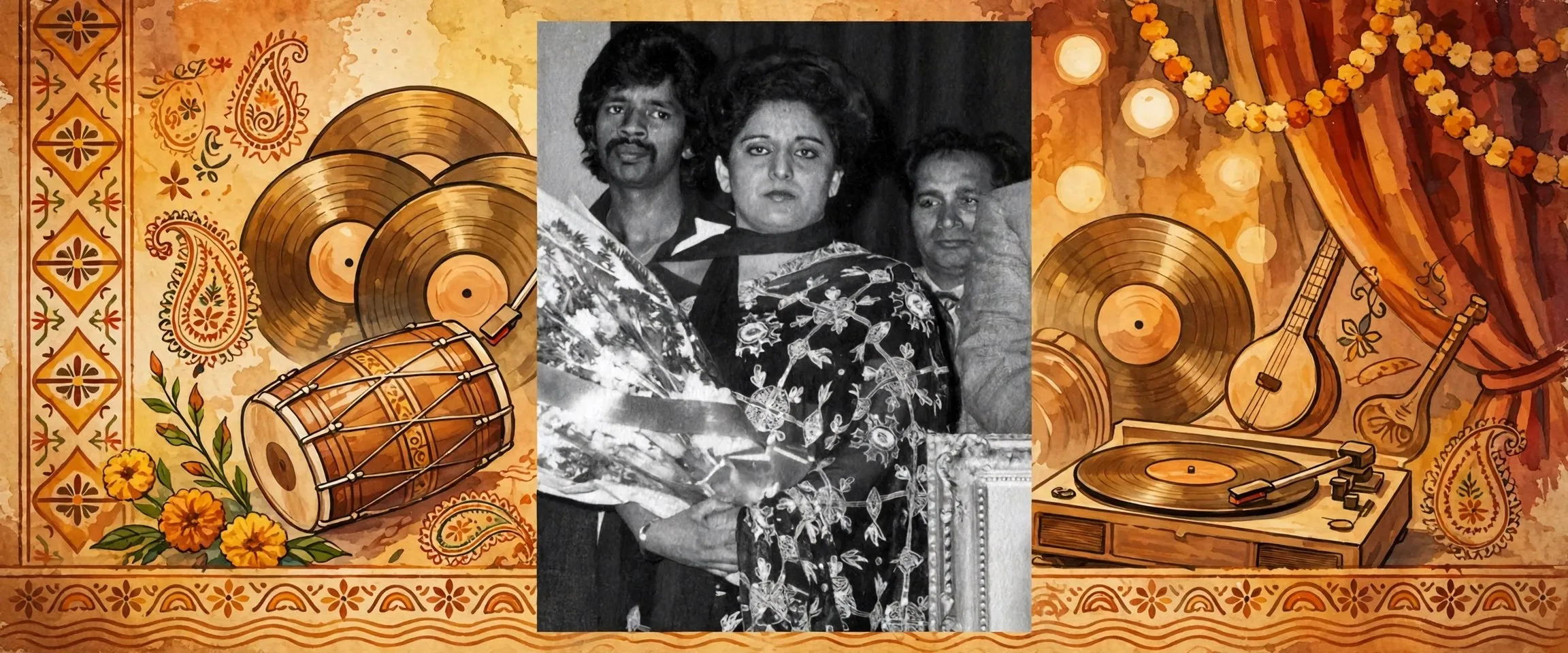
ਜਗਮੋਹਣ ਕੌਰ ਇੱਕ ਪੰਜਾਬੀ ਲੋਕ ਗਾਇਕਾ, ਅਦਾਕਾਰਾ ਅਤੇ ਹਾਸਰਸ ਕਲਾਕਾਰ ਸਨ, ਜੋ ਮਾਈ ਮੋਹਣੋ ਵਜੋਂ ਸਭ ਤੋਂ ਵੱਧ ਜਾਣੀਆਂ ਜਾਂਦੀਆਂ ਹਨ, ਉਹ ਸਟੇਜ ਕਿਰਦਾਰ, ਜੋ ਉਨ੍ਹਾਂ ਨੇ ਆਪਣੇ ਪਤੀ ਕੇ. ਦੀਪ ਦੇ ਪੋਸਤੀ ਦੇ ਸਾਹਮਣੇ ਨਿਭਾਇਆ। ਜ਼ਿਲ੍ਹਾ ਰੂਪਨਗਰ ਦੇ ਬੂੜ ਮਾਜਰਾ ਵਿੱਚ ਪਲੀਆਂ ਅਤੇ ਅਧਿਆਪਕਾ ਵਜੋਂ ਸਿਖਲਾਈ ਪ੍ਰਾਪਤ, ਉਨ੍ਹਾਂ ਨੇ ਸੰਗੀਤ ਲਈ ਅਧਿਆਪਨ ਛੱਡ ਦਿੱਤਾ ਅਤੇ, ਕੇ. ਦੀਪ ਨਾਲ, 1997 ਵਿੱਚ ਲੁਧਿਆਣਾ ਵਿੱਚ ਆਪਣੀ ਮੌਤ ਤੋਂ ਪਹਿਲਾਂ ਪੰਜਾਬੀ ਜੁਗਲ ਹਾਸਰਸ ਨੂੰ ਰਿਕਾਰਡਾਂ, ਫ਼ਿਲਮਾਂ ਅਤੇ ਦੁਨੀਆ ਭਰ ਦੇ ਸਟੇਜਾਂ ਤੱਕ ਲੈ ਗਈਆਂ।
ਜੀਵਨ ਇੱਕ ਨਜ਼ਰ ਵਿੱਚ
- 1948ਜਨਮ Pathankot, Punjab; her biography profile gives 16 April 1948, another encyclopedia listing gives 15 October 1948
- 1976Films as actres Daaj
- 1979Films as actres Mutiyar
- 1980ਪਲੇਬੈਕ ਗਾਇਕੀ Sukhi Parwar
- 1990Films as actres Dushmani Di Agg
- 1997ਦੇਹਾਂਤ ਲੁਧਿਆਣਾ, ਪੰਜਾਬ
- ਪੰਜਾਬੀ ਨਾਂ
- ਜਗਮੋਹਣ ਕੌਰ
- ਪੂਰਾ ਨਾਂ
- ਜਗਮੋਹਣ ਕੌਰ ਕੰਗ
- ਹੋਰ ਨਾਂ
- ਮਾਈ ਮੋਹਣੋ
- ਜਨਮ
- 1948, ਪਠਾਨਕੋਟ, ਪੰਜਾਬ; ਉਨ੍ਹਾਂ ਦਾ ਜੀਵਨੀ ਵੇਰਵਾ 16 ਅਪ੍ਰੈਲ 1948 ਦਿੰਦਾ ਹੈ, ਇੱਕ ਹੋਰ ਵਿਸ਼ਵਕੋਸ਼ ਸੂਚੀ 15 ਅਕਤੂਬਰ 1948 ਦਿੰਦੀ ਹੈ
- ਘਰ ਦਾ ਪਿੰਡ
- ਬੂੜ ਮਾਜਰਾ, ਜ਼ਿਲ੍ਹਾ ਰੂਪਨਗਰ, ਜਿੱਥੇ ਉਹ ਪਲੀਆਂ
- ਜ਼ਿਲ੍ਹਾ
- ਰੂਪਨਗਰ
All 18 facts
- ਤਹਿਸੀਲ
- ਮੋਰਿੰਡਾ
- ਇਲਾਕਾ
- ਪੁਆਧ
- ਕਿੱਤਾ
- ਗਾਇਕਾ, ਅਦਾਕਾਰਾ, ਅਧਿਆਪਕਾ ਅਤੇ ਹਾਸਰਸ ਕਲਾਕਾਰ
- ਸੰਗੀਤ ਅਧਿਆਪਕ
- ਕੰਵਰ ਐਸ. ਮੋਹਿੰਦਰ ਸਿੰਘ ਬੇਦੀ
- ਪਤੀ ਅਤੇ ਸਟੇਜ ਸਾਥੀ
- ਕੇ. ਦੀਪ (ਕੁਲਦੀਪ ਸਿੰਘ ਮਠਾਰੂ), ਉਨ੍ਹਾਂ ਦੀ ਮਾਈ ਮੋਹਣੋ ਦੇ ਸਾਹਮਣੇ ਪੋਸਤੀ ਵਜੋਂ
- ਵਿਆਹ
- 2 ਫ਼ਰਵਰੀ 1971 ਨੂੰ ਕੇ. ਦੀਪ ਨਾਲ ਵਿਆਹ
- ਧੀ
- ਗੁਰਪ੍ਰੀਤ ਕੌਰ, ਜਿਸ ਨੂੰ ਬਿੱਲੀ ਵਜੋਂ ਜਾਣਿਆ ਜਾਂਦਾ ਹੈ
- ਸਭ ਤੋਂ ਮਸ਼ਹੂਰ ਗੀਤ
- ਬਾਪੂ ਵੇ ਅੱਡ ਹੁੰਨੀ ਆਂ; ਘੜਾ ਵੱਜਦਾ, ਘੜੋਲੀ ਵੱਜਦੀ; ਪੂੜਨਾ; ਬਾਬਾ ਵੇ ਕਾਲਾ ਮਰੋੜ
- ਕੇ. ਦੀਪ ਨਾਲ ਹਾਸਰਸ ਰਿਕਾਰਡ
- ਪੋਸਤੀ ਕੈਨੇਡਾ ਵਿੱਚ; ਪੋਸਤੀ ਇੰਗਲੈਂਡ ਵਿੱਚ; ਨਵੇਂ ਪੁਆੜੇ ਪੈ ਗਏ
- ਅਦਾਕਾਰਾ ਵਜੋਂ ਫ਼ਿਲਮਾਂ
- ਦਾਜ (1976); ਮੁਟਿਆਰ (1979); ਦੁਸ਼ਮਣੀ ਦੀ ਅੱਗ (1990)
- ਪਲੇਬੈਕ ਗਾਇਕੀ
- ਸੁਖੀ ਪਰਵਾਰ (1980); ਦੋ ਜੱਟੀਆਂ
- ਦੇਹਾਂਤ
- 6 ਦਸੰਬਰ 1997, ਲੁਧਿਆਣਾ, ਪੰਜਾਬ
Jagmohan Kaur (1948 to 1997) was a Punjabi folk singer, actress and comedienne best known as Mai Mohno, the sharp tongued stage wife opposite her husband K. Deep as Posti. A trained teacher who left the classroom for music, she sang everyday village life with humour and directness that made the duo household names.
From a village classroom to music training
Jagmohan Kaur was born in 1948 in Pathankot, Punjab, to Gurbachan Singh and Parkash Kaur. Her biography profile in the Punjabi Tribune, as summarised in reference works, gives her birth date as 16 April 1948, although another encyclopedia listing gives 15 October 1948, so the exact day is reported differently and only the year is certain. She was raised in her native village of Boor Majra, now in Rupnagar district, and received her primary education at the village school there.
She went on to Khalsa High School in Kurali and then to Arya Training School in Kharar, where she completed her J.B.T., the Junior Basic Training qualification for schoolteachers. She worked as a teacher at Mani Majra, near Chandigarh. Teaching gave her a settled profession at a time when few village women travelled for public performance, which makes the choice that followed a significant one: she learned music from Kanwar S. Mohinder Singh Bedi, left her teaching job, and started singing professionally.
How did Jagmohan Kaur meet K. Deep?
Jagmohan Kaur met the singer K. Deep at a programme in Calcutta, where she had gone as part of a cultural performance and he was also appearing. A Ludhiana district personality profile of the couple says she was in Calcutta with other giddha artistes, and that his earthy comedy and singing won the audience that day. The two formed their own group, began performing together, and later married on 2 February 1971. Reference works describe it as a love marriage, unusual enough in its setting to be noted in every account of the couple.
The meeting mattered because the partnership was built on stage first. She was not brought in to decorate an already famous act: the act itself, the quick exchange between a husband and wife who could sing, argue and joke in character, was created by the two of them together, and it became the form Punjabi audiences associated with both names for the rest of their careers.
Mai Mohno and Posti: the act that travelled the world
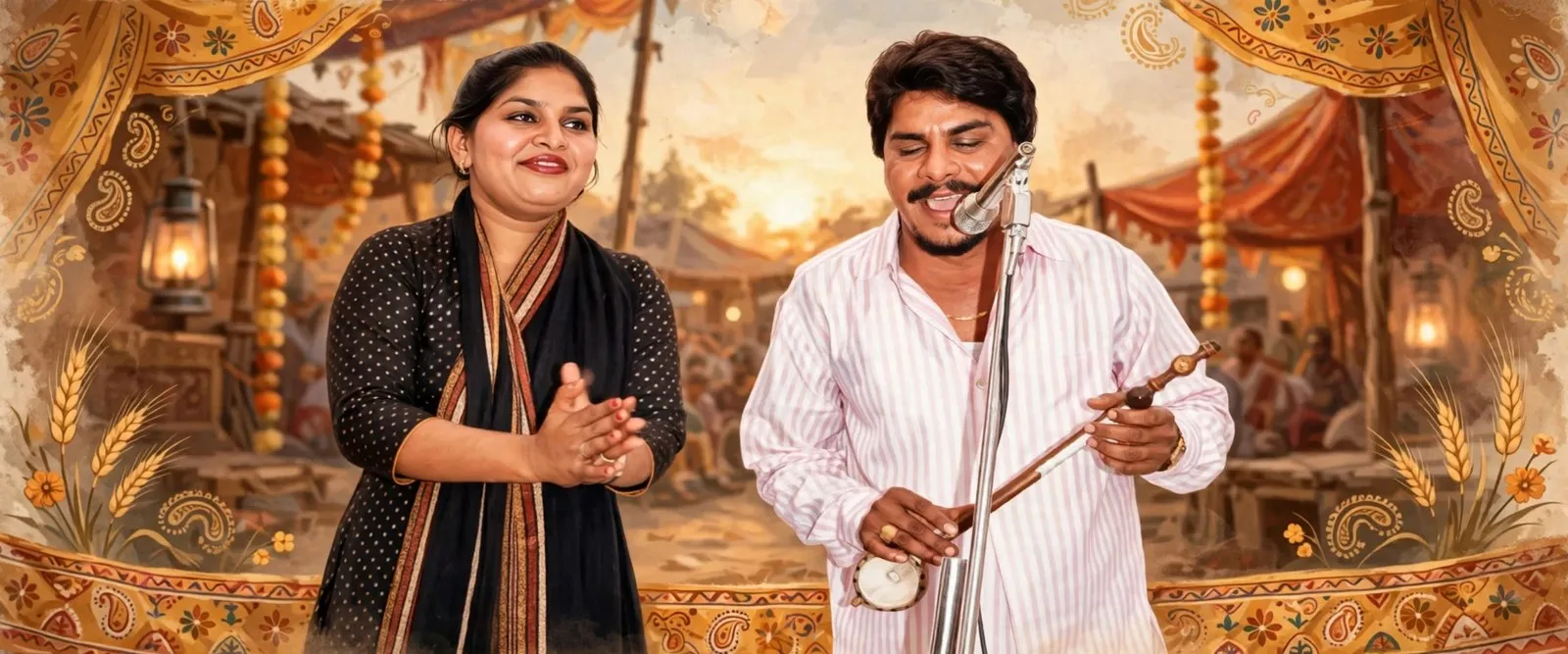
As a duo, K. Deep and Jagmohan Kaur are credited as the first Punjabi act to record comedy on records. Playing the characters Mai Mohno and Posti, she the outspoken wife and he her husband, they released records including Posti Canada Vich, Posti England Vich and Nave Puare Pai Gae, titles that already tell the story of their audience: Punjabi families who had moved abroad and wanted the village brought to them, jokes and all. Their Mai Mohno cassettes were a hit in the 1980s and, by contemporary accounts, remained in demand long afterwards.
The duet form they worked in was central to Punjabi popular music of the 1970s and 1980s. As the music scholar Gibb Schueffler, quoted in a Feminism in India profile of her, describes that period, most songs were newly composed, set to the raw sound of village musicians with some Western instruments added, and the duet put a man and a woman in sung dialogue on the same stage. Within that form the married couple were seen as one of the most successful acts, keeping a sense of comedy and parodying songs by earlier artists. Her blunt, playful answering voice was half the act, not an accompaniment to it.
Their popular songs of the 1980s included Baba Ve Kala Maror, Bara Karara Poodna, and comic exchanges remembered by their first lines in the Ludhiana profile. She also became a household name through songs in her own name, above all Bapu Ve Add Hunni Ain and Ghara Wajjda, Gharoli Wajjdi, and through Poodna, the song the duo is most often named for together. The couple staged variety shows in countries with large Punjabi settlements, including the United States, Canada and Britain, and a later profile records her performing in rural and urban Punjab, in Britain and Canada, in the Doordarshan studios in Jalandhar and for the BBC in Delhi.
Her own voice: songs, folk tales and films
It is easy to file Jagmohan Kaur under comedy alone, and the recordings resist that. Profiles of her singing list a range that runs from the devotional and romantic to the melancholic: she performed the folk tale of Puran, sang Ni Main Kamli Aan on the words of Bulleh Shah, and gave a much remembered performance of Mirza Sahiban, one of Punjab's classic love legends. The Feminism in India profile notes songs of grief and separation such as Kawan Ve Kawan alongside the teasing duets, a spread that explains why older listeners remember her as a folk singer first and a comedienne second.
She also worked in Punjabi cinema in her own right. As an actress she appeared in Daaj in 1976, Mutiyar in 1979 and Dushmani Di Agg in 1990, and she sang as a playback singer for other films, including Sukhi Parwar in 1980 and Do Jattiyan. Film work put her voice and her screen presence in front of audiences who had never seen the stage act, and it kept her name separate from the duo in the credits, where she is listed as a singer and actress in herself.
Marriage, family and a working partnership
Jagmohan Kaur and K. Deep married on 2 February 1971 and had a daughter, Gurpreet Kaur, known to family and audiences as Billy. The marriage and the act were the same partnership viewed from two sides: a couple who performed as a husband and wife on stage were, in life, building the household that the stage characters parodied. Contemporary profiles of K. Deep say that after her death he stopped his stage performances for a long period, a measure of how completely the act depended on her presence opposite him.
She died on 6 December 1997 in Ludhiana, aged 49, at a point when the duo's records were still widely played. K. Deep lived until 2020. In the years after her death, he and their daughter Billy held successful memorial shows in her name in North America and elsewhere, according to the Ludhiana profile, which also records that father and daughter were settled for a time in Burnaby, British Columbia, in Canada, working to keep her memory and Punjabi folklore in front of diaspora audiences.
What is Jagmohan Kaur remembered for?
Jagmohan Kaur is remembered for making the female half of the Punjabi duet a leading voice rather than a reply. As Mai Mohno she could answer back, tease and carry the joke, and as a folk singer she could carry Puran, Mirza Sahiban and the words of Bulleh Shah. The Feminism in India profile closes on a gap that this page is part of closing: she is fondly remembered by older listeners, yet little about her is documented in English for younger ones, even though her music stays widely available. Her last album was released in 1998, a year after her death, as reported in that profile. On the evidence of the songs, the films and the stage characters, she stands as one of the defining women of Punjabi folk entertainment in the 1970s and 1980s.
ਜਗਮੋਹਣ ਕੌਰ (1948 ਤੋਂ 1997) ਇੱਕ ਪੰਜਾਬੀ ਲੋਕ ਗਾਇਕਾ, ਅਦਾਕਾਰਾ ਅਤੇ ਹਾਸਰਸ ਕਲਾਕਾਰ ਸਨ, ਜੋ ਮਾਈ ਮੋਹਣੋ ਵਜੋਂ ਸਭ ਤੋਂ ਵੱਧ ਜਾਣੀਆਂ ਜਾਂਦੀਆਂ ਹਨ, ਉਹ ਤਿੱਖੀ ਬੋਲਣ ਵਾਲੀ ਸਟੇਜ ਪਤਨੀ, ਜਿਸ ਦੇ ਸਾਹਮਣੇ ਉਨ੍ਹਾਂ ਦੇ ਪਤੀ ਕੇ. ਦੀਪ ਪੋਸਤੀ ਬਣਦੇ ਸਨ। ਇੱਕ ਸਿਖਲਾਈ ਪ੍ਰਾਪਤ ਅਧਿਆਪਕਾ, ਜਿਨ੍ਹਾਂ ਨੇ ਸੰਗੀਤ ਲਈ ਕਲਾਸ ਛੱਡ ਦਿੱਤੀ, ਉਨ੍ਹਾਂ ਨੇ ਰੋਜ਼ਾਨਾ ਪਿੰਡ ਦੇ ਜੀਵਨ ਨੂੰ ਹਾਸੇ ਅਤੇ ਸਪੱਸ਼ਟਤਾ ਨਾਲ ਗਾਇਆ, ਜਿਸ ਨੇ ਇਸ ਜੋੜੀ ਨੂੰ ਘਰ ਘਰ ਦਾ ਨਾਂ ਬਣਾ ਦਿੱਤਾ।
ਪਿੰਡ ਦੀ ਕਲਾਸ ਤੋਂ ਸੰਗੀਤ ਦੀ ਸਿਖਲਾਈ ਤੱਕ
ਜਗਮੋਹਣ ਕੌਰ ਦਾ ਜਨਮ 1948 ਵਿੱਚ ਪਠਾਨਕੋਟ, ਪੰਜਾਬ ਵਿੱਚ ਗੁਰਬਚਨ ਸਿੰਘ ਅਤੇ ਪ੍ਰਕਾਸ਼ ਕੌਰ ਦੇ ਘਰ ਹੋਇਆ। ਪੰਜਾਬੀ ਟ੍ਰਿਬਿਊਨ ਵਿੱਚ ਉਨ੍ਹਾਂ ਬਾਰੇ ਜੀਵਨੀ ਵੇਰਵਾ, ਜਿਵੇਂ ਹਵਾਲਾ ਰਚਨਾਵਾਂ ਵਿੱਚ ਦਿੱਤਾ ਗਿਆ ਹੈ, ਉਨ੍ਹਾਂ ਦੀ ਜਨਮ ਤਾਰੀਖ਼ 16 ਅਪ੍ਰੈਲ 1948 ਦਿੰਦਾ ਹੈ, ਹਾਲਾਂਕਿ ਇੱਕ ਹੋਰ ਵਿਸ਼ਵਕੋਸ਼ ਸੂਚੀ 15 ਅਕਤੂਬਰ 1948 ਦਿੰਦੀ ਹੈ, ਇਸ ਲਈ ਸਹੀ ਦਿਨ ਵੱਖ ਵੱਖ ਦੱਸਿਆ ਗਿਆ ਹੈ ਅਤੇ ਸਿਰਫ਼ ਸਾਲ ਪੱਕਾ ਹੈ। ਉਹ ਆਪਣੇ ਜੱਦੀ ਪਿੰਡ ਬੂੜ ਮਾਜਰਾ ਵਿੱਚ ਪਲੀਆਂ, ਜੋ ਹੁਣ ਜ਼ਿਲ੍ਹਾ ਰੂਪਨਗਰ ਵਿੱਚ ਹੈ, ਅਤੇ ਉਨ੍ਹਾਂ ਨੇ ਆਪਣੀ ਮੁੱਢਲੀ ਸਿੱਖਿਆ ਉੱਥੇ ਦੇ ਪਿੰਡ ਦੇ ਸਕੂਲ ਤੋਂ ਲਈ।
ਉਹ ਅੱਗੇ ਕੁਰਾਲੀ ਦੇ ਖ਼ਾਲਸਾ ਹਾਈ ਸਕੂਲ ਅਤੇ ਫਿਰ ਖਰੜ ਦੀ ਆਰੀਆ ਟ੍ਰੇਨਿੰਗ ਸਕੂਲ ਗਈਆਂ, ਜਿੱਥੇ ਉਨ੍ਹਾਂ ਨੇ ਜੇ.ਬੀ.ਟੀ. ਪੂਰੀ ਕੀਤੀ, ਸਕੂਲ ਅਧਿਆਪਕਾਂ ਲਈ ਜੂਨੀਅਰ ਬੇਸਿਕ ਟ੍ਰੇਨਿੰਗ ਯੋਗਤਾ। ਉਨ੍ਹਾਂ ਨੇ ਚੰਡੀਗੜ੍ਹ ਨੇੜੇ ਮਨੀ ਮਾਜਰਾ ਵਿੱਚ ਅਧਿਆਪਕਾ ਵਜੋਂ ਕੰਮ ਕੀਤਾ। ਅਧਿਆਪਨ ਨੇ ਉਨ੍ਹਾਂ ਨੂੰ ਇੱਕ ਪੱਕਾ ਕਿੱਤਾ ਦਿੱਤਾ, ਉਸ ਸਮੇਂ, ਜਦੋਂ ਪਿੰਡ ਦੀਆਂ ਘੱਟ ਔਰਤਾਂ ਜਨਤਕ ਪ੍ਰੋਗਰਾਮਾਂ ਲਈ ਸਫ਼ਰ ਕਰਦੀਆਂ ਸਨ, ਜਿਸ ਨਾਲ ਉਸ ਤੋਂ ਬਾਅਦ ਵਾਲਾ ਫ਼ੈਸਲਾ ਮਹੱਤਵਪੂਰਨ ਬਣ ਜਾਂਦਾ ਹੈ: ਉਨ੍ਹਾਂ ਨੇ ਕੰਵਰ ਐਸ. ਮੋਹਿੰਦਰ ਸਿੰਘ ਬੇਦੀ ਤੋਂ ਸੰਗੀਤ ਸਿੱਖਿਆ, ਅਧਿਆਪਕ ਦੀ ਨੌਕਰੀ ਛੱਡ ਦਿੱਤੀ, ਅਤੇ ਪੇਸ਼ੇਵਰ ਤੌਰ ਉੱਤੇ ਗਾਉਣਾ ਸ਼ੁਰੂ ਕਰ ਦਿੱਤਾ।
ਜਗਮੋਹਣ ਕੌਰ ਕੇ. ਦੀਪ ਨੂੰ ਕਿਵੇਂ ਮਿਲੀਆਂ?
ਜਗਮੋਹਣ ਕੌਰ ਗਾਇਕ ਕੇ. ਦੀਪ ਨੂੰ ਕਲਕੱਤਾ ਵਿੱਚ ਇੱਕ ਪ੍ਰੋਗਰਾਮ ਵਿੱਚ ਮਿਲੀਆਂ, ਜਿੱਥੇ ਉਹ ਇੱਕ ਸੱਭਿਆਚਾਰਕ ਪ੍ਰੋਗਰਾਮ ਦੇ ਹਿੱਸੇ ਵਜੋਂ ਗਈਆਂ ਸਨ ਅਤੇ ਉਹ ਵੀ ਉੱਥੇ ਪੇਸ਼ ਹੋ ਰਹੇ ਸਨ। ਇਸ ਜੋੜੀ ਬਾਰੇ ਲੁਧਿਆਣਾ ਜ਼ਿਲ੍ਹੇ ਦੇ ਇੱਕ ਸ਼ਖ਼ਸੀਅਤ ਵੇਰਵੇ ਵਿੱਚ ਕਿਹਾ ਗਿਆ ਹੈ ਕਿ ਉਹ ਹੋਰ ਗਿੱਧਾ ਕਲਾਕਾਰਾਂ ਨਾਲ ਕਲਕੱਤਾ ਵਿੱਚ ਸਨ, ਅਤੇ ਉਸ ਦਿਨ ਉਨ੍ਹਾਂ ਦੇ ਧਰਤੀ ਨਾਲ ਜੁੜੇ ਹਾਸੇ ਅਤੇ ਗਾਇਕੀ ਨੇ ਸਰੋਤੇ ਜਿੱਤ ਲਏ। ਦੋਹਾਂ ਨੇ ਆਪਣਾ ਗਰੁੱਪ ਬਣਾਇਆ, ਇਕੱਠੇ ਪੇਸ਼ਕਾਰੀਆਂ ਸ਼ੁਰੂ ਕੀਤੀਆਂ, ਅਤੇ ਬਾਅਦ ਵਿੱਚ 2 ਫ਼ਰਵਰੀ 1971 ਨੂੰ ਵਿਆਹ ਕਰ ਲਿਆ। ਹਵਾਲਾ ਰਚਨਾਵਾਂ ਇਸ ਨੂੰ ਪ੍ਰੇਮ ਵਿਆਹ ਦੱਸਦੀਆਂ ਹਨ, ਜੋ ਆਪਣੇ ਮਾਹੌਲ ਵਿੱਚ ਇੰਨਾ ਅਸਾਧਾਰਨ ਸੀ ਕਿ ਇਸ ਜੋੜੀ ਬਾਰੇ ਹਰ ਵੇਰਵੇ ਵਿੱਚ ਇਸ ਦਾ ਜ਼ਿਕਰ ਆਉਂਦਾ ਹੈ।
ਇਹ ਮੁਲਾਕਾਤ ਇਸ ਲਈ ਮਹੱਤਵਪੂਰਨ ਸੀ, ਕਿਉਂਕਿ ਇਹ ਸਾਂਝ ਪਹਿਲਾਂ ਸਟੇਜ ਉੱਤੇ ਬਣੀ। ਉਨ੍ਹਾਂ ਨੂੰ ਕਿਸੇ ਪਹਿਲਾਂ ਤੋਂ ਮਸ਼ਹੂਰ ਕੰਮ ਨੂੰ ਸਜਾਉਣ ਲਈ ਨਹੀਂ ਲਿਆਂਦਾ ਗਿਆ ਸੀ: ਉਹ ਕੰਮ ਆਪ, ਇੱਕ ਪਤੀ ਅਤੇ ਪਤਨੀ ਵਿਚਕਾਰ ਤੇਜ਼ ਸਵਾਲ ਜਵਾਬ, ਜੋ ਕਿਰਦਾਰ ਵਿੱਚ ਰਹਿ ਕੇ ਗਾ, ਬਹਿਸ ਅਤੇ ਮਜ਼ਾਕ ਕਰ ਸਕਦੇ ਸਨ, ਦੋਹਾਂ ਨੇ ਮਿਲ ਕੇ ਬਣਾਇਆ ਸੀ, ਅਤੇ ਇਹੀ ਉਹ ਰੂਪ ਬਣ ਗਿਆ, ਜਿਸ ਨੂੰ ਪੰਜਾਬੀ ਸਰੋਤਿਆਂ ਨੇ ਉਨ੍ਹਾਂ ਦੇ ਬਾਕੀ ਕੰਮਕਾਜ ਦੌਰਾਨ ਦੋਹਾਂ ਨਾਵਾਂ ਨਾਲ ਜੋੜਿਆ।
ਮਾਈ ਮੋਹਣੋ ਅਤੇ ਪੋਸਤੀ: ਉਹ ਕੰਮ, ਜੋ ਦੁਨੀਆ ਘੁੰਮਿਆ
ਇੱਕ ਜੋੜੀ ਵਜੋਂ, ਕੇ. ਦੀਪ ਅਤੇ ਜਗਮੋਹਣ ਕੌਰ ਨੂੰ ਰਿਕਾਰਡਾਂ ਵਿੱਚ ਹਾਸਰਸ ਦਰਜ ਕਰਨ ਵਾਲੀ ਪਹਿਲੀ ਪੰਜਾਬੀ ਜੋੜੀ ਮੰਨਿਆ ਜਾਂਦਾ ਹੈ। ਮਾਈ ਮੋਹਣੋ ਅਤੇ ਪੋਸਤੀ ਦੇ ਕਿਰਦਾਰ ਨਿਭਾਉਂਦਿਆਂ, ਉਹ ਬੇਬਾਕ ਪਤਨੀ ਅਤੇ ਉਹ ਉਸ ਦੇ ਪਤੀ, ਉਨ੍ਹਾਂ ਨੇ ਪੋਸਤੀ ਕੈਨੇਡਾ ਵਿੱਚ, ਪੋਸਤੀ ਇੰਗਲੈਂਡ ਵਿੱਚ ਅਤੇ ਨਵੇਂ ਪੁਆੜੇ ਪੈ ਗਏ ਸਮੇਤ ਰਿਕਾਰਡ ਕੱਢੇ, ਉਹ ਸਿਰਲੇਖ, ਜੋ ਪਹਿਲਾਂ ਹੀ ਉਨ੍ਹਾਂ ਦੇ ਸਰੋਤਿਆਂ ਦੀ ਕਹਾਣੀ ਦੱਸਦੇ ਹਨ: ਪੰਜਾਬੀ ਪਰਿਵਾਰ, ਜੋ ਵਿਦੇਸ਼ ਚਲੇ ਗਏ ਸਨ ਅਤੇ ਪਿੰਡ ਨੂੰ ਆਪਣੇ ਕੋਲ ਚਾਹੁੰਦੇ ਸਨ, ਚੁਟਕਲਿਆਂ ਸਮੇਤ। ਉਨ੍ਹਾਂ ਦੀਆਂ ਮਾਈ ਮੋਹਣੋ ਕੈਸੇਟਾਂ 1980ਵਿਆਂ ਵਿੱਚ ਹਿੱਟ ਰਹੀਆਂ ਅਤੇ, ਸਮਕਾਲੀ ਵੇਰਵਿਆਂ ਅਨੁਸਾਰ, ਉਸ ਤੋਂ ਬਾਅਦ ਵੀ ਲੰਬਾ ਸਮਾਂ ਮੰਗ ਵਿੱਚ ਰਹੀਆਂ।
ਜਿਸ ਜੁਗਲ ਰੂਪ ਵਿੱਚ ਉਨ੍ਹਾਂ ਨੇ ਕੰਮ ਕੀਤਾ, ਉਹ 1970ਵਿਆਂ ਅਤੇ 1980ਵਿਆਂ ਦੇ ਪੰਜਾਬੀ ਪ੍ਰਸਿੱਧ ਸੰਗੀਤ ਦੇ ਕੇਂਦਰ ਵਿੱਚ ਸੀ। ਜਿਵੇਂ ਸੰਗੀਤ ਵਿਦਵਾਨ ਗਿਬ ਸ਼ੂਫ਼ਲਰ, ਜਿਨ੍ਹਾਂ ਦਾ ਹਵਾਲਾ ਉਨ੍ਹਾਂ ਬਾਰੇ ਫ਼ੈਮਿਨਿਜ਼ਮ ਇਨ ਇੰਡੀਆ ਦੇ ਵੇਰਵੇ ਵਿੱਚ ਦਿੱਤਾ ਗਿਆ ਹੈ, ਉਸ ਦੌਰ ਦਾ ਵਰਣਨ ਕਰਦੇ ਹਨ, ਬਹੁਤੇ ਗੀਤ ਨਵੇਂ ਰਚੇ ਗਏ ਸਨ, ਪਿੰਡ ਦੇ ਸਾਜ਼ਿੰਦਿਆਂ ਦੀ ਕੱਚੀ ਆਵਾਜ਼ ਉੱਤੇ ਕੁਝ ਪੱਛਮੀ ਸਾਜ਼ ਜੋੜ ਕੇ ਬਣਾਏ ਗਏ ਸਨ, ਅਤੇ ਜੁਗਲ ਗੀਤ ਇੱਕ ਮਰਦ ਅਤੇ ਇੱਕ ਔਰਤ ਨੂੰ ਇੱਕੋ ਸਟੇਜ ਉੱਤੇ ਗਾਇਆ ਸੰਵਾਦ ਦਿੰਦਾ ਸੀ। ਉਸ ਰੂਪ ਵਿੱਚ ਇਹ ਵਿਆਹੀ ਜੋੜੀ ਸਭ ਤੋਂ ਸਫ਼ਲ ਕਲਾਕਾਰਾਂ ਵਿੱਚੋਂ ਇੱਕ ਮੰਨੀ ਜਾਂਦੀ ਸੀ, ਹਾਸੇ ਦੀ ਭਾਵਨਾ ਕਾਇਮ ਰੱਖਦੀ ਅਤੇ ਪਹਿਲੇ ਕਲਾਕਾਰਾਂ ਦੇ ਗੀਤਾਂ ਦੀ ਨਕਲ ਉਤਾਰਦੀ। ਉਨ੍ਹਾਂ ਦੀ ਬੇਬਾਕ, ਖੇਡ ਭਰੀ ਜਵਾਬੀ ਆਵਾਜ਼ ਇਸ ਕੰਮ ਦਾ ਅੱਧ ਸੀ, ਉਸ ਦੀ ਸੰਗਤ ਨਹੀਂ।
1980ਵਿਆਂ ਦੇ ਉਨ੍ਹਾਂ ਦੇ ਪ੍ਰਸਿੱਧ ਗੀਤਾਂ ਵਿੱਚ ਬਾਬਾ ਵੇ ਕਾਲਾ ਮਰੋੜ, ਬੜਾ ਕਰਾਰਾ ਪੂੜਨਾ, ਅਤੇ ਉਹ ਹਾਸਰਸ ਸਵਾਲ ਜਵਾਬ ਸ਼ਾਮਲ ਸਨ, ਜਿਨ੍ਹਾਂ ਨੂੰ ਲੁਧਿਆਣਾ ਵੇਰਵੇ ਵਿੱਚ ਉਨ੍ਹਾਂ ਦੀਆਂ ਪਹਿਲੀਆਂ ਲਾਈਨਾਂ ਨਾਲ ਯਾਦ ਕੀਤਾ ਗਿਆ ਹੈ। ਉਹ ਆਪਣੇ ਨਾਂ ਦੇ ਗੀਤਾਂ ਰਾਹੀਂ ਵੀ ਘਰ ਘਰ ਦਾ ਨਾਂ ਬਣੀਆਂ, ਸਭ ਤੋਂ ਉੱਤੇ ਬਾਪੂ ਵੇ ਅੱਡ ਹੁੰਨੀ ਆਂ ਅਤੇ ਘੜਾ ਵੱਜਦਾ, ਘੜੋਲੀ ਵੱਜਦੀ, ਅਤੇ ਪੂੜਨਾ ਰਾਹੀਂ, ਉਹ ਗੀਤ, ਜਿਸ ਲਈ ਇਸ ਜੋੜੀ ਨੂੰ ਸਭ ਤੋਂ ਵੱਧ ਇਕੱਠਿਆਂ ਨਾਂ ਲੈ ਕੇ ਯਾਦ ਕੀਤਾ ਜਾਂਦਾ ਹੈ। ਇਸ ਜੋੜੀ ਨੇ ਵੱਡੀ ਪੰਜਾਬੀ ਆਬਾਦੀ ਵਾਲੇ ਦੇਸ਼ਾਂ ਵਿੱਚ ਵੈਰਾਇਟੀ ਸ਼ੋਅ ਕੀਤੇ, ਜਿਨ੍ਹਾਂ ਵਿੱਚ ਅਮਰੀਕਾ, ਕੈਨੇਡਾ ਅਤੇ ਬਰਤਾਨੀਆ ਸ਼ਾਮਲ ਹਨ, ਅਤੇ ਇੱਕ ਬਾਅਦ ਵਾਲਾ ਵੇਰਵਾ ਦੱਸਦਾ ਹੈ ਕਿ ਉਨ੍ਹਾਂ ਨੇ ਪੇਂਡੂ ਅਤੇ ਸ਼ਹਿਰੀ ਪੰਜਾਬ ਵਿੱਚ, ਬਰਤਾਨੀਆ ਅਤੇ ਕੈਨੇਡਾ ਵਿੱਚ, ਜਲੰਧਰ ਦੇ ਦੂਰਦਰਸ਼ਨ ਸਟੂਡੀਓ ਵਿੱਚ ਅਤੇ ਦਿੱਲੀ ਵਿੱਚ ਬੀ.ਬੀ.ਸੀ. ਲਈ ਪੇਸ਼ਕਾਰੀਆਂ ਦਿੱਤੀਆਂ।
ਉਨ੍ਹਾਂ ਦੀ ਆਪਣੀ ਆਵਾਜ਼: ਗੀਤ, ਲੋਕ ਕਥਾਵਾਂ ਅਤੇ ਫ਼ਿਲਮਾਂ
ਜਗਮੋਹਣ ਕੌਰ ਨੂੰ ਸਿਰਫ਼ ਹਾਸਰਸ ਹੇਠ ਰੱਖਣਾ ਸੌਖਾ ਹੈ, ਅਤੇ ਰਿਕਾਰਡ ਇਸ ਦਾ ਵਿਰੋਧ ਕਰਦੇ ਹਨ। ਉਨ੍ਹਾਂ ਦੀ ਗਾਇਕੀ ਬਾਰੇ ਵੇਰਵੇ ਇੱਕ ਅਜਿਹੀ ਰੇਂਜ ਦਿੰਦੇ ਹਨ, ਜੋ ਧਾਰਮਿਕ ਅਤੇ ਰੋਮਾਂਟਿਕ ਤੋਂ ਉਦਾਸ ਤੱਕ ਜਾਂਦੀ ਹੈ: ਉਨ੍ਹਾਂ ਨੇ ਪੂਰਨ ਦੀ ਲੋਕ ਕਥਾ ਪੇਸ਼ ਕੀਤੀ, ਬੁੱਲ੍ਹੇ ਸ਼ਾਹ ਦੇ ਬੋਲਾਂ ਉੱਤੇ ਨੀ ਮੈਂ ਕਮਲੀ ਆਂ ਗਾਇਆ, ਅਤੇ ਮਿਰਜ਼ਾ ਸਾਹਿਬਾਂ ਦੀ ਬਹੁਤ ਯਾਦ ਕੀਤੀ ਜਾਣ ਵਾਲੀ ਪੇਸ਼ਕਾਰੀ ਦਿੱਤੀ, ਜੋ ਪੰਜਾਬ ਦੀਆਂ ਪ੍ਰਸਿੱਧ ਪ੍ਰੇਮ ਕਹਾਣੀਆਂ ਵਿੱਚੋਂ ਇੱਕ ਹੈ। ਫ਼ੈਮਿਨਿਜ਼ਮ ਇਨ ਇੰਡੀਆ ਦਾ ਵੇਰਵਾ ਛੇੜ ਛਾੜ ਵਾਲੇ ਜੁਗਲ ਗੀਤਾਂ ਦੇ ਨਾਲ ਕਾਵਾਂ ਵੇ ਕਾਵਾਂ ਵਰਗੇ ਵਿਛੋੜੇ ਅਤੇ ਦੁੱਖ ਦੇ ਗੀਤਾਂ ਦਾ ਜ਼ਿਕਰ ਕਰਦਾ ਹੈ, ਇੱਕ ਫੈਲਾਅ, ਜੋ ਸਮਝਾਉਂਦਾ ਹੈ ਕਿ ਪੁਰਾਣੇ ਸਰੋਤੇ ਉਨ੍ਹਾਂ ਨੂੰ ਪਹਿਲਾਂ ਲੋਕ ਗਾਇਕਾ ਅਤੇ ਫਿਰ ਹਾਸਰਸ ਕਲਾਕਾਰ ਵਜੋਂ ਕਿਉਂ ਯਾਦ ਕਰਦੇ ਹਨ।
ਉਨ੍ਹਾਂ ਨੇ ਆਪਣੇ ਆਪ ਵਿੱਚ ਪੰਜਾਬੀ ਸਿਨੇਮਾ ਵਿੱਚ ਵੀ ਕੰਮ ਕੀਤਾ। ਅਦਾਕਾਰਾ ਵਜੋਂ ਉਹ 1976 ਵਿੱਚ ਦਾਜ, 1979 ਵਿੱਚ ਮੁਟਿਆਰ ਅਤੇ 1990 ਵਿੱਚ ਦੁਸ਼ਮਣੀ ਦੀ ਅੱਗ ਵਿੱਚ ਨਜ਼ਰ ਆਈਆਂ, ਅਤੇ ਉਨ੍ਹਾਂ ਨੇ ਹੋਰ ਫ਼ਿਲਮਾਂ ਲਈ ਪਲੇਬੈਕ ਗਾਇਕਾ ਵਜੋਂ ਗਾਇਆ, ਜਿਨ੍ਹਾਂ ਵਿੱਚ 1980 ਵਿੱਚ ਸੁਖੀ ਪਰਵਾਰ ਅਤੇ ਦੋ ਜੱਟੀਆਂ ਸ਼ਾਮਲ ਹਨ। ਫ਼ਿਲਮੀ ਕੰਮ ਨੇ ਉਨ੍ਹਾਂ ਦੀ ਆਵਾਜ਼ ਅਤੇ ਪਰਦੇ ਉੱਤੇ ਉਨ੍ਹਾਂ ਦੀ ਹਾਜ਼ਰੀ ਉਨ੍ਹਾਂ ਸਰੋਤਿਆਂ ਸਾਹਮਣੇ ਰੱਖੀ, ਜਿਨ੍ਹਾਂ ਨੇ ਕਦੇ ਸਟੇਜ ਵਾਲਾ ਕੰਮ ਨਹੀਂ ਦੇਖਿਆ ਸੀ, ਅਤੇ ਇਸ ਨੇ ਕਰੈਡਿਟਾਂ ਵਿੱਚ ਉਨ੍ਹਾਂ ਦਾ ਨਾਂ ਇਸ ਜੋੜੀ ਤੋਂ ਵੱਖਰਾ ਰੱਖਿਆ, ਜਿੱਥੇ ਉਹ ਆਪਣੇ ਆਪ ਵਿੱਚ ਇੱਕ ਗਾਇਕਾ ਅਤੇ ਅਦਾਕਾਰਾ ਵਜੋਂ ਦਰਜ ਹਨ।
ਵਿਆਹ, ਪਰਿਵਾਰ ਅਤੇ ਇੱਕ ਕੰਮਕਾਜੀ ਸਾਂਝ
ਜਗਮੋਹਣ ਕੌਰ ਅਤੇ ਕੇ. ਦੀਪ ਦਾ ਵਿਆਹ 2 ਫ਼ਰਵਰੀ 1971 ਨੂੰ ਹੋਇਆ ਅਤੇ ਉਨ੍ਹਾਂ ਦੀ ਇੱਕ ਧੀ, ਗੁਰਪ੍ਰੀਤ ਕੌਰ, ਹੋਈ, ਜਿਸ ਨੂੰ ਪਰਿਵਾਰ ਅਤੇ ਸਰੋਤੇ ਬਿੱਲੀ ਵਜੋਂ ਜਾਣਦੇ ਹਨ। ਵਿਆਹ ਅਤੇ ਇਹ ਕੰਮ ਇੱਕੋ ਸਾਂਝ ਸਨ, ਜਿਸ ਨੂੰ ਦੋ ਪਾਸਿਆਂ ਤੋਂ ਦੇਖਿਆ ਗਿਆ: ਇੱਕ ਜੋੜੀ, ਜੋ ਸਟੇਜ ਉੱਤੇ ਪਤੀ ਅਤੇ ਪਤਨੀ ਵਜੋਂ ਪੇਸ਼ ਹੁੰਦੀ ਸੀ, ਜ਼ਿੰਦਗੀ ਵਿੱਚ ਉਹ ਘਰ ਬਣਾ ਰਹੀ ਸੀ, ਜਿਸ ਦੀ ਸਟੇਜ ਵਾਲੇ ਕਿਰਦਾਰ ਨਕਲ ਉਤਾਰਦੇ ਸਨ। ਕੇ. ਦੀਪ ਬਾਰੇ ਸਮਕਾਲੀ ਵੇਰਵੇ ਕਹਿੰਦੇ ਹਨ ਕਿ ਉਨ੍ਹਾਂ ਦੀ ਮੌਤ ਤੋਂ ਬਾਅਦ ਉਨ੍ਹਾਂ ਨੇ ਲੰਬੇ ਸਮੇਂ ਲਈ ਆਪਣੀਆਂ ਸਟੇਜ ਪੇਸ਼ਕਾਰੀਆਂ ਬੰਦ ਕਰ ਦਿੱਤੀਆਂ, ਇਸ ਗੱਲ ਦਾ ਮਾਪ ਕਿ ਇਹ ਕੰਮ ਉਨ੍ਹਾਂ ਦੇ ਸਾਹਮਣੇ ਉਨ੍ਹਾਂ ਦੀ ਹਾਜ਼ਰੀ ਉੱਤੇ ਕਿੰਨਾ ਪੂਰੀ ਤਰ੍ਹਾਂ ਨਿਰਭਰ ਸੀ।
ਉਨ੍ਹਾਂ ਦੀ ਮੌਤ 6 ਦਸੰਬਰ 1997 ਨੂੰ ਲੁਧਿਆਣਾ ਵਿੱਚ 49 ਸਾਲ ਦੀ ਉਮਰ ਵਿੱਚ ਹੋਈ, ਉਸ ਸਮੇਂ, ਜਦੋਂ ਇਸ ਜੋੜੀ ਦੇ ਰਿਕਾਰਡ ਅਜੇ ਵਿਆਪਕ ਤੌਰ ਉੱਤੇ ਚੱਲ ਰਹੇ ਸਨ। ਕੇ. ਦੀਪ 2020 ਤੱਕ ਜਿਉਂਦੇ ਰਹੇ। ਉਨ੍ਹਾਂ ਦੀ ਮੌਤ ਤੋਂ ਬਾਅਦ ਦੇ ਸਾਲਾਂ ਵਿੱਚ, ਉਨ੍ਹਾਂ ਨੇ ਅਤੇ ਉਨ੍ਹਾਂ ਦੀ ਧੀ ਬਿੱਲੀ ਨੇ ਉੱਤਰੀ ਅਮਰੀਕਾ ਅਤੇ ਹੋਰ ਥਾਵਾਂ ਉੱਤੇ ਉਨ੍ਹਾਂ ਦੇ ਨਾਂ ਉੱਤੇ ਸਫ਼ਲ ਯਾਦਗਾਰੀ ਸ਼ੋਅ ਕੀਤੇ, ਲੁਧਿਆਣਾ ਵੇਰਵੇ ਅਨੁਸਾਰ, ਜੋ ਇਹ ਵੀ ਦਰਜ ਕਰਦਾ ਹੈ ਕਿ ਪਿਤਾ ਅਤੇ ਧੀ ਕੁਝ ਸਮੇਂ ਲਈ ਕੈਨੇਡਾ ਵਿੱਚ ਬਰਨਬੀ, ਬ੍ਰਿਟਿਸ਼ ਕੋਲੰਬੀਆ ਵਿੱਚ ਰਹੇ, ਅਤੇ ਡਾਇਸਪੋਰਾ ਸਰੋਤਿਆਂ ਸਾਹਮਣੇ ਉਨ੍ਹਾਂ ਦੀ ਯਾਦ ਅਤੇ ਪੰਜਾਬੀ ਲੋਕਧਾਰਾ ਨੂੰ ਰੱਖਣ ਲਈ ਕੰਮ ਕਰਦੇ ਰਹੇ।
ਜਗਮੋਹਣ ਕੌਰ ਨੂੰ ਕਿਸ ਲਈ ਯਾਦ ਕੀਤਾ ਜਾਂਦਾ ਹੈ?
ਜਗਮੋਹਣ ਕੌਰ ਨੂੰ ਇਸ ਲਈ ਯਾਦ ਕੀਤਾ ਜਾਂਦਾ ਹੈ ਕਿ ਉਨ੍ਹਾਂ ਨੇ ਪੰਜਾਬੀ ਜੁਗਲ ਗੀਤ ਦੇ ਮਹਿਲਾ ਅੱਧ ਨੂੰ ਇੱਕ ਜਵਾਬ ਦੀ ਥਾਂ ਇੱਕ ਮੋਹਰੀ ਆਵਾਜ਼ ਬਣਾਇਆ। ਮਾਈ ਮੋਹਣੋ ਵਜੋਂ ਉਹ ਜਵਾਬ ਦੇ ਸਕਦੀਆਂ ਸਨ, ਛੇੜ ਸਕਦੀਆਂ ਸਨ ਅਤੇ ਚੁਟਕਲਾ ਚੁੱਕ ਸਕਦੀਆਂ ਸਨ, ਅਤੇ ਇੱਕ ਲੋਕ ਗਾਇਕਾ ਵਜੋਂ ਉਹ ਪੂਰਨ, ਮਿਰਜ਼ਾ ਸਾਹਿਬਾਂ ਅਤੇ ਬੁੱਲ੍ਹੇ ਸ਼ਾਹ ਦੇ ਬੋਲ ਚੁੱਕ ਸਕਦੀਆਂ ਸਨ। ਫ਼ੈਮਿਨਿਜ਼ਮ ਇਨ ਇੰਡੀਆ ਦਾ ਵੇਰਵਾ ਇੱਕ ਅਜਿਹੇ ਖ਼ਾਲੀਪਣ ਉੱਤੇ ਖ਼ਤਮ ਹੁੰਦਾ ਹੈ, ਜਿਸ ਨੂੰ ਭਰਨ ਵਿੱਚ ਇਹ ਪੰਨਾ ਹਿੱਸਾ ਪਾਉਂਦਾ ਹੈ: ਉਨ੍ਹਾਂ ਨੂੰ ਪੁਰਾਣੇ ਸਰੋਤੇ ਪਿਆਰ ਨਾਲ ਯਾਦ ਕਰਦੇ ਹਨ, ਪਰ ਨੌਜਵਾਨਾਂ ਲਈ ਅੰਗਰੇਜ਼ੀ ਵਿੱਚ ਉਨ੍ਹਾਂ ਬਾਰੇ ਬਹੁਤ ਘੱਟ ਦਰਜ ਹੈ, ਹਾਲਾਂਕਿ ਉਨ੍ਹਾਂ ਦਾ ਸੰਗੀਤ ਵਿਆਪਕ ਤੌਰ ਉੱਤੇ ਉਪਲਬਧ ਰਹਿੰਦਾ ਹੈ। ਉਨ੍ਹਾਂ ਦੀ ਆਖ਼ਰੀ ਐਲਬਮ 1998 ਵਿੱਚ ਆਈ, ਉਨ੍ਹਾਂ ਦੀ ਮੌਤ ਤੋਂ ਇੱਕ ਸਾਲ ਬਾਅਦ, ਜਿਵੇਂ ਉਸ ਵੇਰਵੇ ਵਿੱਚ ਦੱਸਿਆ ਗਿਆ ਹੈ। ਗੀਤਾਂ, ਫ਼ਿਲਮਾਂ ਅਤੇ ਸਟੇਜ ਕਿਰਦਾਰਾਂ ਦੇ ਸਬੂਤ ਉੱਤੇ, ਉਹ 1970ਵਿਆਂ ਅਤੇ 1980ਵਿਆਂ ਵਿੱਚ ਪੰਜਾਬੀ ਲੋਕ ਮਨੋਰੰਜਨ ਦੀਆਂ ਪਰਿਭਾਸ਼ਕ ਔਰਤਾਂ ਵਿੱਚੋਂ ਇੱਕ ਵਜੋਂ ਖੜ੍ਹੀਆਂ ਹਨ।
ਲੋਕ


ਥਾਵਾਂ
More music
ਸਾਰੇ ਵੇਖੋ
ਸਰੋਤ (5)
ਜੁਗਤੀ ਮੁਫ਼ਤ ਅਤੇ ਸੁਤੰਤਰ ਹੈ। ਪਾਠਕਾਂ ਦਾ ਸਹਿਯੋਗ ਕੋਸ਼ ਨੂੰ ਵਧਾਉਂਦਾ ਹੈ।
ਸਹਿਯੋਗ