

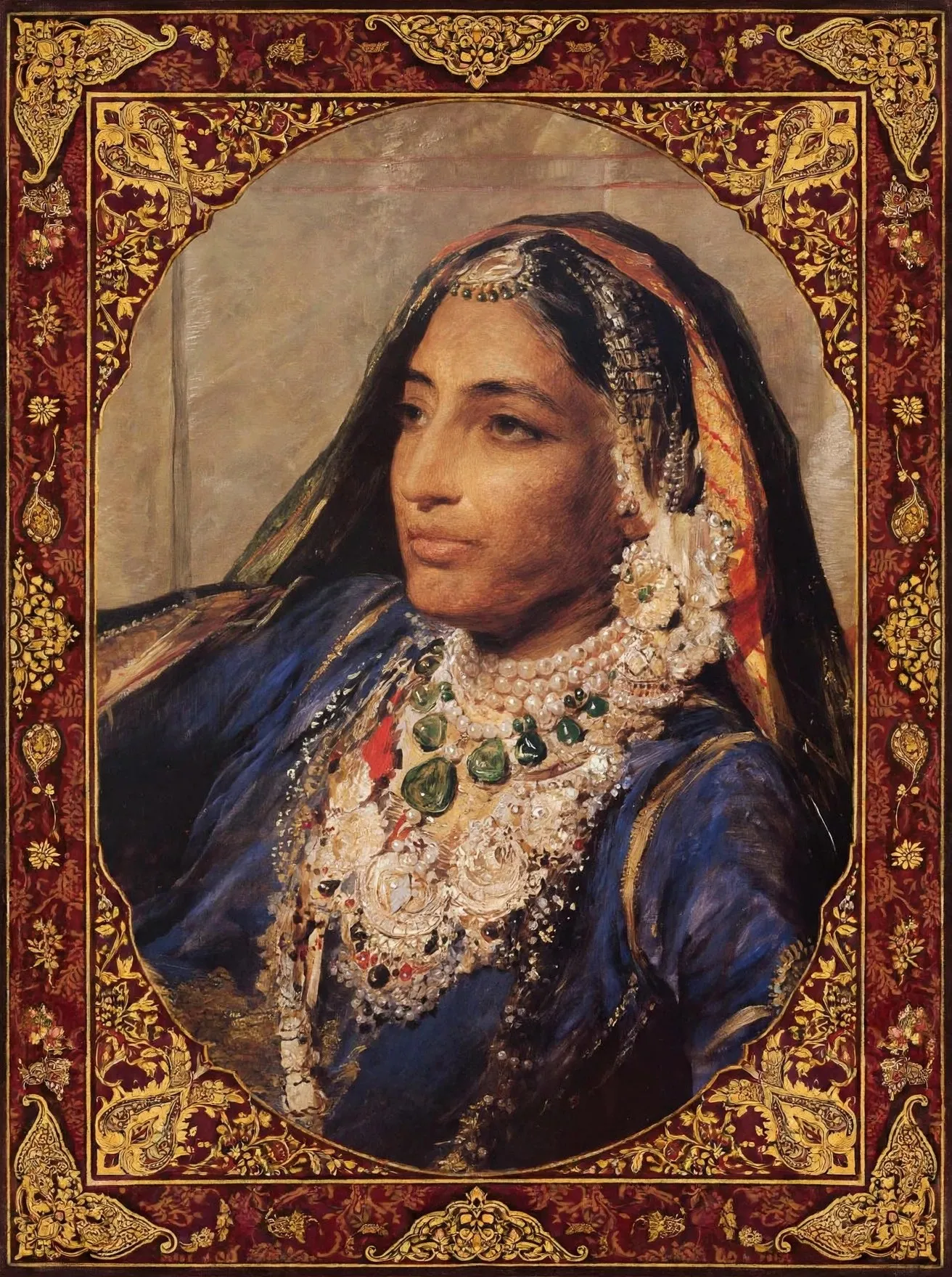
ਮਾਈ ਸਦਾ ਕੌਰ (1762 ਤੋਂ 1832) ਕਨ੍ਹਈਆ ਮਿਸਲ ਦੀ ਸਰਦਾਰਨ ਸਨ, ਜਿਨ੍ਹਾਂ ਨੇ 1785 ਵਿੱਚ ਵਿਧਵਾ ਹੋਣ ਤੋਂ ਬਾਅਦ ਮਿਸਲ ਦੀ ਕਮਾਨ ਆਪ ਸੰਭਾਲੀ, ਨੌਜਵਾਨ ਰਣਜੀਤ ਸਿੰਘ ਦੀ ਰਾਖ ਅਤੇ ਮੁੱਖ ਸਲਾਹਕਾਰ ਵਜੋਂ ਸੇਵਾ ਕੀਤੀ, ਅਤੇ 1799 ਵਿੱਚ ਲਾਹੌਰ ਫ਼ਤਹਿ ਕਰਨ ਅਤੇ 1801 ਵਿੱਚ ਮਹਾਰਾਜਾ ਦਾ ਖ਼ਿਤਾਬ ਲੈਣ ਵਿੱਚ ਉਸ ਦੀ ਮਦਦ ਕੀਤੀ। ਦੋਹਾਂ ਵਿੱਚ ਦੂਰੀ ਆਉਣ ਤੋਂ ਬਾਅਦ ਉਨ੍ਹਾਂ ਦੀਆਂ ਜਾਗੀਰਾਂ ਜ਼ਬਤ ਹੋ ਗਈਆਂ ਅਤੇ ਉਨ੍ਹਾਂ ਨੂੰ ਕੈਦ ਕਰ ਲਿਆ ਗਿਆ, ਅਤੇ ਦਸੰਬਰ 1832 ਵਿੱਚ ਕੈਦ ਦੌਰਾਨ ਹੀ ਉਨ੍ਹਾਂ ਦੀ ਮੌਤ ਹੋ ਗਈ।
- ਪੰਜਾਬੀ ਨਾਂ
- ਸਦਾ ਕੌਰ
- ਜਨਮ
- 1762
- ਦੇਹਾਂਤ
- ਦਸੰਬਰ 1832, ਕੈਦ ਦੌਰਾਨ (ਥਾਂ ਬਹੁਤੇ ਬਿਰਤਾਂਤਾਂ ਵਿੱਚ ਲਾਹੌਰ ਅਤੇ ਇੱਕ ਪੁਰਾਣੀ ਰਵਾਇਤ ਵਿੱਚ ਅੰਮ੍ਰਿਤਸਰ ਦੱਸੀ ਗਈ ਹੈ)
- ਪਿਤਾ
- ਸਰਦਾਰ ਦਸੌਂਧਾ ਸਿੰਘ, ਜਿਨ੍ਹਾਂ ਨੂੰ ਦਸਵੰਧਾ ਸਿੰਘ ਵੀ ਲਿਖਿਆ ਜਾਂਦਾ ਹੈ (ਗੋਤ ਧਾਲੀਵਾਲ ਜਾਂ ਗਿੱਲ ਦੱਸਿਆ ਜਾਂਦਾ ਹੈ)
- ਪਤੀ
- ਗੁਰਬਖ਼ਸ਼ ਸਿੰਘ ਕਨ੍ਹਈਆ, ਜੋ ਫ਼ਰਵਰੀ 1785 ਵਿੱਚ ਅਚਲ ਦੀ ਲੜਾਈ ਵਿੱਚ ਮਾਰੇ ਗਏ
- ਧੀ
- ਮਹਿਤਾਬ ਕੌਰ, ਜਿਨ੍ਹਾਂ ਦਾ ਵਿਆਹ ਮਹਾਰਾਜਾ ਰਣਜੀਤ ਸਿੰਘ ਨਾਲ ਹੋਇਆ
All 11 facts
- ਮਿਸਲ
- ਕਨ੍ਹਈਆ ਮਿਸਲ, 1789 ਤੋਂ 1821 ਤੱਕ ਸਰਦਾਰਨ
- ਕੇਂਦਰ
- ਬਟਾਲਾ
- ਜ਼ਿਲ੍ਹਾ
- ਗੁਰਦਾਸਪੁਰ
- ਇਲਾਕਾ
- ਮਾਝਾ
- ਰਣਜੀਤ ਸਿੰਘ ਨਾਲ ਭੂਮਿਕਾ
- 1792 ਤੋਂ ਰਾਖ ਅਤੇ ਮੁੱਖ ਸਲਾਹਕਾਰ; 7 ਜੁਲਾਈ 1799 ਨੂੰ ਲਾਹੌਰ ਦੀ ਫ਼ਤਹਿ ਵਿੱਚ ਸਾਂਝੀ ਸੈਨਾਪਤੀ
Mai Sada Kaur (1762 to December 1832), also called Rani Sada Kaur and Sardarni Sada Kaur, was the chief of the Kanhaiya misl who guided the young Ranjit Singh as regent and chief adviser, brought the troops and the strategy that took Lahore in 1799, and helped set him on the throne of Punjab before their long partnership broke down.
Early life and marriage
Sada Kaur was born in 1762 into a Jat Sikh family. Her father was Sardar Daswandha Singh, whose name is also written Dasaundha Singh, and whose family name appears as Dhaliwal in some accounts and Gill in others, a reminder of how unsettled the spellings in the older records can be. Punjab in her childhood was a land of competing Sikh confederacies, the misls, and marriage was one of the strongest tools their chiefs had for building alliances.
She was married as a small child, in 1768 in most accounts, to Gurbaksh Singh, the eldest son and heir of Jai Singh, chief of the Kanhaiya misl, one of the most powerful confederacies in Punjab, with its seat at Batala. The match joined her family to a misl that held wide territories in the Majha, the country between the Beas and the Ravi. In about 1782 she gave birth to her only child, a daughter, Mehtab Kaur.
Widowed at Achal: how did Sada Kaur come to lead the Kanhaiya misl?
Sada Kaur came to lead the Kanhaiya misl because she refused to step aside after disaster struck her family twice in four years. In February 1785 the forces of Jassa Singh Ramgarhia and Sansar Chand Katoch, backed by Maha Singh of the Sukerchakia misl, attacked the Kanhaiyas. At the Battle of Achal, about six kilometres south of Batala, Jai Singh was defeated and Gurbaksh Singh was killed. Sada Kaur was about twenty two, and a widow.
Her response shaped the next forty years of Punjab history. She persuaded her father in law to offer Mehtab Kaur in marriage to Ranjit Singh, the young son of Maha Singh, the very Sukerchakia chief who had backed the attack. The match was arranged in 1785, and the wedding itself is usually dated to 1796, although some summaries place it earlier. When Jai Singh died, in 1789 in the account most modern summaries follow, Sada Kaur took command of the Kanhaiya misl herself, with the loyalty of its 8,000 horsemen. Some accounts add that the old chief had already settled Batala and Mukerian on her before his death. Either way, a woman in her late twenties now ruled one of Punjab's great confederacies in her own right, a rare position in the Punjab of that age.
ਮਾਈ ਸਦਾ ਕੌਰ (1762 ਤੋਂ ਦਸੰਬਰ 1832), ਜਿਨ੍ਹਾਂ ਨੂੰ ਰਾਣੀ ਸਦਾ ਕੌਰ ਅਤੇ ਸਰਦਾਰਨੀ ਸਦਾ ਕੌਰ ਵੀ ਕਿਹਾ ਜਾਂਦਾ ਹੈ, ਕਨ੍ਹਈਆ ਮਿਸਲ ਦੀ ਸਰਦਾਰਨ ਸਨ। ਉਨ੍ਹਾਂ ਨੇ ਨੌਜਵਾਨ ਰਣਜੀਤ ਸਿੰਘ ਦੀ ਰਾਖੀ ਅਤੇ ਮੁੱਖ ਸਲਾਹਕਾਰ ਵਜੋਂ ਅਗਵਾਈ ਕੀਤੀ, ਉਹ ਫ਼ੌਜ ਅਤੇ ਉਹ ਰਣਨੀਤੀ ਲਿਆਂਦੀ ਜਿਸ ਨਾਲ 1799 ਵਿੱਚ ਲਾਹੌਰ ਫ਼ਤਹਿ ਹੋਇਆ, ਅਤੇ ਆਪਣੀ ਲੰਮੀ ਸਾਂਝ ਟੁੱਟਣ ਤੋਂ ਪਹਿਲਾਂ ਉਨ੍ਹਾਂ ਨੇ ਉਸ ਨੂੰ ਪੰਜਾਬ ਦੀ ਗੱਦੀ ਉੱਤੇ ਬਿਠਾਉਣ ਵਿੱਚ ਮਦਦ ਕੀਤੀ।
ਮੁੱਢਲੀ ਜ਼ਿੰਦਗੀ ਅਤੇ ਵਿਆਹ
ਸਦਾ ਕੌਰ ਦਾ ਜਨਮ 1762 ਵਿੱਚ ਇੱਕ ਜੱਟ ਸਿੱਖ ਪਰਿਵਾਰ ਵਿੱਚ ਹੋਇਆ। ਉਨ੍ਹਾਂ ਦੇ ਪਿਤਾ ਸਰਦਾਰ ਦਸੌਂਧਾ ਸਿੰਘ ਸਨ, ਜਿਨ੍ਹਾਂ ਦਾ ਨਾਂ ਦਸਵੰਧਾ ਸਿੰਘ ਵੀ ਲਿਖਿਆ ਮਿਲਦਾ ਹੈ, ਅਤੇ ਜਿਨ੍ਹਾਂ ਦਾ ਗੋਤ ਕੁਝ ਬਿਰਤਾਂਤਾਂ ਵਿੱਚ ਧਾਲੀਵਾਲ ਅਤੇ ਕੁਝ ਵਿੱਚ ਗਿੱਲ ਦੱਸਿਆ ਗਿਆ ਹੈ। ਇਹ ਫ਼ਰਕ ਦਰਸਾਉਂਦਾ ਹੈ ਕਿ ਪੁਰਾਣੇ ਰਿਕਾਰਡਾਂ ਵਿੱਚ ਨਾਵਾਂ ਦੇ ਅੱਖਰ ਕਿੰਨੇ ਅਸਥਿਰ ਹੋ ਸਕਦੇ ਹਨ। ਉਨ੍ਹਾਂ ਦੇ ਬਚਪਨ ਦਾ ਪੰਜਾਬ ਆਪਸ ਵਿੱਚ ਲੜਦੀਆਂ ਸਿੱਖ ਮਿਸਲਾਂ ਦੀ ਧਰਤੀ ਸੀ, ਅਤੇ ਵਿਆਹ ਉਨ੍ਹਾਂ ਦੇ ਸਰਦਾਰਾਂ ਕੋਲ ਗੱਠਜੋੜ ਬਣਾਉਣ ਦਾ ਸਭ ਤੋਂ ਮਜ਼ਬੂਤ ਸਾਧਨ ਸੀ।
ਉਨ੍ਹਾਂ ਦਾ ਵਿਆਹ ਬਚਪਨ ਵਿੱਚ ਹੀ, ਬਹੁਤੇ ਬਿਰਤਾਂਤਾਂ ਅਨੁਸਾਰ 1768 ਵਿੱਚ, ਗੁਰਬਖ਼ਸ਼ ਸਿੰਘ ਨਾਲ ਹੋਇਆ, ਜੋ ਕਨ੍ਹਈਆ ਮਿਸਲ ਦੇ ਸਰਦਾਰ ਜੈ ਸਿੰਘ ਦੇ ਸਭ ਤੋਂ ਵੱਡੇ ਪੁੱਤਰ ਅਤੇ ਵਾਰਸ ਸਨ। ਕਨ੍ਹਈਆ ਮਿਸਲ ਪੰਜਾਬ ਦੀਆਂ ਸਭ ਤੋਂ ਤਾਕਤਵਰ ਮਿਸਲਾਂ ਵਿੱਚੋਂ ਇੱਕ ਸੀ ਅਤੇ ਇਸ ਦਾ ਕੇਂਦਰ ਬਟਾਲਾ ਸੀ। ਇਸ ਰਿਸ਼ਤੇ ਨਾਲ ਉਨ੍ਹਾਂ ਦਾ ਪਰਿਵਾਰ ਉਸ ਮਿਸਲ ਨਾਲ ਜੁੜ ਗਿਆ ਜਿਸ ਕੋਲ ਬਿਆਸ ਅਤੇ ਰਾਵੀ ਦੇ ਵਿਚਕਾਰਲੇ ਮਾਝਾ ਖੇਤਰ ਵਿੱਚ ਵੱਡੇ ਇਲਾਕੇ ਸਨ। ਲਗਭਗ 1782 ਵਿੱਚ ਉਨ੍ਹਾਂ ਦੇ ਘਰ ਇਕਲੌਤੀ ਧੀ ਮਹਿਤਾਬ ਕੌਰ ਦਾ ਜਨਮ ਹੋਇਆ।
ਅਚਲ ਵਿਖੇ ਵਿਧਵਾ: ਸਦਾ ਕੌਰ ਕਨ੍ਹਈਆ ਮਿਸਲ ਦੀ ਸਰਦਾਰ ਕਿਵੇਂ ਬਣੀ?
ਸਦਾ ਕੌਰ ਕਨ੍ਹਈਆ ਮਿਸਲ ਦੀ ਸਰਦਾਰ ਇਸ ਲਈ ਬਣੀ ਕਿ ਚਾਰ ਸਾਲਾਂ ਵਿੱਚ ਦੋ ਵਾਰ ਪਰਿਵਾਰ ਉੱਤੇ ਆਈ ਤਬਾਹੀ ਤੋਂ ਬਾਅਦ ਵੀ ਉਨ੍ਹਾਂ ਨੇ ਪਿੱਛੇ ਹਟਣ ਤੋਂ ਇਨਕਾਰ ਕਰ ਦਿੱਤਾ। ਫ਼ਰਵਰੀ 1785 ਵਿੱਚ ਜੱਸਾ ਸਿੰਘ ਰਾਮਗੜ੍ਹੀਆ ਅਤੇ ਸੰਸਾਰ ਚੰਦ ਕਟੋਚ ਦੀਆਂ ਫ਼ੌਜਾਂ ਨੇ, ਸੁਕਰਚੱਕੀਆ ਮਿਸਲ ਦੇ ਮਹਾਂ ਸਿੰਘ ਦੇ ਸਮਰਥਨ ਨਾਲ, ਕਨ੍ਹਈਆਂ ਉੱਤੇ ਹਮਲਾ ਕੀਤਾ। ਬਟਾਲੇ ਤੋਂ ਲਗਭਗ ਛੇ ਕਿਲੋਮੀਟਰ ਦੱਖਣ ਵਿੱਚ ਅਚਲ ਦੀ ਲੜਾਈ ਵਿੱਚ ਜੈ ਸਿੰਘ ਹਾਰ ਗਏ ਅਤੇ ਗੁਰਬਖ਼ਸ਼ ਸਿੰਘ ਮਾਰੇ ਗਏ। ਸਦਾ ਕੌਰ ਉਸ ਵੇਲੇ ਲਗਭਗ ਬਾਈ ਸਾਲ ਦੀ ਸਨ ਅਤੇ ਵਿਧਵਾ ਹੋ ਗਈਆਂ।
ਉਨ੍ਹਾਂ ਦੇ ਜਵਾਬ ਨੇ ਪੰਜਾਬ ਦੇ ਇਤਿਹਾਸ ਦੇ ਅਗਲੇ ਚਾਲੀ ਸਾਲ ਤੈਅ ਕਰ ਦਿੱਤੇ। ਉਨ੍ਹਾਂ ਨੇ ਆਪਣੇ ਸਹੁਰੇ ਨੂੰ ਮਨਾਇਆ ਕਿ ਮਹਿਤਾਬ ਕੌਰ ਦਾ ਰਿਸ਼ਤਾ ਰਣਜੀਤ ਸਿੰਘ ਨਾਲ ਕੀਤਾ ਜਾਵੇ, ਜੋ ਉਸੇ ਸੁਕਰਚੱਕੀਆ ਸਰਦਾਰ ਮਹਾਂ ਸਿੰਘ ਦਾ ਨੌਜਵਾਨ ਪੁੱਤਰ ਸੀ ਜਿਸ ਨੇ ਹਮਲੇ ਦਾ ਸਮਰਥਨ ਕੀਤਾ ਸੀ। ਇਹ ਰਿਸ਼ਤਾ 1785 ਵਿੱਚ ਤੈਅ ਹੋਇਆ, ਅਤੇ ਵਿਆਹ ਆਮ ਤੌਰ ਉੱਤੇ 1796 ਦਾ ਦੱਸਿਆ ਜਾਂਦਾ ਹੈ, ਹਾਲਾਂਕਿ ਕੁਝ ਸਾਰਾਂਸ਼ ਇਸ ਨੂੰ ਪਹਿਲਾਂ ਦਾ ਵੀ ਦੱਸਦੇ ਹਨ। ਜਦੋਂ ਜੈ ਸਿੰਘ ਦੀ ਮੌਤ ਹੋਈ, ਬਹੁਤੇ ਆਧੁਨਿਕ ਸਾਰਾਂਸ਼ਾਂ ਅਨੁਸਾਰ 1789 ਵਿੱਚ, ਤਾਂ ਸਦਾ ਕੌਰ ਨੇ ਕਨ੍ਹਈਆ ਮਿਸਲ ਦੀ ਕਮਾਨ ਆਪ ਸੰਭਾਲ ਲਈ ਅਤੇ ਇਸ ਦੇ 8,000 ਘੋੜਸਵਾਰ ਉਨ੍ਹਾਂ ਦੇ ਵਫ਼ਾਦਾਰ ਰਹੇ। ਕੁਝ ਬਿਰਤਾਂਤ ਇਹ ਵੀ ਕਹਿੰਦੇ ਹਨ ਕਿ ਬਜ਼ੁਰਗ ਸਰਦਾਰ ਨੇ ਆਪਣੀ ਮੌਤ ਤੋਂ ਪਹਿਲਾਂ ਹੀ ਬਟਾਲਾ ਅਤੇ ਮੁਕੇਰੀਆਂ ਉਨ੍ਹਾਂ ਦੇ ਨਾਂ ਕਰ ਦਿੱਤੇ ਸਨ। ਜੋ ਵੀ ਹੋਵੇ, ਵੀਹਵਿਆਂ ਦੇ ਅਖ਼ੀਰ ਵਿੱਚ ਇੱਕ ਔਰਤ ਹੁਣ ਪੰਜਾਬ ਦੀਆਂ ਵੱਡੀਆਂ ਮਿਸਲਾਂ ਵਿੱਚੋਂ ਇੱਕ ਉੱਤੇ ਆਪਣੇ ਅਧਿਕਾਰ ਨਾਲ ਰਾਜ ਕਰ ਰਹੀ ਸੀ, ਜੋ ਉਸ ਯੁੱਗ ਦੇ ਪੰਜਾਬ ਵਿੱਚ ਬਹੁਤ ਘੱਟ ਦੇਖਣ ਨੂੰ ਮਿਲਦਾ ਸੀ।
Regent and chief adviser to Ranjit Singh
Maha Singh died in 1792, leaving Ranjit Singh, then about eleven, as chief of the Sukerchakia misl. A regency of three guided the boy: his mother Raj Kaur, known as Mai Malwain, his minister Diwan Lakhpat Rai, and his mother in law to be, Sada Kaur. Death removed the other two, and Sada Kaur remained as the young chief's chief counsellor. She gave him more than advice. Her Kanhaiya troops, her forts and her revenues stood behind him, and she worked to turn his energy toward one goal above all: uniting the misls under a single rule.
She also campaigned beside him. The Sikh histories describe her leading armies alongside Ranjit Singh in the campaigns for Amritsar, Chiniot, Kasur and Kangra, and in expeditions toward Hazara and Attock. To contemporaries she was not a figure behind a curtain but a commander in the field and a power in the council, and the historian Syed Muhammad Latif later called her the ladder by which Ranjit Singh reached the summit of his power.
The capture of Lahore, 7 July 1799
The capture of Lahore was the turning point Sada Kaur had been steering toward for years. Lahore, Punjab's great city, was held by three chiefs of the Bhangi misl whose rule many of its citizens had come to resent. Tradition credits Sada Kaur with the blunt advice that whoever controls Lahore controls Punjab, and citizens of the city appealed to the Sukerchakia chief to take it over. On 7 July 1799 the joint force of Ranjit Singh and Sada Kaur, often given as 25,000 troops, moved on the city. The gates were opened to them: Ranjit Singh entered by the Lohari Gate and Sada Kaur by the Delhi Gate.
Holding Lahore changed everything. From its fort and treasury Ranjit Singh could present himself not as one misl chief among many but as the ruler of Punjab's capital. Supported by Sada Kaur, he made further conquests, and on 11 April 1801 he assumed the title of Maharaja. The empire that followed, stretching in time from the Khyber to the Sutlej, was built on the foundation the two of them had laid together in 1799 and 1801.
Estrangement, confinement and death
The partnership did not last. Ranjit Singh had married again, and the son of that later marriage was recognised as heir, while Mehtab Kaur's position faded. In 1807 Sada Kaur presented her son in law with Mehtab Kaur's twin sons, Sher Singh and Tara Singh, but the succession question had already soured relations between mother in law and son in law. Sada Kaur opened quiet negotiations with British officers, among them Charles Metcalfe and David Ochterlony, hoping to secure standing as an independent ruler, and in 1812 she pointedly stayed away from the heir apparent's wedding, keeping even her grandsons from the ceremonies.
The break came when Ranjit Singh demanded that she hand over the administration of her estates to her grandson Sher Singh on his coming of age. She refused, and spoke of seeking British protection across the Sutlej and handing them the town of Wadni, south of the river, which Ranjit Singh had given her in 1808. Persuaded to visit Lahore, she was held there under strict watch. She escaped once, hidden in a covered litter, but was caught and brought back. Her territories were seized, the Kanhaiya wealth stored at Atalgarh near Mukerian was confiscated, Batala was granted as a jagir to Sher Singh, and the rest of her estates were placed under Sardar Desa Singh Majithia. Most accounts date her loss of her estates to 1820 and her formal imprisonment to 1821. She died in confinement in December 1832. Accounts differ on where she died: many modern summaries give Lahore, while an older tradition gives Amritsar, and the record does not settle the question.
Why is Mai Sada Kaur remembered today?
Mai Sada Kaur is remembered because the Sikh Empire is hard to explain without her. For roughly thirty years she stood at the centre of Punjab politics: a misl chief in her own right, a field commander, the regent who steadied a boy chief, and the strategist who saw that Lahore was the key to Punjab. Her later fall is part of the same story, a reminder that the empire she helped build had room for only one sovereign. Writers have returned to her often, from Latif's History of the Punjab in the nineteenth century to Ranveer Singh's 2021 novel Warrior Queen Rani Sada Kaur, and she has been played on screen in television series on Maharaja Ranjit Singh. For many readers today she is the clearest example of the political and military leadership women exercised in the misl age, even when the records were written by men who found her ambition hard to forgive.
ਰਣਜੀਤ ਸਿੰਘ ਦੀ ਰਾਖ ਅਤੇ ਮੁੱਖ ਸਲਾਹਕਾਰ
ਮਹਾਂ ਸਿੰਘ ਦੀ ਮੌਤ 1792 ਵਿੱਚ ਹੋ ਗਈ, ਜਿਸ ਨਾਲ ਰਣਜੀਤ ਸਿੰਘ, ਜੋ ਉਸ ਵੇਲੇ ਲਗਭਗ ਗਿਆਰਾਂ ਸਾਲ ਦੇ ਸਨ, ਸੁਕਰਚੱਕੀਆ ਮਿਸਲ ਦੇ ਸਰਦਾਰ ਬਣ ਗਏ। ਬਾਲ ਸਰਦਾਰ ਦੀ ਅਗਵਾਈ ਤਿੰਨ ਜਣਿਆਂ ਦੀ ਰਾਖ ਟੋਲੀ ਨੇ ਕੀਤੀ: ਉਨ੍ਹਾਂ ਦੀ ਮਾਤਾ ਰਾਜ ਕੌਰ, ਜੋ ਮਾਈ ਮਲਵੈਣ ਵਜੋਂ ਜਾਣੀ ਜਾਂਦੀ ਸੀ, ਉਨ੍ਹਾਂ ਦੇ ਦੀਵਾਨ ਲਖਪਤ ਰਾਏ, ਅਤੇ ਉਨ੍ਹਾਂ ਦੀ ਹੋਣ ਵਾਲੀ ਸੱਸ ਸਦਾ ਕੌਰ। ਮੌਤ ਨੇ ਬਾਕੀ ਦੋਹਾਂ ਨੂੰ ਹਟਾ ਦਿੱਤਾ, ਅਤੇ ਸਦਾ ਕੌਰ ਨੌਜਵਾਨ ਸਰਦਾਰ ਦੀ ਮੁੱਖ ਸਲਾਹਕਾਰ ਬਣ ਕੇ ਰਹਿ ਗਈ। ਉਨ੍ਹਾਂ ਨੇ ਉਸ ਨੂੰ ਸਲਾਹ ਤੋਂ ਵੱਧ ਦਿੱਤਾ। ਉਨ੍ਹਾਂ ਦੀਆਂ ਕਨ੍ਹਈਆ ਫ਼ੌਜਾਂ, ਕਿਲ੍ਹੇ ਅਤੇ ਆਮਦਨ ਉਸ ਦੇ ਪਿੱਛੇ ਖੜ੍ਹੇ ਸਨ, ਅਤੇ ਉਨ੍ਹਾਂ ਨੇ ਉਸ ਦੀ ਤਾਕਤ ਨੂੰ ਇੱਕੋ ਟੀਚੇ ਵੱਲ ਮੋੜਿਆ: ਮਿਸਲਾਂ ਨੂੰ ਇੱਕੋ ਰਾਜ ਅਧੀਨ ਇਕੱਠਾ ਕਰਨਾ।
ਉਹ ਮੁਹਿੰਮਾਂ ਵਿੱਚ ਵੀ ਉਸ ਦੇ ਨਾਲ ਰਹੀ। ਸਿੱਖ ਇਤਿਹਾਸ ਦੱਸਦੇ ਹਨ ਕਿ ਉਨ੍ਹਾਂ ਨੇ ਅੰਮ੍ਰਿਤਸਰ, ਚਿਨਿਓਟ, ਕਸੂਰ ਅਤੇ ਕਾਂਗੜਾ ਦੀਆਂ ਮੁਹਿੰਮਾਂ ਵਿੱਚ ਅਤੇ ਹਜ਼ਾਰਾ ਅਤੇ ਅਟਕ ਵੱਲ ਦੀਆਂ ਚੜ੍ਹਾਈਆਂ ਵਿੱਚ ਰਣਜੀਤ ਸਿੰਘ ਦੇ ਨਾਲ ਫ਼ੌਜਾਂ ਦੀ ਅਗਵਾਈ ਕੀਤੀ। ਸਮਕਾਲੀ ਲੋਕਾਂ ਲਈ ਉਹ ਪਰਦੇ ਪਿੱਛੇ ਬੈਠੀ ਸ਼ਕਤੀ ਨਹੀਂ ਸੀ, ਸਗੋਂ ਮੈਦਾਨ ਵਿੱਚ ਇੱਕ ਸੈਨਾਪਤੀ ਅਤੇ ਸਭਾ ਵਿੱਚ ਇੱਕ ਤਾਕਤ ਸੀ, ਅਤੇ ਇਤਿਹਾਸਕਾਰ ਸਈਦ ਮੁਹੰਮਦ ਲਤੀਫ਼ ਨੇ ਬਾਅਦ ਵਿੱਚ ਉਨ੍ਹਾਂ ਨੂੰ ਉਹ ਪੌੜੀ ਕਿਹਾ ਜਿਸ ਰਾਹੀਂ ਰਣਜੀਤ ਸਿੰਘ ਆਪਣੀ ਮਹਾਨਤਾ ਦੀ ਚੋਟੀ ਉੱਤੇ ਪਹੁੰਚਿਆ।
ਲਾਹੌਰ ਦੀ ਫ਼ਤਹਿ, 7 ਜੁਲਾਈ 1799
ਲਾਹੌਰ ਦੀ ਫ਼ਤਹਿ ਉਹ ਮੋੜ ਸੀ ਜਿਸ ਵੱਲ ਸਦਾ ਕੌਰ ਸਾਲਾਂ ਤੋਂ ਰਾਹ ਬਣਾਉਂਦੀ ਆ ਰਹੀ ਸੀ। ਪੰਜਾਬ ਦਾ ਮਹਾਨ ਸ਼ਹਿਰ ਲਾਹੌਰ ਭੰਗੀ ਮਿਸਲ ਦੇ ਤਿੰਨ ਸਰਦਾਰਾਂ ਦੇ ਕਬਜ਼ੇ ਵਿੱਚ ਸੀ, ਜਿਨ੍ਹਾਂ ਦੇ ਰਾਜ ਤੋਂ ਸ਼ਹਿਰ ਦੇ ਬਹੁਤੇ ਵਸਨੀਕ ਤੰਗ ਆ ਗਏ ਸਨ। ਰਵਾਇਤ ਸਦਾ ਕੌਰ ਨੂੰ ਉਹ ਸਪੱਸ਼ਟ ਸਲਾਹ ਦਿੰਦੀ ਹੈ ਕਿ ਜਿਸ ਦੇ ਕਬਜ਼ੇ ਵਿੱਚ ਲਾਹੌਰ ਹੈ, ਉਸੇ ਦੇ ਕਬਜ਼ੇ ਵਿੱਚ ਪੰਜਾਬ ਹੈ, ਅਤੇ ਸ਼ਹਿਰ ਦੇ ਲੋਕਾਂ ਨੇ ਸੁਕਰਚੱਕੀਆ ਸਰਦਾਰ ਨੂੰ ਇਸ ਨੂੰ ਆਪਣੇ ਕਬਜ਼ੇ ਵਿੱਚ ਲੈਣ ਦੀ ਅਪੀਲ ਕੀਤੀ। 7 ਜੁਲਾਈ 1799 ਨੂੰ ਰਣਜੀਤ ਸਿੰਘ ਅਤੇ ਸਦਾ ਕੌਰ ਦੀ ਸਾਂਝੀ ਫ਼ੌਜ, ਜੋ ਅਕਸਰ 25,000 ਸੈਨਿਕ ਦੱਸੀ ਜਾਂਦੀ ਹੈ, ਸ਼ਹਿਰ ਵੱਲ ਵਧੀ। ਉਨ੍ਹਾਂ ਲਈ ਦਰਵਾਜ਼ੇ ਖੋਲ੍ਹ ਦਿੱਤੇ ਗਏ: ਰਣਜੀਤ ਸਿੰਘ ਲੋਹਾਰੀ ਦਰਵਾਜ਼ੇ ਤੋਂ ਅਤੇ ਸਦਾ ਕੌਰ ਦਿੱਲੀ ਦਰਵਾਜ਼ੇ ਤੋਂ ਅੰਦਰ ਦਾਖ਼ਲ ਹੋਈ।
ਲਾਹੌਰ ਹੱਥ ਆਉਣ ਨਾਲ ਸਭ ਕੁਝ ਬਦਲ ਗਿਆ। ਇਸ ਦੇ ਕਿਲ੍ਹੇ ਅਤੇ ਖ਼ਜ਼ਾਨੇ ਤੋਂ ਰਣਜੀਤ ਸਿੰਘ ਹੁਣ ਆਪਣੇ ਆਪ ਨੂੰ ਕਈ ਮਿਸਲ ਸਰਦਾਰਾਂ ਵਿੱਚੋਂ ਇੱਕ ਨਹੀਂ, ਸਗੋਂ ਪੰਜਾਬ ਦੀ ਰਾਜਧਾਨੀ ਦਾ ਹਾਕਮ ਦੱਸ ਸਕਦਾ ਸੀ। ਸਦਾ ਕੌਰ ਦੇ ਸਮਰਥਨ ਨਾਲ ਉਸ ਨੇ ਹੋਰ ਫ਼ਤਹਿਆਂ ਕੀਤੀਆਂ, ਅਤੇ 11 ਅਪ੍ਰੈਲ 1801 ਨੂੰ ਉਸ ਨੇ ਮਹਾਰਾਜਾ ਦਾ ਖ਼ਿਤਾਬ ਧਾਰਨ ਕੀਤਾ। ਇਸ ਤੋਂ ਬਾਅਦ ਬਣਿਆ ਸਾਮਰਾਜ, ਜੋ ਸਮੇਂ ਨਾਲ ਖ਼ੈਬਰ ਤੋਂ ਸਤਲੁਜ ਤੱਕ ਫ਼ੈਲਿਆ, ਉਸ ਨੀਂਹ ਉੱਤੇ ਖੜ੍ਹਾ ਸੀ ਜੋ ਦੋਹਾਂ ਨੇ 1799 ਅਤੇ 1801 ਵਿੱਚ ਇਕੱਠਿਆਂ ਰੱਖੀ ਸੀ।
ਦੂਰੀ, ਕੈਦ ਅਤੇ ਮੌਤ
ਇਹ ਸਾਂਝ ਟਿਕੀ ਨਹੀਂ। ਰਣਜੀਤ ਸਿੰਘ ਨੇ ਦੁਬਾਰਾ ਵਿਆਹ ਕਰ ਲਿਆ ਸੀ, ਅਤੇ ਉਸ ਬਾਅਦ ਦੇ ਵਿਆਹ ਤੋਂ ਹੋਏ ਪੁੱਤਰ ਨੂੰ ਵਾਰਸ ਮੰਨਿਆ ਗਿਆ, ਜਦੋਂ ਕਿ ਮਹਿਤਾਬ ਕੌਰ ਦੀ ਥਾਂ ਘਟਦੀ ਗਈ। 1807 ਵਿੱਚ ਸਦਾ ਕੌਰ ਨੇ ਆਪਣੇ ਜਵਾਈ ਅੱਗੇ ਮਹਿਤਾਬ ਕੌਰ ਦੇ ਜੌੜੇ ਪੁੱਤਰ ਸ਼ੇਰ ਸਿੰਘ ਅਤੇ ਤਾਰਾ ਸਿੰਘ ਪੇਸ਼ ਕੀਤੇ, ਪਰ ਵਾਰਸੀ ਦਾ ਸਵਾਲ ਉਦੋਂ ਤੱਕ ਸੱਸ ਅਤੇ ਜਵਾਈ ਦੇ ਰਿਸ਼ਤੇ ਨੂੰ ਖ਼ਰਾਬ ਕਰ ਚੁੱਕਾ ਸੀ। ਸਦਾ ਕੌਰ ਨੇ ਅੰਗਰੇਜ਼ ਅਫ਼ਸਰਾਂ ਨਾਲ ਸ਼ਾਂਤ ਗੱਲਬਾਤ ਸ਼ੁਰੂ ਕਰ ਦਿੱਤੀ, ਜਿਨ੍ਹਾਂ ਵਿੱਚ ਚਾਰਲਸ ਮੈਟਕਾਫ਼ ਅਤੇ ਡੇਵਿਡ ਓਕਟਰਲੋਨੀ ਸ਼ਾਮਲ ਸਨ, ਇਸ ਆਸ ਨਾਲ ਕਿ ਉਨ੍ਹਾਂ ਨੂੰ ਇੱਕ ਆਜ਼ਾਦ ਹਾਕਮ ਵਜੋਂ ਮਾਨਤਾ ਮਿਲ ਜਾਵੇ, ਅਤੇ 1812 ਵਿੱਚ ਉਹ ਵਾਰਸ ਦੇ ਵਿਆਹ ਵਿੱਚੋਂ ਜਾਣ ਬੁੱਝ ਕੇ ਗ਼ੈਰਹਾਜ਼ਰ ਰਹੀ, ਇੱਥੋਂ ਤੱਕ ਕਿ ਆਪਣੇ ਦੋਹਤਿਆਂ ਨੂੰ ਵੀ ਸਮਾਰੋਹਾਂ ਵਿੱਚ ਨਹੀਂ ਜਾਣ ਦਿੱਤਾ।
ਟੁੱਟਣ ਦਾ ਪਲ ਉਦੋਂ ਆਇਆ ਜਦੋਂ ਰਣਜੀਤ ਸਿੰਘ ਨੇ ਮੰਗ ਕੀਤੀ ਕਿ ਉਹ ਆਪਣੀਆਂ ਜਾਗੀਰਾਂ ਦਾ ਪ੍ਰਬੰਧ ਆਪਣੇ ਦੋਹਤੇ ਸ਼ੇਰ ਸਿੰਘ ਦੇ ਬਾਲਗ਼ ਹੋਣ ਉੱਤੇ ਉਸ ਦੇ ਹਵਾਲੇ ਕਰ ਦੇਵੇ। ਉਨ੍ਹਾਂ ਨੇ ਇਨਕਾਰ ਕਰ ਦਿੱਤਾ, ਅਤੇ ਸਤਲੁਜ ਪਾਰ ਅੰਗਰੇਜ਼ਾਂ ਦੀ ਸਰਪ੍ਰਸਤੀ ਲੈਣ ਅਤੇ ਵਾਧਨੀ ਦਾ ਕਸਬਾ, ਜੋ ਦਰਿਆ ਦੇ ਦੱਖਣ ਵਿੱਚ ਸੀ ਅਤੇ ਜੋ ਰਣਜੀਤ ਸਿੰਘ ਨੇ 1808 ਵਿੱਚ ਉਨ੍ਹਾਂ ਨੂੰ ਦਿੱਤਾ ਸੀ, ਉਨ੍ਹਾਂ ਦੇ ਹਵਾਲੇ ਕਰਨ ਦੀ ਗੱਲ ਕੀਤੀ। ਲਾਹੌਰ ਆਉਣ ਲਈ ਮਨਾਏ ਜਾਣ ਤੋਂ ਬਾਅਦ ਉਨ੍ਹਾਂ ਨੂੰ ਉੱਥੇ ਸਖ਼ਤ ਨਿਗਰਾਨੀ ਹੇਠ ਰੱਖਿਆ ਗਿਆ। ਇੱਕ ਵਾਰ ਉਹ ਢਕੀ ਹੋਈ ਡੋਲੀ ਵਿੱਚ ਲੁਕ ਕੇ ਭੱਜ ਗਈ, ਪਰ ਫੜੀ ਗਈ ਅਤੇ ਵਾਪਸ ਲਿਆਂਦੀ ਗਈ। ਉਨ੍ਹਾਂ ਦੇ ਇਲਾਕੇ ਜ਼ਬਤ ਕਰ ਲਏ ਗਏ, ਮੁਕੇਰੀਆਂ ਨੇੜੇ ਅਟੱਲਗੜ੍ਹ ਵਿੱਚ ਰੱਖਿਆ ਕਨ੍ਹਈਆ ਖ਼ਜ਼ਾਨਾ ਜ਼ਬਤ ਹੋ ਗਿਆ, ਬਟਾਲਾ ਸ਼ੇਰ ਸਿੰਘ ਨੂੰ ਜਾਗੀਰ ਵਜੋਂ ਦਿੱਤਾ ਗਿਆ, ਅਤੇ ਉਨ੍ਹਾਂ ਦੀਆਂ ਬਾਕੀ ਜਾਗੀਰਾਂ ਸਰਦਾਰ ਦੇਸਾ ਸਿੰਘ ਮਜੀਠੀਆ ਦੇ ਪ੍ਰਬੰਧ ਹੇਠ ਰੱਖ ਦਿੱਤੀਆਂ ਗਈਆਂ। ਬਹੁਤੇ ਬਿਰਤਾਂਤ ਉਨ੍ਹਾਂ ਦੀਆਂ ਜਾਗੀਰਾਂ ਦਾ ਜਾਣਾ 1820 ਅਤੇ ਉਨ੍ਹਾਂ ਦੀ ਰਸਮੀ ਕੈਦ 1821 ਦੱਸਦੇ ਹਨ। ਉਨ੍ਹਾਂ ਦੀ ਮੌਤ ਦਸੰਬਰ 1832 ਵਿੱਚ ਕੈਦ ਦੌਰਾਨ ਹੋਈ। ਉਨ੍ਹਾਂ ਦੀ ਮੌਤ ਦੀ ਥਾਂ ਬਾਰੇ ਬਿਰਤਾਂਤ ਵੱਖ ਵੱਖ ਹਨ: ਬਹੁਤੇ ਆਧੁਨਿਕ ਸਾਰਾਂਸ਼ ਲਾਹੌਰ ਦੱਸਦੇ ਹਨ, ਜਦੋਂ ਕਿ ਇੱਕ ਪੁਰਾਣੀ ਰਵਾਇਤ ਅੰਮ੍ਰਿਤਸਰ ਦੱਸਦੀ ਹੈ, ਅਤੇ ਰਿਕਾਰਡ ਇਸ ਸਵਾਲ ਦਾ ਫ਼ੈਸਲਾ ਨਹੀਂ ਕਰਦਾ।
ਅੱਜ ਮਾਈ ਸਦਾ ਕੌਰ ਨੂੰ ਕਿਉਂ ਯਾਦ ਕੀਤਾ ਜਾਂਦਾ ਹੈ?
ਮਾਈ ਸਦਾ ਕੌਰ ਨੂੰ ਇਸ ਲਈ ਯਾਦ ਕੀਤਾ ਜਾਂਦਾ ਹੈ ਕਿ ਸਿੱਖ ਸਾਮਰਾਜ ਦੀ ਕਹਾਣੀ ਉਨ੍ਹਾਂ ਤੋਂ ਬਿਨਾਂ ਸਮਝਾਉਣੀ ਔਖੀ ਹੈ। ਲਗਭਗ ਤੀਹ ਸਾਲ ਉਹ ਪੰਜਾਬ ਦੀ ਸਿਆਸਤ ਦੇ ਕੇਂਦਰ ਵਿੱਚ ਰਹੀ: ਆਪਣੇ ਅਧਿਕਾਰ ਨਾਲ ਇੱਕ ਮਿਸਲ ਸਰਦਾਰ, ਇੱਕ ਮੈਦਾਨੀ ਸੈਨਾਪਤੀ, ਉਹ ਰਾਖ ਜਿਸ ਨੇ ਇੱਕ ਬਾਲ ਸਰਦਾਰ ਨੂੰ ਸੰਭਾਲਿਆ, ਅਤੇ ਉਹ ਰਣਨੀਤੀਕਾਰ ਜਿਸ ਨੇ ਦੇਖਿਆ ਕਿ ਲਾਹੌਰ ਪੰਜਾਬ ਦੀ ਕੁੰਜੀ ਹੈ। ਉਨ੍ਹਾਂ ਦਾ ਬਾਅਦ ਵਾਲਾ ਪਤਨ ਵੀ ਇਸੇ ਕਹਾਣੀ ਦਾ ਹਿੱਸਾ ਹੈ, ਇੱਕ ਯਾਦ ਦਿਵਾਉਣ ਵਾਲੀ ਗੱਲ ਕਿ ਜਿਸ ਸਾਮਰਾਜ ਨੂੰ ਬਣਾਉਣ ਵਿੱਚ ਉਨ੍ਹਾਂ ਨੇ ਮਦਦ ਕੀਤੀ, ਉਸ ਵਿੱਚ ਸਿਰਫ਼ ਇੱਕੋ ਹਾਕਮ ਲਈ ਥਾਂ ਸੀ। ਲਿਖਾਰੀ ਉਨ੍ਹਾਂ ਵੱਲ ਵਾਰ ਵਾਰ ਮੁੜਦੇ ਰਹੇ ਹਨ, ਉਨ੍ਹੀਵੀਂ ਸਦੀ ਵਿੱਚ ਲਤੀਫ਼ ਦੇ ਪੰਜਾਬ ਦੇ ਇਤਿਹਾਸ ਤੋਂ ਲੈ ਕੇ 2021 ਵਿੱਚ ਰਣਵੀਰ ਸਿੰਘ ਦੇ ਨਾਵਲ ਵਾਰੀਅਰ ਕੁਈਨ ਰਾਣੀ ਸਦਾ ਕੌਰ ਤੱਕ, ਅਤੇ ਮਹਾਰਾਜਾ ਰਣਜੀਤ ਸਿੰਘ ਉੱਤੇ ਬਣੀਆਂ ਟੈਲੀਵਿਜ਼ਨ ਲੜੀਆਂ ਵਿੱਚ ਉਨ੍ਹਾਂ ਦਾ ਕਿਰਦਾਰ ਨਿਭਾਇਆ ਗਿਆ ਹੈ। ਅੱਜ ਦੇ ਬਹੁਤੇ ਪਾਠਕਾਂ ਲਈ ਉਹ ਮਿਸਲ ਯੁੱਗ ਵਿੱਚ ਔਰਤਾਂ ਵੱਲੋਂ ਨਿਭਾਈ ਗਈ ਸਿਆਸੀ ਅਤੇ ਫ਼ੌਜੀ ਅਗਵਾਈ ਦੀ ਸਭ ਤੋਂ ਸਪੱਸ਼ਟ ਮਿਸਾਲ ਹਨ, ਭਾਵੇਂ ਰਿਕਾਰਡ ਉਨ੍ਹਾਂ ਮਰਦਾਂ ਨੇ ਲਿਖੇ ਸਨ ਜਿਨ੍ਹਾਂ ਲਈ ਉਨ੍ਹਾਂ ਦੀ ਲਾਲਸਾ ਮਾਫ਼ ਕਰਨੀ ਔਖੀ ਸੀ।
ਲੋਕ


ਥਾਵਾਂ

More people




ਸਰੋਤ (4)
ਜੁਗਤੀ ਮੁਫ਼ਤ ਅਤੇ ਸੁਤੰਤਰ ਹੈ। ਪਾਠਕਾਂ ਦਾ ਸਹਿਯੋਗ ਕੋਸ਼ ਨੂੰ ਵਧਾਉਂਦਾ ਹੈ।
ਸਹਿਯੋਗ