
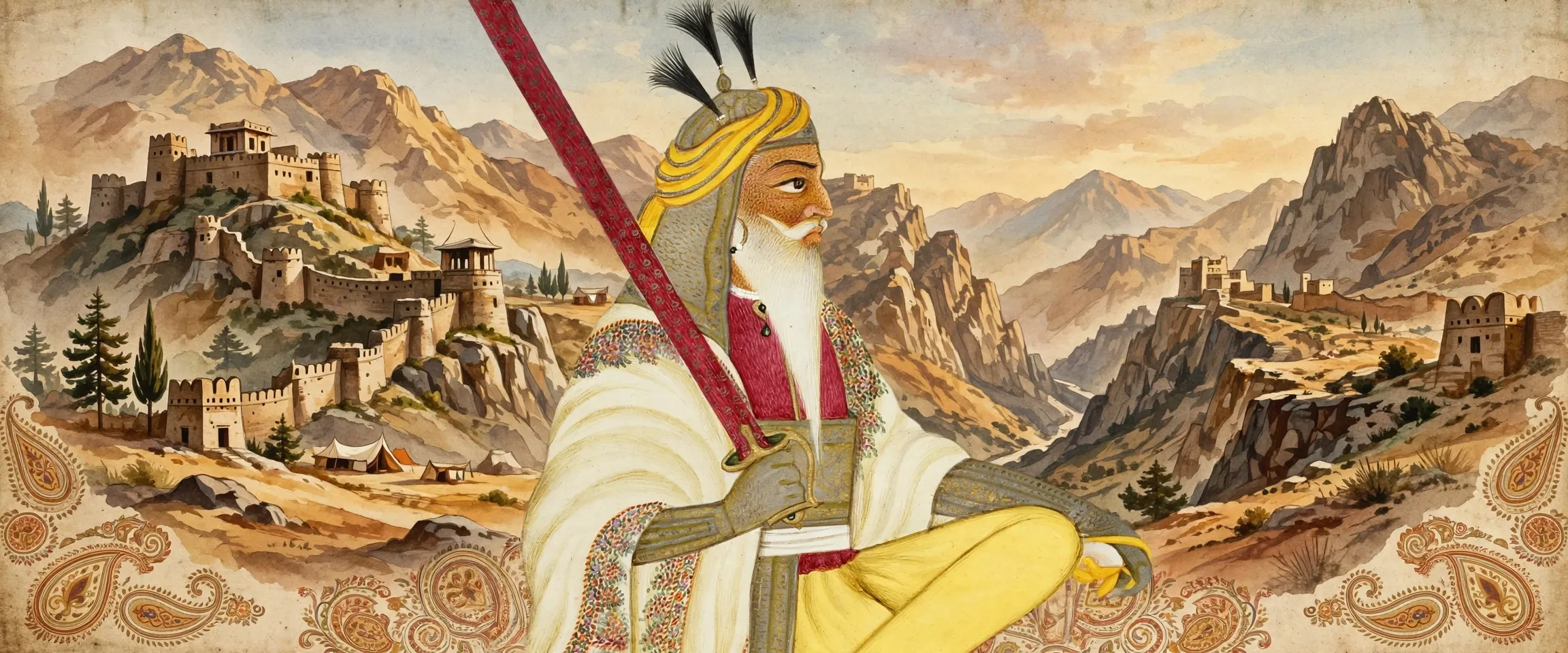
ਹਰੀ ਸਿੰਘ ਨਲਵਾ (1791 ਤੋਂ 1837) ਗੁਜਰਾਂਵਾਲਾ ਦਾ ਸਿੱਖ ਜਰਨੈਲ ਅਤੇ ਮਹਾਰਾਜਾ ਰਣਜੀਤ ਸਿੰਘ ਦੇ ਸਿੱਖ ਸਾਮਰਾਜ ਦੀ ਅਫ਼ਗਾਨ ਸਰਹੱਦ ਉੱਤੇ ਮੁੱਖ ਕਮਾਂਡਰ ਸੀ। ਉਸ ਨੇ ਕਸੂਰ, ਅਟਕ, ਮੁਲਤਾਨ, ਕਸ਼ਮੀਰ ਅਤੇ ਪੇਸ਼ਾਵਰ ਜਿੱਤਣ ਵਿੱਚ ਮਦਦ ਕੀਤੀ, ਕਸ਼ਮੀਰ, ਹਜ਼ਾਰਾ ਅਤੇ ਪੇਸ਼ਾਵਰ ਦਾ ਰਾਜਪਾਲ ਰਿਹਾ, ਅਤੇ 1837 ਵਿੱਚ ਜਮਰੌਦ ਦੀ ਲੜਾਈ ਵਿੱਚ ਸ਼ਹੀਦ ਹੋਇਆ।
ਜੀਵਨ ਇੱਕ ਨਜ਼ਰ ਵਿੱਚ
- 1791ਜਨਮ ਗੁਜਰਾਂਵਾਲਾ, ਪੰਜਾਬ
- 1807Known battle ਕਸੂਰ
- 1813Known battle ਅਟਕ
- 1818Known battle ਮੁਲਤਾਨ
- 1819Known battle Shopian
- 1821Known battle Mangal
2 ਹੋਰ ਦਿਖਾਓ
- 1821Known battle Mankera
- 1837ਦੇਹਾਂਤ Jamrud, at the mouth of the Khyber Pass, aged 46
- ਪੰਜਾਬੀ ਨਾਂ
- ਹਰੀ ਸਿੰਘ ਨਲਵਾ
- ਜਨਮ
- 29 ਅਪ੍ਰੈਲ 1791, ਗੁਜਰਾਂਵਾਲਾ, ਪੰਜਾਬ
- ਜਨਮ ਅਸਥਾਨ
- ਗੁਜਰਾਂਵਾਲਾ, ਮਾਝਾ, ਪੱਛਮੀ ਪੰਜਾਬ (ਹੁਣ ਪਾਕਿਸਤਾਨ ਵਿੱਚ)
- ਮੁੱਖ ਪੰਨਾ
- ਗੁਜਰਾਂਵਾਲਾ
- ਜ਼ਿਲ੍ਹਾ
- ਗੁਜਰਾਂਵਾਲਾ
- ਤਹਿਸੀਲ
- ਗੁਜਰਾਂਵਾਲਾ
All 16 facts
- ਇਲਾਕਾ
- ਮਾਝਾ, ਪੱਛਮੀ ਪੰਜਾਬ
- ਮਾਤਾ ਪਿਤਾ
- ਗੁਰਦਿਆਲ ਸਿੰਘ ਅਤੇ ਧਰਮ ਕੌਰ, ਉੱਪਲ ਖੱਤਰੀ ਭਾਈਚਾਰੇ ਨਾਲੋਂ
- ਦੇਹਾਂਤ
- 30 ਅਪ੍ਰੈਲ 1837, ਜਮਰੌਦ, ਖੈਬਰ ਦੱਰੇ ਦੇ ਮੂੰਹ ਉੱਤੇ, ਉਮਰ 46 ਸਾਲ
- ਸੇਵਾ
- ਸਿੱਖ ਖਾਲਸਾ ਫ਼ੌਜ, 1804 ਤੋਂ 1837, ਮਹਾਰਾਜਾ ਰਣਜੀਤ ਸਿੰਘ ਹੇਠ
- ਦਰਜਾ
- ਸਿੱਖ ਖਾਲਸਾ ਫ਼ੌਜ ਦਾ ਜਰਨੈਲ; ਅਫ਼ਗਾਨ ਸਰਹੱਦ ਉੱਤੇ ਮੁੱਖ ਕਮਾਂਡਰ (1825 ਤੋਂ 1837)
- ਰਾਜਪਾਲ
- ਕਸ਼ਮੀਰ (1820 ਤੋਂ 1821); ਹਜ਼ਾਰਾ (1822 ਤੋਂ 1837); ਪੇਸ਼ਾਵਰ (1834 ਤੋਂ 1835 ਅਤੇ 1836 ਤੋਂ 1837)
- ਜਾਣੀਆਂ ਲੜਾਈਆਂ
- ਕਸੂਰ (1807), ਅਟਕ (1813), ਮੁਲਤਾਨ (1818), ਸ਼ੋਪੀਆਂ (1819), ਮੰਗਲ (1821), ਮਨਕੇਰਾ (1821), ਨੌਸ਼ਹਿਰਾ (1823), ਜਮਰੌਦ (1837)
- ਨਿਰਮਾਤਾ
- 1822 ਵਿੱਚ ਹਰੀਪੁਰ ਨਗਰ ਵਸਾਇਆ; ਹਰਕਿਸ਼ਨਗੜ੍ਹ ਅਤੇ ਜਮਰੌਦ ਕਿਲ੍ਹੇ ਅਤੇ ਹੋਰ ਸਰਹੱਦੀ ਕਿਲ੍ਹੇ ਬਣਾਏ; ਉਸ ਨਾਲ 55 ਤੋਂ ਵੱਧ ਇਮਾਰਤਾਂ ਜੋੜੀਆਂ ਜਾਂਦੀਆਂ ਹਨ
- ਨਾਂ
- ਬਾਘਮਾਰ, ਸ਼ੇਰ ਮਾਰਨ ਵਾਲਾ, ਵਜੋਂ ਜਾਣਿਆ ਜਾਂਦਾ ਹੈ, 1804 ਵਿੱਚ ਸ਼ਿਕਾਰ ਦੌਰਾਨ ਸ਼ੇਰ ਮਾਰਨ ਦੀ ਪਰੰਪਰਾਗਤ ਕਹਾਣੀ ਤੋਂ
- ਸਨਮਾਨ
- ਇਜ਼ਾਜ਼ੀ ਸਰਦਾਰੀ; 2013 ਵਿੱਚ ਭਾਰਤ ਸਰਕਾਰ ਵੱਲੋਂ ਡਾਕ ਟਿਕਟ ਜਾਰੀ
Hari Singh Nalwa (1791 to 1837) was a Sikh general from Gujranwala who served as commander in chief along the Afghan frontier of Maharaja Ranjit Singh's Sikh Empire. He helped conquer Kashmir, Multan and Peshawar, governed Kashmir, Hazara and Peshawar, built forts and towns, and died defending Jamrud in 1837.
Early life in Gujranwala
Hari Singh Nalwa was born on 29 April 1791 in Gujranwala, in the Majha region of Punjab, in what is now Pakistan. His parents were Gurdial Singh and Dharam Kaur, of the Uppal Khatri community. His family had served the Sukerchakia Misl, the Sikh grouping from which Maharaja Ranjit Singh also came, and his grandfather Hardas Singh is reported to have been killed fighting Ahmad Shah Durrani in 1762.
His father died in 1798, when Hari Singh was a young boy, and his mother raised him. Accounts of his childhood say that at the age of ten he took Amrit Sanchar and was initiated as a Khalsa, and that by twelve he was managing his father's estate and learning to ride. In 1804 his mother sent him to Ranjit Singh's court at Lahore to settle a property dispute. The Maharaja decided in his favour, was impressed by his background and by his skill as a horseman and musketeer, and took him on as a personal attendant.
Rise in Ranjit Singh's army and the name Nalwa
Tradition gives a striking story for his name. During a hunt in 1804, a tiger is said to have attacked him and killed his horse, and Hari Singh, refusing help from fellow hunters, is said to have killed the tiger himself. From that story he is reported to have gained the name Baghmar, meaning tiger killer, and Nalwa, understood as one with tiger like claws. The details vary between historical texts, so the episode is best read as a reported tradition rather than a settled record, but the name Nalwa stayed with him for life.
His rise after 1804 was fast. He was commissioned as a sardar commanding 800 horse and foot, and at sixteen he took part in the capture of Kasur in 1807, where his bravery earned him a jagir, a grant of land revenue. He then led the force that took Sialkot, his first independent command, and helped take Jammu in 1808. Service in campaign after campaign made him one of the Maharaja's most trusted commanders on the difficult north western frontier.
Conquests at Attock, Multan and Kashmir
In 1813 Hari Singh fought at Attock, on the banks of the Indus, where Sikh forces under Diwan Mohkam Chand defeated Wazir Fateh Khan and Dost Mohammad Khan of Kabul. It was an important early Sikh victory over Afghan forces, and after it the nearby Hazara and Gandhgarh country became tributary to Lahore. He fought in repeated expeditions against Multan, and in the final conquest of Multan in 1818 he was described as chiefly instrumental in the capture of the citadel.
Kashmir followed. Sikh forces entered Srinagar in July 1819 after defeating Durrani forces at Shopian, and Hari Singh played a leading part on the march, routing the force of Raja Agarullah Khan at Rajouri on the way. Peshawar, the summer capital of the Kabul kingdom, had first been entered by Sikh forces in 1818, and Hari Singh was sent there to keep up Sikh pressure. Over the next two decades he either commanded or took part in about twenty major battles and campaigns, including Mangal in 1821, Mankera in 1821, Nowshera in 1823 and Sirikot in 1824.
Governor of Kashmir, Hazara and Peshawar
Nalwa was as much an administrator as a soldier. He served as governor of Kashmir in 1820 to 1821, of greater Hazara from 1822 to 1837, and of Peshawar in 1834 to 1835 and again in 1836 to 1837, and he held command along the Afghan frontier from 1825. In Kashmir, accounts credit him with dividing the territory into parganahs under collectors, restoring order and starting work on forts and gardens. He established a mint for the Sikh Empire in Kashmir and Peshawar to help revenue collection, and coins struck in Kashmir under the Sikhs were long known as Hari Singhee rupees.
He was also a builder on a large scale. More than fifty five buildings are attributed to him in one scholarly account, including forts, ramparts, towers, gurdwaras, tanks, temples, mosques, towns, havelis, sarais and gardens. In Hazara he built the fort of Harkishengarh and founded the town of Haripur in 1822, described as the first planned town in the region. He built or strengthened frontier forts including Jehangira, Nowshera, Sumergarh at Peshawar and Fatehgarh at Jamrud, and he is also credited with building Gurdwara Panja Sahib at Hassan Abdal. In 1831 he led a diplomatic mission to the Governor General of British India, work that led to the meeting between Ranjit Singh and Lord William Bentinck at Ropar.
How did Hari Singh Nalwa die at Jamrud?
Hari Singh Nalwa died on 30 April 1837 at Jamrud, at the mouth of the Khyber Pass, fighting Afghan forces in the Battle of Jamrud. He had built the fort at Jamrud in 1836 to hold the pass. When Afghan forces under Akbar Khan, son of Dost Mohammad Khan, attacked in 1837, Nalwa, who was at Peshawar and reported to have been unwell, rushed to relieve the fort's small garrison. In the fighting outside the fort he was badly wounded.
Accounts of the battle agree on his last order: that news of his death should not be made public until reinforcements from Lahore arrived, so that his troops would not lose heart. He was taken into the fort and died there the same evening, and he was cremated inside Jamrud Fort. The Sikhs held Jamrud, and at his death Jamrud was the western boundary of the Sikh Empire, beyond the Indus at the entrance to the Khyber Pass.
Legacy and remembrance
Nalwa's legacy rests on the frontier he held. For centuries armies had entered the Punjab plains through the Khyber Pass, and under Nalwa the Sikh Empire's border stood at the pass itself. Later writers called him the Champion of the Khalsaji, and stories of his reputation lived on in the region: Afghan mothers were long said to quieten children with words to the effect that Hari Singh was coming, a saying recorded by later travellers and writers. No further Sikh conquest was made on the north west frontier after his death.
He is remembered in the places he built, above all Haripur, which still carries the Hari of his name, and in memorials at Jamrud Fort, where his samadh stands inside the fort he built. The Government of India issued a postage stamp in his honour in 2013. For readers in Punjab, on both sides of the present border, he remains the best known general of Ranjit Singh's empire after the Maharaja himself: a Gujranwala born commander whose career joined conquest, government and building in one short life of forty six years.
ਹਰੀ ਸਿੰਘ ਨਲਵਾ (1791 ਤੋਂ 1837) ਗੁਜਰਾਂਵਾਲਾ ਦਾ ਸਿੱਖ ਜਰਨੈਲ ਸੀ ਜੋ ਮਹਾਰਾਜਾ ਰਣਜੀਤ ਸਿੰਘ ਦੇ ਸਿੱਖ ਸਾਮਰਾਜ ਦੀ ਅਫ਼ਗਾਨ ਸਰਹੱਦ ਉੱਤੇ ਮੁੱਖ ਕਮਾਂਡਰ ਵਜੋਂ ਸੇਵਾ ਕਰਦਾ ਰਿਹਾ। ਉਸ ਨੇ ਕਸ਼ਮੀਰ, ਮੁਲਤਾਨ ਅਤੇ ਪੇਸ਼ਾਵਰ ਜਿੱਤਣ ਵਿੱਚ ਮਦਦ ਕੀਤੀ, ਕਸ਼ਮੀਰ, ਹਜ਼ਾਰਾ ਅਤੇ ਪੇਸ਼ਾਵਰ ਦਾ ਰਾਜਪਾਲ ਰਿਹਾ, ਕਿਲ੍ਹੇ ਅਤੇ ਨਗਰ ਬਣਾਏ, ਅਤੇ 1837 ਵਿੱਚ ਜਮਰੌਦ ਦੀ ਰਾਖੀ ਕਰਦਾ ਹੋਇਆ ਸ਼ਹੀਦ ਹੋਇਆ।
ਗੁਜਰਾਂਵਾਲਾ ਵਿੱਚ ਮੁੱਢਲਾ ਜੀਵਨ
ਹਰੀ ਸਿੰਘ ਨਲਵਾ ਦਾ ਜਨਮ 29 ਅਪ੍ਰੈਲ 1791 ਨੂੰ ਪੰਜਾਬ ਦੇ ਮਾਝਾ ਖੇਤਰ ਵਿੱਚ ਗੁਜਰਾਂਵਾਲਾ ਵਿੱਚ ਹੋਇਆ, ਜੋ ਅੱਜ ਪਾਕਿਸਤਾਨ ਵਿੱਚ ਹੈ। ਉਸ ਦੇ ਮਾਪੇ ਗੁਰਦਿਆਲ ਸਿੰਘ ਅਤੇ ਧਰਮ ਕੌਰ ਸਨ, ਜੋ ਉੱਪਲ ਖੱਤਰੀ ਭਾਈਚਾਰੇ ਨਾਲ ਸੰਬੰਧਿਤ ਸਨ। ਉਸ ਦਾ ਪਰਿਵਾਰ ਸੁਕਰਚੱਕੀਆ ਮਿਸਲ ਦੀ ਸੇਵਾ ਕਰ ਚੁੱਕਾ ਸੀ, ਉਹੀ ਸਿੱਖ ਸਮੂਹ ਜਿਸ ਨਾਲੋਂ ਮਹਾਰਾਜਾ ਰਣਜੀਤ ਸਿੰਘ ਵੀ ਆਏ ਸਨ, ਅਤੇ ਉਸ ਦੇ ਦਾਦਾ ਹਰਦਾਸ ਸਿੰਘ ਬਾਰੇ ਕਿਹਾ ਜਾਂਦਾ ਹੈ ਕਿ ਉਹ 1762 ਵਿੱਚ ਅਹਿਮਦ ਸ਼ਾਹ ਦੁਰਾਨੀ ਨਾਲ ਲੜਦੇ ਹੋਏ ਮਾਰੇ ਗਏ ਸਨ।
ਉਸ ਦੇ ਪਿਤਾ ਦੀ ਮੌਤ 1798 ਵਿੱਚ ਹੋ ਗਈ, ਜਦੋਂ ਹਰੀ ਸਿੰਘ ਛੋਟਾ ਬੱਚਾ ਸੀ, ਅਤੇ ਉਸ ਦੀ ਮਾਂ ਨੇ ਉਸ ਨੂੰ ਪਾਲਿਆ। ਉਸ ਦੇ ਬਚਪਨ ਦੇ ਵੇਰਵਿਆਂ ਅਨੁਸਾਰ ਦਸ ਸਾਲ ਦੀ ਉਮਰ ਵਿੱਚ ਉਸ ਨੇ ਅੰਮ੍ਰਿਤ ਸੰਚਾਰ ਲਿਆ ਅਤੇ ਖਾਲਸਾ ਬਣਿਆ, ਅਤੇ ਬਾਰਾਂ ਸਾਲ ਦੀ ਉਮਰ ਤੱਕ ਉਹ ਆਪਣੇ ਪਿਤਾ ਦੀ ਜਾਇਦਾਦ ਸੰਭਾਲ ਰਿਹਾ ਸੀ ਅਤੇ ਘੋੜਸਵਾਰੀ ਸਿੱਖ ਰਿਹਾ ਸੀ। 1804 ਵਿੱਚ ਉਸ ਦੀ ਮਾਂ ਨੇ ਉਸ ਨੂੰ ਜਾਇਦਾਦ ਦੇ ਝਗੜੇ ਦਾ ਫ਼ੈਸਲਾ ਕਰਾਉਣ ਲਈ ਲਾਹੌਰ ਵਿੱਚ ਰਣਜੀਤ ਸਿੰਘ ਦੇ ਦਰਬਾਰ ਵਿੱਚ ਭੇਜਿਆ। ਮਹਾਰਾਜੇ ਨੇ ਉਸ ਦੇ ਹੱਕ ਵਿੱਚ ਫ਼ੈਸਲਾ ਦਿੱਤਾ, ਉਸ ਦੇ ਪਿਛੋਕੜ ਅਤੇ ਘੋੜਸਵਾਰ ਤੇ ਬੰਦੂਕਚੀ ਵਜੋਂ ਉਸ ਦੀ ਮੁਹਾਰਤ ਤੋਂ ਪ੍ਰਭਾਵਿਤ ਹੋਏ, ਅਤੇ ਉਸ ਨੂੰ ਆਪਣਾ ਨਿੱਜੀ ਸੇਵਾਦਾਰ ਬਣਾ ਲਿਆ।
ਰਣਜੀਤ ਸਿੰਘ ਦੀ ਫ਼ੌਜ ਵਿੱਚ ਉਭਾਰ ਅਤੇ ਨਲਵਾ ਨਾਂ
ਪਰੰਪਰਾ ਉਸ ਦੇ ਨਾਂ ਲਈ ਇੱਕ ਅਨੋਖੀ ਕਹਾਣੀ ਦਿੰਦੀ ਹੈ। ਕਿਹਾ ਜਾਂਦਾ ਹੈ ਕਿ 1804 ਵਿੱਚ ਇੱਕ ਸ਼ਿਕਾਰ ਦੌਰਾਨ ਇੱਕ ਸ਼ੇਰ ਨੇ ਉਸ ਉੱਤੇ ਹਮਲਾ ਕੀਤਾ ਅਤੇ ਉਸ ਦਾ ਘੋੜਾ ਮਾਰ ਦਿੱਤਾ, ਅਤੇ ਹਰੀ ਸਿੰਘ ਨੇ ਸਾਥੀ ਸ਼ਿਕਾਰੀਆਂ ਦੀ ਮਦਦ ਠੁਕਰਾ ਕੇ ਸ਼ੇਰ ਨੂੰ ਆਪ ਹੀ ਮਾਰ ਦਿੱਤਾ। ਇਸ ਕਹਾਣੀ ਤੋਂ ਉਸ ਨੂੰ ਬਾਘਮਾਰ, ਭਾਵ ਸ਼ੇਰ ਮਾਰਨ ਵਾਲਾ, ਅਤੇ ਨਲਵਾ, ਭਾਵ ਸ਼ੇਰ ਵਰਗੇ ਪੰਜੇ ਵਾਲਾ, ਨਾਂ ਮਿਲਿਆ ਦੱਸਿਆ ਜਾਂਦਾ ਹੈ। ਇਤਿਹਾਸਕ ਗ੍ਰੰਥਾਂ ਵਿੱਚ ਇਸ ਦੇ ਵੇਰਵੇ ਵੱਖੋ ਵੱਖਰੇ ਹਨ, ਇਸ ਲਈ ਇਸ ਘਟਨਾ ਨੂੰ ਪੱਕੇ ਰਿਕਾਰਡ ਦੀ ਬਜਾਏ ਸੁਣੀ ਹੋਈ ਪਰੰਪਰਾ ਵਜੋਂ ਪੜ੍ਹਨਾ ਚਾਹੀਦਾ ਹੈ, ਪਰ ਨਲਵਾ ਨਾਂ ਸਾਰੀ ਉਮਰ ਉਸ ਦੇ ਨਾਲ ਰਿਹਾ।
1804 ਤੋਂ ਬਾਅਦ ਉਸ ਦਾ ਉਭਾਰ ਤੇਜ਼ ਸੀ। ਉਸ ਨੂੰ 800 ਘੋੜੇ ਅਤੇ ਪੈਦਲ ਫ਼ੌਜ ਦਾ ਕਮਾਂਡਰ ਸਰਦਾਰ ਬਣਾਇਆ ਗਿਆ, ਅਤੇ ਸੋਲਾਂ ਸਾਲ ਦੀ ਉਮਰ ਵਿੱਚ ਉਸ ਨੇ 1807 ਵਿੱਚ ਕਸੂਰ ਦੀ ਜਿੱਤ ਵਿੱਚ ਹਿੱਸਾ ਲਿਆ, ਜਿੱਥੇ ਉਸ ਦੀ ਬਹਾਦਰੀ ਲਈ ਉਸ ਨੂੰ ਜਾਗੀਰ ਮਿਲੀ। ਫਿਰ ਉਸ ਨੇ ਸਿਆਲਕੋਟ ਲੈਣ ਵਾਲੀ ਫ਼ੌਜ ਦੀ ਅਗਵਾਈ ਕੀਤੀ, ਜੋ ਉਸ ਦੀ ਪਹਿਲੀ ਸੁਤੰਤਰ ਕਮਾਨ ਸੀ, ਅਤੇ 1808 ਵਿੱਚ ਜੰਮੂ ਲੈਣ ਵਿੱਚ ਮਦਦ ਕੀਤੀ। ਇੱਕ ਤੋਂ ਬਾਅਦ ਇੱਕ ਮੁਹਿੰਮ ਵਿੱਚ ਸੇਵਾ ਨੇ ਉਸ ਨੂੰ ਔਖੀ ਉੱਤਰ ਪੱਛਮੀ ਸਰਹੱਦ ਉੱਤੇ ਮਹਾਰਾਜੇ ਦੇ ਸਭ ਤੋਂ ਭਰੋਸੇਯੋਗ ਕਮਾਂਡਰਾਂ ਵਿੱਚੋਂ ਇੱਕ ਬਣਾ ਦਿੱਤਾ।
ਅਟਕ, ਮੁਲਤਾਨ ਅਤੇ ਕਸ਼ਮੀਰ ਦੀਆਂ ਜਿੱਤਾਂ
1813 ਵਿੱਚ ਹਰੀ ਸਿੰਘ ਅਟਕ ਵਿੱਚ ਲੜਿਆ, ਸਿੰਧ ਦਰਿਆ ਦੇ ਕੰਢੇ, ਜਿੱਥੇ ਦੀਵਾਨ ਮੋਹਕਮ ਚੰਦ ਦੀ ਅਗਵਾਈ ਹੇਠ ਸਿੱਖ ਫ਼ੌਜਾਂ ਨੇ ਕਾਬੁਲ ਦੇ ਵਜ਼ੀਰ ਫ਼ਤਿਹ ਖਾਨ ਅਤੇ ਦੋਸਤ ਮੁਹੰਮਦ ਖਾਨ ਨੂੰ ਹਰਾਇਆ। ਇਹ ਅਫ਼ਗਾਨ ਫ਼ੌਜਾਂ ਉੱਤੇ ਸਿੱਖਾਂ ਦੀ ਮਹੱਤਵਪੂਰਨ ਮੁੱਢਲੀ ਜਿੱਤ ਸੀ, ਅਤੇ ਇਸ ਤੋਂ ਬਾਅਦ ਨੇੜਲਾ ਹਜ਼ਾਰਾ ਅਤੇ ਗੰਢਗੜ੍ਹ ਇਲਾਕਾ ਲਾਹੌਰ ਦਾ ਅਧੀਨ ਬਣ ਗਿਆ। ਉਹ ਮੁਲਤਾਨ ਖਿਲਾਫ਼ ਵਾਰ ਵਾਰ ਮੁਹਿੰਮਾਂ ਵਿੱਚ ਲੜਿਆ, ਅਤੇ 1818 ਵਿੱਚ ਮੁਲਤਾਨ ਦੀ ਆਖਰੀ ਜਿੱਤ ਵਿੱਚ ਕਿਲ੍ਹਾ ਲੈਣ ਵਿੱਚ ਉਸ ਦੀ ਭੂਮਿਕਾ ਸਭ ਤੋਂ ਵੱਡੀ ਦੱਸੀ ਗਈ।
ਇਸ ਤੋਂ ਬਾਅਦ ਕਸ਼ਮੀਰ ਆਇਆ। ਜੁਲਾਈ 1819 ਵਿੱਚ ਸ਼ੋਪੀਆਂ ਵਿੱਚ ਦੁਰਾਨੀ ਫ਼ੌਜਾਂ ਨੂੰ ਹਰਾ ਕੇ ਸਿੱਖ ਫ਼ੌਜਾਂ ਸ੍ਰੀਨਗਰ ਵਿੱਚ ਦਾਖਲ ਹੋਈਆਂ, ਅਤੇ ਹਰੀ ਸਿੰਘ ਨੇ ਰਾਹ ਵਿੱਚ ਰਾਜੌਰੀ ਵਿਖੇ ਰਾਜਾ ਅਗਰੁੱਲਾ ਖਾਨ ਦੀ ਫ਼ੌਜ ਨੂੰ ਹਰਾ ਕੇ ਮੋਹਰੀ ਭੂਮਿਕਾ ਨਿਭਾਈ। ਪੇਸ਼ਾਵਰ, ਕਾਬੁਲ ਬਾਦਸ਼ਾਹਤ ਦੀ ਗਰਮੀਆਂ ਦੀ ਰਾਜਧਾਨੀ, ਵਿੱਚ ਸਿੱਖ ਫ਼ੌਜਾਂ ਪਹਿਲਾਂ 1818 ਵਿੱਚ ਦਾਖਲ ਹੋਈਆਂ ਸਨ, ਅਤੇ ਹਰੀ ਸਿੰਘ ਨੂੰ ਸਿੱਖ ਦਬਦਬਾ ਬਣਾਈ ਰੱਖਣ ਲਈ ਉੱਥੇ ਭੇਜਿਆ ਗਿਆ। ਅਗਲੇ ਦੋ ਦਹਾਕਿਆਂ ਵਿੱਚ ਉਸ ਨੇ ਲਗਭਗ ਵੀਹ ਵੱਡੀਆਂ ਲੜਾਈਆਂ ਅਤੇ ਮੁਹਿੰਮਾਂ ਵਿੱਚ ਕਮਾਨ ਕੀਤੀ ਜਾਂ ਹਿੱਸਾ ਲਿਆ, ਜਿਨ੍ਹਾਂ ਵਿੱਚ 1821 ਵਿੱਚ ਮੰਗਲ, 1821 ਵਿੱਚ ਮਨਕੇਰਾ, 1823 ਵਿੱਚ ਨੌਸ਼ਹਿਰਾ ਅਤੇ 1824 ਵਿੱਚ ਸਿਰੀਕੋਟ ਸ਼ਾਮਲ ਹਨ।
ਕਸ਼ਮੀਰ, ਹਜ਼ਾਰਾ ਅਤੇ ਪੇਸ਼ਾਵਰ ਦਾ ਰਾਜਪਾਲ
ਨਲਵਾ ਸਿਪਾਹੀ ਜਿੰਨਾ ਹੀ ਚੰਗਾ ਪ੍ਰਸ਼ਾਸਕ ਵੀ ਸੀ। ਉਹ 1820 ਤੋਂ 1821 ਤੱਕ ਕਸ਼ਮੀਰ ਦਾ, 1822 ਤੋਂ 1837 ਤੱਕ ਵੱਡੇ ਹਜ਼ਾਰਾ ਦਾ, ਅਤੇ 1834 ਤੋਂ 1835 ਤੱਕ ਅਤੇ ਫਿਰ 1836 ਤੋਂ 1837 ਤੱਕ ਪੇਸ਼ਾਵਰ ਦਾ ਰਾਜਪਾਲ ਰਿਹਾ, ਅਤੇ 1825 ਤੋਂ ਉਸ ਨੇ ਅਫ਼ਗਾਨ ਸਰਹੱਦ ਦੀ ਕਮਾਨ ਸੰਭਾਲੀ। ਕਸ਼ਮੀਰ ਵਿੱਚ ਵੇਰਵੇ ਉਸ ਨੂੰ ਇਲਾਕੇ ਨੂੰ ਕਲੈਕਟਰਾਂ ਹੇਠ ਪਰਗਨਿਆਂ ਵਿੱਚ ਵੰਡਣ, ਅਮਨ ਬਹਾਲ ਕਰਨ ਅਤੇ ਕਿਲ੍ਹਿਆਂ ਤੇ ਬਾਗਾਂ ਦਾ ਕੰਮ ਸ਼ੁਰੂ ਕਰਨ ਦਾ ਸਿਹਰਾ ਦਿੰਦੇ ਹਨ। ਉਸ ਨੇ ਮਾਲੀਆ ਇਕੱਠਾ ਕਰਨ ਵਿੱਚ ਮਦਦ ਲਈ ਕਸ਼ਮੀਰ ਅਤੇ ਪੇਸ਼ਾਵਰ ਵਿੱਚ ਸਿੱਖ ਸਾਮਰਾਜ ਲਈ ਟਕਸਾਲ ਸਥਾਪਤ ਕੀਤੀ, ਅਤੇ ਕਸ਼ਮੀਰ ਵਿੱਚ ਸਿੱਖਾਂ ਹੇਠ ਬਣੇ ਸਿੱਕੇ ਲੰਬੇ ਸਮੇਂ ਤੱਕ ਹਰੀ ਸਿੰਘੀ ਰੁਪਏ ਵਜੋਂ ਜਾਣੇ ਜਾਂਦੇ ਰਹੇ।
ਉਹ ਵੱਡੇ ਪੱਧਰ ਦਾ ਨਿਰਮਾਤਾ ਵੀ ਸੀ। ਇੱਕ ਵਿਦਵਾਨ ਵੇਰਵੇ ਅਨੁਸਾਰ ਉਸ ਨਾਲ ਪਚਵੰਜਾ ਤੋਂ ਵੱਧ ਇਮਾਰਤਾਂ ਜੋੜੀਆਂ ਜਾਂਦੀਆਂ ਹਨ, ਜਿਨ੍ਹਾਂ ਵਿੱਚ ਕਿਲ੍ਹੇ, ਕੰਧਾਂ, ਬੁਰਜ, ਗੁਰਦੁਆਰੇ, ਤਲਾਬ, ਮੰਦਰ, ਮਸਜਿਦਾਂ, ਨਗਰ, ਹਵੇਲੀਆਂ, ਸਰਾਵਾਂ ਅਤੇ ਬਾਗ ਸ਼ਾਮਲ ਹਨ। ਹਜ਼ਾਰਾ ਵਿੱਚ ਉਸ ਨੇ ਹਰਕਿਸ਼ਨਗੜ੍ਹ ਦਾ ਕਿਲ੍ਹਾ ਬਣਾਇਆ ਅਤੇ 1822 ਵਿੱਚ ਹਰੀਪੁਰ ਨਗਰ ਵਸਾਇਆ, ਜੋ ਖੇਤਰ ਦਾ ਪਹਿਲਾ ਯੋਜਨਾਬੱਧ ਨਗਰ ਦੱਸਿਆ ਜਾਂਦਾ ਹੈ। ਉਸ ਨੇ ਜਹਾਂਗੀਰਾ, ਨੌਸ਼ਹਿਰਾ, ਪੇਸ਼ਾਵਰ ਵਿਖੇ ਸੁਮੇਰਗੜ੍ਹ ਅਤੇ ਜਮਰੌਦ ਵਿਖੇ ਫ਼ਤਿਹਗੜ੍ਹ ਸਮੇਤ ਸਰਹੱਦੀ ਕਿਲ੍ਹੇ ਬਣਾਏ ਜਾਂ ਮਜ਼ਬੂਤ ਕੀਤੇ, ਅਤੇ ਹਸਨ ਅਬਦਾਲ ਵਿਖੇ ਗੁਰਦੁਆਰਾ ਪੰਜਾ ਸਾਹਿਬ ਬਣਾਉਣ ਦਾ ਸਿਹਰਾ ਵੀ ਉਸ ਨੂੰ ਦਿੱਤਾ ਜਾਂਦਾ ਹੈ। 1831 ਵਿੱਚ ਉਸ ਨੇ ਬ੍ਰਿਟਿਸ਼ ਭਾਰਤ ਦੇ ਗਵਰਨਰ ਜਨਰਲ ਕੋਲ ਇੱਕ ਰਾਜਦੂਤ ਮਿਸ਼ਨ ਦੀ ਅਗਵਾਈ ਕੀਤੀ, ਜਿਸ ਕੰਮ ਤੋਂ ਰੋਪੜ ਵਿਖੇ ਰਣਜੀਤ ਸਿੰਘ ਅਤੇ ਲਾਰਡ ਵਿਲੀਅਮ ਬੈਂਟਿੰਕ ਦੀ ਮੁਲਾਕਾਤ ਹੋਈ।
ਹਰੀ ਸਿੰਘ ਨਲਵਾ ਜਮਰੌਦ ਵਿੱਚ ਕਿਵੇਂ ਸ਼ਹੀਦ ਹੋਇਆ?
ਹਰੀ ਸਿੰਘ ਨਲਵਾ 30 ਅਪ੍ਰੈਲ 1837 ਨੂੰ ਖੈਬਰ ਦੱਰੇ ਦੇ ਮੂੰਹ ਉੱਤੇ ਜਮਰੌਦ ਵਿੱਚ, ਜਮਰੌਦ ਦੀ ਲੜਾਈ ਵਿੱਚ ਅਫ਼ਗਾਨ ਫ਼ੌਜਾਂ ਨਾਲ ਲੜਦਾ ਹੋਇਆ ਸ਼ਹੀਦ ਹੋਇਆ। ਉਸ ਨੇ ਦੱਰਾ ਸੰਭਾਲਣ ਲਈ 1836 ਵਿੱਚ ਜਮਰੌਦ ਦਾ ਕਿਲ੍ਹਾ ਬਣਾਇਆ ਸੀ। ਜਦੋਂ 1837 ਵਿੱਚ ਦੋਸਤ ਮੁਹੰਮਦ ਖਾਨ ਦੇ ਪੁੱਤਰ ਅਕਬਰ ਖਾਨ ਦੀ ਅਗਵਾਈ ਹੇਠ ਅਫ਼ਗਾਨ ਫ਼ੌਜਾਂ ਨੇ ਹਮਲਾ ਕੀਤਾ, ਤਾਂ ਨਲਵਾ, ਜੋ ਪੇਸ਼ਾਵਰ ਵਿੱਚ ਸੀ ਅਤੇ ਬਿਮਾਰ ਦੱਸਿਆ ਜਾਂਦਾ ਸੀ, ਕਿਲ੍ਹੇ ਦੀ ਛੋਟੀ ਗੈਰੀਸਨ ਦੀ ਮਦਦ ਲਈ ਦੌੜਿਆ। ਕਿਲ੍ਹੇ ਤੋਂ ਬਾਹਰ ਲੜਾਈ ਵਿੱਚ ਉਹ ਬੁਰੀ ਤਰ੍ਹਾਂ ਜ਼ਖਮੀ ਹੋ ਗਿਆ।
ਲੜਾਈ ਦੇ ਵੇਰਵੇ ਉਸ ਦੇ ਆਖਰੀ ਹੁਕਮ ਉੱਤੇ ਸਹਿਮਤ ਹਨ: ਕਿ ਉਸ ਦੀ ਮੌਤ ਦੀ ਖ਼ਬਰ ਉਦੋਂ ਤੱਕ ਜਨਤਕ ਨਾ ਕੀਤੀ ਜਾਵੇ ਜਦੋਂ ਤੱਕ ਲਾਹੌਰ ਤੋਂ ਕੁਮਕ ਨਾ ਆ ਜਾਵੇ, ਤਾਂ ਜੋ ਉਸ ਦੇ ਸਿਪਾਹੀ ਹੌਸਲਾ ਨਾ ਹਾਰਨ। ਉਸ ਨੂੰ ਕਿਲ੍ਹੇ ਅੰਦਰ ਲਿਆਂਦਾ ਗਿਆ ਅਤੇ ਉਸੇ ਸ਼ਾਮ ਉੱਥੇ ਉਸ ਦੀ ਮੌਤ ਹੋ ਗਈ, ਅਤੇ ਜਮਰੌਦ ਕਿਲ੍ਹੇ ਅੰਦਰ ਹੀ ਉਸ ਦਾ ਸਸਕਾਰ ਕੀਤਾ ਗਿਆ। ਸਿੱਖਾਂ ਨੇ ਜਮਰੌਦ ਸੰਭਾਲੀ ਰੱਖਿਆ, ਅਤੇ ਉਸ ਦੀ ਮੌਤ ਵੇਲੇ ਜਮਰੌਦ ਸਿੱਖ ਸਾਮਰਾਜ ਦੀ ਪੱਛਮੀ ਸਰਹੱਦ ਸੀ, ਸਿੰਧ ਤੋਂ ਪਾਰ ਖੈਬਰ ਦੱਰੇ ਦੇ ਪ੍ਰਵੇਸ਼ ਉੱਤੇ।
ਵਿਰਾਸਤ ਅਤੇ ਯਾਦ
ਨਲਵਾ ਦੀ ਵਿਰਾਸਤ ਉਸ ਸਰਹੱਦ ਉੱਤੇ ਟਿਕੀ ਹੈ ਜੋ ਉਸ ਨੇ ਸੰਭਾਲੀ। ਸਦੀਆਂ ਤੱਕ ਫ਼ੌਜਾਂ ਖੈਬਰ ਦੱਰੇ ਰਾਹੀਂ ਪੰਜਾਬ ਦੇ ਮੈਦਾਨਾਂ ਵਿੱਚ ਦਾਖਲ ਹੁੰਦੀਆਂ ਰਹੀਆਂ ਸਨ, ਅਤੇ ਨਲਵਾ ਹੇਠ ਸਿੱਖ ਸਾਮਰਾਜ ਦੀ ਸਰਹੱਦ ਦੱਰੇ ਉੱਤੇ ਹੀ ਖੜੀ ਸੀ। ਬਾਅਦ ਦੇ ਲੇਖਕਾਂ ਨੇ ਉਸ ਨੂੰ ਖਾਲਸਾ ਜੀ ਦਾ ਚੈਂਪੀਅਨ ਕਿਹਾ, ਅਤੇ ਉਸ ਦੀ ਧਾਕ ਦੀਆਂ ਕਹਾਣੀਆਂ ਖੇਤਰ ਵਿੱਚ ਜਿਉਂਦੀਆਂ ਰਹੀਆਂ: ਲੰਬੇ ਸਮੇਂ ਤੱਕ ਕਿਹਾ ਜਾਂਦਾ ਰਿਹਾ ਕਿ ਅਫ਼ਗਾਨ ਮਾਵਾਂ ਬੱਚਿਆਂ ਨੂੰ ਇਸ ਭਾਵ ਨਾਲ ਚੁੱਪ ਕਰਾਉਂਦੀਆਂ ਸਨ ਕਿ ਹਰੀ ਸਿੰਘ ਆ ਰਿਹਾ ਹੈ, ਜੋ ਕਹਾਵਤ ਬਾਅਦ ਦੇ ਯਾਤਰੀਆਂ ਅਤੇ ਲੇਖਕਾਂ ਨੇ ਦਰਜ ਕੀਤੀ। ਉਸ ਦੀ ਮੌਤ ਤੋਂ ਬਾਅਦ ਉੱਤਰ ਪੱਛਮੀ ਸਰਹੱਦ ਉੱਤੇ ਸਿੱਖਾਂ ਦੀ ਹੋਰ ਕੋਈ ਜਿੱਤ ਨਹੀਂ ਹੋਈ।
ਉਸ ਨੂੰ ਉਨ੍ਹਾਂ ਥਾਵਾਂ ਵਿੱਚ ਯਾਦ ਕੀਤਾ ਜਾਂਦਾ ਹੈ ਜੋ ਉਸ ਨੇ ਬਣਾਈਆਂ, ਸਭ ਤੋਂ ਵੱਧ ਹਰੀਪੁਰ, ਜਿਸ ਦੇ ਨਾਂ ਵਿੱਚ ਅੱਜ ਵੀ ਉਸ ਦੇ ਨਾਂ ਦਾ ਹਰੀ ਸ਼ਬਦ ਹੈ, ਅਤੇ ਜਮਰੌਦ ਕਿਲ੍ਹੇ ਦੇ ਸਮਾਰਕਾਂ ਵਿੱਚ, ਜਿੱਥੇ ਉਸ ਦੀ ਸਮਾਧ ਉਸੇ ਕਿਲ੍ਹੇ ਅੰਦਰ ਖੜੀ ਹੈ ਜੋ ਉਸ ਨੇ ਬਣਾਇਆ ਸੀ। ਭਾਰਤ ਸਰਕਾਰ ਨੇ 2013 ਵਿੱਚ ਉਸ ਦੇ ਸਨਮਾਨ ਵਿੱਚ ਡਾਕ ਟਿਕਟ ਜਾਰੀ ਕੀਤੀ। ਮੌਜੂਦਾ ਸਰਹੱਦ ਦੇ ਦੋਵਾਂ ਪਾਸਿਆਂ ਦੇ ਪੰਜਾਬੀ ਪਾਠਕਾਂ ਲਈ, ਉਹ ਮਹਾਰਾਜੇ ਤੋਂ ਬਾਅਦ ਰਣਜੀਤ ਸਿੰਘ ਦੇ ਸਾਮਰਾਜ ਦਾ ਸਭ ਤੋਂ ਜਾਣਿਆ ਜਾਂਦਾ ਜਰਨੈਲ ਹੈ: ਗੁਜਰਾਂਵਾਲਾ ਵਿੱਚ ਜਨਮਿਆ ਕਮਾਂਡਰ ਜਿਸ ਦੇ ਛਿਆਲੀ ਸਾਲ ਦੇ ਛੋਟੇ ਜੀਵਨ ਵਿੱਚ ਜਿੱਤ, ਸ਼ਾਸਨ ਅਤੇ ਨਿਰਮਾਣ ਇਕੱਠੇ ਜੁੜੇ।
ਲੋਕ

ਥਾਵਾਂ

More people
ਸਰੋਤ (4)
ਜੁਗਤੀ ਮੁਫ਼ਤ ਅਤੇ ਸੁਤੰਤਰ ਹੈ। ਪਾਠਕਾਂ ਦਾ ਸਹਿਯੋਗ ਕੋਸ਼ ਨੂੰ ਵਧਾਉਂਦਾ ਹੈ।
ਸਹਿਯੋਗ