
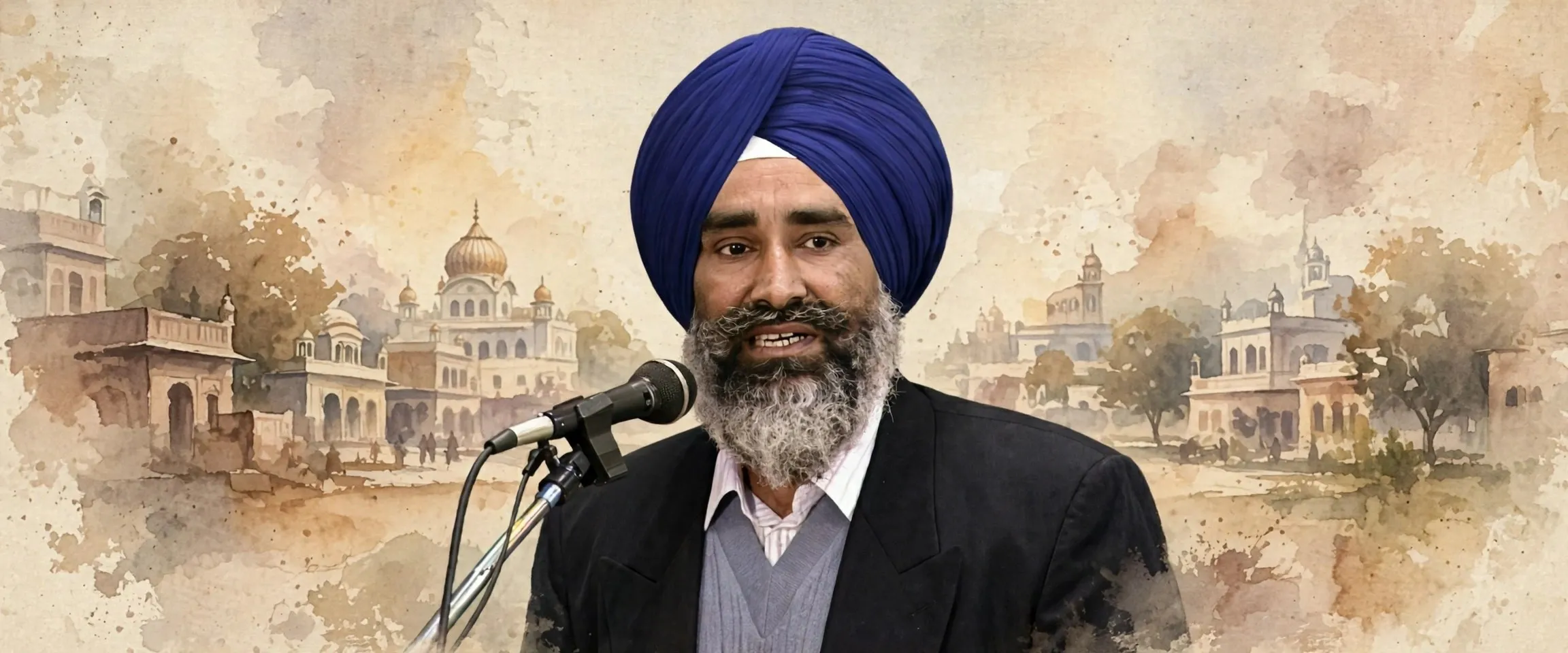
ਜਸਵੰਤ ਸਿੰਘ ਖਾਲੜਾ (1952 ਤੋਂ 1995) ਪੰਜਾਬ ਦੇ ਅੰਮ੍ਰਿਤਸਰ ਤੋਂ ਮਨੁੱਖੀ ਅਧਿਕਾਰ ਕਾਰਕੁਨ ਸਨ, ਜਿਨ੍ਹਾਂ ਨੇ ਸਸਕਾਰ ਘਾਟਾਂ ਦੇ ਰਿਕਾਰਡਾਂ ਤੋਂ ਪੰਜਾਬ ਦੇ ਬਗਾਵਤ ਵਾਲੇ ਸਾਲਾਂ ਦੌਰਾਨ ਮਾਰੇ ਗਏ ਲੋਕਾਂ ਦੇ ਗੁਪਤ ਸਸਕਾਰਾਂ ਦਾ ਦਸਤਾਵੇਜ਼ੀਕਰਨ ਕੀਤਾ। ਉਨ੍ਹਾਂ ਨੂੰ 6 ਸਤੰਬਰ 1995 ਨੂੰ ਅੰਮ੍ਰਿਤਸਰ ਵਿੱਚ ਆਪਣੇ ਘਰ ਦੇ ਬਾਹਰੋਂ ਅਗਵਾ ਕੀਤਾ ਗਿਆ ਅਤੇ ਹਿਰਾਸਤ ਵਿੱਚ ਮਾਰਿਆ ਗਿਆ, ਅਤੇ ਮਗਰੋਂ ਛੇ ਪੰਜਾਬ ਪੁਲਿਸ ਅਧਿਕਾਰੀਆਂ ਨੂੰ ਉਨ੍ਹਾਂ ਦੇ ਅਗਵਾ ਅਤੇ ਕਤਲ ਲਈ ਦੋਸ਼ੀ ਠਹਿਰਾਇਆ ਗਿਆ।
- ਪੰਜਾਬੀ ਨਾਂ
- ਜਸਵੰਤ ਸਿੰਘ ਖਾਲੜਾ
- ਜਨਮ
- 1952, ਪਿੰਡ ਖਾਲੜਾ, ਪੰਜਾਬ, ਭਾਰਤ
- ਦੇਹਾਂਤ
- 1995, 6 ਸਤੰਬਰ 1995 ਦੇ ਅਗਵਾ ਮਗਰੋਂ ਹਿਰਾਸਤ ਵਿੱਚ ਕਤਲ; ਲਾਸ਼ ਕਦੇ ਨਹੀਂ ਮਿਲੀ
- ਘਰ ਦਾ ਸ਼ਹਿਰ
- ਅੰਮ੍ਰਿਤਸਰ
- ਜ਼ਿਲ੍ਹਾ
- ਅੰਮ੍ਰਿਤਸਰ
- ਇਲਾਕਾ
- ਮਾਝਾ
All 12 facts
- ਕਿੱਤਾ
- ਮਨੁੱਖੀ ਅਧਿਕਾਰ ਕਾਰਕੁਨ; ਬੈਂਕ ਡਾਇਰੈਕਟਰ
- ਅਦਾਰਾ
- ਅੰਮ੍ਰਿਤਸਰ ਕੇਂਦਰੀ ਸਹਿਕਾਰੀ ਬੈਂਕ (ਡਾਇਰੈਕਟਰ)
- ਸੰਗਠਨ
- ਜਨਰਲ ਸਕੱਤਰ, ਮਨੁੱਖੀ ਅਧਿਕਾਰ ਵਿੰਗ, ਸ਼੍ਰੋਮਣੀ ਅਕਾਲੀ ਦਲ
- ਜਾਂਚ
- ਸਸਕਾਰ ਘਾਟਾਂ ਦੇ ਰਿਕਾਰਡਾਂ ਤੋਂ ਗੁਪਤ ਸਸਕਾਰਾਂ ਦਾ ਦਸਤਾਵੇਜ਼ੀਕਰਨ; ਸੀ. ਬੀ. ਆਈ. ਨੇ ਮਗਰੋਂ ਅੰਮ੍ਰਿਤਸਰ ਜ਼ਿਲ੍ਹੇ ਦੇ ਤਿੰਨ ਘਾਟਾਂ ਵਿੱਚ 2,097 ਗੈਰਕਾਨੂੰਨੀ ਸਸਕਾਰਾਂ ਦੀ ਸੂਚੀ ਦਿੱਤੀ
- ਕੇਸ ਦਾ ਨਤੀਜਾ
- 2005 ਵਿੱਚ ਛੇ ਪੰਜਾਬ ਪੁਲਿਸ ਅਧਿਕਾਰੀ ਦੋਸ਼ੀ; 2007 ਵਿੱਚ ਚਾਰ ਦੀਆਂ ਸਜ਼ਾਵਾਂ ਵਧਾ ਕੇ ਉਮਰ ਕੈਦ; 2011 ਵਿੱਚ ਸੁਪਰੀਮ ਕੋਰਟ ਨੇ ਸਜ਼ਾਵਾਂ ਬਰਕਰਾਰ ਰੱਖੀਆਂ
- ਪਰਿਵਾਰ
- ਪਤਨੀ ਪਰਮਜੀਤ ਕੌਰ ਖਾਲੜਾ; ਬੱਚੇ ਨਵਕਿਰਨ ਕੌਰ ਅਤੇ ਜਨਮੀਤ ਸਿੰਘ
Jaswant Singh Khalra (1952 to 1995) was an Amritsar human rights activist who used cremation ground records to document secret cremations of thousands killed during Punjab's insurgency years. Abducted outside his Amritsar home on 6 September 1995 and killed in custody, he was the subject of a landmark case: six Punjab Police officers were convicted of his abduction and murder.
Early life and the bank in Amritsar
He was born in 1952 in Khalra village in Punjab, the village his family name comes from. Activism ran in the family: his grandfather Harnam Singh was a Ghadar movement activist who sailed on the Komagata Maru to Canada in 1914 and was later tried in the Lahore conspiracy case. Jaswant Singh Khalra settled in Amritsar and worked in banking, rising to director of the Amritsar Central Co-operative Bank. Alongside the bank job he became general secretary of the Human Rights Wing of the Shiromani Akali Dal, the role in which he pursued cases of people who had gone missing during the militancy years.
What did Jaswant Singh Khalra document?
Jaswant Singh Khalra documented secret cremations: using municipal and cremation ground records in Amritsar district, he and his colleague Jaspal Singh Dhillon showed that police had brought large numbers of bodies to cremation grounds and had them cremated as unidentified or unclaimed. His search began with missing colleagues, among them a fellow bank director, and led him to cremation registers and firewood purchase records, which recorded the officers who delivered bodies and the wood issued to burn them. On 16 January 1995 Khalra and Dhillon publicly released their findings on thousands of such cremations. Khalra spoke of more than 6,000 cremations in Amritsar district alone and asserted that the statewide figure could exceed 25,000, a claim his supporters still cite and which official inquiries never took up in full. In April 1995 the Committee for Information and Initiative on Punjab took the material to the Supreme Court of India, asking for a comprehensive inquiry.
Abduction and killing in 1995
On the morning of 6 September 1995, witnesses saw Khalra taken away by Punjab Police personnel from outside his home in Kabir Park, Amritsar, where he was washing his car. The police denied arresting or detaining him and said they knew nothing of his whereabouts. His wife, Paramjit Kaur Khalra, filed a habeas corpus petition in the Supreme Court. In November 1995 the Supreme Court ordered the Central Bureau of Investigation (CBI) to investigate, and in 1996 the CBI reported evidence that Khalra had been held at a police station in Tarn Taran and recommended the prosecution of nine Punjab Police officials for his abduction and murder. His body was never recovered. Witness testimony accepted in the later trial described his detention, torture and killing in custody in October 1995 and the disposal of his body in a canal near Harike.
The courts: convictions in 2005, upheld in 2011
The trial took a decade. On 18 November 2005 a trial court convicted six Punjab Police officials for Khalra's abduction and murder: two were sentenced to life imprisonment and four to seven years. On 16 October 2007 the Punjab and Haryana High Court enhanced the four shorter sentences to life imprisonment. On 11 April 2011 the Supreme Court of India dismissed the appeals against those life sentences, and the convictions stood, in a judgment that strongly criticised police conduct during the militancy period. The former Punjab police chief K. P. S. Gill, named by witnesses and by the family, was never charged or tried in the Khalra case. Separately, the CBI's inquiry into the cremations themselves, submitted in December 1996, listed 2,097 illegal cremations at three cremation grounds of Amritsar district. The Supreme Court referred that wider case to the National Human Rights Commission, which over the following years awarded compensation to families in cases drawn from the CBI list, while human rights groups argued that accountability for the killings themselves remained largely unaddressed.
Family and the Khalra Mission Organisation
Paramjit Kaur Khalra, who had worked as a librarian at Guru Nanak Dev University in Amritsar, carried the legal fight for a decade and continued her husband's work after the verdicts. Supporters formed the Khalra Action Committee in 1995 to pursue the cases of unidentified bodies; the organisation later took the name Khalra Mission Organisation, with Paramjit Kaur Khalra as its patron, and it continues to press for answers for the families of the disappeared. The couple's two children, Navkiran Kaur and Janmeet Singh, have also been part of keeping his work in public view.
Legacy
Khalra is commemorated each year in Punjab and in the diaspora, and 6 September, the day he was taken, is marked by human rights groups as a day of remembrance for Punjab's disappeared. In 2017 the city of Fresno, California renamed a park in his honour, and in June 2025 the Jaswant Singh Khalra Elementary School opened in Fresno, described as the first elementary school in the United States named for a Sikh human rights activist. British Columbia proclaimed 6 September 2025 as Jaswant Singh Khalra Day. A feature film based on his life, with Diljit Dosanjh in the role of Khalra, was made under the titles Punjab '95 and Satluj. His name now stands for a simple proposition that outlived the case against his killers: that official records, patiently read, can force a state to answer for people it said never existed.
ਜਸਵੰਤ ਸਿੰਘ ਖਾਲੜਾ (1952 ਤੋਂ 1995) ਅੰਮ੍ਰਿਤਸਰ ਦੇ ਮਨੁੱਖੀ ਅਧਿਕਾਰ ਕਾਰਕੁਨ ਸਨ, ਜਿਨ੍ਹਾਂ ਨੇ ਸਸਕਾਰ ਘਾਟਾਂ ਦੇ ਰਿਕਾਰਡਾਂ ਤੋਂ ਪੰਜਾਬ ਦੇ ਬਗਾਵਤ ਵਾਲੇ ਸਾਲਾਂ ਦੌਰਾਨ ਮਾਰੇ ਗਏ ਹਜ਼ਾਰਾਂ ਲੋਕਾਂ ਦੇ ਗੁਪਤ ਸਸਕਾਰਾਂ ਦਾ ਦਸਤਾਵੇਜ਼ੀਕਰਨ ਕੀਤਾ। 6 ਸਤੰਬਰ 1995 ਨੂੰ ਅੰਮ੍ਰਿਤਸਰ ਵਿੱਚ ਆਪਣੇ ਘਰ ਦੇ ਬਾਹਰੋਂ ਅਗਵਾ ਕਰਕੇ ਹਿਰਾਸਤ ਵਿੱਚ ਮਾਰੇ ਗਏ, ਉਹ ਇੱਕ ਇਤਿਹਾਸਕ ਮੁਕੱਦਮੇ ਦਾ ਕੇਂਦਰ ਬਣੇ ਜਿਸ ਵਿੱਚ ਛੇ ਪੰਜਾਬ ਪੁਲਿਸ ਅਧਿਕਾਰੀਆਂ ਨੂੰ ਉਨ੍ਹਾਂ ਦੇ ਅਗਵਾ ਅਤੇ ਕਤਲ ਲਈ ਦੋਸ਼ੀ ਠਹਿਰਾਇਆ ਗਿਆ।
ਮੁੱਢਲੀ ਜ਼ਿੰਦਗੀ ਅਤੇ ਅੰਮ੍ਰਿਤਸਰ ਵਿੱਚ ਬੈਂਕ
ਉਨ੍ਹਾਂ ਦਾ ਜਨਮ 1952 ਵਿੱਚ ਪੰਜਾਬ ਦੇ ਪਿੰਡ ਖਾਲੜਾ ਵਿੱਚ ਹੋਇਆ, ਉਹੀ ਪਿੰਡ ਜਿਸ ਤੋਂ ਉਨ੍ਹਾਂ ਦਾ ਪਰਿਵਾਰਕ ਨਾਂ ਆਉਂਦਾ ਹੈ। ਸਰਗਰਮੀ ਪਰਿਵਾਰ ਵਿੱਚ ਚੱਲਦੀ ਸੀ: ਉਨ੍ਹਾਂ ਦੇ ਦਾਦਾ ਹਰਨਾਮ ਸਿੰਘ ਗ਼ਦਰ ਲਹਿਰ ਦੇ ਕਾਰਕੁਨ ਸਨ, ਜੋ 1914 ਵਿੱਚ ਕੋਮਾਗਾਟਾ ਮਾਰੂ ਜਹਾਜ਼ ਉੱਤੇ ਕੈਨੇਡਾ ਗਏ ਸਨ ਅਤੇ ਮਗਰੋਂ ਲਾਹੌਰ ਸਾਜ਼ਿਸ਼ ਕੇਸ ਵਿੱਚ ਉਨ੍ਹਾਂ ਉੱਤੇ ਮੁਕੱਦਮਾ ਚੱਲਿਆ। ਜਸਵੰਤ ਸਿੰਘ ਖਾਲੜਾ ਅੰਮ੍ਰਿਤਸਰ ਆ ਵੱਸੇ ਅਤੇ ਬੈਂਕਿੰਗ ਵਿੱਚ ਕੰਮ ਕੀਤਾ, ਅੰਮ੍ਰਿਤਸਰ ਕੇਂਦਰੀ ਸਹਿਕਾਰੀ ਬੈਂਕ ਦੇ ਡਾਇਰੈਕਟਰ ਬਣੇ। ਬੈਂਕ ਦੀ ਨੌਕਰੀ ਦੇ ਨਾਲ ਨਾਲ ਉਹ ਸ਼੍ਰੋਮਣੀ ਅਕਾਲੀ ਦਲ ਦੇ ਮਨੁੱਖੀ ਅਧਿਕਾਰ ਵਿੰਗ ਦੇ ਜਨਰਲ ਸਕੱਤਰ ਬਣੇ, ਉਹੀ ਅਹੁਦਾ ਜਿਸ ਵਿੱਚ ਉਨ੍ਹਾਂ ਨੇ ਬਗਾਵਤ ਵਾਲੇ ਸਾਲਾਂ ਦੌਰਾਨ ਲਾਪਤਾ ਹੋਏ ਲੋਕਾਂ ਦੇ ਕੇਸਾਂ ਦੀ ਪੈਰਵੀ ਕੀਤੀ।
ਜਸਵੰਤ ਸਿੰਘ ਖਾਲੜਾ ਨੇ ਕੀ ਦਸਤਾਵੇਜ਼ੀਕਰਨ ਕੀਤਾ?
ਜਸਵੰਤ ਸਿੰਘ ਖਾਲੜਾ ਨੇ ਗੁਪਤ ਸਸਕਾਰਾਂ ਦਾ ਦਸਤਾਵੇਜ਼ੀਕਰਨ ਕੀਤਾ: ਅੰਮ੍ਰਿਤਸਰ ਜ਼ਿਲ੍ਹੇ ਵਿੱਚ ਨਗਰ ਨਿਗਮ ਅਤੇ ਸਸਕਾਰ ਘਾਟਾਂ ਦੇ ਰਿਕਾਰਡਾਂ ਦੀ ਵਰਤੋਂ ਕਰਕੇ ਉਨ੍ਹਾਂ ਨੇ ਅਤੇ ਉਨ੍ਹਾਂ ਦੇ ਸਾਥੀ ਜਸਪਾਲ ਸਿੰਘ ਢਿੱਲੋਂ ਨੇ ਦਿਖਾਇਆ ਕਿ ਪੁਲਿਸ ਵੱਡੀ ਗਿਣਤੀ ਵਿੱਚ ਲਾਸ਼ਾਂ ਸਸਕਾਰ ਘਾਟਾਂ ਵਿੱਚ ਲਿਆਈ ਸੀ ਅਤੇ ਉਨ੍ਹਾਂ ਨੂੰ ਅਣਪਛਾਤੀਆਂ ਜਾਂ ਲਾਵਾਰਿਸ ਦੱਸ ਕੇ ਸਸਕਾਰ ਕਰਵਾਇਆ ਸੀ। ਉਨ੍ਹਾਂ ਦੀ ਖੋਜ ਲਾਪਤਾ ਸਾਥੀਆਂ ਨਾਲ ਸ਼ੁਰੂ ਹੋਈ, ਜਿਨ੍ਹਾਂ ਵਿੱਚ ਇੱਕ ਸਾਥੀ ਬੈਂਕ ਡਾਇਰੈਕਟਰ ਵੀ ਸੀ, ਅਤੇ ਉਨ੍ਹਾਂ ਨੂੰ ਸਸਕਾਰ ਰਜਿਸਟਰਾਂ ਅਤੇ ਲੱਕੜ ਖਰੀਦ ਦੇ ਰਿਕਾਰਡਾਂ ਤੱਕ ਲੈ ਗਈ, ਜਿਨ੍ਹਾਂ ਵਿੱਚ ਲਾਸ਼ਾਂ ਲਿਆਉਣ ਵਾਲੇ ਅਧਿਕਾਰੀਆਂ ਅਤੇ ਉਨ੍ਹਾਂ ਨੂੰ ਸਾੜਨ ਲਈ ਦਿੱਤੀ ਗਈ ਲੱਕੜ ਦਾ ਵੇਰਵਾ ਦਰਜ ਸੀ। 16 ਜਨਵਰੀ 1995 ਨੂੰ ਖਾਲੜਾ ਅਤੇ ਢਿੱਲੋਂ ਨੇ ਅਜਿਹੇ ਹਜ਼ਾਰਾਂ ਸਸਕਾਰਾਂ ਬਾਰੇ ਆਪਣੀਆਂ ਖੋਜਾਂ ਜਨਤਕ ਕੀਤੀਆਂ। ਖਾਲੜਾ ਨੇ ਸਿਰਫ਼ ਅੰਮ੍ਰਿਤਸਰ ਜ਼ਿਲ੍ਹੇ ਵਿੱਚ 6,000 ਤੋਂ ਵੱਧ ਸਸਕਾਰਾਂ ਦੀ ਗੱਲ ਕੀਤੀ ਅਤੇ ਦਾਅਵਾ ਕੀਤਾ ਕਿ ਸੂਬੇ ਭਰ ਦਾ ਅੰਕੜਾ 25,000 ਤੋਂ ਵੱਧ ਸਕਦਾ ਹੈ, ਉਹ ਦਾਅਵਾ ਜਿਸ ਦਾ ਉਨ੍ਹਾਂ ਦੇ ਸਮਰਥਕ ਅੱਜ ਵੀ ਹਵਾਲਾ ਦਿੰਦੇ ਹਨ ਅਤੇ ਜਿਸ ਨੂੰ ਸਰਕਾਰੀ ਜਾਂਚਾਂ ਨੇ ਪੂਰੀ ਤਰ੍ਹਾਂ ਕਦੇ ਨਹੀਂ ਲਿਆ। ਅਪ੍ਰੈਲ 1995 ਵਿੱਚ ਕਮੇਟੀ ਫ਼ਾਰ ਇਨਫ਼ਰਮੇਸ਼ਨ ਐਂਡ ਇਨੀਸ਼ੀਏਟਿਵ ਆਨ ਪੰਜਾਬ ਇਹ ਸਮੱਗਰੀ ਭਾਰਤ ਦੀ ਸੁਪਰੀਮ ਕੋਰਟ ਵਿੱਚ ਲੈ ਗਈ ਅਤੇ ਵਿਆਪਕ ਜਾਂਚ ਦੀ ਮੰਗ ਕੀਤੀ।
1995 ਵਿੱਚ ਅਗਵਾ ਅਤੇ ਕਤਲ
6 ਸਤੰਬਰ 1995 ਦੀ ਸਵੇਰ ਨੂੰ ਗਵਾਹਾਂ ਨੇ ਖਾਲੜਾ ਨੂੰ ਅੰਮ੍ਰਿਤਸਰ ਦੇ ਕਬੀਰ ਪਾਰਕ ਵਿੱਚ ਆਪਣੇ ਘਰ ਦੇ ਬਾਹਰੋਂ, ਜਿੱਥੇ ਉਹ ਆਪਣੀ ਕਾਰ ਧੋ ਰਹੇ ਸਨ, ਪੰਜਾਬ ਪੁਲਿਸ ਦੇ ਮੁਲਾਜ਼ਮਾਂ ਵੱਲੋਂ ਲਿਜਾਂਦੇ ਦੇਖਿਆ। ਪੁਲਿਸ ਨੇ ਉਨ੍ਹਾਂ ਨੂੰ ਗ੍ਰਿਫ਼ਤਾਰ ਜਾਂ ਹਿਰਾਸਤ ਵਿੱਚ ਲੈਣ ਤੋਂ ਇਨਕਾਰ ਕੀਤਾ ਅਤੇ ਕਿਹਾ ਕਿ ਉਨ੍ਹਾਂ ਨੂੰ ਉਨ੍ਹਾਂ ਦੇ ਟਿਕਾਣੇ ਬਾਰੇ ਕੁਝ ਨਹੀਂ ਪਤਾ। ਉਨ੍ਹਾਂ ਦੀ ਪਤਨੀ ਪਰਮਜੀਤ ਕੌਰ ਖਾਲੜਾ ਨੇ ਸੁਪਰੀਮ ਕੋਰਟ ਵਿੱਚ ਬੰਦੀ ਪ੍ਰਤੱਖੀਕਰਨ ਪਟੀਸ਼ਨ ਦਾਇਰ ਕੀਤੀ। ਨਵੰਬਰ 1995 ਵਿੱਚ ਸੁਪਰੀਮ ਕੋਰਟ ਨੇ ਕੇਂਦਰੀ ਜਾਂਚ ਬਿਊਰੋ (ਸੀ. ਬੀ. ਆਈ.) ਨੂੰ ਜਾਂਚ ਦਾ ਹੁਕਮ ਦਿੱਤਾ, ਅਤੇ 1996 ਵਿੱਚ ਸੀ. ਬੀ. ਆਈ. ਨੇ ਸਬੂਤ ਦਿੱਤੇ ਕਿ ਖਾਲੜਾ ਨੂੰ ਤਰਨ ਤਾਰਨ ਦੇ ਇੱਕ ਪੁਲਿਸ ਥਾਣੇ ਵਿੱਚ ਰੱਖਿਆ ਗਿਆ ਸੀ ਅਤੇ ਨੌਂ ਪੰਜਾਬ ਪੁਲਿਸ ਅਧਿਕਾਰੀਆਂ ਉੱਤੇ ਉਨ੍ਹਾਂ ਦੇ ਅਗਵਾ ਅਤੇ ਕਤਲ ਲਈ ਮੁਕੱਦਮਾ ਚਲਾਉਣ ਦੀ ਸਿਫ਼ਾਰਿਸ਼ ਕੀਤੀ। ਉਨ੍ਹਾਂ ਦੀ ਲਾਸ਼ ਕਦੇ ਨਹੀਂ ਮਿਲੀ। ਮਗਰੋਂ ਚੱਲੇ ਮੁਕੱਦਮੇ ਵਿੱਚ ਸਵੀਕਾਰੀ ਗਈ ਗਵਾਹੀ ਵਿੱਚ ਅਕਤੂਬਰ 1995 ਵਿੱਚ ਹਿਰਾਸਤ ਵਿੱਚ ਉਨ੍ਹਾਂ ਦੀ ਰੋਕ, ਤਸ਼ੱਦਦ ਅਤੇ ਕਤਲ ਅਤੇ ਹਰੀਕੇ ਨੇੜੇ ਇੱਕ ਨਹਿਰ ਵਿੱਚ ਉਨ੍ਹਾਂ ਦੀ ਲਾਸ਼ ਸੁੱਟੇ ਜਾਣ ਦਾ ਵੇਰਵਾ ਸੀ।
ਅਦਾਲਤਾਂ: 2005 ਵਿੱਚ ਸਜ਼ਾਵਾਂ, 2011 ਵਿੱਚ ਬਰਕਰਾਰ
ਮੁਕੱਦਮਾ ਇੱਕ ਦਹਾਕਾ ਚੱਲਿਆ। 18 ਨਵੰਬਰ 2005 ਨੂੰ ਇੱਕ ਟਰਾਇਲ ਅਦਾਲਤ ਨੇ ਖਾਲੜਾ ਦੇ ਅਗਵਾ ਅਤੇ ਕਤਲ ਲਈ ਛੇ ਪੰਜਾਬ ਪੁਲਿਸ ਅਧਿਕਾਰੀਆਂ ਨੂੰ ਦੋਸ਼ੀ ਠਹਿਰਾਇਆ: ਦੋ ਨੂੰ ਉਮਰ ਕੈਦ ਅਤੇ ਚਾਰ ਨੂੰ ਸੱਤ ਸਾਲ ਦੀ ਸਜ਼ਾ ਹੋਈ। 16 ਅਕਤੂਬਰ 2007 ਨੂੰ ਪੰਜਾਬ ਅਤੇ ਹਰਿਆਣਾ ਹਾਈ ਕੋਰਟ ਨੇ ਚਾਰ ਛੋਟੀਆਂ ਸਜ਼ਾਵਾਂ ਵਧਾ ਕੇ ਉਮਰ ਕੈਦ ਕਰ ਦਿੱਤੀਆਂ। 11 ਅਪ੍ਰੈਲ 2011 ਨੂੰ ਭਾਰਤ ਦੀ ਸੁਪਰੀਮ ਕੋਰਟ ਨੇ ਉਨ੍ਹਾਂ ਉਮਰ ਕੈਦਾਂ ਖਿਲਾਫ਼ ਅਪੀਲਾਂ ਰੱਦ ਕਰ ਦਿੱਤੀਆਂ ਅਤੇ ਸਜ਼ਾਵਾਂ ਬਰਕਰਾਰ ਰਹੀਆਂ, ਇੱਕ ਫ਼ੈਸਲੇ ਵਿੱਚ ਜਿਸ ਨੇ ਬਗਾਵਤ ਵਾਲੇ ਦੌਰ ਦੌਰਾਨ ਪੁਲਿਸ ਦੇ ਵਰਤਾਓ ਦੀ ਸਖ਼ਤ ਆਲੋਚਨਾ ਕੀਤੀ। ਪੰਜਾਬ ਪੁਲਿਸ ਦੇ ਸਾਬਕਾ ਮੁਖੀ ਕੇ. ਪੀ. ਐਸ. ਗਿੱਲ, ਜਿਨ੍ਹਾਂ ਦਾ ਨਾਂ ਗਵਾਹਾਂ ਅਤੇ ਪਰਿਵਾਰ ਨੇ ਲਿਆ ਸੀ, ਉੱਤੇ ਖਾਲੜਾ ਕੇਸ ਵਿੱਚ ਕਦੇ ਦੋਸ਼ ਨਹੀਂ ਲੱਗੇ ਅਤੇ ਨਾ ਹੀ ਮੁਕੱਦਮਾ ਚੱਲਿਆ। ਵੱਖਰੇ ਤੌਰ ਉੱਤੇ, ਖੁਦ ਸਸਕਾਰਾਂ ਬਾਰੇ ਸੀ. ਬੀ. ਆਈ. ਦੀ ਜਾਂਚ, ਜੋ ਦਸੰਬਰ 1996 ਵਿੱਚ ਪੇਸ਼ ਹੋਈ, ਵਿੱਚ ਅੰਮ੍ਰਿਤਸਰ ਜ਼ਿਲ੍ਹੇ ਦੇ ਤਿੰਨ ਸਸਕਾਰ ਘਾਟਾਂ ਵਿੱਚ 2,097 ਗੈਰਕਾਨੂੰਨੀ ਸਸਕਾਰਾਂ ਦੀ ਸੂਚੀ ਸੀ। ਸੁਪਰੀਮ ਕੋਰਟ ਨੇ ਉਹ ਵਿਆਪਕ ਕੇਸ ਰਾਸ਼ਟਰੀ ਮਨੁੱਖੀ ਅਧਿਕਾਰ ਕਮਿਸ਼ਨ ਨੂੰ ਭੇਜਿਆ, ਜਿਸ ਨੇ ਅਗਲੇ ਸਾਲਾਂ ਵਿੱਚ ਸੀ. ਬੀ. ਆਈ. ਸੂਚੀ ਵਿੱਚੋਂ ਲਏ ਕੇਸਾਂ ਵਿੱਚ ਪਰਿਵਾਰਾਂ ਨੂੰ ਮੁਆਵਜ਼ਾ ਦਿੱਤਾ, ਜਦਕਿ ਮਨੁੱਖੀ ਅਧਿਕਾਰ ਸਮੂਹਾਂ ਦਾ ਕਹਿਣਾ ਰਿਹਾ ਕਿ ਖੁਦ ਕਤਲਾਂ ਲਈ ਜਵਾਬਦੇਹੀ ਵੱਡੇ ਪੱਧਰ ਉੱਤੇ ਅੱਜ ਵੀ ਬਾਕੀ ਹੈ।
ਪਰਿਵਾਰ ਅਤੇ ਖਾਲੜਾ ਮਿਸ਼ਨ ਆਰਗੇਨਾਈਜ਼ੇਸ਼ਨ
ਪਰਮਜੀਤ ਕੌਰ ਖਾਲੜਾ, ਜਿਨ੍ਹਾਂ ਨੇ ਅੰਮ੍ਰਿਤਸਰ ਵਿੱਚ ਗੁਰੂ ਨਾਨਕ ਦੇਵ ਯੂਨੀਵਰਸਿਟੀ ਵਿੱਚ ਲਾਇਬ੍ਰੇਰੀਅਨ ਵਜੋਂ ਕੰਮ ਕੀਤਾ ਸੀ, ਇੱਕ ਦਹਾਕਾ ਕਾਨੂੰਨੀ ਲੜਾਈ ਲੜਦੀਆਂ ਰਹੀਆਂ ਅਤੇ ਫ਼ੈਸਲਿਆਂ ਮਗਰੋਂ ਵੀ ਆਪਣੇ ਪਤੀ ਦਾ ਕੰਮ ਜਾਰੀ ਰੱਖਿਆ। ਸਮਰਥਕਾਂ ਨੇ 1995 ਵਿੱਚ ਅਣਪਛਾਤੀਆਂ ਲਾਸ਼ਾਂ ਦੇ ਕੇਸਾਂ ਦੀ ਪੈਰਵੀ ਲਈ ਖਾਲੜਾ ਐਕਸ਼ਨ ਕਮੇਟੀ ਬਣਾਈ; ਸੰਗਠਨ ਨੇ ਮਗਰੋਂ ਖਾਲੜਾ ਮਿਸ਼ਨ ਆਰਗੇਨਾਈਜ਼ੇਸ਼ਨ ਨਾਂ ਲਿਆ, ਜਿਸ ਦੀ ਸਰਪ੍ਰਸਤ ਪਰਮਜੀਤ ਕੌਰ ਖਾਲੜਾ ਹਨ, ਅਤੇ ਇਹ ਲਾਪਤਾ ਲੋਕਾਂ ਦੇ ਪਰਿਵਾਰਾਂ ਲਈ ਜਵਾਬਾਂ ਦੀ ਮੰਗ ਜਾਰੀ ਰੱਖਦਾ ਹੈ। ਜੋੜੇ ਦੇ ਦੋ ਬੱਚੇ, ਨਵਕਿਰਨ ਕੌਰ ਅਤੇ ਜਨਮੀਤ ਸਿੰਘ, ਵੀ ਉਨ੍ਹਾਂ ਦੇ ਕੰਮ ਨੂੰ ਜਨਤਕ ਯਾਦ ਵਿੱਚ ਰੱਖਣ ਦਾ ਹਿੱਸਾ ਰਹੇ ਹਨ।
ਵਿਰਾਸਤ
ਖਾਲੜਾ ਨੂੰ ਹਰ ਸਾਲ ਪੰਜਾਬ ਅਤੇ ਪਰਦੇਸਾਂ ਵਿੱਚ ਯਾਦ ਕੀਤਾ ਜਾਂਦਾ ਹੈ, ਅਤੇ 6 ਸਤੰਬਰ, ਜਿਸ ਦਿਨ ਉਨ੍ਹਾਂ ਨੂੰ ਲਿਜਾਇਆ ਗਿਆ ਸੀ, ਮਨੁੱਖੀ ਅਧਿਕਾਰ ਸਮੂਹਾਂ ਵੱਲੋਂ ਪੰਜਾਬ ਦੇ ਲਾਪਤਾ ਲੋਕਾਂ ਲਈ ਯਾਦ ਦਾ ਦਿਨ ਮਨਾਇਆ ਜਾਂਦਾ ਹੈ। 2017 ਵਿੱਚ ਕੈਲੀਫ਼ੋਰਨੀਆ ਦੇ ਸ਼ਹਿਰ ਫ਼ਰੈਜ਼ਨੋ ਨੇ ਇੱਕ ਪਾਰਕ ਦਾ ਨਾਂ ਉਨ੍ਹਾਂ ਦੇ ਸਨਮਾਨ ਵਿੱਚ ਬਦਲਿਆ, ਅਤੇ ਜੂਨ 2025 ਵਿੱਚ ਫ਼ਰੈਜ਼ਨੋ ਵਿੱਚ ਜਸਵੰਤ ਸਿੰਘ ਖਾਲੜਾ ਐਲੀਮੈਂਟਰੀ ਸਕੂਲ ਖੁੱਲ੍ਹਿਆ, ਜਿਸ ਨੂੰ ਅਮਰੀਕਾ ਦਾ ਪਹਿਲਾ ਐਲੀਮੈਂਟਰੀ ਸਕੂਲ ਦੱਸਿਆ ਜਾਂਦਾ ਹੈ ਜਿਸ ਦਾ ਨਾਂ ਕਿਸੇ ਸਿੱਖ ਮਨੁੱਖੀ ਅਧਿਕਾਰ ਕਾਰਕੁਨ ਉੱਤੇ ਰੱਖਿਆ ਗਿਆ ਹੋਵੇ। ਬ੍ਰਿਟਿਸ਼ ਕੋਲੰਬੀਆ ਨੇ 6 ਸਤੰਬਰ 2025 ਨੂੰ ਜਸਵੰਤ ਸਿੰਘ ਖਾਲੜਾ ਦਿਵਸ ਐਲਾਨਿਆ। ਉਨ੍ਹਾਂ ਦੀ ਜ਼ਿੰਦਗੀ ਉੱਤੇ ਆਧਾਰਿਤ ਇੱਕ ਫ਼ੀਚਰ ਫ਼ਿਲਮ, ਜਿਸ ਵਿੱਚ ਦਿਲਜੀਤ ਦੋਸਾਂਝ ਖਾਲੜਾ ਦੀ ਭੂਮਿਕਾ ਵਿੱਚ ਹਨ, ਪੰਜਾਬ 95 ਅਤੇ ਸਤਲੁਜ ਨਾਵਾਂ ਹੇਠ ਬਣੀ। ਉਨ੍ਹਾਂ ਦਾ ਨਾਂ ਹੁਣ ਇੱਕ ਸਾਦੇ ਸਿਧਾਂਤ ਲਈ ਖੜ੍ਹਾ ਹੈ ਜੋ ਉਨ੍ਹਾਂ ਦੇ ਕਾਤਲਾਂ ਖਿਲਾਫ਼ ਕੇਸ ਤੋਂ ਵੀ ਅੱਗੇ ਜਿਉਂਦਾ ਰਿਹਾ: ਕਿ ਸਰਕਾਰੀ ਰਿਕਾਰਡ, ਧੀਰਜ ਨਾਲ ਪੜ੍ਹੇ ਜਾਣ, ਤਾਂ ਇੱਕ ਸਰਕਾਰ ਨੂੰ ਉਨ੍ਹਾਂ ਲੋਕਾਂ ਦਾ ਹਿਸਾਬ ਦੇਣ ਲਈ ਮਜਬੂਰ ਕਰ ਸਕਦੇ ਹਨ ਜਿਨ੍ਹਾਂ ਬਾਰੇ ਉਸ ਨੇ ਕਿਹਾ ਸੀ ਕਿ ਉਹ ਕਦੇ ਸਨ ਹੀ ਨਹੀਂ।
ਲੋਕ

ਥਾਵਾਂ

More people


ਸਰੋਤ (6)
- Jaswant Singh Khalra, Wikipedia
- Protecting the Killers: A Policy of Impunity in Punjab, India, Summary, Human Rights Watch and Ensaaf (2007)
- Protecting the Killers: Failure of Justice, Human Rights Watch and Ensaaf (2007)
- The untold story of Jaswant Singh Khalra, Bhaskar English
- Let's Not Forget the Injustice in Punjab, Amnesty International USA
- Disappeared for Speaking on Behalf of Punjab's Desaparecidos, AFAD
ਜੁਗਤੀ ਮੁਫ਼ਤ ਅਤੇ ਸੁਤੰਤਰ ਹੈ। ਪਾਠਕਾਂ ਦਾ ਸਹਿਯੋਗ ਕੋਸ਼ ਨੂੰ ਵਧਾਉਂਦਾ ਹੈ।
ਸਹਿਯੋਗ