
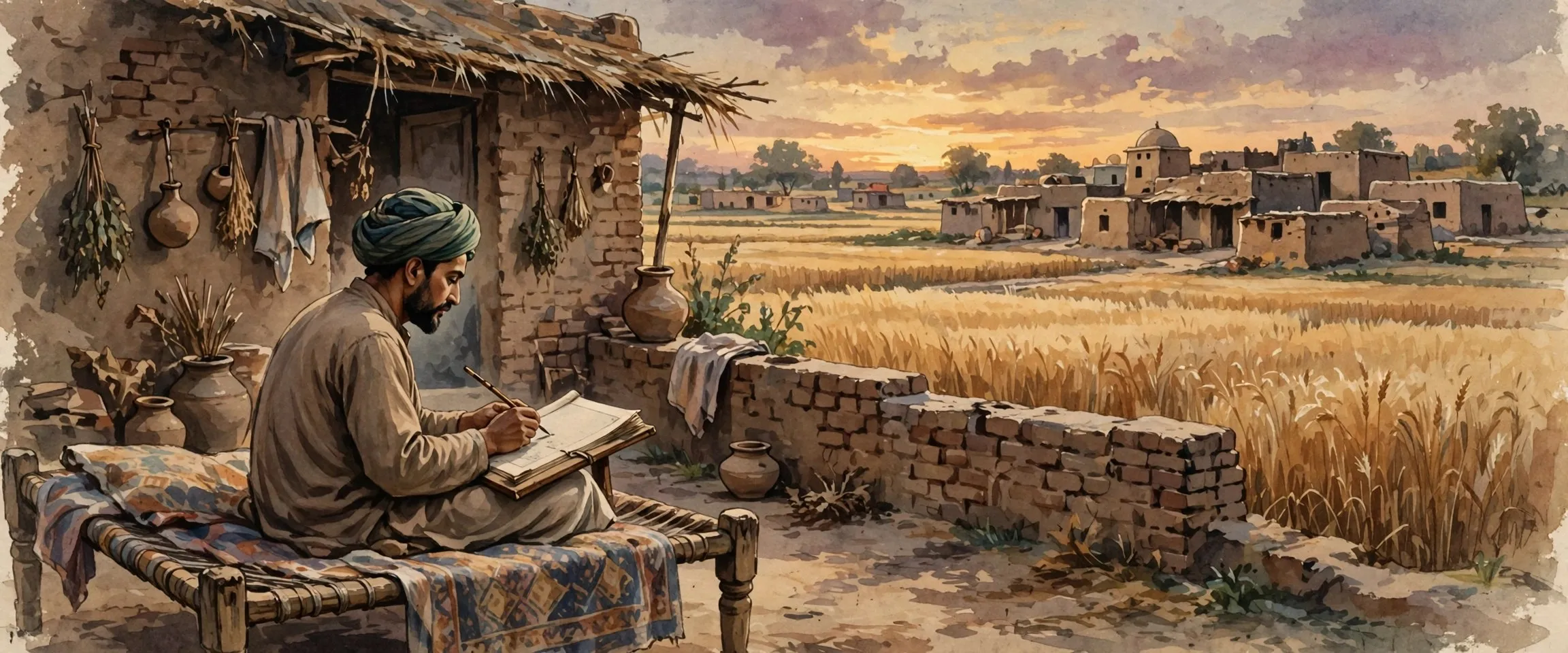
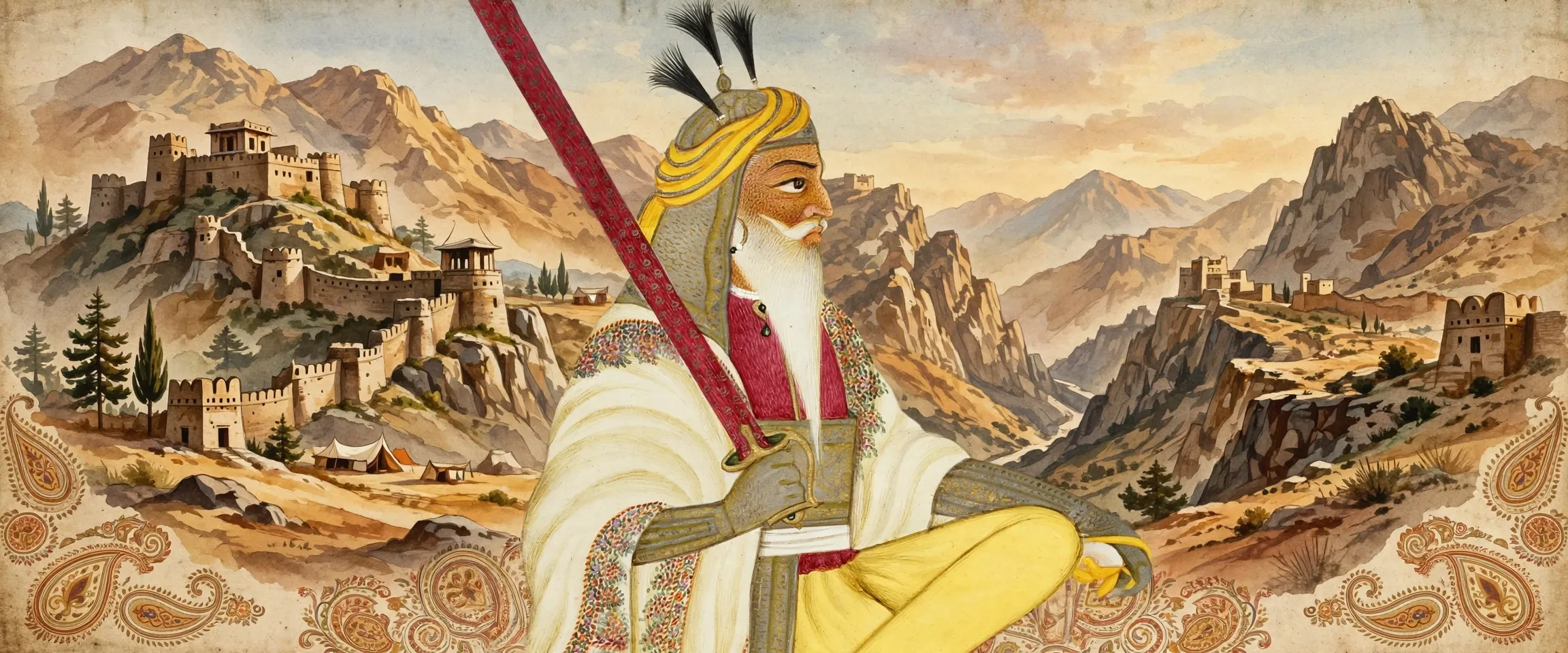
ਸ਼ਾਹ ਮੁਹੰਮਦ (ਲਗਭਗ 1780 ਤੋਂ 1862) ਅੰਮ੍ਰਿਤਸਰ ਨੇੜੇ ਵਡਾਲਾ ਵੀਰਮ ਦਾ ਪੰਜਾਬੀ ਮੁਸਲਮਾਨ ਕਵੀ ਸੀ, ਜੋ ਇੱਕ ਪ੍ਰਸਿੱਧ ਰਚਨਾ ਲਈ ਯਾਦ ਕੀਤਾ ਜਾਂਦਾ ਹੈ: ਜੰਗਨਾਮਾ ਸਿੰਘਾਂ ਤੇ ਫਿਰੰਗੀਆਂ, ਸਿੱਖ ਸਾਮਰਾਜ ਦੇ ਪਤਨ ਅਤੇ 1845 ਤੋਂ 1846 ਦੀ ਪਹਿਲੀ ਐਂਗਲੋ ਸਿੱਖ ਜੰਗ ਦਾ ਉਸ ਦਾ ਕਾਵਿ ਬਿਰਤਾਂਤ। ਸਿੱਖ ਵਿਸ਼ਵਕੋਸ਼ ਉਸ ਨੂੰ ਉਨੀਵੀਂ ਸਦੀ ਵਿੱਚ ਪੰਜਾਬ ਦਾ ਰਾਸ਼ਟਰੀ ਕਵੀ ਕਹਿੰਦਾ ਹੈ।
- ਪੰਜਾਬੀ ਨਾਂ
- ਸ਼ਾਹ ਮੁਹੰਮਦ
- ਜਨਮ
- ਲਗਭਗ 1780 (1782 ਵੀ ਦਿੱਤਾ ਜਾਂਦਾ ਹੈ)
- ਦੇਹਾਂਤ
- 1862
- ਮੁੱਖ ਪੰਨਾ
- ਵਡਾਲਾ ਵੀਰਮ, ਅੰਮ੍ਰਿਤਸਰ ਨੇੜੇ
- ਪ੍ਰਸਿੱਧੀ
- ਜੰਗਨਾਮਾ ਸਿੰਘਾਂ ਤੇ ਫਿਰੰਗੀਆਂ
- ਭਾਸ਼ਾ
- ਪੰਜਾਬੀ
All 9 facts
- ਜ਼ਿਲ੍ਹਾ
- ਅੰਮ੍ਰਿਤਸਰ
- ਤਹਿਸੀਲ
- ਮਜੀਠਾ
- ਇਲਾਕਾ
- ਮਾਝਾ
A poet of Vadala Viram
Shah Mohammad (c. 1780 to 1862) was a Punjabi Muslim poet who lived at Vadala Viram, near Amritsar. One reference gives his birth year as 1782 rather than 1780, and almost everything else remembered about him comes from the single long poem that carries his name. He is also said to have composed a kissa, a narrative poem of love, but it is the Jangnama that made him, in the words of the Encyclopaedia of the Sikhs, the national poet of the Punjab in the nineteenth century at least.
That judgement is striking because of who he was and what he sang. A Muslim villager of the Amritsar countryside, he wrote as the chronicler of the Sikh Empire in its last years, and he did not write as an outsider. SikhiWiki notes that he identifies himself with the Sikh elan and ascendancy, and recalls with pride the glorious days of Maharaja Ranjit Singh's empire. His poem opens in his own village, with the poet sitting at Vadala as talk of the English arrives, and from there it widens to the fate of the whole kingdom.
For over a century, his village was disputed. Some accounts placed him at a Wadala near Batala in Gurdaspur district. The Punjabi critic Maula Baksh Kushta, who himself came from Wadala Viram, first argued that the poet belonged to his own village. In 1973 a Languages Department team, checking revenue records, found an old marble slab on the well of the house where he was said to have lived. The Tribune describes Wadala Viram as a border village of Amritsar district, once Muslim dominated, with Majitha about six kilometres away.
The Jangnama
His celebrated composition is Jangnama Singhan te Firangian, the war chronicle of the Sikhs and the British. It is a long poem in Punjabi in the traditional baint metre, comprising 105 baints, each baint having four verses, and in the sung text stanza after stanza closes with his signature line, Shah Mohammada. Its subject is the decade that decided Punjab's fate: the events following the death of Maharaja Ranjit Singh in 1839, and above all the Sikhs' war with the English in 1845 to 1846, the first Anglo-Sikh war.
Structurally the poem falls into two parts. The first, running to some fifty stanzas, narrates the war of succession inside the Lahore court. The second, of fifty five stanzas, describes the battles between the Sikh and British armies. The Encyclopaedia of the Sikhs reads the whole as a multiple treatment of one theme: the decline of the polity after Ranjit Singh's death, and the uncertainty that gripped the sovereign identity of the Punjab.
The poem also belongs to an older Punjabi form. Writing for the London School of Economics blog, Raman Singh Chhina traces the jangnama, a verse history of a war, to the late sixteenth century, when it entered Punjab in response to Persian epics, shaped by Punjabi Muslim poets retelling early Islamic battles. Over time it turned toward wars the poets had lived through, and Chhina calls Shah Mohammad's poem the magnum opus of the genre. Its opening shows that character: the poet sits in Wadala as his friends Hira and Noor Khan bring talk of the English, asking how a third people had come among Punjab's Hindus and Muslims.
What does Shah Mohammad's Jangnama describe?
The Jangnama describes, first, a court destroying itself. SikhiWiki's summary follows its opening movement: the prime minister Dhian Singh Dogra set aside Maharaja Kharak Singh and had his favourite Chet Singh murdered in his presence; Kharak Singh, his son Kanvar Nau Nihal Singh, Maharaja Sher Singh and Sher Singh's son Kanvar Partap Singh all fell victim to intrigue, and Dhian Singh himself was killed by the Sandhanwalias who had murdered the reigning Maharaja. Shah Mohammad relates this tale of political nightmare, SikhiWiki says, with a historical precision and brevity of expression unusual in a popular poet. Then come the engagements of the war itself, in which he praises with admiration the heroism and sacrifice of sardars such as Sham Singh Atarivala and Ranjodh Singh.
How did Shah Mohammad know the war so closely?
He was not a soldier, and the poem is not a diary, yet historians treat it as close to an eyewitness record. Wikipedia and the Tribune both report that close relatives served in Maharaja Ranjit Singh's army, whose accounts helped him piece together the fighting. Sita Ram Kohli, who prepared a scholarly edition, held that he was well educated and descended from Sultan Mahmud, an artillery officer of the Maharaja. His form helped it travel: the baint, popularised by Waris Shah, is called the king of Punjabi folk metres in P. K. Nijhawan's edition, and the Jangnama was sung alongside Heer, in a restrained tone that seldom uses hyperbole or an extra word.
Pride and grief in one voice
The poem's power is that its praise and its blame fall on the same side. The defeat of the Sikhs draws full empathy from Shah Mohammad, who frames the war as one between the rest of India and the Punjab, and who draws a poignant picture of the lamenting mothers, sisters, wives and relatives of the dead. The internal treachery that undid the Khalsa army is named as plainly as the bravery that honoured it. A poet of the soil, writing in the people's own metre and idiom, he made Punjab's loss a Punjabi story rather than a victor's dispatch.
Legacy
SikhiWiki closes its account with a historian's compliment: the historical framework the poet laid out for those events has not so far been superseded. The Jangnama survives as both literature and record, a requiem for the Sikh Empire written by a contemporary who loved the world that was ending. His own Kosh book entry, Jangnama Singhan te Firangian, treats the poem in full.
Scholarship has kept it in print. Ganda Singh included it in Panjab dian Varan in 1946, Kohli edited it as Var Shah Muhammad at Ludhiana, and in 2001 P. K. Nijhawan published The First Punjab War, with the text in Gurmukhi and Persian scripts and renditions in English and Hindi. Critic Sant Singh Sekhon observed that his best lines are still on the lips of large numbers of Punjabis today. Historians quoted by the Tribune treat his descriptions as a primary source, and his facts, Dr Harbhajan Singh Bhatia has noted, can be checked against the Roznamcha, the court diary of Ranjit Singh's reign.
ਵਡਾਲਾ ਵੀਰਮ ਦਾ ਕਵੀ
ਸ਼ਾਹ ਮੁਹੰਮਦ (ਲਗਭਗ 1780 ਤੋਂ 1862) ਇੱਕ ਪੰਜਾਬੀ ਮੁਸਲਮਾਨ ਕਵੀ ਸੀ ਜੋ ਅੰਮ੍ਰਿਤਸਰ ਨੇੜੇ ਵਡਾਲਾ ਵੀਰਮ ਵਿੱਚ ਰਹਿੰਦਾ ਸੀ। ਇੱਕ ਸਰੋਤ ਉਸ ਦਾ ਜਨਮ ਸਾਲ 1780 ਦੀ ਥਾਂ 1782 ਦਿੰਦਾ ਹੈ, ਅਤੇ ਉਸ ਬਾਰੇ ਯਾਦ ਰੱਖੀ ਗਈ ਲਗਭਗ ਹਰ ਹੋਰ ਗੱਲ ਉਸ ਇੱਕੋ ਲੰਮੀ ਕਵਿਤਾ ਤੋਂ ਆਉਂਦੀ ਹੈ ਜੋ ਉਸ ਦਾ ਨਾਂ ਧਾਰਨ ਕਰਦੀ ਹੈ। ਇਹ ਵੀ ਕਿਹਾ ਜਾਂਦਾ ਹੈ ਕਿ ਉਸ ਨੇ ਇੱਕ ਕਿੱਸਾ, ਪਿਆਰ ਦੀ ਬਿਰਤਾਂਤ ਕਵਿਤਾ, ਵੀ ਰਚਿਆ, ਪਰ ਜੰਗਨਾਮਾ ਹੀ ਹੈ ਜਿਸ ਨੇ ਉਸ ਨੂੰ, ਸਿੱਖ ਵਿਸ਼ਵਕੋਸ਼ ਦੇ ਸ਼ਬਦਾਂ ਵਿੱਚ, ਘੱਟੋ ਘੱਟ ਉਨੀਵੀਂ ਸਦੀ ਵਿੱਚ ਪੰਜਾਬ ਦਾ ਰਾਸ਼ਟਰੀ ਕਵੀ ਬਣਾਇਆ।
ਇਹ ਫੈਸਲਾ ਇਸ ਲਈ ਅਚੰਭਾਜਨਕ ਹੈ ਕਿ ਉਹ ਕੌਣ ਸੀ ਅਤੇ ਉਸ ਨੇ ਕੀ ਗਾਇਆ। ਅੰਮ੍ਰਿਤਸਰ ਦੇ ਪੇਂਡੂ ਇਲਾਕੇ ਦਾ ਇੱਕ ਮੁਸਲਮਾਨ ਪਿੰਡ ਵਾਸੀ, ਉਸ ਨੇ ਸਿੱਖ ਸਾਮਰਾਜ ਦੇ ਆਖਰੀ ਸਾਲਾਂ ਦੇ ਇਤਿਹਾਸਕਾਰ ਵਜੋਂ ਲਿਖਿਆ, ਅਤੇ ਉਸ ਨੇ ਬਾਹਰਲੇ ਵਜੋਂ ਨਹੀਂ ਲਿਖਿਆ। ਸਿੱਖੀ ਵਿਕੀ ਦਰਜ ਕਰਦਾ ਹੈ ਕਿ ਉਹ ਆਪਣੇ ਆਪ ਨੂੰ ਸਿੱਖ ਜੋਸ਼ ਅਤੇ ਵਡਿਆਈ ਨਾਲ ਜੋੜਦਾ ਹੈ, ਅਤੇ ਮਹਾਰਾਜਾ ਰਣਜੀਤ ਸਿੰਘ ਦੇ ਸਾਮਰਾਜ ਦੇ ਸ਼ਾਨਦਾਰ ਦਿਨਾਂ ਨੂੰ ਮਾਣ ਨਾਲ ਯਾਦ ਕਰਦਾ ਹੈ। ਉਸ ਦੀ ਕਵਿਤਾ ਉਸ ਦੇ ਆਪਣੇ ਪਿੰਡ ਵਿੱਚ ਸ਼ੁਰੂ ਹੁੰਦੀ ਹੈ, ਕਵੀ ਵਡਾਲੇ ਬੈਠਾ ਹੈ ਜਦ ਅੰਗਰੇਜ਼ਾਂ ਦੀ ਗੱਲ ਆਉਂਦੀ ਹੈ, ਅਤੇ ਉੱਥੋਂ ਇਹ ਪੂਰੇ ਰਾਜ ਦੀ ਕਿਸਮਤ ਤੱਕ ਫੈਲ ਜਾਂਦੀ ਹੈ।
ਇੱਕ ਸਦੀ ਤੋਂ ਵੱਧ ਉਸ ਦਾ ਪਿੰਡ ਵਿਵਾਦ ਵਿੱਚ ਰਿਹਾ। ਕੁਝ ਵਰਣਨ ਉਸ ਨੂੰ ਗੁਰਦਾਸਪੁਰ ਜ਼ਿਲ੍ਹੇ ਵਿੱਚ ਬਟਾਲਾ ਨੇੜਲੇ ਵਡਾਲੇ ਨਾਲ ਜੋੜਦੇ ਸਨ। ਪੰਜਾਬੀ ਆਲੋਚਕ ਮੌਲਾ ਬਖ਼ਸ਼ ਕੁਸ਼ਤਾ, ਜੋ ਆਪ ਵਡਾਲਾ ਵੀਰਮ ਤੋਂ ਸੀ, ਨੇ ਸਭ ਤੋਂ ਪਹਿਲਾਂ ਦਲੀਲ ਦਿੱਤੀ ਕਿ ਕਵੀ ਉਸ ਦੇ ਆਪਣੇ ਪਿੰਡ ਦਾ ਸੀ। 1973 ਵਿੱਚ ਭਾਸ਼ਾ ਵਿਭਾਗ ਦੀ ਇੱਕ ਟੀਮ ਨੇ ਮਾਲ ਰਿਕਾਰਡ ਵੇਖ ਕੇ ਉਸ ਘਰ ਦੇ ਖੂਹ ਉੱਤੇ ਸੰਗਮਰਮਰ ਦੀ ਇੱਕ ਪੁਰਾਣੀ ਸਲੈਬ ਲੱਭੀ ਜਿੱਥੇ ਉਹ ਰਹਿੰਦਾ ਦੱਸਿਆ ਜਾਂਦਾ ਹੈ। ਟ੍ਰਿਬਿਊਨ ਵਡਾਲਾ ਵੀਰਮ ਨੂੰ ਅੰਮ੍ਰਿਤਸਰ ਜ਼ਿਲ੍ਹੇ ਦਾ ਸਰਹੱਦੀ ਪਿੰਡ ਦੱਸਦਾ ਹੈ, ਜੋ ਕਦੇ ਮੁਸਲਮਾਨ ਬਹੁਗਿਣਤੀ ਵਾਲਾ ਸੀ, ਅਤੇ ਮਜੀਠਾ ਉੱਥੋਂ ਲਗਭਗ ਛੇ ਕਿਲੋਮੀਟਰ ਦੂਰ ਹੈ।
ਜੰਗਨਾਮਾ
ਉਸ ਦੀ ਪ੍ਰਸਿੱਧ ਰਚਨਾ ਜੰਗਨਾਮਾ ਸਿੰਘਾਂ ਤੇ ਫਿਰੰਗੀਆਂ ਹੈ, ਸਿੱਖਾਂ ਅਤੇ ਅੰਗਰੇਜ਼ਾਂ ਦੀ ਜੰਗ ਦਾ ਬਿਰਤਾਂਤ। ਇਹ ਰਵਾਇਤੀ ਬੈਂਤ ਛੰਦ ਵਿੱਚ ਪੰਜਾਬੀ ਦੀ ਲੰਮੀ ਕਵਿਤਾ ਹੈ, ਜਿਸ ਵਿੱਚ 105 ਬੈਂਤ ਹਨ, ਹਰ ਬੈਂਤ ਵਿੱਚ ਚਾਰ ਪਦੇ, ਅਤੇ ਗਾਏ ਜਾਂਦੇ ਪਾਠ ਵਿੱਚ ਬੈਂਤ ਤੋਂ ਬਾਅਦ ਬੈਂਤ ਉਸ ਦੀ ਦਸਤਖਤੀ ਸਤਰ, ਸ਼ਾਹ ਮੁਹੰਮਦਾ, ਨਾਲ ਮੁੱਕਦੀ ਹੈ। ਇਸ ਦਾ ਵਿਸ਼ਾ ਉਹ ਦਹਾਕਾ ਹੈ ਜਿਸ ਨੇ ਪੰਜਾਬ ਦੀ ਕਿਸਮਤ ਦਾ ਫੈਸਲਾ ਕੀਤਾ: 1839 ਵਿੱਚ ਮਹਾਰਾਜਾ ਰਣਜੀਤ ਸਿੰਘ ਦੇ ਦੇਹਾਂਤ ਤੋਂ ਬਾਅਦ ਦੀਆਂ ਘਟਨਾਵਾਂ, ਅਤੇ ਸਭ ਤੋਂ ਵੱਧ 1845 ਤੋਂ 1846 ਵਿੱਚ ਅੰਗਰੇਜ਼ਾਂ ਨਾਲ ਸਿੱਖਾਂ ਦੀ ਜੰਗ, ਪਹਿਲੀ ਐਂਗਲੋ ਸਿੱਖ ਜੰਗ।
ਬਣਤਰ ਪੱਖੋਂ ਕਵਿਤਾ ਦੋ ਭਾਗਾਂ ਵਿੱਚ ਵੰਡੀ ਜਾਂਦੀ ਹੈ। ਪਹਿਲਾ ਭਾਗ, ਲਗਭਗ ਪੰਜਾਹ ਬੈਂਤਾਂ ਤੱਕ ਫੈਲਿਆ, ਲਾਹੌਰ ਦਰਬਾਰ ਦੇ ਅੰਦਰ ਵਿਰਾਸਤ ਦੀ ਜੰਗ ਬਿਆਨ ਕਰਦਾ ਹੈ। ਦੂਜਾ ਭਾਗ, ਪਚਵੰਜਾ ਬੈਂਤਾਂ ਦਾ, ਸਿੱਖ ਅਤੇ ਅੰਗਰੇਜ਼ ਫੌਜਾਂ ਵਿਚਾਲੇ ਲੜਾਈਆਂ ਦਾ ਵਰਣਨ ਕਰਦਾ ਹੈ। ਸਿੱਖ ਵਿਸ਼ਵਕੋਸ਼ ਪੂਰੀ ਰਚਨਾ ਨੂੰ ਇੱਕੋ ਵਿਸ਼ੇ ਦੇ ਕਈ ਪੱਖਾਂ ਵਜੋਂ ਪੜ੍ਹਦਾ ਹੈ: ਰਣਜੀਤ ਸਿੰਘ ਦੇ ਦੇਹਾਂਤ ਤੋਂ ਬਾਅਦ ਰਾਜ ਦਾ ਪਤਨ, ਅਤੇ ਉਹ ਅਨਿਸ਼ਚਿਤਤਾ ਜਿਸ ਨੇ ਪੰਜਾਬ ਦੀ ਪ੍ਰਭੂਸੱਤਾ ਵਾਲੀ ਪਛਾਣ ਨੂੰ ਜਕੜ ਲਿਆ।
ਇਹ ਕਵਿਤਾ ਇੱਕ ਪੁਰਾਣੀ ਪੰਜਾਬੀ ਵਿਧਾ ਨਾਲ ਵੀ ਸਬੰਧਤ ਹੈ। ਲੰਡਨ ਸਕੂਲ ਆਫ਼ ਇਕਨਾਮਿਕਸ ਦੇ ਬਲੌਗ ਲਈ ਲਿਖਦੇ ਹੋਏ ਰਮਨ ਸਿੰਘ ਛੀਨਾ ਜੰਗਨਾਮੇ ਨੂੰ, ਜੰਗ ਦਾ ਕਾਵਿ ਇਤਿਹਾਸ, ਸੋਲ੍ਹਵੀਂ ਸਦੀ ਦੇ ਅੰਤ ਤੱਕ ਲੈ ਜਾਂਦਾ ਹੈ, ਜਦ ਇਹ ਫ਼ਾਰਸੀ ਮਹਾਂਕਾਵਾਂ ਦੇ ਜਵਾਬ ਵਿੱਚ ਪੰਜਾਬ ਵਿੱਚ ਆਇਆ, ਪੰਜਾਬੀ ਮੁਸਲਮਾਨ ਕਵੀਆਂ ਵੱਲੋਂ ਮੁੱਢਲੀਆਂ ਇਸਲਾਮੀ ਲੜਾਈਆਂ ਬਿਆਨ ਕਰਦਿਆਂ ਘੜਿਆ ਗਿਆ। ਸਮੇਂ ਨਾਲ ਇਹ ਉਨ੍ਹਾਂ ਜੰਗਾਂ ਵੱਲ ਮੁੜ ਗਈ ਜੋ ਕਵੀਆਂ ਨੇ ਜੀਵੀਆਂ ਸਨ, ਅਤੇ ਛੀਨਾ ਸ਼ਾਹ ਮੁਹੰਮਦ ਦੀ ਕਵਿਤਾ ਨੂੰ ਇਸ ਵਿਧਾ ਦੀ ਸਭ ਤੋਂ ਵੱਡੀ ਰਚਨਾ ਕਹਿੰਦਾ ਹੈ। ਇਸ ਦੀ ਸ਼ੁਰੂਆਤ ਇਹ ਸੁਭਾਅ ਵਿਖਾਉਂਦੀ ਹੈ: ਕਵੀ ਵਡਾਲੇ ਬੈਠਾ ਹੈ ਜਦ ਉਸ ਦੇ ਮਿੱਤਰ ਹੀਰਾ ਅਤੇ ਨੂਰ ਖ਼ਾਨ ਅੰਗਰੇਜ਼ਾਂ ਦੀ ਗੱਲ ਲਿਆਉਂਦੇ ਹਨ, ਅਤੇ ਪੁੱਛਦੇ ਹਨ ਕਿ ਪੰਜਾਬ ਦੇ ਹਿੰਦੂਆਂ ਅਤੇ ਮੁਸਲਮਾਨਾਂ ਵਿੱਚ ਤੀਜੀ ਕੌਮ ਕਿਵੇਂ ਆ ਗਈ।
ਸ਼ਾਹ ਮੁਹੰਮਦ ਦਾ ਜੰਗਨਾਮਾ ਕੀ ਬਿਆਨ ਕਰਦਾ ਹੈ?
ਜੰਗਨਾਮਾ ਸਭ ਤੋਂ ਪਹਿਲਾਂ ਇੱਕ ਦਰਬਾਰ ਬਿਆਨ ਕਰਦਾ ਹੈ ਜੋ ਆਪਣੇ ਆਪ ਨੂੰ ਤਬਾਹ ਕਰ ਰਿਹਾ ਹੈ। ਸਿੱਖੀ ਵਿਕੀ ਦਾ ਸਾਰ ਇਸ ਦੀ ਸ਼ੁਰੂਆਤੀ ਲਹਿਰ ਦਾ ਪਿੱਛਾ ਕਰਦਾ ਹੈ: ਪ੍ਰਧਾਨ ਮੰਤਰੀ ਧਿਆਨ ਸਿੰਘ ਡੋਗਰਾ ਨੇ ਮਹਾਰਾਜਾ ਖੜਕ ਸਿੰਘ ਨੂੰ ਪਾਸੇ ਕਰ ਦਿੱਤਾ ਅਤੇ ਉਸ ਦੇ ਚਹੇਤੇ ਚੇਤ ਸਿੰਘ ਨੂੰ ਉਸ ਦੀ ਹਾਜ਼ਰੀ ਵਿੱਚ ਕਤਲ ਕਰਵਾਇਆ; ਖੜਕ ਸਿੰਘ, ਉਸ ਦਾ ਪੁੱਤਰ ਕੰਵਰ ਨੌਨਿਹਾਲ ਸਿੰਘ, ਮਹਾਰਾਜਾ ਸ਼ੇਰ ਸਿੰਘ ਅਤੇ ਸ਼ੇਰ ਸਿੰਘ ਦਾ ਪੁੱਤਰ ਕੰਵਰ ਪ੍ਰਤਾਪ ਸਿੰਘ ਸਭ ਸਾਜ਼ਿਸ਼ ਦਾ ਸ਼ਿਕਾਰ ਹੋਏ, ਅਤੇ ਧਿਆਨ ਸਿੰਘ ਆਪ ਵੀ ਸੰਧਾਂਵਾਲੀਆਂ ਦੇ ਹੱਥੋਂ ਮਾਰਿਆ ਗਿਆ ਜਿਨ੍ਹਾਂ ਨੇ ਰਾਜ ਕਰਦੇ ਮਹਾਰਾਜੇ ਨੂੰ ਕਤਲ ਕੀਤਾ ਸੀ। ਸ਼ਾਹ ਮੁਹੰਮਦ ਰਾਜਨੀਤਿਕ ਦੁਸਵਪਨ ਦੀ ਇਸ ਕਹਾਣੀ ਨੂੰ, ਸਿੱਖੀ ਵਿਕੀ ਕਹਿੰਦਾ ਹੈ, ਇੱਕ ਲੋਕ ਕਵੀ ਵਿੱਚ ਦੁਰਲੱਭ ਇਤਿਹਾਸਕ ਸ਼ੁੱਧਤਾ ਅਤੇ ਭਾਵ ਦੀ ਸੰਖੇਪਤਾ ਨਾਲ ਬਿਆਨ ਕਰਦਾ ਹੈ। ਫਿਰ ਜੰਗ ਦੀਆਂ ਲੜਾਈਆਂ ਆਉਂਦੀਆਂ ਹਨ, ਜਿਨ੍ਹਾਂ ਵਿੱਚ ਉਹ ਸ਼ਾਮ ਸਿੰਘ ਅਟਾਰੀਵਾਲਾ ਅਤੇ ਰਣਜੋਧ ਸਿੰਘ ਵਰਗੇ ਸਰਦਾਰਾਂ ਦੀ ਬਹਾਦਰੀ ਅਤੇ ਕੁਰਬਾਨੀ ਦੀ ਸ਼ਲਾਘਾ ਨਾਲ ਸਿਫਤ ਕਰਦਾ ਹੈ।
ਸ਼ਾਹ ਮੁਹੰਮਦ ਨੂੰ ਜੰਗ ਦੀ ਇੰਨੀ ਨੇੜਲੀ ਜਾਣਕਾਰੀ ਕਿਵੇਂ ਸੀ?
ਉਹ ਸਿਪਾਹੀ ਨਹੀਂ ਸੀ, ਅਤੇ ਕਵਿਤਾ ਕੋਈ ਰੋਜ਼ਨਾਮਚਾ ਨਹੀਂ ਹੈ, ਪਰ ਇਤਿਹਾਸਕਾਰ ਇਸ ਨੂੰ ਅੱਖੀਂ ਵੇਖੇ ਬਿਰਤਾਂਤ ਦੇ ਨੇੜੇ ਮੰਨਦੇ ਹਨ। ਵਿਕੀਪੀਡੀਆ ਅਤੇ ਟ੍ਰਿਬਿਊਨ ਦੋਵੇਂ ਦਰਜ ਕਰਦੇ ਹਨ ਕਿ ਨੇੜਲੇ ਰਿਸ਼ਤੇਦਾਰ ਮਹਾਰਾਜਾ ਰਣਜੀਤ ਸਿੰਘ ਦੀ ਫ਼ੌਜ ਵਿੱਚ ਸੇਵਾ ਕਰਦੇ ਸਨ, ਜਿਨ੍ਹਾਂ ਦੇ ਵਰਣਨਾਂ ਨੇ ਉਸ ਨੂੰ ਲੜਾਈ ਦੀ ਤਸਵੀਰ ਜੋੜਨ ਵਿੱਚ ਮਦਦ ਕੀਤੀ। ਸੀਤਾ ਰਾਮ ਕੋਹਲੀ, ਜਿਸ ਨੇ ਵਿਦਵਤਾਪੂਰਨ ਸੰਸਕਰਨ ਤਿਆਰ ਕੀਤਾ, ਮੰਨਦਾ ਸੀ ਕਿ ਉਹ ਚੰਗੀ ਤਰ੍ਹਾਂ ਪੜ੍ਹਿਆ ਲਿਖਿਆ ਸੀ ਅਤੇ ਮਹਾਰਾਜੇ ਦੇ ਤੋਪਖ਼ਾਨਾ ਅਫ਼ਸਰ ਸੁਲਤਾਨ ਮਹਿਮੂਦ ਦੇ ਵੰਸ਼ ਵਿੱਚੋਂ ਸੀ। ਉਸ ਦੀ ਵਿਧਾ ਨੇ ਇਸ ਨੂੰ ਫੈਲਣ ਵਿੱਚ ਮਦਦ ਕੀਤੀ: ਵਾਰਸ ਸ਼ਾਹ ਵੱਲੋਂ ਪ੍ਰਸਿੱਧ ਕੀਤਾ ਬੈਂਤ ਛੰਦ ਪੀ. ਕੇ. ਨਿਝਾਵਨ ਦੇ ਸੰਸਕਰਨ ਵਿੱਚ ਪੰਜਾਬੀ ਲੋਕ ਛੰਦਾਂ ਦਾ ਰਾਜਾ ਕਿਹਾ ਗਿਆ ਹੈ, ਅਤੇ ਜੰਗਨਾਮਾ ਹੀਰ ਦੇ ਨਾਲ ਨਾਲ ਗਾਇਆ ਜਾਂਦਾ ਸੀ, ਸੰਜਮੀ ਲਹਿਜੇ ਵਿੱਚ ਜੋ ਘੱਟ ਹੀ ਅਤਿਕਥਨੀ ਜਾਂ ਵਾਧੂ ਸ਼ਬਦ ਵਰਤਦਾ ਹੈ।
ਇੱਕੋ ਆਵਾਜ਼ ਵਿੱਚ ਮਾਣ ਅਤੇ ਸੋਗ
ਕਵਿਤਾ ਦੀ ਤਾਕਤ ਇਹ ਹੈ ਕਿ ਇਸ ਦੀ ਸਿਫਤ ਅਤੇ ਇਸ ਦਾ ਦੋਸ਼ ਇੱਕੋ ਪਾਸੇ ਪੈਂਦੇ ਹਨ। ਸਿੱਖਾਂ ਦੀ ਹਾਰ ਸ਼ਾਹ ਮੁਹੰਮਦ ਤੋਂ ਪੂਰੀ ਹਮਦਰਦੀ ਖਿੱਚਦੀ ਹੈ, ਜੋ ਜੰਗ ਨੂੰ ਬਾਕੀ ਭਾਰਤ ਅਤੇ ਪੰਜਾਬ ਵਿਚਾਲੇ ਜੰਗ ਵਜੋਂ ਵੇਖਦਾ ਹੈ, ਅਤੇ ਜੋ ਮਰਨ ਵਾਲਿਆਂ ਦੀਆਂ ਸੋਗ ਕਰਦੀਆਂ ਮਾਵਾਂ, ਭੈਣਾਂ, ਪਤਨੀਆਂ ਅਤੇ ਰਿਸ਼ਤੇਦਾਰਾਂ ਦੀ ਦਰਦਨਾਕ ਤਸਵੀਰ ਖਿੱਚਦਾ ਹੈ। ਖਾਲਸਾ ਫੌਜ ਨੂੰ ਢਾਹ ਲਾਉਣ ਵਾਲੀ ਅੰਦਰਲੀ ਗ਼ਦਾਰੀ ਉਨੀ ਹੀ ਸਪੱਸ਼ਟ ਕਹੀ ਗਈ ਹੈ ਜਿੰਨੀ ਸਪੱਸ਼ਟ ਉਹ ਬਹਾਦਰੀ ਜਿਸ ਨੇ ਉਸ ਨੂੰ ਮਾਣ ਦਿੱਤਾ। ਧਰਤੀ ਦਾ ਕਵੀ, ਲੋਕਾਂ ਦੇ ਆਪਣੇ ਛੰਦ ਅਤੇ ਮੁਹਾਵਰੇ ਵਿੱਚ ਲਿਖਦਾ ਹੋਇਆ, ਉਸ ਨੇ ਪੰਜਾਬ ਦੇ ਨੁਕਸਾਨ ਨੂੰ ਜੇਤੂ ਦੀ ਰਿਪੋਰਟ ਦੀ ਥਾਂ ਪੰਜਾਬੀ ਕਹਾਣੀ ਬਣਾ ਦਿੱਤਾ।
ਵਿਰਾਸਤ
ਸਿੱਖੀ ਵਿਕੀ ਆਪਣਾ ਵਰਣਨ ਇੱਕ ਇਤਿਹਾਸਕਾਰ ਦੀ ਸ਼ਲਾਘਾ ਨਾਲ ਮੁਕਾਉਂਦਾ ਹੈ: ਉਹ ਇਤਿਹਾਸਕ ਢਾਂਚਾ ਜੋ ਕਵੀ ਨੇ ਉਨ੍ਹਾਂ ਘਟਨਾਵਾਂ ਲਈ ਬਣਾਇਆ, ਹੁਣ ਤੱਕ ਪਿੱਛੇ ਨਹੀਂ ਛੱਡਿਆ ਗਿਆ। ਜੰਗਨਾਮਾ ਸਾਹਿਤ ਵਜੋਂ ਵੀ ਅਤੇ ਰਿਕਾਰਡ ਵਜੋਂ ਵੀ ਜਿਉਂਦਾ ਰਹਿੰਦਾ ਹੈ, ਸਿੱਖ ਸਾਮਰਾਜ ਲਈ ਇੱਕ ਸੋਗ ਗੀਤ ਜੋ ਇੱਕ ਸਮਕਾਲੀ ਨੇ ਲਿਖਿਆ ਜੋ ਮੁੱਕਦੀ ਜਾ ਰਹੀ ਦੁਨੀਆ ਨੂੰ ਪਿਆਰ ਕਰਦਾ ਸੀ। ਉਸ ਦੀ ਆਪਣੀ ਕੋਸ਼ ਕਿਤਾਬ ਐਂਟਰੀ, ਜੰਗਨਾਮਾ ਸਿੰਘਾਂ ਤੇ ਫਿਰੰਗੀਆਂ, ਕਵਿਤਾ ਨੂੰ ਪੂਰੀ ਤਰ੍ਹਾਂ ਲੈਂਦੀ ਹੈ।
ਵਿਦਵਤਾ ਨੇ ਇਸ ਨੂੰ ਛਪਾਈ ਵਿੱਚ ਰੱਖਿਆ ਹੈ। ਗੰਡਾ ਸਿੰਘ ਨੇ ਇਸ ਨੂੰ 1946 ਵਿੱਚ ਪੰਜਾਬ ਦੀਆਂ ਵਾਰਾਂ ਵਿੱਚ ਸ਼ਾਮਲ ਕੀਤਾ, ਕੋਹਲੀ ਨੇ ਇਸ ਨੂੰ ਲੁਧਿਆਣੇ ਵਾਰ ਸ਼ਾਹ ਮੁਹੰਮਦ ਵਜੋਂ ਸੰਪਾਦਿਤ ਕੀਤਾ, ਅਤੇ 2001 ਵਿੱਚ ਪੀ. ਕੇ. ਨਿਝਾਵਨ ਨੇ ਦਿ ਫ਼ਰਸਟ ਪੰਜਾਬ ਵਾਰ ਛਾਪੀ, ਜਿਸ ਵਿੱਚ ਪਾਠ ਗੁਰਮੁਖੀ ਅਤੇ ਫ਼ਾਰਸੀ ਲਿਪੀਆਂ ਵਿੱਚ ਅੰਗਰੇਜ਼ੀ ਅਤੇ ਹਿੰਦੀ ਵਿੱਚ ਰੂਪਾਂਤਰਾਂ ਨਾਲ ਦਿੱਤਾ ਗਿਆ। ਸੰਤ ਸਿੰਘ ਸੇਖੋਂ ਨੇ ਵੇਖਿਆ ਕਿ ਉਸ ਦੀਆਂ ਸਭ ਤੋਂ ਚੰਗੀਆਂ ਸਤਰਾਂ ਅੱਜ ਵੀ ਬਹੁਤ ਸਾਰੇ ਪੰਜਾਬੀਆਂ ਦੇ ਬੁੱਲ੍ਹਾਂ ਉੱਤੇ ਹਨ। ਟ੍ਰਿਬਿਊਨ ਵੱਲੋਂ ਹਵਾਲਾ ਦਿੱਤੇ ਇਤਿਹਾਸਕਾਰ ਉਸ ਦੇ ਵਰਣਨਾਂ ਨੂੰ ਮੁੱਢਲਾ ਸਰੋਤ ਮੰਨਦੇ ਹਨ, ਅਤੇ ਡਾ. ਹਰਭਜਨ ਸਿੰਘ ਭਾਟੀਆ ਨੇ ਦਰਜ ਕੀਤਾ ਹੈ ਕਿ ਉਸ ਦੇ ਤੱਥ ਰਣਜੀਤ ਸਿੰਘ ਦੇ ਰਾਜ ਦੇ ਦਰਬਾਰੀ ਰੋਜ਼ਨਾਮਚੇ ਨਾਲ ਪਰਖੇ ਜਾ ਸਕਦੇ ਹਨ।
ਰਚਨਾਵਾਂ
ਲੋਕ

ਥਾਵਾਂ
More people

ਸਰੋਤ (8)
- Jangnama Singhan te Frangian: Encyclopaedia of the Sikhs
- Var Shah Muhammad: SikhiWiki
- Jang Nama, the poem text: Folk Punjab
- Shah Mohammad, Wikipedia
- Retracing the glory of Shah Mohammad, Varinder Walia, The Tribune via APNA
- Nand Singh and Jangnamah Europe, Raman Singh Chhina, South Asia at LSE
- The First Punjab War: Shah Mohammed's Jangnamah, rendition by P. K. Nijhawan (2001), full text, Internet Archive
- Var Shah Muhammad, Encyclopaedia of the Sikhs
ਜੁਗਤੀ ਮੁਫ਼ਤ ਅਤੇ ਸੁਤੰਤਰ ਹੈ। ਪਾਠਕਾਂ ਦਾ ਸਹਿਯੋਗ ਕੋਸ਼ ਨੂੰ ਵਧਾਉਂਦਾ ਹੈ।
ਸਹਿਯੋਗ