
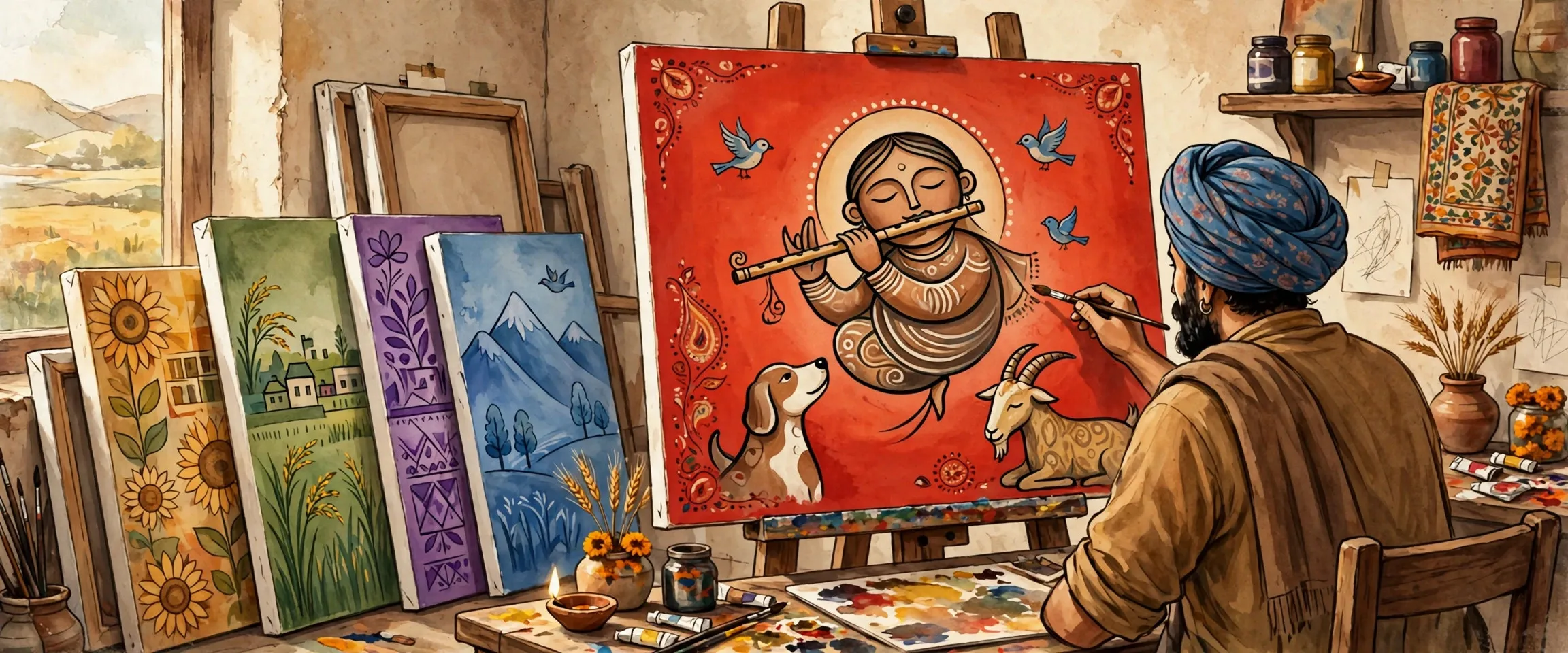
ਮਨਜੀਤ ਬਾਵਾ (1941 ਤੋਂ 29 ਦਸੰਬਰ 2008) ਪੰਜਾਬ ਦੇ ਸੰਗਰੂਰ ਜ਼ਿਲ੍ਹੇ ਦੇ ਧੂਰੀ ਵਿੱਚ ਜਨਮੇ ਚਿੱਤਰਕਾਰ ਸਨ, ਜੋ ਆਧੁਨਿਕ ਭਾਰਤੀ ਕਲਾ ਦੀ ਮੋਹਰੀ ਸ਼ਖ਼ਸੀਅਤ ਬਣੇ। ਦਿੱਲੀ ਵਿੱਚ ਅਬਾਨੀ ਸੇਨ ਕੋਲ ਅਤੇ ਲੰਡਨ ਵਿੱਚ ਸਿਲਕਸਕ੍ਰੀਨ ਪ੍ਰਿੰਟਰ ਵਜੋਂ ਸਿਖਲਾਈ ਲੈ ਕੇ, ਉਨ੍ਹਾਂ ਨੇ ਭਾਰਤੀ ਮਿਥਿਹਾਸ, ਸੂਫ਼ੀ ਕਵਿਤਾ ਅਤੇ ਪੰਜਾਬੀ ਲੋਕ ਕਥਾਵਾਂ ਤੋਂ ਕ੍ਰਿਸ਼ਨ, ਸ਼ਿਵ, ਕਾਲੀ, ਰਾਂਝੇ ਅਤੇ ਜਾਨਵਰਾਂ ਨੂੰ ਗੋਲ ਰੂਪਾਂ ਵਿੱਚ ਚਮਕਦਾਰ ਰੰਗਾਂ ਦੇ ਵਿਸ਼ਾਲ ਖੇਤਰਾਂ ਉੱਤੇ ਬਣਾਇਆ।
ਜੀਵਨ ਇੱਕ ਨਜ਼ਰ ਵਿੱਚ
- 1941ਜਨਮ Dhuri, Punjab (most accounts give only the year)
- 1963ਸਿੱਖਿਆ Delhi Polytechnic
- 1963ਸਨਮਾਨ Sailoz Mukherjee Prize
- 1967ਸਿੱਖਿਆ ਇੰਗਲੈਂਡ
- 1980ਸਨਮਾਨ Lalit Kala Akademi
- 1981ਸਨਮਾਨ All India Exhibition of Prints and Drawings award
2 ਹੋਰ ਦਿਖਾਓ
- 1986ਸਨਮਾਨ 1st Bharat Bhavan Biennale award
- 2008ਦੇਹਾਂਤ Delhi (aged 67)
- ਪੰਜਾਬੀ ਨਾਂ
- ਮਨਜੀਤ ਬਾਵਾ
- ਜਨਮ
- 1941, ਧੂਰੀ, ਪੰਜਾਬ (ਜ਼ਿਆਦਾਤਰ ਵੇਰਵੇ ਸਿਰਫ਼ ਸਾਲ ਹੀ ਦਿੰਦੇ ਹਨ)
- ਦੇਹਾਂਤ
- 29 ਦਸੰਬਰ 2008, ਦਿੱਲੀ (ਉਮਰ 67 ਸਾਲ)
- ਜੱਦੀ ਸ਼ਹਿਰ
- ਧੂਰੀ
- ਜ਼ਿਲ੍ਹਾ
- ਸੰਗਰੂਰ
- ਤਹਿਸੀਲ
- ਧੂਰੀ
All 12 facts
- ਇਲਾਕਾ
- ਮਾਲਵਾ
- ਸਿੱਖਿਆ
- ਫਾਈਨ ਆਰਟਸ ਦਾ ਕੌਮੀ ਡਿਪਲੋਮਾ, ਸਕੂਲ ਆਫ਼ ਆਰਟ, ਦਿੱਲੀ ਪੌਲੀਟੈਕਨਿਕ (1963); ਸਿਲਕ ਸਕ੍ਰੀਨ ਪ੍ਰਿੰਟਿੰਗ ਦਾ ਡਿਪਲੋਮਾ, ਇੰਗਲੈਂਡ (1967)
- ਅਧਿਆਪਕ
- ਅਬਾਨੀ ਸੇਨ; ਸੋਮਨਾਥ ਹੋਰ; ਧਨਰਾਜ ਭਗਤ; ਬੀ. ਸੀ. ਸਾਨਿਆਲ
- ਕਿੱਤਾ
- ਚਿੱਤਰਕਾਰ ਅਤੇ ਛਾਪਾਕਾਰ; ਲੰਡਨ ਵਿੱਚ ਸਿਲਕਸਕ੍ਰੀਨ ਪ੍ਰਿੰਟਰ, 1964-1971; ਕਾਲਜ ਆਫ਼ ਆਰਟ, ਦਿੱਲੀ ਵਿੱਚ ਵਿਜ਼ਿਟਿੰਗ ਫੈਕਲਟੀ
- ਪ੍ਰਸਿੱਧੀ
- ਸਮਤਲ ਚਮਕਦਾਰ ਰੰਗਾਂ ਦੇ ਖੇਤਰਾਂ ਉੱਤੇ ਗੋਲ ਮੂਰਤੀ ਰੂਪ; ਬੰਸਰੀ ਵਾਲਾ ਕ੍ਰਿਸ਼ਨ; ਰਾਂਝਾ; ਸ਼ਿਵ ਅਤੇ ਕਾਲੀ; ਜਾਨਵਰ ਅਤੇ ਪੰਛੀ
- ਸਨਮਾਨ
- ਸੈਲੋਜ਼ ਮੁਖਰਜੀ ਪੁਰਸਕਾਰ (1963); ਕੌਮੀ ਪੁਰਸਕਾਰ, ਲਲਿਤ ਕਲਾ ਅਕਾਦਮੀ (1980); ਆਲ ਇੰਡੀਆ ਪ੍ਰਦਰਸ਼ਨੀ ਆਫ਼ ਪ੍ਰਿੰਟਸ ਐਂਡ ਡਰਾਇੰਗਜ਼ ਪੁਰਸਕਾਰ (1981); ਪਹਿਲਾ ਭਾਰਤ ਭਵਨ ਦੁਵੱਲਾ ਪੁਰਸਕਾਰ (1986)
Manjit Bawa (1941 to 29 December 2008) was a painter born in Dhuri, Punjab, who became a leading figure of modern Indian art by holding to the human and animal figure when abstraction dominated, and by filling large flat fields of vivid Indian colour with gods, lovers, musicians and beasts drawn from myth, Sufi poetry and Punjabi folk tales.
Early life in Dhuri and training in Delhi
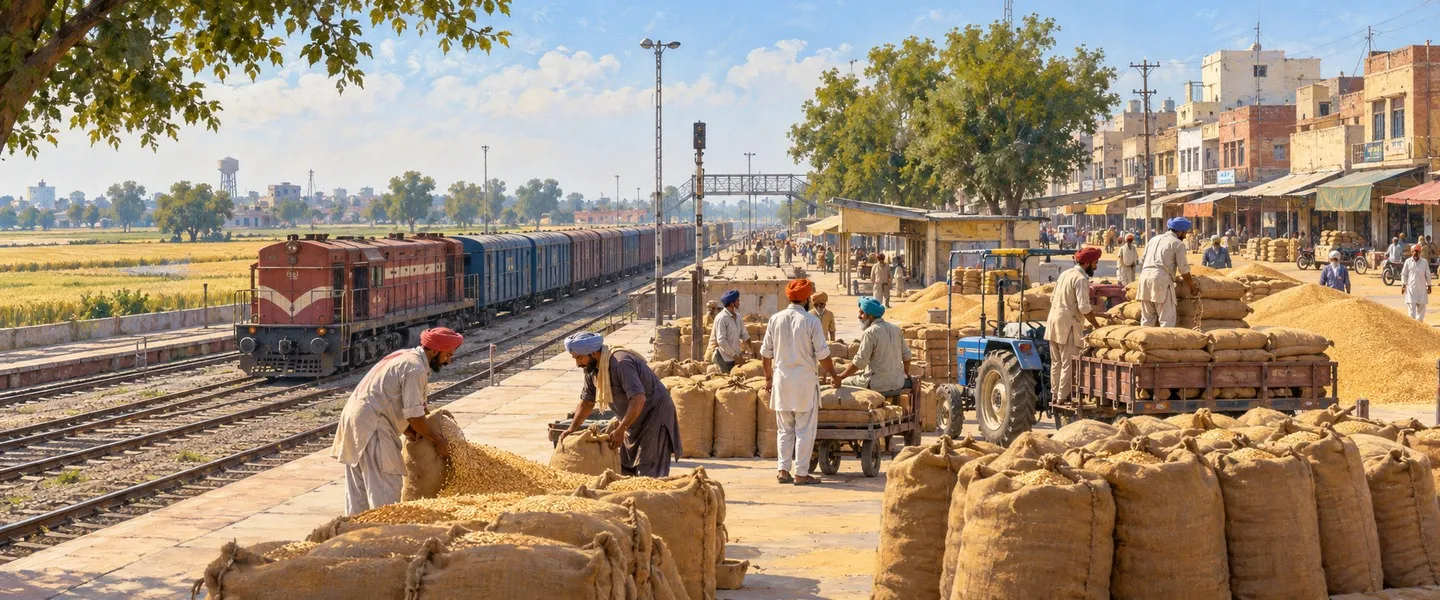
Manjit Bawa was born in 1941 in Dhuri, a railway town in what is now Sangrur district of Punjab, in the Malwa region. Most published accounts give only the year, and this page follows them. His elder brothers encouraged him to take up art, against the practical worry, remembered in gallery accounts, that painting was no way to earn a living. The stories heard in childhood stayed with him for life: he said he had been brought up on the Mahabharata, the Ramayana and the Puranas, on the poetry of Waris Shah, and on readings from the Guru Granth Sahib.
From 1958 to 1963 he studied fine arts at the School of Art, Delhi Polytechnic, the College of Art in New Delhi, taking a national diploma in fine arts in 1963. His teachers included Somnath Hore, Dhanraj Bhagat and B. C. Sanyal. The decisive influence was Abani Sen. Bawa recalled that Sen made him produce fifty sketches a day and rejected most of them, drilling in a habit of constant work, and that Sen taught him to revere the figurative at a time when the whole art scene leaned toward the abstract. Without that training, Bawa said, he could never have distorted forms and created the stylisation seen in his later work.
What is Manjit Bawa best known for?
Manjit Bawa is best known for lyrical figurative paintings in which rounded figures float or rest against vast, flat fields of a single vivid colour: Krishna playing the flute, Shiva and Kali, Ranjha the cowherd from Heer Ranjha, lovers from Mirza Sahiban, and animals and birds sharing the same calm space as people. He was among the first modern Indian painters to break away from the greys and browns then in fashion and to use traditionally Indian colours at full strength: pinks, reds, violet, the ochre of sunflowers, the green of paddy fields and the blue of a mountain sky.
His figures are simplified to a few clear contours, an approach rooted in Indian miniature painting, including Pahari and Rajput miniatures, and sharpened by his training as a printmaker. The Jehangir Nicholson Art Foundation account notes that he reduced the icon to its essence: Krishna, for example, is carried by the flute and the colour of his body, in Bawa's words so simple that even a child can respond to the image. His Krishna appears with a flute surrounded by dogs rather than the cows of conventional mythological painting, a small change that shows how freely he reworked familiar stories.
ਮਨਜੀਤ ਬਾਵਾ (1941 ਤੋਂ 29 ਦਸੰਬਰ 2008) ਪੰਜਾਬ ਦੇ ਧੂਰੀ ਵਿੱਚ ਜਨਮੇ ਚਿੱਤਰਕਾਰ ਸਨ, ਜੋ ਆਧੁਨਿਕ ਭਾਰਤੀ ਕਲਾ ਦੀ ਮੋਹਰੀ ਸ਼ਖ਼ਸੀਅਤ ਬਣੇ। ਜਦੋਂ ਐਬਸਟਰੈਕਟ ਕਲਾ ਦਾ ਦੌਰ ਸੀ, ਉਨ੍ਹਾਂ ਨੇ ਮਨੁੱਖੀ ਅਤੇ ਜਾਨਵਰਾਂ ਦੀ ਮੂਰਤੀ ਨੂੰ ਫੜੀ ਰੱਖਿਆ, ਅਤੇ ਭਾਰਤੀ ਰੰਗਾਂ ਦੇ ਵੱਡੇ ਸਮਤਲ ਖੇਤਰਾਂ ਵਿੱਚ ਮਿਥਿਹਾਸ, ਸੂਫ਼ੀ ਕਵਿਤਾ ਅਤੇ ਪੰਜਾਬੀ ਲੋਕ ਕਥਾਵਾਂ ਤੋਂ ਦੇਵਤੇ, ਪ੍ਰੇਮੀ, ਸੰਗੀਤਕਾਰ ਅਤੇ ਜਾਨਵਰ ਭਰ ਦਿੱਤੇ।
ਧੂਰੀ ਵਿੱਚ ਮੁੱਢਲਾ ਜੀਵਨ ਅਤੇ ਦਿੱਲੀ ਵਿੱਚ ਸਿਖਲਾਈ
ਮਨਜੀਤ ਬਾਵਾ ਦਾ ਜਨਮ 1941 ਵਿੱਚ ਧੂਰੀ ਵਿੱਚ ਹੋਇਆ, ਜੋ ਹੁਣ ਪੰਜਾਬ ਦੇ ਮਾਲਵਾ ਇਲਾਕੇ ਵਿੱਚ ਸੰਗਰੂਰ ਜ਼ਿਲ੍ਹੇ ਦਾ ਰੇਲਵੇ ਕਸਬਾ ਹੈ। ਜ਼ਿਆਦਾਤਰ ਛਪੇ ਵੇਰਵੇ ਸਿਰਫ਼ ਸਾਲ ਹੀ ਦਿੰਦੇ ਹਨ, ਅਤੇ ਇਹ ਪੰਨਾ ਵੀ ਉਹੀ ਕਰਦਾ ਹੈ। ਉਨ੍ਹਾਂ ਦੇ ਵੱਡੇ ਭਰਾਵਾਂ ਨੇ ਉਨ੍ਹਾਂ ਨੂੰ ਕਲਾ ਵੱਲ ਪ੍ਰੇਰਿਆ, ਉਸ ਅਮਲੀ ਚਿੰਤਾ ਦੇ ਬਾਵਜੂਦ ਜੋ ਗੈਲਰੀ ਵੇਰਵਿਆਂ ਵਿੱਚ ਯਾਦ ਕੀਤੀ ਜਾਂਦੀ ਹੈ ਕਿ ਚਿੱਤਰਕਾਰੀ ਰੋਜ਼ੀ ਦਾ ਸਾਧਨ ਨਹੀਂ ਸੀ। ਬਚਪਨ ਵਿੱਚ ਸੁਣੀਆਂ ਕਹਾਣੀਆਂ ਸਾਰੀ ਉਮਰ ਉਨ੍ਹਾਂ ਦੇ ਨਾਲ ਰਹੀਆਂ: ਉਨ੍ਹਾਂ ਨੇ ਕਿਹਾ ਕਿ ਉਹ ਮਹਾਂਭਾਰਤ, ਰਾਮਾਇਣ ਅਤੇ ਪੁਰਾਣਾਂ, ਵਾਰਿਸ ਸ਼ਾਹ ਦੀ ਕਵਿਤਾ ਅਤੇ ਗੁਰੂ ਗ੍ਰੰਥ ਸਾਹਿਬ ਦੇ ਪਾਠਾਂ ਵਿੱਚ ਪਲੇ ਸਨ।
1958 ਤੋਂ 1963 ਤੱਕ ਉਨ੍ਹਾਂ ਨੇ ਨਵੀਂ ਦਿੱਲੀ ਦੇ ਕਾਲਜ ਆਫ਼ ਆਰਟ, ਸਕੂਲ ਆਫ਼ ਆਰਟ ਦਿੱਲੀ ਪੌਲੀਟੈਕਨਿਕ ਵਿੱਚ ਫਾਈਨ ਆਰਟਸ ਪੜ੍ਹੀ ਅਤੇ 1963 ਵਿੱਚ ਫਾਈਨ ਆਰਟਸ ਦਾ ਕੌਮੀ ਡਿਪਲੋਮਾ ਲਿਆ। ਉਨ੍ਹਾਂ ਦੇ ਅਧਿਆਪਕਾਂ ਵਿੱਚ ਸੋਮਨਾਥ ਹੋਰ, ਧਨਰਾਜ ਭਗਤ ਅਤੇ ਬੀ. ਸੀ. ਸਾਨਿਆਲ ਸ਼ਾਮਲ ਸਨ। ਨਿਰਣਾਇਕ ਅਸਰ ਅਬਾਨੀ ਸੇਨ ਦਾ ਸੀ। ਬਾਵਾ ਯਾਦ ਕਰਦੇ ਸਨ ਕਿ ਸੇਨ ਉਨ੍ਹਾਂ ਤੋਂ ਰੋਜ਼ ਪੰਜਾਹ ਸਕੈੱਚ ਬਣਾਉਂਦੇ ਅਤੇ ਜ਼ਿਆਦਾਤਰ ਰੱਦ ਕਰ ਦਿੰਦੇ, ਜਿਸ ਨਾਲ ਲਗਾਤਾਰ ਕੰਮ ਕਰਨ ਦੀ ਆਦਤ ਪੈ ਗਈ, ਅਤੇ ਸੇਨ ਨੇ ਉਨ੍ਹਾਂ ਨੂੰ ਉਸ ਸਮੇਂ ਮੂਰਤੀ ਕਲਾ ਦਾ ਸਤਕਾਰ ਸਿਖਾਇਆ, ਜਦੋਂ ਸਾਰਾ ਕਲਾ ਜਗਤ ਐਬਸਟਰੈਕਟ ਵੱਲ ਝੁਕਿਆ ਹੋਇਆ ਸੀ। ਬਾਵਾ ਨੇ ਕਿਹਾ ਕਿ ਉਸ ਸਿਖਲਾਈ ਬਿਨਾਂ ਉਹ ਕਦੇ ਰੂਪਾਂ ਨੂੰ ਵਿਗਾੜ ਕੇ ਉਹ ਸ਼ੈਲੀ ਨਹੀਂ ਬਣਾ ਸਕਦੇ ਸਨ, ਜੋ ਉਨ੍ਹਾਂ ਦੇ ਮਗਰਲੇ ਕੰਮ ਵਿੱਚ ਦਿਸਦੀ ਹੈ।
ਮਨਜੀਤ ਬਾਵਾ ਕਿਸ ਲਈ ਸਭ ਤੋਂ ਵੱਧ ਜਾਣੇ ਜਾਂਦੇ ਹਨ?
ਮਨਜੀਤ ਬਾਵਾ ਸਭ ਤੋਂ ਵੱਧ ਉਨ੍ਹਾਂ ਸੁਰੀਲੀਆਂ ਮੂਰਤੀ ਚਿੱਤਰਾਂ ਲਈ ਜਾਣੇ ਜਾਂਦੇ ਹਨ, ਜਿਨ੍ਹਾਂ ਵਿੱਚ ਗੋਲ ਆਕਾਰ ਇੱਕੋ ਚਮਕਦਾਰ ਰੰਗ ਦੇ ਵਿਸ਼ਾਲ ਸਮਤਲ ਖੇਤਰਾਂ ਉੱਤੇ ਤੈਰਦੇ ਜਾਂ ਟਿਕੇ ਰਹਿੰਦੇ ਹਨ: ਬੰਸਰੀ ਵਜਾਉਂਦਾ ਕ੍ਰਿਸ਼ਨ, ਸ਼ਿਵ ਅਤੇ ਕਾਲੀ, ਹੀਰ ਰਾਂਝਾ ਦਾ ਚਰਵਾਹਾ ਰਾਂਝਾ, ਮਿਰਜ਼ਾ ਸਾਹਿਬਾਂ ਦੇ ਪ੍ਰੇਮੀ, ਅਤੇ ਜਾਨਵਰ ਅਤੇ ਪੰਛੀ ਲੋਕਾਂ ਨਾਲ ਇੱਕੋ ਸ਼ਾਂਤ ਥਾਂ ਸਾਂਝੀ ਕਰਦੇ ਹੋਏ। ਉਹ ਪਹਿਲੇ ਆਧੁਨਿਕ ਭਾਰਤੀ ਚਿੱਤਰਕਾਰਾਂ ਵਿੱਚੋਂ ਸਨ, ਜਿਨ੍ਹਾਂ ਨੇ ਉਸ ਸਮੇਂ ਦੇ ਫੈਸ਼ਨ ਵਾਲੇ ਸਲੇਟੀ ਅਤੇ ਭੂਰੇ ਰੰਗਾਂ ਨੂੰ ਛੱਡ ਕੇ ਰਵਾਇਤੀ ਭਾਰਤੀ ਰੰਗ ਪੂਰੀ ਤਾਕਤ ਨਾਲ ਵਰਤੇ: ਗੁਲਾਬੀ, ਲਾਲ, ਬੈਂਗਣੀ, ਸੂਰਜਮੁਖੀ ਦਾ ਗੇਰੂਆ, ਝੋਨੇ ਦੇ ਖੇਤਾਂ ਦਾ ਹਰਾ ਅਤੇ ਪਹਾੜੀ ਅਸਮਾਨ ਦਾ ਨੀਲਾ।
ਉਨ੍ਹਾਂ ਦੀਆਂ ਮੂਰਤੀਆਂ ਕੁਝ ਸਪੱਸ਼ਟ ਰੇਖਾਵਾਂ ਤੱਕ ਸਰਲ ਕੀਤੀਆਂ ਗਈਆਂ ਹਨ, ਇੱਕ ਪਹੁੰਚ ਜਿਸ ਦੀਆਂ ਜੜ੍ਹਾਂ ਪਹਾੜੀ ਅਤੇ ਰਾਜਪੂਤ ਸਮੇਤ ਭਾਰਤੀ ਛੋਟੇ ਚਿੱਤਰਾਂ ਵਿੱਚ ਹਨ, ਅਤੇ ਜੋ ਉਨ੍ਹਾਂ ਦੀ ਛਾਪਾਕਾਰ ਵਜੋਂ ਸਿਖਲਾਈ ਨਾਲ ਤਿੱਖੀ ਹੋਈ। ਜਹਾਂਗੀਰ ਨਿਕੋਲਸਨ ਆਰਟ ਫ਼ਾਊਂਡੇਸ਼ਨ ਦਾ ਵੇਰਵਾ ਦੱਸਦਾ ਹੈ ਕਿ ਉਨ੍ਹਾਂ ਨੇ ਮੂਰਤੀ ਨੂੰ ਉਸ ਦੇ ਸਾਰ ਤੱਕ ਘਟਾ ਦਿੱਤਾ: ਉਦਾਹਰਨ ਵਜੋਂ ਕ੍ਰਿਸ਼ਨ ਨੂੰ ਬੰਸਰੀ ਅਤੇ ਉਸ ਦੇ ਸਰੀਰ ਦੇ ਰੰਗ ਨਾਲ ਪਹੁੰਚਾਇਆ ਜਾਂਦਾ ਹੈ, ਬਾਵਾ ਦੇ ਸ਼ਬਦਾਂ ਵਿੱਚ ਇੰਨਾ ਸਰਲ ਕਿ ਇੱਕ ਬੱਚਾ ਵੀ ਤਸਵੀਰ ਨਾਲ ਜੁੜ ਸਕੇ। ਉਨ੍ਹਾਂ ਦਾ ਕ੍ਰਿਸ਼ਨ ਬੰਸਰੀ ਨਾਲ ਗਾਵਾਂ ਦੀ ਥਾਂ ਕੁੱਤਿਆਂ ਨਾਲ ਘਿਰਿਆ ਦਿਸਦਾ ਹੈ, ਇੱਕ ਛੋਟੀ ਤਬਦੀਲੀ ਜੋ ਦੱਸਦੀ ਹੈ ਕਿ ਉਨ੍ਹਾਂ ਨੇ ਜਾਣੀਆਂ ਪਛਾਣੀਆਂ ਕਹਾਣੀਆਂ ਨੂੰ ਕਿੰਨੀ ਖੁੱਲ੍ਹ ਨਾਲ ਮੁੜ ਘੜਿਆ।
London years: silkscreen work and a question of style
Between 1964 and 1971 Bawa lived in Britain, working as a silkscreen printer while he studied art. Gallery and foundation accounts agree that he earned a diploma in silk screen printing in England in 1967, though they name the institution differently, as the London School of Printing or as an institute in Essex. He held solo shows in London and in Spain during those years, worked as a serigrapher in London, and in some accounts also taught painting to adult students in England.
He returned to India in 1972 facing what he called a crisis: what should he paint, if he was not to be one more derivative of European painting? The answer came from the material of his own upbringing, Indian mythology and Sufi poetry, joined with the flat colour and bold contour that silkscreen printing had taught him. Back in Delhi he taught as visiting faculty at the College of Art, and his printmaking expertise later made him the specialist in charge of the serigraphy studio at the Garhi Studios of the Lalit Kala Akademi, where he collaborated on serigraph prints in 1979 and again in 1986.
Myth, Sufi poetry and music on the canvas
Bawa described Shiva, Kali and Krishna as icons of his country, and Prinseps, drawing on his conversations with Ina Puri, records him placing Durga, Heer and Ranjha, Mirza and Sahiban, and Sohni and Mahiwal in the same imaginative world, figures he had known from childhood tales and met again in literature, music, poetry and art. Sufi thought gave the work its ethic: in his own words, Sufi philosophy taught him that human beings and animals can coexist. That belief explains the bestiary of his later paintings, where creatures of opposite temperaments, a lion and a squirrel, share one frame in peace.
He turned to Sufi poetry most deeply in hard times. Prinseps quotes his memory of working in refugee camps during the violence of 1984 in Delhi and coming home exhausted in the early hours, taking solace in reading and singing Sufi poetry, especially Bulleh Shah and Sheikh Farid. Music was not a side interest: he learnt the flute from the maestro Pannalal Ghosh, played tabla and dholki, and performed Punjabi Sufi music with Madan Gopal Singh, while the flute became one of the most repeated motifs in his paintings. Nature fed the work too: as a young man he travelled on foot, by bicycle and by hitchhiking, spreading paper on the ground to draw the countryside.
Recognition, Garhi and Samaa
Honours came steadily. He won the Sailoz Mukherjee Prize in New Delhi in 1963, the National Award of the Lalit Kala Akademi in 1980, the award of the All India Exhibition of Prints and Drawings at Chandigarh in 1981, and the first Bharat Bhavan Biennale award at Bhopal in 1986. His work entered major group exhibitions abroad, including Contemporary Indian Art at the Royal Academy of Arts, London, and Modern Indian Painting at the Hirshhorn Museum, Washington, in 1982, Contemporary Indian Art at the Grey Art Gallery, New York, in 1986, and Coup de Coeur in Geneva in 1987.
In 1998 he co-founded Samaa with Ina Puri to promote art and artists; Puri also became his authorised biographer. In 2002 the film Meeting Manjit, directed by Buddhadeb Dasgupta, received the National Award for best documentary. Prime Minister Manmohan Singh, condoling his death, said Bawa brought Sufi sensibilities to contemporary Indian art, and that his idyllic scenes of love and his vibrant colours had earned him a special place in the art world. That summary, reported at the time of his death, is a fair measure of how widely his standing was recognised outside the art world too.
Final years and legacy
Bawa lived in Delhi, where his family was based, and kept a studio at Dalhousie in Himachal Pradesh. In 2005 he suffered a stroke and remained in a coma for about three years. He died in Delhi on 29 December 2008, aged 67, survived by his wife Sharda and his children.
His legacy is a proof that modern Indian painting did not have to choose between being modern and being rooted. Against the abstract fashion of his training years he kept the figure, against the muted palette of his contemporaries he set fields of pink, violet, green and red, and against any single tradition he set the whole store of stories he had grown up with: Hindu myth, Sufi verse, Waris Shah and the Guru Granth Sahib, held in one calm and musical space. For Punjab, he remains the most important painter to have come from Dhuri, and one of the defining Indian artists of his generation.
ਲੰਡਨ ਦੇ ਸਾਲ: ਸਿਲਕਸਕ੍ਰੀਨ ਦਾ ਕੰਮ ਅਤੇ ਸ਼ੈਲੀ ਦਾ ਸਵਾਲ
1964 ਤੋਂ 1971 ਤੱਕ ਬਾਵਾ ਬਰਤਾਨੀਆ ਵਿੱਚ ਰਹੇ, ਕਲਾ ਦੀ ਪੜ੍ਹਾਈ ਦੇ ਨਾਲ ਨਾਲ ਸਿਲਕਸਕ੍ਰੀਨ ਪ੍ਰਿੰਟਰ ਵਜੋਂ ਕੰਮ ਕਰਦੇ ਰਹੇ। ਗੈਲਰੀ ਅਤੇ ਫ਼ਾਊਂਡੇਸ਼ਨ ਵੇਰਵੇ ਇਸ ਗੱਲ ਉੱਤੇ ਸਹਿਮਤ ਹਨ ਕਿ ਉਨ੍ਹਾਂ ਨੇ 1967 ਵਿੱਚ ਇੰਗਲੈਂਡ ਵਿੱਚ ਸਿਲਕ ਸਕ੍ਰੀਨ ਪ੍ਰਿੰਟਿੰਗ ਦਾ ਡਿਪਲੋਮਾ ਲਿਆ, ਹਾਲਾਂਕਿ ਉਹ ਸੰਸਥਾ ਦਾ ਨਾਂ ਵੱਖ ਵੱਖ ਦਿੰਦੇ ਹਨ, ਲੰਡਨ ਸਕੂਲ ਆਫ਼ ਪ੍ਰਿੰਟਿੰਗ ਜਾਂ ਐਸੈਕਸ ਦੀ ਕੋਈ ਸੰਸਥਾ। ਉਨ੍ਹਾਂ ਸਾਲਾਂ ਵਿੱਚ ਉਨ੍ਹਾਂ ਦੀਆਂ ਇੱਕਲ ਪ੍ਰਦਰਸ਼ਨੀਆਂ ਲੰਡਨ ਅਤੇ ਸਪੇਨ ਵਿੱਚ ਹੋਈਆਂ, ਉਨ੍ਹਾਂ ਨੇ ਲੰਡਨ ਵਿੱਚ ਸੇਰੀਗ੍ਰਾਫ਼ਰ ਵਜੋਂ ਕੰਮ ਕੀਤਾ, ਅਤੇ ਕੁਝ ਵੇਰਵਿਆਂ ਅਨੁਸਾਰ ਇੰਗਲੈਂਡ ਵਿੱਚ ਬਾਲਗ ਵਿਦਿਆਰਥੀਆਂ ਨੂੰ ਚਿੱਤਰਕਾਰੀ ਵੀ ਪੜ੍ਹਾਈ।
1972 ਵਿੱਚ ਉਹ ਭਾਰਤ ਪਰਤੇ, ਇੱਕ ਸੰਕਟ ਦਾ ਸਾਹਮਣਾ ਕਰਦਿਆਂ, ਜਿਸ ਨੂੰ ਉਨ੍ਹਾਂ ਨੇ ਖੁਦ ਸੰਕਟ ਕਿਹਾ: ਉਹ ਕੀ ਬਣਾਉਣ, ਜੇ ਉਨ੍ਹਾਂ ਨੇ ਯੂਰਪੀ ਚਿੱਤਰਕਾਰੀ ਦੀ ਇੱਕ ਹੋਰ ਨਕਲ ਨਹੀਂ ਬਣਨਾ ਸੀ? ਜਵਾਬ ਉਨ੍ਹਾਂ ਦੀ ਆਪਣੀ ਪਰਵਰਿਸ਼ ਦੀ ਸਮੱਗਰੀ ਤੋਂ ਆਇਆ, ਭਾਰਤੀ ਮਿਥਿਹਾਸ ਅਤੇ ਸੂਫ਼ੀ ਕਵਿਤਾ, ਸਿਲਕਸਕ੍ਰੀਨ ਛਪਾਈ ਨੇ ਸਿਖਾਏ ਸਮਤਲ ਰੰਗ ਅਤੇ ਬੋਲਡ ਰੇਖਾ ਨਾਲ ਜੁੜ ਕੇ। ਦਿੱਲੀ ਪਰਤ ਕੇ ਉਨ੍ਹਾਂ ਨੇ ਕਾਲਜ ਆਫ਼ ਆਰਟ ਵਿੱਚ ਵਿਜ਼ਿਟਿੰਗ ਫੈਕਲਟੀ ਵਜੋਂ ਪੜ੍ਹਾਇਆ, ਅਤੇ ਉਨ੍ਹਾਂ ਦੀ ਛਪਾਈ ਦੀ ਮੁਹਾਰਤ ਨੇ ਮਗਰੋਂ ਉਨ੍ਹਾਂ ਨੂੰ ਲਲਿਤ ਕਲਾ ਅਕਾਦਮੀ ਦੇ ਗੜ੍ਹੀ ਸਟੂਡੀਓਜ਼ ਵਿੱਚ ਸੇਰੀਗ੍ਰਾਫ਼ੀ ਸਟੂਡੀਓ ਦਾ ਮਾਹਿਰ ਇੰਚਾਰਜ ਬਣਾਇਆ, ਜਿੱਥੇ ਉਨ੍ਹਾਂ ਨੇ 1979 ਵਿੱਚ ਅਤੇ ਫਿਰ 1986 ਵਿੱਚ ਸੇਰੀਗ੍ਰਾਫ਼ ਛਾਪਿਆਂ ਉੱਤੇ ਸਹਿਯੋਗ ਕੀਤਾ।
ਕੈਨਵਸ ਉੱਤੇ ਮਿਥਿਹਾਸ, ਸੂਫ਼ੀ ਕਵਿਤਾ ਅਤੇ ਸੰਗੀਤ
ਬਾਵਾ ਸ਼ਿਵ, ਕਾਲੀ ਅਤੇ ਕ੍ਰਿਸ਼ਨ ਨੂੰ ਆਪਣੇ ਦੇਸ਼ ਦੇ ਪ੍ਰਤੀਕ ਦੱਸਦੇ ਸਨ, ਅਤੇ ਪ੍ਰਿੰਸੈਪਸ, ਇਨਾ ਪੁਰੀ ਨਾਲ ਉਨ੍ਹਾਂ ਦੀਆਂ ਗੱਲਾਂ ਦੇ ਆਧਾਰ ਉੱਤੇ, ਦਰਜ ਕਰਦਾ ਹੈ ਕਿ ਉਨ੍ਹਾਂ ਨੇ ਦੁਰਗਾ, ਹੀਰ ਅਤੇ ਰਾਂਝੇ, ਮਿਰਜ਼ਾ ਅਤੇ ਸਾਹਿਬਾਂ, ਅਤੇ ਸੋਹਣੀ ਅਤੇ ਮਹੀਂਵਾਲ ਨੂੰ ਇੱਕੋ ਕਲਪਨਾ ਸੰਸਾਰ ਵਿੱਚ ਰੱਖਿਆ, ਉਹ ਸ਼ਖ਼ਸੀਅਤਾਂ ਜਿਨ੍ਹਾਂ ਨੂੰ ਉਹ ਬਚਪਨ ਦੀਆਂ ਕਹਾਣੀਆਂ ਤੋਂ ਜਾਣਦੇ ਸਨ ਅਤੇ ਸਾਹਿਤ, ਸੰਗੀਤ, ਕਵਿਤਾ ਅਤੇ ਕਲਾ ਵਿੱਚ ਮੁੜ ਮਿਲੇ। ਸੂਫ਼ੀ ਸੋਚ ਨੇ ਕੰਮ ਨੂੰ ਉਸ ਦਾ ਨੈਤਿਕ ਆਧਾਰ ਦਿੱਤਾ: ਉਨ੍ਹਾਂ ਦੇ ਆਪਣੇ ਸ਼ਬਦਾਂ ਵਿੱਚ, ਸੂਫ਼ੀ ਫ਼ਲਸਫ਼ੇ ਨੇ ਉਨ੍ਹਾਂ ਨੂੰ ਸਿਖਾਇਆ ਕਿ ਮਨੁੱਖ ਅਤੇ ਜਾਨਵਰ ਇਕੱਠੇ ਰਹਿ ਸਕਦੇ ਹਨ। ਇਹ ਵਿਸ਼ਵਾਸ ਉਨ੍ਹਾਂ ਦੇ ਮਗਰਲੇ ਚਿੱਤਰਾਂ ਦੇ ਜਾਨਵਰ ਸੰਸਾਰ ਦੀ ਵਿਆਖਿਆ ਕਰਦਾ ਹੈ, ਜਿੱਥੇ ਉਲਟ ਸੁਭਾਵਾਂ ਵਾਲੇ ਜੀਵ, ਸ਼ੇਰ ਅਤੇ ਗਿਲਹਿਰੀ, ਇੱਕੋ ਫ਼ਰੇਮ ਵਿੱਚ ਸ਼ਾਂਤੀ ਨਾਲ ਰਹਿੰਦੇ ਹਨ।
ਉਹ ਸਭ ਤੋਂ ਡੂੰਘੀ ਤਰ੍ਹਾਂ ਸੂਫ਼ੀ ਕਵਿਤਾ ਵੱਲ ਔਖੇ ਸਮਿਆਂ ਵਿੱਚ ਗਏ। ਪ੍ਰਿੰਸੈਪਸ ਉਨ੍ਹਾਂ ਦੀ ਉਸ ਯਾਦ ਦਾ ਹਵਾਲਾ ਦਿੰਦਾ ਹੈ, ਜਦੋਂ ਉਹ ਦਿੱਲੀ ਵਿੱਚ 1984 ਦੀ ਹਿੰਸਾ ਦੌਰਾਨ ਸ਼ਰਨਾਰਥੀ ਕੈਂਪਾਂ ਵਿੱਚ ਕੰਮ ਕਰਦੇ ਅਤੇ ਤੜਕੇ ਘਰ ਥੱਕੇ ਹੋਏ ਪਰਤਦੇ, ਸੂਫ਼ੀ ਕਵਿਤਾ ਪੜ੍ਹਨ ਅਤੇ ਗਾਉਣ ਵਿੱਚ ਸੁਖ ਲੱਭਦੇ, ਖ਼ਾਸ ਕਰਕੇ ਬੁੱਲ੍ਹੇ ਸ਼ਾਹ ਅਤੇ ਸ਼ੇਖ਼ ਫ਼ਰੀਦ ਨੂੰ। ਸੰਗੀਤ ਕੋਈ ਪਾਸੇ ਦਾ ਸ਼ੌਕ ਨਹੀਂ ਸੀ: ਉਨ੍ਹਾਂ ਨੇ ਉਸਤਾਦ ਪੰਨਾਲਾਲ ਘੋਸ਼ ਤੋਂ ਬੰਸਰੀ ਸਿੱਖੀ, ਤਬਲਾ ਅਤੇ ਢੋਲਕੀ ਵਜਾਈ, ਅਤੇ ਮਦਨ ਗੋਪਾਲ ਸਿੰਘ ਨਾਲ ਪੰਜਾਬੀ ਸੂਫ਼ੀ ਸੰਗੀਤ ਪੇਸ਼ ਕੀਤਾ, ਜਦਕਿ ਬੰਸਰੀ ਉਨ੍ਹਾਂ ਦੇ ਚਿੱਤਰਾਂ ਵਿੱਚ ਸਭ ਤੋਂ ਵੱਧ ਦੁਹਰਾਏ ਜਾਣ ਵਾਲੇ ਚਿੰਨ੍ਹਾਂ ਵਿੱਚੋਂ ਇੱਕ ਬਣ ਗਈ। ਕੁਦਰਤ ਨੇ ਵੀ ਕੰਮ ਨੂੰ ਖੁਰਾਕ ਦਿੱਤੀ: ਨੌਜਵਾਨ ਹੁੰਦਿਆਂ ਉਹ ਪੈਦਲ, ਸਾਈਕਲ ਉੱਤੇ ਅਤੇ ਲਿਫ਼ਟ ਲੈ ਕੇ ਘੁੰਮਦੇ, ਜ਼ਮੀਨ ਉੱਤੇ ਕਾਗ਼ਜ਼ ਵਿਛਾ ਕੇ ਪੇਂਡੂ ਇਲਾਕਾ ਬਣਾਉਂਦੇ।
ਪਛਾਣ, ਗੜ੍ਹੀ ਅਤੇ ਸਮਾਅ
ਸਨਮਾਨ ਲਗਾਤਾਰ ਮਿਲਦੇ ਰਹੇ। ਉਨ੍ਹਾਂ ਨੇ 1963 ਵਿੱਚ ਨਵੀਂ ਦਿੱਲੀ ਵਿੱਚ ਸੈਲੋਜ਼ ਮੁਖਰਜੀ ਪੁਰਸਕਾਰ, 1980 ਵਿੱਚ ਲਲਿਤ ਕਲਾ ਅਕਾਦਮੀ ਦਾ ਕੌਮੀ ਪੁਰਸਕਾਰ, 1981 ਵਿੱਚ ਚੰਡੀਗੜ੍ਹ ਵਿੱਚ ਆਲ ਇੰਡੀਆ ਪ੍ਰਦਰਸ਼ਨੀ ਆਫ਼ ਪ੍ਰਿੰਟਸ ਐਂਡ ਡਰਾਇੰਗਜ਼ ਦਾ ਪੁਰਸਕਾਰ, ਅਤੇ 1986 ਵਿੱਚ ਭੋਪਾਲ ਵਿੱਚ ਪਹਿਲਾ ਭਾਰਤ ਭਵਨ ਦੁਵੱਲਾ ਪੁਰਸਕਾਰ ਜਿੱਤਿਆ। ਉਨ੍ਹਾਂ ਦਾ ਕੰਮ ਵਿਦੇਸ਼ਾਂ ਵਿੱਚ ਵੱਡੀਆਂ ਸਮੂਹ ਪ੍ਰਦਰਸ਼ਨੀਆਂ ਵਿੱਚ ਗਿਆ, ਜਿਨ੍ਹਾਂ ਵਿੱਚ 1982 ਵਿੱਚ ਲੰਡਨ ਦੀ ਰਾਇਲ ਅਕੈਡਮੀ ਆਫ਼ ਆਰਟਸ ਵਿੱਚ ਕੰਟੈਂਪਰਰੀ ਇੰਡੀਅਨ ਆਰਟ ਅਤੇ ਵਾਸ਼ਿੰਗਟਨ ਦੇ ਹਰਸ਼ਹੌਰਨ ਅਜਾਇਬ ਘਰ ਵਿੱਚ ਮਾਡਰਨ ਇੰਡੀਅਨ ਪੇਂਟਿੰਗ, 1986 ਵਿੱਚ ਨਿਊਯਾਰਕ ਦੀ ਗ੍ਰੇ ਆਰਟ ਗੈਲਰੀ ਵਿੱਚ ਕੰਟੈਂਪਰਰੀ ਇੰਡੀਅਨ ਆਰਟ, ਅਤੇ 1987 ਵਿੱਚ ਜਨੇਵਾ ਵਿੱਚ ਕੂ ਦ ਕੋਰ ਸ਼ਾਮਲ ਹਨ।
1998 ਵਿੱਚ ਉਨ੍ਹਾਂ ਨੇ ਕਲਾ ਅਤੇ ਕਲਾਕਾਰਾਂ ਨੂੰ ਅੱਗੇ ਵਧਾਉਣ ਲਈ ਇਨਾ ਪੁਰੀ ਨਾਲ ਸਮਾਅ ਦੀ ਸਹਿ ਸਥਾਪਨਾ ਕੀਤੀ; ਪੁਰੀ ਮਗਰੋਂ ਉਨ੍ਹਾਂ ਦੀ ਅਧਿਕਾਰਤ ਜੀਵਨੀ ਲੇਖਿਕਾ ਵੀ ਬਣੀ। 2002 ਵਿੱਚ ਬੁੱਧਦੇਬ ਦਾਸਗੁਪਤਾ ਦੇ ਨਿਰਦੇਸ਼ਨ ਵਾਲੀ ਫ਼ਿਲਮ ਮੀਟਿੰਗ ਮਨਜੀਤ ਨੂੰ ਸਭ ਤੋਂ ਵਧੀਆ ਦਸਤਾਵੇਜ਼ੀ ਫ਼ਿਲਮ ਦਾ ਕੌਮੀ ਪੁਰਸਕਾਰ ਮਿਲਿਆ। ਪ੍ਰਧਾਨ ਮੰਤਰੀ ਮਨਮੋਹਨ ਸਿੰਘ ਨੇ ਉਨ੍ਹਾਂ ਦੀ ਮੌਤ ਉੱਤੇ ਸੋਗ ਪ੍ਰਗਟ ਕਰਦਿਆਂ ਕਿਹਾ ਕਿ ਬਾਵਾ ਸਮਕਾਲੀ ਭਾਰਤੀ ਕਲਾ ਵਿੱਚ ਸੂਫ਼ੀ ਸੰਵੇਦਨਾ ਲਿਆਏ, ਅਤੇ ਉਨ੍ਹਾਂ ਦੇ ਪਿਆਰ ਦੇ ਸੁੰਦਰ ਦ੍ਰਿਸ਼ਾਂ ਅਤੇ ਚਮਕਦਾਰ ਰੰਗਾਂ ਨੇ ਉਨ੍ਹਾਂ ਨੂੰ ਕਲਾ ਜਗਤ ਵਿੱਚ ਵਿਸ਼ੇਸ਼ ਥਾਂ ਦਿੱਤੀ। ਉਨ੍ਹਾਂ ਦੀ ਮੌਤ ਸਮੇਂ ਦੱਸਿਆ ਗਿਆ ਇਹ ਸਾਰ ਇਸ ਗੱਲ ਦਾ ਠੀਕ ਮਾਪ ਹੈ ਕਿ ਉਨ੍ਹਾਂ ਦੀ ਪਛਾਣ ਕਲਾ ਜਗਤ ਤੋਂ ਬਾਹਰ ਵੀ ਕਿੰਨੀ ਵਿਆਪਕ ਸੀ।
ਅੰਤਿਮ ਸਾਲ ਅਤੇ ਵਿਰਾਸਤ
ਬਾਵਾ ਦਿੱਲੀ ਵਿੱਚ ਰਹਿੰਦੇ ਸਨ, ਜਿੱਥੇ ਉਨ੍ਹਾਂ ਦਾ ਪਰਿਵਾਰ ਸੀ, ਅਤੇ ਹਿਮਾਚਲ ਪ੍ਰਦੇਸ਼ ਦੇ ਡਲਹੌਜ਼ੀ ਵਿੱਚ ਉਨ੍ਹਾਂ ਦਾ ਸਟੂਡੀਓ ਸੀ। 2005 ਵਿੱਚ ਉਨ੍ਹਾਂ ਨੂੰ ਦੌਰਾ ਪਿਆ ਅਤੇ ਉਹ ਲਗਭਗ ਤਿੰਨ ਸਾਲ ਬੇਹੋਸ਼ੀ ਵਿੱਚ ਰਹੇ। ਉਨ੍ਹਾਂ ਦੀ ਮੌਤ 29 ਦਸੰਬਰ 2008 ਨੂੰ ਦਿੱਲੀ ਵਿੱਚ 67 ਸਾਲ ਦੀ ਉਮਰ ਵਿੱਚ ਹੋਈ, ਉਨ੍ਹਾਂ ਦੇ ਪਿੱਛੇ ਉਨ੍ਹਾਂ ਦੀ ਪਤਨੀ ਸ਼ਾਰਦਾ ਅਤੇ ਉਨ੍ਹਾਂ ਦੇ ਬੱਚੇ ਹਨ।
ਉਨ੍ਹਾਂ ਦੀ ਵਿਰਾਸਤ ਇਹ ਸਬੂਤ ਹੈ ਕਿ ਆਧੁਨਿਕ ਭਾਰਤੀ ਚਿੱਤਰਕਾਰੀ ਨੂੰ ਆਧੁਨਿਕ ਹੋਣ ਅਤੇ ਜੜ੍ਹਾਂ ਨਾਲ ਜੁੜੇ ਹੋਣ ਵਿੱਚੋਂ ਇੱਕ ਚੁਣਨ ਦੀ ਲੋੜ ਨਹੀਂ ਸੀ। ਆਪਣੇ ਸਿਖਲਾਈ ਸਾਲਾਂ ਦੇ ਐਬਸਟਰੈਕਟ ਫੈਸ਼ਨ ਦੇ ਵਿਰੁੱਧ ਉਨ੍ਹਾਂ ਨੇ ਮੂਰਤੀ ਨੂੰ ਰੱਖਿਆ, ਆਪਣੇ ਸਮਕਾਲੀਆਂ ਦੇ ਮੱਧਮ ਰੰਗਾਂ ਦੇ ਵਿਰੁੱਧ ਗੁਲਾਬੀ, ਬੈਂਗਣੀ, ਹਰੇ ਅਤੇ ਲਾਲ ਦੇ ਖੇਤਰ ਰੱਖੇ, ਅਤੇ ਕਿਸੇ ਇੱਕ ਪਰੰਪਰਾ ਦੇ ਵਿਰੁੱਧ ਉਨ੍ਹਾਂ ਕਹਾਣੀਆਂ ਦਾ ਸਾਰਾ ਭੰਡਾਰ ਰੱਖਿਆ, ਜਿਨ੍ਹਾਂ ਵਿੱਚ ਉਹ ਵੱਡੇ ਹੋਏ ਸਨ: ਹਿੰਦੂ ਮਿਥਿਹਾਸ, ਸੂਫ਼ੀ ਕਾਵਿ, ਵਾਰਿਸ ਸ਼ਾਹ ਅਤੇ ਗੁਰੂ ਗ੍ਰੰਥ ਸਾਹਿਬ, ਸਭ ਇੱਕੋ ਸ਼ਾਂਤ ਅਤੇ ਸੰਗੀਤਕ ਥਾਂ ਵਿੱਚ। ਪੰਜਾਬ ਲਈ ਉਹ ਧੂਰੀ ਤੋਂ ਆਏ ਸਭ ਤੋਂ ਮਹੱਤਵਪੂਰਨ ਚਿੱਤਰਕਾਰ ਹਨ, ਅਤੇ ਆਪਣੀ ਪੀੜ੍ਹੀ ਦੇ ਪ੍ਰਭਾਵਸ਼ਾਲੀ ਭਾਰਤੀ ਕਲਾਕਾਰਾਂ ਵਿੱਚੋਂ ਇੱਕ।
ਲੋਕ


ਥਾਵਾਂ
More people



ਸਰੋਤ (6)
ਜੁਗਤੀ ਮੁਫ਼ਤ ਅਤੇ ਸੁਤੰਤਰ ਹੈ। ਪਾਠਕਾਂ ਦਾ ਸਹਿਯੋਗ ਕੋਸ਼ ਨੂੰ ਵਧਾਉਂਦਾ ਹੈ।
ਸਹਿਯੋਗ