

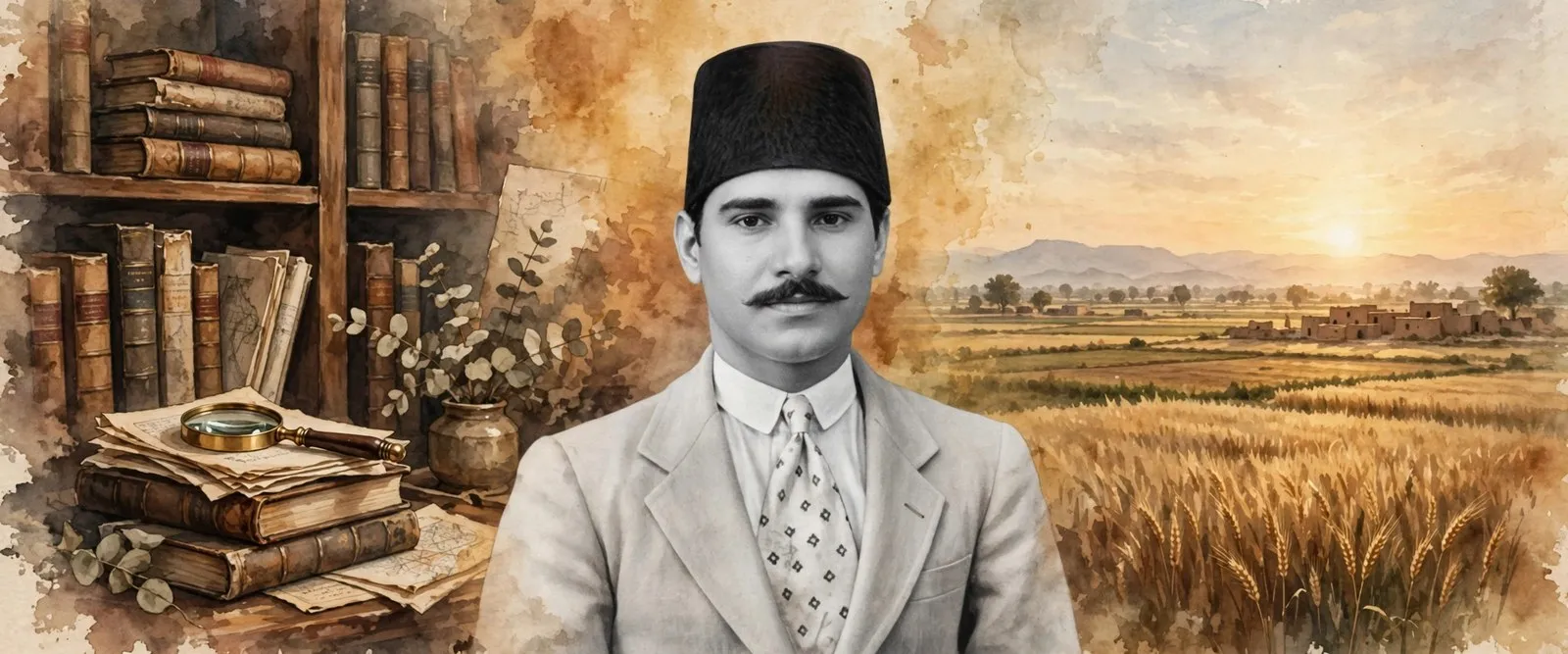
ਮੁਹੰਮਦ ਇਕਬਾਲ (1877 ਤੋਂ 1938) ਸਿਆਲਕੋਟ ਦਾ ਪੰਜਾਬੀ ਸ਼ਾਇਰ ਅਤੇ ਫ਼ਿਲਾਸਫ਼ਰ ਸੀ ਜਿਸ ਨੇ ਉਰਦੂ ਅਤੇ ਫ਼ਾਰਸੀ ਵਿੱਚ ਲਿਖਿਆ, ਲਾਹੌਰ ਵਿੱਚ ਪੜ੍ਹਾਇਆ ਅਤੇ ਵਕਾਲਤ ਕੀਤੀ, ਅਤੇ ਬਾਂਗ-ਏ-ਦਰਾ ਤੇ ਅਸਰਾਰ-ਏ-ਖ਼ੁਦੀ ਵਰਗੀਆਂ ਕਿਤਾਬਾਂ ਵਿੱਚ ਖ਼ੁਦੀ, ਭਾਵ ਆਪੇ, ਦਾ ਫ਼ਲਸਫ਼ਾ ਦਿੱਤਾ। ਉਸ ਦਾ ਦੇਹਾਂਤ 1938 ਵਿੱਚ ਲਾਹੌਰ ਵਿੱਚ ਹੋਇਆ ਅਤੇ ਪਾਕਿਸਤਾਨ ਉਸ ਨੂੰ ਆਪਣਾ ਕੌਮੀ ਸ਼ਾਇਰ ਮੰਨ ਕੇ ਸਨਮਾਨ ਦਿੰਦਾ ਹੈ।
- ਪੰਜਾਬੀ ਨਾਂ
- ਮੁਹੰਮਦ ਇਕਬਾਲ
- ਜਨਮ
- 9 ਨਵੰਬਰ 1877, ਸਿਆਲਕੋਟ (ਸਾਲ ਵਿਵਾਦਿਤ; 1873 ਅਤੇ 1876 ਵੀ ਕਹੇ ਗਏ)
- ਜੱਦੀ ਸ਼ਹਿਰ
- ਸਿਆਲਕੋਟ
- ਜ਼ਿਲ੍ਹਾ
- ਸਿਆਲਕੋਟ
- ਇਲਾਕਾ
- ਪੱਛਮੀ ਪੰਜਾਬ
- ਦੇਹਾਂਤ
- 21 ਅਪ੍ਰੈਲ 1938, ਲਾਹੌਰ
All 11 facts
- ਸਿੱਖਿਆ
- ਸਕਾਚ ਮਿਸ਼ਨ ਕਾਲਜ ਸਿਆਲਕੋਟ; ਸਰਕਾਰੀ ਕਾਲਜ ਲਾਹੌਰ; ਟ੍ਰਿਨਿਟੀ ਕਾਲਜ ਕੈਂਬਰਿਜ; ਲਿੰਕਨਜ਼ ਇਨ; ਮਿਊਨਿਖ ਯੂਨੀਵਰਸਿਟੀ
- ਭਾਸ਼ਾਵਾਂ
- ਉਰਦੂ, ਫ਼ਾਰਸੀ, ਪੰਜਾਬੀ, ਅੰਗਰੇਜ਼ੀ
- ਮੁੱਖ ਰਚਨਾਵਾਂ
- ਬਾਂਗ-ਏ-ਦਰਾ; ਅਸਰਾਰ-ਏ-ਖ਼ੁਦੀ; ਜਾਵੇਦ ਨਾਮਾ; ਬਾਲ-ਏ-ਜਿਬਰੀਲ
- ਸਨਮਾਨ
- 1922 ਵਿੱਚ ਨਾਈਟ ਦਾ ਖ਼ਿਤਾਬ
- ਪ੍ਰਸਿੱਧੀ
- ਖ਼ੁਦੀ ਦਾ ਫ਼ਲਸਫ਼ਾ ਅਤੇ ਉਰਦੂ ਕਵਿਤਾ
Muhammad Iqbal (1877 to 1938) of Sialkot was a Punjabi poet and philosopher who wrote in Urdu and Persian, taught and practised law in Lahore, and set out the philosophy of khudi, or selfhood, in books including Bang-e-Dara and Asrar-e-Khudi.
Early life in Sialkot and education
Muhammad Iqbal was born in Sialkot in Punjab, then in British India and now in Pakistan. The date most widely used is 9 November 1877, and Pakistan marks 9 November as Iqbal Day. The year has long been debated by scholars. A Sialkot municipal record was used to argue for 1873, while Iqbal himself gave a Hijri birth date that he converted as 1876. Later research showed that his Hijri date converts to 9 November 1877, and that date was accepted by a Pakistan government committee. This page uses 1877 and notes the dispute here rather than hiding it.
Iqbal was a Punjabi of Kashmiri ancestry. His family traced its line to the Sapru clan of Kashmiri Pandits who accepted Islam in the fifteenth century and whose descendants later settled in Punjab. His father, Sheikh Noor Muhammad, was a tailor in Sialkot, and his mother, Imam Bibi, came from Sambrial. Punjabi was his mother tongue, and he spoke Punjabi and Urdu in daily life. He learned Arabic and Persian as a boy, studied at Scotch Mission College in Sialkot, and passed his matriculation in 1893. He then went to Government College, Lahore, where he took his BA in 1897 and his MA in philosophy in 1899, standing first in philosophy in the University of the Punjab.
From Lahore classrooms to Cambridge and Munich
Iqbal began work as a teacher in Lahore. He taught Arabic at Oriental College from 1899 and then taught philosophy at Government College, the college where he had studied. In these years he became known as an Urdu poet. His best loved early poem is Tarana-e-Hindi, known by its opening words Sare Jahan se Accha. It was published in the weekly Ittehad on 16 August 1904, was recited by Iqbal at Government College the next year, and was later collected in Bang-e-Dara. Written for children, it praises Hindustan as a shared homeland and still remains a popular patriotic song in India.
In 1905 Iqbal left for Europe on the advice of his teacher Thomas Arnold. At Trinity College, Cambridge, he took a second BA, and in 1906 he qualified as a barrister at Lincoln's Inn in London. He then moved to Germany and completed his doctorate at Munich in November 1907. His thesis, The Development of Metaphysics in Persia, was published in London in 1908. The European years changed his thinking. His early poetry had affirmed Indian nationalism, but in Europe he became critical of nationalism and of a purely material view of life, and his later work turned toward the renewal of Muslim thought and society.
ਮੁਹੰਮਦ ਇਕਬਾਲ (1877 ਤੋਂ 1938) ਸਿਆਲਕੋਟ ਦਾ ਪੰਜਾਬੀ ਸ਼ਾਇਰ ਅਤੇ ਫ਼ਿਲਾਸਫ਼ਰ ਸੀ ਜਿਸ ਨੇ ਉਰਦੂ ਅਤੇ ਫ਼ਾਰਸੀ ਵਿੱਚ ਲਿਖਿਆ, ਲਾਹੌਰ ਵਿੱਚ ਪੜ੍ਹਾਇਆ ਅਤੇ ਵਕਾਲਤ ਕੀਤੀ, ਅਤੇ ਬਾਂਗ-ਏ-ਦਰਾ ਤੇ ਅਸਰਾਰ-ਏ-ਖ਼ੁਦੀ ਵਰਗੀਆਂ ਕਿਤਾਬਾਂ ਵਿੱਚ ਖ਼ੁਦੀ, ਭਾਵ ਆਪੇ, ਦਾ ਫ਼ਲਸਫ਼ਾ ਦਿੱਤਾ।
ਸਿਆਲਕੋਟ ਵਿੱਚ ਸ਼ੁਰੂਆਤੀ ਜੀਵਨ ਅਤੇ ਪੜ੍ਹਾਈ
ਮੁਹੰਮਦ ਇਕਬਾਲ ਦਾ ਜਨਮ ਪੰਜਾਬ ਦੇ ਸਿਆਲਕੋਟ ਵਿੱਚ ਹੋਇਆ, ਜੋ ਉਸ ਸਮੇਂ ਬਰਤਾਨਵੀ ਭਾਰਤ ਵਿੱਚ ਸੀ ਅਤੇ ਅੱਜ ਪਾਕਿਸਤਾਨ ਵਿੱਚ ਹੈ। ਸਭ ਤੋਂ ਵੱਧ ਵਰਤੀ ਜਾਣ ਵਾਲੀ ਤਾਰੀਖ਼ 9 ਨਵੰਬਰ 1877 ਹੈ ਅਤੇ ਪਾਕਿਸਤਾਨ ਵਿੱਚ 9 ਨਵੰਬਰ ਨੂੰ ਇਕਬਾਲ ਦਿਵਸ ਮਨਾਇਆ ਜਾਂਦਾ ਹੈ। ਜਨਮ ਦੇ ਸਾਲ ਉੱਤੇ ਵਿਦਵਾਨਾਂ ਵਿੱਚ ਲੰਬੀ ਬਹਿਸ ਰਹੀ ਹੈ। ਸਿਆਲਕੋਟ ਦੀ ਮਿਊਂਸਪਲ ਰਿਕਾਰਡ ਦੇ ਆਧਾਰ ਉੱਤੇ 1873 ਦੀ ਗੱਲ ਕੀਤੀ ਗਈ, ਜਦੋਂ ਕਿ ਇਕਬਾਲ ਨੇ ਖ਼ੁਦ ਹਿਜਰੀ ਤਾਰੀਖ਼ ਦਿੱਤੀ ਸੀ ਜਿਸ ਨੂੰ ਉਸ ਨੇ 1876 ਸਮਝਿਆ। ਬਾਅਦ ਦੀ ਖੋਜ ਨੇ ਦੱਸਿਆ ਕਿ ਉਸ ਹਿਜਰੀ ਤਾਰੀਖ਼ ਦਾ ਸਹੀ ਮੇਲ 9 ਨਵੰਬਰ 1877 ਨਾਲ ਬਣਦਾ ਹੈ ਅਤੇ ਪਾਕਿਸਤਾਨ ਸਰਕਾਰ ਦੀ ਕਮੇਟੀ ਨੇ ਇਹੀ ਤਾਰੀਖ਼ ਮੰਨੀ। ਇਸ ਪੰਨੇ ਉੱਤੇ 1877 ਵਰਤਿਆ ਗਿਆ ਹੈ ਅਤੇ ਬਹਿਸ ਦਾ ਜ਼ਿਕਰ ਇੱਥੇ ਸਾਫ਼ ਕੀਤਾ ਗਿਆ ਹੈ।
ਇਕਬਾਲ ਕਸ਼ਮੀਰੀ ਮੂਲ ਦਾ ਪੰਜਾਬੀ ਸੀ। ਉਸ ਦਾ ਪਰਿਵਾਰ ਆਪਣੀ ਵੰਸ਼ ਨੂੰ ਕਸ਼ਮੀਰੀ ਪੰਡਿਤਾਂ ਦੇ ਸਪਰੂ ਗੋਤ ਨਾਲ ਜੋੜਦਾ ਸੀ ਜਿਨ੍ਹਾਂ ਨੇ ਪੰਦਰਵੀਂ ਸਦੀ ਵਿੱਚ ਇਸਲਾਮ ਕਬੂਲ ਕੀਤਾ ਅਤੇ ਜਿਨ੍ਹਾਂ ਦੀ ਔਲਾਦ ਬਾਅਦ ਵਿੱਚ ਪੰਜਾਬ ਵਿੱਚ ਆ ਵਸੀ। ਉਸ ਦਾ ਪਿਤਾ ਸ਼ੇਖ਼ ਨੂਰ ਮੁਹੰਮਦ ਸਿਆਲਕੋਟ ਵਿੱਚ ਦਰਜ਼ੀ ਸੀ ਅਤੇ ਮਾਂ ਇਮਾਮ ਬੀਬੀ ਸੰਭਰਿਆਲ ਤੋਂ ਸੀ। ਪੰਜਾਬੀ ਉਸ ਦੀ ਮਾਤ ਭਾਸ਼ਾ ਸੀ ਅਤੇ ਉਹ ਰੋਜ਼ਾਨਾ ਜ਼ਿੰਦਗੀ ਵਿੱਚ ਪੰਜਾਬੀ ਅਤੇ ਉਰਦੂ ਬੋਲਦਾ ਸੀ। ਬਚਪਨ ਵਿੱਚ ਉਸ ਨੇ ਅਰਬੀ ਅਤੇ ਫ਼ਾਰਸੀ ਸਿੱਖੀ, ਸਿਆਲਕੋਟ ਦੇ ਸਕਾਚ ਮਿਸ਼ਨ ਕਾਲਜ ਵਿੱਚ ਪੜ੍ਹਾਈ ਕੀਤੀ ਅਤੇ 1893 ਵਿੱਚ ਮੈਟ੍ਰਿਕ ਪਾਸ ਕੀਤੀ। ਫਿਰ ਉਹ ਸਰਕਾਰੀ ਕਾਲਜ ਲਾਹੌਰ ਗਿਆ ਜਿੱਥੇ ਉਸ ਨੇ 1897 ਵਿੱਚ ਬੀ.ਏ. ਅਤੇ 1899 ਵਿੱਚ ਫ਼ਲਸਫ਼ੇ ਵਿੱਚ ਐੱਮ.ਏ. ਕੀਤੀ ਅਤੇ ਪੰਜਾਬ ਯੂਨੀਵਰਸਿਟੀ ਵਿੱਚ ਫ਼ਲਸਫ਼ੇ ਵਿੱਚ ਪਹਿਲਾ ਸਥਾਨ ਲਿਆ।
ਲਾਹੌਰ ਦੀਆਂ ਜਮਾਤਾਂ ਤੋਂ ਕੈਂਬਰਿਜ ਅਤੇ ਮਿਊਨਿਖ ਤੱਕ
ਇਕਬਾਲ ਨੇ ਲਾਹੌਰ ਵਿੱਚ ਅਧਿਆਪਕ ਵਜੋਂ ਕੰਮ ਸ਼ੁਰੂ ਕੀਤਾ। ਉਸ ਨੇ 1899 ਤੋਂ ਓਰੀਐਂਟਲ ਕਾਲਜ ਵਿੱਚ ਅਰਬੀ ਪੜ੍ਹਾਈ ਅਤੇ ਫਿਰ ਸਰਕਾਰੀ ਕਾਲਜ ਵਿੱਚ ਫ਼ਲਸਫ਼ਾ ਪੜ੍ਹਾਇਆ, ਜਿੱਥੇ ਉਹ ਖ਼ੁਦ ਪੜ੍ਹਿਆ ਸੀ। ਇਨ੍ਹਾਂ ਸਾਲਾਂ ਵਿੱਚ ਉਹ ਉਰਦੂ ਸ਼ਾਇਰ ਵਜੋਂ ਜਾਣਿਆ ਜਾਣ ਲੱਗਾ। ਉਸ ਦੀ ਸਭ ਤੋਂ ਪਿਆਰੀ ਮੁੱਢਲੀ ਕਵਿਤਾ ਤਰਾਨਾ-ਏ-ਹਿੰਦੀ ਹੈ, ਜੋ ਆਪਣੇ ਪਹਿਲੇ ਬੋਲਾਂ ਸਾਰੇ ਜਹਾਂ ਸੇ ਅੱਛਾ ਨਾਲ ਜਾਣੀ ਜਾਂਦੀ ਹੈ। ਇਹ 16 ਅਗਸਤ 1904 ਨੂੰ ਹਫ਼ਤਾਵਾਰੀ ਇੱਤਿਹਾਦ ਵਿੱਚ ਛਪੀ, ਅਗਲੇ ਸਾਲ ਇਕਬਾਲ ਨੇ ਸਰਕਾਰੀ ਕਾਲਜ ਵਿੱਚ ਇਸ ਨੂੰ ਪੜ੍ਹਿਆ ਅਤੇ ਬਾਅਦ ਵਿੱਚ ਇਹ ਬਾਂਗ-ਏ-ਦਰਾ ਵਿੱਚ ਸ਼ਾਮਲ ਹੋਈ। ਬੱਚਿਆਂ ਲਈ ਲਿਖੀ ਇਹ ਕਵਿਤਾ ਹਿੰਦੁਸਤਾਨ ਨੂੰ ਸਾਂਝੀ ਜਨਮ ਭੂਮੀ ਵਜੋਂ ਸਲਾਹੁੰਦੀ ਹੈ ਅਤੇ ਅੱਜ ਵੀ ਭਾਰਤ ਵਿੱਚ ਦੇਸ਼ ਭਗਤੀ ਦਾ ਪ੍ਰਸਿੱਧ ਗੀਤ ਹੈ।
1905 ਵਿੱਚ ਇਕਬਾਲ ਆਪਣੇ ਅਧਿਆਪਕ ਥਾਮਸ ਆਰਨਲਡ ਦੀ ਸਲਾਹ ਉੱਤੇ ਯੂਰਪ ਗਿਆ। ਕੈਂਬਰਿਜ ਦੇ ਟ੍ਰਿਨਿਟੀ ਕਾਲਜ ਵਿੱਚ ਉਸ ਨੇ ਦੂਜੀ ਬੀ.ਏ. ਕੀਤੀ ਅਤੇ 1906 ਵਿੱਚ ਲੰਡਨ ਦੇ ਲਿੰਕਨਜ਼ ਇਨ ਤੋਂ ਬੈਰਿਸਟਰ ਬਣਿਆ। ਫਿਰ ਉਹ ਜਰਮਨੀ ਗਿਆ ਅਤੇ ਨਵੰਬਰ 1907 ਵਿੱਚ ਮਿਊਨਿਖ ਤੋਂ ਡਾਕਟਰੇਟ ਪੂਰੀ ਕੀਤੀ। ਉਸ ਦਾ ਖੋਜ ਪੱਤਰ, ਫ਼ਾਰਸ ਵਿੱਚ ਤੱਤ ਮੀਮਾਂਸਾ ਦਾ ਵਿਕਾਸ, 1908 ਵਿੱਚ ਲੰਡਨ ਤੋਂ ਛਪਿਆ। ਯੂਰਪ ਦੇ ਸਾਲਾਂ ਨੇ ਉਸ ਦੀ ਸੋਚ ਬਦਲ ਦਿੱਤੀ। ਉਸ ਦੀ ਮੁੱਢਲੀ ਕਵਿਤਾ ਭਾਰਤੀ ਕੌਮ ਪ੍ਰਸਤੀ ਦੀ ਹਿਮਾਇਤ ਕਰਦੀ ਸੀ, ਪਰ ਯੂਰਪ ਵਿੱਚ ਉਹ ਕੌਮ ਪ੍ਰਸਤੀ ਅਤੇ ਸਿਰਫ਼ ਪਦਾਰਥਵਾਦੀ ਨਜ਼ਰੀਏ ਦਾ ਆਲੋਚਕ ਬਣ ਗਿਆ ਅਤੇ ਉਸ ਦਾ ਬਾਅਦ ਦਾ ਕੰਮ ਮੁਸਲਿਮ ਸੋਚ ਅਤੇ ਸਮਾਜ ਦੀ ਨਵੀਂ ਜਾਗਰੂਕਤਾ ਵੱਲ ਮੁੜਿਆ।
On his return to Lahore in 1908, Iqbal practised law, appearing in civil and criminal cases, and for a time also taught philosophy and English. Law gave him his living, but writing gave him his fame. He was active in Anjuman-e-Himayat-e-Islam in Lahore and became its general secretary in 1919. Readers should not picture a full time politician in these years. For most of his life Iqbal was a lawyer and writer in Lahore, and he entered electoral politics only in his late forties.
Poetry in Urdu and Persian: khudi and the major books
Iqbal wrote most of his poetry in Persian, which he felt could carry philosophical ideas to readers across India, Afghanistan and Iran, and he also wrote major Urdu poetry. His first major Persian work, Asrar-e-Khudi, or Secrets of the Self, appeared in 1915. In it he set out his philosophy of khudi. Khudi means the self or selfhood. Iqbal argued that the self should not dissolve into passivity. It should be strengthened through obedience to law, self control and a sense of responsibility, until a person acts with purpose in the world. Action, in his view, was better than resignation.
The companion Persian poem Rumuz-e-Bekhudi, or Mysteries of Selflessness, balances that teaching. Once the self is strong, it should be spent in service of the community. Together the two poems join personal strength with social duty. His other Persian books include Payam-e-Mashriq, or Message of the East, written in response to Goethe, Zabur-e-Ajam, or Persian Psalms, published in 1927, and Javed Nama, published in 1932 and named for his son Javed. In Javed Nama the poet travels through the heavens guided by Rumi, the Persian mystic poet whom Iqbal treated as his guide.
For Urdu readers, his first collection, Bang-e-Dara, or Call of the Marching Bell, appeared in 1924 and gathers work from three phases of his life, including Tarana-e-Hindi and the long poems Shikwah and Jawab-e-Shikwah. His later Urdu collection Bal-e-Jibril, or Gabriel's Wing, appeared in 1935, followed in the mid 1930s by Zarb-e-Kalim, or Rod of Moses. His final collection, Armaghan-e-Hijaz, or Gift of Hijaz, was published after his death in 1938. His six lectures on Islam and modern thought were published as The Reconstruction of Religious Thought in Islam in Lahore in 1930 and by Oxford University Press in 1934. He also wrote a small number of Punjabi poems, including Piyaara Jedi and Baba Bakri Wala, written in 1929 for his son Javed.
What did the 1930 Allahabad Address propose?
In his presidential address to the All India Muslim League at Allahabad on 29 December 1930, Iqbal proposed that Punjab, the North West Frontier Province, Sind and Baluchistan be amalgamated into a single state, and he called for autonomous states within a federation so that Muslim majority regions could develop on the lines of their own culture and tradition. He described the Muslim demand as the creation of a Muslim India within India. That is what the 1930 address itself proposed.
Later readings of the address differ, and this page keeps them apart. Iqbal is widely regarded as having given early expression to the political idea that later shaped the Pakistan Movement, and Pakistan honours him as its national poet. At the same time, the address spoke of self government within or without the British Empire and of a consolidated North West Indian Muslim state as the final destiny of the Muslims of at least North West India. It did not set out the map or constitution of the Pakistan that came into being in 1947, nine years after his death. In a letter to Muhammad Ali Jinnah in June 1937, Iqbal spoke more directly of a separate federation of Muslim provinces. Readers who want the exact words should read the address itself rather than summaries of it.
Politics, honours and later years
Iqbal was knighted in 1922, which is why he is also called Sir Muhammad Iqbal. The honorific Allama, meaning learned, is the title by which he is most often known in Pakistan. In November 1926 he was elected to the Punjab Legislative Council from a Muslim seat in Lahore. He served as president of the Muslim League session at Allahabad in 1930 and again at Lahore in 1932, and he took part in the Round Table Conferences in London in 1931 and 1932, where the future constitution of India was discussed. He also helped to found Jamia Millia Islamia in 1920 and worked for Muslim unity in Punjab politics.
His last years were marked by illness. From 1933 he suffered from a throat illness, and in 1934 he stopped practising law. He spent his final years in Lahore, writing and receiving visitors, and he died in Lahore on 21 April 1938. He was buried in Hazuri Bagh in Lahore, in the garden between the entrance of the Badshahi Mosque and the Lahore Fort. His tomb there remains a place of public respect in Pakistan.
Legacy in Punjab, Pakistan and beyond
Iqbal is remembered in different ways in different places, and each memory is real. In Pakistan he is honoured as the national poet, and his birthday is a public holiday. In India, Tarana-e-Hindi is still sung in schools and by the armed forces as a patriotic song. In Iran he is known as Iqbal-e-Lahori, Iqbal of Lahore, and his Persian poetry is read there with respect. Scholars also call him the Poet of the East. For Punjab, his importance is direct. He was a Sialkot born Punjabi speaker who studied and worked in Lahore, wrote in the languages of the region and of the wider Muslim world, and left books that students in Sialkot, Lahore and the Punjabi diaspora still read.
1908 ਵਿੱਚ ਲਾਹੌਰ ਵਾਪਸ ਆ ਕੇ ਇਕਬਾਲ ਨੇ ਵਕਾਲਤ ਕੀਤੀ, ਦੀਵਾਨੀ ਅਤੇ ਫ਼ੌਜਦਾਰੀ ਕੇਸਾਂ ਵਿੱਚ ਪੇਸ਼ ਹੋਇਆ, ਅਤੇ ਕੁਝ ਸਮਾਂ ਫ਼ਲਸਫ਼ਾ ਅਤੇ ਅੰਗਰੇਜ਼ੀ ਵੀ ਪੜ੍ਹਾਈ। ਵਕਾਲਤ ਤੋਂ ਉਸ ਦੀ ਰੋਜ਼ੀ ਚੱਲਦੀ ਸੀ, ਪਰ ਪ੍ਰਸਿੱਧੀ ਉਸ ਨੂੰ ਲਿਖਤ ਤੋਂ ਮਿਲੀ। ਉਹ ਲਾਹੌਰ ਦੀ ਅੰਜੁਮਨ-ਏ-ਹਿਮਾਇਤ-ਏ-ਇਸਲਾਮ ਵਿੱਚ ਸਰਗਰਮ ਰਿਹਾ ਅਤੇ 1919 ਵਿੱਚ ਇਸ ਦਾ ਜਨਰਲ ਸਕੱਤਰ ਬਣਿਆ। ਇਨ੍ਹਾਂ ਸਾਲਾਂ ਵਿੱਚ ਉਸ ਨੂੰ ਪੂਰੇ ਸਮੇਂ ਦਾ ਰਾਜਨੇਤਾ ਨਾ ਸਮਝੋ। ਜ਼ਿੰਦਗੀ ਦੇ ਵੱਡੇ ਹਿੱਸੇ ਵਿੱਚ ਇਕਬਾਲ ਲਾਹੌਰ ਦਾ ਵਕੀਲ ਅਤੇ ਲੇਖਕ ਸੀ ਅਤੇ ਚੋਣਾਂ ਦੀ ਰਾਜਨੀਤੀ ਵਿੱਚ ਉਹ ਆਪਣੇ ਚਾਲੀ ਦੇ ਦਹਾਕੇ ਦੇ ਅੰਤ ਵਿੱਚ ਆਇਆ।
ਉਰਦੂ ਅਤੇ ਫ਼ਾਰਸੀ ਕਵਿਤਾ: ਖ਼ੁਦੀ ਅਤੇ ਮੁੱਖ ਕਿਤਾਬਾਂ
ਇਕਬਾਲ ਨੇ ਆਪਣੀ ਵੱਡੀ ਕਵਿਤਾ ਫ਼ਾਰਸੀ ਵਿੱਚ ਲਿਖੀ, ਕਿਉਂਕਿ ਉਸ ਨੂੰ ਲੱਗਦਾ ਸੀ ਕਿ ਫ਼ਾਰਸੀ ਰਾਹੀਂ ਫ਼ਲਸਫ਼ੇ ਦੇ ਵਿਚਾਰ ਭਾਰਤ, ਅਫ਼ਗਾਨਿਸਤਾਨ ਅਤੇ ਈਰਾਨ ਦੇ ਪਾਠਕਾਂ ਤੱਕ ਪਹੁੰਚ ਸਕਦੇ ਹਨ, ਅਤੇ ਉਸ ਨੇ ਵੱਡੀ ਉਰਦੂ ਕਵਿਤਾ ਵੀ ਲਿਖੀ। ਉਸ ਦੀ ਪਹਿਲੀ ਵੱਡੀ ਫ਼ਾਰਸੀ ਰਚਨਾ ਅਸਰਾਰ-ਏ-ਖ਼ੁਦੀ, ਭਾਵ ਆਪੇ ਦੇ ਭੇਦ, 1915 ਵਿੱਚ ਆਈ। ਇਸ ਵਿੱਚ ਉਸ ਨੇ ਖ਼ੁਦੀ ਦਾ ਫ਼ਲਸਫ਼ਾ ਦਿੱਤਾ। ਖ਼ੁਦੀ ਦਾ ਮਤਲਬ ਹੈ ਆਪਾ ਜਾਂ ਸਵੈ। ਇਕਬਾਲ ਦਾ ਕਹਿਣਾ ਸੀ ਕਿ ਆਪਾ ਨਿਸ਼ਕਿਰਿਆਤਾ ਵਿੱਚ ਨਾ ਘੁਲੇ। ਇਸ ਨੂੰ ਕਾਨੂੰਨ ਦੀ ਪਾਲਣਾ, ਸਵੈ ਕਾਬੂ ਅਤੇ ਜ਼ਿੰਮੇਵਾਰੀ ਦੇ ਅਹਿਸਾਸ ਨਾਲ ਮਜ਼ਬੂਤ ਕੀਤਾ ਜਾਵੇ ਤਾਂ ਜੋ ਮਨੁੱਖ ਮਕਸਦ ਨਾਲ ਦੁਨੀਆ ਵਿੱਚ ਕੰਮ ਕਰੇ। ਉਸ ਦੇ ਨਜ਼ਰੀਏ ਵਿੱਚ ਕੰਮ, ਹਾਰ ਮੰਨ ਲੈਣ ਤੋਂ ਚੰਗਾ ਹੈ।
ਇਸ ਦੇ ਨਾਲ ਦੀ ਫ਼ਾਰਸੀ ਕਵਿਤਾ ਰੁਮੂਜ਼-ਏ-ਬੇਖ਼ੁਦੀ, ਭਾਵ ਬੇਆਪੇ ਦੇ ਭੇਦ, ਇਸ ਸਿੱਖਿਆ ਨੂੰ ਸੰਤੁਲਿਤ ਕਰਦੀ ਹੈ। ਜਦੋਂ ਆਪਾ ਮਜ਼ਬੂਤ ਹੋ ਜਾਵੇ ਤਾਂ ਇਸ ਨੂੰ ਸਮਾਜ ਦੀ ਸੇਵਾ ਵਿੱਚ ਲਾਇਆ ਜਾਵੇ। ਦੋਵੇਂ ਕਵਿਤਾਵਾਂ ਮਿਲ ਕੇ ਨਿੱਜੀ ਤਾਕਤ ਨੂੰ ਸਮਾਜਕ ਫ਼ਰਜ਼ ਨਾਲ ਜੋੜਦੀਆਂ ਹਨ। ਉਸ ਦੀਆਂ ਹੋਰ ਫ਼ਾਰਸੀ ਕਿਤਾਬਾਂ ਵਿੱਚ ਪਯਾਮ-ਏ-ਮਸ਼ਰਿਕ, ਭਾਵ ਪੂਰਬ ਦਾ ਸੁਨੇਹਾ, ਜੋ ਗੋਇਟੇ ਦੇ ਜਵਾਬ ਵਿੱਚ ਲਿਖੀ ਗਈ, ਜ਼ਬੂਰ-ਏ-ਅਜਮ, ਭਾਵ ਫ਼ਾਰਸੀ ਜ਼ਬੂਰ, ਜੋ 1927 ਵਿੱਚ ਛਪੀ, ਅਤੇ ਜਾਵੇਦ ਨਾਮਾ ਸ਼ਾਮਲ ਹਨ, ਜੋ 1932 ਵਿੱਚ ਛਪੀ ਅਤੇ ਉਸ ਦੇ ਪੁੱਤਰ ਜਾਵੇਦ ਦੇ ਨਾਂ ਉੱਤੇ ਹੈ। ਜਾਵੇਦ ਨਾਮਾ ਵਿੱਚ ਸ਼ਾਇਰ ਰੂਮੀ ਦੀ ਅਗਵਾਈ ਵਿੱਚ ਅਸਮਾਨਾਂ ਦੀ ਯਾਤਰਾ ਕਰਦਾ ਹੈ, ਜਿਸ ਫ਼ਾਰਸੀ ਸੂਫ਼ੀ ਸ਼ਾਇਰ ਨੂੰ ਇਕਬਾਲ ਆਪਣਾ ਰਾਹਨੁਮਾ ਮੰਨਦਾ ਸੀ।
ਉਰਦੂ ਪਾਠਕਾਂ ਲਈ ਉਸ ਦਾ ਪਹਿਲਾ ਸੰਗ੍ਰਹਿ ਬਾਂਗ-ਏ-ਦਰਾ, ਭਾਵ ਕਾਫ਼ਲੇ ਦੀ ਘੰਟੀ ਦੀ ਆਵਾਜ਼, 1924 ਵਿੱਚ ਆਇਆ ਅਤੇ ਇਸ ਵਿੱਚ ਉਸ ਦੀ ਜ਼ਿੰਦਗੀ ਦੇ ਤਿੰਨ ਪੜਾਵਾਂ ਦਾ ਕੰਮ ਹੈ, ਜਿਸ ਵਿੱਚ ਤਰਾਨਾ-ਏ-ਹਿੰਦੀ ਅਤੇ ਲੰਬੀਆਂ ਕਵਿਤਾਵਾਂ ਸ਼ਿਕਵਾ ਤੇ ਜਵਾਬ-ਏ-ਸ਼ਿਕਵਾ ਸ਼ਾਮਲ ਹਨ। ਉਸ ਦਾ ਬਾਅਦ ਦਾ ਉਰਦੂ ਸੰਗ੍ਰਹਿ ਬਾਲ-ਏ-ਜਿਬਰੀਲ, ਭਾਵ ਜਿਬਰੀਲ ਦਾ ਖੰਭ, 1935 ਵਿੱਚ ਆਇਆ ਅਤੇ 1930 ਦੇ ਦਹਾਕੇ ਦੇ ਵਿਚਕਾਰ ਜ਼ਰਬ-ਏ-ਕਲੀਮ, ਭਾਵ ਮੂਸਾ ਦੀ ਸੋਟੀ, ਆਈ। ਉਸ ਦਾ ਆਖ਼ਰੀ ਸੰਗ੍ਰਹਿ ਅਰਮੁਗ਼ਾਨ-ਏ-ਹਿਜਾਜ਼, ਭਾਵ ਹਿਜਾਜ਼ ਦਾ ਤੋਹਫ਼ਾ, ਉਸ ਦੇ ਦੇਹਾਂਤ ਤੋਂ ਬਾਅਦ 1938 ਵਿੱਚ ਛਪਿਆ। ਇਸਲਾਮ ਅਤੇ ਆਧੁਨਿਕ ਸੋਚ ਉੱਤੇ ਉਸ ਦੇ ਛੇ ਭਾਸ਼ਣ ਇਸਲਾਮ ਵਿੱਚ ਧਾਰਮਿਕ ਸੋਚ ਦੀ ਪੁਨਰ ਰਚਨਾ ਦੇ ਨਾਂ ਹੇਠ 1930 ਵਿੱਚ ਲਾਹੌਰ ਤੋਂ ਅਤੇ 1934 ਵਿੱਚ ਆਕਸਫ਼ੋਰਡ ਯੂਨੀਵਰਸਿਟੀ ਪ੍ਰੈੱਸ ਤੋਂ ਛਪੇ। ਉਸ ਨੇ ਕੁਝ ਪੰਜਾਬੀ ਕਵਿਤਾਵਾਂ ਵੀ ਲਿਖੀਆਂ, ਜਿਨ੍ਹਾਂ ਵਿੱਚ ਪਿਆਰਾ ਜੇਡੀ ਅਤੇ ਬਾਬਾ ਬੱਕਰੀ ਵਾਲਾ ਸ਼ਾਮਲ ਹਨ, ਜੋ 1929 ਵਿੱਚ ਉਸ ਦੇ ਪੁੱਤਰ ਜਾਵੇਦ ਲਈ ਲਿਖੀਆਂ ਗਈਆਂ।
1930 ਦੇ ਅਲਾਹਾਬਾਦ ਭਾਸ਼ਣ ਵਿੱਚ ਕੀ ਪ੍ਰਸਤਾਵ ਸੀ?
29 ਦਸੰਬਰ 1930 ਨੂੰ ਅਲਾਹਾਬਾਦ ਵਿੱਚ ਆਲ ਇੰਡੀਆ ਮੁਸਲਿਮ ਲੀਗ ਦੇ ਪ੍ਰਧਾਨਗੀ ਭਾਸ਼ਣ ਵਿੱਚ ਇਕਬਾਲ ਨੇ ਪ੍ਰਸਤਾਵ ਰੱਖਿਆ ਕਿ ਪੰਜਾਬ, ਉੱਤਰ ਪੱਛਮੀ ਸਰਹੱਦੀ ਸੂਬਾ, ਸਿੰਧ ਅਤੇ ਬਲੋਚਿਸਤਾਨ ਨੂੰ ਇੱਕ ਰਾਜ ਵਿੱਚ ਜੋੜਿਆ ਜਾਵੇ ਅਤੇ ਫੈਡਰੇਸ਼ਨ ਵਿੱਚ ਖ਼ੁਦਮੁਖ਼ਤਾਰ ਰਾਜ ਬਣਾਏ ਜਾਣ ਤਾਂ ਜੋ ਮੁਸਲਿਮ ਬਹੁਗਿਣਤੀ ਵਾਲੇ ਇਲਾਕੇ ਆਪਣੀ ਸੰਸਕ੍ਰਿਤੀ ਅਤੇ ਰਵਾਇਤ ਦੀਆਂ ਲੀਹਾਂ ਉੱਤੇ ਵਿਕਾਸ ਕਰ ਸਕਣ। ਉਸ ਨੇ ਮੁਸਲਿਮ ਮੰਗ ਨੂੰ ਭਾਰਤ ਦੇ ਅੰਦਰ ਮੁਸਲਿਮ ਭਾਰਤ ਦੀ ਰਚਨਾ ਕਿਹਾ। 1930 ਦੇ ਭਾਸ਼ਣ ਦਾ ਆਪਣਾ ਪ੍ਰਸਤਾਵ ਇਹੀ ਸੀ।
ਇਸ ਭਾਸ਼ਣ ਦੀਆਂ ਬਾਅਦ ਦੀਆਂ ਵਿਆਖਿਆਵਾਂ ਵੱਖਰੀਆਂ ਹਨ ਅਤੇ ਇਹ ਪੰਨਾ ਉਨ੍ਹਾਂ ਨੂੰ ਵੱਖਰਾ ਰੱਖਦਾ ਹੈ। ਇਕਬਾਲ ਨੂੰ ਵਿਆਪਕ ਤੌਰ ਉੱਤੇ ਉਸ ਰਾਜਨੀਤਕ ਵਿਚਾਰ ਦੀ ਮੁੱਢਲੀ ਆਵਾਜ਼ ਮੰਨਿਆ ਜਾਂਦਾ ਹੈ ਜਿਸ ਨੇ ਬਾਅਦ ਵਿੱਚ ਪਾਕਿਸਤਾਨ ਲਹਿਰ ਨੂੰ ਰੂਪ ਦਿੱਤਾ ਅਤੇ ਪਾਕਿਸਤਾਨ ਉਸ ਨੂੰ ਆਪਣਾ ਕੌਮੀ ਸ਼ਾਇਰ ਮੰਨ ਕੇ ਸਨਮਾਨ ਦਿੰਦਾ ਹੈ। ਨਾਲ ਹੀ ਭਾਸ਼ਣ ਵਿੱਚ ਬਰਤਾਨਵੀ ਸਾਮਰਾਜ ਦੇ ਅੰਦਰ ਜਾਂ ਬਾਹਰ ਸਵੈ ਸਰਕਾਰ ਦੀ ਅਤੇ ਘੱਟੋ ਘੱਟ ਉੱਤਰ ਪੱਛਮੀ ਭਾਰਤ ਦੇ ਮੁਸਲਮਾਨਾਂ ਦੀ ਅੰਤਿਮ ਕਿਸਮਤ ਵਜੋਂ ਇੱਕਜੁੱਟ ਉੱਤਰ ਪੱਛਮੀ ਭਾਰਤੀ ਮੁਸਲਿਮ ਰਾਜ ਦੀ ਗੱਲ ਹੋਈ। ਇਸ ਵਿੱਚ ਉਸ ਪਾਕਿਸਤਾਨ ਦਾ ਨਕਸ਼ਾ ਜਾਂ ਸੰਵਿਧਾਨ ਨਹੀਂ ਸੀ ਜੋ ਉਸ ਦੇ ਦੇਹਾਂਤ ਤੋਂ ਨੌਂ ਸਾਲ ਬਾਅਦ 1947 ਵਿੱਚ ਬਣਿਆ। ਜੂਨ 1937 ਵਿੱਚ ਮੁਹੰਮਦ ਅਲੀ ਜਿਨਾਹ ਨੂੰ ਲਿਖੇ ਪੱਤਰ ਵਿੱਚ ਇਕਬਾਲ ਨੇ ਮੁਸਲਿਮ ਸੂਬਿਆਂ ਦੀ ਵੱਖਰੀ ਫੈਡਰੇਸ਼ਨ ਦੀ ਗੱਲ ਵੱਧ ਸਾਫ਼ ਕੀਤੀ। ਜੋ ਪਾਠਕ ਸਹੀ ਬੋਲ ਜਾਣਨਾ ਚਾਹੁੰਦੇ ਹਨ ਉਹ ਭਾਸ਼ਣ ਦੇ ਸਾਰਾਂ ਦੀ ਥਾਂ ਭਾਸ਼ਣ ਆਪ ਪੜ੍ਹਨ।
ਰਾਜਨੀਤੀ, ਸਨਮਾਨ ਅਤੇ ਬਾਅਦ ਦੇ ਸਾਲ
ਇਕਬਾਲ ਨੂੰ 1922 ਵਿੱਚ ਨਾਈਟ ਦਾ ਖ਼ਿਤਾਬ ਮਿਲਿਆ, ਇਸ ਲਈ ਉਸ ਨੂੰ ਸਰ ਮੁਹੰਮਦ ਇਕਬਾਲ ਵੀ ਕਿਹਾ ਜਾਂਦਾ ਹੈ। ਅੱਲਾਮਾ, ਭਾਵ ਵਿਦਵਾਨ, ਉਹ ਖ਼ਿਤਾਬ ਹੈ ਜਿਸ ਨਾਲ ਉਹ ਪਾਕਿਸਤਾਨ ਵਿੱਚ ਸਭ ਤੋਂ ਵੱਧ ਜਾਣਿਆ ਜਾਂਦਾ ਹੈ। ਨਵੰਬਰ 1926 ਵਿੱਚ ਉਹ ਲਾਹੌਰ ਦੀ ਮੁਸਲਿਮ ਸੀਟ ਤੋਂ ਪੰਜਾਬ ਵਿਧਾਨ ਪਰਿਸ਼ਦ ਵਿੱਚ ਚੁਣਿਆ ਗਿਆ। ਉਹ 1930 ਵਿੱਚ ਅਲਾਹਾਬਾਦ ਅਤੇ ਫਿਰ 1932 ਵਿੱਚ ਲਾਹੌਰ ਵਿੱਚ ਮੁਸਲਿਮ ਲੀਗ ਦੇ ਇਜਲਾਸ ਦਾ ਪ੍ਰਧਾਨ ਰਿਹਾ ਅਤੇ 1931 ਤੇ 1932 ਵਿੱਚ ਲੰਡਨ ਦੀਆਂ ਗੋਲਮੇਜ਼ ਕਾਨਫ਼ਰੰਸਾਂ ਵਿੱਚ ਹਿੱਸਾ ਲਿਆ, ਜਿੱਥੇ ਭਾਰਤ ਦੇ ਭਵਿੱਖੀ ਸੰਵਿਧਾਨ ਉੱਤੇ ਗੱਲ ਹੋਈ। ਉਸ ਨੇ 1920 ਵਿੱਚ ਜਾਮੀਆ ਮਿਲੀਆ ਇਸਲਾਮੀਆ ਦੀ ਸਥਾਪਨਾ ਵਿੱਚ ਵੀ ਮਦਦ ਕੀਤੀ ਅਤੇ ਪੰਜਾਬ ਦੀ ਰਾਜਨੀਤੀ ਵਿੱਚ ਮੁਸਲਿਮ ਏਕਤਾ ਲਈ ਕੰਮ ਕੀਤਾ।
ਉਸ ਦੇ ਆਖ਼ਰੀ ਸਾਲ ਬਿਮਾਰੀ ਵਿੱਚ ਬੀਤੇ। 1933 ਤੋਂ ਉਸ ਨੂੰ ਗਲੇ ਦੀ ਬਿਮਾਰੀ ਰਹੀ ਅਤੇ 1934 ਵਿੱਚ ਉਸ ਨੇ ਵਕਾਲਤ ਛੱਡ ਦਿੱਤੀ। ਉਸ ਨੇ ਆਪਣੇ ਅੰਤਿਮ ਸਾਲ ਲਾਹੌਰ ਵਿੱਚ ਲਿਖਦੇ ਅਤੇ ਮਿਲਣ ਆਉਣ ਵਾਲਿਆਂ ਨਾਲ ਬਿਤਾਏ ਅਤੇ 21 ਅਪ੍ਰੈਲ 1938 ਨੂੰ ਲਾਹੌਰ ਵਿੱਚ ਉਸ ਦਾ ਦੇਹਾਂਤ ਹੋਇਆ। ਉਸ ਨੂੰ ਲਾਹੌਰ ਦੇ ਹਜ਼ੂਰੀ ਬਾਗ਼ ਵਿੱਚ ਦਫ਼ਨਾਇਆ ਗਿਆ, ਜੋ ਬਾਦਸ਼ਾਹੀ ਮਸਜਿਦ ਦੇ ਦਰਵਾਜ਼ੇ ਅਤੇ ਲਾਹੌਰ ਕਿਲ੍ਹੇ ਦੇ ਵਿਚਕਾਰ ਬਾਗ਼ ਹੈ। ਉੱਥੇ ਉਸ ਦਾ ਮਕਬਰਾ ਅੱਜ ਵੀ ਪਾਕਿਸਤਾਨ ਵਿੱਚ ਸਨਮਾਨ ਦੀ ਥਾਂ ਹੈ।
ਪੰਜਾਬ, ਪਾਕਿਸਤਾਨ ਅਤੇ ਇਸ ਤੋਂ ਪਰ੍ਹੇ ਵਿਰਾਸਤ
ਇਕਬਾਲ ਨੂੰ ਵੱਖ ਵੱਖ ਥਾਵਾਂ ਉੱਤੇ ਵੱਖ ਵੱਖ ਤਰੀਕਿਆਂ ਨਾਲ ਯਾਦ ਕੀਤਾ ਜਾਂਦਾ ਹੈ ਅਤੇ ਹਰ ਯਾਦ ਸੱਚੀ ਹੈ। ਪਾਕਿਸਤਾਨ ਵਿੱਚ ਉਸ ਨੂੰ ਕੌਮੀ ਸ਼ਾਇਰ ਵਜੋਂ ਸਨਮਾਨ ਮਿਲਦਾ ਹੈ ਅਤੇ ਉਸ ਦਾ ਜਨਮ ਦਿਨ ਸਰਕਾਰੀ ਛੁੱਟੀ ਹੈ। ਭਾਰਤ ਵਿੱਚ ਤਰਾਨਾ-ਏ-ਹਿੰਦੀ ਅੱਜ ਵੀ ਸਕੂਲਾਂ ਵਿੱਚ ਅਤੇ ਫ਼ੌਜ ਵੱਲੋਂ ਦੇਸ਼ ਭਗਤੀ ਦੇ ਗੀਤ ਵਜੋਂ ਗਾਇਆ ਜਾਂਦਾ ਹੈ। ਈਰਾਨ ਵਿੱਚ ਉਸ ਨੂੰ ਇਕਬਾਲ-ਏ-ਲਾਹੌਰੀ, ਭਾਵ ਲਾਹੌਰ ਦਾ ਇਕਬਾਲ, ਕਿਹਾ ਜਾਂਦਾ ਹੈ ਅਤੇ ਉਸ ਦੀ ਫ਼ਾਰਸੀ ਕਵਿਤਾ ਉੱਥੇ ਸਨਮਾਨ ਨਾਲ ਪੜ੍ਹੀ ਜਾਂਦੀ ਹੈ। ਵਿਦਵਾਨ ਉਸ ਨੂੰ ਪੂਰਬ ਦਾ ਸ਼ਾਇਰ ਵੀ ਕਹਿੰਦੇ ਹਨ। ਪੰਜਾਬ ਲਈ ਉਸ ਦੀ ਮਹੱਤਤਾ ਸਿੱਧੀ ਹੈ। ਉਹ ਸਿਆਲਕੋਟ ਵਿੱਚ ਜੰਮਿਆ ਪੰਜਾਬੀ ਬੋਲਣ ਵਾਲਾ ਸੀ ਜਿਸ ਨੇ ਲਾਹੌਰ ਵਿੱਚ ਪੜ੍ਹਾਈ ਅਤੇ ਕੰਮ ਕੀਤਾ, ਇਲਾਕੇ ਅਤੇ ਵੱਡੀ ਮੁਸਲਿਮ ਦੁਨੀਆ ਦੀਆਂ ਭਾਸ਼ਾਵਾਂ ਵਿੱਚ ਲਿਖਿਆ ਅਤੇ ਅਜਿਹੀਆਂ ਕਿਤਾਬਾਂ ਛੱਡੀਆਂ ਜੋ ਸਿਆਲਕੋਟ, ਲਾਹੌਰ ਅਤੇ ਪੰਜਾਬੀ ਪ੍ਰਵਾਸ ਦੇ ਵਿਦਿਆਰਥੀ ਅੱਜ ਵੀ ਪੜ੍ਹਦੇ ਹਨ।
ਲੋਕ

ਥਾਵਾਂ


ਹੋਰ ਲੇਖਕ ਅਤੇ ਕਵੀ
ਸਾਰੇ ਵੇਖੋ


ਸਰੋਤ (7)
ਜੁਗਤੀ ਮੁਫ਼ਤ ਅਤੇ ਸੁਤੰਤਰ ਹੈ। ਪਾਠਕਾਂ ਦਾ ਸਹਿਯੋਗ ਕੋਸ਼ ਨੂੰ ਵਧਾਉਂਦਾ ਹੈ।
ਸਹਿਯੋਗ