
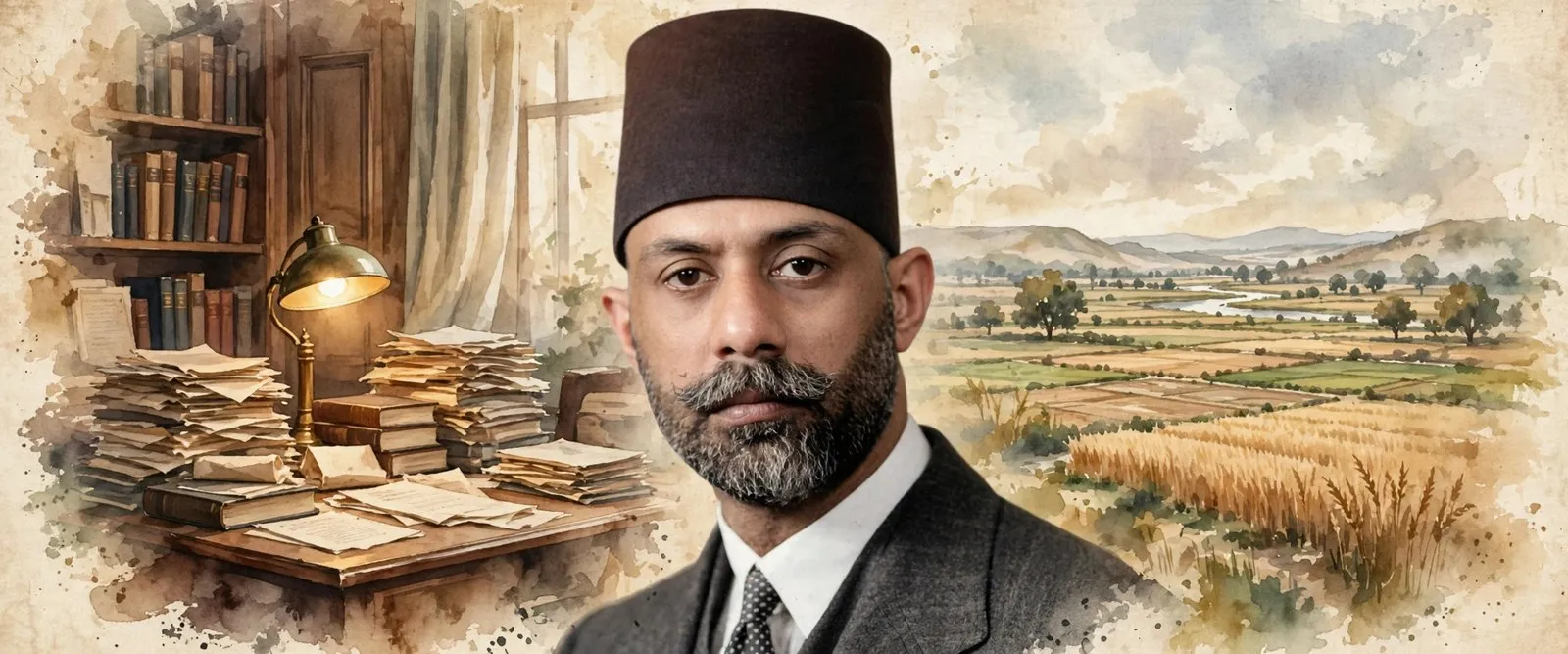
ਚੌਧਰੀ ਰਹਿਮਤ ਅਲੀ (1897 ਤੋਂ 1951) ਬਲਾਚੌਰ ਦਾ ਪੰਜਾਬੀ ਸਿਆਸੀ ਵਿਚਾਰਕ ਸੀ ਜਿਸ ਨੇ ਲਾਹੌਰ ਅਤੇ ਕੈਂਬਰਿਜ ਵਿੱਚ ਪੜ੍ਹਾਈ ਕੀਤੀ ਅਤੇ ਆਪਣੇ 1933 ਦੇ ਪੈਂਫਲਿਟ ਨਾਓ ਔਰ ਨੇਵਰ ਵਿੱਚ ਉੱਤਰ ਪੱਛਮੀ ਭਾਰਤ ਵਿੱਚ ਪ੍ਰਸਤਾਵਿਤ ਵੱਖਰੀ ਫੈਡਰੇਸ਼ਨ ਲਈ ਪਾਕਸਤਾਨ, ਬਾਅਦ ਵਿੱਚ ਪਾਕਿਸਤਾਨ, ਨਾਂ ਛਪਵਾਇਆ। ਉਸ ਦਾ ਦੇਹਾਂਤ 1951 ਵਿੱਚ ਕੈਂਬਰਿਜ ਵਿੱਚ ਹੋਇਆ ਅਤੇ ਉਹ ਉੱਥੇ ਹੀ ਦਫ਼ਨ ਹੈ।
- ਪੰਜਾਬੀ ਨਾਂ
- ਚੌਧਰੀ ਰਹਿਮਤ ਅਲੀ
- ਜਨਮ
- 16 ਨਵੰਬਰ 1897, ਬਲਾਚੌਰ (ਉਸ ਸਮੇਂ ਹੁਸ਼ਿਆਰਪੁਰ ਜ਼ਿਲ੍ਹਾ; ਸਾਲ 1895 ਵੀ ਦਿੱਤਾ ਗਿਆ)
- ਜੱਦੀ ਸ਼ਹਿਰ
- ਬਲਾਚੌਰ
- ਜ਼ਿਲ੍ਹਾ
- ਐੱਸਬੀਐੱਸ ਨਗਰ
- ਤਹਿਸੀਲ
- ਬਲਾਚੌਰ
- ਇਲਾਕਾ
- ਦੋਆਬਾ
All 11 facts
- ਦੇਹਾਂਤ
- 3 ਫ਼ਰਵਰੀ 1951, ਕੈਂਬਰਿਜ, ਇੰਗਲੈਂਡ
- ਦਫ਼ਨ
- ਕੈਂਬਰਿਜ ਸਿਟੀ ਕਬਰਿਸਤਾਨ, 20 ਫ਼ਰਵਰੀ 1951
- ਸਿੱਖਿਆ
- ਇਸਲਾਮੀਆ ਕਾਲਜ ਲਾਹੌਰ (ਬੀ.ਏ. 1918); ਇਮੈਨੁਅਲ ਕਾਲਜ ਕੈਂਬਰਿਜ (ਬੀ.ਏ. 1933, ਐੱਮ.ਏ. 1940); ਮਿਡਲ ਟੈਂਪਲ (ਬੈਰਿਸਟਰ 1943)
- ਮੁੱਖ ਰਚਨਾ
- ਨਾਓ ਔਰ ਨੇਵਰ (1933), ਜਿਸ ਨੂੰ ਪਾਕਿਸਤਾਨ ਐਲਾਨਨਾਮਾ ਵੀ ਕਿਹਾ ਜਾਂਦਾ ਹੈ
- ਪ੍ਰਸਿੱਧੀ
- ਪਾਕਿਸਤਾਨ ਦਾ ਨਾਂ ਘੜਨਾ
Chaudhry Rahmat Ali (1897 to 1951) was a Punjabi political thinker from Balachaur who studied in Lahore and Cambridge and, in his 1933 pamphlet Now or Never, put the name Pakstan, later Pakistan, into print for a proposed separate federation in north western India.
Early life in Balachaur and education in Lahore
Chaudhry Rahmat Ali was born on 16 November 1897 in Balachaur, then a village in Garhshankar tahsil of Hoshiarpur district in Punjab, British India. Balachaur today lies in Shaheed Bhagat Singh Nagar district in the Doaba. His birth year is given as 1895 in some later accounts, but 1897 is the year in his biography by K. K. Aziz, who knew him, and on his Cambridge gravestone. This page uses 1897 and notes the difference. His name is also spelled Choudhry and Chaudhary in different sources.
He was born into a Punjabi Muslim family. His father was Haji Shah Muhammad. His mother died when he was too young to remember her, and he was raised by his stepmother. Aziz records that the family belonged to the Gorsi clan of the Gujjar community. As Balachaur was a small village, Ali continued his schooling at Rahon, where there was a middle school, and in 1910 he went to Jalandhar to join Saindas Anglo Sanskrit High School. After matriculation in 1912 he joined Islamia College in Lahore. He passed his intermediate examination in 1915 and took his BA from Islamia College in 1918, reading English, economics and Persian. At college he was secretary of the debating union and editor of the college magazine Crescent.
Ali also worked in journalism in Lahore as assistant editor of Kashmir, a well known paper founded by Munshi Muhammad Din Fauq. An article by Ali on the blind imitation of the West drew official attention, and after the editor was warned, Ali lost the post. After his BA he taught at Aitchison College in Lahore, spent some years as adviser and teacher in the Mazari household, and then joined Punjab University to study law. The Lahore years show a Punjabi student and teacher writing about the political future of Muslims in India long before Cambridge.
From Lahore to Cambridge
In 1930 Ali moved to England to study law. He joined Emmanuel College, Cambridge in 1931, took his BA in 1933 and his MA in 1940, and was called to the Bar from Middle Temple in London in 1943. He lived in Cambridge for most of his adult life and published from there. His best known pamphlet was issued from 3 Humberstone Road in Cambridge and addressed to the delegates of the Third Round Table Conference in London, where a future constitution for India was under discussion. By 1933 Ali was a mature student in his mid thirties who had already taught, worked on a newspaper and studied law in Lahore.
ਚੌਧਰੀ ਰਹਿਮਤ ਅਲੀ (1897 ਤੋਂ 1951) ਬਲਾਚੌਰ ਦਾ ਪੰਜਾਬੀ ਸਿਆਸੀ ਵਿਚਾਰਕ ਸੀ ਜਿਸ ਨੇ ਲਾਹੌਰ ਅਤੇ ਕੈਂਬਰਿਜ ਵਿੱਚ ਪੜ੍ਹਾਈ ਕੀਤੀ ਅਤੇ ਆਪਣੇ 1933 ਦੇ ਪੈਂਫਲਿਟ ਨਾਓ ਔਰ ਨੇਵਰ ਵਿੱਚ ਉੱਤਰ ਪੱਛਮੀ ਭਾਰਤ ਵਿੱਚ ਪ੍ਰਸਤਾਵਿਤ ਵੱਖਰੀ ਫੈਡਰੇਸ਼ਨ ਲਈ ਪਾਕਸਤਾਨ, ਬਾਅਦ ਵਿੱਚ ਪਾਕਿਸਤਾਨ, ਨਾਂ ਛਪਵਾਇਆ।
ਬਲਾਚੌਰ ਵਿੱਚ ਸ਼ੁਰੂਆਤੀ ਜੀਵਨ ਅਤੇ ਲਾਹੌਰ ਵਿੱਚ ਪੜ੍ਹਾਈ
ਚੌਧਰੀ ਰਹਿਮਤ ਅਲੀ ਦਾ ਜਨਮ 16 ਨਵੰਬਰ 1897 ਨੂੰ ਬਲਾਚੌਰ ਵਿੱਚ ਹੋਇਆ, ਜੋ ਉਸ ਸਮੇਂ ਬਰਤਾਨਵੀ ਭਾਰਤ ਦੇ ਪੰਜਾਬ ਵਿੱਚ ਹੁਸ਼ਿਆਰਪੁਰ ਜ਼ਿਲ੍ਹੇ ਦੀ ਗੜ੍ਹਸ਼ੰਕਰ ਤਹਿਸੀਲ ਦਾ ਪਿੰਡ ਸੀ। ਅੱਜ ਬਲਾਚੌਰ ਦੋਆਬਾ ਵਿੱਚ ਸ਼ਹੀਦ ਭਗਤ ਸਿੰਘ ਨਗਰ ਜ਼ਿਲ੍ਹੇ ਵਿੱਚ ਹੈ। ਕੁਝ ਬਾਅਦ ਦੇ ਲੇਖਾਂ ਵਿੱਚ ਉਸ ਦੇ ਜਨਮ ਦਾ ਸਾਲ 1895 ਦਿੱਤਾ ਗਿਆ ਹੈ, ਪਰ ਕੇ. ਕੇ. ਅਜ਼ੀਜ਼, ਜੋ ਉਸ ਨੂੰ ਜਾਣਦਾ ਸੀ, ਦੀ ਲਿਖੀ ਜੀਵਨੀ ਵਿੱਚ ਅਤੇ ਉਸ ਦੀ ਕੈਂਬਰਿਜ ਵਾਲੀ ਕਬਰ ਉੱਤੇ ਸਾਲ 1897 ਹੈ। ਇਸ ਪੰਨੇ ਉੱਤੇ 1897 ਵਰਤਿਆ ਗਿਆ ਹੈ ਅਤੇ ਫ਼ਰਕ ਦਾ ਜ਼ਿਕਰ ਕੀਤਾ ਗਿਆ ਹੈ। ਵੱਖ ਵੱਖ ਲੇਖਾਂ ਵਿੱਚ ਉਸ ਦੇ ਨਾਂ ਦੀ ਹਿੱਜੇ ਚੌਧਰੀ ਅਤੇ ਚੌਧਾਰੀ ਵਰਗੀਆਂ ਸ਼ਕਲਾਂ ਵਿੱਚ ਮਿਲਦੀ ਹੈ।
ਉਹ ਪੰਜਾਬੀ ਮੁਸਲਿਮ ਪਰਿਵਾਰ ਵਿੱਚ ਜੰਮਿਆ। ਉਸ ਦਾ ਪਿਤਾ ਹਾਜੀ ਸ਼ਾਹ ਮੁਹੰਮਦ ਸੀ। ਉਸ ਦੀ ਮਾਂ ਉਦੋਂ ਚਲਾਣਾ ਕਰ ਗਈ ਜਦੋਂ ਉਹ ਇੰਨਾ ਛੋਟਾ ਸੀ ਕਿ ਉਸ ਨੂੰ ਯਾਦ ਨਹੀਂ ਸੀ ਅਤੇ ਉਸ ਦੀ ਪਰਵਰਿਸ਼ ਉਸ ਦੀ ਮਤਰੇਈ ਮਾਂ ਨੇ ਕੀਤੀ। ਅਜ਼ੀਜ਼ ਲਿਖਦਾ ਹੈ ਕਿ ਪਰਿਵਾਰ ਗੁੱਜਰ ਭਾਈਚਾਰੇ ਦੇ ਗੋਰਸੀ ਗੋਤ ਨਾਲ ਸਬੰਧਿਤ ਸੀ। ਬਲਾਚੌਰ ਛੋਟਾ ਪਿੰਡ ਸੀ, ਇਸ ਲਈ ਅਲੀ ਨੇ ਅੱਗੇ ਦੀ ਪੜ੍ਹਾਈ ਰਾਹੋਂ ਵਿੱਚ ਕੀਤੀ ਜਿੱਥੇ ਮਿਡਲ ਸਕੂਲ ਸੀ ਅਤੇ 1910 ਵਿੱਚ ਉਹ ਜਲੰਧਰ ਦੇ ਸੈਂਦਾਸ ਐਂਗਲੋ ਸੰਸਕ੍ਰਿਤ ਹਾਈ ਸਕੂਲ ਵਿੱਚ ਦਾਖ਼ਲ ਹੋਇਆ। 1912 ਵਿੱਚ ਮੈਟ੍ਰਿਕ ਤੋਂ ਬਾਅਦ ਉਹ ਲਾਹੌਰ ਦੇ ਇਸਲਾਮੀਆ ਕਾਲਜ ਵਿੱਚ ਦਾਖ਼ਲ ਹੋਇਆ। ਉਸ ਨੇ 1915 ਵਿੱਚ ਇੰਟਰਮੀਡੀਏਟ ਪਾਸ ਕੀਤੀ ਅਤੇ 1918 ਵਿੱਚ ਇਸਲਾਮੀਆ ਕਾਲਜ ਤੋਂ ਅੰਗਰੇਜ਼ੀ, ਅਰਥ ਸ਼ਾਸਤਰ ਅਤੇ ਫ਼ਾਰਸੀ ਪੜ੍ਹ ਕੇ ਬੀ.ਏ. ਕੀਤੀ। ਕਾਲਜ ਵਿੱਚ ਉਹ ਬਹਿਸ ਸਭਾ ਦਾ ਸਕੱਤਰ ਅਤੇ ਕਾਲਜ ਰਸਾਲੇ ਕ੍ਰੈਸੈਂਟ ਦਾ ਸੰਪਾਦਕ ਰਿਹਾ।
ਅਲੀ ਨੇ ਲਾਹੌਰ ਵਿੱਚ ਪੱਤਰਕਾਰੀ ਵੀ ਕੀਤੀ। ਉਹ ਕਸ਼ਮੀਰ ਨਾਂ ਦੇ ਜਾਣੇ ਪਛਾਣੇ ਅਖ਼ਬਾਰ ਦਾ ਸਹਾਇਕ ਸੰਪਾਦਕ ਰਿਹਾ, ਜੋ ਮੁਨਸ਼ੀ ਮੁਹੰਮਦ ਦੀਨ ਫ਼ੌਕ ਨੇ ਸ਼ੁਰੂ ਕੀਤਾ ਸੀ। ਪੱਛਮ ਦੀ ਅੰਨ੍ਹੀ ਨਕਲ ਉੱਤੇ ਅਲੀ ਦੇ ਲੇਖ ਵੱਲ ਅਧਿਕਾਰੀਆਂ ਦਾ ਧਿਆਨ ਗਿਆ ਅਤੇ ਸੰਪਾਦਕ ਨੂੰ ਚਿਤਾਵਨੀ ਮਿਲਣ ਤੋਂ ਬਾਅਦ ਅਲੀ ਦੀ ਨੌਕਰੀ ਚਲੀ ਗਈ। ਬੀ.ਏ. ਤੋਂ ਬਾਅਦ ਉਸ ਨੇ ਲਾਹੌਰ ਦੇ ਐਚਿਸਨ ਕਾਲਜ ਵਿੱਚ ਪੜ੍ਹਾਇਆ, ਕੁਝ ਸਾਲ ਮਜ਼ਾਰੀ ਘਰਾਣੇ ਵਿੱਚ ਸਲਾਹਕਾਰ ਅਤੇ ਅਧਿਆਪਕ ਰਿਹਾ ਅਤੇ ਫਿਰ ਪੰਜਾਬ ਯੂਨੀਵਰਸਿਟੀ ਵਿੱਚ ਕਾਨੂੰਨ ਪੜ੍ਹਨ ਲੱਗਾ। ਲਾਹੌਰ ਦੇ ਸਾਲ ਦੱਸਦੇ ਹਨ ਕਿ ਕੈਂਬਰਿਜ ਪਹੁੰਚਣ ਤੋਂ ਬਹੁਤ ਪਹਿਲਾਂ ਹੀ ਇੱਕ ਪੰਜਾਬੀ ਵਿਦਿਆਰਥੀ ਅਤੇ ਅਧਿਆਪਕ ਭਾਰਤ ਵਿੱਚ ਮੁਸਲਮਾਨਾਂ ਦੇ ਸਿਆਸੀ ਭਵਿੱਖ ਬਾਰੇ ਲਿਖ ਰਿਹਾ ਸੀ।
ਲਾਹੌਰ ਤੋਂ ਕੈਂਬਰਿਜ ਤੱਕ
1930 ਵਿੱਚ ਅਲੀ ਕਾਨੂੰਨ ਪੜ੍ਹਨ ਲਈ ਇੰਗਲੈਂਡ ਚਲਾ ਗਿਆ। ਉਹ 1931 ਵਿੱਚ ਕੈਂਬਰਿਜ ਦੇ ਇਮੈਨੁਅਲ ਕਾਲਜ ਵਿੱਚ ਦਾਖ਼ਲ ਹੋਇਆ, 1933 ਵਿੱਚ ਬੀ.ਏ. ਅਤੇ 1940 ਵਿੱਚ ਐੱਮ.ਏ. ਕੀਤੀ ਅਤੇ 1943 ਵਿੱਚ ਲੰਡਨ ਦੇ ਮਿਡਲ ਟੈਂਪਲ ਤੋਂ ਬੈਰਿਸਟਰ ਬਣਿਆ। ਉਹ ਆਪਣੀ ਬਾਲਗ ਜ਼ਿੰਦਗੀ ਦਾ ਵੱਡਾ ਹਿੱਸਾ ਕੈਂਬਰਿਜ ਵਿੱਚ ਰਿਹਾ ਅਤੇ ਉੱਥੋਂ ਹੀ ਛਾਪਦਾ ਰਿਹਾ। ਉਸ ਦਾ ਸਭ ਤੋਂ ਜਾਣਿਆ ਪੈਂਫਲਿਟ ਕੈਂਬਰਿਜ ਦੀ 3 ਹੰਬਰਸਟੋਨ ਰੋਡ ਤੋਂ ਜਾਰੀ ਹੋਇਆ ਅਤੇ ਲੰਡਨ ਵਿੱਚ ਤੀਜੀ ਗੋਲਮੇਜ਼ ਕਾਨਫ਼ਰੰਸ ਦੇ ਪ੍ਰਤੀਨਿਧਾਂ ਨੂੰ ਸੰਬੋਧਿਤ ਸੀ, ਜਿੱਥੇ ਭਾਰਤ ਦੇ ਭਵਿੱਖੀ ਸੰਵਿਧਾਨ ਉੱਤੇ ਗੱਲ ਹੋ ਰਹੀ ਸੀ। 1933 ਤੱਕ ਅਲੀ ਤੀਹ ਦੇ ਦਹਾਕੇ ਦੇ ਵਿਚਕਾਰ ਦਾ ਪੱਕਾ ਵਿਦਿਆਰਥੀ ਸੀ ਜੋ ਲਾਹੌਰ ਵਿੱਚ ਪੜ੍ਹਾ ਚੁੱਕਾ ਸੀ, ਅਖ਼ਬਾਰ ਵਿੱਚ ਕੰਮ ਕਰ ਚੁੱਕਾ ਸੀ ਅਤੇ ਕਾਨੂੰਨ ਪੜ੍ਹ ਚੁੱਕਾ ਸੀ।
Who coined the name Pakistan?
Chaudhry Rahmat Ali is credited with coining the name Pakstan, later spelled Pakistan, for a proposed Muslim state in north western India in his pamphlet Now or Never, dated 28 January 1933. That is the claim supported by the pamphlet itself, which uses Pakstan for five northern units: Punjab, the North West Frontier Province, Kashmir, Sindh and Baluchistan. The letter i was added later in 1933 to make the word easier to say. In a later book Ali explained the name in more detail as land of the pure, with letters drawn from the names of the homelands.
Two other claims are reported and this page keeps them apart from the pamphlet. Historian Aqeel Abbas Jafari has noted that Ghulam Hassan Shah Kazmi applied in Abbottabad on 1 July 1928 for a weekly newspaper named Pakistan, described as the first documented use of the word. A second reported account, recorded by Aziz, says Muhammad Iqbal told an enquirer that in London in 1930 he had suggested the acronym to Rahmat Ali. Accounts also differ on where the idea came to Ali, on a London bus according to his secretary, or on a Thames walk according to a friend. What can be checked in print is the January 1933 pamphlet, and it is for that proposal that Ali is credited.
The proposal and its reception
Now or Never, also called the Pakistan Declaration, asked that the thirty million Muslims of the five northern units be recognised as a separate nation and be granted a separate federal constitution. In plain terms, Ali proposed a separate federation of the five units outside the proposed All India Federation then under discussion. He set his demand apart from Iqbal's 1930 Allahabad Address in the pamphlet itself: Iqbal had proposed amalgamation into a single state forming a unit of an All India Federation, while Ali proposed a separate federation outside India. The pamphlet was signed by Ali with three other young men in London, though Aziz writes that Ali alone drafted it.
The proposal found little support at first. Accounts say the ideas were dismissed as student ideas, including by Muhammad Ali Jinnah, and a 1934 meeting is reported at which Jinnah advised patience. By 1940 the All India Muslim League had adopted the Lahore Resolution, which newspapers at once called the Pakistan Resolution. Historians generally credit Iqbal and the League leadership, rather than Ali, with shaping the demand actually negotiated in the 1940s. The name that travelled, however, was the name Ali had printed in 1933. This page does not claim that the pamphlet by itself created the later state.
Later writings and the break over the 1947 settlement
Ali kept publishing from Cambridge for more than fifteen years. The name Pakistan National Movement, with Ali as its founder, already appears on the 1933 pamphlet, though sources differ on when the organisation was formally launched. His book Pakistan: The Fatherland of the Pak Nation set out his scheme at length. He also proposed names for other Muslim homelands, including Bangistan for the Bengal region and Osmanistan for Hyderabad in the Deccan, and used Dinia for a subcontinent of separate homelands. These later proposals were his own and were not adopted.
When Pakistan came into being in 1947 it was smaller than the homeland Ali had proposed, and he said so in print. In The Greatest Betrayal in 1947 he criticised the acceptance of the partition plan and criticised Jinnah by name in harsh terms. In April 1948 Ali returned to Lahore planning to stay. Accounts say he was ordered to leave under the government of Prime Minister Liaquat Ali Khan, that his belongings were confiscated, and that he left for England in October 1948. The break was complete: the man credited with the country's name left the country within months of his return and spent the rest of his life in England.
Death in Cambridge and legacy
Chaudhry Rahmat Ali died in Cambridge on 3 February 1951, during an influenza epidemic. Accounts describe him as dying in poverty, with few friends nearby. Emmanuel College met the cost of his funeral on the instruction of its Master, Edward Welbourne, and he was buried on 20 February 1951 in Cambridge City Cemetery on Newmarket Road. The funeral and medical costs were repaid by the High Commissioner for Pakistan in November 1953. His grave remains in Cambridge, not in Balachaur or Lahore.
In Pakistan, Ali is remembered as the man who gave the country its name, and Now or Never is taught in schools as an early statement of the Pakistan idea. His collected writings were published in Islamabad in 1978 as the Complete Works of Rahmat Ali, edited by K. K. Aziz. His former Cambridge house is visited by Pakistani visitors. For Punjab, his story begins in the Doaba: a boy from Balachaur who studied in Rahon, Jalandhar and Lahore, taught in Lahore, and then, as a Cambridge student in 1933, printed a four page appeal that gave a future country its name.
ਪਾਕਿਸਤਾਨ ਦਾ ਨਾਂ ਕਿਸ ਨੇ ਘੜਿਆ?
ਚੌਧਰੀ ਰਹਿਮਤ ਅਲੀ ਨੂੰ 28 ਜਨਵਰੀ 1933 ਦੇ ਆਪਣੇ ਪੈਂਫਲਿਟ ਨਾਓ ਔਰ ਨੇਵਰ ਵਿੱਚ ਉੱਤਰ ਪੱਛਮੀ ਭਾਰਤ ਵਿੱਚ ਪ੍ਰਸਤਾਵਿਤ ਮੁਸਲਿਮ ਰਾਜ ਲਈ ਪਾਕਸਤਾਨ, ਬਾਅਦ ਵਿੱਚ ਪਾਕਿਸਤਾਨ, ਨਾਂ ਘੜਨ ਦਾ ਸਿਹਰਾ ਦਿੱਤਾ ਜਾਂਦਾ ਹੈ। ਇਹੀ ਗੱਲ ਪੈਂਫਲਿਟ ਆਪ ਦੱਸਦਾ ਹੈ, ਜਿਸ ਵਿੱਚ ਪਾਕਸਤਾਨ ਪੰਜ ਉੱਤਰੀ ਇਕਾਈਆਂ ਲਈ ਵਰਤਿਆ ਗਿਆ ਹੈ: ਪੰਜਾਬ, ਉੱਤਰ ਪੱਛਮੀ ਸਰਹੱਦੀ ਸੂਬਾ, ਕਸ਼ਮੀਰ, ਸਿੰਧ ਅਤੇ ਬਲੋਚਿਸਤਾਨ। ਬੋਲਣ ਵਿੱਚ ਸੌਖ ਲਈ 1933 ਵਿੱਚ ਬਾਅਦ ਵਿੱਚ ਇਸ ਵਿੱਚ ਇ ਅੱਖਰ ਜੋੜਿਆ ਗਿਆ। ਬਾਅਦ ਦੀ ਕਿਤਾਬ ਵਿੱਚ ਅਲੀ ਨੇ ਇਸ ਨਾਂ ਨੂੰ ਹੋਰ ਵਿਸਥਾਰ ਨਾਲ ਪਾਕਾਂ ਦੀ ਧਰਤੀ ਦੱਸਿਆ, ਜਿਸ ਦੇ ਅੱਖਰ ਜਨਮ ਭੂਮੀਆਂ ਦੇ ਨਾਂਵਾਂ ਤੋਂ ਲਏ ਗਏ ਸਨ।
ਦੋ ਹੋਰ ਦਾਅਵੇ ਵੀ ਦਰਜ ਹਨ ਅਤੇ ਇਹ ਪੰਨਾ ਉਨ੍ਹਾਂ ਨੂੰ ਪੈਂਫਲਿਟ ਤੋਂ ਵੱਖਰਾ ਰੱਖਦਾ ਹੈ। ਇਤਿਹਾਸਕਾਰ ਅਕੀਲ ਅੱਬਾਸ ਜਾਫ਼ਰੀ ਨੇ ਨੋਟ ਕੀਤਾ ਹੈ ਕਿ ਗੁਲਾਮ ਹਸਨ ਸ਼ਾਹ ਕਾਜ਼ਮੀ ਨੇ 1 ਜੁਲਾਈ 1928 ਨੂੰ ਐਬਟਾਬਾਦ ਵਿੱਚ ਪਾਕਿਸਤਾਨ ਨਾਂ ਦੇ ਹਫ਼ਤਾਵਾਰੀ ਅਖ਼ਬਾਰ ਲਈ ਅਰਜ਼ੀ ਦਿੱਤੀ ਸੀ, ਜਿਸ ਨੂੰ ਇਸ ਸ਼ਬਦ ਦੀ ਪਹਿਲੀ ਦਰਜ ਵਰਤੋਂ ਦੱਸਿਆ ਜਾਂਦਾ ਹੈ। ਅਜ਼ੀਜ਼ ਵੱਲੋਂ ਦਰਜ ਦੂਜਾ ਦਾਅਵਾ ਕਹਿੰਦਾ ਹੈ ਕਿ ਮੁਹੰਮਦ ਇਕਬਾਲ ਨੇ ਇੱਕ ਪੁੱਛਣ ਵਾਲੇ ਨੂੰ ਦੱਸਿਆ ਸੀ ਕਿ 1930 ਵਿੱਚ ਲੰਡਨ ਵਿੱਚ ਉਸ ਨੇ ਰਹਿਮਤ ਅਲੀ ਨੂੰ ਇਹ ਸੰਖੇਪ ਨਾਂ ਸੁਝਾਇਆ ਸੀ। ਇਹ ਵਿਚਾਰ ਅਲੀ ਨੂੰ ਕਿੱਥੇ ਆਇਆ, ਇਸ ਬਾਰੇ ਵੀ ਲੇਖ ਵੱਖਰੇ ਹਨ: ਉਸ ਦੀ ਸਕੱਤਰ ਅਨੁਸਾਰ ਲੰਡਨ ਦੀ ਬੱਸ ਉੱਤੇ, ਜਾਂ ਇੱਕ ਦੋਸਤ ਅਨੁਸਾਰ ਥੇਮਜ਼ ਕੰਢੇ ਸੈਰ ਦੌਰਾਨ। ਛਪੀ ਹੋਈ ਸ਼ਕਲ ਵਿੱਚ ਜੋ ਚੈੱਕ ਕੀਤਾ ਜਾ ਸਕਦਾ ਹੈ ਉਹ ਜਨਵਰੀ 1933 ਦਾ ਪੈਂਫਲਿਟ ਹੈ ਅਤੇ ਉਸੇ ਪ੍ਰਸਤਾਵ ਲਈ ਅਲੀ ਨੂੰ ਸਿਹਰਾ ਮਿਲਦਾ ਹੈ।
ਪ੍ਰਸਤਾਵ ਅਤੇ ਉਸ ਦਾ ਸਵਾਗਤ
ਨਾਓ ਔਰ ਨੇਵਰ, ਜਿਸ ਨੂੰ ਪਾਕਿਸਤਾਨ ਐਲਾਨਨਾਮਾ ਵੀ ਕਿਹਾ ਜਾਂਦਾ ਹੈ, ਨੇ ਮੰਗ ਕੀਤੀ ਕਿ ਪੰਜ ਉੱਤਰੀ ਇਕਾਈਆਂ ਦੇ ਤਿੰਨ ਕਰੋੜ ਮੁਸਲਮਾਨਾਂ ਨੂੰ ਵੱਖਰੀ ਕੌਮ ਮੰਨਿਆ ਜਾਵੇ ਅਤੇ ਉਨ੍ਹਾਂ ਨੂੰ ਵੱਖਰਾ ਫੈਡਰਲ ਸੰਵਿਧਾਨ ਦਿੱਤਾ ਜਾਵੇ। ਸਾਦੇ ਸ਼ਬਦਾਂ ਵਿੱਚ ਅਲੀ ਨੇ ਪੰਜਾਂ ਇਕਾਈਆਂ ਦੀ ਵੱਖਰੀ ਫੈਡਰੇਸ਼ਨ ਦਾ ਪ੍ਰਸਤਾਵ ਰੱਖਿਆ, ਜੋ ਉਸ ਸਮੇਂ ਵਿਚਾਰ ਹੇਠ ਆਲ ਇੰਡੀਆ ਫੈਡਰੇਸ਼ਨ ਤੋਂ ਬਾਹਰ ਹੋਵੇ। ਉਸ ਨੇ ਪੈਂਫਲਿਟ ਵਿੱਚ ਹੀ ਆਪਣੀ ਮੰਗ ਨੂੰ ਇਕਬਾਲ ਦੇ 1930 ਦੇ ਅਲਾਹਾਬਾਦ ਭਾਸ਼ਣ ਤੋਂ ਵੱਖਰਾ ਕੀਤਾ: ਇਕਬਾਲ ਨੇ ਇੱਕ ਰਾਜ ਵਿੱਚ ਜੋੜਨ ਦਾ ਪ੍ਰਸਤਾਵ ਰੱਖਿਆ ਸੀ ਜੋ ਆਲ ਇੰਡੀਆ ਫੈਡਰੇਸ਼ਨ ਦੀ ਇੱਕ ਇਕਾਈ ਹੋਵੇ, ਜਦੋਂ ਕਿ ਅਲੀ ਨੇ ਭਾਰਤ ਤੋਂ ਬਾਹਰ ਵੱਖਰੀ ਫੈਡਰੇਸ਼ਨ ਦਾ ਪ੍ਰਸਤਾਵ ਰੱਖਿਆ। ਪੈਂਫਲਿਟ ਉੱਤੇ ਅਲੀ ਦੇ ਨਾਲ ਲੰਡਨ ਦੇ ਤਿੰਨ ਹੋਰ ਨੌਜਵਾਨਾਂ ਦੇ ਦਸਤਖ਼ਤ ਸਨ, ਹਾਲਾਂਕਿ ਅਜ਼ੀਜ਼ ਲਿਖਦਾ ਹੈ ਕਿ ਇਸ ਦਾ ਖਰੜਾ ਅਲੀ ਨੇ ਇਕੱਲੇ ਨੇ ਤਿਆਰ ਕੀਤਾ ਸੀ।
ਪ੍ਰਸਤਾਵ ਨੂੰ ਪਹਿਲਾਂ ਥੋੜ੍ਹਾ ਹੀ ਸਮਰਥਨ ਮਿਲਿਆ। ਲੇਖ ਕਹਿੰਦੇ ਹਨ ਕਿ ਇਨ੍ਹਾਂ ਵਿਚਾਰਾਂ ਨੂੰ ਵਿਦਿਆਰਥੀਆਂ ਦੇ ਵਿਚਾਰ ਕਹਿ ਕੇ ਟਾਲ ਦਿੱਤਾ ਗਿਆ, ਮੁਹੰਮਦ ਅਲੀ ਜਿਨਾਹ ਵੱਲੋਂ ਵੀ, ਅਤੇ 1934 ਦੀ ਇੱਕ ਮੁਲਾਕਾਤ ਦਰਜ ਹੈ ਜਿਸ ਵਿੱਚ ਜਿਨਾਹ ਨੇ ਸਬਰ ਦੀ ਸਲਾਹ ਦਿੱਤੀ। 1940 ਤੱਕ ਆਲ ਇੰਡੀਆ ਮੁਸਲਿਮ ਲੀਗ ਨੇ ਲਾਹੌਰ ਮਤਾ ਪਾਸ ਕਰ ਲਿਆ ਸੀ, ਜਿਸ ਨੂੰ ਅਖ਼ਬਾਰਾਂ ਨੇ ਤੁਰੰਤ ਪਾਕਿਸਤਾਨ ਮਤਾ ਕਿਹਾ। ਇਤਿਹਾਸਕਾਰ ਆਮ ਤੌਰ ਉੱਤੇ 1940 ਦੇ ਦਹਾਕੇ ਵਿੱਚ ਅਸਲ ਵਿੱਚ ਗੱਲਬਾਤ ਰਾਹੀਂ ਤੈਅ ਹੋਈ ਮੰਗ ਨੂੰ ਰੂਪ ਦੇਣ ਦਾ ਸਿਹਰਾ ਅਲੀ ਦੀ ਥਾਂ ਇਕਬਾਲ ਅਤੇ ਲੀਗ ਦੀ ਅਗਵਾਈ ਨੂੰ ਦਿੰਦੇ ਹਨ। ਪਰ ਜੋ ਨਾਂ ਚੱਲਦਾ ਰਿਹਾ ਉਹ ਉਹੀ ਸੀ ਜੋ ਅਲੀ ਨੇ 1933 ਵਿੱਚ ਛਾਪਿਆ ਸੀ। ਇਹ ਪੰਨਾ ਇਹ ਦਾਅਵਾ ਨਹੀਂ ਕਰਦਾ ਕਿ ਇਕੱਲੇ ਪੈਂਫਲਿਟ ਨੇ ਬਾਅਦ ਵਾਲਾ ਰਾਜ ਬਣਾਇਆ।
ਬਾਅਦ ਦੀਆਂ ਲਿਖਤਾਂ ਅਤੇ 1947 ਦੇ ਸਮਝੌਤੇ ਉੱਤੇ ਮਤਭੇਦ
ਅਲੀ ਪੰਦਰਾਂ ਸਾਲ ਤੋਂ ਵੱਧ ਸਮਾਂ ਕੈਂਬਰਿਜ ਤੋਂ ਛਾਪਦਾ ਰਿਹਾ। ਪਾਕਿਸਤਾਨ ਨੈਸ਼ਨਲ ਮੂਵਮੈਂਟ ਦਾ ਨਾਂ, ਅਲੀ ਨੂੰ ਇਸ ਦਾ ਬਾਨੀ ਦੱਸ ਕੇ, 1933 ਦੇ ਪੈਂਫਲਿਟ ਉੱਤੇ ਹੀ ਮਿਲਦਾ ਹੈ, ਹਾਲਾਂਕਿ ਸੰਸਥਾ ਰਸਮੀ ਤੌਰ ਉੱਤੇ ਕਦੋਂ ਸ਼ੁਰੂ ਹੋਈ ਇਸ ਬਾਰੇ ਲੇਖ ਵੱਖਰੇ ਹਨ। ਉਸ ਦੀ ਕਿਤਾਬ ਪਾਕਿਸਤਾਨ: ਦ ਫਾਦਰਲੈਂਡ ਆਫ ਦ ਪਾਕ ਨੇਸ਼ਨ ਵਿੱਚ ਉਸ ਦੀ ਯੋਜਨਾ ਵਿਸਥਾਰ ਨਾਲ ਦਿੱਤੀ ਗਈ। ਉਸ ਨੇ ਹੋਰ ਮੁਸਲਿਮ ਜਨਮ ਭੂਮੀਆਂ ਲਈ ਨਾਂ ਵੀ ਸੁਝਾਏ, ਜਿਨ੍ਹਾਂ ਵਿੱਚ ਬੰਗਾਲ ਇਲਾਕੇ ਲਈ ਬੰਗਿਸਤਾਨ ਅਤੇ ਦੱਕਨ ਵਿੱਚ ਹੈਦਰਾਬਾਦ ਲਈ ਉਸਮਾਨਿਸਤਾਨ ਸ਼ਾਮਲ ਸਨ, ਅਤੇ ਵੱਖ ਵੱਖ ਜਨਮ ਭੂਮੀਆਂ ਵਾਲੇ ਉਪਮਹਾਂਦੀਪ ਲਈ ਦਿਨੀਆ ਨਾਂ ਵਰਤਿਆ। ਇਹ ਬਾਅਦ ਵਾਲੇ ਪ੍ਰਸਤਾਵ ਉਸ ਦੇ ਆਪਣੇ ਸਨ ਅਤੇ ਅਪਣਾਏ ਨਹੀਂ ਗਏ।
1947 ਵਿੱਚ ਜਦੋਂ ਪਾਕਿਸਤਾਨ ਬਣਿਆ ਤਾਂ ਉਹ ਅਲੀ ਦੇ ਪ੍ਰਸਤਾਵਿਤ ਵਤਨ ਤੋਂ ਛੋਟਾ ਸੀ ਅਤੇ ਉਸ ਨੇ ਇਹ ਗੱਲ ਛਪਵਾ ਕੇ ਕਹੀ। 1947 ਵਿੱਚ ਦ ਗ੍ਰੇਟੈਸਟ ਬੇਟ੍ਰੇਅਲ ਵਿੱਚ ਉਸ ਨੇ ਵੰਡ ਯੋਜਨਾ ਨੂੰ ਮੰਨਣ ਦੀ ਆਲੋਚਨਾ ਕੀਤੀ ਅਤੇ ਜਿਨਾਹ ਦੀ ਨਾਂ ਲੈ ਕੇ ਸਖ਼ਤ ਸ਼ਬਦਾਂ ਵਿੱਚ ਆਲੋਚਨਾ ਕੀਤੀ। ਅਪ੍ਰੈਲ 1948 ਵਿੱਚ ਅਲੀ ਵਸਣ ਦੇ ਇਰਾਦੇ ਨਾਲ ਲਾਹੌਰ ਵਾਪਸ ਆਇਆ। ਲੇਖ ਕਹਿੰਦੇ ਹਨ ਕਿ ਪ੍ਰਧਾਨ ਮੰਤਰੀ ਲਿਆਕਤ ਅਲੀ ਖ਼ਾਨ ਦੀ ਸਰਕਾਰ ਹੇਠ ਉਸ ਨੂੰ ਦੇਸ਼ ਛੱਡਣ ਦਾ ਹੁਕਮ ਮਿਲਿਆ, ਉਸ ਦਾ ਸਮਾਨ ਜ਼ਬਤ ਕਰ ਲਿਆ ਗਿਆ ਅਤੇ ਉਹ ਅਕਤੂਬਰ 1948 ਵਿੱਚ ਇੰਗਲੈਂਡ ਚਲਾ ਗਿਆ। ਮਤਭੇਦ ਪੂਰਾ ਹੋ ਗਿਆ: ਜਿਸ ਆਦਮੀ ਨੂੰ ਦੇਸ਼ ਦੇ ਨਾਂ ਦਾ ਸਿਹਰਾ ਮਿਲਦਾ ਹੈ ਉਹ ਵਾਪਸੀ ਦੇ ਕੁਝ ਮਹੀਨਿਆਂ ਵਿੱਚ ਹੀ ਦੇਸ਼ ਛੱਡ ਗਿਆ ਅਤੇ ਬਾਕੀ ਜ਼ਿੰਦਗੀ ਇੰਗਲੈਂਡ ਵਿੱਚ ਬਿਤਾਈ।
ਕੈਂਬਰਿਜ ਵਿੱਚ ਦੇਹਾਂਤ ਅਤੇ ਵਿਰਾਸਤ
ਚੌਧਰੀ ਰਹਿਮਤ ਅਲੀ ਦਾ ਦੇਹਾਂਤ 3 ਫ਼ਰਵਰੀ 1951 ਨੂੰ ਕੈਂਬਰਿਜ ਵਿੱਚ ਫਲੂ ਦੀ ਮਹਾਂਮਾਰੀ ਦੌਰਾਨ ਹੋਇਆ। ਲੇਖ ਉਸ ਨੂੰ ਗਰੀਬੀ ਵਿੱਚ, ਨੇੜੇ ਥੋੜ੍ਹੇ ਦੋਸਤਾਂ ਨਾਲ, ਦੇਹਾਂਤ ਹੋਇਆ ਦੱਸਦੇ ਹਨ। ਇਮੈਨੁਅਲ ਕਾਲਜ ਨੇ ਆਪਣੇ ਮਾਸਟਰ ਐਡਵਰਡ ਵੈਲਬੋਰਨ ਦੇ ਹੁਕਮ ਉੱਤੇ ਉਸ ਦੇ ਅੰਤਿਮ ਸੰਸਕਾਰ ਦਾ ਖ਼ਰਚਾ ਚੁੱਕਿਆ ਅਤੇ ਉਸ ਨੂੰ 20 ਫ਼ਰਵਰੀ 1951 ਨੂੰ ਨਿਊਮਾਰਕਿਟ ਰੋਡ ਉੱਤੇ ਕੈਂਬਰਿਜ ਸਿਟੀ ਕਬਰਿਸਤਾਨ ਵਿੱਚ ਦਫ਼ਨਾਇਆ ਗਿਆ। ਅੰਤਿਮ ਸੰਸਕਾਰ ਅਤੇ ਡਾਕਟਰੀ ਖ਼ਰਚੇ ਪਾਕਿਸਤਾਨ ਦੇ ਹਾਈ ਕਮਿਸ਼ਨਰ ਨੇ ਨਵੰਬਰ 1953 ਵਿੱਚ ਵਾਪਸ ਕਰ ਦਿੱਤੇ। ਉਸ ਦੀ ਕਬਰ ਅੱਜ ਵੀ ਕੈਂਬਰਿਜ ਵਿੱਚ ਹੈ, ਬਲਾਚੌਰ ਜਾਂ ਲਾਹੌਰ ਵਿੱਚ ਨਹੀਂ।
ਪਾਕਿਸਤਾਨ ਵਿੱਚ ਅਲੀ ਨੂੰ ਦੇਸ਼ ਨੂੰ ਨਾਂ ਦੇਣ ਵਾਲਾ ਆਦਮੀ ਮੰਨਿਆ ਜਾਂਦਾ ਹੈ ਅਤੇ ਨਾਓ ਔਰ ਨੇਵਰ ਸਕੂਲਾਂ ਵਿੱਚ ਪਾਕਿਸਤਾਨ ਵਿਚਾਰ ਦੀ ਮੁੱਢਲੀ ਪੇਸ਼ਕਾਰੀ ਵਜੋਂ ਪੜ੍ਹਾਇਆ ਜਾਂਦਾ ਹੈ। ਉਸ ਦੀਆਂ ਇਕੱਠੀਆਂ ਲਿਖਤਾਂ 1978 ਵਿੱਚ ਇਸਲਾਮਾਬਾਦ ਤੋਂ ਕੰਪਲੀਟ ਵਰਕਸ ਆਫ ਰਹਿਮਤ ਅਲੀ ਦੇ ਨਾਂ ਹੇਠ ਛਪੀਆਂ, ਜਿਸ ਦਾ ਸੰਪਾਦਨ ਕੇ. ਕੇ. ਅਜ਼ੀਜ਼ ਨੇ ਕੀਤਾ। ਕੈਂਬਰਿਜ ਵਿੱਚ ਉਸ ਦੇ ਪੁਰਾਣੇ ਘਰ ਵਿੱਚ ਪਾਕਿਸਤਾਨੀ ਮਹਿਮਾਨ ਆਉਂਦੇ ਹਨ। ਪੰਜਾਬ ਲਈ ਉਸ ਦੀ ਕਹਾਣੀ ਦੋਆਬਾ ਤੋਂ ਸ਼ੁਰੂ ਹੁੰਦੀ ਹੈ: ਬਲਾਚੌਰ ਦਾ ਇੱਕ ਮੁੰਡਾ ਜਿਸ ਨੇ ਰਾਹੋਂ, ਜਲੰਧਰ ਅਤੇ ਲਾਹੌਰ ਵਿੱਚ ਪੜ੍ਹਾਈ ਕੀਤੀ, ਲਾਹੌਰ ਵਿੱਚ ਪੜ੍ਹਾਇਆ ਅਤੇ ਫਿਰ 1933 ਵਿੱਚ ਕੈਂਬਰਿਜ ਦੇ ਵਿਦਿਆਰਥੀ ਵਜੋਂ ਚਾਰ ਪੰਨਿਆਂ ਦੀ ਅਪੀਲ ਛਾਪੀ ਜਿਸ ਨੇ ਭਵਿੱਖੀ ਦੇਸ਼ ਨੂੰ ਉਸ ਦਾ ਨਾਂ ਦਿੱਤਾ।
ਲੋਕ

ਥਾਵਾਂ

More people


ਸਰੋਤ (6)
ਜੁਗਤੀ ਮੁਫ਼ਤ ਅਤੇ ਸੁਤੰਤਰ ਹੈ। ਪਾਠਕਾਂ ਦਾ ਸਹਿਯੋਗ ਕੋਸ਼ ਨੂੰ ਵਧਾਉਂਦਾ ਹੈ।
ਸਹਿਯੋਗ