
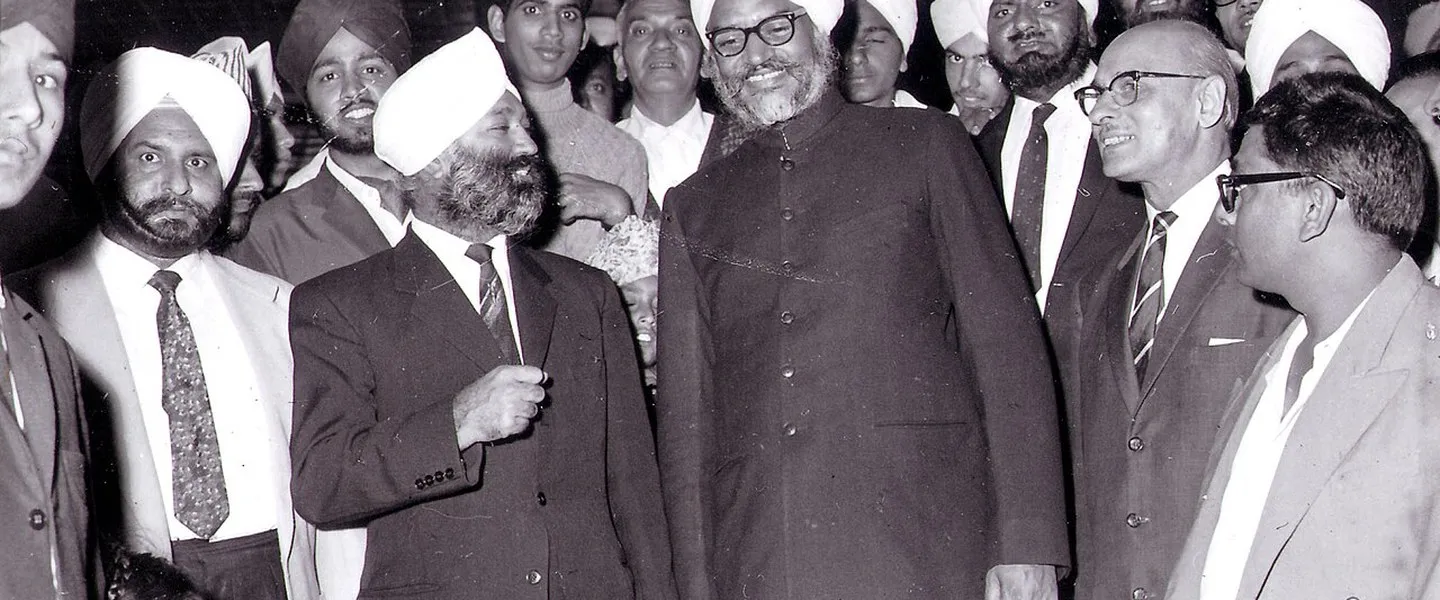
ਸਰਦਾਰ ਸਵਰਨ ਸਿੰਘ (1907 ਤੋਂ 1994) ਪੰਜਾਬ ਦੇ ਜ਼ਿਲ੍ਹਾ ਜਲੰਧਰ ਦੇ ਪਿੰਡ ਸ਼ੰਕਰ ਤੋਂ ਸਿਆਸਤਦਾਨ ਸਨ, ਜਿਨ੍ਹਾਂ ਨੇ ਭਾਰਤ ਦੇ ਕੇਂਦਰੀ ਮੰਤਰੀ ਮੰਡਲ ਵਿੱਚ 23 ਸਾਲ ਬਿਤਾਏ। ਉਹ ਤਿੰਨ ਪ੍ਰਧਾਨ ਮੰਤਰੀਆਂ ਦੇ ਸਮੇਂ ਵਿਦੇਸ਼ ਮੰਤਰੀ ਅਤੇ ਰੱਖਿਆ ਮੰਤਰੀ ਰਹੇ ਅਤੇ 1957 ਤੋਂ 1977 ਤੱਕ ਲੋਕ ਸਭਾ ਵਿੱਚ ਜਲੰਧਰ ਦੀ ਨੁਮਾਇੰਦਗੀ ਕੀਤੀ।
ਜੀਵਨ ਇੱਕ ਨਜ਼ਰ ਵਿੱਚ
- 1907ਜਨਮ Shankar village, Jalandhar district, Punjab Province, British India
- 1932ਸਿੱਖਿਆ Law College Lahore
- 1992ਸਨਮਾਨ ਪਦਮ ਵਿਭੂਸ਼ਣ
- 1994ਦੇਹਾਂਤ New Delhi, aged 87
- ਪੰਜਾਬੀ ਨਾਂ
- ਸਵਰਨ ਸਿੰਘ
- ਜਨਮ
- 19 ਅਗਸਤ 1907, ਪਿੰਡ ਸ਼ੰਕਰ, ਜ਼ਿਲ੍ਹਾ ਜਲੰਧਰ, ਪੰਜਾਬ ਸੂਬਾ, ਬਰਤਾਨਵੀ ਭਾਰਤ
- ਜੱਦੀ ਪਿੰਡ
- ਸ਼ੰਕਰ, ਤਹਿਸੀਲ ਨਕੋਦਰ, ਜ਼ਿਲ੍ਹਾ ਜਲੰਧਰ, ਪੰਜਾਬ
- ਜ਼ਿਲ੍ਹਾ
- ਜਲੰਧਰ
- ਤਹਿਸੀਲ
- ਨਕੋਦਰ
- ਇਲਾਕਾ
- ਦੋਆਬਾ
All 17 facts
- ਘਰ ਦੇ ਪਿੰਡ ਦੀ ਆਬਾਦੀ
- 5,639 (ਮਰਦਮਸ਼ੁਮਾਰੀ 2011)
- ਦੇਹਾਂਤ
- 30 ਅਕਤੂਬਰ 1994, ਨਵੀਂ ਦਿੱਲੀ, ਉਮਰ 87 ਸਾਲ
- ਸਿੱਖਿਆ
- ਐੱਮ.ਐੱਸਸੀ. ਭੌਤਿਕ ਵਿਗਿਆਨ, ਗੌਰਮਿੰਟ ਕਾਲਜ ਲਾਹੌਰ; ਐੱਲ.ਐੱਲ.ਬੀ., ਲਾਅ ਕਾਲਜ ਲਾਹੌਰ (1932)
- ਪੰਜਾਬ ਵਿਧਾਨ ਸਭਾ
- 1946 ਤੋਂ 1952
- ਰਾਜ ਸਭਾ
- 1952 ਤੋਂ 1957, ਪੰਜਾਬ
- ਲੋਕ ਸਭਾ
- ਜਲੰਧਰ (ਜੁਲੰਧਰ), 1957 ਤੋਂ 1977
- ਕੇਂਦਰੀ ਮੰਤਰੀ ਮੰਡਲ
- 1952 ਤੋਂ 1975, 23 ਸਾਲ
- ਵਿਦੇਸ਼ ਮੰਤਰੀ
- 1964 ਤੋਂ 1966 ਅਤੇ 1970 ਤੋਂ 1974
- ਰੱਖਿਆ ਮੰਤਰੀ
- 1966 ਤੋਂ 1970 ਅਤੇ 1974 ਤੋਂ 1975
- ਸਨਮਾਨ
- ਪਦਮ ਵਿਭੂਸ਼ਣ (1992)
- ਪਤਨੀ
- ਚਰਨ ਕੌਰ; ਚਾਰ ਧੀਆਂ
ਸਰਦਾਰ ਸਵਰਨ ਸਿੰਘ (1907 ਤੋਂ 1994) ਪੰਜਾਬ ਦੇ ਜ਼ਿਲ੍ਹਾ ਜਲੰਧਰ ਦੇ ਪਿੰਡ ਸ਼ੰਕਰ ਤੋਂ ਸਿਆਸਤਦਾਨ ਸਨ, ਜਿਨ੍ਹਾਂ ਨੇ ਭਾਰਤ ਦੇ ਕੇਂਦਰੀ ਮੰਤਰੀ ਮੰਡਲ ਵਿੱਚ 23 ਸਾਲ ਬਿਤਾਏ। ਉਹ ਤਿੰਨ ਪ੍ਰਧਾਨ ਮੰਤਰੀਆਂ ਦੇ ਸਮੇਂ ਵਿਦੇਸ਼ ਮੰਤਰੀ ਅਤੇ ਰੱਖਿਆ ਮੰਤਰੀ ਰਹੇ ਅਤੇ 1957 ਤੋਂ 1977 ਤੱਕ ਲੋਕ ਸਭਾ ਵਿੱਚ ਜਲੰਧਰ ਦੀ ਨੁਮਾਇੰਦਗੀ ਕੀਤੀ।
Early life in Shankar village
Swaran Singh was born on 19 August 1907 in Shankar, a large village in what is now Nakodar tehsil of Jalandhar district, in the Doaba region of Punjab. He grew up in a farming Sikh family. His father, Sardar Partap Singh, was active in the Akali movement and in the Shiromani Gurdwara Parbandhak Committee, and the family placed a high value on education.
He studied at Randhir College in Kapurthala, then at Government College, Lahore, where he took a master's degree in physics. He taught physics for a time at Khalsa College in Lyallpur, then returned to Lahore to study law, earning his LL.B. in 1932. He set up a law practice in Jalandhar, specialising in criminal law, and built a reputation for careful preparation and a calm manner in court.
From Punjab politics to Delhi
In the 1930s Swaran Singh joined the Akali Dal and became a senior figure in the Panthic Party, the political formation through which many Sikh leaders then worked with the Congress. In 1946 he was elected to the Punjab Legislative Assembly and served as Parliamentary Secretary, then as Punjab's Minister of Development, Food and Civil Supplies. He sat on the Punjab Partition Committee, which divided the assets of the province at Partition, and held ministerial posts in the Punjab government between 1947 and 1952.
On 13 May 1952, Prime Minister Jawaharlal Nehru brought him into the Union cabinet as Minister of Works, Housing and Supply. It was the start of an unbroken run in the central government that lasted until 1975, through the governments of Nehru, Lal Bahadur Shastri and Indira Gandhi.
ਸਰਦਾਰ ਸਵਰਨ ਸਿੰਘ (1907 ਤੋਂ 1994) ਪੰਜਾਬ ਦੇ ਜ਼ਿਲ੍ਹਾ ਜਲੰਧਰ ਦੇ ਪਿੰਡ ਸ਼ੰਕਰ ਤੋਂ ਸਿਆਸਤਦਾਨ ਸਨ, ਜਿਨ੍ਹਾਂ ਨੇ ਭਾਰਤ ਦੇ ਕੇਂਦਰੀ ਮੰਤਰੀ ਮੰਡਲ ਵਿੱਚ 23 ਸਾਲ ਬਿਤਾਏ। ਉਹ ਤਿੰਨ ਪ੍ਰਧਾਨ ਮੰਤਰੀਆਂ ਦੇ ਸਮੇਂ ਵਿਦੇਸ਼ ਮੰਤਰੀ ਅਤੇ ਰੱਖਿਆ ਮੰਤਰੀ ਰਹੇ ਅਤੇ 1957 ਤੋਂ 1977 ਤੱਕ ਲੋਕ ਸਭਾ ਵਿੱਚ ਜਲੰਧਰ ਦੀ ਨੁਮਾਇੰਦਗੀ ਕੀਤੀ।
ਸ਼ੰਕਰ ਪਿੰਡ ਵਿੱਚ ਮੁੱਢਲਾ ਜੀਵਨ
ਸਵਰਨ ਸਿੰਘ ਦਾ ਜਨਮ 19 ਅਗਸਤ 1907 ਨੂੰ ਸ਼ੰਕਰ ਵਿੱਚ ਹੋਇਆ, ਜੋ ਹੁਣ ਜ਼ਿਲ੍ਹਾ ਜਲੰਧਰ ਦੀ ਤਹਿਸੀਲ ਨਕੋਦਰ ਦਾ ਵੱਡਾ ਪਿੰਡ ਹੈ ਅਤੇ ਪੰਜਾਬ ਦੇ ਦੋਆਬਾ ਖੇਤਰ ਵਿੱਚ ਪੈਂਦਾ ਹੈ। ਉਹ ਇੱਕ ਕਿਸਾਨ ਸਿੱਖ ਪਰਿਵਾਰ ਵਿੱਚ ਵੱਡੇ ਹੋਏ। ਉਨ੍ਹਾਂ ਦੇ ਪਿਤਾ ਸਰਦਾਰ ਪ੍ਰਤਾਪ ਸਿੰਘ ਅਕਾਲੀ ਲਹਿਰ ਅਤੇ ਸ਼੍ਰੋਮਣੀ ਗੁਰਦੁਆਰਾ ਪ੍ਰਬੰਧਕ ਕਮੇਟੀ ਵਿੱਚ ਸਰਗਰਮ ਸਨ, ਅਤੇ ਪਰਿਵਾਰ ਸਿੱਖਿਆ ਨੂੰ ਬਹੁਤ ਮਹੱਤਵ ਦਿੰਦਾ ਸੀ।
ਉਨ੍ਹਾਂ ਨੇ ਕਪੂਰਥਲਾ ਦੇ ਰਣਧੀਰ ਕਾਲਜ ਵਿੱਚ ਪੜ੍ਹਾਈ ਕੀਤੀ, ਫਿਰ ਲਾਹੌਰ ਦੇ ਗੌਰਮਿੰਟ ਕਾਲਜ ਤੋਂ ਭੌਤਿਕ ਵਿਗਿਆਨ ਵਿੱਚ ਮਾਸਟਰ ਡਿਗਰੀ ਲਈ। ਕੁਝ ਸਮਾਂ ਉਨ੍ਹਾਂ ਨੇ ਲਾਇਲਪੁਰ ਦੇ ਖਾਲਸਾ ਕਾਲਜ ਵਿੱਚ ਭੌਤਿਕ ਵਿਗਿਆਨ ਪੜ੍ਹਾਇਆ, ਫਿਰ ਲਾਹੌਰ ਜਾ ਕੇ ਕਾਨੂੰਨ ਦੀ ਪੜ੍ਹਾਈ ਕੀਤੀ ਅਤੇ 1932 ਵਿੱਚ ਐੱਲ.ਐੱਲ.ਬੀ. ਦੀ ਡਿਗਰੀ ਲਈ। ਉਨ੍ਹਾਂ ਨੇ ਜਲੰਧਰ ਵਿੱਚ ਵਕਾਲਤ ਸ਼ੁਰੂ ਕੀਤੀ, ਖਾਸ ਕਰਕੇ ਫ਼ੌਜਦਾਰੀ ਕਾਨੂੰਨ ਵਿੱਚ, ਅਤੇ ਅਦਾਲਤ ਵਿੱਚ ਪੂਰੀ ਤਿਆਰੀ ਅਤੇ ਸ਼ਾਂਤ ਸੁਭਾਅ ਲਈ ਨਾਂ ਬਣਾਇਆ।
ਪੰਜਾਬ ਦੀ ਸਿਆਸਤ ਤੋਂ ਦਿੱਲੀ ਤੱਕ
1930ਵਿਆਂ ਵਿੱਚ ਸਵਰਨ ਸਿੰਘ ਅਕਾਲੀ ਦਲ ਵਿੱਚ ਸ਼ਾਮਲ ਹੋਏ ਅਤੇ ਪੰਥਕ ਪਾਰਟੀ ਦੇ ਸੀਨੀਅਰ ਨੇਤਾ ਬਣੇ, ਜਿਸ ਰਾਹੀਂ ਉਸ ਸਮੇਂ ਬਹੁਤ ਸਾਰੇ ਸਿੱਖ ਨੇਤਾ ਕਾਂਗਰਸ ਨਾਲ ਮਿਲ ਕੇ ਕੰਮ ਕਰਦੇ ਸਨ। 1946 ਵਿੱਚ ਉਹ ਪੰਜਾਬ ਵਿਧਾਨ ਸਭਾ ਲਈ ਚੁਣੇ ਗਏ ਅਤੇ ਸੰਸਦੀ ਸਕੱਤਰ ਰਹੇ, ਫਿਰ ਪੰਜਾਬ ਦੇ ਵਿਕਾਸ, ਖੁਰਾਕ ਅਤੇ ਸਿਵਲ ਸਪਲਾਈ ਮੰਤਰੀ ਬਣੇ। ਉਹ ਪੰਜਾਬ ਵੰਡ ਕਮੇਟੀ ਦੇ ਮੈਂਬਰ ਸਨ, ਜਿਸ ਨੇ ਵੰਡ ਸਮੇਂ ਸੂਬੇ ਦੀ ਜਾਇਦਾਦ ਵੰਡੀ, ਅਤੇ 1947 ਤੋਂ 1952 ਤੱਕ ਪੰਜਾਬ ਸਰਕਾਰ ਵਿੱਚ ਮੰਤਰੀ ਪਦਾਂ ਉੱਤੇ ਰਹੇ।
13 ਮਈ 1952 ਨੂੰ ਪ੍ਰਧਾਨ ਮੰਤਰੀ ਜਵਾਹਰ ਲਾਲ ਨਹਿਰੂ ਨੇ ਉਨ੍ਹਾਂ ਨੂੰ ਕੇਂਦਰੀ ਮੰਤਰੀ ਮੰਡਲ ਵਿੱਚ ਉਸਾਰੀ, ਰਿਹਾਇਸ਼ ਅਤੇ ਸਪਲਾਈ ਮੰਤਰੀ ਵਜੋਂ ਸ਼ਾਮਲ ਕੀਤਾ। ਇਹ ਕੇਂਦਰ ਸਰਕਾਰ ਵਿੱਚ ਉਨ੍ਹਾਂ ਦੇ ਲਗਾਤਾਰ ਕਾਰਜਕਾਲ ਦੀ ਸ਼ੁਰੂਆਤ ਸੀ, ਜੋ 1975 ਤੱਕ ਨਹਿਰੂ, ਲਾਲ ਬਹਾਦਰ ਸ਼ਾਸਤਰੀ ਅਤੇ ਇੰਦਰਾ ਗਾਂਧੀ ਦੀਆਂ ਸਰਕਾਰਾਂ ਵਿੱਚ ਚੱਲਦਾ ਰਿਹਾ।
Twenty-three years in the Union cabinet
Few Indian politicians have held as many major portfolios. Swaran Singh was Minister of Works, Housing and Supply from 1952 to 1957, Minister of Steel, Mines and Fuel from 1957 to 1962, Minister of Railways from 1962 to 1963, and Minister of Food and Agriculture from 1963 to 1964. After a brief spell as Minister of Industry and Supply in 1964, he became External Affairs Minister from 1964 to 1966, Defence Minister from 1966 to 1970, External Affairs Minister again from 1970 to 1974, and Defence Minister again from 1974 to 1975.
In Parliament he represented Punjab in the Rajya Sabha from 1952 to 1957, then Jalandhar (then spelt Jullundur) in the Lok Sabha from 1957 to 1977, winning elections in 1957, 1962, 1967 and 1971. His 23 years in the Union cabinet make him India's second longest-serving cabinet minister after Jagjivan Ram, and the longest without a break. He also headed the Indian National Congress as its president in 1969 and again in 1978.
Why is Swaran Singh remembered as a diplomat?
Swaran Singh is remembered as a diplomat because he spoke for India at the United Nations during the 1971 war and negotiated with Pakistan, China and the Soviet Union at the highest level. He assisted Nehru in talks with Chinese premier Zhou Enlai on the border question in 1960, took part in six rounds of talks with Pakistan in 1962 and 1963, and accompanied Lal Bahadur Shastri to Tashkent in 1966 for the talks that followed the 1965 war.
As External Affairs Minister he signed the Treaty of Peace, Friendship and Cooperation between India and the Soviet Union on 9 August 1971, months before the war that created Bangladesh. That December he led the Indian delegation at the United Nations and answered the American call for an unconditional ceasefire in the Security Council. Contemporaries described him as a cool-headed negotiator who rarely raised his voice. He spoke English, Urdu, Hindi and Punjabi, and was known for switching between them with ease in a single speech.
The Swaran Singh Committee and later years
In 1976, during the Emergency, Indira Gandhi appointed a committee under his chairmanship to study changes to the Constitution. The Swaran Singh Committee's recommendations fed into the Forty-second Amendment of 1976, the most extensive set of changes made to the Constitution up to that time.
After leaving the cabinet he remained active in public life. He was president of the Indian Council of World Affairs from 1976 to 1981, served as a special envoy in 1980, and worked with UNESCO in the 1980s, including on its board. As a member of the Commonwealth Eminent Persons Group on South Africa, he met Nelson Mandela in prison three times in the mid-1980s. India honoured him with the Padma Vibhushan, the country's second highest civilian award, in 1992. He died in New Delhi on 30 October 1994, aged 87.
ਵਿਰਾਸਤ
Swaran Singh is remembered for simple personal habits, a quiet manner and an unusual range: a physics graduate and criminal lawyer from a Doaba village who went on to run India's railways, steel, food, foreign affairs and defence ministries. His home village of Shankar still identifies itself by his name, and for Jalandhar district he remains one of its most senior figures in national politics, a contemporary of Punjab leaders such as Partap Singh Kairon who carried the state's voice into the highest rooms in Delhi.
ਕੇਂਦਰੀ ਮੰਤਰੀ ਮੰਡਲ ਵਿੱਚ ਤੇਈ ਸਾਲ
ਬਹੁਤ ਘੱਟ ਭਾਰਤੀ ਸਿਆਸਤਦਾਨਾਂ ਨੇ ਏਨੇ ਵੱਡੇ ਵਿਭਾਗ ਸੰਭਾਲੇ ਹਨ। ਸਵਰਨ ਸਿੰਘ 1952 ਤੋਂ 1957 ਤੱਕ ਉਸਾਰੀ, ਰਿਹਾਇਸ਼ ਅਤੇ ਸਪਲਾਈ ਮੰਤਰੀ, 1957 ਤੋਂ 1962 ਤੱਕ ਸਟੀਲ, ਖਾਣਾਂ ਅਤੇ ਬਾਲਣ ਮੰਤਰੀ, 1962 ਤੋਂ 1963 ਤੱਕ ਰੇਲ ਮੰਤਰੀ ਅਤੇ 1963 ਤੋਂ 1964 ਤੱਕ ਖੁਰਾਕ ਅਤੇ ਖੇਤੀਬਾੜੀ ਮੰਤਰੀ ਰਹੇ। 1964 ਵਿੱਚ ਕੁਝ ਸਮਾਂ ਉਦਯੋਗ ਅਤੇ ਸਪਲਾਈ ਮੰਤਰੀ ਰਹਿਣ ਤੋਂ ਬਾਅਦ ਉਹ 1964 ਤੋਂ 1966 ਤੱਕ ਵਿਦੇਸ਼ ਮੰਤਰੀ, 1966 ਤੋਂ 1970 ਤੱਕ ਰੱਖਿਆ ਮੰਤਰੀ, 1970 ਤੋਂ 1974 ਤੱਕ ਮੁੜ ਵਿਦੇਸ਼ ਮੰਤਰੀ ਅਤੇ 1974 ਤੋਂ 1975 ਤੱਕ ਮੁੜ ਰੱਖਿਆ ਮੰਤਰੀ ਬਣੇ।
ਸੰਸਦ ਵਿੱਚ ਉਨ੍ਹਾਂ ਨੇ 1952 ਤੋਂ 1957 ਤੱਕ ਰਾਜ ਸਭਾ ਵਿੱਚ ਪੰਜਾਬ ਦੀ, ਫਿਰ 1957 ਤੋਂ 1977 ਤੱਕ ਲੋਕ ਸਭਾ ਵਿੱਚ ਜਲੰਧਰ (ਉਸ ਸਮੇਂ ਜੁਲੰਧਰ ਲਿਖਿਆ ਜਾਂਦਾ ਸੀ) ਦੀ ਨੁਮਾਇੰਦਗੀ ਕੀਤੀ ਅਤੇ 1957, 1962, 1967 ਅਤੇ 1971 ਦੀਆਂ ਚੋਣਾਂ ਜਿੱਤੀਆਂ। ਕੇਂਦਰੀ ਮੰਤਰੀ ਮੰਡਲ ਵਿੱਚ ਉਨ੍ਹਾਂ ਦੇ 23 ਸਾਲ ਉਨ੍ਹਾਂ ਨੂੰ ਜਗਜੀਵਨ ਰਾਮ ਤੋਂ ਬਾਅਦ ਭਾਰਤ ਦੇ ਦੂਜੇ ਸਭ ਤੋਂ ਲੰਬੇ ਸਮੇਂ ਤੱਕ ਰਹਿਣ ਵਾਲੇ ਮੰਤਰੀ ਮੰਡਲ ਮੈਂਬਰ ਬਣਾਉਂਦੇ ਹਨ, ਅਤੇ ਬਿਨਾਂ ਕਿਸੇ ਰੁਕਾਵਟ ਦੇ ਸਭ ਤੋਂ ਲੰਬਾ ਕਾਰਜਕਾਲ ਵੀ ਉਨ੍ਹਾਂ ਦਾ ਹੀ ਹੈ। ਉਹ 1969 ਵਿੱਚ ਅਤੇ ਮੁੜ 1978 ਵਿੱਚ ਭਾਰਤੀ ਰਾਸ਼ਟਰੀ ਕਾਂਗਰਸ ਦੇ ਪ੍ਰਧਾਨ ਵੀ ਰਹੇ।
ਸਵਰਨ ਸਿੰਘ ਨੂੰ ਕੂਟਨੀਤਕ ਵਜੋਂ ਕਿਉਂ ਯਾਦ ਕੀਤਾ ਜਾਂਦਾ ਹੈ?
ਸਵਰਨ ਸਿੰਘ ਨੂੰ ਕੂਟਨੀਤਕ ਵਜੋਂ ਇਸ ਲਈ ਯਾਦ ਕੀਤਾ ਜਾਂਦਾ ਹੈ ਕਿਉਂਕਿ ਉਨ੍ਹਾਂ ਨੇ 1971 ਦੀ ਜੰਗ ਦੌਰਾਨ ਸੰਯੁਕਤ ਰਾਸ਼ਟਰ ਵਿੱਚ ਭਾਰਤ ਦਾ ਪੱਖ ਰੱਖਿਆ ਅਤੇ ਪਾਕਿਸਤਾਨ, ਚੀਨ ਅਤੇ ਸੋਵੀਅਤ ਯੂਨੀਅਨ ਨਾਲ ਸਭ ਤੋਂ ਉੱਚੇ ਪੱਧਰ ਉੱਤੇ ਗੱਲਬਾਤ ਕੀਤੀ। ਉਨ੍ਹਾਂ ਨੇ 1960 ਵਿੱਚ ਸਰਹੱਦੀ ਸਵਾਲ ਉੱਤੇ ਚੀਨ ਦੇ ਪ੍ਰਧਾਨ ਮੰਤਰੀ ਚਾਊ ਐਨ ਲਾਈ ਨਾਲ ਗੱਲਬਾਤ ਵਿੱਚ ਨਹਿਰੂ ਦੀ ਸਹਾਇਤਾ ਕੀਤੀ, 1962 ਅਤੇ 1963 ਵਿੱਚ ਪਾਕਿਸਤਾਨ ਨਾਲ ਛੇ ਦੌਰਾਂ ਦੀ ਗੱਲਬਾਤ ਵਿੱਚ ਹਿੱਸਾ ਲਿਆ, ਅਤੇ 1966 ਵਿੱਚ 1965 ਦੀ ਜੰਗ ਤੋਂ ਬਾਅਦ ਦੀ ਗੱਲਬਾਤ ਲਈ ਲਾਲ ਬਹਾਦਰ ਸ਼ਾਸਤਰੀ ਨਾਲ ਤਾਸ਼ਕੰਦ ਗਏ।
ਵਿਦੇਸ਼ ਮੰਤਰੀ ਵਜੋਂ ਉਨ੍ਹਾਂ ਨੇ 9 ਅਗਸਤ 1971 ਨੂੰ ਭਾਰਤ ਅਤੇ ਸੋਵੀਅਤ ਯੂਨੀਅਨ ਵਿਚਕਾਰ ਸ਼ਾਂਤੀ, ਦੋਸਤੀ ਅਤੇ ਸਹਿਯੋਗ ਦੀ ਸੰਧੀ ਉੱਤੇ ਦਸਤਖ਼ਤ ਕੀਤੇ, ਬੰਗਲਾਦੇਸ਼ ਬਣਨ ਵਾਲੀ ਜੰਗ ਤੋਂ ਕੁਝ ਮਹੀਨੇ ਪਹਿਲਾਂ। ਉਸੇ ਦਸੰਬਰ ਵਿੱਚ ਉਨ੍ਹਾਂ ਨੇ ਸੰਯੁਕਤ ਰਾਸ਼ਟਰ ਵਿੱਚ ਭਾਰਤੀ ਵਫ਼ਦ ਦੀ ਅਗਵਾਈ ਕੀਤੀ ਅਤੇ ਸੁਰੱਖਿਆ ਪਰਿਸ਼ਦ ਵਿੱਚ ਬਿਨਾਂ ਸ਼ਰਤ ਜੰਗਬੰਦੀ ਦੀ ਅਮਰੀਕੀ ਮੰਗ ਦਾ ਜਵਾਬ ਦਿੱਤਾ। ਉਸ ਸਮੇਂ ਦੇ ਲੋਕ ਉਨ੍ਹਾਂ ਨੂੰ ਠੰਢੇ ਦਿਮਾਗ ਵਾਲੇ ਗੱਲਬਾਤਕਾਰ ਦੱਸਦੇ ਸਨ ਜੋ ਘੱਟ ਹੀ ਆਵਾਜ਼ ਉੱਚੀ ਕਰਦੇ ਸਨ। ਉਹ ਅੰਗਰੇਜ਼ੀ, ਉਰਦੂ, ਹਿੰਦੀ ਅਤੇ ਪੰਜਾਬੀ ਬੋਲਦੇ ਸਨ ਅਤੇ ਇੱਕੋ ਭਾਸ਼ਣ ਵਿੱਚ ਸਹਿਜੇ ਹੀ ਇਨ੍ਹਾਂ ਵਿਚਕਾਰ ਬਦਲ ਜਾਣ ਲਈ ਜਾਣੇ ਜਾਂਦੇ ਸਨ।
ਸਵਰਨ ਸਿੰਘ ਕਮੇਟੀ ਅਤੇ ਆਖ਼ਰੀ ਸਾਲ
1976 ਵਿੱਚ, ਐਮਰਜੈਂਸੀ ਦੌਰਾਨ, ਇੰਦਰਾ ਗਾਂਧੀ ਨੇ ਸੰਵਿਧਾਨ ਵਿੱਚ ਤਬਦੀਲੀਆਂ ਦਾ ਅਧਿਐਨ ਕਰਨ ਲਈ ਉਨ੍ਹਾਂ ਦੀ ਪ੍ਰਧਾਨਗੀ ਹੇਠ ਇੱਕ ਕਮੇਟੀ ਬਣਾਈ। ਸਵਰਨ ਸਿੰਘ ਕਮੇਟੀ ਦੀਆਂ ਸਿਫ਼ਾਰਸ਼ਾਂ 1976 ਦੀ ਬਿਆਲੀਵੀਂ ਸੋਧ ਵਿੱਚ ਸ਼ਾਮਲ ਹੋਈਆਂ, ਜੋ ਉਸ ਸਮੇਂ ਤੱਕ ਸੰਵਿਧਾਨ ਵਿੱਚ ਕੀਤੀਆਂ ਗਈਆਂ ਸਭ ਤੋਂ ਵੱਡੀਆਂ ਤਬਦੀਲੀਆਂ ਸਨ।
ਮੰਤਰੀ ਮੰਡਲ ਛੱਡਣ ਤੋਂ ਬਾਅਦ ਵੀ ਉਹ ਜਨਤਕ ਜੀਵਨ ਵਿੱਚ ਸਰਗਰਮ ਰਹੇ। ਉਹ 1976 ਤੋਂ 1981 ਤੱਕ ਭਾਰਤੀ ਵਿਸ਼ਵ ਮਾਮਲੇ ਪਰਿਸ਼ਦ ਦੇ ਪ੍ਰਧਾਨ ਰਹੇ, 1980 ਵਿੱਚ ਵਿਸ਼ੇਸ਼ ਦੂਤ ਵਜੋਂ ਕੰਮ ਕੀਤਾ ਅਤੇ 1980ਵਿਆਂ ਵਿੱਚ ਯੂਨੈਸਕੋ ਨਾਲ ਜੁੜੇ ਰਹੇ, ਜਿਸ ਦੇ ਬੋਰਡ ਵਿੱਚ ਵੀ ਰਹੇ। ਦੱਖਣੀ ਅਫ਼ਰੀਕਾ ਬਾਰੇ ਰਾਸ਼ਟਰਮੰਡਲ ਦੇ ਪ੍ਰਮੁੱਖ ਵਿਅਕਤੀਆਂ ਦੇ ਸਮੂਹ ਦੇ ਮੈਂਬਰ ਵਜੋਂ ਉਹ 1980ਵਿਆਂ ਦੇ ਮੱਧ ਵਿੱਚ ਤਿੰਨ ਵਾਰ ਜੇਲ੍ਹ ਵਿੱਚ ਨੈਲਸਨ ਮੰਡੇਲਾ ਨੂੰ ਮਿਲੇ। ਭਾਰਤ ਨੇ 1992 ਵਿੱਚ ਉਨ੍ਹਾਂ ਨੂੰ ਪਦਮ ਵਿਭੂਸ਼ਣ ਨਾਲ ਸਨਮਾਨਿਤ ਕੀਤਾ, ਜੋ ਦੇਸ਼ ਦਾ ਦੂਜਾ ਸਭ ਤੋਂ ਵੱਡਾ ਨਾਗਰਿਕ ਸਨਮਾਨ ਹੈ। 30 ਅਕਤੂਬਰ 1994 ਨੂੰ ਨਵੀਂ ਦਿੱਲੀ ਵਿੱਚ 87 ਸਾਲ ਦੀ ਉਮਰ ਵਿੱਚ ਉਨ੍ਹਾਂ ਦਾ ਦੇਹਾਂਤ ਹੋ ਗਿਆ।
ਵਿਰਾਸਤ
ਸਵਰਨ ਸਿੰਘ ਨੂੰ ਸਾਦੇ ਨਿੱਜੀ ਸੁਭਾਅ, ਸ਼ਾਂਤ ਵਤੀਰੇ ਅਤੇ ਅਸਾਧਾਰਨ ਵਿਸ਼ਾਲਤਾ ਲਈ ਯਾਦ ਕੀਤਾ ਜਾਂਦਾ ਹੈ: ਦੋਆਬੇ ਦੇ ਇੱਕ ਪਿੰਡ ਤੋਂ ਆਇਆ ਭੌਤਿਕ ਵਿਗਿਆਨ ਦਾ ਵਿਦਿਆਰਥੀ ਅਤੇ ਫ਼ੌਜਦਾਰੀ ਵਕੀਲ, ਜੋ ਭਾਰਤ ਦੇ ਰੇਲ, ਸਟੀਲ, ਖੁਰਾਕ, ਵਿਦੇਸ਼ ਅਤੇ ਰੱਖਿਆ ਵਿਭਾਗ ਚਲਾਉਣ ਤੱਕ ਪਹੁੰਚਿਆ। ਉਨ੍ਹਾਂ ਦਾ ਘਰ ਦਾ ਪਿੰਡ ਸ਼ੰਕਰ ਅੱਜ ਵੀ ਉਨ੍ਹਾਂ ਦੇ ਨਾਂ ਨਾਲ ਆਪਣੀ ਪਛਾਣ ਦੱਸਦਾ ਹੈ, ਅਤੇ ਜ਼ਿਲ੍ਹਾ ਜਲੰਧਰ ਲਈ ਉਹ ਰਾਸ਼ਟਰੀ ਸਿਆਸਤ ਵਿੱਚ ਉਸ ਦੀਆਂ ਸਭ ਤੋਂ ਸੀਨੀਅਰ ਹਸਤੀਆਂ ਵਿੱਚੋਂ ਇੱਕ ਰਹਿੰਦੇ ਹਨ, ਪੰਜਾਬ ਦੇ ਨੇਤਾ ਪ੍ਰਤਾਪ ਸਿੰਘ ਕੈਰੋਂ ਦੇ ਸਮਕਾਲੀ, ਜਿਨ੍ਹਾਂ ਨੇ ਸੂਬੇ ਦੀ ਆਵਾਜ਼ ਦਿੱਲੀ ਦੇ ਸਭ ਤੋਂ ਉੱਚੇ ਕਮਰਿਆਂ ਤੱਕ ਪਹੁੰਚਾਈ।
ਲੋਕ




ਥਾਵਾਂ
More people


ਸਰੋਤ (4)
ਜੁਗਤੀ ਮੁਫ਼ਤ ਅਤੇ ਸੁਤੰਤਰ ਹੈ। ਪਾਠਕਾਂ ਦਾ ਸਹਿਯੋਗ ਕੋਸ਼ ਨੂੰ ਵਧਾਉਂਦਾ ਹੈ।
ਸਹਿਯੋਗ