

ਨੇਕ ਚੰਦ ਸੈਣੀ (1924 ਤੋਂ 2015) ਆਪਣੇ ਆਪ ਸਿੱਖੇ ਪੰਜਾਬੀ ਕਲਾਕਾਰ ਸਨ, ਜਿਨ੍ਹਾਂ ਨੇ ਚੰਡੀਗੜ੍ਹ ਦਾ ਰੌਕ ਗਾਰਡਨ ਬਣਾਇਆ: ਸੁਖਨਾ ਝੀਲ ਕੋਲ ਲੁਕ ਕੇ, ਸ਼ਹਿਰ ਦੇ ਆਪਣੇ ਕੂੜੇ ਤੋਂ ਉਸਾਰਿਆ ਮੂਰਤਾਂ ਦਾ ਰਾਜ। ਸ਼ਕਰਗੜ੍ਹ ਕੋਲ ਜੰਮੇ ਅਤੇ 1951 ਤੋਂ ਚੰਡੀਗੜ੍ਹ ਵਿੱਚ ਸੜਕ ਇੰਸਪੈਕਟਰ ਰਹੇ ਨੇਕ ਚੰਦ ਨੇ ਸਾਲਾਂ ਤੱਕ ਲੁਕ ਕੇ ਕੰਮ ਕੀਤਾ, ਫਿਰ ਜਨਤਕ ਪਿਆਰ ਨੇ ਬਾਗ਼ ਨੂੰ ਢਹਿਣ ਤੋਂ ਬਚਾਇਆ ਅਤੇ 1984 ਵਿੱਚ ਉਨ੍ਹਾਂ ਨੂੰ ਪਦਮ ਸ਼੍ਰੀ ਮਿਲਿਆ।
- ਪੰਜਾਬੀ ਨਾਂ
- ਨੇਕ ਚੰਦ
- ਜਨਮ
- 15 ਦਸੰਬਰ 1924, ਬਰਿਆਣ ਕਲਾਂ, ਸ਼ਕਰਗੜ੍ਹ, ਗੁਰਦਾਸਪੁਰ ਜ਼ਿਲ੍ਹਾ (ਅੱਜ ਨਾਰੋਵਾਲ ਜ਼ਿਲ੍ਹਾ, ਪਾਕਿਸਤਾਨ)
- ਦੇਹਾਂਤ
- 12 ਜੂਨ 2015, ਚੰਡੀਗੜ੍ਹ, ਉਮਰ 90 ਸਾਲ
- ਜੱਦੀ ਪਿੰਡ
- ਬਰਿਆਣ ਕਲਾਂ, ਪੱਛਮੀ ਪੰਜਾਬ
- ਨੌਕਰੀ
- ਸੜਕ ਇੰਸਪੈਕਟਰ, ਲੋਕ ਨਿਰਮਾਣ ਵਿਭਾਗ, ਚੰਡੀਗੜ੍ਹ, 1951 ਤੋਂ
- ਮੁੱਖ ਰਚਨਾ
- ਚੰਡੀਗੜ੍ਹ ਦਾ ਰੌਕ ਗਾਰਡਨ
All 11 facts
- ਬਾਗ਼ ਦਾ ਪਤਾ ਲੱਗਾ
- 1975
- ਬਾਗ਼ ਖੁੱਲ੍ਹਾ
- 24 ਜਨਵਰੀ 1976
- ਸਮੱਗਰੀ
- ਟੁੱਟੇ ਭਾਂਡੇ, ਕੱਚ ਦੀਆਂ ਵੰਗਾਂ, ਟਾਈਲਾਂ, ਸਾਈਕਲਾਂ ਦੇ ਫਰੇਮ, ਪੱਥਰ ਅਤੇ ਸ਼ਹਿਰ ਦਾ ਹੋਰ ਕੂੜਾ
- ਬਾਅਦ ਦਾ ਅਹੁੱਦਾ
- ਰੌਕ ਗਾਰਡਨ ਦਾ ਕ੍ਰੀਏਟਰ-ਡਾਇਰੈਕਟਰ
- ਸਨਮਾਨ
- ਪਦਮ ਸ਼੍ਰੀ, 1984; ਰੌਕ ਗਾਰਡਨ ਭਾਰਤੀ ਡਾਕ ਟਿਕਟ ਉੱਤੇ, 1983
A village childhood and a city being built from nothing
Nek Chand Saini was born on 15 December 1924 in Barian Kalan, a village in the Shakargarh area of what was then Gurdaspur district in British India and is now Narowal district in Pakistan. He grew up in a Punjabi village world of fields, seasons and handmade things, and nothing in his early life pointed to formal training in art: he never had any. He was, and remained, a self-taught artist.
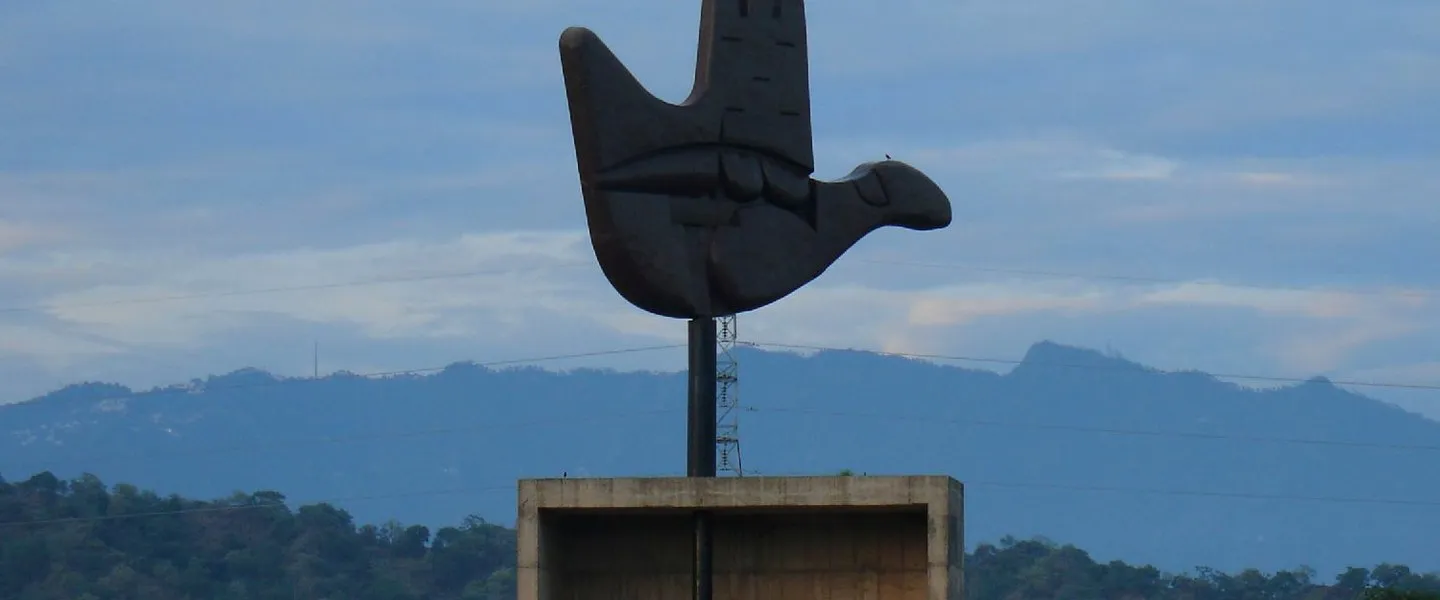
Partition changed everything in 1947. His family left their home and moved to India, part of the vast exchange of people that redrew Punjab in a single year. In 1951 he found work in Chandigarh as a roads inspector with the Public Works Department. The timing put him at the very centre of an extraordinary scene. Chandigarh was rising as the new capital of Indian Punjab, planned by the Swiss-French architect Le Corbusier as a modern city of straight lines, raw concrete and strict rules, built on land where villages had stood.
As a roads inspector, Nek Chand travelled the building sites of the new city every day. He watched whole villages demolished to make way for the plan, and he watched the rubble pile up: broken crockery, smashed tiles, glass bangles, electrical fittings, wash basins, bicycle frames and stones of every shape. Where the city saw waste to be cleared, he began to see figures waiting to be made.
The secret garden near Sukhna Lake
In his spare time he started collecting. He bicycled to demolition sites around the growing city and carried away what others had thrown out, and he gathered stones from river beds and the foothills. On a patch of forest land in a gorge near Sukhna Lake, land set aside as a protected green buffer where building was forbidden, he cleared a small space and began, in secret, to build.
His vision, as he described it, was a divine kingdom, the kingdom of Sukrani. Figure by figure it grew: dancers with arms raised, musicians, queens and kings, children, monkeys, elephants, peacocks and gods. He built the bodies from cement and sand mixed with recycled material, then coated them in smooth cement and finished them with the waste itself: broken glass, bangles, crockery shards, mosaic and iron-foundry slag, so that colour and pattern came from what the city had discarded. He built by night and in his free hours, and he kept the place hidden for years while courtyards multiplied behind the trees.
ਪਿੰਡ ਦਾ ਬਚਪਨ ਅਤੇ ਸਿਫ਼ਰ ਤੋਂ ਉੱਸਰਦਾ ਸ਼ਹਿਰ
ਨੇਕ ਚੰਦ ਸੈਣੀ ਦਾ ਜਨਮ 15 ਦਸੰਬਰ 1924 ਨੂੰ ਬਰਿਆਣ ਕਲਾਂ ਪਿੰਡ ਵਿੱਚ ਹੋਇਆ। ਇਹ ਪਿੰਡ ਉਸ ਸਮੇਂ ਬਰਤਾਨਵੀ ਭਾਰਤ ਦੇ ਗੁਰਦਾਸਪੁਰ ਜ਼ਿਲ੍ਹੇ ਦੇ ਸ਼ਕਰਗੜ੍ਹ ਇਲਾਕੇ ਵਿੱਚ ਸੀ ਅਤੇ ਅੱਜ ਪਾਕਿਸਤਾਨ ਦੇ ਨਾਰੋਵਾਲ ਜ਼ਿਲ੍ਹੇ ਵਿੱਚ ਪੈਂਦਾ ਹੈ। ਉਹ ਖੇਤਾਂ, ਰੁੱਤਾਂ ਅਤੇ ਹੱਥੀਂ ਬਣੀਆਂ ਚੀਜ਼ਾਂ ਵਾਲੀ ਪੰਜਾਬੀ ਪੇਂਡੂ ਦੁਨੀਆ ਵਿੱਚ ਵੱਡਾ ਹੋਇਆ, ਅਤੇ ਉਸ ਦੇ ਮੁੱਢਲੇ ਜੀਵਨ ਵਿੱਚ ਕਲਾ ਦੀ ਰਸਮੀ ਸਿਖਲਾਈ ਦਾ ਕੋਈ ਨਿਸ਼ਾਨ ਨਹੀਂ ਸੀ। ਉਹ ਸਾਰੀ ਉਮਰ ਆਪਣੇ ਆਪ ਸਿੱਖਿਆ ਕਲਾਕਾਰ ਹੀ ਰਿਹਾ।
1947 ਵਿੱਚ ਵੰਡ ਨੇ ਸਭ ਕੁਝ ਬਦਲ ਦਿੱਤਾ। ਉਸ ਦਾ ਪਰਿਵਾਰ ਆਪਣਾ ਘਰ ਛੱਡ ਕੇ ਭਾਰਤ ਆ ਗਿਆ। ਇਹ ਉਸ ਵੱਡੀ ਲੋਕ-ਬਦਲੀ ਦਾ ਹਿੱਸਾ ਸੀ ਜਿਸ ਨੇ ਇੱਕੋ ਸਾਲ ਵਿੱਚ ਪੰਜਾਬ ਨੂੰ ਮੁੜ ਘੜ ਦਿੱਤਾ। 1951 ਵਿੱਚ ਉਸ ਨੂੰ ਚੰਡੀਗੜ੍ਹ ਵਿੱਚ ਲੋਕ ਨਿਰਮਾਣ ਵਿਭਾਗ ਵਿੱਚ ਸੜਕ ਇੰਸਪੈਕਟਰ ਦੀ ਨੌਕਰੀ ਮਿਲ ਗਈ। ਇਹ ਸਮਾਂ ਉਸ ਨੂੰ ਇੱਕ ਅਸਾਧਾਰਨ ਨਜ਼ਾਰੇ ਦੇ ਠੀਕ ਵਿਚਕਾਰ ਲੈ ਆਇਆ। ਚੰਡੀਗੜ੍ਹ ਭਾਰਤੀ ਪੰਜਾਬ ਦੀ ਨਵੀਂ ਰਾਜਧਾਨੀ ਵਜੋਂ ਉੱਸਰ ਰਿਹਾ ਸੀ, ਜਿਸ ਦੀ ਯੋਜਨਾ ਸਵਿਸ-ਫਰਾਂਸੀਸੀ ਆਰਕੀਟੈਕਟ ਲ ਕੋਰਬੂਜ਼ੀਏ ਨੇ ਸਿੱਧੀਆਂ ਲੀਕਾਂ, ਕੱਚੇ ਕੰਕਰੀਟ ਅਤੇ ਸਖ਼ਤ ਨਿਯਮਾਂ ਵਾਲੇ ਆਧੁਨਿਕ ਸ਼ਹਿਰ ਵਜੋਂ ਬਣਾਈ ਸੀ, ਉਸ ਜ਼ਮੀਨ ਉੱਤੇ ਜਿੱਥੇ ਕਦੀ ਪਿੰਡ ਖੜ੍ਹੇ ਸਨ।
ਸੜਕ ਇੰਸਪੈਕਟਰ ਵਜੋਂ ਨੇਕ ਚੰਦ ਹਰ ਰੋਜ਼ ਨਵੇਂ ਸ਼ਹਿਰ ਦੀਆਂ ਉਸਾਰੀ ਵਾਲੀਆਂ ਥਾਵਾਂ ਉੱਤੇ ਘੁੰਮਦਾ ਸੀ। ਉਸ ਨੇ ਯੋਜਨਾ ਲਈ ਢਾਹੇ ਜਾਂਦੇ ਪੂਰੇ ਦੇ ਪੂਰੇ ਪਿੰਡ ਵੇਖੇ, ਅਤੇ ਉਸ ਨੇ ਮਲਬੇ ਦੇ ਢੇਰ ਵੱਧਦੇ ਵੇਖੇ: ਟੁੱਟੇ ਭਾਂਡੇ, ਭੱਜੀਆਂ ਟਾਈਲਾਂ, ਕੱਚ ਦੀਆਂ ਵੰਗਾਂ, ਬਿਜਲੀ ਦਾ ਸਾਮਾਨ, ਵਾਸ਼ ਬੇਸਿਨ, ਸਾਈਕਲਾਂ ਦੇ ਫਰੇਮ ਅਤੇ ਹਰ ਆਕਾਰ ਦੇ ਪੱਥਰ। ਜਿੱਥੇ ਸ਼ਹਿਰ ਨੂੰ ਸਾਫ਼ ਕਰਨ ਵਾਲਾ ਕੂੜਾ ਦਿੱਸਦਾ ਸੀ, ਉੱਥੇ ਉਸ ਨੂੰ ਬਣਨ ਦੀ ਉਡੀਕ ਕਰਦੀਆਂ ਮੂਰਤਾਂ ਦਿੱਸਣ ਲੱਗੀਆਂ।
ਸੁਖਨਾ ਝੀਲ ਕੋਲ ਲੁਕਿਆ ਬਾਗ਼
ਖਾਲੀ ਸਮੇਂ ਵਿੱਚ ਉਸ ਨੇ ਸਮਾਨ ਇਕੱਠਾ ਕਰਨਾ ਸ਼ੁਰੂ ਕਰ ਦਿੱਤਾ। ਉਹ ਸਾਈਕਲ ਉੱਤੇ ਵੱਧਦੇ ਸ਼ਹਿਰ ਦੀਆਂ ਢਾਹ-ਢੁਆਈ ਵਾਲੀਆਂ ਥਾਵਾਂ ਉੱਤੇ ਜਾਂਦਾ ਅਤੇ ਜੋ ਦੂਜਿਆਂ ਨੇ ਸੁੱਟਿਆ ਹੁੰਦਾ, ਚੁੱਕ ਲਿਆਉਂਦਾ, ਅਤੇ ਨਦੀਆਂ ਦੇ ਪੱਟਾਂ ਅਤੇ ਪਹਾੜੀਆਂ ਦੀਆਂ ਤਲਹੱਟੀਆਂ ਤੋਂ ਪੱਥਰ ਇਕੱਠੇ ਕਰਦਾ। ਸੁਖਨਾ ਝੀਲ ਕੋਲ ਇੱਕ ਖੱਡ ਵਿੱਚ ਜੰਗਲੀ ਜ਼ਮੀਨ ਦੇ ਟੁਕੜੇ ਉੱਤੇ, ਜੋ ਸੁਰੱਖਿਅਤ ਹਰਿਆਲੀ ਪੱਟੀ ਵਜੋਂ ਰੱਖੀ ਹੋਈ ਸੀ ਅਤੇ ਜਿੱਥੇ ਉਸਾਰੀ ਮਨ੍ਹਾ ਸੀ, ਉਸ ਨੇ ਥੋੜ੍ਹੀ ਥਾਂ ਸਾਫ਼ ਕੀਤੀ ਅਤੇ ਲੁਕ ਕੇ ਬਣਾਉਣਾ ਸ਼ੁਰੂ ਕਰ ਦਿੱਤਾ।
ਉਸ ਦੀ ਕਲਪਨਾ, ਜਿਵੇਂ ਉਹ ਆਪ ਦੱਸਦਾ ਸੀ, ਇੱਕ ਦੈਵੀ ਰਾਜ ਸੀ, ਸੁਕਰਾਣੀ ਦਾ ਰਾਜ। ਮੂਰਤ ਮੂਰਤ ਕਰਕੇ ਇਹ ਵੱਧਦਾ ਗਿਆ: ਬਾਹਾਂ ਚੁੱਕੀ ਨੱਚਦੀਆਂ ਕੁੜੀਆਂ, ਸਾਜ਼ਿੰਦੇ, ਰਾਣੀਆਂ ਅਤੇ ਰਾਜੇ, ਬੱਚੇ, ਬਾਂਦਰ, ਹਾਥੀ, ਮੋਰ ਅਤੇ ਦੇਵਤੇ। ਉਹ ਸਰੀਰ ਸੀਮਿੰਟ ਅਤੇ ਰੇਤੇ ਵਿੱਚ ਰੀਸਾਈਕਲ ਸਮਾਨ ਮਿਲਾ ਕੇ ਬਣਾਉਂਦਾ, ਫਿਰ ਉੱਤੇ ਮੁਲਾਇਮ ਸੀਮਿੰਟ ਦੀ ਪਰਤ ਚੜ੍ਹਾਉਂਦਾ ਅਤੇ ਅੰਤ ਵਿੱਚ ਉਸੇ ਕੂੜੇ ਨਾਲ ਸਜਾਉਂਦਾ: ਟੁੱਟਾ ਕੱਚ, ਵੰਗਾਂ, ਭਾਂਡਿਆਂ ਦੇ ਟੁਕੜੇ, ਮੋਜ਼ੈਕ ਅਤੇ ਲੋਹਾ-ਢਾਲ ਫੈਕਟਰੀਆਂ ਦੀ ਰਾਖ, ਤਾਂ ਕਿ ਰੰਗ ਅਤੇ ਨਕਾਸ਼ੀ ਉਸੇ ਚੀਜ਼ ਤੋਂ ਆਉਣ ਜੋ ਸ਼ਹਿਰ ਨੇ ਸੁੱਟੀ ਸੀ। ਉਹ ਰਾਤਾਂ ਨੂੰ ਅਤੇ ਖਾਲੀ ਘੰਟਿਆਂ ਵਿੱਚ ਕੰਮ ਕਰਦਾ, ਅਤੇ ਸਾਲਾਂ ਤੱਕ ਥਾਂ ਨੂੰ ਲੁਕਾਈ ਰੱਖਿਆ ਜਦ ਕਿ ਰੁੱਖਾਂ ਪਿੱਛੇ ਵਿਹੜੇ ਵੱਧਦੇ ਗਏ।
By the time the authorities came upon the garden in 1975, it had grown to about 13 acres of interlinked courtyards holding hundreds of sculptures. None of it had permission. It stood on protected land, inside a city where every building was supposed to follow the master plan, and the first official instinct was demolition.
How was the Rock Garden saved?
The Rock Garden was saved because the people of Chandigarh refused to let it be destroyed. When word spread about the hidden kingdom of figures near Sukhna Lake, public amazement and affection turned into public pressure, and the demolition plan collapsed. Instead of punishing its maker, the administration reversed course: the garden was inaugurated as a public park on 24 January 1976, and Nek Chand was taken off his roads duties, given a salary and a workforce of labourers, and put in charge of his own creation, with the title of Creator-Director.
Recognition followed quickly for a man who a few years earlier had worked in fear of discovery. The garden appeared on an Indian postage stamp in 1983. In 1984 the Government of India awarded him the Padma Shri, one of the country's highest civilian honours. With official support he set up collection centres around the city so that broken ceramics and other waste flowed to the garden instead of to landfill, and the work expanded into new phases of courtyards, waterfalls, arched chambers and a great open amphitheatre of figures.
The garden's safety was never quite permanent. In 1996, while Nek Chand was abroad on a lecture tour, funding was withdrawn and vandals attacked the park. The Nek Chand Foundation, formed in 1997 as a registered charity, took up the work of supporting the garden and spreading word of it worldwide, and international volunteers began arriving to help with mosaic work and upkeep. Through all of it, the ageing artist kept building.
An artist the world came to see
What began as one man's night work became one of India's most visited places. The Rock Garden receives thousands of visitors a day, and its courtyards hold several thousand sculptures in all. But its reach went far beyond Chandigarh. Nek Chand's figures travelled to museums across the world: an environment at the Capitol Children's Museum in Washington, D.C., work at the American Folk Art Museum in New York, and the main entrance of the Collection de l'Art Brut in Lausanne, Switzerland, the museum of outsider art that championed him in Europe. The John Michael Kohler Arts Center in Wisconsin holds the largest collection of his work outside Chandigarh.
Art historians place Nek Chand at the head of India's outsider artists: makers with no training, no gallery and no theory, who build entire worlds out of their own vision. His materials were the opposite of precious, and that was the point of his most quoted remark, recorded by the American Folk Art Museum: he saw beauty and art in what people said was junk. Long before recycling became a slogan, he had turned a city's refuse into its most loved landmark.
Death and what he left behind
Nek Chand died in Chandigarh on 12 June 2015, aged 90, after a cardiac arrest at the Post Graduate Institute of Medical Education and Research. The Chandigarh administration declared a holiday in its offices, his body was kept at the Rock Garden so that people could pay their respects, and the Prime Minister of India condoled his death, remembering his artistic genius and the creation cherished by so many. Honours at his funeral, as the Collection de l'Art Brut noted, were of a scale rarely given to an artist in India.
He left behind a garden that is still growing old gracefully rather than standing finished: a place built from the broken leftovers of the planned city, which ended up saying more about Punjab's people, their dress, their animals, their dances and their gods than the official city around it. Every visitor who walks its narrow passages walks through the proof of his life's argument: that nothing, and no one, is waste.
ਜਦੋਂ 1975 ਵਿੱਚ ਅਧਿਕਾਰੀਆਂ ਨੂੰ ਬਾਗ਼ ਦਾ ਪਤਾ ਲੱਗਾ, ਉਦੋਂ ਤੱਕ ਇਹ ਕੋਈ 13 ਏਕੜ ਵਿੱਚ ਫੈਲੇ ਆਪਸ ਵਿੱਚ ਜੁੜੇ ਵਿਹੜਿਆਂ ਅਤੇ ਸੈਂਕੜੇ ਮੂਰਤਾਂ ਤੱਕ ਵੱਧ ਚੁੱਕਾ ਸੀ। ਇਸ ਦੀ ਕੋਈ ਮਨਜ਼ੂਰੀ ਨਹੀਂ ਸੀ। ਇਹ ਸੁਰੱਖਿਅਤ ਜ਼ਮੀਨ ਉੱਤੇ ਖੜ੍ਹਾ ਸੀ, ਉਸ ਸ਼ਹਿਰ ਦੇ ਅੰਦਰ ਜਿੱਥੇ ਹਰ ਇਮਾਰਤ ਨੂੰ ਮਾਸਟਰ ਪਲਾਨ ਮੁਤਾਬਕ ਹੋਣਾ ਚਾਹੀਦਾ ਸੀ, ਅਤੇ ਅਧਿਕਾਰੀਆਂ ਦੀ ਪਹਿਲੀ ਸੋਚ ਇਸ ਨੂੰ ਢਾਹੁਣ ਦੀ ਸੀ।
ਰੌਕ ਗਾਰਡਨ ਕਿਵੇਂ ਬਚਿਆ?
ਰੌਕ ਗਾਰਡਨ ਇਸ ਲਈ ਬਚਿਆ ਕਿਉਂਕਿ ਚੰਡੀਗੜ੍ਹ ਦੇ ਲੋਕਾਂ ਨੇ ਇਸ ਨੂੰ ਢਹਿਣ ਨਾ ਦਿੱਤਾ। ਜਦੋਂ ਸੁਖਨਾ ਝੀਲ ਕੋਲ ਲੁਕੇ ਮੂਰਤਾਂ ਦੇ ਰਾਜ ਦੀ ਗੱਲ ਫੈਲੀ, ਲੋਕਾਂ ਦੀ ਹੈਰਾਨੀ ਅਤੇ ਮੋਹ ਜਨਤਕ ਦਬਾਅ ਵਿੱਚ ਬਦਲ ਗਏ, ਅਤੇ ਢਾਹੁਣ ਦੀ ਯੋਜਨਾ ਢਹਿ ਗਈ। ਪ੍ਰਸ਼ਾਸਨ ਨੇ ਆਪਣੇ ਮਾਲਕ ਨੂੰ ਸਜ਼ਾ ਦੇਣ ਦੀ ਥਾਂ ਰਾਹ ਹੀ ਬਦਲ ਲਿਆ: 24 ਜਨਵਰੀ 1976 ਨੂੰ ਬਾਗ਼ ਦਾ ਜਨਤਕ ਪਾਰਕ ਵਜੋਂ ਉਦਘਾਟਨ ਹੋਇਆ, ਅਤੇ ਨੇਕ ਚੰਦ ਨੂੰ ਸੜਕਾਂ ਦੀ ਡਿਊਟੀ ਤੋਂ ਹਟਾ ਕੇ, ਤਨਖ਼ਾਹ ਅਤੇ ਮਜ਼ਦੂਰਾਂ ਦੀ ਟੋਲੀ ਦੇ ਕੇ, ਉਸ ਦੀ ਆਪਣੀ ਰਚਨਾ ਦਾ ਇੰਚਾਰਜ ਬਣਾ ਦਿੱਤਾ ਗਿਆ, ਜਿਸ ਦਾ ਅਹੁਦਾ ਸੀ: ਕ੍ਰੀਏਟਰ-ਡਾਇਰੈਕਟਰ।
ਜਿਸ ਮਨੁੱਖ ਨੇ ਕੁਝ ਸਾਲ ਪਹਿਲਾਂ ਫੜੇ ਜਾਣ ਦੇ ਡਰ ਵਿੱਚ ਕੰਮ ਕੀਤਾ ਸੀ, ਉਸ ਲਈ ਮਾਨਤਾ ਛੇਤੀ ਆਈ। 1983 ਵਿੱਚ ਬਾਗ਼ ਭਾਰਤੀ ਡਾਕ ਟਿਕਟ ਉੱਤੇ ਛਪਿਆ। 1984 ਵਿੱਚ ਭਾਰਤ ਸਰਕਾਰ ਨੇ ਉਸ ਨੂੰ ਦੇਸ਼ ਦੇ ਸਭ ਤੋਂ ਵੱਡੇ ਸਿਵਲ ਸਨਮਾਨਾਂ ਵਿੱਚੋਂ ਇੱਕ, ਪਦਮ ਸ਼੍ਰੀ, ਦਿੱਤਾ। ਸਰਕਾਰੀ ਸਹਿਯੋਗ ਨਾਲ ਉਸ ਨੇ ਸ਼ਹਿਰ ਭਰ ਵਿੱਚ ਇਕੱਠ ਕੇਂਦਰ ਬਣਾਏ ਤਾਂ ਕਿ ਟੁੱਟੇ ਭਾਂਡੇ ਅਤੇ ਹੋਰ ਕੂੜਾ ਕੂੜੇਦਾਨ ਦੀ ਥਾਂ ਬਾਗ਼ ਵੱਲ ਆਉਣ ਲੱਗਾ, ਅਤੇ ਕੰਮ ਵਿਹੜਿਆਂ, ਝਰਨਿਆਂ, ਮਹਿਰਾਬਦਾਰ ਕਮਰਿਆਂ ਅਤੇ ਮੂਰਤਾਂ ਦੇ ਵੱਡੇ ਖੁੱਲ੍ਹੇ ਅਖਾੜੇ ਵਾਲੇ ਨਵੇਂ ਪੜਾਵਾਂ ਵਿੱਚ ਫੈਲ ਗਿਆ।
ਬਾਗ਼ ਦੀ ਸੁਰੱਖਿਆ ਕਦੀ ਪੱਕੀ ਨਾ ਹੋਈ। 1996 ਵਿੱਚ, ਜਦੋਂ ਨੇਕ ਚੰਦ ਭਾਸ਼ਣ ਦੌਰੇ ਉੱਤੇ ਵਿਦੇਸ਼ ਗਿਆ ਹੋਇਆ ਸੀ, ਫੰਡ ਰੋਕ ਦਿੱਤੇ ਗਏ ਅਤੇ ਸ਼ਰਾਰਤੀਆਂ ਨੇ ਪਾਰਕ ਉੱਤੇ ਹਮਲਾ ਕੀਤਾ। 1997 ਵਿੱਚ ਰਜਿਸਟਰਡ ਚੈਰਿਟੀ ਵਜੋਂ ਬਣੀ ਨੇਕ ਚੰਦ ਫਾਊਂਡੇਸ਼ਨ ਨੇ ਬਾਗ਼ ਦੀ ਸਹਾਇਤਾ ਅਤੇ ਇਸ ਦੀ ਸੋਭਾ ਦੁਨੀਆ ਭਰ ਵਿੱਚ ਫੈਲਾਉਣ ਦਾ ਕੰਮ ਸੰਭਾਲ ਲਿਆ, ਅਤੇ ਅੰਤਰਰਾਸ਼ਟਰੀ ਸਵੈ-ਸੇਵਕ ਮੋਜ਼ੈਕ ਦੇ ਕੰਮ ਅਤੇ ਸਾਂਭ-ਸੰਭਾਲ ਵਿੱਚ ਮਦਦ ਲਈ ਆਉਣ ਲੱਗੇ। ਇਸ ਸਭ ਦੇ ਵਿਚਕਾਰ ਬਜ਼ੁਰਗ ਕਲਾਕਾਰ ਬਣਾਉਂਦਾ ਰਿਹਾ।
ਉਹ ਕਲਾਕਾਰ ਜਿਸ ਨੂੰ ਵੇਖਣ ਦੁਨੀਆ ਆਈ
ਜੋ ਕੰਮ ਇੱਕ ਮਨੁੱਖ ਦੀਆਂ ਰਾਤਾਂ ਤੋਂ ਸ਼ੁਰੂ ਹੋਇਆ ਸੀ, ਉਹ ਭਾਰਤ ਦੀਆਂ ਸਭ ਤੋਂ ਵੱਧ ਵੇਖੀਆਂ ਜਾਣ ਵਾਲੀਆਂ ਥਾਵਾਂ ਵਿੱਚੋਂ ਇੱਕ ਬਣ ਗਿਆ। ਰੌਕ ਗਾਰਡਨ ਵਿੱਚ ਹਰ ਰੋਜ਼ ਹਜ਼ਾਰਾਂ ਸੈਲਾਨੀ ਆਉਂਦੇ ਹਨ, ਅਤੇ ਇਸ ਦੇ ਵਿਹੜਿਆਂ ਵਿੱਚ ਕੁੱਲ ਮਿਲਾ ਕੇ ਕਈ ਹਜ਼ਾਰ ਮੂਰਤਾਂ ਹਨ। ਪਰ ਇਸ ਦੀ ਪਹੁੰਚ ਚੰਡੀਗੜ੍ਹ ਤੋਂ ਬਹੁਤ ਅੱਗੇ ਗਈ। ਨੇਕ ਚੰਦ ਦੀਆਂ ਮੂਰਤਾਂ ਦੁਨੀਆ ਭਰ ਦੇ ਅਜਾਇਬਘਰਾਂ ਵਿੱਚ ਗਈਆਂ: ਵਾਸ਼ਿੰਗਟਨ ਡੀ. ਸੀ. ਦੇ ਕੈਪੀਟਲ ਚਿਲਡਰਨਜ਼ ਮਿਊਜ਼ੀਅਮ ਵਿੱਚ ਇੱਕ ਪੂਰਾ ਮਾਹੌਲ, ਨਿਊਯਾਰਕ ਦੇ ਅਮਰੀਕਨ ਫੋਕ ਆਰਟ ਮਿਊਜ਼ੀਅਮ ਵਿੱਚ ਕੰਮ, ਅਤੇ ਸਵਿਟਜ਼ਰਲੈਂਡ ਦੇ ਲੁਜ਼ਾਨ ਸ਼ਹਿਰ ਵਿੱਚ ਕਲੈਕਸ਼ਨ ਦ ਲਾਰਟ ਬਰੂਟ ਦੇ ਮੁੱਖ ਦਰਵਾਜ਼ੇ ਉੱਤੇ, ਜੋ ਬਾਹਰੀ ਕਲਾ ਦਾ ਉਹ ਅਜਾਇਬਘਰ ਹੈ ਜਿਸ ਨੇ ਯੂਰਪ ਵਿੱਚ ਉਸ ਦੀ ਪੈਰਵੀ ਕੀਤੀ। ਵਿਸਕਾਨਸਿਨ ਦਾ ਜੌਨ ਮਾਈਕਲ ਕੋਹਲਰ ਆਰਟਸ ਸੈਂਟਰ ਚੰਡੀਗੜ੍ਹ ਤੋਂ ਬਾਹਰ ਉਸ ਦੇ ਕੰਮ ਦਾ ਸਭ ਤੋਂ ਵੱਡਾ ਸੰਗ੍ਰਹਿ ਰੱਖਦਾ ਹੈ।
ਕਲਾ ਇਤਿਹਾਸਕਾਰ ਨੇਕ ਚੰਦ ਨੂੰ ਭਾਰਤ ਦੇ ਬਾਹਰੀ ਕਲਾਕਾਰਾਂ ਦੀ ਕਤਾਰ ਵਿੱਚ ਸਭ ਤੋਂ ਅੱਗੇ ਰੱਖਦੇ ਹਨ: ਉਹ ਬਣਾਉਣ ਵਾਲੇ ਜਿਨ੍ਹਾਂ ਕੋਲ ਨਾ ਸਿਖਲਾਈ ਸੀ, ਨਾ ਗੈਲਰੀ, ਨਾ ਕੋਈ ਸਿਧਾਂਤ, ਜਿਨ੍ਹਾਂ ਨੇ ਆਪਣੀ ਕਲਪਨਾ ਤੋਂ ਪੂਰੀਆਂ ਦੁਨੀਆਂ ਖੜ੍ਹੀਆਂ ਕਰ ਦਿੱਤੀਆਂ। ਉਸ ਦਾ ਸਮਾਨ ਕੀਮਤੀ ਹੋਣ ਤੋਂ ਬਿਲਕੁਲ ਉਲਟ ਸੀ, ਅਤੇ ਇਹੀ ਉਸ ਦੀ ਸਭ ਤੋਂ ਵੱਧ ਦੁਹਰਾਈ ਗੱਲ ਦਾ ਮੁੱਦਾ ਸੀ, ਜੋ ਅਮਰੀਕਨ ਫੋਕ ਆਰਟ ਮਿਊਜ਼ੀਅਮ ਨੇ ਦਰਜ ਕੀਤੀ ਹੈ: ਉਸ ਨੂੰ ਉਸ ਚੀਜ਼ ਵਿੱਚ ਸੁੰਦਰਤਾ ਅਤੇ ਕਲਾ ਦਿੱਸਦੀ ਸੀ ਜਿਸ ਨੂੰ ਲੋਕ ਕੂੜਾ ਕਹਿੰਦੇ ਸਨ। ਰੀਸਾਈਕਲਿੰਗ ਦੇ ਨਾਅਰਾ ਬਣਨ ਤੋਂ ਬਹੁਤ ਪਹਿਲਾਂ, ਉਸ ਨੇ ਸ਼ਹਿਰ ਦੇ ਕੂੜੇ ਨੂੰ ਉਸ ਦੀ ਸਭ ਤੋਂ ਪਿਆਰੀ ਨਿਸ਼ਾਨੀ ਵਿੱਚ ਬਦਲ ਦਿੱਤਾ ਸੀ।
ਮੌਤ ਅਤੇ ਉਹ ਵਿਰਸਾ ਜੋ ਉਹ ਛੱਡ ਗਿਆ
ਨੇਕ ਚੰਦ ਦੀ ਮੌਤ 12 ਜੂਨ 2015 ਨੂੰ ਚੰਡੀਗੜ੍ਹ ਵਿੱਚ 90 ਸਾਲ ਦੀ ਉਮਰ ਵਿੱਚ ਹੋਈ। ਦਿਲ ਦਾ ਦੌਰਾ ਪੈਣ ਤੋਂ ਬਾਅਦ ਉਹ ਪੋਸਟ ਗ੍ਰੈਜੂਏਟ ਇੰਸਟੀਚਿਊਟ ਆਫ ਮੈਡੀਕਲ ਐਜੂਕੇਸ਼ਨ ਐਂਡ ਰਿਸਰਚ ਵਿੱਚ ਸੀ। ਚੰਡੀਗੜ੍ਹ ਪ੍ਰਸ਼ਾਸਨ ਨੇ ਆਪਣੇ ਦਫ਼ਤਰਾਂ ਵਿੱਚ ਛੁੱਟੀ ਦਾ ਐਲਾਨ ਕੀਤਾ, ਉਸ ਦਾ ਸਰੀਰ ਰੌਕ ਗਾਰਡਨ ਵਿੱਚ ਰੱਖਿਆ ਗਿਆ ਤਾਂ ਕਿ ਲੋਕ ਆਖਰੀ ਦਰਸ਼ਨ ਕਰ ਸਕਣ, ਅਤੇ ਭਾਰਤ ਦੇ ਪ੍ਰਧਾਨ ਮੰਤਰੀ ਨੇ ਉਸ ਦੀ ਮੌਤ ਉੱਤੇ ਦੁੱਖ ਪ੍ਰਗਟਾਇਆ ਅਤੇ ਉਸ ਦੀ ਕਲਾਤਮਕ ਪ੍ਰਤਿਭਾ ਅਤੇ ਲੋਕਾਂ ਨੂੰ ਪਿਆਰੀ ਉਸ ਦੀ ਰਚਨਾ ਨੂੰ ਯਾਦ ਕੀਤਾ। ਕਲੈਕਸ਼ਨ ਦ ਲਾਰਟ ਬਰੂਟ ਨੇ ਨੋਟ ਕੀਤਾ ਕਿ ਉਸ ਦੇ ਸੰਸਕਾਰ ਸਮੇਂ ਮਿਲੇ ਸਨਮਾਨ ਉਸ ਪੈਮਾਨੇ ਦੇ ਸਨ ਜੋ ਭਾਰਤ ਵਿੱਚ ਕਿਸੇ ਕਲਾਕਾਰ ਨੂੰ ਘੱਟ ਹੀ ਮਿਲਦੇ ਹਨ।
ਉਹ ਆਪਣੇ ਪਿੱਛੇ ਇੱਕ ਅਜਿਹਾ ਬਾਗ਼ ਛੱਡ ਗਿਆ ਜੋ ਮੁੱਕ ਕੇ ਖੜ੍ਹਾ ਹੋਣ ਦੀ ਥਾਂ ਸ਼ਾਨ ਨਾਲ ਪੁਰਾਣਾ ਹੋ ਰਿਹਾ ਹੈ: ਯੋਜਨਾਬੱਧ ਸ਼ਹਿਰ ਦੇ ਟੁੱਟੇ ਬਚੇ-ਖੁਚੇ ਤੋਂ ਬਣੀ ਥਾਂ, ਜਿਸ ਨੇ ਆਖਰ ਆਪਣੇ ਆਲੇ-ਦੁਆਲੇ ਦੇ ਸਰਕਾਰੀ ਸ਼ਹਿਰ ਨਾਲੋਂ ਪੰਜਾਬ ਦੇ ਲੋਕਾਂ, ਉਨ੍ਹਾਂ ਦੇ ਪਹਿਰਾਵੇ, ਪਸ਼ੂਆਂ, ਨਾਚਾਂ ਅਤੇ ਦੇਵਤਿਆਂ ਬਾਰੇ ਵੱਧ ਦੱਸਿਆ। ਇਸ ਦੀਆਂ ਤੰਗ ਗਲੀਆਂ ਵਿੱਚ ਤੁਰਨ ਵਾਲਾ ਹਰ ਸੈਲਾਨੀ ਉਸ ਦੇ ਜੀਵਨ ਦੀ ਦਲੀਲ ਦੇ ਸਬੂਤ ਵਿੱਚੋਂ ਲੰਘਦਾ ਹੈ: ਕਿ ਕੋਈ ਚੀਜ਼, ਅਤੇ ਕੋਈ ਮਨੁੱਖ, ਕੂੜਾ ਨਹੀਂ ਹੁੰਦਾ।
ਲੋਕ


ਥਾਵਾਂ
More people



ਸਰੋਤ (5)
ਜੁਗਤੀ ਮੁਫ਼ਤ ਅਤੇ ਸੁਤੰਤਰ ਹੈ। ਪਾਠਕਾਂ ਦਾ ਸਹਿਯੋਗ ਕੋਸ਼ ਨੂੰ ਵਧਾਉਂਦਾ ਹੈ।
ਸਹਿਯੋਗ