
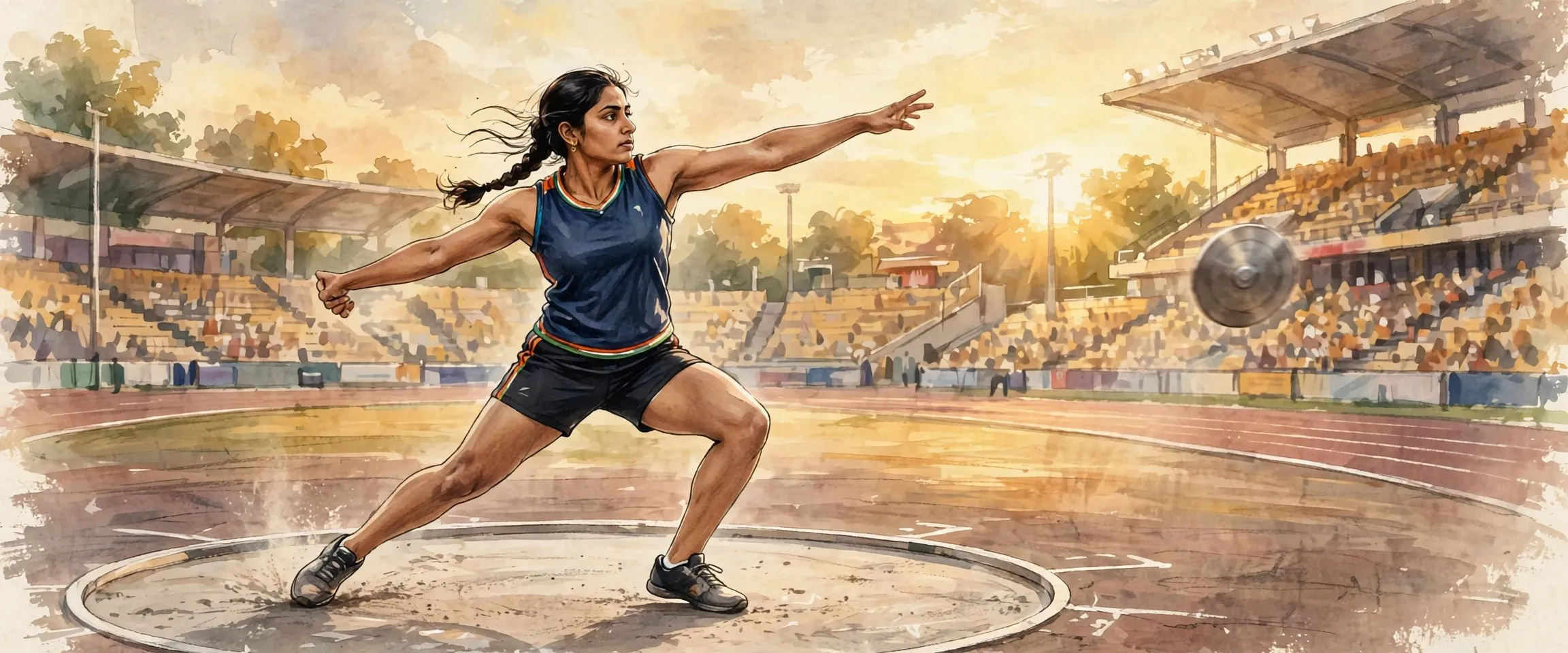
ਸੀਮਾ ਪੂਨੀਆ ਹਰਿਆਣਾ ਦੇ ਸੋਨੀਪਤ ਜ਼ਿਲ੍ਹੇ ਦੇ ਪਿੰਡ ਖੇਵੜਾ ਦੀ ਭਾਰਤੀ ਡਿਸਕਸ ਥਰੋਅਰ ਹੈ। ਉਸ ਨੇ 2014 ਵਿੱਚ ਇੰਚਿਓਨ ਵਿੱਚ ਹੋਈਆਂ ਏਸ਼ੀਆਈ ਖੇਡਾਂ ਵਿੱਚ ਸੋਨ ਤਗਮਾ ਜਿੱਤਿਆ, 2006 ਤੋਂ 2018 ਵਿਚਕਾਰ ਚਾਰ ਰਾਸ਼ਟਰਮੰਡਲ ਖੇਡਾਂ ਦੇ ਤਗਮੇ ਜਿੱਤੇ, ਅਤੇ ਐਥਨਜ਼ 2004 ਤੋਂ ਟੋਕੀਓ 2020 ਤੱਕ ਚਾਰ ਓਲੰਪਿਕ ਖੇਡਾਂ ਵਿੱਚ ਹਿੱਸਾ ਲਿਆ। ਉਸ ਦਾ ਨਿੱਜੀ ਸਭ ਤੋਂ ਵਧੀਆ ਥਰੋਅ 64.84 ਮੀਟਰ ਹੈ, ਜੋ ਉਸ ਨੇ 2004 ਵਿੱਚ ਕੀਵ ਵਿੱਚ ਲਾਇਆ ਸੀ।
- ਪੰਜਾਬੀ ਨਾਂ
- ਸੀਮਾ ਪੂਨੀਆ
- ਜਨਮ
- 27 ਜੁਲਾਈ 1983
- ਜਨਮ ਸਥਾਨ
- ਖੇਵੜਾ, ਸੋਨੀਪਤ ਜ਼ਿਲ੍ਹਾ, ਹਰਿਆਣਾ
- ਖੇਡ
- ਡਿਸਕਸ ਥਰੋਅ
- ਉਚਾਈ
- 1.82 ਮੀਟਰ
- ਨਿੱਜੀ ਸਭ ਤੋਂ ਵਧੀਆ
- 64.84 ਮੀਟਰ (ਕੀਵ, 2004)
All 11 facts
- ਏਸ਼ੀਆਈ ਖੇਡਾਂ
- ਸੋਨਾ 2014, ਕਾਂਸੀ 2018, ਕਾਂਸੀ 2023
- ਰਾਸ਼ਟਰਮੰਡਲ ਖੇਡਾਂ
- ਚਾਂਦੀ 2006, ਕਾਂਸੀ 2010, ਚਾਂਦੀ 2014, ਚਾਂਦੀ 2018
- ਓਲੰਪਿਕ ਖੇਡਾਂ
- ਐਥਨਜ਼ 2004, ਲੰਡਨ 2012, ਰੀਓ 2016, ਟੋਕੀਓ 2020
- ਕੋਚ ਅਤੇ ਪਤੀ
- ਅੰਕੁਸ਼ ਪੂਨੀਆ
- ਸਨਮਾਨ
- ਭੀਮ ਪੁਰਸਕਾਰ, ਹਰਿਆਣਾ ਸਰਕਾਰ, 2006
Seema Punia is an Indian discus thrower from Haryana whose career has stretched across more than two decades, from a junior world title at seventeen to a fourth Olympic Games at thirty-seven. Born in the village of Khewra in Sonipat district, she became one of India's most decorated throwers, winning gold at the 2014 Asian Games and four Commonwealth Games medals. Her story is one of rare longevity in a demanding event, and of setbacks faced in full public view.
ਮੁੱਢਲਾ ਜੀਵਨ
Seema Punia was born on 27 July 1983 in Khewra, a village in Sonipat district, Haryana. She grew up in a sporting household, with brothers who played hockey and wrestled, and sport was part of daily life from an early age. She began athletics when she was eleven, first as a hurdler and a long jumper, and only later found the event that would define her career. She studied at Government College in Sonipat, fitting training around her education as she rose through the junior ranks.
From hurdles to the discus circle
The move to the discus changed everything. Seema's strength and timing suited the throwing circle, and she quickly began winning at home. While still in college she won a national championship with a throw of 57.30 metres, a result that marked her out as a senior prospect while she was still a teenager. At seventeen she reached her first major international final, and her early success announced a thrower India would follow for the next twenty years.
Her first taste of world-level success came at the 2000 World Junior Championships in Santiago, where she won gold and was nicknamed the Millennium Child. The medal was taken away after she tested positive for pseudoephedrine, a banned substance found in cold medicine, and her national federation issued her a public warning. It was a harsh start to a senior career, but she answered it on the field. Two years later she won bronze at the 2002 World Junior Championships in Kingston with 55.83 metres, her first lasting international medal.
Seema made her Olympic debut at Athens in 2004, finishing fourteenth with 60.64 metres. That same year she set the personal best that would stand for the rest of her career, 64.84 metres in Kyiv. It was a mark of genuine world class, and it showed how far a thrower from a Haryana village had travelled in a few short years.
ਸੀਮਾ ਪੂਨੀਆ ਹਰਿਆਣਾ ਦੀ ਭਾਰਤੀ ਡਿਸਕਸ ਥਰੋਅਰ ਹੈ, ਜਿਸ ਦਾ ਖੇਡ ਜੀਵਨ ਦੋ ਦਹਾਕਿਆਂ ਤੋਂ ਵੱਧ ਸਮੇਂ ਤੱਕ ਫੈਲਿਆ ਹੋਇਆ ਹੈ। ਸਤਾਰਾਂ ਸਾਲ ਦੀ ਉਮਰ ਵਿੱਚ ਜੂਨੀਅਰ ਵਿਸ਼ਵ ਖਿਤਾਬ ਤੋਂ ਲੈ ਕੇ ਸੈਂਤੀ ਸਾਲ ਦੀ ਉਮਰ ਵਿੱਚ ਚੌਥੀਆਂ ਓਲੰਪਿਕ ਖੇਡਾਂ ਤੱਕ, ਉਹ ਭਾਰਤ ਦੀਆਂ ਸਭ ਤੋਂ ਸਫ਼ਲ ਥਰੋਅਰਾਂ ਵਿੱਚੋਂ ਇੱਕ ਬਣੀ। ਉਸ ਨੇ 2014 ਦੀਆਂ ਏਸ਼ੀਆਈ ਖੇਡਾਂ ਵਿੱਚ ਸੋਨ ਤਗਮਾ ਅਤੇ 2006 ਤੋਂ 2018 ਵਿਚਕਾਰ ਚਾਰ ਰਾਸ਼ਟਰਮੰਡਲ ਖੇਡਾਂ ਦੇ ਤਗਮੇ ਜਿੱਤੇ। ਉਸ ਦੀ ਕਹਾਣੀ ਇੱਕ ਔਖੀ ਖੇਡ ਵਿੱਚ ਅਸਾਧਾਰਨ ਲੰਮੀ ਉਮਰ ਦੀ ਕਹਾਣੀ ਹੈ, ਅਤੇ ਸਭ ਦੇ ਸਾਹਮਣੇ ਆਈਆਂ ਔਕੜਾਂ ਦੀ ਵੀ।
ਮੁੱਢਲਾ ਜੀਵਨ
ਸੀਮਾ ਪੂਨੀਆ ਦਾ ਜਨਮ 27 ਜੁਲਾਈ 1983 ਨੂੰ ਹਰਿਆਣਾ ਦੇ ਸੋਨੀਪਤ ਜ਼ਿਲ੍ਹੇ ਦੇ ਪਿੰਡ ਖੇਵੜਾ ਵਿੱਚ ਹੋਇਆ। ਉਹ ਇੱਕ ਖੇਡ ਪਰਿਵਾਰ ਵਿੱਚ ਵੱਡੀ ਹੋਈ, ਉਸ ਦੇ ਭਰਾ ਹਾਕੀ ਖੇਡਦੇ ਅਤੇ ਕੁਸ਼ਤੀ ਕਰਦੇ ਸਨ, ਅਤੇ ਬਚਪਨ ਤੋਂ ਹੀ ਖੇਡ ਉਸ ਦੀ ਰੋਜ਼ਾਨਾ ਜ਼ਿੰਦਗੀ ਦਾ ਹਿੱਸਾ ਸੀ। ਉਸ ਨੇ ਗਿਆਰਾਂ ਸਾਲ ਦੀ ਉਮਰ ਵਿੱਚ ਖੇਡਾਂ ਦੀ ਸ਼ੁਰੂਆਤ ਕੀਤੀ, ਪਹਿਲਾਂ ਰੁਕਾਵਟ ਦੌੜ ਅਤੇ ਲੰਮੀ ਛਾਲ ਨਾਲ, ਅਤੇ ਬਾਅਦ ਵਿੱਚ ਉਸ ਖੇਡ ਨੂੰ ਲੱਭਿਆ ਜਿਸ ਨੇ ਉਸ ਦਾ ਜੀਵਨ ਬਦਲ ਦਿੱਤਾ। ਉਸ ਨੇ ਸੋਨੀਪਤ ਦੇ ਸਰਕਾਰੀ ਕਾਲਜ ਵਿੱਚ ਪੜ੍ਹਾਈ ਕੀਤੀ, ਅਤੇ ਪੜ੍ਹਾਈ ਦੇ ਨਾਲ ਨਾਲ ਸਿਖਲਾਈ ਜਾਰੀ ਰੱਖੀ।
ਰੁਕਾਵਟ ਦੌੜ ਤੋਂ ਡਿਸਕਸ ਥਰੋਅ ਤੱਕ
ਡਿਸਕਸ ਥਰੋਅ ਵੱਲ ਬਦਲਾਅ ਨੇ ਸਭ ਕੁਝ ਬਦਲ ਦਿੱਤਾ। ਸੀਮਾ ਦੀ ਤਾਕਤ ਅਤੇ ਸਮਾਂ ਡਿਸਕਸ ਦੇ ਘੇਰੇ ਲਈ ਢੁਕਵੇਂ ਸਨ, ਅਤੇ ਉਹ ਜਲਦੀ ਹੀ ਦੇਸ਼ ਵਿੱਚ ਜਿੱਤਣ ਲੱਗੀ। ਕਾਲਜ ਵਿੱਚ ਹੀ ਉਸ ਨੇ 57.30 ਮੀਟਰ ਦੀ ਥਰੋਅ ਨਾਲ ਰਾਸ਼ਟਰੀ ਚੈਂਪੀਅਨਸ਼ਿਪ ਜਿੱਤੀ, ਜਿਸ ਨੇ ਉਸ ਨੂੰ ਅਜੇ ਕਿਸ਼ੋਰ ਉਮਰ ਵਿੱਚ ਹੀ ਸੀਨੀਅਰ ਖਿਡਾਰੀ ਵਜੋਂ ਪਛਾਣ ਦਿੱਤੀ। ਸਤਾਰਾਂ ਸਾਲ ਦੀ ਉਮਰ ਵਿੱਚ ਉਹ ਪਹਿਲੀ ਵਾਰ ਵੱਡੇ ਅੰਤਰਰਾਸ਼ਟਰੀ ਮੁਕਾਬਲੇ ਦੇ ਫਾਈਨਲ ਵਿੱਚ ਪਹੁੰਚੀ, ਅਤੇ ਉਸ ਦੀ ਸ਼ੁਰੂਆਤੀ ਸਫ਼ਲਤਾ ਨੇ ਦੱਸ ਦਿੱਤਾ ਕਿ ਭਾਰਤ ਨੂੰ ਇੱਕ ਥਰੋਅਰ ਮਿਲ ਗਈ ਹੈ ਜਿਸ ਨੂੰ ਅਗਲੇ ਵੀਹ ਸਾਲ ਤੱਕ ਦੇਖਿਆ ਜਾਵੇਗਾ।
ਵਿਸ਼ਵ ਪੱਧਰ ਦੀ ਪਹਿਲੀ ਸਫ਼ਲਤਾ 2000 ਵਿੱਚ ਸੈਂਟੀਆਗੋ ਵਿੱਚ ਹੋਈਆਂ ਵਿਸ਼ਵ ਜੂਨੀਅਰ ਚੈਂਪੀਅਨਸ਼ਿਪਾਂ ਵਿੱਚ ਮਿਲੀ, ਜਿੱਥੇ ਉਸ ਨੇ ਸੋਨ ਤਗਮਾ ਜਿੱਤਿਆ ਅਤੇ ਉਸ ਨੂੰ ਮਿਲੇਨੀਅਮ ਚਾਈਲਡ ਕਿਹਾ ਗਿਆ। ਇਹ ਤਗਮਾ ਉਸ ਤੋਂ ਵਾਪਸ ਲੈ ਲਿਆ ਗਿਆ, ਕਿਉਂਕਿ ਉਸ ਦਾ ਡੋਪ ਟੈਸਟ ਸੂਡੋਐਫੇਡਰੀਨ ਲਈ ਸਕਾਰਾਤਮਕ ਆਇਆ ਸੀ, ਜੋ ਜ਼ੁਕਾਮ ਦੀ ਦਵਾਈ ਵਿੱਚ ਮਿਲਦਾ ਹੈ, ਅਤੇ ਉਸ ਦੀ ਰਾਸ਼ਟਰੀ ਫੈਡਰੇਸ਼ਨ ਨੇ ਉਸ ਨੂੰ ਜਨਤਕ ਚਿਤਾਵਨੀ ਦਿੱਤੀ। ਸੀਨੀਅਰ ਜੀਵਨ ਦੀ ਇਹ ਸਖ਼ਤ ਸ਼ੁਰੂਆਤ ਸੀ, ਪਰ ਉਸ ਨੇ ਇਸ ਦਾ ਜਵਾਬ ਮੈਦਾਨ ਵਿੱਚ ਦਿੱਤਾ। ਦੋ ਸਾਲ ਬਾਅਦ ਉਸ ਨੇ ਕਿੰਗਸਟਨ ਵਿੱਚ ਹੋਈਆਂ 2002 ਦੀਆਂ ਵਿਸ਼ਵ ਜੂਨੀਅਰ ਚੈਂਪੀਅਨਸ਼ਿਪਾਂ ਵਿੱਚ 55.83 ਮੀਟਰ ਦੀ ਥਰੋਅ ਨਾਲ ਕਾਂਸੀ ਦਾ ਤਗਮਾ ਜਿੱਤਿਆ, ਜੋ ਉਸ ਦਾ ਪਹਿਲਾ ਸਥਾਈ ਅੰਤਰਰਾਸ਼ਟਰੀ ਤਗਮਾ ਸੀ।
ਸੀਮਾ ਨੇ 2004 ਵਿੱਚ ਐਥਨਜ਼ ਵਿੱਚ ਆਪਣੀਆਂ ਪਹਿਲੀਆਂ ਓਲੰਪਿਕ ਖੇਡਾਂ ਵਿੱਚ ਹਿੱਸਾ ਲਿਆ ਅਤੇ 60.64 ਮੀਟਰ ਦੀ ਥਰੋਅ ਨਾਲ ਚੌਦਵੇਂ ਸਥਾਨ ਤੇ ਰਹੀ। ਉਸੇ ਸਾਲ ਉਸ ਨੇ ਆਪਣਾ ਨਿੱਜੀ ਸਭ ਤੋਂ ਵਧੀਆ ਥਰੋਅ ਲਾਇਆ, ਕੀਵ ਵਿੱਚ 64.84 ਮੀਟਰ, ਜੋ ਉਸ ਦੇ ਬਾਕੀ ਜੀਵਨ ਵਿੱਚ ਕਦੇ ਨਹੀਂ ਟੁੱਟਿਆ। ਇਹ ਵਿਸ਼ਵ ਪੱਧਰ ਦਾ ਨਿਸ਼ਾਨ ਸੀ, ਅਤੇ ਇਸ ਨੇ ਦਿਖਾਇਆ ਕਿ ਹਰਿਆਣਾ ਦੇ ਇੱਕ ਪਿੰਡ ਦੀ ਥਰੋਅਰ ਕੁਝ ਹੀ ਸਾਲਾਂ ਵਿੱਚ ਕਿੰਨੀ ਦੂਰ ਪਹੁੰਚ ਗਈ ਸੀ।
Commonwealth Games medals and the Asian Games gold
The Commonwealth Games became Seema's most reliable stage. She won silver at Melbourne in 2006 with 60.56 metres, and the Haryana government honoured her with the Bhim Award on 26 June that year. Four years later, throwing in front of a home crowd in Delhi, she took bronze with 58.46 metres. At Glasgow in 2014 she added another silver with 58.44 metres, and at the Gold Coast in 2018 she won silver again with 60.41 metres, competing without a coach at those Games. Three silvers and a bronze across four editions made her one of India's most consistent Commonwealth Games performers.
The finest moment of her career came between the two Commonwealth silvers. At the 2014 Asian Games in Incheon, Seema won gold with 61.03 metres, the first Asian Games gold of her career and the throw that opened India's athletics medal account at those Games. She had missed the two previous Asian Games, so the gold carried the weight of a long wait. She added bronze at Jakarta in 2018, and at Hangzhou in 2023 she won bronze again with 58.62 metres, her third Asian Games medal and a prize won at the age of forty.
The Olympic Games tell the same story of persistence. After Athens came London in 2012, where she finished twelfth with 61.91 metres, then Rio in 2016, where she placed twentieth with 57.58 metres. In 2021 she qualified for a fourth Olympics, winning the national inter-state title in Patiala with 63.72 metres to book her place at Tokyo, where she finished sixteenth in qualification with 60.57 metres. Few Indian track and field athletes have competed at four Olympic Games, and fewer still across seventeen years.
What is Seema Punia's personal best?
Seema Punia's personal best is 64.84 metres, set in Kyiv in 2004 when she was twenty-one. She never threw further, which says something about how early her talent peaked and how hard the event is on the body over a long career. For scale, the Olympic qualifying mark for Tokyo was 63.50 metres, and her qualifying throw at Patiala in 2021, 63.72 metres, came within a little more than a metre of a best set seventeen years earlier. That closeness is the clearest measure of her longevity: she stayed near her best for almost two decades.
Setbacks, and the long road back
Seema's career has never run smoothly, and the difficult chapters are part of the record. She missed the 2006 Asian Games after testing positive for the steroid stanozolol before the Games. Her national federation cleared her to compete, but she chose not to take part, and her absence drew heavy press attention. A knee injury then kept her out of the 2010 Asian Games, and she rebuilt her training around core strength and weightlifting to protect her body.
Money was a problem too. In 2011 she was removed from the national camp and had to pay for her own training, equipment and diet, with support from her husband and coach Ankush Punia. She has spoken about borrowing to keep training, and about clearing those debts only after prize money arrived. The 2014 Asian Games gold came after all of that, which is why it meant so much to her.
The most recent chapter came late in her career. In December 2025 the National Anti-Doping Agency announced a sixteen month suspension for Seema after a failed dope test, effective from 10 November 2025. NADA did not publicly name the substance involved, and reporting described it as the third failed test of her career. The suspension runs into early 2027, and it now sits alongside her medals as part of a career that has always mixed high achievement with controversy.
Life beyond the circle
Away from the throwing circle, Seema built a life in sport and public service. She married Ankush Punia, her coach and a former discus thrower who represented India at the Athens Olympics, in February 2011. In 2010 she joined the Haryana Police as a sub-inspector, a post that gave her a steady income alongside athletics. After her Asian Games gold the Haryana government awarded her a cash prize of fifty lakh rupees.
Seema's place in Indian athletics rests on staying power. She won medals at every level available to her, junior world bronze, Commonwealth silver and bronze, and Asian Games gold and bronze, and she did it over twenty-three years, from Santiago in 2000 to Hangzhou in 2023. For young throwers from small towns, especially young women, her career shows that a path from a village ground to the Olympic circle exists, even when the road is uneven. That is the legacy she leaves, alongside the medals and the questions her later career raises.
ਰਾਸ਼ਟਰਮੰਡਲ ਖੇਡਾਂ ਦੇ ਤਗਮੇ ਅਤੇ ਏਸ਼ੀਆਈ ਖੇਡਾਂ ਦਾ ਸੋਨਾ
ਰਾਸ਼ਟਰਮੰਡਲ ਖੇਡਾਂ ਸੀਮਾ ਦਾ ਸਭ ਤੋਂ ਭਰੋਸੇਯੋਗ ਮੰਚ ਬਣੀਆਂ। ਉਸ ਨੇ 2006 ਵਿੱਚ ਮੈਲਬਰਨ ਵਿੱਚ 60.56 ਮੀਟਰ ਦੀ ਥਰੋਅ ਨਾਲ ਚਾਂਦੀ ਦਾ ਤਗਮਾ ਜਿੱਤਿਆ, ਅਤੇ ਹਰਿਆਣਾ ਸਰਕਾਰ ਨੇ ਉਸੇ ਸਾਲ 26 ਜੂਨ ਨੂੰ ਉਸ ਨੂੰ ਭੀਮ ਪੁਰਸਕਾਰ ਨਾਲ ਸਨਮਾਨਿਆ। ਚਾਰ ਸਾਲ ਬਾਅਦ, ਦਿੱਲੀ ਵਿੱਚ ਘਰੇਲੂ ਦਰਸ਼ਕਾਂ ਸਾਹਮਣੇ, ਉਸ ਨੇ 58.46 ਮੀਟਰ ਨਾਲ ਕਾਂਸੀ ਦਾ ਤਗਮਾ ਲਿਆ। 2014 ਵਿੱਚ ਗਲਾਸਗੋ ਵਿੱਚ ਉਸ ਨੇ 58.44 ਮੀਟਰ ਨਾਲ ਇੱਕ ਹੋਰ ਚਾਂਦੀ ਜਿੱਤੀ, ਅਤੇ 2018 ਵਿੱਚ ਗੋਲਡ ਕੋਸਟ ਵਿੱਚ ਉਸ ਨੇ ਬਿਨਾਂ ਕੋਚ ਦੇ ਖੇਡਦਿਆਂ 60.41 ਮੀਟਰ ਨਾਲ ਫਿਰ ਚਾਂਦੀ ਜਿੱਤੀ। ਚਾਰ ਖੇਡਾਂ ਵਿੱਚ ਤਿੰਨ ਚਾਂਦੀ ਅਤੇ ਇੱਕ ਕਾਂਸੀ ਨੇ ਉਸ ਨੂੰ ਭਾਰਤ ਦੀਆਂ ਸਭ ਤੋਂ ਨਿਰੰਤਰ ਰਾਸ਼ਟਰਮੰਡਲ ਖਿਡਾਰਨਾਂ ਵਿੱਚੋਂ ਇੱਕ ਬਣਾ ਦਿੱਤਾ।
ਉਸ ਦੇ ਜੀਵਨ ਦਾ ਸਭ ਤੋਂ ਵਧੀਆ ਪਲ ਦੋ ਰਾਸ਼ਟਰਮੰਡਲ ਚਾਂਦੀਆਂ ਵਿਚਕਾਰ ਆਇਆ। 2014 ਵਿੱਚ ਇੰਚਿਓਨ ਵਿੱਚ ਹੋਈਆਂ ਏਸ਼ੀਆਈ ਖੇਡਾਂ ਵਿੱਚ ਸੀਮਾ ਨੇ 61.03 ਮੀਟਰ ਦੀ ਥਰੋਅ ਨਾਲ ਸੋਨ ਤਗਮਾ ਜਿੱਤਿਆ, ਜੋ ਉਸ ਦੇ ਜੀਵਨ ਦਾ ਪਹਿਲਾ ਏਸ਼ੀਆਈ ਖੇਡਾਂ ਦਾ ਸੋਨਾ ਸੀ ਅਤੇ ਉਨ੍ਹਾਂ ਖੇਡਾਂ ਵਿੱਚ ਭਾਰਤ ਦੇ ਅਥਲੈਟਿਕਸ ਤਗਮਿਆਂ ਦੀ ਸ਼ੁਰੂਆਤ ਸੀ। ਉਹ ਪਿਛਲੀਆਂ ਦੋ ਏਸ਼ੀਆਈ ਖੇਡਾਂ ਵਿੱਚ ਨਹੀਂ ਖੇਡ ਸਕੀ ਸੀ, ਇਸ ਲਈ ਇਹ ਸੋਨਾ ਲੰਮੀ ਉਡੀਕ ਤੋਂ ਬਾਅਦ ਮਿਲਿਆ। ਉਸ ਨੇ 2018 ਵਿੱਚ ਜਕਾਰਤਾ ਵਿੱਚ ਕਾਂਸੀ ਜਿੱਤੀ, ਅਤੇ 2023 ਵਿੱਚ ਹਾਂਗਜ਼ੂ ਵਿੱਚ 58.62 ਮੀਟਰ ਨਾਲ ਫਿਰ ਕਾਂਸੀ ਜਿੱਤੀ, ਜੋ ਚਾਲੀ ਸਾਲ ਦੀ ਉਮਰ ਵਿੱਚ ਜਿੱਤਿਆ ਉਸ ਦਾ ਤੀਜਾ ਏਸ਼ੀਆਈ ਖੇਡਾਂ ਦਾ ਤਗਮਾ ਸੀ।
ਓਲੰਪਿਕ ਖੇਡਾਂ ਵੀ ਉਸੇ ਲਗਨ ਦੀ ਕਹਾਣੀ ਦੱਸਦੀਆਂ ਹਨ। ਐਥਨਜ਼ ਤੋਂ ਬਾਅਦ 2012 ਵਿੱਚ ਲੰਡਨ ਆਇਆ, ਜਿੱਥੇ ਉਹ 61.91 ਮੀਟਰ ਨਾਲ ਬਾਰ੍ਹਵੇਂ ਸਥਾਨ ਤੇ ਰਹੀ, ਫਿਰ 2016 ਵਿੱਚ ਰੀਓ, ਜਿੱਥੇ ਉਹ 57.58 ਮੀਟਰ ਨਾਲ ਵੀਹਵੇਂ ਸਥਾਨ ਤੇ ਰਹੀ। 2021 ਵਿੱਚ ਉਸ ਨੇ ਚੌਥੀਆਂ ਓਲੰਪਿਕ ਖੇਡਾਂ ਲਈ ਥਾਂ ਬਣਾਈ, ਪਟਿਆਲਾ ਵਿੱਚ ਰਾਸ਼ਟਰੀ ਅੰਤਰ-ਰਾਜ ਚੈਂਪੀਅਨਸ਼ਿਪ ਵਿੱਚ 63.72 ਮੀਟਰ ਦੀ ਥਰੋਅ ਨਾਲ ਸੋਨ ਤਗਮਾ ਜਿੱਤ ਕੇ ਟੋਕੀਓ ਦੀ ਟਿਕਟ ਹਾਸਲ ਕੀਤੀ, ਜਿੱਥੇ ਉਹ ਕੁਆਲੀਫਿਕੇਸ਼ਨ ਵਿੱਚ 60.57 ਮੀਟਰ ਨਾਲ ਸੋਲ੍ਹਵੇਂ ਸਥਾਨ ਤੇ ਰਹੀ। ਸਤਾਰਾਂ ਸਾਲਾਂ ਦੇ ਫਰਕ ਨਾਲ ਚਾਰ ਓਲੰਪਿਕ ਖੇਡਾਂ ਵਿੱਚ ਖੇਡਣ ਵਾਲੇ ਭਾਰਤੀ ਅਥਲੀਟ ਬਹੁਤ ਘੱਟ ਹਨ।
ਸੀਮਾ ਪੂਨੀਆ ਦਾ ਸਭ ਤੋਂ ਵਧੀਆ ਥਰੋਅ ਕਿੰਨਾ ਹੈ?
ਸੀਮਾ ਪੂਨੀਆ ਦਾ ਨਿੱਜੀ ਸਭ ਤੋਂ ਵਧੀਆ ਥਰੋਅ 64.84 ਮੀਟਰ ਹੈ, ਜੋ ਉਸ ਨੇ 2004 ਵਿੱਚ ਕੀਵ ਵਿੱਚ ਲਾਇਆ ਸੀ, ਜਦੋਂ ਉਹ ਇਕੀ ਸਾਲ ਦੀ ਸੀ। ਉਹ ਇਸ ਤੋਂ ਅੱਗੇ ਕਦੇ ਨਹੀਂ ਸੁੱਟ ਸਕੀ, ਜਿਸ ਤੋਂ ਪਤਾ ਲੱਗਦਾ ਹੈ ਕਿ ਉਸ ਦੀ ਪ੍ਰਤਿਭਾ ਕਿੰਨੀ ਜਲਦੀ ਸਿਖਰ ਤੇ ਪਹੁੰਚੀ ਸੀ ਅਤੇ ਲੰਮੇ ਜੀਵਨ ਵਿੱਚ ਇਹ ਖੇਡ ਸਰੀਰ ਤੇ ਕਿੰਨੀ ਭਾਰੀ ਪੈਂਦੀ ਹੈ। ਪੈਮਾਨੇ ਲਈ, ਟੋਕੀਓ ਲਈ ਓਲੰਪਿਕ ਕੁਆਲੀਫਿਕੇਸ਼ਨ ਦਾ ਨਿਸ਼ਾਨ 63.50 ਮੀਟਰ ਸੀ, ਅਤੇ 2021 ਵਿੱਚ ਪਟਿਆਲਾ ਵਿੱਚ ਉਸ ਦੀ ਕੁਆਲੀਫਾਈ ਕਰਨ ਵਾਲੀ ਥਰੋਅ, 63.72 ਮੀਟਰ, ਸਤਾਰਾਂ ਸਾਲ ਪਹਿਲਾਂ ਲਾਏ ਸਭ ਤੋਂ ਵਧੀਆ ਥਰੋਅ ਤੋਂ ਸਿਰਫ਼ ਇੱਕ ਮੀਟਰ ਤੋਂ ਥੋੜ੍ਹੀ ਵੱਧ ਘੱਟ ਸੀ। ਇਹ ਨੇੜਤਾ ਹੀ ਉਸ ਦੀ ਲੰਮੀ ਉਮਰ ਦਾ ਸਭ ਤੋਂ ਸਾਫ਼ ਮਾਪ ਹੈ: ਉਹ ਲਗਭਗ ਦੋ ਦਹਾਕਿਆਂ ਤੱਕ ਆਪਣੇ ਸਭ ਤੋਂ ਵਧੀਆ ਨੇੜੇ ਰਹੀ।
ਔਕੜਾਂ ਅਤੇ ਲੰਮੀ ਵਾਪਸੀ
ਸੀਮਾ ਦਾ ਜੀਵਨ ਕਦੇ ਸੁਖਾਲਾ ਨਹੀਂ ਰਿਹਾ, ਅਤੇ ਔਖੇ ਅਧਿਆਇ ਰਿਕਾਰਡ ਦਾ ਹਿੱਸਾ ਹਨ। ਉਹ 2006 ਦੀਆਂ ਏਸ਼ੀਆਈ ਖੇਡਾਂ ਵਿੱਚ ਨਹੀਂ ਖੇਡ ਸਕੀ, ਕਿਉਂਕਿ ਖੇਡਾਂ ਤੋਂ ਪਹਿਲਾਂ ਉਸ ਦਾ ਟੈਸਟ ਸਟੀਰੌਇਡ ਸਟੈਨੋਜ਼ੋਲੋਲ ਲਈ ਸਕਾਰਾਤਮਕ ਆਇਆ ਸੀ। ਉਸ ਦੀ ਰਾਸ਼ਟਰੀ ਫੈਡਰੇਸ਼ਨ ਨੇ ਉਸ ਨੂੰ ਖੇਡਣ ਦੀ ਇਜਾਜ਼ਤ ਦੇ ਦਿੱਤੀ ਸੀ, ਪਰ ਉਸ ਨੇ ਖੁਦ ਹਿੱਸਾ ਨਾ ਲੈਣ ਦਾ ਫੈਸਲਾ ਕੀਤਾ, ਅਤੇ ਉਸ ਦੀ ਗੈਰਹਾਜ਼ਰੀ ਨੇ ਅਖ਼ਬਾਰਾਂ ਵਿੱਚ ਬਹੁਤ ਧਿਆਨ ਖਿੱਚਿਆ। ਗੋਡੇ ਦੀ ਸੱਟ ਕਾਰਨ ਉਹ 2010 ਦੀਆਂ ਏਸ਼ੀਆਈ ਖੇਡਾਂ ਵਿੱਚ ਵੀ ਨਹੀਂ ਖੇਡ ਸਕੀ, ਅਤੇ ਉਸ ਨੇ ਆਪਣੇ ਸਰੀਰ ਦੀ ਰੱਖਿਆ ਲਈ ਕੋਰ ਤਾਕਤ ਅਤੇ ਭਾਰ ਚੁੱਕਣ ਉੱਤੇ ਆਧਾਰਿਤ ਨਵੀਂ ਸਿਖਲਾਈ ਅਪਣਾਈ।
ਪੈਸਾ ਵੀ ਇੱਕ ਸਮੱਸਿਆ ਸੀ। 2011 ਵਿੱਚ ਉਸ ਨੂੰ ਰਾਸ਼ਟਰੀ ਕੈਂਪ ਤੋਂ ਕੱਢ ਦਿੱਤਾ ਗਿਆ ਅਤੇ ਉਸ ਨੂੰ ਆਪਣੀ ਸਿਖਲਾਈ, ਸਾਜ਼ੋ-ਸਾਮਾਨ ਅਤੇ ਖੁਰਾਕ ਦਾ ਖਰਚਾ ਖੁਦ ਚੁੱਕਣਾ ਪਿਆ, ਜਿਸ ਵਿੱਚ ਉਸ ਦੇ ਪਤੀ ਅਤੇ ਕੋਚ ਅੰਕੁਸ਼ ਪੂਨੀਆ ਨੇ ਮਦਦ ਕੀਤੀ। ਉਸ ਨੇ ਦੱਸਿਆ ਹੈ ਕਿ ਸਿਖਲਾਈ ਜਾਰੀ ਰੱਖਣ ਲਈ ਉਸ ਨੂੰ ਕਰਜ਼ਾ ਲੈਣਾ ਪਿਆ, ਅਤੇ ਕਰਜ਼ਾ ਉਸ ਨੇ ਤਦ ਹੀ ਚੁਕਾਇਆ ਜਦੋਂ ਇਨਾਮੀ ਰਾਸ਼ੀ ਮਿਲੀ। 2014 ਦੀਆਂ ਏਸ਼ੀਆਈ ਖੇਡਾਂ ਦਾ ਸੋਨਾ ਇਸ ਸਭ ਤੋਂ ਬਾਅਦ ਆਇਆ, ਇਸੇ ਲਈ ਉਸ ਲਈ ਇਸ ਦਾ ਮਤਲਬ ਇੰਨਾ ਵੱਡਾ ਸੀ।
ਸਭ ਤੋਂ ਤਾਜ਼ਾ ਅਧਿਆਇ ਉਸ ਦੇ ਜੀਵਨ ਦੇ ਅਖ਼ੀਰ ਵਿੱਚ ਆਇਆ। ਦਸੰਬਰ 2025 ਵਿੱਚ ਰਾਸ਼ਟਰੀ ਡੋਪ ਵਿਰੋਧੀ ਏਜੰਸੀ ਨੇ ਦੱਸਿਆ ਕਿ ਡੋਪ ਟੈਸਟ ਵਿੱਚ ਅਸਫ਼ਲ ਰਹਿਣ ਤੋਂ ਬਾਅਦ ਸੀਮਾ ਤੇ ਸੋਲ੍ਹਾਂ ਮਹੀਨਿਆਂ ਦੀ ਪਾਬੰਦੀ ਲਗਾਈ ਗਈ ਹੈ, ਜੋ 10 ਨਵੰਬਰ 2025 ਤੋਂ ਲਾਗੂ ਹੈ। ਏਜੰਸੀ ਨੇ ਜਨਤਕ ਤੌਰ ਤੇ ਉਸ ਪਦਾਰਥ ਦਾ ਨਾਂ ਨਹੀਂ ਦੱਸਿਆ, ਅਤੇ ਖ਼ਬਰਾਂ ਵਿੱਚ ਇਸ ਨੂੰ ਉਸ ਦੇ ਜੀਵਨ ਦਾ ਤੀਜਾ ਅਸਫ਼ਲ ਟੈਸਟ ਦੱਸਿਆ ਗਿਆ। ਇਹ ਪਾਬੰਦੀ 2027 ਦੇ ਸ਼ੁਰੂ ਤੱਕ ਚੱਲੇਗੀ, ਅਤੇ ਹੁਣ ਇਹ ਉਸ ਦੇ ਤਗਮਿਆਂ ਦੇ ਨਾਲ ਉਸ ਦੇ ਜੀਵਨ ਦਾ ਹਿੱਸਾ ਹੈ, ਜਿਸ ਵਿੱਚ ਵੱਡੀਆਂ ਪ੍ਰਾਪਤੀਆਂ ਦੇ ਨਾਲ ਵਿਵਾਦ ਵੀ ਰਿਹਾ ਹੈ।
ਖੇਡ ਤੋਂ ਪਰੇ ਜ਼ਿੰਦਗੀ
ਥਰੋਅ ਦੇ ਘੇਰੇ ਤੋਂ ਬਾਹਰ, ਸੀਮਾ ਨੇ ਖੇਡ ਅਤੇ ਜਨਤਕ ਸੇਵਾ ਵਿੱਚ ਆਪਣੀ ਜ਼ਿੰਦਗੀ ਬਣਾਈ। ਉਸ ਨੇ ਫ਼ਰਵਰੀ 2011 ਵਿੱਚ ਅੰਕੁਸ਼ ਪੂਨੀਆ ਨਾਲ ਵਿਆਹ ਕੀਤਾ, ਜੋ ਉਸ ਦਾ ਕੋਚ ਹੈ ਅਤੇ ਸਾਬਕਾ ਡਿਸਕਸ ਥਰੋਅਰ ਹੈ, ਜਿਸ ਨੇ ਐਥਨਜ਼ ਓਲੰਪਿਕ ਵਿੱਚ ਭਾਰਤ ਦੀ ਨੁਮਾਇੰਦਗੀ ਕੀਤੀ ਸੀ। 2010 ਵਿੱਚ ਉਹ ਹਰਿਆਣਾ ਪੁਲਿਸ ਵਿੱਚ ਸਬ-ਇੰਸਪੈਕਟਰ ਬਣੀ, ਜਿਸ ਨੇ ਖੇਡਾਂ ਦੇ ਨਾਲ ਨਾਲ ਉਸ ਨੂੰ ਸਥਿਰ ਆਮਦਨ ਦਿੱਤੀ। ਏਸ਼ੀਆਈ ਖੇਡਾਂ ਦਾ ਸੋਨਾ ਜਿੱਤਣ ਤੋਂ ਬਾਅਦ ਹਰਿਆਣਾ ਸਰਕਾਰ ਨੇ ਉਸ ਨੂੰ ਪੰਜਾਹ ਲੱਖ ਰੁਪਏ ਦਾ ਨਕਦ ਇਨਾਮ ਦਿੱਤਾ।
ਭਾਰਤੀ ਅਥਲੈਟਿਕਸ ਵਿੱਚ ਸੀਮਾ ਦੀ ਥਾਂ ਉਸ ਦੀ ਲੰਮੀ ਉਮਰ ਉੱਤੇ ਟਿਕੀ ਹੋਈ ਹੈ। ਉਸ ਨੇ ਹਰ ਪੱਧਰ ਤੇ ਤਗਮੇ ਜਿੱਤੇ, ਜੂਨੀਅਰ ਵਿਸ਼ਵ ਕਾਂਸੀ, ਰਾਸ਼ਟਰਮੰਡਲ ਚਾਂਦੀ ਅਤੇ ਕਾਂਸੀ, ਅਤੇ ਏਸ਼ੀਆਈ ਖੇਡਾਂ ਦਾ ਸੋਨਾ ਅਤੇ ਕਾਂਸੀ, ਅਤੇ ਇਹ ਸਭ ਤੇਈ ਸਾਲਾਂ ਵਿੱਚ ਕੀਤਾ, 2000 ਵਿੱਚ ਸੈਂਟੀਆਗੋ ਤੋਂ 2023 ਵਿੱਚ ਹਾਂਗਜ਼ੂ ਤੱਕ। ਛੋਟੇ ਕਸਬਿਆਂ ਦੀਆਂ ਨੌਜਵਾਨ ਥਰੋਅਰਾਂ ਲਈ, ਖ਼ਾਸ ਕਰਕੇ ਨੌਜਵਾਨ ਔਰਤਾਂ ਲਈ, ਉਸ ਦਾ ਜੀਵਨ ਦਿਖਾਉਂਦਾ ਹੈ ਕਿ ਪਿੰਡ ਦੇ ਮੈਦਾਨ ਤੋਂ ਓਲੰਪਿਕ ਘੇਰੇ ਤੱਕ ਦਾ ਰਸਤਾ ਹੈ, ਭਾਵੇਂ ਰਸਤਾ ਔਖਾ ਹੋਵੇ। ਇਹੀ ਉਸ ਦੀ ਵਿਰਾਸਤ ਹੈ, ਤਗਮਿਆਂ ਦੇ ਨਾਲ ਅਤੇ ਉਨ੍ਹਾਂ ਸਵਾਲਾਂ ਦੇ ਨਾਲ ਜੋ ਉਸ ਦੇ ਬਾਅਦ ਵਾਲੇ ਜੀਵਨ ਨੇ ਖੜ੍ਹੇ ਕੀਤੇ ਹਨ।
ਲੋਕ



More sports
ਸਾਰੇ ਵੇਖੋ
ਸਰੋਤ (4)
ਜੁਗਤੀ ਮੁਫ਼ਤ ਅਤੇ ਸੁਤੰਤਰ ਹੈ। ਪਾਠਕਾਂ ਦਾ ਸਹਿਯੋਗ ਕੋਸ਼ ਨੂੰ ਵਧਾਉਂਦਾ ਹੈ।
ਸਹਿਯੋਗ