

ਊਧਮ ਸਿੰਘ (1899 ਤੋਂ 1940) ਪੰਜਾਬ ਦੇ ਸੰਗਰੂਰ ਜ਼ਿਲ੍ਹੇ ਦੇ ਸੁਨਾਮ ਤੋਂ ਇੱਕ ਇਨਕਲਾਬੀ ਸੀ, ਜਿਸ ਨੇ 1919 ਵਿੱਚ ਜੱਲ੍ਹਿਆਂਵਾਲਾ ਬਾਗ ਵਿੱਚ ਪਾਣੀ ਪਿਲਾਇਆ ਅਤੇ ਉਸ ਨੂੰ ਕਦੇ ਨਹੀਂ ਭੁੱਲਿਆ। ਅਫ਼ਰੀਕਾ, ਅਮਰੀਕਾ ਅਤੇ ਯੂਰਪ ਵਿੱਚ ਗ਼ਦਰ ਲਹਿਰ ਨਾਲ ਸਾਲਾਂ ਬਾਅਦ, ਉਸ ਨੇ 1940 ਵਿੱਚ ਲੰਡਨ ਵਿੱਚ ਮਾਈਕਲ ਓਡਵਾਇਰ ਨੂੰ ਗੋਲੀ ਮਾਰ ਕੇ ਮਾਰ ਦਿੱਤਾ ਅਤੇ ਉਸ ਨੂੰ ਫਾਂਸੀ ਦਿੱਤੀ ਗਈ, ਅਤੇ ਉਹ ਸ਼ਹੀਦ-ਏ-ਆਜ਼ਮ ਵਜੋਂ ਜਾਣਿਆ ਜਾਣ ਲੱਗਾ।
- ਪੰਜਾਬੀ ਨਾਂ
- ਊਧਮ ਸਿੰਘ
- ਜਨਮ
- 26 ਦਸੰਬਰ 1899, ਸੁਨਾਮ, ਸੰਗਰੂਰ ਜ਼ਿਲ੍ਹਾ
- ਜ਼ਿਲ੍ਹਾ
- ਸੰਗਰੂਰ
- ਤਹਿਸੀਲ
- ਐਤਵਾਰ
- ਜਨਮ ਨਾਂ
- ਸ਼ੇਰ ਸਿੰਘ
- ਪਲਿਆ
- ਕੇਂਦਰੀ ਖਾਲਸਾ ਯਤੀਮਖਾਨਾ, ਅੰਮ੍ਰਿਤਸਰ
All 11 facts
- ਪ੍ਰਸਿੱਧੀ
- 13 ਮਾਰਚ 1940 ਨੂੰ ਕੈਕਸਟਨ ਹਾਲ, ਲੰਡਨ ਵਿੱਚ ਮਾਈਕਲ ਓਡਵਾਇਰ ਨੂੰ ਗੋਲੀ ਮਾਰਨਾ
- ਸੰਸਥਾਵਾਂ
- ਗ਼ਦਰ ਪਾਰਟੀ; ਹਿੰਦੁਸਤਾਨ ਸੋਸ਼ਲਿਸਟ ਰਿਪਬਲਿਕਨ ਐਸੋਸੀਏਸ਼ਨ
- ਮੁਕੱਦਮੇ ਵੇਲੇ ਨਾਂ
- ਰਾਮ ਮੁਹੰਮਦ ਸਿੰਘ ਆਜ਼ਾਦ
- ਦੇਹਾਂਤ
- 31 ਜੁਲਾਈ 1940, ਪੈਂਟਨਵਿਲ ਜੇਲ੍ਹ, ਲੰਡਨ
- ਅਵਸ਼ੇਸ਼
- 1974 ਵਿੱਚ ਭਾਰਤ ਵਾਪਸ ਲਿਆਂਦੇ ਗਏ; ਸੁਨਾਮ ਵਿੱਚ ਸਸਕਾਰ ਕੀਤਾ ਗਿਆ
Udham Singh (1899 to 1940), born Sher Singh at Sunam in Sangrur district, was a Punjabi revolutionary who is remembered across India as Shaheed-i-Azam, the great martyr. Orphaned as a small child and raised in Amritsar, he was serving water to the crowd at Jallianwala Bagh on 13 April 1919 when British troops opened fire. Twenty one years later, in London, he shot dead Michael O'Dwyer, the former Lieutenant Governor of Punjab who had defended the massacre, and he went to the gallows without asking for mercy.
Early life in Sunam and Amritsar
He was born on 26 December 1899 in the Pilbad neighbourhood of Sunam, the youngest son of Tehal Singh, a low paid manual worker, and Narain Kaur. His mother died while the boys were still toddlers, and his father died in Amritsar in October 1907 after collapsing while taking his two sons there on foot. An uncle who could not keep them placed both brothers in the Central Khalsa Orphanage, where the register records their initiation on 28 October 1907. Sher Singh was renamed Udham Singh, and his elder brother Sadhu became Mukta. Mukta died of a sudden illness in 1917.
The orphanage gave him belonging more than schooling. Still under the official age, he persuaded the authorities to let him serve with the British Indian Army during the First World War, working with a labour unit of the 32nd Sikh Pioneers on railway restoration work toward Basra. Clashes with authority brought him home within months. He rejoined in 1918, did carpentry and maintenance work in Basra and Baghdad, and was back at the orphanage in Amritsar by early 1919.
What happened at Jallianwala Bagh?
On 13 April 1919, the day of Baisakhi, more than twenty thousand unarmed people gathered in Jallianwala Bagh to celebrate the festival and to protest the arrest of Congress leaders Satyapal and Saifuddin Kitchlew under the Rowlatt Act. Udham Singh and his orphanage friends were serving water to the crowd. Troops commanded by Colonel Reginald Dyer sealed the ground and fired on the gathering, killing several hundred people. The Better India, drawing on standard accounts, puts the official estimate at about 400 killed and 1,200 wounded, with unofficial counts higher.
The massacre changed the direction of his life. Punjab's Lieutenant Governor, Michael O'Dwyer, had backed Dyer and later described the action as correct. For Udham Singh, O'Dwyer was not a distant official but the man at the top of the administration that had ordered and defended the shooting. His anger settled into a single, patient purpose.
A revolutionary across three continents
In the early 1920s he left India as a working man, not as a student. He laboured on railway construction in East Africa, crossed to the United States, and in San Francisco came into contact with the Ghadar Party, the organisation of emigrant Indians working to end British rule. He travelled across America building support for the movement and used several names along the way, among them Ude Singh, Sher Singh and Frank Brazil.
In 1927 he returned to India, working his passage as a carpenter on a ship. Soon after reaching Punjab he was arrested. Police recovered revolvers, ammunition and copies of the banned Ghadar paper Ghadr di Gunj, and he was sentenced to five years in prison. He was released in 1931, by which time Dyer had died of natural causes and Bhagat Singh, Rajguru and Sukhdev, revolutionaries he deeply admired, had been hanged in the Lahore conspiracy case.
Freedom did not mean safety. The Punjab Police kept him under constant watch because of his links with Bhagat Singh's Hindustan Socialist Republican Association. He moved to Kashmir, slipped away from the police there, and reached Germany. By 1934 he was in London. He earned his living as a carpenter, motor mechanic and signboard painter, joined socialist circles, took part in Indian Workers' Association meetings in Coventry, and even appeared as a film extra in Elephant Boy in 1937 and The Four Feathers in 1939. None of it replaced the purpose that had brought him to England.
Caxton Hall, the trial and the gallows
On 13 March 1940, Michael O'Dwyer was due to speak at a joint meeting of the East India Association and the Central Asian Society at Caxton Hall in London. Udham Singh entered with a revolver hidden inside a book whose pages had been cut to fit it. As the meeting ended and O'Dwyer moved toward the platform, he fired twice, killing him almost at once. Louis Dane, Lord Zetland and Lord Lamington were also wounded. He made no attempt to run and was arrested in the hall.
In custody he gave his name as Ram Mohammad Singh Azad. The name joined the three main religious communities of Punjab, Hindu, Muslim and Sikh, and ended with azad, meaning free. While awaiting trial he held a hunger strike of 42 days and was force fed. His trial opened at the Old Bailey on 4 June 1940 before Justice Atkinson. He told the court he had waited 21 years, that he was not scared of death, and that he was dying for his country. He was convicted of murder and sentenced to death, and on 31 July 1940 he was hanged at Pentonville Prison in London and buried inside the prison grounds.
Why did Udham Singh kill Michael O'Dwyer?
He killed O'Dwyer because O'Dwyer, as Punjab's Lieutenant Governor in 1919, was the senior civilian authority behind the Jallianwala Bagh massacre and had publicly defended Dyer's firing on an unarmed crowd. Dyer himself had died in 1927, so the man Udham Singh held most responsible and could still reach was O'Dwyer. In his own courtroom words, the act was the settling of a 21 year old account for a people he had seen starving and shot under British rule.
The return home and his legacy
For 34 years his remains lay in London. In 1974, after a campaign led by MLA Sadhu Singh Thind, they were exhumed and brought back to India, where the casket was received by senior national leaders. He was cremated at Sunam, and on 2 August 1974 his ashes were placed in seven urns and shared between Haridwar, Kiratpur Sahib, Rauza Sharif, Sunam, the museum at Jallianwala Bagh and the library of the Shaheed Udham Singh Arts College in Sunam. His home town is now officially Sunam Udham Singh Wala, and his ancestral house there has been turned into a museum holding letters and personal objects.
India has kept naming its gratitude. A postage stamp was issued in his honour in 1992, he was posthumously given the Nishan-e-Khalsa in 1999, the district of Udham Singh Nagar in Uttarakhand carries his name, and a statue of him was unveiled at the main entrance of Jallianwala Bagh on 13 March 2018. His martyrdom day, 31 July, is a public holiday in Punjab and Haryana, and marches are held in Sunam every year. His story has been told again and again on screen, from earlier Punjabi films to Sardar Udham in 2021, and in music, from Asian Dub Foundation to the Ska Vengers track named after his alias Frank Brazil. The orphan from Sunam who carried water at Jallianwala Bagh is now part of how Punjab explains 1919 to its children.
ਊਧਮ ਸਿੰਘ (1899 ਤੋਂ 1940), ਜਿਨ੍ਹਾਂ ਦਾ ਜਨਮ ਨਾਂ ਸ਼ੇਰ ਸਿੰਘ ਸੀ, ਸੰਗਰੂਰ ਜ਼ਿਲ੍ਹੇ ਦੇ ਸੁਨਾਮ ਦੇ ਪੰਜਾਬੀ ਇਨਕਲਾਬੀ ਸਨ, ਜਿਨ੍ਹਾਂ ਨੂੰ ਸ਼ਹੀਦ-ਏ-ਆਜ਼ਮ ਕਹਿ ਕੇ ਯਾਦ ਕੀਤਾ ਜਾਂਦਾ ਹੈ। ਛੋਟੀ ਉਮਰ ਵਿੱਚ ਯਤੀਮ ਹੋ ਕੇ ਉਹ ਅੰਮ੍ਰਿਤਸਰ ਵਿੱਚ ਪਲੇ, ਅਤੇ 13 ਅਪ੍ਰੈਲ 1919 ਨੂੰ ਉਹ ਜੱਲ੍ਹਿਆਂਵਾਲਾ ਬਾਗ ਵਿੱਚ ਇਕੱਠ ਨੂੰ ਪਾਣੀ ਪਿਲਾ ਰਹੇ ਸਨ ਜਦੋਂ ਅੰਗਰੇਜ਼ ਫ਼ੌਜ ਨੇ ਗੋਲੀ ਚਲਾਈ। ਇੱਕੀ ਸਾਲ ਬਾਅਦ ਲੰਡਨ ਵਿੱਚ ਉਨ੍ਹਾਂ ਨੇ ਪੰਜਾਬ ਦੇ ਸਾਬਕਾ ਲੈਫਟੀਨੈਂਟ ਗਵਰਨਰ ਮਾਈਕਲ ਓਡਵਾਇਰ ਨੂੰ ਮਾਰ ਦਿੱਤਾ, ਜਿਸ ਨੇ ਉਸ ਕਤਲੇਆਮ ਦਾ ਬਚਾਅ ਕੀਤਾ ਸੀ, ਅਤੇ ਉਹ ਬਿਨਾਂ ਰਹਿਮ ਮੰਗਿਆਂ ਫਾਂਸੀ ਚੜ੍ਹ ਗਏ।
ਸੁਨਾਮ ਅਤੇ ਅੰਮ੍ਰਿਤਸਰ ਵਿੱਚ ਮੁੱਢਲਾ ਜੀਵਨ
ਉਨ੍ਹਾਂ ਦਾ ਜਨਮ 26 ਦਸੰਬਰ 1899 ਨੂੰ ਸੁਨਾਮ ਦੇ ਪੀਲਬਾਦ ਮੁਹੱਲੇ ਵਿੱਚ ਹੋਇਆ। ਉਹ ਤੇਹਾਲ ਸਿੰਘ ਅਤੇ ਨਰਾਇਣ ਕੌਰ ਦੇ ਸਭ ਤੋਂ ਛੋਟੇ ਪੁੱਤਰ ਸਨ। ਮਾਂ ਦੀ ਮੌਤ ਉਦੋਂ ਹੋਈ ਜਦੋਂ ਦੋਵੇਂ ਮੁੰਡੇ ਅਜੇ ਬਹੁਤ ਛੋਟੇ ਸਨ, ਅਤੇ ਅਕਤੂਬਰ 1907 ਵਿੱਚ ਪਿਤਾ ਦੀ ਅੰਮ੍ਰਿਤਸਰ ਵਿੱਚ ਮੌਤ ਹੋ ਗਈ। ਇੱਕ ਚਾਚੇ ਨੇ, ਜੋ ਉਨ੍ਹਾਂ ਨੂੰ ਰੱਖ ਨਹੀਂ ਸਕਦਾ ਸੀ, ਦੋਵਾਂ ਭਰਾਵਾਂ ਨੂੰ ਕੇਂਦਰੀ ਖਾਲਸਾ ਯਤੀਮਖਾਨੇ ਵਿੱਚ ਦੇ ਦਿੱਤਾ, ਜਿੱਥੇ 28 ਅਕਤੂਬਰ 1907 ਨੂੰ ਉਨ੍ਹਾਂ ਦਾ ਨਾਂ ਦਰਜ ਹੋਇਆ। ਸ਼ੇਰ ਸਿੰਘ ਦਾ ਨਾਂ ਊਧਮ ਸਿੰਘ ਰੱਖਿਆ ਗਿਆ ਅਤੇ ਵੱਡੇ ਭਰਾ ਸਾਧੂ ਦਾ ਨਾਂ ਮੁਕਤਾ। ਮੁਕਤਾ ਦੀ 1917 ਵਿੱਚ ਅਚਾਨਕ ਬਿਮਾਰੀ ਨਾਲ ਮੌਤ ਹੋ ਗਈ।
ਯਤੀਮਖਾਨੇ ਨੇ ਉਨ੍ਹਾਂ ਨੂੰ ਪੜ੍ਹਾਈ ਨਾਲੋਂ ਵੱਧ ਆਪਣਾਪਣ ਦਿੱਤਾ। ਉਮਰ ਘੱਟ ਹੋਣ ਦੇ ਬਾਵਜੂਦ ਉਨ੍ਹਾਂ ਨੇ ਪਹਿਲੀ ਸੰਸਾਰ ਜੰਗ ਦੌਰਾਨ ਫ਼ੌਜ ਵਿੱਚ ਭਰਤੀ ਕਰਵਾ ਲਈ ਅਤੇ ਬਸਰਾ ਵੱਲ ਰੇਲਵੇ ਦੇ ਕੰਮ ਵਿੱਚ ਮਜ਼ਦੂਰੀ ਕੀਤੀ। ਅਧਿਕਾਰੀਆਂ ਨਾਲ ਤਕਰਾਰ ਕਾਰਨ ਉਹ ਕੁਝ ਮਹੀਨਿਆਂ ਵਿੱਚ ਵਾਪਸ ਆ ਗਏ। 1918 ਵਿੱਚ ਉਹ ਫਿਰ ਗਏ, ਬਸਰਾ ਅਤੇ ਬਗਦਾਦ ਵਿੱਚ ਤਰਖਾਣਾ ਅਤੇ ਮਸ਼ੀਨਾਂ ਦਾ ਕੰਮ ਕੀਤਾ, ਅਤੇ 1919 ਦੇ ਸ਼ੁਰੂ ਵਿੱਚ ਅੰਮ੍ਰਿਤਸਰ ਵਾਪਸ ਆ ਗਏ।
ਜੱਲ੍ਹਿਆਂਵਾਲਾ ਬਾਗ ਵਿੱਚ ਕੀ ਹੋਇਆ ਸੀ?
13 ਅਪ੍ਰੈਲ 1919 ਨੂੰ ਵਿਸਾਖੀ ਵਾਲੇ ਦਿਨ ਵੀਹ ਹਜ਼ਾਰ ਤੋਂ ਵੱਧ ਨਿਹੱਥੇ ਲੋਕ ਜੱਲ੍ਹਿਆਂਵਾਲਾ ਬਾਗ ਵਿੱਚ ਤਿਉਹਾਰ ਮਨਾਉਣ ਅਤੇ ਰੌਲਟ ਐਕਟ ਤਹਿਤ ਗ੍ਰਿਫ਼ਤਾਰ ਕੀਤੇ ਨੇਤਾਵਾਂ ਸਤਿਆਪਾਲ ਅਤੇ ਸੈਫੁੱਦੀਨ ਕਿਚਲੂ ਦੇ ਹੱਕ ਵਿੱਚ ਇਕੱਠੇ ਹੋਏ ਸਨ। ਊਧਮ ਸਿੰਘ ਅਤੇ ਉਨ੍ਹਾਂ ਦੇ ਯਤੀਮਖਾਨੇ ਵਾਲੇ ਸਾਥੀ ਇਕੱਠ ਨੂੰ ਪਾਣੀ ਪਿਲਾ ਰਹੇ ਸਨ। ਕਰਨਲ ਰੇਜੀਨਾਲਡ ਡਾਇਰ ਦੀ ਕਮਾਨ ਵਾਲੀ ਫ਼ੌਜ ਨੇ ਮੈਦਾਨ ਘੇਰ ਕੇ ਗੋਲੀ ਚਲਾਈ ਅਤੇ ਸੈਂਕੜੇ ਲੋਕ ਮਾਰੇ ਗਏ। ਆਮ ਤੌਰ ਤੇ ਦਿੱਤੇ ਅੰਕੜਿਆਂ ਮੁਤਾਬਕ ਸਰਕਾਰੀ ਅੰਦਾਜ਼ਾ ਲਗਭਗ 400 ਮੌਤਾਂ ਅਤੇ 1,200 ਜ਼ਖਮੀਆਂ ਦਾ ਸੀ, ਜਦਕਿ ਗੈਰ-ਸਰਕਾਰੀ ਅੰਕੜੇ ਇਸ ਤੋਂ ਵੱਧ ਸਨ।
ਇਸ ਕਤਲੇਆਮ ਨੇ ਉਨ੍ਹਾਂ ਦੀ ਜ਼ਿੰਦਗੀ ਦੀ ਦਿਸ਼ਾ ਬਦਲ ਦਿੱਤੀ। ਪੰਜਾਬ ਦੇ ਲੈਫਟੀਨੈਂਟ ਗਵਰਨਰ ਮਾਈਕਲ ਓਡਵਾਇਰ ਨੇ ਡਾਇਰ ਦਾ ਬਚਾਅ ਕੀਤਾ ਸੀ ਅਤੇ ਉਸ ਕਾਰਵਾਈ ਨੂੰ ਠੀਕ ਕਿਹਾ ਸੀ। ਊਧਮ ਸਿੰਘ ਲਈ ਓਡਵਾਇਰ ਦੂਰ ਬੈਠਾ ਅਧਿਕਾਰੀ ਨਹੀਂ ਸੀ, ਉਹ ਉਸ ਪ੍ਰਸ਼ਾਸਨ ਦਾ ਸਭ ਤੋਂ ਵੱਡਾ ਮੁਖੀ ਸੀ। ਉਨ੍ਹਾਂ ਦਾ ਗੁੱਸਾ ਇੱਕ ਸਬਰ ਵਾਲੇ ਮਕਸਦ ਵਿੱਚ ਬਦਲ ਗਿਆ।
ਤਿੰਨ ਮਹਾਂਦੀਪਾਂ ਵਿੱਚ ਇਨਕਲਾਬੀ ਸਫ਼ਰ
1920ਵਿਆਂ ਦੇ ਸ਼ੁਰੂ ਵਿੱਚ ਉਹ ਵਿਦਿਆਰਥੀ ਵਜੋਂ ਨਹੀਂ, ਮਜ਼ਦੂਰ ਵਜੋਂ ਬਾਹਰ ਗਏ। ਉਨ੍ਹਾਂ ਨੇ ਪੂਰਬੀ ਅਫ਼ਰੀਕਾ ਵਿੱਚ ਰੇਲਵੇ ਦੇ ਕੰਮ ਵਿੱਚ ਮਜ਼ਦੂਰੀ ਕੀਤੀ, ਫਿਰ ਅਮਰੀਕਾ ਪਹੁੰਚੇ ਅਤੇ ਸੈਨ ਫਰਾਂਸਿਸਕੋ ਵਿੱਚ ਗ਼ਦਰ ਪਾਰਟੀ ਨਾਲ ਜੁੜੇ, ਜੋ ਪ੍ਰਵਾਸੀ ਭਾਰਤੀਆਂ ਦੀ ਅੰਗਰੇਜ਼ ਰਾਜ ਖ਼ਤਮ ਕਰਨ ਵਾਲੀ ਜਥੇਬੰਦੀ ਸੀ। ਉਹ ਅਮਰੀਕਾ ਭਰ ਵਿੱਚ ਪਾਰਟੀ ਲਈ ਘੁੰਮੇ ਅਤੇ ਕਈ ਨਾਂ ਵਰਤੇ, ਜਿਨ੍ਹਾਂ ਵਿੱਚ ਊਦੇ ਸਿੰਘ, ਸ਼ੇਰ ਸਿੰਘ ਅਤੇ ਫਰੈਂਕ ਬ੍ਰਾਜ਼ੀਲ ਸ਼ਾਮਲ ਸਨ।
1927 ਵਿੱਚ ਉਹ ਜਹਾਜ਼ ਉੱਤੇ ਤਰਖਾਣਾ ਕੰਮ ਕਰਦੇ ਹੋਏ ਭਾਰਤ ਵਾਪਸ ਆਏ। ਪੰਜਾਬ ਪਹੁੰਚਦਿਆਂ ਹੀ ਉਹ ਗ੍ਰਿਫ਼ਤਾਰ ਹੋ ਗਏ। ਪੁਲਿਸ ਨੂੰ ਉਨ੍ਹਾਂ ਕੋਲੋਂ ਪਿਸਤੌਲ, ਗੋਲੀਆਂ ਅਤੇ ਪਾਬੰਦੀਸ਼ੁਦਾ ਗ਼ਦਰ ਅਖ਼ਬਾਰ ਗ਼ਦਰ ਦੀ ਗੂੰਜ ਦੀਆਂ ਕਾਪੀਆਂ ਮਿਲੀਆਂ, ਅਤੇ ਉਨ੍ਹਾਂ ਨੂੰ ਪੰਜ ਸਾਲ ਦੀ ਸਜ਼ਾ ਹੋਈ। ਉਹ 1931 ਵਿੱਚ ਰਿਹਾਅ ਹੋਏ। ਤਦ ਤੱਕ ਡਾਇਰ ਦੀ ਕੁਦਰਤੀ ਮੌਤ ਹੋ ਚੁੱਕੀ ਸੀ ਅਤੇ ਭਗਤ ਸਿੰਘ, ਰਾਜਗੁਰੂ ਅਤੇ ਸੁਖਦੇਵ, ਜਿਨ੍ਹਾਂ ਨੂੰ ਉਹ ਬਹੁਤ ਮੰਨਦੇ ਸਨ, ਲਾਹੌਰ ਸਾਜ਼ਿਸ਼ ਕੇਸ ਵਿੱਚ ਫਾਂਸੀ ਚੜ੍ਹ ਚੁੱਕੇ ਸਨ।
ਰਿਹਾਈ ਦਾ ਮਤਲਬ ਸੁਰੱਖਿਆ ਨਹੀਂ ਸੀ। ਭਗਤ ਸਿੰਘ ਦੀ ਹਿੰਦੁਸਤਾਨ ਸੋਸ਼ਲਿਸਟ ਰਿਪਬਲਿਕਨ ਐਸੋਸੀਏਸ਼ਨ ਨਾਲ ਸਬੰਧਾਂ ਕਾਰਨ ਪੰਜਾਬ ਪੁਲਿਸ ਉਨ੍ਹਾਂ ਉੱਤੇ ਲਗਾਤਾਰ ਨਜ਼ਰ ਰੱਖਦੀ ਸੀ। ਉਹ ਕਸ਼ਮੀਰ ਗਏ, ਉੱਥੋਂ ਪੁਲਿਸ ਨੂੰ ਚਕਮਾ ਦੇ ਕੇ ਜਰਮਨੀ ਪਹੁੰਚੇ, ਅਤੇ 1934 ਤੱਕ ਲੰਡਨ ਵਿੱਚ ਸਨ। ਉੱਥੇ ਉਨ੍ਹਾਂ ਨੇ ਤਰਖਾਣ, ਮੋਟਰ ਮਕੈਨਿਕ ਅਤੇ ਸਾਈਨਬੋਰਡ ਪੇਂਟਰ ਵਜੋਂ ਕੰਮ ਕੀਤਾ, ਸਮਾਜਵਾਦੀ ਸਰਕਲਾਂ ਵਿੱਚ ਰਹੇ, ਕੋਵੈਂਟਰੀ ਵਿੱਚ ਇੰਡੀਅਨ ਵਰਕਰਜ਼ ਐਸੋਸੀਏਸ਼ਨ ਦੀਆਂ ਬੈਠਕਾਂ ਵਿੱਚ ਗਏ, ਅਤੇ 1937 ਵਿੱਚ ਐਲੀਫੈਂਟ ਬੁਆਏ ਅਤੇ 1939 ਵਿੱਚ ਦ ਫੋਰ ਫੈਦਰਜ਼ ਫ਼ਿਲਮਾਂ ਵਿੱਚ ਐਕਸਟਰਾ ਵਜੋਂ ਵੀ ਆਏ। ਪਰ ਇੰਗਲੈਂਡ ਆਉਣ ਦਾ ਮਕਸਦ ਕਦੇ ਨਹੀਂ ਬਦਲਿਆ।
ਕੈਕਸਟਨ ਹਾਲ, ਮੁਕੱਦਮਾ ਅਤੇ ਫਾਂਸੀ
13 ਮਾਰਚ 1940 ਨੂੰ ਮਾਈਕਲ ਓਡਵਾਇਰ ਲੰਡਨ ਦੇ ਕੈਕਸਟਨ ਹਾਲ ਵਿੱਚ ਈਸਟ ਇੰਡੀਆ ਐਸੋਸੀਏਸ਼ਨ ਅਤੇ ਸੈਂਟਰਲ ਏਸ਼ੀਅਨ ਸੋਸਾਇਟੀ ਦੀ ਸਾਂਝੀ ਬੈਠਕ ਵਿੱਚ ਬੋਲਣ ਵਾਲਾ ਸੀ। ਊਧਮ ਸਿੰਘ ਇੱਕ ਕਿਤਾਬ ਵਿੱਚ ਲੁਕਾਇਆ ਪਿਸਤੌਲ ਲੈ ਕੇ ਅੰਦਰ ਗਏ, ਜਿਸ ਦੇ ਪੰਨੇ ਪਿਸਤੌਲ ਦੇ ਆਕਾਰ ਵਿੱਚ ਕੱਟੇ ਹੋਏ ਸਨ। ਬੈਠਕ ਖ਼ਤਮ ਹੋਣ ਤੇ ਉਨ੍ਹਾਂ ਨੇ ਦੋ ਗੋਲੀਆਂ ਮਾਰੀਆਂ ਅਤੇ ਓਡਵਾਇਰ ਲਗਭਗ ਉਸੇ ਵੇਲੇ ਮਰ ਗਿਆ। ਲੂਈ ਡੇਨ, ਲਾਰਡ ਜ਼ੈਟਲੈਂਡ ਅਤੇ ਲਾਰਡ ਲੈਮਿੰਗਟਨ ਵੀ ਜ਼ਖਮੀ ਹੋਏ। ਉਨ੍ਹਾਂ ਨੇ ਭੱਜਣ ਦੀ ਕੋਸ਼ਿਸ਼ ਨਹੀਂ ਕੀਤੀ ਅਤੇ ਹਾਲ ਵਿੱਚ ਹੀ ਗ੍ਰਿਫ਼ਤਾਰ ਹੋ ਗਏ।
ਹਿਰਾਸਤ ਵਿੱਚ ਉਨ੍ਹਾਂ ਨੇ ਆਪਣਾ ਨਾਂ ਰਾਮ ਮੁਹੰਮਦ ਸਿੰਘ ਆਜ਼ਾਦ ਦੱਸਿਆ। ਇਹ ਨਾਂ ਪੰਜਾਬ ਦੇ ਤਿੰਨ ਵੱਡੇ ਧਰਮ ਸਮੂਹਾਂ, ਹਿੰਦੂ, ਮੁਸਲਮਾਨ ਅਤੇ ਸਿੱਖ, ਨੂੰ ਜੋੜਦਾ ਸੀ ਅਤੇ ਅੰਤ ਵਿੱਚ ਆਜ਼ਾਦ ਸ਼ਬਦ ਸੀ, ਜਿਸ ਦਾ ਮਤਲਬ ਹੈ ਆਜ਼ਾਦ। ਮੁਕੱਦਮੇ ਦੀ ਉਡੀਕ ਦੌਰਾਨ ਉਨ੍ਹਾਂ ਨੇ 42 ਦਿਨ ਦੀ ਭੁੱਖ ਹੜਤਾਲ ਕੀਤੀ। ਮੁਕੱਦਮਾ 4 ਜੂਨ 1940 ਨੂੰ ਓਲਡ ਬੇਲੀ ਵਿੱਚ ਜਸਟਿਸ ਐਟਕਿਨਸਨ ਸਾਹਮਣੇ ਸ਼ੁਰੂ ਹੋਇਆ। ਉਨ੍ਹਾਂ ਨੇ ਕਿਹਾ ਕਿ ਉਨ੍ਹਾਂ ਨੇ ਇੱਕੀ ਸਾਲ ਉਡੀਕ ਕੀਤੀ ਹੈ, ਉਹ ਮੌਤ ਤੋਂ ਨਹੀਂ ਡਰਦੇ ਅਤੇ ਆਪਣੇ ਦੇਸ਼ ਲਈ ਮਰ ਰਹੇ ਹਨ। ਉਨ੍ਹਾਂ ਨੂੰ ਕਤਲ ਦਾ ਦੋਸ਼ੀ ਠਹਿਰਾ ਕੇ ਮੌਤ ਦੀ ਸਜ਼ਾ ਸੁਣਾਈ ਗਈ, ਅਤੇ 31 ਜੁਲਾਈ 1940 ਨੂੰ ਲੰਡਨ ਦੀ ਪੈਂਟਨਵਿਲ ਜੇਲ੍ਹ ਵਿੱਚ ਉਨ੍ਹਾਂ ਨੂੰ ਫਾਂਸੀ ਦੇ ਦਿੱਤੀ ਗਈ।
ਊਧਮ ਸਿੰਘ ਨੇ ਮਾਈਕਲ ਓਡਵਾਇਰ ਨੂੰ ਕਿਉਂ ਮਾਰਿਆ?
ਉਨ੍ਹਾਂ ਨੇ ਓਡਵਾਇਰ ਨੂੰ ਇਸ ਲਈ ਮਾਰਿਆ ਕਿਉਂਕਿ 1919 ਵਿੱਚ ਪੰਜਾਬ ਦੇ ਲੈਫਟੀਨੈਂਟ ਗਵਰਨਰ ਵਜੋਂ ਉਹ ਜੱਲ੍ਹਿਆਂਵਾਲਾ ਬਾਗ ਕਤਲੇਆਮ ਦੇ ਪਿੱਛੇ ਸਭ ਤੋਂ ਵੱਡਾ ਸਿਵਲ ਅਧਿਕਾਰੀ ਸੀ ਅਤੇ ਉਸ ਨੇ ਡਾਇਰ ਦੀ ਗੋਲੀਬਾਰੀ ਦਾ ਖੁੱਲ੍ਹ ਕੇ ਬਚਾਅ ਕੀਤਾ ਸੀ। ਡਾਇਰ ਖ਼ੁਦ 1927 ਵਿੱਚ ਮਰ ਚੁੱਕਾ ਸੀ, ਇਸ ਲਈ ਜਿਸ ਬੰਦੇ ਨੂੰ ਊਧਮ ਸਿੰਘ ਸਭ ਤੋਂ ਵੱਧ ਜ਼ਿੰਮੇਵਾਰ ਮੰਨਦੇ ਸਨ ਅਤੇ ਜਿਸ ਤੱਕ ਉਹ ਪਹੁੰਚ ਸਕਦੇ ਸਨ, ਉਹ ਓਡਵਾਇਰ ਸੀ।
ਵਤਨ ਵਾਪਸੀ ਅਤੇ ਵਿਰਾਸਤ
34 ਸਾਲ ਉਨ੍ਹਾਂ ਦੇ ਅਵਸ਼ੇਸ਼ ਲੰਡਨ ਵਿੱਚ ਰਹੇ। 1974 ਵਿੱਚ ਵਿਧਾਇਕ ਸਾਧੂ ਸਿੰਘ ਥਿੰਦ ਦੀ ਅਗਵਾਈ ਵਾਲੀ ਮੁਹਿੰਮ ਤੋਂ ਬਾਅਦ ਉਹ ਭਾਰਤ ਲਿਆਂਦੇ ਗਏ। ਉਨ੍ਹਾਂ ਦਾ ਸਸਕਾਰ ਸੁਨਾਮ ਵਿੱਚ ਹੋਇਆ, ਅਤੇ 2 ਅਗਸਤ 1974 ਨੂੰ ਉਨ੍ਹਾਂ ਦੀਆਂ ਅਸਥੀਆਂ ਸੱਤ ਕਲਸ਼ਾਂ ਵਿੱਚ ਹਰਿਦੁਆਰ, ਕੀਰਤਪੁਰ ਸਾਹਿਬ, ਰੌਜ਼ਾ ਸ਼ਰੀਫ਼, ਸੁਨਾਮ, ਜੱਲ੍ਹਿਆਂਵਾਲਾ ਬਾਗ ਦੇ ਅਜਾਇਬ ਘਰ ਅਤੇ ਸੁਨਾਮ ਦੇ ਸ਼ਹੀਦ ਊਧਮ ਸਿੰਘ ਆਰਟਸ ਕਾਲਜ ਦੀ ਲਾਇਬ੍ਰੇਰੀ ਵਿੱਚ ਰੱਖੀਆਂ ਗਈਆਂ। ਉਨ੍ਹਾਂ ਦਾ ਸ਼ਹਿਰ ਹੁਣ ਸਰਕਾਰੀ ਤੌਰ ਤੇ ਸੁਨਾਮ ਊਧਮ ਸਿੰਘ ਵਾਲਾ ਹੈ ਅਤੇ ਉੱਥੇ ਉਨ੍ਹਾਂ ਦਾ ਪੁਰਖਿਆਂ ਵਾਲਾ ਘਰ ਅਜਾਇਬ ਘਰ ਬਣਾਇਆ ਗਿਆ ਹੈ।
ਭਾਰਤ ਨੇ ਉਨ੍ਹਾਂ ਨੂੰ ਕਈ ਤਰ੍ਹਾਂ ਯਾਦ ਰੱਖਿਆ ਹੈ। 1992 ਵਿੱਚ ਉਨ੍ਹਾਂ ਦੇ ਨਾਂ ਤੇ ਡਾਕ ਟਿਕਟ ਜਾਰੀ ਹੋਈ, 1999 ਵਿੱਚ ਉਨ੍ਹਾਂ ਨੂੰ ਨਿਸ਼ਾਨ-ਏ-ਖਾਲਸਾ ਦਿੱਤਾ ਗਿਆ, ਉੱਤਰਾਖੰਡ ਦਾ ਊਧਮ ਸਿੰਘ ਨਗਰ ਜ਼ਿਲ੍ਹਾ ਉਨ੍ਹਾਂ ਦੇ ਨਾਂ ਤੇ ਹੈ, ਅਤੇ 13 ਮਾਰਚ 2018 ਨੂੰ ਜੱਲ੍ਹਿਆਂਵਾਲਾ ਬਾਗ ਦੇ ਮੁੱਖ ਦਰਵਾਜ਼ੇ ਤੇ ਉਨ੍ਹਾਂ ਦਾ ਬੁੱਤ ਲਾਇਆ ਗਿਆ। 31 ਜੁਲਾਈ ਨੂੰ ਪੰਜਾਬ ਅਤੇ ਹਰਿਆਣਾ ਵਿੱਚ ਉਨ੍ਹਾਂ ਦਾ ਸ਼ਹੀਦੀ ਦਿਨ ਛੁੱਟੀ ਵਜੋਂ ਮਨਾਇਆ ਜਾਂਦਾ ਹੈ। ਉਨ੍ਹਾਂ ਦੀ ਕਹਾਣੀ ਪੰਜਾਬੀ ਫ਼ਿਲਮਾਂ ਤੋਂ ਲੈ ਕੇ 2021 ਦੀ ਸਰਦਾਰ ਊਧਮ ਤੱਕ ਵਾਰ ਵਾਰ ਪੇਸ਼ ਹੋਈ ਹੈ। ਸੁਨਾਮ ਦਾ ਉਹ ਯਤੀਮ ਮੁੰਡਾ, ਜੋ ਜੱਲ੍ਹਿਆਂਵਾਲਾ ਬਾਗ ਵਿੱਚ ਪਾਣੀ ਪਿਲਾਉਂਦਾ ਸੀ, ਹੁਣ ਇਸ ਗੱਲ ਦਾ ਹਿੱਸਾ ਹੈ ਕਿ ਪੰਜਾਬ 1919 ਨੂੰ ਆਪਣੇ ਬੱਚਿਆਂ ਨੂੰ ਕਿਵੇਂ ਸਮਝਾਉਂਦਾ ਹੈ।
ਲੋਕ


ਥਾਵਾਂ


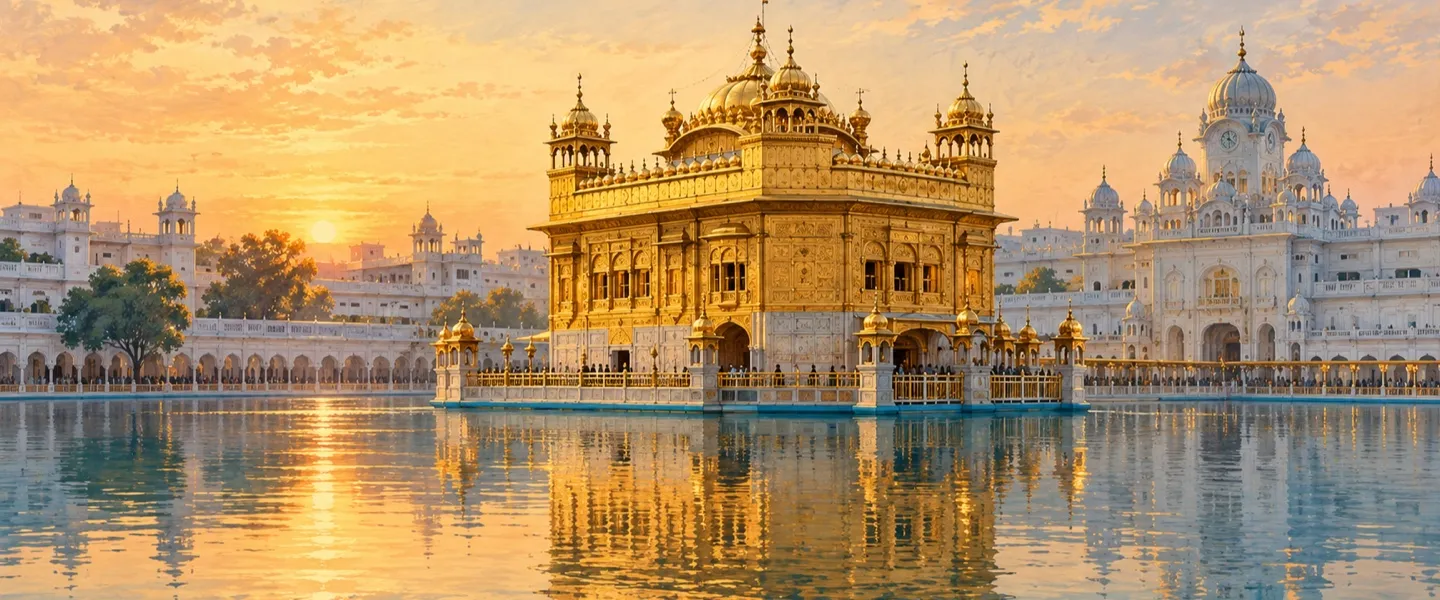
Udham Singh ਖ਼ਬਰਾਂ ਵਿੱਚ
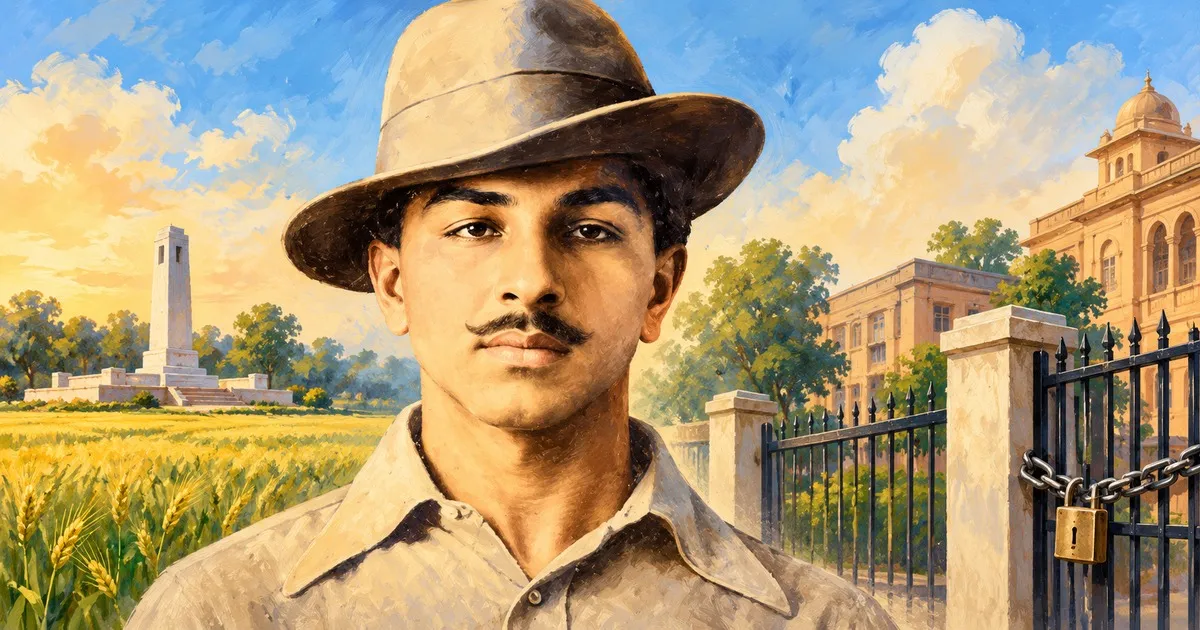 ਭਗਤ ਸਿੰਘ ਦੇ ਜਨਮ ਦਿਹਾੜੇ ਮੌਕੇ ਪੰਜਾਬ ਵਿੱਚ 28 ਸਤੰਬਰ ਨੂੰ ਸਰਕਾਰੀ ਛੁੱਟੀਭਗਤ ਸਿੰਘ ਦੇ ਜਨਮ ਦਿਹਾੜੇ ਮੌਕੇ ਪੰਜਾਬ ਵਿੱਚ 28 ਸਤੰਬਰ ਨੂੰ ਸਰਕਾਰੀ ਛੁੱਟੀ
More freedom struggle
ਸਾਰੇ ਵੇਖੋ


ਸਰੋਤ (2)
ਜੁਗਤੀ ਮੁਫ਼ਤ ਅਤੇ ਸੁਤੰਤਰ ਹੈ। ਪਾਠਕਾਂ ਦਾ ਸਹਿਯੋਗ ਕੋਸ਼ ਨੂੰ ਵਧਾਉਂਦਾ ਹੈ।
ਸਹਿਯੋਗ