
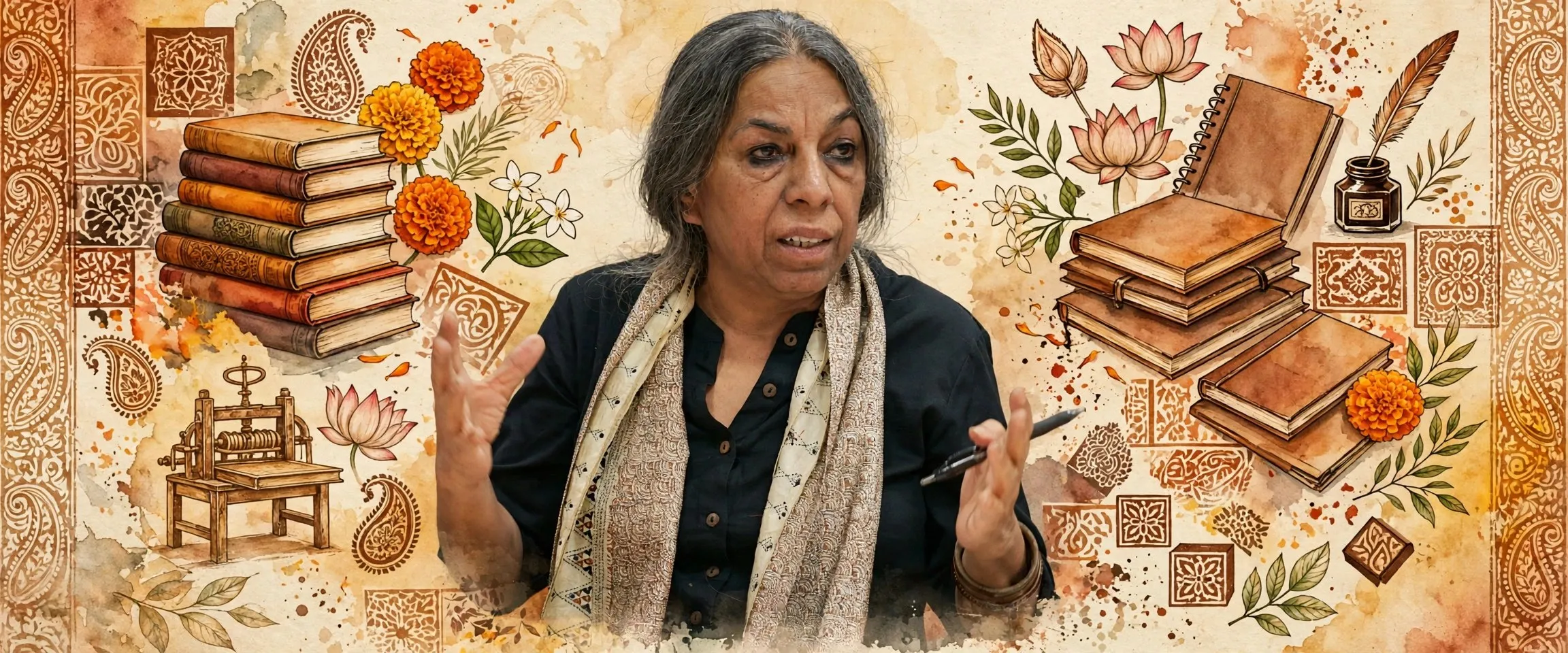
ਉਰਵਸ਼ੀ ਬੁਟਾਲੀਆ (ਜਨਮ 1952) ਪੰਜਾਬੀ ਵਿਰਾਸਤ ਵਾਲੀ ਇੱਕ ਭਾਰਤੀ ਲੇਖਕ, ਪ੍ਰਕਾਸ਼ਕ ਅਤੇ ਇਤਿਹਾਸਕਾਰ ਹਨ। ਉਨ੍ਹਾਂ ਨੇ 1984 ਵਿੱਚ ਕਾਲੀ ਫਾਰ ਵੂਮੈਨ, ਭਾਰਤ ਦੇ ਪਹਿਲੇ ਨਾਰੀਵਾਦੀ ਪ੍ਰਕਾਸ਼ਨ ਘਰ, ਦੀ ਸਹਿ-ਸਥਾਪਨਾ ਕੀਤੀ, 2003 ਵਿੱਚ ਜ਼ੁਬਾਨ ਬੁੱਕਸ ਦੀ ਸਥਾਪਨਾ ਕੀਤੀ, ਅਤੇ ਦਾ ਅਦਰ ਸਾਈਡ ਆਫ਼ ਸਾਈਲੈਂਸ (1998) ਲਿਖੀ, ਜੋ 1947 ਦੀ ਵੰਡ ਦਾ ਮੀਲ ਪੱਥਰ ਮੌਖਿਕ ਇਤਿਹਾਸ ਹੈ। ਉਨ੍ਹਾਂ ਨੂੰ 2011 ਵਿੱਚ ਪਦਮ ਸ਼੍ਰੀ ਮਿਲਿਆ।
ਜੀਵਨ ਇੱਕ ਨਜ਼ਰ ਵਿੱਚ
- 1952ਜਨਮ Ambala (then in Punjab, now in Haryana), India
- 1998ਸਭ ਤੋਂ ਜਾਣੀ ਰਚਨਾ The Other Side of Silence: Voices from the Partition of India
- 1998ਪਹਿਲੀ ਕਿਤਾਬ ਦਾ ਅਦਰ ਸਾਈਡ ਆਫ਼ ਸਾਈਲੈਂਸ
- 2002Other book Speaking Peace: Women's Voices from Kashmir
- ਪੰਜਾਬੀ ਨਾਂ
- ਉਰਵਸ਼ੀ ਬੁਟਾਲੀਆ
- ਜਨਮ
- 1952, ਅੰਬਾਲਾ (ਉਸ ਸਮੇਂ ਪੰਜਾਬ, ਹੁਣ ਹਰਿਆਣਾ), ਭਾਰਤ
- ਪਰਿਵਾਰ
- ਪੰਜਾਬੀ ਵਿਰਾਸਤ; ਮਾਤਾ ਸੁਭਦਰਾ ਬੁਟਾਲੀਆ ਔਰਤਾਂ ਲਈ ਸਲਾਹ ਕੇਂਦਰ ਚਲਾਉਂਦੀ ਸੀ
- ਸਿੱਖਿਆ
- ਬੀਏ ਸਾਹਿਤ, ਮਿਰਾਂਡਾ ਹਾਊਸ, ਦਿੱਲੀ ਯੂਨੀਵਰਸਿਟੀ, 1971; ਐਮਏ ਸਾਹਿਤ, ਦਿੱਲੀ ਯੂਨੀਵਰਸਿਟੀ, 1973; ਐਮਏ ਦੱਖਣੀ ਏਸ਼ੀਆਈ ਅਧਿਐਨ, ਲੰਡਨ ਯੂਨੀਵਰਸਿਟੀ, 1977
- ਅੰਦੋਲਨ ਜੜ੍ਹਾਂ
- ਕਾਲੀ ਤੋਂ ਪਹਿਲਾਂ ਲਗਭਗ ਇੱਕ ਦਹਾਕਾ ਔਰਤ ਅੰਦੋਲਨ ਵਿੱਚ ਸਰਗਰਮ; ਸਤਰੀ ਸੰਘਰਸ਼ ਸਮੂਹ; ਮਨੁਸ਼ੀ ਪਤ੍ਰਿਕਾ ਦਾ ਸੰਸਥਾਪਕ ਸਮੂਹ
- ਪ੍ਰਕਾਸ਼ਨ
- ਰਿਤੂ ਮੈਨਨ ਨਾਲ ਕਾਲੀ ਫਾਰ ਵੂਮੈਨ ਦੀ ਸਹਿ-ਸਥਾਪਨਾ, 1984; ਜ਼ੁਬਾਨ ਬੁੱਕਸ ਦੀ ਸਥਾਪਨਾ, 2003
All 11 facts
- ਸਭ ਤੋਂ ਜਾਣੀ ਰਚਨਾ
- ਦਾ ਅਦਰ ਸਾਈਡ ਆਫ਼ ਸਾਈਲੈਂਸ: ਵੌਇਸਿਜ਼ ਫਰਾਮ ਦਾ ਪਾਰਟੀਸ਼ਨ ਆਫ਼ ਇੰਡੀਆ (1998)
- ਹੋਰ ਕਿਤਾਬਾਂ
- ਸਪੀਕਿੰਗ ਪੀਸ: ਵੂਮੈਨਜ਼ ਵੌਇਸਿਜ਼ ਫਰਾਮ ਕਸ਼ਮੀਰ (2002); ਇਨ ਅਦਰ ਵਰਡਜ਼: ਨਿਊ ਰਾਈਟਿੰਗ ਬਾਈ ਇੰਡੀਅਨ ਵੂਮੈਨ (ਰਿਤੂ ਮੈਨਨ ਨਾਲ); ਇਨਰ ਲਾਈਨ (ਸੰਪਾਦਕ, 2006)
- ਸਨਮਾਨ
- ਪਦਮ ਸ਼੍ਰੀ, 2011 (ਰਿਤੂ ਮੈਨਨ ਨਾਲ); ਸ਼ੈਵਾਲੀਏ ਦੇਜ਼ ਆਰਟਸ ਐਟ ਦੇ ਲੈਟਰਜ਼, 2002; ਗੋਏਟੇ ਮੈਡਲ, 2017; ਪੰਡੋਰਾ ਇਨਾਮ, ਵੂਮੈਨ ਇਨ ਪਬਲਿਸ਼ਿੰਗ, 2000; ਰੋਟਰੀ ਰਾਈਟਿੰਗ ਫਾਰ ਪੀਸ ਇਨਾਮ, 2024
- ਭਾਸ਼ਾਵਾਂ
- ਹਿੰਦੀ, ਪੰਜਾਬੀ, ਬੰਗਾਲੀ, ਅੰਗਰੇਜ਼ੀ, ਇਤਾਲਵੀ ਅਤੇ ਫਰਾਂਸੀਸੀ
- ਸਥਿਤ
- ਨਵੀਂ ਦਿੱਲੀ, ਭਾਰਤ
Urvashi Butalia (born 1952) is an Indian writer, publisher and historian of Punjabi heritage whose oral history of the 1947 Partition, The Other Side of Silence (1998), changed how that event is studied and remembered. With Ritu Menon she co-founded Kali for Women, India's first feminist publishing house, in 1984, and she founded Zubaan Books in 2003.
Early life and education
Butalia was born in 1952 in Ambala, then in the Indian state of Punjab and now in Haryana. She was the third of four children of Subhadra, who ran a counselling centre for women, and Joginder Singh Butalia, in a progressive, atheist family of Punjabi heritage. The family had its own Partition story: like millions of Punjabi families, hers had fled Lahore for India in 1947, stories she heard as a child without fully taking them in. Her older sister is Bela, and her brothers are Pankaj, a documentary filmmaker known for a film on the widows of Vrindavan, and Rahul.
She studied literature at Delhi University, taking her BA at Miranda House in 1971 and her master's degree in 1973, then a master's degree in South Asian studies at the University of London in 1977. She speaks six languages, among them Punjabi, Hindi and Bengali, and is based in New Delhi.
How did feminism lead her to publishing?
The publishing house grew out of activism. For nearly a decade before Kali, Butalia was closely involved in the Indian women's movement, working with the group Stree Sangharsh on issues such as dowry and rape and in street plays on those questions. She was also part of the founding collective of Manushi, the women's magazine. In her own account, the movement knew little about the issues it was protesting, because the knowledge it needed had never been put into books.
After university she did not want to teach, and a job in publishing came to her almost by accident. Working among books, she realised that almost every book had been written by a man, and was about men, while the movement's questions, on violence against women and on women's rights, had almost no literature behind them. When she raised the gap with her employers, they showed no interest. She decided she would have to do it herself, and that decision became Kali for Women.
Kali for Women and Zubaan
Butalia began in publishing at Oxford University Press in Delhi, and in 1982 worked as an editor at Zed Books in London, where she helped set up its Women and Gender list. Returning to India, she and Ritu Menon set up Kali for Women in 1984 as a trust to grow the body of knowledge on women in the developing world and to provide a forum for women writers. The two founders quit their jobs and ran Kali from a small garage office with almost no funds, taking the name from Kali, the goddess of power. Virago Press and the Feminist Press abroad were part of the inspiration.
Kali became a landmark of Indian publishing. Its list included The History of Doing, Recasting Women, Vandana Shiva's Staying Alive and Shareer ki Jaankari, and its books are now contemporary classics in women and gender studies. At its peak Kali brought out about fifteen titles a year. In her own account, once Kali had shown that readers wanted books by women, the big publishers followed.
In 2003, after nineteen years of working together, the two founders parted ways. Menon started Women Unlimited, and Butalia founded Zubaan Books as an imprint of Kali. Zubaan, whose name means tongue, voice and language, also reclaims a word often used to dismiss women's talk. Zubaan publishes fiction and academic work on, for, by and about women in South Asia, including translations from many of India's languages into English and Hindi. Its Young Zubaan list pioneered books for young readers on subjects still hard to address in India, from alternative families to death and disability.
Zubaan's first bestseller was Baby Halder's A Life Less Ordinary, whose success helped the young house keep publishing. Its archival projects, Poster Women and Our Stories Our Words, document the history of women's writing and of the women's movement. The office moved to Shahpur Jat, one of Delhi's urban villages, in November 2008. A trust now carries its projects and social work, while Zubaan Publishers Pvt. Ltd., owned by five shareholders with Butalia as founder, publishes the books.
What is The Other Side of Silence about?
The Other Side of Silence: Voices from the Partition of India (1998) is an oral history of the 1947 Partition built from more than seventy interviews with survivors. It leaves out the leaders and the high politics of 1947, recording instead what ordinary people, above all women, children and Dalits, lived through and then kept silent about, with the violence done to women at the centre of the account.
The book began in relief work. Working in Delhi's relief camps for Sikh survivors of the November 1984 violence, she kept hearing survivors ask how such a thing could happen twice in one lifetime, and began the interviews that became the book. It stayed on India's bestseller lists for more than six months, is used as a text at Indian universities, and has been translated into many languages, including Chinese and Japanese. The Goethe Institut has called it one of the most influential books in South Asian studies in recent decades.
Speaking Peace and her wider writing
Her second oral history, Speaking Peace: Women's Voices from Kashmir (2002), turned the same listening method to a living conflict, recording how Kashmiri women lived with and spoke about the violence around them. As chairperson of the Aman Trust she worked in Kashmir and in Northeast India, studying what conflict does to women's lives.
With Ritu Menon she also edited In Other Words: New Writing by Indian Women, and with Tanika Sarkar she edited Women and the Hindu Right and Women and Right Wing Movements: Indian Experiences, both in 1995, the year of her Making a Difference: Feminist Publishing in the South. She later edited Inner Line: The Zubaan Book of Stories by Indian Women (2006) and Partition: The Long Shadow. Her essays and columns have appeared in The Guardian, The Statesman, The Times of India, Outlook and India Today, and she was a regular columnist for Tehelka. She has taught at Delhi University for over twenty years and is a visiting faculty member at Ashoka University.
Honours and legacy
Honours followed both the publishing and the writing. She won the Pandora Award from Women in Publishing in 2000, and France made her a Chevalier des Arts et des Lettres in 2002. The Other Side of Silence won the Oral History Book Association Award in 2001 and the Nikkei Asia Prize for Culture in 2003. In 2011 Butalia and Ritu Menon were jointly awarded the Padma Shri, India's fourth highest civilian award, for their work in literature and education. Germany awarded her the Goethe Medal in 2017. Her distinctions also include Poland's Bene Merito, and in November 2024 she received the Rotary Writing for Peace Award at the Mumbai Litfest.
Her lasting contribution is twofold. As a publisher, she built institutions that put women's writing into print and kept it there, showing over four decades that a feminist house could survive commercially. As a historian, she showed that the history of Partition lives not only in official records but in the memories families carried, often in silence, for half a century, giving those memories a permanent place in how South Asia understands 1947.
ਉਰਵਸ਼ੀ ਬੁਟਾਲੀਆ (ਜਨਮ 1952) ਪੰਜਾਬੀ ਵਿਰਾਸਤ ਵਾਲੀ ਇੱਕ ਭਾਰਤੀ ਲੇਖਕ, ਪ੍ਰਕਾਸ਼ਕ ਅਤੇ ਇਤਿਹਾਸਕਾਰ ਹਨ, ਜਿਨ੍ਹਾਂ ਦੀ 1947 ਦੀ ਵੰਡ ਬਾਰੇ ਮੌਖਿਕ ਇਤਿਹਾਸ ਵਾਲੀ ਕਿਤਾਬ ਦਾ ਅਦਰ ਸਾਈਡ ਆਫ਼ ਸਾਈਲੈਂਸ (1998) ਨੇ ਉਸ ਘਟਨਾ ਨੂੰ ਪੜ੍ਹਨ ਅਤੇ ਯਾਦ ਕਰਨ ਦਾ ਤਰੀਕਾ ਬਦਲ ਦਿੱਤਾ। ਰਿਤੂ ਮੈਨਨ ਨਾਲ ਮਿਲ ਕੇ ਉਨ੍ਹਾਂ ਨੇ 1984 ਵਿੱਚ ਕਾਲੀ ਫਾਰ ਵੂਮੈਨ, ਭਾਰਤ ਦੇ ਪਹਿਲੇ ਨਾਰੀਵਾਦੀ ਪ੍ਰਕਾਸ਼ਨ ਘਰ, ਦੀ ਸਹਿ-ਸਥਾਪਨਾ ਕੀਤੀ, ਅਤੇ 2003 ਵਿੱਚ ਉਨ੍ਹਾਂ ਨੇ ਜ਼ੁਬਾਨ ਬੁੱਕਸ ਦੀ ਸਥਾਪਨਾ ਕੀਤੀ।
ਮੁਢਲਾ ਜੀਵਨ ਅਤੇ ਸਿੱਖਿਆ
ਬੁਟਾਲੀਆ ਦਾ ਜਨਮ 1952 ਵਿੱਚ ਅੰਬਾਲਾ ਵਿੱਚ ਹੋਇਆ, ਜੋ ਉਸ ਸਮੇਂ ਭਾਰਤੀ ਪੰਜਾਬ ਵਿੱਚ ਸੀ ਅਤੇ ਹੁਣ ਹਰਿਆਣਾ ਵਿੱਚ ਹੈ। ਉਹ ਸੁਭਦਰਾ, ਜੋ ਔਰਤਾਂ ਲਈ ਇੱਕ ਸਲਾਹ ਕੇਂਦਰ ਚਲਾਉਂਦੀ ਸੀ, ਅਤੇ ਜੋਗਿੰਦਰ ਸਿੰਘ ਬੁਟਾਲੀਆ ਦੇ ਚਾਰ ਬੱਚਿਆਂ ਵਿੱਚੋਂ ਤੀਜੀ ਸਨ, ਅਤੇ ਉਨ੍ਹਾਂ ਦਾ ਪਰਿਵਾਰ ਪੰਜਾਬੀ ਵਿਰਾਸਤ ਵਾਲਾ, ਪ੍ਰਗਤੀਸ਼ੀਲ ਅਤੇ ਨਾਸਤਿਕ ਸੀ। ਪਰਿਵਾਰ ਦੀ ਆਪਣੀ ਵੰਡ ਦੀ ਕਹਾਣੀ ਸੀ: ਲੱਖਾਂ ਪੰਜਾਬੀ ਪਰਿਵਾਰਾਂ ਵਾਂਗ ਉਨ੍ਹਾਂ ਦਾ ਪਰਿਵਾਰ ਵੀ 1947 ਵਿੱਚ ਲਾਹੌਰ ਤੋਂ ਭਾਰਤ ਆਇਆ ਸੀ, ਅਤੇ ਇਹ ਕਹਾਣੀਆਂ ਉਨ੍ਹਾਂ ਨੇ ਬਚਪਨ ਵਿੱਚ ਸੁਣੀਆਂ, ਪਰ ਪੂਰੀ ਤਰ੍ਹਾਂ ਨਹੀਂ ਸਮਝੀਆਂ। ਉਨ੍ਹਾਂ ਦੀ ਵੱਡੀ ਭੈਣ ਬੇਲਾ ਹੈ, ਅਤੇ ਉਨ੍ਹਾਂ ਦੇ ਭਰਾ ਪੰਕਜ, ਜੋ ਵਰਿੰਦਾਵਨ ਦੀਆਂ ਵਿਧਵਾਵਾਂ ਉੱਤੇ ਬਣੀ ਫਿਲਮ ਲਈ ਜਾਣਿਆ ਜਾਂਦਾ ਦਸਤਾਵੇਜ਼ੀ ਫਿਲਮਕਾਰ ਹੈ, ਅਤੇ ਰਾਹੁਲ ਹਨ।
ਉਨ੍ਹਾਂ ਨੇ ਦਿੱਲੀ ਯੂਨੀਵਰਸਿਟੀ ਤੋਂ ਸਾਹਿਤ ਦੀ ਪੜ੍ਹਾਈ ਕੀਤੀ, 1971 ਵਿੱਚ ਮਿਰਾਂਡਾ ਹਾਊਸ ਤੋਂ ਬੀਏ ਅਤੇ 1973 ਵਿੱਚ ਮਾਸਟਰ ਡਿਗਰੀ ਲਈ, ਫਿਰ 1977 ਵਿੱਚ ਲੰਡਨ ਯੂਨੀਵਰਸਿਟੀ ਤੋਂ ਦੱਖਣੀ ਏਸ਼ੀਆਈ ਅਧਿਐਨ ਵਿੱਚ ਮਾਸਟਰ ਡਿਗਰੀ ਕੀਤੀ। ਉਹ ਛੇ ਭਾਸ਼ਾਵਾਂ ਬੋਲਦੀਆਂ ਹਨ, ਜਿਨ੍ਹਾਂ ਵਿੱਚ ਪੰਜਾਬੀ, ਹਿੰਦੀ ਅਤੇ ਬੰਗਾਲੀ ਸ਼ਾਮਲ ਹਨ, ਅਤੇ ਉਹ ਨਵੀਂ ਦਿੱਲੀ ਵਿੱਚ ਰਹਿੰਦੀਆਂ ਹਨ।
ਨਾਰੀਵਾਦ ਨੇ ਉਨ੍ਹਾਂ ਨੂੰ ਪ੍ਰਕਾਸ਼ਨ ਵੱਲ ਕਿਵੇਂ ਲਿਆਂਦਾ?
ਪ੍ਰਕਾਸ਼ਨ ਘਰ ਸਰਗਰਮੀ ਵਿੱਚੋਂ ਨਿਕਲਿਆ। ਕਾਲੀ ਤੋਂ ਪਹਿਲਾਂ ਲਗਭਗ ਇੱਕ ਦਹਾਕੇ ਤੱਕ ਬੁਟਾਲੀਆ ਭਾਰਤੀ ਔਰਤ ਅੰਦੋਲਨ ਨਾਲ ਡੂੰਘੀ ਤਰ੍ਹਾਂ ਜੁੜੀਆਂ ਰਹੀਆਂ, ਸਤਰੀ ਸੰਘਰਸ਼ ਨਾਂ ਦੇ ਸਮੂਹ ਨਾਲ ਦਾਜ ਅਤੇ ਬਲਾਤਕਾਰ ਵਰਗੇ ਮੁੱਦਿਆਂ ਉੱਤੇ ਕੰਮ ਕਰਦੀਆਂ ਰਹੀਆਂ ਅਤੇ ਇਨ੍ਹਾਂ ਸਵਾਲਾਂ ਉੱਤੇ ਗਲੀ ਨਾਟਕਾਂ ਵਿੱਚ ਹਿੱਸਾ ਲੈਂਦੀਆਂ ਰਹੀਆਂ। ਉਹ ਔਰਤਾਂ ਦੀ ਪਤ੍ਰਿਕਾ ਮਨੁਸ਼ੀ ਦੇ ਸੰਸਥਾਪਕ ਸਮੂਹ ਦਾ ਵੀ ਹਿੱਸਾ ਸਨ। ਉਨ੍ਹਾਂ ਦੇ ਆਪਣੇ ਕਥਨ ਅਨੁਸਾਰ, ਅੰਦੋਲਨ ਨੂੰ ਉਨ੍ਹਾਂ ਮੁੱਦਿਆਂ ਬਾਰੇ ਘੱਟ ਪਤਾ ਸੀ ਜਿਨ੍ਹਾਂ ਵਿਰੁੱਧ ਉਹ ਲੜ ਰਿਹਾ ਸੀ, ਕਿਉਂਕਿ ਉਸ ਨੂੰ ਲੋੜੀਂਦਾ ਗਿਆਨ ਕਦੇ ਕਿਤਾਬਾਂ ਵਿੱਚ ਆਇਆ ਹੀ ਨਹੀਂ ਸੀ।
ਯੂਨੀਵਰਸਿਟੀ ਤੋਂ ਬਾਅਦ ਉਹ ਪੜ੍ਹਾਉਣਾ ਨਹੀਂ ਚਾਹੁੰਦੀਆਂ ਸਨ, ਅਤੇ ਪ੍ਰਕਾਸ਼ਨ ਦੀ ਨੌਕਰੀ ਉਨ੍ਹਾਂ ਨੂੰ ਲਗਭਗ ਇਤਫ਼ਾਕ ਨਾਲ ਮਿਲ ਗਈ। ਕਿਤਾਬਾਂ ਵਿਚਕਾਰ ਕੰਮ ਕਰਦਿਆਂ ਉਨ੍ਹਾਂ ਨੇ ਮਹਿਸੂਸ ਕੀਤਾ ਕਿ ਉਨ੍ਹਾਂ ਨੇ ਜਿਹੜੀ ਵੀ ਕਿਤਾਬ ਵੇਖੀ, ਲਗਭਗ ਹਰ ਇੱਕ ਕਿਸੇ ਮਰਦ ਨੇ ਲਿਖੀ ਸੀ ਅਤੇ ਮਰਦਾਂ ਬਾਰੇ ਹੀ ਸੀ, ਜਦੋਂ ਕਿ ਅੰਦੋਲਨ ਸਾਹਮਣੇ ਖੜ੍ਹੇ ਸਵਾਲਾਂ, ਔਰਤਾਂ ਵਿਰੁੱਧ ਹਿੰਸਾ ਅਤੇ ਔਰਤਾਂ ਦੇ ਹੱਕਾਂ, ਪਿੱਛੇ ਲਗਭਗ ਕੋਈ ਸਾਹਿਤ ਨਹੀਂ ਸੀ। ਜਦੋਂ ਉਨ੍ਹਾਂ ਨੇ ਇਹ ਘਾਟ ਆਪਣੇ ਮਾਲਕਾਂ ਸਾਹਮਣੇ ਰੱਖੀ, ਤਾਂ ਉਨ੍ਹਾਂ ਨੇ ਕੋਈ ਦਿਲਚਸਪੀ ਨਾ ਵਿਖਾਈ। ਉਨ੍ਹਾਂ ਨੇ ਫੈਸਲਾ ਕੀਤਾ ਕਿ ਇਹ ਕੰਮ ਉਨ੍ਹਾਂ ਨੂੰ ਆਪ ਹੀ ਕਰਨਾ ਪਵੇਗਾ, ਅਤੇ ਉਹੋ ਫੈਸਲਾ ਕਾਲੀ ਫਾਰ ਵੂਮੈਨ ਬਣਿਆ।
ਕਾਲੀ ਫਾਰ ਵੂਮੈਨ ਅਤੇ ਜ਼ੁਬਾਨ
ਬੁਟਾਲੀਆ ਨੇ ਪ੍ਰਕਾਸ਼ਨ ਦੀ ਸ਼ੁਰੂਆਤ ਦਿੱਲੀ ਵਿੱਚ ਆਕਸਫੋਰਡ ਯੂਨੀਵਰਸਿਟੀ ਪ੍ਰੈੱਸ ਤੋਂ ਕੀਤੀ, ਅਤੇ 1982 ਵਿੱਚ ਲੰਡਨ ਦੇ ਜ਼ੈੱਡ ਬੁੱਕਸ ਵਿੱਚ ਸੰਪਾਦਕ ਵਜੋਂ ਕੰਮ ਕੀਤਾ, ਜਿੱਥੇ ਉਨ੍ਹਾਂ ਨੇ ਇਸ ਦੀ ਵੂਮੈਨ ਐਂਡ ਜੈਂਡਰ ਸੂਚੀ ਬਣਾਉਣ ਵਿੱਚ ਮਦਦ ਕੀਤੀ। ਭਾਰਤ ਵਾਪਸ ਆ ਕੇ ਉਨ੍ਹਾਂ ਨੇ ਅਤੇ ਰਿਤੂ ਮੈਨਨ ਨੇ 1984 ਵਿੱਚ ਕਾਲੀ ਫਾਰ ਵੂਮੈਨ ਦੀ ਸਥਾਪਨਾ ਇੱਕ ਟਰੱਸਟ ਵਜੋਂ ਕੀਤੀ, ਜਿਸ ਦਾ ਮਕਸਦ ਵਿਕਾਸਸ਼ੀਲ ਸੰਸਾਰ ਵਿੱਚ ਔਰਤਾਂ ਬਾਰੇ ਗਿਆਨ ਵਧਾਉਣਾ ਅਤੇ ਔਰਤ ਲੇਖਕਾਂ ਨੂੰ ਇੱਕ ਮੰਚ ਦੇਣਾ ਸੀ। ਦੋਵੇਂ ਸੰਸਥਾਪਕਾਂ ਨੇ ਆਪਣੀਆਂ ਨੌਕਰੀਆਂ ਛੱਡ ਦਿੱਤੀਆਂ ਅਤੇ ਲਗਭਗ ਬਿਨਾਂ ਫੰਡਾਂ ਦੇ ਕਾਲੀ ਨੂੰ ਇੱਕ ਛੋਟੇ ਜਿਹੇ ਗਰਾਜ ਦਫਤਰ ਤੋਂ ਚਲਾਇਆ, ਅਤੇ ਇਸ ਦਾ ਨਾਂ ਸ਼ਕਤੀ ਦੀ ਦੇਵੀ ਕਾਲੀ ਤੋਂ ਲਿਆ। ਵਿਦੇਸ਼ਾਂ ਦੇ ਵੀਰਾਗੋ ਪ੍ਰੈੱਸ ਅਤੇ ਦਾ ਫੈਮਿਨਿਸਟ ਪ੍ਰੈੱਸ ਇਸ ਦੀ ਪ੍ਰੇਰਨਾ ਦਾ ਹਿੱਸਾ ਸਨ।
ਕਾਲੀ ਭਾਰਤੀ ਪ੍ਰਕਾਸ਼ਨ ਦੀ ਇੱਕ ਮੀਲ ਪੱਥਰ ਬਣ ਗਈ। ਇਸ ਦੀ ਸੂਚੀ ਵਿੱਚ ਦਾ ਹਿਸਟਰੀ ਆਫ਼ ਡੂਇੰਗ, ਰੀਕਾਸਟਿੰਗ ਵੂਮੈਨ, ਵੰਦਨਾ ਸ਼ਿਵਾ ਦੀ ਸਟੇਇੰਗ ਅਲਾਈਵ ਅਤੇ ਸ਼ਰੀਰ ਕੀ ਜਾਣਕਾਰੀ ਸ਼ਾਮਲ ਸਨ, ਅਤੇ ਇਸ ਦੀਆਂ ਕਿਤਾਬਾਂ ਹੁਣ ਔਰਤ ਅਤੇ ਲਿੰਗ ਅਧਿਐਨ ਵਿੱਚ ਸਮਕਾਲੀ ਕਲਾਸਿਕ ਮੰਨੀਆਂ ਜਾਂਦੀਆਂ ਹਨ। ਆਪਣੇ ਸਿਖਰ ਉੱਤੇ ਕਾਲੀ ਸਾਲ ਵਿੱਚ ਲਗਭਗ ਪੰਦਰਾਂ ਕਿਤਾਬਾਂ ਕੱਢਦੀ ਸੀ। ਉਨ੍ਹਾਂ ਦੇ ਆਪਣੇ ਕਥਨ ਅਨੁਸਾਰ, ਜਦੋਂ ਕਾਲੀ ਨੇ ਵਿਖਾ ਦਿੱਤਾ ਕਿ ਪਾਠਕ ਔਰਤਾਂ ਦੀਆਂ ਕਿਤਾਬਾਂ ਚਾਹੁੰਦੇ ਹਨ, ਤਾਂ ਵੱਡੇ ਪ੍ਰਕਾਸ਼ਕ ਵੀ ਇਸ ਪਿੱਛੇ ਆ ਗਏ।
2003 ਵਿੱਚ, ਉੱਨੀ ਸਾਲ ਇਕੱਠੇ ਕੰਮ ਕਰਨ ਤੋਂ ਬਾਅਦ, ਦੋਵੇਂ ਸੰਸਥਾਪਕ ਵੱਖ ਹੋ ਗਈਆਂ। ਮੈਨਨ ਨੇ ਵੂਮੈਨ ਅਨਲਿਮਿਟਿਡ ਸ਼ੁਰੂ ਕੀਤਾ, ਅਤੇ ਬੁਟਾਲੀਆ ਨੇ ਕਾਲੀ ਦੇ ਛਾਪੇ ਵਜੋਂ ਜ਼ੁਬਾਨ ਬੁੱਕਸ ਦੀ ਸਥਾਪਨਾ ਕੀਤੀ। ਜ਼ੁਬਾਨ, ਜਿਸ ਦੇ ਨਾਂ ਦਾ ਅਰਥ ਹੈ ਜ਼ੁਬਾਨ, ਆਵਾਜ਼ ਅਤੇ ਭਾਸ਼ਾ, ਇੱਕ ਅਜਿਹੇ ਸ਼ਬਦ ਨੂੰ ਵੀ ਮੁੜ ਅਪਣਾਉਂਦੀ ਹੈ ਜੋ ਅਕਸਰ ਔਰਤਾਂ ਦੀ ਗੱਲਬਾਤ ਨੂੰ ਛੁਟਿਆਉਣ ਲਈ ਵਰਤਿਆ ਜਾਂਦਾ ਹੈ। ਜ਼ੁਬਾਨ ਦੱਖਣੀ ਏਸ਼ੀਆ ਵਿੱਚ ਔਰਤਾਂ ਬਾਰੇ, ਔਰਤਾਂ ਲਈ ਅਤੇ ਔਰਤਾਂ ਵੱਲੋਂ ਲਿਖਿਆ ਗਲਪ ਅਤੇ ਅਕਾਦਮਿਕ ਕੰਮ ਛਾਪਦੀ ਹੈ, ਜਿਸ ਵਿੱਚ ਭਾਰਤ ਦੀਆਂ ਕਈ ਭਾਸ਼ਾਵਾਂ ਤੋਂ ਅੰਗਰੇਜ਼ੀ ਅਤੇ ਹਿੰਦੀ ਵਿੱਚ ਅਨੁਵਾਦ ਵੀ ਸ਼ਾਮਲ ਹਨ। ਇਸ ਦੀ ਯੰਗ ਜ਼ੁਬਾਨ ਸੂਚੀ ਨੇ ਨੌਜਵਾਨ ਪਾਠਕਾਂ ਲਈ ਉਨ੍ਹਾਂ ਵਿਸ਼ਿਆਂ ਉੱਤੇ ਕਿਤਾਬਾਂ ਦੀ ਸ਼ੁਰੂਆਤ ਕੀਤੀ ਜਿਨ੍ਹਾਂ ਬਾਰੇ ਭਾਰਤ ਵਿੱਚ ਗੱਲ ਕਰਨੀ ਅਜੇ ਵੀ ਔਖੀ ਹੈ, ਜਿਵੇਂ ਬਦਲਵੇਂ ਪਰਿਵਾਰ, ਮੌਤ ਅਤੇ ਅਪੰਗਤਾ।
ਜ਼ੁਬਾਨ ਦੀ ਪਹਿਲੀ ਸਭ ਤੋਂ ਵੱਧ ਵਿਕਣ ਵਾਲੀ ਕਿਤਾਬ ਬੇਬੀ ਹਾਲਦਰ ਦੀ ਅ ਲਾਈਫ ਲੈੱਸ ਆਰਡਿਨਰੀ ਸੀ, ਜਿਸ ਦੀ ਸਫਲਤਾ ਨੇ ਨਵੇਂ ਘਰ ਨੂੰ ਛਾਪਦੇ ਰਹਿਣ ਵਿੱਚ ਮਦਦ ਕੀਤੀ। ਇਸ ਦੇ ਪੁਰਾਲੇਖ ਪ੍ਰੋਜੈਕਟ, ਪੋਸਟਰ ਵੂਮੈਨ ਅਤੇ ਆਵਰ ਸਟੋਰੀਜ਼ ਆਵਰ ਵਰਡਜ਼, ਔਰਤਾਂ ਦੀ ਲਿਖਤ ਅਤੇ ਔਰਤ ਅੰਦੋਲਨ ਦੇ ਇਤਿਹਾਸ ਨੂੰ ਦਰਜ ਕਰਦੇ ਹਨ। ਦਫਤਰ ਨਵੰਬਰ 2008 ਵਿੱਚ ਸ਼ਾਹਪੁਰ ਜਾਟ, ਜੋ ਦਿੱਲੀ ਦੇ ਸ਼ਹਿਰੀ ਪਿੰਡਾਂ ਵਿੱਚੋਂ ਇੱਕ ਹੈ, ਵਿੱਚ ਚਲਾ ਗਿਆ। ਇੱਕ ਟਰੱਸਟ ਹੁਣ ਇਸ ਦੇ ਪ੍ਰੋਜੈਕਟ ਅਤੇ ਸਮਾਜਿਕ ਕੰਮ ਸਾਂਭਦਾ ਹੈ, ਜਦੋਂ ਕਿ ਜ਼ੁਬਾਨ ਪਬਲਿਸ਼ਰਜ਼ ਪ੍ਰਾਈਵੇਟ ਲਿਮਿਟਿਡ, ਜਿਸ ਦੇ ਪੰਜ ਹਿੱਸੇਦਾਰ ਹਨ ਅਤੇ ਬੁਟਾਲੀਆ ਇਸ ਦੀ ਸੰਸਥਾਪਕ ਹੈ, ਕਿਤਾਬਾਂ ਛਾਪਦੀ ਹੈ।
ਦਾ ਅਦਰ ਸਾਈਡ ਆਫ਼ ਸਾਈਲੈਂਸ ਕਿਸ ਬਾਰੇ ਹੈ?
ਦਾ ਅਦਰ ਸਾਈਡ ਆਫ਼ ਸਾਈਲੈਂਸ: ਵੌਇਸਿਜ਼ ਫਰਾਮ ਦਾ ਪਾਰਟੀਸ਼ਨ ਆਫ਼ ਇੰਡੀਆ (1998) 1947 ਦੀ ਵੰਡ ਦਾ ਇੱਕ ਮੌਖਿਕ ਇਤਿਹਾਸ ਹੈ, ਜੋ ਪੀੜਤਾਂ ਨਾਲ ਸੱਤਰ ਤੋਂ ਵੱਧ ਗੱਲਬਾਤਾਂ ਤੋਂ ਬਣਿਆ ਹੈ। ਇਹ ਕਿਤਾਬ ਜਾਣ ਬੁੱਝ ਕੇ 1947 ਦੇ ਆਗੂਆਂ ਅਤੇ ਵੱਡੀ ਰਾਜਨੀਤੀ ਨੂੰ ਛੱਡਦੀ ਹੈ ਅਤੇ ਇਸ ਦੀ ਥਾਂ ਇਹ ਦਰਜ ਕਰਦੀ ਹੈ ਕਿ ਆਮ ਲੋਕਾਂ, ਖਾਸ ਕਰ ਕੇ ਔਰਤਾਂ, ਬੱਚਿਆਂ ਅਤੇ ਦਲਿਤਾਂ ਨੇ ਕੀ ਸਹਿਣ ਕੀਤਾ ਅਤੇ ਫਿਰ ਉਸ ਬਾਰੇ ਕੀ ਚੁੱਪ ਰਹੇ, ਅਤੇ ਇਸ ਬਿਆਨ ਦੇ ਕੇਂਦਰ ਵਿੱਚ ਔਰਤਾਂ ਨਾਲ ਹੋਈ ਹਿੰਸਾ ਹੈ।
ਇਹ ਕਿਤਾਬ ਰਾਹਤ ਕੰਮ ਵਿੱਚੋਂ ਸ਼ੁਰੂ ਹੋਈ। ਨਵੰਬਰ 1984 ਦੀ ਹਿੰਸਾ ਦੇ ਸਿੱਖ ਪੀੜਤਾਂ ਲਈ ਦਿੱਲੀ ਦੇ ਰਾਹਤ ਕੈਂਪਾਂ ਵਿੱਚ ਕੰਮ ਕਰਦਿਆਂ ਉਨ੍ਹਾਂ ਨੇ ਵਾਰ ਵਾਰ ਲੋਕਾਂ ਨੂੰ ਇਹ ਪੁੱਛਦਿਆਂ ਸੁਣਿਆ ਕਿ ਅਜਿਹਾ ਇੱਕੋ ਜੀਵਨ ਵਿੱਚ ਦੋ ਵਾਰ ਕਿਵੇਂ ਹੋ ਸਕਦਾ ਹੈ, ਅਤੇ ਉੱਥੋਂ ਉਹ ਗੱਲਬਾਤਾਂ ਸ਼ੁਰੂ ਕੀਤੀਆਂ ਜੋ ਇਹ ਕਿਤਾਬ ਬਣੀਆਂ। ਇਹ ਛੇ ਮਹੀਨਿਆਂ ਤੋਂ ਵੱਧ ਸਮਾਂ ਭਾਰਤ ਦੀਆਂ ਸਭ ਤੋਂ ਵੱਧ ਵਿਕਣ ਵਾਲੀਆਂ ਕਿਤਾਬਾਂ ਦੀਆਂ ਸੂਚੀਆਂ ਵਿੱਚ ਰਹੀ, ਭਾਰਤੀ ਯੂਨੀਵਰਸਿਟੀਆਂ ਵਿੱਚ ਪਾਠ ਵਜੋਂ ਵਰਤੀ ਜਾਣ ਲੱਗੀ, ਅਤੇ ਕਈ ਭਾਸ਼ਾਵਾਂ ਵਿੱਚ ਅਨੁਵਾਦ ਹੋਈ, ਜਿਨ੍ਹਾਂ ਵਿੱਚ ਚੀਨੀ ਅਤੇ ਜਾਪਾਨੀ ਵੀ ਸ਼ਾਮਲ ਹਨ। ਗੋਏਟੇ ਇੰਸਟਿਟਿਊਟ ਨੇ ਇਸ ਨੂੰ ਹਾਲ ਦੇ ਦਹਾਕਿਆਂ ਵਿੱਚ ਦੱਖਣੀ ਏਸ਼ੀਆਈ ਅਧਿਐਨ ਦੀਆਂ ਸਭ ਤੋਂ ਪ੍ਰਭਾਵਸ਼ਾਲੀ ਕਿਤਾਬਾਂ ਵਿੱਚੋਂ ਇੱਕ ਕਿਹਾ ਹੈ।
ਸਪੀਕਿੰਗ ਪੀਸ ਅਤੇ ਉਨ੍ਹਾਂ ਦੀ ਵਿਆਪਕ ਲਿਖਤ
ਉਨ੍ਹਾਂ ਦਾ ਦੂਜਾ ਮੌਖਿਕ ਇਤਿਹਾਸ, ਸਪੀਕਿੰਗ ਪੀਸ: ਵੂਮੈਨਜ਼ ਵੌਇਸਿਜ਼ ਫਰਾਮ ਕਸ਼ਮੀਰ (2002), ਉਹੋ ਸੁਣਨ ਵਾਲਾ ਤਰੀਕਾ ਇੱਕ ਜਿਉਂਦੇ ਟਕਰਾਅ ਵੱਲ ਲੈ ਗਿਆ, ਅਤੇ ਇਸ ਵਿੱਚ ਦਰਜ ਹੈ ਕਿ ਕਸ਼ਮੀਰੀ ਔਰਤਾਂ ਆਪਣੇ ਆਲੇ ਦੁਆਲੇ ਦੀ ਹਿੰਸਾ ਨਾਲ ਕਿਵੇਂ ਜੀਵੀਆਂ ਅਤੇ ਉਸ ਬਾਰੇ ਕੀ ਬੋਲੀਆਂ। ਅਮਨ ਟਰੱਸਟ ਦੀ ਚੇਅਰਪਰਸਨ ਵਜੋਂ ਉਨ੍ਹਾਂ ਨੇ ਕਸ਼ਮੀਰ ਅਤੇ ਉੱਤਰ ਪੂਰਬੀ ਭਾਰਤ ਵਿੱਚ ਕੰਮ ਕੀਤਾ, ਖਾਸ ਕਰ ਕੇ ਇਹ ਵੇਖਦਿਆਂ ਕਿ ਟਕਰਾਅ ਔਰਤਾਂ ਦੇ ਜੀਵਨ ਨਾਲ ਕੀ ਕਰਦਾ ਹੈ।
ਰਿਤੂ ਮੈਨਨ ਨਾਲ ਉਨ੍ਹਾਂ ਨੇ ਇਨ ਅਦਰ ਵਰਡਜ਼: ਨਿਊ ਰਾਈਟਿੰਗ ਬਾਈ ਇੰਡੀਅਨ ਵੂਮੈਨ ਦਾ ਸੰਪਾਦਨ ਵੀ ਕੀਤਾ, ਅਤੇ ਤਨਿਕਾ ਸਰਕਾਰ ਨਾਲ ਉਨ੍ਹਾਂ ਨੇ ਵੂਮੈਨ ਐਂਡ ਦਾ ਹਿੰਦੂ ਰਾਈਟ ਅਤੇ ਵੂਮੈਨ ਐਂਡ ਰਾਈਟ ਵਿੰਗ ਮੂਵਮੈਂਟਸ: ਇੰਡੀਅਨ ਐਕਸਪੀਰੀਐਂਸਿਜ਼ ਦਾ ਸੰਪਾਦਨ ਕੀਤਾ, ਦੋਵੇਂ 1995 ਵਿੱਚ, ਜਿਸ ਸਾਲ ਉਨ੍ਹਾਂ ਦੀ ਮੇਕਿੰਗ ਅ ਡਿਫਰੈਂਸ: ਫੈਮਿਨਿਸਟ ਪਬਲਿਸ਼ਿੰਗ ਇਨ ਦਾ ਸਾਊਥ ਵੀ ਆਈ। ਉਨ੍ਹਾਂ ਦੇ ਬਾਅਦ ਦੇ ਸੰਪਾਦਿਤ ਸੰਗ੍ਰਹਿਾਂ ਵਿੱਚ ਇਨਰ ਲਾਈਨ: ਦਾ ਜ਼ੁਬਾਨ ਬੁੱਕ ਆਫ਼ ਸਟੋਰੀਜ਼ ਬਾਈ ਇੰਡੀਅਨ ਵੂਮੈਨ (2006) ਅਤੇ ਪਾਰਟੀਸ਼ਨ: ਦਾ ਲਾਂਗ ਸ਼ੈਡੋ ਸ਼ਾਮਲ ਹਨ। ਉਨ੍ਹਾਂ ਦੇ ਲੇਖ ਅਤੇ ਕਾਲਮ ਦਾ ਗਾਰਡੀਅਨ, ਦਾ ਸਟੇਟਸਮੈਨ, ਦਾ ਟਾਈਮਜ਼ ਆਫ਼ ਇੰਡੀਆ, ਆਊਟਲੁੱਕ ਅਤੇ ਇੰਡੀਆ ਟੁਡੇ ਵਿੱਚ ਛਪੇ ਹਨ, ਅਤੇ ਉਹ ਤਹਿਲਕਾ ਲਈ ਨਿਯਮਿਤ ਕਾਲਮ ਲੇਖਕ ਰਹੀਆਂ ਹਨ। ਉਨ੍ਹਾਂ ਨੇ ਵੀਹ ਸਾਲ ਤੋਂ ਵੱਧ ਸਮਾਂ ਦਿੱਲੀ ਯੂਨੀਵਰਸਿਟੀ ਵਿੱਚ ਪੜ੍ਹਾਇਆ ਹੈ ਅਤੇ ਉਹ ਅਸ਼ੋਕਾ ਯੂਨੀਵਰਸਿਟੀ ਵਿੱਚ ਵਿਜ਼ਿਟਿੰਗ ਫੈਕਲਟੀ ਹਨ।
ਸਨਮਾਨ ਅਤੇ ਵਿਰਾਸਤ
ਸਨਮਾਨ ਪ੍ਰਕਾਸ਼ਨ ਅਤੇ ਲਿਖਤ ਦੋਹਾਂ ਪਿੱਛੇ ਆਏ। ਉਨ੍ਹਾਂ ਨੇ 2000 ਵਿੱਚ ਵੂਮੈਨ ਇਨ ਪਬਲਿਸ਼ਿੰਗ ਵੱਲੋਂ ਪੰਡੋਰਾ ਇਨਾਮ ਜਿੱਤਿਆ, ਅਤੇ 2002 ਵਿੱਚ ਫਰਾਂਸ ਨੇ ਉਨ੍ਹਾਂ ਨੂੰ ਸ਼ੈਵਾਲੀਏ ਦੇਜ਼ ਆਰਟਸ ਐਟ ਦੇ ਲੈਟਰਜ਼ ਬਣਾਇਆ। ਦਾ ਅਦਰ ਸਾਈਡ ਆਫ਼ ਸਾਈਲੈਂਸ ਨੇ 2001 ਵਿੱਚ ਓਰਲ ਹਿਸਟਰੀ ਬੁੱਕ ਐਸੋਸੀਏਸ਼ਨ ਇਨਾਮ ਅਤੇ 2003 ਵਿੱਚ ਨਿੱਕੇਈ ਏਸ਼ੀਆ ਪ੍ਰਾਈਜ਼ ਫਾਰ ਕਲਚਰ ਜਿੱਤਿਆ। 2011 ਵਿੱਚ ਬੁਟਾਲੀਆ ਅਤੇ ਰਿਤੂ ਮੈਨਨ ਨੂੰ ਸਾਹਿਤ ਅਤੇ ਸਿੱਖਿਆ ਦੇ ਖੇਤਰ ਵਿੱਚ ਉਨ੍ਹਾਂ ਦੇ ਕੰਮ ਲਈ ਸਾਂਝੇ ਤੌਰ ਉੱਤੇ ਪਦਮ ਸ਼੍ਰੀ ਦਿੱਤਾ ਗਿਆ, ਜੋ ਭਾਰਤ ਦਾ ਚੌਥਾ ਸਭ ਤੋਂ ਵੱਡਾ ਨਾਗਰਿਕ ਸਨਮਾਨ ਹੈ। ਜਰਮਨੀ ਨੇ 2017 ਵਿੱਚ ਉਨ੍ਹਾਂ ਨੂੰ ਗੋਏਟੇ ਮੈਡਲ ਦਿੱਤਾ। ਉਨ੍ਹਾਂ ਦੇ ਸਨਮਾਨਾਂ ਵਿੱਚ ਪੋਲੈਂਡ ਦਾ ਬੇਨੇ ਮੇਰੀਟੋ ਵੀ ਸ਼ਾਮਲ ਹੈ, ਅਤੇ ਨਵੰਬਰ 2024 ਵਿੱਚ ਉਨ੍ਹਾਂ ਨੂੰ ਮੁੰਬਈ ਲਿਟਫੈਸਟ ਵਿੱਚ ਰੋਟਰੀ ਰਾਈਟਿੰਗ ਫਾਰ ਪੀਸ ਇਨਾਮ ਮਿਲਿਆ।
ਉਨ੍ਹਾਂ ਦਾ ਸਥਾਈ ਯੋਗਦਾਨ ਦੋਹਰਾ ਹੈ। ਪ੍ਰਕਾਸ਼ਕ ਵਜੋਂ ਉਨ੍ਹਾਂ ਨੇ ਅਜਿਹੀਆਂ ਸੰਸਥਾਵਾਂ ਬਣਾਈਆਂ ਜਿਨ੍ਹਾਂ ਨੇ ਔਰਤਾਂ ਦੀ ਲਿਖਤ ਨੂੰ ਛਾਪਿਆ ਅਤੇ ਉੱਥੇ ਬਣਾਈ ਰੱਖਿਆ, ਅਤੇ ਚਾਰ ਦਹਾਕਿਆਂ ਵਿੱਚ ਇਹ ਵਿਖਾਇਆ ਕਿ ਇੱਕ ਨਾਰੀਵਾਦੀ ਘਰ ਵਪਾਰਕ ਤੌਰ ਉੱਤੇ ਵੀ ਟਿਕ ਸਕਦਾ ਹੈ। ਇਤਿਹਾਸਕਾਰ ਵਜੋਂ ਉਨ੍ਹਾਂ ਨੇ ਦਿਖਾਇਆ ਕਿ ਵੰਡ ਦਾ ਇਤਿਹਾਸ ਸਿਰਫ ਸਰਕਾਰੀ ਰਿਕਾਰਡਾਂ ਵਿੱਚ ਨਹੀਂ, ਸਗੋਂ ਉਨ੍ਹਾਂ ਯਾਦਾਂ ਵਿੱਚ ਵੀ ਜੀਉਂਦਾ ਹੈ ਜੋ ਪਰਿਵਾਰ ਅੱਧੀ ਸਦੀ ਤੱਕ ਚੁੱਪ ਵਿੱਚ ਢੋਂਦੇ ਰਹੇ, ਅਤੇ ਉਨ੍ਹਾਂ ਯਾਦਾਂ ਨੂੰ ਸਥਾਈ ਥਾਂ ਮਿਲੀ ਕਿ ਦੱਖਣੀ ਏਸ਼ੀਆ 1947 ਨੂੰ ਕਿਵੇਂ ਸਮਝਦਾ ਹੈ।
ਰਚਨਾਵਾਂ
ਲੋਕ

More people




ਸਰੋਤ (11)
- Urvashi Butalia, Wikipedia
- Urvashi Butalia, Heinrich Boll Stiftung
- Urvashi Butalia, Lettre Ulysses Award
- Urvashi Butalia, Goethe-Institut
- Zubaan Books, Wikipedia
- The History of Zubaan, Zubaan Books
- Giving Voice to Women, Spark interview with Urvashi Butalia
- Writers and Readers of Feminist Books in India, Urvashi Butalia, Japan Foundation
- Urvashi Butalia, The Nine Dots Prize
- Urvashi Butalia, PeaceWomen Across the Globe
- Urvashi Butalia to receive the Rotary Writing for Peace Award 2024, Business News This Week
ਜੁਗਤੀ ਮੁਫ਼ਤ ਅਤੇ ਸੁਤੰਤਰ ਹੈ। ਪਾਠਕਾਂ ਦਾ ਸਹਿਯੋਗ ਕੋਸ਼ ਨੂੰ ਵਧਾਉਂਦਾ ਹੈ।
ਸਹਿਯੋਗ