
Sehna is a large village in Tapa tehsil of Barnala district, Punjab, standing beside the Bathinda branch of the Sirhind Canal, 18 km from Barnala. It is the birthplace of Balwant Gargi (1916-2003), the pioneering Punjabi playwright, and was long famed across India for its Thathiar craftsmen's camel and horse bells. The 2011 census counted 14,762 people in 2,765 households, and the village lends its name to the Sehna development block.
- ਪੰਜਾਬੀ ਨਾਂ
- ਸਹਿਣਾ
- ਜ਼ਿਲ੍ਹਾ
- ਬਰਨਾਲਾ
- ਤਹਿਸੀਲ
- ਤਪਾ
- ਬਲਾਕ
- ਸਹਿਣਾ
- ਗ੍ਰਾਮ ਪੰਚਾਇਤ
- ਸਹਿਣਾ
- ਆਬਾਦੀ
- 14,762 (Census 2011)
All 13 facts
- ਘਰ-ਪਰਿਵਾਰ
- 2,765 (Census 2011)
- ਰਕਬਾ
- 4,488 hectares
- ਸਾਖਰਤਾ
- 61.45% (ਮਰਦਮਸ਼ੁਮਾਰੀ 2011)
- ਨੇੜਲਾ ਕਸਬਾ
- ਬਰਨਾਲਾ (18 ਕਿਲੋਮੀਟਰ)
- ਪਿੰਨ ਕੋਡ
- 148103
- ਮਰਦਮਸ਼ੁਮਾਰੀ ਪਿੰਡ ਕੋਡ
- 040070
- ਪ੍ਰਸਿੱਧੀ
- ਤਪਾ ਤਹਿਸੀਲ ਦਾ ਪਿੰਡ
Where is Sehna?
Sehna is a large village in Tapa tehsil of Barnala district, Punjab, in the Malwa region of the state. It stands on the Barnala to Bajakhana road, about 18 kilometres west of Barnala town and about 4 kilometres north of Tapa, its tehsil headquarters. Bhadaur, a well-known town of the area, is about 7 kilometres to the west, and the village fields run close to the Bathinda district border. What gives Sehna its character is the canal: the Bathinda branch of the Sirhind Canal flows right past the village, and Sehna sits almost exactly at the canal's midpoint. In the census record the village carries code 040070 and PIN code 148103, and it covers 4,488 hectares, one of the largest village areas in the district.
A sardar's fort and a canal colony
Local tradition, recorded in the village's Punjabi reference accounts, gives Sehna an older name: Chak Bakhtu. Around 1762 a sardar named Saina Singh built a fort here and settled people around it, giving them work in his fields and land for houses by the fort walls. Locals went on calling the area Saina Sardar's country long after his death, and in time the name wore down into Sehna. The fort stood in the middle of the village for nearly two and a half centuries, but around 2009 his heirs sold the site, the land was cut into residential plots, and today no trace of the fort survives.
The oldest building left in Sehna is the haveli of the Mahants, built in 1885, attached to a dera said to be some 400 years old with 21 smaller deras under it. The canal brought a second layer of settlement: in British times the irrigation department kept a rest house, a treasury, offices and staff quarters by the canal, the Canal House colony whose name, Nahri Kothi, still labels a neighbourhood of the village.
Balwant Gargi: the playwright born by the canal
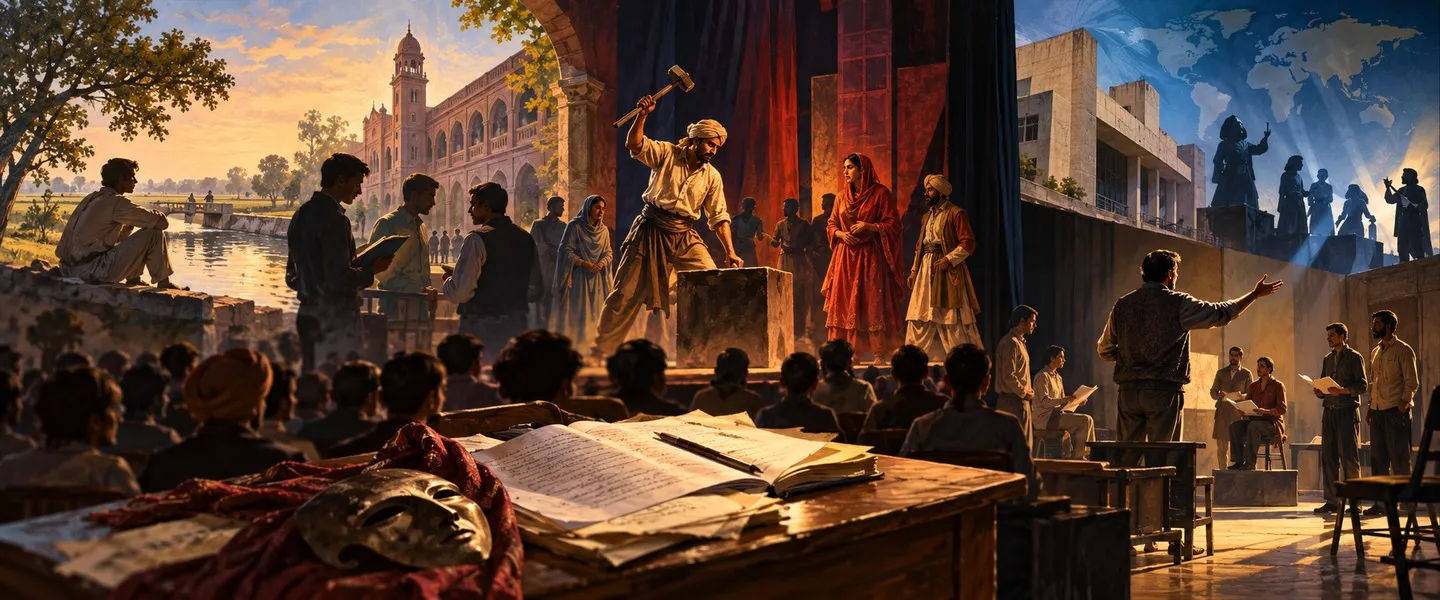
Sehna's most famous son was born in that canal colony. Balwant Gargi (4 December 1916 to 21 April 2003), one of the founders of modern Punjabi theatre, was born at Canal House in Sehna, where his father Shiv Chand was a head clerk in the irrigation department, in a house near the spot where, tradition holds, Razia Sultana was once imprisoned. Gargi went on to write plays such as Loha Kutt, Kesro, Kanak Di Balli and Sohni Mahiwal, which were translated into a dozen languages and staged from Moscow to New York. He won the Sahitya Akademi Award in 1962 for Rang Manch, the Padma Shri in 1972 and the Sangeet Natak Akademi Award in 1998, and he founded the Department of Indian Theatre at Panjab University, Chandigarh, where the open-air theatre still carries his name. The celebrated kavishar Babu Rajab Ali also worked in the irrigation department at Sehna for about twelve years.
The Thathiar craftsmen and their famous bells
Long before it was known for writers, Sehna was famous for metalwork. Its Thathiar coppersmiths, among them Radhu and Haria Ram, made jhanjhars, the strings of small bells hung on camels and horses, that were prized by animal keepers across India and passed into folk song: a well-known boli names Sehna for its bells and Muktsar for its saddles. The craft brought national honours too: in 1976 the President of India awarded Mansa Ram Thathiar a gold medal at Bhopal for his brass vessels. Bullock carts, sickles and gandasa axes from Sehna's workshops were the first choice of farmers in the surrounding villages.
Gurdwara Patshahi Chhevin and the village's religious life
The village's chief historic shrine is Gurdwara Sahib Patshahi Chhevin, named for the Sixth Guru. Baba Hira Singh laid its foundation in 1913 beside a small well and himself became its first granthi; he later moved to Nanded, where he served at Takht Sri Hazur Sahib for thirty years and rose to be a jathedar of the Takht. Under its management committee the gurdwara has gained a new darbar hall, a langar hall and a main gate, and a dharamshala for simple, low-cost weddings is being built behind it.
Sehna counts some eighteen places of worship in all. They include Gurdwara Tavaini Sahib, Gurdwara Baba Jiwan Singh, the Nihang Chhauni, Gurdwara Daswin Wala on the Nainewal road, the Vishwakarma Mandir, Geeta Bhavan, the Dera Baba Phalgu Das, a Satsang Beas hall, a peerkhana, the samadh of Baba Nand Singh and a mosque, serving the village's mixed population side by side. Every six months the village hosts the Bibrian Maian da Mela, a fair that draws devotees from far around.
Population and households
The 2011 census counted 14,762 people in Sehna: 7,905 men and 6,857 women, in 2,765 households, an average of about 5.3 people per household. Children up to six numbered 1,653, about 11 per cent of the village. Scheduled Castes made up 3,920 people, about 27 per cent. Literacy stood at 61.45 per cent for residents aged seven and above, men at 63.55 per cent and women at 59.07 per cent. The census recorded 5,064 workers: of the main workers, the largest group, 1,723 people, worked in trade, transport and services, ahead of 1,652 cultivators and 971 agricultural labourers, a sign that this farming village also runs a working town's economy.
Land and farming
Of Sehna's 4,488 hectares, 3,924 hectares were net sown area in 2011, and every sown hectare was irrigated: about 2,060 hectares by canal and 1,864 hectares by wells and tube-wells, the canal's gift to the village. About 564 hectares were under non-agricultural use: the settlement, roads and ponds. Wheat and paddy dominate the fields, and farm power supply was recorded at six hours a day.
A block headquarters and a busy bazaar
Sehna is more than a village: it gives its name to the Sehna community development block, and the block offices sit here, along with some nineteen government offices in all, including the block development and panchayat office, the child development office, agriculture and canal department offices, a telephone exchange, a Verka milk plant, a police station, a post office and a power grid station. Its old bazaar serves shoppers from fifteen to twenty surrounding villages. Government schools run from primary to senior secondary, for boys and girls separately, alongside private academies. Three banks, a government hospital by the canal with two health sub-centres, a veterinary hospital and a grain market complete the picture of a village that does a small town's work.
Getting there
Sehna is reached by pucca roads from Barnala, Tapa and Bhadaur, and a private bus service runs from the village. The nearest railway station is Ghunas. Barnala, about 18 kilometres away, is the district headquarters and the hub for onward travel. Neighbouring villages include Badhata, Burj Fatehgarh, Deepgarh and Patti Draka.
What is the population of Sehna?
Sehna had 14,762 people at the 2011 census, living in 2,765 households in Tapa tehsil of Barnala district. Local counts since then put the figure considerably higher, but 2011 remains the last full census.
Who is the most famous person from Sehna?
The playwright Balwant Gargi (1916-2003), a pioneer of modern Punjabi theatre and winner of the Sahitya Akademi Award and the Padma Shri, was born at Canal House in Sehna, where his father worked in the irrigation department.
ਸਹਿਣਾ ਕਿੱਥੇ ਹੈ?
ਸਹਿਣਾ ਪੰਜਾਬ ਦੇ ਬਰਨਾਲਾ ਜ਼ਿਲ੍ਹੇ ਦੀ ਟੱਪਾ ਤਹਿਸੀਲ ਦਾ ਇੱਕ ਵੱਡਾ ਪਿੰਡ ਹੈ। ਇਹ ਮਾਲਵਾ ਖੇਤਰ ਵਿੱਚ ਪੈਂਦਾ ਹੈ। ਇਹ ਬਰਨਾਲਾ ਤੋਂ ਬਾਜਾਖਾਨਾ ਜਾਂਦੀ ਸੜਕ ਉੱਪਰ, ਬਰਨਾਲਾ ਸ਼ਹਿਰ ਤੋਂ ਲਗਭਗ 18 ਕਿਲੋਮੀਟਰ ਪੱਛਮ ਵੱਲ ਅਤੇ ਆਪਣੀ ਤਹਿਸੀਲ ਟੱਪੇ ਤੋਂ ਲਗਭਗ 4 ਕਿਲੋਮੀਟਰ ਉੱਤਰ ਵੱਲ ਸਥਿਤ ਹੈ। ਖੇਤਰ ਦਾ ਮਸ਼ਹੂਰ ਕਸਬਾ ਭਦੌੜ ਇਸ ਤੋਂ ਲਗਭਗ 7 ਕਿਲੋਮੀਟਰ ਪੱਛਮ ਵੱਲ ਹੈ ਅਤੇ ਪਿੰਡ ਦੇ ਖੇਤ ਬਠਿੰਡਾ ਜ਼ਿਲ੍ਹੇ ਦੀ ਹੱਦ ਦੇ ਨੇੜੇ ਤੱਕ ਜਾਂਦੇ ਹਨ। ਸਹਿਣੇ ਦੀ ਪਛਾਣ ਇਸ ਦੀ ਨਹਿਰ ਨਾਲ ਜੁੜੀ ਹੈ। ਸਰਹਿੰਦ ਨਹਿਰ ਦੀ ਬਠਿੰਡਾ ਬਰਾਂਚ ਪਿੰਡ ਦੇ ਬਿਲਕੁਲ ਨਾਲ ਦੀ ਲੰਘਦੀ ਹੈ ਅਤੇ ਸਹਿਣਾ ਨਹਿਰ ਦੇ ਲਗਭਗ ਐਨ ਵਿਚਕਾਰ ਪੈਂਦਾ ਹੈ। ਜਨਗਣਨਾ ਰਿਕਾਰਡ ਵਿੱਚ ਪਿੰਡ ਦਾ ਕੋਡ 040070 ਅਤੇ ਪਿੰਨ ਕੋਡ 148103 ਹੈ। ਇਸ ਦਾ ਰਕਬਾ 4,488 ਹੈਕਟੇਅਰ ਹੈ, ਜੋ ਜ਼ਿਲ੍ਹੇ ਦੇ ਸਭ ਤੋਂ ਵੱਡੇ ਪਿੰਡਾਂ ਵਿੱਚੋਂ ਇੱਕ ਹੈ।
ਸਰਦਾਰ ਦਾ ਕਿਲ੍ਹਾ ਅਤੇ ਨਹਿਰੀ ਕੋਠੀ
ਪਿੰਡ ਦੇ ਪੰਜਾਬੀ ਹਵਾਲਿਆਂ ਵਿੱਚ ਦਰਜ ਲੋਕ-ਪਰੰਪਰਾ ਅਨੁਸਾਰ ਸਹਿਣੇ ਦਾ ਪੁਰਾਣਾ ਨਾਮ ਚੱਕ ਬਖ਼ਤੂ ਸੀ। ਲਗਭਗ 1762 ਈਸਵੀ ਵਿੱਚ ਸੈਣਾ ਸਿੰਘ ਨਾਮ ਦੇ ਸਰਦਾਰ ਨੇ ਇੱਥੇ ਕਿਲ੍ਹਾ ਬਣਾਇਆ ਅਤੇ ਲੋਕਾਂ ਨੂੰ ਇਸ ਦੇ ਆਲੇ-ਦੁਆਲੇ ਵਸਾਇਆ। ਉਸ ਨੇ ਲੋਕਾਂ ਨੂੰ ਖੇਤਾਂ ਵਿੱਚ ਕੰਮ ਅਤੇ ਕਿਲ੍ਹੇ ਦੇ ਨਾਲ ਘਰ ਬਣਾਉਣ ਲਈ ਜ਼ਮੀਨ ਦਿੱਤੀ। ਉਸ ਦੀ ਮੌਤ ਤੋਂ ਬਾਅਦ ਵੀ ਲੋਕ ਇਸ ਇਲਾਕੇ ਨੂੰ ਸੈਣੇ ਸਰਦਾਰ ਦਾ ਇਲਾਕਾ ਕਹਿੰਦੇ ਰਹੇ ਅਤੇ ਸਮੇਂ ਨਾਲ ਇਹੀ ਨਾਮ ਸਹਿਣਾ ਪੈ ਗਿਆ। ਕਿਲ੍ਹਾ ਪਿੰਡ ਦੇ ਵਿਚਕਾਰ ਲਗਭਗ ਢਾਈ ਸਦੀ ਖੜ੍ਹਾ ਰਿਹਾ, ਪਰ ਲਗਭਗ 2009 ਵਿੱਚ ਉਸ ਦੇ ਵਾਰਸਾਂ ਨੇ ਉਹ ਜਗ੍ਹਾ ਵੇਚ ਦਿੱਤੀ, ਉੱਥੇ ਰਿਹਾਇਸ਼ੀ ਪਲਾਟ ਕੱਟੇ ਗਏ ਅਤੇ ਅੱਜ ਕਿਲ੍ਹੇ ਦਾ ਕੋਈ ਨਿਸ਼ਾਨ ਬਾਕੀ ਨਹੀਂ।
ਸਹਿਣੇ ਦੀ ਸਭ ਤੋਂ ਪੁਰਾਣੀ ਬਚੀ ਇਮਾਰਤ ਮਹੰਤਾਂ ਦੀ ਹਵੇਲੀ ਹੈ, ਜੋ 1885 ਵਿੱਚ ਬਣੀ ਸੀ। ਇਹ ਲਗਭਗ 400 ਸਾਲ ਪੁਰਾਣੇ ਮਹੰਤਾਂ ਦੇ ਡੇਰੇ ਨਾਲ ਜੁੜੀ ਹੈ, ਜਿਸ ਦੇ ਅਧੀਨ 21 ਛੋਟੇ ਡੇਰੇ ਹਨ। ਨਹਿਰ ਨੇ ਪਿੰਡ ਵਿੱਚ ਦੂਜੀ ਵੱਸੋਂ ਵੀ ਲਿਆਂਦੀ। ਅੰਗਰੇਜ਼ਾਂ ਦੇ ਸਮੇਂ ਸਿੰਚਾਈ ਵਿਭਾਗ ਨੇ ਨਹਿਰ ਕਿਨਾਰੇ ਰੈਸਟ ਹਾਊਸ, ਖਜ਼ਾਨਾ, ਦਫਤਰ ਅਤੇ ਮੁਲਾਜ਼ਮਾਂ ਦੇ ਕੁਆਟਰ ਬਣਾਏ। ਉਹੀ ਨਹਿਰੀ ਕੋਠੀ ਅੱਜ ਵੀ ਪਿੰਡ ਦੇ ਇੱਕ ਮੁਹੱਲੇ ਦਾ ਨਾਮ ਹੈ।
ਬਲਵੰਤ ਗਾਰਗੀ: ਨਹਿਰ ਕਿਨਾਰੇ ਜਨਮਿਆ ਨਾਟਕਕਾਰ
ਸਹਿਣੇ ਦਾ ਸਭ ਤੋਂ ਮਸ਼ਹੂਰ ਪੁੱਤਰ ਇਸੇ ਨਹਿਰੀ ਕੋਠੀ ਵਿੱਚ ਜਨਮਿਆ। ਬਲਵੰਤ ਗਾਰਗੀ (4 ਦਸੰਬਰ 1916 ਤੋਂ 21 ਅਪ੍ਰੈਲ 2003), ਆਧੁਨਿਕ ਪੰਜਾਬੀ ਰੰਗਮੰਚ ਦੇ ਮੋਢੀਆਂ ਵਿੱਚੋਂ ਇੱਕ, ਦਾ ਜਨਮ ਸਹਿਣੇ ਦੀ ਨਹਿਰੀ ਕੋਠੀ ਵਿੱਚ ਹੋਇਆ, ਜਿੱਥੇ ਉਹਨਾਂ ਦੇ ਪਿਤਾ ਸ਼ਿਵ ਚੰਦ ਸਿੰਚਾਈ ਵਿਭਾਗ ਵਿੱਚ ਹੈੱਡ ਕਲਰਕ ਸਨ। ਉਹ ਘਰ ਉਸ ਥਾਂ ਦੇ ਨੇੜੇ ਸੀ ਜਿੱਥੇ, ਪਰੰਪਰਾ ਅਨੁਸਾਰ, ਕਦੇ ਰਜ਼ੀਆ ਸੁਲਤਾਨ ਨੂੰ ਕੈਦ ਰੱਖਿਆ ਗਿਆ ਸੀ। ਗਾਰਗੀ ਨੇ ਲੋਹਾ ਕੁੱਟ, ਕੇਸਰੋ, ਕਣਕ ਦੀ ਬੱਲੀ ਅਤੇ ਸੋਹਣੀ ਮਹੀਵਾਲ ਵਰਗੇ ਨਾਟਕ ਲਿਖੇ, ਜੋ ਇੱਕ ਦਰਜਨ ਭਾਸ਼ਾਵਾਂ ਵਿੱਚ ਅਨੁਵਾਦ ਹੋਏ ਅਤੇ ਮਾਸਕੋ ਤੋਂ ਨਿਊਯਾਰਕ ਤੱਕ ਖੇਡੇ ਗਏ। ਉਹਨਾਂ ਨੂੰ 1962 ਵਿੱਚ ਰੰਗ ਮੰਚ ਲਈ ਸਾਹਿਤ ਅਕਾਦਮੀ ਪੁਰਸਕਾਰ, 1972 ਵਿੱਚ ਪਦਮ ਸ਼੍ਰੀ ਅਤੇ 1998 ਵਿੱਚ ਸੰਗੀਤ ਨਾਟਕ ਅਕਾਦਮੀ ਪੁਰਸਕਾਰ ਮਿਲਿਆ। ਉਹਨਾਂ ਨੇ ਪੰਜਾਬ ਯੂਨੀਵਰਸਿਟੀ, ਚੰਡੀਗੜ੍ਹ ਵਿੱਚ ਭਾਰਤੀ ਰੰਗਮੰਚ ਵਿਭਾਗ ਦੀ ਸਥਾਪਨਾ ਕੀਤੀ, ਜਿੱਥੇ ਖੁੱਲ੍ਹਾ ਰੰਗਮੰਚ ਅੱਜ ਵੀ ਉਹਨਾਂ ਦੇ ਨਾਮ ਨਾਲ ਜਾਣਿਆ ਜਾਂਦਾ ਹੈ। ਮਸ਼ਹੂਰ ਕਵੀਸ਼ਰ ਬਾਬੂ ਰਜਬ ਅਲੀ ਵੀ ਸਿੰਚਾਈ ਵਿਭਾਗ ਵਿੱਚ ਲਗਭਗ ਬਾਰਾਂ ਸਾਲ ਸਹਿਣੇ ਰਹੇ।
ਠਠਿਆਰ ਕਾਰੀਗਰ ਅਤੇ ਉਹਨਾਂ ਦੀਆਂ ਮਸ਼ਹੂਰ ਝਾਂਜਰਾਂ
ਲੇਖਕਾਂ ਤੋਂ ਬਹੁਤ ਪਹਿਲਾਂ ਸਹਿਣਾ ਆਪਣੀ ਧਾਤੂ-ਕਲਾ ਲਈ ਮਸ਼ਹੂਰ ਸੀ। ਇੱਥੋਂ ਦੇ ਠਠਿਆਰ ਕਾਰੀਗਰਾਂ, ਜਿਨ੍ਹਾਂ ਵਿੱਚ ਰਾਧੂ ਅਤੇ ਹਰੀਆ ਰਾਮ ਸਨ, ਦੀਆਂ ਬਣਾਈਆਂ ਉੱਠਾਂ ਅਤੇ ਘੋੜਿਆਂ ਦੇ ਪੈਰਾਂ ਵਿੱਚ ਪਾਉਣ ਵਾਲੀਆਂ ਝਾਂਜਰਾਂ ਸਾਰੇ ਭਾਰਤ ਦੇ ਪਸ਼ੂ-ਪਾਲਕਾਂ ਦੀ ਪਹਿਲੀ ਪਸੰਦ ਸਨ ਅਤੇ ਇਹ ਕਲਾ ਲੋਕ-ਬੋਲੀਆਂ ਵਿੱਚ ਵੀ ਥਾਂ ਪਾ ਗਈ। ਇੱਕ ਮਸ਼ਹੂਰ ਬੋਲੀ ਵਿੱਚ ਸਹਿਣੇ ਦੀਆਂ ਝਾਂਜਰਾਂ ਅਤੇ ਮੁਕਤਸਰ ਦੀਆਂ ਕਾਠੀਆਂ ਦਾ ਇਕੱਠਾ ਨਾਮ ਆਉਂਦਾ ਹੈ। ਇਸ ਕਲਾ ਨੂੰ ਕੌਮੀ ਸਨਮਾਨ ਵੀ ਮਿਲਿਆ। 1976 ਵਿੱਚ ਭਾਰਤ ਦੇ ਰਾਸ਼ਟਰਪਤੀ ਨੇ ਭੋਪਾਲ ਵਿਖੇ ਮਨਸਾ ਰਾਮ ਠਠਿਆਰ ਨੂੰ ਉਹਨਾਂ ਦੇ ਪਿੱਤਲ ਦੇ ਭਾਂਡਿਆਂ ਲਈ ਸੋਨੇ ਦਾ ਤਗਮਾ ਦਿੱਤਾ। ਸਹਿਣੇ ਦੀਆਂ ਬਣੀਆਂ ਬੈਲ ਗੱਡੀਆਂ, ਦਾਤੀਆਂ ਅਤੇ ਗੰਡਾਸੇ ਵੀ ਆਲੇ-ਦੁਆਲੇ ਦੇ ਪਿੰਡਾਂ ਦੇ ਕਿਸਾਨਾਂ ਦੀ ਪਹਿਲੀ ਪਸੰਦ ਸਨ।
ਗੁਰਦੁਆਰਾ ਪਾਤਸ਼ਾਹੀ ਛੇਵੀਂ ਅਤੇ ਪਿੰਡ ਦਾ ਧਾਰਮਿਕ ਜੀਵਨ
ਪਿੰਡ ਦਾ ਮੁੱਖ ਇਤਿਹਾਸਕ ਅਸਥਾਨ ਗੁਰਦੁਆਰਾ ਸਾਹਿਬ ਪਾਤਸ਼ਾਹੀ ਛੇਵੀਂ ਹੈ, ਜੋ ਛੇਵੇਂ ਗੁਰੂ ਜੀ ਦੀ ਯਾਦ ਨਾਲ ਜੁੜਿਆ ਹੈ। ਬਾਬਾ ਹੀਰਾ ਸਿੰਘ ਜੀ ਨੇ 1913 ਵਿੱਚ ਇੱਕ ਛੋਟੀ ਖੂਹੀ ਕੋਲ ਇਸ ਦਾ ਨੀਂਹ ਪੱਥਰ ਰੱਖਿਆ ਅਤੇ ਉਹ ਆਪ ਇਸ ਦੇ ਪਹਿਲੇ ਗ੍ਰੰਥੀ ਬਣੇ। ਬਾਅਦ ਵਿੱਚ ਉਹ ਨਾਂਦੇੜ ਚਲੇ ਗਏ, ਜਿੱਥੇ ਉਹਨਾਂ ਨੇ ਤਖਤ ਸ੍ਰੀ ਹਜ਼ੂਰ ਸਾਹਿਬ ਵਿਖੇ ਤੀਹ ਸਾਲ ਸੇਵਾ ਕੀਤੀ ਅਤੇ ਤਖਤ ਦੇ ਜਥੇਦਾਰ ਵੀ ਰਹੇ। ਮੌਜੂਦਾ ਪ੍ਰਬੰਧਕ ਕਮੇਟੀ ਦੇ ਸਮੇਂ ਗੁਰਦੁਆਰਾ ਸਾਹਿਬ ਵਿਖੇ ਨਵਾਂ ਦਰਬਾਰ ਹਾਲ, ਲੰਗਰ ਹਾਲ ਅਤੇ ਮੁੱਖ ਦਰਵਾਜ਼ਾ ਬਣਿਆ ਹੈ ਅਤੇ ਪਿੱਛੇ ਸਾਦੇ ਤੇ ਸਸਤੇ ਵਿਆਹਾਂ ਲਈ ਧਰਮਸ਼ਾਲਾ ਬਣਾਈ ਜਾ ਰਹੀ ਹੈ।
ਸਹਿਣੇ ਵਿੱਚ ਕੁੱਲ ਲਗਭਗ ਅਠਾਰਾਂ ਧਾਰਮਿਕ ਅਸਥਾਨ ਹਨ। ਇਹਨਾਂ ਵਿੱਚ ਗੁਰਦੁਆਰਾ ਤਵੈਣੀ ਸਾਹਿਬ, ਗੁਰਦੁਆਰਾ ਬਾਬਾ ਜੀਵਨ ਸਿੰਘ, ਨਿਹੰਗ ਛਾਉਣੀ, ਨੈਣੇਵਾਲ ਵਾਲੀ ਸੜਕ ਉੱਪਰ ਗੁਰਦੁਆਰਾ ਦਸਵੀਂ ਵਾਲਾ, ਵਿਸ਼ਵਕਰਮਾ ਮੰਦਿਰ, ਗੀਤਾ ਭਵਨ, ਡੇਰਾ ਬਾਬਾ ਫਲਗੂ ਦਾਸ, ਸਤਿਸੰਗ ਬਿਆਸ ਘਰ, ਪੀਰਖਾਨਾ, ਬਾਬਾ ਨੰਦ ਸਿੰਘ ਜੀ ਦੀ ਸਮਾਧ ਅਤੇ ਇੱਕ ਮਸਜਿਦ ਸ਼ਾਮਲ ਹਨ, ਜਿੱਥੇ ਪਿੰਡ ਦੇ ਹਰ ਧਰਮ ਦੇ ਲੋਕ ਆਪੋ-ਆਪਣੀ ਸ਼ਰਧਾ ਅਨੁਸਾਰ ਨਤਮਸਤਕ ਹੁੰਦੇ ਹਨ। ਹਰ ਛੇ ਮਹੀਨੇ ਬਾਅਦ ਪਿੰਡ ਵਿੱਚ ਬੀਬੜੀਆਂ ਮਾਈਆਂ ਦਾ ਮੇਲਾ ਲੱਗਦਾ ਹੈ, ਜਿੱਥੇ ਦੂਰ-ਦੂਰ ਤੋਂ ਸ਼ਰਧਾਲੂ ਆਉਂਦੇ ਹਨ।
ਅਬਾਦੀ ਅਤੇ ਪਰਿਵਾਰ
2011 ਦੀ ਜਨਗਣਨਾ ਅਨੁਸਾਰ ਸਹਿਣੇ ਦੀ ਅਬਾਦੀ 14,762 ਸੀ, ਜਿਨ੍ਹਾਂ ਵਿੱਚ 7,905 ਮਰਦ ਅਤੇ 6,857 ਔਰਤਾਂ ਸਨ। ਇਹ ਲੋਕ 2,765 ਪਰਿਵਾਰਾਂ ਵਿੱਚ ਰਹਿੰਦੇ ਸਨ, ਯਾਨੀ ਔਸਤਨ ਹਰ ਪਰਿਵਾਰ ਵਿੱਚ ਲਗਭਗ 5.3 ਮੈਂਬਰ। ਛੇ ਸਾਲ ਤੱਕ ਦੇ ਬੱਚੇ 1,653 ਸਨ, ਜੋ ਅਬਾਦੀ ਦਾ ਲਗਭਗ 11 ਫੀਸਦੀ ਬਣਦਾ ਹੈ। ਅਨੁਸੂਚਿਤ ਜਾਤੀਆਂ ਦੀ ਗਿਣਤੀ 3,920 ਸੀ, ਲਗਭਗ 27 ਫੀਸਦੀ। ਸਾਖਰਤਾ ਦਰ ਸੱਤ ਸਾਲ ਤੋਂ ਵੱਧ ਉਮਰ ਦੇ ਲੋਕਾਂ ਵਿੱਚ 61.45 ਫੀਸਦੀ ਸੀ, ਮਰਦਾਂ ਵਿੱਚ 63.55 ਫੀਸਦੀ ਅਤੇ ਔਰਤਾਂ ਵਿੱਚ 59.07 ਫੀਸਦੀ। ਜਨਗਣਨਾ ਵਿੱਚ 5,064 ਕਾਮੇ ਦਰਜ ਹੋਏ। ਮੁੱਖ ਕਾਮਿਆਂ ਵਿੱਚ ਸਭ ਤੋਂ ਵੱਡੀ ਗਿਣਤੀ 1,723 ਲੋਕ ਵਪਾਰ, ਢੋਆ-ਢੁਆਈ ਅਤੇ ਸੇਵਾਵਾਂ ਵਿੱਚ ਸਨ, ਜਦਕਿ 1,652 ਕਾਸ਼ਤਕਾਰ ਅਤੇ 971 ਖੇਤ ਮਜ਼ਦੂਰ ਸਨ। ਇਹ ਗਿਣਤੀ ਦੱਸਦੀ ਹੈ ਕਿ ਇਹ ਖੇਤੀ ਵਾਲਾ ਪਿੰਡ ਇੱਕ ਕਸਬੇ ਵਾਲੀ ਆਰਥਿਕਤਾ ਵੀ ਚਲਾਉਂਦਾ ਹੈ।
ਜ਼ਮੀਨ ਅਤੇ ਖੇਤੀ
ਸਹਿਣੇ ਦੇ 4,488 ਹੈਕਟੇਅਰ ਰਕਬੇ ਵਿੱਚੋਂ 2011 ਵਿੱਚ 3,924 ਹੈਕਟੇਅਰ ਜ਼ਮੀਨ ਵਾਹੀ ਅਧੀਨ ਸੀ ਅਤੇ ਸਾਰੀ ਵਾਹੀ ਵਾਲੀ ਜ਼ਮੀਨ ਸਿੰਚਾਈ ਅਧੀਨ ਸੀ। ਲਗਭਗ 2,060 ਹੈਕਟੇਅਰ ਨੂੰ ਨਹਿਰੀ ਪਾਣੀ ਅਤੇ 1,864 ਹੈਕਟੇਅਰ ਨੂੰ ਖੂਹਾਂ ਤੇ ਟਿਊਬਵੈੱਲਾਂ ਦਾ ਪਾਣੀ ਮਿਲਦਾ ਸੀ। ਲਗਭਗ 564 ਹੈਕਟੇਅਰ ਜ਼ਮੀਨ ਵੱਸੋਂ, ਸੜਕਾਂ ਅਤੇ ਛੱਪੜਾਂ ਵਗੈਰਾ ਗੈਰ-ਖੇਤੀ ਵਰਤੋਂ ਵਿੱਚ ਸੀ। ਖੇਤਾਂ ਵਿੱਚ ਮੁੱਖ ਫਸਲਾਂ ਕਣਕ ਅਤੇ ਝੋਨਾ ਹਨ ਅਤੇ ਖੇਤੀ ਲਈ ਬਿਜਲੀ ਸਪਲਾਈ ਛੇ ਘੰਟੇ ਰੋਜ਼ਾਨਾ ਦਰਜ ਹੋਈ ਸੀ।
ਬਲਾਕ ਹੈੱਡਕੁਆਰਟਰ ਅਤੇ ਰੌਣਕ ਵਾਲਾ ਬਾਜ਼ਾਰ
ਸਹਿਣਾ ਸਿਰਫ ਇੱਕ ਪਿੰਡ ਨਹੀਂ ਹੈ। ਸਹਿਣਾ ਵਿਕਾਸ ਬਲਾਕ ਦਾ ਨਾਮ ਵੀ ਇਸੇ ਪਿੰਡ ਤੋਂ ਪਿਆ ਹੈ ਅਤੇ ਬਲਾਕ ਦੇ ਦਫਤਰ ਇੱਥੇ ਹੀ ਹਨ। ਪਿੰਡ ਵਿੱਚ ਕੁੱਲ ਲਗਭਗ ਉੱਨੀ ਸਰਕਾਰੀ ਦਫਤਰ ਹਨ, ਜਿਨ੍ਹਾਂ ਵਿੱਚ ਬਲਾਕ ਵਿਕਾਸ ਤੇ ਪੰਚਾਇਤ ਦਫਤਰ, ਬਾਲ ਵਿਕਾਸ ਦਫਤਰ, ਖੇਤੀਬਾੜੀ ਅਤੇ ਨਹਿਰੀ ਵਿਭਾਗ ਦੇ ਦਫਤਰ, ਟੈਲੀਫੋਨ ਐਕਸਚੇਂਜ, ਵੇਰਕਾ ਦੁੱਧ ਪਲਾਂਟ, ਪੁਲਿਸ ਸਟੇਸ਼ਨ, ਡਾਕਘਰ ਅਤੇ ਬਿਜਲੀ ਗਰਿੱਡ ਸਟੇਸ਼ਨ ਸ਼ਾਮਲ ਹਨ। ਇਸ ਦਾ ਪੁਰਾਣਾ ਬਾਜ਼ਾਰ ਆਲੇ-ਦੁਆਲੇ ਦੇ ਪੰਦਰਾਂ ਤੋਂ ਵੀਹ ਪਿੰਡਾਂ ਦੇ ਲੋਕਾਂ ਦੀ ਖਰੀਦ-ਫਰੋਖਤ ਦਾ ਕੇਂਦਰ ਹੈ। ਸਰਕਾਰੀ ਸਕੂਲ ਪ੍ਰਾਇਮਰੀ ਤੋਂ ਸੀਨੀਅਰ ਸੈਕੰਡਰੀ ਤੱਕ, ਮੁੰਡਿਆਂ ਅਤੇ ਕੁੜੀਆਂ ਲਈ ਵੱਖਰੇ, ਚੱਲਦੇ ਹਨ ਅਤੇ ਨਾਲ ਹੀ ਪ੍ਰਾਈਵੇਟ ਅਕੈਡਮੀਆਂ ਵੀ ਹਨ। ਤਿੰਨ ਬੈਂਕ, ਨਹਿਰ ਕਿਨਾਰੇ ਸਰਕਾਰੀ ਹਸਪਤਾਲ ਅਤੇ ਦੋ ਸਿਹਤ ਉਪ-ਕੇਂਦਰ, ਪਸ਼ੂ ਹਸਪਤਾਲ ਅਤੇ ਦਾਣਾ ਮੰਡੀ ਮਿਲ ਕੇ ਇਸ ਪਿੰਡ ਨੂੰ ਛੋਟੇ ਕਸਬੇ ਵਾਲਾ ਰੂਪ ਦਿੰਦੇ ਹਨ।
ਇੱਥੇ ਕਿਸ ਤਰ੍ਹਾਂ ਪਹੁੰਚੀਏ
ਸਹਿਣੇ ਨੂੰ ਬਰਨਾਲਾ, ਟੱਪਾ ਅਤੇ ਭਦੌੜ ਤੋਂ ਪੱਕੀਆਂ ਸੜਕਾਂ ਜਾਂਦੀਆਂ ਹਨ ਅਤੇ ਪਿੰਡ ਤੋਂ ਪ੍ਰਾਈਵੇਟ ਬੱਸ ਸੇਵਾ ਚੱਲਦੀ ਹੈ। ਸਭ ਤੋਂ ਨੇੜਲਾ ਰੇਲਵੇ ਸਟੇਸ਼ਨ ਘੁਨਸ ਹੈ। ਬਰਨਾਲਾ, ਲਗਭਗ 18 ਕਿਲੋਮੀਟਰ ਦੂਰ, ਜ਼ਿਲ੍ਹਾ ਹੈੱਡਕੁਆਰਟਰ ਹੈ ਅਤੇ ਅੱਗੇ ਦੀ ਯਾਤਰਾ ਦਾ ਕੇਂਦਰ ਹੈ। ਨੇੜਲੇ ਪਿੰਡਾਂ ਵਿੱਚ ਬਢਾਤਾ, ਬੁਰਜ ਫਤਹਿਗੜ੍ਹ, ਦੀਪਗੜ੍ਹ ਅਤੇ ਪੱਟੀ ਦਰਾਕਾ ਸ਼ਾਮਲ ਹਨ।
ਸਹਿਣੇ ਦੀ ਅਬਾਦੀ ਕਿੰਨੀ ਹੈ?
2011 ਦੀ ਜਨਗਣਨਾ ਅਨੁਸਾਰ ਸਹਿਣੇ ਦੀ ਅਬਾਦੀ 14,762 ਸੀ, ਜੋ ਟੱਪਾ ਤਹਿਸੀਲ, ਜ਼ਿਲ੍ਹਾ ਬਰਨਾਲਾ ਵਿੱਚ 2,765 ਪਰਿਵਾਰਾਂ ਵਿੱਚ ਰਹਿੰਦੀ ਸੀ। ਉਸ ਤੋਂ ਬਾਅਦ ਦੇ ਸਥਾਨਕ ਅੰਦਾਜ਼ੇ ਇਸ ਤੋਂ ਕਾਫੀ ਵੱਧ ਗਿਣਤੀ ਦੱਸਦੇ ਹਨ, ਪਰ ਆਖਰੀ ਪੂਰੀ ਜਨਗਣਨਾ 2011 ਦੀ ਹੀ ਹੈ।
ਸਹਿਣੇ ਦਾ ਸਭ ਤੋਂ ਮਸ਼ਹੂਰ ਵਿਅਕਤੀ ਕੌਣ ਹੈ?
ਨਾਟਕਕਾਰ ਬਲਵੰਤ ਗਾਰਗੀ (1916-2003), ਆਧੁਨਿਕ ਪੰਜਾਬੀ ਰੰਗਮੰਚ ਦੇ ਮੋਢੀ ਅਤੇ ਸਾਹਿਤ ਅਕਾਦਮੀ ਪੁਰਸਕਾਰ ਤੇ ਪਦਮ ਸ਼੍ਰੀ ਜੇਤੂ, ਦਾ ਜਨਮ ਸਹਿਣੇ ਦੀ ਨਹਿਰੀ ਕੋਠੀ ਵਿੱਚ ਹੋਇਆ ਸੀ, ਜਿੱਥੇ ਉਹਨਾਂ ਦੇ ਪਿਤਾ ਸਿੰਚਾਈ ਵਿਭਾਗ ਵਿੱਚ ਨੌਕਰੀ ਕਰਦੇ ਸਨ।
People from Sehna
Nearby


ਸਰੋਤ (5)
- Sehna (438) Village Code 040070: District Census Handbook Village Directory data, VillageCodes Punjab
- Census of India 2011, Primary Census Abstract (village level), Barnala district workbook, Office of the Registrar General & Census Commissioner
- Sehna (Shahna), Punjabi Wikipedia: village history, Gurdwara Patshahi Chhevin, Thathiar craftsmen and Balwant Gargi's birthplace
- Balwant Gargi, Wikipedia: born 4 December 1916 at Canal House, Sehna; plays, Sahitya Akademi Award 1962, Padma Shri 1972
- Sehna Block and Panchayat Samiti, Barnala district: block offices at VPO Sehna
ਜੁਗਤੀ ਮੁਫ਼ਤ ਅਤੇ ਸੁਤੰਤਰ ਹੈ। ਪਾਠਕਾਂ ਦਾ ਸਹਿਯੋਗ ਕੋਸ਼ ਨੂੰ ਵਧਾਉਂਦਾ ਹੈ।
ਸਹਿਯੋਗ