

Majha is the central heartland region of historic Punjab, lying between the Beas and the Ravi rivers and today divided between India and Pakistan. Amritsar and Lahore are its great cities, its Majhi dialect forms the basis of standard Punjabi, and it is remembered as the birthplace of Sikhism.
- ਪੰਜਾਬੀ ਨਾਂ
- ਮਾਝਾ
- ਕਿਸਮ
- ਇਲਾਕਾ
- ਕਿੱਥੇ
- Central Punjab, both sides of the India and Pakistan border
- Districts
- Amritsar, Tarn Taran, Gurdaspur and Pathankot in India; Lahore and Kasur in Pakistan
- Major cities
- Amritsar, Lahore
- Dialect
- ਮਝੀ
All 9 facts
- Bounding rivers
- Beas to the south, Ravi to the north and west
- ਪ੍ਰਸਿੱਧੀ
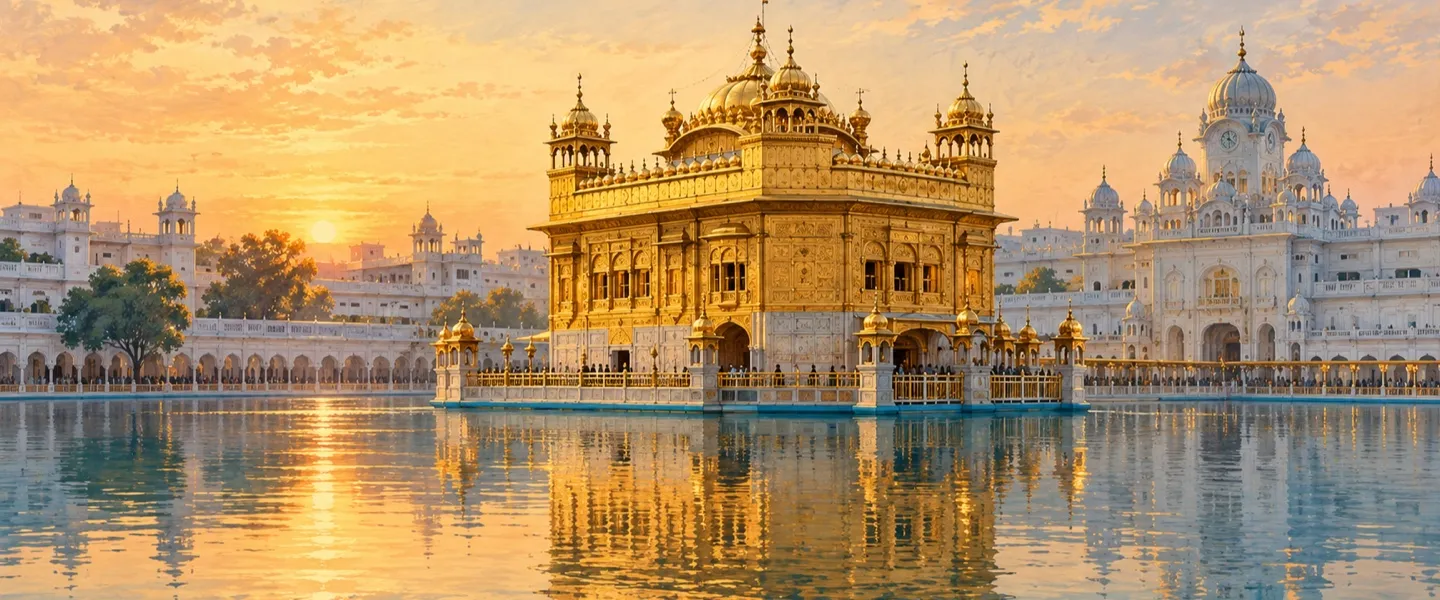
- The Golden Temple at Amritsar, the birthplace of Sikhism, standard Punjabi
- ਇਲਾਕਾ
- ਮਾਝਾ
The heartland
Majha takes its name from the Punjabi word manjhla, meaning the middle, and the name fits: this is the central region of the historic Punjab, lying between the Beas river to the south and the Ravi to the north and west. The two rivers meet the Sutlej at Harike below it, so Majha sits at the top of the Punjab plains where the rivers are still close together.
The region speaks the Majhi dialect, which forms the basis of the standard Punjabi language. Its fertile alluvial plains, watered by the rivers and their canals, have supported dense farming settlements for centuries, and its villages are among the oldest continuously lived in places in Punjab.
The rivers are the region's lifeblood and its boundaries. The Beas marks Majha's southern edge, the Ravi runs past its northern districts toward Lahore, and the land between them, the Bari Doab, is some of the most prized farmland in the subcontinent.
Where is Majha?
On the Indian side, Majha covers the districts of Amritsar, Tarn Taran, Gurdaspur and Pathankot. Across the border in Pakistan it takes in Lahore and Kasur districts at its core, and is often extended to Gujranwala, Sialkot and Sheikhupura, including Nankana Sahib. Amritsar and Lahore, only some 50 kilometres apart, are its twin great cities, one the spiritual capital of the Sikhs and the other the cultural capital of Pakistani Punjab.
A region cut by the border
Partition in 1947 cut Majha in two, as it cut Punjab itself. There is no river boundary between Amritsar and Lahore, and the shared cultural zone the two cities formed over centuries was split by a line drawn in weeks. On the Indian side lie the districts of Amritsar, Tarn Taran, Gurdaspur and Pathankot; on the Pakistani side, Lahore and Kasur and the districts beyond the Ravi.
The border changed the region's demography profoundly, as Muslims moved west and Hindus and Sikhs moved east, but the dialect, the food and the memory of a single Majha survive on both sides, and the daily beating retreat ceremony at the Attari Wagah crossing has become the region's most watched ritual.
Towns of the Gurus
Almost every Majha town has a Guru connection. Goindwal Sahib, on the Beas in Tarn Taran district, was built up by Guru Amar Das around its famous baoli, the well of 84 steps. Khadoor Sahib was the seat of Guru Angad. The town of Tarn Taran grew around the great sarovar dug under Guru Arjan, whose tank is among the largest of any gurdwara. Batala remembers the marriage of Guru Nanak, and Dera Baba Nanak, on the Ravi, faces Kartarpur across the border, the town of Guru Nanak's last years, now joined to it by a corridor for pilgrims. Gurdaspur and Pathankot, at the region's northern edge, are its gateway towns to the hills.
Canals, crops and the Amritsari table
The Upper Bari Doab Canal, drawn from the Ravi at the Madhopur headworks in the mid 1800s, turned the Bari Doab into one of the subcontinent's most productive canal watered tracts. Paddy and basmati fill the low lands along the rivers, sugarcane feeds the mills around Batala and Gurdaspur, and wheat follows through the winter.
The region eats as famously as it farms. Amritsar's kulchas, its wadiyan and papad, and the langar of the Golden Temple, which feeds tens of thousands of people every day, have made Majha's kitchen a standard the rest of Punjab measures itself against, and breakfast in the walled city's old lanes is a pilgrimage of its own.
Significance
Majha is often called the birthplace of Sikhism: Guru Nanak was born at Nankana Sahib across the border, Amritsar holds the Golden Temple, and the region's towns and villages are thick with gurdwaras tied to the Gurus. The Sikh Empire itself was founded in this region, and Majha is sometimes called the sword arm of the country for the soldiers it has given to the armies of both India and Pakistan, out of all proportion to its size.
From its fields and towns have come soldiers, poets, musicians and statesmen out of all proportion to its size, and Majhi's role as the standard form of Punjabi means the voice of Majha is, in a sense, the voice in which Punjab speaks to the world.
ਦਿਲ ਦਾ ਦੇਸ
ਮਾਝਾ ਆਪਣਾ ਨਾਮ ਪੰਜਾਬੀ ਸ਼ਬਦ ਮਾਂਝਲਾ ਤੋਂ ਲੈਂਦਾ ਹੈ, ਜਿਸ ਦਾ ਅਰਥ ਹੈ ਵਿਚਕਾਰਲਾ, ਅਤੇ ਨਾਮ ਢੁਕਵਾਂ ਹੈ। ਇਹ ਇਤਿਹਾਸਕ ਪੰਜਾਬ ਦਾ ਕੇਂਦਰੀ ਇਲਾਕਾ ਹੈ, ਜੋ ਦੱਖਣ ਵਿੱਚ ਬਿਆਸ ਦਰਿਆ ਅਤੇ ਉੱਤਰ ਅਤੇ ਪੱਛਮ ਵਿੱਚ ਰਾਵੀ ਦਰਿਆ ਵਿਚਕਾਰ ਪੈਂਦਾ ਹੈ। ਦੋਵੇਂ ਦਰਿਆ ਇਸ ਦੇ ਹੇਠਾਂ ਹਰੀਕੇ ਵਿਖੇ ਸਤਲੁਜ ਨਾਲ ਮਿਲਦੇ ਹਨ, ਇਸ ਲਈ ਮਾਝਾ ਪੰਜਾਬ ਦੇ ਮੈਦਾਨਾਂ ਦੇ ਉਸ ਸਿਰੇ ਉੱਤੇ ਹੈ ਜਿੱਥੇ ਦਰਿਆ ਅਜੇ ਇੱਕ ਦੂਜੇ ਦੇ ਨੇੜੇ ਹਨ।
ਇਲਾਕਾ ਮਾਝੀ ਬੋਲੀ ਬੋਲਦਾ ਹੈ, ਜੋ ਮਿਆਰੀ ਪੰਜਾਬੀ ਭਾਸ਼ਾ ਦੀ ਨੀਂਹ ਬਣਦੀ ਹੈ। ਦਰਿਆਵਾਂ ਅਤੇ ਉਨ੍ਹਾਂ ਦੀਆਂ ਨਹਿਰਾਂ ਨਾਲ ਸਿੰਜੀ ਇਸ ਦੀ ਉਪਜਾਊ ਮੈਦਾਨੀ ਧਰਤੀ ਸਦੀਆਂ ਤੋਂ ਘਣੀ ਖੇਤੀ ਅਬਾਦੀ ਨੂੰ ਪਾਲਦੀ ਆਈ ਹੈ, ਅਤੇ ਇਸ ਦੇ ਪਿੰਡ ਪੰਜਾਬ ਦੇ ਸਭ ਤੋਂ ਪੁਰਾਣੇ ਲਗਾਤਾਰ ਵੱਸਦੇ ਸਥਾਨਾਂ ਵਿੱਚੋਂ ਹਨ।
ਦਰਿਆ ਇਲਾਕੇ ਦੀ ਜਾਨ ਅਤੇ ਇਸ ਦੀਆਂ ਹੱਦਾਂ ਹਨ। ਬਿਆਸ ਮਾਝੇ ਦਾ ਦੱਖਣੀ ਕਿਨਾਰਾ ਚਿੰਨ੍ਹਿਤ ਕਰਦਾ ਹੈ, ਰਾਵੀ ਇਸ ਦੇ ਉੱਤਰੀ ਜ਼ਿਲ੍ਹਿਆਂ ਕੋਲੋਂ ਲਾਹੌਰ ਵੱਲ ਵਗਦਾ ਹੈ, ਅਤੇ ਇਨ੍ਹਾਂ ਵਿਚਕਾਰਲੀ ਧਰਤੀ, ਬਾਰੀ ਦੁਆਬ, ਉਪਮਹਾਦੀਪ ਦੀ ਸਭ ਤੋਂ ਕੀਮਤੀ ਖੇਤੀ ਜ਼ਮੀਨ ਵਿੱਚੋਂ ਹੈ।
ਮਾਝਾ ਕਿੱਥੇ ਹੈ?
ਭਾਰਤੀ ਪਾਸੇ ਮਾਝੇ ਵਿੱਚ ਅੰਮ੍ਰਿਤਸਰ, ਤਰਨ ਤਾਰਨ, ਗੁਰਦਾਸਪੁਰ ਅਤੇ ਪਠਾਨਕੋਟ ਜ਼ਿਲ੍ਹੇ ਆਉਂਦੇ ਹਨ। ਸਰਹੱਦ ਪਾਰ ਪਾਕਿਸਤਾਨ ਵਿੱਚ ਇਸ ਦੇ ਕੇਂਦਰ ਵਿੱਚ ਲਾਹੌਰ ਅਤੇ ਕਸੂਰ ਜ਼ਿਲ੍ਹੇ ਹਨ, ਅਤੇ ਇਸ ਨੂੰ ਅਕਸਰ ਗੁਜਰਾਂਵਾਲਾ, ਸਿਆਲਕੋਟ ਅਤੇ ਸ਼ੇਖੂਪੁਰਾ ਤੱਕ ਵਧਾਇਆ ਜਾਂਦਾ ਹੈ, ਜਿਸ ਵਿੱਚ ਨਨਕਾਣਾ ਸਾਹਿਬ ਵੀ ਸ਼ਾਮਲ ਹੈ। ਅੰਮ੍ਰਿਤਸਰ ਅਤੇ ਲਾਹੌਰ, ਸਿਰਫ਼ ਲਗਭਗ 50 ਕਿਲੋਮੀਟਰ ਦੀ ਵਿੱਥ ਉੱਤੇ, ਇਸ ਦੇ ਦੋ ਮਹਾਨ ਸ਼ਹਿਰ ਹਨ, ਇੱਕ ਸਿੱਖਾਂ ਦੀ ਅਧਿਆਤਮਕ ਰਾਜਧਾਨੀ ਅਤੇ ਦੂਜਾ ਪਾਕਿਸਤਾਨੀ ਪੰਜਾਬ ਦੀ ਸੱਭਿਆਚਾਰਕ ਰਾਜਧਾਨੀ।
ਸਰਹੱਦ ਨਾਲ ਵੱਢਿਆ ਖਿੱਤਾ
1947 ਦੀ ਵੰਡ ਨੇ ਮਾਝੇ ਨੂੰ ਦੋ ਵਿੱਚ ਵੰਡ ਦਿੱਤਾ, ਜਿਵੇਂ ਇਸ ਨੇ ਪੰਜਾਬ ਨੂੰ ਵੰਡਿਆ ਸੀ। ਅੰਮ੍ਰਿਤਸਰ ਅਤੇ ਲਾਹੌਰ ਵਿਚਕਾਰ ਕੋਈ ਦਰਿਆਈ ਹੱਦ ਨਹੀਂ, ਅਤੇ ਸਦੀਆਂ ਵਿੱਚ ਬਣਿਆ ਦੋਹਾਂ ਸ਼ਹਿਰਾਂ ਦਾ ਸਾਂਝਾ ਸੱਭਿਆਚਾਰਕ ਇਲਾਕਾ ਹਫ਼ਤਿਆਂ ਵਿੱਚ ਖਿੱਚੀ ਇੱਕ ਲਕੀਰ ਨਾਲ ਵੰਡਿਆ ਗਿਆ। ਭਾਰਤੀ ਪਾਸੇ ਅੰਮ੍ਰਿਤਸਰ, ਤਰਨ ਤਾਰਨ, ਗੁਰਦਾਸਪੁਰ ਅਤੇ ਪਠਾਨਕੋਟ ਜ਼ਿਲ੍ਹੇ ਹਨ, ਅਤੇ ਪਾਕਿਸਤਾਨੀ ਪਾਸੇ ਲਾਹੌਰ, ਕਸੂਰ ਅਤੇ ਰਾਵੀ ਤੋਂ ਪਾਰ ਦੇ ਜ਼ਿਲ੍ਹੇ।
ਸਰਹੱਦ ਨੇ ਇਲਾਕੇ ਦੀ ਜਨਸੰਖਿਆ ਨੂੰ ਗਹਿਰਾਈ ਨਾਲ ਬਦਲ ਦਿੱਤਾ, ਜਦੋਂ ਮੁਸਲਿਮ ਪੱਛਮ ਚਲੇ ਗਏ ਅਤੇ ਹਿੰਦੂ ਤੇ ਸਿੱਖ ਪੂਰਬ ਆ ਗਏ, ਪਰ ਬੋਲੀ, ਖਾਣਾ ਅਤੇ ਇੱਕੋ ਮਾਝੇ ਦੀ ਯਾਦ ਦੋਹਾਂ ਪਾਸਿਆਂ ਜਿਉਂਦੀ ਹੈ, ਅਤੇ ਅਟਾਰੀ ਵਾਘਾ ਸਰਹੱਦ ਉੱਤੇ ਰੋਜ਼ ਹੋਣ ਵਾਲੀ ਪਰੇਡ ਇਲਾਕੇ ਦੀ ਸਭ ਤੋਂ ਵੱਧ ਦੇਖੀ ਜਾਣ ਵਾਲੀ ਰਸਮ ਬਣ ਗਈ ਹੈ।
ਗੁਰੂਆਂ ਦੇ ਨਗਰ
ਮਾਝੇ ਦੇ ਲਗਭਗ ਹਰ ਕਸਬੇ ਦਾ ਗੁਰੂ ਸਾਹਿਬਾਨ ਨਾਲ ਸੰਬੰਧ ਹੈ। ਤਰਨ ਤਾਰਨ ਜ਼ਿਲ੍ਹੇ ਵਿੱਚ ਬਿਆਸ ਉੱਤੇ ਗੋਇੰਦਵਾਲ ਸਾਹਿਬ ਗੁਰੂ ਅਮਰ ਦਾਸ ਜੀ ਨੇ ਆਪਣੀ ਮਸ਼ਹੂਰ ਬਾਉਲੀ, 84 ਪੌੜੀਆਂ ਵਾਲੇ ਖੂਹ, ਦੇ ਆਸ ਪਾਸ ਵਸਾਇਆ। ਖਡੂਰ ਸਾਹਿਬ ਗੁਰੂ ਅੰਗਦ ਦੇਵ ਜੀ ਦੀ ਗੱਦੀ ਦਾ ਸਥਾਨ ਰਿਹਾ। ਤਰਨ ਤਾਰਨ ਕਸਬਾ ਗੁਰੂ ਅਰਜਨ ਦੇਵ ਜੀ ਦੇ ਸਮੇਂ ਖੁਦਵਾਏ ਵੱਡੇ ਸਰੋਵਰ ਦੇ ਦੁਆਲੇ ਵਧਿਆ, ਜਿਸ ਦਾ ਤਲਾਬ ਕਿਸੇ ਵੀ ਗੁਰਦੁਆਰੇ ਦੇ ਸਭ ਤੋਂ ਵੱਡੇ ਤਲਾਬਾਂ ਵਿੱਚੋਂ ਹੈ। ਬਟਾਲਾ ਗੁਰੂ ਨਾਨਕ ਦੇਵ ਜੀ ਦੇ ਵਿਆਹ ਦੀ ਯਾਦ ਸਾਂਭਦਾ ਹੈ, ਅਤੇ ਰਾਵੀ ਉੱਤੇ ਡੇਰਾ ਬਾਬਾ ਨਾਨਕ ਸਰਹੱਦ ਪਾਰ ਕਰਤਾਰਪੁਰ ਦੇ ਸਾਹਮਣੇ ਹੈ, ਗੁਰੂ ਨਾਨਕ ਦੇਵ ਜੀ ਦੇ ਆਖਰੀ ਸਾਲਾਂ ਦਾ ਨਗਰ, ਜੋ ਹੁਣ ਸ਼ਰਧਾਲੂਆਂ ਲਈ ਬਣੇ ਲਾਂਘੇ ਨਾਲ ਇਸ ਨਾਲ ਜੁੜਿਆ ਹੈ। ਗੁਰਦਾਸਪੁਰ ਅਤੇ ਪਠਾਨਕੋਟ, ਇਲਾਕੇ ਦੇ ਉੱਤਰੀ ਕਿਨਾਰੇ ਉੱਤੇ, ਪਹਾੜਾਂ ਵੱਲ ਜਾਂਦੇ ਇਸ ਦੇ ਦਰਵਾਜ਼ੇ ਹਨ।
ਨਹਿਰਾਂ, ਫਸਲਾਂ ਅਤੇ ਅੰਮ੍ਰਿਤਸਰੀ ਮੇਜ਼
ਅੱਪਰ ਬਾਰੀ ਦੁਆਬ ਨਹਿਰ, ਜੋ 1800 ਵਿਆਂ ਦੇ ਵਿਚਕਾਰ ਮਾਧੋਪੁਰ ਹੈਡਵਰਕਸ ਤੋਂ ਰਾਵੀ ਦਾ ਪਾਣੀ ਲੈ ਕੇ ਬਣੀ, ਨੇ ਬਾਰੀ ਦੁਆਬ ਨੂੰ ਉਪਮਹਾਦੀਪ ਦੇ ਸਭ ਤੋਂ ਉਪਜਾਊ ਨਹਿਰੀ ਇਲਾਕਿਆਂ ਵਿੱਚੋਂ ਇੱਕ ਬਣਾ ਦਿੱਤਾ। ਦਰਿਆਵਾਂ ਨਾਲ ਲੱਗਦੀ ਨੀਵੀਂ ਧਰਤੀ ਵਿੱਚ ਝੋਨਾ ਅਤੇ ਬਾਸਮਤੀ ਉੱਗਦੇ ਹਨ, ਗੰਨਾ ਬਟਾਲਾ ਅਤੇ ਗੁਰਦਾਸਪੁਰ ਦੇ ਆਸ ਪਾਸ ਦੀਆਂ ਮਿੱਲਾਂ ਨੂੰ ਜਾਂਦਾ ਹੈ, ਅਤੇ ਸਿਆਲ ਵਿੱਚ ਕਣਕ ਬੀਜੀ ਜਾਂਦੀ ਹੈ।
ਇਲਾਕਾ ਜਿੰਨਾ ਮਸ਼ਹੂਰ ਖੇਤੀ ਵਿੱਚ ਹੈ, ਉਨਾ ਹੀ ਖਾਣੇ ਵਿੱਚ ਹੈ। ਅੰਮ੍ਰਿਤਸਰ ਦੇ ਕੁਲਚੇ, ਇਸ ਦੀਆਂ ਵੜੀਆਂ ਅਤੇ ਪਾਪੜ, ਅਤੇ ਸ੍ਰੀ ਹਰਿਮੰਦਰ ਸਾਹਿਬ ਦਾ ਲੰਗਰ, ਜੋ ਹਰ ਰੋਜ਼ ਹਜ਼ਾਰਾਂ ਲੋਕਾਂ ਨੂੰ ਭੋਜਨ ਛਕਾਉਂਦਾ ਹੈ, ਨੇ ਮਾਝੇ ਦੀ ਰਸੋਈ ਨੂੰ ਉਹ ਮਿਆਰ ਬਣਾ ਦਿੱਤਾ ਹੈ ਜਿਸ ਨਾਲ ਬਾਕੀ ਪੰਜਾਬ ਆਪਣੇ ਆਪ ਨੂੰ ਮਾਪਦਾ ਹੈ, ਅਤੇ ਪੁਰਾਣੇ ਸ਼ਹਿਰ ਦੀਆਂ ਗਲੀਆਂ ਵਿੱਚ ਨਾਸ਼ਤਾ ਆਪਣੀ ਥਾਂ ਇੱਕ ਯਾਤਰਾ ਹੈ।
ਮਹੱਤਵ
ਮਾਝੇ ਨੂੰ ਅਕਸਰ ਸਿੱਖੀ ਦਾ ਜਨਮ-ਸਥਾਨ ਕਿਹਾ ਜਾਂਦਾ ਹੈ। ਗੁਰੂ ਨਾਨਕ ਦੇਵ ਜੀ ਦਾ ਜਨਮ ਸਰਹੱਦ ਪਾਰ ਨਨਕਾਣਾ ਸਾਹਿਬ ਵਿਖੇ ਹੋਇਆ, ਅੰਮ੍ਰਿਤਸਰ ਵਿੱਚ ਸ੍ਰੀ ਹਰਿਮੰਦਰ ਸਾਹਿਬ ਹੈ, ਅਤੇ ਇਲਾਕੇ ਦੇ ਕਸਬੇ ਅਤੇ ਪਿੰਡ ਗੁਰੂ ਸਾਹਿਬਾਨ ਨਾਲ ਜੁੜੇ ਗੁਰਦੁਆਰਿਆਂ ਨਾਲ ਭਰੇ ਹਨ। ਸਿੱਖ ਰਾਜ ਦੀ ਨੀਂਹ ਵੀ ਇਸੇ ਇਲਾਕੇ ਵਿੱਚ ਰੱਖੀ ਗਈ, ਅਤੇ ਮਾਝੇ ਨੂੰ ਕਈ ਵਾਰ ਦੇਸ਼ ਦੀ ਤਲਵਾਰ ਵਾਲੀ ਬਾਂਹ ਕਿਹਾ ਜਾਂਦਾ ਹੈ, ਕਿਉਂਕਿ ਇਸ ਨੇ ਆਪਣੇ ਆਕਾਰ ਦੇ ਅਨੁਪਾਤ ਨਾਲੋਂ ਕਿਤੇ ਵੱਧ ਸੈਨਿਕ ਭਾਰਤ ਅਤੇ ਪਾਕਿਸਤਾਨ ਦੋਹਾਂ ਦੀਆਂ ਫੌਜਾਂ ਨੂੰ ਦਿੱਤੇ ਹਨ।
ਇਸ ਦੇ ਖੇਤਾਂ ਅਤੇ ਕਸਬਿਆਂ ਤੋਂ ਇਸ ਦੇ ਆਕਾਰ ਦੇ ਅਨੁਪਾਤ ਨਾਲੋਂ ਬਹੁਤ ਵੱਧ ਸੈਨਿਕ, ਕਵੀ, ਸੰਗੀਤਕਾਰ ਅਤੇ ਰਾਜਨੇਤਾ ਆਏ ਹਨ, ਅਤੇ ਮਾਝੀ ਦੇ ਮਿਆਰੀ ਪੰਜਾਬੀ ਹੋਣ ਕਰਕੇ ਮਾਝੇ ਦੀ ਆਵਾਜ਼, ਇੱਕ ਤਰ੍ਹਾਂ ਨਾਲ, ਉਹ ਆਵਾਜ਼ ਹੈ ਜਿਸ ਵਿੱਚ ਪੰਜਾਬ ਦੁਨੀਆ ਨਾਲ ਬੋਲਦਾ ਹੈ।
Nearby


Majha ਖ਼ਬਰਾਂ ਵਿੱਚ
ਸਾਰੀਆਂ ਖ਼ਬਰਾਂ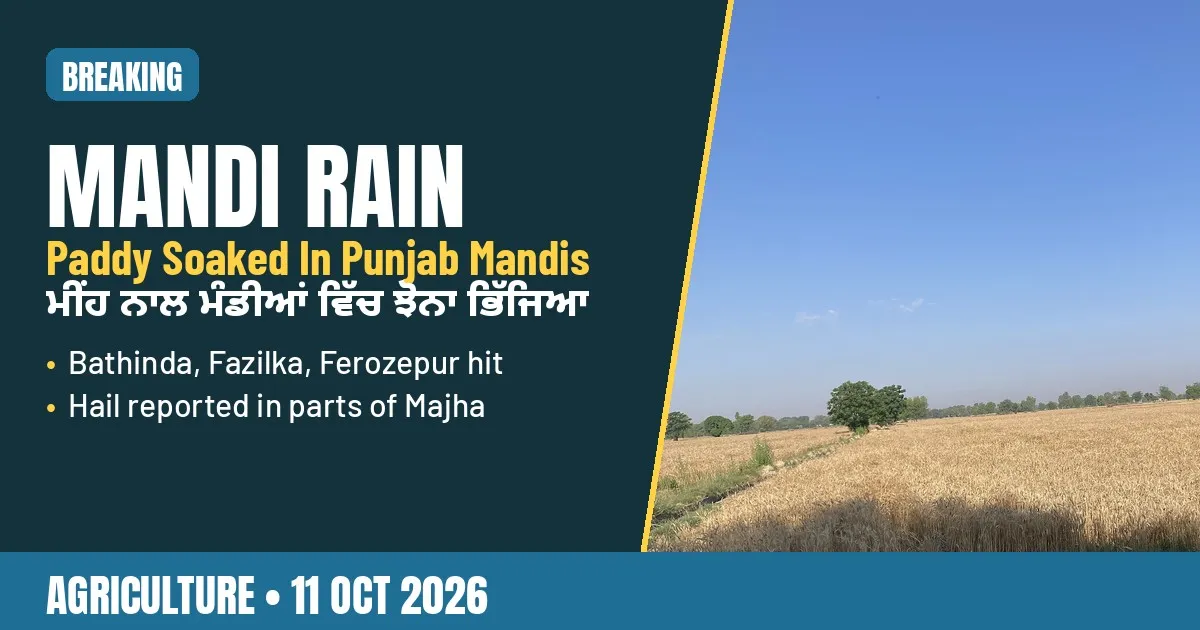 ਮੀਂਹ ਨਾਲ ਪੰਜਾਬ ਦੀਆਂ ਮੰਡੀਆਂ ਵਿੱਚ ਝੋਨਾ ਭਿੱਜਿਆ: ਬਠਿੰਡਾ, ਫ਼ਾਜ਼ਿਲਕਾ, ਫ਼ਿਰੋਜ਼ਪੁਰ ਪ੍ਰਭਾਵਿਤਮੀਂਹ ਨਾਲ ਪੰਜਾਬ ਦੀਆਂ ਮੰਡੀਆਂ ਵਿੱਚ ਝੋਨਾ ਭਿੱਜਿਆ: ਬਠਿੰਡਾ, ਫ਼ਾਜ਼ਿਲਕਾ, ਫ਼ਿਰੋਜ਼ਪੁਰ ਪ੍ਰਭਾਵਿਤ
ਜੁਗਤੀ ਮੁਫ਼ਤ ਅਤੇ ਸੁਤੰਤਰ ਹੈ। ਪਾਠਕਾਂ ਦਾ ਸਹਿਯੋਗ ਕੋਸ਼ ਨੂੰ ਵਧਾਉਂਦਾ ਹੈ।
ਸਹਿਯੋਗ