
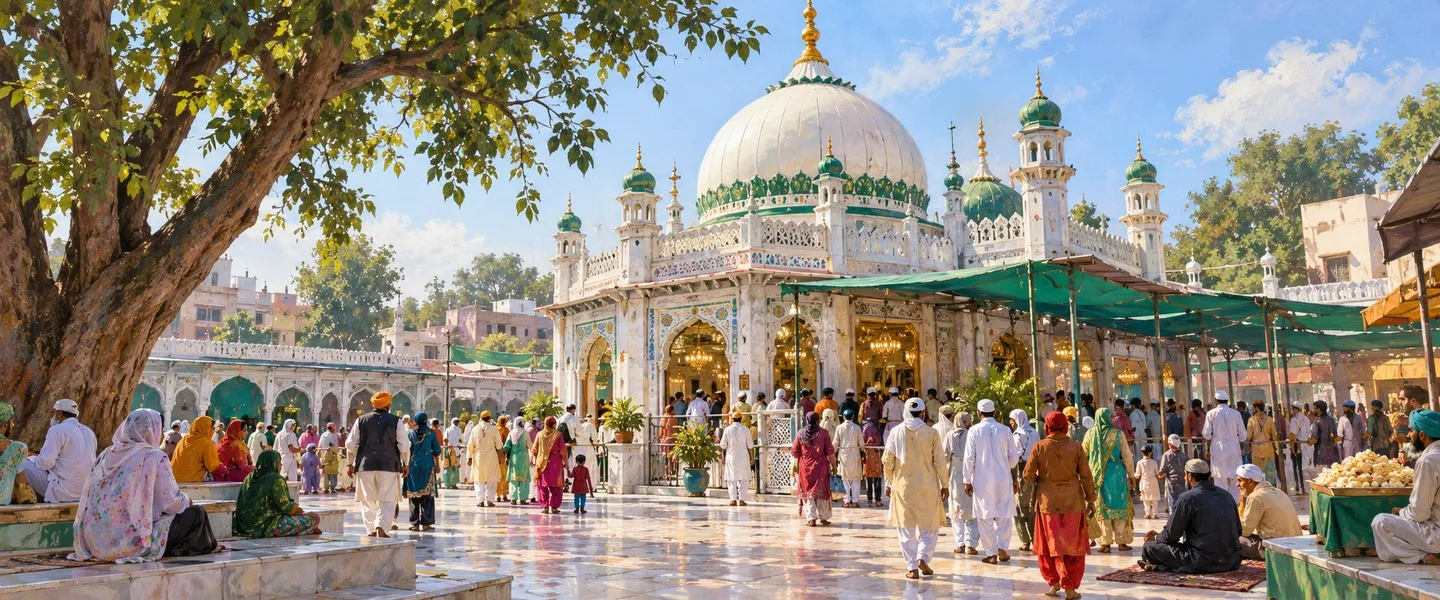
Nakodar is a town and tehsil headquarters in Jalandhar district, Punjab, about 25 km from Jalandhar city, which counted 36,973 residents in the 2011 census. It is known across Punjab for the Dera Baba Murad Shah, a Sufi shrine drawing devotees of all faiths, and for its Mughal era Ustad and Shagird tombs.
- ਪੰਜਾਬੀ ਨਾਂ
- ਨਕੋਦਰ
- ਕਿਸਮ
- Town (municipal council)
- ਜ਼ਿਲ੍ਹਾ
- ਜਲੰਧਰ
- ਇਲਾਕਾ
- Doaba, Punjab (India)
- ਆਬਾਦੀ
- 36,973 (2011 census)
- Area
- 12.50 sq km
All 14 facts
- Wards
- 15
- Literacy
- 84.02% (2011 census)
- Tehsil population
- 208,157 (2011 census)
- Railway station
- Nakodar Junction, for Jalandhar, Phillaur and Lohian Khas
- PIN
- 144040
- ਭਾਸ਼ਾ
- ਪੰਜਾਬੀ
- ਪ੍ਰਸਿੱਧੀ
- Dera Baba Murad Shah; Ustad and Shagird tombs; Dakhni Sarai nearby
- Tehsil
- ਨਕੋਦਰ
ਇਤਿਹਾਸ ਇੱਕ ਨਜ਼ਰ ਵਿੱਚ
Nakodar is a municipal council town and tehsil headquarters in Jalandhar district of Punjab, India, about 25 kilometres south of Jalandhar city. It counted 36,973 residents in the 2011 census. Across Punjab it is best known for the Dera Baba Murad Shah, a Sufi shrine that draws devotees of every faith.
Where is Nakodar?
Nakodar is in the central Doaba, the land between the Beas and the Sutlej, at about 223 metres above sea level. It stands on the Moga to Jalandhar section of National Highway 703, about 25 kilometres from Jalandhar, 49 kilometres from Ludhiana and about 101 kilometres from Amritsar. The town covers 12.50 square kilometres and is both a municipal council, divided into 15 wards, and the headquarters of Nakodar tehsil, whose 208,157 people in 2011 were mostly villagers: the town itself held 36,973 of them. Farming villages ring it on every side, among them Shankar, Sarih, Uggi and Malhian Kalan, and their grain, fodder and shopping all flow through its bazaars.
History: an old town on the Mughal highway
Gazetteer accounts describe Nakodar as a town of considerable antiquity. One account of its name derives it from a Persian phrase, Neki ka dar, meaning the gate of goodness; another links it to a Mongol legion, the Nikudari. Both are traditions about the name rather than proven facts, and they are best read that way. The gazetteers say the town was founded by the Hindu Kamboh, whose settlements lay west of the present town, where extensive ruins and two old tombs, nicknamed the Black Dome and the Red Dome from the colour of their materials, still marked the site. Tradition holds that the Kamboh were expelled by Nawab Kutb Khan, who came with an army from Indor near Nuh in 1570, after which the town passed to the Khanzadas.
Within two generations, the gazetteer account continues, Muslim Rajputs received the town in jagir from the emperor Jahangir. In the Sikh period the Rajputs were displaced by Sardar Tara Singh Ghaiba, who built a fort here and held the surroundings, until Maharaja Ranjit Singh took Nakodar from him in 1816. Through these changes the town kept its practical importance: it stood on the old Agra to Lahore highway, one of the great Mughal roads, and the sarais and tombs that rose along that road are still its oldest monuments. Under the British and after independence it settled into its modern role as a tehsil town and market for the central Doaba.
Geography and people
The 2011 census counted 36,973 people in the municipal council, up from 31,422 in 2001: 19,360 men and 17,613 women, a sex ratio of 910 women for every 1,000 men, in 7,814 households. Children under six numbered 3,843, about a tenth of the town, and the child sex ratio was 925. Effective literacy stood at 84.02 percent, at 87.43 percent for men and 80.27 percent for women, well above the Punjab average of the time. Scheduled Castes formed 36.49 percent of residents, and workers numbered 12,857, most of them in main work through the year. By religion, Hindus formed 77.04 percent of the town and Sikhs 19.44 percent, with small Muslim, Buddhist, Jain and Christian communities. Punjabi is the language of daily life. The town sits in flat, intensively farmed country, and its week is shaped as much by the agricultural calendar of its villages as by its own offices and schools.
What is Nakodar known for?
Above all, for the Dera Baba Murad Shah. The dera's own tradition tells that Baba Sher Shah settled here when the spot was still jungle, that his disciple Baba Murad Shah took to the Sufi path at 24 and died young, at 28, and that when Sher Shah moved to Pakistan at Partition he blessed Murad Shah to carry the darbar forward. After Murad Shah came Sai Ghulam Shah, known to everyone as Sai Laddi Shah, who led the shrine until his death in 2008, built much of the present complex and started the annual urs mela in Murad Shah's memory, with qawwali at its heart. Devotees of every faith come, Hindus, Sikhs, Muslims and Christians together, with the largest crowds on Thursdays. Visitors remember the langar, the tea and prasad served through the day, and the elaichi, cardamom, prasad the shrine is famous for. The shrine's best known devotee is the singer Gurdas Maan, a disciple of Sai Laddi Shah, and Punjabi singers have performed at its melas for decades.
Places of interest
The Dera Baba Murad Shah is the first stop: the tombs, the langar hall, the park and the broad parking grounds, all kept by the shrine's trust, and the Thursday gathering with its qawwali. The town's second treasure is far older. The Tombs of Ustad and Shagird, teacher and disciple, stand in what was once the Hadironwala Bagh, the garden of the tombs. The Ustad's tomb holds Muhammad Mumin Hussaini, a musician and nobleman of Jahangir's time, and its inscription dates it to 1612 to 1613. Facing it, the Shagird's tomb holds his pupil Haji Jamal and dates to 1657, in Shah Jahan's reign; the matching inscriptions suggest the same calligrapher wrote both. A gateway west of the tombs is said to date to 1667, and beyond the tank to the north stands a baradari with the shrine of Bahadur Khan.
A short drive north west, on the outskirts of Malhian Kalan village, stands the Dakhni Sarai, a great Mughal caravanserai on the old Agra to Lahore road, listed as a monument of national importance. Built around 1640 and attributed in some accounts to Ali Mardan Khan, it is a walled quadrangle about 180 by 172 metres, with large gateways east and west, rows of travellers' rooms around its courtyard and a domed mosque in its south west corner. Together, the dera, the tombs and the sarai give this small town three very different centuries to walk through in a single visit.
Notable people
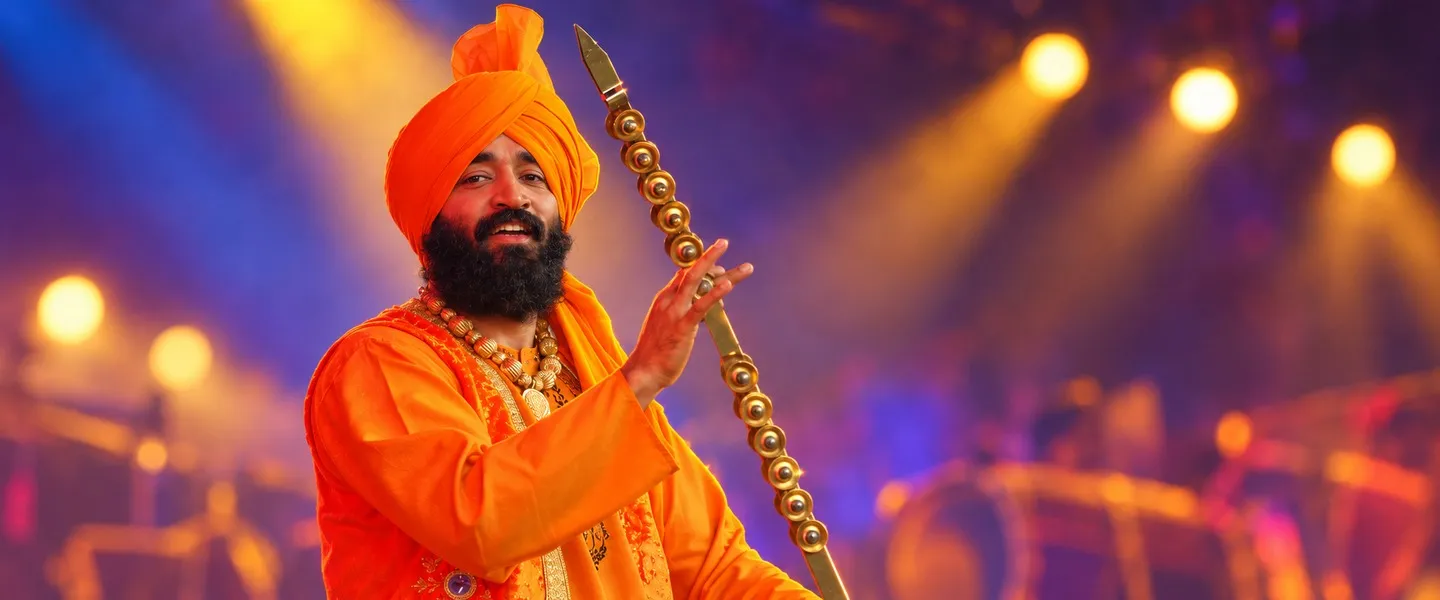
Nakodar's defining figures are its saints: Baba Sher Shah, the founder around whom the dera grew; Baba Murad Shah, whose name it carries; and Sai Laddi Shah, who led it into the modern era and whose memory still draws the mela crowds. The town's Mughal tombs remember two more: Muhammad Mumin Hussaini, the court musician, and his pupil Haji Jamal. In the modern lists of people connected with the town, Wikipedia names the bhangra singer Malkit Singh among its notables, and the dera adds one name of its own: Gurdas Maan, not a son of the town but its most famous devotee, who has led the melas since Sai Laddi Shah's death.
Getting there, and Nakodar today
By rail, Nakodar Junction is a junction station where lines meet for Jalandhar City, Phillaur and Lohian Khas, so the town is an easy train ride from across the Doaba. By road it stands on National Highway 703 between Moga and Jalandhar, with buses through the day and autos from the bus stand to the dera. Its PIN code is 144040 and its vehicle registration is PB 33. Today Nakodar is a working tehsil town: courts and government offices, a grain market, schools and bazaars serving its villages, and, layered over all of it, the weekly rhythm of the dera, quiet on ordinary days and full to overflowing on Thursdays and at mela time. Few Punjab towns of its size hold both a living Sufi pilgrimage and Mughal monuments of national importance, and that pairing is Nakodar's real distinction.
ਨਕੋਦਰ ਪੰਜਾਬ, ਭਾਰਤ ਦੇ ਜਲੰਧਰ ਜ਼ਿਲ੍ਹੇ ਦਾ ਇੱਕ ਨਗਰ ਕੌਂਸਲ ਕਸਬਾ ਅਤੇ ਤਹਿਸੀਲ ਸਦਰ ਮੁਕਾਮ ਹੈ, ਜਲੰਧਰ ਸ਼ਹਿਰ ਤੋਂ ਲਗਭਗ 25 ਕਿਲੋਮੀਟਰ ਦੱਖਣ ਵੱਲ। 2011 ਦੀ ਮਰਦਮਸ਼ੁਮਾਰੀ ਵਿੱਚ ਇਸਦੀ ਆਬਾਦੀ 36,973 ਸੀ। ਪੂਰੇ ਪੰਜਾਬ ਵਿੱਚ ਇਹ ਡੇਰਾ ਬਾਬਾ ਮੁਰਾਦ ਸ਼ਾਹ ਲਈ ਸਭ ਤੋਂ ਵੱਧ ਜਾਣਿਆ ਜਾਂਦਾ ਹੈ, ਜੋ ਇੱਕ ਸੂਫ਼ੀ ਦਰਗਾਹ ਹੈ ਜਿੱਥੇ ਹਰ ਧਰਮ ਦੇ ਸ਼ਰਧਾਲੂ ਆਉਂਦੇ ਹਨ।
ਨਕੋਦਰ ਕਿੱਥੇ ਹੈ?
ਨਕੋਦਰ ਵਿਚਕਾਰਲੇ ਦੋਆਬੇ ਵਿੱਚ ਹੈ, ਜੋ ਬਿਆਸ ਅਤੇ ਸਤਲੁਜ ਵਿਚਕਾਰਲੀ ਧਰਤੀ ਹੈ, ਸਮੁੰਦਰ ਤਲ ਤੋਂ ਲਗਭਗ 223 ਮੀਟਰ ਉੱਚਾ। ਇਹ ਕੌਮੀ ਸ਼ਾਹਰਾਹ 703 ਦੇ ਮੋਗਾ ਤੋਂ ਜਲੰਧਰ ਵਾਲੇ ਹਿੱਸੇ ਉੱਤੇ ਹੈ, ਜਲੰਧਰ ਤੋਂ ਲਗਭਗ 25 ਕਿਲੋਮੀਟਰ, ਲੁਧਿਆਣੇ ਤੋਂ 49 ਕਿਲੋਮੀਟਰ ਅਤੇ ਅੰਮ੍ਰਿਤਸਰ ਤੋਂ ਲਗਭਗ 101 ਕਿਲੋਮੀਟਰ ਦੂਰ। ਕਸਬਾ 12.50 ਵਰਗ ਕਿਲੋਮੀਟਰ ਵਿੱਚ ਫੈਲਿਆ ਹੈ ਅਤੇ ਇਹ ਨਗਰ ਕੌਂਸਲ ਵੀ ਹੈ, ਜੋ 15 ਵਾਰਡਾਂ ਵਿੱਚ ਵੰਡੀ ਹੈ, ਅਤੇ ਨਕੋਦਰ ਤਹਿਸੀਲ ਦਾ ਸਦਰ ਮੁਕਾਮ ਵੀ, ਜਿਸਦੀ ਆਬਾਦੀ 2011 ਵਿੱਚ 208,157 ਸੀ ਅਤੇ ਜਿਸਦੇ ਜ਼ਿਆਦਾਤਰ ਲੋਕ ਪਿੰਡਾਂ ਵਿੱਚ ਰਹਿੰਦੇ ਸਨ: ਕਸਬੇ ਵਿੱਚ ਉਨ੍ਹਾਂ ਵਿੱਚੋਂ 36,973 ਸਨ। ਖੇਤੀ ਵਾਲੇ ਪਿੰਡ ਇਸਨੂੰ ਹਰ ਪਾਸਿਓਂ ਘੇਰਦੇ ਹਨ, ਜਿਨ੍ਹਾਂ ਵਿੱਚ ਸ਼ੰਕਰ, ਸਰੀਹ, ਉੱਗੀ ਅਤੇ ਮੱਲ੍ਹੀਆਂ ਕਲਾਂ ਸ਼ਾਮਲ ਹਨ, ਅਤੇ ਉਨ੍ਹਾਂ ਦਾ ਅਨਾਜ, ਪੱਠੇ ਅਤੇ ਖਰੀਦਦਾਰੀ ਸਭ ਇਸਦੇ ਬਾਜ਼ਾਰਾਂ ਵਿੱਚੋਂ ਲੰਘਦੇ ਹਨ।
ਇਤਿਹਾਸ: ਮੁਗਲ ਸ਼ਾਹਰਾਹ ਉੱਤੇ ਇੱਕ ਪੁਰਾਣਾ ਕਸਬਾ
ਗਜ਼ਟੀਅਰਾਂ ਦੇ ਵੇਰਵੇ ਨਕੋਦਰ ਨੂੰ ਕਾਫ਼ੀ ਪੁਰਾਣਾ ਕਸਬਾ ਦੱਸਦੇ ਹਨ। ਇਸਦੇ ਨਾਮ ਬਾਰੇ ਇੱਕ ਕਥਾ ਇਸਨੂੰ ਫ਼ਾਰਸੀ ਵਾਕੰਸ਼ ਨੇਕੀ ਕਾ ਦਰ ਨਾਲ ਜੋੜਦੀ ਹੈ, ਜਿਸਦਾ ਅਰਥ ਹੈ ਨੇਕੀ ਦਾ ਦਰਵਾਜ਼ਾ; ਇੱਕ ਹੋਰ ਇਸਨੂੰ ਮੰਗੋਲਾਂ ਦੀ ਨਿਕੂਦਰੀ ਫ਼ੌਜ ਨਾਲ ਜੋੜਦੀ ਹੈ। ਦੋਵੇਂ ਨਾਮ ਬਾਰੇ ਪਰੰਪਰਾਵਾਂ ਹਨ, ਸਾਬਤ ਤੱਥ ਨਹੀਂ, ਅਤੇ ਇਨ੍ਹਾਂ ਨੂੰ ਇਸੇ ਤਰ੍ਹਾਂ ਪੜ੍ਹਨਾ ਚਾਹੀਦਾ ਹੈ। ਗਜ਼ਟੀਅਰ ਕਹਿੰਦੇ ਹਨ ਕਿ ਕਸਬੇ ਦੀ ਨੀਂਹ ਹਿੰਦੂ ਕੰਬੋਹਾਂ ਨੇ ਰੱਖੀ, ਜਿਨ੍ਹਾਂ ਦੀਆਂ ਵਸੋਂਾਂ ਮੌਜੂਦਾ ਕਸਬੇ ਦੇ ਪੱਛਮ ਵੱਲ ਸਨ, ਜਿੱਥੇ ਵੱਡੇ ਖੰਡਰ ਅਤੇ ਦੋ ਪੁਰਾਣੇ ਮਕਬਰੇ, ਜਿਨ੍ਹਾਂ ਨੂੰ ਉਨ੍ਹਾਂ ਦੀ ਸਮੱਗਰੀ ਦੇ ਰੰਗ ਕਰਕੇ ਕਾਲਾ ਗੁੰਬਦ ਅਤੇ ਲਾਲ ਗੁੰਬਦ ਕਿਹਾ ਜਾਂਦਾ ਹੈ, ਅੱਜ ਵੀ ਉਸ ਥਾਂ ਦੀ ਨਿਸ਼ਾਨੀ ਹਨ। ਪਰੰਪਰਾ ਕਹਿੰਦੀ ਹੈ ਕਿ ਕੰਬੋਹਾਂ ਨੂੰ ਨਵਾਬ ਕੁਤਬ ਖਾਨ ਨੇ ਕੱਢਿਆ, ਜੋ 1570 ਵਿੱਚ ਨੂਹ ਨੇੜਲੇ ਇੰਦੋਰ ਤੋਂ ਫ਼ੌਜ ਲੈ ਕੇ ਆਇਆ, ਜਿਸ ਤੋਂ ਬਾਅਦ ਕਸਬਾ ਖਾਨਜ਼ਾਦਿਆਂ ਕੋਲ ਚਲਾ ਗਿਆ।
ਗਜ਼ਟੀਅਰ ਅੱਗੇ ਕਹਿੰਦਾ ਹੈ ਕਿ ਦੋ ਪੀੜ੍ਹੀਆਂ ਦੇ ਅੰਦਰ ਮੁਸਲਮਾਨ ਰਾਜਪੂਤਾਂ ਨੂੰ ਬਾਦਸ਼ਾਹ ਜਹਾਂਗੀਰ ਵੱਲੋਂ ਕਸਬਾ ਜਾਗੀਰ ਵਿੱਚ ਮਿਲ ਗਿਆ। ਸਿੱਖ ਰਾਜ ਦੇ ਸਮੇਂ ਵਿੱਚ ਰਾਜਪੂਤਾਂ ਨੂੰ ਸਰਦਾਰ ਤਾਰਾ ਸਿੰਘ ਘੈਬਾ ਨੇ ਹਟਾਇਆ, ਜਿਸਨੇ ਇੱਥੇ ਕਿਲ੍ਹਾ ਬਣਾਇਆ ਅਤੇ ਆਲੇ-ਦੁਆਲੇ ਉੱਤੇ ਕਬਜ਼ਾ ਰੱਖਿਆ, ਜਦੋਂ ਤੱਕ 1816 ਵਿੱਚ ਮਹਾਰਾਜਾ ਰਣਜੀਤ ਸਿੰਘ ਨੇ ਨਕੋਦਰ ਉਸ ਤੋਂ ਖੋਹ ਨਾ ਲਿਆ। ਇਨ੍ਹਾਂ ਬਦਲਾਅਾਂ ਦੌਰਾਨ ਕਸਬੇ ਨੇ ਆਪਣੀ ਵਿਹਾਰਕ ਮਹੱਤਤਾ ਕਾਇਮ ਰੱਖੀ: ਇਹ ਪੁਰਾਣੀ ਆਗਰਾ ਤੋਂ ਲਾਹੌਰ ਸ਼ਾਹਰਾਹ ਉੱਤੇ ਸੀ, ਜੋ ਮਹਾਨ ਮੁਗਲ ਸੜਕਾਂ ਵਿੱਚੋਂ ਇੱਕ ਸੀ, ਅਤੇ ਉਸ ਸੜਕ ਕਿਨਾਰੇ ਬਣੀਆਂ ਸਰਾਵਾਂ ਅਤੇ ਮਕਬਰੇ ਅੱਜ ਵੀ ਇਸਦੇ ਸਭ ਤੋਂ ਪੁਰਾਣੇ ਸਮਾਰਕ ਹਨ। ਅੰਗਰੇਜ਼ਾਂ ਦੇ ਸਮੇਂ ਅਤੇ ਆਜ਼ਾਦੀ ਤੋਂ ਬਾਅਦ ਇਹ ਵਿਚਕਾਰਲੇ ਦੋਆਬੇ ਦਾ ਤਹਿਸੀਲ ਕਸਬਾ ਅਤੇ ਮੰਡੀ ਬਣ ਕੇ ਸਥਿਰ ਹੋ ਗਿਆ।
ਭੂਗੋਲ ਅਤੇ ਲੋਕ
2011 ਦੀ ਮਰਦਮਸ਼ੁਮਾਰੀ ਵਿੱਚ ਨਗਰ ਕੌਂਸਲ ਦੀ ਆਬਾਦੀ 36,973 ਸੀ, ਜੋ 2001 ਦੇ 31,422 ਤੋਂ ਵਧੀ ਸੀ: 19,360 ਮਰਦ ਅਤੇ 17,613 ਔਰਤਾਂ, ਹਰ 1,000 ਮਰਦਾਂ ਪਿੱਛੇ 910 ਔਰਤਾਂ, ਜੋ 7,814 ਘਰਾਂ ਵਿੱਚ ਰਹਿੰਦੇ ਸਨ। ਛੇ ਸਾਲ ਤੋਂ ਛੋਟੇ ਬੱਚੇ 3,843 ਸਨ, ਜੋ ਕਸਬੇ ਦਾ ਲਗਭਗ ਦਸਵਾਂ ਹਿੱਸਾ ਹੈ, ਅਤੇ ਬਾਲ ਲਿੰਗ ਅਨੁਪਾਤ 925 ਸੀ। ਅਸਲ ਸਾਖਰਤਾ 84.02 ਫ਼ੀਸਦੀ ਸੀ, ਮਰਦਾਂ ਵਿੱਚ 87.43 ਫ਼ੀਸਦੀ ਅਤੇ ਔਰਤਾਂ ਵਿੱਚ 80.27 ਫ਼ੀਸਦੀ, ਜੋ ਉਸ ਸਮੇਂ ਦੀ ਪੰਜਾਬ ਔਸਤ ਤੋਂ ਕਾਫ਼ੀ ਉੱਤੇ ਸੀ। ਅਨੁਸੂਚਿਤ ਜਾਤੀਆਂ ਵਾਸੀਆਂ ਦਾ 36.49 ਫ਼ੀਸਦੀ ਸਨ, ਅਤੇ ਕਾਮੇ 12,857 ਦਰਜ ਹੋਏ, ਜਿਨ੍ਹਾਂ ਵਿੱਚੋਂ ਜ਼ਿਆਦਾਤਰ ਸਾਲ ਭਰ ਮੁੱਖ ਕੰਮ ਵਿੱਚ ਸਨ। ਧਰਮ ਅਨੁਸਾਰ, ਹਿੰਦੂ 77.04 ਫ਼ੀਸਦੀ ਅਤੇ ਸਿੱਖ 19.44 ਫ਼ੀਸਦੀ ਸਨ, ਨਾਲ ਛੋਟੇ ਮੁਸਲਮਾਨ, ਬੋਧ, ਜੈਨ ਅਤੇ ਈਸਾਈ ਭਾਈਚਾਰੇ ਵੀ ਸਨ। ਪੰਜਾਬੀ ਰੋਜ਼ਾਨਾ ਜ਼ਿੰਦਗੀ ਦੀ ਬੋਲੀ ਹੈ। ਕਸਬਾ ਸਮਤਲ, ਗਹਿਰੀ ਖੇਤੀ ਵਾਲੀ ਧਰਤੀ ਵਿੱਚ ਹੈ, ਅਤੇ ਇਸਦਾ ਹਫ਼ਤਾ ਇਸਦੇ ਆਪਣੇ ਦਫ਼ਤਰਾਂ ਅਤੇ ਸਕੂਲਾਂ ਨਾਲੋਂ ਇਸਦੇ ਪਿੰਡਾਂ ਦੇ ਖੇਤੀ ਕੈਲੰਡਰ ਨਾਲ ਵੀ ਓਨਾ ਹੀ ਬੱਝਾ ਹੈ।
ਨਕੋਦਰ ਕਿਸ ਲਈ ਜਾਣਿਆ ਜਾਂਦਾ ਹੈ?
ਸਭ ਤੋਂ ਵੱਧ, ਡੇਰਾ ਬਾਬਾ ਮੁਰਾਦ ਸ਼ਾਹ ਲਈ। ਡੇਰੇ ਦੀ ਆਪਣੀ ਪਰੰਪਰਾ ਦੱਸਦੀ ਹੈ ਕਿ ਬਾਬਾ ਸ਼ੇਰ ਸ਼ਾਹ ਇੱਥੇ ਉਦੋਂ ਆ ਵੱਸੇ ਜਦੋਂ ਇਹ ਥਾਂ ਅਜੇ ਜੰਗਲ ਸੀ, ਕਿ ਉਨ੍ਹਾਂ ਦੇ ਚੇਲੇ ਬਾਬਾ ਮੁਰਾਦ ਸ਼ਾਹ ਨੇ 24 ਸਾਲ ਦੀ ਉਮਰ ਵਿੱਚ ਫ਼ਕੀਰੀ ਦਾ ਰਾਹ ਫੜਿਆ ਅਤੇ 28 ਸਾਲ ਦੀ ਉਮਰ ਵਿੱਚ ਹੀ ਚਲਾਣਾ ਕਰ ਗਏ, ਅਤੇ ਕਿ ਜਦੋਂ ਵੰਡ ਦੇ ਸਮੇਂ ਸ਼ੇਰ ਸ਼ਾਹ ਪਾਕਿਸਤਾਨ ਚਲੇ ਗਏ ਤਾਂ ਉਨ੍ਹਾਂ ਨੇ ਮੁਰਾਦ ਸ਼ਾਹ ਨੂੰ ਦਰਬਾਰ ਅੱਗੇ ਚਲਾਉਣ ਦਾ ਅਸ਼ੀਰਵਾਦ ਦਿੱਤਾ। ਮੁਰਾਦ ਸ਼ਾਹ ਤੋਂ ਬਾਅਦ ਸਾਈਂ ਗੁਲਾਮ ਸ਼ਾਹ ਆਏ, ਜਿਨ੍ਹਾਂ ਨੂੰ ਸਭ ਸਾਈਂ ਲਾਡੀ ਸ਼ਾਹ ਕਹਿੰਦੇ ਹਨ, ਜਿਨ੍ਹਾਂ ਨੇ 2008 ਵਿੱਚ ਆਪਣੇ ਦੇਹਾਂਤ ਤੱਕ ਦਰਗਾਹ ਦੀ ਅਗਵਾਈ ਕੀਤੀ, ਮੌਜੂਦਾ ਕੰਪਲੈਕਸ ਦਾ ਵੱਡਾ ਹਿੱਸਾ ਬਣਾਇਆ ਅਤੇ ਮੁਰਾਦ ਸ਼ਾਹ ਦੀ ਯਾਦ ਵਿੱਚ ਸਾਲਾਨਾ ਉਰਸ ਮੇਲਾ ਸ਼ੁਰੂ ਕੀਤਾ, ਜਿਸਦੇ ਕੇਂਦਰ ਵਿੱਚ ਕੱਵਾਲੀ ਹੈ। ਹਰ ਧਰਮ ਦੇ ਸ਼ਰਧਾਲੂ ਆਉਂਦੇ ਹਨ, ਹਿੰਦੂ, ਸਿੱਖ, ਮੁਸਲਮਾਨ ਅਤੇ ਈਸਾਈ ਇੱਕਠੇ, ਅਤੇ ਸਭ ਤੋਂ ਵੱਡੀ ਭੀੜ ਵੀਰਵਾਰ ਨੂੰ ਹੁੰਦੀ ਹੈ। ਆਉਣ ਵਾਲਿਆਂ ਨੂੰ ਲੰਗਰ, ਦਿਨ ਭਰ ਵਰਤਾਈ ਜਾਂਦੀ ਚਾਹ ਅਤੇ ਪ੍ਰਸਾਦ, ਅਤੇ ਉਹ ਇਲਾਇਚੀ ਪ੍ਰਸਾਦ ਯਾਦ ਰਹਿੰਦਾ ਹੈ ਜਿਸ ਲਈ ਦਰਗਾਹ ਮਸ਼ਹੂਰ ਹੈ। ਦਰਗਾਹ ਦਾ ਸਭ ਤੋਂ ਜਾਣਿਆ ਸ਼ਰਧਾਲੂ ਗਾਇਕ ਗੁਰਦਾਸ ਮਾਨ ਹੈ, ਜੋ ਸਾਈਂ ਲਾਡੀ ਸ਼ਾਹ ਦਾ ਚੇਲਾ ਹੈ, ਅਤੇ ਪੰਜਾਬੀ ਗਾਇਕ ਦਹਾਕਿਆਂ ਤੋਂ ਇਸਦੇ ਮੇਲਿਆਂ ਵਿੱਚ ਗਾਉਂਦੇ ਆਏ ਹਨ।
ਦੇਖਣਯੋਗ ਥਾਵਾਂ
ਡੇਰਾ ਬਾਬਾ ਮੁਰਾਦ ਸ਼ਾਹ ਪਹਿਲਾ ਪੜਾਅ ਹੈ: ਮਕਬਰੇ, ਲੰਗਰ ਹਾਲ, ਪਾਰਕ ਅਤੇ ਵੱਡੇ ਪਾਰਕਿੰਗ ਮੈਦਾਨ, ਜਿਨ੍ਹਾਂ ਦੀ ਸੰਭਾਲ ਦਰਗਾਹ ਦਾ ਟਰੱਸਟ ਕਰਦਾ ਹੈ, ਅਤੇ ਵੀਰਵਾਰ ਦਾ ਇਕੱਠ ਜਿਸ ਵਿੱਚ ਕੱਵਾਲੀ ਹੁੰਦੀ ਹੈ। ਕਸਬੇ ਦਾ ਦੂਜਾ ਖਜ਼ਾਨਾ ਇਸ ਤੋਂ ਕਿਤੇ ਪੁਰਾਣਾ ਹੈ। ਉਸਤਾਦ ਅਤੇ ਸ਼ਾਗਿਰਦ ਦੇ ਮਕਬਰੇ ਉਸ ਥਾਂ ਖੜ੍ਹੇ ਹਨ ਜਿੱਥੇ ਕਦੇ ਹਦੀਰੋਂ ਵਾਲਾ ਬਾਗ, ਮਕਬਰਿਆਂ ਵਾਲਾ ਬਾਗ, ਹੁੰਦਾ ਸੀ। ਉਸਤਾਦ ਦੇ ਮਕਬਰੇ ਵਿੱਚ ਮੁਹੰਮਦ ਮੁਮਿਨ ਹੁਸੈਨੀ ਹਨ, ਜੋ ਜਹਾਂਗੀਰ ਦੇ ਸਮੇਂ ਦੇ ਸੰਗੀਤਕਾਰ ਅਤੇ ਦਰਬਾਰੀ ਸਨ, ਅਤੇ ਇਸ ਉੱਤੇ ਲਿਖਤ ਇਸਨੂੰ 1612 ਤੋਂ 1613 ਦਾ ਦੱਸਦੀ ਹੈ। ਉਸਦੇ ਸਾਹਮਣੇ ਸ਼ਾਗਿਰਦ ਦੇ ਮਕਬਰੇ ਵਿੱਚ ਉਨ੍ਹਾਂ ਦੇ ਚੇਲੇ ਹਾਜੀ ਜਮਾਲ ਹਨ ਅਤੇ ਇਹ 1657 ਦਾ ਹੈ, ਸ਼ਾਹ ਜਹਾਂ ਦੇ ਰਾਜ ਦਾ; ਦੋਵਾਂ ਦੀਆਂ ਮਿਲਦੀਆਂ ਲਿਖਤਾਂ ਤੋਂ ਲੱਗਦਾ ਹੈ ਕਿ ਦੋਵੇਂ ਇੱਕੋ ਖੁਸ਼ਨਵੀਸ ਨੇ ਲਿਖੀਆਂ। ਮਕਬਰਿਆਂ ਦੇ ਪੱਛਮ ਵੱਲ ਦਰਵਾਜ਼ਾ 1667 ਦਾ ਕਿਹਾ ਜਾਂਦਾ ਹੈ, ਅਤੇ ਉੱਤਰ ਵੱਲ ਤਲਾਬ ਤੋਂ ਪਾਰ ਇੱਕ ਬਾਰਾਦਰੀ ਹੈ ਜਿਸ ਵਿੱਚ ਬਹਾਦਰ ਖਾਨ ਦਾ ਮਜ਼ਾਰ ਹੈ।
ਥੋੜ੍ਹੀ ਦੂਰ ਉੱਤਰ ਪੱਛਮ ਵੱਲ, ਮੱਲ੍ਹੀਆਂ ਕਲਾਂ ਪਿੰਡ ਦੇ ਕੰਢੇ ਉੱਤੇ, ਦੱਖਣੀ ਸਰਾਏ ਖੜ੍ਹੀ ਹੈ, ਜੋ ਪੁਰਾਣੀ ਆਗਰਾ ਤੋਂ ਲਾਹੌਰ ਸੜਕ ਉੱਤੇ ਇੱਕ ਵੱਡੀ ਮੁਗਲ ਕਾਰਵਾਂ ਸਰਾਏ ਹੈ ਅਤੇ ਕੌਮੀ ਮਹੱਤਤਾ ਦੇ ਸਮਾਰਕ ਵਜੋਂ ਦਰਜ ਹੈ। ਲਗਭਗ 1640 ਵਿੱਚ ਬਣੀ, ਅਤੇ ਕੁਝ ਕਥਾਵਾਂ ਵਿੱਚ ਅਲੀ ਮਰਦਾਨ ਖਾਨ ਨਾਲ ਜੋੜੀ ਜਾਂਦੀ, ਇਹ ਲਗਭਗ 180 ਗੁਣਾ 172 ਮੀਟਰ ਦੀ ਕੰਧਾਂ ਵਾਲੀ ਚਾਰਖੂੰਜੀ ਇਮਾਰਤ ਹੈ, ਜਿਸਦੇ ਪੂਰਬ ਅਤੇ ਪੱਛਮ ਵੱਲ ਵੱਡੇ ਦਰਵਾਜ਼ੇ ਹਨ, ਵਿਹੜੇ ਦੇ ਆਲੇ-ਦੁਆਲੇ ਯਾਤਰੀਆਂ ਦੇ ਕਮਰਿਆਂ ਦੀਆਂ ਕਤਾਰਾਂ ਹਨ ਅਤੇ ਦੱਖਣ ਪੱਛਮੀ ਕੋਨੇ ਵਿੱਚ ਗੁੰਬਦ ਵਾਲੀ ਮਸਜਿਦ ਹੈ। ਡੇਰਾ, ਮਕਬਰੇ ਅਤੇ ਸਰਾਏ ਮਿਲ ਕੇ ਇਸ ਛੋਟੇ ਕਸਬੇ ਨੂੰ ਇੱਕੋ ਫੇਰੀ ਵਿੱਚ ਤਿੰਨ ਵੱਖ-ਵੱਖ ਸਦੀਆਂ ਵਿੱਚੋਂ ਲੰਘਣ ਦਾ ਮੌਕਾ ਦਿੰਦੇ ਹਨ।
ਪ੍ਰਸਿੱਧ ਲੋਕ
ਨਕੋਦਰ ਦੀਆਂ ਪਛਾਣ ਬਣਾਉਣ ਵਾਲੀਆਂ ਸ਼ਖਸੀਅਤਾਂ ਇਸਦੇ ਸੰਤ ਹਨ: ਬਾਬਾ ਸ਼ੇਰ ਸ਼ਾਹ, ਜਿਨ੍ਹਾਂ ਦੇ ਆਲੇ-ਦੁਆਲੇ ਡੇਰਾ ਵਧਿਆ; ਬਾਬਾ ਮੁਰਾਦ ਸ਼ਾਹ, ਜਿਨ੍ਹਾਂ ਦਾ ਨਾਮ ਇਹ ਢੋਅਦਾ ਹੈ; ਅਤੇ ਸਾਈਂ ਲਾਡੀ ਸ਼ਾਹ, ਜਿਨ੍ਹਾਂ ਨੇ ਇਸਨੂੰ ਆਧੁਨਿਕ ਯੁੱਗ ਵਿੱਚ ਲਿਆਂਦਾ ਅਤੇ ਜਿਨ੍ਹਾਂ ਦੀ ਯਾਦ ਅੱਜ ਵੀ ਮੇਲੇ ਦੀ ਭੀੜ ਖਿੱਚਦੀ ਹੈ। ਕਸਬੇ ਦੇ ਮੁਗਲ ਮਕਬਰੇ ਦੋ ਹੋਰ ਨਾਵਾਂ ਨੂੰ ਯਾਦ ਕਰਦੇ ਹਨ: ਦਰਬਾਰੀ ਸੰਗੀਤਕਾਰ ਮੁਹੰਮਦ ਮੁਮਿਨ ਹੁਸੈਨੀ, ਅਤੇ ਉਨ੍ਹਾਂ ਦੇ ਚੇਲੇ ਹਾਜੀ ਜਮਾਲ। ਕਸਬੇ ਨਾਲ ਜੁੜੇ ਲੋਕਾਂ ਦੀਆਂ ਆਧੁਨਿਕ ਸੂਚੀਆਂ ਵਿੱਚ ਵੀਕੀਪੀਡੀਆ ਭੰਗੜਾ ਗਾਇਕ ਮਲਕੀਤ ਸਿੰਘ ਦਾ ਨਾਮ ਲੈਂਦਾ ਹੈ, ਅਤੇ ਡੇਰਾ ਆਪਣਾ ਇੱਕ ਨਾਮ ਹੋਰ ਜੋੜਦਾ ਹੈ: ਗੁਰਦਾਸ ਮਾਨ, ਜੋ ਕਸਬੇ ਦੇ ਪੁੱਤਰ ਨਹੀਂ ਸਗੋਂ ਇਸਦੇ ਸਭ ਤੋਂ ਮਸ਼ਹੂਰ ਸ਼ਰਧਾਲੂ ਹਨ, ਜਿਨ੍ਹਾਂ ਨੇ ਸਾਈਂ ਲਾਡੀ ਸ਼ਾਹ ਦੇ ਦੇਹਾਂਤ ਤੋਂ ਬਾਅਦ ਮੇਲਿਆਂ ਦੀ ਅਗਵਾਈ ਕੀਤੀ ਹੈ।
ਪਹੁੰਚਣ ਦੇ ਸਾਧਨ, ਅਤੇ ਅੱਜ ਦਾ ਨਕੋਦਰ
ਰੇਲ ਰਾਹੀਂ, ਨਕੋਦਰ ਜੰਕਸ਼ਨ ਇੱਕ ਜੰਕਸ਼ਨ ਸਟੇਸ਼ਨ ਹੈ ਜਿੱਥੇ ਜਲੰਧਰ ਸ਼ਹਿਰ, ਫਿਲੌਰ ਅਤੇ ਲੋਹੀਆਂ ਖਾਸ ਲਈ ਲਾਈਨਾਂ ਮਿਲਦੀਆਂ ਹਨ, ਇਸ ਲਈ ਪੂਰੇ ਦੋਆਬੇ ਤੋਂ ਕਸਬਾ ਗੱਡੀ ਰਾਹੀਂ ਸੌਖਾ ਹੈ। ਸੜਕ ਰਾਹੀਂ ਇਹ ਮੋਗਾ ਅਤੇ ਜਲੰਧਰ ਵਿਚਕਾਰ ਕੌਮੀ ਸ਼ਾਹਰਾਹ 703 ਉੱਤੇ ਹੈ, ਦਿਨ ਭਰ ਬੱਸਾਂ ਚੱਲਦੀਆਂ ਹਨ ਅਤੇ ਬੱਸ ਅੱਡੇ ਤੋਂ ਡੇਰੇ ਤੱਕ ਆਟੋ ਮਿਲਦੇ ਹਨ। ਇਸਦਾ ਪਿੰਨ ਕੋਡ 144040 ਹੈ ਅਤੇ ਵਾਹਨ ਰਜਿਸਟ੍ਰੇਸ਼ਨ ਪੀਬੀ 33 ਹੈ। ਅੱਜ ਨਕੋਦਰ ਇੱਕ ਕੰਮਕਾਜੀ ਤਹਿਸੀਲ ਕਸਬਾ ਹੈ: ਅਦਾਲਤਾਂ ਅਤੇ ਸਰਕਾਰੀ ਦਫ਼ਤਰ, ਅਨਾਜ ਮੰਡੀ, ਸਕੂਲ ਅਤੇ ਆਪਣੇ ਪਿੰਡਾਂ ਦੀ ਸੇਵਾ ਕਰਦੇ ਬਾਜ਼ਾਰ, ਅਤੇ ਇਨ੍ਹਾਂ ਸਭ ਉੱਤੇ ਡੇਰੇ ਦੀ ਹਫ਼ਤਾਵਾਰੀ ਲੈਅ, ਆਮ ਦਿਨਾਂ ਵਿੱਚ ਸ਼ਾਂਤ ਅਤੇ ਵੀਰਵਾਰ ਅਤੇ ਮੇਲੇ ਦੇ ਸਮੇਂ ਭਰ ਕੇ ਵਗਦੀ। ਇਸਦੇ ਆਕਾਰ ਦੇ ਗਿਣਤੀ ਦੇ ਪੰਜਾਬੀ ਕਸਬਿਆਂ ਕੋਲ ਹੀ ਜਿਉਂਦੀ ਸੂਫ਼ੀ ਤੀਰਥ ਯਾਤਰਾ ਅਤੇ ਕੌਮੀ ਮਹੱਤਤਾ ਦੇ ਮੁਗਲ ਸਮਾਰਕ ਦੋਵੇਂ ਹਨ, ਅਤੇ ਇਹੀ ਜੋੜ ਨਕੋਦਰ ਦੀ ਅਸਲ ਪਛਾਣ ਹੈ।
People from Nakodar
Nearby
Villages in Nakodar tehsil (146)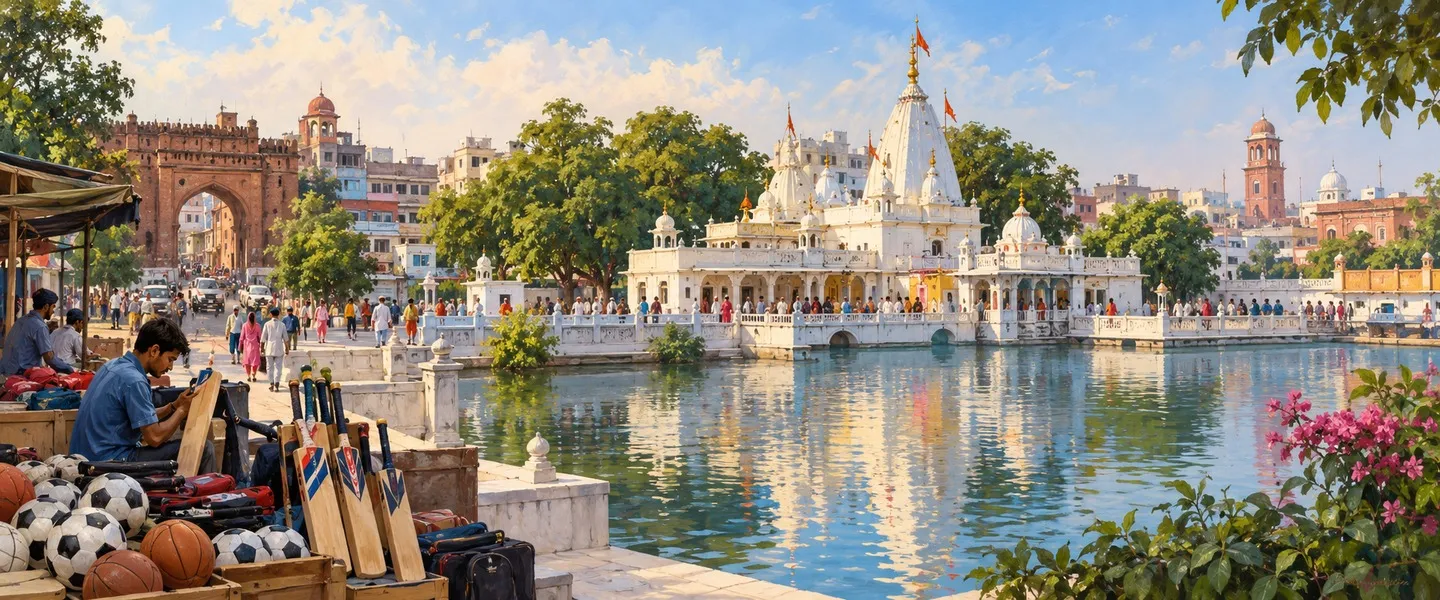


ਸਰੋਤ (5)
ਜੁਗਤੀ ਮੁਫ਼ਤ ਅਤੇ ਸੁਤੰਤਰ ਹੈ। ਪਾਠਕਾਂ ਦਾ ਸਹਿਯੋਗ ਕੋਸ਼ ਨੂੰ ਵਧਾਉਂਦਾ ਹੈ।
ਸਹਿਯੋਗ