
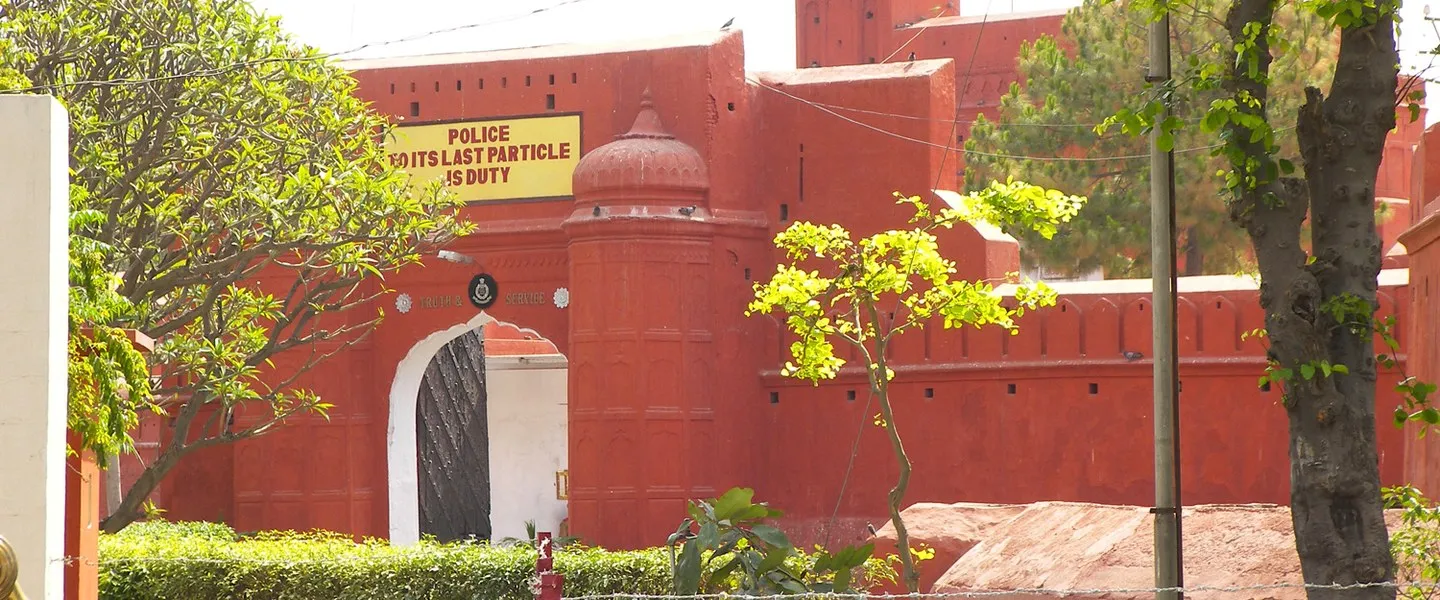
Phillaur is a town in Jalandhar district, Doaba, on the north bank of the Sutlej and the Grand Trunk Road, which counted 24,688 residents in the 2011 census. Its red brick fort began as a Mughal sarai, was rebuilt by Maharaja Ranjit Singh in 1809, and has housed the Punjab Police Academy since 1981.
ਇਤਿਹਾਸ ਇੱਕ ਨਜ਼ਰ ਵਿੱਚ
- 1542Sher Shah Suri's sarai is raised at Phillaur on the imperial road.
- 1809Ranjit Singh rebuilds the sarai as a fort, designed by Dewan Mohkam Chand.
- 1846The British take the fort after the Battle of Aliwal.
- 1892The Finger Print Bureau — among the region's oldest forensic units — is set up.
- 1981The fort becomes the Maharaja Ranjit Singh Punjab Police Academy.
- ਪੰਜਾਬੀ ਨਾਂ
- ਫਿਲੌਰ
- ਕਿਸਮ
- Town (municipal council)
- ਜ਼ਿਲ੍ਹਾ
- ਜਲੰਧਰ
- ਇਲਾਕਾ
- Doaba, Punjab (India)
- ਆਬਾਦੀ
- 24,688 (2011 census)
- ਰਕਬਾ
- About 7.5 sq km
All 17 facts
- Wards
- 15
- ਸਾਖਰਤਾ
- 83.16% (2011 census)
- Tehsil population
- 381,732 (2011 census)
- Landmark
- Phillaur Fort (Maharaja Ranjit Singh Fort)
- Fort history
- Imperial sarai under Shah Jahan; rebuilt as a fort in 1809, designed by Dewan Mohkam Chand
- ਅੱਜ
- Maharaja Ranjit Singh Punjab Police Academy (since 1981)
- Railway station
- Phillaur Junction
- PIN
- 144410
- ਭਾਸ਼ਾ
- ਪੰਜਾਬੀ
- ਪ੍ਰਸਿੱਧੀ
- Ranjit Singh Fort and police academy; Sutlej timber trade of the old Punjab; birthplace of Ibn e Insha
- ਤਹਿਸੀਲ
- ਫਿਲੌਰ
Phillaur is a municipal council town and tehsil headquarters in Jalandhar district of Punjab, India, on the north bank of the Sutlej River and the Grand Trunk Road. It counted 24,688 residents in the 2011 census. Its red brick fort, rebuilt by Maharaja Ranjit Singh in 1809, now houses the Punjab Police Academy.
Where is Phillaur?
Phillaur stands at about 234 metres above sea level where the Doaba meets the Puadh country, on the north bank of the Sutlej, the river that forms the Doaba's southern edge. Ludhiana is about 20 kilometres across the river to the south, Jalandhar about 45 kilometres to the north west, and Amritsar about 140 kilometres away. The Grand Trunk Road, now National Highway 1, runs through the town, and the older line of the road still survives beside the railway bridge towards Ludhiana. Phillaur is a railway junction, with the branch towards Lohian Khas leaving the main line here and passing Nurmahal on its way. The tehsil it heads is much bigger than the town: 381,732 people in 2011, including the nagar panchayat of Goraya and a long list of farming villages.
History: from Phulnagar to a border fort
Town tradition names a Sanghera Jat, Phul, as the founder, and his settlement was first called Phulnagar. Naru Rajputs under Ratan Pal later held the place, and its position on the imperial road soon mattered more than its founders. In the reign of Sher Shah Suri, from 1540 to 1545, a sarai, a fortified inn for traders and troops, was raised here, and the Mughal emperor Shah Jahan later revived it as an imperial sarai. In the misl period the Sikh chief Sardar Sudh Singh Kang made Phillaur his headquarters. The turning point came in 1809: under the Treaty of Amritsar the Sutlej became the border of Maharaja Ranjit Singh's empire, and the sarai was rebuilt as a full fort, designed by his general Dewan Mohkam Chand with the help of the Maharaja's French and Italian officers, as a deliberate answer to the British position across the river at Ludhiana. Raja Dhanpat Rai managed the post and acted as the Maharaja's munshi for the lands across the Sutlej.
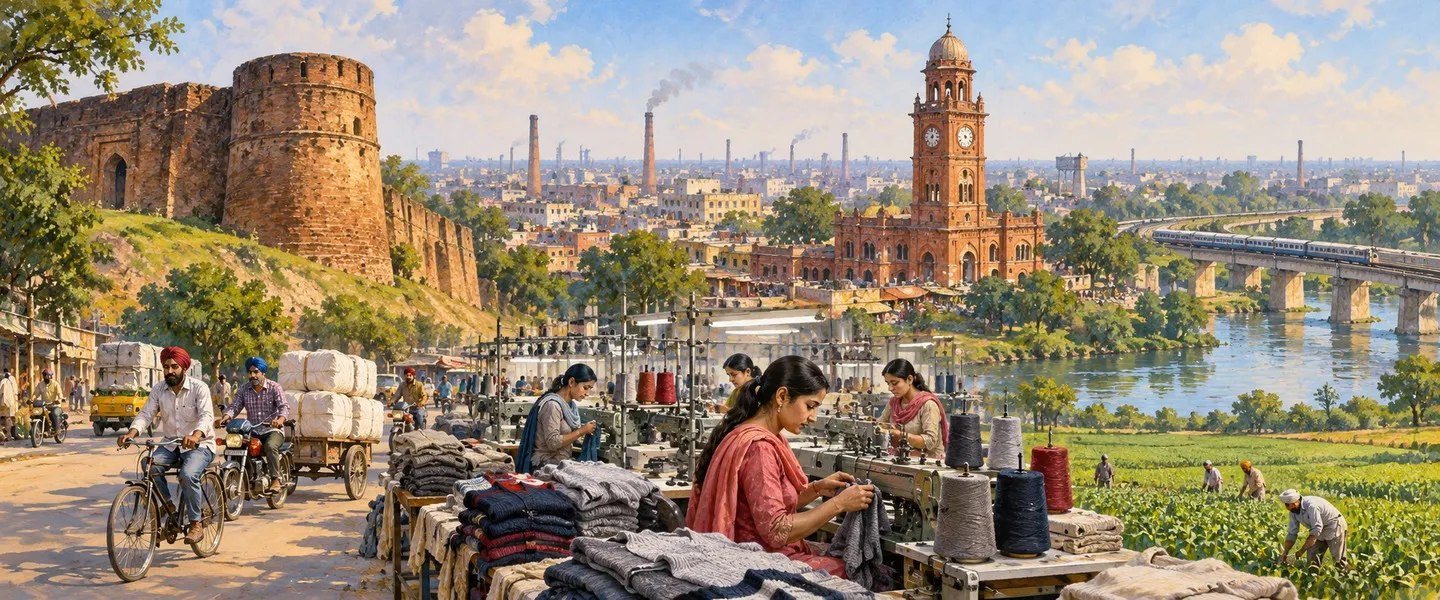
After the Sikh defeat at Aliwal in 1846 the British took the fort, using it first as an artillery depot. In 1891 it became a police training centre, the oldest in India, and the Finger Print Bureau set up here in 1892 remains among the region's oldest forensic institutions. The Punjab government renamed the fort the Maharaja Ranjit Singh Fort in 1973, and since 1981 it has housed the Maharaja Ranjit Singh Punjab Police Academy. The road and river that made the fort also made the town's trade: before Partition, Phillaur was the main timber market of Punjab, where logs cut in the Shivalik hills were floated down the Sutlej and gathered here for onward transport, and a dedicated railway line served that trade.
Geography and people
The municipal council counted 24,688 people in the 2011 census, up from 22,302 in 2001: 12,962 men and 11,726 women, living across about 7.5 square kilometres in 15 wards. Scheduled Castes formed 11,419 of the residents, and 8,384 people were recorded as workers, most of them in main work through the year. By religion, Hindus formed 80.23 percent of the town, Sikhs 14.68 percent, Buddhists 2.43 percent, Christians 1.37 percent and Muslims 0.97 percent, a mix that reflects the fort, the academy and the old trading mohallas as much as the farming villages around it. Punjabi is the language of daily life. The Sutlej floodplain south of the town gives Phillaur lower, greener fields than the towns to its north, and the river ghats and the bridge remain part of local life, especially for families whose work and kin lie across the water in Ludhiana district.
What is Phillaur known for?
Phillaur is known for its fort. The Maharaja Ranjit Singh Fort is a red brick citadel with a distinct European character: channels and a moat dug along its boundary, high walls with inward sloping outer faces built to shed artillery fire, four strong bastions at the corners, and watchtowers over its two gateways, the Delhi Gate to the east and the Lahori Gate to the west, each rising three storeys. Inside the walls stand the police academy, its museum of historical artefacts and the Finger Print Bureau, and the complex also holds the shrine of Pir Baba Abdullah Shah Ji, revered locally across communities. Because the fort is a working academy, public access is restricted and visitors should plan accordingly: for most travellers the fort is admired from the Grand Trunk Road and the river side, and the Sutlej bridge and the old road complete the view.
Notable people
Phillaur's best known son is Sher Muhammad Khan (1927 to 1978), the Urdu poet and humorist loved across Pakistan and India under his pen name Ibn e Insha. He was born here before Partition carried his family across the new border, and his playful, tender verse still carries the town's name with it. A generation earlier the town gave its name to Shardha Ram Phillauri, the local scholar who composed the popular hymn Jai Jagdish Hare here in the 1870s and who wrote what is generally considered the first novel in Hindi; a memorial in the town commemorates him. Behind both stands the founder Phul, whose Phulnagar slowly shortened into the Phillaur the railway boards and road signs carry today.
Getting there, and Phillaur today
Phillaur Junction is served by trains on the main line between Ludhiana and Jalandhar, with the branch line running south east through Nurmahal to Lohian Khas. By road, National Highway 1 and the old Grand Trunk Road link the town to Ludhiana, Goraya and Jalandhar, with buses through the day. Its PIN code is 144410, its telephone code is 01826 and its vehicle registration is PB 37. Today Phillaur is a working tehsil town: courts and offices, the police academy inside its two century old fort, bazaars serving its villages, and the daily flow of students, trainees and traders across the Sutlej bridge. Few Punjab towns carry so many layers in so small a compass: a Jat founder's village, a Mughal sarai, a Sikh border fort and a modern academy, all on one bend of the river.
ਫਿਲੌਰ ਪੰਜਾਬ, ਭਾਰਤ ਦੇ ਜਲੰਧਰ ਜ਼ਿਲ੍ਹੇ ਦਾ ਇੱਕ ਨਗਰ ਕੌਂਸਲ ਕਸਬਾ ਅਤੇ ਤਹਿਸੀਲ ਸਦਰ ਮੁਕਾਮ ਹੈ, ਸਤਲੁਜ ਦਰਿਆ ਦੇ ਉੱਤਰੀ ਕੰਢੇ ਅਤੇ ਗ੍ਰੈਂਡ ਟਰੰਕ ਰੋਡ ਉੱਤੇ। 2011 ਦੀ ਮਰਦਮਸ਼ੁਮਾਰੀ ਵਿੱਚ ਇਸਦੀ ਆਬਾਦੀ 24,688 ਸੀ। ਇਸਦਾ ਲਾਲ ਇੱਟਾਂ ਦਾ ਕਿਲ੍ਹਾ, ਜੋ ਮਹਾਰਾਜਾ ਰਣਜੀਤ ਸਿੰਘ ਨੇ 1809 ਵਿੱਚ ਮੁੜ ਬਣਵਾਇਆ, ਹੁਣ ਪੰਜਾਬ ਪੁਲਿਸ ਅਕਾਦਮੀ ਦਾ ਘਰ ਹੈ।
ਫਿਲੌਰ ਕਿੱਥੇ ਹੈ?
ਫਿਲੌਰ ਸਮੁੰਦਰ ਤਲ ਤੋਂ ਲਗਭਗ 234 ਮੀਟਰ ਉੱਚਾ ਉੱਥੇ ਖੜ੍ਹਾ ਹੈ ਜਿੱਥੇ ਦੋਆਬਾ ਪੁਆਧ ਇਲਾਕੇ ਨੂੰ ਮਿਲਦਾ ਹੈ, ਸਤਲੁਜ ਦੇ ਉੱਤਰੀ ਕੰਢੇ ਉੱਤੇ, ਜੋ ਦਰਿਆ ਦੋਆਬੇ ਦੀ ਦੱਖਣੀ ਹੱਦ ਬਣਾਉਂਦਾ ਹੈ। ਲੁਧਿਆਣਾ ਦਰਿਆ ਪਾਰ ਦੱਖਣ ਵੱਲ ਲਗਭਗ 20 ਕਿਲੋਮੀਟਰ ਹੈ, ਜਲੰਧਰ ਉੱਤਰ ਪੱਛਮ ਵੱਲ ਲਗਭਗ 45 ਕਿਲੋਮੀਟਰ, ਅਤੇ ਅੰਮ੍ਰਿਤਸਰ ਲਗਭਗ 140 ਕਿਲੋਮੀਟਰ ਦੂਰ ਹੈ। ਗ੍ਰੈਂਡ ਟਰੰਕ ਰੋਡ, ਹੁਣ ਰਾਸ਼ਟਰੀ ਸ਼ਾਹਰਾਹ 1, ਕਸਬੇ ਵਿੱਚੋਂ ਲੰਘਦੀ ਹੈ, ਅਤੇ ਸੜਕ ਦੀ ਪੁਰਾਣੀ ਲਕੀਰ ਲੁਧਿਆਣੇ ਵੱਲ ਰੇਲ ਪੁਲ ਦੇ ਨਾਲ ਅੱਜ ਵੀ ਬਚੀ ਹੈ। ਫਿਲੌਰ ਇੱਕ ਰੇਲ ਜੰਕਸ਼ਨ ਹੈ, ਜਿੱਥੋਂ ਲੋਹੀਆਂ ਖਾਸ ਵੱਲ ਜਾਂਦੀ ਸ਼ਾਖਾ ਲਾਈਨ ਮੁੱਖ ਲਾਈਨ ਤੋਂ ਵੱਖ ਹੁੰਦੀ ਹੈ ਅਤੇ ਨੂਰਮਹਿਲ ਵਿੱਚੋਂ ਲੰਘਦੀ ਹੈ। ਜਿਸ ਤਹਿਸੀਲ ਦਾ ਇਹ ਸਦਰ ਮੁਕਾਮ ਹੈ ਉਹ ਕਸਬੇ ਤੋਂ ਕਿਤੇ ਵੱਡੀ ਹੈ: 2011 ਵਿੱਚ 381,732 ਲੋਕ, ਜਿਨ੍ਹਾਂ ਵਿੱਚ ਗੋਰਾਏ ਦੀ ਨਗਰ ਪੰਚਾਇਤ ਅਤੇ ਖੇਤੀ ਵਾਲੇ ਪਿੰਡਾਂ ਦੀ ਲੰਬੀ ਸੂਚੀ ਸ਼ਾਮਲ ਹੈ।
ਇਤਿਹਾਸ: ਫੁੱਲਨਗਰ ਤੋਂ ਸਰਹੱਦੀ ਕਿਲ੍ਹੇ ਤੱਕ
ਕਸਬੇ ਦੀ ਪਰੰਪਰਾ ਇੱਕ ਸੰਘੇੜਾ ਜੱਟ, ਫੁੱਲ, ਨੂੰ ਸੰਸਥਾਪਕ ਦੱਸਦੀ ਹੈ, ਅਤੇ ਉਸਦੀ ਵਸੋਂ ਨੂੰ ਪਹਿਲਾਂ ਫੁੱਲਨਗਰ ਕਿਹਾ ਜਾਂਦਾ ਸੀ। ਬਾਅਦ ਵਿੱਚ ਰਤਨ ਪਾਲ ਦੀ ਅਗਵਾਈ ਹੇਠ ਨਾਰੂ ਰਾਜਪੂਤਾਂ ਨੇ ਇਹ ਥਾਂ ਸਾਂਭੀ, ਅਤੇ ਸ਼ਾਹੀ ਸੜਕ ਉੱਤੇ ਇਸਦੀ ਥਾਂ ਜਲਦੀ ਹੀ ਇਸਦੇ ਸੰਸਥਾਪਕਾਂ ਤੋਂ ਵੱਧ ਮਹੱਤਵਪੂਰਨ ਹੋ ਗਈ। ਸ਼ੇਰ ਸ਼ਾਹ ਸੂਰੀ ਦੇ ਰਾਜ ਵਿੱਚ, 1540 ਤੋਂ 1545 ਤੱਕ, ਇੱਥੇ ਇੱਕ ਸਰਾਏ ਬਣੀ, ਵਪਾਰੀਆਂ ਅਤੇ ਫ਼ੌਜਾਂ ਲਈ ਕਿਲ੍ਹਾਬੰਦ ਧਰਮਸ਼ਾਲਾ, ਅਤੇ ਮੁਗਲ ਬਾਦਸ਼ਾਹ ਸ਼ਾਹਜਹਾਂ ਨੇ ਬਾਅਦ ਵਿੱਚ ਇਸਨੂੰ ਸ਼ਾਹੀ ਸਰਾਏ ਵਜੋਂ ਮੁੜ ਸੁਰਜੀਤ ਕੀਤਾ। ਮਿਸਲ ਕਾਲ ਵਿੱਚ ਸਿੱਖ ਸਰਦਾਰ ਸੁੱਧ ਸਿੰਘ ਕਾਂਗ ਨੇ ਫਿਲੌਰ ਨੂੰ ਆਪਣਾ ਸਦਰ ਮੁਕਾਮ ਬਣਾਇਆ। ਮੋੜ 1809 ਵਿੱਚ ਆਇਆ: ਅੰਮ੍ਰਿਤਸਰ ਦੀ ਸੰਧੀ ਹੇਠ ਸਤਲੁਜ ਮਹਾਰਾਜਾ ਰਣਜੀਤ ਸਿੰਘ ਦੇ ਰਾਜ ਦੀ ਸਰਹੱਦ ਬਣ ਗਿਆ, ਅਤੇ ਸਰਾਏ ਨੂੰ ਪੂਰੇ ਕਿਲ੍ਹੇ ਵਜੋਂ ਮੁੜ ਬਣਾਇਆ ਗਿਆ, ਜਿਸਦਾ ਨਕਸ਼ਾ ਉਨ੍ਹਾਂ ਦੇ ਜਰਨੈਲ ਦੀਵਾਨ ਮੋਹਕਮ ਚੰਦ ਨੇ ਮਹਾਰਾਜਾ ਦੇ ਫ਼ਰਾਂਸੀਸੀ ਅਤੇ ਇਤਾਲਵੀ ਅਫ਼ਸਰਾਂ ਦੀ ਮਦਦ ਨਾਲ ਤਿਆਰ ਕੀਤਾ, ਦਰਿਆ ਪਾਰ ਲੁਧਿਆਣੇ ਵਿੱਚ ਅੰਗਰੇਜ਼ਾਂ ਦੀ ਥਾਂ ਦਾ ਸੋਚਿਆ ਜਵਾਬ ਵਜੋਂ। ਰਾਜਾ ਧਨਪਤ ਰਾਏ ਨੇ ਇਸ ਚੌਕੀ ਨੂੰ ਸੰਭਾਲਿਆ ਅਤੇ ਸਤਲੁਜ ਪਾਰ ਦੀਆਂ ਜ਼ਮੀਨਾਂ ਲਈ ਮਹਾਰਾਜਾ ਦੇ ਮੁਨਸ਼ੀ ਵਜੋਂ ਕੰਮ ਕੀਤਾ।
1846 ਵਿੱਚ ਅਲੀਵਾਲ ਵਿਖੇ ਸਿੱਖ ਹਾਰ ਤੋਂ ਬਾਅਦ ਅੰਗਰੇਜ਼ਾਂ ਨੇ ਕਿਲ੍ਹਾ ਲੈ ਲਿਆ, ਪਹਿਲਾਂ ਇਸਨੂੰ ਤੋਪਖਾਨੇ ਦੇ ਗੋਦਾਮ ਵਜੋਂ ਵਰਤਿਆ। 1891 ਵਿੱਚ ਇਹ ਪੁਲਿਸ ਸਿਖਲਾਈ ਕੇਂਦਰ ਬਣਿਆ, ਜੋ ਭਾਰਤ ਵਿੱਚ ਸਭ ਤੋਂ ਪੁਰਾਣਾ ਹੈ, ਅਤੇ 1892 ਵਿੱਚ ਇੱਥੇ ਬਣਿਆ ਫਿੰਗਰ ਪ੍ਰਿੰਟ ਬਿਊਰੋ ਇਲਾਕੇ ਦੀਆਂ ਸਭ ਤੋਂ ਪੁਰਾਣੀਆਂ ਫੌਰੈਂਸਿਕ ਸੰਸਥਾਵਾਂ ਵਿੱਚੋਂ ਇੱਕ ਹੈ। ਪੰਜਾਬ ਸਰਕਾਰ ਨੇ 1973 ਵਿੱਚ ਕਿਲ੍ਹੇ ਦਾ ਨਾਮ ਮਹਾਰਾਜਾ ਰਣਜੀਤ ਸਿੰਘ ਕਿਲ੍ਹਾ ਰੱਖਿਆ, ਅਤੇ 1981 ਤੋਂ ਇੱਥੇ ਮਹਾਰਾਜਾ ਰਣਜੀਤ ਸਿੰਘ ਪੰਜਾਬ ਪੁਲਿਸ ਅਕਾਦਮੀ ਹੈ। ਜਿਸ ਸੜਕ ਅਤੇ ਦਰਿਆ ਨੇ ਕਿਲ੍ਹਾ ਬਣਾਇਆ, ਉਨ੍ਹਾਂ ਨੇ ਕਸਬੇ ਦਾ ਵਪਾਰ ਵੀ ਬਣਾਇਆ: ਵੰਡ ਤੋਂ ਪਹਿਲਾਂ ਫਿਲੌਰ ਪੰਜਾਬ ਦੀ ਮੁੱਖ ਲੱਕੜ ਮੰਡੀ ਸੀ, ਜਿੱਥੇ ਸ਼ਿਵਾਲਿਕ ਪਹਾੜੀਆਂ ਵਿੱਚ ਕੱਟੀ ਲੱਕੜ ਸਤਲੁਜ ਵਿੱਚ ਵਹਾ ਕੇ ਇੱਥੇ ਇਕੱਠੀ ਕੀਤੀ ਜਾਂਦੀ ਸੀ ਅਤੇ ਅੱਗੇ ਭੇਜੀ ਜਾਂਦੀ ਸੀ, ਅਤੇ ਇੱਕ ਵੱਖਰੀ ਰੇਲ ਲਾਈਨ ਉਸ ਵਪਾਰ ਦੀ ਸੇਵਾ ਕਰਦੀ ਸੀ।
ਭੂਗੋਲ ਅਤੇ ਲੋਕ
2011 ਦੀ ਮਰਦਮਸ਼ੁਮਾਰੀ ਵਿੱਚ ਨਗਰ ਕੌਂਸਲ ਦੀ ਆਬਾਦੀ 24,688 ਸੀ, ਜੋ 2001 ਦੇ 22,302 ਤੋਂ ਵਧੀ ਸੀ: 12,962 ਮਰਦ ਅਤੇ 11,726 ਔਰਤਾਂ, ਜੋ ਲਗਭਗ 7.5 ਵਰਗ ਕਿਲੋਮੀਟਰ ਵਿੱਚ 15 ਵਾਰਡਾਂ ਵਿੱਚ ਰਹਿੰਦੇ ਸਨ। ਅਨੁਸੂਚਿਤ ਜਾਤੀਆਂ ਵਾਸੀਆਂ ਵਿੱਚੋਂ 11,419 ਸਨ, ਅਤੇ 8,384 ਲੋਕ ਕਾਮੇ ਦਰਜ ਹੋਏ, ਜਿਨ੍ਹਾਂ ਵਿੱਚੋਂ ਜ਼ਿਆਦਾਤਰ ਸਾਲ ਭਰ ਮੁੱਖ ਕੰਮ ਵਿੱਚ ਸਨ। ਧਰਮ ਅਨੁਸਾਰ, ਹਿੰਦੂ 80.23 ਫ਼ੀਸਦੀ, ਸਿੱਖ 14.68 ਫ਼ੀਸਦੀ, ਬੋਧ 2.43 ਫ਼ੀਸਦੀ, ਈਸਾਈ 1.37 ਫ਼ੀਸਦੀ ਅਤੇ ਮੁਸਲਮਾਨ 0.97 ਫ਼ੀਸਦੀ ਸਨ, ਉਹ ਰਲਾਅ ਜੋ ਕਿਲ੍ਹੇ, ਅਕਾਦਮੀ ਅਤੇ ਪੁਰਾਣੇ ਵਪਾਰੀ ਮੁਹੱਲਿਆਂ ਦੇ ਨਾਲ-ਨਾਲ ਇਸਦੇ ਆਲੇ-ਦੁਆਲੇ ਦੇ ਖੇਤੀ ਪਿੰਡਾਂ ਨੂੰ ਵੀ ਦਰਸਾਉਂਦਾ ਹੈ। ਪੰਜਾਬੀ ਰੋਜ਼ਾਨਾ ਜ਼ਿੰਦਗੀ ਦੀ ਬੋਲੀ ਹੈ। ਕਸਬੇ ਦੇ ਦੱਖਣ ਵੱਲ ਸਤਲੁਜ ਦਾ ਹੜ੍ਹ ਵਾਲਾ ਮੈਦਾਨ ਫਿਲੌਰ ਨੂੰ ਇਸਦੇ ਉੱਤਰ ਵਾਲੇ ਕਸਬਿਆਂ ਨਾਲੋਂ ਨੀਵੇਂ ਅਤੇ ਹਰੇ ਖੇਤ ਦਿੰਦਾ ਹੈ, ਅਤੇ ਦਰਿਆ ਦੇ ਘਾਟ ਅਤੇ ਪੁਲ ਸਥਾਨਕ ਜ਼ਿੰਦਗੀ ਦਾ ਹਿੱਸਾ ਹਨ, ਖਾਸ ਕਰਕੇ ਉਨ੍ਹਾਂ ਪਰਿਵਾਰਾਂ ਲਈ ਜਿਨ੍ਹਾਂ ਦਾ ਕੰਮ ਅਤੇ ਰਿਸ਼ਤੇਦਾਰੀ ਪਾਣੀ ਪਾਰ ਲੁਧਿਆਣਾ ਜ਼ਿਲ੍ਹੇ ਵਿੱਚ ਹੈ।
ਫਿਲੌਰ ਕਿਸ ਲਈ ਜਾਣਿਆ ਜਾਂਦਾ ਹੈ?
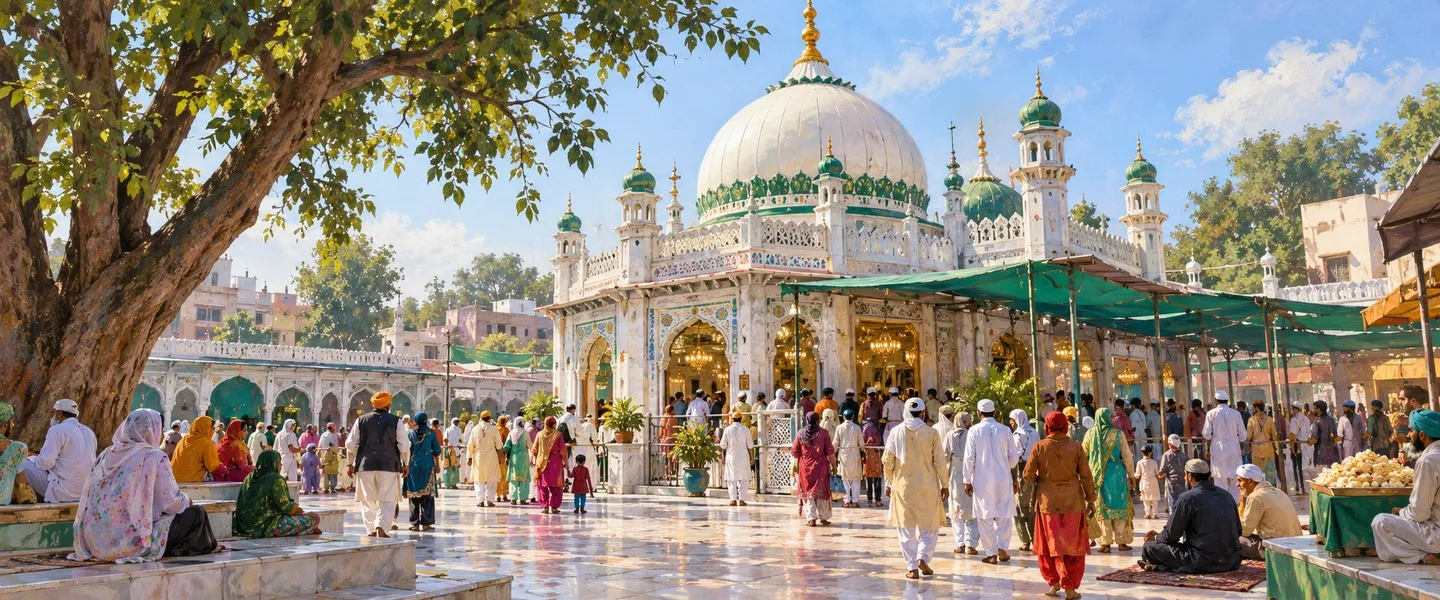
ਫਿਲੌਰ ਆਪਣੇ ਕਿਲ੍ਹੇ ਲਈ ਜਾਣਿਆ ਜਾਂਦਾ ਹੈ। ਮਹਾਰਾਜਾ ਰਣਜੀਤ ਸਿੰਘ ਕਿਲ੍ਹਾ ਇੱਕ ਲਾਲ ਇੱਟਾਂ ਦਾ ਗੜ੍ਹ ਹੈ ਜਿਸਦਾ ਸਪਸ਼ਟ ਯੂਰਪੀ ਸੁਭਾਅ ਹੈ: ਇਸਦੀ ਹੱਦ ਨਾਲ ਖੋਦੇ ਚੈਨਲ ਅਤੇ ਖਾਈ, ਉੱਚੀਆਂ ਕੰਧਾਂ ਜਿਨ੍ਹਾਂ ਦੇ ਬਾਹਰਲੇ ਪਾਸੇ ਤੋਪ ਦੇ ਗੋਲਿਆਂ ਨੂੰ ਖਿਸਕਾਉਣ ਲਈ ਢਲਾਨਦਾਰ ਬਣੇ ਹਨ, ਕੋਨਿਆਂ ਉੱਤੇ ਚਾਰ ਮਜ਼ਬੂਤ ਬੁਰਜ, ਅਤੇ ਇਸਦੇ ਦੋ ਦਰਵਾਜ਼ਿਆਂ ਉੱਤੇ ਪਹਿਰੇ ਵਾਲੇ ਬੁਰਜ, ਪੂਰਬ ਵੱਲ ਦਿੱਲੀ ਦਰਵਾਜ਼ਾ ਅਤੇ ਪੱਛਮ ਵੱਲ ਲਾਹੌਰੀ ਦਰਵਾਜ਼ਾ, ਹਰੇਕ ਤਿੰਨ ਮੰਜ਼ਲਾ ਉੱਚਾ। ਕੰਧਾਂ ਅੰਦਰ ਪੁਲਿਸ ਅਕਾਦਮੀ, ਇਸਦਾ ਇਤਿਹਾਸਕ ਵਸਤਾਂ ਦਾ ਅਜਾਇਬਘਰ ਅਤੇ ਫਿੰਗਰ ਪ੍ਰਿੰਟ ਬਿਊਰੋ ਹਨ, ਅਤੇ ਕੰਪਲੈਕਸ ਵਿੱਚ ਪੀਰ ਬਾਬਾ ਅਬਦੁੱਲਾ ਸ਼ਾਹ ਜੀ ਦੀ ਦਰਗਾਹ ਵੀ ਹੈ, ਜਿਨ੍ਹਾਂ ਨੂੰ ਸਥਾਨਕ ਤੌਰ ਉੱਤੇ ਸਾਰੇ ਭਾਈਚਾਰੇ ਸਤਕਾਰਦੇ ਹਨ। ਕਿਉਂਕਿ ਕਿਲ੍ਹਾ ਇੱਕ ਚੱਲਦੀ ਅਕਾਦਮੀ ਹੈ, ਆਮ ਲੋਕਾਂ ਦਾ ਦਾਖਲਾ ਸੀਮਤ ਹੈ ਅਤੇ ਯਾਤਰੀਆਂ ਨੂੰ ਉਸ ਅਨੁਸਾਰ ਯੋਜਨਾ ਬਣਾਉਣੀ ਚਾਹੀਦੀ ਹੈ: ਜ਼ਿਆਦਾਤਰ ਯਾਤਰੀਆਂ ਲਈ ਕਿਲ੍ਹਾ ਗ੍ਰੈਂਡ ਟਰੰਕ ਰੋਡ ਅਤੇ ਦਰਿਆ ਵਾਲੇ ਪਾਸੇ ਤੋਂ ਦੇਖਿਆ ਜਾਂਦਾ ਹੈ, ਅਤੇ ਸਤਲੁਜ ਪੁਲ ਅਤੇ ਪੁਰਾਣੀ ਸੜਕ ਦ੍ਰਿਸ਼ ਨੂੰ ਪੂਰਾ ਕਰਦੇ ਹਨ।
ਪ੍ਰਸਿੱਧ ਲੋਕ
ਫਿਲੌਰ ਦਾ ਸਭ ਤੋਂ ਮਸ਼ਹੂਰ ਪੁੱਤਰ ਸ਼ੇਰ ਮੁਹੰਮਦ ਖਾਨ ਹੈ (1927 ਤੋਂ 1978), ਉਹ ਉਰਦੂ ਸ਼ਾਇਰ ਅਤੇ ਵਿਅੰਗਕਾਰ ਜਿਸਨੂੰ ਪਾਕਿਸਤਾਨ ਅਤੇ ਭਾਰਤ ਵਿੱਚ ਉਸਦੇ ਕਲਮੀ ਨਾਮ ਇਬਨ ਇ ਇੰਸ਼ਾ ਨਾਲ ਪਿਆਰ ਕੀਤਾ ਜਾਂਦਾ ਹੈ। ਉਹ ਇੱਥੇ ਪੈਦਾ ਹੋਇਆ, ਵੰਡ ਤੋਂ ਪਹਿਲਾਂ ਜੋ ਉਸਦੇ ਪਰਿਵਾਰ ਨੂੰ ਨਵੀਂ ਸਰਹੱਦ ਪਾਰ ਲੈ ਗਈ, ਅਤੇ ਉਸਦੀ ਖੇਡਭਰੀ, ਨਰਮ ਸ਼ਾਇਰੀ ਅੱਜ ਵੀ ਕਸਬੇ ਦਾ ਨਾਮ ਆਪਣੇ ਨਾਲ ਲੈ ਜਾਂਦੀ ਹੈ। ਇੱਕ ਪੀੜ੍ਹੀ ਪਹਿਲਾਂ ਕਸਬੇ ਨੇ ਆਪਣਾ ਨਾਮ ਸ਼ਰਧਾ ਰਾਮ ਫਿਲੌਰੀ ਨੂੰ ਦਿੱਤਾ, ਉਹ ਸਥਾਨਕ ਵਿਦਵਾਨ ਜਿਨ੍ਹਾਂ ਨੇ 1870ਵਿਆਂ ਵਿੱਚ ਇੱਥੇ ਮਸ਼ਹੂਰ ਭਜਨ ਜੈ ਜਗਦੀਸ਼ ਹਰੇ ਦੀ ਰਚਨਾ ਕੀਤੀ ਅਤੇ ਜਿਨ੍ਹਾਂ ਨੇ ਉਹ ਪੁਸਤਕ ਲਿਖੀ ਜਿਸਨੂੰ ਆਮ ਤੌਰ ਉੱਤੇ ਹਿੰਦੀ ਦਾ ਪਹਿਲਾ ਨਾਵਲ ਮੰਨਿਆ ਜਾਂਦਾ ਹੈ; ਕਸਬੇ ਵਿੱਚ ਇੱਕ ਯਾਦਗਾਰ ਉਨ੍ਹਾਂ ਨੂੰ ਸਮਰਪਿਤ ਹੈ। ਦੋਵਾਂ ਦੇ ਪਿੱਛੇ ਸੰਸਥਾਪਕ ਫੁੱਲ ਖੜ੍ਹਾ ਹੈ, ਜਿਸਦਾ ਫੁੱਲਨਗਰ ਹੌਲੀ-ਹੌਲੀ ਛੋਟਾ ਹੋ ਕੇ ਉਹ ਫਿਲੌਰ ਬਣ ਗਿਆ ਜੋ ਅੱਜ ਰੇਲ ਬੋਰਡਾਂ ਅਤੇ ਸੜਕ ਨਿਸ਼ਾਨਾਂ ਉੱਤੇ ਹੈ।
ਪਹੁੰਚਣ ਦੇ ਸਾਧਨ, ਅਤੇ ਅੱਜ ਦਾ ਫਿਲੌਰ
ਫਿਲੌਰ ਜੰਕਸ਼ਨ ਲੁਧਿਆਣਾ ਅਤੇ ਜਲੰਧਰ ਵਿਚਕਾਰ ਮੁੱਖ ਲਾਈਨ ਉੱਤੇ ਗੱਡੀਆਂ ਨਾਲ ਜੁੜਿਆ ਹੈ, ਅਤੇ ਸ਼ਾਖਾ ਲਾਈਨ ਦੱਖਣ ਪੂਰਬ ਵੱਲ ਨੂਰਮਹਿਲ ਵਿੱਚੋਂ ਲੰਘ ਕੇ ਲੋਹੀਆਂ ਖਾਸ ਜਾਂਦੀ ਹੈ। ਸੜਕ ਰਾਹੀਂ, ਰਾਸ਼ਟਰੀ ਸ਼ਾਹਰਾਹ 1 ਅਤੇ ਪੁਰਾਣੀ ਗ੍ਰੈਂਡ ਟਰੰਕ ਰੋਡ ਕਸਬੇ ਨੂੰ ਲੁਧਿਆਣਾ, ਗੋਰਾਏ ਅਤੇ ਜਲੰਧਰ ਨਾਲ ਜੋੜਦੇ ਹਨ, ਦਿਨ ਭਰ ਬੱਸਾਂ ਚੱਲਦੀਆਂ ਹਨ। ਇਸਦਾ ਪਿੰਨ ਕੋਡ 144410 ਹੈ, ਟੈਲੀਫ਼ੋਨ ਕੋਡ 01826 ਹੈ ਅਤੇ ਵਾਹਨ ਰਜਿਸਟ੍ਰੇਸ਼ਨ ਪੀਬੀ 37 ਹੈ। ਅੱਜ ਫਿਲੌਰ ਇੱਕ ਕੰਮਕਾਜੀ ਤਹਿਸੀਲ ਕਸਬਾ ਹੈ: ਅਦਾਲਤਾਂ ਅਤੇ ਦਫ਼ਤਰ, ਇਸਦੇ ਦੋ ਸਦੀ ਪੁਰਾਣੇ ਕਿਲ੍ਹੇ ਅੰਦਰ ਪੁਲਿਸ ਅਕਾਦਮੀ, ਆਪਣੇ ਪਿੰਡਾਂ ਦੀ ਸੇਵਾ ਕਰਦੇ ਬਾਜ਼ਾਰ, ਅਤੇ ਸਤਲੁਜ ਪੁਲ ਉੱਤੇ ਵਿਦਿਆਰਥੀਆਂ, ਸਿਖਿਆਰਥੀਆਂ ਅਤੇ ਵਪਾਰੀਆਂ ਦਾ ਰੋਜ਼ਾਨਾ ਵਹਾਅ। ਗਿਣਤੀ ਦੇ ਪੰਜਾਬੀ ਕਸਬੇ ਐਨੀ ਛੋਟੀ ਥਾਂ ਵਿੱਚ ਐਨੀਆਂ ਪਰਤਾਂ ਰੱਖਦੇ ਹਨ: ਇੱਕ ਜੱਟ ਸੰਸਥਾਪਕ ਦਾ ਪਿੰਡ, ਇੱਕ ਮੁਗਲ ਸਰਾਏ, ਇੱਕ ਸਿੱਖ ਸਰਹੱਦੀ ਕਿਲ੍ਹਾ ਅਤੇ ਇੱਕ ਆਧੁਨਿਕ ਅਕਾਦਮੀ, ਸਭ ਦਰਿਆ ਦੇ ਇੱਕੋ ਮੋੜ ਉੱਤੇ।
Nearby
Villages in Phillaur tehsil (225)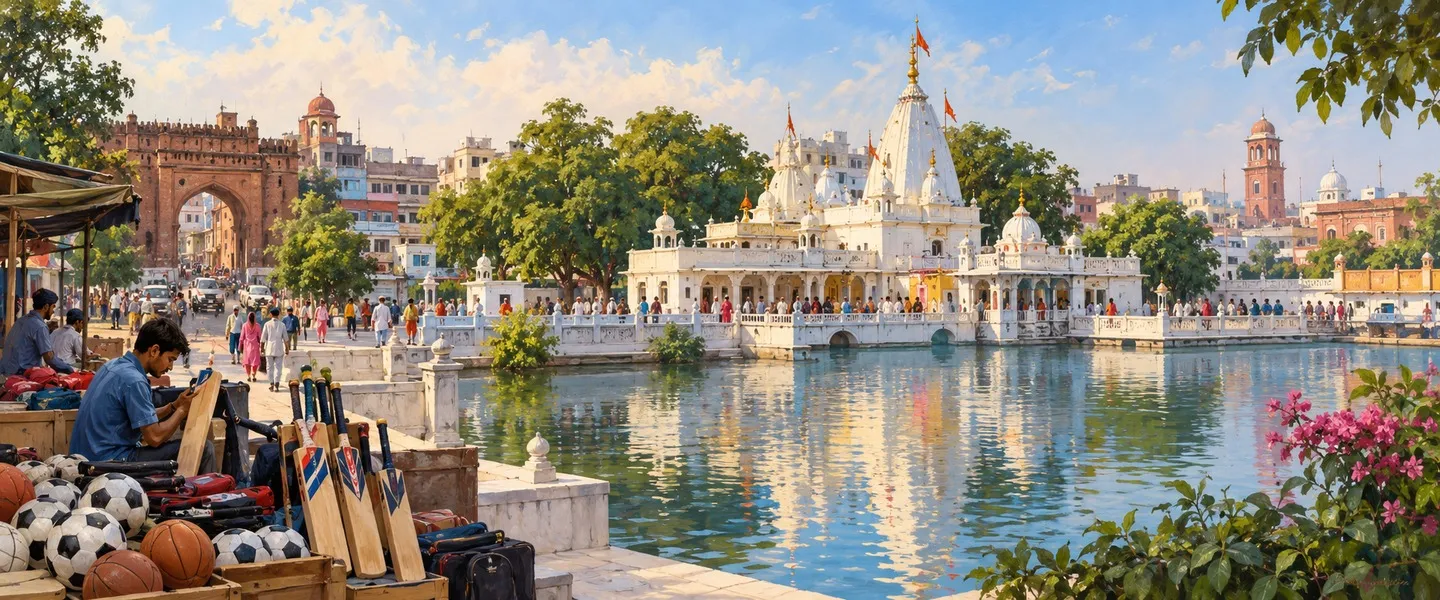


Phillaur ਖ਼ਬਰਾਂ ਵਿੱਚ
ਸਾਰੀਆਂ ਖ਼ਬਰਾਂ ਮਾਨ ਨੇ ਫਿਲੌਰ ਵਿੱਚ ਨਸ਼ਾ ਵਿਰੋਧੀ ਮੁਹਿੰਮ ਦਾ ਜਾਇਜ਼ਾ ਲਿਆ, ਡੀਐੱਸਪੀਜ਼ ਲਈ 117 ਗੱਡੀਆਂ ਮਨਜ਼ੂਰਮਾਨ ਨੇ ਫਿਲੌਰ ਵਿੱਚ ਨਸ਼ਾ ਵਿਰੋਧੀ ਮੁਹਿੰਮ ਦਾ ਜਾਇਜ਼ਾ ਲਿਆ, ਡੀਐੱਸਪੀਜ਼ ਲਈ 117 ਗੱਡੀਆਂ ਮਨਜ਼ੂਰ
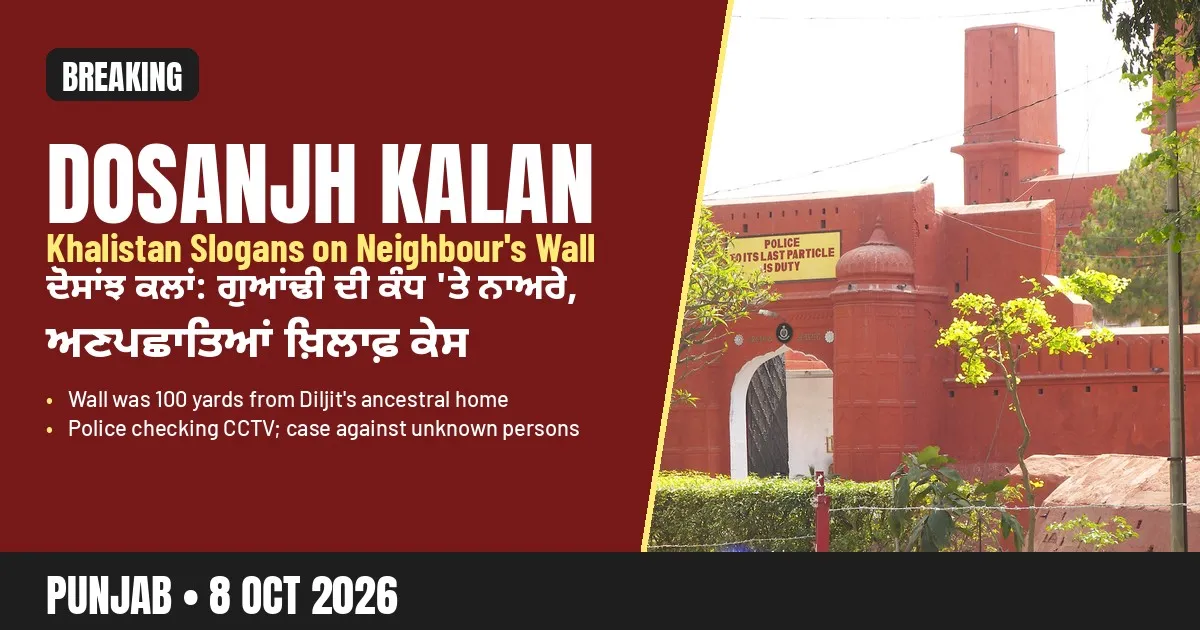 ਦਿਲਜੀਤ ਦੋਸਾਂਝ ਦੇ ਜੱਦੀ ਘਰ ਨੇੜੇ ਕੰਧ 'ਤੇ ਖਾਲਿਸਤਾਨ ਪੱਖੀ ਨਾਅਰੇਦਿਲਜੀਤ ਦੋਸਾਂਝ ਦੇ ਜੱਦੀ ਘਰ ਨੇੜੇ ਕੰਧ 'ਤੇ ਖਾਲਿਸਤਾਨ ਪੱਖੀ ਨਾਅਰੇ
 ਮਾਨ ਨੇ ਫਿਲੌਰ ਵਿੱਚ ਐੱਸ.ਐੱਚ.ਓ. ਮਿਲਣੀ ਦੌਰਾਨ ਨਸ਼ਿਆਂ ਨੂੰ ਜੜ੍ਹੋਂ ਪੁੱਟਣ ਲਈ 10,000 ਨਵੀਆਂ ਪੁਲਿਸ ਅਸਾਮੀਆਂ ਦਾ ਐਲਾਨ ਕੀਤਾਮਾਨ ਨੇ ਫਿਲੌਰ ਵਿੱਚ ਐੱਸ.ਐੱਚ.ਓ. ਮਿਲਣੀ ਦੌਰਾਨ ਨਸ਼ਿਆਂ ਨੂੰ ਜੜ੍ਹੋਂ ਪੁੱਟਣ ਲਈ 10,000 ਨਵੀਆਂ ਪੁਲਿਸ ਅਸਾਮੀਆਂ ਦਾ ਐਲਾਨ ਕੀਤਾ
ਸਰੋਤ (4)
ਜੁਗਤੀ ਮੁਫ਼ਤ ਅਤੇ ਸੁਤੰਤਰ ਹੈ। ਪਾਠਕਾਂ ਦਾ ਸਹਿਯੋਗ ਕੋਸ਼ ਨੂੰ ਵਧਾਉਂਦਾ ਹੈ।
ਸਹਿਯੋਗ