
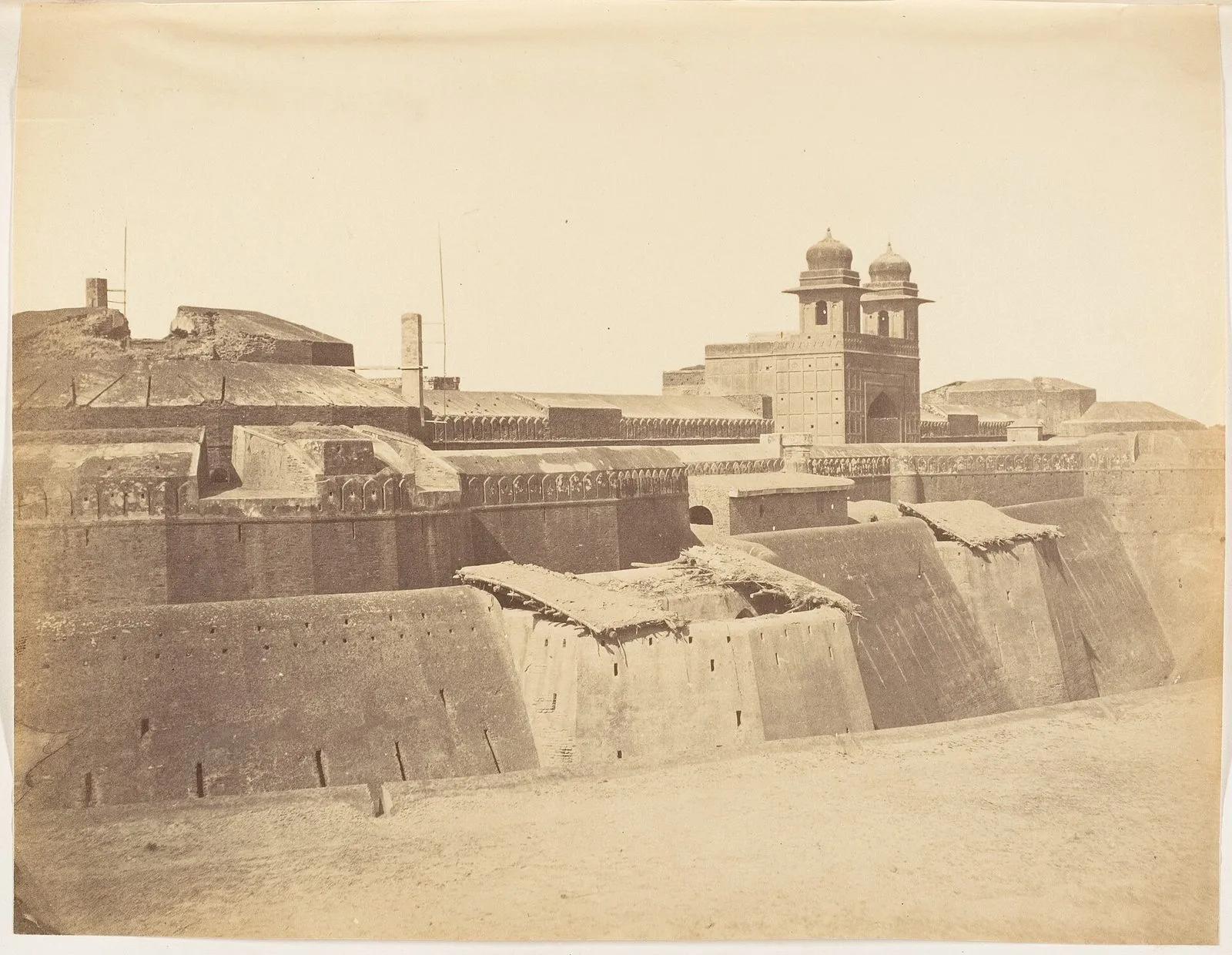
Phillaur is a historic town in Jalandhar district on the banks of the Sutlej, dominated by the red-brick Phillaur Fort — originally a Mughal sarai, rebuilt as a fort by Maharaja Ranjit Singh in 1809 to a design by Dewan Mohkam Chand, and home since 1981 to the Maharaja Ranjit Singh Punjab Police Academy. The town was named Phulnagar by a Sanghera Jat named Phul, and it is the birthplace of the poet Ibn-e-Insha.
- Facts
- Type
- Town
- District
- Jalandhar
- Region
- Doaba, Punjab (India)
- Landmark
- Phillaur Fort (Maharaja Ranjit Singh Fort)
- Fort history
- Mughal sarai; rebuilt 1809 by Ranjit Singh; designed by Dewan Mohkam Chand
- Today
- Maharaja Ranjit Singh Punjab Police Academy (since 1981)
- Population
- 25,449 (2011 census)
- Birthplace of
- Urdu poet Ibn-e-Insha (1927–1978)
History
Phillaur's story begins with a name: a Sanghera Jat called Phul founded it as Phulnagar. Under Sher Shah Suri (1540–45) a sarai — a fortified inn for traders and armies — was raised here on the imperial road, and Shah Jahan revived it as an imperial sarai. During the misl period the Sikh chief Sudh Singh Kang made it his headquarters, and in 1809 Maharaja Ranjit Singh rebuilt the sarai as a full military fort. It was designed by his general Dewan Mohkam Chand with the help of the Maharaja's French and Italian officers, as a deliberate answer to the British fort across the Sutlej at Ludhiana — after the Treaty of Amritsar (1809), Phillaur became the Sikh Empire's border post.
After the Sikh defeat at Aliwal in 1846 the British took the fort, using it as an artillery depot and then, from 1891, as a police training centre — India's oldest. The Finger Print Bureau set up here in 1892 is among the region's oldest forensic institutions. In 1973 the Punjab government renamed it the Maharaja Ranjit Singh Fort, and since 1981 it has housed the Maharaja Ranjit Singh Punjab Police Academy. The fort complex also holds the shrine of Pir Baba Abdullah Shah Ji, revered by local Muslims.
Geography & people
Phillaur stands on the Grand Trunk Road at about 234 metres above sea level, on the north bank of the Sutlej — the river that divides the Doaba from the Malwa. The railway bridge beside the old road still carries the line to Ludhiana. The town's population was counted at 25,449 in the 2011 census. Punjabi dominates; the town's mohallas mix old trading families with police-academy staff and railway workers.
The Sutlej's floodplain gives Phillaur greener, lower-lying fields than the towns to its north, and the river's ghats remain part of local life.
Places of interest
The fort is the sight: red-brick ramparts with European-style bastions and watchtowers, channels dug along its boundary walls, the police academy's museum of historical artefacts, and the dargah of Pir Baba Abdullah Shah Ji within the complex. The Sutlej riverfront and the old GT Road bridge complete the picture. Note that the fort is a working academy with restricted access — plan accordingly.
Notable people
Phillaur's most famous son is Sher Muhammad Khan — better known by his pen name Ibn-e-Insha (1927–1978), the beloved Urdu poet and humorist of 'Insha Ji Uttho' fame, who was born here before Partition carried his family to Pakistan. The town also remembers Dewan Mohkam Chand, the general whose design gave the fort its European character, and the generations of police officers trained within its walls.
ਇਤਿਹਾਸ
ਫਿਲੌਰ ਦੀ ਕਹਾਣੀ ਇੱਕ ਨਾਂ ਨਾਲ ਸ਼ੁਰੂ ਹੁੰਦੀ ਹੈ: ਫੁੱਲ ਨਾਂ ਦੇ ਸੰਘੇੜਾ ਜੱਟ ਨੇ ਇਸ ਨੂੰ ਫੁੱਲਨਗਰ ਵਸਾਇਆ। ਸ਼ੇਰ ਸ਼ਾਹ ਸੂਰੀ (1540–45) ਦੇ ਰਾਜ ਵਿੱਚ ਇੱਥੇ ਸ਼ਾਹੀ ਸੜਕ ਉੱਤੇ ਇੱਕ ਸਰਾਂ ਬਣੀ, ਜਿਸ ਨੂੰ ਸ਼ਾਹਜਹਾਂ ਨੇ ਸ਼ਾਹੀ ਸਰਾਂ ਵਜੋਂ ਮੁੜ ਸੁਰਜੀਤ ਕੀਤਾ। 1809 ਵਿੱਚ ਮਹਾਰਾਜਾ ਰਣਜੀਤ ਸਿੰਘ ਨੇ ਇਸ ਸਰਾਂ ਨੂੰ ਕਿਲ੍ਹੇ ਵਿੱਚ ਬਦਲ ਦਿੱਤਾ — ਇਸ ਦਾ ਨਕਸ਼ਾ ਉਨ੍ਹਾਂ ਦੇ ਜਰਨੈਲ ਦੀਵਾਨ ਮੋਹਕਮ ਚੰਦ ਨੇ ਫ਼ਰਾਂਸੀਸੀ ਅਤੇ ਇਤਾਲਵੀ ਅਫ਼ਸਰਾਂ ਦੀ ਮਦਦ ਨਾਲ ਤਿਆਰ ਕੀਤਾ ਸੀ।
1846 ਵਿੱਚ ਅਲੀਵਾਲ ਦੀ ਲੜਾਈ ਤੋਂ ਬਾਅਦ ਅੰਗਰੇਜ਼ਾਂ ਨੇ ਕਿਲ੍ਹੇ ਉੱਤੇ ਕਬਜ਼ਾ ਕਰ ਲਿਆ, ਅਤੇ 1891 ਤੋਂ ਇਹ ਪੁਲਿਸ ਸਿਖਲਾਈ ਕੇਂਦਰ ਬਣਿਆ — ਭਾਰਤ ਦਾ ਸਭ ਤੋਂ ਪੁਰਾਣਾ। 1892 ਵਿੱਚ ਇੱਥੇ ਸਥਾਪਿਤ ਫਿੰਗਰ ਪ੍ਰਿੰਟ ਬਿਊਰੋ ਇਲਾਕੇ ਦੀਆਂ ਸਭ ਤੋਂ ਪੁਰਾਣੀਆਂ ਫੌਰੈਂਸਿਕ ਸੰਸਥਾਵਾਂ ਵਿੱਚੋਂ ਇੱਕ ਹੈ। 1981 ਤੋਂ ਇੱਥੇ ਮਹਾਰਾਜਾ ਰਣਜੀਤ ਸਿੰਘ ਪੰਜਾਬ ਪੁਲਿਸ ਅਕਾਦਮੀ ਹੈ।
ਭੂਗੋਲ ਅਤੇ ਲੋਕ
ਫਿਲੌਰ ਗ੍ਰੈਂਡ ਟਰੰਕ ਰੋਡ ਉੱਤੇ, ਸਤਲੁਜ ਦੇ ਉੱਤਰੀ ਕੰਢੇ — ਉਸ ਦਰਿਆ ਦੇ ਕੰਢੇ ਜੋ ਦੋਆਬੇ ਨੂੰ ਮਾਲਵੇ ਤੋਂ ਵੱਖ ਕਰਦਾ ਹੈ — ਸਮੁੰਦਰ ਤਲ ਤੋਂ ਲਗਭਗ 234 ਮੀਟਰ ਦੀ ਉਚਾਈ ਉੱਤੇ ਸਥਿਤ ਹੈ। 2011 ਵਿੱਚ ਆਬਾਦੀ 25,449 ਸੀ।
ਦੇਖਣਯੋਗ ਥਾਵਾਂ
ਕਿਲ੍ਹਾ ਹੀ ਮੁੱਖ ਆਕਰਸ਼ਣ ਹੈ: ਯੂਰਪੀ ਸ਼ੈਲੀ ਦੇ ਬੁਰਜਾਂ ਵਾਲੀਆਂ ਲਾਲ ਇੱਟਾਂ ਦੀਆਂ ਫਸੀਲਾਂ, ਪੁਲਿਸ ਅਕਾਦਮੀ ਦਾ ਅਜਾਇਬਘਰ, ਅਤੇ ਕੰਪਲੈਕਸ ਵਿੱਚ ਪੀਰ ਬਾਬਾ ਅਬਦੁੱਲਾ ਸ਼ਾਹ ਜੀ ਦੀ ਦਰਗਾਹ।
ਪ੍ਰਸਿੱਧ ਲੋਕ
ਫਿਲੌਰ ਦਾ ਸਭ ਤੋਂ ਮਸ਼ਹੂਰ ਪੁੱਤਰ ਸ਼ੇਰ ਮੁਹੰਮਦ ਖ਼ਾਂ ਹੈ — ਇਬਨ-ਏ-ਇੰਸ਼ਾ (1927–1978), 'ਇੰਸ਼ਾ ਜੀ ਉੱਠੋ' ਦੇ ਰਚਨਹਾਰਾ ਉਰਦੂ ਸ਼ਾਇਰ, ਜੋ ਵੰਡ ਤੋਂ ਪਹਿਲਾਂ ਇੱਥੇ ਪੈਦਾ ਹੋਇਆ ਸੀ।
Timeline
- 1542Sher Shah Suri's sarai is raised at Phillaur on the imperial road.
- 1809Ranjit Singh rebuilds the sarai as a fort, designed by Dewan Mohkam Chand.
- 1846The British take the fort after the Battle of Aliwal.
- 1892The Finger Print Bureau — among the region's oldest forensic units — is set up.
- 1981The fort becomes the Maharaja Ranjit Singh Punjab Police Academy.
Phillaur in the news
No stories link to this entry yet.