
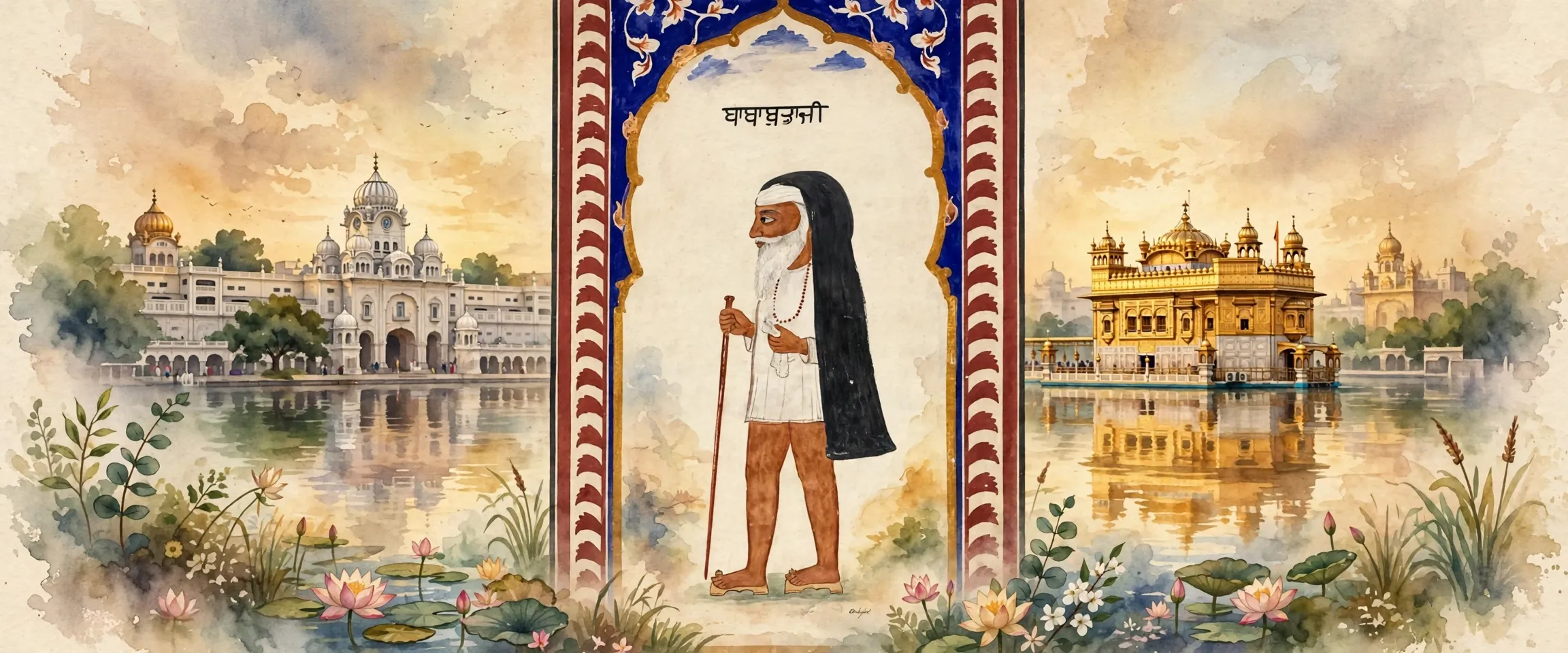
ਬਾਬਾ ਬੁੱਢਾ ਜੀ, ਜਿਨ੍ਹਾਂ ਦਾ ਜੀਵਨ ਰਵਾਇਤ ਅਨੁਸਾਰ 1506 ਤੋਂ 1631 ਤੱਕ ਰਿਹਾ, ਮੁੱਢਲੇ ਸਿੱਖ ਧਰਮ ਦੇ ਸਤਕਾਰਤ ਬਜ਼ੁਰਗ ਸਨ, ਜਿਨ੍ਹਾਂ ਨੇ ਗੁਰੂ ਨਾਨਕ ਦੇਵ ਜੀ ਤੋਂ ਗੁਰੂ ਹਰਿਗੋਬਿੰਦ ਜੀ ਤੱਕ ਪਹਿਲੇ ਛੇ ਗੁਰੂਆਂ ਦੀ ਸੇਵਾ ਕੀਤੀ। ਉਨ੍ਹਾਂ ਨੇ ਪੰਜ ਗੁਰੂਆਂ ਦੀ ਗੱਦੀ ਨਸ਼ੀਨੀ ਵੇਲੇ ਰਸਮੀ ਤਿਲਕ ਲਾਇਆ, ਅਤੇ ਜਦ 16 ਅਗਸਤ 1604 ਨੂੰ ਆਦਿ ਗ੍ਰੰਥ ਹਰਿਮੰਦਰ ਸਾਹਿਬ ਵਿੱਚ ਸੁਸ਼ੋਭਿਤ ਹੋਇਆ, ਤਾਂ ਗੁਰੂ ਅਰਜਨ ਦੇਵ ਜੀ ਨੇ ਉਨ੍ਹਾਂ ਨੂੰ ਇਸ ਦਾ ਪਹਿਲਾ ਗ੍ਰੰਥੀ ਨਿਯੁਕਤ ਕੀਤਾ।
- ਪੰਜਾਬੀ ਨਾਂ
- ਬਾਬਾ ਬੁੱਢਾ ਜੀ।
- ਗੁਰਮੁਖੀ
- ਬਾਬਾ ਬੁੱਢਾ ਜੀ।
- ਜਨਮ
- 6 ਅਕਤੂਬਰ 1506, ਕੱਥੂ ਨੰਗਲ ਵਿਖੇ, ਅੰਮ੍ਰਿਤਸਰ ਤੋਂ 18 ਕਿਲੋਮੀਟਰ ਉੱਤਰ ਪੂਰਬ ਵੱਲ, ਰਵਾਇਤੀ ਤਰੀਕ।
- ਜਨਮ ਦਾ ਨਾਂ
- ਬੂੜਾ।
- ਮਾਤਾ-ਪਿਤਾ
- ਭਾਈ ਸੁੱਘਾ ਰੰਧਾਵਾ ਅਤੇ ਮਾਈ ਗੌਰਾਂ।
- ਦੇਹਾਂਤ
- 1631, ਝੰਡਾ ਰਾਮਦਾਸ ਵਿਖੇ। ਸਿੱਖ ਧਰਮ ਦੀ ਵਿਸ਼ਵਕੋਸ਼ 16 ਨਵੰਬਰ 1631 ਦਿੰਦੀ ਹੈ; ਵਿਕੀਪੀਡੀਆ 8 ਸਤੰਬਰ 1631 ਦਿੰਦੀ ਹੈ।
All 11 facts
- ਧਰਮ
- ਸਿੱਖ ਧਰਮ
- ਰੁਤਬਾ
- ਹਰਿਮੰਦਰ ਸਾਹਿਬ ਦੇ ਪਹਿਲੇ ਗ੍ਰੰਥੀ, 1604 ਵਿੱਚ ਗੁਰੂ ਅਰਜਨ ਦੇਵ ਜੀ ਵੱਲੋਂ ਨਿਯੁਕਤ।
- ਪ੍ਰਸਿੱਧੀ
- ਪੰਜ ਗੁਰੂਆਂ ਨੂੰ ਗੁਰਗੱਦੀ ਦਾ ਤਿਲਕ ਲਾਉਣ ਅਤੇ ਪਹਿਲੇ ਛੇ ਗੁਰੂਆਂ ਦੀ ਸੇਵਾ ਕਰਨ ਲਈ।
- ਪੁੱਤਰ
- ਭਾਈ ਭਾਣਾ, ਝੰਡਾ ਰਾਮਦਾਸ ਦੇ ਬਾਨੀ।
- ਯਾਦਗਾਰ
- ਗੁਰਦੁਆਰਾ ਬੀੜ ਬਾਬਾ ਬੁੱਢਾ ਸਾਹਿਬ, ਥੱਥਾ, ਅੰਮ੍ਰਿਤਸਰ ਨੇੜੇ; ਗੁਰਦੁਆਰਾ ਤਪ ਅਸਥਾਨ ਅਤੇ ਗੁਰਦੁਆਰਾ ਸਮਾਧਾਨ, ਰਾਮਦਾਸ; ਹਰਿਮੰਦਰ ਸਾਹਿਬ ਦੀ ਬੇਰੀ।
Baba Budha Ji (ਬਾਬਾ ਬੁੱਢਾ ਜੀ), born Bura at Kathu Nangal near Amritsar, was the most trusted elder of early Sikhism: a disciple of Guru Nanak Dev Ji who served the first six Gurus, applied the tilak of guruship to five of them, and became the first granthi of Harmandir Sahib in 1604.
Who was Baba Budha Ji?
Baba Budha Ji, whose name is also spelled Baba Buddha in many books, holds a place in Sikh history that no one else shares. The Encyclopaedia of Sikhism calls him a most venerated primal figure of early Sikhism, and primal fits: a boy when he met the first Guru, he was still serving, more than a century later by the traditional count, when the sixth Guru led the community. He is present in nearly all of the early Sikh world's founding moments, usually doing the work rather than standing at the centre.
Tradition, as recorded in the Encyclopaedia of Sikhism, gives his birth as 6 October 1506 at Kathu Nangal, a village 18 km northeast of Amritsar, also written Katthu Nangal. He was born Bura, the only son of Bhai Suggha, a Jat of the Randhawa clan whose name is also written Sugha, and Mai Gauran, who came from a Sandhu family. The dates need honest handling: the traditional lifespan of 1506 to 1631 would make him about 124 at death, and Wikipedia notes an alternative dating of 1571 to 1631 in some modern references. No source disputes the shape of the life: long service spanning the first six Gurus, and a standing that brought him the Gurus' most solemn ceremonies.
How did a cattle grazing boy get the name Budha?
The story of his name comes from Bhai Mani Singh and his Sikhan di Bhagat Mala, as retold in the Encyclopaedia of Sikhism. As a small boy grazing cattle outside the village, Bura met ਗੁਰੂ ਨਾਨਕ ਦੇਵ ਜੀ. The boy bowed and offered a bowl of milk, praying to be freed from the circuit of birth and death. Bura then told him a memory: soldiers had once camped by the village and mowed down all the crops, ripe and unripe alike, and it had struck him that if no one could restrain those soldiers, who could restrain death from taking the young as well as the old?
At this Guru Nanak Dev Ji pronounced the words that renamed him: you are not a child, you possess the wisdom of an old man. From that day Bura was known as Bhai Budha, budha in Punjabi meaning an old man. Later, when he really was advanced in years, the title deepened into Baba Budha Ji. Sources differ on the boy's exact age and the year of the meeting, and SikhiWiki itself flags the dates as needing checking.
The name did not turn him away from ordinary life. He married at seventeen at Achal, about 6 km south of Batala, and the marriage, the Encyclopaedia notes, did not distract him from his chosen path. He spent more time at Kartarpur, where Guru Nanak Dev Ji had settled, than at Kathu Nangal, and the family later moved to Dhalla, near the Ravi opposite Kartarpur.
Which Gurus did Baba Budha Ji serve?
All of the first six, and his service changed shape with each Guru. When Guru Nanak Dev Ji installed Bhai Lahina Ji as Guru Angad Dev Ji, Bhai Budha applied the ceremonial tilak to the new Guru's forehead, the first of five such honours. Under Guru Angad Dev Ji, who promoted the Gurmukhi script, he learned the script and taught it to Sikh children. Under Guru Amar Das Ji he worked on the digging of the baoli at Goindval. Under Guru Ram Das Ji and Guru Arjan Dev Ji he supervised the excavation of the sacred pool at Amritsar, and the ber tree he sat under during that work still stands at Harmandir Sahib.
Under Guru Arjan Dev Ji his counsel reached into the making of the scripture itself: Wikipedia, drawing on modern scholarship, notes that Baba Budha Ji was consulted during the compilation of the Adi Granth. Guru Arjan Dev Ji also placed his young son Hargobind under Baba Budha Ji's instruction. After the martyrdom of Guru Arjan Dev Ji on 30 May 1606, Guru Hargobind Ji raised the Akal Takht Sahib opposite Harmandir Sahib, and its construction was entrusted to Baba Budha Ji and Bhai Gurdas Ji alone, no third person being allowed to take part. On that Takht, on 24 June 1606, Baba Budha Ji performed the investiture at which Guru Hargobind Ji put on two swords, the swords of miri and piri, temporal and spiritual authority. The elder who had anointed Guru Angad Dev Ji now ceremonially armed the Guru who would defend the faith.
Why was Baba Budha Ji made the first granthi of Harmandir Sahib?
Because, by 1604, no one was trusted more. When the Adi Granth was installed in ਹਰਿਮੰਦਰ ਸਾਹਿਬ on 16 August 1604, Guru Arjan Dev Ji appointed Bhai Budha as granthi of the shrine. The Sikh Research Institute account quoted by Wikipedia pictures him carrying the Granth on his head in procession, Guru Arjan Dev Ji waving the chaur beside it. The granthi is the custodian and reader of the scripture, and the first holder of that office set its pattern: lifelong devotion, humility, and a memory that reached back to Guru Nanak Dev Ji himself.
The appointment also says something about the young faith's values. The man chosen to guard its holiest book in its holiest shrine was not a priest by birth or a scholar by profession, but a farmer's son from Kathu Nangal whose qualification was a century of seva, selfless service. Every granthi since stands in a line that begins with Baba Budha Ji in 1604.
What happened at Bir Baba Budha Sahib?
In his later years Baba Budha Ji retired to a bir, a reserved forest used for grazing, tending the livestock of the Guru ka Langar. SikhiWiki places that bir in the revenue limits of Thatta village, about 20 km south of Amritsar on the Chabbal road, and says it was offered to Guru Arjan Dev Ji by Chaudhari Langah of Patti; other accounts connect the land with a grant administered by Baba Budha Ji himself. The forest's remains are still known by his name, and Gurdwara Bir Baba Budha Sahib now stands there near Jhabal Kalan, where he spent much of his life.
The bir is remembered above all for one visit. According to the Gurbilas Chhevin Patshahi, as SikhiWiki retells it, it was here on 20 September 1594 that Mata Ganga Ji, wife of Guru Arjan Dev Ji, received Baba Budha Ji's blessing for a son. She had first come with rich food and great ceremony, and Baba Budha Ji would not accept it. She returned with a simple meal she had made herself, missi roti and an onion, and this he accepted. Crushing the onion in his fist, he blessed her: her son would be a great warrior who would crush tyrants. That son was Guru Hargobind Ji. The shrine's biggest gathering is the fair on 21 Assu, falling around 6 October, and the story's lesson stands: the elder is approached with humility, not display.
How is Baba Budha Ji remembered today?
Baba Budha Ji spent his last days at Jhanda Ramdas, a village founded by his son Bhai Bhana on the banks of the Ravi, where the family had moved from Kathu Nangal. He died there in 1631. The exact day differs by source: the Encyclopaedia of Sikhism gives 16 November 1631, while Wikipedia and SikhiWiki give 8 September 1631. All agree on what matters more: Guru Hargobind Ji was at his bedside, and, as the Gurbilas Chhevin Patshahi tells it, the Guru gave his shoulder to the bier, performed the last rites, and had a reading of the Adi Granth begun in his memory. Two shrines in Ramdas keep his memory: Gurdwara Tap Asthan, where the family lived, and Gurdwara Samadhan, where he was cremated.
His memory is woven into places every Sikh knows: the ber tree at Harmandir Sahib, the Bir Sahib shrine at Thatta, and the granthi's seat he first occupied in 1604. But his deepest legacy may be simpler: for over a hundred years, by the traditional count, one man connected every generation of the early Panth to the one before it, anointing Guru after Guru, teaching children their letters, digging tanks, carrying the Granth on his head. He is remembered not for a book or a battle, but for being there, faithfully, for all of it.
ਬਾਬਾ ਬੁੱਢਾ ਜੀ, ਜਿਨ੍ਹਾਂ ਦਾ ਜਨਮ ਨਾਂ ਬੂੜਾ ਸੀ ਅਤੇ ਜਨਮ ਅੰਮ੍ਰਿਤਸਰ ਨੇੜੇ ਕੱਥੂ ਨੰਗਲ ਵਿੱਚ ਹੋਇਆ, ਮੁੱਢਲੇ ਸਿੱਖ ਧਰਮ ਦੇ ਸਭ ਤੋਂ ਭਰੋਸੇਮੰਦ ਬਜ਼ੁਰਗ ਸਨ। ਉਹ ਗੁਰੂ ਨਾਨਕ ਦੇਵ ਜੀ ਦੇ ਸਿੱਖ ਸਨ, ਉਨ੍ਹਾਂ ਨੇ ਪਹਿਲੇ ਛੇ ਗੁਰੂਆਂ ਦੀ ਸੇਵਾ ਕੀਤੀ, ਉਨ੍ਹਾਂ ਵਿੱਚੋਂ ਪੰਜਾਂ ਨੂੰ ਗੁਰਗੱਦੀ ਦਾ ਤਿਲਕ ਲਾਇਆ, ਅਤੇ 1604 ਵਿੱਚ ਹਰਿਮੰਦਰ ਸਾਹਿਬ ਦੇ ਪਹਿਲੇ ਗ੍ਰੰਥੀ ਬਣੇ।
ਬਾਬਾ ਬੁੱਢਾ ਜੀ ਕੌਣ ਸਨ?
ਬਾਬਾ ਬੁੱਢਾ ਜੀ ਦਾ ਸਿੱਖ ਇਤਿਹਾਸ ਵਿੱਚ ਉਹ ਥਾਂ ਹੈ, ਜੋ ਹੋਰ ਕਿਸੇ ਨੂੰ ਨਹੀਂ ਮਿਲਿਆ। ਸਿੱਖ ਧਰਮ ਦੀ ਵਿਸ਼ਵਕੋਸ਼ ਉਨ੍ਹਾਂ ਨੂੰ ਮੁੱਢਲੇ ਸਿੱਖ ਧਰਮ ਦੀ ਸਭ ਤੋਂ ਸਤਕਾਰਤ ਮੁੱਢਲੀ ਹਸਤੀ ਕਹਿੰਦੀ ਹੈ, ਅਤੇ ਇਹ ਸ਼ਬਦ ਠੀਕ ਬੈਠਦਾ ਹੈ: ਉਹ ਸ਼ੁਰੂ ਤੋਂ ਹਾਜ਼ਰ ਸਨ, ਬਾਲ ਉਮਰ ਵਿੱਚ ਪਹਿਲੇ ਗੁਰੂ ਨੂੰ ਮਿਲੇ, ਅਤੇ ਰਵਾਇਤੀ ਗਿਣਤੀ ਅਨੁਸਾਰ ਇੱਕ ਸਦੀ ਤੋਂ ਵੱਧ ਸਮੇਂ ਬਾਅਦ ਵੀ ਸੇਵਾ ਕਰ ਰਹੇ ਸਨ, ਜਦ ਛੇਵੇਂ ਗੁਰੂ ਪੰਥ ਦੀ ਅਗਵਾਈ ਕਰ ਰਹੇ ਸਨ। ਇਨ੍ਹਾਂ ਦੋ ਸਿਰਿਆਂ ਵਿਚਕਾਰ ਮੁੱਢਲੇ ਸਿੱਖ ਸੰਸਾਰ ਦਾ ਲਗਭਗ ਹਰ ਬੁਨਿਆਦੀ ਪਲ ਖੜ੍ਹਾ ਹੈ, ਅਤੇ ਬਾਬਾ ਬੁੱਢਾ ਜੀ ਉਨ੍ਹਾਂ ਵਿੱਚੋਂ ਲਗਭਗ ਹਰ ਇੱਕ ਵਿੱਚ ਹਾਜ਼ਰ ਹਨ, ਆਮ ਤੌਰ ਉੱਤੇ ਕੇਂਦਰ ਵਿੱਚ ਖੜ੍ਹੇ ਹੋਣ ਦੀ ਥਾਂ ਕੰਮ ਕਰਦੇ ਹੋਏ।
ਰਵਾਇਤ ਅਨੁਸਾਰ, ਜਿਵੇਂ ਸਿੱਖ ਧਰਮ ਦੀ ਵਿਸ਼ਵਕੋਸ਼ ਦਰਜ ਕਰਦੀ ਹੈ, ਉਨ੍ਹਾਂ ਦਾ ਜਨਮ 6 ਅਕਤੂਬਰ 1506 ਨੂੰ ਕੱਥੂ ਨੰਗਲ ਵਿੱਚ ਹੋਇਆ, ਜੋ ਅੰਮ੍ਰਿਤਸਰ ਤੋਂ 18 ਕਿਲੋਮੀਟਰ ਉੱਤਰ ਪੂਰਬ ਵੱਲ ਹੈ। ਉਨ੍ਹਾਂ ਦਾ ਜਨਮ ਨਾਂ ਬੂੜਾ ਸੀ, ਉਹ ਭਾਈ ਸੁੱਘਾ ਦੇ ਇਕਲੌਤੇ ਪੁੱਤਰ ਸਨ, ਜੋ ਰੰਧਾਵਾ ਗੋਤ ਦੇ ਜੱਟ ਸਨ ਅਤੇ ਜਿਨ੍ਹਾਂ ਦਾ ਨਾਂ ਸੁੱਘਾ ਵੀ ਲਿਖਿਆ ਮਿਲਦਾ ਹੈ, ਅਤੇ ਮਾਈ ਗੌਰਾਂ ਦੇ, ਜੋ ਸੰਧੂ ਪਰਿਵਾਰ ਤੋਂ ਸਨ। ਤਰੀਕਾਂ ਨੂੰ ਇਮਾਨਦਾਰੀ ਨਾਲ ਰੱਖਣਾ ਜ਼ਰੂਰੀ ਹੈ: 1506 ਤੋਂ 1631 ਦੀ ਰਵਾਇਤੀ ਉਮਰ ਉਨ੍ਹਾਂ ਨੂੰ ਮੌਤ ਵੇਲੇ ਲਗਭਗ 124 ਸਾਲ ਦਾ ਬਣਾਉਂਦੀ ਹੈ, ਅਤੇ ਵਿਕੀਪੀਡੀਆ ਕੁਝ ਆਧੁਨਿਕ ਹਵਾਲਿਆਂ ਵਿੱਚ ਮਿਲਦੀ 1571 ਤੋਂ 1631 ਦੀ ਬਦਲਵੀਂ ਤਰੀਕ ਵੀ ਦੱਸਦੀ ਹੈ। ਜਿਸ ਗੱਲ ਉੱਤੇ ਕੋਈ ਸਰੋਤ ਅਸਹਿਮਤ ਨਹੀਂ, ਉਹ ਜੀਵਨ ਦੀ ਸ਼ਕਲ ਹੈ: ਪਹਿਲੇ ਛੇ ਗੁਰੂਆਂ ਤੱਕ ਫੈਲੀ ਬਹੁਤ ਲੰਬੀ ਸੇਵਾ ਵਾਲੀ ਜ਼ਿੰਦਗੀ, ਅਤੇ ਇੰਨਾ ਉੱਚਾ ਦਰਜਾ ਕਿ ਗੁਰੂਆਂ ਨੇ ਖੁਦ ਆਪਣੀਆਂ ਸਭ ਤੋਂ ਪਵਿੱਤਰ ਰਸਮਾਂ ਉਨ੍ਹਾਂ ਨੂੰ ਸੌਂਪੀਆਂ।
ਪਸ਼ੂ ਚਾਰਦੇ ਮੁੰਡੇ ਨੂੰ ਬੁੱਢਾ ਨਾਂ ਕਿਵੇਂ ਮਿਲਿਆ?
ਉਨ੍ਹਾਂ ਦੇ ਨਾਂ ਦੀ ਕਹਾਣੀ ਭਾਈ ਮਨੀ ਸਿੰਘ ਅਤੇ ਉਨ੍ਹਾਂ ਦੀ ਸਿੱਖਾਂ ਦੀ ਭਗਤ ਮਾਲਾ ਤੋਂ ਆਉਂਦੀ ਹੈ, ਜਿਵੇਂ ਸਿੱਖ ਧਰਮ ਦੀ ਵਿਸ਼ਵਕੋਸ਼ ਇਸ ਨੂੰ ਦੱਸਦੀ ਹੈ। ਛੋਟੇ ਬਾਲ ਵਜੋਂ ਬੂੜਾ ਪਿੰਡ ਦੇ ਬਾਹਰ ਪਸ਼ੂ ਚਾਰ ਰਿਹਾ ਸੀ, ਜਦ ਗੁਰੂ ਨਾਨਕ ਦੇਵ ਜੀ ਉੱਥੋਂ ਲੰਘੇ। ਮੁੰਡਾ ਉਨ੍ਹਾਂ ਕੋਲ ਗਿਆ, ਨਮਸਕਾਰ ਕੀਤੀ, ਦੁੱਧ ਦਾ ਕਟੋਰਾ ਭੇਟ ਕੀਤਾ, ਅਤੇ ਜਨਮ ਮਰਨ ਦੇ ਚੱਕਰ ਤੋਂ ਮੁਕਤੀ ਲਈ ਬੇਨਤੀ ਕੀਤੀ। ਗੁਰੂ ਜੀ ਨੇ ਕਿਹਾ ਕਿ ਤੂੰ ਅਜੇ ਬੱਚਾ ਹੈਂ, ਪਰ ਗੱਲਾਂ ਬਹੁਤ ਸਿਆਣੀਆਂ ਕਰਦਾ ਹੈਂ। ਬੂੜੇ ਨੇ ਇੱਕ ਯਾਦ ਨਾਲ ਜਵਾਬ ਦਿੱਤਾ: ਇੱਕ ਵਾਰ ਸੈਨਿਕਾਂ ਨੇ ਪਿੰਡ ਕੋਲ ਡੇਰਾ ਲਾਇਆ ਸੀ ਅਤੇ ਸਾਰੀਆਂ ਫਸਲਾਂ ਕੱਟ ਦਿੱਤੀਆਂ ਸਨ, ਪੱਕੀਆਂ ਵੀ ਅਤੇ ਕੱਚੀਆਂ ਵੀ, ਅਤੇ ਉਸ ਨੂੰ ਖਿਆਲ ਆਇਆ ਸੀ ਕਿ ਜੇ ਉਨ੍ਹਾਂ ਸੈਨਿਕਾਂ ਨੂੰ ਕੋਈ ਨਹੀਂ ਰੋਕ ਸਕਿਆ, ਤਾਂ ਮੌਤ ਨੂੰ ਛੋਟਿਆਂ ਵੱਡਿਆਂ ਸਭ ਨੂੰ ਲੈ ਜਾਣ ਤੋਂ ਕੌਣ ਰੋਕੇਗਾ।
ਇਸ ਉੱਤੇ ਗੁਰੂ ਨਾਨਕ ਦੇਵ ਜੀ ਨੇ ਉਹ ਸ਼ਬਦ ਕਹੇ, ਜਿਨ੍ਹਾਂ ਨੇ ਉਸ ਦਾ ਨਾਂ ਬਦਲ ਦਿੱਤਾ: ਤੂੰ ਬੱਚਾ ਨਹੀਂ ਹੈਂ, ਤੇਰੇ ਕੋਲ ਬਜ਼ੁਰਗ ਵਾਲੀ ਸਿਆਣਪ ਹੈ। ਉਸ ਦਿਨ ਤੋਂ ਬੂੜਾ ਭਾਈ ਬੁੱਢਾ ਵਜੋਂ ਜਾਣਿਆ ਜਾਣ ਲੱਗਾ, ਬੁੱਢਾ ਸ਼ਬਦ ਦਾ ਅਰਥ ਪੰਜਾਬੀ ਵਿੱਚ ਬਜ਼ੁਰਗ ਹੈ, ਉਸ ਸਿਆਣਪ ਦੇ ਸਤਕਾਰ ਵਿੱਚ, ਜੋ ਆਮ ਤੌਰ ਉੱਤੇ ਉਮਰ ਨਾਲ ਹੀ ਆਉਂਦੀ ਹੈ। ਬਾਅਦ ਵਿੱਚ, ਜਦ ਉਹ ਸੱਚਮੁੱਚ ਵੱਡੀ ਉਮਰ ਦੇ ਹੋ ਗਏ, ਤਾਂ ਇਹ ਖਿਤਾਬ ਬਾਬਾ ਬੁੱਢਾ ਜੀ ਬਣ ਗਿਆ। ਸਰੋਤ ਮੁੰਡੇ ਦੀ ਠੀਕ ਉਮਰ ਅਤੇ ਮੁਲਾਕਾਤ ਦੇ ਸਾਲ ਬਾਰੇ ਵੱਖੋ ਵੱਖ ਹਨ, ਅਤੇ ਸਿੱਖੀਵਿਕੀ ਖੁਦ ਤਰੀਕਾਂ ਨੂੰ ਜਾਂਚ ਦੀ ਲੋੜ ਵਾਲੀਆਂ ਕਹਿੰਦੀ ਹੈ।
ਇਹ ਨਾਂ ਉਨ੍ਹਾਂ ਨੂੰ ਆਮ ਜੀਵਨ ਤੋਂ ਦੂਰ ਨਹੀਂ ਲੈ ਗਿਆ। ਉਨ੍ਹਾਂ ਦਾ ਵਿਆਹ ਸਤਾਰਾਂ ਸਾਲ ਦੀ ਉਮਰ ਵਿੱਚ ਅਚੱਲ ਵਿਖੇ ਹੋਇਆ, ਜੋ ਬਟਾਲਾ ਤੋਂ ਲਗਭਗ 6 ਕਿਲੋਮੀਟਰ ਦੱਖਣ ਵੱਲ ਹੈ, ਅਤੇ ਵਿਸ਼ਵਕੋਸ਼ ਦੱਸਦੀ ਹੈ ਕਿ ਵਿਆਹ ਨੇ ਉਨ੍ਹਾਂ ਨੂੰ ਚੁਣੇ ਰਾਹ ਤੋਂ ਨਹੀਂ ਭਟਕਾਇਆ। ਉਹ ਕੱਥੂ ਨੰਗਲ ਨਾਲੋਂ ਕਰਤਾਰਪੁਰ ਵਿੱਚ ਵੱਧ ਸਮਾਂ ਰਹਿੰਦੇ ਸਨ, ਜਿੱਥੇ ਗੁਰੂ ਨਾਨਕ ਦੇਵ ਜੀ ਟਿਕੇ ਹੋਏ ਸਨ, ਅਤੇ ਕੁਝ ਸਾਲਾਂ ਬਾਅਦ ਪਰਿਵਾਰ ਢੱਲਾ ਚਲਾ ਗਿਆ, ਜੋ ਕਰਤਾਰਪੁਰ ਦੇ ਸਾਹਮਣੇ ਰਾਵੀ ਨੇੜੇ ਪਿੰਡ ਹੈ।
ਬਾਬਾ ਬੁੱਢਾ ਜੀ ਨੇ ਕਿਹੜੇ ਗੁਰੂਆਂ ਦੀ ਸੇਵਾ ਕੀਤੀ?
ਪਹਿਲੇ ਛੇ ਗੁਰੂਆਂ ਵਿੱਚੋਂ ਹਰ ਇੱਕ ਦੀ, ਅਤੇ ਉਨ੍ਹਾਂ ਦੀ ਸੇਵਾ ਹਰ ਗੁਰੂ ਨਾਲ ਆਪਣਾ ਰੂਪ ਬਦਲਦੀ ਗਈ। ਜਦ ਗੁਰੂ ਨਾਨਕ ਦੇਵ ਜੀ ਨੇ ਭਾਈ ਲਹਿਣਾ ਜੀ ਨੂੰ ਗੁਰੂ ਅੰਗਦ ਦੇਵ ਜੀ ਵਜੋਂ ਗੱਦੀ ਦਿੱਤੀ, ਤਾਂ ਨਵੇਂ ਗੁਰੂ ਦੇ ਮੱਥੇ ਉੱਤੇ ਰਸਮੀ ਤਿਲਕ ਲਾਉਣ ਲਈ ਭਾਈ ਬੁੱਢਾ ਜੀ ਨੂੰ ਹੀ ਕਿਹਾ ਗਿਆ, ਜੋ ਅਜਿਹੇ ਪੰਜ ਸਤਕਾਰਾਂ ਵਿੱਚੋਂ ਪਹਿਲਾ ਸੀ। ਗੁਰੂ ਅੰਗਦ ਦੇਵ ਜੀ ਦੇ ਸਮੇਂ, ਜਿਨ੍ਹਾਂ ਨੇ ਗੁਰਮੁਖੀ ਲਿਪੀ ਨੂੰ ਅੱਗੇ ਵਧਾਇਆ, ਭਾਈ ਬੁੱਢਾ ਜੀ ਨੇ ਲਿਪੀ ਸਿੱਖੀ ਅਤੇ ਸਿੱਖ ਬੱਚਿਆਂ ਨੂੰ ਇਹ ਪੜ੍ਹਾਉਣ ਦਾ ਕੰਮ ਸੰਭਾਲਿਆ। ਗੁਰੂ ਅਮਰ ਦਾਸ ਜੀ ਦੇ ਸਮੇਂ ਉਨ੍ਹਾਂ ਨੇ ਗੋਇੰਦਵਾਲ ਵਿਖੇ ਬਾਉਲੀ ਦੀ ਖੁਦਾਈ ਵਿੱਚ ਜੋਸ਼ ਨਾਲ ਕੰਮ ਕੀਤਾ। ਗੁਰੂ ਰਾਮ ਦਾਸ ਜੀ ਅਤੇ ਗੁਰੂ ਅਰਜਨ ਦੇਵ ਜੀ ਦੇ ਸਮੇਂ ਉਨ੍ਹਾਂ ਨੇ ਅੰਮ੍ਰਿਤਸਰ ਦੇ ਪਵਿੱਤਰ ਤਲਾਬ ਦੀ ਖੁਦਾਈ ਦੀ ਨਿਗਰਾਨੀ ਕੀਤੀ, ਅਤੇ ਉਹ ਬੇਰੀ ਦਾ ਰੁੱਖ, ਜਿਸ ਹੇਠ ਬੈਠ ਕੇ ਉਹ ਇਹ ਕੰਮ ਦੇਖਦੇ ਸਨ, ਹਰਿਮੰਦਰ ਸਾਹਿਬ ਦੇ ਪਰਿਸਰ ਵਿੱਚ ਅਜੇ ਵੀ ਖੜ੍ਹਾ ਹੈ।
ਗੁਰੂ ਅਰਜਨ ਦੇਵ ਜੀ ਦੇ ਸਮੇਂ ਉਨ੍ਹਾਂ ਦੀ ਸਲਾਹ ਸਿੱਖ ਧਰਮ ਗ੍ਰੰਥ ਦੀ ਰਚਨਾ ਤੱਕ ਪਹੁੰਚੀ: ਵਿਕੀਪੀਡੀਆ, ਆਧੁਨਿਕ ਖੋਜ ਦਾ ਹਵਾਲਾ ਦਿੰਦਿਆਂ, ਦੱਸਦੀ ਹੈ ਕਿ ਆਦਿ ਗ੍ਰੰਥ ਦੀ ਸੰਪਾਦਨਾ ਦੌਰਾਨ ਬਾਬਾ ਬੁੱਢਾ ਜੀ ਨਾਲ ਸਲਾਹ ਕੀਤੀ ਗਈ ਸੀ। ਗੁਰੂ ਅਰਜਨ ਦੇਵ ਜੀ ਨੇ ਆਪਣੇ ਨੌਜਵਾਨ ਪੁੱਤਰ ਹਰਿਗੋਬਿੰਦ ਨੂੰ ਵੀ ਬਾਬਾ ਬੁੱਢਾ ਜੀ ਦੀ ਸਿੱਖਿਆ ਅਤੇ ਨਿਗਰਾਨੀ ਹੇਠ ਰੱਖਿਆ, ਇਸ ਲਈ ਛੇਵੇਂ ਗੁਰੂ ਦੀ ਸ਼ਖਸੀਅਤ ਦਾ ਇੱਕ ਹਿੱਸਾ ਪਹਿਲੇ ਗੁਰੂ ਦੇ ਸਭ ਤੋਂ ਪੁਰਾਣੇ ਜਿਉਂਦੇ ਸਿੱਖ ਨੇ ਘੜਿਆ। 30 ਮਈ 1606 ਨੂੰ ਗੁਰੂ ਅਰਜਨ ਦੇਵ ਜੀ ਦੀ ਸ਼ਹੀਦੀ ਤੋਂ ਬਾਅਦ ਗੁਰੂ ਹਰਿਗੋਬਿੰਦ ਜੀ ਨੇ ਹਰਿਮੰਦਰ ਸਾਹਿਬ ਦੇ ਸਾਹਮਣੇ ਅਕਾਲ ਤਖਤ ਸਾਹਿਬ ਬਣਾਇਆ, ਅਤੇ ਇਸ ਦੀ ਉਸਾਰੀ ਸਿਰਫ ਬਾਬਾ ਬੁੱਢਾ ਜੀ ਅਤੇ ਭਾਈ ਗੁਰਦਾਸ ਜੀ ਨੂੰ ਸੌਂਪੀ ਗਈ, ਕਿਸੇ ਤੀਜੇ ਮਨੁੱਖ ਨੂੰ ਇਸ ਵਿੱਚ ਹਿੱਸਾ ਲੈਣ ਦੀ ਆਗਿਆ ਨਹੀਂ ਸੀ। ਉਸੇ ਨਵੇਂ ਤਖਤ ਉੱਤੇ, 24 ਜੂਨ 1606 ਨੂੰ, ਬਾਬਾ ਬੁੱਢਾ ਜੀ ਨੇ ਉਹ ਰਸਮ ਕੀਤੀ, ਜਿਸ ਵਿੱਚ ਗੁਰੂ ਹਰਿਗੋਬਿੰਦ ਜੀ ਨੇ ਦੋ ਤਲਵਾਰਾਂ ਪਹਿਨੀਆਂ, ਮੀਰੀ ਅਤੇ ਪੀਰੀ ਦੀਆਂ ਤਲਵਾਰਾਂ, ਦੁਨਿਆਵੀ ਅਤੇ ਰੂਹਾਨੀ ਅਧਿਕਾਰ। ਜਿਸ ਬਜ਼ੁਰਗ ਨੇ ਗੁਰੂ ਅੰਗਦ ਦੇਵ ਜੀ ਨੂੰ ਤਿਲਕ ਲਾਇਆ ਸੀ, ਉਸੇ ਨੇ ਹੁਣ ਉਸ ਗੁਰੂ ਨੂੰ ਰਸਮੀ ਤੌਰ ਉੱਤੇ ਹਥਿਆਰ ਪਹਿਨਾਏ, ਜੋ ਧਰਮ ਦੀ ਰੱਖਿਆ ਕਰਨ ਵਾਲੇ ਸਨ।
ਉਨ੍ਹਾਂ ਨੂੰ ਹਰਿਮੰਦਰ ਸਾਹਿਬ ਦਾ ਪਹਿਲਾ ਗ੍ਰੰਥੀ ਕਿਉਂ ਬਣਾਇਆ ਗਿਆ?
ਕਿਉਂਕਿ 1604 ਤੱਕ ਭਾਈਚਾਰੇ ਵਿੱਚ ਉਨ੍ਹਾਂ ਤੋਂ ਵੱਧ ਭਰੋਸੇਮੰਦ ਕੋਈ ਨਹੀਂ ਸੀ। ਜਦ ਆਦਿ ਗ੍ਰੰਥ, ਨਵਾਂ ਸੰਪਾਦਿਤ ਸਿੱਖ ਧਰਮ ਗ੍ਰੰਥ, 16 ਅਗਸਤ 1604 ਨੂੰ ਹਰਿਮੰਦਰ ਸਾਹਿਬ ਵਿੱਚ ਸੁਸ਼ੋਭਿਤ ਕੀਤਾ ਗਿਆ, ਤਾਂ ਗੁਰੂ ਅਰਜਨ ਦੇਵ ਜੀ ਨੇ ਭਾਈ ਬੁੱਢਾ ਜੀ ਨੂੰ ਉਸ ਅਸਥਾਨ ਦਾ ਗ੍ਰੰਥੀ ਨਿਯੁਕਤ ਕੀਤਾ। ਵਿਕੀਪੀਡੀਆ ਵੱਲੋਂ ਹਵਾਲਾ ਦਿੱਤਾ ਸਿੱਖ ਖੋਜ ਸੰਸਥਾਨ ਦਾ ਬਿਰਤਾਂਤ ਉਸ ਜਲੂਸ ਦੀ ਤਸਵੀਰ ਖਿੱਚਦਾ ਹੈ: ਬਾਬਾ ਬੁੱਢਾ ਜੀ ਗ੍ਰੰਥ ਨੂੰ ਆਪਣੇ ਸਿਰ ਉੱਤੇ ਚੁੱਕੀ ਜਾ ਰਹੇ ਹਨ, ਅਤੇ ਗੁਰੂ ਅਰਜਨ ਦੇਵ ਜੀ ਨਾਲ ਚੌਰ ਕਰ ਰਹੇ ਹਨ। ਗ੍ਰੰਥੀ ਧਰਮ ਗ੍ਰੰਥ ਦਾ ਸੰਭਾਲਕ ਅਤੇ ਪਾਠੀ ਹੁੰਦਾ ਹੈ, ਉਹ ਮਨੁੱਖ, ਜੋ ਇਸ ਨੂੰ ਖੋਲ੍ਹਦਾ ਹੈ, ਇਸ ਵਿੱਚੋਂ ਪੜ੍ਹਦਾ ਹੈ ਅਤੇ ਇਸ ਦੇ ਕਮਰੇ ਦੀ ਸੰਭਾਲ ਕਰਦਾ ਹੈ, ਅਤੇ ਇਸ ਅਹੁਦੇ ਦੇ ਪਹਿਲੇ ਧਾਰਕ ਨੇ ਇਸ ਦੀ ਮਿਸਾਲ ਕਾਇਮ ਕੀਤੀ: ਜੀਵਨ ਭਰ ਦੀ ਸ਼ਰਧਾ, ਨਿਮਰਤਾ, ਅਤੇ ਉਹ ਯਾਦ, ਜੋ ਖੁਦ ਗੁਰੂ ਨਾਨਕ ਦੇਵ ਜੀ ਤੱਕ ਪਹੁੰਚਦੀ ਸੀ।
ਇਹ ਨਿਯੁਕਤੀ ਨੌਜਵਾਨ ਧਰਮ ਦੀਆਂ ਕਦਰਾਂ ਬਾਰੇ ਵੀ ਕੁਝ ਦੱਸਦੀ ਹੈ। ਜਿਸ ਮਨੁੱਖ ਨੂੰ ਇਸ ਦੇ ਸਭ ਤੋਂ ਪਵਿੱਤਰ ਅਸਥਾਨ ਵਿੱਚ ਇਸ ਦੀ ਸਭ ਤੋਂ ਪਵਿੱਤਰ ਪੁਸਤਕ ਦੀ ਰਾਖੀ ਲਈ ਚੁਣਿਆ ਗਿਆ, ਉਹ ਜਨਮ ਤੋਂ ਪੁਜਾਰੀ ਜਾਂ ਕਿੱਤੇ ਤੋਂ ਵਿਦਵਾਨ ਨਹੀਂ ਸੀ, ਸਗੋਂ ਕੱਥੂ ਨੰਗਲ ਦਾ ਇੱਕ ਕਿਸਾਨ ਪੁੱਤਰ ਸੀ, ਜਿਸ ਦੀ ਯੋਗਤਾ ਇੱਕ ਸਦੀ ਦੀ ਸੇਵਾ ਸੀ। ਉਸ ਤੋਂ ਬਾਅਦ ਹਰਿਮੰਦਰ ਸਾਹਿਬ ਵਿਖੇ ਸੇਵਾ ਕਰਨ ਵਾਲਾ ਹਰ ਗ੍ਰੰਥੀ ਉਸ ਲੜੀ ਵਿੱਚ ਖੜ੍ਹਾ ਹੈ, ਜੋ 1604 ਵਿੱਚ ਬਾਬਾ ਬੁੱਢਾ ਜੀ ਤੋਂ ਸ਼ੁਰੂ ਹੁੰਦੀ ਹੈ।
ਬੀੜ ਬਾਬਾ ਬੁੱਢਾ ਸਾਹਿਬ ਵਿਖੇ ਕੀ ਵਾਪਰਿਆ?
ਆਪਣੇ ਪਿਛਲੇ ਸਾਲਾਂ ਵਿੱਚ ਬਾਬਾ ਬੁੱਢਾ ਜੀ ਇੱਕ ਬੀੜ ਵਿੱਚ ਜਾ ਟਿਕੇ, ਜੋ ਪਸ਼ੂ ਚਾਰਨ ਲਈ ਰਾਖਵਾਂ ਜੰਗਲ ਸੀ, ਜਿੱਥੇ ਉਹ ਗੁਰੂ ਕਾ ਲੰਗਰ ਦੇ ਪਸ਼ੂਆਂ ਦੀ ਸੰਭਾਲ ਕਰਦੇ ਸਨ। ਸਿੱਖੀਵਿਕੀ ਉਸ ਬੀੜ ਨੂੰ ਥੱਥਾ ਪਿੰਡ ਦੀ ਹੱਦ ਵਿੱਚ ਰੱਖਦੀ ਹੈ, ਜੋ ਚੱਬਾਲ ਸੜਕ ਉੱਤੇ ਅੰਮ੍ਰਿਤਸਰ ਤੋਂ ਲਗਭਗ 20 ਕਿਲੋਮੀਟਰ ਦੱਖਣ ਵੱਲ ਹੈ, ਅਤੇ ਕਹਿੰਦੀ ਹੈ ਕਿ ਇਹ ਪੱਟੀ ਦੇ ਚੌਧਰੀ ਲੰਗਾਹ ਨੇ ਆਪਣੀ ਨਿੱਜੀ ਜ਼ਮੀਨ ਵਿੱਚੋਂ ਗੁਰੂ ਅਰਜਨ ਦੇਵ ਜੀ ਨੂੰ ਭੇਟ ਕੀਤੀ ਸੀ; ਹੋਰ ਬਿਰਤਾਂਤ ਇਸ ਜ਼ਮੀਨ ਨੂੰ ਉਸ ਜਾਗੀਰ ਨਾਲ ਜੋੜਦੇ ਹਨ, ਜਿਸ ਦੀ ਦੇਖਭਾਲ ਖੁਦ ਬਾਬਾ ਬੁੱਢਾ ਜੀ ਕਰਦੇ ਸਨ। ਉਸ ਜੰਗਲ ਦਾ ਜੋ ਹਿੱਸਾ ਬਚਿਆ ਹੈ, ਉਹ ਅਜੇ ਵੀ ਉਨ੍ਹਾਂ ਦੇ ਨਾਂ ਨਾਲ ਜਾਣਿਆ ਜਾਂਦਾ ਹੈ, ਅਤੇ ਗੁਰਦੁਆਰਾ ਬੀੜ ਬਾਬਾ ਬੁੱਢਾ ਸਾਹਿਬ, ਜਿਸ ਨੂੰ ਅਕਸਰ ਸਿਰਫ ਬੀੜ ਸਾਹਿਬ ਕਿਹਾ ਜਾਂਦਾ ਹੈ, ਹੁਣ ਝਬਾਲ ਕਲਾਂ ਨੇੜੇ ਉੱਥੇ ਖੜ੍ਹਾ ਹੈ, ਜਿੱਥੇ ਉਨ੍ਹਾਂ ਨੇ ਆਪਣੇ ਜੀਵਨ ਦਾ ਵੱਡਾ ਹਿੱਸਾ ਬਿਤਾਇਆ।
ਬੀੜ ਨੂੰ ਸਭ ਤੋਂ ਵੱਧ ਇੱਕ ਮੁਲਾਕਾਤ ਲਈ ਯਾਦ ਕੀਤਾ ਜਾਂਦਾ ਹੈ। ਗੁਰਬਿਲਾਸ ਛੇਵੀਂ ਪਾਤਸ਼ਾਹੀ ਅਨੁਸਾਰ, ਜਿਵੇਂ ਸਿੱਖੀਵਿਕੀ ਇਸ ਨੂੰ ਦੱਸਦੀ ਹੈ, ਇੱਥੇ ਹੀ 20 ਸਤੰਬਰ 1594 ਨੂੰ ਮਾਤਾ ਗੰਗਾ ਜੀ, ਗੁਰੂ ਅਰਜਨ ਦੇਵ ਜੀ ਦੀ ਪਤਨੀ, ਨੂੰ ਬਾਬਾ ਬੁੱਢਾ ਜੀ ਵੱਲੋਂ ਪੁੱਤਰ ਦੀ ਅਸੀਸ ਮਿਲੀ ਸੀ। ਉਹ ਪਹਿਲਾਂ ਸੇਵਕਾਂ ਤੋਂ ਤਿਆਰ ਕਰਵਾਇਆ ਅਮੀਰ ਖਾਣਾ ਅਤੇ ਵੱਡਾ ਦਿਖਾਵਾ ਲੈ ਕੇ ਆਈਆਂ ਸਨ, ਅਤੇ ਬਾਬਾ ਬੁੱਢਾ ਜੀ ਨੇ ਉਹ ਸਵੀਕਾਰ ਨਹੀਂ ਕੀਤਾ। ਉਹ ਆਪਣੇ ਹੱਥੀਂ ਬਣਾਈ ਸਾਦੀ ਰੋਟੀ, ਮਿੱਸੀ ਰੋਟੀ ਅਤੇ ਇੱਕ ਗੰਢਾ, ਲੈ ਕੇ ਮੁੜ ਆਈਆਂ, ਅਤੇ ਇਹ ਉਨ੍ਹਾਂ ਨੇ ਸਵੀਕਾਰ ਕਰ ਲਿਆ। ਗੰਢੇ ਨੂੰ ਆਪਣੀ ਮੁੱਠੀ ਵਿੱਚ ਕੁਚਲਦਿਆਂ ਉਨ੍ਹਾਂ ਨੇ ਅਸੀਸ ਦਿੱਤੀ: ਉਨ੍ਹਾਂ ਦਾ ਪੁੱਤਰ ਵੱਡਾ ਯੋਧਾ ਹੋਵੇਗਾ ਅਤੇ ਜ਼ਾਲਮਾਂ ਨੂੰ ਇਸੇ ਤਰ੍ਹਾਂ ਕੁਚਲੇਗਾ, ਜਿਵੇਂ ਗੰਢਾ ਕੁਚਲਿਆ ਗਿਆ ਹੈ। ਉਹ ਪੁੱਤਰ ਗੁਰੂ ਹਰਿਗੋਬਿੰਦ ਜੀ ਸਨ। ਇਹ ਅਸਥਾਨ ਉਹ ਸਬਕ ਸੰਭਾਲੀ ਬੈਠਾ ਹੈ, ਜੋ ਇਹ ਕਹਾਣੀ ਸਿਖਾਉਂਦੀ ਹੈ, ਕਿ ਗੁਰੂਆਂ ਦੇ ਬਜ਼ੁਰਗ ਕੋਲ ਨਿਮਰਤਾ ਨਾਲ ਜਾਇਆ ਜਾਂਦਾ ਹੈ, ਦਿਖਾਵੇ ਨਾਲ ਨਹੀਂ, ਅਤੇ ਇਸ ਦਾ ਸਾਲ ਦਾ ਸਭ ਤੋਂ ਵੱਡਾ ਇਕੱਠ 21 ਅੱਸੂ ਦਾ ਮੇਲਾ ਹੈ, ਜੋ ਲਗਭਗ 6 ਅਕਤੂਬਰ ਨੂੰ ਪੈਂਦਾ ਹੈ।
ਬਾਬਾ ਬੁੱਢਾ ਜੀ ਨੂੰ ਅੱਜ ਕਿਵੇਂ ਯਾਦ ਕੀਤਾ ਜਾਂਦਾ ਹੈ?
ਬਾਬਾ ਬੁੱਢਾ ਜੀ ਨੇ ਆਪਣੇ ਆਖਰੀ ਦਿਨ ਝੰਡਾ ਰਾਮਦਾਸ ਵਿੱਚ ਧਿਆਨ ਵਿੱਚ ਬਿਤਾਏ, ਜਿਸ ਨੂੰ ਰਾਮਦਾਸ ਵੀ ਕਿਹਾ ਜਾਂਦਾ ਹੈ, ਉਹ ਪਿੰਡ, ਜੋ ਉਨ੍ਹਾਂ ਦੇ ਪੁੱਤਰ ਭਾਈ ਭਾਣਾ ਨੇ ਰਾਵੀ ਕੰਢੇ ਵਸਾਇਆ ਸੀ ਅਤੇ ਜਿੱਥੇ ਪਰਿਵਾਰ ਕੱਥੂ ਨੰਗਲ ਤੋਂ ਆ ਗਿਆ ਸੀ। ਉੱਥੇ ਹੀ 1631 ਵਿੱਚ ਉਨ੍ਹਾਂ ਦਾ ਦਿਹਾਂਤ ਹੋਇਆ। ਠੀਕ ਦਿਨ ਸਰੋਤਾਂ ਵਿੱਚ ਵੱਖੋ ਵੱਖ ਦਿੱਤਾ ਗਿਆ ਹੈ: ਸਿੱਖ ਧਰਮ ਦੀ ਵਿਸ਼ਵਕੋਸ਼ ਦਾ ਬਿਰਤਾਂਤ 16 ਨਵੰਬਰ 1631 ਦਿੰਦਾ ਹੈ, ਜਦ ਕਿ ਵਿਕੀਪੀਡੀਆ ਅਤੇ ਸਿੱਖੀਵਿਕੀ ਦਾ ਮੌਜੂਦਾ ਪੰਨਾ 8 ਸਤੰਬਰ 1631 ਦਿੰਦੇ ਹਨ, ਅਤੇ ਇਮਾਨਦਾਰ ਬਿਰਤਾਂਤ ਦੋਵਾਂ ਨੂੰ ਸਾਹਮਣੇ ਰੱਖਦਾ ਹੈ। ਸਾਰੇ ਉਸ ਗੱਲ ਉੱਤੇ ਸਹਿਮਤ ਹਨ, ਜੋ ਵੱਧ ਮਹੱਤਵ ਰੱਖਦੀ ਹੈ: ਗੁਰੂ ਹਰਿਗੋਬਿੰਦ ਜੀ ਉਨ੍ਹਾਂ ਦੇ ਸਿਰਹਾਣੇ ਸਨ, ਅਤੇ ਜਿਵੇਂ ਗੁਰਬਿਲਾਸ ਛੇਵੀਂ ਪਾਤਸ਼ਾਹੀ ਦੱਸਦੀ ਹੈ, ਗੁਰੂ ਜੀ ਨੇ ਅਰਥੀ ਨੂੰ ਮੋਢਾ ਦਿੱਤਾ, ਆਖਰੀ ਰਸਮਾਂ ਕੀਤੀਆਂ, ਅਤੇ ਉਨ੍ਹਾਂ ਦੀ ਯਾਦ ਵਿੱਚ ਆਦਿ ਗ੍ਰੰਥ ਦਾ ਪਾਠ ਸ਼ੁਰੂ ਕਰਵਾਇਆ। ਰਾਮਦਾਸ ਵਿੱਚ ਦੋ ਅਸਥਾਨ ਉਨ੍ਹਾਂ ਦੀ ਯਾਦ ਸੰਭਾਲਦੇ ਹਨ, ਗੁਰਦੁਆਰਾ ਤਪ ਅਸਥਾਨ ਬਾਬਾ ਬੁੱਢਾ ਜੀ, ਜਿੱਥੇ ਪਰਿਵਾਰ ਰਹਿੰਦਾ ਸੀ, ਅਤੇ ਗੁਰਦੁਆਰਾ ਸਮਾਧਾਨ, ਜਿੱਥੇ ਉਨ੍ਹਾਂ ਦਾ ਸਸਕਾਰ ਹੋਇਆ।
ਉਨ੍ਹਾਂ ਦੀ ਯਾਦ ਉਨ੍ਹਾਂ ਥਾਵਾਂ ਵਿੱਚ ਬੁਣੀ ਹੋਈ ਹੈ, ਜਿਨ੍ਹਾਂ ਨੂੰ ਹਰ ਸਿੱਖ ਜਾਣਦਾ ਹੈ: ਹਰਿਮੰਦਰ ਸਾਹਿਬ ਦੀ ਬੇਰੀ, ਥੱਥਾ ਦਾ ਬੀੜ ਸਾਹਿਬ ਅਸਥਾਨ, ਜਿੱਥੇ ਸੰਗਤ ਅਜੇ ਵੀ ਜੁੜਦੀ ਹੈ, ਅਤੇ ਗ੍ਰੰਥੀ ਦੀ ਉਹ ਸੇਵਾ, ਜੋ ਉਨ੍ਹਾਂ ਨੇ 1604 ਵਿੱਚ ਪਹਿਲੀ ਵਾਰ ਸੰਭਾਲੀ। ਪਰ ਉਨ੍ਹਾਂ ਦੀ ਸਭ ਤੋਂ ਡੂੰਘੀ ਵਿਰਾਸਤ ਸ਼ਾਇਦ ਇਸ ਤੋਂ ਸਾਦੀ ਹੈ। ਰਵਾਇਤੀ ਗਿਣਤੀ ਅਨੁਸਾਰ ਇੱਕ ਸਦੀ ਤੋਂ ਵੱਧ ਸਮੇਂ ਤੱਕ ਇੱਕੋ ਮਨੁੱਖ ਨੇ ਮੁੱਢਲੇ ਪੰਥ ਦੀ ਹਰ ਪੀੜ੍ਹੀ ਨੂੰ ਉਸ ਤੋਂ ਪਹਿਲੀ ਪੀੜ੍ਹੀ ਨਾਲ ਜੋੜੀ ਰੱਖਿਆ, ਗੁਰੂ ਦਰ ਗੁਰੂ ਤਿਲਕ ਲਾਉਂਦਿਆਂ, ਬੱਚਿਆਂ ਨੂੰ ਅੱਖਰ ਪੜ੍ਹਾਉਂਦਿਆਂ, ਤਲਾਬ ਖੁਦਵਾਉਂਦਿਆਂ, ਗ੍ਰੰਥ ਨੂੰ ਸਿਰ ਉੱਤੇ ਚੁੱਕਦਿਆਂ। ਬਾਬਾ ਬੁੱਢਾ ਜੀ ਨੂੰ ਕਿਸੇ ਪੁਸਤਕ ਜਾਂ ਜੰਗ ਲਈ ਨਹੀਂ ਯਾਦ ਕੀਤਾ ਜਾਂਦਾ, ਸਗੋਂ ਇਸ ਲਈ ਕਿ ਉਹ ਸਭ ਕੁਝ ਲਈ, ਸ਼ਰਧਾ ਨਾਲ, ਹਾਜ਼ਰ ਰਹੇ।
More religion entries to explore
ਸਰੋਤ (4)
ਜੁਗਤੀ ਮੁਫ਼ਤ ਅਤੇ ਸੁਤੰਤਰ ਹੈ। ਪਾਠਕਾਂ ਦਾ ਸਹਿਯੋਗ ਕੋਸ਼ ਨੂੰ ਵਧਾਉਂਦਾ ਹੈ।
ਸਹਿਯੋਗ