
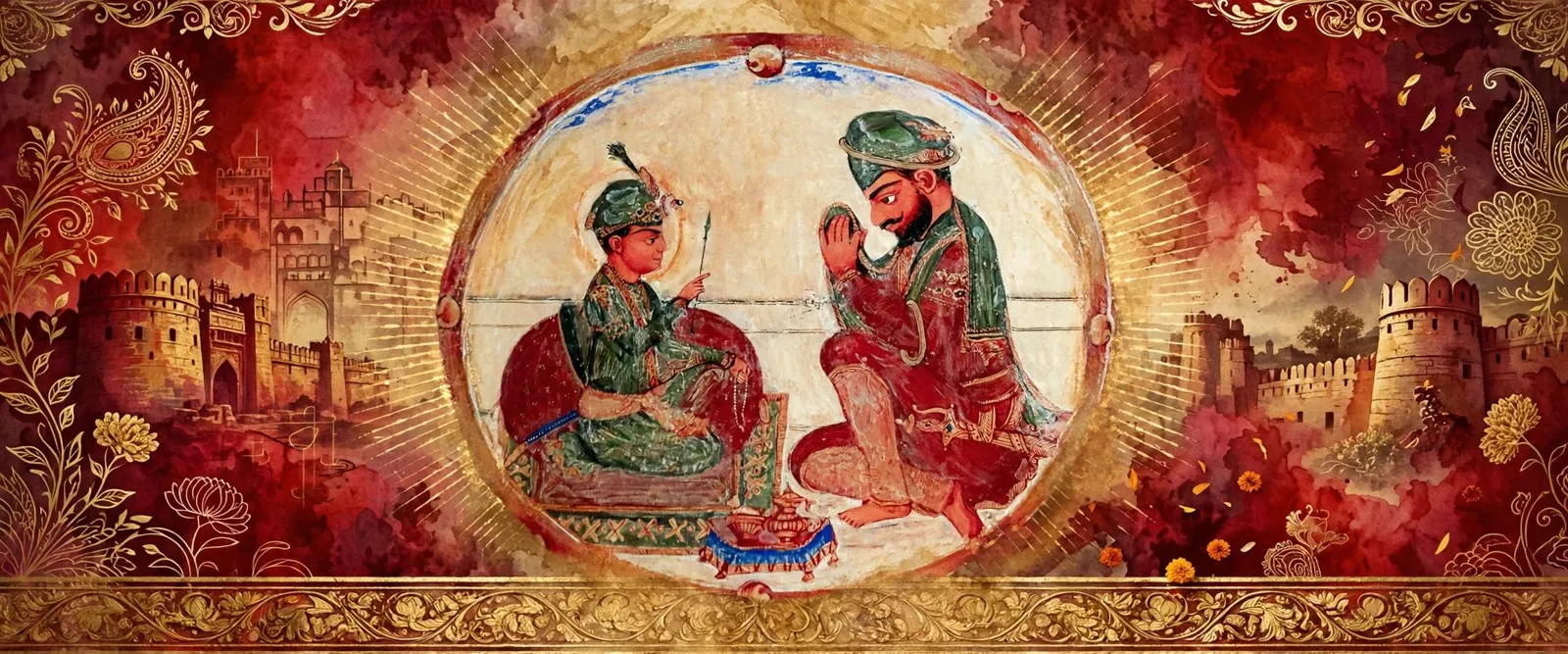
ਬਾਬਾ ਫ਼ਤਹਿ ਸਿੰਘ ਜੀ (25 ਫਰਵਰੀ 1699 ਤੋਂ 26 ਦਸੰਬਰ 1704) ਗੁਰੂ ਗੋਬਿੰਦ ਸਿੰਘ ਜੀ ਅਤੇ ਮਾਤਾ ਜੀਤੋ ਜੀ ਦੇ ਸਭ ਤੋਂ ਛੋਟੇ ਪੁੱਤਰ ਸਨ ਅਤੇ ਚਾਰ ਸਾਹਿਬਜ਼ਾਦਿਆਂ ਵਿੱਚੋਂ ਸਭ ਤੋਂ ਛੋਟੇ ਸਨ। ਦਸੰਬਰ 1704 ਵਿੱਚ ਅਨੰਦਪੁਰ ਤੋਂ ਨਿਕਲਣ ਸਮੇਂ ਉਹ ਆਪਣੇ ਪਿਤਾ ਜੀ ਤੋਂ ਵਿੱਛੜ ਗਏ ਅਤੇ ਆਪਣੇ ਵੱਡੇ ਭਰਾ ਜ਼ੋਰਾਵਰ ਸਿੰਘ ਜੀ ਅਤੇ ਦਾਦੀ ਮਾਤਾ ਗੁਜਰੀ ਜੀ ਨਾਲ ਸਰਹਿੰਦ ਲਿਆਂਦੇ ਗਏ, ਜਿੱਥੇ ਆਪਣਾ ਧਰਮ ਨਾ ਛੱਡਣ ਉੱਤੇ ਵਜ਼ੀਰ ਖ਼ਾਨ ਦੇ ਹੁਕਮ ਨਾਲ ਉਨ੍ਹਾਂ ਨੂੰ ਸ਼ਹੀਦ ਕਰ ਦਿੱਤਾ ਗਿਆ। ਉਨ੍ਹਾਂ ਦੀ ਉਮਰ ਪੰਜ ਸਾਲ ਸੀ, ਅਤੇ ਸਿੱਖ ਉਨ੍ਹਾਂ ਨੂੰ ਆਪਣੇ ਇਤਿਹਾਸ ਦੇ ਸਭ ਤੋਂ ਛੋਟੇ ਸ਼ਹੀਦ ਵਜੋਂ ਯਾਦ ਕਰਦੇ ਹਨ।
- ਪੰਜਾਬੀ ਨਾਂ
- ਬਾਬਾ ਫ਼ਤਹਿ ਸਿੰਘ ਜੀ
- ਜਨਮ
- 25 ਫਰਵਰੀ 1699, ਅਨੰਦਪੁਰ ਸਾਹਿਬ
- ਪਿਤਾ
- ਗੁਰੂ ਗੋਬਿੰਦ ਸਿੰਘ ਜੀ
- ਮਾਂ
- ਮਾਤਾ ਜੀਤੋ ਜੀ (ਮਾਤਾ ਅਜੀਤ ਕੌਰ ਜੀ)
- ਭਰਾ
- ਅਜੀਤ ਸਿੰਘ ਜੀ, ਜੁਝਾਰ ਸਿੰਘ ਜੀ, ਜ਼ੋਰਾਵਰ ਸਿੰਘ ਜੀ
- ਦਾਦੀ
- ਮਾਤਾ ਗੁਜਰੀ ਜੀ
All 9 facts
- ਦੇਹਾਂਤ
- 26 ਦਸੰਬਰ 1704, ਸਰਹਿੰਦ, 5 ਸਾਲ ਦੀ ਉਮਰ ਵਿੱਚ (ਕੁਝ ਲੇਖ 27 ਦਸੰਬਰ 1704 ਜਾਂ 26 ਦਸੰਬਰ 1705, 6 ਸਾਲ ਦੀ ਉਮਰ ਦੱਸਦੇ ਹਨ)
- ਸ਼ਹਾਦਤ ਦਾ ਸਥਾਨ
- ਸਰਹਿੰਦ (ਫ਼ਤਹਿਗੜ੍ਹ ਸਾਹਿਬ)
- ਪ੍ਰਸਿੱਧੀ
- ਚਾਰ ਸਾਹਿਬਜ਼ਾਦਿਆਂ ਵਿੱਚੋਂ ਸਭ ਤੋਂ ਛੋਟੇ ਵਜੋਂ
Baba Fateh Singh Ji (25 February 1699 to 26 December 1704) was the youngest son of ਗੁਰੂ ਗੋਬਿੰਦ ਸਿੰਘ ਜੀ and Mata Jito Ji, and the youngest of the four Sahibzade. At five years old he was executed at Sirhind on the orders of Wazir Khan, the Mughal governor, after refusing with his elder brother Zorawar Singh Ji to give up his faith. Sikhs remember him as the youngest martyr in their history.
Who was Baba Fateh Singh Ji?
Baba Fateh Singh Ji was born at ਅਨੰਦਪੁਰ ਸਾਹਿਬ on 25 February 1699, on the site where Gurdwara Bhora Sahib stands today. He was the fourth and youngest son of Guru Gobind Singh Ji. His mother was Mata Jito Ji, also known as Mata Ajit Kaur Ji after she took Amrit at Vaisakhi 1699. His name, Fateh, means victory, and his short life gave the word its weight. His elder brothers were Ajit Singh Ji, Jujhar Singh Ji and Zorawar Singh Ji. Ajit Singh Ji was the son of Mata Sundari Ji, while Jujhar, Zorawar and Fateh were the sons of Mata Jito Ji.
Some accounts give his birthday as 12 December 1699 instead, and that date is still marked by many Sikhs. This entry follows 25 February 1699, the date given by the Encyclopaedia of Sikhism. The year, 1699, is agreed on: he was born in the same year his father created the Khalsa at Anandpur.
How did the youngest Sahibzada grow up?
He was not yet two when his mother died at Anandpur on 5 December 1700. From then on he was raised by his grandmother, ਮਾਤਾ ਗੁਜਰੀ ਜੀ, the mother of Guru Gobind Singh Ji, and he stayed with her until his last day. He grew up at Anandpur Sahib in the years when his father's town was under constant threat, and he was still a small child when the siege that would end his life began.
One story from his childhood is told to explain the blue dress of the Akali Nihangs. It says that the little Fateh Singh Ji once came before his father dressed all in blue, wearing a high dumalla with a loose cloth, a farla, at the top, and decked with weapons, and that the Guru laughed and blessed him, saying that after him a Panth of fierce warriors would follow his example. Some trace the Nihang uniform to that moment. It is a tradition rather than a settled fact.
What happened on the night the family left Anandpur?
By the winter of 1704 Anandpur had been under siege for months. The Mughal armies of Sirhind and Lahore, joined by the hill chiefs, had cut off all supplies, and the Sikhs were surviving on leaves and tree bark. The besiegers swore oaths on the Quran and promised safe passage if the Guru would leave. The Guru knew the oaths were false, but he was prevailed upon, chiefly by his mother Mata Gujri Ji, to go. On the night of 20 and 21 December 1704 the Guru's family and a band of Sikhs slipped out of Anandpur.
The promise was broken at once. As the column crossed the rain-swollen river Sarsa, the pursuing army fell on it, and in the confusion of that cold night Mata Gujri Ji and the two younger Sahibzade were separated from the rest. They managed to cross the river, and they were taken in by Gangu, a former cook of the Guru's household, who promised them shelter at his village, Saheri, and to lead them to the Guru. Instead he betrayed them. He sent word to the officials at Morinda, and Mata Gujri Ji and the two boys were arrested and carried to Sirhind, where Wazir Khan, the governor, had his headquarters.
They were locked in a cold tower called the Thanda Burj, a tower built to catch cool breezes in summer, which in the dead of winter gave no shelter at all. No proper food or clothing was given to them. The old grandmother and the two small boys spent a miserable cold night there, and the next morning the boys were taken to Wazir Khan's court.
What happened in Wazir Khan's court at Sirhind?
The boys were told to bow to the governor. Instead they raised the Sikh greeting, Waheguru Ji Ka Khalsa, Waheguru Ji Ki Fateh. Wazir Khan was furious, and then he tried persuasion. He told them their father had been killed at Chamkaur and they were now fatherless, and he offered them princely rewards, riches, honour and power, and marriages into royal families, if they would only recite the Kalma and become Muslims. Both boys refused. The younger one answered that their grandfather, Guru Tegh Bahadur Ji, had given his head rather than his faith, and they would follow his example.
Wazir Khan consulted the Qazi, and the sentence was passed: the two children were to be bricked alive in a wall. The Nawab of Malerkotla objected to so cruel a punishment, but nobody heeded him. The boys were given a night with their grandmother, who told them to remember their grandfather's instruction, to accept death and fall dead to the earth but never to renounce their religion. They promised her they would not bring discredit on the names of their father and grandfather. The next morning they were brought to court in chains, and asked once more. Their answer was the same.
They were taken to a place where a wall was being built, and made to stand on it while the masons laid bricks around their small bodies, asking them again and again to accept Islam. In the popular tradition the wall rose to their shoulders and then crumbled, as if it refused the order, and the executioners finished the work with the sword. Early Sikh accounts say more simply that they were beheaded. Both versions agree on what matters: two small children were killed at Sirhind for refusing to leave their faith, and their grandmother died of shock when she heard the news.
The date of their martyrdom is given differently in different accounts. Most accounts give 26 December 1704, the date observed every year as Veer Bal Diwas. The Sikh Missionary Society's history gives 27 December 1704. Dating by the Nanakshahi calendar gives 26 December 1705. On the 1704 dating Fateh Singh Ji was five years old; on the 1705 dating he was six. This entry follows the 26 December 1704 date, and gives the others so the reader can see the disagreement.
Where are the younger Sahibzade remembered?
Gurdwara Fatehgarh Sahib stands at Sirhind on the site where the two younger Sahibzade were martyred, and the wall in which they were bricked is preserved inside the complex. Nearby stands Gurdwara Burj Mata Gujri, the tower where the grandmother and the two boys were kept in the cold, and a short distance away, Gurdwara Jyoti Sarup, about a kilometre from Fatehgarh Sahib, marks the place where their bodies were cremated. A wealthy follower of the Guru, Diwan Todar Mal, bought the land for the cremation by laying gold coins on the ground as payment, because Wazir Khan would not allow the bodies to be cremated otherwise.
Every year the Shaheedi Jor Mela, also called the Shaheedi Sabha, is held at Fatehgarh Sahib from 25 to 28 December, with a nagar kirtan procession from the main gurdwara to Jyoti Sarup, following the path of the cremation procession. On 26 December, Veer Bal Diwas honours the four Sahibzade across India and the diaspora. Six years after the martyrdom, Banda Singh Bahadur and the Sikh army destroyed Sirhind and killed Wazir Khan in battle on 14 May 1710, avenging the two small boys.
Why does the name Fateh still inspire?
Fateh means victory, and the youngest Sahibzada's victory was of a strange kind. He won nothing in the world: no battle, no kingdom, no long life. He won by refusing. A child of five, offered wealth and royal marriages and a life of comfort, chose instead to stand with his brother and his grandmother and die as a Sikh. That is why parents still tell his story to their children, and why his birthday on 12 December and his martyrdom day on 26 December are marked in Sikh homes around the world.
He is remembered together with his brothers as one of the ਚਾਰ ਸਾਹਿਬਜ਼ਾਦੇ, the four princes who gave their lives in a single December week in 1704: the two elder brothers fighting at Chamkaur, the two younger ones bricked at Sirhind. When Guru Gobind Singh Ji heard the news of his youngest sons, he thanked God and said his sons had only returned to their eternal home with honour. Then he knocked a small bush down with an arrow and said the enemy would be uprooted like that plant. The story of Baba Fateh Singh Ji is the smallest chapter of that week, and the one that has never stopped being told.
ਬਾਬਾ ਫ਼ਤਹਿ ਸਿੰਘ ਜੀ (25 ਫਰਵਰੀ 1699 ਤੋਂ 26 ਦਸੰਬਰ 1704) ਗੁਰੂ ਗੋਬਿੰਦ ਸਿੰਘ ਜੀ ਅਤੇ ਮਾਤਾ ਜੀਤੋ ਜੀ ਦੇ ਸਭ ਤੋਂ ਛੋਟੇ ਪੁੱਤਰ ਸਨ ਅਤੇ ਚਾਰ ਸਾਹਿਬਜ਼ਾਦਿਆਂ ਵਿੱਚੋਂ ਸਭ ਤੋਂ ਛੋਟੇ ਸਨ। ਪੰਜ ਸਾਲ ਦੀ ਉਮਰ ਵਿੱਚ ਸਰਹਿੰਦ ਦੇ ਸੂਬੇਦਾਰ ਵਜ਼ੀਰ ਖ਼ਾਨ ਦੇ ਹੁਕਮ ਨਾਲ ਉਨ੍ਹਾਂ ਨੂੰ ਸ਼ਹੀਦ ਕਰ ਦਿੱਤਾ ਗਿਆ, ਕਿਉਂਕਿ ਉਨ੍ਹਾਂ ਨੇ ਆਪਣੇ ਵੱਡੇ ਭਰਾ ਜ਼ੋਰਾਵਰ ਸਿੰਘ ਜੀ ਨਾਲ ਆਪਣਾ ਧਰਮ ਛੱਡਣ ਤੋਂ ਇਨਕਾਰ ਕਰ ਦਿੱਤਾ ਸੀ। ਸਿੱਖ ਉਨ੍ਹਾਂ ਨੂੰ ਆਪਣੇ ਇਤਿਹਾਸ ਦੇ ਸਭ ਤੋਂ ਛੋਟੇ ਸ਼ਹੀਦ ਵਜੋਂ ਯਾਦ ਕਰਦੇ ਹਨ।
ਬਾਬਾ ਫ਼ਤਹਿ ਸਿੰਘ ਜੀ ਕੌਣ ਸਨ?
ਬਾਬਾ ਫ਼ਤਹਿ ਸਿੰਘ ਜੀ ਦਾ ਜਨਮ 25 ਫਰਵਰੀ 1699 ਨੂੰ ਅਨੰਦਪੁਰ ਸਾਹਿਬ ਵਿਖੇ ਹੋਇਆ ਸੀ, ਉਸ ਥਾਂ ਉੱਤੇ ਜਿੱਥੇ ਅੱਜ ਗੁਰਦੁਆਰਾ ਭੋਰਾ ਸਾਹਿਬ ਖੜ੍ਹਾ ਹੈ। ਉਹ ਗੁਰੂ ਗੋਬਿੰਦ ਸਿੰਘ ਜੀ ਦੇ ਚੌਥੇ ਅਤੇ ਸਭ ਤੋਂ ਛੋਟੇ ਪੁੱਤਰ ਸਨ। ਉਨ੍ਹਾਂ ਦੀ ਮਾਤਾ ਮਾਤਾ ਜੀਤੋ ਜੀ ਸਨ, ਜਿਨ੍ਹਾਂ ਨੂੰ ਵਿਸਾਖੀ 1699 ਵਿੱਚ ਅੰਮ੍ਰਿਤ ਛਕਣ ਤੋਂ ਬਾਅਦ ਮਾਤਾ ਅਜੀਤ ਕੌਰ ਜੀ ਵੀ ਕਿਹਾ ਜਾਂਦਾ ਹੈ। ਉਨ੍ਹਾਂ ਦੇ ਨਾਂ ਫ਼ਤਹਿ ਦਾ ਅਰਥ ਹੈ ਜਿੱਤ, ਅਤੇ ਉਨ੍ਹਾਂ ਦੇ ਛੋਟੇ ਜਿਹੇ ਜੀਵਨ ਨੇ ਇਸ ਸ਼ਬਦ ਨੂੰ ਭਾਰ ਦਿੱਤਾ। ਉਨ੍ਹਾਂ ਦੇ ਵੱਡੇ ਭਰਾ ਅਜੀਤ ਸਿੰਘ ਜੀ, ਜੁਝਾਰ ਸਿੰਘ ਜੀ ਅਤੇ ਜ਼ੋਰਾਵਰ ਸਿੰਘ ਜੀ ਸਨ। ਅਜੀਤ ਸਿੰਘ ਜੀ ਮਾਤਾ ਸੁੰਦਰੀ ਜੀ ਦੇ ਪੁੱਤਰ ਸਨ, ਜਦੋਂ ਕਿ ਜੁਝਾਰ, ਜ਼ੋਰਾਵਰ ਅਤੇ ਫ਼ਤਹਿ ਮਾਤਾ ਜੀਤੋ ਜੀ ਦੇ ਪੁੱਤਰ ਸਨ।
ਕੁਝ ਲੇਖਾਂ ਵਿੱਚ ਉਨ੍ਹਾਂ ਦਾ ਜਨਮ ਦਿਨ 12 ਦਸੰਬਰ 1699 ਦੱਸਿਆ ਗਿਆ ਹੈ, ਅਤੇ ਇਹ ਤਰੀਕ ਅੱਜ ਵੀ ਬਹੁਤ ਸਾਰੇ ਸਿੱਖ ਮਨਾਉਂਦੇ ਹਨ। ਇਹ ਲੇਖ 25 ਫਰਵਰੀ 1699 ਦੀ ਤਰੀਕ ਨੂੰ ਮੰਨਦਾ ਹੈ, ਜੋ ਐਨਸਾਈਕਲੋਪੀਡੀਆ ਆਫ਼ ਸਿੱਖਇਜ਼ਮ ਵਿੱਚ ਦਰਜ ਹੈ। ਸਾਲ, 1699, ਬਾਰੇ ਸਭ ਸਹਿਮਤ ਹਨ: ਉਨ੍ਹਾਂ ਦਾ ਜਨਮ ਉਸੇ ਸਾਲ ਹੋਇਆ ਸੀ ਜਿਸ ਸਾਲ ਉਨ੍ਹਾਂ ਦੇ ਪਿਤਾ ਜੀ ਨੇ ਅਨੰਦਪੁਰ ਵਿਖੇ ਖ਼ਾਲਸਾ ਸਾਜਿਆ ਸੀ।
ਸਭ ਤੋਂ ਛੋਟੇ ਸਾਹਿਬਜ਼ਾਦੇ ਦਾ ਬਚਪਨ ਕਿਵੇਂ ਬੀਤਿਆ?
ਜਦੋਂ ਉਨ੍ਹਾਂ ਦੀ ਮਾਤਾ ਦਾ 5 ਦਸੰਬਰ 1700 ਨੂੰ ਅਨੰਦਪੁਰ ਵਿਖੇ ਦੇਹਾਂਤ ਹੋਇਆ, ਤਾਂ ਉਨ੍ਹਾਂ ਦੀ ਉਮਰ ਅਜੇ ਦੋ ਸਾਲ ਵੀ ਨਹੀਂ ਸੀ। ਉਸ ਤੋਂ ਬਾਅਦ ਉਨ੍ਹਾਂ ਨੂੰ ਉਨ੍ਹਾਂ ਦੀ ਦਾਦੀ, ਗੁਰੂ ਗੋਬਿੰਦ ਸਿੰਘ ਜੀ ਦੀ ਮਾਤਾ ਮਾਤਾ ਗੁਜਰੀ ਜੀ ਨੇ ਪਾਲਿਆ, ਅਤੇ ਉਹ ਆਪਣੇ ਆਖ਼ਰੀ ਦਿਨ ਤੱਕ ਉਨ੍ਹਾਂ ਦੇ ਨਾਲ ਹੀ ਰਹੇ। ਉਹ ਅਨੰਦਪੁਰ ਸਾਹਿਬ ਵਿੱਚ ਉਨ੍ਹਾਂ ਸਾਲਾਂ ਵਿੱਚ ਵੱਡੇ ਹੋਏ ਜਦੋਂ ਉਨ੍ਹਾਂ ਦੇ ਪਿਤਾ ਜੀ ਦਾ ਸ਼ਹਿਰ ਹਮੇਸ਼ਾ ਖ਼ਤਰੇ ਵਿੱਚ ਰਹਿੰਦਾ ਸੀ।
ਉਨ੍ਹਾਂ ਦੇ ਬਚਪਨ ਦੀ ਇੱਕ ਕਹਾਣੀ ਅਕਾਲੀ ਨਿਹੰਗਾਂ ਦੀ ਨੀਲੀ ਪੁਸ਼ਾਕ ਬਾਰੇ ਦੱਸੀ ਜਾਂਦੀ ਹੈ। ਕਿਹਾ ਜਾਂਦਾ ਹੈ ਕਿ ਛੋਟੇ ਫ਼ਤਹਿ ਸਿੰਘ ਜੀ ਇੱਕ ਵਾਰ ਨੀਲੇ ਕੱਪੜੇ ਪਾ ਕੇ, ਸਿਰ ਉੱਤੇ ਉੱਚਾ ਦੁਮਾਲਾ ਅਤੇ ਫ਼ਰਲਾ ਸਜਾ ਕੇ, ਹਥਿਆਰਾਂ ਨਾਲ ਲੈਸ ਹੋ ਕੇ ਆਪਣੇ ਪਿਤਾ ਜੀ ਅੱਗੇ ਆਏ ਸਨ, ਅਤੇ ਗੁਰੂ ਜੀ ਹੱਸ ਪਏ ਤੇ ਉਨ੍ਹਾਂ ਨੂੰ ਅਸੀਸ ਦਿੱਤੀ ਕਿ ਉਨ੍ਹਾਂ ਤੋਂ ਬਾਅਦ ਬਹਾਦਰ ਯੋਧਿਆਂ ਦਾ ਇੱਕ ਪੰਥ ਉਨ੍ਹਾਂ ਦੇ ਰਾਹ ਉੱਤੇ ਚੱਲੇਗਾ। ਕੁਝ ਲੋਕ ਨਿਹੰਗਾਂ ਦੀ ਵਰਦੀ ਦਾ ਮੂਲ ਇਸੇ ਪਲ ਵਿੱਚ ਵੇਖਦੇ ਹਨ। ਇਹ ਇੱਕ ਪਰੰਪਰਾ ਹੈ, ਪੱਕਾ ਤੱਥ ਨਹੀਂ।
ਅਨੰਦਪੁਰ ਛੱਡਣ ਵਾਲੀ ਰਾਤ ਨੂੰ ਕੀ ਹੋਇਆ?
1704 ਦੀ ਸਰਦੀ ਤੱਕ ਅਨੰਦਪੁਰ ਮਹੀਨਿਆਂ ਤੋਂ ਘੇਰੇ ਵਿੱਚ ਸੀ। ਸਰਹਿੰਦ ਅਤੇ ਲਾਹੌਰ ਦੀਆਂ ਮੁਗ਼ਲ ਫ਼ੌਜਾਂ, ਪਹਾੜੀ ਰਾਜਿਆਂ ਨਾਲ ਮਿਲ ਕੇ, ਸਾਰੀ ਰਸਦ ਰੋਕ ਚੁੱਕੀਆਂ ਸਨ, ਅਤੇ ਸਿੱਖ ਪੱਤੇ ਅਤੇ ਦਰਖ਼ਤਾਂ ਦੀ ਛਿੱਲ ਖਾ ਕੇ ਜਿਉਂਦੇ ਸਨ। ਘੇਰਾ ਪਾਉਣ ਵਾਲਿਆਂ ਨੇ ਕੁਰਾਨ ਉੱਤੇ ਸੌਂਹ ਖਾ ਕੇ ਵਾਅਦਾ ਕੀਤਾ ਕਿ ਜੇ ਗੁਰੂ ਜੀ ਚਲੇ ਜਾਣ ਤਾਂ ਉਨ੍ਹਾਂ ਨੂੰ ਸੁਰੱਖਿਅਤ ਰਸਤਾ ਦਿੱਤਾ ਜਾਵੇਗਾ। ਗੁਰੂ ਜੀ ਜਾਣਦੇ ਸਨ ਕਿ ਸੌਂਹਾਂ ਝੂਠੀਆਂ ਹਨ, ਪਰ ਮਾਤਾ ਗੁਜਰੀ ਜੀ ਦੇ ਕਹਿਣ ਉੱਤੇ ਉਹ ਜਾਣ ਲਈ ਮੰਨ ਗਏ। 20 ਅਤੇ 21 ਦਸੰਬਰ 1704 ਦੀ ਰਾਤ ਨੂੰ ਗੁਰੂ ਜੀ ਦਾ ਪਰਿਵਾਰ ਅਤੇ ਸਿੱਖਾਂ ਦਾ ਇੱਕ ਜਥਾ ਅਨੰਦਪੁਰ ਤੋਂ ਨਿਕਲ ਗਿਆ।
ਵਾਅਦਾ ਤੁਰੰਤ ਤੋੜ ਦਿੱਤਾ ਗਿਆ। ਜਦੋਂ ਕਾਫ਼ਲਾ ਬਾਰਸ਼ ਨਾਲ ਭਰੀ ਸਰਸਾ ਨਦੀ ਪਾਰ ਕਰ ਰਿਹਾ ਸੀ, ਤਾਂ ਪਿੱਛਾ ਕਰਦੀ ਫ਼ੌਜ ਨੇ ਹਮਲਾ ਕਰ ਦਿੱਤਾ, ਅਤੇ ਉਸ ਠੰਢੀ ਰਾਤ ਦੀ ਗੜਬੜ ਵਿੱਚ ਮਾਤਾ ਗੁਜਰੀ ਜੀ ਅਤੇ ਦੋ ਛੋਟੇ ਸਾਹਿਬਜ਼ਾਦੇ ਬਾਕੀਆਂ ਤੋਂ ਵਿੱਛੜ ਗਏ। ਉਹ ਨਦੀ ਪਾਰ ਕਰਨ ਵਿੱਚ ਕਾਮਯਾਬ ਹੋ ਗਏ, ਅਤੇ ਉਨ੍ਹਾਂ ਨੂੰ ਗੰਗੂ ਨੇ ਸਹਾਰਾ ਦਿੱਤਾ, ਜੋ ਗੁਰੂ ਜੀ ਦੇ ਘਰ ਦਾ ਪੁਰਾਣਾ ਰਸੋਈਆ ਸੀ। ਉਸ ਨੇ ਆਪਣੇ ਪਿੰਡ ਸਹੇਰੀ ਵਿੱਚ ਪਨਾਹ ਦੇਣ ਅਤੇ ਉਨ੍ਹਾਂ ਨੂੰ ਗੁਰੂ ਜੀ ਕੋਲ ਪਹੁੰਚਾਉਣ ਦਾ ਵਾਅਦਾ ਕੀਤਾ। ਪਰ ਉਸ ਨੇ ਧੋਖਾ ਦਿੱਤਾ। ਉਸ ਨੇ ਮੋਰਿੰਡਾ ਦੇ ਅਧਿਕਾਰੀਆਂ ਨੂੰ ਖ਼ਬਰ ਭੇਜ ਦਿੱਤੀ, ਅਤੇ ਮਾਤਾ ਗੁਜਰੀ ਜੀ ਅਤੇ ਦੋਵੇਂ ਬੱਚੇ ਗ੍ਰਿਫ਼ਤਾਰ ਕਰਕੇ ਸਰਹਿੰਦ ਲਿਆਂਦੇ ਗਏ, ਜਿੱਥੇ ਸੂਬੇਦਾਰ ਵਜ਼ੀਰ ਖ਼ਾਨ ਦਾ ਦਰਬਾਰ ਸੀ।
ਉਨ੍ਹਾਂ ਨੂੰ ਠੰਢੇ ਬੁਰਜ, ਠੰਢਾ ਬੁਰਜ, ਵਿੱਚ ਬੰਦ ਕਰ ਦਿੱਤਾ ਗਿਆ, ਜੋ ਗਰਮੀ ਵਿੱਚ ਠੰਢੀ ਹਵਾ ਲਈ ਬਣਾਇਆ ਗਿਆ ਸੀ, ਪਰ ਸਰਦੀ ਦੀ ਸਖ਼ਤ ਰਾਤ ਵਿੱਚ ਉੱਥੇ ਕੋਈ ਸਹਾਰਾ ਨਹੀਂ ਸੀ। ਉਨ੍ਹਾਂ ਨੂੰ ਠੀਕ ਖਾਣਾ ਜਾਂ ਕੱਪੜੇ ਨਹੀਂ ਦਿੱਤੇ ਗਏ। ਬਜ਼ੁਰਗ ਦਾਦੀ ਅਤੇ ਦੋ ਛੋਟੇ ਬੱਚਿਆਂ ਨੇ ਉੱਥੇ ਦੁੱਖ ਭਰੀ ਠੰਢੀ ਰਾਤ ਬਿਤਾਈ, ਅਤੇ ਅਗਲੀ ਸਵੇਰ ਬੱਚਿਆਂ ਨੂੰ ਵਜ਼ੀਰ ਖ਼ਾਨ ਦੇ ਦਰਬਾਰ ਵਿੱਚ ਲਿਆਂਦਾ ਗਿਆ।
ਸਰਹਿੰਦ ਵਿੱਚ ਵਜ਼ੀਰ ਖ਼ਾਨ ਦੇ ਦਰਬਾਰ ਵਿੱਚ ਕੀ ਹੋਇਆ?
ਬੱਚਿਆਂ ਨੂੰ ਸੂਬੇਦਾਰ ਅੱਗੇ ਝੁੱਕਣ ਲਈ ਕਿਹਾ ਗਿਆ। ਪਰ ਉਨ੍ਹਾਂ ਨੇ ਝੁੱਕਣ ਦੀ ਥਾਂ ਸਿੱਖੀ ਜੈਕਾਰਾ ਲਾਇਆ, ਵਾਹਿਗੁਰੂ ਜੀ ਕਾ ਖ਼ਾਲਸਾ, ਵਾਹਿਗੁਰੂ ਜੀ ਕੀ ਫ਼ਤਹਿ। ਵਜ਼ੀਰ ਖ਼ਾਨ ਗੁੱਸੇ ਵਿੱਚ ਆ ਗਿਆ, ਅਤੇ ਫਿਰ ਉਸ ਨੇ ਲਾਲਚ ਦੇਣਾ ਸ਼ੁਰੂ ਕਰ ਦਿੱਤਾ। ਉਸ ਨੇ ਕਿਹਾ ਕਿ ਉਨ੍ਹਾਂ ਦੇ ਪਿਤਾ ਚਮਕੌਰ ਵਿੱਚ ਮਾਰੇ ਗਏ ਹਨ ਅਤੇ ਹੁਣ ਉਹ ਬੇਪਿਤਾ ਹਨ, ਅਤੇ ਜੇ ਉਹ ਕਲਮਾ ਪੜ੍ਹ ਕੇ ਮੁਸਲਮਾਨ ਬਣ ਜਾਣ ਤਾਂ ਉਨ੍ਹਾਂ ਨੂੰ ਰਾਜਸੀ ਇਨਾਮ, ਦੌਲਤ, ਮਾਣ ਅਤੇ ਸ਼ਾਹੀ ਪਰਿਵਾਰਾਂ ਵਿੱਚ ਵਿਆਹ ਮਿਲਣਗੇ। ਦੋਵਾਂ ਬੱਚਿਆਂ ਨੇ ਇਨਕਾਰ ਕਰ ਦਿੱਤਾ। ਛੋਟੇ ਨੇ ਜਵਾਬ ਦਿੱਤਾ ਕਿ ਉਨ੍ਹਾਂ ਦੇ ਦਾਦਾ, ਗੁਰੂ ਤੇਗ਼ ਬਹਾਦਰ ਜੀ, ਨੇ ਧਰਮ ਦੀ ਥਾਂ ਸਿਰ ਦੇ ਦਿੱਤਾ ਸੀ, ਅਤੇ ਉਹ ਉਨ੍ਹਾਂ ਦੇ ਰਾਹ ਉੱਤੇ ਚੱਲਣਗੇ।
ਵਜ਼ੀਰ ਖ਼ਾਨ ਨੇ ਕਾਜ਼ੀ ਨਾਲ ਸਲਾਹ ਕੀਤੀ, ਅਤੇ ਸਜ਼ਾ ਸੁਣਾ ਦਿੱਤੀ ਗਈ: ਦੋਵਾਂ ਬੱਚਿਆਂ ਨੂੰ ਕੰਧ ਵਿੱਚ ਚਿਣ ਦਿੱਤਾ ਜਾਵੇਗਾ। ਮਲੇਰਕੋਟਲਾ ਦੇ ਨਵਾਬ ਨੇ ਇੰਨੀ ਬੇਰਹਿਮ ਸਜ਼ਾ ਉੱਤੇ ਇਤਰਾਜ਼ ਕੀਤਾ, ਪਰ ਕਿਸੇ ਨੇ ਉਸ ਦੀ ਨਾ ਸੁਣੀ। ਬੱਚਿਆਂ ਨੂੰ ਆਪਣੀ ਦਾਦੀ ਨਾਲ ਇੱਕ ਰਾਤ ਬਿਤਾਉਣ ਦਿੱਤੀ ਗਈ, ਅਤੇ ਦਾਦੀ ਨੇ ਉਨ੍ਹਾਂ ਨੂੰ ਆਪਣੇ ਦਾਦਾ ਦੀ ਸਿੱਖਿਆ ਯਾਦ ਕਰਾਈ, ਕਿ ਮੌਤ ਕਬੂਲ ਕਰ ਲਵੋ, ਧਰਤੀ ਉੱਤੇ ਡਿੱਗ ਕੇ ਮਰ ਜਾਓ, ਪਰ ਆਪਣਾ ਧਰਮ ਕਦੇ ਨਾ ਛੱਡੋ। ਉਨ੍ਹਾਂ ਨੇ ਵਾਅਦਾ ਕੀਤਾ ਕਿ ਉਹ ਆਪਣੇ ਪਿਤਾ ਅਤੇ ਦਾਦਾ ਦੇ ਨਾਂ ਉੱਤੇ ਕੋਈ ਦਾਗ਼ ਨਹੀਂ ਲੱਗਣ ਦੇਣਗੇ। ਅਗਲੀ ਸਵੇਰ ਉਨ੍ਹਾਂ ਨੂੰ ਜ਼ੰਜੀਰਾਂ ਵਿੱਚ ਦਰਬਾਰ ਵਿੱਚ ਲਿਆਂਦਾ ਗਿਆ, ਅਤੇ ਫਿਰ ਪੁੱਛਿਆ ਗਿਆ। ਉਨ੍ਹਾਂ ਦਾ ਜਵਾਬ ਉਹੀ ਸੀ।
ਉਨ੍ਹਾਂ ਨੂੰ ਉਸ ਥਾਂ ਲਿਆਂਦਾ ਗਿਆ ਜਿੱਥੇ ਇੱਕ ਕੰਧ ਬਣ ਰਹੀ ਸੀ, ਅਤੇ ਉਨ੍ਹਾਂ ਨੂੰ ਕੰਧ ਉੱਤੇ ਖੜ੍ਹਾ ਕਰਕੇ ਉਨ੍ਹਾਂ ਦੇ ਛੋਟੇ ਸਰੀਰਾਂ ਦੁਆਲੇ ਇੱਟਾਂ ਲਾਈਆਂ ਗਈਆਂ, ਅਤੇ ਵਾਰ ਵਾਰ ਇਸਲਾਮ ਕਬੂਲ ਕਰਨ ਲਈ ਕਿਹਾ ਗਿਆ। ਲੋਕ ਪਰੰਪਰਾ ਵਿੱਚ ਕੰਧ ਮੋਢਿਆਂ ਤੱਕ ਪਹੁੰਚ ਕੇ ਢਹਿ ਗਈ, ਜਿਵੇਂ ਉਸ ਨੇ ਹੁਕਮ ਮੰਨਣ ਤੋਂ ਇਨਕਾਰ ਕਰ ਦਿੱਤਾ ਹੋਵੇ, ਅਤੇ ਜਲਾਦਾਂ ਨੇ ਤਲਵਾਰ ਨਾਲ ਕੰਮ ਪੂਰਾ ਕੀਤਾ। ਪੁਰਾਣੇ ਸਿੱਖ ਲੇਖਾਂ ਵਿੱਚ ਸਾਦਾ ਕਿਹਾ ਗਿਆ ਹੈ ਕਿ ਉਨ੍ਹਾਂ ਦੇ ਸਿਰ ਕਲਮ ਕਰ ਦਿੱਤੇ ਗਏ ਸਨ। ਦੋਵੇਂ ਵੇਰਵੇ ਇੱਕ ਗੱਲ ਉੱਤੇ ਸਹਿਮਤ ਹਨ: ਦੋ ਛੋਟੇ ਬੱਚੇ ਸਰਹਿੰਦ ਵਿੱਚ ਇਸ ਲਈ ਮਾਰੇ ਗਏ ਕਿਉਂਕਿ ਉਨ੍ਹਾਂ ਨੇ ਆਪਣਾ ਧਰਮ ਛੱਡਣ ਤੋਂ ਇਨਕਾਰ ਕਰ ਦਿੱਤਾ ਸੀ, ਅਤੇ ਉਨ੍ਹਾਂ ਦੀ ਦਾਦੀ ਇਹ ਖ਼ਬਰ ਸੁਣ ਕੇ ਸਦਮੇ ਨਾਲ ਚਲਾਣਾ ਕਰ ਗਈ।
ਉਨ੍ਹਾਂ ਦੀ ਸ਼ਹਾਦਤ ਦੀ ਤਰੀਕ ਵੱਖ ਵੱਖ ਲੇਖਾਂ ਵਿੱਚ ਵੱਖਰੀ ਦੱਸੀ ਗਈ ਹੈ। ਜ਼ਿਆਦਾਤਰ ਲੇਖ 26 ਦਸੰਬਰ 1704 ਦੱਸਦੇ ਹਨ, ਜੋ ਹਰ ਸਾਲ ਵੀਰ ਬਾਲ ਦਿਵਸ ਵਜੋਂ ਮਨਾਈ ਜਾਂਦੀ ਹੈ। ਸਿੱਖ ਮਿਸ਼ਨਰੀ ਸੁਸਾਇਟੀ ਦੇ ਇਤਿਹਾਸ ਵਿੱਚ 27 ਦਸੰਬਰ 1704 ਦਰਜ ਹੈ। ਨਾਨਕਸ਼ਾਹੀ ਕੈਲੰਡਰ ਨਾਲ ਗਿਣਤੀ ਕਰਨ ਉੱਤੇ 26 ਦਸੰਬਰ 1705 ਮਿਲਦੀ ਹੈ। 1704 ਦੀ ਤਰੀਕ ਨਾਲ ਫ਼ਤਹਿ ਸਿੰਘ ਜੀ ਦੀ ਉਮਰ ਪੰਜ ਸਾਲ ਸੀ, ਅਤੇ 1705 ਦੀ ਤਰੀਕ ਨਾਲ ਛੇ ਸਾਲ। ਇਹ ਲੇਖ 26 ਦਸੰਬਰ 1704 ਦੀ ਤਰੀਕ ਨੂੰ ਮੰਨਦਾ ਹੈ, ਅਤੇ ਦੂਜੀਆਂ ਤਰੀਕਾਂ ਇਸ ਲਈ ਦੱਸੀਆਂ ਗਈਆਂ ਹਨ ਤਾਂ ਜੋ ਪਾਠਕ ਮਤਭੇਦ ਨੂੰ ਵੇਖ ਸਕੇ।
ਛੋਟੇ ਸਾਹਿਬਜ਼ਾਦੇ ਕਿੱਥੇ ਯਾਦ ਕੀਤੇ ਜਾਂਦੇ ਹਨ?
ਗੁਰਦੁਆਰਾ ਫ਼ਤਹਿਗੜ੍ਹ ਸਾਹਿਬ ਸਰਹਿੰਦ ਵਿਖੇ ਉਸ ਥਾਂ ਉੱਤੇ ਖੜ੍ਹਾ ਹੈ ਜਿੱਥੇ ਦੋ ਛੋਟੇ ਸਾਹਿਬਜ਼ਾਦੇ ਸ਼ਹੀਦ ਹੋਏ ਸਨ, ਅਤੇ ਜਿਸ ਕੰਧ ਵਿੱਚ ਉਨ੍ਹਾਂ ਨੂੰ ਚਿਣਿਆ ਗਿਆ ਸੀ, ਉਹ ਗੁਰਦੁਆਰਾ ਕੰਪਲੈਕਸ ਵਿੱਚ ਸੰਭਾਲ ਕੇ ਰੱਖੀ ਗਈ ਹੈ। ਨੇੜੇ ਹੀ ਗੁਰਦੁਆਰਾ ਬੁਰਜ ਮਾਤਾ ਗੁਜਰੀ ਹੈ, ਉਹ ਬੁਰਜ ਜਿੱਥੇ ਦਾਦੀ ਅਤੇ ਦੋਵੇਂ ਬੱਚੇ ਠੰਢ ਵਿੱਚ ਬੰਦ ਰੱਖੇ ਗਏ ਸਨ, ਅਤੇ ਥੋੜ੍ਹੀ ਦੂਰ, ਫ਼ਤਹਿਗੜ੍ਹ ਸਾਹਿਬ ਤੋਂ ਲਗਭਗ ਇੱਕ ਕਿਲੋਮੀਟਰ, ਗੁਰਦੁਆਰਾ ਜੋਤੀ ਸਰੂਪ ਹੈ, ਜਿੱਥੇ ਉਨ੍ਹਾਂ ਦੇ ਸਰੀਰਾਂ ਦਾ ਸਸਕਾਰ ਕੀਤਾ ਗਿਆ ਸੀ। ਗੁਰੂ ਜੀ ਦੇ ਇੱਕ ਧਨੀ ਸ਼ਰਧਾਲੂ, ਦੀਵਾਨ ਟੋਡਰ ਮੱਲ, ਨੇ ਸਸਕਾਰ ਵਾਲੀ ਜ਼ਮੀਨ ਸੋਨੇ ਦੇ ਸਿੱਕੇ ਵਿਛਾ ਕੇ ਖ਼ਰੀਦੀ ਸੀ।
ਹਰ ਸਾਲ 25 ਤੋਂ 28 ਦਸੰਬਰ ਤੱਕ ਫ਼ਤਹਿਗੜ੍ਹ ਸਾਹਿਬ ਵਿਖੇ ਸ਼ਹੀਦੀ ਜੋੜ ਮੇਲਾ, ਜਿਸ ਨੂੰ ਸ਼ਹੀਦੀ ਸਭਾ ਵੀ ਕਿਹਾ ਜਾਂਦਾ ਹੈ, ਲੱਗਦਾ ਹੈ, ਅਤੇ ਮੁੱਖ ਗੁਰਦੁਆਰੇ ਤੋਂ ਜੋਤੀ ਸਰੂਪ ਤੱਕ ਨਗਰ ਕੀਰਤਨ ਨਿਕਲਦਾ ਹੈ, ਜੋ ਸਸਕਾਰ ਵਾਲੀ ਯਾਤਰਾ ਦੇ ਰਾਹ ਉੱਤੇ ਚੱਲਦਾ ਹੈ। 26 ਦਸੰਬਰ ਨੂੰ ਵੀਰ ਬਾਲ ਦਿਵਸ ਭਾਰਤ ਅਤੇ ਵਿਦੇਸ਼ਾਂ ਵਿੱਚ ਚਾਰ ਸਾਹਿਬਜ਼ਾਦਿਆਂ ਦੀ ਯਾਦ ਵਿੱਚ ਮਨਾਇਆ ਜਾਂਦਾ ਹੈ। ਸ਼ਹਾਦਤ ਤੋਂ ਛੇ ਸਾਲ ਬਾਅਦ ਬੰਦਾ ਸਿੰਘ ਬਹਾਦਰ ਅਤੇ ਸਿੱਖ ਫ਼ੌਜ ਨੇ ਸਰਹਿੰਦ ਨੂੰ ਤਬਾਹ ਕਰ ਦਿੱਤਾ ਅਤੇ 14 ਮਈ 1710 ਨੂੰ ਲੜਾਈ ਵਿੱਚ ਵਜ਼ੀਰ ਖ਼ਾਨ ਨੂੰ ਮਾਰ ਦਿੱਤਾ, ਅਤੇ ਦੋ ਛੋਟੇ ਬੱਚਿਆਂ ਦਾ ਬਦਲਾ ਲੈ ਲਿਆ।
ਫ਼ਤਹਿ ਦਾ ਨਾਂ ਅੱਜ ਵੀ ਕਿਉਂ ਪ੍ਰੇਰਦਾ ਹੈ?
ਫ਼ਤਹਿ ਦਾ ਅਰਥ ਹੈ ਜਿੱਤ, ਅਤੇ ਸਭ ਤੋਂ ਛੋਟੇ ਸਾਹਿਬਜ਼ਾਦੇ ਦੀ ਜਿੱਤ ਅਜੀਬ ਕਿਸਮ ਦੀ ਸੀ। ਉਨ੍ਹਾਂ ਨੇ ਦੁਨੀਆਂ ਵਿੱਚ ਕੁਝ ਨਹੀਂ ਜਿੱਤਿਆ: ਨਾ ਕੋਈ ਲੜਾਈ, ਨਾ ਕੋਈ ਰਾਜ, ਨਾ ਲੰਮੀ ਉਮਰ। ਉਨ੍ਹਾਂ ਨੇ ਇਨਕਾਰ ਕਰਕੇ ਜਿੱਤਿਆ। ਪੰਜ ਸਾਲ ਦੇ ਬੱਚੇ ਨੂੰ ਦੌਲਤ, ਸ਼ਾਹੀ ਵਿਆਹ ਅਤੇ ਆਰਾਮ ਭਰੀ ਜ਼ਿੰਦਗੀ ਦੀ ਪੇਸ਼ਕਸ਼ ਕੀਤੀ ਗਈ, ਪਰ ਉਸ ਨੇ ਸਿੱਖ ਵਜੋਂ ਮਰਨਾ ਚੁਣਿਆ। ਇਸੇ ਲਈ ਮਾਪੇ ਅੱਜ ਵੀ ਬੱਚਿਆਂ ਨੂੰ ਉਨ੍ਹਾਂ ਦੀ ਕਹਾਣੀ ਸੁਣਾਉਂਦੇ ਹਨ।
ਉਹ ਆਪਣੇ ਭਰਾਵਾਂ ਨਾਲ ਚਾਰ ਸਾਹਿਬਜ਼ਾਦਿਆਂ ਵਿੱਚੋਂ ਇੱਕ ਵਜੋਂ ਯਾਦ ਕੀਤੇ ਜਾਂਦੇ ਹਨ, ਉਹ ਚਾਰ ਰਾਜਕੁਮਾਰ ਜਿਨ੍ਹਾਂ ਨੇ ਦਸੰਬਰ 1704 ਦੇ ਇੱਕੋ ਹਫ਼ਤੇ ਵਿੱਚ ਜਾਨਾਂ ਦਿੱਤੀਆਂ: ਦੋ ਵੱਡੇ ਭਰਾ ਚਮਕੌਰ ਵਿੱਚ ਲੜਦੇ ਹੋਏ, ਅਤੇ ਦੋ ਛੋਟੇ ਭਰਾ ਸਰਹਿੰਦ ਵਿੱਚ ਕੰਧ ਵਿੱਚ ਚਿਣੇ ਗਏ। ਜਦੋਂ ਗੁਰੂ ਗੋਬਿੰਦ ਸਿੰਘ ਜੀ ਨੂੰ ਆਪਣੇ ਛੋਟੇ ਪੁੱਤਰਾਂ ਦੀ ਖ਼ਬਰ ਮਿਲੀ, ਤਾਂ ਉਨ੍ਹਾਂ ਨੇ ਰੱਬ ਦਾ ਸ਼ੁਕਰ ਕੀਤਾ ਅਤੇ ਕਿਹਾ ਕਿ ਉਨ੍ਹਾਂ ਦੇ ਪੁੱਤਰ ਮਰੇ ਨਹੀਂ, ਸਗੋਂ ਮਾਣ ਨਾਲ ਆਪਣੇ ਸਦੀਵੀ ਘਰ ਪਰਤ ਗਏ ਹਨ। ਫਿਰ ਉਨ੍ਹਾਂ ਨੇ ਤੀਰ ਨਾਲ ਇੱਕ ਛੋਟਾ ਜਿਹਾ ਬੂਟਾ ਢਾਹ ਦਿੱਤਾ ਅਤੇ ਕਿਹਾ ਕਿ ਦੁਸ਼ਮਣ ਇਸੇ ਬੂਟੇ ਵਾਂਗ ਪੁੱਟਿਆ ਜਾਵੇਗਾ। ਬਾਬਾ ਫ਼ਤਹਿ ਸਿੰਘ ਜੀ ਦੀ ਕਹਾਣੀ ਉਸ ਹਫ਼ਤੇ ਦਾ ਸਭ ਤੋਂ ਛੋਟਾ ਅਧਿਆਇ ਹੈ, ਅਤੇ ਉਹ ਕਹਾਣੀ ਜੋ ਕਦੇ ਬੰਦ ਨਹੀਂ ਹੋਈ।
More religion entries to explore
ਸਰੋਤ (6)
ਜੁਗਤੀ ਮੁਫ਼ਤ ਅਤੇ ਸੁਤੰਤਰ ਹੈ। ਪਾਠਕਾਂ ਦਾ ਸਹਿਯੋਗ ਕੋਸ਼ ਨੂੰ ਵਧਾਉਂਦਾ ਹੈ।
ਸਹਿਯੋਗ