
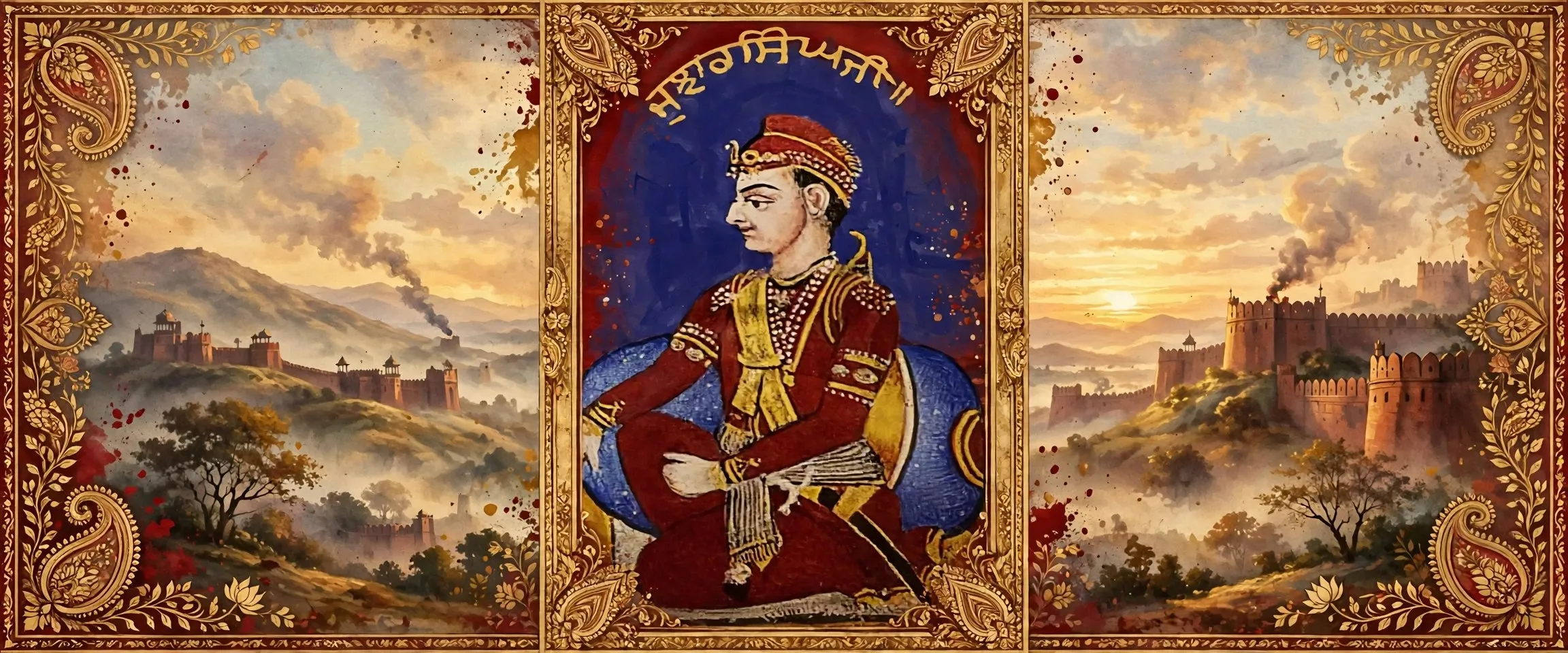
ਬਾਬਾ ਜੁਝਾਰ ਸਿੰਘ ਜੀ (14 ਮਾਰਚ 1691 ਤੋਂ 23 ਦਸੰਬਰ 1704) ਗੁਰੂ ਗੋਬਿੰਦ ਸਿੰਘ ਜੀ ਦੇ ਦੂਜੇ ਪੁੱਤਰ ਅਤੇ ਚਾਰ ਸਾਹਿਬਜ਼ਾਦਿਆਂ ਵਿੱਚੋਂ ਇੱਕ ਸਨ। ਉਨ੍ਹਾਂ ਦਾ ਜਨਮ ਅਨੰਦਪੁਰ ਸਾਹਿਬ ਵਿੱਚ ਮਾਤਾ ਜੀਤੋ ਜੀ ਦੀ ਕੁੱਖੋਂ ਹੋਇਆ, ਅੱਠ ਸਾਲ ਦੀ ਉਮਰ ਵਿੱਚ ਉਨ੍ਹਾਂ ਨੇ ਅੰਮ੍ਰਿਤ ਛਕਿਆ ਅਤੇ ਬਚਪਨ ਤੋਂ ਹੀ ਯੁੱਧ ਦੀ ਕਲਾ ਸਿੱਖੀ। ਤੇਰਾਂ ਸਾਲ ਦੀ ਉਮਰ ਵਿੱਚ ਉਨ੍ਹਾਂ ਨੇ ਆਪਣੇ ਪਿਤਾ ਤੋਂ ਚਮਕੌਰ ਦੀ ਗੜ੍ਹੀ ਤੋਂ ਬਾਹਰ ਨਿਕਲ ਕੇ ਲੜਨ ਦੀ ਆਗਿਆ ਮੰਗੀ ਅਤੇ ਆਪਣੇ ਵੱਡੇ ਭਰਾ ਅਜੀਤ ਸਿੰਘ ਜੀ ਦੇ ਨਾਲ, ਦਿਨ ਦੀ ਆਖ਼ਰੀ ਧਾਵਾ ਦੀ ਅਗਵਾਈ ਕਰਦੇ ਹੋਏ, ਸ਼ਹੀਦ ਹੋ ਗਏ।
- ਪੰਜਾਬੀ ਨਾਂ
- ਬਾਬਾ ਜੁਝਾਰ ਸਿੰਘ ਜੀ
- ਜਨਮ
- 14 ਮਾਰਚ 1691, ਅਨੰਦਪੁਰ ਸਾਹਿਬ
- ਪਿਤਾ
- ਗੁਰੂ ਗੋਬਿੰਦ ਸਿੰਘ ਜੀ
- ਮਾਂ
- ਮਾਤਾ ਜੀਤੋ ਜੀ (ਮਾਤਾ ਅਜੀਤ ਕੌਰ ਜੀ ਵੀ ਕਹੇ ਜਾਂਦੇ ਹਨ)
- ਭਰਾ
- ਬਾਬਾ ਅਜੀਤ ਸਿੰਘ ਜੀ, ਬਾਬਾ ਜ਼ੋਰਾਵਰ ਸਿੰਘ ਜੀ, ਬਾਬਾ ਫ਼ਤਿਹ ਸਿੰਘ ਜੀ
- ਪ੍ਰਸਿੱਧੀ
- ਚਮਕੌਰ ਦੀ ਲੜਾਈ ਵਿੱਚ ਸ਼ਹਾਦਤ ਲਈ
All 8 facts
- ਦੇਹਾਂਤ
- 23 ਦਸੰਬਰ 1704, ਚਮਕੌਰ ਸਾਹਿਬ, ਉਮਰ 13 ਸਾਲ
- ਯਾਦਗਾਰ
- ਗੁਰਦੁਆਰਾ ਕਤਲਗੜ੍ਹ ਸਾਹਿਬ, ਚਮਕੌਰ ਸਾਹਿਬ
Baba Jujhar Singh Ji (14 March 1691 to 23 December 1704) was the second son of Guru Gobind Singh Ji and one of the four Sahibzade. At thirteen he asked his father's permission to leave the mud fort at Chamkaur and fight, and died beside his elder brother Ajit Singh. His name, Jujhar, means warrior.
Who was Baba Jujhar Singh Ji?
Baba Jujhar Singh Ji was born on 14 March 1691 at Anandpur Sahib, to Guru Gobind Singh Ji and Mata Jito Ji, who is also known as Mata Ajit Kaur Ji. He was the second of four sons. His elder brother was Baba Ajit Singh Ji, and his younger brothers were Baba Zorawar Singh Ji and Baba Fateh Singh Ji. Together the four are the ਚਾਰ ਸਾਹਿਬਜ਼ਾਦੇ, the four princes of the Khalsa. The elder two are called the Vadde Sahibzade, the elder princes, and the younger two the Chhote Sahibzade.
The name of his mother needs care, because popular accounts differ. The Encyclopedia of Sikhism and Wikipedia name ਮਾਤਾ ਜੀਤੋ ਜੀ as the mother of Jujhar, Zorawar and Fateh Singh, while ਮਾਤਾ ਸੁੰਦਰੀ ਜੀ is recorded as the mother of his elder brother Ajit Singh, born at Paonta Sahib in 1687. Some writers hold that Sundari was another name of Jito. This entry follows the Encyclopedia of Sikhism, the fullest scholarly source, and names Mata Jito Ji. His mother died on 5 December 1700, when Jujhar was nine, and his grandmother Mata Gujri Ji helped to raise the younger sons.
He grew up in ਅਨੰਦਪੁਰ ਸਾਹਿਬ, the town his father had built into the home of the Khalsa, a city of forts, scholars and soldiers. It was a childhood of prayer and of war at once, and the two were never separate in the house of ਗੁਰੂ ਗੋਬਿੰਦ ਸਿੰਘ ਜੀ.
How did a thirteen-year-old become a warrior?
Like his elder brother, he began learning the religious texts and the fighting skills together, from the age of four or five: riding, swordsmanship, archery and the spear. His teacher in warfare was Bhai Jaita, also known as Jiwan Singh, one of his father's trusted Sikhs. War was not a game for the sons of the Guru. It was part of their duty, the armed defence of a people who were not allowed to defend themselves, which the Guru called ਮੀਰੀ ਪੀਰੀ, the rule of the spiritual and the temporal together.
On Vaisakhi in 1699, when he was eight years old, he took ਅੰਮ੍ਰਿਤ at the founding of the Khalsa, alongside his father and his brothers. By the time Anandpur was besieged in 1704, the Encyclopedia of Sikhism calls him an experienced young warrior, strong and fearless.
During the long siege he worked beside his elder brother, helping to manage supplies to the forts and taking part in attacks on the forces around the town. The siege lasted for months. Food and water ran short, and the besiegers, the Mughal army and the hill chiefs, swore solemn oaths that the Guru's family could leave Anandpur safely if they came out.
What happened on the road to Chamkaur?
On a cold and rainy night in December 1704, the Guru's column left Anandpur. Soon after midnight the besiegers broke their oaths and attacked. At the flooded Sirsa river the column was scattered. Jujhar Singh Ji crossed on horseback with his father and his elder brother, but his grandmother Mata Gujri Ji and his two younger brothers were separated from them at the river. The younger boys were taken towards Sirhind, where they would be put to death a few days later.
By nightfall on 21 December 1704, Guru Gobind Singh Ji, his two elder sons and about forty Sikhs reached the village of Chamkaur and took shelter in the high-walled house of Chaudhary Budhi Chand, a mud fort the Sikhs called the garhi, or Chamkaur di Garhi.
The enemy followed through the night, reinforced from Malerkotla and Sirhind and joined by local Ranghars and Gujjars, and ringed the fort. The battle began at sunrise on 22 December and raged into the next day. Older Sikh sources date it 7 December 1705, the date in the Bikrami calendar then in use. In the Gregorian calendar the fighting fell on 22 and 23 December 1704.
How did Baba Jujhar Singh Ji die at Chamkaur?
Inside the garhi the Sikhs held off assault after assault until their arrows and ammunition ran out. Then they went out in batches of five to fight hand to hand. His elder brother Ajit Singh led one of the first batches and fell in the thick of the battle.
Jujhar Singh Ji had watched his brother fight from the fort. Sikh tradition remembers him asking his father for permission to follow, saying, do not say that I am too young. I am your son and a Singh of yours, and I shall die fighting with my face towards the enemy, with the Naam on my lips and the Guru in my heart. Guru Gobind Singh Ji embraced him and blessed him. The tradition says the Guru told him, go, my son, and wed the life-giving bride, death.
He led the last sally of the day with five Sikhs, among them Bhai Himmat Singh Ji and Bhai Sahib Singh Ji, two of the Panj Pyare. Fighting with arrows, spear and khanda, the small band drove the enemy back and cut a circle into their ranks before they were surrounded. His father covered them with arrows from the fort, and none of his arrows touched his own men. The Mughals, seeing the same fury they had seen from Ajit Singh, at first thought he had returned. As night fell, Jujhar Singh Ji was fatally wounded and fell near the place where he had seen his elder brother fall. He was thirteen years old.
Gurdwara Qatalgarh Sahib now marks the spot where the two brothers fell. The name means the place of the killing, or the place of martyrdom, and an annual fair is held there in December and January, on the 8th of Poh, to honour them.
Why do Sikhs remember him today?
The Sikh historian Rattan Singh Bhangu compared Jujhar Singh Ji's sacrifice to the death of Abhimanyu in the Mahabharata. Both were young warriors who died defending their father against overwhelming odds. Bhangu pictures him asking, as he fought, how a son can live while his father faces death in battle.
The battle is also recorded by Guru Gobind Singh Ji himself. In the Zafarnama, his letter to the Mughal emperor Aurangzeb, the Guru describes forty Sikhs defying a multitude at Chamkaur. A contemporary Mughal record, a letter preserved in the Ahkam-i-Alamgiri, the collected orders of Aurangzeb, confirms that the Guru's two sons were killed at Chamkaur.
The four Sahibzade are remembered together, and their martyrdoms are observed each December. The elder two fell at Chamkaur. The younger two, Zorawar Singh and Fateh Singh, were put to death at Sirhind a few days later, and Fatehgarh Sahib marks that place. For Sikh families, Jujhar Singh Ji's story is the example given to children: a boy who asked to fight rather than hide, and whose name itself means warrior.
How can visitors honour him at Chamkaur?
ਚਮਕੌਰ ਸਾਹਿਬ is a town in Rupnagar district, Punjab, reached by road from Rupnagar and Chandigarh. Two gurdwaras carry the memory of those days: Gurdwara Garhi Sahib, the fort where the Guru and his forty Sikhs made their stand, and Gurdwara Qatalgarh Sahib, where Ajit Singh Ji and Jujhar Singh Ji fell.
The martyrdom is remembered each year in December, when Sikhs gather at Chamkaur for the fair on 8 Poh. Visitors come to pay respects at the spot where a thirteen-year-old asked his father for permission to die fighting, and was given it.
ਬਾਬਾ ਜੁਝਾਰ ਸਿੰਘ ਜੀ (14 ਮਾਰਚ 1691 ਤੋਂ 23 ਦਸੰਬਰ 1704) ਗੁਰੂ ਗੋਬਿੰਦ ਸਿੰਘ ਜੀ ਦੇ ਦੂਜੇ ਪੁੱਤਰ ਅਤੇ ਚਾਰ ਸਾਹਿਬਜ਼ਾਦਿਆਂ ਵਿੱਚੋਂ ਇੱਕ ਸਨ। ਤੇਰਾਂ ਸਾਲ ਦੀ ਉਮਰ ਵਿੱਚ ਉਨ੍ਹਾਂ ਨੇ ਆਪਣੇ ਪਿਤਾ ਤੋਂ ਚਮਕੌਰ ਦੀ ਗੜ੍ਹੀ ਤੋਂ ਬਾਹਰ ਨਿਕਲ ਕੇ ਲੜਨ ਦੀ ਆਗਿਆ ਮੰਗੀ ਅਤੇ ਆਪਣੇ ਵੱਡੇ ਭਰਾ ਅਜੀਤ ਸਿੰਘ ਜੀ ਦੇ ਨਾਲ ਸ਼ਹੀਦ ਹੋ ਗਏ। ਉਨ੍ਹਾਂ ਦੇ ਨਾਂ ਜੁਝਾਰ ਦਾ ਅਰਥ ਹੈ ਯੋਧਾ।
ਬਾਬਾ ਜੁਝਾਰ ਸਿੰਘ ਜੀ ਕੌਣ ਸਨ?
ਬਾਬਾ ਜੁਝਾਰ ਸਿੰਘ ਜੀ ਦਾ ਜਨਮ 14 ਮਾਰਚ 1691 ਨੂੰ ਅਨੰਦਪੁਰ ਸਾਹਿਬ ਵਿੱਚ ਹੋਇਆ ਸੀ। ਉਹ ਗੁਰੂ ਗੋਬਿੰਦ ਸਿੰਘ ਜੀ ਅਤੇ ਮਾਤਾ ਜੀਤੋ ਜੀ ਦੇ ਦੂਜੇ ਪੁੱਤਰ ਸਨ, ਜਿਨ੍ਹਾਂ ਨੂੰ ਮਾਤਾ ਅਜੀਤ ਕੌਰ ਜੀ ਵੀ ਕਿਹਾ ਜਾਂਦਾ ਹੈ। ਉਨ੍ਹਾਂ ਦੇ ਵੱਡੇ ਭਰਾ ਬਾਬਾ ਅਜੀਤ ਸਿੰਘ ਜੀ ਸਨ ਅਤੇ ਛੋਟੇ ਭਰਾ ਬਾਬਾ ਜ਼ੋਰਾਵਰ ਸਿੰਘ ਜੀ ਅਤੇ ਬਾਬਾ ਫ਼ਤਿਹ ਸਿੰਘ ਜੀ ਸਨ। ਚਾਰੇ ਭਰਾ ਇਕੱਠੇ ਚਾਰ ਸਾਹਿਬਜ਼ਾਦੇ ਕਹੇ ਜਾਂਦੇ ਹਨ, ਜੋ ਖ਼ਾਲਸੇ ਦੇ ਚਾਰ ਰਾਜਕੁਮਾਰ ਸਨ। ਵੱਡੇ ਦੋਵੇਂ ਵੱਡੇ ਸਾਹਿਬਜ਼ਾਦੇ ਅਤੇ ਛੋਟੇ ਦੋਵੇਂ ਛੋਟੇ ਸਾਹਿਬਜ਼ਾਦੇ ਕਹੇ ਜਾਂਦੇ ਹਨ।
ਉਨ੍ਹਾਂ ਦੀ ਮਾਤਾ ਦੇ ਨਾਂ ਬਾਰੇ ਧਿਆਨ ਨਾਲ ਗੱਲ ਕਰਨੀ ਚਾਹੀਦੀ ਹੈ, ਕਿਉਂਕਿ ਵੱਖ ਵੱਖ ਲਿਖਤਾਂ ਵਿੱਚ ਨਾਂ ਵੱਖਰੇ ਮਿਲਦੇ ਹਨ। ਐਨਸਾਈਕਲੋਪੀਡੀਆ ਆਫ਼ ਸਿੱਖਇਜ਼ਮ ਅਤੇ ਵਿਕੀਪੀਡੀਆ ਮੁਤਾਬਕ ਜੁਝਾਰ ਸਿੰਘ ਜੀ, ਜ਼ੋਰਾਵਰ ਸਿੰਘ ਜੀ ਅਤੇ ਫ਼ਤਿਹ ਸਿੰਘ ਜੀ ਦੀ ਮਾਤਾ ਮਾਤਾ ਜੀਤੋ ਜੀ ਸਨ, ਜਦੋਂ ਕਿ ਮਾਤਾ ਸੁੰਦਰੀ ਜੀ ਉਨ੍ਹਾਂ ਦੇ ਵੱਡੇ ਭਰਾ ਅਜੀਤ ਸਿੰਘ ਜੀ ਦੀ ਮਾਤਾ ਸਨ, ਜਿਨ੍ਹਾਂ ਦਾ ਜਨਮ 1687 ਵਿੱਚ ਪਾਉਂਟਾ ਸਾਹਿਬ ਵਿੱਚ ਹੋਇਆ ਸੀ। ਕੁਝ ਲੇਖਕ ਮੰਨਦੇ ਹਨ ਕਿ ਸੁੰਦਰੀ ਜੀਤੋ ਜੀ ਦਾ ਹੀ ਦੂਜਾ ਨਾਂ ਸੀ। ਇਹ ਲੇਖ ਐਨਸਾਈਕਲੋਪੀਡੀਆ ਆਫ਼ ਸਿੱਖਇਜ਼ਮ ਨੂੰ ਮੰਨ ਕੇ ਮਾਤਾ ਜੀਤੋ ਜੀ ਦਾ ਨਾਂ ਦਿੰਦਾ ਹੈ। ਉਨ੍ਹਾਂ ਦੀ ਮਾਤਾ ਦਾ ਦੇਹਾਂਤ 5 ਦਸੰਬਰ 1700 ਨੂੰ ਹੋ ਗਿਆ ਸੀ, ਜਦੋਂ ਜੁਝਾਰ ਸਿੰਘ ਜੀ ਨੌਂ ਸਾਲ ਦੇ ਸਨ, ਅਤੇ ਉਨ੍ਹਾਂ ਦੀ ਦਾਦੀ ਮਾਤਾ ਗੁਜਰੀ ਜੀ ਨੇ ਛੋਟੇ ਪੁੱਤਰਾਂ ਦੀ ਪਾਲਣਾ ਵਿੱਚ ਮਦਦ ਕੀਤੀ।
ਉਹ ਅਨੰਦਪੁਰ ਸਾਹਿਬ ਵਿੱਚ ਵੱਡੇ ਹੋਏ, ਉਸੇ ਸ਼ਹਿਰ ਵਿੱਚ ਜਿਸ ਨੂੰ ਉਨ੍ਹਾਂ ਦੇ ਪਿਤਾ ਨੇ ਖ਼ਾਲਸੇ ਦਾ ਘਰ ਬਣਾਇਆ ਸੀ, ਕਿਲ੍ਹਿਆਂ, ਵਿਦਵਾਨਾਂ ਅਤੇ ਸਿਪਾਹੀਆਂ ਦਾ ਸ਼ਹਿਰ। ਗੁਰੂ ਗੋਬਿੰਦ ਸਿੰਘ ਜੀ ਦੇ ਘਰ ਵਿੱਚ ਬੰਦਗੀ ਅਤੇ ਯੁੱਧ ਕਦੇ ਵੱਖਰੇ ਨਹੀਂ ਸਨ, ਅਤੇ ਦੋਵੇਂ ਹੀ ਉਨ੍ਹਾਂ ਦੇ ਬਚਪਨ ਦਾ ਹਿੱਸਾ ਸਨ।
ਤੇਰਾਂ ਸਾਲ ਦਾ ਬੱਚਾ ਯੋਧਾ ਕਿਵੇਂ ਬਣਿਆ?
ਆਪਣੇ ਵੱਡੇ ਭਰਾ ਵਾਂਗ ਉਨ੍ਹਾਂ ਨੇ ਚਾਰ ਪੰਜ ਸਾਲ ਦੀ ਉਮਰ ਤੋਂ ਹੀ ਧਾਰਮਿਕ ਪੜ੍ਹਾਈ ਦੇ ਨਾਲ ਲੜਾਈ ਦੀ ਕਲਾ ਸਿੱਖਣੀ ਸ਼ੁਰੂ ਕਰ ਦਿੱਤੀ ਸੀ: ਘੋੜਸਵਾਰੀ, ਤਲਵਾਰਬਾਜ਼ੀ, ਤੀਰਅੰਦਾਜ਼ੀ ਅਤੇ ਨੇਜ਼ਾਬਾਜ਼ੀ। ਯੁੱਧ ਕਲਾ ਵਿੱਚ ਉਨ੍ਹਾਂ ਦੇ ਉਸਤਾਦ ਭਾਈ ਜੈਤਾ ਜੀ ਸਨ, ਜਿਨ੍ਹਾਂ ਨੂੰ ਜੀਵਨ ਸਿੰਘ ਜੀ ਵੀ ਕਿਹਾ ਜਾਂਦਾ ਹੈ ਅਤੇ ਜੋ ਉਨ੍ਹਾਂ ਦੇ ਪਿਤਾ ਦੇ ਭਰੋਸੇਮੰਦ ਸਿੱਖਾਂ ਵਿੱਚੋਂ ਇੱਕ ਸਨ। ਗੁਰੂ ਦੇ ਪੁੱਤਰਾਂ ਲਈ ਯੁੱਧ ਖੇਡ ਨਹੀਂ ਸੀ। ਇਹ ਉਨ੍ਹਾਂ ਦਾ ਫ਼ਰਜ਼ ਸੀ, ਉਸ ਕੌਮ ਦੀ ਹਥਿਆਰਬੰਦ ਰੱਖਿਆ ਜਿਸ ਨੂੰ ਆਪਣੀ ਰੱਖਿਆ ਦੀ ਇਜਾਜ਼ਤ ਨਹੀਂ ਸੀ, ਜਿਸ ਨੂੰ ਗੁਰੂ ਜੀ ਨੇ ਮੀਰੀ ਪੀਰੀ ਕਿਹਾ, ਧਰਮ ਅਤੇ ਰਾਜ ਦਾ ਇਕੱਠਾ ਰਾਹ।
1699 ਦੀ ਵਿਸਾਖੀ ਨੂੰ, ਅੱਠ ਸਾਲ ਦੀ ਉਮਰ ਵਿੱਚ, ਉਨ੍ਹਾਂ ਨੇ ਖ਼ਾਲਸੇ ਦੀ ਸਾਜਨਾ ਸਮੇਂ ਆਪਣੇ ਪਿਤਾ ਅਤੇ ਭਰਾਵਾਂ ਦੇ ਨਾਲ ਅੰਮ੍ਰਿਤ ਛਕਿਆ। 1704 ਵਿੱਚ ਜਦੋਂ ਅਨੰਦਪੁਰ ਸਾਹਿਬ ਦਾ ਘੇਰਾ ਪਿਆ, ਤਾਂ ਐਨਸਾਈਕਲੋਪੀਡੀਆ ਆਫ਼ ਸਿੱਖਇਜ਼ਮ ਦੇ ਸ਼ਬਦਾਂ ਵਿੱਚ ਉਹ ਇੱਕ ਤਜਰਬੇਕਾਰ ਨੌਜਵਾਨ ਯੋਧਾ ਸਨ, ਤਾਕਤਵਰ ਅਤੇ ਨਿਡਰ।
ਲੰਬੇ ਘੇਰੇ ਦੌਰਾਨ ਉਹ ਆਪਣੇ ਵੱਡੇ ਭਰਾ ਦੇ ਨਾਲ ਕਿਲ੍ਹਿਆਂ ਤੱਕ ਰਸਦ ਪਹੁੰਚਾਉਣ ਅਤੇ ਆਲੇ ਦੁਆਲੇ ਦੀਆਂ ਫ਼ੌਜਾਂ ਉੱਤੇ ਹਮਲੇ ਕਰਨ ਵਿੱਚ ਮਦਦ ਕਰਦੇ ਰਹੇ। ਘੇਰਾ ਮਹੀਨਿਆਂ ਤੱਕ ਚੱਲਿਆ। ਅੰਨ ਅਤੇ ਪਾਣੀ ਘੱਟ ਗਿਆ, ਅਤੇ ਘੇਰਾ ਪਾਉਣ ਵਾਲਿਆਂ, ਮੁਗ਼ਲ ਫ਼ੌਜ ਅਤੇ ਪਹਾੜੀ ਰਾਜਿਆਂ ਨੇ ਪਵਿੱਤਰ ਗ੍ਰੰਥਾਂ ਉੱਤੇ ਸਹੁੰ ਖਾ ਕੇ ਕਿਹਾ ਕਿ ਜੇ ਗੁਰੂ ਜੀ ਦਾ ਪਰਿਵਾਰ ਬਾਹਰ ਨਿਕਲ ਆਵੇ ਤਾਂ ਉਨ੍ਹਾਂ ਨੂੰ ਸੁਰੱਖਿਅਤ ਲੰਘਣ ਦਿੱਤਾ ਜਾਵੇਗਾ।
ਚਮਕੌਰ ਦੇ ਰਾਹ ਵਿੱਚ ਕੀ ਹੋਇਆ?
ਦਸੰਬਰ 1704 ਦੀ ਇੱਕ ਠੰਢੀ ਅਤੇ ਬਰਸਾਤੀ ਰਾਤ ਨੂੰ ਗੁਰੂ ਜੀ ਦਾ ਕਾਫ਼ਲਾ ਅਨੰਦਪੁਰ ਸਾਹਿਬ ਤੋਂ ਨਿਕਲਿਆ। ਅੱਧੀ ਰਾਤ ਤੋਂ ਥੋੜ੍ਹੀ ਦੇਰ ਬਾਅਦ ਘੇਰਾ ਪਾਉਣ ਵਾਲਿਆਂ ਨੇ ਆਪਣੀਆਂ ਸਹੁੰਆਂ ਤੋੜ ਕੇ ਹਮਲਾ ਕਰ ਦਿੱਤਾ। ਹੜ੍ਹ ਵਾਲੀ ਸਰਸਾ ਨਦੀ ਉੱਤੇ ਕਾਫ਼ਲਾ ਖਿੱਲਰ ਗਿਆ। ਜੁਝਾਰ ਸਿੰਘ ਜੀ ਆਪਣੇ ਪਿਤਾ ਅਤੇ ਵੱਡੇ ਭਰਾ ਦੇ ਨਾਲ ਘੋੜੇ ਉੱਤੇ ਨਦੀ ਪਾਰ ਕਰ ਗਏ, ਪਰ ਉਨ੍ਹਾਂ ਦੀ ਦਾਦੀ ਮਾਤਾ ਗੁਜਰੀ ਜੀ ਅਤੇ ਦੋਵੇਂ ਛੋਟੇ ਭਰਾ ਨਦੀ ਉੱਤੇ ਉਨ੍ਹਾਂ ਤੋਂ ਵੱਖ ਹੋ ਗਏ। ਛੋਟੇ ਭਰਾਵਾਂ ਨੂੰ ਸਰਹਿੰਦ ਵੱਲ ਲੈ ਜਾਇਆ ਗਿਆ, ਜਿੱਥੇ ਕੁਝ ਦਿਨਾਂ ਬਾਅਦ ਉਨ੍ਹਾਂ ਨੂੰ ਮਾਰ ਦਿੱਤਾ ਗਿਆ।
21 ਦਸੰਬਰ 1704 ਦੀ ਸ਼ਾਮ ਤੱਕ ਗੁਰੂ ਗੋਬਿੰਦ ਸਿੰਘ ਜੀ, ਉਨ੍ਹਾਂ ਦੇ ਦੋਵੇਂ ਵੱਡੇ ਪੁੱਤਰ ਅਤੇ ਲਗਭਗ ਚਾਲੀ ਸਿੱਖ ਚਮਕੌਰ ਪਿੰਡ ਪਹੁੰਚ ਗਏ ਅਤੇ ਚੌਧਰੀ ਬੁੱਧੀ ਚੰਦ ਦੇ ਉੱਚੇ ਕੰਧਾਂ ਵਾਲੇ ਘਰ ਵਿੱਚ ਟਿਕ ਗਏ, ਜਿਸ ਨੂੰ ਸਿੱਖ ਗੜ੍ਹੀ ਜਾਂ ਚਮਕੌਰ ਦੀ ਗੜ੍ਹੀ ਕਹਿੰਦੇ ਹਨ।
ਦੁਸ਼ਮਣ ਰਾਤ ਭਰ ਉਨ੍ਹਾਂ ਦਾ ਪਿੱਛਾ ਕਰਦਾ ਰਿਹਾ। ਮਲੇਰਕੋਟਲਾ ਅਤੇ ਸਰਹਿੰਦ ਤੋਂ ਮਦਦ ਆ ਗਈ ਅਤੇ ਆਲੇ ਦੁਆਲੇ ਦੇ ਰੰਘੜ ਅਤੇ ਗੁੱਜਰ ਵੀ ਉਨ੍ਹਾਂ ਨਾਲ ਰਲ ਗਏ, ਅਤੇ ਉਨ੍ਹਾਂ ਨੇ ਗੜ੍ਹੀ ਨੂੰ ਘੇਰ ਲਿਆ। ਲੜਾਈ 22 ਦਸੰਬਰ ਦੀ ਸਵੇਰ ਤੋਂ ਸ਼ੁਰੂ ਹੋਈ ਅਤੇ ਅਗਲੇ ਦਿਨ ਤੱਕ ਚੱਲੀ। ਪੁਰਾਣੀਆਂ ਸਿੱਖ ਲਿਖਤਾਂ ਵਿੱਚ ਇਨ੍ਹਾਂ ਦਿਨਾਂ ਦੀਆਂ ਤਰੀਕਾਂ 7 ਦਸੰਬਰ 1705 ਲਿਖੀਆਂ ਮਿਲਦੀਆਂ ਹਨ, ਜੋ ਉਸ ਸਮੇਂ ਵਰਤੇ ਜਾਂਦੇ ਬਿਕਰਮੀ ਕੈਲੰਡਰ ਦੀਆਂ ਤਰੀਕਾਂ ਹਨ। ਗਰੈਗੋਰੀਅਨ ਕੈਲੰਡਰ ਮੁਤਾਬਕ ਲੜਾਈ 22 ਅਤੇ 23 ਦਸੰਬਰ 1704 ਨੂੰ ਹੋਈ।
ਬਾਬਾ ਜੁਝਾਰ ਸਿੰਘ ਜੀ ਚਮਕੌਰ ਵਿੱਚ ਕਿਵੇਂ ਸ਼ਹੀਦ ਹੋਏ?
ਗੜ੍ਹੀ ਦੇ ਅੰਦਰ ਸਿੱਖਾਂ ਨੇ ਇੱਕ ਤੋਂ ਬਾਅਦ ਇੱਕ ਹਮਲਾ ਰੋਕਿਆ, ਜਦੋਂ ਤੱਕ ਉਨ੍ਹਾਂ ਦੇ ਤੀਰ ਅਤੇ ਗੋਲਾ ਬਾਰੂਦ ਖ਼ਤਮ ਨਾ ਹੋ ਗਏ। ਫਿਰ ਉਹ ਪੰਜ ਪੰਜ ਦੇ ਜਥਿਆਂ ਵਿੱਚ ਬਾਹਰ ਨਿਕਲ ਕੇ ਤਲਵਾਰ ਅਤੇ ਨੇਜ਼ੇ ਨਾਲ ਲੜਨ ਲੱਗੇ। ਉਨ੍ਹਾਂ ਦੇ ਵੱਡੇ ਭਰਾ ਅਜੀਤ ਸਿੰਘ ਜੀ ਪਹਿਲੇ ਜਥਿਆਂ ਵਿੱਚੋਂ ਇੱਕ ਦੀ ਅਗਵਾਈ ਕਰਦੇ ਹੋਏ ਲੜਾਈ ਵਿੱਚ ਸ਼ਹੀਦ ਹੋ ਗਏ।
ਜੁਝਾਰ ਸਿੰਘ ਜੀ ਨੇ ਗੜ੍ਹੀ ਤੋਂ ਆਪਣੇ ਭਰਾ ਦੀ ਲੜਾਈ ਵੇਖੀ ਸੀ। ਸਿੱਖ ਪਰੰਪਰਾ ਮੁਤਾਬਕ ਉਨ੍ਹਾਂ ਨੇ ਆਪਣੇ ਪਿਤਾ ਤੋਂ ਆਗਿਆ ਮੰਗੀ: ਇਹ ਨਾ ਕਹੋ ਕਿ ਮੈਂ ਬਹੁਤ ਛੋਟਾ ਹਾਂ, ਮੈਂ ਤੁਹਾਡਾ ਪੁੱਤਰ ਹਾਂ ਅਤੇ ਤੁਹਾਡਾ ਸਿੰਘ ਹਾਂ, ਅਤੇ ਮੈਂ ਦੁਸ਼ਮਣ ਵੱਲ ਮੂੰਹ ਕਰਕੇ ਲੜਦਾ ਹੋਇਆ ਮਰਾਂਗਾ, ਨਾਮ ਬੁੱਲ੍ਹਾਂ ਉੱਤੇ ਅਤੇ ਗੁਰੂ ਦਿਲ ਵਿੱਚ ਰੱਖ ਕੇ। ਗੁਰੂ ਗੋਬਿੰਦ ਸਿੰਘ ਜੀ ਨੇ ਉਨ੍ਹਾਂ ਨੂੰ ਗਲੇ ਲਾਇਆ ਅਤੇ ਅਸੀਸ ਦਿੱਤੀ। ਪਰੰਪਰਾ ਮੁਤਾਬਕ ਗੁਰੂ ਜੀ ਨੇ ਕਿਹਾ: ਜਾ ਪੁੱਤਰਾ, ਮੌਤ ਦੀ ਜੀਵਨ ਦੇਣ ਵਾਲੀ ਲਾੜੀ ਨਾਲ ਵਿਆਹ ਕਰ।
ਉਨ੍ਹਾਂ ਨੇ ਦਿਨ ਦੀ ਆਖ਼ਰੀ ਧਾਵਾ ਦੀ ਅਗਵਾਈ ਕੀਤੀ, ਪੰਜ ਸਿੱਖਾਂ ਦੇ ਨਾਲ, ਜਿਨ੍ਹਾਂ ਵਿੱਚ ਪੰਜ ਪਿਆਰਿਆਂ ਵਿੱਚੋਂ ਦੋ, ਭਾਈ ਹਿੰਮਤ ਸਿੰਘ ਜੀ ਅਤੇ ਭਾਈ ਸਾਹਿਬ ਸਿੰਘ ਜੀ ਵੀ ਸਨ। ਤੀਰ, ਨੇਜ਼ੇ ਅਤੇ ਖੰਡੇ ਨਾਲ ਲੜਦੇ ਹੋਏ ਛੋਟੇ ਜਥੇ ਨੇ ਦੁਸ਼ਮਣ ਨੂੰ ਪਿੱਛੇ ਧੱਕ ਦਿੱਤਾ ਅਤੇ ਉਨ੍ਹਾਂ ਦੀਆਂ ਕਤਾਰਾਂ ਵਿੱਚ ਇੱਕ ਘੇਰਾ ਬਣਾ ਲਿਆ, ਜਦੋਂ ਤੱਕ ਉਹ ਘਿਰ ਨਾ ਗਏ। ਉਨ੍ਹਾਂ ਦੇ ਪਿਤਾ ਨੇ ਗੜ੍ਹੀ ਤੋਂ ਤੀਰਾਂ ਦੀ ਵਰਖਾ ਕਰਕੇ ਉਨ੍ਹਾਂ ਦੀ ਰੱਖਿਆ ਕੀਤੀ, ਪਰ ਉਨ੍ਹਾਂ ਦਾ ਕੋਈ ਤੀਰ ਆਪਣੇ ਸਿੱਖਾਂ ਨੂੰ ਨਾ ਲੱਗਾ। ਮੁਗ਼ਲਾਂ ਨੂੰ ਪਹਿਲਾਂ ਲੱਗਾ ਕਿ ਅਜੀਤ ਸਿੰਘ ਜੀ ਮੁੜ ਆ ਗਏ ਹਨ, ਕਿਉਂਕਿ ਉਨ੍ਹਾਂ ਨੇ ਉਹੀ ਜੋਸ਼ ਵੇਖਿਆ। ਰਾਤ ਪੈਣ ਤੱਕ ਜੁਝਾਰ ਸਿੰਘ ਜੀ ਗੰਭੀਰ ਜ਼ਖ਼ਮੀ ਹੋ ਕੇ ਉਸੇ ਥਾਂ ਡਿੱਗ ਪਏ, ਜਿੱਥੇ ਉਨ੍ਹਾਂ ਨੇ ਆਪਣੇ ਵੱਡੇ ਭਰਾ ਨੂੰ ਡਿੱਗਦਾ ਵੇਖਿਆ ਸੀ। ਉਨ੍ਹਾਂ ਦੀ ਉਮਰ ਤੇਰਾਂ ਸਾਲ ਸੀ।
ਗੁਰਦੁਆਰਾ ਕਤਲਗੜ੍ਹ ਸਾਹਿਬ ਅੱਜ ਉਸ ਥਾਂ ਦੀ ਨਿਸ਼ਾਨੀ ਹੈ, ਜਿੱਥੇ ਦੋਵੇਂ ਭਰਾ ਸ਼ਹੀਦ ਹੋਏ ਸਨ। ਕਤਲਗੜ੍ਹ ਦਾ ਅਰਥ ਹੈ ਸ਼ਹੀਦੀ ਦੀ ਥਾਂ, ਅਤੇ ਹਰ ਸਾਲ ਦਸੰਬਰ ਜਨਵਰੀ ਵਿੱਚ ਪੋਹ ਦੀ 8 ਤਰੀਕ ਨੂੰ ਉੱਥੇ ਉਨ੍ਹਾਂ ਦੇ ਸਨਮਾਨ ਵਿੱਚ ਮੇਲਾ ਲੱਗਦਾ ਹੈ।
ਸਿੱਖ ਉਨ੍ਹਾਂ ਨੂੰ ਅੱਜ ਕਿਉਂ ਯਾਦ ਕਰਦੇ ਹਨ?
ਸਿੱਖ ਇਤਿਹਾਸਕਾਰ ਰਤਨ ਸਿੰਘ ਭੰਗੂ ਨੇ ਜੁਝਾਰ ਸਿੰਘ ਜੀ ਦੀ ਸ਼ਹੀਦੀ ਦੀ ਤੁਲਨਾ ਮਹਾਂਭਾਰਤ ਦੇ ਅਭਿਮਨਿਊ ਨਾਲ ਕੀਤੀ ਹੈ: ਦੋਵੇਂ ਨੌਜਵਾਨ ਯੋਧੇ ਆਪਣੇ ਪਿਤਾ ਦੀ ਰੱਖਿਆ ਕਰਦੇ ਹੋਏ ਬਹੁਤ ਵੱਡੀ ਫ਼ੌਜ ਦੇ ਸਾਹਮਣੇ ਮਾਰੇ ਗਏ ਸਨ। ਭੰਗੂ ਲਿਖਦੇ ਹਨ ਕਿ ਜੁਝਾਰ ਸਿੰਘ ਜੀ ਲੜਦੇ ਹੋਏ ਸੋਚਦੇ ਸਨ ਕਿ ਪੁੱਤਰ ਕਿਵੇਂ ਜਿਉਂਦਾ ਰਹਿ ਸਕਦਾ ਹੈ, ਜਦੋਂ ਉਸ ਦਾ ਪਿਤਾ ਮੌਤ ਦਾ ਸਾਹਮਣਾ ਕਰ ਰਿਹਾ ਹੋਵੇ।
ਇਸ ਲੜਾਈ ਦਾ ਵਰਣਨ ਗੁਰੂ ਗੋਬਿੰਦ ਸਿੰਘ ਜੀ ਨੇ ਖ਼ੁਦ ਵੀ ਕੀਤਾ ਹੈ। ਜ਼ਫ਼ਰਨਾਮੇ ਵਿੱਚ, ਮੁਗ਼ਲ ਬਾਦਸ਼ਾਹ ਔਰੰਗਜ਼ੇਬ ਨੂੰ ਲਿਖੀ ਚਿੱਠੀ ਵਿੱਚ, ਗੁਰੂ ਜੀ ਲਿਖਦੇ ਹਨ ਕਿ ਚਮਕੌਰ ਵਿੱਚ ਚਾਲੀ ਸਿੱਖਾਂ ਨੇ ਇੱਕ ਵੱਡੀ ਫ਼ੌਜ ਦਾ ਸਾਹਮਣਾ ਕੀਤਾ। ਇੱਕ ਸਮਕਾਲੀ ਮੁਗ਼ਲ ਰਿਕਾਰਡ, ਅਹਕਾਮਿ ਆਲਮਗੀਰੀ ਵਿੱਚ ਸਾਂਭੀ ਚਿੱਠੀ ਵੀ ਦੱਸਦੀ ਹੈ ਕਿ ਗੁਰੂ ਜੀ ਦੇ ਦੋਵੇਂ ਪੁੱਤਰ ਚਮਕੌਰ ਵਿੱਚ ਮਾਰੇ ਗਏ ਸਨ।
ਚਾਰੇ ਸਾਹਿਬਜ਼ਾਦਿਆਂ ਨੂੰ ਇਕੱਠੇ ਯਾਦ ਕੀਤਾ ਜਾਂਦਾ ਹੈ, ਅਤੇ ਉਨ੍ਹਾਂ ਦੀ ਸ਼ਹੀਦੀ ਹਰ ਸਾਲ ਦਸੰਬਰ ਵਿੱਚ ਮਨਾਈ ਜਾਂਦੀ ਹੈ। ਵੱਡੇ ਦੋਵੇਂ ਚਮਕੌਰ ਵਿੱਚ ਸ਼ਹੀਦ ਹੋਏ, ਅਤੇ ਛੋਟੇ ਦੋਵੇਂ, ਜ਼ੋਰਾਵਰ ਸਿੰਘ ਜੀ ਅਤੇ ਫ਼ਤਿਹ ਸਿੰਘ ਜੀ, ਕੁਝ ਦਿਨਾਂ ਬਾਅਦ ਸਰਹਿੰਦ ਵਿੱਚ ਮਾਰੇ ਗਏ, ਅਤੇ ਫ਼ਤਿਹਗੜ੍ਹ ਸਾਹਿਬ ਉਸ ਥਾਂ ਦੀ ਨਿਸ਼ਾਨੀ ਹੈ। ਸਿੱਖ ਪਰਿਵਾਰਾਂ ਵਿੱਚ ਜੁਝਾਰ ਸਿੰਘ ਜੀ ਦੀ ਕਹਾਣੀ ਬੱਚਿਆਂ ਨੂੰ ਇਸ ਲਈ ਸੁਣਾਈ ਜਾਂਦੀ ਹੈ ਕਿ ਇੱਕ ਬੱਚੇ ਨੇ ਲੁਕਣ ਦੀ ਥਾਂ ਲੜਨਾ ਚੁਣਿਆ, ਅਤੇ ਉਸ ਦਾ ਨਾਂ ਹੀ ਯੋਧਾ ਹੈ।
ਚਮਕੌਰ ਵਿੱਚ ਉਨ੍ਹਾਂ ਨੂੰ ਸ਼ਰਧਾਂਜਲੀ ਕਿਵੇਂ ਦਿੱਤੀ ਜਾ ਸਕਦੀ ਹੈ?
ਚਮਕੌਰ ਸਾਹਿਬ ਪੰਜਾਬ ਦੇ ਰੂਪਨਗਰ ਜ਼ਿਲ੍ਹੇ ਦਾ ਇੱਕ ਕਸਬਾ ਹੈ, ਜਿੱਥੇ ਰੂਪਨਗਰ ਅਤੇ ਚੰਡੀਗੜ੍ਹ ਤੋਂ ਸੜਕ ਰਾਹੀਂ ਪਹੁੰਚਿਆ ਜਾ ਸਕਦਾ ਹੈ। ਉਨ੍ਹਾਂ ਦਿਨਾਂ ਦੀ ਯਾਦ ਦੋ ਗੁਰਦੁਆਰਿਆਂ ਵਿੱਚ ਸਾਂਭੀ ਹੋਈ ਹੈ: ਗੁਰਦੁਆਰਾ ਗੜ੍ਹੀ ਸਾਹਿਬ, ਉਹ ਕਿਲ੍ਹਾ ਜਿੱਥੇ ਗੁਰੂ ਜੀ ਅਤੇ ਉਨ੍ਹਾਂ ਦੇ ਚਾਲੀ ਸਿੱਖਾਂ ਨੇ ਮੋਰਚਾ ਲਾਇਆ ਸੀ, ਅਤੇ ਗੁਰਦੁਆਰਾ ਕਤਲਗੜ੍ਹ ਸਾਹਿਬ, ਜਿੱਥੇ ਅਜੀਤ ਸਿੰਘ ਜੀ ਅਤੇ ਜੁਝਾਰ ਸਿੰਘ ਜੀ ਸ਼ਹੀਦ ਹੋਏ ਸਨ।
ਹਰ ਸਾਲ ਦਸੰਬਰ ਵਿੱਚ ਉਨ੍ਹਾਂ ਦੀ ਸ਼ਹੀਦੀ ਯਾਦ ਕੀਤੀ ਜਾਂਦੀ ਹੈ, ਜਦੋਂ ਸਿੱਖ ਪੋਹ ਦੀ 8 ਤਰੀਕ ਨੂੰ ਚਮਕੌਰ ਵਿੱਚ ਮੇਲੇ ਲਈ ਇਕੱਠੇ ਹੁੰਦੇ ਹਨ। ਸ਼ਰਧਾਲੂ ਉਸ ਥਾਂ ਉੱਤੇ ਸੀਸ ਝੁਕਾਉਂਦੇ ਹਨ, ਜਿੱਥੇ ਤੇਰਾਂ ਸਾਲ ਦੇ ਇੱਕ ਬੱਚੇ ਨੇ ਆਪਣੇ ਪਿਤਾ ਤੋਂ ਲੜ ਕੇ ਮਰਨ ਦੀ ਆਗਿਆ ਮੰਗੀ ਸੀ, ਅਤੇ ਉਸ ਨੂੰ ਮਿਲੀ ਸੀ।
More religion entries to explore
ਸਰੋਤ (4)
ਜੁਗਤੀ ਮੁਫ਼ਤ ਅਤੇ ਸੁਤੰਤਰ ਹੈ। ਪਾਠਕਾਂ ਦਾ ਸਹਿਯੋਗ ਕੋਸ਼ ਨੂੰ ਵਧਾਉਂਦਾ ਹੈ।
ਸਹਿਯੋਗ