
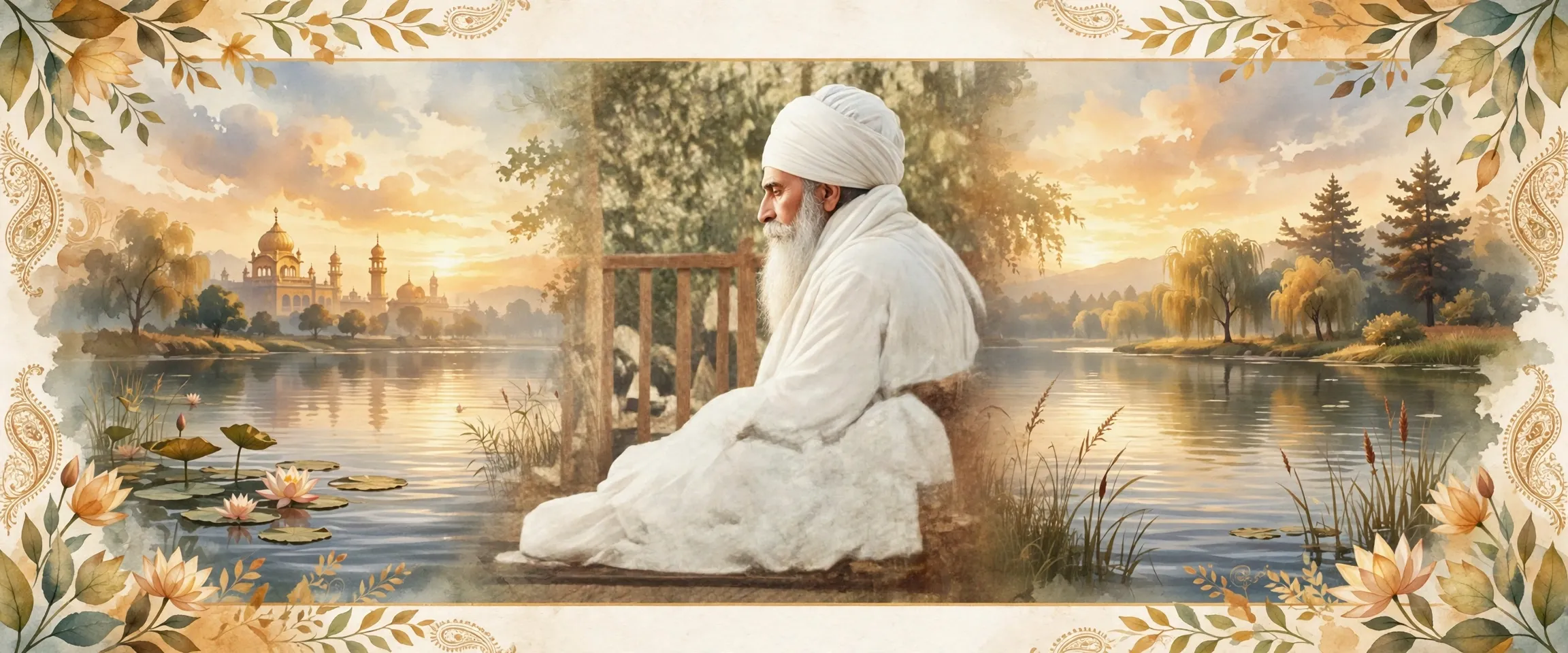
ਬਾਬਾ ਨੰਦ ਸਿੰਘ ਜੀ (1870-1943) ਇੱਕ ਸਿੱਖ ਸੰਤ ਸਨ, ਜਿਨ੍ਹਾਂ ਨੇ ਲੁਧਿਆਣਾ ਜ਼ਿਲ੍ਹੇ ਦੇ ਜਗਰਾਉਂ ਨੇੜੇ ਨਾਨਕਸਰ ਕਲੇਰਾਂ ਵਿਖੇ ਡੇਰੇ ਨੂੰ ਕੇਂਦਰ ਬਣਾ ਕੇ ਨਾਨਕਸਰ ਪਰੰਪਰਾ ਦੀ ਨੀਂਹ ਰੱਖੀ। ਬਾਬਾ ਹਰਨਾਮ ਸਿੰਘ ਜੀ ਦੇ ਚੇਲੇ ਵਜੋਂ ਉਨ੍ਹਾਂ ਨੇ ਹਜ਼ੂਰ ਸਾਹਿਬ ਸਮੇਤ ਕਈ ਥਾਵਾਂ ਉੱਤੇ ਬਾਰਾਂ ਸਾਲ ਸਿਮਰਨ ਕੀਤਾ, ਫਿਰ ਕਲੇਰਾਂ ਪਿੰਡ ਵਿੱਚ ਵੱਸ ਗਏ, ਜਿੱਥੇ ਸ਼ਰਧਾਲੂਆਂ ਨੇ ਉਨ੍ਹਾਂ ਲਈ ਇੱਕ ਛੋਟੀ ਜਿਹੀ ਕੁੱਲੀ ਬਣਾਈ ਜੋ ਨਾਨਕਸਰ ਗੁਰਦੁਆਰਾ ਬਣ ਗਈ। ਉਨ੍ਹਾਂ ਦੀ ਸਿੱਖਿਆ ਦਾ ਕੇਂਦਰ ਨਾਮ ਸਿਮਰਨ, ਗੁਰੂ ਗ੍ਰੰਥ ਸਾਹਿਬ ਪ੍ਰਤੀ ਡੂੰਘੀ ਸ਼ਰਧਾ ਅਤੇ ਨਿਸ਼ਕਾਮ ਸੇਵਾ ਸੀ, ਅਤੇ ਨਾਨਕਸਰ ਗੁਰਦੁਆਰੇ ਅੱਜ ਪੰਜਾਬ, ਹਰਿਆਣਾ, ਉੱਤਰਾਖੰਡ ਅਤੇ ਕੈਨੇਡਾ ਵਿੱਚ ਖੜ੍ਹੇ ਹਨ।
- ਪੰਜਾਬੀ ਨਾਂ
- ਬਾਬਾ ਨੰਦ ਸਿੰਘ ਜੀ
- ਜਨਮ
- 8 ਨਵੰਬਰ 1870, ਸ਼ੇਰਪੁਰ, ਜਗਰਾਉਂ, ਲੁਧਿਆਣਾ ਜ਼ਿਲ੍ਹਾ
- ਦੇਹਾਂਤ
- 29 ਅਗਸਤ 1943, ਨਾਨਕਸਰ ਕਲੇਰਾਂ
- ਮਾਤਾ-ਪਿਤਾ
- ਸਰਦਾਰ ਜੈ ਸਿੰਘ ਅਤੇ ਮਾਤਾ ਸਦਾ ਕੌਰ
- ਅਧਿਆਪਕ
- ਭੂਚੋ ਦੇ ਬਾਬਾ ਹਰਨਾਮ ਸਿੰਘ ਜੀ
- ਸਥਾਪਨਾ
- ਜਗਰਾਉਂ ਨੇੜੇ ਕਲੇਰਾਂ ਪਿੰਡ ਵਿਖੇ ਨਾਨਕਸਰ ਡੇਰਾ
All 9 facts
- ਉੱਤਰਾਧਿਕਾਰੀ
- ਬਾਬਾ ਈਸ਼ਰ ਸਿੰਘ ਜੀ
- ਪ੍ਰਸਿੱਧੀ
- ਨਾਨਕਸਰ ਪਰੰਪਰਾ; ਨਾਮ ਸਿਮਰਨ; ਗੁਰੂ ਗ੍ਰੰਥ ਸਾਹਿਬ ਪ੍ਰਤੀ ਸ਼ਰਧਾ
- ਮੁੱਖ ਕੇਂਦਰ
- ਗੁਰਦੁਆਰਾ ਨਾਨਕਸਰ ਕਲੇਰਾਂ, ਜਗਰਾਉਂ ਨੇੜੇ, ਲੁਧਿਆਣਾ ਜ਼ਿਲ੍ਹਾ
Baba Nand Singh Ji (1870-1943) was a Sikh saint who founded the Nanaksar tradition, a path of deep Naam Simran and reverence for the Guru Granth Sahib that grew from a small hut near Kalera village into gurdwaras across Punjab and the world. Born in Sherpur near Jagraon, he spent twelve years in meditation at holy places across India before settling at Nanaksar Kaleran, where his dera still stands as the tradition's main centre.
Who was Baba Nand Singh Ji?
Baba Nand Singh Ji, known to devotees as Nanaksar Kaleran Wale, was one of the most revered saints of twentieth-century Punjab. He founded the Nanaksar Kaleran sampradya, a tradition within Sikhism centred on the teaching of ਗੁਰੂ ਨਾਨਕ ਦੇਵ ਜੀ: Naam Japna, Kirat Karo and Vand Chhakna, to repeat the Divine Name, earn an honest living and share with others. His life was spent in meditation, kirtan and sewa, and the gurdwaras that carry the name Nanaksar still follow the simple, disciplined way of worship he set down.
He never wrote books or held office. His influence came from his example: long hours of meditation, a life of few needs, and a deep respect for the Guru Granth Sahib as the living Guru. Thousands came to sit near him, and many stayed to serve.
Early life in Sherpur
Baba Nand Singh Ji was born on 8 November 1870, on the Puranmashi night of the month of Katak, in Sherpur village near Jagraon in Ludhiana district. His father, Sardar Jai Singh, was an artisan, and his mother was Mata Sada Kaur. As a child he was drawn to quiet places and meditation, and family accounts say that at the age of five he was found sitting cross-legged in deep meditation on the narrow bricked edge of a well outside the village.
As a young man he was trained in the family craft, then moved to Lahira Khana in Bathinda district to join the seminary run by Sant Wadhawa Singh, where he learned to read the Guru Granth Sahib. There he came under the influence of the Sikh mystic Baba Harnam Singh Ji of Bhucho, who set him on the path of meditation that would shape the rest of his life.
Twelve years of meditation
Baba Nand Singh Ji practised meditation for twelve years at places including Hazur Sahib in Nanded, Lahira Khana, Harappa and Bhirki. At Hazur Sahib he took on the humble sewa of carrying two pitchers of water from the Godavari river in the middle of the night for the ablution of the gurdwara. He left Hazur Sahib in about 1904 and adopted Sant Wadhawa Singh of Lehra Gaga as his teacher.
At his first meeting with Baba Harnam Singh Ji, he was told to repeat the first Pauri of Japji Sahib one hundred and fifty thousand times. He did so, and returned to his teacher years later having given himself wholly to the discipline. From then on he travelled widely, preaching the worship of the One God and the message of Guru Nanak, and he set up preaching centres called Thaths at Nanaksar Kaleran, Jharig Maghiana, Bhirki, Harappa, Montgomery, Jhorarari and Pauda near Dehradun.
Nanaksar: the dera at Kalera
The people of Kalera village invited Baba Nand Singh Ji to their village. On the way he stopped at a well between Kalera and Kaunke and made his camp there, and the villagers built him a small hut. That spot became his dera, now known as Nanaksar, near Kalera in Jagraon tehsil. The food for the langar was provided by the nearby villagers, a practice that continues to this day.
Nanaksar has one custom that sets it apart from most gurdwaras: no financial offerings are made by devotees in front of the Guru Granth Sahib. Everything is given as sewa, and the langar runs on what the surrounding villages bring. The tradition keeps the focus on the scripture and on the sangat, not on money.
What is special about Nanaksar gurdwaras?
Visitors notice the quiet first. The recitation of Gurbani goes on through the day, and the discipline of the dera is strict: early rising, long hours of kirtan and simran, and simple food. Baba Nand Singh Ji taught that the Guru Granth Sahib is to be treated as the living Guru in every detail, and devotees remember how, in the winter of 1938 at Baghanwala, he would not stay at a new centre until the scripture had been brought there, and then spread his own turban on the ground for the bearer to walk on while carrying it. That reverence still shapes how Nanaksar gurdwaras are run.
What did Baba Nand Singh Ji teach?
His sermons stressed two things above all: kirtan, the singing of the holy hymns, and simran, the repetition of the Divine Name. He taught that ਨਾਮ ਜਪਣਾ is the foundation of the Sikh life, and that everything else, honest work, sharing, humility and sewa, grows from it. He is remembered for wiping the feet and shoes of devotees himself, and for telling those who came to him in distress to put their trust in the Name.
He did not claim to perform miracles, and his own teaching said that no saint should. Devotees remember him instead for his stillness, his few words and his constancy: the same discipline every day, whether he was alone in a forest hut or surrounded by thousands.
The Nanaksar tradition today
Baba Nand Singh Ji died at Nanaksar on 29 August 1943, and his remains were consigned to the Sutlej river. He was succeeded by Baba Isher Singh Ji, who carried the tradition forward. Today Gurdwara Nanaksar Kaleran near Jagraon is the main centre of the tradition, and gurdwaras under the name of Nanaksar stand across Punjab, Haryana, Uttarakhand and Canada. Every one of them keeps the pattern he set: Gurbani at the centre, langar from the sangat, and no offerings placed before the Guru.
ਬਾਬਾ ਨੰਦ ਸਿੰਘ ਜੀ (1870-1943) ਇੱਕ ਸਿੱਖ ਸੰਤ ਸਨ, ਜਿਨ੍ਹਾਂ ਨੇ ਨਾਨਕਸਰ ਪਰੰਪਰਾ ਦੀ ਨੀਂਹ ਰੱਖੀ। ਇਹ ਪਰੰਪਰਾ ਨਾਮ ਸਿਮਰਨ ਅਤੇ ਗੁਰੂ ਗ੍ਰੰਥ ਸਾਹਿਬ ਜੀ ਪ੍ਰਤੀ ਡੂੰਘੀ ਸ਼ਰਧਾ ਉੱਤੇ ਖੜ੍ਹੀ ਹੈ। ਕਲੇਰਾਂ ਪਿੰਡ ਨੇੜੇ ਇੱਕ ਛੋਟੀ ਜਿਹੀ ਕੁੱਲੀ ਤੋਂ ਸ਼ੁਰੂ ਹੋ ਕੇ ਇਹ ਅੱਜ ਪੰਜਾਬ ਅਤੇ ਸੰਸਾਰ ਭਰ ਦੇ ਗੁਰਦੁਆਰਿਆਂ ਤੱਕ ਫੈਲ ਚੁੱਕੀ ਹੈ।
ਬਾਬਾ ਨੰਦ ਸਿੰਘ ਜੀ ਕੌਣ ਸਨ?
ਬਾਬਾ ਨੰਦ ਸਿੰਘ ਜੀ, ਜਿਨ੍ਹਾਂ ਨੂੰ ਸ਼ਰਧਾਲੂ ਨਾਨਕਸਰ ਕਲੇਰਾਂ ਵਾਲੇ ਕਹਿੰਦੇ ਹਨ, ਵੀਹਵੀਂ ਸਦੀ ਦੇ ਪੰਜਾਬ ਦੇ ਸਭ ਤੋਂ ਸਤਿਕਾਰੇ ਸੰਤਾਂ ਵਿੱਚੋਂ ਇੱਕ ਸਨ। ਉਨ੍ਹਾਂ ਨੇ ਨਾਨਕਸਰ ਕਲੇਰਾਂ ਸੰਪਰਦਾਇ ਦੀ ਸਥਾਪਨਾ ਕੀਤੀ, ਜੋ ਸਿੱਖ ਧਰਮ ਦੀ ਇੱਕ ਪਰੰਪਰਾ ਹੈ ਅਤੇ ਜਿਸ ਦਾ ਕੇਂਦਰ ਗੁਰੂ ਨਾਨਕ ਦੇਵ ਜੀ ਦੀ ਸਿੱਖਿਆ ਹੈ: ਨਾਮ ਜਪਣਾ, ਕਿਰਤ ਕਰਨੀ ਅਤੇ ਵੰਡ ਛਕਣਾ। ਉਨ੍ਹਾਂ ਦਾ ਸਾਰਾ ਜੀਵਨ ਸਿਮਰਨ, ਕੀਰਤਨ ਅਤੇ ਸੇਵਾ ਵਿੱਚ ਬੀਤਿਆ, ਅਤੇ ਨਾਨਕਸਰ ਨਾਂ ਵਾਲੇ ਗੁਰਦੁਆਰੇ ਅੱਜ ਵੀ ਉਨ੍ਹਾਂ ਦੇ ਦੱਸੇ ਸਾਦੇ ਅਤੇ ਅਨੁਸ਼ਾਸਿਤ ਰਾਹ ਉੱਤੇ ਚੱਲਦੇ ਹਨ।
ਉਨ੍ਹਾਂ ਨੇ ਕੋਈ ਕਿਤਾਬਾਂ ਨਹੀਂ ਲਿਖੀਆਂ ਅਤੇ ਨਾ ਹੀ ਕੋਈ ਅਹੁਦਾ ਸੰਭਾਲਿਆ। ਉਨ੍ਹਾਂ ਦਾ ਅਸਰ ਉਨ੍ਹਾਂ ਦੀ ਮਿਸਾਲ ਤੋਂ ਪਿਆ: ਲੰਮੇ ਸਮੇਂ ਤੱਕ ਸਿਮਰਨ, ਥੋੜ੍ਹੀਆਂ ਲੋੜਾਂ ਵਾਲਾ ਜੀਵਨ ਅਤੇ ਗੁਰੂ ਗ੍ਰੰਥ ਸਾਹਿਬ ਨੂੰ ਜਿਉਂਦਾ ਗੁਰੂ ਮੰਨਣ ਦੀ ਡੂੰਘੀ ਸ਼ਰਧਾ। ਹਜ਼ਾਰਾਂ ਲੋਕ ਉਨ੍ਹਾਂ ਦੇ ਨੇੜੇ ਬੈਠਣ ਆਉਂਦੇ ਸਨ, ਅਤੇ ਬਹੁਤਿਆਂ ਨੇ ਰਹਿ ਕੇ ਸੇਵਾ ਕੀਤੀ।
ਸ਼ੇਰਪੁਰ ਵਿੱਚ ਮੁੱਢਲਾ ਜੀਵਨ
ਬਾਬਾ ਨੰਦ ਸਿੰਘ ਜੀ ਦਾ ਜਨਮ 8 ਨਵੰਬਰ 1870 ਨੂੰ, ਕੱਤਕ ਮਹੀਨੇ ਦੀ ਪੂਰਨਮਾਸ਼ੀ ਦੀ ਰਾਤ, ਲੁਧਿਆਣਾ ਜ਼ਿਲ੍ਹੇ ਦੇ ਜਗਰਾਉਂ ਨੇੜੇ ਸ਼ੇਰਪੁਰ ਪਿੰਡ ਵਿੱਚ ਹੋਇਆ। ਉਨ੍ਹਾਂ ਦੇ ਪਿਤਾ ਸਰਦਾਰ ਜੈ ਸਿੰਘ ਦਸਤਕਾਰ ਸਨ ਅਤੇ ਮਾਤਾ ਦਾ ਨਾਂ ਸਦਾ ਕੌਰ ਸੀ। ਬਚਪਨ ਤੋਂ ਹੀ ਉਹ ਇਕਾਂਤ ਥਾਵਾਂ ਅਤੇ ਸਿਮਰਨ ਵੱਲ ਖਿੱਚੇ ਜਾਂਦੇ ਸਨ, ਅਤੇ ਪਰਿਵਾਰਕ ਕਥਾਵਾਂ ਅਨੁਸਾਰ ਪੰਜ ਸਾਲ ਦੀ ਉਮਰ ਵਿੱਚ ਉਹ ਪਿੰਡ ਤੋਂ ਬਾਹਰ ਖੂਹ ਦੀ ਤੰਗ ਇੱਟਾਂ ਵਾਲੀ ਮੁੰਡੇਰ ਉੱਤੇ ਪਲੋਥੀ ਮਾਰ ਕੇ ਡੂੰਘੇ ਸਿਮਰਨ ਵਿੱਚ ਬੈਠੇ ਮਿਲੇ ਸਨ।
ਨੌਜਵਾਨੀ ਵਿੱਚ ਉਨ੍ਹਾਂ ਨੇ ਪਰਿਵਾਰਕ ਦਸਤਕਾਰੀ ਸਿੱਖੀ, ਫਿਰ ਬਠਿੰਡਾ ਜ਼ਿਲ੍ਹੇ ਦੇ ਲਹਿਰਾ ਖਾਨਾ ਚਲੇ ਗਏ, ਜਿੱਥੇ ਸੰਤ ਵਧਾਵਾ ਸਿੰਘ ਦੇ ਸੈਮੀਨਰੀ ਵਿੱਚ ਉਨ੍ਹਾਂ ਨੇ ਗੁਰੂ ਗ੍ਰੰਥ ਸਾਹਿਬ ਪੜ੍ਹਨਾ ਸਿੱਖਿਆ। ਉੱਥੇ ਉਹ ਭੂਚੋ ਦੇ ਸਿੱਖ ਰਹੱਸਵਾਦੀ ਬਾਬਾ ਹਰਨਾਮ ਸਿੰਘ ਜੀ ਦੇ ਪ੍ਰਭਾਵ ਹੇਠ ਆਏ, ਜਿਨ੍ਹਾਂ ਨੇ ਉਨ੍ਹਾਂ ਨੂੰ ਸਿਮਰਨ ਦੇ ਰਾਹ ਉੱਤੇ ਤੋਰਿਆ, ਜਿਸ ਨੇ ਉਨ੍ਹਾਂ ਦਾ ਬਾਕੀ ਜੀਵਨ ਢਾਲ ਦਿੱਤਾ।
ਬਾਰਾਂ ਸਾਲ ਦੀ ਤਪੱਸਿਆ
ਬਾਬਾ ਨੰਦ ਸਿੰਘ ਜੀ ਨੇ ਹਜ਼ੂਰ ਸਾਹਿਬ (ਨਾਂਦੇੜ), ਲਹਿਰਾ ਖਾਨਾ, ਹੜੱਪਾ ਅਤੇ ਭਿਰਕੀ ਸਮੇਤ ਕਈ ਥਾਵਾਂ ਉੱਤੇ ਬਾਰਾਂ ਸਾਲ ਤੱਕ ਸਿਮਰਨ ਕੀਤਾ। ਹਜ਼ੂਰ ਸਾਹਿਬ ਵਿਖੇ ਉਨ੍ਹਾਂ ਨੇ ਅੱਧੀ ਰਾਤ ਨੂੰ ਗੋਦਾਵਰੀ ਨਦੀ ਤੋਂ ਪਾਣੀ ਦੇ ਦੋ ਘੜੇ ਲਿਆ ਕੇ ਗੁਰਦੁਆਰੇ ਦੀ ਸਫ਼ਾਈ ਲਈ ਦੇਣ ਦੀ ਨਿਮਰ ਸੇਵਾ ਕੀਤੀ। ਉਹ 1904 ਦੇ ਆਸਪਾਸ ਹਜ਼ੂਰ ਸਾਹਿਬ ਤੋਂ ਚਲੇ ਗਏ ਅਤੇ ਲਹਿਰਾ ਗਾਗਾ ਦੇ ਸੰਤ ਵਧਾਵਾ ਸਿੰਘ ਨੂੰ ਆਪਣਾ ਗੁਰੂ ਬਣਾਇਆ।
ਬਾਬਾ ਹਰਨਾਮ ਸਿੰਘ ਜੀ ਨਾਲ ਪਹਿਲੀ ਮੁਲਾਕਾਤ ਵਿੱਚ ਉਨ੍ਹਾਂ ਨੂੰ ਜਪੁਜੀ ਸਾਹਿਬ ਦੀ ਪਹਿਲੀ ਪਉੜੀ ਇੱਕ ਲੱਖ ਪੰਜਾਹ ਹਜ਼ਾਰ ਵਾਰ ਦੁਹਰਾਉਣ ਲਈ ਕਿਹਾ ਗਿਆ। ਉਨ੍ਹਾਂ ਨੇ ਅਜਿਹਾ ਕੀਤਾ ਅਤੇ ਸਾਲਾਂ ਬਾਅਦ ਆਪਣੇ ਗੁਰੂ ਕੋਲ ਪੂਰੀ ਤਰ੍ਹਾਂ ਸਿਮਰਨ ਵਿੱਚ ਲੀਨ ਹੋ ਕੇ ਵਾਪਸ ਆਏ। ਉਸ ਤੋਂ ਬਾਅਦ ਉਹ ਦੇਸ ਭਰ ਵਿੱਚ ਘੁੰਮ ਕੇ ਇੱਕ ਰੱਬ ਦੀ ਉਪਾਸਨਾ ਅਤੇ ਗੁਰੂ ਨਾਨਕ ਦੇ ਸੁਨੇਹੇ ਦਾ ਪ੍ਰਚਾਰ ਕਰਦੇ ਰਹੇ, ਅਤੇ ਉਨ੍ਹਾਂ ਨੇ ਨਾਨਕਸਰ ਕਲੇਰਾਂ, ਝਾੜੀਗ ਮਘਿਆਣਾ, ਭਿਰਕੀ, ਹੜੱਪਾ, ਮਿੰਟਗੁਮਰੀ, ਝੋਰੜਾਂ ਅਤੇ ਦੇਹਰਾਦੂਨ ਨੇੜੇ ਪੌੜਾ ਵਿਖੇ ਪ੍ਰਚਾਰ ਕੇਂਦਰ, ਜਿਨ੍ਹਾਂ ਨੂੰ ਠਾਠ ਕਿਹਾ ਜਾਂਦਾ ਹੈ, ਸਥਾਪਤ ਕੀਤੇ।
ਨਾਨਕਸਰ: ਕਲੇਰਾਂ ਵਿਖੇ ਡੇਰਾ
ਕਲੇਰਾਂ ਪਿੰਡ ਦੇ ਲੋਕਾਂ ਨੇ ਬਾਬਾ ਨੰਦ ਸਿੰਘ ਜੀ ਨੂੰ ਆਪਣੇ ਪਿੰਡ ਆਉਣ ਦਾ ਸੱਦਾ ਦਿੱਤਾ। ਰਾਹ ਵਿੱਚ ਉਹ ਕਲੇਰਾਂ ਅਤੇ ਕੌਂਕੇ ਵਿਚਕਾਰ ਖੂਹ ਕੋਲ ਰੁਕੇ ਅਤੇ ਉੱਥੇ ਡੇਰਾ ਲਾਇਆ, ਜਿੱਥੇ ਪਿੰਡ ਵਾਸੀਆਂ ਨੇ ਉਨ੍ਹਾਂ ਲਈ ਇੱਕ ਛੋਟੀ ਜਿਹੀ ਕੁੱਲੀ ਬਣਾਈ। ਉਹ ਥਾਂ ਹੀ ਉਨ੍ਹਾਂ ਦਾ ਡੇਰਾ ਬਣ ਗਈ, ਜਿਸ ਨੂੰ ਅੱਜ ਨਾਨਕਸਰ ਕਿਹਾ ਜਾਂਦਾ ਹੈ ਅਤੇ ਜੋ ਜਗਰਾਉਂ ਤਹਿਸੀਲ ਵਿੱਚ ਕਲੇਰਾਂ ਨੇੜੇ ਹੈ। ਲੰਗਰ ਲਈ ਖਾਣਾ ਨੇੜਲੇ ਪਿੰਡਾਂ ਦੇ ਲੋਕ ਦਿੰਦੇ ਸਨ, ਅਤੇ ਇਹ ਰਵਾਇਤ ਅੱਜ ਤੱਕ ਚੱਲ ਰਹੀ ਹੈ।
ਨਾਨਕਸਰ ਦੀ ਇੱਕ ਰਵਾਇਤ ਇਸ ਨੂੰ ਬਹੁਤੇ ਗੁਰਦੁਆਰਿਆਂ ਤੋਂ ਵੱਖਰਾ ਕਰਦੀ ਹੈ: ਇੱਥੇ ਸ਼ਰਧਾਲੂ ਗੁਰੂ ਗ੍ਰੰਥ ਸਾਹਿਬ ਜੀ ਦੇ ਸਾਹਮਣੇ ਪੈਸੇ ਨਹੀਂ ਚੜ੍ਹਾਉਂਦੇ। ਸਭ ਕੁਝ ਸੇਵਾ ਦੇ ਰੂਪ ਵਿੱਚ ਦਿੱਤਾ ਜਾਂਦਾ ਹੈ, ਅਤੇ ਲੰਗਰ ਸੰਗਤ ਵੱਲੋਂ ਲਿਆਂਦੇ ਸਮਾਨ ਨਾਲ ਚੱਲਦਾ ਹੈ। ਇਸ ਨਾਲ ਧਿਆਨ ਗ੍ਰੰਥ ਅਤੇ ਸੰਗਤ ਉੱਤੇ ਰਹਿੰਦਾ ਹੈ, ਪੈਸੇ ਉੱਤੇ ਨਹੀਂ।
ਨਾਨਕਸਰ ਗੁਰਦੁਆਰਿਆਂ ਦੀ ਖ਼ਾਸ ਗੱਲ ਕੀ ਹੈ?
ਜੋ ਲੋਕ ਇੱਥੇ ਆਉਂਦੇ ਹਨ, ਉਨ੍ਹਾਂ ਨੂੰ ਪਹਿਲਾਂ ਸ਼ਾਂਤੀ ਮਹਿਸੂਸ ਹੁੰਦੀ ਹੈ। ਗੁਰਬਾਣੀ ਦਾ ਕੀਰਤਨ ਦਿਨ ਭਰ ਚੱਲਦਾ ਰਹਿੰਦਾ ਹੈ, ਅਤੇ ਡੇਰੇ ਦਾ ਅਨੁਸ਼ਾਸਨ ਸਖ਼ਤ ਹੈ: ਸਵੇਰੇ ਜਲਦੀ ਉੱਠਣਾ, ਲੰਮਾ ਕੀਰਤਨ ਅਤੇ ਸਿਮਰਨ, ਅਤੇ ਸਾਦਾ ਖਾਣਾ। ਬਾਬਾ ਨੰਦ ਸਿੰਘ ਜੀ ਸਿਖਾਉਂਦੇ ਸਨ ਕਿ ਗੁਰੂ ਗ੍ਰੰਥ ਸਾਹਿਬ ਨੂੰ ਹਰ ਗੱਲ ਵਿੱਚ ਜਿਉਂਦਾ ਗੁਰੂ ਮੰਨਿਆ ਜਾਵੇ, ਅਤੇ ਸ਼ਰਧਾਲੂ ਯਾਦ ਕਰਦੇ ਹਨ ਕਿ 1938 ਦੀ ਸਰਦੀ ਵਿੱਚ ਬਠਿੰਡਾ ਨੇੜੇ ਬਘਾਨਵਾਲਾ ਵਿਖੇ ਉਹ ਨਵੇਂ ਕੇਂਦਰ ਵਿੱਚ ਉਦੋਂ ਤੱਕ ਨਹੀਂ ਰੁਕੇ ਜਦੋਂ ਤੱਕ ਗ੍ਰੰਥ ਉੱਥੇ ਨਹੀਂ ਲਿਆਂਦਾ ਗਿਆ, ਅਤੇ ਫਿਰ ਉਨ੍ਹਾਂ ਨੇ ਆਪਣੀ ਪੱਗ ਲਾਹ ਕੇ ਜ਼ਮੀਨ ਉੱਤੇ ਵਿਛਾ ਦਿੱਤੀ ਤਾਂ ਜੋ ਗ੍ਰੰਥ ਲਿਆਉਣ ਵਾਲਾ ਉਸ ਉੱਤੇ ਚੱਲ ਕੇ ਆਵੇ। ਇਹੋ ਸ਼ਰਧਾ ਅੱਜ ਵੀ ਨਾਨਕਸਰ ਗੁਰਦੁਆਰਿਆਂ ਦੇ ਚਲਣ ਦਾ ਢੰਗ ਤੈਅ ਕਰਦੀ ਹੈ।
ਬਾਬਾ ਨੰਦ ਸਿੰਘ ਜੀ ਨੇ ਕੀ ਸਿਖਾਇਆ?
ਉਨ੍ਹਾਂ ਦੇ ਪ੍ਰਵਚਨਾਂ ਵਿੱਚ ਦੋ ਗੱਲਾਂ ਸਭ ਤੋਂ ਉੱਤੇ ਸਨ: ਕੀਰਤਨ, ਅਰਥਾਤ ਪਵਿੱਤਰ ਬਾਣੀ ਦਾ ਗਾਇਨ, ਅਤੇ ਸਿਮਰਨ, ਅਰਥਾਤ ਰੱਬ ਦੇ ਨਾਮ ਦਾ ਜਾਪ। ਉਹ ਸਿਖਾਉਂਦੇ ਸਨ ਕਿ ਨਾਮ ਜਪਣਾ ਸਿੱਖ ਜੀਵਨ ਦੀ ਨੀਂਹ ਹੈ, ਅਤੇ ਬਾਕੀ ਸਭ ਕੁਝ, ਇਮਾਨਦਾਰੀ ਦੀ ਕਿਰਤ, ਵੰਡ ਕੇ ਖਾਣਾ, ਨਿਮਰਤਾ ਅਤੇ ਸੇਵਾ, ਇਸੇ ਤੋਂ ਉੱਗਦਾ ਹੈ। ਉਹ ਆਪ ਸ਼ਰਧਾਲੂਆਂ ਦੇ ਪੈਰ ਅਤੇ ਜੁੱਤੇ ਪੂੰਝਣ ਲਈ ਵੀ ਤਿਆਰ ਰਹਿੰਦੇ ਸਨ, ਅਤੇ ਮੁਸੀਬਤ ਵਿੱਚ ਆਏ ਲੋਕਾਂ ਨੂੰ ਨਾਮ ਉੱਤੇ ਭਰੋਸਾ ਰੱਖਣ ਲਈ ਕਹਿੰਦੇ ਸਨ।
ਉਨ੍ਹਾਂ ਨੇ ਕਰਾਮਾਤਾਂ ਕਰਨ ਦਾ ਦਾਅਵਾ ਕਦੇ ਨਹੀਂ ਕੀਤਾ, ਅਤੇ ਉਨ੍ਹਾਂ ਦੀ ਆਪਣੀ ਸਿੱਖਿਆ ਇਹੀ ਸੀ ਕਿ ਕਿਸੇ ਸੰਤ ਨੂੰ ਅਜਿਹਾ ਨਹੀਂ ਕਰਨਾ ਚਾਹੀਦਾ। ਸ਼ਰਧਾਲੂ ਉਨ੍ਹਾਂ ਨੂੰ ਉਨ੍ਹਾਂ ਦੀ ਸ਼ਾਂਤੀ, ਥੋੜ੍ਹੇ ਸ਼ਬਦਾਂ ਅਤੇ ਨਿਰੰਤਰਤਾ ਲਈ ਯਾਦ ਕਰਦੇ ਹਨ: ਹਰ ਰੋਜ਼ ਇੱਕੋ ਅਨੁਸ਼ਾਸਨ, ਭਾਵੇਂ ਉਹ ਜੰਗਲ ਦੀ ਕੁੱਲੀ ਵਿੱਚ ਇਕੱਲੇ ਹੋਣ ਜਾਂ ਹਜ਼ਾਰਾਂ ਲੋਕਾਂ ਨਾਲ ਘਿਰੇ ਹੋਣ।
ਅੱਜ ਨਾਨਕਸਰ ਪਰੰਪਰਾ
ਬਾਬਾ ਨੰਦ ਸਿੰਘ ਜੀ 29 ਅਗਸਤ 1943 ਨੂੰ ਨਾਨਕਸਰ ਵਿਖੇ ਅਕਾਲ ਚਲਾਣਾ ਕਰ ਗਏ, ਅਤੇ ਉਨ੍ਹਾਂ ਦੇ ਅਸਥੀ ਫੁੱਲ ਸਤਲੁਜ ਦਰਿਆ ਵਿੱਚ ਪ੍ਰਵਾਹ ਕੀਤੇ ਗਏ। ਉਨ੍ਹਾਂ ਤੋਂ ਬਾਅਦ ਬਾਬਾ ਈਸ਼ਰ ਸਿੰਘ ਜੀ ਨੇ ਪਰੰਪਰਾ ਨੂੰ ਅੱਗੇ ਵਧਾਇਆ। ਅੱਜ ਜਗਰਾਉਂ ਨੇੜੇ ਗੁਰਦੁਆਰਾ ਨਾਨਕਸਰ ਕਲੇਰਾਂ ਇਸ ਪਰੰਪਰਾ ਦਾ ਮੁੱਖ ਕੇਂਦਰ ਹੈ, ਅਤੇ ਨਾਨਕਸਰ ਨਾਂ ਵਾਲੇ ਗੁਰਦੁਆਰੇ ਪੰਜਾਬ, ਹਰਿਆਣਾ, ਉੱਤਰਾਖੰਡ ਅਤੇ ਕੈਨੇਡਾ ਵਿੱਚ ਖੜ੍ਹੇ ਹਨ। ਹਰ ਇੱਕ ਵਿੱਚ ਉਹੋ ਢੰਗ ਕਾਇਮ ਹੈ ਜੋ ਉਨ੍ਹਾਂ ਨੇ ਦਿੱਤਾ ਸੀ: ਕੇਂਦਰ ਵਿੱਚ ਗੁਰਬਾਣੀ, ਸੰਗਤ ਵੱਲੋਂ ਲੰਗਰ, ਅਤੇ ਗੁਰੂ ਦੇ ਸਾਹਮਣੇ ਕੋਈ ਚੜ੍ਹਾਵਾ ਨਹੀਂ।
More religion entries to explore
ਜੁਗਤੀ ਮੁਫ਼ਤ ਅਤੇ ਸੁਤੰਤਰ ਹੈ। ਪਾਠਕਾਂ ਦਾ ਸਹਿਯੋਗ ਕੋਸ਼ ਨੂੰ ਵਧਾਉਂਦਾ ਹੈ।
ਸਹਿਯੋਗ