
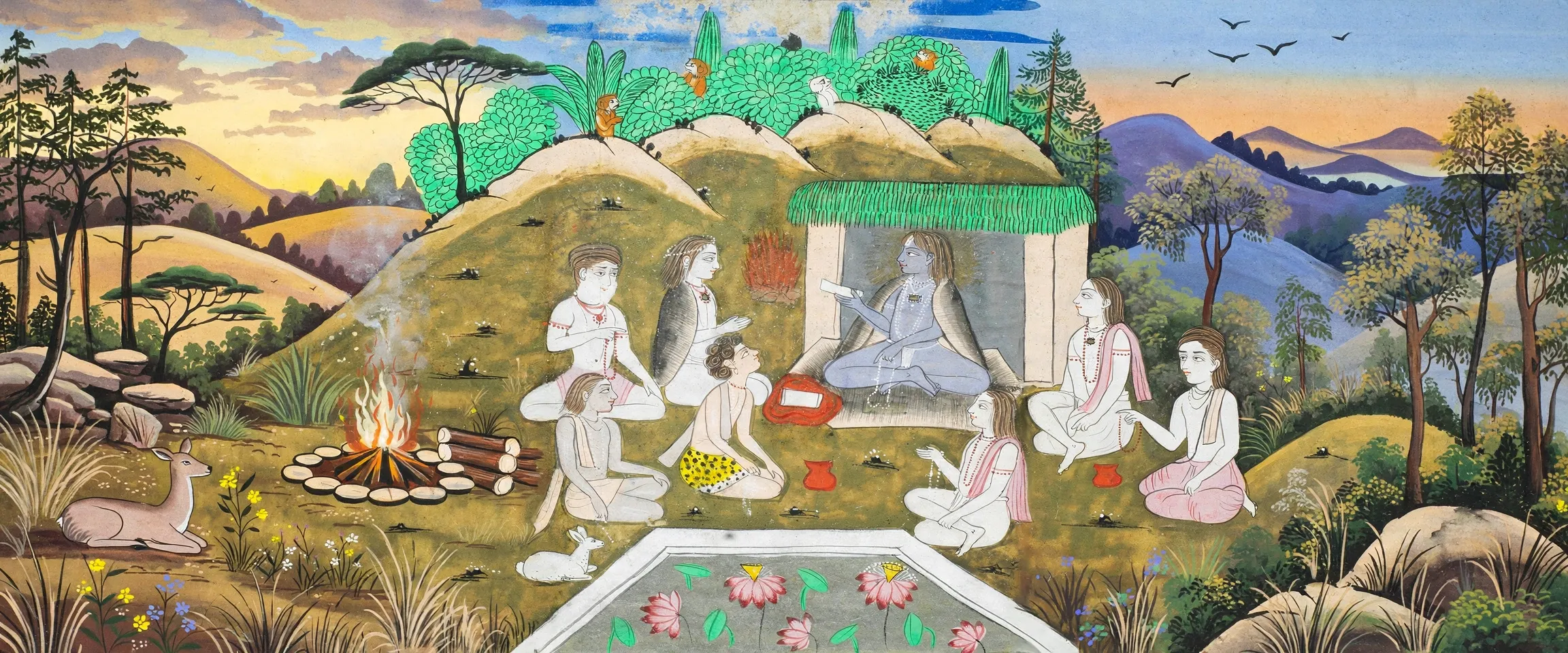
ਬਾਬਾ ਸ੍ਰੀ ਚੰਦ ਜੀ, ਜਿਨ੍ਹਾਂ ਦਾ ਜੀਵਨ ਰਵਾਇਤੀ ਤਰੀਕਾਂ ਅਨੁਸਾਰ 1494 ਤੋਂ 1629 ਤੱਕ ਰਿਹਾ, ਗੁਰੂ ਨਾਨਕ ਦੇਵ ਜੀ ਅਤੇ ਮਾਤਾ ਸੁਲੱਖਣੀ ਜੀ ਦੇ ਵੱਡੇ ਪੁੱਤਰ ਸਨ। ਉਨ੍ਹਾਂ ਨੇ ਆਪਣੇ ਪਿਤਾ ਜੀ ਵੱਲੋਂ ਸਿਖਾਏ ਗ੍ਰਿਹਸਥ ਰਾਹ ਦੀ ਥਾਂ ਬ੍ਰਹਮਚਾਰੀ ਤਿਆਗੀ ਜੀਵਨ ਚੁਣਿਆ, ਅਤੇ ਉਦਾਸੀ ਪੰਥ ਸਥਾਪਿਤ ਕੀਤਾ, ਜਿਸ ਦੇ ਭਟਕਦੇ ਪ੍ਰਚਾਰਕਾਂ ਨੇ ਗੁਰੂ ਨਾਨਕ ਦੇਵ ਜੀ ਦਾ ਸੰਦੇਸ਼ ਸਾਰੇ ਭਾਰਤ ਵਿੱਚ ਪਹੁੰਚਾਇਆ। ਬਾਅਦ ਵਾਲੇ ਗੁਰੂਆਂ ਨੇ ਉਨ੍ਹਾਂ ਨੂੰ ਬਹੁਤ ਸਤਕਾਰ ਦਿੱਤਾ, ਅਤੇ ਉਨ੍ਹਾਂ ਨੇ ਬਾਬਾ ਗੁਰਦਿੱਤਾ, ਗੁਰੂ ਹਰਿਗੋਬਿੰਦ ਜੀ ਦੇ ਪੁੱਤਰ, ਨੂੰ ਆਪਣਾ ਵਾਰਸ ਨਿਯੁਕਤ ਕੀਤਾ।
- ਪੰਜਾਬੀ ਨਾਂ
- ਬਾਬਾ ਸ੍ਰੀ ਚੰਦ ਜੀ।
- ਗੁਰਮੁਖੀ
- ਬਾਬਾ ਸ੍ਰੀ ਚੰਦ ਜੀ।
- ਜਨਮ
- 8 ਸਤੰਬਰ 1494, ਸੁਲਤਾਨਪੁਰ ਲੋਧੀ ਵਿਖੇ, ਹੁਣ ਕਪੂਰਥਲਾ ਜ਼ਿਲ੍ਹੇ ਵਿੱਚ, ਰਵਾਇਤੀ ਤਰੀਕ; ਕੁਝ ਬਿਰਤਾਂਤ 9 ਸਤੰਬਰ ਦਿੰਦੇ ਹਨ।
- ਮਾਤਾ-ਪਿਤਾ
- ਗੁਰੂ ਨਾਨਕ ਦੇਵ ਜੀ ਅਤੇ ਮਾਤਾ ਸੁਲੱਖਣੀ ਜੀ।
- ਭਰਾ
- ਭਾਈ ਲਖਮੀ ਦਾਸ ਜੀ, ਛੋਟੇ ਭਰਾ।
- ਦੇਹਾਂਤ
- ਭੱਟ ਵਹੀਆਂ ਅਨੁਸਾਰ 13 ਜਨਵਰੀ 1629, ਕੀਰਤਪੁਰ ਵਿਖੇ। ਕੁਝ ਸਰੋਤ 1643 ਦਿੰਦੇ ਹਨ, ਅਤੇ ਉਦਾਸੀ ਰਵਾਇਤ ਮੰਨਦੀ ਹੈ ਕਿ ਉਹ ਚੰਬਾ ਦੇ ਜੰਗਲਾਂ ਵੱਲ ਅਲੋਪ ਹੋ ਗਏ।
All 10 facts
- ਸਿੱਖ ਪਰੰਪਰਾ
- ਉਦਾਸੀ ਪੰਥ ਦੇ ਬਾਨੀ।
- ਪ੍ਰਸਿੱਧੀ
- ਉਦਾਸੀ ਪੰਥ ਸਥਾਪਿਤ ਕਰਨ ਅਤੇ ਸਾਰੇ ਭਾਰਤ ਵਿੱਚ ਗੁਰੂ ਨਾਨਕ ਦੇਵ ਜੀ ਦਾ ਸੰਦੇਸ਼ ਪ੍ਰਚਾਰਨ ਲਈ।
- ਮੁੱਖ ਕੇਂਦਰ
- ਬਾਰਠ, ਪਠਾਨਕੋਟ ਤੋਂ 8 ਕਿਲੋਮੀਟਰ ਦੱਖਣ ਪੱਛਮ ਵੱਲ, ਅੱਜ ਦੇ ਗੁਰਦਾਸਪੁਰ ਜ਼ਿਲ੍ਹੇ ਵਿੱਚ।
- ਵਾਰਸ
- ਬਾਬਾ ਗੁਰਦਿੱਤਾ, ਗੁਰੂ ਹਰਿਗੋਬਿੰਦ ਜੀ ਦੇ ਵੱਡੇ ਪੁੱਤਰ।
Baba Sri Chand Ji (ਬਾਬਾ ਸ੍ਰੀ ਚੰਦ ਜੀ) was the eldest son of Guru Nanak Dev Ji and Mata Sulakhani Ji, born at Sultanpur Lodhi in 1494. He chose a celibate life of meditation over household life, founded the Udasi order of ascetic preachers, and carried his father's message across India for over a century by tradition.
Who was Baba Sri Chand Ji?
Baba Sri Chand Ji, whose name is also written Baba Sri Chandra, was the first child of ਗੁਰੂ ਨਾਨਕ ਦੇਵ ਜੀ, the founder of Sikhism, and he built a religious life entirely his own. The Encyclopaedia of Sikhism describes him as the founder of the ascetic sect of Udasis. The word Udasi literally means indifferent or stoic: one who stands detached from worldly attachments. Where his father taught Sikhs to find God inside ordinary family life, Baba Sri Chand Ji withdrew from that life, and the order he founded kept the wandering, celibate path alive for centuries. The full story of that order is told on the Jugti page for the ਉਦਾਸੀ tradition.
His dates need honest handling at the start. Sikh sources, following the Bhatt Vahis and the Encyclopaedia of Sikhism, give him the years 1494 to 1629, a lifespan of about 134 years; SikhiWiki repeats that he died at the age of 135, while some other sources give 1643 as the year his life ended. Wikipedia notes that current scholarship puts the extraordinary length of the traditional lifespan down in part to errors made when dates were converted between calendars. What no source disputes is the shape of the life: a very long one, spanning the first six Gurus, spent in meditation, teaching and travel.
Where was Baba Sri Chand Ji born, and how was he raised?
He was born to Mata Sulakhani Ji on Bhadon sudi 9, 1551 Bikrami, which the Encyclopaedia of Sikhism converts to 8 September 1494, at ਸੁਲਤਾਨਪੁਰ ਲੋਧੀ, now in Kapurthala district of Punjab. Some accounts give the day as 9 September, the difference coming from the same calendar conversion. His younger brother was Bhai Lakhmi Das Ji. Tradition recorded on SikhiWiki says that Guru Nanak Dev Ji's elder sister, ਬੇਬੇ ਨਾਨਕੀ ਜੀ, took Sri Chand in and raised him as her own son, a common and accepted custom of the time.
When Guru Nanak Dev Ji left home on his long preaching journeys, Mata Sulakhani Ji took both boys to her parents' home at Pakkhoke Randhave, on the left bank of the River Ravi. The Encyclopaedia records that Sri Chand loved solitude from the beginning and grew indifferent to worldly affairs. At eleven he left for Kashmir, where he studied Sanskrit texts under Pandit Purushottam Kaul and practised yoga under Avinasha Muni. When Guru Nanak Dev Ji settled at Kartarpur on the right bank of the Ravi, not far from Pakkhoke, Sri Chand rejoined the family there, keeping his preference for the ascetic life all the same.
Why did Guru Nanak Dev Ji not choose his own son as successor?
Because father and son had come to different answers on how a seeker should live. Baba Sri Chand Ji promoted renunciation and celibacy. Guru Nanak Dev Ji taught the opposite: that a householder, working honestly and sharing with others, could be detached inwardly while living fully in the world. Modern historians summarised by Wikipedia explain that Sri Chand held to the wandering ascetic part of his father's example, not the settled life his father lived at Kartarpur in his final years. Guru Nanak Dev Ji therefore chose a disciple, Bhai Lehna Ji, who became Guru Angad Dev Ji, as his successor.
The choice was about teaching, not about love or worth, and Baba Sri Chand Ji's own writing shows his devotion to his father. He is credited with the Aarta, formally Arta Sri Guru Nanak Dev, ten verses in praise of Guru Nanak Dev Ji, picturing the sun, the moon and all creation singing his father's glory. After the succession, Sri Chand was given joint custody, with Lakhmi Das, of his father's estate at Kartarpur. True to his path, he left its management to his brother and gave himself to a spiritual career instead.
What did Baba Sri Chand Ji do after Guru Nanak Dev Ji passed away?
Guru Nanak Dev Ji passed away at Kartarpur on 7 September 1539, and a monument was raised where his ashes were buried. When flooding in the Ravi washed that monument away, the Encyclopaedia of Sikhism records, Baba Sri Chand Ji had the urn containing the ashes salvaged, reburied it close to the well of Ajita Randhawa, an early devotee, and built a mud hut over it. The spot came to be revered as the dehri or samadh of Guru Nanak Dev Ji, and the present town of Dera Baba Nanak grew up around it.
Tradition also ties him to the dhuna, the smouldering ascetic fire that became a central Udasi symbol. It is said that he spent long hours meditating at his father's samadh at Kartarpur in winter, wearing little, and a childhood friend burned cow dung to keep him warm as he sat absorbed. From that fire, the account says, the dhuna took its place in Udasi practice.
From Pakkhoke Randhave he gathered disciples who, like him, shunned the householder's life and practised austerities. With them he travelled throughout the length and breadth of India, initiating converts who worked as itinerant preachers and founded missionary centres across the country and beyond. His own main centre was at Barath, 8 km southwest of Pathankot in present day Gurdaspur district, where Gurdwara Tap Asthan Baba Sri Chand Ji, popularly called Gurdwara Barath Sahib, still marks his hermitage and draws its largest gathering at the Baisakhi fair in mid April.
How did Baba Sri Chand Ji relate to the later Gurus?
He kept in touch with the successive Gurus through his long life, and the Encyclopaedia of Sikhism says the Gurus held him in high esteem for his holy descent, his old age and his piety. The meetings live on in stories Sikh tradition has kept with care. Accounts of the time tell how, when Guru Ram Das Ji met Baba Sri Chand Ji, the elder remarked on the Guru's long beard, and Guru Ram Das Ji answered that it was for wiping the feet of saints like him, bending down as he spoke. Kesar Singh Chhibbar's account, quoted on SikhiWiki, says that at the passing of Guru Ram Das Ji in 1581 he sent two turbans, one for Prithi Chand and one for Guru Arjan Dev Ji, recognising the succession. A sakhi tells that when Guru Arjan Dev Ji was composing the Sukhmani Sahib, Baba Sri Chand Ji visited him and, asked to continue the work, humbly recited a verse of his father instead, placed at the head of the seventeenth canto.
The Barath tradition adds that Guru Arjan Dev Ji and, after him, ਗੁਰੂ ਹਰਗੋਬਿੰਦ ਜੀ travelled to Barath especially to meet him, and that Guru Arjan Dev Ji sought his blessing for the completion of the tank at Tarn Taran. He is also said to have pleaded for Guru Hargobind Ji's release from imprisonment at Gwalior in 1619. In 1626, when Baba Gurditta, Guru Hargobind Ji's eldest son, founded the town of ਕੀਰਤਪੁਰ in the lower Sivalik hills, the ground was broken by Baba Sri Chand Ji himself.
How did Baba Sri Chand Ji die, and how is he remembered?
According to the Bhatt Vahis, as the Encyclopaedia of Sikhism records them, Baba Sri Chand Ji died at Kiratpur on Magh sudi 1, 1685 Bikrami, 13 January 1629. Before that, with Guru Hargobind Ji's approval, he had appointed Baba Gurditta to succeed him as head of the Udasi sect, joining the founder's line to the sixth Guru's own family. Udasi tradition tells the ending differently: it holds that he never died at all, but gave a final teaching and vanished into the forests of Chamba in the hills. Both accounts are part of his story: a dated record in the Bhatt Vahis, and a living belief of the order he founded.
Baba Gurditta and the four head preachers he appointed carried the Udasi mission forward, and Udasi ascetics went on to guard and maintain many historic Sikh shrines in the difficult centuries that followed. Baba Sri Chand Ji is remembered at Barath, where his tap asthan still stands, at Dera Baba Nanak, where his reburial of his father's ashes shaped a town, and wherever an Udasi dhuna burns. His life poses the question his father's teaching answered differently, whether God is best sought by leaving the world or by living in it with a detached heart.
ਬਾਬਾ ਸ੍ਰੀ ਚੰਦ ਜੀ ਗੁਰੂ ਨਾਨਕ ਦੇਵ ਜੀ ਅਤੇ ਮਾਤਾ ਸੁਲੱਖਣੀ ਜੀ ਦੇ ਵੱਡੇ ਪੁੱਤਰ ਸਨ, ਜਿਨ੍ਹਾਂ ਦਾ ਜਨਮ 1494 ਵਿੱਚ ਸੁਲਤਾਨਪੁਰ ਲੋਧੀ ਵਿਖੇ ਹੋਇਆ। ਉਨ੍ਹਾਂ ਨੇ ਗ੍ਰਿਹਸਥ ਜੀਵਨ ਦੀ ਥਾਂ ਬ੍ਰਹਮਚਾਰੀ ਧਿਆਨ ਦਾ ਜੀਵਨ ਚੁਣਿਆ, ਤਿਆਗੀ ਪ੍ਰਚਾਰਕਾਂ ਦਾ ਉਦਾਸੀ ਪੰਥ ਸਥਾਪਿਤ ਕੀਤਾ, ਅਤੇ ਰਵਾਇਤ ਅਨੁਸਾਰ ਇੱਕ ਸਦੀ ਤੋਂ ਵੱਧ ਸਮੇਂ ਤੱਕ ਆਪਣੇ ਪਿਤਾ ਜੀ ਦਾ ਸੰਦੇਸ਼ ਸਾਰੇ ਭਾਰਤ ਵਿੱਚ ਪਹੁੰਚਾਇਆ।
ਬਾਬਾ ਸ੍ਰੀ ਚੰਦ ਜੀ ਕੌਣ ਸਨ?
ਬਾਬਾ ਸ੍ਰੀ ਚੰਦ ਜੀ, ਜਿਨ੍ਹਾਂ ਦਾ ਨਾਂ ਬਾਬਾ ਸ੍ਰੀ ਚੰਦਰਾ ਵੀ ਲਿਖਿਆ ਮਿਲਦਾ ਹੈ, ਸਿੱਖ ਧਰਮ ਦੇ ਬਾਨੀ ਗੁਰੂ ਨਾਨਕ ਦੇਵ ਜੀ ਦੇ ਪਹਿਲੇ ਪੁੱਤਰ ਸਨ, ਅਤੇ ਉਨ੍ਹਾਂ ਨੇ ਆਪਣਾ ਧਾਰਮਿਕ ਜੀਵਨ ਪੂਰੀ ਤਰ੍ਹਾਂ ਆਪਣੇ ਢੰਗ ਨਾਲ ਘੜਿਆ। ਸਿੱਖ ਧਰਮ ਦੀ ਵਿਸ਼ਵਕੋਸ਼ ਉਨ੍ਹਾਂ ਨੂੰ ਗੁਰੂ ਨਾਨਕ ਦੇਵ ਜੀ ਦਾ ਵੱਡਾ ਪੁੱਤਰ ਅਤੇ ਉਦਾਸੀਆਂ ਦੇ ਤਿਆਗੀ ਸੰਪਰਦਾਇ ਦਾ ਬਾਨੀ ਦੱਸਦੀ ਹੈ। ਉਦਾਸੀ ਸ਼ਬਦ ਦਾ ਸ਼ਾਬਦਿਕ ਅਰਥ, ਜਿਵੇਂ ਵਿਸ਼ਵਕੋਸ਼ ਸਮਝਾਉਂਦੀ ਹੈ, ਉਦਾਸੀਨ ਜਾਂ ਸਥਿਰ ਮਨ ਵਾਲਾ ਹੈ, ਉਹ ਮਨੁੱਖ, ਜੋ ਦੁਨਿਆਵੀ ਮੋਹ ਤੋਂ ਵੱਖ ਖੜ੍ਹਾ ਹੈ। ਜਿੱਥੇ ਉਨ੍ਹਾਂ ਦੇ ਪਿਤਾ ਜੀ ਨੇ ਸਿੱਖਾਂ ਨੂੰ ਆਮ ਪਰਿਵਾਰਕ ਜੀਵਨ ਦੇ ਅੰਦਰ ਰੱਬ ਲੱਭਣਾ ਸਿਖਾਇਆ, ਉੱਥੇ ਬਾਬਾ ਸ੍ਰੀ ਚੰਦ ਜੀ ਨੇ ਉਸ ਜੀਵਨ ਤੋਂ ਤਿਆਗ ਲਿਆ, ਅਤੇ ਜਿਸ ਪੰਥ ਦੀ ਉਨ੍ਹਾਂ ਨੇ ਨੀਂਹ ਰੱਖੀ, ਉਸ ਨੇ ਸਦੀਆਂ ਤੱਕ ਭਟਕਦੇ ਬ੍ਰਹਮਚਾਰੀ ਦਾ ਰਾਹ ਜਿਉਂਦਾ ਰੱਖਿਆ। ਉਸ ਪੰਥ ਦੀ ਪੂਰੀ ਕਹਾਣੀ ਜੁਗਤੀ ਦੇ ਉਦਾਸੀ ਪੰਨੇ ਉੱਤੇ ਦਿੱਤੀ ਗਈ ਹੈ। ਇਹ ਪੰਨਾ ਖੁਦ ਉਸ ਮਹਾਂਪੁਰਸ਼ ਬਾਰੇ ਹੈ।
ਉਨ੍ਹਾਂ ਦੀਆਂ ਤਰੀਕਾਂ ਨੂੰ ਸ਼ੁਰੂ ਵਿੱਚ ਹੀ ਇਮਾਨਦਾਰੀ ਨਾਲ ਰੱਖਣਾ ਜ਼ਰੂਰੀ ਹੈ। ਭੱਟ ਵਹੀਆਂ ਅਤੇ ਸਿੱਖ ਧਰਮ ਦੀ ਵਿਸ਼ਵਕੋਸ਼ ਦੇ ਆਧਾਰ ਉੱਤੇ ਸਿੱਖ ਸਰੋਤ ਉਨ੍ਹਾਂ ਦਾ ਜੀਵਨ 1494 ਤੋਂ 1629 ਤੱਕ ਦਿੰਦੇ ਹਨ, ਜੋ ਲਗਭਗ 134 ਸਾਲ ਦੀ ਉਮਰ ਬਣਦੀ ਹੈ, ਅਤੇ ਸਿੱਖੀਵਿਕੀ ਦੁਹਰਾਉਂਦੀ ਹੈ ਕਿ ਉਨ੍ਹਾਂ ਦਾ ਦਿਹਾਂਤ 135 ਸਾਲ ਦੀ ਉਮਰ ਵਿੱਚ ਹੋਇਆ। ਕੁਝ ਹੋਰ ਸਰੋਤ ਉਨ੍ਹਾਂ ਦੇ ਜੀਵਨ ਦੇ ਅੰਤ ਦਾ ਸਾਲ 1643 ਦਿੰਦੇ ਹਨ। ਵਿਕੀਪੀਡੀਆ ਦੱਸਦੀ ਹੈ ਕਿ ਮੌਜੂਦਾ ਖੋਜ ਰਵਾਇਤੀ ਉਮਰ ਦੀ ਅਸਾਧਾਰਨ ਲੰਬਾਈ ਦਾ ਇੱਕ ਕਾਰਨ ਵੱਖੋ ਵੱਖ ਕੈਲੰਡਰਾਂ ਵਿੱਚ ਤਰੀਕਾਂ ਬਦਲਣ ਵੇਲੇ ਹੋਈਆਂ ਗਲਤੀਆਂ ਨੂੰ ਮੰਨਦੀ ਹੈ। ਜਿਸ ਗੱਲ ਉੱਤੇ ਕੋਈ ਸਰੋਤ ਅਸਹਿਮਤ ਨਹੀਂ, ਉਹ ਜੀਵਨ ਦੀ ਸ਼ਕਲ ਹੈ: ਬਹੁਤ ਲੰਬਾ ਜੀਵਨ, ਜੋ ਪਹਿਲੇ ਛੇ ਗੁਰੂਆਂ ਦੇ ਸਮੇਂ ਤੱਕ ਫੈਲਿਆ, ਅਤੇ ਧਿਆਨ, ਸਿੱਖਿਆ ਅਤੇ ਯਾਤਰਾ ਵਿੱਚ ਬੀਤਿਆ।
ਬਾਬਾ ਸ੍ਰੀ ਚੰਦ ਜੀ ਦਾ ਜਨਮ ਕਿੱਥੇ ਹੋਇਆ, ਅਤੇ ਉਨ੍ਹਾਂ ਦਾ ਪਾਲਣ ਪੋਸ਼ਣ ਕਿਵੇਂ ਹੋਇਆ?
ਉਨ੍ਹਾਂ ਦਾ ਜਨਮ ਮਾਤਾ ਸੁਲੱਖਣੀ ਜੀ ਦੇ ਘਰ ਭਾਦੋਂ ਸੁਦੀ 9, 1551 ਬਿਕਰਮੀ ਨੂੰ ਹੋਇਆ, ਜਿਸ ਨੂੰ ਸਿੱਖ ਧਰਮ ਦੀ ਵਿਸ਼ਵਕੋਸ਼ 8 ਸਤੰਬਰ 1494 ਵਿੱਚ ਬਦਲਦੀ ਹੈ, ਸੁਲਤਾਨਪੁਰ ਲੋਧੀ ਵਿਖੇ, ਜੋ ਹੁਣ ਪੰਜਾਬ ਦੇ ਕਪੂਰਥਲਾ ਜ਼ਿਲ੍ਹੇ ਵਿੱਚ ਹੈ। ਕੁਝ ਬਿਰਤਾਂਤ ਦਿਨ 9 ਸਤੰਬਰ ਦਿੰਦੇ ਹਨ, ਜਿਸ ਦਾ ਫਰਕ ਉਸੇ ਕੈਲੰਡਰ ਬਦਲਾਅ ਤੋਂ ਆਉਂਦਾ ਹੈ। ਉਨ੍ਹਾਂ ਦੇ ਛੋਟੇ ਭਰਾ ਭਾਈ ਲਖਮੀ ਦਾਸ ਜੀ ਸਨ, ਜਿਨ੍ਹਾਂ ਨੇ ਉਹ ਗ੍ਰਿਹਸਥ ਜੀਵਨ ਚੁਣਿਆ, ਜੋ ਵੱਡੇ ਭਰਾ ਨੇ ਛੱਡ ਦਿੱਤਾ ਸੀ। ਸਿੱਖੀਵਿਕੀ ਉੱਤੇ ਦਰਜ ਰਵਾਇਤ ਕਹਿੰਦੀ ਹੈ ਕਿ ਗੁਰੂ ਨਾਨਕ ਦੇਵ ਜੀ ਦੀ ਵੱਡੀ ਭੈਣ ਬੇਬੇ ਨਾਨਕੀ ਜੀ ਨੇ ਸ੍ਰੀ ਚੰਦ ਨੂੰ ਆਪਣੇ ਕੋਲ ਲੈ ਲਿਆ ਅਤੇ ਆਪਣੇ ਪੁੱਤਰ ਵਜੋਂ ਪਾਲਿਆ, ਜੋ ਪ੍ਰਬੰਧ ਉਸ ਸਮੇਂ ਦੀ ਆਮ ਅਤੇ ਮੰਨੀ ਹੋਈ ਰੀਤ ਦੱਸਿਆ ਗਿਆ ਹੈ।
ਜਦ ਗੁਰੂ ਨਾਨਕ ਦੇਵ ਜੀ ਆਪਣੀਆਂ ਲੰਬੀਆਂ ਪ੍ਰਚਾਰ ਯਾਤਰਾਵਾਂ ਉੱਤੇ ਘਰੋਂ ਨਿਕਲੇ, ਤਾਂ ਮਾਤਾ ਸੁਲੱਖਣੀ ਜੀ ਦੋਵਾਂ ਮੁੰਡਿਆਂ ਨੂੰ ਆਪਣੇ ਪੇਕੇ ਘਰ ਪੱਖੋਕੇ ਰੰਧਾਵੇ ਲੈ ਗਏ, ਜੋ ਰਾਵੀ ਦਰਿਆ ਦੇ ਖੱਬੇ ਕੰਢੇ ਉੱਤੇ ਹੈ। ਵਿਸ਼ਵਕੋਸ਼ ਦਰਜ ਕਰਦੀ ਹੈ ਕਿ ਸ੍ਰੀ ਚੰਦ ਨੂੰ ਸ਼ੁਰੂ ਤੋਂ ਹੀ ਇਕਾਂਤ ਪਸੰਦ ਸੀ ਅਤੇ ਵੱਡੇ ਹੁੰਦਿਆਂ ਉਹ ਦੁਨਿਆਵੀ ਕੰਮਾਂ ਤੋਂ ਉਦਾਸੀਨ ਹੁੰਦੇ ਗਏ। ਗਿਆਰਾਂ ਸਾਲ ਦੀ ਉਮਰ ਵਿੱਚ ਉਹ ਕਸ਼ਮੀਰ ਚਲੇ ਗਏ, ਜਿੱਥੇ ਉਨ੍ਹਾਂ ਨੇ ਪੰਡਿਤ ਪੁਰਸ਼ੋਤਮ ਕੌਲ ਕੋਲ ਸੰਸਕ੍ਰਿਤ ਗ੍ਰੰਥ ਪੜ੍ਹੇ ਅਤੇ ਫਿਰ ਅਵਿਨਾਸ਼ਾ ਮੁਨੀ ਕੋਲ ਯੋਗ ਸਿੱਖਿਆ ਅਤੇ ਅਭਿਆਸ ਕੀਤਾ। ਜਦ ਗੁਰੂ ਨਾਨਕ ਦੇਵ ਜੀ ਯਾਤਰਾਵਾਂ ਪੂਰੀਆਂ ਕਰਕੇ ਰਾਵੀ ਦੇ ਸੱਜੇ ਕੰਢੇ ਕਰਤਾਰਪੁਰ ਵਿਖੇ ਟਿਕ ਗਏ, ਜੋ ਪੱਖੋਕੇ ਤੋਂ ਦੂਰ ਨਹੀਂ ਹੈ, ਤਾਂ ਸ੍ਰੀ ਚੰਦ ਉੱਥੇ ਪਰਿਵਾਰ ਨਾਲ ਮੁੜ ਆ ਮਿਲੇ। ਫਿਰ ਵੀ ਉਨ੍ਹਾਂ ਨੇ ਤਿਆਗੀ ਜੀਵਨ ਦੀ ਆਪਣੀ ਪਸੰਦ ਕਾਇਮ ਰੱਖੀ।
ਗੁਰੂ ਨਾਨਕ ਦੇਵ ਜੀ ਨੇ ਆਪਣੇ ਪੁੱਤਰ ਨੂੰ ਵਾਰਸ ਕਿਉਂ ਨਹੀਂ ਚੁਣਿਆ?
ਕਿਉਂਕਿ ਪਿਤਾ ਅਤੇ ਪੁੱਤਰ ਉਸ ਕੇਂਦਰੀ ਸਵਾਲ ਦੇ ਵੱਖੋ ਵੱਖ ਜਵਾਬਾਂ ਉੱਤੇ ਪਹੁੰਚੇ ਸਨ ਕਿ ਖੋਜੀ ਨੂੰ ਜੀਵਨ ਕਿਵੇਂ ਜਿਉਣਾ ਚਾਹੀਦਾ ਹੈ। ਬਾਬਾ ਸ੍ਰੀ ਚੰਦ ਜੀ ਤਿਆਗ ਅਤੇ ਬ੍ਰਹਮਚਾਰੀ ਜੀਵਨ ਦੇ ਹਮਾਇਤੀ ਸਨ। ਗੁਰੂ ਨਾਨਕ ਦੇਵ ਜੀ ਨੇ ਇਸ ਦੇ ਉਲਟ ਸਿਖਾਇਆ ਕਿ ਗ੍ਰਿਹਸਥੀ, ਇਮਾਨਦਾਰੀ ਨਾਲ ਕਿਰਤ ਕਰਦਿਆਂ ਅਤੇ ਹੋਰਾਂ ਨਾਲ ਵੰਡਦਿਆਂ, ਸੰਸਾਰ ਵਿੱਚ ਪੂਰੀ ਤਰ੍ਹਾਂ ਰਹਿੰਦਿਆਂ ਅੰਦਰੋਂ ਨਿਰਲੇਪ ਰਹਿ ਸਕਦਾ ਹੈ। ਵਿਕੀਪੀਡੀਆ ਵੱਲੋਂ ਸੰਖੇਪ ਵਿੱਚ ਦਿੱਤੇ ਆਧੁਨਿਕ ਇਤਿਹਾਸਕਾਰ ਸਮਝਾਉਂਦੇ ਹਨ ਕਿ ਸ੍ਰੀ ਚੰਦ ਆਪਣੇ ਪਿਤਾ ਜੀ ਦੀ ਮਿਸਾਲ ਦੇ ਭਟਕਦੇ ਤਿਆਗੀ ਹਿੱਸੇ ਉੱਤੇ ਹੀ ਟਿਕੇ ਰਹੇ ਅਤੇ ਉਹ ਸਥਿਰ ਆਮ ਜੀਵਨ ਨਹੀਂ ਅਪਣਾਇਆ, ਜੋ ਉਨ੍ਹਾਂ ਦੇ ਪਿਤਾ ਜੀ ਨੇ ਆਪਣੇ ਆਖਰੀ ਸਾਲਾਂ ਵਿੱਚ ਕਰਤਾਰਪੁਰ ਵਿਖੇ ਜੀਵਿਆ। ਇਸ ਲਈ ਗੁਰੂ ਨਾਨਕ ਦੇਵ ਜੀ ਨੇ ਇੱਕ ਸਿੱਖ, ਭਾਈ ਲਹਿਣਾ ਜੀ ਨੂੰ, ਜੋ ਗੁਰੂ ਅੰਗਦ ਦੇਵ ਜੀ ਬਣੇ, ਆਪਣਾ ਵਾਰਸ ਚੁਣਿਆ।
ਇਹ ਚੋਣ ਸਿੱਖਿਆ ਬਾਰੇ ਸੀ, ਪਿਆਰ ਜਾਂ ਯੋਗਤਾ ਬਾਰੇ ਨਹੀਂ, ਅਤੇ ਬਾਬਾ ਸ੍ਰੀ ਚੰਦ ਜੀ ਦੀ ਆਪਣੀ ਰਚਨਾ ਉਨ੍ਹਾਂ ਦੀ ਆਪਣੇ ਪਿਤਾ ਜੀ ਪ੍ਰਤੀ ਸ਼ਰਧਾ ਦਰਸਾਉਂਦੀ ਹੈ। ਉਨ੍ਹਾਂ ਦੇ ਨਾਂ ਨਾਲ ਆਰਤਾ ਜੁੜਦੀ ਹੈ, ਜਿਸ ਦਾ ਰਸਮੀ ਨਾਂ ਅਰਤਾ ਸ੍ਰੀ ਗੁਰੂ ਨਾਨਕ ਦੇਵ ਹੈ, ਦਸ ਬੰਦਾਂ ਦੀ ਰਚਨਾ, ਜੋ ਗੁਰੂ ਨਾਨਕ ਦੇਵ ਜੀ ਦੀ ਉਸਤਤਿ ਵਿੱਚ ਹੈ ਅਤੇ ਸੂਰਜ, ਚੰਦ ਅਤੇ ਸਾਰੀ ਸ੍ਰਿਸ਼ਟੀ ਨੂੰ ਆਪਣੇ ਪਿਤਾ ਜੀ ਦੀ ਮਹਿਮਾ ਗਾਉਂਦਿਆਂ ਦਰਸਾਉਂਦੀ ਹੈ। ਵਾਰਸੀ ਤੋਂ ਬਾਅਦ ਸ੍ਰੀ ਚੰਦ ਨੂੰ ਲਖਮੀ ਦਾਸ ਨਾਲ ਕਰਤਾਰਪੁਰ ਵਿਖੇ ਆਪਣੇ ਪਿਤਾ ਜੀ ਦੀ ਜਾਇਦਾਦ ਦੀ ਸਾਂਝੀ ਸੰਭਾਲ ਮਿਲੀ। ਆਪਣੇ ਰਾਹ ਉੱਤੇ ਸੱਚੇ ਰਹਿੰਦਿਆਂ ਉਨ੍ਹਾਂ ਨੇ ਇਸ ਦਾ ਪ੍ਰਬੰਧ ਆਪਣੇ ਭਰਾ ਉੱਤੇ ਛੱਡ ਦਿੱਤਾ ਅਤੇ ਆਪਣੇ ਆਪ ਨੂੰ ਰੂਹਾਨੀ ਜੀਵਨ ਨੂੰ ਸਮਰਪਿਤ ਕਰ ਦਿੱਤਾ।
ਗੁਰੂ ਨਾਨਕ ਦੇਵ ਜੀ ਦੇ ਜੋਤੀ ਜੋਤ ਸਮਾਉਣ ਤੋਂ ਬਾਅਦ ਬਾਬਾ ਸ੍ਰੀ ਚੰਦ ਜੀ ਨੇ ਕੀ ਕੀਤਾ?
ਗੁਰੂ ਨਾਨਕ ਦੇਵ ਜੀ 7 ਸਤੰਬਰ 1539 ਨੂੰ ਕਰਤਾਰਪੁਰ ਵਿਖੇ ਜੋਤੀ ਜੋਤ ਸਮਾਏ, ਅਤੇ ਜਿੱਥੇ ਉਨ੍ਹਾਂ ਦੀਆਂ ਅਸਥੀਆਂ ਦੱਬੀਆਂ ਗਈਆਂ, ਉੱਥੇ ਇੱਕ ਯਾਦਗਾਰ ਬਣਾਈ ਗਈ। ਜਦ ਰਾਵੀ ਦੇ ਹੜ੍ਹ ਨੇ ਉਹ ਯਾਦਗਾਰ ਰੋੜ੍ਹ ਦਿੱਤੀ, ਤਾਂ ਸਿੱਖ ਧਰਮ ਦੀ ਵਿਸ਼ਵਕੋਸ਼ ਦਰਜ ਕਰਦੀ ਹੈ ਕਿ ਬਾਬਾ ਸ੍ਰੀ ਚੰਦ ਜੀ ਨੇ ਅਸਥੀਆਂ ਵਾਲਾ ਕਲਸ਼ ਕਢਵਾਇਆ, ਉਸ ਨੂੰ ਇੱਕ ਮੁੱਢਲੇ ਸ਼ਰਧਾਲੂ ਅਜੀਤਾ ਰੰਧਾਵਾ ਦੇ ਖੂਹ ਨੇੜੇ ਕੁਝ ਦੂਰੀ ਉੱਤੇ ਮੁੜ ਦੱਬਿਆ, ਅਤੇ ਉਸ ਉੱਤੇ ਮਿੱਟੀ ਦੀ ਕੁੱਟੀਆ ਬਣਾਈ। ਉਹ ਥਾਂ ਗੁਰੂ ਨਾਨਕ ਦੇਵ ਜੀ ਦੀ ਦੇਹਰੀ ਜਾਂ ਸਮਾਧ ਵਜੋਂ ਪੂਜੀ ਜਾਣ ਲੱਗੀ, ਅਤੇ ਮੌਜੂਦਾ ਕਸਬਾ ਡੇਰਾ ਬਾਬਾ ਨਾਨਕ ਉਸ ਦੇ ਆਲੇ ਦੁਆਲੇ ਵਸ ਗਿਆ। ਇਹ ਉਨ੍ਹਾਂ ਦਾ ਸੰਭਾਲ ਦਾ ਪਹਿਲਾ ਕੰਮ ਸੀ, ਅਤੇ ਇਸ ਨੇ ਉਹ ਨਮੂਨਾ ਤੈਅ ਕਰ ਦਿੱਤਾ ਕਿ ਤਿਆਗੀ ਪੁੱਤਰ ਆਪਣੇ ਪਿਤਾ ਜੀ ਦੀ ਯਾਦ ਦੀ ਰਾਖੀ ਕਰੇਗਾ।
ਰਵਾਇਤ ਉਨ੍ਹਾਂ ਨੂੰ ਧੂਣੇ ਨਾਲ ਵੀ ਜੋੜਦੀ ਹੈ, ਉਸ ਸੁਲਗਦੀ ਤਿਆਗੀ ਅੱਗ ਨਾਲ, ਜੋ ਉਦਾਸੀ ਪੰਥ ਦਾ ਕੇਂਦਰੀ ਚਿੰਨ੍ਹ ਬਣੀ। ਕਿਹਾ ਜਾਂਦਾ ਹੈ ਕਿ ਸਿਰਫ ਲੰਗੋਟੀ ਜਿਹੀ ਪਹਿਨ ਕੇ ਉਹ ਸਰਦੀਆਂ ਵਿੱਚ ਕਰਤਾਰਪੁਰ ਵਿਖੇ ਆਪਣੇ ਪਿਤਾ ਜੀ ਦੀ ਸਮਾਧ ਕੋਲ ਧਿਆਨ ਵਿੱਚ ਲੰਬੇ ਸਮੇਂ ਤੱਕ ਬੈਠੇ ਰਹਿੰਦੇ ਸਨ, ਅਤੇ ਬਚਪਨ ਦੇ ਇੱਕ ਮਿੱਤਰ ਨੇ ਗੋਹਾ ਬਾਲ ਕੇ ਉਨ੍ਹਾਂ ਨੂੰ ਨਿੱਘਾ ਰੱਖਿਆ, ਜਦ ਉਹ ਧਿਆਨ ਵਿੱਚ ਲੀਨ ਹੁੰਦੇ ਸਨ। ਉਸੇ ਅੱਗ ਤੋਂ, ਬਿਰਤਾਂਤ ਕਹਿੰਦਾ ਹੈ, ਧੂਣੇ ਨੇ ਉਦਾਸੀ ਰਹਿਤ ਮਰਿਆਦਾ ਵਿੱਚ ਆਪਣਾ ਥਾਂ ਬਣਾਇਆ, ਅਤੇ ਅੱਜ ਵੀ ਉਦਾਸੀ ਕੇਂਦਰਾਂ ਵਿੱਚ ਧੂਣਾ ਬਲਦਾ ਹੈ।
ਪੱਖੋਕੇ ਰੰਧਾਵੇ ਤੋਂ ਉਨ੍ਹਾਂ ਨੇ ਆਪਣੇ ਆਲੇ ਦੁਆਲੇ ਚੇਲਿਆਂ ਦਾ ਇੱਕ ਜਥਾ ਇਕੱਠਾ ਕੀਤਾ, ਜਿਨ੍ਹਾਂ ਨੇ ਉਨ੍ਹਾਂ ਵਾਂਗ ਗ੍ਰਿਹਸਥ ਜੀਵਨ ਛੱਡਿਆ ਅਤੇ ਤਪੱਸਿਆ ਕੀਤੀ। ਉਨ੍ਹਾਂ ਨਾਲ ਉਹ ਸਾਰੇ ਭਾਰਤ ਵਿੱਚ ਘੁੰਮੇ, ਉਦਾਸੀ ਰਾਹ ਦੇ ਹੋਰ ਅਨੁਯਾਈ ਬਣਾਉਂਦਿਆਂ, ਜੋ ਭਟਕਦੇ ਪ੍ਰਚਾਰਕਾਂ ਵਜੋਂ ਕੰਮ ਕਰਦੇ ਸਨ ਅਤੇ ਦੇਸ਼ ਭਰ ਵਿੱਚ ਅਤੇ ਇਸ ਤੋਂ ਬਾਹਰ ਵੀ ਪ੍ਰਚਾਰ ਕੇਂਦਰ ਸਥਾਪਿਤ ਕਰਦੇ ਸਨ, ਗੁਰੂ ਨਾਨਕ ਦੇਵ ਜੀ ਦਾ ਸ਼ਬਦ ਧਰਤੀ ਦੇ ਦੂਰ ਕੋਨਿਆਂ ਤੱਕ ਪਹੁੰਚਾਉਂਦਿਆਂ। ਉਨ੍ਹਾਂ ਦਾ ਆਪਣਾ ਮੁੱਖ ਕੇਂਦਰ ਬਾਰਠ ਵਿਖੇ ਸੀ, ਜੋ ਅੱਜ ਦੇ ਗੁਰਦਾਸਪੁਰ ਜ਼ਿਲ੍ਹੇ ਵਿੱਚ ਪਠਾਨਕੋਟ ਤੋਂ 8 ਕਿਲੋਮੀਟਰ ਦੱਖਣ ਪੱਛਮ ਵੱਲ ਹੈ, ਜਿੱਥੇ ਗੁਰਦੁਆਰਾ ਤਪ ਅਸਥਾਨ ਬਾਬਾ ਸ੍ਰੀ ਚੰਦ ਜੀ, ਜਿਸ ਨੂੰ ਆਮ ਤੌਰ ਉੱਤੇ ਗੁਰਦੁਆਰਾ ਬਾਰਠ ਸਾਹਿਬ ਕਿਹਾ ਜਾਂਦਾ ਹੈ, ਅਜੇ ਵੀ ਉਨ੍ਹਾਂ ਦੇ ਆਸ਼ਰਮ ਦੀ ਨਿਸ਼ਾਨੀ ਹੈ ਅਤੇ ਅਪ੍ਰੈਲ ਦੇ ਵਿਚਕਾਰਲੇ ਦਿਨਾਂ ਵਿੱਚ ਵਿਸਾਖੀ ਮੇਲੇ ਵੇਲੇ ਇਸ ਦਾ ਸਭ ਤੋਂ ਵੱਡਾ ਇਕੱਠ ਹੁੰਦਾ ਹੈ।
ਬਾਅਦ ਵਾਲੇ ਗੁਰੂਆਂ ਨਾਲ ਬਾਬਾ ਸ੍ਰੀ ਚੰਦ ਜੀ ਦਾ ਸੰਬੰਧ ਕਿਹੋ ਜਿਹਾ ਸੀ?
ਉਹ ਆਪਣੇ ਲੰਬੇ ਜੀਵਨ ਭਰ ਅਗਲੇ ਗੁਰੂਆਂ ਦੇ ਸੰਪਰਕ ਵਿੱਚ ਰਹੇ, ਅਤੇ ਸਿੱਖ ਧਰਮ ਦੀ ਵਿਸ਼ਵਕੋਸ਼ ਕਹਿੰਦੀ ਹੈ ਕਿ ਗੁਰੂਆਂ ਨੇ ਉਨ੍ਹਾਂ ਦੀ ਪਵਿੱਤਰ ਵੰਸ਼, ਵੱਡੀ ਉਮਰ ਅਤੇ ਭਗਤੀ ਦੇ ਕਾਰਨ ਉਨ੍ਹਾਂ ਨੂੰ ਬਹੁਤ ਸਤਕਾਰ ਦਿੱਤਾ। ਇਨ੍ਹਾਂ ਮੁਲਾਕਾਤਾਂ ਨੂੰ ਉਨ੍ਹਾਂ ਸਾਖੀਆਂ ਵਿੱਚ ਯਾਦ ਕੀਤਾ ਜਾਂਦਾ ਹੈ, ਜਿਨ੍ਹਾਂ ਨੂੰ ਸਿੱਖ ਰਵਾਇਤ ਨੇ ਸੰਭਾਲ ਕੇ ਰੱਖਿਆ ਹੈ। ਉਸ ਸਮੇਂ ਦੇ ਬਿਰਤਾਂਤ ਦੱਸਦੇ ਹਨ ਕਿ ਜਦ ਗੁਰੂ ਰਾਮ ਦਾਸ ਜੀ ਬਾਬਾ ਸ੍ਰੀ ਚੰਦ ਜੀ ਨੂੰ ਮਿਲੇ, ਤਾਂ ਬਜ਼ੁਰਗ ਨੇ ਗੁਰੂ ਜੀ ਦੀ ਲੰਬੀ ਦਾੜ੍ਹੀ ਉੱਤੇ ਟਿੱਪਣੀ ਕੀਤੀ, ਅਤੇ ਗੁਰੂ ਰਾਮ ਦਾਸ ਜੀ ਨੇ ਜਵਾਬ ਦਿੱਤਾ ਕਿ ਇਹ ਉਨ੍ਹਾਂ ਵਰਗੇ ਸੰਤਾਂ ਦੇ ਪੈਰ ਪੂੰਝਣ ਲਈ ਹੈ, ਅਤੇ ਬੋਲਦਿਆਂ ਹੀ ਉਹ ਝੁਕ ਗਏ। ਸਿੱਖੀਵਿਕੀ ਉੱਤੇ ਹਵਾਲਾ ਦਿੱਤਾ ਕੇਸਰ ਸਿੰਘ ਛਿੱਬਰ ਦਾ ਬਿਰਤਾਂਤ ਕਹਿੰਦਾ ਹੈ ਕਿ 1581 ਵਿੱਚ ਗੁਰੂ ਰਾਮ ਦਾਸ ਜੀ ਦੇ ਜੋਤੀ ਜੋਤ ਸਮਾਉਣ ਵੇਲੇ ਬਾਬਾ ਸ੍ਰੀ ਚੰਦ ਜੀ ਨੇ ਦੋ ਪੱਗਾਂ ਭੇਜੀਆਂ, ਇੱਕ ਪ੍ਰਿਥੀ ਚੰਦ ਲਈ ਅਤੇ ਇੱਕ ਗੁਰੂ ਅਰਜਨ ਦੇਵ ਜੀ ਲਈ, ਵਾਰਸੀ ਨੂੰ ਮਾਨਤਾ ਦਿੰਦਿਆਂ। ਇੱਕ ਸਾਖੀ ਅੱਗੇ ਦੱਸਦੀ ਹੈ ਕਿ ਜਦ ਗੁਰੂ ਅਰਜਨ ਦੇਵ ਜੀ ਸੁਖਮਨੀ ਸਾਹਿਬ ਦੀ ਰਚਨਾ ਕਰ ਰਹੇ ਸਨ, ਤਾਂ ਬਾਬਾ ਸ੍ਰੀ ਚੰਦ ਜੀ ਉਨ੍ਹਾਂ ਕੋਲ ਆਏ ਅਤੇ ਰਚਨਾ ਅੱਗੇ ਤੋਰਨ ਲਈ ਕਹਿਣ ਉੱਤੇ ਉਨ੍ਹਾਂ ਨੇ ਨਿਮਰਤਾ ਨਾਲ ਆਪਣੇ ਪਿਤਾ ਜੀ ਦਾ ਇੱਕ ਸ਼ਬਦ ਹੀ ਉਚਾਰਿਆ, ਜੋ ਫਿਰ ਸਤਾਰਵੀਂ ਅਸ਼ਟਪਦੀ ਦੇ ਸਿਰ ਉੱਤੇ ਰੱਖਿਆ ਗਿਆ।
ਬਾਰਠ ਦੀ ਰਵਾਇਤ ਇਹ ਵੀ ਦੱਸਦੀ ਹੈ ਕਿ ਗੁਰੂ ਅਰਜਨ ਦੇਵ ਜੀ ਅਤੇ ਉਨ੍ਹਾਂ ਤੋਂ ਬਾਅਦ ਗੁਰੂ ਹਰਿਗੋਬਿੰਦ ਜੀ ਖਾਸ ਤੌਰ ਉੱਤੇ ਉਨ੍ਹਾਂ ਨੂੰ ਮਿਲਣ ਬਾਰਠ ਗਏ, ਅਤੇ ਗੁਰੂ ਅਰਜਨ ਦੇਵ ਜੀ ਨੇ ਤਰਨ ਤਾਰਨ ਦੇ ਤਲਾਬ ਦੀ ਪੂਰਤੀ ਲਈ ਉਨ੍ਹਾਂ ਦੀ ਅਸੀਸ ਮੰਗੀ। ਇਹ ਵੀ ਕਿਹਾ ਜਾਂਦਾ ਹੈ ਕਿ ਉਨ੍ਹਾਂ ਨੇ 1619 ਵਿੱਚ ਗਵਾਲੀਅਰ ਤੋਂ ਗੁਰੂ ਹਰਿਗੋਬਿੰਦ ਜੀ ਦੀ ਰਿਹਾਈ ਲਈ ਆਪਣੇ ਦਰਜੇ ਦੀ ਵਰਤੋਂ ਕਰਦਿਆਂ ਸਿਫਾਰਸ਼ ਕੀਤੀ। 1626 ਵਿੱਚ, ਜਦ ਬਾਬਾ ਗੁਰਦਿੱਤਾ, ਗੁਰੂ ਹਰਿਗੋਬਿੰਦ ਜੀ ਦੇ ਵੱਡੇ ਪੁੱਤਰ, ਹੇਠਲੀਆਂ ਸ਼ਿਵਾਲਿਕ ਪਹਾੜੀਆਂ ਵਿੱਚ ਕੀਰਤਪੁਰ ਨਗਰ ਵਸਾਉਣ ਲਈ ਅੱਗੇ ਵਧੇ, ਤਾਂ ਨੀਂਹ ਬਾਬਾ ਸ੍ਰੀ ਚੰਦ ਜੀ ਨੇ ਖੁਦ ਪੁੱਟੀ, ਜੋ ਇਸ ਗੱਲ ਦੀ ਜਨਤਕ ਨਿਸ਼ਾਨੀ ਸੀ ਕਿ ਗੁਰੂ ਘਰ ਉਨ੍ਹਾਂ ਦਾ ਕਿੰਨਾ ਸਤਕਾਰ ਕਰਦਾ ਸੀ।
ਬਾਬਾ ਸ੍ਰੀ ਚੰਦ ਜੀ ਦਾ ਦਿਹਾਂਤ ਕਿਵੇਂ ਹੋਇਆ, ਅਤੇ ਉਨ੍ਹਾਂ ਨੂੰ ਅੱਜ ਕਿਵੇਂ ਯਾਦ ਕੀਤਾ ਜਾਂਦਾ ਹੈ?
ਭੱਟ ਵਹੀਆਂ ਅਨੁਸਾਰ, ਜਿਵੇਂ ਸਿੱਖ ਧਰਮ ਦੀ ਵਿਸ਼ਵਕੋਸ਼ ਉਨ੍ਹਾਂ ਨੂੰ ਦਰਜ ਕਰਦੀ ਹੈ, ਬਾਬਾ ਸ੍ਰੀ ਚੰਦ ਜੀ ਦਾ ਦਿਹਾਂਤ ਕੀਰਤਪੁਰ ਵਿਖੇ ਮਾਘ ਸੁਦੀ 1, 1685 ਬਿਕਰਮੀ, 13 ਜਨਵਰੀ 1629 ਨੂੰ ਹੋਇਆ। ਇਸ ਤੋਂ ਪਹਿਲਾਂ, ਗੁਰੂ ਹਰਿਗੋਬਿੰਦ ਜੀ ਦੀ ਮਨਜ਼ੂਰੀ ਨਾਲ, ਉਨ੍ਹਾਂ ਨੇ ਬਾਬਾ ਗੁਰਦਿੱਤਾ ਨੂੰ ਉਦਾਸੀ ਸੰਪਰਦਾਇ ਦਾ ਮੁਖੀ ਵਜੋਂ ਆਪਣਾ ਵਾਰਸ ਨਿਯੁਕਤ ਕੀਤਾ ਸੀ, ਬਾਨੀ ਦੀ ਲੜੀ ਨੂੰ ਛੇਵੇਂ ਗੁਰੂ ਦੇ ਆਪਣੇ ਪਰਿਵਾਰ ਨਾਲ ਜੋੜਦਿਆਂ। ਉਦਾਸੀ ਰਵਾਇਤ ਅੰਤ ਨੂੰ ਵੱਖਰੀ ਤਰ੍ਹਾਂ ਦੱਸਦੀ ਹੈ: ਉਸ ਦਾ ਮੰਨਣਾ ਹੈ ਕਿ ਬਾਬਾ ਸ੍ਰੀ ਚੰਦ ਜੀ ਦਾ ਦਿਹਾਂਤ ਹੋਇਆ ਹੀ ਨਹੀਂ, ਸਗੋਂ ਉਹ ਆਖਰੀ ਉਪਦੇਸ਼ ਦੇ ਕੇ ਪਹਾੜਾਂ ਵਿੱਚ ਚੰਬਾ ਦੇ ਜੰਗਲਾਂ ਵੱਲ ਅਲੋਪ ਹੋ ਗਏ। ਦੋਵੇਂ ਬਿਰਤਾਂਤ ਉਨ੍ਹਾਂ ਦੀ ਕਹਾਣੀ ਦਾ ਹਿੱਸਾ ਹਨ, ਅਤੇ ਇਹ ਪੰਨਾ ਉਨ੍ਹਾਂ ਨੂੰ ਉਸੇ ਰੂਪ ਵਿੱਚ ਪੇਸ਼ ਕਰਦਾ ਹੈ, ਜੋ ਉਹ ਹਨ: ਭੱਟ ਵਹੀਆਂ ਵਿੱਚ ਦਰਜ ਤਰੀਕ ਵਾਲਾ ਬਿਰਤਾਂਤ, ਅਤੇ ਉਨ੍ਹਾਂ ਦੇ ਸਥਾਪਿਤ ਪੰਥ ਦਾ ਜਿਉਂਦਾ ਵਿਸ਼ਵਾਸ।
ਬਾਬਾ ਗੁਰਦਿੱਤਾ ਅਤੇ ਉਨ੍ਹਾਂ ਵੱਲੋਂ ਨਿਯੁਕਤ ਕੀਤੇ ਚਾਰ ਮੁੱਖ ਪ੍ਰਚਾਰਕਾਂ ਨੇ ਉਦਾਸੀ ਮਿਸ਼ਨ ਨੂੰ ਅੱਗੇ ਤੋਰਿਆ, ਅਤੇ ਉਦਾਸੀ ਸਾਧੂ ਅੱਗੇ ਜਾ ਕੇ ਆਉਣ ਵਾਲੀਆਂ ਔਖੀਆਂ ਸਦੀਆਂ ਵਿੱਚ ਕਈ ਇਤਿਹਾਸਕ ਸਿੱਖ ਅਸਥਾਨਾਂ ਦੀ ਰਾਖੀ ਅਤੇ ਸੰਭਾਲ ਕਰਦੇ ਰਹੇ। ਬਾਬਾ ਸ੍ਰੀ ਚੰਦ ਜੀ ਨੂੰ ਬਾਰਠ ਵਿਖੇ ਯਾਦ ਕੀਤਾ ਜਾਂਦਾ ਹੈ, ਜਿੱਥੇ ਉਨ੍ਹਾਂ ਦਾ ਤਪ ਅਸਥਾਨ ਅਜੇ ਵੀ ਖੜ੍ਹਾ ਹੈ, ਡੇਰਾ ਬਾਬਾ ਨਾਨਕ ਵਿਖੇ, ਜਿੱਥੇ ਉਨ੍ਹਾਂ ਵੱਲੋਂ ਆਪਣੇ ਪਿਤਾ ਜੀ ਦੀਆਂ ਅਸਥੀਆਂ ਮੁੜ ਦੱਬਣ ਨਾਲ ਇੱਕ ਕਸਬੇ ਦੀ ਸ਼ਕਲ ਬਣੀ, ਅਤੇ ਜਿੱਥੇ ਕਿਤੇ ਵੀ ਉਦਾਸੀ ਧੂਣਾ ਬਲਦਾ ਹੈ। ਉਨ੍ਹਾਂ ਦਾ ਜੀਵਨ ਉਹ ਸਵਾਲ ਖੜ੍ਹਾ ਕਰਦਾ ਹੈ, ਜਿਸ ਦਾ ਜਵਾਬ ਉਨ੍ਹਾਂ ਦੇ ਪਿਤਾ ਜੀ ਦੀ ਸਿੱਖਿਆ ਨੇ ਵੱਖਰੀ ਤਰ੍ਹਾਂ ਦਿੱਤਾ, ਕਿ ਰੱਬ ਨੂੰ ਸੰਸਾਰ ਛੱਡ ਕੇ ਲੱਭਣਾ ਚਾਹੀਦਾ ਹੈ ਜਾਂ ਨਿਰਲੇਪ ਮਨ ਨਾਲ ਇਸ ਵਿੱਚ ਰਹਿ ਕੇ, ਅਤੇ ਪੰਜਾਬ ਨੇ ਸਵਾਲ ਨੂੰ ਵੀ ਅਤੇ ਉਸ ਮਹਾਂਪੁਰਸ਼ ਨੂੰ ਵੀ ਸਤਕਾਰਤ ਯਾਦ ਵਿੱਚ ਰੱਖਿਆ ਹੈ।
More religion entries to explore
ਸਰੋਤ (4)
ਜੁਗਤੀ ਮੁਫ਼ਤ ਅਤੇ ਸੁਤੰਤਰ ਹੈ। ਪਾਠਕਾਂ ਦਾ ਸਹਿਯੋਗ ਕੋਸ਼ ਨੂੰ ਵਧਾਉਂਦਾ ਹੈ।
ਸਹਿਯੋਗ