
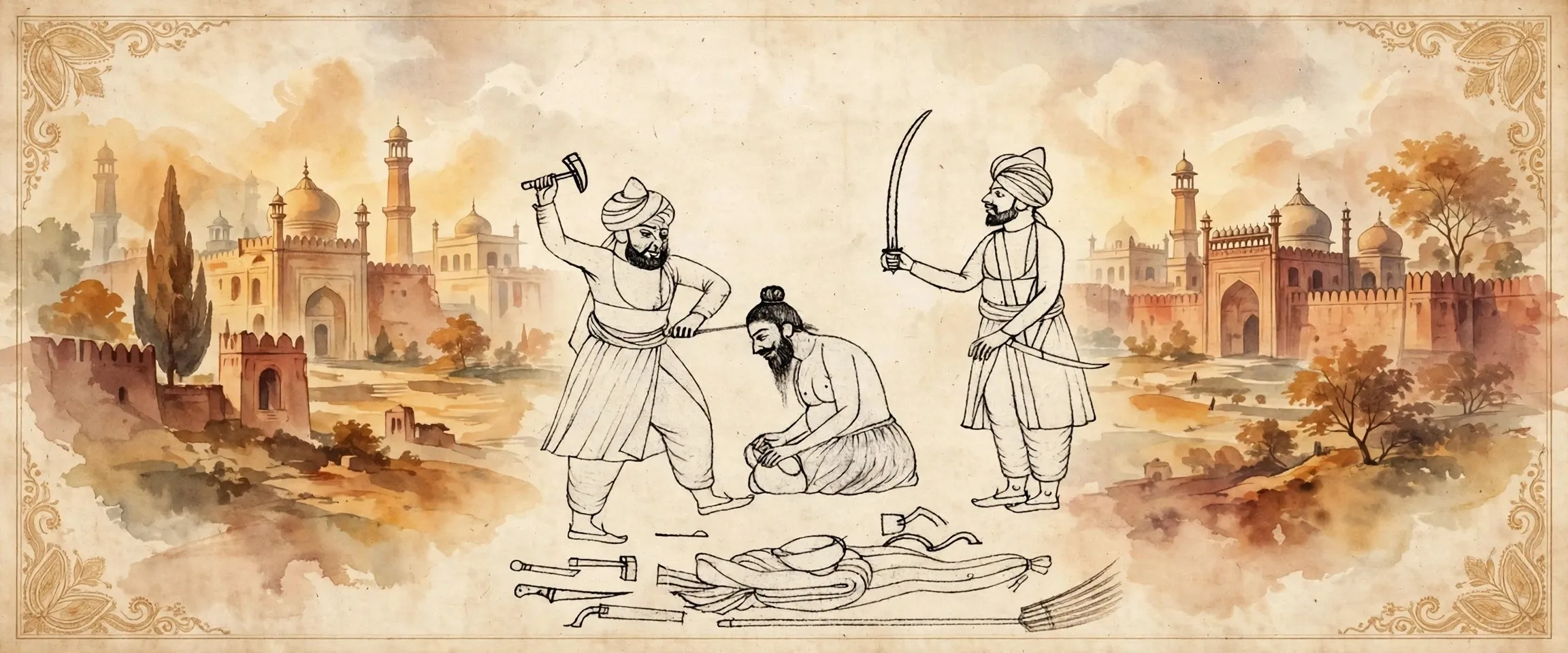
ਭਾਈ ਤਾਰੂ ਸਿੰਘ ਜੀ (ਲਗਭਗ 1720 ਤੋਂ 1745) ਅੰਮ੍ਰਿਤਸਰ ਜ਼ਿਲ੍ਹੇ ਦੇ ਪੂਹਲਾ ਪਿੰਡ ਦੇ ਕਿਸਾਨ ਸਨ, ਜੋ ਖੁਦ ਥੋੜਾ ਖਾਂਦੇ ਅਤੇ ਬਚਿਆ ਹੋਇਆ ਜੰਗਲਾਂ ਵਿੱਚ ਲੁਕੇ ਸਿੱਖਾਂ ਨੂੰ ਭੇਜਦੇ ਸਨ। ਲਾਹੌਰ ਦੇ ਸੂਬੇਦਾਰ ਜ਼ਕਰੀਆ ਖਾਨ ਕੋਲ ਉਨ੍ਹਾਂ ਦੀ ਸ਼ਿਕਾਇਤ ਹੋਈ, ਤਾਂ ਉਨ੍ਹਾਂ ਨੇ ਕੇਸ ਕੱਟ ਕੇ ਜਾਨ ਬਚਾਉਣ ਤੋਂ ਇਨਕਾਰ ਕਰ ਦਿੱਤਾ, ਅਤੇ 1745 ਵਿੱਚ ਉਨ੍ਹਾਂ ਦੀ ਖੋਪੜੀ ਉਤਾਰ ਦਿੱਤੀ ਗਈ। ਉਹ ਇਸ ਤੋਂ ਬਾਅਦ ਬਾਈ ਦਿਨ ਜੀਏ ਅਤੇ 1 ਜੁਲਾਈ 1745 ਨੂੰ ਲਾਹੌਰ ਵਿਖੇ ਸਰੀਰ ਛੱਡ ਗਏ, ਉਸੇ ਦਿਨ ਜਿਸ ਦਿਨ ਸੂਬੇਦਾਰ ਖੁਦ ਮਰਿਆ, ਜਿਵੇਂ ਸਿੱਖ ਪਰੰਪਰਾ ਦੱਸਦੀ ਹੈ ਕਿ ਉਨ੍ਹਾਂ ਨੇ ਪਹਿਲਾਂ ਕਿਹਾ ਸੀ।
- ਪੰਜਾਬੀ ਨਾਂ
- ਭਾਈ ਤਾਰੂ ਸਿੰਘ ਜੀ
- ਜਨਮ
- ਲਗਭਗ 1720, ਪੂਹਲਾ ਪਿੰਡ, ਹੁਣ ਅੰਮ੍ਰਿਤਸਰ ਜ਼ਿਲ੍ਹਾ, ਪੰਜਾਬ
- ਪਰਿਵਾਰ
- ਭਾਈ ਜੋਧ ਸਿੰਘ ਅਤੇ ਬੀਬੀ ਧਰਮ ਕੌਰ ਦੇ ਪੁੱਤਰ; ਛੋਟੀ ਭੈਣ ਬੀਬੀ ਤਾਰ ਕੌਰ
- ਪਿੰਡ
- ਪੂਹਲਾ, ਜਿਸ ਨੂੰ ਪੁਹਲਾ ਵੀ ਲਿਖਿਆ ਜਾਂਦਾ ਹੈ, ਮਾਝਾ ਇਲਾਕਾ
- ਪ੍ਰਸਿੱਧੀ
- ਲੁਕੇ ਸਿੱਖਾਂ ਨੂੰ ਖਾਣਾ ਪਹੁੰਚਾਉਣਾ; 1745 ਵਿੱਚ ਲਾਹੌਰ ਵਿਖੇ ਸ਼ਹੀਦੀ
- ਦੇਹਾਂਤ
- 1 ਜੁਲਾਈ 1745, ਲਾਹੌਰ ਵਿਖੇ, ਖੋਪੜੀ ਉਤਰਨ ਤੋਂ ਬਾਈ ਦਿਨ ਬਾਅਦ
- ਯਾਦਗਾਰ
- ਗੁਰਦੁਆਰਾ ਸ਼ਹੀਦ ਭਾਈ ਤਾਰੂ ਸਿੰਘ, ਨੌਲਖਾ ਬਾਜ਼ਾਰ, ਲਾਹੌਰ
Bhai Taru Singh Ji is remembered as one of the great Sikh martyrs of the eighteenth century, and he never led an army or held any office. He was a young farmer who fed people the state was hunting, and when the state caught him, he would not buy his life at the price of his hair. His story is the one Sikhs tell when they explain why kesh, uncut hair, is not a custom to them but a trust from the Guru, kept at the cost of life itself.
Who was Bhai Taru Singh Ji?
He was a Sandhu Jatt of Poohla village, also written Puhla, now in Amritsar district, born about 1720. His father, Bhai Jodh Singh, died in battle while Taru Singh was still young, and his mother, Bibi Dharam Kaur, raised him and his younger sister, Bibi Tar Kaur, as a widow. He tilled his small farm, lived as frugally as he could, and what the family saved from its own mouths, in food and in money, went to the Sikhs who had been driven into the jungles by the government of the day.
Tradition holds that he took amrit from ਭਾਈ ਮਨੀ ਸਿੰਘ ਜੀ, the scholar who was himself executed at Lahore in 1738. One account says it was seeing Sikh fighters rescue a poor girl from her abductors that settled his resolve to join the Khalsa. By the early 1740s his home had become one of the quiet links in the chain that kept the hunted Sikhs of the Majha alive: food cooked in Poohla reached men who could not show themselves in any village.
Feeding the Sikhs in hiding
Punjab was then governed from Lahore by Zakariya Khan, governor from 1726 to 1745, whose policy was to starve the Sikhs out. They were barred from farming, trade and public service, offerings to gurdwaras were stopped, and rewards stood on Sikh heads. The Prachin Panth Prakash, the early Sikh chronicle, has the governor ask his men how the Sikhs still lived when every source of food had been closed to them. His informer Harbhagat Niranjania answered that there were Sikhs who would not eat until they had fed their brothers, who ground corn through the winter and sent it into the jungle. And he named one of them: Taru Singh of Poohla, who ate little and sent what he saved to the Sikhs in hiding, while his mother and sister ground corn beside him.
Arrest and the road to Lahore
Harbhagat Niranjania, also called Akil Das, was a government informer from Jandiala. On his report, Taru Singh and his sister were arrested and charged with treason for aiding the fighters. The villagers bought Bibi Tar Kaur's freedom. Taru Singh refused to seek any pardon for himself. He was imprisoned and tortured, then brought before the governor at Lahore. The Panth Prakash records that he greeted Zakariya Khan with the Sikh salutation, Waheguru ji ka Khalsa, Waheguru ji ki Fateh, and answered the charge plainly: we till your land and pay its revenue, we trade and pay its taxes. What is left feeds us, and what we save from our own mouths we give to our brothers. We take nothing from you. Why do you punish us?
The governor offered the standard choice of the time, conversion or death. Taru Singh's reply, as the chronicle keeps it, was a question in return: why must I become a Muslim? Do Muslims never die?
Why was Bhai Taru Singh scalped, and not simply executed?
Asked where he found the strength to endure his tortures, Taru Singh answered that it came through his kesh, the uncut hair the Guru had blessed. The governor therefore ordered the hair itself to be cut, as the sign of a forced conversion. Sikh lore says the barber found the hair would not cut, as if it had turned to iron. The sentence the qadi then pronounced was designed to make the refusal permanent: the scalp itself was to be scraped from his head, so that the hair could never grow again. It was carried out in public, on 9 June 1745 by the usual dating. The exact method is described differently in different accounts, and historians note the ambiguity. The core of the story, the scalp demanded in place of the hair, is constant in every version.
He was about twenty five years old. He was carried back to prison, expected to die of the wound within days. He did not.
The last twenty two days
What followed is told by the Panth Prakash and kept by Sikh tradition as the seal of the story. Zakariya Khan fell ill, in severe pain and unable to pass urine. His advisers told him the illness was the fruit of his treatment of the Sikhs, and he sent an apology to the Khalsa Panth asking forgiveness. It was suggested his condition would lift if he struck his own head with Taru Singh's shoe, the shoe of the man he had wronged. Taru Singh had said, when his scalp was ordered off, that the governor would be killed by his shoe. The Khan did as advised, and his pain eased, but he died twenty two days after the scalping. When word came that the governor was dead, Bhai Taru Singh Ji, who had outlived him as he said he would, gave up his breath on 1 July 1745.
How is Bhai Taru Singh Ji remembered?
His body was cremated outside the Delhi Gate of Lahore, where a shahidganj, a martyrs' memorial, was raised and became a place of pilgrimage. In 1762 the Bhangi misl took Lahore, and the square where he was scalped became Shahidganj. Today ਗੁਰਦੁਆਰਾ ਸ਼ਹੀਦ ਭਾਈ ਤਾਰੂ ਸਿੰਘ in Naulakha Bazaar marks the place where his scalp was removed. Sikhs view Bhai Taru Singh Ji as a martyr and a symbol of the importance of kesh and of steadfast faith. A 3D animated film of his life was released worldwide in 2018, taking the story of the Poohla farmer to a new generation.
ਭਾਈ ਤਾਰੂ ਸਿੰਘ ਜੀ ਨੂੰ ਅਠਾਰਵੀਂ ਸਦੀ ਦੇ ਮਹਾਨ ਸਿੱਖ ਸ਼ਹੀਦਾਂ ਵਿੱਚ ਯਾਦ ਕੀਤਾ ਜਾਂਦਾ ਹੈ, ਅਤੇ ਉਨ੍ਹਾਂ ਨੇ ਕਦੇ ਕੋਈ ਫੌਜ ਨਹੀਂ ਚਲਾਈ, ਨਾ ਕੋਈ ਅਹੁਦਾ ਸੰਭਾਲਿਆ। ਉਹ ਇੱਕ ਨੌਜਵਾਨ ਕਿਸਾਨ ਸਨ ਜੋ ਉਨ੍ਹਾਂ ਲੋਕਾਂ ਨੂੰ ਖਾਣਾ ਪਹੁੰਚਾਉਂਦੇ ਸਨ ਜਿਨ੍ਹਾਂ ਦਾ ਹਕੂਮਤ ਸ਼ਿਕਾਰ ਕਰ ਰਹੀ ਸੀ, ਅਤੇ ਜਦੋਂ ਹਕੂਮਤ ਨੇ ਉਨ੍ਹਾਂ ਨੂੰ ਫੜ ਲਿਆ, ਤਾਂ ਉਨ੍ਹਾਂ ਨੇ ਆਪਣੇ ਕੇਸਾਂ ਦੀ ਕੀਮਤ ਉੱਤੇ ਜਾਨ ਨਹੀਂ ਖਰੀਦੀ। ਉਨ੍ਹਾਂ ਦੀ ਕਹਾਣੀ ਉਹ ਹੈ ਜੋ ਸਿੱਖ ਉਦੋਂ ਸੁਣਾਉਂਦੇ ਹਨ ਜਦੋਂ ਉਹ ਸਮਝਾਉਂਦੇ ਹਨ ਕਿ ਕੇਸ ਉਨ੍ਹਾਂ ਲਈ ਕੋਈ ਰਸਮ ਨਹੀਂ, ਗੁਰੂ ਵੱਲੋਂ ਸੌਂਪੀ ਅਮਾਨਤ ਹੈ, ਜੋ ਜਾਨ ਦੇ ਕੇ ਵੀ ਰੱਖੀ ਜਾਂਦੀ ਹੈ।
ਭਾਈ ਤਾਰੂ ਸਿੰਘ ਜੀ ਕੌਣ ਸਨ?
ਉਹ ਪੂਹਲਾ ਪਿੰਡ ਦੇ ਸੰਧੂ ਜੱਟ ਸਨ, ਜਿਸ ਨੂੰ ਪੁਹਲਾ ਵੀ ਲਿਖਿਆ ਜਾਂਦਾ ਹੈ, ਹੁਣ ਅੰਮ੍ਰਿਤਸਰ ਜ਼ਿਲ੍ਹੇ ਵਿੱਚ, ਅਤੇ ਉਨ੍ਹਾਂ ਦਾ ਜਨਮ ਲਗਭਗ 1720 ਵਿੱਚ ਹੋਇਆ। ਉਨ੍ਹਾਂ ਦੇ ਪਿਤਾ ਭਾਈ ਜੋਧ ਸਿੰਘ ਉਦੋਂ ਜੰਗ ਵਿੱਚ ਸ਼ਹੀਦ ਹੋ ਗਏ ਜਦੋਂ ਤਾਰੂ ਸਿੰਘ ਅਜੇ ਛੋਟੇ ਸਨ, ਅਤੇ ਮਾਤਾ, ਬੀਬੀ ਧਰਮ ਕੌਰ, ਨੇ ਵਿਧਵਾ ਹੋ ਕੇ ਉਨ੍ਹਾਂ ਨੂੰ ਅਤੇ ਉਨ੍ਹਾਂ ਦੀ ਛੋਟੀ ਭੈਣ ਬੀਬੀ ਤਾਰ ਕੌਰ ਨੂੰ ਪਾਲਿਆ। ਉਹ ਆਪਣੀ ਛੋਟੀ ਜਿਹੀ ਖੇਤੀ ਵਾਹੁੰਦੇ, ਜਿੰਨਾ ਹੋ ਸਕੇ ਸਾਦਾ ਜੀਵਨ ਜਿਉਂਦੇ, ਅਤੇ ਜੋ ਕੁਝ ਪਰਿਵਾਰ ਆਪਣੇ ਮੂੰਹ ਤੋਂ ਬਚਾਉਂਦਾ, ਖਾਣਾ ਹੋਵੇ ਜਾਂ ਪੈਸਾ, ਉਹ ਉਨ੍ਹਾਂ ਸਿੱਖਾਂ ਕੋਲ ਜਾਂਦਾ ਜਿਨ੍ਹਾਂ ਨੂੰ ਉਸ ਵੇਲੇ ਦੀ ਹਕੂਮਤ ਨੇ ਜੰਗਲਾਂ ਵਿੱਚ ਧੱਕ ਦਿੱਤਾ ਸੀ।
ਪਰੰਪਰਾ ਮੁਤਾਬਕ ਉਨ੍ਹਾਂ ਨੇ ਅੰਮ੍ਰਿਤ ਭਾਈ ਮਨੀ ਸਿੰਘ ਜੀ। ਤੋਂ ਛਕਿਆ, ਉਹ ਵਿਦਵਾਨ ਜਿਨ੍ਹਾਂ ਨੂੰ ਖੁਦ 1738 ਵਿੱਚ ਲਾਹੌਰ ਵਿਖੇ ਸ਼ਹੀਦ ਕੀਤਾ ਗਿਆ। ਇੱਕ ਬਿਆਨ ਮੁਤਾਬਕ ਸਿੱਖ ਜੋਧਿਆਂ ਨੂੰ ਇੱਕ ਗਰੀਬ ਕੁੜੀ ਨੂੰ ਅਗਵਾਕਾਰਾਂ ਤੋਂ ਛੁਡਾਉਂਦਿਆਂ ਵੇਖ ਕੇ ਹੀ ਉਨ੍ਹਾਂ ਦਾ ਖਾਲਸੇ ਵਿੱਚ ਸ਼ਾਮਲ ਹੋਣ ਦਾ ਫੈਸਲਾ ਪੱਕਾ ਹੋਇਆ। 1740ਵਿਆਂ ਦੇ ਸ਼ੁਰੂ ਤੱਕ ਉਨ੍ਹਾਂ ਦਾ ਘਰ ਮਾਝੇ ਦੇ ਸ਼ਿਕਾਰ ਹੋਏ ਸਿੱਖਾਂ ਨੂੰ ਜਿਉਂਦਾ ਰੱਖਣ ਵਾਲੀ ਲੜੀ ਦੀਆਂ ਸ਼ਾਂਤ ਕੜੀਆਂ ਵਿੱਚੋਂ ਇੱਕ ਬਣ ਗਿਆ ਸੀ: ਪੂਹਲੇ ਪੱਕਿਆ ਖਾਣਾ ਉਨ੍ਹਾਂ ਬੰਦਿਆਂ ਤੱਕ ਪਹੁੰਚਦਾ ਸੀ ਜੋ ਕਿਸੇ ਪਿੰਡ ਵਿੱਚ ਮੂੰਹ ਨਹੀਂ ਵਖਾ ਸਕਦੇ ਸਨ।
ਲੁਕੇ ਹੋਏ ਸਿੱਖਾਂ ਨੂੰ ਖਾਣਾ ਪਹੁੰਚਾਉਣਾ
ਉਸ ਵੇਲੇ ਪੰਜਾਬ ਉੱਤੇ ਲਾਹੌਰ ਤੋਂ ਜ਼ਕਰੀਆ ਖਾਨ ਰਾਜ ਕਰਦਾ ਸੀ, ਜੋ 1726 ਤੋਂ 1745 ਤੱਕ ਸੂਬੇਦਾਰ ਰਿਹਾ, ਅਤੇ ਉਸ ਦੀ ਨੀਤੀ ਸਿੱਖਾਂ ਨੂੰ ਭੁੱਖੇ ਮਾਰਨ ਦੀ ਸੀ। ਉਨ੍ਹਾਂ ਉੱਤੇ ਖੇਤੀ, ਵਪਾਰ ਅਤੇ ਸਰਕਾਰੀ ਨੌਕਰੀ ਬੰਦ ਸੀ, ਗੁਰਦੁਆਰਿਆਂ ਨੂੰ ਭੇਟਾ ਰੋਕ ਦਿੱਤੀ ਗਈ ਸੀ, ਅਤੇ ਸਿੱਖਾਂ ਦੇ ਸਿਰਾਂ ਉੱਤੇ ਇਨਾਮ ਰੱਖੇ ਗਏ ਸਨ। ਮੁਢਲੀ ਸਿੱਖ ਇਤਿਹਾਸਕ ਰਚਨਾ ਪ੍ਰਾਚੀਨ ਪੰਥ ਪ੍ਰਕਾਸ਼ ਮੁਤਾਬਕ ਸੂਬੇਦਾਰ ਨੇ ਆਪਣੇ ਬੰਦਿਆਂ ਨੂੰ ਪੁੱਛਿਆ ਕਿ ਸਿੱਖ ਅਜੇ ਜਿਉਂਦੇ ਕਿਵੇਂ ਹਨ ਜਦੋਂ ਖਾਣੇ ਦਾ ਹਰ ਸਾਧਨ ਬੰਦ ਕਰ ਦਿੱਤਾ ਗਿਆ ਹੈ। ਉਸ ਦੇ ਮੁਖਬਰ ਹਰਭਗਤ ਨਿਰੰਜਨੀਏ ਨੇ ਜਵਾਬ ਦਿੱਤਾ ਕਿ ਅਜਿਹੇ ਸਿੱਖ ਵੀ ਹਨ ਜੋ ਆਪਣੇ ਭਰਾਵਾਂ ਨੂੰ ਖੁਆਏ ਬਿਨਾਂ ਖਾਂਦੇ ਨਹੀਂ, ਸਰਦੀਆਂ ਵਿੱਚ ਅਨਾਜ ਪੀਸ ਕੇ ਜੰਗਲਾਂ ਵਿੱਚ ਭੇਜਦੇ ਹਨ। ਅਤੇ ਉਸ ਨੇ ਇੱਕ ਦਾ ਨਾਂ ਲਿਆ: ਪੂਹਲੇ ਦਾ ਤਾਰੂ ਸਿੰਘ, ਜੋ ਥੋੜਾ ਖਾਂਦਾ ਹੈ ਅਤੇ ਬਚਿਆ ਹੋਇਆ ਲੁਕੇ ਸਿੱਖਾਂ ਨੂੰ ਭੇਜਦਾ ਹੈ, ਜਦਕਿ ਉਸ ਦੀ ਮਾਂ ਅਤੇ ਭੈਣ ਉਸ ਦੇ ਨਾਲ ਅਨਾਜ ਪੀਸਦੀਆਂ ਹਨ।
ਗ੍ਰਿਫ਼ਤਾਰੀ ਅਤੇ ਲਾਹੌਰ ਦਾ ਸਫ਼ਰ
ਹਰਭਗਤ ਨਿਰੰਜਨੀਆ, ਜਿਸ ਨੂੰ ਅਕੀਲ ਦਾਸ ਵੀ ਕਿਹਾ ਜਾਂਦਾ ਹੈ, ਜੰਡਿਆਲੇ ਦਾ ਸਰਕਾਰੀ ਮੁਖਬਰ ਸੀ। ਉਸ ਦੀ ਰਿਪੋਰਟ ਉੱਤੇ ਤਾਰੂ ਸਿੰਘ ਅਤੇ ਉਨ੍ਹਾਂ ਦੀ ਭੈਣ ਨੂੰ ਜੋਧਿਆਂ ਦੀ ਮਦਦ ਦੇ ਦੋਸ਼ ਵਿੱਚ ਗ੍ਰਿਫ਼ਤਾਰ ਕਰ ਲਿਆ ਗਿਆ। ਪਿੰਡ ਵਾਲਿਆਂ ਨੇ ਬੀਬੀ ਤਾਰ ਕੌਰ ਦੀ ਰਿਹਾਈ ਖਰੀਦ ਲਈ। ਤਾਰੂ ਸਿੰਘ ਨੇ ਆਪਣੇ ਲਈ ਕੋਈ ਮਾਫ਼ੀ ਮੰਗਣ ਤੋਂ ਇਨਕਾਰ ਕਰ ਦਿੱਤਾ। ਉਨ੍ਹਾਂ ਨੂੰ ਕੈਦ ਵਿੱਚ ਤਸੀਹੇ ਦਿੱਤੇ ਗਏ, ਫਿਰ ਲਾਹੌਰ ਵਿਖੇ ਸੂਬੇਦਾਰ ਦੇ ਸਾਹਮਣੇ ਪੇਸ਼ ਕੀਤਾ ਗਿਆ। ਪੰਥ ਪ੍ਰਕਾਸ਼ ਮੁਤਾਬਕ ਉਨ੍ਹਾਂ ਨੇ ਜ਼ਕਰੀਆ ਖਾਨ ਨੂੰ ਸਿੱਖ ਸਤਿਕਾਰ ਨਾਲ, ਵਾਹਿਗੁਰੂ ਜੀ ਕਾ ਖਾਲਸਾ, ਵਾਹਿਗੁਰੂ ਜੀ ਕੀ ਫ਼ਤਹਿ, ਆਖ ਕੇ ਸਤਿਕਾਰਿਆ ਅਤੇ ਦੋਸ਼ ਦਾ ਜਵਾਬ ਸਾਫ਼ ਦਿੱਤਾ: ਅਸੀਂ ਤੁਹਾਡੀ ਜ਼ਮੀਨ ਵਾਹੁੰਦੇ ਹਾਂ ਅਤੇ ਮਾਮਲਾ ਦਿੰਦੇ ਹਾਂ, ਵਪਾਰ ਕਰਦੇ ਹਾਂ ਅਤੇ ਟੈਕਸ ਦਿੰਦੇ ਹਾਂ। ਜੋ ਬਚਦਾ ਹੈ, ਉਸ ਨਾਲ ਅਸੀਂ ਖਾਂਦੇ ਹਾਂ, ਅਤੇ ਜੋ ਆਪਣੇ ਮੂੰਹ ਤੋਂ ਬਚਾਉਂਦੇ ਹਾਂ, ਉਹ ਆਪਣੇ ਭਰਾਵਾਂ ਨੂੰ ਦਿੰਦੇ ਹਾਂ। ਅਸੀਂ ਤੁਹਾਡੇ ਤੋਂ ਕੁਝ ਨਹੀਂ ਲੈਂਦੇ। ਫਿਰ ਤੁਸੀਂ ਸਾਨੂੰ ਸਜ਼ਾ ਕਿਉਂ ਦਿੰਦੇ ਹੋ?
ਸੂਬੇਦਾਰ ਨੇ ਉਸ ਵੇਲੇ ਦੀ ਆਮ ਚੋਣ ਰੱਖੀ, ਇਸਲਾਮ ਜਾਂ ਮੌਤ। ਤਾਰੂ ਸਿੰਘ ਦਾ ਜਵਾਬ, ਜਿਵੇਂ ਇਤਿਹਾਸਕ ਬਿਆਨ ਸਾਂਭਦਾ ਹੈ, ਉਲਟਾ ਸਵਾਲ ਸੀ: ਮੈਂ ਮੁਸਲਮਾਨ ਕਿਉਂ ਬਣਾਂ? ਕੀ ਮੁਸਲਮਾਨ ਕਦੇ ਮਰਦੇ ਨਹੀਂ?
ਭਾਈ ਤਾਰੂ ਸਿੰਘ ਜੀ ਦੀ ਖੋਪੜੀ ਕਿਉਂ ਉਤਾਰੀ ਗਈ, ਸਿਰਫ਼ ਸ਼ਹੀਦ ਕਿਉਂ ਨਾ ਕੀਤਾ ਗਿਆ?
ਜਦੋਂ ਪੁੱਛਿਆ ਗਿਆ ਕਿ ਉਨ੍ਹਾਂ ਨੂੰ ਤਸੀਹੇ ਸਹਿਣ ਦੀ ਤਾਕਤ ਕਿੱਥੋਂ ਮਿਲਦੀ ਹੈ, ਤਾਂ ਤਾਰੂ ਸਿੰਘ ਨੇ ਜਵਾਬ ਦਿੱਤਾ ਕਿ ਇਹ ਤਾਕਤ ਉਨ੍ਹਾਂ ਦੇ ਕੇਸਾਂ ਵਿੱਚੋਂ ਆਉਂਦੀ ਹੈ, ਗੁਰੂ ਵੱਲੋਂ ਬਖਸ਼ੇ ਅਣਕੱਟੇ ਵਾਲਾਂ ਵਿੱਚੋਂ। ਇਸ ਲਈ ਸੂਬੇਦਾਰ ਨੇ ਵਾਲ ਹੀ ਕੱਟਣ ਦਾ ਹੁਕਮ ਦਿੱਤਾ, ਜ਼ਬਰਦਸਤੀ ਧਰਮ ਬਦਲਾਉਣ ਦੇ ਨਿਸ਼ਾਨ ਵਜੋਂ। ਸਿੱਖ ਲੋਕ ਕਥਾ ਮੁਤਾਬਕ ਨਾਈ ਨੇ ਵੇਖਿਆ ਕਿ ਵਾਲ ਕੱਟੇ ਨਹੀਂ ਜਾਂਦੇ, ਜਿਵੇਂ ਲੋਹੇ ਦੇ ਹੋ ਗਏ ਹੋਣ। ਫਿਰ ਕਾਜ਼ੀ ਨੇ ਜੋ ਸਜ਼ਾ ਸੁਣਾਈ, ਉਹ ਇਨਕਾਰ ਨੂੰ ਸਦਾ ਲਈ ਪੱਕਾ ਕਰਨ ਲਈ ਸੀ: ਸਿਰ ਤੋਂ ਖੋਪੜੀ ਹੀ ਖੁਰਚ ਕੇ ਉਤਾਰੀ ਜਾਵੇ, ਤਾਂ ਜੋ ਵਾਲ ਫਿਰ ਕਦੇ ਉੱਗ ਹੀ ਨਾ ਸਕਣ। ਆਮ ਦਿੱਤੀ ਜਾਂਦੀ ਤਰੀਕ ਮੁਤਾਬਕ ਇਹ 9 ਜੂਨ 1745 ਨੂੰ ਸਭ ਦੇ ਸਾਹਮਣੇ ਕੀਤਾ ਗਿਆ। ਢੰਗ ਵੱਖ ਵੱਖ ਬਿਆਨਾਂ ਵਿੱਚ ਵੱਖਰਾ ਦੱਸਿਆ ਜਾਂਦਾ ਹੈ, ਅਤੇ ਇਤਿਹਾਸਕਾਰ ਇਸ ਅਸਪਸ਼ਟਤਾ ਦਾ ਜ਼ਿਕਰ ਕਰਦੇ ਹਨ। ਕਹਾਣੀ ਦਾ ਕੇਂਦਰ, ਵਾਲਾਂ ਦੀ ਥਾਂ ਖੋਪੜੀ ਦੀ ਮੰਗ, ਹਰ ਬਿਆਨ ਵਿੱਚ ਇੱਕੋ ਹੈ।
ਉਹ ਲਗਭਗ ਪੱਚੀ ਸਾਲ ਦੇ ਸਨ। ਉਨ੍ਹਾਂ ਨੂੰ ਕੈਦ ਵਿੱਚ ਵਾਪਸ ਲਿਜਾਇਆ ਗਿਆ, ਇਹ ਸੋਚ ਕੇ ਕਿ ਜ਼ਖਮ ਨਾਲ ਕੁਝ ਦਿਨਾਂ ਵਿੱਚ ਮਰ ਜਾਣਗੇ। ਉਹ ਨਾ ਮਰੇ।
ਆਖਰੀ ਬਾਈ ਦਿਨ
ਇਸ ਤੋਂ ਅੱਗੇ ਜੋ ਹੋਇਆ, ਉਹ ਪੰਥ ਪ੍ਰਕਾਸ਼ ਦੱਸਦਾ ਹੈ ਅਤੇ ਸਿੱਖ ਪਰੰਪਰਾ ਇਸ ਨੂੰ ਕਹਾਣੀ ਦੀ ਮੋਹਰ ਵਜੋਂ ਸਾਂਭਦੀ ਹੈ। ਜ਼ਕਰੀਆ ਖਾਨ ਬਿਮਾਰ ਪੈ ਗਿਆ, ਸਖਤ ਦਰਦ ਵਿੱਚ ਅਤੇ ਪਿਸ਼ਾਬ ਬੰਦ ਹੋ ਗਿਆ। ਉਸ ਦੇ ਸਲਾਹਕਾਰਾਂ ਨੇ ਦੱਸਿਆ ਕਿ ਇਹ ਬਿਮਾਰੀ ਸਿੱਖਾਂ ਨਾਲ ਕੀਤੇ ਸਲੂਕ ਦਾ ਫਲ ਹੈ, ਅਤੇ ਉਸ ਨੇ ਖਾਲਸਾ ਪੰਥ ਕੋਲ ਮਾਫ਼ੀ ਦੀ ਅਰਜ਼ੀ ਭੇਜੀ। ਸੁਝਾਅ ਦਿੱਤਾ ਗਿਆ ਕਿ ਜੇ ਉਹ ਆਪਣੇ ਸਿਰ ਉੱਤੇ ਤਾਰੂ ਸਿੰਘ ਦੀ ਜੁੱਤੀ ਮਾਰੇ, ਜਿਸ ਬੰਦੇ ਨਾਲ ਉਸ ਨੇ ਜ਼ੁਲਮ ਕੀਤਾ ਸੀ, ਤਾਂ ਉਸ ਦੀ ਹਾਲਤ ਸੁਧਰ ਸਕਦੀ ਹੈ। ਤਾਰੂ ਸਿੰਘ ਨੇ ਖੋਪੜੀ ਉਤਾਰਨ ਦਾ ਹੁਕਮ ਸੁਣ ਕੇ ਕਿਹਾ ਸੀ ਕਿ ਸੂਬੇਦਾਰ ਉਨ੍ਹਾਂ ਦੀ ਜੁੱਤੀ ਨਾਲ ਮਾਰਿਆ ਜਾਵੇਗਾ। ਖਾਨ ਨੇ ਜਿਵੇਂ ਕਿਹਾ ਗਿਆ, ਕੀਤਾ, ਦਰਦ ਘਟਿਆ, ਪਰ ਖੋਪੜੀ ਉਤਰਨ ਤੋਂ ਬਾਈ ਦਿਨ ਬਾਅਦ ਉਹ ਮਰ ਗਿਆ। ਜਦੋਂ ਖਬਰ ਆਈ ਕਿ ਸੂਬੇਦਾਰ ਮਰ ਗਿਆ ਹੈ, ਤਾਂ ਭਾਈ ਤਾਰੂ ਸਿੰਘ ਜੀ ਨੇ, ਜੋ ਜਿਵੇਂ ਉਨ੍ਹਾਂ ਨੇ ਕਿਹਾ ਸੀ ਉਸ ਤੋਂ ਅੱਗੇ ਜੀ ਗਏ ਸਨ, 1 ਜੁਲਾਈ 1745 ਨੂੰ ਸਰੀਰ ਛੱਡ ਦਿੱਤਾ।
ਭਾਈ ਤਾਰੂ ਸਿੰਘ ਜੀ ਨੂੰ ਕਿਵੇਂ ਯਾਦ ਕੀਤਾ ਜਾਂਦਾ ਹੈ?
ਉਨ੍ਹਾਂ ਦਾ ਸਸਕਾਰ ਲਾਹੌਰ ਦੇ ਦਿੱਲੀ ਦਰਵਾਜ਼ੇ ਦੇ ਬਾਹਰ ਕੀਤਾ ਗਿਆ, ਜਿੱਥੇ ਇੱਕ ਸ਼ਹੀਦਗੰਜ, ਸ਼ਹੀਦਾਂ ਦੀ ਯਾਦਗਾਰ, ਬਣਾਈ ਗਈ ਅਤੇ ਉਹ ਤੀਰਥ ਥਾਂ ਬਣ ਗਈ। 1762 ਵਿੱਚ ਭੰਗੀ ਮਿਸਲ ਨੇ ਲਾਹੌਰ ਲਿਆ, ਅਤੇ ਜਿਸ ਚੌਕ ਵਿੱਚ ਉਨ੍ਹਾਂ ਦੀ ਖੋਪੜੀ ਉਤਾਰੀ ਗਈ ਸੀ, ਉਹ ਸ਼ਹੀਦਗੰਜ ਬਣ ਗਿਆ। ਅੱਜ ਨੌਲਖਾ ਬਾਜ਼ਾਰ ਵਿਖੇ ਗੁਰਦੁਆਰਾ ਸ਼ਹੀਦ ਭਾਈ ਤਾਰੂ ਸਿੰਘ ਉਸ ਥਾਂ ਨੂੰ ਸਾਂਭਦਾ ਹੈ ਜਿੱਥੇ ਉਨ੍ਹਾਂ ਦੀ ਖੋਪੜੀ ਉਤਾਰੀ ਗਈ ਸੀ। ਸਿੱਖ ਭਾਈ ਤਾਰੂ ਸਿੰਘ ਜੀ ਨੂੰ ਇੱਕ ਸ਼ਹੀਦ ਅਤੇ ਕੇਸਾਂ ਦੀ ਮਹੱਤਤਾ ਅਤੇ ਅਟੁੱਟ ਸਿਦਕ ਦਾ ਨਿਸ਼ਾਨ ਮੰਨਦੇ ਹਨ। 2018 ਵਿੱਚ ਉਨ੍ਹਾਂ ਦੇ ਜੀਵਨ ਉੱਤੇ ਇੱਕ 3D ਐਨੀਮੇਟਡ ਫਿਲਮ ਦੁਨੀਆ ਭਰ ਵਿੱਚ ਜਾਰੀ ਹੋਈ, ਜਿਸ ਨੇ ਪੂਹਲੇ ਦੇ ਕਿਸਾਨ ਦੀ ਕਹਾਣੀ ਨਵੀਂ ਪੀੜ੍ਹੀ ਤੱਕ ਪਹੁੰਚਾਈ।
More religion entries to explore
ਜੁਗਤੀ ਮੁਫ਼ਤ ਅਤੇ ਸੁਤੰਤਰ ਹੈ। ਪਾਠਕਾਂ ਦਾ ਸਹਿਯੋਗ ਕੋਸ਼ ਨੂੰ ਵਧਾਉਂਦਾ ਹੈ।
ਸਹਿਯੋਗ