
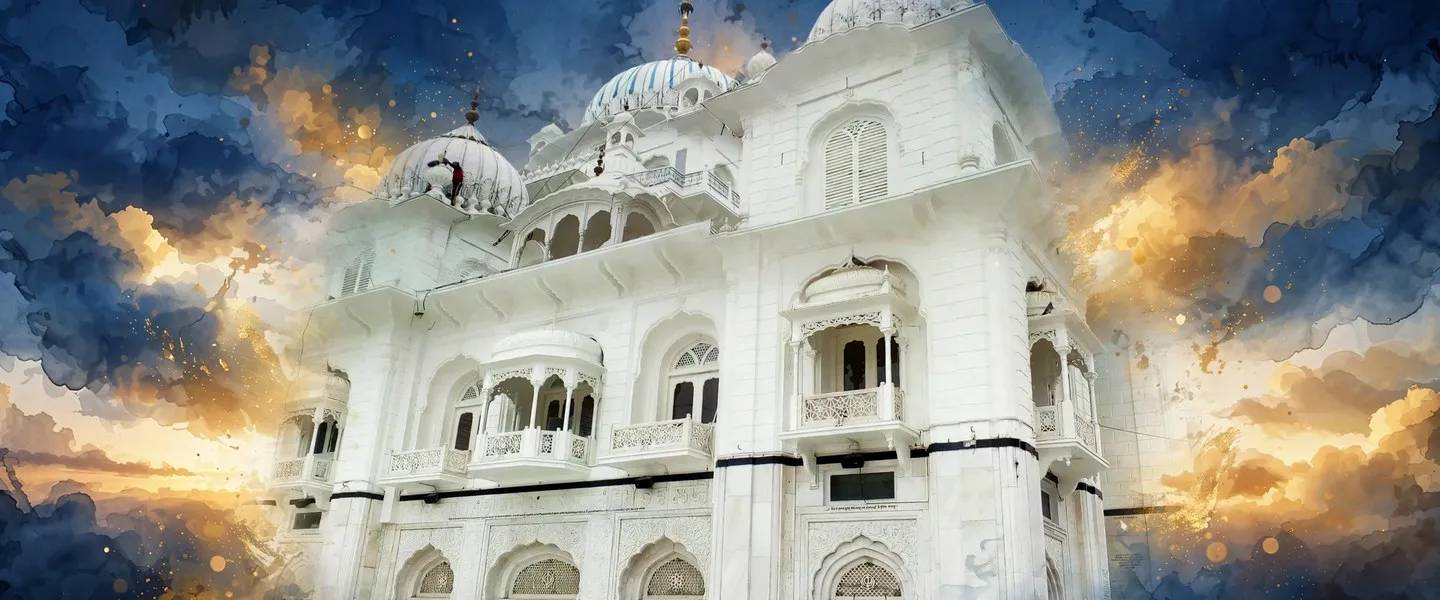
ਤਖ਼ਤ ਸ੍ਰੀ ਪਟਨਾ ਸਾਹਿਬ, ਜਿਸ ਨੂੰ ਤਖ਼ਤ ਸ੍ਰੀ ਹਰਿਮੰਦਰ ਜੀ ਵੀ ਕਿਹਾ ਜਾਂਦਾ ਹੈ, ਸਿੱਖਾਂ ਦੇ ਪੰਜ ਤਖ਼ਤਾਂ ਵਿੱਚੋਂ ਇੱਕ ਹੈ। ਇਹ ਬਿਹਾਰ ਦੇ ਪਟਨਾ ਵਿੱਚ ਉਸ ਥਾਂ ਉੱਤੇ ਖੜ੍ਹਾ ਹੈ ਜਿੱਥੇ ਗੁਰੂ ਗੋਬਿੰਦ ਸਿੰਘ ਜੀ ਦਾ ਜਨਮ 22 ਦਸੰਬਰ 1666 ਨੂੰ ਹੋਇਆ ਸੀ, ਅਤੇ ਜਿੱਥੇ ਗੁਰੂ ਨਾਨਕ ਜੀ ਅਤੇ ਗੁਰੂ ਤੇਗ਼ ਬਹਾਦਰ ਜੀ ਵੀ ਠਹਿਰੇ ਸਨ। ਧਾਮ ਦੇ ਅਜਾਇਬਘਰ ਵਿੱਚ ਦਸਵੇਂ ਗੁਰੂ ਦੀਆਂ ਨਿਸ਼ਾਨੀਆਂ ਰੱਖੀਆਂ ਹਨ, ਉਨ੍ਹਾਂ ਦਾ ਸੁਨਹਿਰੀ ਪੰਘੂੜਾ ਅਤੇ ਹਥਿਆਰ ਸਮੇਤ।
- ਪੰਜਾਬੀ ਨਾਂ
- ਤਖ਼ਤ ਸ੍ਰੀ ਪਟਨਾ ਸਾਹਿਬ
- ਦੇਸ਼
- ਭਾਰਤ
- ਰਾਜ
- ਬਿਹਾਰ
- ਸ਼ਹਿਰ
- ਪਟਨਾ
- ਜਨਮ ਸਥਾਨ
- ਗੁਰੂ ਗੋਬਿੰਦ ਸਿੰਘ ਜੀ, ਜਨਮ 22 ਦਸੰਬਰ 1666
- ਹੋਰ ਸਨਮਾਨਿਤ
- ਗੁਰੂ ਨਾਨਕ ਜੀ ਅਤੇ ਗੁਰੂ ਤੇਗ਼ ਬਹਾਦਰ ਜੀ
All 14 facts
- ਤਖ਼ਤ
- ਸਿੱਖਾਂ ਦੇ ਪੰਜ ਤਖ਼ਤਾਂ ਵਿੱਚੋਂ ਇੱਕ
- ਪੁਨਰ ਨਿਰਮਾਣ
- ਮਹਾਰਾਜਾ ਰਣਜੀਤ ਸਿੰਘ, 19ਵੀਂ ਸਦੀ ਦੀ ਸ਼ੁਰੂਆਤ
- 1934 ਦੇ ਭੂਚਾਲ ਤੋਂ ਬਾਅਦ ਮੁੜ ਬਣਾਇਆ
- 1948–1957, 20 ਲੱਖ ਰੁਪਏ ਦੀ ਲਾਗਤ ਉੱਤੇ
- ਪਤਾ
- ਤਖ਼ਤ ਸ੍ਰੀ ਹਰਿਮੰਦਰ ਜੀ, ਪਟਨਾ ਸਾਹਿਬ, ਪਟਨਾ, ਬਿਹਾਰ 800008
- ਪ੍ਰਬੰਧ
- ਤਖ਼ਤ ਸ੍ਰੀ ਹਰਿਮੰਦਰ ਜੀ, ਪਟਨਾ ਸਾਹਿਬ ਪ੍ਰਬੰਧਕ ਕਮੇਟੀ
- ਨਿਸ਼ਾਨੀਆਂ
- ਸੁਨਹਿਰੀ ਪੰਘੂੜਾ, ਲੋਹੇ ਦੇ ਤੀਰ, ਪਵਿੱਤਰ ਤਲਵਾਰ, ਜੁੱਤੀਆਂ, ਹੁਕਮਨਾਮੇ
- ਅਧਿਕਾਰਤ ਵੈੱਬਸਾਈਟ
- takhatpatnasahib.com
- ਸਭ ਤੋਂ ਵਧੀਆ ਸਮਾਂ
- ਅਕਤੂਬਰ ਤੋਂ ਮਾਰਚ
Gurdwara Takht Sri Patna Sahib, also called Takhat Sri Harimandir Ji, is one of the five Takhts, the thrones of Sikh authority. It stands in ਪਟਨਾ, ਬਿਹਾਰ, on the ground where ਗੁਰੂ ਗੋਬਿੰਦ ਸਿੰਘ ਜੀ was born on 22 December 1666, and which was blessed by visits from Guru Nanak Ji and ਗੁਰੂ ਤੇਗ ਬਹਾਦਰ ਜੀ. The white-marble shrine seen today was rebuilt between 1948 and 1957 after the 1934 earthquake, and it keeps some of the most precious relics of the tenth Guru.
ਇਤਿਹਾਸ
Guru Gobind Singh Ji, the tenth Sikh Guru, was born in Patna on 22 December 1666. He spent his early years here before moving to Anandpur Sahib. Besides being his birthplace, Patna was honoured by the visits of Guru Nanak and Guru Tegh Bahadur. Guru Nanak visited on his way to the holy city of Gaya, and Guru Tegh Bahadur stayed at this very site. A nineteenth-century painting even records the moment Guru Tegh Bahadur, then in Dhaka, received word of the birth of his son Gobind Rai in Patna.
The spot was once the haveli of Salis Rai Johri, an ardent devotee of Guru Nanak, who converted his palatial house into a dharamsala. When Guru Tegh Bahadur visited Patna, he stayed here. In 1781 Sir Charles Wilkins visited the shrine and published an account in the Asiatic Researches. Shortly after, the building burnt down in a fire. Maharaja Ranjit Singh of the Sikh Empire ordered its reconstruction, but did not live to see it completed, he died in 1839. The 1934 earthquake that rocked Bihar damaged the building, and the present structure was rebuilt between 1948 and 1957 at a cost of Rs 2,000,000.
Wilkins's account is one of the earliest English descriptions of a Sikh shrine. He called his essay The Seeks and their College at Patna, and it appeared in the first volume of Asiatic Researches in 1788, describing the dharamsala and its community for readers who had never seen a gurdwara. A generation later, in August 1820, the artist Sir Charles D'Oyly painted the shrine, leaving one of the first coloured views of a Sikh Takht. The building he painted was the one Ranjit Singh was rebuilding, and it stood until the earthquake of 1934.
ਭਵਨ ਕਲਾ
The gurdwara is a luminous example of Sikh architecture in white marble: a domed central structure with cusped arches, carved balconies and gold detailing, the Takht's name in golden Gurmukhi above the entrance. The sanctum marks the birthplace itself, the room where Guru Gobind Singh Ji was born, and the Darbar hall above it holds the Guru Granth Sahib Ji, opened each morning and put to rest each night as in every gurdwara. The shrine complex also carries a langar hall, a sarai for pilgrims and the museum, so that the Takht works as a whole pilgrim town within the old city.
Relics of the tenth Guru
The museum on the premises preserves the relics of the tenth Guru: a gilded cradle (pangura) on four gold-plated stands, in which the infant Gobind Rai was rocked; four iron arrows; the Guru's sacred sword and pair of sandals; a wooden comb; an earthen goli; a small iron kanda; and a book holding the Hukamnamas of Guru Gobind Singh Ji and Guru Tegh Bahadur Ji. The cradle is the most treasured of them all, and during Prakash Parv it is brought out for the sangat to see. These are personal objects rather than display pieces, and they are kept with the care given to a Guru's own belongings.
ਮਹੱਤਤਾ
Patna Sahib is one of the five Takhts of the Sikhs, a seat of authority from which its Jathedar issues edicts to the Sikh community. It is the epicentre of Sikhism's spread into eastern India, and among the most important Sikh shrines in the world. As one of the two great Takhts outside Punjab, the other being Takht Sri Hazur Sahib at Nanded, Maharashtra, it draws pilgrims from across India and the diaspora, and it is the subject of its own detailed entry in this Kosh's guide to India's gurdwaras.
The Takht is run by the Takhat Sri Harimandir Ji, Patna Sahib Prabandhak Committee, which looks after the shrine, the langar and the pilgrim sarai, and organises the annual Prakash Parv. Because it is a Takht, its edicts carry weight beyond the city: the Jathedar of Patna Sahib speaks for the Sikh community of the east, and the Takht's history, from Salis Rai's haveli to the present marble shrine, is the history of Sikhism in Bihar itself.
Festivals and the yatra
The largest annual gathering is the Prakash Parv of Guru Gobind Singh Ji in December and January, when lakhs of devotees stream into Patna Sahib; the 350th Prakash Parv in 2017 was celebrated with great splendour, with the Bihar government running special trains and buses for pilgrims. The Takht's own committee continues to mark the anniversary each year: the 359th Prakash Gurpurab was held from 25 to 27 December 2025. Kirtan and katha run through the days, the langar feeds all who come, and a nagar kirtan winds through the streets of the old city.
Nearby shrines of Patna Sahib
The Takht is not the only Sikh shrine in Patna, and pilgrims usually visit the others in the same trip. Guru ke Baag is the garden where Guru Tegh Bahadur stayed for some days and whose owner gifted it to him. Gurdwara Bal Leela Sahib marks the childhood of Guru Gobind Singh Ji, the places where the young Gobind Rai played. Gurdwara Handi Sahib is another historic shrine of the Patna Sahib cluster, linked to the Guru family's journeys in the east. Nearby also stands the Mangal Talab, the pond also known as Gandhi Sarovar, and the Bazaar Samiti shopping hub for pilgrims.
How to reach
The shrine has its own station, Patna Sahib railway station, close by, with Patna Junction connecting it to the rest of India. The nearest airport is Jaiprakash Narayan International Airport, Patna. By road, NH-31 links Patna with the country, and local transport reaches the shrine easily. The best time to visit is October to March. The Takht's official website, takhatpatnasahib.com, carries notices for the Prakash Parv and for sewa, and the committee can be reached on 0612-2641821.
Why is Patna Sahib important in Sikhism?
It is the birthplace of Guru Gobind Singh Ji, the tenth Sikh Guru, and one of the five Takhts, the thrones of Sikh authority. The site was also blessed by Guru Nanak Ji and Guru Tegh Bahadur Ji.
When was the present building constructed?
After a fire destroyed the earlier shrine, Maharaja Ranjit Singh ordered its reconstruction, completed after his death in 1839. The 1934 earthquake damaged it, and the present white-marble building was raised between 1948 and 1957.
Which relics are preserved at Patna Sahib?
The museum keeps Guru Gobind Singh Ji's gilded cradle, four iron arrows, his sacred sword and sandals, a wooden comb, an earthen goli, a small iron kanda, and the Hukamnamas of Guru Gobind Singh Ji and Guru Tegh Bahadur Ji.
ਗੁਰਦੁਆਰਾ ਤਖ਼ਤ ਸ੍ਰੀ ਪਟਨਾ ਸਾਹਿਬ, ਜਿਸਨੂੰ ਤਖ਼ਤ ਸ੍ਰੀ ਹਰਿਮੰਦਰ ਜੀ ਵੀ ਆਖਿਆ ਜਾਂਦਾ ਹੈ, ਸਿੱਖਾਂ ਦੇ ਪੰਜ ਤਖ਼ਤਾਂ ਵਿੱਚੋਂ ਇੱਕ ਹੈ। ਇਹ ਬਿਹਾਰ ਦੇ ਪਟਨਾ ਸ਼ਹਿਰ ਵਿੱਚ ਉਸ ਥਾਂ ਉੱਤੇ ਹੈ ਜਿੱਥੇ ਗੁਰੂ ਗੋਬਿੰਦ ਸਿੰਘ ਜੀ ਦਾ ਪ੍ਰਕਾਸ਼ 22 ਦਸੰਬਰ 1666 ਨੂੰ ਹੋਇਆ ਸੀ, ਅਤੇ ਜਿੱਥੇ ਗੁਰੂ ਨਾਨਕ ਜੀ ਅਤੇ ਗੁਰੂ ਤੇਗ਼ ਬਹਾਦਰ ਜੀ ਵੀ ਪਧਾਰੇ। ਚਿੱਟੇ ਸੰਗਮਰਮਰ ਦਾ ਗੁਰਦੁਆਰਾ, ਜੋ ਅੱਜ ਦੇਖੀਦਾ ਹੈ, 1934 ਦੇ ਭੂਚਾਲ ਮਗਰੋਂ 1948 ਤੋਂ 1957 ਵਿਚਕਾਰ ਦੁਬਾਰਾ ਬਣਿਆ, ਅਤੇ ਇੱਥੇ ਦਸਮ ਪਾਤਸ਼ਾਹ ਦੇ ਅਨਮੋਲ ਖ਼ਜ਼ਾਨੇ ਸਾਂਭੇ ਹਨ।
ਇਤਿਹਾਸ
ਗੁਰੂ ਗੋਬਿੰਦ ਸਿੰਘ ਜੀ, ਸਿੱਖਾਂ ਦੇ ਦਸਵੇਂ ਗੁਰੂ, ਦਾ ਪ੍ਰਕਾਸ਼ ਪਟਨਾ ਵਿੱਚ 22 ਦਸੰਬਰ 1666 ਨੂੰ ਹੋਇਆ। ਉਨ੍ਹਾਂ ਨੇ ਆਪਣੇ ਬਚਪਨ ਦੇ ਪਹਿਲੇ ਸਾਲ ਇੱਥੇ ਹੀ ਗੁਜ਼ਾਰੇ, ਜਿਸ ਮਗਰੋਂ ਉਹ ਆਨੰਦਪੁਰ ਸਾਹਿਬ ਚਲੇ ਗਏ। ਇਸ ਥਾਂ ਨੂੰ ਗੁਰੂ ਨਾਨਕ ਜੀ ਅਤੇ ਗੁਰੂ ਤੇਗ਼ ਬਹਾਦਰ ਜੀ ਦੇ ਪਧਾਰਨ ਕਰਕੇ ਵੀ ਮਾਣਤਾ ਮਿਲੀ। ਗੁਰੂ ਨਾਨਕ ਜੀ ਇੱਥੋਂ ਪਵਿੱਤਰ ਨਗਰ ਗਯਾ ਵੱਲ ਜਾਂਦੇ ਹੋਏ ਪਧਾਰੇ, ਅਤੇ ਗੁਰੂ ਤੇਗ਼ ਬਹਾਦਰ ਜੀ ਇਸੇ ਥਾਂ ਰਹੇ। ਇੱਕ ਉਨ੍ਹੀਵੀਂ ਸਦੀ ਦੀ ਤਸਵੀਰ ਉਸ ਪਲ ਨੂੰ ਦਰਸਾਉਂਦੀ ਹੈ, ਜਦੋਂ ਢਾਕੇ ਵਿੱਚ ਬੈਠੇ ਗੁਰੂ ਤੇਗ਼ ਬਹਾਦਰ ਜੀ ਨੂੰ ਪਟਨਾ ਵਿੱਚ ਗੋਬਿੰਦ ਰਾਏ ਦੇ ਜਨਮ ਦੀ ਖ਼ਬਰ ਮਿਲੀ।
ਜਿਸ ਜਗ੍ਹਾ ਉੱਤੇ ਗੁਰਦੁਆਰਾ ਹੈ, ਉੱਥੇ ਪਹਿਲਾਂ ਸਾਲਿਸ ਰਾਏ ਜੌਹਰੀ ਦੀ ਹਵੇਲੀ ਸੀ, ਜੋ ਗੁਰੂ ਨਾਨਕ ਜੀ ਦਾ ਸ਼ਰਧਾਲੂ ਸੀ। ਉਸ ਨੇ ਆਪਣੀ ਹਵੇਲੀ ਨੂੰ ਧਰਮਸ਼ਾਲਾ ਵਿੱਚ ਬਦਲ ਦਿੱਤਾ। ਗੁਰੂ ਤੇਗ਼ ਬਹਾਦਰ ਜੀ ਜਦੋਂ ਪਟਨਾ ਆਏ, ਤਾਂ ਉਹ ਇੱਥੇ ਰਹੇ। 1781 ਵਿੱਚ ਸਰ ਚਾਰਲਸ ਵਿਲਕਿੰਸ ਇਸ ਥਾਂ ਆਏ ਅਤੇ ਉਨ੍ਹਾਂ ਨੇ ਏਸ਼ਿਆਟਿਕ ਰਿਸਰਚਿਜ਼ ਵਿੱਚ ਇਸ ਬਾਰੇ ਲਿਖਿਆ। ਇਸ ਤੋਂ ਥੋੜ੍ਹਾ ਸਮਾਂ ਮਗਰੋਂ ਇਮਾਰਤ ਨੂੰ ਅੱਗ ਲੱਗ ਗਈ। ਸਿੱਖ ਰਾਜ ਦੇ ਮਹਾਰਾਜਾ ਰਣਜੀਤ ਸਿੰਘ ਨੇ ਇਸਨੂੰ ਦੁਬਾਰਾ ਬਣਵਾਇਆ, ਪਰ ਉਹ ਇਸਦੀ ਪੂਰਤੀ ਨਹੀਂ ਦੇਖ ਸਕੇ, 1839 ਵਿੱਚ ਉਨ੍ਹਾਂ ਦਾ ਦੇਹਾਂਤ ਹੋ ਗਿਆ। 1934 ਦੇ ਭੂਚਾਲ ਨੇ ਬਿਹਾਰ ਨੂੰ ਹਿਲਾ ਦਿੱਤਾ ਅਤੇ ਇਮਾਰਤ ਨੂੰ ਨੁਕਸਾਨ ਪਹੁੰਚਾਇਆ, ਅਤੇ ਵਰਤਮਾਨ ਇਮਾਰਤ 1948 ਤੋਂ 1957 ਵਿਚਕਾਰ 20 ਲੱਖ ਰੁਪਏ ਦੀ ਲਾਗਤ ਨਾਲ ਦੁਬਾਰਾ ਬਣੀ।
ਵਿਲਕਿੰਸ ਦਾ ਲੇਖ ਕਿਸੇ ਸਿੱਖ ਅਸਥਾਨ ਦਾ ਸਭ ਤੋਂ ਪੁਰਾਣੇ ਅੰਗਰੇਜ਼ੀ ਵਰਣਨਾਂ ਵਿੱਚੋਂ ਇੱਕ ਹੈ। ਉਨ੍ਹਾਂ ਨੇ ਆਪਣੇ ਲੇਖ ਦਾ ਨਾਂ 'ਦ ਸੀਕਸ ਐਂਡ ਦਿਅਰ ਕਾਲਜ ਐੱਟ ਪਟਨਾ' ਰੱਖਿਆ, ਅਤੇ ਇਹ 1788 ਵਿੱਚ ਏਸ਼ਿਆਟਿਕ ਰਿਸਰਚਿਜ਼ ਦੇ ਪਹਿਲੇ ਭਾਗ ਵਿੱਚ ਛਪਿਆ, ਜਿਸ ਵਿੱਚ ਧਰਮਸ਼ਾਲਾ ਅਤੇ ਉੱਥੋਂ ਦੀ ਸੰਗਤ ਦਾ ਵਰਣਨ ਉਨ੍ਹਾਂ ਪਾਠਕਾਂ ਲਈ ਕੀਤਾ ਗਿਆ, ਜਿਨ੍ਹਾਂ ਨੇ ਕਦੇ ਗੁਰਦੁਆਰਾ ਨਹੀਂ ਦੇਖਿਆ ਸੀ। ਇੱਕ ਪੀੜ੍ਹੀ ਮਗਰੋਂ, ਅਗਸਤ 1820 ਵਿੱਚ, ਚਿੱਤਰਕਾਰ ਸਰ ਚਾਰਲਸ ਡੌਇਲੀ ਨੇ ਇਸ ਅਸਥਾਨ ਦੀ ਤਸਵੀਰ ਬਣਾਈ, ਜੋ ਕਿਸੇ ਸਿੱਖ ਤਖ਼ਤ ਦੀ ਸਭ ਤੋਂ ਪੁਰਾਣੀ ਰੰਗੀਨ ਤਸਵੀਰਾਂ ਵਿੱਚੋਂ ਇੱਕ ਹੈ। ਉਸ ਨੇ ਜਿਸ ਇਮਾਰਤ ਦੀ ਤਸਵੀਰ ਬਣਾਈ, ਉਹ ਉਹੀ ਸੀ ਜਿਸਨੂੰ ਰਣਜੀਤ ਸਿੰਘ ਦੁਬਾਰਾ ਬਣਵਾ ਰਿਹਾ ਸੀ, ਅਤੇ ਇਹ 1934 ਦੇ ਭੂਚਾਲ ਤੱਕ ਖੜ੍ਹੀ ਰਹੀ।
ਉਸਾਰੀ
ਗੁਰਦੁਆਰਾ ਚਿੱਟੇ ਸੰਗਮਰਮਰ ਵਿੱਚ ਸਿੱਖ ਉਸਾਰੀ ਕਲਾ ਦਾ ਚਮਕਦਾ ਨਮੂਨਾ ਹੈ, ਗੁੰਬਦਦਾਰ ਮੁੱਖ ਇਮਾਰਤ, ਮੇਹਰਾਬੀ ਖਿੜਕੀਆਂ, ਨੱਕਾਸ਼ੀ ਵਾਲੀਆਂ ਛੱਤਾਂ, ਅਤੇ ਪ੍ਰਵੇਸ਼ ਦੁਆਰ ਉੱਤੇ ਸੁਨਹਿਰੀ ਗੁਰਮੁਖੀ ਵਿੱਚ ਤਖ਼ਤ ਦਾ ਨਾਮ। ਗਰਭਗ੍ਰਹਿ ਉਹ ਜਨਮ ਅਸਥਾਨ ਹੈ, ਜਿੱਥੇ ਗੁਰੂ ਗੋਬਿੰਦ ਸਿੰਘ ਜੀ ਦਾ ਜਨਮ ਹੋਇਆ, ਅਤੇ ਉਸ ਤੋਂ ਉੱਪਰ ਦਰਬਾਰ ਹਾਲ ਵਿੱਚ ਗੁਰੂ ਗ੍ਰੰਥ ਸਾਹਿਬ ਜੀ ਦਾ ਪ੍ਰਕਾਸ਼ ਹੈ, ਜਿਨ੍ਹਾਂ ਨੂੰ ਹਰ ਸਵੇਰ ਪ੍ਰਕਾਸ਼ ਕੀਤਾ ਜਾਂਦਾ ਹੈ ਅਤੇ ਹਰ ਰਾਤ ਸੁਖਾਸਨ ਉੱਤੇ ਬਿਠਾਇਆ ਜਾਂਦਾ ਹੈ, ਜਿਵੇਂ ਹਰ ਗੁਰਦੁਆਰੇ ਵਿੱਚ ਹੁੰਦਾ ਹੈ। ਅਸਥਾਨ ਵਿੱਚ ਲੰਗਰ ਹਾਲ, ਯਾਤਰੀਆਂ ਲਈ ਸਰਾਂ ਅਤੇ ਅਜਾਇਬਘਰ ਵੀ ਹੈ, ਇਸ ਲਈ ਤਖ਼ਤ ਪੁਰਾਣੇ ਸ਼ਹਿਰ ਦੇ ਅੰਦਰ ਇੱਕ ਪੂਰੀ ਯਾਤਰੀ ਨਗਰੀ ਵਜੋਂ ਕੰਮ ਕਰਦਾ ਹੈ।
ਦਸਮ ਪਾਤਸ਼ਾਹ ਦੇ ਖ਼ਜ਼ਾਨੇ
ਅਜਾਇਬਘਰ ਵਿੱਚ ਦਸਮ ਪਾਤਸ਼ਾਹ ਦੇ ਖ਼ਜ਼ਾਨੇ ਸਾਂਭੇ ਹਨ: ਚਾਰ ਸੁਨਹਿਰੀ ਪਾਵਿਆਂ ਵਾਲਾ ਸੋਨੇ ਨਾਲ ਮੜ੍ਹਿਆ ਪੰਘੂੜਾ, ਜਿਸ ਵਿੱਚ ਬਾਲਕ ਗੋਬਿੰਦ ਰਾਏ ਨੂੰ ਝੁਲਾਇਆ ਜਾਂਦਾ ਸੀ; ਚਾਰ ਲੋਹੇ ਦੇ ਤੀਰ; ਗੁਰੂ ਜੀ ਦੀ ਕਿਰਪਾਨ ਅਤੇ ਖੜਾਵਾਂ; ਲੱਕੜ ਦੀ ਕੰਘੀ; ਮਿੱਟੀ ਦੀ ਗੋਲੀ; ਛੋਟੀ ਲੋਹੇ ਦੀ ਕੰਡੀ; ਅਤੇ ਗੁਰੂ ਗੋਬਿੰਦ ਸਿੰਘ ਜੀ ਅਤੇ ਗੁਰੂ ਤੇਗ਼ ਬਹਾਦਰ ਜੀ ਦੇ ਹੁਕਮਨਾਮਿਆਂ ਦੀ ਪੋਥੀ। ਇਨ੍ਹਾਂ ਵਿੱਚ ਸਭ ਤੋਂ ਅਨਮੋਲ ਪੰਘੂੜਾ ਹੈ, ਅਤੇ ਪ੍ਰਕਾਸ਼ ਪੁਰਬ ਦੌਰਾਨ ਇਸਨੂੰ ਸੰਗਤ ਦੇ ਦਰਸ਼ਨਾਂ ਲਈ ਬਾਹਰ ਲਿਆਂਦਾ ਜਾਂਦਾ ਹੈ। ਇਹ ਸਜਾਵਟੀ ਵਸਤਾਂ ਨਹੀਂ, ਗੁਰੂ ਜੀ ਦੀਆਂ ਨਿੱਜੀ ਚੀਜ਼ਾਂ ਹਨ, ਅਤੇ ਇਨ੍ਹਾਂ ਨੂੰ ਉਸੇ ਸਤਿਕਾਰ ਨਾਲ ਸਾਂਭਿਆ ਜਾਂਦਾ ਹੈ ਜੋ ਗੁਰੂ ਦੀਆਂ ਆਪਣੀਆਂ ਵਸਤਾਂ ਨੂੰ ਮਿਲਦਾ ਹੈ।
ਮਹੱਤਤਾ
ਪਟਨਾ ਸਾਹਿਬ ਸਿੱਖਾਂ ਦੇ ਪੰਜ ਤਖ਼ਤਾਂ ਵਿੱਚੋਂ ਇੱਕ ਹੈ, ਧਾਰਮਿਕ ਸੱਤਾ ਦੀ ਗੱਦੀ, ਜਿੱਥੋਂ ਜਥੇਦਾਰ ਸਿੱਖ ਸੰਗਤ ਨੂੰ ਹੁਕਮਨਾਮੇ ਜਾਰੀ ਕਰਦੇ ਹਨ। ਇਹ ਪੂਰਬੀ ਭਾਰਤ ਵਿੱਚ ਸਿੱਖ ਧਰਮ ਦੇ ਫੈਲਾਅ ਦਾ ਕੇਂਦਰ ਅਤੇ ਦੁਨੀਆ ਦੇ ਸਭ ਤੋਂ ਮਹੱਤਵਪੂਰਨ ਸਿੱਖ ਅਸਥਾਨਾਂ ਵਿੱਚੋਂ ਇੱਕ ਹੈ। ਪੰਜਾਬ ਤੋਂ ਬਾਹਰ ਦੇ ਦੋ ਮਹਾਨ ਤਖ਼ਤਾਂ ਵਿੱਚੋਂ ਇੱਕ ਵਜੋਂ, ਜਿਨ੍ਹਾਂ ਵਿੱਚੋਂ ਦੂਜਾ ਮਹਾਰਾਸ਼ਟਰ ਦੇ ਨਾਂਦੇੜ ਵਿਖੇ ਤਖ਼ਤ ਸ੍ਰੀ ਹਜ਼ੂਰ ਸਾਹਿਬ ਹੈ, ਇਹ ਭਾਰਤ ਭਰ ਅਤੇ ਪਰਵਾਸੀ ਸੰਗਤ ਵਿੱਚੋਂ ਸ਼ਰਧਾਲੂ ਖਿੱਚਦਾ ਹੈ, ਅਤੇ ਇਸ ਕੋਸ਼ ਦੀ ਭਾਰਤ ਦੇ ਗੁਰਦੁਆਰਿਆਂ ਦੀ ਗਾਈਡ ਵਿੱਚ ਇਸ ਦੀ ਆਪਣੀ ਵਿਸਤ੍ਰਿਤ ਐਂਟਰੀ ਹੈ।
ਤਖ਼ਤ ਦਾ ਪ੍ਰਬੰਧ ਤਖ਼ਤ ਸ੍ਰੀ ਹਰਿਮੰਦਰ ਜੀ, ਪਟਨਾ ਸਾਹਿਬ ਪ੍ਰਬੰਧਕ ਕਮੇਟੀ ਕਰਦੀ ਹੈ, ਜੋ ਅਸਥਾਨ, ਲੰਗਰ ਅਤੇ ਯਾਤਰੀ ਸਰਾਂ ਦੀ ਦੇਖ-ਰੇਖ ਕਰਦੀ ਹੈ ਅਤੇ ਸਾਲਾਨਾ ਪ੍ਰਕਾਸ਼ ਪੁਰਬ ਦਾ ਪ੍ਰਬੰਧ ਕਰਦੀ ਹੈ। ਕਿਉਂਕਿ ਇਹ ਤਖ਼ਤ ਹੈ, ਇਸ ਦੇ ਹੁਕਮਨਾਮਿਆਂ ਦਾ ਅਸਰ ਸ਼ਹਿਰ ਤੋਂ ਪਰੇ ਤੱਕ ਹੈ: ਪਟਨਾ ਸਾਹਿਬ ਦਾ ਜਥੇਦਾਰ ਪੂਰਬ ਦੀਆਂ ਸਿੱਖ ਸੰਗਤਾਂ ਲਈ ਬੋਲਦਾ ਹੈ, ਅਤੇ ਸਾਲਿਸ ਰਾਏ ਦੀ ਹਵੇਲੀ ਤੋਂ ਵਰਤਮਾਨ ਸੰਗਮਰਮਰ ਅਸਥਾਨ ਤੱਕ, ਤਖ਼ਤ ਦਾ ਇਤਿਹਾਸ ਹੀ ਬਿਹਾਰ ਵਿੱਚ ਸਿੱਖ ਧਰਮ ਦਾ ਇਤਿਹਾਸ ਹੈ।
ਗੁਰਪੁਰਬ ਅਤੇ ਯਾਤਰਾ
ਸਭ ਤੋਂ ਵੱਡਾ ਸਾਲਾਨਾ ਸਮਾਗਮ ਦਸੰਬਰ-ਜਨਵਰੀ ਵਿੱਚ ਗੁਰੂ ਗੋਬਿੰਦ ਸਿੰਘ ਜੀ ਦਾ ਪ੍ਰਕਾਸ਼ ਪੁਰਬ ਹੁੰਦਾ ਹੈ, ਜਦੋਂ ਲੱਖਾਂ ਸ਼ਰਧਾਲੂ ਪਟਨਾ ਸਾਹਿਬ ਆਉਂਦੇ ਹਨ। 2017 ਵਿੱਚ 350ਵਾਂ ਪ੍ਰਕਾਸ਼ ਪੁਰਬ ਵੱਡੇ ਧੂਮ-ਧਾਮ ਨਾਲ ਮਨਾਇਆ ਗਿਆ, ਜਦੋਂ ਬਿਹਾਰ ਸਰਕਾਰ ਨੇ ਯਾਤਰੀਆਂ ਲਈ ਵਿਸ਼ੇਸ਼ ਰੇਲਾਂ ਅਤੇ ਬੱਸਾਂ ਚਲਾਈਆਂ ਸਨ। ਤਖ਼ਤ ਦੀ ਆਪਣੀ ਕਮੇਟੀ ਹਰ ਸਾਲ ਇਹ ਵਰ੍ਹੇਗੰਢ ਮਨਾਉਂਦੀ ਹੈ: 359ਵਾਂ ਪ੍ਰਕਾਸ਼ ਗੁਰਪੁਰਬ 25 ਤੋਂ 27 ਦਸੰਬਰ 2025 ਨੂੰ ਮਨਾਇਆ ਗਿਆ। ਇਨ੍ਹਾਂ ਦਿਨਾਂ ਵਿੱਚ ਕੀਰਤਨ ਅਤੇ ਕਥਾ ਚੱਲਦੇ ਹਨ, ਲੰਗਰ ਵਿੱਚ ਹਰ ਆਉਣ ਵਾਲੇ ਨੂੰ ਭੋਜਨ ਮਿਲਦਾ ਹੈ, ਅਤੇ ਪੁਰਾਣੇ ਸ਼ਹਿਰ ਦੀਆਂ ਗਲੀਆਂ ਵਿੱਚ ਨਗਰ ਕੀਰਤਨ ਨਿਕਲਦਾ ਹੈ।
ਪਟਨਾ ਸਾਹਿਬ ਦੇ ਨੇੜਲੇ ਅਸਥਾਨ
ਤਖ਼ਤ ਪਟਨਾ ਦਾ ਇੱਕੋ ਸਿੱਖ ਅਸਥਾਨ ਨਹੀਂ ਹੈ, ਅਤੇ ਯਾਤਰੀ ਆਮ ਤੌਰ ਉੱਤੇ ਉਸੇ ਯਾਤਰਾ ਵਿੱਚ ਦੂਜੇ ਅਸਥਾਨਾਂ ਦੇ ਦਰਸ਼ਨ ਵੀ ਕਰਦੇ ਹਨ। ਗੁਰੂ ਕੇ ਬਾਗ਼ ਉਹ ਬਾਗ਼ ਹੈ, ਜਿੱਥੇ ਗੁਰੂ ਤੇਗ਼ ਬਹਾਦਰ ਜੀ ਕੁਝ ਦਿਨ ਰਹੇ ਸਨ ਅਤੇ ਜਿਸਦੇ ਮਾਲਕ ਨੇ ਇਹ ਥਾਂ ਉਨ੍ਹਾਂ ਨੂੰ ਭੇਟ ਕੀਤੀ। ਗੁਰਦੁਆਰਾ ਬਾਲ ਲੀਲਾ ਸਾਹਿਬ ਗੁਰੂ ਗੋਬਿੰਦ ਸਿੰਘ ਜੀ ਦੇ ਬਚਪਨ ਨਾਲ ਜੁੜਿਆ ਹੈ, ਉਹ ਥਾਵਾਂ ਜਿੱਥੇ ਨਿੱਕੇ ਗੋਬਿੰਦ ਰਾਏ ਖੇਡਦੇ ਸਨ। ਗੁਰਦੁਆਰਾ ਹੰਡੀ ਸਾਹਿਬ ਪਟਨਾ ਸਾਹਿਬ ਸਮੂਹ ਦਾ ਇੱਕ ਹੋਰ ਇਤਿਹਾਸਕ ਅਸਥਾਨ ਹੈ, ਜੋ ਗੁਰੂ ਪਰਿਵਾਰ ਦੀਆਂ ਪੂਰਬ ਦੀਆਂ ਯਾਤਰਾਵਾਂ ਨਾਲ ਜੁੜਿਆ ਹੈ। ਨੇੜੇ ਹੀ ਮੰਗਲ ਤਾਲਾਬ ਹੈ, ਜਿਸਨੂੰ ਗਾਂਧੀ ਸਰੋਵਰ ਵੀ ਆਖਿਆ ਜਾਂਦਾ ਹੈ, ਅਤੇ ਸ਼ਰਧਾਲੂਆਂ ਲਈ ਬਾਜ਼ਾਰ ਸਮਿਤੀ ਖ਼ਰੀਦਦਾਰੀ ਦਾ ਕੇਂਦਰ ਹੈ।
ਪਹੁੰਚਣਾ
ਨੇੜਲਾ ਰੇਲਵੇ ਸਟੇਸ਼ਨ ਪਟਨਾ ਸਾਹਿਬ ਹੈ, ਅਤੇ ਪਟਨਾ ਜੰਕਸ਼ਨ ਇਸਨੂੰ ਬਾਕੀ ਭਾਰਤ ਨਾਲ ਜੋੜਦਾ ਹੈ। ਨੇੜਲਾ ਹਵਾਈ ਅੱਡਾ ਜੈਪ੍ਰਕਾਸ਼ ਨਾਰਾਇਣ ਅੰਤਰਰਾਸ਼ਟਰੀ ਹਵਾਈ ਅੱਡਾ, ਪਟਨਾ ਹੈ। ਸੜਕ ਰਾਹੀਂ ਐੱਨ.ਐੱਚ.-31 ਪਟਨਾ ਨੂੰ ਦੇਸ਼ ਨਾਲ ਜੋੜਦਾ ਹੈ, ਅਤੇ ਸਥਾਨਕ ਆਵਾਜਾਈ ਨਾਲ ਗੁਰਦੁਆਰੇ ਤੱਕ ਆਸਾਨੀ ਨਾਲ ਪਹੁੰਚਿਆ ਜਾ ਸਕਦਾ ਹੈ। ਆਉਣ ਦਾ ਸਭ ਤੋਂ ਚੰਗਾ ਸਮਾਂ ਅਕਤੂਬਰ ਤੋਂ ਮਾਰਚ ਤੱਕ ਹੈ। ਤਖ਼ਤ ਦੀ ਅਧਿਕਾਰਤ ਵੈੱਬਸਾਈਟ, takhatpatnasahib.com, ਉੱਤੇ ਪ੍ਰਕਾਸ਼ ਪੁਰਬ ਅਤੇ ਸੇਵਾ ਬਾਰੇ ਸੂਚਨਾਵਾਂ ਮਿਲਦੀਆਂ ਹਨ, ਅਤੇ ਕਮੇਟੀ ਨਾਲ 0612-2641821 ਉੱਤੇ ਸੰਪਰਕ ਕੀਤਾ ਜਾ ਸਕਦਾ ਹੈ।
ਸਿੱਖ ਧਰਮ ਵਿੱਚ ਪਟਨਾ ਸਾਹਿਬ ਦੀ ਮਹੱਤਤਾ ਕੀ ਹੈ?
ਇਹ ਗੁਰੂ ਗੋਬਿੰਦ ਸਿੰਘ ਜੀ, ਸਿੱਖਾਂ ਦੇ ਦਸਵੇਂ ਗੁਰੂ, ਦਾ ਜਨਮ ਅਸਥਾਨ ਹੈ ਅਤੇ ਸਿੱਖਾਂ ਦੇ ਪੰਜ ਤਖ਼ਤਾਂ, ਧਾਰਮਿਕ ਸੱਤਾ ਦੀਆਂ ਗੱਦੀਆਂ, ਵਿੱਚੋਂ ਇੱਕ ਹੈ। ਇਸ ਥਾਂ ਨੂੰ ਗੁਰੂ ਨਾਨਕ ਜੀ ਅਤੇ ਗੁਰੂ ਤੇਗ਼ ਬਹਾਦਰ ਜੀ ਦੇ ਪਧਾਰਨ ਕਰਕੇ ਵੀ ਮਾਣਤਾ ਮਿਲੀ ਹੈ।
ਵਰਤਮਾਨ ਇਮਾਰਤ ਕਦੋਂ ਬਣੀ?
ਪਹਿਲੀ ਇਮਾਰਤ ਨੂੰ ਅੱਗ ਲੱਗਣ ਮਗਰੋਂ ਮਹਾਰਾਜਾ ਰਣਜੀਤ ਸਿੰਘ ਨੇ ਇਸਨੂੰ ਦੁਬਾਰਾ ਬਣਵਾਇਆ, ਜੋ ਉਨ੍ਹਾਂ ਦੇ 1839 ਵਿੱਚ ਦੇਹਾਂਤ ਮਗਰੋਂ ਪੂਰੀ ਹੋਈ। 1934 ਦੇ ਭੂਚਾਲ ਨੇ ਇਸਨੂੰ ਨੁਕਸਾਨ ਪਹੁੰਚਾਇਆ, ਅਤੇ ਵਰਤਮਾਨ ਚਿੱਟੇ ਸੰਗਮਰਮਰ ਦੀ ਇਮਾਰਤ 1948 ਤੋਂ 1957 ਵਿਚਕਾਰ ਬਣੀ।
ਪਟਨਾ ਸਾਹਿਬ ਵਿੱਚ ਕਿਹੜੇ ਖ਼ਜ਼ਾਨੇ ਸਾਂਭੇ ਹਨ?
ਅਜਾਇਬਘਰ ਵਿੱਚ ਗੁਰੂ ਗੋਬਿੰਦ ਸਿੰਘ ਜੀ ਦਾ ਸੁਨਹਿਰੀ ਪੰਘੂੜਾ, ਚਾਰ ਲੋਹੇ ਦੇ ਤੀਰ, ਉਨ੍ਹਾਂ ਦੀ ਕਿਰਪਾਨ ਅਤੇ ਖੜਾਵਾਂ, ਲੱਕੜ ਦੀ ਕੰਘੀ, ਮਿੱਟੀ ਦੀ ਗੋਲੀ, ਛੋਟੀ ਲੋਹੇ ਦੀ ਕੰਡੀ, ਅਤੇ ਗੁਰੂ ਗੋਬਿੰਦ ਸਿੰਘ ਜੀ ਅਤੇ ਗੁਰੂ ਤੇਗ਼ ਬਹਾਦਰ ਜੀ ਦੇ ਹੁਕਮਨਾਮੇ ਸਾਂਭੇ ਹਨ।
More religion entries to explore
ਸਰੋਤ (4)
ਜੁਗਤੀ ਮੁਫ਼ਤ ਅਤੇ ਸੁਤੰਤਰ ਹੈ। ਪਾਠਕਾਂ ਦਾ ਸਹਿਯੋਗ ਕੋਸ਼ ਨੂੰ ਵਧਾਉਂਦਾ ਹੈ।
ਸਹਿਯੋਗ