
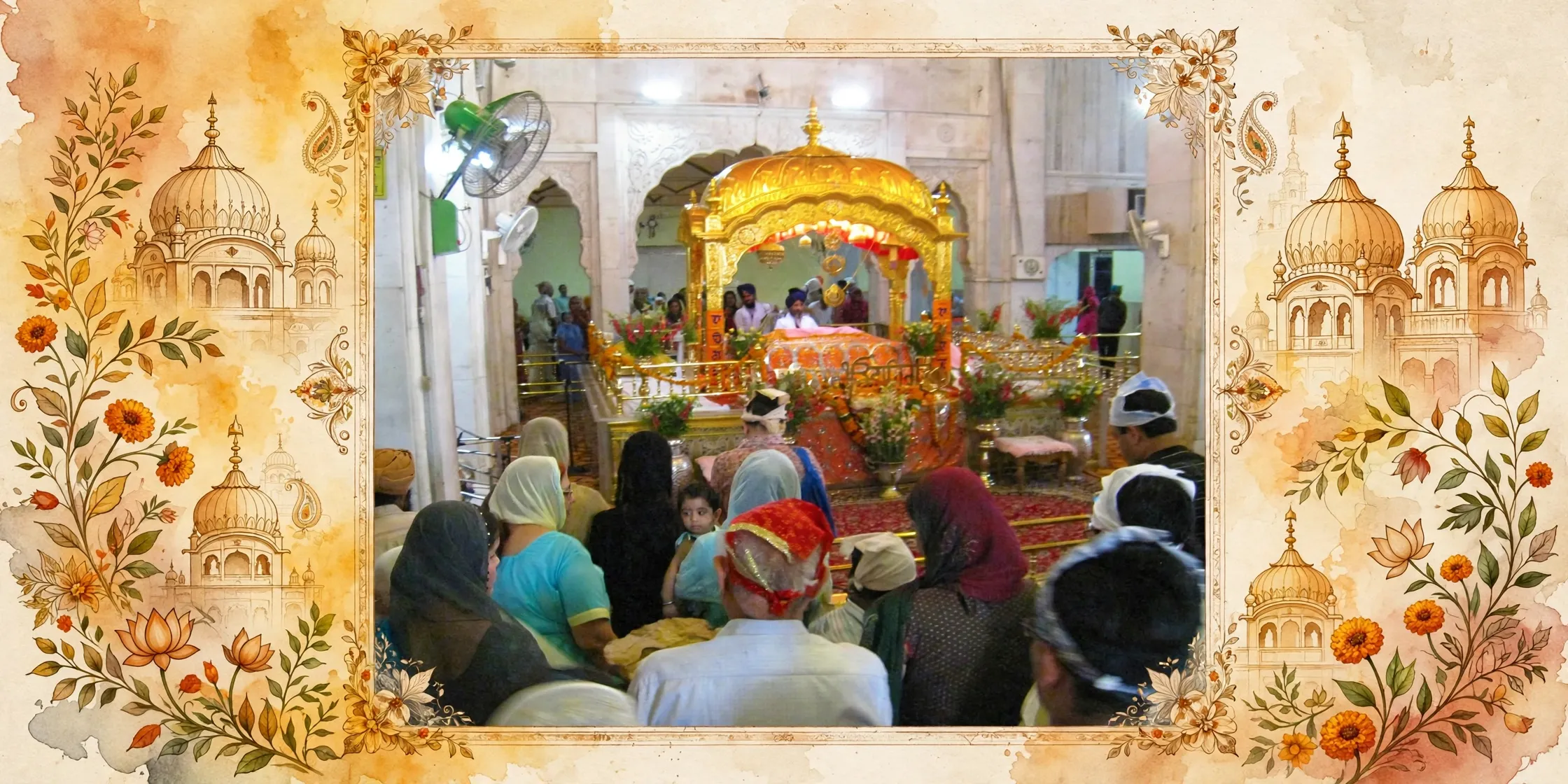
ਗੁਰਦੁਆਰਾ ਸਿੱਖਾਂ ਦੀ ਇਬਾਦਤ ਅਤੇ ਸੰਗਤ ਦੀ ਥਾਂ ਹੈ, ਅਤੇ ਇਸ ਦੇ ਨਾਂ ਦਾ ਅਰਥ ਹੈ ਗੁਰੂ ਦਾ ਦੁਆਰਾ। ਇਸ ਦੇ ਕੇਂਦਰ ਵਿੱਚ ਦਰਬਾਰ ਸਾਹਿਬ ਹੈ, ਉਹ ਹਾਲ ਜਿੱਥੇ ਗੁਰੂ ਗ੍ਰੰਥ ਸਾਹਿਬ ਜੀ ਉੱਚੇ ਤਖ਼ਤ ਉੱਤੇ ਬਿਰਾਜਮਾਨ ਹੁੰਦੇ ਹਨ, ਅਤੇ ਹਰ ਗੁਰਦੁਆਰੇ ਵਿੱਚ ਆਉਣ ਵਾਲੇ ਹਰ ਵਿਅਕਤੀ ਨੂੰ ਮੁਫ਼ਤ ਲੰਗਰ ਛਕਾਇਆ ਜਾਂਦਾ ਹੈ। ਗੁਰਦੁਆਰੇ ਹਰ ਧਰਮ ਦੇ ਲੋਕਾਂ ਲਈ ਖੁੱਲ੍ਹੇ ਹਨ, ਅਤੇ ਸਭ ਤੋਂ ਜਾਣਿਆ ਪਛਾਣਿਆ ਹਰਿਮੰਦਰ ਸਾਹਿਬ, ਅੰਮ੍ਰਿਤਸਰ ਦਾ ਸੁਨਹਿਰੀ ਮੰਦਰ, ਹੈ।
- ਪੰਜਾਬੀ ਨਾਂ
- ਗੁਰਦੁਆਰਾ
- ਅਰਥ
- ਗੁਰੂ ਦਾ ਦੁਆਰਾ (ਗੁਰ + ਦੁਆਰਾ)
- ਹੋਰ ਨਾਮ
- ਗੁਰਦੁਆਰਾ ਸਾਹਿਬ
- ਪਹਿਲਾ ਨਾਂ
- ਧਰਮਸਾਲਾ, ਧਰਮ ਦਾ ਘਰ
- ਪਹਿਲੀ ਧਰਮਸਾਲਾ
- ਕਰਤਾਰਪੁਰ, ਗੁਰੂ ਨਾਨਕ ਦੇਵ ਜੀ ਵੱਲੋਂ ਕਾਇਮ
- ਕੇਂਦਰੀ ਹਾਜ਼ਰੀ
- ਗੁਰੂ ਗ੍ਰੰਥ ਸਾਹਿਬ ਜੀ
All 11 facts
- ਮੁੱਖ ਹਾਲ
- ਦਰਬਾਰ ਸਾਹਿਬ
- ਸਾਂਝੀ ਰਸੋਈ
- ਲੰਗਰ, ਸਭ ਲਈ ਮੁਫ਼ਤ ਖਾਣਾ
- ਝੰਡਾ
- ਨਿਸ਼ਾਨ ਸਾਹਿਬ
- ਸਭ ਲਈ ਖੁੱਲ੍ਹਾ
- ਹਰ ਕੋਈ, ਕਿਸੇ ਵੀ ਧਰਮ ਦਾ ਹੋਵੇ ਜਾਂ ਕਿਸੇ ਦਾ ਵੀ ਨਾ
- ਸਭ ਤੋਂ ਜਾਣਿਆ
- ਹਰਿਮੰਦਰ ਸਾਹਿਬ, ਅੰਮ੍ਰਿਤਸਰ
A gurdwara is the Sikh place of worship and community gathering, and its name means the gateway to the Guru. At its heart is the Darbar Sahib, the hall where Guru Granth Sahib Ji rests on a raised throne, and every gurdwara serves a free meal, langar, to anyone who comes.
What is a gurdwara?
The word comes from gur, the Guru, and dwara, a door or gateway: the gateway through which the Guru can be reached. Sikhs often say Gurdwara Sahib, adding Sahib as a mark of respect. The name fits what the building is. A gurdwara holds no idols, because it is not a temple to a statue or an image: it is the house of the Guru, and the Guru is the holy book itself, Guru Granth Sahib Ji.
The basic condition for a place to be called a gurdwara is the installation of Guru Granth Sahib Ji within it. Everything else follows from that presence. The congregation gathers around the book, the hymns are sung from it, and the community kitchen serves in its name. Sikhism has no priesthood, so no priest stands between the congregation and the Guru. Any member of the congregation may recite, sing and explain the verses, and a granthi is simply a congregant with training in reading the scripture.
Five features mark a gurdwara: the Guru, meaning the book; the ਨਿਸ਼ਾਨ ਸਾਹਿਬ, the tall saffron flag bearing the khanda; the pangat, or langar, the free kitchen; the sangat, the holy congregation; and the golak, the offerings box kept before the Guru. A gurdwara may also have a Sach Khand, the room where the book rests overnight, and rooms where travellers can stay.
How the gurdwara began
In ਗੁਰੂ ਨਾਨਕ ਦੇਵ ਜੀ's time, the Sikh place of worship was called a dharamsala, an abode of righteousness. The janamsakhis tell that wherever Guru Nanak Dev Ji went, he called on his followers to set up dharamsalas and gather in them to repeat God's Name and sing His praise. He set up one himself at Kartarpur Sahib, on the bank of the Ravi, where he settled after his long travels.
The name changed in the time of Guru Hargobind Ji, the sixth Guru. ਗੁਰੂ ਅਰਜਨ ਦੇਵ ਜੀ had compiled the Adi Granth in 1604 and installed the first copy in the Harmandir at Amritsar, and copies of the book were carried to dharamsalas across Punjab and installed there with reverence. The dharamsal that held the Granth came to be called a gurdwara, the Guru's door, and the name became universal after ਗੁਰੂ ਗੋਬਿੰਦ ਸਿੰਘ ਜੀ ਨੇ ended the line of living Gurus in 1708 and installed the book itself as the eternal Guru.
As Sikhs acquired territory in the later 1700s, gurdwaras rose in Sikh settlements and on sites tied to the Gurus' lives, and many historical gurdwaras were endowed with grants of land by Sikh chiefs and nobility. By the early 1900s, a number of gurdwaras in British India were in the hands of hereditary custodians called mahants, and the Gurdwara Reform Movement of the 1920s, a sustained non-violent agitation, won the Sikh Gurdwaras Act of 1925, which placed the major historical shrines under the Shiromani Gurdwara Parbandhak Committee, a body elected by the sangat. Smaller gurdwaras are run by committees chosen by their local congregations.
Inside a gurdwara
Walk into any gurdwara and the layout is easy to read. The main hall is the Darbar Sahib, where the congregation sits on the floor facing the Guru's throne at the front. The throne itself has several parts: the manji sahib, the low bed on which the book rests; the palki sahib, the canopy above it; the chanani, the rich cloth canopy overhead; and the rumalla, the cloth that covers the book when it is not being read. A chaur sahib, a whisk of fine hair, is waved gently over the book as a mark of honour, and the golak stands before the throne for offerings.
Above the building flies the Nishan Sahib, a tall saffron flag bearing the khanda, the emblem of the Khalsa. It is the sign by which a gurdwara can be recognised from a distance. There is no fixed architectural style for a gurdwara. The only requirements are that the book sits under a canopy on a platform raised above the floor where the congregation sits, and that the flag flies above the building. Many modern gurdwaras follow the pattern of ਹਰਿਮੰਦਰ ਸਾਹਿਬ, with square halls, a plinth, entrances on all four sides and a domed sanctum, and historical gurdwaras often have a sarovar, a pool for bathing, beside them.
Beyond the prayer hall, a gurdwara is a working building. The langar hall is where the free meal is cooked and served. Many gurdwaras also have a library, rooms for Gurmukhi and scripture classes, a hall for meetings and weddings, and rooms where travellers can stay the night. Some run a clinic or organise charitable work for the wider neighbourhood.
What happens in a gurdwara?
The day in a gurdwara is built around the book. In the morning the Granth is brought in procession to the Darbar Sahib and opened, and the first hymn read becomes the hukamnama, the day's order. Through the day the congregation gathers for shabad kirtan, the singing of hymns from the Granth, and for paath, the reading of the scripture with explanation. A full reading may run as an Akhand Paath, read without a break over about two days, or a Sadharan Paath, read at a slower pace over a week or more.
The gurdwara is also where the milestones of a Sikh life are kept. The ਅਨੰਦ ਕਾਰਜ, the Sikh marriage ceremony, is held before the Granth, and the rites of Antam Sanskar, the funeral, begin there. Festivals fill the gurdwara through the year: ਵੈਸਾਖੀ, the birthdays of the Gurus, and the martyrdom days. A Nagar Kirtan, the procession of hymn singing through the streets, begins and ends at a gurdwara.
None of this is the work of a priesthood. The congregation itself runs the gurdwara, and its members take turns at every task: reading, singing, cooking, serving, cleaning, waving the chaur. This voluntary service is called seva, and it is counted as worship in its own right. The langar is the clearest expression of it. Volunteers cook and serve a lacto-vegetarian meal to everyone who comes, and everyone sits together on the floor in a single row, the pangat, whatever their background.
How to visit a gurdwara
Anyone may visit a gurdwara, of any faith or none, and there is no charge and no booking. The rules of the visit are simple and are part of the Sikh code of conduct, the Rehat Maryada. Remove your shoes before entering the building; shoe racks are provided. Cover your head; scarves are usually available at the door for visitors who do not have one. Do not carry tobacco or drugs into the gurdwara.
Inside the Darbar Sahib, bow before Guru Granth Sahib Ji if you wish, take a seat on the floor with the congregation, and stay for the kirtan. Men and women often sit on separate sides of the hall, though the division is not a rule and designs vary. You will be offered karah parshad, a sweet of flour and ghee, in cupped hands. After the service, go to the langar hall and sit for the meal. It is free, it is offered to all, and accepting it is part of the visit.
Gurdwaras are generally open all hours of the day, and many keep a morning and an evening service as their fixed points. If you are visiting a large gurdwara, arrive for the morning divan to hear the kirtan at its fullest, and allow time for the langar afterwards.
Gurdwaras around the world
There are gurdwaras wherever Sikhs have settled. In Punjab the great historical gurdwaras draw pilgrims from around the world: Harmandir Sahib at Amritsar, the five Takhts, the shrines of Nankana Sahib and Kartarpur Sahib in Pakistan, and the gurdwaras of Delhi, Patna and Nanded. Beyond India and Pakistan, the diaspora has built gurdwaras that serve as the centre of Sikh life in their cities: in Canada, the United States, Britain and Australia, and across Europe.
Many of these are community gurdwaras, built by local Sikhs to meet the religious and social needs of the congregation, while the historical gurdwaras stand on sites of importance in Sikh history. The distinction matters to a visitor. A community gurdwara will welcome you to its Sunday divan and its langar, while a historical gurdwara will also tell the story of the Guru or the event it marks.
Jugti's guides list the gurdwaras of each country and city in full. ਭਾਰਤ ਦੇ ਗੁਰਦੁਆਰੇ, ਪਾਕਿਸਤਾਨ ਦੇ ਗੁਰਦੁਆਰੇ and ਕੈਨੇਡਾ ਦੇ ਗੁਰਦੁਆਰੇ are good places to start planning a visit, and every historical gurdwara on this site has its own page with its story.
ਗੁਰਦੁਆਰਾ ਸਿੱਖਾਂ ਦੀ ਇਬਾਦਤ ਅਤੇ ਸੰਗਤ ਦੀ ਥਾਂ ਹੈ, ਅਤੇ ਇਸ ਦੇ ਨਾਂ ਦਾ ਅਰਥ ਹੈ ਗੁਰੂ ਦਾ ਦੁਆਰਾ। ਇਸ ਦੇ ਕੇਂਦਰ ਵਿੱਚ ਦਰਬਾਰ ਸਾਹਿਬ ਹੈ, ਉਹ ਹਾਲ ਜਿੱਥੇ ਗੁਰੂ ਗ੍ਰੰਥ ਸਾਹਿਬ ਜੀ ਉੱਚੇ ਤਖ਼ਤ ਉੱਤੇ ਬਿਰਾਜਮਾਨ ਹੁੰਦੇ ਹਨ, ਅਤੇ ਹਰ ਗੁਰਦੁਆਰੇ ਵਿੱਚ ਆਉਣ ਵਾਲੇ ਹਰ ਵਿਅਕਤੀ ਨੂੰ ਮੁਫ਼ਤ ਲੰਗਰ ਛਕਾਇਆ ਜਾਂਦਾ ਹੈ।
ਗੁਰਦੁਆਰਾ ਕੀ ਹੈ?
ਗੁਰਦੁਆਰਾ ਸ਼ਬਦ ਗੁਰ ਅਤੇ ਦੁਆਰਾ ਤੋਂ ਬਣਿਆ ਹੈ: ਗੁਰੂ ਤੱਕ ਪਹੁੰਚਣ ਦਾ ਦੁਆਰਾ। ਸਿੱਖ ਅਕਸਰ ਇਸ ਨੂੰ ਗੁਰਦੁਆਰਾ ਸਾਹਿਬ ਕਹਿੰਦੇ ਹਨ, ਅਤੇ ਸਾਹਿਬ ਸਤਿਕਾਰ ਦਾ ਸ਼ਬਦ ਹੈ। ਇਹ ਨਾਂ ਇਮਾਰਤ ਨੂੰ ਪੂਰੀ ਤਰ੍ਹਾਂ ਢੁੱਕਦਾ ਹੈ। ਗੁਰਦੁਆਰੇ ਵਿੱਚ ਕੋਈ ਮੂਰਤੀ ਨਹੀਂ ਹੁੰਦੀ, ਕਿਉਂਕਿ ਇਹ ਕਿਸੇ ਮੂਰਤੀ ਜਾਂ ਤਸਵੀਰ ਦਾ ਮੰਦਰ ਨਹੀਂ ਹੈ: ਇਹ ਗੁਰੂ ਦਾ ਘਰ ਹੈ, ਅਤੇ ਗੁਰੂ ਖ਼ੁਦ ਪਵਿੱਤਰ ਗ੍ਰੰਥ, ਗੁਰੂ ਗ੍ਰੰਥ ਸਾਹਿਬ ਜੀ, ਹਨ।
ਕਿਸੇ ਥਾਂ ਨੂੰ ਗੁਰਦੁਆਰਾ ਕਹਾਉਣ ਦੀ ਮੂਲ ਸ਼ਰਤ ਇਹ ਹੈ ਕਿ ਉੱਥੇ ਗੁਰੂ ਗ੍ਰੰਥ ਸਾਹਿਬ ਜੀ ਬਿਰਾਜਮਾਨ ਹੋਣ। ਬਾਕੀ ਸਭ ਕੁਝ ਇਸੇ ਹਾਜ਼ਰੀ ਤੋਂ ਪੈਦਾ ਹੁੰਦਾ ਹੈ। ਸੰਗਤ ਗ੍ਰੰਥ ਦੇ ਆਲੇ ਦੁਆਲੇ ਇਕੱਠੀ ਹੁੰਦੀ ਹੈ, ਉਸੇ ਵਿੱਚੋਂ ਕੀਰਤਨ ਗਾਇਆ ਜਾਂਦਾ ਹੈ, ਅਤੇ ਉਸੇ ਦੇ ਨਾਂ ਉੱਤੇ ਲੰਗਰ ਚੱਲਦਾ ਹੈ। ਸਿੱਖੀ ਵਿੱਚ ਕੋਈ ਪੁਜਾਰੀ ਜਮਾਤ ਨਹੀਂ ਹੈ, ਇਸ ਲਈ ਸੰਗਤ ਅਤੇ ਗੁਰੂ ਵਿਚਕਾਰ ਕੋਈ ਵਿਚੋਲਾ ਨਹੀਂ ਹੁੰਦਾ। ਸੰਗਤ ਦਾ ਕੋਈ ਵੀ ਮੈਂਬਰ ਬਾਣੀ ਪੜ੍ਹ ਸਕਦਾ ਹੈ, ਗਾ ਸਕਦਾ ਹੈ ਅਤੇ ਸਮਝਾ ਸਕਦਾ ਹੈ, ਅਤੇ ਗ੍ਰੰਥੀ ਉਹ ਸੰਗਤੀ ਹੁੰਦਾ ਹੈ ਜਿਸ ਨੇ ਗ੍ਰੰਥ ਪੜ੍ਹਨ ਦੀ ਸਿਖਲਾਈ ਲਈ ਹੋਵੇ।
ਗੁਰਦੁਆਰੇ ਦੀਆਂ ਪੰਜ ਮੂਲ ਨਿਸ਼ਾਨੀਆਂ ਹਨ: ਗੁਰੂ, ਅਰਥਾਤ ਗ੍ਰੰਥ; ਨਿਸ਼ਾਨ ਸਾਹਿਬ, ਖੰਡੇ ਵਾਲਾ ਉੱਚਾ ਕੇਸਰੀ ਝੰਡਾ; ਪੰਗਤ ਜਾਂ ਲੰਗਰ, ਮੁਫ਼ਤ ਰਸੋਈ; ਸੰਗਤ, ਪਵਿੱਤਰ ਇਕੱਠ; ਅਤੇ ਗੋਲਕ, ਗੁਰੂ ਅੱਗੇ ਰੱਖੀ ਦਾਨ ਦੀ ਪੇਟੀ। ਗੁਰਦੁਆਰੇ ਵਿੱਚ ਸੱਚਖੰਡ ਵੀ ਹੁੰਦਾ ਹੈ, ਉਹ ਕਮਰਾ ਜਿੱਥੇ ਗ੍ਰੰਥ ਰਾਤ ਨੂੰ ਬਿਰਾਜਦਾ ਹੈ, ਅਤੇ ਯਾਤਰੀਆਂ ਦੇ ਠਹਿਰਨ ਲਈ ਕਮਰੇ ਵੀ ਹੁੰਦੇ ਹਨ।
ਗੁਰਦੁਆਰਾ ਕਿਵੇਂ ਸ਼ੁਰੂ ਹੋਇਆ?
ਗੁਰੂ ਨਾਨਕ ਦੇਵ ਜੀ ਦੇ ਸਮੇਂ ਵਿੱਚ ਸਿੱਖਾਂ ਦੀ ਇਬਾਦਤ ਦੀ ਥਾਂ ਨੂੰ ਧਰਮਸਾਲਾ ਕਿਹਾ ਜਾਂਦਾ ਸੀ, ਅਰਥਾਤ ਧਰਮ ਦਾ ਘਰ। ਜਨਮਸਾਖੀਆਂ ਦੱਸਦੀਆਂ ਹਨ ਕਿ ਗੁਰੂ ਨਾਨਕ ਦੇਵ ਜੀ ਜਿੱਥੇ ਵੀ ਜਾਂਦੇ, ਉੱਥੇ ਆਪਣੇ ਸਿੱਖਾਂ ਨੂੰ ਧਰਮਸਾਲੇ ਕਾਇਮ ਕਰਨ ਅਤੇ ਉਨ੍ਹਾਂ ਵਿੱਚ ਇਕੱਠੇ ਹੋ ਕੇ ਰੱਬ ਦਾ ਨਾਂ ਜਪਣ ਅਤੇ ਉਸ ਦੀ ਮਹਿਮਾ ਗਾਉਣ ਲਈ ਕਹਿੰਦੇ। ਉਨ੍ਹਾਂ ਨੇ ਆਪ ਕਰਤਾਰਪੁਰ ਸਾਹਿਬ ਵਿੱਚ, ਰਾਵੀ ਦੇ ਕੰਢੇ, ਇੱਕ ਧਰਮਸਾਲਾ ਕਾਇਮ ਕੀਤਾ ਸੀ, ਜਿੱਥੇ ਉਹ ਆਪਣੀਆਂ ਲੰਬੀਆਂ ਯਾਤਰਾਵਾਂ ਤੋਂ ਬਾਅਦ ਵੱਸ ਗਏ ਸਨ।
ਗੁਰਦੁਆਰਾ ਸ਼ਬਦ ਛੇਵੇਂ ਗੁਰੂ, ਗੁਰੂ ਹਰਗੋਬਿੰਦ ਜੀ, ਦੇ ਸਮੇਂ ਵਿੱਚ ਚੱਲਣ ਲੱਗਾ। ਗੁਰੂ ਅਰਜਨ ਦੇਵ ਜੀ ਨੇ 1604 ਵਿੱਚ ਆਦਿ ਗ੍ਰੰਥ ਤਿਆਰ ਕੀਤਾ ਸੀ ਅਤੇ ਇਸ ਦੀ ਪਹਿਲੀ ਪੋਥੀ ਅੰਮ੍ਰਿਤਸਰ ਦੇ ਹਰਿਮੰਦਰ ਵਿੱਚ ਸਥਾਪਿਤ ਕੀਤੀ ਸੀ। ਗ੍ਰੰਥ ਦੀਆਂ ਨਕਲਾਂ ਪੰਜਾਬ ਭਰ ਦੀਆਂ ਧਰਮਸਾਲਾਵਾਂ ਵਿੱਚ ਲਿਜਾ ਕੇ ਸਤਿਕਾਰ ਨਾਲ ਸਥਾਪਿਤ ਕੀਤੀਆਂ ਗਈਆਂ। ਜਿਸ ਧਰਮਸਾਲੇ ਵਿੱਚ ਗ੍ਰੰਥ ਬਿਰਾਜਦਾ ਸੀ, ਉਹ ਗੁਰਦੁਆਰਾ, ਅਰਥਾਤ ਗੁਰੂ ਦਾ ਦੁਆਰਾ, ਕਹਾਉਣ ਲੱਗਾ। ਇਹ ਨਾਂ ਉਸ ਵੇਲੇ ਸਰਬ-ਵਿਆਪੀ ਹੋ ਗਿਆ, ਜਦੋਂ ਗੁਰੂ ਗੋਬਿੰਦ ਸਿੰਘ ਜੀ ਨੇ 1708 ਵਿੱਚ ਜੀਵਤ ਗੁਰੂਆਂ ਦੀ ਲੜੀ ਸਮਾਪਤ ਕਰ ਕੇ ਗ੍ਰੰਥ ਨੂੰ ਹੀ ਸਦਾ ਦਾ ਗੁਰੂ ਥਾਪ ਦਿੱਤਾ।
ਅਠਾਰਵੀਂ ਸਦੀ ਦੇ ਦੂਜੇ ਅੱਧ ਵਿੱਚ, ਜਦੋਂ ਸਿੱਖਾਂ ਨੇ ਇਲਾਕੇ ਹਾਸਲ ਕੀਤੇ, ਤਾਂ ਸਿੱਖ ਬਸਤੀਆਂ ਵਿੱਚ ਅਤੇ ਗੁਰੂਆਂ ਦੇ ਜੀਵਨ ਨਾਲ ਜੁੜੀਆਂ ਥਾਵਾਂ ਉੱਤੇ ਗੁਰਦੁਆਰੇ ਬਣਨ ਲੱਗੇ। ਸਿੱਖ ਸਰਦਾਰਾਂ ਅਤੇ ਅਮੀਰਾਂ ਨੇ ਬਹੁਤ ਸਾਰੇ ਇਤਿਹਾਸਕ ਗੁਰਦੁਆਰਿਆਂ ਨੂੰ ਜ਼ਮੀਨਾਂ ਦਾਨ ਕੀਤੀਆਂ। ਵੀਹਵੀਂ ਸਦੀ ਦੇ ਸ਼ੁਰੂ ਵਿੱਚ, ਬ੍ਰਿਟਿਸ਼ ਭਾਰਤ ਦੇ ਕਈ ਗੁਰਦੁਆਰੇ ਮਹੰਤਾਂ, ਅਰਥਾਤ ਵਿਰਸੇ ਵਿੱਚ ਮਿਲੇ ਸੰਭਾਲਕਾਂ, ਦੇ ਕਬਜ਼ੇ ਵਿੱਚ ਸਨ। 1920 ਦੇ ਦਹਾਕੇ ਦੇ ਗੁਰਦੁਆਰਾ ਸੁਧਾਰ ਲਹਿਰ ਨੇ, ਜੋ ਇੱਕ ਲੰਬਾ ਅਹਿੰਸਕ ਸੰਘਰਸ਼ ਸੀ, 1925 ਦਾ ਸਿੱਖ ਗੁਰਦੁਆਰਾ ਐਕਟ ਹਾਸਲ ਕੀਤਾ, ਜਿਸ ਨਾਲ ਵੱਡੇ ਇਤਿਹਾਸਕ ਅਸਥਾਨ ਸ਼੍ਰੋਮਣੀ ਗੁਰਦੁਆਰਾ ਪ੍ਰਬੰਧਕ ਕਮੇਟੀ ਦੇ ਪ੍ਰਬੰਧ ਹੇਠ ਆ ਗਏ, ਜੋ ਸੰਗਤ ਵੱਲੋਂ ਚੁਣੀ ਜਾਂਦੀ ਹੈ। ਛੋਟੇ ਗੁਰਦੁਆਰੇ ਆਪਣੀਆਂ ਸਥਾਨਕ ਸੰਗਤਾਂ ਵੱਲੋਂ ਚੁਣੀਆਂ ਕਮੇਟੀਆਂ ਚਲਾਉਂਦੀਆਂ ਹਨ।
ਗੁਰਦੁਆਰੇ ਦੇ ਅੰਦਰ
ਕਿਸੇ ਵੀ ਗੁਰਦੁਆਰੇ ਵਿੱਚ ਦਾਖ਼ਲ ਹੋਵੋ, ਤਾਂ ਉਸ ਦੀ ਬਣਤਰ ਸਹਿਜੇ ਹੀ ਸਮਝ ਆ ਜਾਂਦੀ ਹੈ। ਮੁੱਖ ਹਾਲ ਦਰਬਾਰ ਸਾਹਿਬ ਹੈ, ਜਿੱਥੇ ਸੰਗਤ ਫ਼ਰਸ਼ ਉੱਤੇ ਬੈਠਦੀ ਹੈ ਅਤੇ ਸਾਹਮਣੇ ਗੁਰੂ ਦਾ ਤਖ਼ਤ ਹੁੰਦਾ ਹੈ। ਤਖ਼ਤ ਦੇ ਕਈ ਹਿੱਸੇ ਹੁੰਦੇ ਹਨ: ਮੰਜੀ ਸਾਹਿਬ, ਉਹ ਛੋਟਾ ਪਲੰਘ ਜਿਸ ਉੱਤੇ ਗ੍ਰੰਥ ਬਿਰਾਜਦਾ ਹੈ; ਪਾਲਕੀ ਸਾਹਿਬ, ਉਸ ਉੱਤੇ ਛੱਤਰੀ; ਚੰਨਣੀ, ਉੱਤੋਂ ਲਟਕਦਾ ਸੋਹਣਾ ਕੱਪੜਾ; ਅਤੇ ਰੁਮਾਲਾ, ਉਹ ਕੱਪੜਾ ਜਿਸ ਨਾਲ ਗ੍ਰੰਥ ਨੂੰ ਢੱਕਿਆ ਜਾਂਦਾ ਹੈ ਜਦੋਂ ਉਸ ਦੀ ਪੜ੍ਹਾਈ ਨਾ ਹੋ ਰਹੀ ਹੋਵੇ। ਗ੍ਰੰਥ ਉੱਤੇ ਸਤਿਕਾਰ ਵਜੋਂ ਚੌਰ ਸਾਹਿਬ ਫੇਰਿਆ ਜਾਂਦਾ ਹੈ, ਅਤੇ ਤਖ਼ਤ ਅੱਗੇ ਗੋਲਕ ਰੱਖੀ ਹੁੰਦੀ ਹੈ।
ਇਮਾਰਤ ਉੱਤੇ ਨਿਸ਼ਾਨ ਸਾਹਿਬ ਲਹਿਰਾਉਂਦਾ ਹੈ, ਖੰਡੇ ਵਾਲਾ ਉੱਚਾ ਕੇਸਰੀ ਝੰਡਾ। ਇਸੇ ਤੋਂ ਦੂਰੋਂ ਪਤਾ ਲੱਗ ਜਾਂਦਾ ਹੈ ਕਿ ਇਹ ਗੁਰਦੁਆਰਾ ਹੈ। ਗੁਰਦੁਆਰੇ ਦੀ ਕੋਈ ਇੱਕ ਨਿਸ਼ਚਿਤ ਇਮਾਰਤੀ ਸ਼ੈਲੀ ਨਹੀਂ ਹੈ। ਸਿਰਫ਼ ਦੋ ਸ਼ਰਤਾਂ ਹਨ: ਗ੍ਰੰਥ ਛੱਤਰੀ ਹੇਠਾਂ, ਸੰਗਤ ਦੇ ਬੈਠਣ ਵਾਲੇ ਫ਼ਰਸ਼ ਤੋਂ ਉੱਚੇ ਚਬੂਤਰੇ ਉੱਤੇ ਬਿਰਾਜੇ, ਅਤੇ ਝੰਡਾ ਇਮਾਰਤ ਉੱਤੇ ਲਹਿਰਾਵੇ। ਬਹੁਤ ਸਾਰੇ ਨਵੇਂ ਗੁਰਦੁਆਰੇ ਹਰਿਮੰਦਰ ਸਾਹਿਬ ਦੀ ਸ਼ੈਲੀ ਵਿੱਚ ਬਣਦੇ ਹਨ: ਚੌਕੋਰ ਹਾਲ, ਉੱਚਾ ਚਬੂਤਰਾ, ਚਾਰੇ ਪਾਸੇ ਦਰਵਾਜ਼ੇ ਅਤੇ ਗੁੰਬਦ ਵਾਲਾ ਗਰਭ-ਗ੍ਰਹਿ। ਇਤਿਹਾਸਕ ਗੁਰਦੁਆਰਿਆਂ ਕੋਲ ਅਕਸਰ ਇਸ਼ਨਾਨ ਲਈ ਸਰੋਵਰ ਵੀ ਹੁੰਦਾ ਹੈ।
ਪ੍ਰਾਰਥਨਾ ਹਾਲ ਤੋਂ ਪਰੇ, ਗੁਰਦੁਆਰਾ ਇੱਕ ਕੰਮ ਕਰਦੀ ਇਮਾਰਤ ਹੈ। ਲੰਗਰ ਹਾਲ ਵਿੱਚ ਮੁਫ਼ਤ ਖਾਣਾ ਪਕਾਇਆ ਅਤੇ ਛਕਾਇਆ ਜਾਂਦਾ ਹੈ। ਬਹੁਤ ਸਾਰੇ ਗੁਰਦੁਆਰਿਆਂ ਵਿੱਚ ਲਾਇਬ੍ਰੇਰੀ, ਗੁਰਮੁਖੀ ਅਤੇ ਗੁਰਬਾਣੀ ਦੀਆਂ ਕਲਾਸਾਂ ਲਈ ਕਮਰੇ, ਵਿਆਹਾਂ ਅਤੇ ਮੀਟਿੰਗਾਂ ਲਈ ਹਾਲ, ਅਤੇ ਯਾਤਰੀਆਂ ਦੇ ਰਾਤ ਠਹਿਰਨ ਲਈ ਕਮਰੇ ਹੁੰਦੇ ਹਨ। ਕੁਝ ਗੁਰਦੁਆਰੇ ਕਲੀਨਿਕ ਚਲਾਉਂਦੇ ਹਨ ਜਾਂ ਆਲੇ ਦੁਆਲੇ ਦੇ ਲੋਕਾਂ ਲਈ ਭਲਾਈ ਦੇ ਕੰਮ ਕਰਦੇ ਹਨ।
ਗੁਰਦੁਆਰੇ ਵਿੱਚ ਕੀ ਹੁੰਦਾ ਹੈ?
ਗੁਰਦੁਆਰੇ ਦਾ ਦਿਨ ਗ੍ਰੰਥ ਦੇ ਆਲੇ ਦੁਆਲੇ ਬਣਿਆ ਹੁੰਦਾ ਹੈ। ਸਵੇਰੇ ਗ੍ਰੰਥ ਨੂੰ ਜਲੂਸ ਦੀ ਸ਼ਕਲ ਵਿੱਚ ਦਰਬਾਰ ਸਾਹਿਬ ਵਿੱਚ ਲਿਆਂਦਾ ਜਾਂਦਾ ਹੈ ਅਤੇ ਖੋਲ੍ਹਿਆ ਜਾਂਦਾ ਹੈ, ਅਤੇ ਪਹਿਲਾ ਪੜ੍ਹਿਆ ਗਿਆ ਸ਼ਬਦ ਉਸ ਦਿਨ ਦਾ ਹੁਕਮਨਾਮਾ ਬਣ ਜਾਂਦਾ ਹੈ। ਦਿਨ ਭਰ ਸੰਗਤ ਸ਼ਬਦ ਕੀਰਤਨ ਲਈ ਇਕੱਠੀ ਹੁੰਦੀ ਹੈ, ਅਰਥਾਤ ਗ੍ਰੰਥ ਵਿੱਚੋਂ ਸ਼ਬਦ ਗਾਉਣ ਲਈ, ਅਤੇ ਪਾਠ ਲਈ, ਅਰਥਾਤ ਗੁਰਬਾਣੀ ਪੜ੍ਹਨ ਅਤੇ ਸਮਝਾਉਣ ਲਈ। ਪੂਰਾ ਪਾਠ ਅਖੰਡ ਪਾਠ ਵਜੋਂ ਕੀਤਾ ਜਾ ਸਕਦਾ ਹੈ, ਜੋ ਲਗਭਗ ਦੋ ਦਿਨਾਂ ਵਿੱਚ ਬਿਨਾਂ ਰੁਕੇ ਪੂਰਾ ਹੁੰਦਾ ਹੈ, ਜਾਂ ਸਾਧਾਰਨ ਪਾਠ ਵਜੋਂ, ਜੋ ਹੌਲੀ ਗਤੀ ਨਾਲ ਇੱਕ ਹਫ਼ਤੇ ਜਾਂ ਵੱਧ ਸਮੇਂ ਵਿੱਚ ਪੂਰਾ ਹੁੰਦਾ ਹੈ।
ਗੁਰਦੁਆਰਾ ਉਹ ਥਾਂ ਵੀ ਹੈ, ਜਿੱਥੇ ਸਿੱਖ ਜੀਵਨ ਦੇ ਵੱਡੇ ਮੌਕੇ ਮਨਾਏ ਜਾਂਦੇ ਹਨ। ਅਨੰਦ ਕਾਰਜ, ਸਿੱਖ ਵਿਆਹ ਦੀ ਰਸਮ, ਗ੍ਰੰਥ ਅੱਗੇ ਹੁੰਦੀ ਹੈ, ਅਤੇ ਅੰਤਿਮ ਸੰਸਕਾਰ ਦੀਆਂ ਰਸਮਾਂ ਉੱਥੋਂ ਸ਼ੁਰੂ ਹੁੰਦੀਆਂ ਹਨ। ਸਾਲ ਭਰ ਤਿਉਹਾਰ ਗੁਰਦੁਆਰੇ ਨੂੰ ਭਰ ਦਿੰਦੇ ਹਨ: ਵਿਸਾਖੀ, ਗੁਰੂਆਂ ਦੇ ਜਨਮ ਦਿਹਾੜੇ, ਅਤੇ ਸ਼ਹੀਦੀ ਦਿਹਾੜੇ। ਨਗਰ ਕੀਰਤਨ, ਸੜਕਾਂ ਉੱਤੇ ਕੀਰਤਨ ਗਾਉਂਦਾ ਜਲੂਸ, ਗੁਰਦੁਆਰੇ ਤੋਂ ਸ਼ੁਰੂ ਹੋ ਕੇ ਗੁਰਦੁਆਰੇ ਉੱਤੇ ਹੀ ਸਮਾਪਤ ਹੁੰਦਾ ਹੈ।
ਇਹ ਸਭ ਕਿਸੇ ਪੁਜਾਰੀ ਜਮਾਤ ਦਾ ਕੰਮ ਨਹੀਂ ਹੈ। ਸੰਗਤ ਖ਼ੁਦ ਗੁਰਦੁਆਰਾ ਚਲਾਉਂਦੀ ਹੈ, ਅਤੇ ਉਸ ਦੇ ਮੈਂਬਰ ਹਰ ਕੰਮ ਵਿੱਚ ਵਾਰੀ ਵਾਰੀ ਹਿੱਸਾ ਲੈਂਦੇ ਹਨ: ਪੜ੍ਹਨਾ, ਗਾਉਣਾ, ਪਕਾਉਣਾ, ਵਰਤਾਉਣਾ, ਸਫ਼ਾਈ ਕਰਨਾ, ਚੌਰ ਫੇਰਨਾ। ਇਸ ਮੁਫ਼ਤ ਸੇਵਾ ਨੂੰ ਸੇਵਾ ਕਿਹਾ ਜਾਂਦਾ ਹੈ, ਅਤੇ ਇਹ ਆਪਣੇ ਆਪ ਵਿੱਚ ਇਬਾਦਤ ਮੰਨੀ ਜਾਂਦੀ ਹੈ। ਲੰਗਰ ਇਸ ਦੀ ਸਭ ਤੋਂ ਸਾਫ਼ ਮਿਸਾਲ ਹੈ। ਸੇਵਾਦਾਰ ਆਉਣ ਵਾਲੇ ਹਰ ਵਿਅਕਤੀ ਨੂੰ ਸ਼ਾਕਾਹਾਰੀ ਖਾਣਾ ਪਕਾ ਕੇ ਵਰਤਾਉਂਦੇ ਹਨ, ਅਤੇ ਸਾਰੇ ਲੋਕ ਫ਼ਰਸ਼ ਉੱਤੇ ਇੱਕ ਹੀ ਕਤਾਰ, ਪੰਗਤ, ਵਿੱਚ ਬੈਠ ਕੇ ਛਕਦੇ ਹਨ, ਭਾਵੇਂ ਉਨ੍ਹਾਂ ਦੀ ਪਿਛੋਕੜ ਕੋਈ ਵੀ ਹੋਵੇ।
ਗੁਰਦੁਆਰੇ ਦੇ ਦਰਸ਼ਨ ਕਿਵੇਂ ਕਰੀਏ?
ਕੋਈ ਵੀ ਵਿਅਕਤੀ ਗੁਰਦੁਆਰੇ ਜਾ ਸਕਦਾ ਹੈ, ਕਿਸੇ ਵੀ ਧਰਮ ਦਾ ਹੋਵੇ ਜਾਂ ਕਿਸੇ ਦਾ ਵੀ ਨਾ। ਇਸ ਲਈ ਕੋਈ ਫ਼ੀਸ ਨਹੀਂ ਹੈ ਅਤੇ ਕੋਈ ਬੁਕਿੰਗ ਨਹੀਂ ਚਾਹੀਦੀ। ਦਰਸ਼ਨ ਦੇ ਨਿਯਮ ਸਾਦੇ ਹਨ ਅਤੇ ਸਿੱਖ ਰਹਿਤ ਮਰਯਾਦਾ ਦਾ ਹਿੱਸਾ ਹਨ। ਇਮਾਰਤ ਵਿੱਚ ਦਾਖ਼ਲ ਹੋਣ ਤੋਂ ਪਹਿਲਾਂ ਜੁੱਤੇ ਉਤਾਰ ਦਿਓ; ਜੁੱਤੇ ਰੱਖਣ ਲਈ ਥਾਂ ਹੁੰਦੀ ਹੈ। ਸਿਰ ਢੱਕੋ; ਜਿਨ੍ਹਾਂ ਕੋਲ ਰੁਮਾਲ ਨਾ ਹੋਵੇ, ਉਨ੍ਹਾਂ ਲਈ ਦਰਵਾਜ਼ੇ ਉੱਤੇ ਰੁਮਾਲ ਮਿਲ ਜਾਂਦੇ ਹਨ। ਗੁਰਦੁਆਰੇ ਵਿੱਚ ਤੰਬਾਕੂ ਜਾਂ ਨਸ਼ਾ ਨਾ ਲੈ ਕੇ ਜਾਓ।
ਦਰਬਾਰ ਸਾਹਿਬ ਦੇ ਅੰਦਰ, ਜੇ ਚਾਹੋ ਤਾਂ ਗੁਰੂ ਗ੍ਰੰਥ ਸਾਹਿਬ ਜੀ ਅੱਗੇ ਮੱਥਾ ਟੇਕੋ, ਫ਼ਰਸ਼ ਉੱਤੇ ਸੰਗਤ ਨਾਲ ਬੈਠੋ, ਅਤੇ ਕੀਰਤਨ ਸੁਣੋ। ਆਦਮੀ ਅਤੇ ਔਰਤਾਂ ਅਕਸਰ ਹਾਲ ਦੇ ਵੱਖਰੇ ਪਾਸਿਆਂ ਉੱਤੇ ਬੈਠਦੇ ਹਨ, ਹਾਲਾਂਕਿ ਇਹ ਕੋਈ ਸਖ਼ਤ ਨਿਯਮ ਨਹੀਂ ਹੈ ਅਤੇ ਬਣਤਰ ਅਨੁਸਾਰ ਬਦਲਦਾ ਹੈ। ਤੁਹਾਨੂੰ ਕੜਾਹ ਪ੍ਰਸ਼ਾਦ ਮਿਲੇਗਾ, ਆਟੇ ਅਤੇ ਘਿਓ ਦੀ ਮਿੱਠੀ ਪਿੰਨੀ, ਜੋ ਹੱਥਾਂ ਦੀ ਓਕ ਵਿੱਚ ਦਿੱਤੀ ਜਾਂਦੀ ਹੈ। ਸੇਵਾ ਤੋਂ ਬਾਅਦ ਲੰਗਰ ਹਾਲ ਵਿੱਚ ਜਾਓ ਅਤੇ ਖਾਣਾ ਛਕੋ। ਇਹ ਮੁਫ਼ਤ ਹੈ, ਸਭ ਨੂੰ ਦਿੱਤਾ ਜਾਂਦਾ ਹੈ, ਅਤੇ ਇਸ ਨੂੰ ਛਕਣਾ ਦਰਸ਼ਨ ਦਾ ਹਿੱਸਾ ਹੈ।
ਗੁਰਦੁਆਰੇ ਆਮ ਤੌਰ ਉੱਤੇ ਦਿਨ ਭਰ ਖੁੱਲ੍ਹੇ ਰਹਿੰਦੇ ਹਨ, ਅਤੇ ਸਵੇਰ ਅਤੇ ਸ਼ਾਮ ਦੀ ਸੇਵਾ ਉਨ੍ਹਾਂ ਦੇ ਨਿਸ਼ਚਿਤ ਸਮੇਂ ਹੁੰਦੇ ਹਨ। ਜੇ ਤੁਸੀਂ ਕਿਸੇ ਵੱਡੇ ਗੁਰਦੁਆਰੇ ਜਾ ਰਹੇ ਹੋ, ਤਾਂ ਸਵੇਰ ਦੇ ਦੀਵਾਨ ਵਿੱਚ ਪਹੁੰਚੋ, ਜਦੋਂ ਕੀਰਤਨ ਪੂਰੇ ਜੋਰਾਂ ਉੱਤੇ ਹੁੰਦਾ ਹੈ, ਅਤੇ ਬਾਅਦ ਵਿੱਚ ਲੰਗਰ ਲਈ ਸਮਾਂ ਰੱਖੋ।
ਦੁਨੀਆ ਭਰ ਦੇ ਗੁਰਦੁਆਰੇ
ਜਿੱਥੇ ਵੀ ਸਿੱਖ ਵੱਸੇ ਹਨ, ਉੱਥੇ ਗੁਰਦੁਆਰੇ ਹਨ। ਪੰਜਾਬ ਵਿੱਚ ਵੱਡੇ ਇਤਿਹਾਸਕ ਗੁਰਦੁਆਰੇ ਦੁਨੀਆ ਭਰ ਦੇ ਯਾਤਰੀਆਂ ਨੂੰ ਖਿੱਚਦੇ ਹਨ: ਅੰਮ੍ਰਿਤਸਰ ਦਾ ਹਰਿਮੰਦਰ ਸਾਹਿਬ, ਪੰਜ ਤਖ਼ਤ, ਪਾਕਿਸਤਾਨ ਦੇ ਨਨਕਾਣਾ ਸਾਹਿਬ ਅਤੇ ਕਰਤਾਰਪੁਰ ਸਾਹਿਬ, ਅਤੇ ਦਿੱਲੀ, ਪਟਨਾ ਅਤੇ ਨਾਂਦੇੜ ਦੇ ਗੁਰਦੁਆਰੇ। ਭਾਰਤ ਅਤੇ ਪਾਕਿਸਤਾਨ ਤੋਂ ਪਰੇ, ਪਰਵਾਸੀ ਸਿੱਖਾਂ ਨੇ ਆਪਣੇ ਸ਼ਹਿਰਾਂ ਵਿੱਚ ਗੁਰਦੁਆਰੇ ਬਣਾਏ ਹਨ, ਜੋ ਉੱਥੇ ਸਿੱਖ ਜੀਵਨ ਦਾ ਕੇਂਦਰ ਹਨ: ਕੈਨੇਡਾ, ਅਮਰੀਕਾ, ਬਰਤਾਨੀਆ ਅਤੇ ਆਸਟਰੇਲੀਆ ਵਿੱਚ, ਅਤੇ ਪੂਰੇ ਯੂਰਪ ਵਿੱਚ।
ਇਨ੍ਹਾਂ ਵਿੱਚੋਂ ਬਹੁਤ ਸਾਰੇ ਸੰਗਤ ਦੇ ਗੁਰਦੁਆਰੇ ਹਨ, ਜੋ ਸਥਾਨਕ ਸਿੱਖਾਂ ਨੇ ਸੰਗਤ ਦੀਆਂ ਧਾਰਮਿਕ ਅਤੇ ਸਮਾਜਿਕ ਲੋੜਾਂ ਲਈ ਬਣਾਏ ਹਨ, ਜਦੋਂ ਕਿ ਇਤਿਹਾਸਕ ਗੁਰਦੁਆਰੇ ਸਿੱਖ ਇਤਿਹਾਸ ਵਿੱਚ ਮਹੱਤਵ ਵਾਲੀਆਂ ਥਾਵਾਂ ਉੱਤੇ ਖੜ੍ਹੇ ਹਨ। ਇਹ ਫ਼ਰਕ ਯਾਤਰੀ ਲਈ ਮਹੱਤਵਪੂਰਨ ਹੈ। ਸੰਗਤ ਦਾ ਗੁਰਦੁਆਰਾ ਤੁਹਾਨੂੰ ਆਪਣੇ ਐਤਵਾਰ ਦੇ ਦੀਵਾਨ ਅਤੇ ਲੰਗਰ ਵਿੱਚ ਸ਼ਾਮਲ ਹੋਣ ਲਈ ਸੱਦੇਗਾ, ਜਦੋਂ ਕਿ ਇਤਿਹਾਸਕ ਗੁਰਦੁਆਰਾ ਉਸ ਗੁਰੂ ਜਾਂ ਘਟਨਾ ਦੀ ਕਹਾਣੀ ਵੀ ਸੁਣਾਏਗਾ, ਜਿਸ ਦੀ ਉਹ ਨਿਸ਼ਾਨੀ ਹੈ।
ਜੁਗਤੀ ਦੀਆਂ ਗਾਈਡਾਂ ਹਰ ਦੇਸ਼ ਅਤੇ ਸ਼ਹਿਰ ਦੇ ਗੁਰਦੁਆਰਿਆਂ ਦੀ ਪੂਰੀ ਸੂਚੀ ਦਿੰਦੀਆਂ ਹਨ। ਭਾਰਤ ਦੇ ਗੁਰਦੁਆਰੇ, ਪਾਕਿਸਤਾਨ ਦੇ ਗੁਰਦੁਆਰੇ ਅਤੇ ਕੈਨੇਡਾ ਦੇ ਗੁਰਦੁਆਰੇ ਦਰਸ਼ਨ ਦੀ ਯੋਜਨਾ ਬਣਾਉਣ ਲਈ ਚੰਗੀ ਸ਼ੁਰੂਆਤ ਹਨ, ਅਤੇ ਇਸ ਸਾਈਟ ਉੱਤੇ ਹਰ ਇਤਿਹਾਸਕ ਗੁਰਦੁਆਰੇ ਦਾ ਆਪਣਾ ਪੰਨਾ ਹੈ, ਜਿਸ ਵਿੱਚ ਉਸ ਦੀ ਕਹਾਣੀ ਹੈ।
Gurdwara ਖ਼ਬਰਾਂ ਵਿੱਚ
 ਭਾਰਤ ਨੇ ਗੁਰਦੁਆਰਿਆਂ ’ਤੇ ਹਮਲਿਆਂ ਬਾਰੇ USCIRF ਦੀਆਂ ਟਿੱਪਣੀਆਂ ਰੱਦ ਕੀਤੀਆਂਭਾਰਤ ਨੇ ਗੁਰਦੁਆਰਿਆਂ ’ਤੇ ਹਮਲਿਆਂ ਬਾਰੇ USCIRF ਦੀਆਂ ਟਿੱਪਣੀਆਂ ਰੱਦ ਕੀਤੀਆਂ
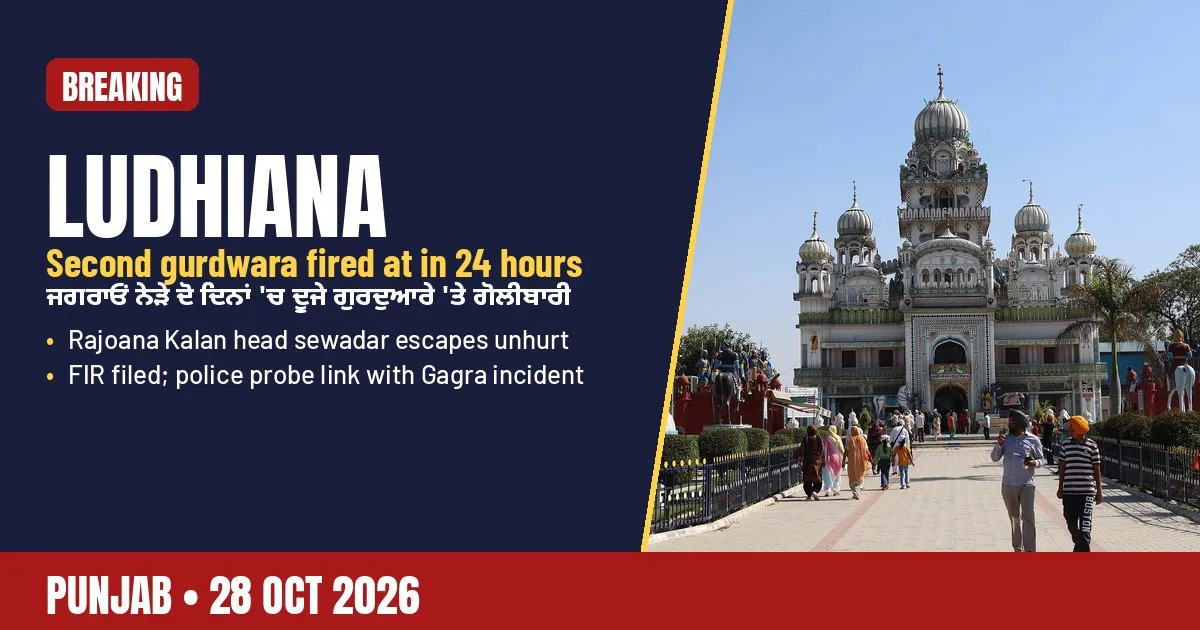 ਜਗਰਾਉਂ ਨੇੜੇ 24 ਘੰਟਿਆਂ ਵਿੱਚ ਦੂਜੇ ਗੁਰਦੁਆਰੇ 'ਤੇ ਗੋਲੀਬਾਰੀ; ਮੁੱਖ ਸੇਵਾਦਾਰ ਸੁਰੱਖਿਅਤਜਗਰਾਉਂ ਨੇੜੇ 24 ਘੰਟਿਆਂ ਵਿੱਚ ਦੂਜੇ ਗੁਰਦੁਆਰੇ 'ਤੇ ਗੋਲੀਬਾਰੀ; ਮੁੱਖ ਸੇਵਾਦਾਰ ਸੁਰੱਖਿਅਤ
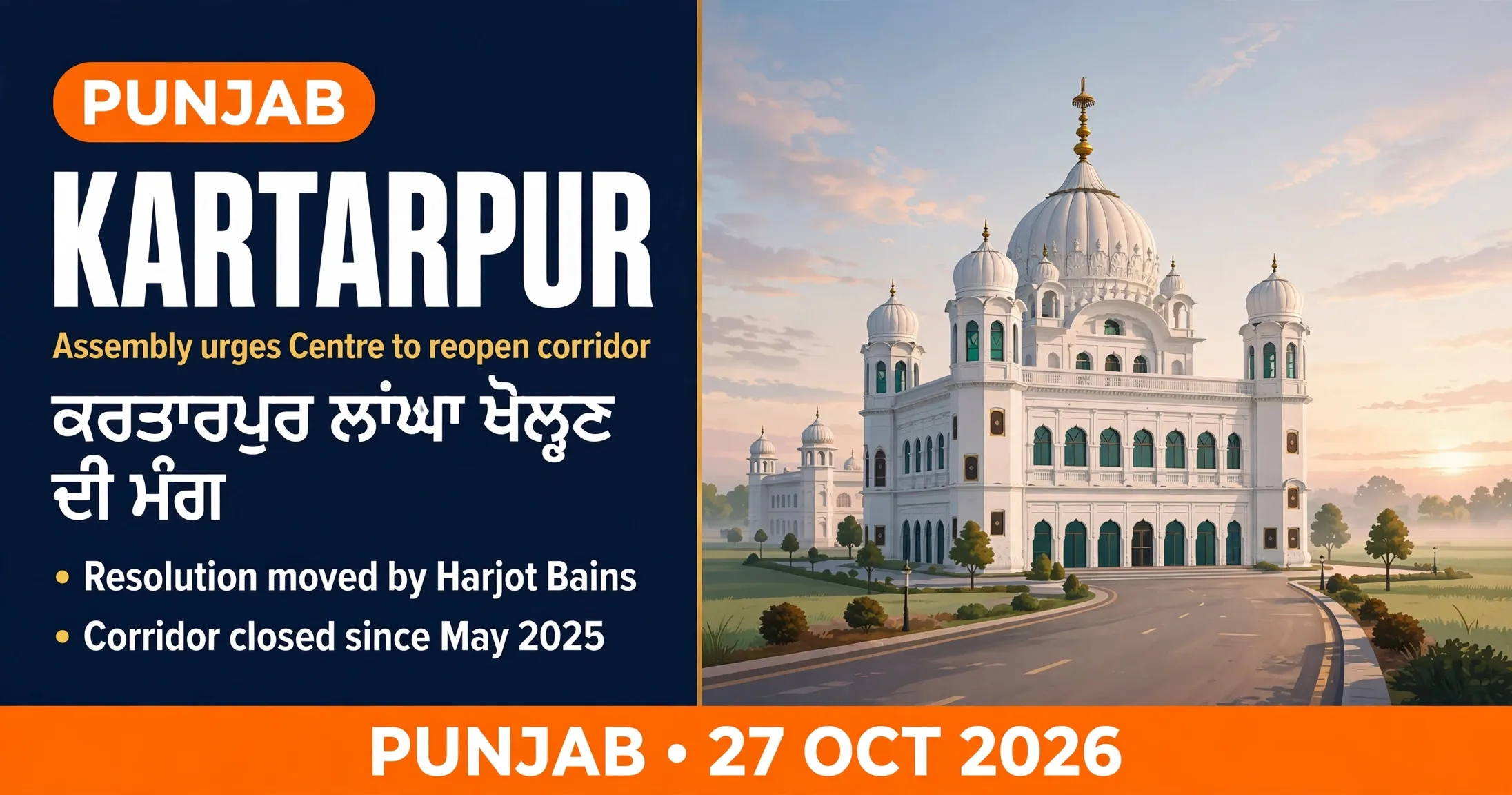 ਪੰਜਾਬ ਵਿਧਾਨ ਸਭਾ ਨੇ ਕਰਤਾਰਪੁਰ ਲਾਂਘਾ ਮੁੜ ਖੋਲ੍ਹਣ ਦੀ ਮੰਗ ਕੀਤੀਪੰਜਾਬ ਵਿਧਾਨ ਸਭਾ ਨੇ ਕਰਤਾਰਪੁਰ ਲਾਂਘਾ ਮੁੜ ਖੋਲ੍ਹਣ ਦੀ ਮੰਗ ਕੀਤੀ
 ਅੰਮ੍ਰਿਤਸਰ ਵਿੱਚ ਗੁਰਦੁਆਰੇ ਦੇ ਬਾਹਰ ਸਰਪੰਚ ਪਰਮਜੀਤ ਕੌਰ ਦੇ ਪੁੱਤ ਤੀਰਥ ਸਿੰਘ ਦੀ ਗੋਲੀ ਮਾਰ ਕੇ ਹੱਤਿਆਅੰਮ੍ਰਿਤਸਰ ਵਿੱਚ ਗੁਰਦੁਆਰੇ ਦੇ ਬਾਹਰ ਸਰਪੰਚ ਪਰਮਜੀਤ ਕੌਰ ਦੇ ਪੁੱਤ ਤੀਰਥ ਸਿੰਘ ਦੀ ਗੋਲੀ ਮਾਰ ਕੇ ਹੱਤਿਆ
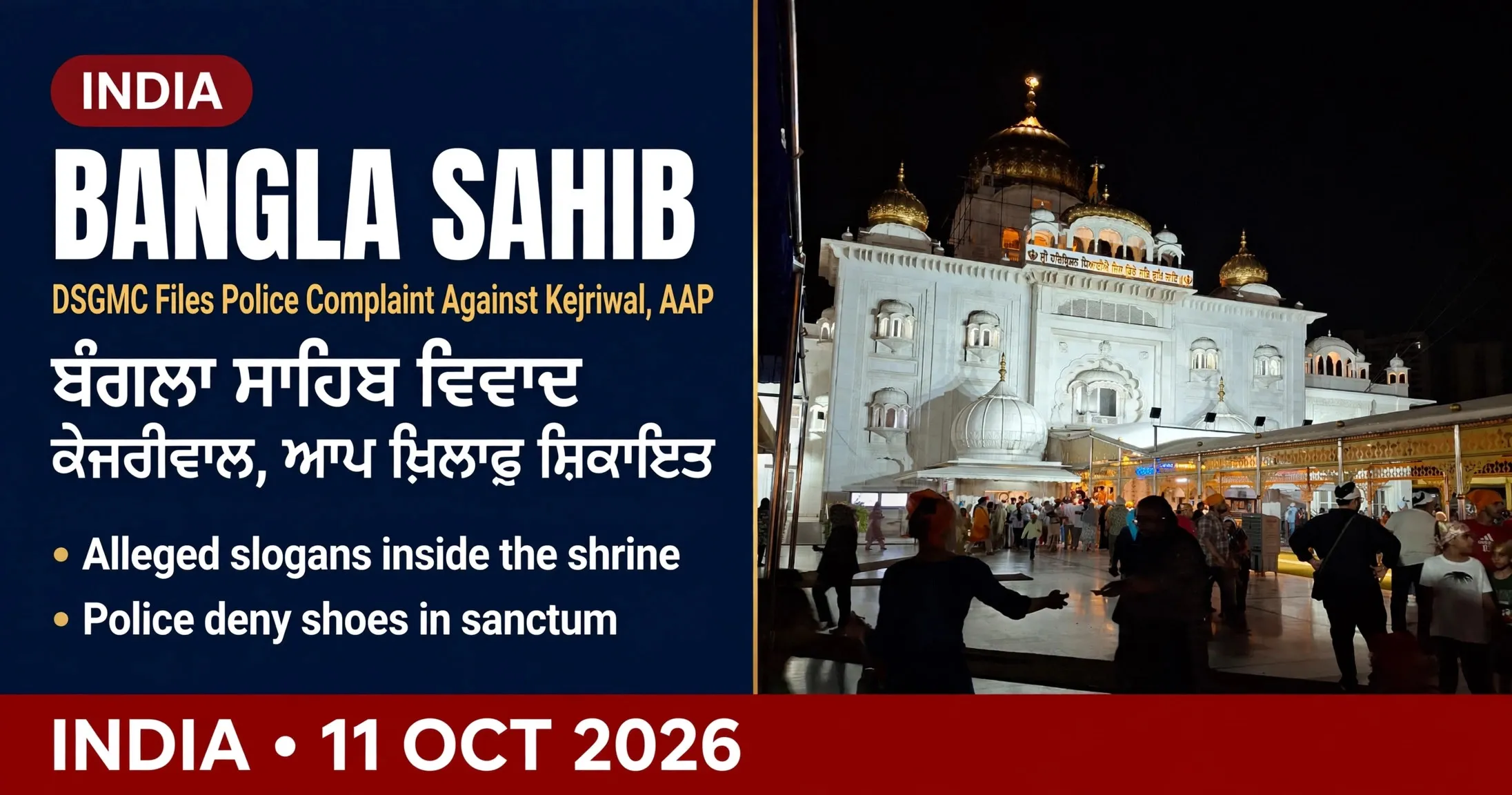 ਬੰਗਲਾ ਸਾਹਿਬ ਵਿਵਾਦ: DSGMC ਨੇ ਕੇਜਰੀਵਾਲ, ਆਪ ਖ਼ਿਲਾਫ਼ ਪੁਲਿਸ ਸ਼ਿਕਾਇਤ ਦਿੱਤੀਬੰਗਲਾ ਸਾਹਿਬ ਵਿਵਾਦ: DSGMC ਨੇ ਕੇਜਰੀਵਾਲ, ਆਪ ਖ਼ਿਲਾਫ਼ ਪੁਲਿਸ ਸ਼ਿਕਾਇਤ ਦਿੱਤੀ
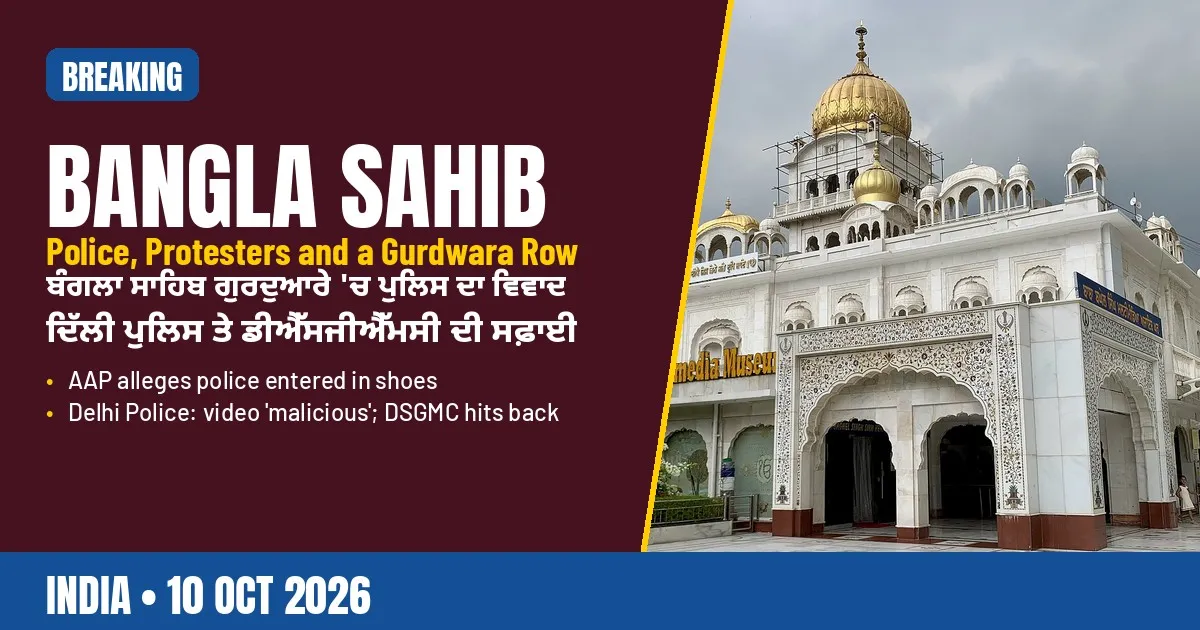 ਬੰਗਲਾ ਸਾਹਿਬ ਵਿਵਾਦ: 'ਆਪ' ਦਾ ਦੋਸ਼ ਪੁਲਿਸ ਜੁੱਤੀਆਂ ਸਮੇਤ ਅੰਦਰ ਗਈ; ਦਿੱਲੀ ਪੁਲਿਸ ਤੇ ਡੀਐੱਸਜੀਐੱਮਸੀ ਅਸਹਿਮਤਬੰਗਲਾ ਸਾਹਿਬ ਵਿਵਾਦ: 'ਆਪ' ਦਾ ਦੋਸ਼ ਪੁਲਿਸ ਜੁੱਤੀਆਂ ਸਮੇਤ ਅੰਦਰ ਗਈ; ਦਿੱਲੀ ਪੁਲਿਸ ਤੇ ਡੀਐੱਸਜੀਐੱਮਸੀ ਅਸਹਿਮਤ
More religion entries to explore
ਜੁਗਤੀ ਮੁਫ਼ਤ ਅਤੇ ਸੁਤੰਤਰ ਹੈ। ਪਾਠਕਾਂ ਦਾ ਸਹਿਯੋਗ ਕੋਸ਼ ਨੂੰ ਵਧਾਉਂਦਾ ਹੈ।
ਸਹਿਯੋਗ