
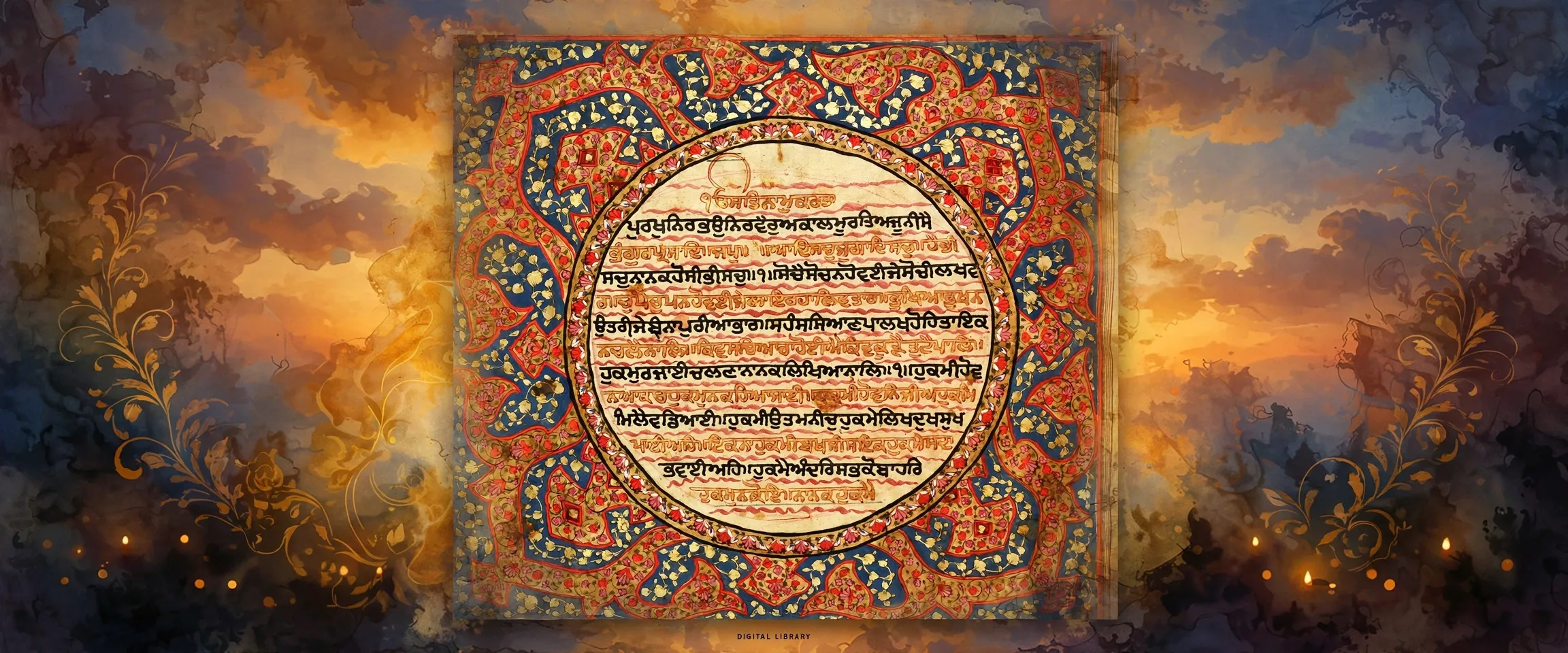
ਰਹਿਰਾਸ ਸਾਹਿਬ ਸਿੱਖਾਂ ਦੀ ਰੋਜ਼ ਦੀ ਸ਼ਾਮ ਦੀ ਪ੍ਰਾਰਥਨਾ ਹੈ, ਜੋ ਸੂਰਜ ਛਿਪਣ ਤੋਂ ਬਾਅਦ ਨਿਤਨੇਮ ਦੇ ਹਿੱਸੇ ਵਜੋਂ ਪੜ੍ਹੀ ਜਾਂਦੀ ਹੈ ਅਤੇ ਜਿਸ ਪਿੱਛੋਂ ਅਰਦਾਸ ਹੁੰਦੀ ਹੈ। ਇਸ ਵਿੱਚ ਗੁਰੂ ਗ੍ਰੰਥ ਸਾਹਿਬ ਵਿੱਚੋਂ ਸੋ ਦਰੁ ਅਤੇ ਸੋ ਪੁਰਖੁ ਦੇ ਨੌਂ ਸ਼ਬਦ, ਗੁਰੂ ਗੋਬਿੰਦ ਸਿੰਘ ਜੀ ਦੀ ਚੌਪਈ ਸਾਹਿਬ, ਅਨੰਦ ਸਾਹਿਬ ਦੀਆਂ ਛੇ ਪਉੜੀਆਂ ਅਤੇ ਅੰਤ ਵਿੱਚ ਮੁੰਦਾਵਣੀ ਹਨ, ਇੱਕੋ ਪ੍ਰਾਰਥਨਾ ਵਿੱਚ ਪੰਜ ਗੁਰੂਆਂ ਦੀ ਬਾਣੀ।
- ਪੰਜਾਬੀ ਨਾਂ
- ਰਹਿਰਾਸ ਸਾਹਿਬ
- ਕਿਸ ਵੇਲੇ ਦੀ ਪ੍ਰਾਰਥਨਾ
- ਸ਼ਾਮ ਦੀ, ਸੂਰਜ ਛਿਪਣ ਤੋਂ ਬਾਅਦ ਪੜ੍ਹੀ ਜਾਣ ਵਾਲੀ
- ਹਿੱਸਾ
- ਨਿਤਨੇਮ, ਰੋਜ਼ ਦੀਆਂ ਪ੍ਰਾਰਥਨਾਵਾਂ
- ਹੋਰ ਨਾਮ
- ਰਹਿਰਾਸ ਸਾਹਿਬ, ਸੋ ਦਰੁ ਰਹਿਰਾਸ
- ਨਾਂ ਦਾ ਅਰਥ
- ਬੇਨਤੀ; ਸਿੱਧਾ ਰਾਹ ਵੀ ਦੱਸਿਆ ਜਾਂਦਾ ਹੈ
- ਮੁੱਖ ਹਿੱਸੇ
- ਸੋ ਦਰੁ (5 ਸ਼ਬਦ), ਸੋ ਪੁਰਖੁ (4 ਸ਼ਬਦ), ਬੇਨਤੀ ਚੌਪਈ, ਅਨੰਦ ਸਾਹਿਬ (ਪਹਿਲੀਆਂ ਪੰਜ ਅਤੇ ਆਖ਼ਰੀ ਪਉੜੀਆਂ), ਮੁੰਦਾਵਣੀ
All 10 facts
- ਬਾਣੀ ਕਾਰ
- ਗੁਰੂ ਨਾਨਕ ਦੇਵ ਜੀ, ਗੁਰੂ ਅਮਰ ਦਾਸ ਜੀ, ਗੁਰੂ ਰਾਮ ਦਾਸ ਜੀ, ਗੁਰੂ ਅਰਜਨ ਦੇਵ ਜੀ, ਗੁਰੂ ਗੋਬਿੰਦ ਸਿੰਘ ਜੀ
- ਗ੍ਰੰਥ
- ਗੁਰੂ ਗ੍ਰੰਥ ਸਾਹਿਬ ਅਤੇ ਦਸਮ ਗ੍ਰੰਥ (ਚੌਪਈ ਸਾਹਿਬ)
- ਨਿਰਧਾਰਤ
- ਸਿੱਖ ਰਹਿਤ ਮਰਯਾਦਾ, ਆਰਟੀਕਲ ਚਾਰ; ਪਾਠ ਪਿੱਛੋਂ ਅਰਦਾਸ
- ਮੰਨਿਆ ਪਾਠ
- ਸ਼੍ਰੋਮਣੀ ਗੁਰਦੁਆਰਾ ਪ੍ਰਬੰਧਕ ਕਮੇਟੀ ਦੇ ਗੁਟਕਿਆਂ ਵਾਲਾ ਰੂਪ
Rehras Sahib is the daily evening prayer of the Sikhs, recited at sunset as the second great prayer of the day in ਨਿਤਨੇਮ. It is not one hymn by one Guru but a gathering: the nine hymns of So Dar and So Purakh from the Guru Granth Sahib, Guru Gobind Singh Ji's Chaupai Sahib from the Dasam Granth, six stanzas of Anand Sahib, and the closing Mundavani. A Sikh who has worked all day stops at dusk, and the prayer turns the end of the day into gratitude, protection and rest in God's will.
What is Rehras Sahib?
Rehras Sahib, also written Rahiras and often called So Dar Rehras after its opening hymn, is the evening prayer prescribed in the Sikh Rehat Maryada to be recited after sunset, followed by ਅਰਦਾਸ. The name itself is explained in two ways: as supplication, and, from the Persian, as the straight path, the path of faith and devotion rather than empty ritual. The word occurs inside the prayer itself, in a hymn of Guru Ram Das Ji: the praise of the Lord, he says, is my rahrasi. The prayer as Sikhs recite it today is the form carried in the gutkas issued by the Shiromani Gurdwara Parbandhak Committee.
What is inside Rehras Sahib?
The Rehat Maryada lists the prayer's parts in order. First come nine hymns of the Guru Granth Sahib, standing in the scripture straight after Japji Sahib: the five hymns of So Dar, That Door, and the four of So Purakh, That Being. Then comes the Benti Chaupai of Guru Gobind Singh Ji, from its first line, Hamri karo hath dai rachha, to its last, Dusht dokh te leho bachai, together with the savaiya Pae gahe jab te tumre and the dohra Sagal duar ko chhad kai that tradition recites with it. Then come the first five and the last stanzas of Anand Sahib, and finally the Mundavani, the seal, with the slok of Guru Arjan Dev Ji beginning Tera kita jato nahi. Across its parts, the prayer carries hymns of five Gurus: Guru Nanak Dev Ji, Guru Amar Das Ji, Guru Ram Das Ji, Guru Arjan Dev Ji and Guru Gobind Singh Ji.
What does So Dar describe?
So Dar, That Door or That Portal, opens the prayer with Guru Nanak Dev Ji's vision of the court of God. At that door, the whole creation sings: wind, water and fire, the righteous judge and the scribes of deeds, gods and siddhas, saints and scholars, the holy places, the sources of life, the planets themselves, all are pictured praising the one Supreme Being and moving in perfect unison with his will. The hymns that follow in So Dar press the same wonder from other sides: how great God is, beyond all telling and all measure; that he neither dies nor grieves, and that remembering him is life itself; and the plea for the gift of the Name. So Purakh, That Being, by Guru Ram Das Ji, then praises the One who is both beyond the world and inside every heart, above fear and beyond measure, eternal, Creator and Sustainer, and it teaches that those who remember him are freed from fear, while it is the devoted, not the merely formal worshipper, who finds him.
How did Rehras Sahib take its present shape?
The prayer grew by tradition rather than arriving as a single text, and the sources are honest about that: the title Rehras does not occur as a heading in the Guru Granth Sahib, and the full text is not recorded there as one whole. Bhai Gurdas records that in Guru Nanak Dev Ji's time So Dar alone was recited in the evening assemblies. Guru Arjan Dev Ji added the So Purakh hymns, and the two were recorded together in the Guru Granth Sahib after Japji Sahib. The Chaupai, the Anand stanzas and the Mundavani were joined to them afterwards, and the complete prayer came down the generations in gutkas, with small variations between editions, until the SGPC gutka form became the accepted standard. Printed pothis of the evening prayer were appearing at Lahore from 1867 and at Amritsar by 1893.
Why does Rehras Sahib include Chaupai Sahib and Anand Sahib?
Each added part does a different work at the close of day. Chaupai Sahib is the prayer's plea for protection: protect me with Your own hands, it asks, and save me from wickedness and pain, words a person carries out of the working day and into the night. The six stanzas of Anand Sahib answer protection with joy: they are the opening five and the closing stanza of Guru Amar Das Ji's hymn of bliss, and the Rehat Maryada notes that Anand is recited at Rehras, as at the end of congregational gatherings, to express joy and gratitude for communion with the Guru. The Mundavani then seals the prayer as it seals the Guru Granth Sahib itself: Guru Arjan Dev Ji presents the scripture as a plate holding three things, truth, contentment and contemplation, and gives thanks that the great task was brought to completion.
When and how is Rehras Sahib recited today?
Rehras Sahib is recited every evening after sunset, in gurdwaras as the centre of the evening diwan and at home by Sikhs who cannot reach the congregation, and kirtan is often sung before or after it. In the gurdwara the day is ordered around it: the Guru Granth Sahib generally remains open until Rehras is concluded, and is then closed ceremonially for the night. The recitation is followed by Ardas, standing, and the evening closes later with ਕੀਰਤਨ ਸੋਹਿਲਾ before sleep. For the individual Sikh, Rehras is the hinge of the day: work stops, the mind is gathered out of the day's noise into the singing court of So Dar, and the day is handed back to God with thanks before night comes.
ਰਹਿਰਾਸ ਸਾਹਿਬ ਸਿੱਖਾਂ ਦੀ ਰੋਜ਼ ਦੀ ਸ਼ਾਮ ਦੀ ਪ੍ਰਾਰਥਨਾ ਹੈ, ਜੋ ਸੂਰਜ ਛਿਪਣ ਵੇਲੇ ਨਿਤਨੇਮ ਦੀ ਦੂਜੀ ਵੱਡੀ ਪ੍ਰਾਰਥਨਾ ਵਜੋਂ ਪੜ੍ਹੀ ਜਾਂਦੀ ਹੈ। ਇਹ ਕਿਸੇ ਇੱਕ ਗੁਰੂ ਦੀ ਇੱਕ ਬਾਣੀ ਨਹੀਂ, ਇੱਕ ਇਕੱਠ ਹੈ: ਗੁਰੂ ਗ੍ਰੰਥ ਸਾਹਿਬ ਵਿੱਚੋਂ ਸੋ ਦਰੁ ਅਤੇ ਸੋ ਪੁਰਖੁ ਦੇ ਨੌਂ ਸ਼ਬਦ, ਦਸਮ ਗ੍ਰੰਥ ਵਿੱਚੋਂ ਗੁਰੂ ਗੋਬਿੰਦ ਸਿੰਘ ਜੀ ਦੀ ਚੌਪਈ ਸਾਹਿਬ, ਅਨੰਦ ਸਾਹਿਬ ਦੀਆਂ ਛੇ ਪਉੜੀਆਂ, ਅਤੇ ਅੰਤ ਵਿੱਚ ਮੁੰਦਾਵਣੀ। ਸਾਰਾ ਦਿਨ ਕੰਮ ਕਰਨ ਵਾਲਾ ਸਿੱਖ ਸ਼ਾਮ ਨੂੰ ਰੁਕਦਾ ਹੈ, ਅਤੇ ਇਹ ਪ੍ਰਾਰਥਨਾ ਦਿਨ ਦੇ ਅੰਤ ਨੂੰ ਸ਼ੁਕਰਾਨੇ, ਰੱਖਿਆ ਅਤੇ ਪਰਮਾਤਮਾ ਦੀ ਰਜ਼ਾ ਵਿੱਚ ਵਿਸ਼ਰਾਮ ਵਿੱਚ ਬਦਲ ਦਿੰਦੀ ਹੈ।
ਰਹਿਰਾਸ ਸਾਹਿਬ ਕੀ ਹੈ?
ਰਹਿਰਾਸ ਸਾਹਿਬ ਸਿੱਖ ਰਹਿਤ ਮਰਯਾਦਾ ਵਿੱਚ ਨਿਰਧਾਰਤ ਸ਼ਾਮ ਦੀ ਪ੍ਰਾਰਥਨਾ ਹੈ, ਜੋ ਸੂਰਜ ਛਿਪਣ ਤੋਂ ਬਾਅਦ ਪੜ੍ਹੀ ਜਾਂਦੀ ਹੈ ਅਤੇ ਜਿਸ ਦੇ ਅੰਤ ਵਿੱਚ ਅਰਦਾਸ ਹੁੰਦੀ ਹੈ। ਇਸ ਨੂੰ ਸੋ ਦਰੁ ਰਹਿਰਾਸ ਵੀ ਕਿਹਾ ਜਾਂਦਾ ਹੈ, ਇਸ ਦੇ ਪਹਿਲੇ ਸ਼ਬਦ ਦੇ ਨਾਂ ਤੇ। ਨਾਂ ਦੇ ਅਰਥ ਦੋ ਤਰ੍ਹਾਂ ਦੱਸੇ ਜਾਂਦੇ ਹਨ: ਬੇਨਤੀ, ਅਤੇ ਫ਼ਾਰਸੀ ਤੋਂ, ਸਿੱਧਾ ਰਾਹ, ਵਿਸ਼ਵਾਸ ਅਤੇ ਭਗਤੀ ਦਾ ਰਾਹ, ਖਾਲੀ ਰਸਮਾਂ ਦਾ ਨਹੀਂ। ਇਹ ਸ਼ਬਦ ਪ੍ਰਾਰਥਨਾ ਦੇ ਅੰਦਰ ਹੀ ਆਉਂਦਾ ਹੈ, ਗੁਰੂ ਰਾਮ ਦਾਸ ਜੀ ਦੇ ਸ਼ਬਦ ਵਿੱਚ: ਹਰਿ ਕੀਰਤਿ ਹਮਾਰੀ ਰਹਿਰਾਸੀ, ਪ੍ਰਭੂ ਦੀ ਉਸਤਤਿ ਹੀ ਮੇਰੀ ਰਹਿਰਾਸ ਹੈ। ਅੱਜ ਜਿਸ ਰੂਪ ਵਿੱਚ ਸਿੱਖ ਇਸ ਦਾ ਪਾਠ ਕਰਦੇ ਹਨ, ਉਹ ਸ਼੍ਰੋਮਣੀ ਗੁਰਦੁਆਰਾ ਪ੍ਰਬੰਧਕ ਕਮੇਟੀ ਵੱਲੋਂ ਛਾਪੇ ਗੁਟਕਿਆਂ ਵਾਲਾ ਰੂਪ ਹੈ।
ਰਹਿਰਾਸ ਸਾਹਿਬ ਵਿੱਚ ਕੀ ਕੀ ਹੈ?
ਰਹਿਤ ਮਰਯਾਦਾ ਇਸ ਪ੍ਰਾਰਥਨਾ ਦੇ ਹਿੱਸੇ ਕ੍ਰਮ ਨਾਲ ਦੱਸਦੀ ਹੈ। ਪਹਿਲਾਂ ਗੁਰੂ ਗ੍ਰੰਥ ਸਾਹਿਬ ਦੇ ਨੌਂ ਸ਼ਬਦ ਆਉਂਦੇ ਹਨ, ਜੋ ਗ੍ਰੰਥ ਵਿੱਚ ਜਪੁਜੀ ਸਾਹਿਬ ਦੇ ਠੀਕ ਪਿੱਛੋਂ ਹਨ: ਸੋ ਦਰੁ ਦੇ ਪੰਜ ਸ਼ਬਦ ਅਤੇ ਸੋ ਪੁਰਖੁ ਦੇ ਚਾਰ। ਫਿਰ ਗੁਰੂ ਗੋਬਿੰਦ ਸਿੰਘ ਜੀ ਦੀ ਬੇਨਤੀ ਚੌਪਈ ਆਉਂਦੀ ਹੈ, ਇਸ ਦੀ ਪਹਿਲੀ ਸਤਰ ਹਮਰੀ ਕਰੋ ਹਾਥ ਦੈ ਰੱਛਾ ਤੋਂ ਆਖ਼ਰੀ ਸਤਰ ਦੁਸ਼ਟ ਦੋਖ ਤੇ ਲੇਹੁ ਬਚਾਈ ਤੱਕ, ਅਤੇ ਨਾਲ ਉਹ ਸਵੱਯਾ ਪਾਇ ਗਹੇ ਜਬ ਤੇ ਤੁਮਰੇ ਅਤੇ ਦੋਹਰਾ ਸਗਲ ਦੁਆਰ ਕਉ ਛਾਡਿ ਕੈ ਜੋ ਪਰੰਪਰਾ ਇਸ ਨਾਲ ਪੜ੍ਹਦੀ ਹੈ। ਫਿਰ ਅਨੰਦ ਸਾਹਿਬ ਦੀਆਂ ਪਹਿਲੀਆਂ ਪੰਜ ਅਤੇ ਆਖ਼ਰੀ ਪਉੜੀਆਂ ਆਉਂਦੀਆਂ ਹਨ, ਅਤੇ ਅੰਤ ਵਿੱਚ ਮੁੰਦਾਵਣੀ, ਮੋਹਰ, ਗੁਰੂ ਅਰਜਨ ਦੇਵ ਜੀ ਦੇ ਸਲੋਕ ਤੇਰਾ ਕੀਤਾ ਜਾਤੋ ਨਾਹੀ ਸਮੇਤ। ਆਪਣੇ ਸਾਰੇ ਹਿੱਸਿਆਂ ਵਿੱਚ ਇਹ ਪ੍ਰਾਰਥਨਾ ਪੰਜ ਗੁਰੂਆਂ ਦੀ ਬਾਣੀ ਲੈ ਕੇ ਆਉਂਦੀ ਹੈ: ਗੁਰੂ ਨਾਨਕ ਦੇਵ ਜੀ, ਗੁਰੂ ਅਮਰ ਦਾਸ ਜੀ, ਗੁਰੂ ਰਾਮ ਦਾਸ ਜੀ, ਗੁਰੂ ਅਰਜਨ ਦੇਵ ਜੀ ਅਤੇ ਗੁਰੂ ਗੋਬਿੰਦ ਸਿੰਘ ਜੀ।
ਸੋ ਦਰੁ ਕੀ ਵਰਣਨ ਕਰਦਾ ਹੈ?
ਸੋ ਦਰੁ, ਉਹ ਦਰਵਾਜ਼ਾ, ਪ੍ਰਾਰਥਨਾ ਨੂੰ ਗੁਰੂ ਨਾਨਕ ਦੇਵ ਜੀ ਦੀ ਪਰਮਾਤਮਾ ਦੇ ਦਰਬਾਰ ਦੀ ਝਲਕ ਨਾਲ ਖੋਲ੍ਹਦਾ ਹੈ। ਉਸ ਦਰ ਤੇ ਸਾਰੀ ਸਿਰਜਣਾ ਗਾਉਂਦੀ ਹੈ: ਪੌਣ, ਪਾਣੀ ਅਤੇ ਅੱਗ, ਧਰਮਰਾਜ ਅਤੇ ਚਿਤ੍ਰ ਗੁਪਤ, ਦੇਵਤੇ ਅਤੇ ਸਿੱਧ, ਸੰਤ ਅਤੇ ਪੰਡਿਤ, ਤੀਰਥ, ਜੀਵਨ ਦੇ ਸੋਮੇ, ਗ੍ਰਹਿ ਆਪ, ਸਭ ਇੱਕੋ ਪਰਮ ਹਸਤੀ ਦੀ ਉਸਤਤਿ ਕਰਦੇ ਅਤੇ ਉਸ ਦੀ ਰਜ਼ਾ ਨਾਲ ਪੂਰੀ ਤਰ੍ਹਾਂ ਇੱਕਸੁਰ ਹੋ ਕੇ ਚੱਲਦੇ ਵਿਖਾਏ ਗਏ ਹਨ। ਸੋ ਦਰੁ ਦੇ ਅਗਲੇ ਸ਼ਬਦ ਇਸੇ ਹੈਰਾਨੀ ਨੂੰ ਹੋਰ ਪਾਸਿਆਂ ਤੋਂ ਦਬਾਉਂਦੇ ਹਨ: ਪਰਮਾਤਮਾ ਕਿੰਨਾ ਵੱਡਾ ਹੈ, ਕਹਿਣ ਅਤੇ ਮਿਣਨ ਤੋਂ ਪਰੇ; ਉਹ ਨਾ ਮਰਦਾ ਹੈ ਨਾ ਸੋਗ ਕਰਦਾ ਹੈ, ਅਤੇ ਉਸ ਨੂੰ ਯਾਦ ਕਰਨਾ ਹੀ ਜੀਵਨ ਹੈ; ਅਤੇ ਨਾਮ ਦੀ ਦਾਤ ਦੀ ਮੰਗ। ਫਿਰ ਗੁਰੂ ਰਾਮ ਦਾਸ ਜੀ ਦਾ ਸੋ ਪੁਰਖੁ ਉਸ ਇੱਕ ਦੀ ਉਸਤਤਿ ਕਰਦਾ ਹੈ ਜੋ ਸੰਸਾਰ ਤੋਂ ਪਰੇ ਵੀ ਹੈ ਅਤੇ ਹਰ ਦਿਲ ਦੇ ਅੰਦਰ ਵੀ, ਡਰ ਤੋਂ ਉੱਪਰ ਅਤੇ ਮਿਣਤੀ ਤੋਂ ਪਰੇ, ਅਮਰ, ਕਰਤਾ ਅਤੇ ਪਾਲਣਹਾਰ, ਅਤੇ ਇਹ ਸਿਖਾਉਂਦਾ ਹੈ ਕਿ ਜੋ ਉਸ ਨੂੰ ਯਾਦ ਕਰਦੇ ਹਨ ਉਹ ਡਰ ਤੋਂ ਮੁਕਤ ਹੁੰਦੇ ਹਨ, ਅਤੇ ਉਸ ਨੂੰ ਭਗਤ ਪਾਉਂਦੇ ਹਨ, ਕੇਵਲ ਰਸਮੀ ਪੂਜਾ ਕਰਨ ਵਾਲੇ ਨਹੀਂ।
ਰਹਿਰਾਸ ਸਾਹਿਬ ਨੇ ਮੌਜੂਦਾ ਰੂਪ ਕਿਵੇਂ ਲਿਆ?
ਇਹ ਪ੍ਰਾਰਥਨਾ ਪਰੰਪਰਾ ਰਾਹੀਂ ਹੌਲੀ ਹੌਲੀ ਬਣੀ, ਇੱਕੋ ਪਾਠ ਵਜੋਂ ਨਹੀਂ ਆਈ, ਅਤੇ ਸਰੋਤ ਇਸ ਬਾਰੇ ਸਾਫ਼ ਹਨ: ਰਹਿਰਾਸ ਨਾਂ ਗੁਰੂ ਗ੍ਰੰਥ ਸਾਹਿਬ ਵਿੱਚ ਸਿਰਲੇਖ ਵਜੋਂ ਨਹੀਂ ਆਉਂਦਾ, ਅਤੇ ਪੂਰਾ ਪਾਠ ਉੱਥੇ ਇੱਕੋ ਥਾਂ ਦਰਜ ਨਹੀਂ ਹੈ। ਭਾਈ ਗੁਰਦਾਸ ਦੱਸਦੇ ਹਨ ਕਿ ਗੁਰੂ ਨਾਨਕ ਦੇਵ ਜੀ ਦੇ ਸਮੇਂ ਸ਼ਾਮ ਦੇ ਇਕੱਠਾਂ ਵਿੱਚ ਕੇਵਲ ਸੋ ਦਰੁ ਪੜ੍ਹਿਆ ਜਾਂਦਾ ਸੀ। ਗੁਰੂ ਅਰਜਨ ਦੇਵ ਜੀ ਨੇ ਸੋ ਪੁਰਖੁ ਦੇ ਸ਼ਬਦ ਜੋੜੇ, ਅਤੇ ਦੋਵੇਂ ਜਪੁਜੀ ਸਾਹਿਬ ਦੇ ਪਿੱਛੋਂ ਗੁਰੂ ਗ੍ਰੰਥ ਸਾਹਿਬ ਵਿੱਚ ਇਕੱਠੇ ਦਰਜ ਹੋਏ। ਚੌਪਈ, ਅਨੰਦ ਦੀਆਂ ਪਉੜੀਆਂ ਅਤੇ ਮੁੰਦਾਵਣੀ ਪਿੱਛੋਂ ਜੁੜੇ, ਅਤੇ ਪੂਰੀ ਪ੍ਰਾਰਥਨਾ ਪੀੜ੍ਹੀਆਂ ਤੱਕ ਗੁਟਕਿਆਂ ਰਾਹੀਂ ਆਈ, ਛਾਪਿਆਂ ਵਿੱਚ ਛੋਟੇ ਫ਼ਰਕਾਂ ਸਮੇਤ, ਜਦ ਤੱਕ ਸ਼੍ਰੋਮਣੀ ਕਮੇਟੀ ਦੇ ਗੁਟਕੇ ਵਾਲਾ ਰੂਪ ਮੰਨਿਆ ਮਿਆਰ ਨਹੀਂ ਬਣ ਗਿਆ। ਸ਼ਾਮ ਦੀ ਪ੍ਰਾਰਥਨਾ ਦੀਆਂ ਛਪੀਆਂ ਪੋਥੀਆਂ 1867 ਤੋਂ ਲਾਹੌਰ ਅਤੇ 1893 ਤੱਕ ਅੰਮ੍ਰਿਤਸਰ ਵਿੱਚ ਆਉਣ ਲੱਗੀਆਂ ਸਨ।
ਰਹਿਰਾਸ ਸਾਹਿਬ ਵਿੱਚ ਚੌਪਈ ਸਾਹਿਬ ਅਤੇ ਅਨੰਦ ਸਾਹਿਬ ਕਿਉਂ ਹਨ?
ਹਰ ਜੁੜਿਆ ਹਿੱਸਾ ਦਿਨ ਦੇ ਅੰਤ ਤੇ ਵੱਖਰਾ ਕੰਮ ਕਰਦਾ ਹੈ। ਚੌਪਈ ਸਾਹਿਬ ਇਸ ਪ੍ਰਾਰਥਨਾ ਦੀ ਰੱਖਿਆ ਦੀ ਬੇਨਤੀ ਹੈ: ਆਪਣੇ ਹੱਥ ਦੇ ਕੇ ਮੇਰੀ ਰੱਖਿਆ ਕਰੋ, ਇਹ ਮੰਗਦੀ ਹੈ, ਅਤੇ ਦੁਸ਼ਟਾਂ ਅਤੇ ਦੁੱਖਾਂ ਤੋਂ ਮੈਨੂੰ ਬਚਾਓ, ਉਹ ਸ਼ਬਦ ਜੋ ਮਨੁੱਖ ਕੰਮ ਦੇ ਦਿਨ ਵਿੱਚੋਂ ਲੈ ਕੇ ਰਾਤ ਵੱਲ ਜਾਂਦਾ ਹੈ। ਅਨੰਦ ਸਾਹਿਬ ਦੀਆਂ ਛੇ ਪਉੜੀਆਂ ਰੱਖਿਆ ਦਾ ਜਵਾਬ ਖੁਸ਼ੀ ਨਾਲ ਦਿੰਦੀਆਂ ਹਨ: ਇਹ ਗੁਰੂ ਅਮਰ ਦਾਸ ਜੀ ਦੀ ਅਨੰਦ ਦੀ ਬਾਣੀ ਦੀਆਂ ਪਹਿਲੀਆਂ ਪੰਜ ਅਤੇ ਆਖ਼ਰੀ ਪਉੜੀਆਂ ਹਨ, ਅਤੇ ਰਹਿਤ ਮਰਯਾਦਾ ਦੱਸਦੀ ਹੈ ਕਿ ਅਨੰਦ ਦਾ ਪਾਠ ਰਹਿਰਾਸ ਵਿੱਚ, ਜਿਵੇਂ ਸਮਾਗਮਾਂ ਦੇ ਅੰਤ ਵਿੱਚ, ਗੁਰੂ ਨਾਲ ਮੇਲ ਦੀ ਖੁਸ਼ੀ ਅਤੇ ਸ਼ੁਕਰਾਨਾ ਪ੍ਰਗਟ ਕਰਨ ਲਈ ਹੁੰਦਾ ਹੈ। ਫਿਰ ਮੁੰਦਾਵਣੀ ਪ੍ਰਾਰਥਨਾ ਤੇ ਮੋਹਰ ਲਾਉਂਦੀ ਹੈ, ਜਿਵੇਂ ਉਹ ਗੁਰੂ ਗ੍ਰੰਥ ਸਾਹਿਬ ਤੇ ਆਪ ਮੋਹਰ ਹੈ: ਗੁਰੂ ਅਰਜਨ ਦੇਵ ਜੀ ਗ੍ਰੰਥ ਨੂੰ ਇੱਕ ਥਾਲੀ ਵਜੋਂ ਪੇਸ਼ ਕਰਦੇ ਹਨ ਜਿਸ ਵਿੱਚ ਤਿੰਨ ਵਸਤਾਂ ਹਨ, ਸੱਚ, ਸੰਤੋਖ ਅਤੇ ਵਿਚਾਰ, ਅਤੇ ਸ਼ੁਕਰਾਨਾ ਕਰਦੇ ਹਨ ਕਿ ਵੱਡਾ ਕਾਰਜ ਸੰਪੂਰਨ ਹੋਇਆ।
ਅੱਜ ਰਹਿਰਾਸ ਸਾਹਿਬ ਦਾ ਪਾਠ ਕਦੋਂ ਅਤੇ ਕਿਵੇਂ ਹੁੰਦਾ ਹੈ?
ਰਹਿਰਾਸ ਸਾਹਿਬ ਦਾ ਪਾਠ ਹਰ ਸ਼ਾਮ ਸੂਰਜ ਛਿਪਣ ਤੋਂ ਬਾਅਦ ਹੁੰਦਾ ਹੈ, ਗੁਰਦੁਆਰਿਆਂ ਵਿੱਚ ਸ਼ਾਮ ਦੇ ਦੀਵਾਨ ਦੇ ਕੇਂਦਰ ਵਜੋਂ ਅਤੇ ਘਰਾਂ ਵਿੱਚ ਉਹਨਾਂ ਸਿੱਖਾਂ ਵੱਲੋਂ ਜੋ ਸੰਗਤ ਵਿੱਚ ਨਹੀਂ ਪਹੁੰਚ ਸਕਦੇ, ਅਤੇ ਇਸ ਤੋਂ ਪਹਿਲਾਂ ਜਾਂ ਪਿੱਛੋਂ ਅਕਸਰ ਕੀਰਤਨ ਹੁੰਦਾ ਹੈ। ਗੁਰਦੁਆਰੇ ਵਿੱਚ ਦਿਨ ਇਸ ਦੇ ਆਲੇ ਦੁਆਲੇ ਢਲਦਾ ਹੈ: ਗੁਰੂ ਗ੍ਰੰਥ ਸਾਹਿਬ ਆਮ ਤੌਰ ਤੇ ਰਹਿਰਾਸ ਮੁੱਕਣ ਤੱਕ ਖੁੱਲ੍ਹੇ ਰਹਿੰਦੇ ਹਨ, ਫਿਰ ਰਾਤ ਲਈ ਸੁਖ ਆਸਨ ਕਰਕੇ ਬੰਦ ਕੀਤੇ ਜਾਂਦੇ ਹਨ। ਪਾਠ ਦੇ ਪਿੱਛੋਂ ਖੜ੍ਹੇ ਹੋ ਕੇ ਅਰਦਾਸ ਹੁੰਦੀ ਹੈ, ਅਤੇ ਸ਼ਾਮ ਪਿੱਛੋਂ ਸੌਣ ਤੋਂ ਪਹਿਲਾਂ ਕੀਰਤਨ ਸੋਹਿਲੇ ਨਾਲ ਮੁੱਕਦੀ ਹੈ। ਇਕੱਲੇ ਸਿੱਖ ਲਈ ਰਹਿਰਾਸ ਦਿਨ ਦਾ ਕਬਜ਼ਾ ਹੈ: ਕੰਮ ਰੁਕਦਾ ਹੈ, ਮਨ ਦਿਨ ਦੇ ਸ਼ੋਰ ਵਿੱਚੋਂ ਨਿਕਲ ਕੇ ਸੋ ਦਰੁ ਦੇ ਗਾਉਂਦੇ ਦਰਬਾਰ ਵਿੱਚ ਇਕੱਠਾ ਹੁੰਦਾ ਹੈ, ਅਤੇ ਰਾਤ ਆਉਣ ਤੋਂ ਪਹਿਲਾਂ ਦਿਨ ਸ਼ੁਕਰਾਨੇ ਨਾਲ ਪਰਮਾਤਮਾ ਨੂੰ ਸੌਂਪਿਆ ਜਾਂਦਾ ਹੈ।
More religion entries to explore
ਸਰੋਤ (4)
ਜੁਗਤੀ ਮੁਫ਼ਤ ਅਤੇ ਸੁਤੰਤਰ ਹੈ। ਪਾਠਕਾਂ ਦਾ ਸਹਿਯੋਗ ਕੋਸ਼ ਨੂੰ ਵਧਾਉਂਦਾ ਹੈ।
ਸਹਿਯੋਗ