
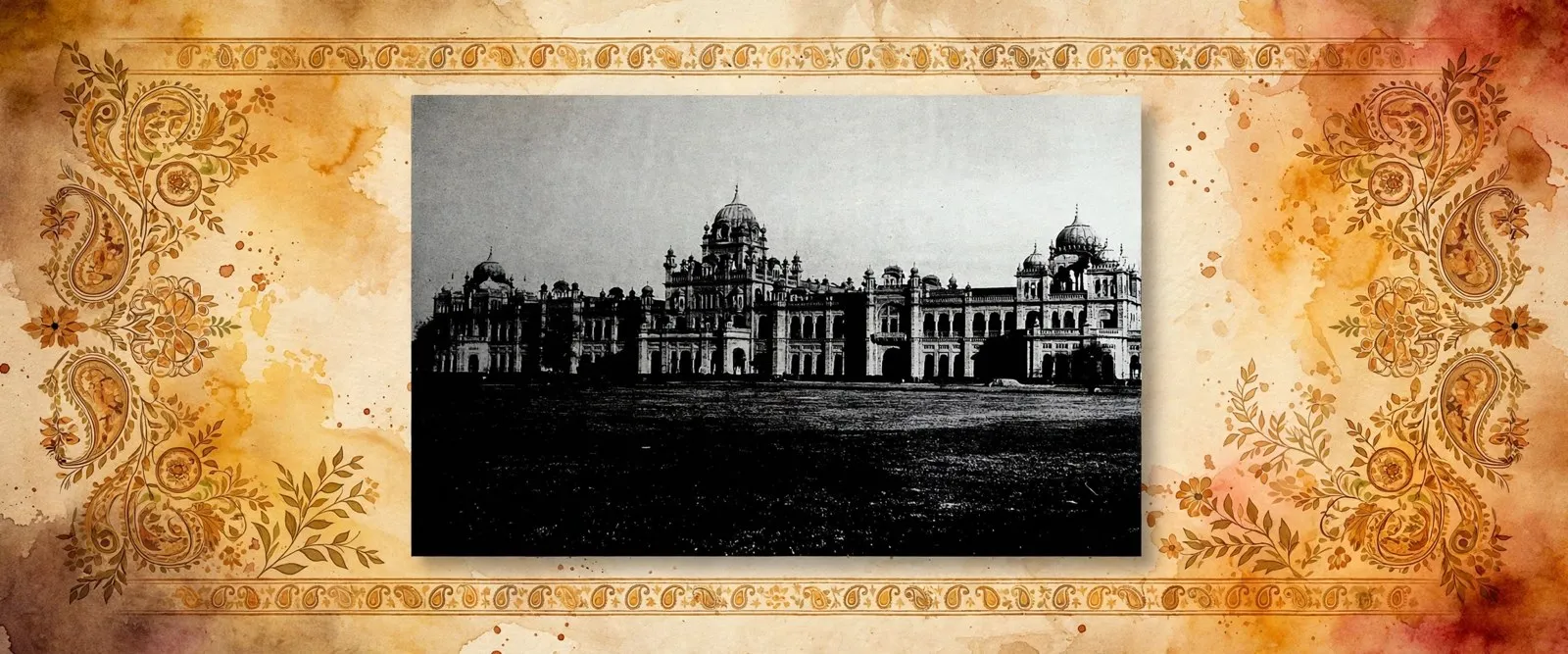
ਸਿੰਘ ਸਭਾ ਲਹਿਰ ਸਿੱਖਾਂ ਦੀ ਸੁਧਾਰ ਅਤੇ ਪੁਨਰ-ਜਾਗਰਣ ਲਹਿਰ ਸੀ, ਜੋ 1873 ਵਿੱਚ ਅੰਮ੍ਰਿਤਸਰ ਤੋਂ ਸ਼ੁਰੂ ਹੋਈ ਅਤੇ ਲਗਭਗ ਪੰਜਾਹ ਸਾਲ ਚੱਲੀ। ਇਹ ਇਸਾਈ ਮਿਸ਼ਨਰੀਆਂ ਅਤੇ ਹਿੰਦੂ ਸੁਧਾਰ ਲਹਿਰਾਂ ਤੋਂ ਸਿੱਖ ਧਰਮ ਦੀ ਰੱਖਿਆ ਕਰਨ ਅਤੇ ਗੁਰੂਆਂ ਦੀ ਸਿੱਖਿਆ, ਪੰਜਾਬੀ ਸਿੱਖਿਆ ਅਤੇ ਖ਼ਾਲਸਾ ਜੀਵਨ ਢੰਗ ਨੂੰ ਮੁੜ ਸੁਰਜੀਤ ਕਰਨ ਲਈ ਬਣੀ ਸੀ। ਆਪਣੇ ਸਕੂਲਾਂ, ਅਖ਼ਬਾਰਾਂ ਅਤੇ ਸੰਸਥਾਵਾਂ, ਸਭ ਤੋਂ ਵੱਧ ਅੰਮ੍ਰਿਤਸਰ ਦੇ ਖ਼ਾਲਸਾ ਕਾਲਜ, ਰਾਹੀਂ ਇਸ ਨੇ ਆਧੁਨਿਕ ਸਿੱਖ ਪਛਾਣ ਨੂੰ ਇੱਕ ਵੱਖਰੇ ਧਰਮ ਵਜੋਂ ਪਰਿਭਾਸ਼ਿਤ ਕੀਤਾ, 1909 ਵਿੱਚ ਸਿੱਖ ਵਿਆਹ ਦੀ ਰਸਮ ਨੂੰ ਕਾਨੂੰਨੀ ਮਾਨਤਾ ਦਿਵਾਈ ਅਤੇ ਗੁਰਦੁਆਰਾ ਸੁਧਾਰ ਲਹਿਰ ਤੇ ਐਸ.ਜੀ.ਪੀ.ਸੀ. ਦਾ ਰਾਹ ਪੱਧਰਾ ਕੀਤਾ।
- ਪੰਜਾਬੀ ਨਾਂ
- ਸਿੰਘ ਸਭਾ
- ਸਥਾਪਨਾ
- 1 ਅਕਤੂਬਰ 1873, ਅੰਮ੍ਰਿਤਸਰ (ਸਥਾਪਕ ਮੀਟਿੰਗ 30 ਜੁਲਾਈ 1873)
- ਸੰਸਥਾਪਕ
- ਠਾਕੁਰ ਸਿੰਘ ਸੰਧਾਵਾਲੀਆ, ਬਾਬਾ ਖੇਮ ਸਿੰਘ ਬੇਦੀ, ਕੰਵਰ ਬਿਕਰਮ ਸਿੰਘ, ਗਿਆਨੀ ਗਿਆਨ ਸਿੰਘ
- ਲਾਹੌਰ ਸਿੰਘ ਸਭਾ
- 2 ਨਵੰਬਰ 1879
- ਖ਼ਾਲਸਾ ਕਾਲਜ, ਅੰਮ੍ਰਿਤਸਰ
- ਨੀਂਹ ਪੱਥਰ 5 ਮਾਰਚ 1892; ਪਹਿਲੀਆਂ ਕਲਾਸਾਂ 1893
- ਚੀਫ਼ ਖ਼ਾਲਸਾ ਦੀਵਾਨ
- 30 ਅਕਤੂਬਰ 1902, ਅੰਮ੍ਰਿਤਸਰ
All 9 facts
- ਅਨੰਦ ਮੈਰਿਜ ਐਕਟ
- 22 ਅਕਤੂਬਰ 1909
- ਮੁੱਖ ਸ਼ਖ਼ਸੀਅਤਾਂ
- ਪ੍ਰੋਫ਼ੈਸਰ ਗੁਰਮੁਖ ਸਿੰਘ, ਗਿਆਨੀ ਦਿੱਤ ਸਿੰਘ, ਭਾਈ ਕਾਨ੍ਹ ਸਿੰਘ ਨਾਭਾ, ਭਾਈ ਵੀਰ ਸਿੰਘ
- ਵਿਰਾਸਤ
- ਗੁਰਦੁਆਰਾ ਸੁਧਾਰ ਲਹਿਰ (1920-1925), ਐਸ.ਜੀ.ਪੀ.ਸੀ. ਅਤੇ ਸਿੱਖ ਗੁਰਦੁਆਰਾ ਐਕਟ 1925
The Singh Sabha movement was the Sikh reform and renaissance movement of the late nineteenth and early twentieth centuries. It began at Amritsar in 1873, when a group of leading Sikhs formed a society to defend and renew their faith, and it grew into a network of schools, newspapers and institutions that reshaped Sikh identity. Over the next half century it restored the Gurus' teachings to the centre of Sikh life, gave Punjabi in Gurmukhi a modern print culture, and founded Khalsa College at Amritsar.
Punjab in 1873: a faith losing its people
By 1873, the Sikhs had lived a generation without a state of their own. The British East India Company had annexed the Sikh Empire in 1849, ending Ranjit Singh's kingdom, and in 1853 Maharaja Duleep Singh, the last Sikh ruler, converted to Christianity under British tutelage.
The gurdwaras themselves were in the hands of mahants, hereditary custodians who held shrine lands as their own property. Idols stood in gurdwara precincts, Brahmin priests officiated at Sikh births and weddings, and caste ran through congregations the Gurus had formed to abolish it. A government report of 1851-52 noted Sikhs deserting their faith in thousands.
Into this gap came the missionaries. Christian missions had worked in Punjab since before annexation, and Amritsar became a major seat of their enterprise, with branches at Tarn Taran, Ajnala and Jandiala. Hindu reform movements, the Brahmo Samaj and the Arya Samaj, and among Muslims the Aligarh movement and the Ahmadiyah of Qadian, also competed for converts. The earlier Nirankari and Namdhari reform movements had each become a separate sect.
The first Singh Sabha at Amritsar
Two incidents in early 1873 shook the Sikhs out of their slumber. In February, four Sikh pupils of the Amritsar Mission School, Aya Singh, Atar Singh, Sadhu Singh and Santokh Singh, announced that they intended to renounce their faith and become Christians. Soon after, Pandit Shardha Ram of Phillaur lectured in Guru Bagh and spoke disrespectfully of the Sikh Gurus. Young Sikhs challenged him, and he quietly left Amritsar.
ਸਿੰਘ ਸਭਾ ਲਹਿਰ ਉੱਨੀਵੀਂ ਸਦੀ ਦੇ ਅੰਤ ਅਤੇ ਵੀਹਵੀਂ ਸਦੀ ਦੇ ਸ਼ੁਰੂ ਵਿੱਚ ਸਿੱਖਾਂ ਦੀ ਸੁਧਾਰ ਅਤੇ ਪੁਨਰ-ਜਾਗਰਣ ਲਹਿਰ ਸੀ। ਇਹ 1873 ਵਿੱਚ ਅੰਮ੍ਰਿਤਸਰ ਤੋਂ ਸ਼ੁਰੂ ਹੋਈ, ਜਦੋਂ ਕੁਝ ਮੋਹਰੀ ਸਿੱਖਾਂ ਨੇ ਆਪਣੇ ਧਰਮ ਦੀ ਰੱਖਿਆ ਅਤੇ ਨਵੇਂ ਸਿਰੇ ਤੋਂ ਜਾਗਰਣ ਲਈ ਇੱਕ ਸਭਾ ਬਣਾਈ, ਅਤੇ ਸਿੱਖ ਪਛਾਣ ਨੂੰ ਨਵਾਂ ਰੂਪ ਦੇ ਗਈ। ਅਗਲੇ ਅੱਧੀ ਸਦੀ ਵਿੱਚ ਇਸ ਨੇ ਗੁਰੂਆਂ ਦੀ ਸਿੱਖਿਆ ਨੂੰ ਸਿੱਖ ਜੀਵਨ ਦੇ ਕੇਂਦਰ ਵਿੱਚ ਮੁੜ ਬਿਠਾਇਆ, ਗੁਰਮੁਖੀ ਪੰਜਾਬੀ ਨੂੰ ਆਧੁਨਿਕ ਛਪਾਈ ਦਿੱਤੀ ਅਤੇ ਅੰਮ੍ਰਿਤਸਰ ਵਿੱਚ ਖ਼ਾਲਸਾ ਕਾਲਜ ਦੀ ਨੀਂਹ ਰੱਖੀ।
1873 ਵਿੱਚ ਪੰਜਾਬ: ਇੱਕ ਧਰਮ ਜੋ ਆਪਣੇ ਲੋਕ ਗੁਆ ਰਿਹਾ ਸੀ
1873 ਤੱਕ ਸਿੱਖ ਆਪਣੇ ਰਾਜ ਤੋਂ ਬਿਨਾਂ ਇੱਕ ਪੀੜ੍ਹੀ ਬਿਤਾ ਚੁੱਕੇ ਸਨ। 1849 ਵਿੱਚ ਦੂਜੀ ਐਂਗਲੋ-ਸਿੱਖ ਜੰਗ ਤੋਂ ਬਾਅਦ ਬ੍ਰਿਟਿਸ਼ ਈਸਟ ਇੰਡੀਆ ਕੰਪਨੀ ਨੇ ਸਿੱਖ ਸਾਮਰਾਜ ਨੂੰ ਆਪਣੇ ਵਿੱਚ ਮਿਲਾ ਲਿਆ ਸੀ। 1853 ਵਿੱਚ ਆਖ਼ਰੀ ਸਿੱਖ ਸ਼ਾਸਕ ਮਹਾਰਾਜਾ ਦਲੀਪ ਸਿੰਘ ਨੇ ਬ੍ਰਿਟਿਸ਼ ਸਰਪ੍ਰਸਤੀ ਹੇਠ ਇਸਾਈ ਧਰਮ ਅਪਣਾ ਲਿਆ।
ਗੁਰਦੁਆਰੇ ਖ਼ੁਦ ਮਹੰਤਾਂ ਦੇ ਹੱਥਾਂ ਵਿੱਚ ਸਨ, ਜੋ ਜਾਇਦਾਦਾਂ ਨੂੰ ਆਪਣੀ ਮਿਲਕੀਅਤ ਸਮਝਦੇ ਸਨ ਅਤੇ ਵਿਰਾਸਤ ਵਿੱਚ ਮਿਲੇ ਸਰਪ੍ਰਸਤ ਸਨ। ਗੁਰਦੁਆਰਿਆਂ ਦੇ ਵਿਹੜਿਆਂ ਵਿੱਚ ਮੂਰਤੀਆਂ ਖੜ੍ਹੀਆਂ ਸਨ, ਸਿੱਖਾਂ ਦੇ ਜਨਮ ਅਤੇ ਵਿਆਹ ਬ੍ਰਾਹਮਣ ਪੁਜਾਰੀਆਂ ਦੇ ਹੱਥੋਂ ਹੁੰਦੇ ਸਨ, ਅਤੇ ਜਾਤ-ਪਾਤ ਉਨ੍ਹਾਂ ਸੰਗਤਾਂ ਵਿੱਚ ਫੈਲੀ ਹੋਈ ਸੀ, ਜਿਨ੍ਹਾਂ ਨੂੰ ਗੁਰੂਆਂ ਨੇ ਜਾਤ ਖ਼ਤਮ ਕਰਨ ਲਈ ਬਣਾਇਆ ਸੀ। 1851-52 ਦੀ ਇੱਕ ਸਰਕਾਰੀ ਰਿਪੋਰਟ ਵਿੱਚ ਹਜ਼ਾਰਾਂ ਸਿੱਖਾਂ ਦੇ ਧਰਮ ਛੱਡਣ ਦਾ ਜ਼ਿਕਰ ਹੈ।
ਇਸ ਖ਼ਾਲੀ ਥਾਂ ਵਿੱਚ ਮਿਸ਼ਨਰੀ ਆ ਗਏ। ਇਸਾਈ ਮਿਸ਼ਨ ਪੰਜਾਬ ਵਿੱਚ ਰਾਜ ਮਿਲਣ ਤੋਂ ਪਹਿਲਾਂ ਤੋਂ ਕੰਮ ਕਰ ਰਹੇ ਸਨ, ਅਤੇ ਅੰਮ੍ਰਿਤਸਰ ਉਨ੍ਹਾਂ ਦੇ ਕੰਮ ਦਾ ਵੱਡਾ ਕੇਂਦਰ ਬਣ ਗਿਆ, ਜਿਸ ਦੀਆਂ ਸ਼ਾਖਾਵਾਂ ਤਰਨ ਤਾਰਨ, ਅਜਨਾਲਾ ਅਤੇ ਜੰਡਿਆਲਾ ਵਿੱਚ ਸਨ। ਹਿੰਦੂ ਸੁਧਾਰ ਲਹਿਰਾਂ, ਬ੍ਰਹਮੋ ਸਮਾਜ ਅਤੇ ਆਰੀਆ ਸਮਾਜ, ਅਤੇ ਮੁਸਲਮਾਂ ਵਿੱਚ ਅਲੀਗੜ੍ਹ ਲਹਿਰ ਅਤੇ ਕਾਦੀਆਂ ਦੀ ਅਹਿਮਦੀਆ ਲਹਿਰ ਵੀ ਧਰਮ ਪਰਿਵਰਤਨ ਲਈ ਹੋੜ ਕਰ ਰਹੀਆਂ ਸਨ। ਪਹਿਲੀਆਂ ਨਿਰੰਕਾਰੀ ਅਤੇ ਨਾਮਧਾਰੀ ਸੁਧਾਰ ਲਹਿਰਾਂ ਵੱਖਰੇ ਸੰਪਰਦਾ ਬਣ ਚੁੱਕੀਆਂ ਸਨ।
ਅੰਮ੍ਰਿਤਸਰ ਵਿੱਚ ਪਹਿਲੀ ਸਿੰਘ ਸਭਾ
1873 ਦੇ ਸ਼ੁਰੂ ਵਿੱਚ ਦੋ ਘਟਨਾਵਾਂ ਨੇ ਸਿੱਖਾਂ ਨੂੰ ਜਗਾ ਦਿੱਤਾ। ਫਰਵਰੀ ਵਿੱਚ ਅੰਮ੍ਰਿਤਸਰ ਮਿਸ਼ਨ ਸਕੂਲ ਦੇ ਚਾਰ ਸਿੱਖ ਵਿਦਿਆਰਥੀਆਂ, ਆਇਆ ਸਿੰਘ, ਅਤਰ ਸਿੰਘ, ਸਾਧੂ ਸਿੰਘ ਅਤੇ ਸੰਤੋਖ ਸਿੰਘ, ਨੇ ਐਲਾਨ ਕੀਤਾ ਕਿ ਉਹ ਆਪਣਾ ਧਰਮ ਛੱਡ ਕੇ ਇਸਾਈ ਬਣਨਾ ਚਾਹੁੰਦੇ ਹਨ। ਇਸ ਤੋਂ ਛੇਤੀ ਬਾਅਦ ਫਿਲੌਰ ਦੇ ਪੰਡਿਤ ਸ਼ਰਧਾ ਰਾਮ ਨੇ ਦਰਬਾਰ ਸਾਹਿਬ ਦੇ ਗੁਰੂ ਬਾਗ਼ ਵਿੱਚ ਭਾਸ਼ਣ ਦੇਣੇ ਸ਼ੁਰੂ ਕੀਤੇ ਅਤੇ ਸਿੱਖ ਗੁਰੂਆਂ ਬਾਰੇ ਬੇਅਦਬੀ ਨਾਲ ਬੋਲੇ। ਨੌਜਵਾਨ ਸਿੱਖਾਂ ਨੇ ਉਨ੍ਹਾਂ ਨੂੰ ਚੁਣੌਤੀ ਦਿੱਤੀ, ਅਤੇ ਉਹ ਅੰਮ੍ਰਿਤਸਰ ਛੱਡ ਗਏ।
Four leading Sikhs acted. Sardar Thakur Singh Sandhawalia, ਬਾਬਾ ਖੇਮ ਸਿੰਘ ਬੇਦੀ, Kanwar Bikram Singh of Kapurthala and Giani Gian Singh of Amritsar met in Guru Bagh on 30 July 1873 and decided to form an association to defend the Sikh faith. The body was named Sri Guru Singh Sabha, and its first formal meeting took place in front of the Akal Takht on 1 October 1873. Thakur Singh Sandhawalia was appointed chairman, Giani Gian Singh secretary, Sardar Amar Singh assistant secretary and Bhai Dharam Singh of Bunga Majithia treasurer.
The Sabha set itself five objects: to propagate the true Sikh religion and restore Sikhism to its pristine glory; to publish historical and religious books; to spread knowledge in Punjabi and start Punjabi magazines and newspapers; to bring back into the Sikh fold those who had left it; and to interest high-placed Englishmen in the education programme. Its policy was to avoid criticism of other religions and political matters.
Amritsar and Lahore: two answers to one question
The movement soon spread, and its second centre was very different from the first. On 2 November 1879, a Singh Sabha was set up at Lahore, led by the new professional class: schoolmasters, clerks, printers and lawyers. Its leading figure was Professor Gurmukh Singh of the Oriental College, with Diwan Buta Singh as president.
At first the two sabhas tried to work together. A coordinating body, the Singh Sabha General, soon renamed the Khalsa Diwan, was set up at Amritsar on 11 April 1880, with Baba Khem Singh Bedi as president and Professor Gurmukh Singh as chief secretary. But the two sides soon disagreed over the most basic question of all: were Sikhs Hindus?
The Amritsar leaders, later called Sanatan, held that Sikhism sat within a broadly defined Hindu tradition. Baba Khem Singh Bedi, a direct descendant of Guru Nanak, claimed special reverence as Guru Nanak's descendant. The Lahore leaders, who took the name Tat Khalsa, the true or pure Khalsa, argued the opposite: Sikhism was a religion in its own right, grounded in the Guru Granth Sahib and the discipline of the Khalsa, with equality of all believers regardless of caste or status.
The split became formal in April 1886, when the Lahore group set up a separate Khalsa Diwan under Sardar Attar Singh Bhadur, with Professor Gurmukh Singh as secretary. By 1888, about thirty Singh Sabhas were attached to the Lahore party, and only six or seven to Amritsar. The Tat Khalsa had already won the argument in the field.
The argument was settled in print. Giani Ditt Singh, editor of the Lahore Diwan's weekly Khalsa Akhbar, made the paper a forceful voice for the reformers. The most reasoned tract was ਭਾਈ ਕਾਨ੍ਹ ਸਿੰਘ ਨਾਭਾ's Ham Hindu Nahin, We Are Not Hindus, first published in 1898. Written as a dialogue, it argued from scripture and history that Sikhs form a distinct religion. Its title became the movement's battle cry.
Schools, print and the Khalsa College
The movement's most lasting work was educational. As early as 1877, Punjabi had been introduced as a subject at the Oriental College in Lahore, where Bhai Harsa Singh was the first teacher and Professor Gurmukh Singh among the first students. Khalsa schools then spread across Punjab, teaching a modern curriculum alongside Sikh instruction, with Gurmukhi and the scriptures compulsory. One of the best known was the Sikh Kanya Maha Vidyalaya at Ferozepur, a school for girls founded by Bhai Takht Singh.
Print carried the message further. The Lahore Diwan's Punjabi weekly, the Khalsa Akhbar, was the earliest venture in Punjabi journalism, and in 1899 the Khalsa Samachar was founded, soon the community's leading theological journal under ਭਾਈ ਵੀਰ ਸਿੰਘ. He also founded the Khalsa Tract Society in 1894, which pushed out cheap pamphlets by the tens of thousands, and went on to write the first Punjabi novels, including Sundari, effectively founding modern Punjabi literature. Bhai Kahn Singh Nabha's Mahan Kosh, the great encyclopaedia of Sikh literature, followed in 1930.
The great project of the movement was Khalsa College at Amritsar. An establishment committee was set up in 1890 under Colonel W. R. M. Holroyd, Director of Public Instruction in Punjab, and Amritsar won the day as the site. The foundation stone was laid by the Lieutenant-Governor, Sir James Broadwood Lyall, on 5 March 1892, and the first classes began in 1893. Sikhs paid for it by public subscription. Bhai Ram Singh of the Mayo School of Arts, Lahore, designed its grand Indo-Saracenic main building, completed in 1911-12.
The Chief Khalsa Diwan and the Anand Marriage Act
By the turn of the century, the two rival diwans were quarrelling in public and even in court, and many Sikhs wanted one central body. At Amritsar on 12 April 1900, Sikhs voted unanimously for a new Khalsa Diwan. The Chief Khalsa Diwan was formally established at Amritsar on 30 October 1902, with Bhai Arjan Singh of Bagrian as its first president and Sardar Sundar Singh Majithia as secretary. Membership was open to amritdhari Sikhs who could read and write Gurmukhi, and members gave dasvandh, a tenth of their annual income.
The new body carried the movement's programme forward. It removed the idols from the compound of the Darbar Sahib at Amritsar in 1905, started the Sikh Educational Conference in 1908 and prepared a common code of conduct in 1916. Its most concrete victory came in 1909, when the Anand Marriage Act passed the Imperial Legislative Council on 22 October. Until then, the Sikh wedding rite, the anand karaj, had no legal standing, and Sikh marriages were judged under Hindu personal law.
Why does the Singh Sabha still matter?
From 1914 onwards, the Chief Khalsa Diwan began to lose its hold on Sikh opinion. Its loyalist policy looked increasingly suspect after the peasant unrest of 1906-07, the Rikabganj agitation of 1914 and the First World War. The Jallianwala Bagh massacre of 13 April 1919 changed the scene entirely. The SGPC was formed in 1920, and the Sikh Gurdwaras Act of 1925 put the historic gurdwaras under an elected body and wrote a definition of a Sikh into law.
Yet the Gurdwara Reform movement was built on ground the Singh Sabha had prepared. The reformers had established that Sikh institutions should be run on Sikh terms, that Sikhism was a distinct religion with its own scripture, discipline and rites, and that Punjabi in Gurmukhi was the settled medium of Sikh life. Between 1901 and 1941, the Sikh population nearly doubled.
Historians still argue about what the movement did. Some, such as Harjot Oberoi, say it constructed a sharp boundary between Sikh and Hindu that had once been fluid. Others reply that the reformers were recovering a discipline the Gurus had plainly instituted. Both sides agree on the mechanism: a few schoolteachers and printers, with no state behind them, argued and published their way to a definition of Sikhism that millions of Sikhs now take for granted.
ਚਾਰ ਮੋਹਰੀ ਸਿੱਖਾਂ ਨੇ ਕਦਮ ਚੁੱਕਿਆ। ਸਰਦਾਰ ਠਾਕੁਰ ਸਿੰਘ ਸੰਧਾਵਾਲੀਆ, ਬਾਬਾ ਖੇਮ ਸਿੰਘ ਬੇਦੀ, ਕਪੂਰਥਲਾ ਦੇ ਕੰਵਰ ਬਿਕਰਮ ਸਿੰਘ ਅਤੇ ਅੰਮ੍ਰਿਤਸਰ ਦੇ ਗਿਆਨੀ ਗਿਆਨ ਸਿੰਘ ਨੇ 30 ਜੁਲਾਈ 1873 ਨੂੰ ਗੁਰੂ ਬਾਗ਼ ਵਿੱਚ ਮੀਟਿੰਗ ਬੁਲਾਈ, ਅਤੇ ਸਿੱਖ ਧਰਮ ਦੀ ਰੱਖਿਆ ਲਈ ਇੱਕ ਸਭਾ ਬਣਾਉਣ ਦਾ ਫ਼ੈਸਲਾ ਹੋਇਆ। ਇਸ ਸੰਸਥਾ ਦਾ ਨਾਂ ਸ੍ਰੀ ਗੁਰੂ ਸਿੰਘ ਸਭਾ ਰੱਖਿਆ ਗਿਆ, ਅਤੇ ਇਸ ਦੀ ਪਹਿਲੀ ਰਸਮੀ ਮੀਟਿੰਗ 1 ਅਕਤੂਬਰ 1873 ਨੂੰ ਅਕਾਲ ਤਖ਼ਤ ਸਾਹਮਣੇ ਹੋਈ। ਠਾਕੁਰ ਸਿੰਘ ਸੰਧਾਵਾਲੀਆ ਪ੍ਰਧਾਨ, ਗਿਆਨੀ ਗਿਆਨ ਸਿੰਘ ਸਕੱਤਰ, ਸਰਦਾਰ ਅਮਰ ਸਿੰਘ ਸਹਾਇਕ ਸਕੱਤਰ ਅਤੇ ਬੁੰਗਾ ਮਾਝੀਠਾ ਦੇ ਭਾਈ ਧਰਮ ਸਿੰਘ ਖ਼ਜ਼ਾਨਚੀ ਬਣੇ।
ਸਭਾ ਨੇ ਆਪਣੇ ਪੰਜ ਮਕਸਦ ਰੱਖੇ: ਸੱਚੇ ਸਿੱਖ ਧਰਮ ਦਾ ਪ੍ਰਚਾਰ ਕਰਨਾ ਅਤੇ ਸਿੱਖੀ ਨੂੰ ਉਸ ਦੀ ਪਹਿਲੀ ਸ਼ਾਨ ਵਿੱਚ ਮੁੜ ਬਹਾਲ ਕਰਨਾ; ਇਤਿਹਾਸਕ ਅਤੇ ਧਾਰਮਿਕ ਕਿਤਾਬਾਂ ਛਾਪਣਾ ਅਤੇ ਵੰਡਣਾ; ਪੰਜਾਬੀ ਵਿੱਚ ਗਿਆਨ ਫੈਲਾਉਣਾ ਅਤੇ ਪੰਜਾਬੀ ਰਸਾਲੇ ਤੇ ਅਖ਼ਬਾਰਾਂ ਸ਼ੁਰੂ ਕਰਨਾ; ਭਟਕੇ ਹੋਏ ਲੋਕਾਂ ਨੂੰ ਸਿੱਖੀ ਵਿੱਚ ਵਾਪਸ ਲਿਆਉਣਾ; ਅਤੇ ਉੱਚੇ ਅੰਗਰੇਜ਼ ਅਧਿਕਾਰੀਆਂ ਨੂੰ ਸਿੱਖਿਆ ਦੇ ਕੰਮ ਨਾਲ ਜੋੜਨਾ। ਸ਼ੁਰੂ ਤੋਂ ਹੀ ਇਸ ਦੀ ਨੀਤੀ ਸੀ ਕਿ ਹੋਰ ਧਰਮਾਂ ਦੀ ਨਿੰਦਾ ਨਾ ਕੀਤੀ ਜਾਵੇ ਅਤੇ ਸਿਆਸੀ ਮਾਮਲਿਆਂ ਵਿੱਚ ਨਾ ਪਿਆ ਜਾਵੇ।
ਅੰਮ੍ਰਿਤਸਰ ਅਤੇ ਲਾਹੌਰ: ਇੱਕ ਸਵਾਲ ਦੇ ਦੋ ਜਵਾਬ
ਲਹਿਰ ਜਲਦੀ ਫੈਲ ਗਈ, ਅਤੇ ਇਸ ਦਾ ਦੂਜਾ ਕੇਂਦਰ ਪਹਿਲੇ ਤੋਂ ਬਿਲਕੁਲ ਵੱਖਰਾ ਸੀ। 2 ਨਵੰਬਰ 1879 ਨੂੰ ਲਾਹੌਰ ਵਿੱਚ ਇੱਕ ਸਿੰਘ ਸਭਾ ਬਣੀ, ਜਿਸ ਦੀ ਅਗਵਾਈ ਨਵੇਂ ਪੇਸ਼ੇਵਰ ਵਰਗ ਨੇ ਕੀਤੀ: ਸਕੂਲ ਮਾਸਟਰ, ਕਲਰਕ, ਛਾਪੇਖਾਨੇ ਵਾਲੇ ਅਤੇ ਵਕੀਲ। ਇਸ ਦੇ ਮੋਹਰੀ ਓਰੀਐਂਟਲ ਕਾਲਜ ਦੇ ਪ੍ਰੋਫ਼ੈਸਰ ਗੁਰਮੁਖ ਸਿੰਘ ਸਨ, ਦੀਵਾਨ ਬੂਟਾ ਸਿੰਘ ਪ੍ਰਧਾਨ ਬਣੇ।
ਪਹਿਲਾਂ ਦੋਹਾਂ ਸਭਾਵਾਂ ਨੇ ਮਿਲ ਕੇ ਕੰਮ ਕਰਨ ਦੀ ਕੋਸ਼ਿਸ਼ ਕੀਤੀ। 11 ਅਪ੍ਰੈਲ 1880 ਨੂੰ ਅੰਮ੍ਰਿਤਸਰ ਵਿੱਚ ਇੱਕ ਤਾਲਮੇਲ ਵਾਲੀ ਸੰਸਥਾ, ਸਿੰਘ ਸਭਾ ਜਨਰਲ, ਜਿਸ ਦਾ ਨਾਂ ਜਲਦੀ ਹੀ ਖ਼ਾਲਸਾ ਦੀਵਾਨ ਰੱਖਿਆ ਗਿਆ, ਬਣੀ। ਫ਼ਰੀਦਕੋਟ ਦੇ ਰਾਜਾ ਬਿਕਰਮ ਸਿੰਘ ਇਸ ਦੇ ਸਰਪ੍ਰਸਤ ਬਣੇ, ਬਾਬਾ ਖੇਮ ਸਿੰਘ ਬੇਦੀ ਪ੍ਰਧਾਨ ਅਤੇ ਪ੍ਰੋਫ਼ੈਸਰ ਗੁਰਮੁਖ ਸਿੰਘ ਮੁੱਖ ਸਕੱਤਰ ਬਣੇ। ਪਰ ਜਲਦੀ ਹੀ ਦੋਹਾਂ ਧਿਰਾਂ ਵਿੱਚ ਸਭ ਤੋਂ ਬੁਨਿਆਦੀ ਸਵਾਲ ਉੱਤੇ ਮਤਭੇਦ ਹੋ ਗਿਆ: ਕੀ ਸਿੱਖ ਹਿੰਦੂ ਹਨ?
ਅੰਮ੍ਰਿਤਸਰ ਦੇ ਆਗੂ, ਜਿਨ੍ਹਾਂ ਨੂੰ ਬਾਅਦ ਵਿੱਚ ਸਨਾਤਨ ਕਿਹਾ ਗਿਆ, ਮੰਨਦੇ ਸਨ ਕਿ ਸਿੱਖੀ ਇੱਕ ਵਿਆਪਕ ਹਿੰਦੂ ਪਰੰਪਰਾ ਦੇ ਅੰਦਰ ਹੈ। ਗੁਰੂ ਨਾਨਕ ਦੇ ਸਿੱਧੇ ਵੰਸ਼ਜ ਬਾਬਾ ਖੇਮ ਸਿੰਘ ਬੇਦੀ ਆਪਣੇ ਲਈ ਅਤੇ ਗੁਰੂਆਂ ਦੇ ਪਰਿਵਾਰਾਂ ਲਈ ਖ਼ਾਸ ਸਤਿਕਾਰ ਦਾ ਦਾਅਵਾ ਕਰਦੇ ਸਨ। ਲਾਹੌਰ ਦੇ ਆਗੂ, ਜਿਨ੍ਹਾਂ ਨੇ ਤੱਤ ਖ਼ਾਲਸਾ, ਸੱਚਾ ਜਾਂ ਸ਼ੁੱਧ ਖ਼ਾਲਸਾ, ਦਾ ਨਾਂ ਲਿਆ, ਉਲਟ ਮੰਨਦੇ ਸਨ: ਸਿੱਖੀ ਆਪਣੇ ਆਪ ਵਿੱਚ ਇੱਕ ਵੱਖਰਾ ਧਰਮ ਹੈ, ਜੋ ਗੁਰੂ ਗ੍ਰੰਥ ਸਾਹਿਬ ਅਤੇ ਖ਼ਾਲਸੇ ਦੇ ਅਨੁਸ਼ਾਸਨ ਉੱਤੇ ਖੜ੍ਹਾ ਹੈ, ਅਤੇ ਇਸ ਵਿੱਚ ਜਾਤ ਜਾਂ ਦਰਜੇ ਦਾ ਕੋਈ ਭੇਦ ਨਹੀਂ।
ਅਪ੍ਰੈਲ 1886 ਵਿੱਚ ਵੰਡ ਰਸਮੀ ਹੋ ਗਈ, ਜਦੋਂ ਲਾਹੌਰ ਧਿਰ ਨੇ ਸਰਦਾਰ ਅਤਰ ਸਿੰਘ ਭਦੌੜ ਦੀ ਪ੍ਰਧਾਨਗੀ ਹੇਠ ਅਤੇ ਪ੍ਰੋਫ਼ੈਸਰ ਗੁਰਮੁਖ ਸਿੰਘ ਦੀ ਸਕੱਤਰੀ ਹੇਠ ਆਪਣਾ ਵੱਖਰਾ ਖ਼ਾਲਸਾ ਦੀਵਾਨ ਬਣਾ ਲਿਆ। 1888 ਤੱਕ ਲਾਹੌਰ ਧਿਰ ਨਾਲ ਲਗਭਗ ਤੀਹ ਸਿੰਘ ਸਭਾਵਾਂ ਜੁੜੀਆਂ ਸਨ, ਅਤੇ ਅੰਮ੍ਰਿਤਸਰ ਨਾਲ ਸਿਰਫ਼ ਛੇ ਜਾਂ ਸੱਤ।
ਇਹ ਬਹਿਸ ਛਪਾਈ ਵਿੱਚ ਜਿੱਤੀ ਗਈ। ਲਾਹੌਰ ਦੀਵਾਨ ਦੇ ਹਫ਼ਤਾਵਾਰੀ ਅਖ਼ਬਾਰ ਖ਼ਾਲਸਾ ਅਖ਼ਬਾਰ ਦੇ ਸੰਪਾਦਕ ਗਿਆਨੀ ਦਿੱਤ ਸਿੰਘ ਨੇ ਇਸ ਅਖ਼ਬਾਰ ਨੂੰ ਸੁਧਾਰਕਾਂ ਦੇ ਵਿਚਾਰਾਂ ਦੀ ਤਾਕਤਵਰ ਆਵਾਜ਼ ਬਣਾ ਦਿੱਤਾ। ਸਭ ਤੋਂ ਤਰਕਸੰਗਤ ਅਤੇ ਯਕੀਨ ਦਿਵਾਉਣ ਵਾਲੀ ਰਚਨਾ ਭਾਈ ਕਾਨ੍ਹ ਸਿੰਘ ਨਾਭਾ ਦੀ ਹਮ ਹਿੰਦੂ ਨਹੀਂ, ਅਸੀਂ ਹਿੰਦੂ ਨਹੀਂ ਹਾਂ, ਸੀ, ਜੋ ਪਹਿਲੀ ਵਾਰ 1898 ਵਿੱਚ ਛਪੀ। ਸੰਵਾਦ ਦੇ ਰੂਪ ਵਿੱਚ ਲਿਖੀ ਇਸ ਰਚਨਾ ਨੇ ਗ੍ਰੰਥ, ਰੀਤੀ ਅਤੇ ਇਤਿਹਾਸ ਰਾਹੀਂ ਦਲੀਲ ਦਿੱਤੀ ਕਿ ਸਿੱਖ ਇੱਕ ਵੱਖਰਾ ਧਰਮ ਹਨ।
ਸਕੂਲ, ਛਪਾਈ ਅਤੇ ਖ਼ਾਲਸਾ ਕਾਲਜ
ਲਹਿਰ ਦਾ ਸਭ ਤੋਂ ਸਥਾਈ ਕੰਮ ਸਿੱਖਿਆ ਸੀ। 1877 ਵਿੱਚ ਹੀ ਲਾਹੌਰ ਦੇ ਓਰੀਐਂਟਲ ਕਾਲਜ ਵਿੱਚ ਪੰਜਾਬੀ ਇੱਕ ਵਿਸ਼ੇ ਵਜੋਂ ਸ਼ੁਰੂ ਹੋ ਗਈ ਸੀ, ਜਿੱਥੇ ਭਾਈ ਹਰਸਾ ਸਿੰਘ ਪਹਿਲੇ ਅਧਿਆਪਕ ਸਨ ਅਤੇ ਪ੍ਰੋਫ਼ੈਸਰ ਗੁਰਮੁਖ ਸਿੰਘ ਪਹਿਲੇ ਵਿਦਿਆਰਥੀਆਂ ਵਿੱਚੋਂ ਸਨ। ਫਿਰ ਖ਼ਾਲਸਾ ਸਕੂਲ ਪੰਜਾਬ ਭਰ ਵਿੱਚ ਫੈਲ ਗਏ, ਜੋ ਆਧੁਨਿਕ ਪਾਠਕ੍ਰਮ ਦੇ ਨਾਲ ਸਿੱਖ ਸਿੱਖਿਆ ਵੀ ਦਿੰਦੇ ਸਨ, ਅਤੇ ਗੁਰਮੁਖੀ ਤੇ ਸਿੱਖ ਗ੍ਰੰਥਾਂ ਦੀ ਪੜ੍ਹਾਈ ਲਾਜ਼ਮੀ ਸੀ। ਇਨ੍ਹਾਂ ਵਿੱਚੋਂ ਸਭ ਤੋਂ ਜਾਣਿਆ-ਪਛਾਣਿਆ ਫ਼ਿਰੋਜ਼ਪੁਰ ਦਾ ਸਿੱਖ ਕੰਨਿਆ ਮਹਾਂ ਵਿਦਿਆਲਾ ਸੀ, ਜੋ ਭਾਈ ਤਖ਼ਤ ਸਿੰਘ ਨੇ ਕੁੜੀਆਂ ਲਈ ਬਣਾਇਆ ਸੀ।
ਛਪਾਈ ਨੇ ਸੁਨੇਹਾ ਹੋਰ ਦੂਰ ਪਹੁੰਚਾਇਆ। ਲਾਹੌਰ ਦੀਵਾਨ ਦਾ ਪੰਜਾਬੀ ਹਫ਼ਤਾਵਾਰੀ ਅਖ਼ਬਾਰ ਖ਼ਾਲਸਾ ਅਖ਼ਬਾਰ ਪੰਜਾਬੀ ਪੱਤਰਕਾਰੀ ਦੀ ਪਹਿਲੀ ਕੋਸ਼ਿਸ਼ ਸੀ, ਅਤੇ 1899 ਵਿੱਚ ਖ਼ਾਲਸਾ ਸਮਾਚਾਰ ਸ਼ੁਰੂ ਹੋਇਆ, ਜੋ ਭਾਈ ਵੀਰ ਸਿੰਘ ਦੀ ਸੰਪਾਦਨਾ ਹੇਠ ਭਾਈਚਾਰੇ ਦਾ ਮੋਹਰੀ ਧਾਰਮਿਕ ਰਸਾਲਾ ਬਣ ਗਿਆ। ਭਾਈ ਵੀਰ ਸਿੰਘ ਨੇ 1894 ਵਿੱਚ ਖ਼ਾਲਸਾ ਟਰੈਕਟ ਸੁਸਾਇਟੀ ਵੀ ਬਣਾਈ, ਜਿਸ ਨੇ ਹਜ਼ਾਰਾਂ ਦੀ ਗਿਣਤੀ ਵਿੱਚ ਸਸਤੇ ਪੈਂਫਲਿਟ ਛਾਪੇ, ਅਤੇ ਉਨ੍ਹਾਂ ਨੇ ਪਹਿਲੇ ਪੰਜਾਬੀ ਨਾਵਲ ਲਿਖੇ, ਜਿਨ੍ਹਾਂ ਵਿੱਚ ਸੁੰਦਰੀ ਵੀ ਸੀ। ਭਾਈ ਕਾਨ੍ਹ ਸਿੰਘ ਨਾਭਾ ਦਾ ਮਹਾਨ ਕੋਸ਼ 1930 ਵਿੱਚ ਛਪਿਆ।
ਲਹਿਰ ਦਾ ਸਭ ਤੋਂ ਵੱਡਾ ਕੰਮ ਅੰਮ੍ਰਿਤਸਰ ਦਾ ਖ਼ਾਲਸਾ ਕਾਲਜ ਸੀ। 1890 ਵਿੱਚ ਪੰਜਾਬ ਦੇ ਡਾਇਰੈਕਟਰ, ਪਬਲਿਕ ਇੰਸਟਰਕਸ਼ਨ, ਕਰਨਲ ਡਬਲਿਊ. ਆਰ. ਐਮ. ਹੋਲਰਾਇਡ ਦੀ ਪ੍ਰਧਾਨਗੀ ਹੇਠ ਇੱਕ ਸਥਾਪਨਾ ਕਮੇਟੀ ਬਣੀ, ਅਤੇ ਅੰਮ੍ਰਿਤਸਰ ਦੀ ਥਾਂ ਵਜੋਂ ਚੋਣ ਹੋਈ। 5 ਮਾਰਚ 1892 ਨੂੰ ਲੈਫ਼ਟੀਨੈਂਟ ਗਵਰਨਰ ਸਰ ਜੇਮਜ਼ ਬ੍ਰਾਡਵੁੱਡ ਲਾਇਲ ਨੇ ਇਸ ਦਾ ਨੀਂਹ ਪੱਥਰ ਰੱਖਿਆ, ਅਤੇ 1893 ਵਿੱਚ ਪਹਿਲੀਆਂ ਕਲਾਸਾਂ ਸ਼ੁਰੂ ਹੋਈਆਂ। ਸਿੱਖਾਂ ਨੇ ਚੰਦੇ ਰਾਹੀਂ ਇਸ ਦਾ ਖ਼ਰਚ ਚੁੱਕਿਆ। ਕਾਲਜ ਦੀ ਇਮਾਰਤ ਲਾਹੌਰ ਦੇ ਮੇਓ ਸਕੂਲ ਆਫ਼ ਆਰਟਸ ਦੇ ਭਾਈ ਰਾਮ ਸਿੰਘ ਨੇ ਡਿਜ਼ਾਈਨ ਕੀਤੀ, ਅਤੇ ਇਸ ਦੀ ਸ਼ਾਨਦਾਰ ਮੁੱਖ ਇਮਾਰਤ 1911-12 ਵਿੱਚ ਪੂਰੀ ਹੋਈ।
ਚੀਫ਼ ਖ਼ਾਲਸਾ ਦੀਵਾਨ ਅਤੇ ਅਨੰਦ ਮੈਰਿਜ ਐਕਟ
ਸਦੀ ਦੇ ਮੋੜ ਉੱਤੇ ਦੋਹਾਂ ਵਿਰੋਧੀ ਦੀਵਾਨਾਂ ਵਿੱਚ ਖੁੱਲ੍ਹੇਆਮ ਅਤੇ ਅਦਾਲਤਾਂ ਵਿੱਚ ਵੀ ਝਗੜੇ ਹੋਣ ਲੱਗੇ, ਅਤੇ ਬਹੁਤ ਸਾਰੇ ਸਿੱਖ ਇੱਕ ਕੇਂਦਰੀ ਸੰਸਥਾ ਚਾਹੁੰਦੇ ਸਨ। 12 ਅਪ੍ਰੈਲ 1900 ਨੂੰ ਅੰਮ੍ਰਿਤਸਰ ਵਿੱਚ ਸਰਬਸੰਮਤੀ ਨਾਲ ਨਵੇਂ ਖ਼ਾਲਸਾ ਦੀਵਾਨ ਦੇ ਹੱਕ ਵਿੱਚ ਵੋਟ ਪਈ। ਚੀਫ਼ ਖ਼ਾਲਸਾ ਦੀਵਾਨ 30 ਅਕਤੂਬਰ 1902 ਨੂੰ ਅੰਮ੍ਰਿਤਸਰ ਵਿੱਚ ਰਸਮੀ ਤੌਰ ਉੱਤੇ ਬਣਿਆ, ਜਿਸ ਦੇ ਪਹਿਲੇ ਪ੍ਰਧਾਨ ਬਾਗੜੀਆਂ ਦੇ ਭਾਈ ਅਰਜਨ ਸਿੰਘ ਅਤੇ ਸਕੱਤਰ ਸਰਦਾਰ ਸੁੰਦਰ ਸਿੰਘ ਮਜੀਠੀਆ ਬਣੇ। ਮੈਂਬਰਸ਼ਿਪ ਉਨ੍ਹਾਂ ਅੰਮ੍ਰਿਤਧਾਰੀ ਸਿੱਖਾਂ ਲਈ ਖੁੱਲ੍ਹੀ ਸੀ, ਜੋ ਗੁਰਮੁਖੀ ਪੜ੍ਹ-ਲਿਖ ਸਕਦੇ ਸਨ, ਅਤੇ ਮੈਂਬਰ ਦਸਵੰਧ ਦਿੰਦੇ ਸਨ।
ਨਵੀਂ ਸੰਸਥਾ ਨੇ ਲਹਿਰ ਦਾ ਕੰਮ ਅੱਗੇ ਵਧਾਇਆ। ਇਸ ਨੇ 1905 ਵਿੱਚ ਦਰਬਾਰ ਸਾਹਿਬ ਦੇ ਵਿਹੜੇ ਵਿੱਚੋਂ ਮੂਰਤੀਆਂ ਹਟਵਾਈਆਂ, 1908 ਵਿੱਚ ਸਿੱਖ ਐਜੂਕੇਸ਼ਨਲ ਕਾਨਫਰੰਸ ਸ਼ੁਰੂ ਕੀਤੀ ਅਤੇ 1916 ਵਿੱਚ ਇੱਕ ਸਾਂਝੀ ਰਹਿਤ ਮਰਿਆਦਾ ਤਿਆਰ ਕੀਤੀ। ਇਸ ਦੀ ਸਭ ਤੋਂ ਠੋਸ ਜਿੱਤ 1909 ਵਿੱਚ ਆਈ, ਜਦੋਂ 22 ਅਕਤੂਬਰ ਨੂੰ ਅਨੰਦ ਮੈਰਿਜ ਐਕਟ ਇੰਪੀਰੀਅਲ ਲੈਜਿਸਲੇਟਿਵ ਕੌਂਸਲ ਵਿੱਚ ਪਾਸ ਹੋਇਆ। ਉਦੋਂ ਤੱਕ ਅਨੰਦ ਕਾਰਜ ਦੀ ਆਪਣੀ ਕੋਈ ਕਾਨੂੰਨੀ ਹੈਸੀਅਤ ਨਹੀਂ ਸੀ।
ਸਿੰਘ ਸਭਾ ਅੱਜ ਵੀ ਕਿਉਂ ਮਹੱਤਵ ਰੱਖਦੀ ਹੈ?
1914 ਤੋਂ ਬਾਅਦ ਚੀਫ਼ ਖ਼ਾਲਸਾ ਦੀਵਾਨ ਸਿੱਖ ਰਾਏ ਵਿੱਚ ਆਪਣੀ ਪਕੜ ਗੁਆਉਣ ਲੱਗਾ। ਉਸ ਦੀ ਵਫ਼ਾਦਾਰੀ ਦੀ ਨੀਤੀ 1906-07 ਦੇ ਕਿਸਾਨ ਅੰਦੋਲਨ, 1914 ਦੇ ਰਿਕਾਬਗੰਜ ਅੰਦੋਲਨ ਅਤੇ ਪਹਿਲੀ ਵੱਡੀ ਜੰਗ ਤੋਂ ਬਾਅਦ ਸ਼ੱਕੀ ਲੱਗਣ ਲੱਗੀ। 13 ਅਪ੍ਰੈਲ 1919 ਦੇ ਜਲ੍ਹਿਆਂਵਾਲਾ ਬਾਗ਼ ਕਤਲੇਆਮ ਨੇ ਸਾਰਾ ਦ੍ਰਿਸ਼ ਹੀ ਬਦਲ ਦਿੱਤਾ। ਐਸ.ਜੀ.ਪੀ.ਸੀ. 1920 ਵਿੱਚ ਬਣੀ, ਅਤੇ ਸਿੱਖ ਗੁਰਦੁਆਰਾ ਐਕਟ 1925 ਨੇ ਗੁਰਦੁਆਰਿਆਂ ਨੂੰ ਇੱਕ ਚੁਣੀ ਹੋਈ ਸੰਸਥਾ ਹੇਠ ਲਿਆਂਦਾ ਅਤੇ ਕਾਨੂੰਨ ਵਿੱਚ ਇੱਕ ਸਿੱਖ ਦੀ ਪਰਿਭਾਸ਼ਾ ਲਿਖੀ।
ਫਿਰ ਵੀ ਗੁਰਦੁਆਰਾ ਸੁਧਾਰ ਲਹਿਰ ਉਸ ਜ਼ਮੀਨ ਉੱਤੇ ਖੜ੍ਹੀ ਸੀ, ਜੋ ਸਿੰਘ ਸਭਾ ਨੇ ਤਿਆਰ ਕੀਤੀ ਸੀ। ਸੁਧਾਰਕਾਂ ਨੇ ਇਹ ਤੈਅ ਕਰ ਦਿੱਤਾ ਸੀ ਕਿ ਸਿੱਖ ਸੰਸਥਾਵਾਂ ਸਿੱਖ ਸ਼ਰਤਾਂ ਉੱਤੇ ਚੱਲਣੀਆਂ ਚਾਹੀਦੀਆਂ ਹਨ, ਕਿ ਸਿੱਖੀ ਆਪਣੇ ਗ੍ਰੰਥ, ਅਨੁਸ਼ਾਸਨ ਅਤੇ ਰੀਤਾਂ ਵਾਲਾ ਇੱਕ ਵੱਖਰਾ ਧਰਮ ਹੈ, ਅਤੇ ਕਿ ਗੁਰਮੁਖੀ ਪੰਜਾਬੀ ਸਿੱਖ ਧਾਰਮਿਕ ਜੀਵਨ ਦਾ ਪੱਕਾ ਮਾਧਿਅਮ ਹੈ। 1901 ਤੋਂ 1941 ਦਰਮਿਆਨ ਸਿੱਖ ਆਬਾਦੀ ਲਗਭਗ ਦੁੱਗਣੀ ਹੋ ਗਈ।
ਇਤਿਹਾਸਕਾਰ ਅੱਜ ਵੀ ਇਸ ਬਾਰੇ ਬਹਿਸ ਕਰਦੇ ਹਨ ਕਿ ਲਹਿਰ ਨੇ ਕੀ ਕੀਤਾ। ਹਰਜੋਤ ਓਬਰਾਏ ਵਰਗੇ ਕੁਝ ਕਹਿੰਦੇ ਹਨ ਕਿ ਇਸ ਨੇ ਸਿੱਖ ਅਤੇ ਹਿੰਦੂ ਵਿਚਕਾਰ ਇੱਕ ਤਿੱਖੀ ਹੱਦ ਬਣਾਈ, ਜੋ ਪਹਿਲਾਂ ਲਚਕਦਾਰ ਸੀ। ਦੂਜੇ ਜਵਾਬ ਦਿੰਦੇ ਹਨ ਕਿ ਸੁਧਾਰਕ ਉਸ ਅਨੁਸ਼ਾਸਨ ਨੂੰ ਮੁੜ ਲਿਆ ਰਹੇ ਸਨ, ਜੋ ਗੁਰੂਆਂ ਨੇ ਸਾਫ਼ ਤੌਰ ਉੱਤੇ ਲਾਇਆ ਸੀ, ਅਤੇ ਜੋ ਇੱਕ ਸਦੀ ਵਿੱਚ ਢਿੱਲਾ ਪੈ ਗਿਆ ਸੀ। ਦੋਹਾਂ ਦਾ ਇੱਕ ਗੱਲ ਉੱਤੇ ਸਹਿਮਤੀ ਹੈ: ਕੁਝ ਸਕੂਲ ਮਾਸਟਰਾਂ ਅਤੇ ਛਾਪੇਖਾਨੇ ਵਾਲਿਆਂ ਨੇ ਬਹਿਸ ਅਤੇ ਛਪਾਈ ਰਾਹੀਂ ਸਿੱਖੀ ਦੀ ਇੱਕ ਪਰਿਭਾਸ਼ਾ ਬਣਾਈ, ਜਿਸ ਨੂੰ ਅੱਜ ਲੱਖਾਂ ਸਿੱਖ ਆਪਣੀ ਸਮਝ ਮੰਨਦੇ ਹਨ।
More religion entries to explore
ਸਰੋਤ (4)
ਜੁਗਤੀ ਮੁਫ਼ਤ ਅਤੇ ਸੁਤੰਤਰ ਹੈ। ਪਾਠਕਾਂ ਦਾ ਸਹਿਯੋਗ ਕੋਸ਼ ਨੂੰ ਵਧਾਉਂਦਾ ਹੈ।
ਸਹਿਯੋਗ