

Chandi di Var is a 55-stanza Punjabi ballad by Guru Gobind Singh, part of the Dasam Granth, retelling the goddess Chandi's battles with the demons from the Markandeya Purana. It is the only work in the Dasam Granth written in pure Punjabi. Its first stanza, beginning 'Pritham bhagauti simar kai', opens the Sikh Ardas.
Punjabi, Gurmukhi, with an English translation- Punjabi name
- ਚੰਡੀ ਦੀ ਵਾਰ
- Author
- Guru Gobind Singh
- Composed
- 1680s (Encyclopedia of Sikhism gives 1684; exact date debated)
- Stanzas
- 55
- Language
- Punjabi (the only Dasam Granth work in pure Punjabi)
- Also called
- Var Durga Ki; Var Sri Bhagauti Ji Ki
All 10 facts
- Source
- Devi Mahatmyam, Markandeya Purana
- Part of
- Dasam Granth
- Opening verse
- Pritham bhagauti simar kai, Gur Nanak layin dhyay
- Used in
- Ardas; daily Nitnem of the Nihang Sikhs
Characters
About the book
Chandi di Var, the Ballad of Chandi, is a heroic ballad by Guru Gobind Singh, the tenth Sikh Guru, included in the Dasam Granth, the collection of his writings. It is also known as Var Durga Ki, the Ballad of Durga, which is the title it carries in the oldest manuscripts, and by its formal title, Var Sri Bhagauti Ji Ki, the Ballad of Revered Bhagauti. In 55 stanzas of Punjabi verse, it retells the battle between the goddess Chandi and the demons, a story drawn from the Devi Mahatmyam, the hymn to the goddess in the Sanskrit Markandeya Purana. It is the only work in the Dasam Granth composed and written in pure Punjabi, and it is the third and shortest of three Chandi compositions in the collection: the two Chandi Charitras, which tell the same story in Braj verse, came first.
The story it tells
The Var opens with an invocation to God, symbolised as the sword, Bhagauti, and then to the first nine Gurus. Its first line, 'Pritham bhagauti simar kai, Gur Nanak layin dhyay', means: first I remember Bhagauti, then I remember Guru Nanak. The age of truth, Satyug, has passed, and it is now the less righteous Treta. The sage Narada stirs up discord, and the demons, led by Mahishasur, overthrow the gods and seize heaven, driving out Indra. The gods turn to Mount Kailash, where Durga lives, and Indra begs her help. Riding her demon-devouring lion, the eight-armed goddess battles the demons and kills Mahishasur, restoring the gods' kingdom. The demons rally again under their chiefs Sumbha and Nisumbha and march on Indra's kingdom. Durga defeats their champions one by one, including Dhumra Lochan. Then comes Sranvat Bij, the Var's name for Rakt Beej, who cannot be killed because every drop of his blood that falls to the ground spawns new demons. Durga remembers Kali, who bursts from her forehead in a flame of fire. Kali drinks the blood from Durga's blows so no drop touches the earth, and Sranvat Bij is killed. Finally Nisumbha rides in with a heavy bow he had specially sent for from Multan, but Durga's sword bears him down before he can take aim, and the same fate awaits Sumbha. The demons surrender, leaving their horses and fleeing with grass in their mouths in token of surrender. Durga restores Indra's crown, and the worlds cry: Hail to Jagmat, the Universal Mother.
Why did the Guru write it?
Guru Gobind Singh wrote the Chandi compositions to infuse martial spirit in his followers and prepare them to stand against injustice and tyranny, at a time of conflict with the Mughal authorities and the hill rajas. The Var is written in bir ras, the heroic strain, and it was designed to be heard and recited: in older times, literature of this kind was read during wars to enthuse warriors, and the same tradition continues today. The poem allegorises the eternal conflict between good and evil, and Sikh commentary also reads it inwardly: the demons personify instincts, Sumbh as pride, Nisumbh as anger, Mahishasur as lust, while Indra stands for the self and Durga for the divine within. The exact date of composition is uncertain. The Encyclopedia of Sikhism dates the Var to 1684 and calls it the Guru's first composition, but other compositions, Jaap Sahib and Akal Ustat, are dated to 1677, and the place is given as Anandpur by some sources and Paonta by others, so this entry dates it only to the 1680s, during the Guru's Anandpur and Paonta years.
Is Durga worshipped in Sikhism?
No. Sikhism is strictly monotheistic, and the Guru does not present Durga as a deity to be worshipped. Bhagauti means both the goddess and the sword, and for Guru Gobind Singh the sword is the symbol of divine power, shakti, and ultimately of Akal, the Timeless One. The Var makes the theology plain in one of its stanzas: 'Tai hi Durga saj kai daita da nas karaia', you, God, created Durga and through her destroyed the demons. He chose the Puranic story of Durga's fight against the demons for its martial import, not to teach the worship of a goddess, and the closing verse promises that those who sing the ballad will not be born again.
The author
Guru Gobind Singh (1666 to 1708) was the tenth and last human Guru of the Sikhs. Born Gobind Rai in Patna, he became Guru at nine after the martyrdom of his father, Guru Tegh Bahadur, founded the Khalsa in 1699, and gave the Sikh community its distinct identity. He was a scholar and a poet as well as a warrior, and he kept a court of poets at Anandpur. His compositions were gathered after his death into the Dasam Granth, traditionally by Bhai Mani Singh, and the Var sits in that collection between the Chandi Charitar compositions and the Gian Prabodh.
Reception and legacy
The first stanza of Chandi di Var is the opening of the Sikh Ardas, the daily prayer of petition, and it is a mandatory part of the prayer under the Sikh Rehat Maryada. It is used in gurdwara worship, at the opening and closing of the Guru Granth Sahib, at the close of congregational worship, at rites of passage such as naming a child, weddings and cremations, and in daily prayer by devout Sikhs. It also remains part of the daily Nitnem of the Nihang Sikhs, who especially include it in their devotion. Its opening line, 'Pritham bhagauti simar kai', is among the most recited lines in Sikhism. An uncredited English translation, Chandi Di Var: Song of War, circulates online, and an English translation with commentary by Jvala Singh was announced for publication by Vaisakhi 2026. The painting The Eternal Strife, by Gian Singh Naqqash, depicts a verse of the Var, Chandi in battle against the demons.
ਕਿਤਾਬ ਬਾਰੇ
ਚੰਡੀ ਦੀ ਵਾਰ, ਚੰਡੀ ਦੀ ਬੀਰ-ਕਥਾ, ਗੁਰੂ ਗੋਬਿੰਦ ਸਿੰਘ, ਦਸਵੇਂ ਸਿੱਖ ਗੁਰੂ, ਦੀ ਵੀਰ-ਰਸ ਵਾਲੀ ਕਵਿਤਾ ਹੈ, ਜੋ ਉਨ੍ਹਾਂ ਦੀਆਂ ਰਚਨਾਵਾਂ ਦੇ ਸੰਗ੍ਰਹਿ ਦਸਮ ਗ੍ਰੰਥ ਵਿੱਚ ਹੈ। ਇਸ ਨੂੰ ਵਾਰ ਦੁਰਗਾ ਕੀ, ਦੁਰਗਾ ਦੀ ਵਾਰ, ਵੀ ਕਿਹਾ ਜਾਂਦਾ ਹੈ, ਜੋ ਸਭ ਤੋਂ ਪੁਰਾਣੀਆਂ ਹੱਥ-ਲਿਖਤਾਂ ਵਿੱਚ ਇਸ ਦਾ ਨਾਂ ਹੈ, ਅਤੇ ਇਸ ਦਾ ਰਸਮੀ ਨਾਂ ਵਾਰ ਸ੍ਰੀ ਭਗੌਤੀ ਜੀ ਕੀ, ਸਤਿਕਾਰਯੋਗ ਭਗੌਤੀ ਦੀ ਵਾਰ, ਹੈ। ਪੰਜਾਬੀ ਕਵਿਤਾ ਦੇ 55 ਬੰਦਾਂ ਵਿੱਚ ਇਹ ਦੇਵੀ ਚੰਡੀ ਤੇ ਦੈਂਤਾਂ ਦੀ ਲੜਾਈ ਦੀ ਕਹਾਣੀ ਦੱਸਦੀ ਹੈ, ਜੋ ਸੰਸਕ੍ਰਿਤ ਦੇ ਮਾਰਕੰਡੇਯ ਪੁਰਾਣ ਵਿੱਚ ਦੇਵੀ ਮਹਾਤਮਯ ਤੋਂ ਲਈ ਗਈ ਹੈ। ਇਹ ਦਸਮ ਗ੍ਰੰਥ ਦੀ ਇੱਕੋ-ਇੱਕ ਰਚਨਾ ਹੈ ਜੋ ਸ਼ੁੱਧ ਪੰਜਾਬੀ ਵਿੱਚ ਲਿਖੀ ਗਈ ਹੈ, ਅਤੇ ਸੰਗ੍ਰਹਿ ਦੀਆਂ ਤਿੰਨ ਚੰਡੀ ਰਚਨਾਵਾਂ ਵਿੱਚੋਂ ਤੀਜੀ ਤੇ ਸਭ ਤੋਂ ਛੋਟੀ ਹੈ: ਦੋ ਚੰਡੀ ਚਰਿਤ੍ਰ, ਜੋ ਇਹੀ ਕਹਾਣੀ ਬ੍ਰਜ ਭਾਸ਼ਾ ਵਿੱਚ ਦੱਸਦੇ ਹਨ, ਪਹਿਲਾਂ ਆਉਂਦੇ ਹਨ।
ਕਹਾਣੀ ਕੀ ਦੱਸਦੀ ਹੈ
ਵਾਰ ਰੱਬ ਨੂੰ ਸੱਦੇ ਨਾਲ ਸ਼ੁਰੂ ਹੁੰਦੀ ਹੈ, ਜਿਸ ਦਾ ਪ੍ਰਤੀਕ ਤਲਵਾਰ, ਭਗੌਤੀ, ਹੈ, ਅਤੇ ਫਿਰ ਪਹਿਲੇ ਨੌਂ ਗੁਰੂਆਂ ਨੂੰ। ਇਸ ਦੀ ਪਹਿਲੀ ਸਤਰ, ਪ੍ਰਿਥਮ ਭਗੌਤੀ ਸਿਮਰਿ ਕੈ ਗੁਰੁ ਨਾਨਕ ਲਈਂ ਧਿਆਇ, ਦਾ ਮਤਲਬ ਹੈ: ਪਹਿਲਾਂ ਮੈਂ ਭਗੌਤੀ ਨੂੰ ਯਾਦ ਕਰਦਾ ਹਾਂ, ਫਿਰ ਗੁਰੂ ਨਾਨਕ ਨੂੰ। ਸੱਤਯੁਗ, ਸੱਚ ਦਾ ਯੁੱਗ, ਬੀਤ ਚੁੱਕਾ ਹੈ, ਅਤੇ ਹੁਣ ਘੱਟ ਧਰਮੀ ਤ੍ਰੇਤਾ ਹੈ। ਰਿਸ਼ੀ ਨਾਰਦ ਫ਼ਸਾਦ ਪਾਉਂਦਾ ਹੈ, ਅਤੇ ਦੈਂਤ, ਮਹਿਖਾਸੁਰ ਦੀ ਅਗਵਾਈ ਵਿੱਚ, ਦੇਵਤਿਆਂ ਨੂੰ ਹਰਾ ਕੇ ਸਵਰਗ ਉੱਤੇ ਕਬਜ਼ਾ ਕਰ ਲੈਂਦੇ ਹਨ ਅਤੇ ਇੰਦਰ ਨੂੰ ਕੱਢ ਦਿੰਦੇ ਹਨ। ਦੇਵਤੇ ਕੈਲਾਸ਼ ਪਹਾੜ ਵੱਲ ਜਾਂਦੇ ਹਨ, ਜਿੱਥੇ ਦੁਰਗਾ ਰਹਿੰਦੀ ਹੈ, ਅਤੇ ਇੰਦਰ ਉਸ ਤੋਂ ਮਦਦ ਮੰਗਦਾ ਹੈ। ਆਪਣੇ ਦੈਂਤ-ਖਾਣ ਵਾਲੇ ਸ਼ੇਰ ਉੱਤੇ ਸਵਾਰ ਹੋ ਕੇ ਅੱਠ ਬਾਹਾਂ ਵਾਲੀ ਦੇਵੀ ਦੈਂਤਾਂ ਨਾਲ ਲੜਦੀ ਹੈ ਅਤੇ ਮਹਿਖਾਸੁਰ ਨੂੰ ਮਾਰ ਕੇ ਦੇਵਤਿਆਂ ਦਾ ਰਾਜ ਮੁੜ ਦੇ ਦਿੰਦੀ ਹੈ। ਦੈਂਤ ਆਪਣੇ ਸਰਦਾਰਾਂ ਸੁੰਭ ਤੇ ਨਿਸੁੰਭ ਦੀ ਅਗਵਾਈ ਵਿੱਚ ਮੁੜ ਇਕੱਠੇ ਹੋ ਕੇ ਇੰਦਰ ਦੇ ਰਾਜ ਉੱਤੇ ਚੜ੍ਹ ਆਉਂਦੇ ਹਨ। ਦੁਰਗਾ ਉਨ੍ਹਾਂ ਦੇ ਸੂਰਮਿਆਂ ਨੂੰ ਇੱਕ-ਇੱਕ ਕਰ ਕੇ ਹਰਾਉਂਦੀ ਹੈ, ਜਿਨ੍ਹਾਂ ਵਿੱਚ ਧੂਮਰਾ ਲੋਚਨ ਵੀ ਹੈ। ਫਿਰ ਸ੍ਰੰਵਤ ਬੀਜ ਆਉਂਦਾ ਹੈ, ਜਿਸ ਨੂੰ ਵਾਰ ਵਿੱਚ ਰਕਤ ਬੀਜ ਕਿਹਾ ਗਿਆ ਹੈ, ਜੋ ਮਰ ਨਹੀਂ ਸਕਦਾ ਕਿਉਂਕਿ ਉਸ ਦੇ ਲਹੂ ਦੀ ਹਰ ਬੂੰਦ ਜ਼ਮੀਨ ਉੱਤੇ ਡਿੱਗ ਕੇ ਨਵੇਂ ਦੈਂਤ ਪੈਦਾ ਕਰ ਦਿੰਦੀ ਹੈ। ਦੁਰਗਾ ਨੂੰ ਕਾਲੀ ਯਾਦ ਆਉਂਦੀ ਹੈ, ਜੋ ਅੱਗ ਦੀ ਲਾਟ ਵਿੱਚ ਉਸ ਦੇ ਮੱਥੇ ਤੋਂ ਨਿਕਲਦੀ ਹੈ। ਕਾਲੀ ਦੁਰਗਾ ਦੇ ਵਾਰਾਂ ਤੋਂ ਡਿੱਗਦਾ ਲਹੂ ਪੀ ਲੈਂਦੀ ਹੈ ਤਾਂ ਕਿ ਕੋਈ ਬੂੰਦ ਧਰਤੀ ਨੂੰ ਨਾ ਛੂਹੇ, ਅਤੇ ਸ੍ਰੰਵਤ ਬੀਜ ਮਾਰਿਆ ਜਾਂਦਾ ਹੈ। ਅੰਤ ਵਿੱਚ ਨਿਸੁੰਭ ਮੁਲਤਾਨ ਤੋਂ ਖ਼ਾਸ ਮੰਗਵਾਏ ਭਾਰੀ ਧਨੁਖ ਨਾਲ ਆਉਂਦਾ ਹੈ, ਪਰ ਦੁਰਗਾ ਦੀ ਤਲਵਾਰ ਉਸ ਨੂੰ ਨਿਸ਼ਾਨਾ ਲਾਉਣ ਤੋਂ ਪਹਿਲਾਂ ਹੀ ਢਾਹ ਦਿੰਦੀ ਹੈ, ਅਤੇ ਸੁੰਭ ਦਾ ਵੀ ਇਹੀ ਹਾਲ ਹੁੰਦਾ ਹੈ। ਦੈਂਤ ਹਾਰ ਮੰਨ ਕੇ ਆਪਣੇ ਘੋੜੇ ਛੱਡ ਕੇ ਮੂੰਹ ਵਿੱਚ ਘਾਹ ਲੈ ਕੇ ਭੱਜ ਜਾਂਦੇ ਹਨ, ਜੋ ਹਾਰ ਦਾ ਪ੍ਰਤੀਕ ਹੈ। ਦੁਰਗਾ ਇੰਦਰ ਨੂੰ ਉਸ ਦਾ ਤਾਜ ਮੁੜ ਦੇ ਦਿੰਦੀ ਹੈ, ਅਤੇ ਸਾਰੇ ਲੋਕ ਕਹਿੰਦੇ ਹਨ: ਜੈ ਜਗਮਾਤ, ਸਾਰੀ ਸ੍ਰਿਸ਼ਟੀ ਦੀ ਮਾਂ ਦੀ ਜੈ।
ਗੁਰੂ ਜੀ ਨੇ ਇਹ ਕਿਉਂ ਲਿਖੀ?
ਗੁਰੂ ਗੋਬਿੰਦ ਸਿੰਘ ਨੇ ਚੰਡੀ ਦੀਆਂ ਰਚਨਾਵਾਂ ਆਪਣੇ ਸਿੱਖਾਂ ਵਿੱਚ ਬਹਾਦਰੀ ਦੀ ਭਾਵਨਾ ਭਰਨ ਅਤੇ ਉਨ੍ਹਾਂ ਨੂੰ ਜ਼ੁਲਮ ਤੇ ਬੇਇਨਸਾਫ਼ੀ ਵਿਰੁੱਧ ਖੜ੍ਹੇ ਹੋਣ ਲਈ ਤਿਆਰ ਕਰਨ ਵਾਸਤੇ ਲਿਖੀਆਂ ਸਨ, ਉਸ ਸਮੇਂ ਜਦੋਂ ਮੁਗ਼ਲ ਸਰਕਾਰ ਤੇ ਪਹਾੜੀ ਰਾਜਿਆਂ ਨਾਲ ਟਕਰਾਅ ਚੱਲ ਰਿਹਾ ਸੀ। ਵਾਰ ਬੀਰ-ਰਸ ਵਿੱਚ ਲਿਖੀ ਗਈ ਹੈ, ਅਤੇ ਇਹ ਸੁਣਨ ਤੇ ਗਾਉਣ ਲਈ ਬਣਾਈ ਗਈ ਸੀ: ਪੁਰਾਣੇ ਸਮਿਆਂ ਵਿੱਚ ਇਸ ਤਰ੍ਹਾਂ ਦਾ ਸਾਹਿਤ ਜੰਗਾਂ ਦੌਰਾਨ ਯੋਧਿਆਂ ਦਾ ਹੌਸਲਾ ਵਧਾਉਣ ਲਈ ਪੜ੍ਹਿਆ ਜਾਂਦਾ ਸੀ, ਅਤੇ ਇਹ ਪਰੰਪਰਾ ਅੱਜ ਵੀ ਜਾਰੀ ਹੈ। ਕਵਿਤਾ ਚੰਗਿਆਈ ਤੇ ਬੁਰਾਈ ਦੇ ਸਦੀਵੀ ਟਕਰਾਅ ਦਾ ਪ੍ਰਤੀਕ ਹੈ, ਅਤੇ ਸਿੱਖ ਵਿਆਖਿਆ ਇਸ ਨੂੰ ਅੰਦਰੂਨੀ ਵੀ ਪੜ੍ਹਦੀ ਹੈ: ਦੈਂਤ ਮਨ ਦੀਆਂ ਬੁਰਾਈਆਂ ਹਨ, ਸੁੰਭ ਹਉਮੈ, ਨਿਸੁੰਭ ਗੁੱਸਾ, ਮਹਿਖਾਸੁਰ ਕਾਮ, ਜਦੋਂ ਕਿ ਇੰਦਰ ਮਨ ਹੈ ਅਤੇ ਦੁਰਗਾ ਅੰਦਰ ਵੱਸਦਾ ਰੱਬ ਹੈ। ਰਚਨਾ ਦੀ ਪੱਕੀ ਤਰੀਕ ਨਹੀਂ ਜਾਣੀ ਜਾਂਦੀ। ਸਿੱਖ ਧਰਮ ਦਾ ਵਿਸ਼ਵਕੋਸ਼ ਇਸ ਨੂੰ 1684 ਦੀ ਦੱਸਦਾ ਹੈ ਅਤੇ ਇਸ ਨੂੰ ਗੁਰੂ ਜੀ ਦੀ ਪਹਿਲੀ ਰਚਨਾ ਕਹਿੰਦਾ ਹੈ, ਪਰ ਜਾਪੁ ਸਾਹਿਬ ਤੇ ਅਕਾਲ ਉਸਤਤਿ 1677 ਦੀਆਂ ਦੱਸੀਆਂ ਜਾਂਦੀਆਂ ਹਨ, ਅਤੇ ਅਸਥਾਨ ਵੀ ਕੁਝ ਸਰੋਤਾਂ ਵਿੱਚ ਅਨੰਦਪੁਰ ਤੇ ਕੁਝ ਵਿੱਚ ਪਾਉਂਟਾ ਦੱਸਿਆ ਜਾਂਦਾ ਹੈ, ਇਸ ਲਈ ਇਹ ਲੇਖ ਇਸ ਨੂੰ ਸਿਰਫ਼ 1680 ਦੇ ਦਹਾਕੇ ਦੀ, ਗੁਰੂ ਜੀ ਦੇ ਅਨੰਦਪੁਰ ਤੇ ਪਾਉਂਟਾ ਵਾਲੇ ਸਮੇਂ ਦੀ, ਦੱਸਦਾ ਹੈ।
ਕੀ ਸਿੱਖ ਧਰਮ ਵਿੱਚ ਦੁਰਗਾ ਦੀ ਪੂਜਾ ਹੁੰਦੀ ਹੈ?
ਨਹੀਂ। ਸਿੱਖ ਧਰਮ ਸਖ਼ਤ ਇੱਕ-ਰੱਬੀ ਹੈ, ਅਤੇ ਗੁਰੂ ਜੀ ਦੁਰਗਾ ਨੂੰ ਪੂਜਣ ਵਾਲੀ ਦੇਵੀ ਵਜੋਂ ਪੇਸ਼ ਨਹੀਂ ਕਰਦੇ। ਭਗੌਤੀ ਦਾ ਮਤਲਬ ਦੇਵੀ ਵੀ ਹੈ ਅਤੇ ਤਲਵਾਰ ਵੀ, ਅਤੇ ਗੁਰੂ ਗੋਬਿੰਦ ਸਿੰਘ ਲਈ ਤਲਵਾਰ ਰੱਬੀ ਸ਼ਕਤੀ ਦਾ ਪ੍ਰਤੀਕ ਹੈ, ਅਤੇ ਅੰਤ ਵਿੱਚ ਅਕਾਲ, ਸਦੀਵੀ ਸੱਚ, ਦਾ। ਵਾਰ ਆਪਣੇ ਇੱਕ ਬੰਦ ਵਿੱਚ ਇਹ ਸੱਚ ਸਾਫ਼ ਕਹਿੰਦੀ ਹੈ: ਤੈ ਹੀ ਦੁਰਗਾ ਸਾਜ ਕੈ ਦੈਤਾ ਦਾ ਨਾਸ ਕਰਾਇਆ, ਹੇ ਰੱਬ, ਤੂੰ ਹੀ ਦੁਰਗਾ ਨੂੰ ਸਾਜਿਆ ਅਤੇ ਉਸ ਰਾਹੀਂ ਦੈਂਤਾਂ ਦਾ ਨਾਸ ਕਰਵਾਇਆ। ਉਨ੍ਹਾਂ ਨੇ ਦੁਰਗਾ ਦੀ ਦੈਂਤਾਂ ਨਾਲ ਲੜਾਈ ਦੀ ਪੁਰਾਣੀ ਕਹਾਣੀ ਇਸ ਦੀ ਜੰਗੀ ਭਾਵਨਾ ਕਰਕੇ ਚੁਣੀ ਸੀ, ਕਿਸੇ ਦੇਵੀ ਦੀ ਪੂਜਾ ਸਿਖਾਉਣ ਲਈ ਨਹੀਂ, ਅਤੇ ਆਖ਼ਰੀ ਬੰਦ ਵਿੱਚ ਵਾਅਦਾ ਹੈ ਕਿ ਜੋ ਇਹ ਵਾਰ ਗਾਉਂਦੇ ਹਨ, ਉਹ ਮੁੜ ਜਨਮ ਨਹੀਂ ਲੈਂਦੇ।
ਲੇਖਕ ਬਾਰੇ
ਗੁਰੂ ਗੋਬਿੰਦ ਸਿੰਘ (1666 ਤੋਂ 1708) ਸਿੱਖਾਂ ਦੇ ਦਸਵੇਂ ਅਤੇ ਆਖ਼ਰੀ ਮਨੁੱਖੀ ਗੁਰੂ ਸਨ। ਪਟਨਾ ਵਿੱਚ ਗੋਬਿੰਦ ਰਾਇ ਦੇ ਰੂਪ ਵਿੱਚ ਜਨਮੇ ਉਹ ਆਪਣੇ ਪਿਤਾ ਗੁਰੂ ਤੇਗ਼ ਬਹਾਦਰ ਦੀ ਸ਼ਹਾਦਤ ਤੋਂ ਬਾਅਦ ਨੌਂ ਸਾਲ ਦੀ ਉਮਰ ਵਿੱਚ ਗੁਰੂ ਬਣੇ, 1699 ਵਿੱਚ ਖ਼ਾਲਸਾ ਸਾਜਿਆ, ਅਤੇ ਸਿੱਖ ਕੌਮ ਨੂੰ ਉਸ ਦੀ ਵੱਖਰੀ ਪਛਾਣ ਦਿੱਤੀ। ਉਹ ਯੋਧੇ ਹੋਣ ਦੇ ਨਾਲ-ਨਾਲ ਵਿਦਵਾਨ ਤੇ ਕਵੀ ਵੀ ਸਨ, ਅਤੇ ਅਨੰਦਪੁਰ ਵਿੱਚ ਉਨ੍ਹਾਂ ਦੇ ਦਰਬਾਰ ਵਿੱਚ ਕਵੀ ਰਹਿੰਦੇ ਸਨ। ਉਨ੍ਹਾਂ ਦੀਆਂ ਰਚਨਾਵਾਂ ਉਨ੍ਹਾਂ ਦੇ ਅਕਾਲ ਚਲਾਣੇ ਤੋਂ ਬਾਅਦ ਦਸਮ ਗ੍ਰੰਥ ਵਿੱਚ ਇਕੱਠੀਆਂ ਕੀਤੀਆਂ ਗਈਆਂ, ਪਰੰਪਰਾ ਅਨੁਸਾਰ ਭਾਈ ਮਣੀ ਸਿੰਘ ਨੇ, ਅਤੇ ਵਾਰ ਉਸ ਸੰਗ੍ਰਹਿ ਵਿੱਚ ਚੰਡੀ ਚਰਿਤ੍ਰ ਦੀਆਂ ਰਚਨਾਵਾਂ ਤੇ ਗਿਆਨ ਪ੍ਰਬੋਧ ਦੇ ਵਿਚਕਾਰ ਹੈ।
ਸਵਾਗਤ ਤੇ ਵਿਰਾਸਤ
ਚੰਡੀ ਦੀ ਵਾਰ ਦਾ ਪਹਿਲਾ ਬੰਦ ਸਿੱਖਾਂ ਦੀ ਅਰਦਾਸ, ਰੋਜ਼ਾਨਾ ਦੀ ਬੇਨਤੀ ਦੀ ਅਰਦਾਸ, ਦੀ ਸ਼ੁਰੂਆਤ ਹੈ, ਅਤੇ ਸਿੱਖ ਰਹਿਤ ਮਰਯਾਦਾ ਅਨੁਸਾਰ ਇਹ ਅਰਦਾਸ ਦਾ ਲਾਜ਼ਮੀ ਹਿੱਸਾ ਹੈ। ਇਹ ਗੁਰਦੁਆਰਿਆਂ ਵਿੱਚ ਪਾਠ, ਗੁਰੂ ਗ੍ਰੰਥ ਸਾਹਿਬ ਦੇ ਪ੍ਰਕਾਸ਼ ਤੇ ਸੁਖਾਸਨ ਸਮੇਂ, ਸੰਗਤ ਦੀ ਸਮਾਪਤੀ ਉੱਤੇ, ਬੱਚੇ ਦਾ ਨਾਂ ਰੱਖਣ, ਵਿਆਹ ਤੇ ਸਸਕਾਰ ਵਰਗੀਆਂ ਰਸਮਾਂ ਉੱਤੇ, ਅਤੇ ਸ਼ਰਧਾਲੂ ਸਿੱਖਾਂ ਦੀ ਰੋਜ਼ਾਨਾ ਅਰਦਾਸ ਵਿੱਚ ਵਰਤੀ ਜਾਂਦੀ ਹੈ। ਇਹ ਨਿਹੰਗ ਸਿੱਖਾਂ ਦੇ ਰੋਜ਼ਾਨਾ ਨਿਤਨੇਮ ਦਾ ਵੀ ਹਿੱਸਾ ਹੈ, ਜੋ ਇਸ ਨੂੰ ਆਪਣੀ ਭਗਤੀ ਵਿੱਚ ਖ਼ਾਸ ਤੌਰ ਉੱਤੇ ਸ਼ਾਮਲ ਕਰਦੇ ਹਨ। ਇਸ ਦੀ ਪਹਿਲੀ ਸਤਰ, ਪ੍ਰਿਥਮ ਭਗੌਤੀ ਸਿਮਰਿ ਕੈ, ਸਿੱਖ ਧਰਮ ਦੀਆਂ ਸਭ ਤੋਂ ਵੱਧ ਗਾਈਆਂ ਜਾਣ ਵਾਲੀਆਂ ਸਤਰਾਂ ਵਿੱਚੋਂ ਇੱਕ ਹੈ। ਇਸ ਦਾ ਬਿਨਾਂ ਨਾਂ ਵਾਲਾ ਅੰਗਰੇਜ਼ੀ ਅਨੁਵਾਦ, ਚੰਡੀ ਦੀ ਵਾਰ: ਸੌਂਗ ਆਫ਼ ਵਾਰ, ਆਨਲਾਈਨ ਮਿਲਦਾ ਹੈ, ਅਤੇ ਜਵਾਲਾ ਸਿੰਘ ਦਾ ਵਿਆਖਿਆ ਸਣੇ ਅੰਗਰੇਜ਼ੀ ਅਨੁਵਾਦ ਵਿਸਾਖੀ 2026 ਤੱਕ ਛਪਣ ਦਾ ਐਲਾਨ ਹੋਇਆ ਸੀ। ਗਿਆਨ ਸਿੰਘ ਨੱਕਾਸ਼ ਦੀ ਪੇਂਟਿੰਗ ਦਿ ਐਟਰਨਲ ਸਟਰਾਈਫ਼ ਵਿੱਚ ਵਾਰ ਦੇ ਇੱਕ ਬੰਦ ਦਾ ਦ੍ਰਿਸ਼ ਹੈ, ਦੈਂਤਾਂ ਨਾਲ ਲੜਦੀ ਚੰਡੀ।
The author
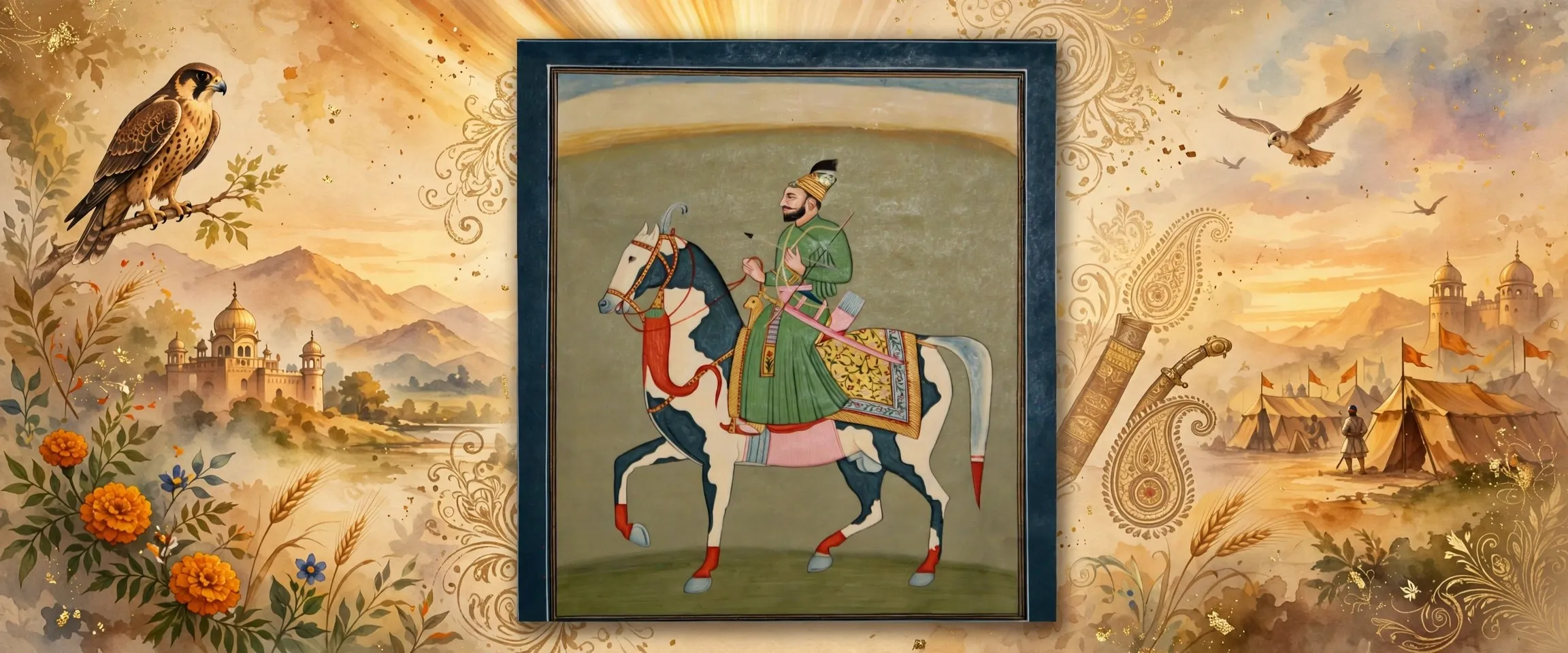
Connected
More to read
Jugti is free and independent. Reader support keeps the Kosh growing.
Support