

The Dasam Granth, the Book of the Tenth, is the collection of the writings of Guru Gobind Singh, the tenth Sikh Guru. In the modern printed edition it runs to 1,428 pages of mostly Braj Bhasha poetry, holding Jaap Sahib, Akal Ustat, Bachittar Natak, the Chandi Charitras, the Zafarnama and more. Parts of it, including Jaap Sahib and the Benti Chaupai, are recited in Sikh daily prayers, and the surviving booklets were gathered into one volume after the Guru's death, traditionally by Bhai Mani Singh.
with an English translation- Punjabi name
- ਦਸਮ ਗ੍ਰੰਥ
- Author
- Guru Gobind Singh
- Composed
- 1677 to 1705
- Compiled
- After 1708, traditionally by Bhai Mani Singh
- Printed pages
- 1,428
- Compositions
- 18 in the standard edition
All 10 facts
- Language
- Mainly Braj Bhasha; Zafarnama and Hikayats in Persian
- First printed
- 1897 (standardised edition); canonical print 1902
- Daily prayers
- Jaap Sahib, Tav-Prasad Savaiye and Benti Chaupai
- Used in
- Sikh daily prayer (Nitnem) and Khalsa initiation
About the book
The Dasam Granth, the Book of the Tenth, is the collection of the writings of Guru Gobind Singh, the tenth Sikh Guru. In the modern printed edition it runs to 1,428 pages of rhymed poetry, most of it in Braj Bhasha, with the Zafarnama and the Hikayats in Persian. It holds some of the best-loved compositions in Sikh life: the Jaap Sahib, the Akal Ustat, the Bachittar Natak, the Chandi Charitras, the Zafarnama and the Chaupai. Parts of it are recited every day by Sikhs around the world, in the morning prayers and at the initiation ceremony of the Khalsa.
What is inside the Dasam Granth?
The standard edition holds 18 compositions. It opens with the Jaap Sahib, a meditation on the nature of God, and the Akal Ustat, 271 verses in praise of the Creator. Then comes the Bachittar Natak, the Guru's own life story, followed by three works on the goddess Chandi, the Chandi Charitras and the Chandi di Var, drawn from the Markandeya Purana. The Gian Prabodh, the awakening of knowledge, comes next, then the Chaubis Avatar, the stories of 24 incarnations of Vishnu, which takes up a third of the whole book, and the Brahma Avatar and Rudra Avatar. The Shabad Hazare, ten hymns, and the 33 Sawaiye follow, then the Khalsa Mahima, two short compositions in praise of the Khalsa, and the Shastar Nam Mala, a long list of the names of weapons. The largest single part is the Charitropakhyan, tales of men and women, which runs to nearly 600 pages, and the book closes with the Zafarnama, the Guru's letter of victory to the emperor Aurangzeb, and the Hikayats, stories in Persian verse.
How it was written and compiled
The compositions were not written as one book. Guru Gobind Singh wrote them as separate small booklets over his lifetime, in the courts at Paonta and Anandpur. The Jaap Sahib and the Akal Ustat date to 1677, when the Guru was eleven. The Krishna Avatar was begun at Makhowal in 1684 and finished at Paonta in 1688. The Charitropakhyan was begun in 1691 and finished in 1696, and the Bachittar Natak was completed in 1698. Much of what the Guru wrote was lost in the 1704 evacuation of Anandpur Sahib, when his camp was scattered. After the Guru's death in 1708, the surviving booklets were gathered into a single volume, traditionally by Bhai Mani Singh, working with other Khalsa Sikhs on the instructions of Mata Sundari, the Guru's widow. Early manuscripts from the Guru's own time survive, including the Anandpuri Bir of 1696, which contains some pages in the Guru's own hand. The text was standardised and printed in 1897, and the Amritsar Singh Sabha published its canonical print in 1902.
Why is the Dasam Granth debated?
The Dasam Granth has been debated for more than a century. In the eighteenth century it was treated as the Guru's own book, and in 1751 the Gurbilas Patshahi Dasvin listed its compositions as the Guru's work. Doubts arose in the twentieth century, when some scholars argued that only part of the collection was written by the Guru himself and that other poets at his court wrote the rest, and that some pieces, such as parts of the Charitropakhyan, sit uneasily beside the Guru Granth Sahib. Others point to the early manuscripts and the eighteenth-century histories, which treat the book as the Guru's, and to the fact that its best-known compositions have been part of Sikh prayer for centuries. The debate continues among scholars, and this entry states both views without taking a side. What no one disputes is the book's place in Sikh life: its prayers are recited daily, and its stories have shaped Sikh ideas of courage for three hundred years.
The author
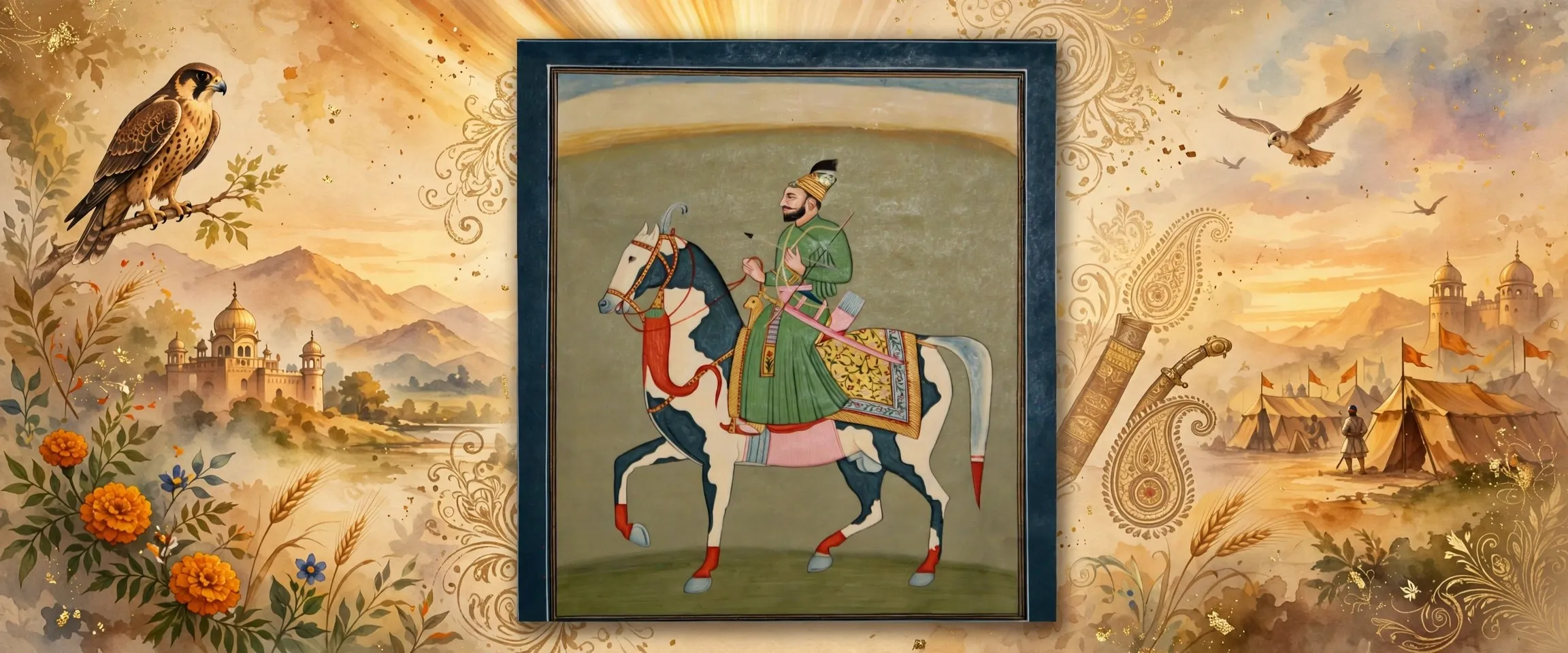
Guru Gobind Singh (1666 to 1708) was the tenth and last human Guru of the Sikhs. Born Gobind Rai in Patna, he became Guru at nine after the martyrdom of his father, Guru Tegh Bahadur. He founded the Khalsa in 1699, gave the Sikhs the five articles of faith, and declared that after him the Guru Granth Sahib would be the eternal Guru. He was a poet and scholar as well as a warrior, and he kept a court of poets at Anandpur, where much of the Dasam Granth was written. He died at Nanded in 1708.
Reception and legacy
Three compositions from the Dasam Granth are part of the daily Nitnem prayers: the Jaap Sahib, the Tav-Prasad Savaiye and the Benti Chaupai, the closing verses of the Charitropakhyan. The opening of the Ardas, the Sikh prayer of supplication, also comes from the Dasam Granth. The book's heroic poetry, its battle scenes and its praise of the sword as the defender of the righteous, gave the Khalsa its language of courage, and its renderings of the old epics, told to stir the desire for righteous war, are still read as literature. The standard printed edition of 1,428 pages is the one most Sikhs know today, and it is kept beside the Guru Granth Sahib in gurdwaras. Scholars continue to study its manuscripts, and new editions and translations keep appearing.
ਕਿਤਾਬ ਬਾਰੇ
ਦਸਮ ਗ੍ਰੰਥ, ਦਸਵੇਂ ਪਾਤਸ਼ਾਹ ਦਾ ਗ੍ਰੰਥ, ਗੁਰੂ ਗੋਬਿੰਦ ਸਿੰਘ, ਦਸਵੇਂ ਸਿੱਖ ਗੁਰੂ, ਦੀਆਂ ਰਚਨਾਵਾਂ ਦਾ ਸੰਗ੍ਰਹਿ ਹੈ। ਅੱਜ ਦੀ ਛਪੀ ਹੋਈ ਕਿਤਾਬ ਵਿੱਚ ਇਹ 1,428 ਸਫ਼ਿਆਂ ਦੀ ਤੁਕਾਂਤ ਕਵਿਤਾ ਹੈ, ਜਿਸ ਦਾ ਵੱਡਾ ਹਿੱਸਾ ਬ੍ਰਜ ਭਾਸ਼ਾ ਵਿੱਚ ਹੈ, ਅਤੇ ਜ਼ਫ਼ਰਨਾਮਾ ਤੇ ਹਿਕਾਇਤਾਂ ਫ਼ਾਰਸੀ ਵਿੱਚ ਹਨ। ਇਸ ਵਿੱਚ ਸਿੱਖ ਜੀਵਨ ਦੀਆਂ ਸਭ ਤੋਂ ਪਿਆਰੀਆਂ ਰਚਨਾਵਾਂ ਹਨ: ਜਾਪੁ ਸਾਹਿਬ, ਅਕਾਲ ਉਸਤਤਿ, ਬਚਿਤ੍ਰ ਨਾਟਕ, ਚੰਡੀ ਚਰਿਤ੍ਰ, ਜ਼ਫ਼ਰਨਾਮਾ ਅਤੇ ਚੌਪਈ। ਇਸ ਦੇ ਕੁਝ ਹਿੱਸੇ ਦੁਨੀਆ ਭਰ ਦੇ ਸਿੱਖ ਹਰ ਰੋਜ਼ ਪੜ੍ਹਦੇ ਹਨ, ਸਵੇਰ ਦੀਆਂ ਅਰਦਾਸਾਂ ਵਿੱਚ ਅਤੇ ਖ਼ਾਲਸੇ ਦੀ ਅੰਮ੍ਰਿਤ ਦੀ ਰਸਮ ਵਿੱਚ।
ਦਸਮ ਗ੍ਰੰਥ ਵਿੱਚ ਕੀ ਹੈ?
ਅੱਜ ਦੇ ਮਿਆਰੀ ਸੰਸਕਰਨ ਵਿੱਚ 18 ਰਚਨਾਵਾਂ ਹਨ। ਇਹ ਜਾਪੁ ਸਾਹਿਬ ਨਾਲ ਸ਼ੁਰੂ ਹੁੰਦਾ ਹੈ, ਰੱਬ ਦੇ ਸਰੂਪ ਉੱਤੇ ਧਿਆਨ, ਅਤੇ ਅਕਾਲ ਉਸਤਤਿ ਨਾਲ, ਕਰਤਾ ਦੀ ਉਸਤਤ ਦੇ 271 ਬੰਦ। ਫਿਰ ਬਚਿਤ੍ਰ ਨਾਟਕ ਆਉਂਦਾ ਹੈ, ਗੁਰੂ ਜੀ ਦੀ ਆਪਣੀ ਜੀਵਨ ਕਹਾਣੀ, ਅਤੇ ਉਸ ਤੋਂ ਬਾਅਦ ਦੇਵੀ ਚੰਡੀ ਉੱਤੇ ਤਿੰਨ ਰਚਨਾਵਾਂ, ਚੰਡੀ ਚਰਿਤ੍ਰ ਅਤੇ ਚੰਡੀ ਦੀ ਵਾਰ, ਜੋ ਮਾਰਕੰਡੇਯ ਪੁਰਾਣ ਤੋਂ ਲਈਆਂ ਗਈਆਂ ਹਨ। ਫਿਰ ਗਿਆਨ ਪ੍ਰਬੋਧ ਆਉਂਦਾ ਹੈ, ਗਿਆਨ ਦੀ ਜਾਗ੍ਰਿਤੀ, ਫਿਰ ਚੌਬੀਸ ਅਵਤਾਰ, ਵਿਸ਼ਨੂੰ ਦੇ 24 ਅਵਤਾਰਾਂ ਦੀਆਂ ਕਹਾਣੀਆਂ, ਜੋ ਪੂਰੀ ਕਿਤਾਬ ਦਾ ਤੀਜਾ ਹਿੱਸਾ ਹੈ, ਅਤੇ ਬ੍ਰਹਮ ਅਵਤਾਰ ਤੇ ਰੁਦ੍ਰ ਅਵਤਾਰ। ਫਿਰ ਸ਼ਬਦ ਹਜ਼ਾਰੇ, ਦਸ ਸ਼ਬਦ, ਅਤੇ 33 ਸਵੱਈਏ ਆਉਂਦੇ ਹਨ, ਫਿਰ ਖ਼ਾਲਸਾ ਮਹਿਮਾ, ਖ਼ਾਲਸੇ ਦੀ ਉਸਤਤ ਦੀਆਂ ਦੋ ਛੋਟੀਆਂ ਰਚਨਾਵਾਂ, ਅਤੇ ਸ਼ਸਤਰ ਨਾਮ ਮਾਲਾ, ਹਥਿਆਰਾਂ ਦੇ ਨਾਵਾਂ ਦੀ ਲੰਮੀ ਸੂਚੀ। ਸਭ ਤੋਂ ਵੱਡਾ ਹਿੱਸਾ ਚਰਿਤ੍ਰੋਪਾਖਿਆਨ ਹੈ, ਮਰਦਾਂ ਤੇ ਔਰਤਾਂ ਦੀਆਂ ਕਹਾਣੀਆਂ, ਜੋ ਲਗਭਗ 600 ਸਫ਼ਿਆਂ ਦਾ ਹੈ, ਅਤੇ ਕਿਤਾਬ ਜ਼ਫ਼ਰਨਾਮੇ, ਬਾਦਸ਼ਾਹ ਔਰੰਗਜ਼ੇਬ ਨੂੰ ਗੁਰੂ ਜੀ ਦੀ ਜਿੱਤ ਦੀ ਚਿੱਠੀ, ਅਤੇ ਹਿਕਾਇਤਾਂ, ਫ਼ਾਰਸੀ ਕਵਿਤਾ ਵਿੱਚ ਕਹਾਣੀਆਂ, ਨਾਲ ਖ਼ਤਮ ਹੁੰਦੀ ਹੈ।
ਇਹ ਕਿਵੇਂ ਲਿਖਿਆ ਤੇ ਇਕੱਠਾ ਕੀਤਾ ਗਿਆ
ਇਹ ਰਚਨਾਵਾਂ ਇੱਕੋ ਕਿਤਾਬ ਵਜੋਂ ਨਹੀਂ ਲਿਖੀਆਂ ਗਈਆਂ ਸਨ। ਗੁਰੂ ਗੋਬਿੰਦ ਸਿੰਘ ਨੇ ਇਨ੍ਹਾਂ ਨੂੰ ਆਪਣੇ ਜੀਵਨ ਦੌਰਾਨ ਪਾਉਂਟਾ ਤੇ ਅਨੰਦਪੁਰ ਦੇ ਦਰਬਾਰਾਂ ਵਿੱਚ ਵੱਖ-ਵੱਖ ਛੋਟੀਆਂ ਪੁਸਤਕਾਂ ਵਜੋਂ ਲਿਖਿਆ। ਜਾਪੁ ਸਾਹਿਬ ਅਤੇ ਅਕਾਲ ਉਸਤਤਿ 1677 ਦੀਆਂ ਹਨ, ਜਦੋਂ ਗੁਰੂ ਜੀ ਗਿਆਰਾਂ ਸਾਲ ਦੇ ਸਨ। ਕ੍ਰਿਸ਼ਨ ਅਵਤਾਰ 1684 ਵਿੱਚ ਮਖੋਵਾਲ ਵਿੱਚ ਸ਼ੁਰੂ ਹੋਇਆ ਅਤੇ 1688 ਵਿੱਚ ਪਾਉਂਟਾ ਵਿੱਚ ਪੂਰਾ ਹੋਇਆ। ਚਰਿਤ੍ਰੋਪਾਖਿਆਨ 1691 ਵਿੱਚ ਸ਼ੁਰੂ ਹੋ ਕੇ 1696 ਵਿੱਚ ਪੂਰਾ ਹੋਇਆ, ਅਤੇ ਬਚਿਤ੍ਰ ਨਾਟਕ 1698 ਵਿੱਚ ਪੂਰਾ ਹੋਇਆ। ਗੁਰੂ ਜੀ ਨੇ ਜੋ ਲਿਖਿਆ ਸੀ, ਉਸ ਦਾ ਬਹੁਤਾ ਹਿੱਸਾ 1704 ਵਿੱਚ ਅਨੰਦਪੁਰ ਸਾਹਿਬ ਛੱਡਣ ਸਮੇਂ ਗੁਆਚ ਗਿਆ, ਜਦੋਂ ਉਨ੍ਹਾਂ ਦਾ ਕਾਫ਼ਲਾ ਖਿੱਲਰ ਗਿਆ। ਗੁਰੂ ਜੀ ਦੇ 1708 ਵਿੱਚ ਅਕਾਲ ਚਲਾਣੇ ਤੋਂ ਬਾਅਦ ਬਚੀਆਂ ਹੋਈਆਂ ਪੁਸਤਕਾਂ ਨੂੰ ਇੱਕੋ ਗ੍ਰੰਥ ਵਿੱਚ ਇਕੱਠਾ ਕੀਤਾ ਗਿਆ, ਪਰੰਪਰਾ ਅਨੁਸਾਰ ਭਾਈ ਮਣੀ ਸਿੰਘ ਨੇ, ਹੋਰ ਖ਼ਾਲਸਾ ਸਿੱਖਾਂ ਨਾਲ ਮਿਲ ਕੇ, ਗੁਰੂ ਜੀ ਦੀ ਪਤਨੀ ਮਾਤਾ ਸੁੰਦਰੀ ਦੇ ਹੁਕਮ ਉੱਤੇ। ਗੁਰੂ ਜੀ ਦੇ ਸਮੇਂ ਦੀਆਂ ਮੁੱਢਲੀਆਂ ਹੱਥ-ਲਿਖਤਾਂ ਅੱਜ ਵੀ ਮਿਲਦੀਆਂ ਹਨ, ਜਿਨ੍ਹਾਂ ਵਿੱਚ 1696 ਦੀ ਅਨੰਦਪੁਰੀ ਬੀੜ ਵੀ ਹੈ, ਜਿਸ ਵਿੱਚ ਗੁਰੂ ਜੀ ਦੇ ਆਪਣੇ ਹੱਥ ਦੇ ਲਿਖੇ ਕੁਝ ਸਫ਼ੇ ਹਨ। ਇਹ ਪਾਠ 1897 ਵਿੱਚ ਮਿਆਰੀ ਰੂਪ ਵਿੱਚ ਛਾਪਿਆ ਗਿਆ, ਅਤੇ ਅੰਮ੍ਰਿਤਸਰ ਸਿੰਘ ਸਭਾ ਨੇ 1902 ਵਿੱਚ ਇਸ ਦੀ ਮਿਆਰੀ ਛਪਾਈ ਪ੍ਰਕਾਸ਼ਿਤ ਕੀਤੀ।
ਦਸਮ ਗ੍ਰੰਥ ਉੱਤੇ ਬਹਿਸ ਕਿਉਂ ਹੁੰਦੀ ਹੈ?
ਦਸਮ ਗ੍ਰੰਥ ਉੱਤੇ ਸੌ ਸਾਲ ਤੋਂ ਵੱਧ ਸਮੇਂ ਤੋਂ ਬਹਿਸ ਚੱਲ ਰਹੀ ਹੈ। ਅਠਾਰ੍ਹਵੀਂ ਸਦੀ ਵਿੱਚ ਇਸ ਨੂੰ ਗੁਰੂ ਜੀ ਦੀ ਆਪਣੀ ਕਿਤਾਬ ਮੰਨਿਆ ਜਾਂਦਾ ਸੀ, ਅਤੇ 1751 ਵਿੱਚ ਗੁਰਬਿਲਾਸ ਪਾਤਸ਼ਾਹੀ ਦਸਵੀਂ ਨੇ ਇਸ ਦੀਆਂ ਰਚਨਾਵਾਂ ਨੂੰ ਗੁਰੂ ਜੀ ਦੀ ਰਚਨਾ ਦੱਸਿਆ। ਵੀਹਵੀਂ ਸਦੀ ਵਿੱਚ ਸ਼ੱਕ ਉੱਠੇ, ਜਦੋਂ ਕੁਝ ਵਿਦਵਾਨਾਂ ਨੇ ਕਿਹਾ ਕਿ ਸੰਗ੍ਰਹਿ ਦਾ ਸਿਰਫ਼ ਇੱਕ ਹਿੱਸਾ ਗੁਰੂ ਜੀ ਨੇ ਖ਼ੁਦ ਲਿਖਿਆ ਸੀ ਅਤੇ ਬਾਕੀ ਉਨ੍ਹਾਂ ਦੇ ਦਰਬਾਰ ਦੇ ਹੋਰ ਕਵੀਆਂ ਨੇ ਲਿਖਿਆ ਸੀ, ਅਤੇ ਇਹ ਕਿ ਚਰਿਤ੍ਰੋਪਾਖਿਆਨ ਦੇ ਕੁਝ ਹਿੱਸੇ ਗੁਰੂ ਗ੍ਰੰਥ ਸਾਹਿਬ ਨਾਲ ਮੇਲ ਨਹੀਂ ਖਾਂਦੇ। ਦੂਜੇ ਵਿਦਵਾਨ ਮੁੱਢਲੀਆਂ ਹੱਥ-ਲਿਖਤਾਂ ਅਤੇ ਅਠਾਰ੍ਹਵੀਂ ਸਦੀ ਦੇ ਇਤਿਹਾਸਾਂ ਵੱਲ ਇਸ਼ਾਰਾ ਕਰਦੇ ਹਨ, ਜੋ ਇਸ ਕਿਤਾਬ ਨੂੰ ਗੁਰੂ ਜੀ ਦੀ ਮੰਨਦੇ ਹਨ, ਅਤੇ ਇਸ ਗੱਲ ਵੱਲ ਕਿ ਇਸ ਦੀਆਂ ਸਭ ਤੋਂ ਜਾਣੀਆਂ-ਪਛਾਣੀਆਂ ਰਚਨਾਵਾਂ ਸਦੀਆਂ ਤੋਂ ਸਿੱਖ ਅਰਦਾਸ ਦਾ ਹਿੱਸਾ ਰਹੀਆਂ ਹਨ। ਵਿਦਵਾਨਾਂ ਵਿੱਚ ਇਹ ਬਹਿਸ ਅੱਜ ਵੀ ਜਾਰੀ ਹੈ, ਅਤੇ ਇਹ ਲੇਖ ਦੋਹਾਂ ਵਿਚਾਰਾਂ ਨੂੰ ਬਿਨਾਂ ਕਿਸੇ ਪਾਸੇ ਹੋਏ ਦੱਸਦਾ ਹੈ। ਜਿਸ ਗੱਲ ਉੱਤੇ ਕੋਈ ਸ਼ੱਕ ਨਹੀਂ, ਉਹ ਸਿੱਖ ਜੀਵਨ ਵਿੱਚ ਇਸ ਕਿਤਾਬ ਦਾ ਸਥਾਨ ਹੈ: ਇਸ ਦੀਆਂ ਅਰਦਾਸਾਂ ਹਰ ਰੋਜ਼ ਪੜ੍ਹੀਆਂ ਜਾਂਦੀਆਂ ਹਨ, ਅਤੇ ਇਸ ਦੀਆਂ ਕਹਾਣੀਆਂ ਨੇ ਤਿੰਨ ਸੌ ਸਾਲਾਂ ਤੋਂ ਸਿੱਖਾਂ ਦੇ ਬਹਾਦਰੀ ਦੇ ਵਿਚਾਰਾਂ ਨੂੰ ਢਾਲਿਆ ਹੈ।
ਲੇਖਕ ਬਾਰੇ
ਗੁਰੂ ਗੋਬਿੰਦ ਸਿੰਘ (1666 ਤੋਂ 1708) ਸਿੱਖਾਂ ਦੇ ਦਸਵੇਂ ਅਤੇ ਆਖ਼ਰੀ ਮਨੁੱਖੀ ਗੁਰੂ ਸਨ। ਪਟਨਾ ਵਿੱਚ ਗੋਬਿੰਦ ਰਾਇ ਦੇ ਰੂਪ ਵਿੱਚ ਜਨਮੇ ਉਹ ਆਪਣੇ ਪਿਤਾ ਗੁਰੂ ਤੇਗ਼ ਬਹਾਦਰ ਦੀ ਸ਼ਹਾਦਤ ਤੋਂ ਬਾਅਦ ਨੌਂ ਸਾਲ ਦੀ ਉਮਰ ਵਿੱਚ ਗੁਰੂ ਬਣੇ। ਉਨ੍ਹਾਂ ਨੇ 1699 ਵਿੱਚ ਖ਼ਾਲਸਾ ਸਾਜਿਆ, ਸਿੱਖਾਂ ਨੂੰ ਪੰਜ ਕਕਾਰ ਦਿੱਤੇ, ਅਤੇ ਐਲਾਨ ਕੀਤਾ ਕਿ ਉਨ੍ਹਾਂ ਤੋਂ ਬਾਅਦ ਗੁਰੂ ਗ੍ਰੰਥ ਸਾਹਿਬ ਹੀ ਸਦੀਵੀ ਗੁਰੂ ਹੋਵੇਗਾ। ਉਹ ਯੋਧੇ ਹੋਣ ਦੇ ਨਾਲ-ਨਾਲ ਕਵੀ ਤੇ ਵਿਦਵਾਨ ਵੀ ਸਨ, ਅਤੇ ਅਨੰਦਪੁਰ ਵਿੱਚ ਉਨ੍ਹਾਂ ਦੇ ਦਰਬਾਰ ਵਿੱਚ ਕਵੀ ਰਹਿੰਦੇ ਸਨ, ਜਿੱਥੇ ਦਸਮ ਗ੍ਰੰਥ ਦਾ ਬਹੁਤਾ ਹਿੱਸਾ ਲਿਖਿਆ ਗਿਆ। ਉਨ੍ਹਾਂ ਦਾ ਅਕਾਲ ਚਲਾਣਾ 1708 ਵਿੱਚ ਨਾਂਦੇੜ ਵਿੱਚ ਹੋਇਆ।
ਸਵਾਗਤ ਤੇ ਵਿਰਾਸਤ
ਦਸਮ ਗ੍ਰੰਥ ਦੀਆਂ ਤਿੰਨ ਰਚਨਾਵਾਂ ਰੋਜ਼ਾਨਾ ਨਿਤਨੇਮ ਦੀਆਂ ਅਰਦਾਸਾਂ ਦਾ ਹਿੱਸਾ ਹਨ: ਜਾਪੁ ਸਾਹਿਬ, ਤਵ-ਪ੍ਰਸਾਦਿ ਸਵੱਈਏ ਅਤੇ ਬੇਨਤੀ ਚੌਪਈ, ਜੋ ਚਰਿਤ੍ਰੋਪਾਖਿਆਨ ਦੇ ਆਖ਼ਰੀ ਬੰਦ ਹਨ। ਅਰਦਾਸ ਦੀ ਸ਼ੁਰੂਆਤ ਵੀ ਦਸਮ ਗ੍ਰੰਥ ਤੋਂ ਆਈ ਹੈ। ਇਸ ਕਿਤਾਬ ਦੀ ਵੀਰ-ਰਸ ਵਾਲੀ ਕਵਿਤਾ, ਇਸ ਦੇ ਜੰਗ ਦੇ ਦ੍ਰਿਸ਼ ਅਤੇ ਨੇਕੀ ਦੇ ਰਾਖੇ ਵਜੋਂ ਤਲਵਾਰ ਦੀ ਉਸਤਤ ਨੇ ਖ਼ਾਲਸੇ ਨੂੰ ਬਹਾਦਰੀ ਦੀ ਭਾਸ਼ਾ ਦਿੱਤੀ, ਅਤੇ ਪੁਰਾਣੀਆਂ ਕਥਾਵਾਂ ਦੇ ਇਸ ਦੇ ਬਿਰਤਾਂਤ, ਜੋ ਧਰਮ ਦੀ ਜੰਗ ਦੀ ਚਾਹ ਜਗਾਉਣ ਲਈ ਲਿਖੇ ਗਏ ਸਨ, ਅੱਜ ਵੀ ਸਾਹਿਤ ਵਜੋਂ ਪੜ੍ਹੇ ਜਾਂਦੇ ਹਨ। 1,428 ਸਫ਼ਿਆਂ ਦਾ ਮਿਆਰੀ ਛਪਿਆ ਸੰਸਕਰਨ ਹੀ ਉਹ ਹੈ ਜਿਸ ਨੂੰ ਅੱਜ ਜ਼ਿਆਦਾਤਰ ਸਿੱਖ ਜਾਣਦੇ ਹਨ, ਅਤੇ ਇਹ ਗੁਰਦੁਆਰਿਆਂ ਵਿੱਚ ਗੁਰੂ ਗ੍ਰੰਥ ਸਾਹਿਬ ਦੇ ਨਾਲ ਰੱਖਿਆ ਜਾਂਦਾ ਹੈ। ਵਿਦਵਾਨ ਇਸ ਦੀਆਂ ਹੱਥ-ਲਿਖਤਾਂ ਦਾ ਅਧਿਐਨ ਕਰਦੇ ਰਹਿੰਦੇ ਹਨ, ਅਤੇ ਨਵੇਂ ਸੰਸਕਰਨ ਤੇ ਅਨੁਵਾਦ ਆਉਂਦੇ ਰਹਿੰਦੇ ਹਨ।
The author
Connected
More to read
Jugti is free and independent. Reader support keeps the Kosh growing.
Support