
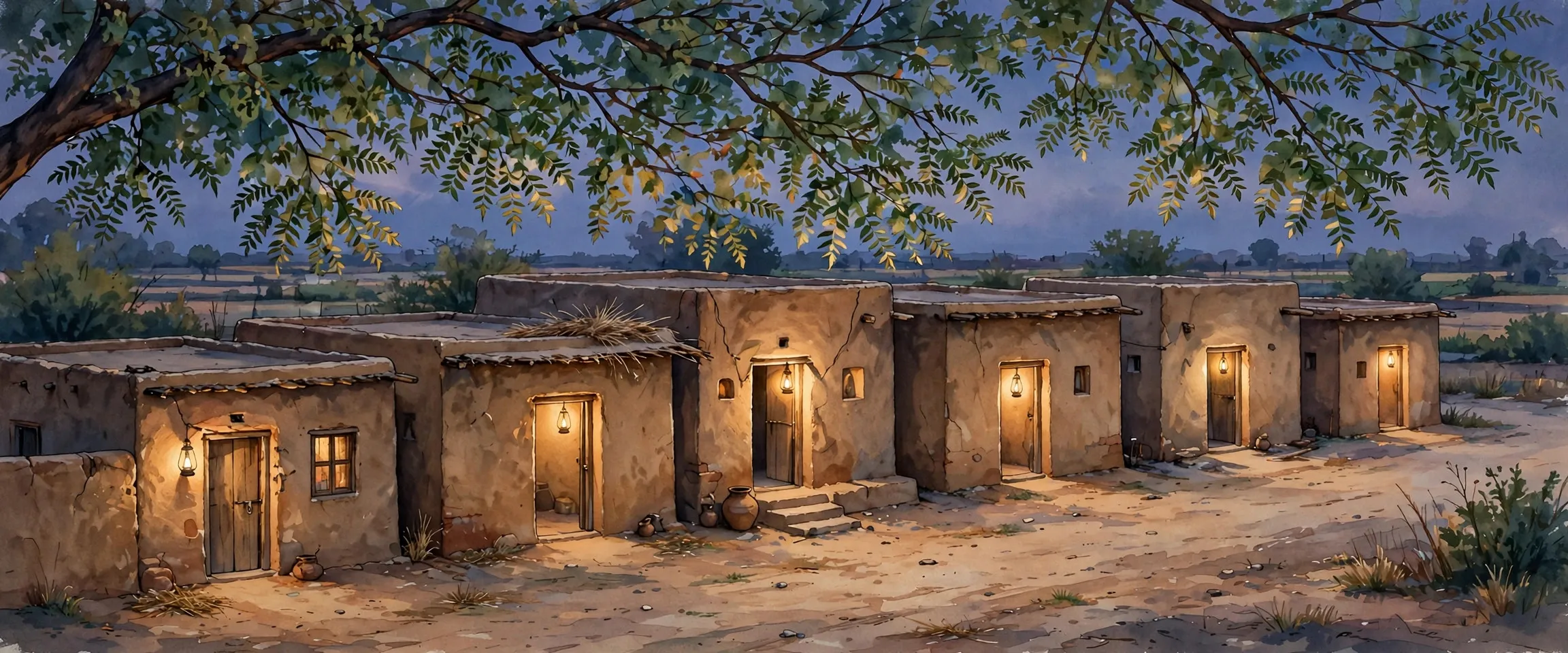
Chhe Ghar (Six Homes), published in 1941, is Sant Singh Sekhon's first collection of one-act plays and the book that established the one-act play as a serious form in Punjabi theatre. Its six short dramas draw on incidents from the past and the present, from rural and urban life, and the most praised of them is Bhavi, a tragedy of a king, his son and a daughter-mother. It announced a playwright who would become one of the founders of modern Punjabi drama.
Punjabi, Gurmukhi- Punjabi name
- ਛੇ ਘਰ
- Author
- Sant Singh Sekhon (1908-1997)
- Form
- One-act plays
- Language
- Punjabi, Gurmukhi
- Published
- 1941
- Plays
- Six one-act plays
All 8 facts
- Standout play
- Bhavi
- Place in his work
- First one-act collection
Chhe Ghar (Six Homes), published in 1941, is the first collection of one-act plays by Sant Singh Sekhon, and the book that established the one-act play as a serious form in Punjabi theatre. Six short plays, each complete in a single sitting, draw their incidents from the past and the present, from rural and urban life. The collection was a critical success, and it announced a playwright who would go on to write ten full-length plays, two novels and five books of criticism.
About the book
Sekhon published Chhe Ghar in 1941, when he was thirty-three and teaching at Khalsa College, Amritsar. He had begun his writing life in English and Urdu: his first play, Woman at Bay, was in English, and his early short stories were written in Urdu in the company of Krishan Chander and Rajinder Singh Bedi. Chhe Ghar was his mark in Punjabi drama, and the first proof that the one-act play could carry serious matter in Punjabi. IndianetZone, the encyclopedia of Indian arts, says plainly that the collection established the genre in Punjabi theatre.
The one-act play is a small form, and Sekhon used its smallness well. Each play is a single situation, held to one place and one stretch of time, and worked out through dialogue. His one-act scripts, IndianetZone notes, are written chiefly in the ironic mode, and they reach their end through dialogue that is nuanced and scintillating. The incidents come from the past and the present, from village and city, and they carry what the same account calls original insights, the kind that wear away the biases blocking the mind.
What is Bhavi about?
The play the critics singled out was Bhavi, a tragedy built around a king, his son and a daughter-mother, whose tangled bonds drive the play to its sad end. It is the piece that carried the collection's reputation, and it showed what the one-act form could do with a subject as large as a kingdom: not a chronicle, but a single knot, pulled tight until it breaks.
The other five plays are less often discussed today, and the sources that praise the collection do not name them. That is the fate of a first book: one piece is remembered, and it stands for the whole. Bhavi stands for Chhe Ghar, and Chhe Ghar stands for the beginning of modern Punjabi drama.
ਛੇ ਘਰ, 1941 ਵਿੱਚ ਪ੍ਰਕਾਸ਼ਿਤ, ਸੰਤ ਸਿੰਘ ਸੇਖੋਂ ਦਾ ਪਹਿਲਾ ਇੱਕਾਂਗੀ ਸੰਗ੍ਰਹਿ ਹੈ ਅਤੇ ਉਹ ਕਿਤਾਬ ਹੈ ਜਿਸ ਨੇ ਇੱਕਾਂਗੀ ਨੂੰ ਪੰਜਾਬੀ ਰੰਗਮੰਚ ਵਿੱਚ ਇੱਕ ਗੰਭੀਰ ਰੂਪ ਵਜੋਂ ਸਥਾਪਿਤ ਕੀਤਾ। ਛੇ ਛੋਟੇ ਨਾਟਕ, ਹਰ ਇੱਕ ਇੱਕੋ ਬੈਠਕ ਵਿੱਚ ਪੂਰਾ ਹੁੰਦਾ ਹੈ, ਆਪਣੀਆਂ ਘਟਨਾਵਾਂ ਅਤੀਤ ਅਤੇ ਵਰਤਮਾਨ, ਪਿੰਡ ਅਤੇ ਸ਼ਹਿਰ ਤੋਂ ਲੈਂਦੇ ਹਨ। ਇਸ ਸੰਗ੍ਰਹਿ ਨੂੰ ਆਲੋਚਕਾਂ ਨੇ ਸਲਾਹਿਆ, ਅਤੇ ਇਸ ਨੇ ਇੱਕ ਅਜਿਹੇ ਨਾਟਕਕਾਰ ਦਾ ਐਲਾਨ ਕੀਤਾ ਜੋ ਅੱਗੇ ਜਾ ਕੇ ਦਸ ਪੂਰੇ ਨਾਟਕ, ਦੋ ਨਾਵਲ ਅਤੇ ਸਾਹਿਤਕ ਆਲੋਚਨਾ ਦੀਆਂ ਪੰਜ ਕਿਤਾਬਾਂ ਲਿਖੇਗਾ।
ਕਿਤਾਬ ਬਾਰੇ
ਸੇਖੋਂ ਨੇ ਛੇ ਘਰ 1941 ਵਿੱਚ ਛਪਵਾਇਆ, ਜਦੋਂ ਉਹ ਤੈਂਤੀ ਸਾਲਾਂ ਦੇ ਸਨ ਅਤੇ ਖ਼ਾਲਸਾ ਕਾਲਜ, ਅੰਮ੍ਰਿਤਸਰ ਵਿੱਚ ਪੜ੍ਹਾ ਰਹੇ ਸਨ। ਉਨ੍ਹਾਂ ਨੇ ਆਪਣੀ ਲਿਖਣ ਦੀ ਜ਼ਿੰਦਗੀ ਅੰਗਰੇਜ਼ੀ ਅਤੇ ਉਰਦੂ ਵਿੱਚ ਸ਼ੁਰੂ ਕੀਤੀ ਸੀ: ਉਨ੍ਹਾਂ ਦਾ ਪਹਿਲਾ ਨਾਟਕ, ਵੂਮਨ ਐਟ ਬੇ, ਅੰਗਰੇਜ਼ੀ ਵਿੱਚ ਸੀ, ਅਤੇ ਉਨ੍ਹਾਂ ਦੀਆਂ ਮੁੱਢਲੀਆਂ ਛੋਟੀਆਂ ਕਹਾਣੀਆਂ ਕ੍ਰਿਸ਼ਨ ਚੰਦਰ ਅਤੇ ਰਾਜਿੰਦਰ ਸਿੰਘ ਬੇਦੀ ਦੀ ਸੰਗਤ ਵਿੱਚ ਉਰਦੂ ਵਿੱਚ ਲਿਖੀਆਂ ਗਈਆਂ ਸਨ। ਛੇ ਘਰ ਪੰਜਾਬੀ ਨਾਟਕ ਵਿੱਚ ਉਨ੍ਹਾਂ ਦੀ ਪਹਿਚਾਣ ਸੀ, ਅਤੇ ਇਹ ਪਹਿਲਾ ਸਬੂਤ ਸੀ ਕਿ ਇੱਕਾਂਗੀ ਪੰਜਾਬੀ ਵਿੱਚ ਗੰਭੀਰ ਵਿਸ਼ਾ ਚੁੱਕ ਸਕਦਾ ਹੈ। ਭਾਰਤੀ ਕਲਾਵਾਂ ਦਾ ਵਿਸ਼ਵਕੋਸ਼, ਇੰਡੀਅਨੈੱਟਜ਼ੋਨ, ਸਾਫ਼ ਕਹਿੰਦਾ ਹੈ ਕਿ ਇਸ ਸੰਗ੍ਰਹਿ ਨੇ ਪੰਜਾਬੀ ਰੰਗਮੰਚ ਵਿੱਚ ਇਸ ਰੂਪ ਨੂੰ ਸਥਾਪਿਤ ਕੀਤਾ।
ਇੱਕਾਂਗੀ ਇੱਕ ਛੋਟਾ ਰੂਪ ਹੈ, ਅਤੇ ਸੇਖੋਂ ਨੇ ਇਸ ਦੀ ਛੋਟਾਈ ਨੂੰ ਚੰਗੀ ਤਰ੍ਹਾਂ ਵਰਤਿਆ। ਹਰ ਨਾਟਕ ਇੱਕੋ ਸਥਿਤੀ ਹੈ, ਇੱਕੋ ਥਾਂ ਅਤੇ ਇੱਕੋ ਸਮੇਂ ਵਿੱਚ ਬੱਝੀ ਹੋਈ, ਅਤੇ ਸੰਵਾਦ ਰਾਹੀਂ ਸੁਲਝਾਈ ਗਈ। ਉਨ੍ਹਾਂ ਦੇ ਇੱਕਾਂਗੀ, ਇੰਡੀਅਨੈੱਟਜ਼ੋਨ ਦੱਸਦਾ ਹੈ, ਮੁੱਖ ਤੌਰ ਉੱਤੇ ਵਿਅੰਗ ਦੇ ਢੰਗ ਵਿੱਚ ਲਿਖੇ ਗਏ ਹਨ, ਅਤੇ ਉਹ ਆਪਣੇ ਅੰਤ ਤੱਕ ਬਾਰੀਕ ਅਤੇ ਚਮਕਦਾਰ ਸੰਵਾਦ ਰਾਹੀਂ ਪਹੁੰਚਦੇ ਹਨ। ਘਟਨਾਵਾਂ ਅਤੀਤ ਅਤੇ ਵਰਤਮਾਨ, ਪਿੰਡ ਅਤੇ ਸ਼ਹਿਰ ਤੋਂ ਆਉਂਦੀਆਂ ਹਨ, ਅਤੇ ਉਹ ਅਸਲੀ ਸੂਝ ਲੈ ਕੇ ਆਉਂਦੀਆਂ ਹਨ, ਉਹ ਸੂਝ ਜੋ ਮਨ ਨੂੰ ਰੋਕਣ ਵਾਲੇ ਪੱਖਪਾਤਾਂ ਨੂੰ ਮਿਟਾਉਂਦੀ ਹੈ।
ਭਾਵੀ ਕਿਸ ਬਾਰੇ ਹੈ?
ਜਿਸ ਨਾਟਕ ਨੂੰ ਆਲੋਚਕਾਂ ਨੇ ਸਭ ਤੋਂ ਵੱਧ ਸਲਾਹਿਆ, ਉਹ ਭਾਵੀ ਸੀ, ਇੱਕ ਦੁਖਾਂਤ ਜੋ ਇੱਕ ਰਾਜੇ, ਉਸ ਦੇ ਪੁੱਤਰ ਅਤੇ ਇੱਕ ਧੀ-ਮਾਂ ਦੇ ਆਲੇ-ਦੁਆਲੇ ਬੁਣਿਆ ਗਿਆ ਹੈ, ਜਿਨ੍ਹਾਂ ਦੇ ਉਲਝੇ ਹੋਏ ਰਿਸ਼ਤੇ ਨਾਟਕ ਨੂੰ ਉਸ ਦੇ ਦੁਖਦਾਈ ਅੰਤ ਵੱਲ ਲੈ ਜਾਂਦੇ ਹਨ। ਇਹੀ ਉਹ ਰਚਨਾ ਹੈ ਜਿਸ ਨੇ ਸੰਗ੍ਰਹਿ ਦੀ ਸਾਖ ਬਣਾਈ, ਅਤੇ ਇਸ ਨੇ ਦਿਖਾਇਆ ਕਿ ਇੱਕਾਂਗੀ ਇੱਕ ਰਾਜ ਜਿੰਨੇ ਵੱਡੇ ਵਿਸ਼ੇ ਨਾਲ ਕੀ ਕਰ ਸਕਦਾ ਹੈ: ਕੋਈ ਇਤਿਹਾਸ ਨਹੀਂ, ਸਗੋਂ ਇੱਕੋ ਗੰਢ, ਜਿਸ ਨੂੰ ਕੱਸਿਆ ਜਾਂਦਾ ਹੈ ਜਦੋਂ ਤੱਕ ਉਹ ਟੁੱਟ ਨਹੀਂ ਜਾਂਦੀ।
ਬਾਕੀ ਪੰਜ ਨਾਟਕਾਂ ਬਾਰੇ ਅੱਜ ਘੱਟ ਚਰਚਾ ਹੁੰਦੀ ਹੈ, ਅਤੇ ਜਿਨ੍ਹਾਂ ਸਰੋਤਾਂ ਨੇ ਸੰਗ੍ਰਹਿ ਦੀ ਤਾਰੀਫ਼ ਕੀਤੀ ਹੈ, ਉਨ੍ਹਾਂ ਨੇ ਉਨ੍ਹਾਂ ਦੇ ਨਾਂ ਨਹੀਂ ਦੱਸੇ। ਇਹੀ ਪਹਿਲੀ ਕਿਤਾਬ ਦੀ ਕਿਸਮਤ ਹੈ: ਇੱਕ ਰਚਨਾ ਯਾਦ ਰਹਿੰਦੀ ਹੈ, ਅਤੇ ਉਹ ਪੂਰੀ ਕਿਤਾਬ ਦੀ ਨੁਮਾਇੰਦਗੀ ਕਰਦੀ ਹੈ। ਭਾਵੀ ਛੇ ਘਰ ਦੀ ਨੁਮਾਇੰਦਗੀ ਕਰਦਾ ਹੈ, ਅਤੇ ਛੇ ਘਰ ਆਧੁਨਿਕ ਪੰਜਾਬੀ ਨਾਟਕ ਦੀ ਸ਼ੁਰੂਆਤ ਦੀ ਨੁਮਾਇੰਦਗੀ ਕਰਦਾ ਹੈ।
Why did Sekhon write plays?
Sekhon came to Punjabi theatre by a roundabout road. In the 1930s he was writing in English, publishing in shared volumes with W. H. Auden and Stephen Spender. But he came to believe that Punjabi reached further and deeper than any other language he wrote in, and he switched to his mother tongue. The switch worked: Chhe Ghar established the one-act play in Punjabi theatre, and Kalakar, his first full-length play, followed four years later.
Like much of his work, Chhe Ghar carries the mark of the Progressive Writers' Movement, which he had joined as a young man, and of his Marxist beliefs. For Sekhon, literature was never a private luxury but a public act with public consequences, and his plays question the customs and hierarchies they show. His plays never found much success on the stage, and he knew it. But on the page they built the modern Punjabi play, and later playwrights learned their craft from him.
The author
Sant Singh Sekhon (1908 to 1997) was born at Lyallpur, in what is now Pakistan, and raised at Dakha, near Ludhiana. He took a BA with honours in English from Mission College, Lahore, in 1928, and master's degrees in economics and in English, and spent most of his working life teaching, at Khalsa College, Amritsar, and later as principal of colleges at Fatehgarh Sahib and Jandiala. He edited the English weekly Northern Review in Lahore in 1938, contested elections four times and never won, and travelled to Russia in 1957.
His writing ran to ten full-length plays, four collections of one-act plays, five collections of short stories, two novels, Lahu Mitti and Mittar Piara, and five books of literary criticism, alongside histories of the Punjabi language and a history of Punjabi literature written with Kartar Singh Duggal. His play Mittar Piara won the Sahitya Akademi Award in 1972, and he received the Padma Shri in 1987. After his death, Punjabi University, Patiala, where he had been Professor of Eminence, set up a chair in his name.
Reception and legacy
Chhe Ghar did what a first book should do: it proved a form. Three more one-act collections followed in its stride, Tapia Kyon Khapya in 1950, Natsunehe in 1954 and Sundrepad in 1956, and the one-act play found its footing in Punjabi theatre. Sekhon went on to the full-length play, the novel and criticism, but he never left the short form behind: his five short story collections show the same gift for a single situation, held tight.
Read Chhe Ghar as the foundation stone of a theatre that is still being built: six homes, six short dramas, and in Bhavi a tragedy that showed Punjabi playwrights what a single act could hold.
ਸੇਖੋਂ ਨੇ ਨਾਟਕ ਕਿਉਂ ਲਿਖੇ?
ਸੇਖੋਂ ਪੰਜਾਬੀ ਨਾਟਕ ਤੱਕ ਇੱਕ ਘੁੰਮਾਅ-ਫਿਰਾਅ ਵਾਲੇ ਰਾਹ ਤੋਂ ਪਹੁੰਚੇ। 1930 ਦੇ ਦਹਾਕੇ ਵਿੱਚ ਉਹ ਅੰਗਰੇਜ਼ੀ ਵਿੱਚ ਲਿਖ ਰਹੇ ਸਨ, ਡਬਲਿਊ. ਐੱਚ. ਔਡਨ ਅਤੇ ਸਟੀਫ਼ਨ ਸਪੈਂਡਰ ਨਾਲ ਸਾਂਝੀਆਂ ਕਿਤਾਬਾਂ ਵਿੱਚ ਛਪ ਰਹੇ ਸਨ। ਪਰ ਉਨ੍ਹਾਂ ਨੂੰ ਲੱਗਿਆ ਕਿ ਪੰਜਾਬੀ ਕਿਸੇ ਹੋਰ ਭਾਸ਼ਾ ਨਾਲੋਂ ਵੱਧ ਦੂਰ ਅਤੇ ਡੂੰਘਾਈ ਤੱਕ ਪਹੁੰਚਦੀ ਹੈ, ਅਤੇ ਉਹ ਆਪਣੀ ਮਾਂ-ਬੋਲੀ ਵੱਲ ਮੁੜ ਗਏ। ਇਹ ਬਦਲਾਅ ਕੰਮ ਆਇਆ: ਛੇ ਘਰ ਨੇ ਪੰਜਾਬੀ ਰੰਗਮੰਚ ਵਿੱਚ ਇੱਕਾਂਗੀ ਨੂੰ ਸਥਾਪਿਤ ਕੀਤਾ, ਅਤੇ ਕਲਾਕਾਰ, ਉਨ੍ਹਾਂ ਦਾ ਪਹਿਲਾ ਪੂਰਾ ਨਾਟਕ, ਚਾਰ ਸਾਲ ਬਾਅਦ ਆਇਆ।
ਉਨ੍ਹਾਂ ਦੇ ਬਹੁਤੇ ਕੰਮ ਵਾਂਗ, ਛੇ ਘਰ ਉੱਤੇ ਵੀ ਪ੍ਰਗਤੀਵਾਦੀ ਲੇਖਕ ਲਹਿਰ ਦੀ ਛਾਪ ਹੈ, ਜਿਸ ਵਿੱਚ ਉਹ ਜਵਾਨੀ ਵਿੱਚ ਸ਼ਾਮਲ ਹੋਏ ਸਨ, ਅਤੇ ਉਨ੍ਹਾਂ ਦੇ ਮਾਰਕਸਵਾਦੀ ਵਿਸ਼ਵਾਸਾਂ ਦੀ। ਸੇਖੋਂ ਲਈ, ਸਾਹਿਤ ਕਦੇ ਨਿੱਜੀ ਸੁੱਖ ਨਹੀਂ ਸੀ, ਸਗੋਂ ਇੱਕ ਜਨਤਕ ਕੰਮ ਸੀ ਜਿਸ ਦੇ ਜਨਤਕ ਨਤੀਜੇ ਹੁੰਦੇ ਸਨ, ਅਤੇ ਉਨ੍ਹਾਂ ਦੇ ਨਾਟਕ ਉਨ੍ਹਾਂ ਰੀਤਾਂ ਅਤੇ ਦਰਜਾਬੰਦੀਆਂ ਉੱਤੇ ਸਵਾਲ ਉਠਾਉਂਦੇ ਹਨ ਜੋ ਉਹ ਦਿਖਾਉਂਦੇ ਹਨ। ਉਨ੍ਹਾਂ ਦੇ ਨਾਟਕਾਂ ਨੂੰ ਮੰਚ ਉੱਤੇ ਬਹੁਤੀ ਸਫ਼ਲਤਾ ਨਹੀਂ ਮਿਲੀ, ਅਤੇ ਉਹ ਇਹ ਜਾਣਦੇ ਸਨ। ਪਰ ਸਫ਼ੇ ਉੱਤੇ ਉਨ੍ਹਾਂ ਨੇ ਆਧੁਨਿਕ ਪੰਜਾਬੀ ਨਾਟਕ ਦੀ ਨੀਂਹ ਰੱਖੀ, ਅਤੇ ਬਾਅਦ ਦੇ ਨਾਟਕਕਾਰਾਂ ਨੇ ਆਪਣੀ ਕਲਾ ਉਨ੍ਹਾਂ ਤੋਂ ਸਿੱਖੀ।
ਲੇਖਕ
ਸੰਤ ਸਿੰਘ ਸੇਖੋਂ (1908 ਤੋਂ 1997) ਦਾ ਜਨਮ ਲਾਇਲਪੁਰ ਵਿੱਚ ਹੋਇਆ, ਜੋ ਹੁਣ ਪਾਕਿਸਤਾਨ ਵਿੱਚ ਹੈ, ਅਤੇ ਉਹ ਲੁਧਿਆਣੇ ਨੇੜੇ ਢਾਖਾ ਵਿੱਚ ਵੱਡੇ ਹੋਏ। ਉਨ੍ਹਾਂ ਨੇ 1928 ਵਿੱਚ ਮਿਸ਼ਨ ਕਾਲਜ, ਲਾਹੌਰ ਤੋਂ ਅੰਗਰੇਜ਼ੀ ਵਿੱਚ ਬੀ.ਏ. ਆਨਰਜ਼ ਕੀਤੀ, ਅਤੇ ਅਰਥ-ਸ਼ਾਸਤਰ ਅਤੇ ਅੰਗਰੇਜ਼ੀ ਵਿੱਚ ਮਾਸਟਰ ਦੀਆਂ ਡਿਗਰੀਆਂ ਲਈਆਂ, ਅਤੇ ਆਪਣੀ ਜ਼ਿੰਦਗੀ ਦਾ ਬਹੁਤਾ ਹਿੱਸਾ ਪੜ੍ਹਾਉਂਦਿਆਂ ਬਿਤਾਇਆ, ਖ਼ਾਲਸਾ ਕਾਲਜ, ਅੰਮ੍ਰਿਤਸਰ ਵਿੱਚ, ਅਤੇ ਬਾਅਦ ਵਿੱਚ ਫ਼ਤਹਿਗੜ੍ਹ ਸਾਹਿਬ ਅਤੇ ਜੰਡਿਆਲਾ ਵਿੱਚ ਕਾਲਜਾਂ ਦੇ ਪ੍ਰਿੰਸੀਪਲ ਵਜੋਂ। ਉਨ੍ਹਾਂ ਨੇ 1938 ਵਿੱਚ ਲਾਹੌਰ ਤੋਂ ਅੰਗਰੇਜ਼ੀ ਹਫ਼ਤਾਵਾਰੀ ਨਾਰਦਰਨ ਰਿਵਿਊ ਦਾ ਸੰਪਾਦਨ ਕੀਤਾ, ਚਾਰ ਵਾਰ ਚੋਣਾਂ ਲੜੀਆਂ ਅਤੇ ਕਦੇ ਨਹੀਂ ਜਿੱਤੇ, ਅਤੇ 1957 ਵਿੱਚ ਰੂਸ ਦੀ ਯਾਤਰਾ ਕੀਤੀ।
ਉਨ੍ਹਾਂ ਦੀ ਲਿਖਤ ਵਿੱਚ ਦਸ ਪੂਰੇ ਨਾਟਕ, ਇੱਕਾਂਗੀਆਂ ਦੇ ਚਾਰ ਸੰਗ੍ਰਹਿ, ਛੋਟੀਆਂ ਕਹਾਣੀਆਂ ਦੇ ਪੰਜ ਸੰਗ੍ਰਹਿ, ਦੋ ਨਾਵਲ, ਲਹੂ ਮਿੱਟੀ ਅਤੇ ਮਿੱਤਰ ਪਿਆਰਾ, ਅਤੇ ਸਾਹਿਤਕ ਆਲੋਚਨਾ ਦੀਆਂ ਪੰਜ ਕਿਤਾਬਾਂ ਸਨ, ਅਤੇ ਪੰਜਾਬੀ ਭਾਸ਼ਾ ਦੇ ਇਤਿਹਾਸ ਅਤੇ ਕਰਤਾਰ ਸਿੰਘ ਦੁੱਗਲ ਨਾਲ ਲਿਖਿਆ ਪੰਜਾਬੀ ਸਾਹਿਤ ਦਾ ਇਤਿਹਾਸ ਵੀ। ਉਨ੍ਹਾਂ ਦੇ ਨਾਟਕ ਮਿੱਤਰ ਪਿਆਰਾ ਨੇ 1972 ਵਿੱਚ ਸਾਹਿਤ ਅਕਾਦਮੀ ਪੁਰਸਕਾਰ ਜਿੱਤਿਆ, ਅਤੇ ਉਨ੍ਹਾਂ ਨੂੰ 1987 ਵਿੱਚ ਪਦਮ ਸ਼੍ਰੀ ਮਿਲਿਆ। ਉਨ੍ਹਾਂ ਦੇ ਦਿਹਾਂਤ ਤੋਂ ਬਾਅਦ, ਪੰਜਾਬੀ ਯੂਨੀਵਰਸਿਟੀ, ਪਟਿਆਲਾ, ਜਿੱਥੇ ਉਹ ਪ੍ਰੋਫ਼ੈਸਰ ਐਮੇਰਿਟਸ ਸਨ, ਨੇ ਉਨ੍ਹਾਂ ਦੇ ਨਾਂ ਉੱਤੇ ਇੱਕ ਚੇਅਰ ਸਥਾਪਿਤ ਕੀਤੀ।
ਸਵੀਕ੍ਰਿਤੀ ਅਤੇ ਵਿਰਾਸਤ
ਛੇ ਘਰ ਨੇ ਉਹੀ ਕੀਤਾ ਜੋ ਪਹਿਲੀ ਕਿਤਾਬ ਨੂੰ ਕਰਨਾ ਚਾਹੀਦਾ ਹੈ: ਇਸ ਨੇ ਇੱਕ ਰੂਪ ਨੂੰ ਸਾਬਤ ਕੀਤਾ। ਇਸ ਦੇ ਪਿੱਛੇ ਤਿੰਨ ਹੋਰ ਇੱਕਾਂਗੀ ਸੰਗ੍ਰਹਿ ਆਏ, ਤਪੀਆ ਕਿਉਂ ਖਪਿਆ 1950 ਵਿੱਚ, ਨਟ ਸੁਨੇਹੇ 1954 ਵਿੱਚ ਅਤੇ ਸੁੰਦਰ ਪਦ 1956 ਵਿੱਚ, ਅਤੇ ਇੱਕਾਂਗੀ ਨੇ ਪੰਜਾਬੀ ਰੰਗਮੰਚ ਵਿੱਚ ਆਪਣੀ ਥਾਂ ਬਣਾ ਲਈ। ਸੇਖੋਂ ਅੱਗੇ ਪੂਰੇ ਨਾਟਕ, ਨਾਵਲ ਅਤੇ ਆਲੋਚਨਾ ਵੱਲ ਗਏ, ਪਰ ਉਨ੍ਹਾਂ ਨੇ ਛੋਟਾ ਰੂਪ ਕਦੇ ਨਹੀਂ ਛੱਡਿਆ: ਉਨ੍ਹਾਂ ਦੀਆਂ ਛੋਟੀਆਂ ਕਹਾਣੀਆਂ ਦੇ ਪੰਜ ਸੰਗ੍ਰਹਿ ਵੀ ਇੱਕੋ ਸਥਿਤੀ ਨੂੰ ਕੱਸ ਕੇ ਫੜ੍ਹਨ ਦੀ ਉਹੀ ਕਲਾ ਦਿਖਾਉਂਦੇ ਹਨ।
ਛੇ ਘਰ ਨੂੰ ਇੱਕ ਰੰਗਮੰਚ ਦੀ ਨੀਂਹ ਦੇ ਪੱਥਰ ਵਜੋਂ ਪੜ੍ਹੋ ਜੋ ਅੱਜ ਵੀ ਬਣ ਰਿਹਾ ਹੈ: ਛੇ ਘਰ, ਛੇ ਛੋਟੇ ਨਾਟਕ, ਅਤੇ ਭਾਵੀ ਵਿੱਚ ਇੱਕ ਦੁਖਾਂਤ ਜਿਸ ਨੇ ਪੰਜਾਬੀ ਨਾਟਕਕਾਰਾਂ ਨੂੰ ਦਿਖਾਇਆ ਕਿ ਇੱਕੋ ਅੰਕ ਵਿੱਚ ਕੀ ਸਮਾ ਸਕਦਾ ਹੈ।
Editions and translations
- Chhe GharPunjabi · Gurmukhi · original, 1941Original
The author

Connected
More to read
Sources (3)
Jugti is free and independent. Reader support keeps the Kosh growing.
Support