
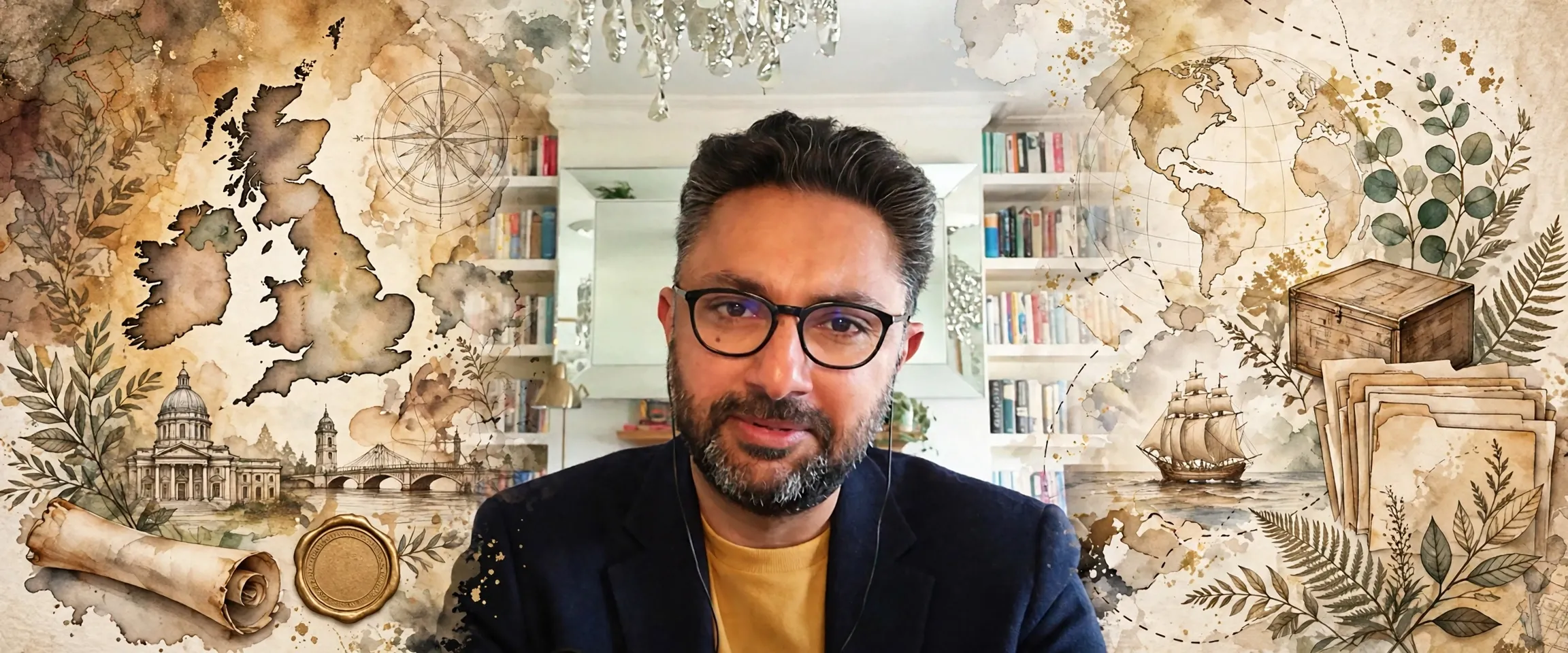
Empireland: How Imperialism Has Shaped Modern Britain is Sathnam Sanghera's 2021 account of how the British Empire still shapes everyday life in Britain, from the words people use to the food they eat, the wealth of its institutions and the arguments about race and identity. Drawing on history, his own experience as the British-born son of Punjabi immigrants, and a 47-page bibliography, Sanghera argues that Britain cannot understand itself until it faces its imperial past. It became an instant Sunday Times bestseller and won Narrative Non-Fiction Book of the Year at the 2022 British Book Awards.
English- Author
- Sathnam Sanghera (born 1976, Wolverhampton)
- First published
- January 2021, Viking (Penguin)
- Language
- English
- Form
- Non-fiction, history
- Pages
- 306 (hardback)
- Awards
- British Book Award, Narrative Non-Fiction Book of the Year, 2022
- Television
- Empire State of Mind, Channel 4, 2021
About the book
Empireland: How Imperialism Has Shaped Modern Britain is Sathnam Sanghera's third book, first published by Viking in January 2021. It is a work of history written by a journalist: part investigation, part memoir, built on wide reading and interviews with historians, and backed by a 47-page bibliography. Sanghera's question is simple and unsettling: how much of the Britain we live in today was made by its empire, and why do so few Britons know it?
The book opens with a half-serious call to bring back Empire Day and closes with a serious one: to teach the history of empire in schools. In between, it moves chapter by chapter through the places empire still touches: language, money, food, museums, race, immigration, politics and the way Britain sees itself. Sanghera refuses the usual scorecard approach. He argues that weighing 500 years of empire as simply good or bad is historically illiterate, and he gives both the defenders and the critics of empire a hearing while showing how much of the argument rests on forgetting.
What makes the book different from a standard history is Sanghera himself. Born in Wolverhampton in 1976 to Punjabi Sikh parents, educated at Cambridge, a journalist at the Financial Times and The Times, he writes as someone who grew up inside the story he is telling. His own schooling, he says, taught him almost nothing about empire, and realising that his education had, in his words, colonised him was painful.
What does Empireland argue?
The central argument is that imperialism is everywhere in modern Britain, though Britons often choose not to see it. Sanghera traces it through small things and large ones. In language: juggernaut, bungalow, shawl and shampoo all came into English through empire. In business: Liberty of London began by selling silks and shawls from the East, and the company that became Shell started by importing oriental seashells. In sport: Wembley Stadium began as the Empire Stadium, and roads around it still carry names chosen by Rudyard Kipling.
The bigger legacies are structural. Much of Britain's wealth, its museums, its multicultural population and its attitudes to race and immigration all trace back to empire. Sanghera points out that Britain is multicultural today for a simple reason: it once ruled a vast, racially diverse empire, and the 1948 British Nationality Act made citizens of that empire into citizens of Britain. Most of the people who came in the decades after the war were invited, and arrived as citizens, not as strangers with no link to the country.
ਕਿਤਾਬ ਬਾਰੇ
ਐਂਪਾਇਰਲੈਂਡ: ਸਾਮਰਾਜ ਨੇ ਅਜੋਕੇ ਬਰਤਾਨੀਆ ਨੂੰ ਕਿਵੇਂ ਰੂਪ ਦਿੱਤਾ ਸਤਨਾਮ ਸੰਘੇਰਾ ਦੀ ਤੀਜੀ ਕਿਤਾਬ ਹੈ, ਜੋ ਜਨਵਰੀ 2021 ਵਿੱਚ ਵਾਈਕਿੰਗ ਵੱਲੋਂ ਛਪੀ। ਇਹ ਇੱਕ ਪੱਤਰਕਾਰ ਵੱਲੋਂ ਲਿਖਿਆ ਇਤਿਹਾਸ ਹੈ, ਜਿਸ ਵਿੱਚ ਖੋਜ ਅਤੇ ਆਪਣੀ ਜ਼ਿੰਦਗੀ ਦੀ ਕਹਾਣੀ ਦੋਵੇਂ ਹਨ, ਅਤੇ ਇਸ ਦੀ ਪੁਸਤਕ ਸੂਚੀ 47 ਪੰਨਿਆਂ ਦੀ ਹੈ। ਸੰਘੇਰਾ ਦਾ ਸਵਾਲ ਸਾਦਾ ਹੈ, ਪਰ ਚਿੰਤਾ ਵਿੱਚ ਪਾਉਣ ਵਾਲਾ ਹੈ: ਅੱਜ ਦਾ ਬਰਤਾਨੀਆ ਆਪਣੇ ਸਾਮਰਾਜ ਤੋਂ ਕਿੰਨਾ ਕੁ ਬਣਿਆ ਹੈ, ਅਤੇ ਇੰਨੇ ਘੱਟ ਬਰਤਾਨਵੀ ਇਹ ਗੱਲ ਕਿਉਂ ਜਾਣਦੇ ਹਨ।
ਕਿਤਾਬ ਦੀ ਸ਼ੁਰੂਆਤ ਐਂਪਾਇਰ ਡੇਅ ਨੂੰ ਮੁੜ ਸ਼ੁਰੂ ਕਰਨ ਦੀ ਅੱਧੀ ਮਜ਼ਾਕੀਆ ਮੰਗ ਨਾਲ ਹੁੰਦੀ ਹੈ, ਅਤੇ ਅੰਤ ਸਕੂਲਾਂ ਵਿੱਚ ਸਾਮਰਾਜ ਦੇ ਇਤਿਹਾਸ ਨੂੰ ਪੜ੍ਹਾਉਣ ਦੀ ਗੰਭੀਰ ਮੰਗ ਨਾਲ ਹੁੰਦਾ ਹੈ। ਇਸ ਦੇ ਵਿਚਕਾਰ ਇਹ ਉਨ੍ਹਾਂ ਸਾਰੀਆਂ ਥਾਵਾਂ ਵਿੱਚੋਂ ਲੰਘਦੀ ਹੈ ਜਿੱਥੇ ਸਾਮਰਾਜ ਅੱਜ ਵੀ ਛੂਹਦਾ ਹੈ: ਬੋਲੀ, ਪੈਸਾ, ਖਾਣਾ, ਅਜਾਇਬ ਘਰ, ਨਸਲ, ਪਰਵਾਸ, ਸਿਆਸਤ ਅਤੇ ਬਰਤਾਨੀਆ ਆਪਣੇ ਬਾਰੇ ਜੋ ਸੋਚਦਾ ਹੈ। ਸੰਘੇਰਾ ਸਾਮਰਾਜ ਨੂੰ ਚੰਗਾ ਜਾਂ ਮਾੜਾ ਕਰਕੇ ਤੋਲਣ ਤੋਂ ਇਨਕਾਰ ਕਰਦਾ ਹੈ। ਉਹ ਕਹਿੰਦਾ ਹੈ ਕਿ 500 ਸਾਲ ਦੇ ਇਤਿਹਾਸ ਨੂੰ ਚੰਗਾ ਜਾਂ ਮਾੜਾ ਕਹਿਣਾ ਇਤਿਹਾਸਕ ਤੌਰ ਤੇ ਗਲਤ ਹੈ, ਅਤੇ ਉਹ ਸਾਮਰਾਜ ਦੇ ਸਮਰਥਕਾਂ ਅਤੇ ਆਲੋਚਕਾਂ ਦੋਵਾਂ ਦੀ ਗੱਲ ਸੁਣਦਾ ਹੈ, ਜਦੋਂ ਕਿ ਇਹ ਵੀ ਦਿਖਾਉਂਦਾ ਹੈ ਕਿ ਬਹਿਸ ਕਿੰਨੀ ਭੁੱਲ ਉੱਤੇ ਖੜ੍ਹੀ ਹੈ।
ਇਸ ਕਿਤਾਬ ਨੂੰ ਆਮ ਇਤਿਹਾਸ ਤੋਂ ਵੱਖਰਾ ਸੰਘੇਰਾ ਖੁਦ ਬਣਾਉਂਦਾ ਹੈ। ਉਸ ਦਾ ਜਨਮ 1976 ਵਿੱਚ ਵੁਲਵਰਹੈਂਪਟਨ ਵਿੱਚ ਪੰਜਾਬੀ ਸਿੱਖ ਮਾਪਿਆਂ ਦੇ ਘਰ ਹੋਇਆ, ਉਸ ਨੇ ਕੈਂਬਰਿਜ ਤੋਂ ਪੜ੍ਹਾਈ ਕੀਤੀ ਅਤੇ ਫਾਈਨੈਂਸ਼ਲ ਟਾਈਮਜ਼ ਤੇ ਦ ਟਾਈਮਜ਼ ਵਿੱਚ ਪੱਤਰਕਾਰ ਰਿਹਾ। ਉਹ ਉਸ ਕਹਾਣੀ ਦੇ ਅੰਦਰੋਂ ਲਿਖਦਾ ਹੈ ਜਿਸ ਨੂੰ ਉਹ ਸੁਣਾ ਰਿਹਾ ਹੈ। ਉਸ ਦੀ ਆਪਣੀ ਸਕੂਲੀ ਪੜ੍ਹਾਈ ਨੇ ਉਸ ਨੂੰ ਸਾਮਰਾਜ ਬਾਰੇ ਲਗਭਗ ਕੁਝ ਨਹੀਂ ਸਿਖਾਇਆ, ਅਤੇ ਇਹ ਸਮਝਣਾ ਕਿ ਉਸ ਦੀ ਸਿੱਖਿਆ ਨੇ ਉਸ ਨੂੰ ਹੀ ਬਸਤੀਵਾਦੀ ਬਣਾ ਦਿੱਤਾ ਸੀ, ਉਸ ਲਈ ਦੁਖਦਾਈ ਸੀ।
ਐਂਪਾਇਰਲੈਂਡ ਦਾ ਕੀ ਕਹਿਣਾ ਹੈ?
ਕਿਤਾਬ ਦੀ ਕੇਂਦਰੀ ਦਲੀਲ ਇਹ ਹੈ ਕਿ ਸਾਮਰਾਜ ਅੱਜ ਦੇ ਬਰਤਾਨੀਆ ਵਿੱਚ ਹਰ ਥਾਂ ਹੈ, ਭਾਵੇਂ ਬਰਤਾਨਵੀ ਅਕਸਰ ਇਸ ਨੂੰ ਦੇਖਣਾ ਨਹੀਂ ਚਾਹੁੰਦੇ। ਸੰਘੇਰਾ ਇਸ ਨੂੰ ਛੋਟੀਆਂ ਅਤੇ ਵੱਡੀਆਂ ਗੱਲਾਂ ਰਾਹੀਂ ਦਿਖਾਉਂਦਾ ਹੈ। ਬੋਲੀ ਵਿੱਚ: ਜਗਰਨਾਟ, ਬੰਗਲਾ, ਸ਼ਾਲ ਅਤੇ ਸ਼ੈਂਪੂ ਸਾਰੇ ਸਾਮਰਾਜ ਰਾਹੀਂ ਅੰਗਰੇਜ਼ੀ ਵਿੱਚ ਆਏ। ਵਪਾਰ ਵਿੱਚ: ਲਿਬਰਟੀ ਆਫ਼ ਲੰਡਨ ਨੇ ਪੂਰਬ ਤੋਂ ਰੇਸ਼ਮ ਅਤੇ ਸ਼ਾਲ ਵੇਚ ਕੇ ਸ਼ੁਰੂਆਤ ਕੀਤੀ, ਅਤੇ ਜੋ ਕੰਪਨੀ ਸ਼ੈੱਲ ਬਣੀ, ਉਸ ਨੇ ਪੂਰਬੀ ਸਿੱਪੀਆਂ ਮੰਗਵਾ ਕੇ ਸ਼ੁਰੂਆਤ ਕੀਤੀ। ਖੇਡ ਵਿੱਚ: ਵੈਂਬਲੇ ਸਟੇਡੀਅਮ ਪਹਿਲਾਂ ਐਂਪਾਇਰ ਸਟੇਡੀਅਮ ਸੀ, ਅਤੇ ਆਲੇ ਦੁਆਲੇ ਦੀਆਂ ਸੜਕਾਂ ਦੇ ਨਾਂ ਅੱਜ ਵੀ ਰੁਡਯਾਰਡ ਕਿਪਲਿੰਗ ਨੇ ਚੁਣੇ ਸਨ।
ਵੱਡੀਆਂ ਵਿਰਾਸਤਾਂ ਢਾਂਚਾਗਤ ਹਨ। ਬਰਤਾਨੀਆ ਦੀ ਦੌਲਤ ਦਾ ਵੱਡਾ ਹਿੱਸਾ, ਇਸ ਦੇ ਅਜਾਇਬ ਘਰ, ਇਸ ਦੀ ਬਹੁ ਸੱਭਿਆਚਾਰਕ ਆਬਾਦੀ ਅਤੇ ਨਸਲ ਤੇ ਪਰਵਾਸ ਬਾਰੇ ਇਸ ਦੇ ਰਵੱਈਏ, ਸਭ ਸਾਮਰਾਜ ਤੋਂ ਆਉਂਦੇ ਹਨ। ਸੰਘੇਰਾ ਦੱਸਦਾ ਹੈ ਕਿ ਅੱਜ ਬਰਤਾਨੀਆ ਬਹੁ ਸੱਭਿਆਚਾਰਕ ਹੈ, ਇਸ ਦਾ ਕਾਰਨ ਸਾਦਾ ਹੈ: ਇੱਕ ਵਾਰ ਇਸ ਨੇ ਵਿਸ਼ਾਲ, ਨਸਲੀ ਤੌਰ ਤੇ ਵੰਨ ਸੁਵੰਨੇ ਸਾਮਰਾਜ ਉੱਤੇ ਰਾਜ ਕੀਤਾ ਸੀ, ਅਤੇ 1948 ਦੇ ਬ੍ਰਿਟਿਸ਼ ਨੈਸ਼ਨੈਲਿਟੀ ਐਕਟ ਨੇ ਸਾਮਰਾਜ ਦੇ ਨਾਗਰਿਕਾਂ ਨੂੰ ਬਰਤਾਨੀਆ ਦੇ ਨਾਗਰਿਕ ਬਣਾ ਦਿੱਤਾ ਸੀ। ਜੰਗ ਤੋਂ ਬਾਅਦ ਦੇ ਦਹਾਕਿਆਂ ਵਿੱਚ ਆਏ ਜ਼ਿਆਦਾਤਰ ਲੋਕਾਂ ਨੂੰ ਬੁਲਾਇਆ ਗਿਆ ਸੀ, ਅਤੇ ਉਹ ਨਾਗਰਿਕ ਵਜੋਂ ਆਏ ਸਨ, ਅਜਨਬੀ ਵਜੋਂ ਨਹੀਂ।
He also argues that empire shaped the way Britain talks about itself. A 2014 YouGov survey found that 59 per cent of Britons thought the empire was something to be proud of, and Sanghera shows how pride and selective amnesia sit side by side: the railways in India are remembered as a gift, while the fact that they were built for military and commercial purposes is forgotten. He even traces Brexit to imperial nostalgia, arguing that a country that once ran a quarter of the world has struggled with the idea of taking rules from anyone else.
How empire still shows up in daily life
One of the book's most striking chapters deals with race. Sanghera argues that Britain has a particular brand of racism best explained by the racial thinking of the nineteenth-century empire, from the colour bar that kept brown and white people apart in India and Africa to the colour bars in Wolverhampton nightclubs and pubs in the 1980s. The martial race idea, that Sikhs are natural soldiers, is another imperial invention: after the rebellion of 1857, the British decided which peoples were loyal and which were not, and produced handbooks praising the physiques of favoured groups.
Another chapter follows the loot. Sanghera looks at two imperial expeditions, the invasion of Tibet and the 1868 incursion into Ethiopia, which filled British museums with objects taken by force, many still on display. He notes that outrage about looting is not new: senior officials and newspapers protested at the time. And he points out that only about one per cent of the British Museum's collection is on display, so returning items would not empty it.
The book also recovers forgotten people. Sake Dean Mahomed, who left India in the late eighteenth century, opened Britain's first curry house in London, became a massage therapist to the king and popularised the word shampoo. Hundreds of lascars, Indian seamen, servants, former slaves, actors, nurses and sportsmen made homes in Britain centuries before the Windrush.
The Jallianwala Bagh starting point
The book began, Sanghera says, with a television documentary. While making a Channel 4 film about the Jallianwala Bagh massacre of 1919, in which British troops fired on a peaceful crowd in Amritsar, he realised how little he knew about the empire his own family had lived under. The massacre appears in Empireland as a touchstone: an event that most Britons, if they know it at all, treat as an aberration, but which Sanghera presents as part of a system of rule that depended on force and racial hierarchy.
That starting point matters because it sets the book's tone. Empireland is not an attack on Britain or a defence of empire. It is an attempt to measure an influence, and to show that the argument about empire in Britain today, between those who call it a source of national pride and those who call it simply evil, misses the point.
The author
Sathnam Sanghera was born in Wolverhampton in 1976 to Punjabi parents who had emigrated from India. He entered school unable to speak English and went on to graduate from Christ's College, Cambridge, with a first-class degree in English Language and Literature. He worked at the Financial Times from 1998 to 2006 and joined The Times as a columnist and feature writer in 2007.
His first book, the memoir The Boy with the Topknot (2009), was shortlisted for the Costa Biography Award and adapted by the BBC. His novel Marriage Material (2013) was also shortlisted for the Costa Book Awards. Empireland, his third book, was followed by Stolen History, a book about empire for younger readers, in 2023, and Empireworld, a sequel that takes the story around the globe, in 2024.
Reception and legacy
Empireland became an instant Sunday Times bestseller on publication. It won Narrative Non-Fiction Book of the Year at the 2022 British Book Awards, was longlisted for the Baillie Gifford Prize, and was shortlisted for the Royal Society of Literature's Ondaatje Prize and the Parliamentary Book Awards. It was named Non-Fiction Book of the Year in the Eastern Eye Arts, Culture and Theatre Awards, History Book of the Year by The Independent, and a book of the year by the Financial Times, The Times, the New Statesman and the Observer.
Sanghera adapted the book for television as Empire State of Mind, a Channel 4 documentary series broadcast in November 2021, for which he was shortlisted for Best Documentary Presenter at the 2022 Grierson Awards. An American edition, published by Pantheon in 2023 with a foreword by the Booker Prize winner Marlon James, carried the argument to readers in the United States. Its sequel Empireworld became an instant Sunday Times bestseller in 2024, and Empireland remains one of the most widely read accounts of how empire shaped the country it came from.
ਉਹ ਇਹ ਵੀ ਕਹਿੰਦਾ ਹੈ ਕਿ ਸਾਮਰਾਜ ਨੇ ਬਰਤਾਨੀਆ ਦੇ ਆਪਣੇ ਬਾਰੇ ਬੋਲਣ ਦੇ ਢੰਗ ਨੂੰ ਰੂਪ ਦਿੱਤਾ ਹੈ। 2014 ਦੇ ਯੂਗਵ ਸਰਵੇਖਣ ਵਿੱਚ 59 ਫ਼ੀਸਦੀ ਬਰਤਾਨਵੀਆਂ ਨੇ ਕਿਹਾ ਸੀ ਕਿ ਸਾਮਰਾਜ ਮਾਣ ਕਰਨ ਵਾਲੀ ਗੱਲ ਹੈ, ਅਤੇ ਸੰਘੇਰਾ ਦਿਖਾਉਂਦਾ ਹੈ ਕਿ ਮਾਣ ਅਤੇ ਚੋਣਵੀਂ ਭੁੱਲ ਨਾਲ ਨਾਲ ਚੱਲਦੇ ਹਨ: ਭਾਰਤ ਦੀਆਂ ਰੇਲਾਂ ਨੂੰ ਤੋਹਫ਼ੇ ਵਜੋਂ ਯਾਦ ਕੀਤਾ ਜਾਂਦਾ ਹੈ, ਜਦੋਂ ਕਿ ਇਹ ਭੁੱਲ ਜਾਂਦਾ ਹੈ ਕਿ ਉਹ ਫੌਜੀ ਅਤੇ ਵਪਾਰਕ ਮਕਸਦਾਂ ਲਈ ਬਣੀਆਂ ਸਨ। ਉਹ ਬ੍ਰੈਗਜ਼ਿਟ ਨੂੰ ਵੀ ਸਾਮਰਾਜੀ ਯਾਦਾਂ ਨਾਲ ਜੋੜਦਾ ਹੈ, ਇਹ ਕਹਿੰਦਿਆਂ ਕਿ ਜਿਸ ਦੇਸ਼ ਨੇ ਇੱਕ ਵਾਰ ਦੁਨੀਆ ਦੇ ਚੌਥੇ ਹਿੱਸੇ ਉੱਤੇ ਰਾਜ ਕੀਤਾ ਸੀ, ਉਸ ਨੂੰ ਕਿਸੇ ਹੋਰ ਦੇ ਨਿਯਮ ਮੰਨਣੇ ਔਖੇ ਲੱਗਦੇ ਹਨ।
ਰੋਜ਼ਾਨਾ ਜ਼ਿੰਦਗੀ ਵਿੱਚ ਸਾਮਰਾਜ ਦੀ ਛਾਪ
ਕਿਤਾਬ ਦੇ ਸਭ ਤੋਂ ਪ੍ਰਭਾਵਸ਼ਾਲੀ ਹਿੱਸਿਆਂ ਵਿੱਚੋਂ ਇੱਕ ਨਸਲ ਬਾਰੇ ਹੈ। ਸੰਘੇਰਾ ਕਹਿੰਦਾ ਹੈ ਕਿ ਬਰਤਾਨੀਆ ਦੀ ਨਸਲਵਾਦ ਦੀ ਖਾਸ ਕਿਸਮ ਨੂੰ ਉਨ੍ਹੀਵੀਂ ਸਦੀ ਦੇ ਸਾਮਰਾਜੀ ਨਸਲੀ ਸੋਚ ਤੋਂ ਸਮਝਿਆ ਜਾ ਸਕਦਾ ਹੈ, ਭਾਰਤ ਅਤੇ ਅਫ਼ਰੀਕਾ ਵਿੱਚ ਭੂਰੇ ਅਤੇ ਗੋਰੇ ਲੋਕਾਂ ਨੂੰ ਵੱਖ ਰੱਖਣ ਵਾਲੀ ਰੰਗ ਰੇਖਾ ਤੋਂ ਲੈ ਕੇ 1980ਵਿਆਂ ਵਿੱਚ ਵੁਲਵਰਹੈਂਪਟਨ ਦੇ ਨਾਈਟ ਕਲੱਬਾਂ ਅਤੇ ਪੱਬਾਂ ਦੀਆਂ ਰੰਗ ਰੇਖਾਵਾਂ ਤੱਕ। ਜੰਗੀ ਨਸਲ ਦਾ ਵਿਚਾਰ, ਕਿ ਸਿੱਖ ਕੁਦਰਤੀ ਸਿਪਾਹੀ ਹਨ, ਵੀ ਸਾਮਰਾਜ ਦੀ ਹੀ ਖੋਜ ਹੈ: 1857 ਦੀ ਬਗਾਵਤ ਤੋਂ ਬਾਅਦ ਅੰਗਰੇਜ਼ਾਂ ਨੇ ਫੈਸਲਾ ਕੀਤਾ ਕਿ ਕਿਹੜੀਆਂ ਕੌਮਾਂ ਵਫ਼ਾਦਾਰ ਸਨ ਅਤੇ ਕਿਹੜੀਆਂ ਨਹੀਂ, ਅਤੇ ਚੁਣੀਆਂ ਕੌਮਾਂ ਦੇ ਸਰੀਰਾਂ ਦੀ ਤਾਰੀਫ਼ ਕਰਨ ਵਾਲੀਆਂ ਕਿਤਾਬਾਂ ਲਿਖੀਆਂ।
ਇੱਕ ਹੋਰ ਹਿੱਸਾ ਲੁੱਟ ਬਾਰੇ ਹੈ। ਸੰਘੇਰਾ ਦੋ ਸਾਮਰਾਜੀ ਮੁਹਿੰਮਾਂ ਵੱਲ ਦੇਖਦਾ ਹੈ, ਤਿੱਬਤ ਉੱਤੇ ਹਮਲਾ ਅਤੇ 1868 ਵਿੱਚ ਇਥੋਪੀਆ ਵਿੱਚ ਦਖਲ, ਜਿਨ੍ਹਾਂ ਨਾਲ ਬਰਤਾਨਵੀ ਅਜਾਇਬ ਘਰ ਜ਼ਬਰਦਸਤੀ ਲੁੱਟੀਆਂ ਚੀਜ਼ਾਂ ਨਾਲ ਭਰ ਗਏ, ਜਿਨ੍ਹਾਂ ਵਿੱਚੋਂ ਬਹੁਤੀਆਂ ਅੱਜ ਵੀ ਪ੍ਰਦਰਸ਼ਿਤ ਹਨ। ਉਹ ਦੱਸਦਾ ਹੈ ਕਿ ਲੁੱਟ ਬਾਰੇ ਗੁੱਸਾ ਨਵਾਂ ਨਹੀਂ ਹੈ: ਉਸ ਸਮੇਂ ਵੀ ਸਰਕਾਰ ਦੇ ਵੱਡੇ ਲੋਕਾਂ ਅਤੇ ਅਖਬਾਰਾਂ ਨੇ ਵਿਰੋਧ ਕੀਤਾ ਸੀ। ਅਤੇ ਉਹ ਦੱਸਦਾ ਹੈ ਕਿ ਬ੍ਰਿਟਿਸ਼ ਮਿਊਜ਼ੀਅਮ ਦੇ ਸੰਗ੍ਰਹਿ ਦਾ ਸਿਰਫ਼ ਇੱਕ ਫ਼ੀਸਦੀ ਹਿੱਸਾ ਹੀ ਪ੍ਰਦਰਸ਼ਿਤ ਹੈ, ਇਸ ਲਈ ਚੀਜ਼ਾਂ ਵਾਪਸ ਕਰਨ ਨਾਲ ਉਹ ਖਾਲੀ ਨਹੀਂ ਹੋ ਜਾਵੇਗਾ।
ਕਿਤਾਬ ਭੁੱਲੇ ਹੋਏ ਲੋਕਾਂ ਨੂੰ ਵੀ ਮੁੜ ਯਾਦ ਕਰਦੀ ਹੈ। ਸਾਕੇ ਡੀਨ ਮਹੁੰਮਦ, ਜੋ ਅਠਾਰ੍ਹਵੀਂ ਸਦੀ ਦੇ ਅੰਤ ਵਿੱਚ ਭਾਰਤ ਤੋਂ ਆਇਆ ਸੀ, ਨੇ ਲੰਡਨ ਵਿੱਚ ਬਰਤਾਨੀਆ ਦਾ ਪਹਿਲਾ ਕਰੀ ਘਰ ਖੋਲ੍ਹਿਆ, ਬਾਦਸ਼ਾਹ ਦਾ ਮਸਾਜ ਥੈਰੇਪਿਸਟ ਬਣਿਆ ਅਤੇ ਸ਼ੈਂਪੂ ਸ਼ਬਦ ਨੂੰ ਮਸ਼ਹੂਰ ਕੀਤਾ। ਸੈਂਕੜੇ ਲਸਕਰ, ਭਾਰਤੀ ਮਲਾਹ, ਨੌਕਰ, ਸਾਬਕਾ ਗੁਲਾਮ, ਅਦਾਕਾਰ, ਨਰਸਾਂ ਅਤੇ ਖਿਡਾਰੀ ਵਿੰਡਰਸ਼ ਤੋਂ ਸਦੀਆਂ ਪਹਿਲਾਂ ਬਰਤਾਨੀਆ ਵਿੱਚ ਵੱਸ ਗਏ ਸਨ।
ਜਲ੍ਹਿਆਂਵਾਲਾ ਬਾਗ਼: ਸ਼ੁਰੂਆਤੀ ਬਿੰਦੂ
ਸੰਘੇਰਾ ਕਹਿੰਦਾ ਹੈ ਕਿ ਕਿਤਾਬ ਦੀ ਸ਼ੁਰੂਆਤ ਇੱਕ ਟੈਲੀਵਿਜ਼ਨ ਦਸਤਾਵੇਜ਼ੀ ਫ਼ਿਲਮ ਤੋਂ ਹੋਈ। 1919 ਦੇ ਜਲ੍ਹਿਆਂਵਾਲਾ ਬਾਗ਼ ਕਤਲੇਆਮ ਬਾਰੇ ਚੈਨਲ 4 ਦੀ ਫ਼ਿਲਮ ਬਣਾਉਂਦੇ ਸਮੇਂ, ਜਿਸ ਵਿੱਚ ਬਰਤਾਨਵੀ ਸੈਨਿਕਾਂ ਨੇ ਅੰਮ੍ਰਿਤਸਰ ਵਿੱਚ ਸ਼ਾਂਤ ਭੀੜ ਉੱਤੇ ਗੋਲੀਆਂ ਚਲਾਈਆਂ ਸਨ, ਉਸ ਨੂੰ ਸਮਝ ਆਈ ਕਿ ਉਹ ਸਾਮਰਾਜ ਬਾਰੇ ਕਿੰਨਾ ਘੱਟ ਜਾਣਦਾ ਸੀ, ਜਿਸ ਦੇ ਅਧੀਨ ਉਸ ਦਾ ਆਪਣਾ ਪਰਿਵਾਰ ਰਿਹਾ ਸੀ। ਐਂਪਾਇਰਲੈਂਡ ਵਿੱਚ ਇਹ ਕਤਲੇਆਮ ਇੱਕ ਮੀਲ ਪੱਥਰ ਵਜੋਂ ਆਉਂਦਾ ਹੈ: ਇੱਕ ਅਜਿਹੀ ਘਟਨਾ ਜਿਸ ਨੂੰ ਜ਼ਿਆਦਾਤਰ ਬਰਤਾਨਵੀ, ਜੇ ਜਾਣਦੇ ਵੀ ਹਨ, ਤਾਂ ਇੱਕ ਅਪਵਾਦ ਸਮਝਦੇ ਹਨ, ਪਰ ਸੰਘੇਰਾ ਇਸ ਨੂੰ ਇੱਕ ਅਜਿਹੀ ਸ਼ਾਸਨ ਪ੍ਰਣਾਲੀ ਦਾ ਹਿੱਸਾ ਦੱਸਦਾ ਹੈ ਜੋ ਤਾਕਤ ਅਤੇ ਨਸਲੀ ਦਰਜੇ ਉੱਤੇ ਖੜ੍ਹੀ ਸੀ।
ਇਹ ਸ਼ੁਰੂਆਤੀ ਬਿੰਦੂ ਇਸ ਲਈ ਮਹੱਤਵਪੂਰਨ ਹੈ ਕਿਉਂਕਿ ਇਹ ਕਿਤਾਬ ਦਾ ਲਹਿਜਾ ਤੈਅ ਕਰਦਾ ਹੈ। ਐਂਪਾਇਰਲੈਂਡ ਬਰਤਾਨੀਆ ਉੱਤੇ ਹਮਲਾ ਨਹੀਂ ਹੈ, ਨਾ ਹੀ ਸਾਮਰਾਜ ਦੀ ਹਮਾਇਤ ਹੈ। ਇਹ ਇੱਕ ਪ੍ਰਭਾਵ ਨੂੰ ਮਾਪਣ ਦੀ ਕੋਸ਼ਿਸ਼ ਹੈ, ਅਤੇ ਇਹ ਦਿਖਾਉਣ ਦੀ ਕੋਸ਼ਿਸ਼ ਹੈ ਕਿ ਅੱਜ ਬਰਤਾਨੀਆ ਵਿੱਚ ਸਾਮਰਾਜ ਬਾਰੇ ਬਹਿਸ, ਉਨ੍ਹਾਂ ਵਿਚਕਾਰ ਜੋ ਇਸ ਨੂੰ ਕੌਮੀ ਮਾਣ ਕਹਿੰਦੇ ਹਨ ਅਤੇ ਉਨ੍ਹਾਂ ਵਿਚਕਾਰ ਜੋ ਇਸ ਨੂੰ ਸਿਰਫ਼ ਬੁਰਾ ਕਹਿੰਦੇ ਹਨ, ਅਸਲ ਗੱਲ ਤੋਂ ਖੁੰਝ ਜਾਂਦੀ ਹੈ।
ਲੇਖਕ
ਸਤਨਾਮ ਸੰਘੇਰਾ ਦਾ ਜਨਮ 1976 ਵਿੱਚ ਵੁਲਵਰਹੈਂਪਟਨ ਵਿੱਚ ਭਾਰਤ ਤੋਂ ਆਏ ਪੰਜਾਬੀ ਮਾਪਿਆਂ ਦੇ ਘਰ ਹੋਇਆ। ਉਹ ਸਕੂਲ ਵਿੱਚ ਅੰਗਰੇਜ਼ੀ ਬੋਲੇ ਬਿਨਾਂ ਗਿਆ ਅਤੇ ਫਿਰ ਕ੍ਰਾਈਸਟ ਕਾਲਜ, ਕੈਂਬਰਿਜ ਤੋਂ ਅੰਗਰੇਜ਼ੀ ਭਾਸ਼ਾ ਅਤੇ ਸਾਹਿਤ ਵਿੱਚ ਪਹਿਲੇ ਦਰਜੇ ਦੀ ਡਿਗਰੀ ਲਈ। ਉਹ 1998 ਤੋਂ 2006 ਤੱਕ ਫਾਈਨੈਂਸ਼ਲ ਟਾਈਮਜ਼ ਵਿੱਚ ਰਿਹਾ ਅਤੇ 2007 ਵਿੱਚ ਦ ਟਾਈਮਜ਼ ਵਿੱਚ ਕਾਲਮਨਵੀਸ ਅਤੇ ਲੇਖਕ ਵਜੋਂ ਸ਼ਾਮਲ ਹੋਇਆ।
ਉਸ ਦੀ ਪਹਿਲੀ ਕਿਤਾਬ, ਆਤਮਕਥਾ ਦ ਬੁਆਏ ਵਿਦ ਦ ਟੌਪਨੌਟ (2009), ਕੋਸਟਾ ਬਾਇਓਗ੍ਰਾਫੀ ਇਨਾਮ ਲਈ ਚੁਣੀ ਗਈ ਅਤੇ ਬੀਬੀਸੀ ਨੇ ਇਸ ਉੱਤੇ ਨਾਟਕ ਬਣਾਇਆ। ਉਸ ਦਾ ਨਾਵਲ ਮੈਰਿਜ ਮਟੀਰੀਅਲ (2013) ਵੀ ਕੋਸਟਾ ਬੁੱਕ ਅਵਾਰਡਾਂ ਲਈ ਚੁਣਿਆ ਗਿਆ। ਐਂਪਾਇਰਲੈਂਡ, ਉਸ ਦੀ ਤੀਜੀ ਕਿਤਾਬ, ਤੋਂ ਬਾਅਦ 2023 ਵਿੱਚ ਨੌਜਵਾਨ ਪਾਠਕਾਂ ਲਈ ਸਾਮਰਾਜ ਬਾਰੇ ਸਟੋਲਨ ਹਿਸਟਰੀ ਅਤੇ 2024 ਵਿੱਚ ਐਂਪਾਇਰਵਰਲਡ ਆਈ, ਜੋ ਇਸ ਕਹਾਣੀ ਨੂੰ ਦੁਨੀਆ ਭਰ ਵਿੱਚ ਲੈ ਜਾਂਦੀ ਹੈ।
ਸਵਾਗਤ ਅਤੇ ਵਿਰਾਸਤ
ਐਂਪਾਇਰਲੈਂਡ ਜਨਵਰੀ 2021 ਵਿੱਚ ਛਪਦਿਆਂ ਹੀ ਸੰਡੇ ਟਾਈਮਜ਼ ਦੀ ਬੈਸਟਸੈਲਰ ਬਣ ਗਈ। ਇਸ ਨੇ 2022 ਦੇ ਬ੍ਰਿਟਿਸ਼ ਬੁੱਕ ਅਵਾਰਡਾਂ ਵਿੱਚ ਸਾਲ ਦੀ ਸਰਬੋਤਮ ਗੈਰ-ਗਲਪ ਕਿਤਾਬ ਦਾ ਇਨਾਮ ਜਿੱਤਿਆ, ਬੇਲੀ ਗਿਫ਼ੋਰਡ ਇਨਾਮ ਦੀ ਲੰਬੀ ਸੂਚੀ ਵਿੱਚ ਆਈ ਅਤੇ ਰੌਇਲ ਸੁਸਾਇਟੀ ਆਫ਼ ਲਿਟਰੇਚਰ ਦੇ ਓਂਦਾਤਜੇ ਇਨਾਮ ਅਤੇ ਪਾਰਲੀਮੈਂਟਰੀ ਬੁੱਕ ਅਵਾਰਡਾਂ ਲਈ ਚੁਣੀ ਗਈ। ਇਸ ਨੂੰ ਈਸਟਰਨ ਆਈ ਦੇ ਆਰਟਸ, ਕਲਚਰ ਅਤੇ ਥੀਏਟਰ ਅਵਾਰਡਾਂ ਵਿੱਚ ਸਾਲ ਦੀ ਸਰਬੋਤਮ ਗੈਰ-ਗਲਪ ਕਿਤਾਬ, ਦ ਇੰਡੀਪੈਂਡੈਂਟ ਵੱਲੋਂ ਸਾਲ ਦੀ ਸਰਬੋਤਮ ਇਤਿਹਾਸ ਕਿਤਾਬ, ਅਤੇ ਫਾਈਨੈਂਸ਼ਲ ਟਾਈਮਜ਼, ਦ ਟਾਈਮਜ਼, ਨਿਊ ਸਟੇਟਸਮੈਨ ਅਤੇ ਦ ਆਬਜ਼ਰਵਰ ਵੱਲੋਂ ਸਾਲ ਦੀਆਂ ਕਿਤਾਬਾਂ ਵਿੱਚੋਂ ਇੱਕ ਚੁਣਿਆ ਗਿਆ।
ਸੰਘੇਰਾ ਨੇ ਕਿਤਾਬ ਨੂੰ ਟੈਲੀਵਿਜ਼ਨ ਲਈ ਐਂਪਾਇਰ ਸਟੇਟ ਆਫ਼ ਮਾਈਂਡ ਵਜੋਂ ਢਾਲਿਆ, ਜੋ ਨਵੰਬਰ 2021 ਵਿੱਚ ਚੈਨਲ 4 ਉੱਤੇ ਪ੍ਰਸਾਰਿਤ ਹੋਈ ਅਤੇ ਜਿਸ ਲਈ ਉਹ 2022 ਦੇ ਗ੍ਰੀਅਰਸਨ ਅਵਾਰਡਾਂ ਵਿੱਚ ਸਰਬੋਤਮ ਦਸਤਾਵੇਜ਼ੀ ਪੇਸ਼ਕਾਰ ਲਈ ਚੁਣਿਆ ਗਿਆ। ਅਮਰੀਕੀ ਸੰਸਕਰਨ, ਜੋ 2023 ਵਿੱਚ ਪੈਂਥੀਓਨ ਵੱਲੋਂ ਬੁੱਕਰ ਇਨਾਮ ਜੇਤੂ ਮਾਰਲਨ ਜੇਮਜ਼ ਦੀ ਭੂਮਿਕਾ ਨਾਲ ਛਪਿਆ, ਇਸ ਦਲੀਲ ਨੂੰ ਸੰਯੁਕਤ ਰਾਜ ਦੇ ਪਾਠਕਾਂ ਤੱਕ ਲੈ ਗਿਆ। ਇਸ ਦਾ ਅਗਲਾ ਭਾਗ ਐਂਪਾਇਰਵਰਲਡ 2024 ਵਿੱਚ ਛਪਦਿਆਂ ਹੀ ਸੰਡੇ ਟਾਈਮਜ਼ ਦੀ ਬੈਸਟਸੈਲਰ ਬਣ ਗਿਆ, ਅਤੇ ਐਂਪਾਇਰਲੈਂਡ ਅੱਜ ਵੀ ਸਾਮਰਾਜ ਨੇ ਉਸ ਦੇਸ਼ ਨੂੰ ਕਿਵੇਂ ਰੂਪ ਦਿੱਤਾ, ਇਸ ਬਾਰੇ ਸਭ ਤੋਂ ਵੱਧ ਪੜ੍ਹੀਆਂ ਜਾਣ ਵਾਲੀਆਂ ਕਿਤਾਬਾਂ ਵਿੱਚੋਂ ਇੱਕ ਹੈ।
Editions and translations
- Empireland: How Imperialism Has Shaped Modern BritainEnglish · first published January 2021, Viking (Penguin), hardback, 306 pagesEdition
- Empireland: How Imperialism Has Shaped Modern BritainEnglish · paperback, Penguin Books, October 2021, 352 pagesEdition
- Empireland: How Imperialism Has Shaped Modern BritainEnglish · US edition, Pantheon, February 2023, foreword by Marlon James, 384 pagesEdition
The author
Connected
More to read
Sources (4)
Jugti is free and independent. Reader support keeps the Kosh growing.
Support