
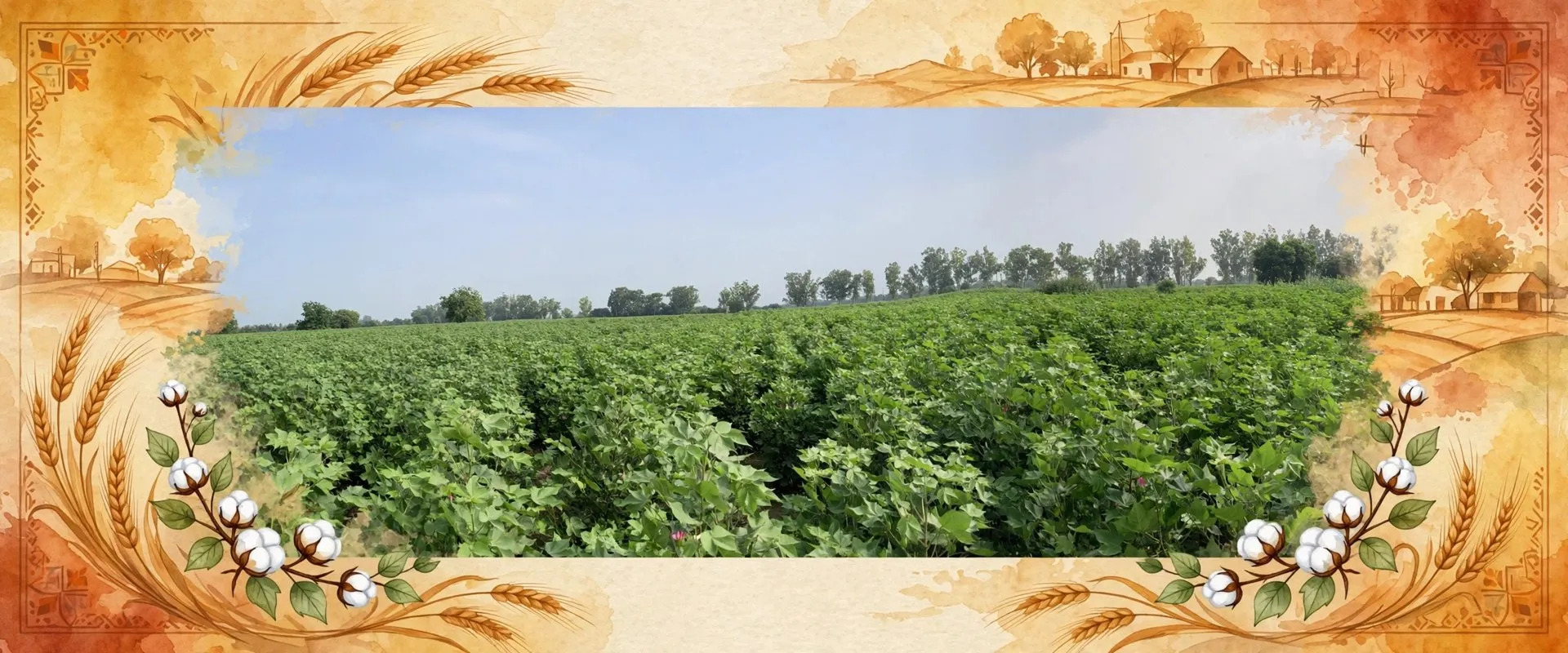
Gelo is a Punjabi work by Ram Sarup Ankhi (1932 to 2010), the Sahitya Akademi winning novelist of Malwa village life. It tells the story of Gurmel Kaur, called Gelo, a young woman of the Malwa belt, inside the hard world of its farming families, and it reached a wide new audience as the Punjabi film Gelo in 2016.
Punjabi, Gurmukhi- Punjabi name
- ਗੇਲੋ
- Author
- Ram Sarup Ankhi (1932 to 2010)
- Language
- Punjabi (Gurmukhi)
- Form
- Novel (listed among Ankhi's story books in some bibliographies)
- Setting
- The Malwa belt of Punjab
- Main character
- Gurmel Kaur, called Gelo
- Film adaptation
- Gelo (2016), directed by Manbhavan Singh
Characters
Gelo is a Punjabi work by Ram Sarup Ankhi (1932 to 2010), the Sahitya Akademi Award winning novelist of Punjab's Malwa villages. It tells the story of Gurmel Kaur, called Gelo, a young woman of the Malwa belt, inside the hard world of its farming families. The book is listed among Ankhi's story books in bibliographies of his work, while the film coverage that brought it back into public view describes it as a novel. Either way, its second life is certain: in 2016 it became the Punjabi feature film Gelo, directed by Manbhavan Singh, and reached an audience far beyond the printed page.
What is Gelo about?
Gelo is about Gurmel Kaur, a girl of Punjab's Malwa belt, and the farming world that shapes and finally closes around her. The film made from the book, following Ankhi's story, presents the problems of the farmers living in the Malwa belt through her life. The Tribune, reviewing the film on its release, described it as the journey of a woman from a promising life to a dark end. That arc, a bright beginning ground down by the conditions of a farming household, is the shape Ankhi returned to across his fiction: not villains, but a land, a debt-bound economy and a set of customs that leave a young woman very little room to move.
A note on the book itself is owed to the reader. Ankhi's bibliographies list Gelo without a date among his story collections, between Adha Admi (1977) and Kadon Phirange Din (1985), while Wikipedia's account of the author calls it his novel Gelo in the same breath as the film. The original year of publication is not given in the sources this page rests on, so this entry leaves it open rather than guessing. What is not in doubt is the authorship, the Malwa setting, the central figure of Gurmel Kaur, and the story's reach through the film.
Themes: a woman's life in the Malwa fields
Ankhi is Punjabi literature's regional novelist of Malwa. Scholarship on his work notes that he set all his novels in the Malwa region, particularly the districts of Bathinda, Sangrur and Barnala, and that his characters stand as representatives of their whole community: their language, customs, dress, work and survival. His own account of his scene is a cluster of some fifty villages across Mansa, Bathinda, Barnala and Sangrur. Across that fiction he wrote about the village life of Punjab, about farmer suicide, indebtedness and drug addiction, and about the social, cultural, political and economic life of Malwai people.
Gelo puts a woman at the centre of that world. The Malwa of Ankhi's books is a cotton and wheat country of small and middling farmers, where a household's honour and its debts are carried on the same shoulders, and where a daughter's or a bride's life is decided early by others. A story that follows Gurmel Kaur from a promising start to a dark end, told by the writer who knew those fifty villages from inside, becomes more than one woman's fate: it is the farming belt looking at what it does to its own daughters.
The author
Ram Sarup Ankhi was born on 28 August 1932 in the village of Dhaula in Barnala district. He was educated at Government Mohindra College, Patiala, continued with his ancestral profession of farming, and later served as an English teacher in a government school, while writing in Punjabi. He began his career as a poet and became a fiction writer, with fifteen novels, eight story books and five collections of poems to his credit. His novel Kothe Kharak Singh (1985), a story of three generations in a fictional Malwa village and also in this Kosh, won the Sahitya Akademi Award in 1987, and he received the Sarb Shresht Sahitkaar award in 2009. He died on 14 February 2010 at Barnala. His autobiography Malhe Jharhiyan is also in this Kosh.
The film and the book's legacy
Many of Ankhi's books and short stories have been adapted for the screen, and Gelo is the best known of the adaptations. The film Gelo, directed by Manbhavan Singh and written by Ankhi with Manbhawan Singh, was produced by Celebration Studioz and Sonark Solutions, with music by Umar Sheikh. Jaspinder Cheema played Gelo, with Pavan Malhotra as Balwant Singh and Gurjit Singh as Raama. It was released worldwide on 5 August 2016, six years after Ankhi's death, and the Punjabi press received it as a film that creates the atmosphere of rural culture and shows the Malwa farming world to cinema audiences.
That second life is now the main road by which new readers find the book. A Malwa story written by a farmer and schoolteacher of Barnala district, carried first in Punjabi print and then on cinema screens, Gelo stands in this Kosh beside Kothe Kharak Singh and Malhe Jharhiyan as part of the record of how Ankhi's fifty villages entered Punjabi literature, and of how one young woman of those villages, Gurmel Kaur, became the face of their hardest story.
ਗੇਲੋ ਰਾਮ ਸਰੂਪ ਅਣਖੀ (1932 ਤੋਂ 2010) ਦੀ ਪੰਜਾਬੀ ਰਚਨਾ ਹੈ, ਜੋ ਪੰਜਾਬ ਦੇ ਮਾਲਵਾ ਪਿੰਡਾਂ ਦੇ ਸਾਹਿਤ ਅਕਾਦਮੀ ਇਨਾਮ ਜੇਤੂ ਨਾਵਲਕਾਰ ਹਨ। ਇਹ ਮਾਲਵਾ ਖੇਤਰ ਦੀ ਨੌਜਵਾਨ ਇਸਤਰੀ ਗੁਰਮੇਲ ਕੌਰ, ਜਿਸ ਨੂੰ ਗੇਲੋ ਕਿਹਾ ਜਾਂਦਾ ਹੈ, ਦੀ ਕਹਾਣੀ ਹੈ, ਉਸ ਦੇ ਖੇਤੀ ਪਰਿਵਾਰਾਂ ਦੇ ਸਖ਼ਤ ਸੰਸਾਰ ਅੰਦਰ। ਅਣਖੀ ਦੀਆਂ ਰਚਨਾਵਾਂ ਦੀਆਂ ਸੂਚੀਆਂ ਵਿੱਚ ਇਹ ਕਿਤਾਬ ਉਸ ਦੀਆਂ ਕਹਾਣੀ ਕਿਤਾਬਾਂ ਵਿੱਚ ਗਿਣੀ ਜਾਂਦੀ ਹੈ, ਜਦੋਂ ਕਿ ਇਸ ਨੂੰ ਮੁੜ ਲੋਕਾਂ ਸਾਹਮਣੇ ਲਿਆਉਣ ਵਾਲੀ ਫ਼ਿਲਮ ਚਰਚਾ ਇਸ ਨੂੰ ਨਾਵਲ ਕਹਿੰਦੀ ਹੈ। ਜੋ ਵੀ ਹੋਵੇ, ਇਸ ਦੀ ਦੂਜੀ ਜ਼ਿੰਦਗੀ ਪੱਕੀ ਹੈ: 2016 ਵਿੱਚ ਇਸ ਉੱਤੇ ਮਨਭਵਨ ਸਿੰਘ ਦੇ ਨਿਰਦੇਸ਼ਨ ਵਿੱਚ ਪੰਜਾਬੀ ਫ਼ਿਲਮ ਗੇਲੋ ਬਣੀ, ਅਤੇ ਇਹ ਛਪੇ ਸਫ਼ੇ ਤੋਂ ਕਿਤੇ ਵੱਡੇ ਦਰਸ਼ਕਾਂ ਤੱਕ ਪਹੁੰਚੀ।
ਗੇਲੋ ਕਿਸ ਬਾਰੇ ਹੈ?
ਗੇਲੋ ਗੁਰਮੇਲ ਕੌਰ ਬਾਰੇ ਹੈ, ਪੰਜਾਬ ਦੇ ਮਾਲਵਾ ਖੇਤਰ ਦੀ ਇੱਕ ਕੁੜੀ, ਅਤੇ ਉਸ ਖੇਤੀ ਸੰਸਾਰ ਬਾਰੇ ਜੋ ਉਸ ਨੂੰ ਘੜਦਾ ਹੈ ਅਤੇ ਅੰਤ ਵਿੱਚ ਉਸ ਦੇ ਆਲੇ ਦੁਆਲੇ ਬੰਦ ਹੋ ਜਾਂਦਾ ਹੈ। ਕਿਤਾਬ ਉੱਤੇ ਬਣੀ ਫ਼ਿਲਮ, ਅਣਖੀ ਦੀ ਕਹਾਣੀ ਨੂੰ ਅੱਗੇ ਤੋਰਦੀ ਹੋਈ, ਉਸ ਦੀ ਜ਼ਿੰਦਗੀ ਰਾਹੀਂ ਮਾਲਵਾ ਖੇਤਰ ਦੇ ਕਿਸਾਨਾਂ ਦੀਆਂ ਸਮੱਸਿਆਵਾਂ ਪੇਸ਼ ਕਰਦੀ ਹੈ। ਦ ਟ੍ਰਿਬਿਊਨ ਨੇ ਫ਼ਿਲਮ ਦੀ ਰਿਲੀਜ਼ ਤੇ ਇਸ ਨੂੰ ਇੱਕ ਔਰਤ ਦਾ ਸਫ਼ਰ ਕਿਹਾ, ਇੱਕ ਉਮੀਦ ਭਰੀ ਜ਼ਿੰਦਗੀ ਤੋਂ ਹਨੇਰੇ ਅੰਤ ਤੱਕ। ਇਹੀ ਢਾਂਚਾ, ਇੱਕ ਚਮਕਦੀ ਸ਼ੁਰੂਆਤ ਜੋ ਖੇਤੀ ਪਰਿਵਾਰ ਹਾਲਾਤ ਹੇਠ ਪਿਸ ਜਾਂਦੀ ਹੈ, ਉਹ ਆਕਾਰ ਹੈ ਜਿਸ ਵੱਲ ਅਣਖੀ ਆਪਣੇ ਨਾਵਲਾਂ ਵਿੱਚ ਵਾਰ ਵਾਰ ਪਰਤਿਆ: ਖਲਨਾਇਕ ਨਹੀਂ, ਸਗੋਂ ਇੱਕ ਧਰਤੀ, ਕਰਜ਼ੇ ਵਿੱਚ ਡੁੱਬੀ ਆਰਥਿਕਤਾ ਅਤੇ ਰਸਮਾਂ ਦਾ ਇੱਕ ਢਾਂਚਾ, ਜੋ ਨੌਜਵਾਨ ਔਰਤ ਨੂੰ ਹਿੱਲਣ ਲਈ ਬਹੁਤ ਘੱਟ ਥਾਂ ਦਿੰਦੇ ਹਨ।
ਕਿਤਾਬ ਬਾਰੇ ਇੱਕ ਗੱਲ ਪਾਠਕ ਨੂੰ ਦੱਸਣੀ ਬਣਦੀ ਹੈ। ਅਣਖੀ ਦੀਆਂ ਰਚਨਾ ਸੂਚੀਆਂ ਗੇਲੋ ਨੂੰ ਬਿਨਾਂ ਤਾਰੀਖ ਉਸ ਦੀਆਂ ਕਹਾਣੀ ਕਿਤਾਬਾਂ ਵਿੱਚ ਰੱਖਦੀਆਂ ਹਨ, ਅੱਧਾ ਆਦਮੀ (1977) ਅਤੇ ਕਦੋਂ ਫਿਰਨਗੇ ਦਿਨ (1985) ਦੇ ਵਿਚਕਾਰ, ਜਦੋਂ ਕਿ ਲੇਖਕ ਬਾਰੇ ਵਿਕੀਪੀਡੀਆ ਦਾ ਲੇਖ ਇਸ ਨੂੰ ਉਸ ਦਾ ਨਾਵਲ ਗੇਲੋ ਕਹਿੰਦਾ ਹੈ, ਉਸੇ ਸਾਹ ਵਿੱਚ ਜਿਸ ਵਿੱਚ ਫ਼ਿਲਮ ਦਾ ਜ਼ਿਕਰ ਹੈ। ਮੂਲ ਪ੍ਰਕਾਸ਼ਨ ਦਾ ਸਾਲ ਉਨ੍ਹਾਂ ਸਰੋਤਾਂ ਵਿੱਚ ਨਹੀਂ ਮਿਲਦਾ ਜਿਨ੍ਹਾਂ ਉੱਤੇ ਇਹ ਸਫ਼ਾ ਖੜ੍ਹਾ ਹੈ, ਇਸ ਲਈ ਇਹ ਐਂਟਰੀ ਅੰਦਾਜ਼ਾ ਲਾਉਣ ਦੀ ਥਾਂ ਉਹ ਥਾਂ ਖਾਲੀ ਛੱਡਦੀ ਹੈ। ਜਿਸ ਗੱਲ ਵਿੱਚ ਕੋਈ ਸ਼ੱਕ ਨਹੀਂ, ਉਹ ਹੈ ਲੇਖਕ, ਮਾਲਵਾ ਦਾ ਮੰਚ, ਗੁਰਮੇਲ ਕੌਰ ਦਾ ਕੇਂਦਰੀ ਪਾਤਰ, ਅਤੇ ਫ਼ਿਲਮ ਰਾਹੀਂ ਕਹਾਣੀ ਦੀ ਪਹੁੰਚ।
ਵਿਸ਼ੇ: ਮਾਲਵੇ ਦੇ ਖੇਤਾਂ ਵਿੱਚ ਇਸਤਰੀ ਦੀ ਜ਼ਿੰਦਗੀ
ਅਣਖੀ ਪੰਜਾਬੀ ਸਾਹਿਤ ਦਾ ਮਾਲਵੇ ਦਾ ਖੇਤਰੀ ਨਾਵਲਕਾਰ ਹੈ। ਉਸ ਦੀ ਰਚਨਾ ਉੱਤੇ ਹੋਏ ਅਧਿਐਨ ਦੱਸਦੇ ਹਨ ਕਿ ਉਸ ਨੇ ਆਪਣੇ ਸਾਰੇ ਨਾਵਲ ਮਾਲਵਾ ਖੇਤਰ ਵਿੱਚ ਰੱਖੇ, ਖ਼ਾਸ ਕਰਕੇ ਬਠਿੰਡਾ, ਸੰਗਰੂਰ ਅਤੇ ਬਰਨਾਲਾ ਜ਼ਿਲ੍ਹਿਆਂ ਵਿੱਚ, ਅਤੇ ਉਸ ਦੇ ਪਾਤਰ ਆਪਣੇ ਸਾਰੇ ਭਾਈਚਾਰੇ ਦੇ ਪ੍ਰਤੀਨਿਧ ਬਣਦੇ ਹਨ: ਉਨ੍ਹਾਂ ਦੀ ਭਾਸ਼ਾ, ਰਸਮਾਂ, ਪਹਿਰਾਵਾ, ਕੰਮ ਅਤੇ ਜੀਣ ਦਾ ਢੰਗ। ਉਸ ਦੇ ਆਪਣੇ ਕਥਨ ਅਨੁਸਾਰ ਉਸ ਦਾ ਮੰਚ ਮਾਨਸਾ, ਬਠਿੰਡਾ, ਬਰਨਾਲਾ ਅਤੇ ਸੰਗਰੂਰ ਵਿੱਚ ਫੈਲੇ ਲਗਭਗ ਪੰਜਾਹ ਪਿੰਡਾਂ ਦਾ ਸਮੂਹ ਹੈ। ਉਸ ਰਚਨਾ ਵਿੱਚ ਉਸ ਨੇ ਪੰਜਾਬ ਦੇ ਪੇਂਡੂ ਜੀਵਨ ਬਾਰੇ, ਕਿਸਾਨ ਖੁਦਕੁਸ਼ੀ, ਕਰਜ਼ੇ ਅਤੇ ਨਸ਼ੇ ਬਾਰੇ, ਅਤੇ ਮਾਲਵੇ ਦੇ ਲੋਕਾਂ ਦੇ ਸਮਾਜਿਕ, ਸੱਭਿਆਚਾਰਕ, ਸਿਆਸੀ ਅਤੇ ਆਰਥਿਕ ਜੀਵਨ ਬਾਰੇ ਲਿਖਿਆ।
ਗੇਲੋ ਉਸ ਸੰਸਾਰ ਦੇ ਕੇਂਦਰ ਵਿੱਚ ਇੱਕ ਔਰਤ ਨੂੰ ਰੱਖਦੀ ਹੈ। ਅਣਖੀ ਦੀਆਂ ਕਿਤਾਬਾਂ ਦਾ ਮਾਲਵਾ ਨਰਮੇ ਅਤੇ ਕਣਕ ਦਾ ਇਲਾਕਾ ਹੈ, ਛੋਟੇ ਅਤੇ ਦਰਮਿਆਨੇ ਕਿਸਾਨਾਂ ਦਾ, ਜਿੱਥੇ ਪਰਿਵਾਰ ਦੀ ਇੱਜ਼ਤ ਅਤੇ ਉਸ ਦੇ ਕਰਜ਼ੇ ਇੱਕੋ ਮੋਢਿਆਂ ਤੇ ਚੁੱਕੇ ਜਾਂਦੇ ਹਨ, ਅਤੇ ਜਿੱਥੇ ਧੀ ਜਾਂ ਨੂੰਹ ਦੀ ਜ਼ਿੰਦਗੀ ਦਾ ਫ਼ੈਸਲਾ ਮੁੱਢੋਂ ਹੀ ਦੂਜੇ ਕਰ ਦਿੰਦੇ ਹਨ। ਇੱਕ ਕਹਾਣੀ ਜੋ ਗੁਰਮੇਲ ਕੌਰ ਨੂੰ ਉਮੀਦ ਭਰੀ ਸ਼ੁਰੂਆਤ ਤੋਂ ਹਨੇਰੇ ਅੰਤ ਤੱਕ ਲੈ ਜਾਂਦੀ ਹੈ, ਉਸ ਲੇਖਕ ਦੀ ਕਹੀ ਹੋਈ ਜੋ ਉਨ੍ਹਾਂ ਪੰਜਾਹ ਪਿੰਡਾਂ ਨੂੰ ਅੰਦਰੋਂ ਜਾਣਦਾ ਸੀ, ਇੱਕ ਔਰਤ ਦੀ ਕਿਸਮਤ ਤੋਂ ਵੱਡੀ ਗੱਲ ਬਣ ਜਾਂਦੀ ਹੈ: ਇਹ ਖੇਤੀ ਇਲਾਕਾ ਆਪਣੀਆਂ ਧੀਆਂ ਨਾਲ ਆਪਣੇ ਵਰਤਾਅ ਨੂੰ ਵੇਖ ਰਿਹਾ ਹੈ।
ਲੇਖਕ
ਰਾਮ ਸਰੂਪ ਅਣਖੀ ਦਾ ਜਨਮ 28 ਅਗਸਤ 1932 ਨੂੰ ਬਰਨਾਲਾ ਜ਼ਿਲ੍ਹੇ ਦੇ ਪਿੰਡ ਧੌਲਾ ਵਿੱਚ ਹੋਇਆ। ਉਹ ਸਰਕਾਰੀ ਮਹਿੰਦਰਾ ਕਾਲਜ ਪਟਿਆਲਾ ਵਿੱਚ ਪੜ੍ਹਿਆ, ਆਪਣੇ ਪੁਰਖਿਆਂ ਦੇ ਖੇਤੀ ਦੇ ਪੇਸ਼ੇ ਵਿੱਚ ਰਿਹਾ, ਅਤੇ ਬਾਅਦ ਵਿੱਚ ਸਰਕਾਰੀ ਸਕੂਲ ਵਿੱਚ ਅੰਗਰੇਜ਼ੀ ਅਧਿਆਪਕ ਰਿਹਾ, ਜਦੋਂ ਕਿ ਲਿਖਦਾ ਪੰਜਾਬੀ ਵਿੱਚ ਸੀ। ਉਸ ਨੇ ਆਪਣਾ ਸਫ਼ਰ ਕਵੀ ਵਜੋਂ ਸ਼ੁਰੂ ਕੀਤਾ ਅਤੇ ਕਹਾਣੀਕਾਰ ਬਣਿਆ, ਉਸ ਦੇ ਨਾਂ ਪੰਦਰਾਂ ਨਾਵਲ, ਅੱਠ ਕਹਾਣੀ ਕਿਤਾਬਾਂ ਅਤੇ ਪੰਜ ਕਵਿਤਾ ਸੰਗ੍ਰਹਿ ਹਨ। ਉਸ ਦੇ ਨਾਵਲ ਕੋਠੇ ਖੜਕ ਸਿੰਘ (1985) ਨੂੰ, ਜੋ ਮਾਲਵੇ ਦੇ ਇੱਕ ਕਾਲਪਨਿਕ ਪਿੰਡ ਦੀਆਂ ਤਿੰਨ ਪੀੜ੍ਹੀਆਂ ਦੀ ਕਹਾਣੀ ਹੈ ਅਤੇ ਇਸ ਕੋਸ਼ ਵਿੱਚ ਵੀ ਹੈ, 1987 ਵਿੱਚ ਸਾਹਿਤ ਅਕਾਦਮੀ ਇਨਾਮ ਮਿਲਿਆ, ਅਤੇ 2009 ਵਿੱਚ ਉਸ ਨੂੰ ਸਰਬ ਸ੍ਰੇਸ਼ਟ ਸਾਹਿਤਕਾਰ ਇਨਾਮ ਮਿਲਿਆ। ਉਸ ਦੀ ਮੌਤ 14 ਫਰਵਰੀ 2010 ਨੂੰ ਬਰਨਾਲਾ ਵਿੱਚ ਹੋਈ। ਉਸ ਦੀ ਸਵੈ ਜੀਵਨੀ ਮਲ੍ਹੇ ਝਾੜੀਆਂ ਵੀ ਇਸ ਕੋਸ਼ ਵਿੱਚ ਹੈ।
ਫ਼ਿਲਮ ਅਤੇ ਕਿਤਾਬ ਦੀ ਵਿਰਾਸਤ
ਅਣਖੀ ਦੀਆਂ ਕਈ ਕਿਤਾਬਾਂ ਅਤੇ ਕਹਾਣੀਆਂ ਪਰਦੇ ਉੱਤੇ ਆਈਆਂ ਹਨ, ਅਤੇ ਗੇਲੋ ਉਨ੍ਹਾਂ ਵਿੱਚ ਸਭ ਤੋਂ ਵੱਧ ਜਾਣੀ ਜਾਂਦੀ ਹੈ। ਫ਼ਿਲਮ ਗੇਲੋ, ਜਿਸ ਦਾ ਨਿਰਦੇਸ਼ਨ ਮਨਭਵਨ ਸਿੰਘ ਨੇ ਕੀਤਾ ਅਤੇ ਜਿਸ ਨੂੰ ਅਣਖੀ ਨੇ ਮਨਭਵਨ ਸਿੰਘ ਨਾਲ ਮਿਲ ਕੇ ਲਿਖਿਆ, ਸੈਲੀਬ੍ਰੇਸ਼ਨ ਸਟੂਡੀਓਜ਼ ਅਤੇ ਸੋਨਾਰਕ ਸੋਲਿਊਸ਼ਨਜ਼ ਨੇ ਬਣਾਈ, ਸੰਗੀਤ ਉਮਰ ਸ਼ੇਖ ਦਾ ਸੀ। ਜਸਪਿੰਦਰ ਚੀਮਾ ਨੇ ਗੇਲੋ ਦੀ ਭੂਮਿਕਾ ਨਿਭਾਈ, ਪਵਨ ਮਲਹੋਤਰਾ ਬਲਵੰਤ ਸਿੰਘ ਅਤੇ ਗੁਰਜੀਤ ਸਿੰਘ ਰਾਮਾ ਬਣੇ। ਇਹ 5 ਅਗਸਤ 2016 ਨੂੰ ਸੰਸਾਰ ਭਰ ਵਿੱਚ ਰਿਲੀਜ਼ ਹੋਈ, ਅਣਖੀ ਦੀ ਮੌਤ ਤੋਂ ਛੇ ਸਾਲ ਬਾਅਦ, ਅਤੇ ਪੰਜਾਬੀ ਪ੍ਰੈਸ ਨੇ ਇਸ ਨੂੰ ਇੱਕ ਅਜਿਹੀ ਫ਼ਿਲਮ ਵਜੋਂ ਸਵਾਗਤ ਕੀਤਾ ਜੋ ਪੇਂਡੂ ਸੱਭਿਆਚਾਰ ਦਾ ਮਾਹੌਲ ਸਿਰਜਦੀ ਹੈ ਅਤੇ ਮਾਲਵੇ ਦੇ ਖੇਤੀ ਸੰਸਾਰ ਨੂੰ ਸਿਨੇਮਾ ਦਰਸ਼ਕਾਂ ਸਾਹਮਣੇ ਰੱਖਦੀ ਹੈ।
ਉਹ ਦੂਜੀ ਜ਼ਿੰਦਗੀ ਹੁਣ ਉਹ ਮੁੱਖ ਰਾਹ ਹੈ ਜਿਸ ਰਾਹੀਂ ਨਵੇਂ ਪਾਠਕ ਇਸ ਕਿਤਾਬ ਤੱਕ ਪਹੁੰਚਦੇ ਹਨ। ਬਰਨਾਲਾ ਜ਼ਿਲ੍ਹੇ ਦੇ ਇੱਕ ਕਿਸਾਨ ਅਤੇ ਸਕੂਲ ਅਧਿਆਪਕ ਦੀ ਲਿਖੀ ਮਾਲਵੇ ਦੀ ਕਹਾਣੀ, ਪਹਿਲਾਂ ਪੰਜਾਬੀ ਛਪਾਈ ਵਿੱਚ ਅਤੇ ਫਿਰ ਸਿਨੇਮਾ ਪਰਦਿਆਂ ਤੇ ਚੱਲੀ ਹੋਈ, ਗੇਲੋ ਇਸ ਕੋਸ਼ ਵਿੱਚ ਕੋਠੇ ਖੜਕ ਸਿੰਘ ਅਤੇ ਮਲ੍ਹੇ ਝਾੜੀਆਂ ਨਾਲ ਖੜ੍ਹੀ ਹੈ, ਉਸ ਰਿਕਾਰਡ ਦੇ ਹਿੱਸੇ ਵਜੋਂ ਕਿ ਅਣਖੀ ਦੇ ਪੰਜਾਹ ਪਿੰਡ ਪੰਜਾਬੀ ਸਾਹਿਤ ਵਿੱਚ ਕਿਵੇਂ ਦਾਖ਼ਲ ਹੋਏ, ਅਤੇ ਉਨ੍ਹਾਂ ਪਿੰਡਾਂ ਦੀ ਇੱਕ ਨੌਜਵਾਨ ਔਰਤ ਗੁਰਮੇਲ ਕੌਰ ਉਨ੍ਹਾਂ ਦੀ ਸਭ ਤੋਂ ਸਖ਼ਤ ਕਹਾਣੀ ਦਾ ਚਿਹਰਾ ਕਿਵੇਂ ਬਣੀ।
Editions and translations
- GeloPunjabi · Gurmukhi · original · Gurmukhi title: ਗੇਲੋOriginal
The author

Connected
More to read
Sources (3)
Jugti is free and independent. Reader support keeps the Kosh growing.
Support