
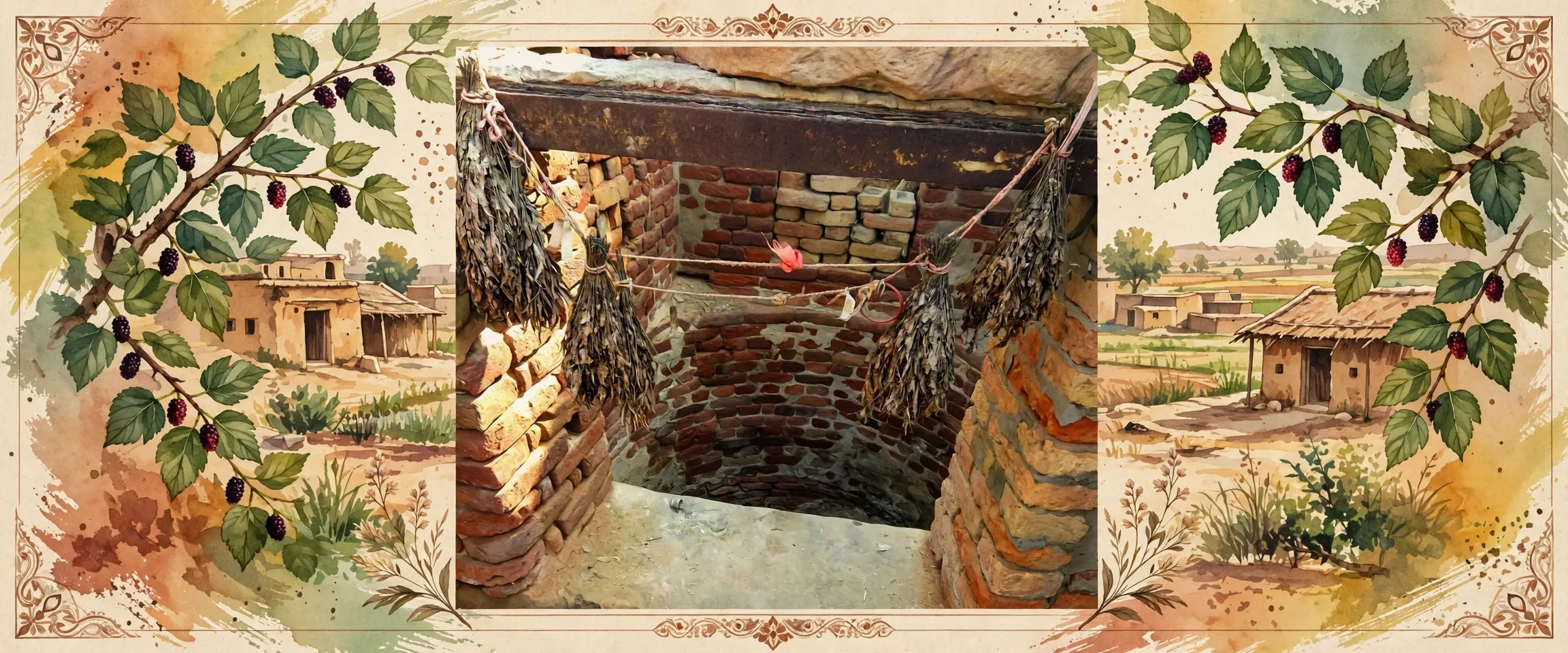
Tutan Wala Khuh (The Well Surrounded by Mulberry Trees) is a Punjabi novel by Sohan Singh Sital, first published in 1963, set in Piruwala, a village near Kasur in undivided Punjab. Around the village's shared well, Sikh and Muslim families live from the same land and the same ancestors, until a Kasur moneylender's debt trap and outside communal politics divide them, and Partition sends the village to Pakistan and its Sikh families to the border, escorted by their Muslim neighbours.
Punjabi, Gurmukhi- Punjabi name
- ਟੂਟਾਂ ਵਾਲਾ ਖੂਹ
- Author
- Sohan Singh Sital (1909 to 1998)
- Published
- 1963 (first edition)
- Language
- Punjabi (Gurmukhi)
- Form
- Novel, about 300 pages
- Title meaning
- The Well Surrounded by Mulberry Trees
- Setting
- Piruwala village, near Kasur, undivided Punjab, to 1947
Characters
About the book
Tutan Wala Khuh, which means The Well Surrounded by Mulberry Trees, is a Punjabi novel by Sohan Singh Sital, first published in 1963. It is one of the most discussed Punjabi novels of the Partition of 1947. The story is set in Piruwala, a village close to Kasur town in undivided Punjab, and it follows that one village across roughly a decade, from the Second World War years to the day Partition places Piruwala in Pakistan and its Sikh families must leave for the border. At about three hundred pages it is a long novel with, as the critic Chaman Lal puts it, a definite sociological and historical perspective.
The title names the village's centre. On the outskirts of Piruwala stands a well shaded by mulberry trees, the tootan of the title, and the sixteen bigha of land around it is held in equal shares by S. Chanda Singh and Chaudhary Charagdin, who own the well in common. In summer the place under the trees is where the village sits, talks and plays cards: Sikh and Muslim, landlord and labourer, around one shared source of water. Almost everything the novel values is gathered in that image, and almost everything it mourns is the breaking of it.
What is Tutan Wala Khuh about?
Sital gives the village a genealogy before he gives it a plot. Piruwala was founded six or seven generations ago by one Yaatri, and his two lines have run through the village ever since: the elder son's line kept alive in the family of Sajjan Singh, the younger's in the family of Ilamdin. Because their ancestors were the same, all the Sikh and Muslim families of the village worship at Yaatri's samadhi as at a common ancestor's shrine. Sajjan Singh and Ilamdin themselves are fast friends. Into this woven village comes Dhanne Shah, a moneylender of Kasur town who wants the mulberry tree land. He first traps both friends in debt, then sows discord between them by playing the communal card, drawing in communal leaders from outside, until the people of Piruwala stand divided on religious lines and armed against each other, while the colonial police watch the drama with amusement and make little effort to stop it.
Against him stands Karam Singh, known to the village as Baba Akali, a veteran of the freedom struggle who has suffered imprisonment again and again, and through whom Sital narrates the whole national movement: Kartar Singh Sarabha and the Ghadar Party, Bhagat Singh, the Babbar Akalis, the Jallianwala Bagh massacre and Udham Singh's revenge in England in 1940, the Sikh morchas, the Quit India movement and Subhas Chandra Bose's Azad Hind Fauj. When the village reaches the edge of a communal clash, it is Baba Akali who steps between the two armed sides at the risk of his own life and pulls them back. But then Partition is announced. Piruwala falls in Pakistan, and Ilamdin, who had fought bitterly with Sajjan Singh in Dhanne Shah's trap, weeps in his friend's arms and, with his family, escorts all the Sikh families of the village safely to the border, to the sound of Baba Akali's parting conviction that people of one blood and one nationality, divided by the departing British, will meet again.
Themes: class before creed
Chaman Lal's reading of the novel is the one later criticism follows. For Sital, people are not good or bad because of their religious background, but because of their economic position: the exploiters of the village, the moneylenders Dhanne Shah and Lakkha Singh, are the villains of the book, and the working people, peasants like Sajjan Singh and Ilamdin, are generally good, whatever their faith. Dhanne Shah himself says he can wear a Gandhi cap after independence: the exploiters will serve any ruler. From that follows the novel's politics. Sital sees Partition as tragic and unnatural, rejects nationhood built on religious identity, and holds that Hindus, Sikhs and Muslims are equal partners in one nation. Freedom, for him, was never only about driving the British out: it meant true social, political, economic and cultural freedom for the working people of India, closer to Bhagat Singh's vision of a classless, exploitation free society than to a simple transfer of power.
That is why scholars call the novel multidimensional. It is not only the life story of one or two characters: its hero, Baba Akali, is a hero in the national and cultural sense, a device for carrying the history of an entire movement inside a single village, and the village itself, with its shared well, its shared ancestor and its shared land, becomes the novel's real central character.
The author
Sohan Singh Sital (1909 to 1998) was born at Qadiwind in Kasur tehsil, the same Kasur country in which Piruwala is set, and he knew its villages from inside. He was a novelist, poet and lyricist, and a celebrated dhadi singer, a performer of the traditional sung ballads of Punjab, who formed his own dhadi jatha in 1935 and toured with it widely. He wrote more than sixty books, including twenty two novels of rural Punjab. His novel Jug Badal Gaya, also in this Kosh, won the Sahitya Akademi Award in 1974. Tutan Wala Khuh came earlier in his career, and its authority comes from that double position: a writer of the Kasur countryside writing about his own ground, in the years when the memory of 1947 was still raw.
Reception and legacy
The novel's standing rests largely on Chaman Lal's chapter Partition and Punjabi Novel, which sets it beside Saanjh by the Pakistani Punjabi writer Salim Khan Gimmi, a novel of a border village from the other side and the other point of view. Lal finds the two books share a thrust towards the basic unity of Punjabi people, but concludes that Tutan Wala Khuh, built on emotion and reason both, emerges as the more representative novel of the tragic events of the Partition of India in 1947. The Wire's survey of Partition literature likewise singles the book out among Punjabi novels, remembering Sital as a veteran voice connected to the dhadi style of devotional singing, and the novel as the story of a Kasur village where the shared bonds between communities were real and thriving until Partition disrupted their everyday coexistence.
Tutan Wala Khuh repays reading beside the other Partition novels in this Kosh, Tamas and Train to Pakistan. Where they work through a city and a border village of the east, Sital's novel is rooted in the Kasur countryside that went to Pakistan, and its ending, a Muslim family walking its Sikh neighbours to the border in tears, is one of the most quietly hopeful scenes in Punjabi Partition writing: the well and its mulberry trees stay behind, but the people who shared them refuse, at the last, to be enemies.
ਕਿਤਾਬ ਬਾਰੇ
ਟੂਟਾਂ ਵਾਲਾ ਖੂਹ ਸੋਹਣ ਸਿੰਘ ਸੀਤਲ ਦਾ ਪੰਜਾਬੀ ਨਾਵਲ ਹੈ, ਜੋ ਪਹਿਲੀ ਵਾਰ 1963 ਵਿੱਚ ਪ੍ਰਕਾਸ਼ਿਤ ਹੋਇਆ, ਜਿਸ ਦਾ ਅਰਥ ਹੈ ਸ਼ਹਿਤੂਤ ਦੇ ਰੁੱਖਾਂ ਨਾਲ ਘਿਰਿਆ ਖੂਹ। ਇਹ 1947 ਦੀ ਵੰਡ ਦੇ ਸਭ ਤੋਂ ਵੱਧ ਚਰਚਿਤ ਪੰਜਾਬੀ ਨਾਵਲਾਂ ਵਿੱਚੋਂ ਇੱਕ ਹੈ। ਇਹ ਕਹਾਣੀ ਪਿਰੂਵਾਲਾ ਵਿੱਚ ਵਾਪਰਦੀ ਹੈ, ਅਣਵੰਡੇ ਪੰਜਾਬ ਵਿੱਚ ਕਸੂਰ ਕਸਬੇ ਦੇ ਨੇੜੇ ਇੱਕ ਪਿੰਡ, ਅਤੇ ਇਹ ਉਸੇ ਇੱਕ ਪਿੰਡ ਦਾ ਪਿੱਛਾ ਲਗਭਗ ਇੱਕ ਦਹਾਕੇ ਤੱਕ ਕਰਦੀ ਹੈ, ਦੂਜੇ ਵਿਸ਼ਵ ਯੁੱਧ ਦੇ ਸਾਲਾਂ ਤੋਂ ਉਸ ਦਿਨ ਤੱਕ ਜਦੋਂ ਵੰਡ ਪਿਰੂਵਾਲਾ ਨੂੰ ਪਾਕਿਸਤਾਨ ਵਿੱਚ ਪਾ ਦਿੰਦੀ ਹੈ ਅਤੇ ਇਸ ਦੇ ਸਿੱਖ ਪਰਿਵਾਰਾਂ ਨੂੰ ਸਰਹੱਦ ਲਈ ਜਾਣਾ ਪੈਂਦਾ ਹੈ। ਲਗਭਗ ਤਿੰਨ ਸੌ ਸਫ਼ਿਆਂ ਦਾ ਇਹ ਲੰਬਾ ਨਾਵਲ ਹੈ ਜਿਸ ਵਿੱਚ, ਜਿਵੇਂ ਆਲੋਚਕ ਚਮਨ ਲਾਲ ਕਹਿੰਦੇ ਹਨ, ਇੱਕ ਤੈਅ ਸਮਾਜਿਕ ਅਤੇ ਇਤਿਹਾਸਕ ਨਜ਼ਰੀਆ ਹੈ।
ਸਿਰਲੇਖ ਪਿੰਡ ਦੇ ਕੇਂਦਰ ਦਾ ਨਾਂ ਹੈ। ਪਿਰੂਵਾਲਾ ਦੇ ਬਾਹਰਵਾਰ ਸ਼ਹਿਤੂਤ ਦੇ ਰੁੱਖਾਂ ਦੀ ਛਾਂ ਹੇਠ ਇੱਕ ਖੂਹ ਖੜ੍ਹਾ ਹੈ, ਸਿਰਲੇਖ ਵਾਲੇ ਟੂਟ, ਅਤੇ ਇਸ ਦੇ ਆਲੇ ਦੁਆਲੇ ਦੀ ਸੋਲ੍ਹਾਂ ਵਿੱਘੇ ਜ਼ਮੀਨ ਸ. ਚੰਦਾ ਸਿੰਘ ਅਤੇ ਚੌਧਰੀ ਚਰਾਗਦੀਨ ਕੋਲ ਬਰਾਬਰ ਹਿੱਸਿਆਂ ਵਿੱਚ ਹੈ, ਜੋ ਖੂਹ ਦੇ ਸਾਂਝੇ ਮਾਲਕ ਹਨ। ਗਰਮੀਆਂ ਵਿੱਚ ਰੁੱਖਾਂ ਹੇਠ ਵਾਲੀ ਉਹ ਥਾਂ ਹੈ ਜਿੱਥੇ ਪਿੰਡ ਬੈਠਦਾ ਹੈ, ਗੱਲਾਂ ਕਰਦਾ ਹੈ ਅਤੇ ਤਾਸ਼ ਖੇਡਦਾ ਹੈ: ਸਿੱਖ ਅਤੇ ਮੁਸਲਮਾਨ, ਜ਼ਿਮੀਂਦਾਰ ਅਤੇ ਮਜ਼ਦੂਰ, ਪਾਣੀ ਦੇ ਇੱਕੋ ਸਾਂਝੇ ਸਰੋਤ ਦੇ ਆਲੇ ਦੁਆਲੇ। ਨਾਵਲ ਜਿਸ ਚੀਜ਼ ਨੂੰ ਵੀ ਕਦਰ ਦਿੰਦਾ ਹੈ ਉਹ ਲਗਭਗ ਸਭ ਉਸੇ ਤਸਵੀਰ ਵਿੱਚ ਇਕੱਠੀ ਹੈ, ਅਤੇ ਜਿਸ ਚੀਜ਼ ਦਾ ਸੋਗ ਮਨਾਉਂਦਾ ਹੈ ਉਹ ਲਗਭਗ ਸਭ ਉਸੇ ਦਾ ਟੁੱਟਣਾ ਹੈ।
ਟੂਟਾਂ ਵਾਲਾ ਖੂਹ ਕਿਸ ਬਾਰੇ ਹੈ?
ਸੀਤਲ ਪਿੰਡ ਨੂੰ ਕਹਾਣੀ ਦੇਣ ਤੋਂ ਪਹਿਲਾਂ ਉਸ ਦੀ ਵੰਸ਼ਾਵਲੀ ਦਿੰਦੇ ਹਨ। ਪਿਰੂਵਾਲਾ ਛੇ ਜਾਂ ਸੱਤ ਪੀੜ੍ਹੀਆਂ ਪਹਿਲਾਂ ਇੱਕ ਯਾਤਰੀ ਨੇ ਵਸਾਇਆ ਸੀ, ਅਤੇ ਉਸ ਦੀਆਂ ਦੋ ਲੜੀਆਂ ਉਦੋਂ ਤੋਂ ਪਿੰਡ ਵਿੱਚ ਚੱਲੀਆਂ ਆ ਰਹੀਆਂ ਹਨ: ਵੱਡੇ ਪੁੱਤਰ ਦੀ ਲੜੀ ਸੱਜਣ ਸਿੰਘ ਦੇ ਪਰਿਵਾਰ ਵਿੱਚ, ਛੋਟੇ ਦੀ ਇਲਾਮਦੀਨ ਦੇ ਪਰਿਵਾਰ ਵਿੱਚ। ਕਿਉਂਕਿ ਉਨ੍ਹਾਂ ਦੇ ਵੱਡ ਵਡੇਰੇ ਇੱਕੋ ਸਨ, ਪਿੰਡ ਦੇ ਸਾਰੇ ਸਿੱਖ ਅਤੇ ਮੁਸਲਮਾਨ ਪਰਿਵਾਰ ਯਾਤਰੀ ਦੀ ਸਮਾਧੀ ਉੱਤੇ ਸਾਂਝੇ ਵੱਡ ਵਡੇਰੇ ਦੀ ਥਾਂ ਵਜੋਂ ਸਤਿਕਾਰ ਕਰਦੇ ਹਨ। ਸੱਜਣ ਸਿੰਘ ਅਤੇ ਇਲਾਮਦੀਨ ਖ਼ੁਦ ਪੱਕੇ ਦੋਸਤ ਹਨ। ਇਸ ਬੁਣੇ ਹੋਏ ਪਿੰਡ ਵਿੱਚ ਧੰਨੇ ਸ਼ਾਹ ਆਉਂਦਾ ਹੈ, ਕਸੂਰ ਕਸਬੇ ਦਾ ਸ਼ਾਹੂਕਾਰ ਜੋ ਸ਼ਹਿਤੂਤਾਂ ਵਾਲੀ ਜ਼ਮੀਨ ਚਾਹੁੰਦਾ ਹੈ। ਉਹ ਪਹਿਲਾਂ ਦੋਵਾਂ ਦੋਸਤਾਂ ਨੂੰ ਕਰਜ਼ੇ ਵਿੱਚ ਫਸਾਉਂਦਾ ਹੈ, ਫਿਰ ਫ਼ਿਰਕੂ ਪੱਤਾ ਖੇਡ ਕੇ ਉਨ੍ਹਾਂ ਵਿਚਕਾਰ ਫੁੱਟ ਪਾਉਂਦਾ ਹੈ, ਬਾਹਰੋਂ ਫ਼ਿਰਕੂ ਆਗੂਆਂ ਨੂੰ ਖਿੱਚਦਾ ਹੈ, ਜਦੋਂ ਤੱਕ ਪਿਰੂਵਾਲਾ ਦੇ ਲੋਕ ਧਾਰਮਿਕ ਲੀਹਾਂ ਉੱਤੇ ਵੰਡੇ ਅਤੇ ਇੱਕ ਦੂਜੇ ਦੇ ਸਾਹਮਣੇ ਹਥਿਆਰਬੰਦ ਨਹੀਂ ਖੜ੍ਹੇ ਹੋ ਜਾਂਦੇ, ਜਦਕਿ ਬਸਤੀਵਾਦੀ ਪੁਲਿਸ ਤਮਾਸ਼ਾ ਮਜ਼ੇ ਨਾਲ ਵੇਖਦੀ ਹੈ ਅਤੇ ਇਸ ਨੂੰ ਰੋਕਣ ਦੀ ਘੱਟ ਹੀ ਕੋਸ਼ਿਸ਼ ਕਰਦੀ ਹੈ।
ਉਸ ਦੇ ਸਾਹਮਣੇ ਕਰਮ ਸਿੰਘ ਖੜ੍ਹਾ ਹੈ, ਜਿਸ ਨੂੰ ਪਿੰਡ ਬਾਬਾ ਅਕਾਲੀ ਕਹਿੰਦਾ ਹੈ, ਆਜ਼ਾਦੀ ਸੰਗਰਾਮ ਦਾ ਬਜ਼ੁਰਗ ਜਿਸ ਨੇ ਵਾਰ ਵਾਰ ਕੈਦ ਝੱਲੀ ਹੈ, ਅਤੇ ਜਿਸ ਰਾਹੀਂ ਸੀਤਲ ਸਾਰਾ ਕੌਮੀ ਅੰਦੋਲਨ ਸੁਣਾਉਂਦੇ ਹਨ: ਕਰਤਾਰ ਸਿੰਘ ਸਰਾਭਾ ਅਤੇ ਗ਼ਦਰ ਪਾਰਟੀ, ਭਗਤ ਸਿੰਘ, ਬੱਬਰ ਅਕਾਲੀ, ਜੱਲ੍ਹਿਆਂਵਾਲਾ ਬਾਗ਼ ਦਾ ਕਤਲੇਆਮ ਅਤੇ 1940 ਵਿੱਚ ਇੰਗਲੈਂਡ ਵਿੱਚ ਊਧਮ ਸਿੰਘ ਦਾ ਬਦਲਾ, ਸਿੱਖ ਮੋਰਚੇ, ਭਾਰਤ ਛੱਡੋ ਅੰਦੋਲਨ ਅਤੇ ਸੁਭਾਸ਼ ਚੰਦਰ ਬੋਸ ਦੀ ਆਜ਼ਾਦ ਹਿੰਦ ਫ਼ੌਜ। ਜਦੋਂ ਪਿੰਡ ਫ਼ਿਰਕੂ ਟਕਰਾਅ ਦੇ ਕਿਨਾਰੇ ਪਹੁੰਚਦਾ ਹੈ, ਤਾਂ ਬਾਬਾ ਅਕਾਲੀ ਹੀ ਆਪਣੀ ਜਾਨ ਜੋਖਮ ਵਿੱਚ ਪਾ ਕੇ ਦੋਵਾਂ ਹਥਿਆਰਬੰਦ ਪਾਸਿਆਂ ਵਿਚਕਾਰ ਆ ਖੜ੍ਹਾ ਹੁੰਦਾ ਹੈ ਅਤੇ ਉਨ੍ਹਾਂ ਨੂੰ ਪਿੱਛੇ ਕਰਦਾ ਹੈ। ਪਰ ਫਿਰ ਵੰਡ ਦਾ ਐਲਾਨ ਹੋ ਜਾਂਦਾ ਹੈ। ਪਿਰੂਵਾਲਾ ਪਾਕਿਸਤਾਨ ਵਿੱਚ ਆ ਜਾਂਦਾ ਹੈ, ਅਤੇ ਇਲਾਮਦੀਨ, ਜੋ ਧੰਨੇ ਸ਼ਾਹ ਦੇ ਜਾਲ ਵਿੱਚ ਫਸ ਕੇ ਸੱਜਣ ਸਿੰਘ ਨਾਲ ਤਿੱਖੀ ਲੜਾਈ ਲੜ ਚੁੱਕਾ ਸੀ, ਆਪਣੇ ਦੋਸਤ ਦੇ ਗਲੇ ਲੱਗ ਕੇ ਰੋਂਦਾ ਹੈ ਅਤੇ, ਆਪਣੇ ਪਰਿਵਾਰ ਨਾਲ, ਪਿੰਡ ਦੇ ਸਾਰੇ ਸਿੱਖ ਪਰਿਵਾਰਾਂ ਨੂੰ ਸੁਰੱਖਿਅਤ ਸਰਹੱਦ ਤੱਕ ਛੱਡ ਕੇ ਆਉਂਦਾ ਹੈ, ਬਾਬਾ ਅਕਾਲੀ ਦੇ ਵਿਦਾਇਗੀ ਵਾਲੇ ਯਕੀਨ ਦੀ ਆਵਾਜ਼ ਨਾਲ ਕਿ ਇੱਕੋ ਲਹੂ ਅਤੇ ਇੱਕੋ ਕੌਮ ਦੇ ਲੋਕ, ਜਿਨ੍ਹਾਂ ਨੂੰ ਜਾਂਦੇ ਅੰਗਰੇਜ਼ਾਂ ਨੇ ਵੰਡ ਦਿੱਤਾ, ਫਿਰ ਮਿਲਣਗੇ।
ਵਿਸ਼ੇ: ਫ਼ਿਰਕੇ ਤੋਂ ਪਹਿਲਾਂ ਵਰਗ
ਚਮਨ ਲਾਲ ਦੀ ਇਸ ਨਾਵਲ ਦੀ ਪੜ੍ਹਤ ਉਹ ਹੈ ਜਿਸ ਦਾ ਪਿੱਛਾ ਬਾਅਦ ਦੀ ਆਲੋਚਨਾ ਕਰਦੀ ਹੈ। ਸੀਤਲ ਲਈ, ਲੋਕ ਆਪਣੇ ਧਾਰਮਿਕ ਪਿਛੋਕੜ ਕਰਕੇ ਚੰਗੇ ਜਾਂ ਮਾੜੇ ਨਹੀਂ ਹੁੰਦੇ, ਸਗੋਂ ਆਪਣੀ ਆਰਥਿਕ ਹਾਲਤ ਕਰਕੇ ਹੁੰਦੇ ਹਨ: ਪਿੰਡ ਦਾ ਸ਼ੋਸ਼ਣ ਕਰਨ ਵਾਲੇ, ਸ਼ਾਹੂਕਾਰ ਧੰਨੇ ਸ਼ਾਹ ਅਤੇ ਲੱਖਾ ਸਿੰਘ, ਕਿਤਾਬ ਦੇ ਖਲਨਾਇਕ ਹਨ, ਅਤੇ ਕੰਮ ਕਰਨ ਵਾਲੇ ਲੋਕ, ਸੱਜਣ ਸਿੰਘ ਅਤੇ ਇਲਾਮਦੀਨ ਵਰਗੇ ਕਿਸਾਨ, ਆਮ ਤੌਰ ਉੱਤੇ ਚੰਗੇ ਹਨ, ਉਨ੍ਹਾਂ ਦਾ ਧਰਮ ਕੋਈ ਵੀ ਹੋਵੇ। ਧੰਨੇ ਸ਼ਾਹ ਖ਼ੁਦ ਕਹਿੰਦਾ ਹੈ ਕਿ ਉਹ ਆਜ਼ਾਦੀ ਤੋਂ ਬਾਅਦ ਗਾਂਧੀ ਟੋਪੀ ਪਾ ਸਕਦਾ ਹੈ: ਸ਼ੋਸ਼ਣ ਕਰਨ ਵਾਲੇ ਕਿਸੇ ਵੀ ਹਾਕਮ ਦੀ ਸੇਵਾ ਕਰਨਗੇ। ਇਸ ਤੋਂ ਨਾਵਲ ਦੀ ਸਿਆਸਤ ਨਿਕਲਦੀ ਹੈ। ਸੀਤਲ ਵੰਡ ਨੂੰ ਦੁਖਾਂਤਕ ਅਤੇ ਗ਼ੈਰ ਕੁਦਰਤੀ ਵੇਖਦੇ ਹਨ, ਧਾਰਮਿਕ ਪਛਾਣ ਉੱਤੇ ਬਣੀ ਕੌਮੀਅਤ ਨੂੰ ਰੱਦ ਕਰਦੇ ਹਨ, ਅਤੇ ਮੰਨਦੇ ਹਨ ਕਿ ਹਿੰਦੂ, ਸਿੱਖ ਅਤੇ ਮੁਸਲਮਾਨ ਇੱਕੋ ਕੌਮ ਦੇ ਬਰਾਬਰ ਭਾਈਵਾਲ ਹਨ। ਆਜ਼ਾਦੀ, ਉਨ੍ਹਾਂ ਲਈ, ਕਦੇ ਸਿਰਫ਼ ਅੰਗਰੇਜ਼ਾਂ ਨੂੰ ਕੱਢਣਾ ਨਹੀਂ ਸੀ: ਇਸ ਦਾ ਅਰਥ ਸੀ ਭਾਰਤ ਦੇ ਕੰਮ ਕਰਨ ਵਾਲੇ ਲੋਕਾਂ ਲਈ ਸੱਚੀ ਸਮਾਜਿਕ, ਸਿਆਸੀ, ਆਰਥਿਕ ਅਤੇ ਸੱਭਿਆਚਾਰਕ ਆਜ਼ਾਦੀ, ਸਿਰਫ਼ ਸੱਤਾ ਦੀ ਤਬਦੀਲੀ ਨਾਲੋਂ ਭਗਤ ਸਿੰਘ ਦੇ ਵਰਗ ਰਹਿਤ, ਸ਼ੋਸ਼ਣ ਮੁਕਤ ਸਮਾਜ ਦੇ ਸੁਪਨੇ ਦੇ ਨੇੜੇ।
ਇਸੇ ਲਈ ਵਿਦਵਾਨ ਇਸ ਨਾਵਲ ਨੂੰ ਬਹੁਪੱਖੀ ਕਹਿੰਦੇ ਹਨ। ਇਹ ਸਿਰਫ਼ ਇੱਕ ਜਾਂ ਦੋ ਪਾਤਰਾਂ ਦੀ ਜੀਵਨ ਕਹਾਣੀ ਨਹੀਂ ਹੈ: ਇਸ ਦਾ ਨਾਇਕ, ਬਾਬਾ ਅਕਾਲੀ, ਕੌਮੀ ਅਤੇ ਸੱਭਿਆਚਾਰਕ ਅਰਥਾਂ ਵਿੱਚ ਨਾਇਕ ਹੈ, ਇੱਕੋ ਪਿੰਡ ਦੇ ਅੰਦਰ ਸਾਰੇ ਅੰਦੋਲਨ ਦਾ ਇਤਿਹਾਸ ਚੁੱਕਣ ਦੀ ਜੁਗਤ, ਅਤੇ ਪਿੰਡ ਖ਼ੁਦ, ਆਪਣੇ ਸਾਂਝੇ ਖੂਹ, ਆਪਣੇ ਸਾਂਝੇ ਵੱਡ ਵਡੇਰੇ ਅਤੇ ਆਪਣੀ ਸਾਂਝੀ ਜ਼ਮੀਨ ਨਾਲ, ਨਾਵਲ ਦਾ ਅਸਲ ਕੇਂਦਰੀ ਪਾਤਰ ਬਣ ਜਾਂਦਾ ਹੈ।
ਲੇਖਕ
ਸੋਹਣ ਸਿੰਘ ਸੀਤਲ (1909 ਤੋਂ 1998) ਕਸੂਰ ਤਹਿਸੀਲ ਦੇ ਕਾਦੀਵਿੰਡ ਵਿੱਚ ਪੈਦਾ ਹੋਏ, ਉਸੇ ਕਸੂਰ ਇਲਾਕੇ ਵਿੱਚ ਜਿੱਥੇ ਪਿਰੂਵਾਲਾ ਵਸਿਆ ਹੈ, ਅਤੇ ਉਹ ਇਸ ਦੇ ਪਿੰਡਾਂ ਨੂੰ ਅੰਦਰੋਂ ਜਾਣਦੇ ਸਨ। ਉਹ ਨਾਵਲਕਾਰ, ਕਵੀ ਅਤੇ ਗੀਤਕਾਰ ਸਨ, ਅਤੇ ਮਸ਼ਹੂਰ ਢਾਡੀ ਗਾਇਕ, ਪੰਜਾਬ ਦੀਆਂ ਰਵਾਇਤੀ ਗਾਈਆਂ ਜਾਂਦੀਆਂ ਗਾਥਾਵਾਂ ਦੇ ਕਲਾਕਾਰ, ਜਿਨ੍ਹਾਂ ਨੇ 1935 ਵਿੱਚ ਆਪਣਾ ਢਾਡੀ ਜਥਾ ਬਣਾਇਆ ਅਤੇ ਇਸ ਨਾਲ ਦੂਰ ਦੂਰ ਤੱਕ ਸਫ਼ਰ ਕੀਤਾ। ਉਨ੍ਹਾਂ ਨੇ ਸੱਠ ਤੋਂ ਵੱਧ ਕਿਤਾਬਾਂ ਲਿਖੀਆਂ, ਪੇਂਡੂ ਪੰਜਾਬ ਦੇ ਬਾਈ ਨਾਵਲਾਂ ਸਮੇਤ। ਉਨ੍ਹਾਂ ਦੇ ਨਾਵਲ ਜੁੱਗ ਬਦਲ ਗਿਆ ਨੇ, ਜੋ ਇਸ ਕੋਸ਼ ਵਿੱਚ ਵੀ ਹੈ, 1974 ਵਿੱਚ ਸਾਹਿਤ ਅਕਾਦਮੀ ਪੁਰਸਕਾਰ ਜਿੱਤਿਆ। ਟੂਟਾਂ ਵਾਲਾ ਖੂਹ ਉਨ੍ਹਾਂ ਦੇ ਕੈਰੀਅਰ ਵਿੱਚ ਇਸ ਤੋਂ ਪਹਿਲਾਂ ਆਇਆ, ਅਤੇ ਇਸ ਦਾ ਭਰੋਸਾ ਉਸ ਦੋਹਰੀ ਥਾਂ ਤੋਂ ਆਉਂਦਾ ਹੈ: ਕਸੂਰ ਦੇ ਪੇਂਡੂ ਇਲਾਕੇ ਦਾ ਲੇਖਕ ਆਪਣੀ ਹੀ ਧਰਤੀ ਬਾਰੇ ਲਿਖ ਰਿਹਾ ਹੈ, ਉਨ੍ਹਾਂ ਸਾਲਾਂ ਵਿੱਚ ਜਦੋਂ 1947 ਦੀ ਯਾਦ ਅਜੇ ਕੱਚੀ ਸੀ।
ਹੁੰਗਾਰਾ ਅਤੇ ਵਿਰਸਾ
ਇਸ ਨਾਵਲ ਦੀ ਥਾਂ ਬਹੁਤੀ ਚਮਨ ਲਾਲ ਦੇ ਅਧਿਆਇ ਵੰਡ ਅਤੇ ਪੰਜਾਬੀ ਨਾਵਲ ਉੱਤੇ ਟਿਕੀ ਹੈ, ਜੋ ਇਸ ਨੂੰ ਪਾਕਿਸਤਾਨੀ ਪੰਜਾਬੀ ਲੇਖਕ ਸਲੀਮ ਖ਼ਾਨ ਗਿੰਮੀ ਦੇ ਸਾਂਝ ਦੇ ਨਾਲ ਰੱਖਦਾ ਹੈ, ਸਰਹੱਦੀ ਪਿੰਡ ਦਾ ਨਾਵਲ ਦੂਜੇ ਪਾਸੇ ਤੋਂ ਅਤੇ ਦੂਜੇ ਨਜ਼ਰੀਏ ਤੋਂ। ਲਾਲ ਨੂੰ ਲੱਗਦਾ ਹੈ ਕਿ ਦੋਵੇਂ ਕਿਤਾਬਾਂ ਪੰਜਾਬੀ ਲੋਕਾਂ ਦੀ ਮੂਲ ਏਕਤਾ ਵੱਲ ਝੁਕਾਅ ਸਾਂਝਾ ਕਰਦੀਆਂ ਹਨ, ਪਰ ਉਹ ਇਹ ਸਿੱਟਾ ਕੱਢਦੇ ਹਨ ਕਿ ਟੂਟਾਂ ਵਾਲਾ ਖੂਹ, ਭਾਵਨਾ ਅਤੇ ਤਰਕ ਦੋਵਾਂ ਉੱਤੇ ਬਣਿਆ, 1947 ਵਿੱਚ ਭਾਰਤ ਦੀ ਵੰਡ ਦੀਆਂ ਦੁਖਾਂਤਕ ਘਟਨਾਵਾਂ ਦਾ ਵੱਧ ਨੁਮਾਇੰਦਾ ਨਾਵਲ ਬਣ ਕੇ ਉੱਭਰਦਾ ਹੈ। ਦਾ ਵਾਇਰ ਦਾ ਵੰਡ ਸਾਹਿਤ ਦਾ ਸਰਵੇਖਣ ਵੀ ਇਸ ਕਿਤਾਬ ਨੂੰ ਪੰਜਾਬੀ ਨਾਵਲਾਂ ਵਿੱਚ ਵੱਖਰਾ ਕਰਦਾ ਹੈ, ਸੀਤਲ ਨੂੰ ਢਾਡੀ ਭਗਤੀ ਗਾਇਕੀ ਦੀ ਸ਼ੈਲੀ ਨਾਲ ਜੁੜੀ ਬਜ਼ੁਰਗ ਆਵਾਜ਼ ਵਜੋਂ ਯਾਦ ਕਰਦਾ ਹੈ, ਅਤੇ ਨਾਵਲ ਨੂੰ ਕਸੂਰ ਦੇ ਉਸ ਪਿੰਡ ਦੀ ਕਹਾਣੀ ਵਜੋਂ ਜਿੱਥੇ ਭਾਈਚਾਰਿਆਂ ਵਿਚਕਾਰ ਸਾਂਝੇ ਬੰਧਨ ਅਸਲੀ ਅਤੇ ਜਿਉਂਦੇ ਸਨ, ਜਦੋਂ ਤੱਕ ਵੰਡ ਨੇ ਉਨ੍ਹਾਂ ਦੇ ਰੋਜ਼ਾਨਾ ਸਾਂਝੇ ਜੀਵਨ ਨੂੰ ਨਹੀਂ ਤੋੜ ਦਿੱਤਾ।
ਟੂਟਾਂ ਵਾਲਾ ਖੂਹ ਇਸ ਕੋਸ਼ ਦੇ ਹੋਰ ਵੰਡ ਵਾਲੇ ਨਾਵਲਾਂ, ਤਮਸ ਅਤੇ ਟ੍ਰੇਨ ਟੂ ਪਾਕਿਸਤਾਨ, ਦੇ ਨਾਲ ਪੜ੍ਹਨਾ ਫ਼ਾਇਦੇਮੰਦ ਹੈ। ਜਿੱਥੇ ਉਹ ਇੱਕ ਸ਼ਹਿਰ ਅਤੇ ਪੂਰਬ ਦੇ ਸਰਹੱਦੀ ਪਿੰਡ ਵਿੱਚੋਂ ਲੰਘਦੇ ਹਨ, ਸੀਤਲ ਦਾ ਨਾਵਲ ਕਸੂਰ ਦੇ ਉਸ ਪੇਂਡੂ ਇਲਾਕੇ ਵਿੱਚ ਜੜ੍ਹਿਆ ਹੈ ਜੋ ਪਾਕਿਸਤਾਨ ਨੂੰ ਗਿਆ, ਅਤੇ ਇਸ ਦਾ ਅੰਤ, ਇੱਕ ਮੁਸਲਮਾਨ ਪਰਿਵਾਰ ਦਾ ਆਪਣੇ ਸਿੱਖ ਗੁਆਂਢੀਆਂ ਨੂੰ ਰੋਂਦੇ ਹੋਏ ਸਰਹੱਦ ਤੱਕ ਛੱਡਣਾ, ਪੰਜਾਬੀ ਵੰਡ ਲੇਖਣੀ ਦੇ ਸਭ ਤੋਂ ਸ਼ਾਂਤ ਆਸ ਵਾਲੇ ਦ੍ਰਿਸ਼ਾਂ ਵਿੱਚੋਂ ਇੱਕ ਹੈ: ਖੂਹ ਅਤੇ ਇਸ ਦੇ ਸ਼ਹਿਤੂਤ ਪਿੱਛੇ ਰਹਿ ਜਾਂਦੇ ਹਨ, ਪਰ ਜਿਨ੍ਹਾਂ ਲੋਕਾਂ ਨੇ ਉਨ੍ਹਾਂ ਨੂੰ ਸਾਂਝਾ ਕੀਤਾ ਉਹ, ਅੰਤ ਵਿੱਚ, ਦੁਸ਼ਮਣ ਬਣਨ ਤੋਂ ਇਨਕਾਰ ਕਰ ਦਿੰਦੇ ਹਨ।
Editions and translations
- Tutan Wala KhuhPunjabi · Gurmukhi · original, 1963 · Gurmukhi title: ਟੂਟਾਂ ਵਾਲਾ ਖੂਹOriginal
The author

Connected
More to read
Sources (3)
Jugti is free and independent. Reader support keeps the Kosh growing.
Support