
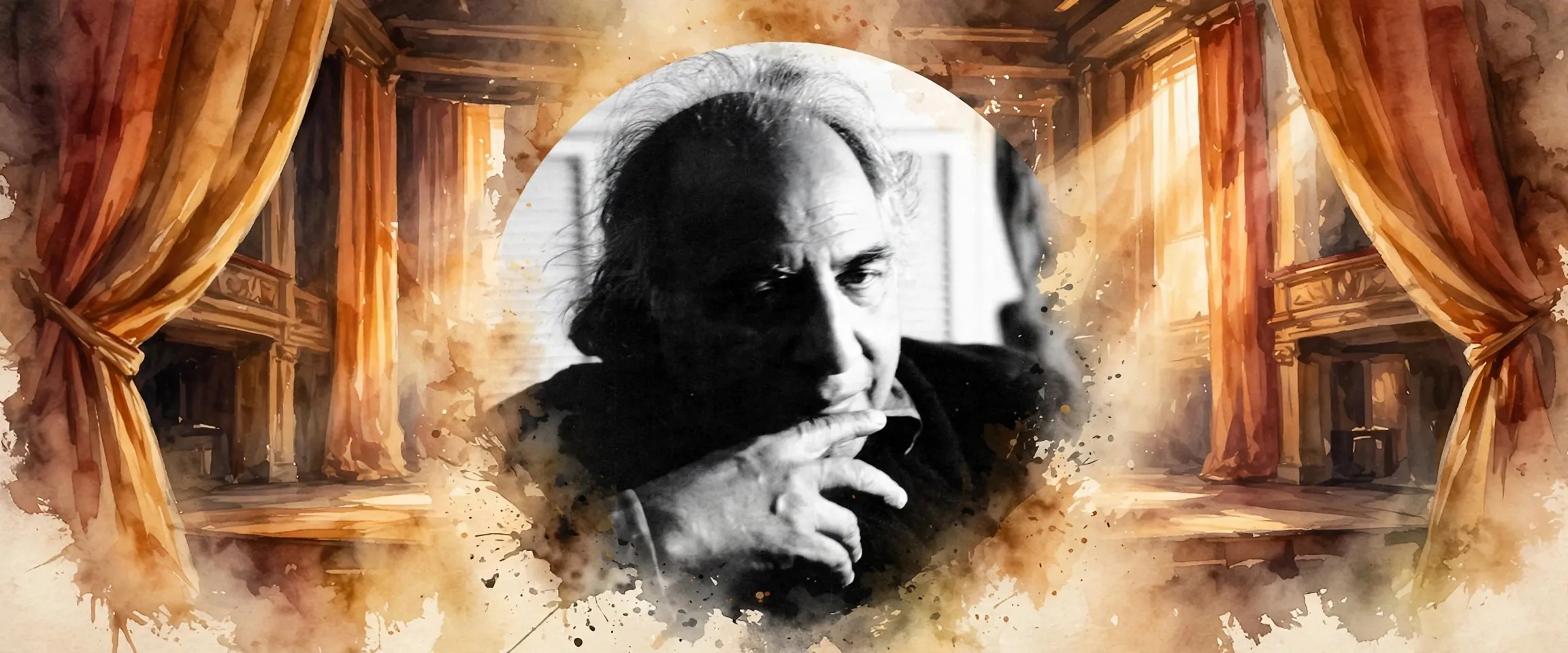
Nangi Dhup (ਨੰਗੀ ਧੁੱਪ, Naked Sunlight) is Balwant Gargi's semi-autobiographical Punjabi novel, known in English as The Naked Triangle. It grows out of his two years teaching at the University of Washington in 1966 to 1967, where he met Jeanne Henry, and tells, in Gargi's own preface word, a story of betrayal: love, desire and self deception in Seattle, mixing real names and situations with imagined ones.
Punjabi, Gurmukhi, with an English translation- Punjabi name
- ਨੰਗੀ ਧੁੱਪ
- Author
- Balwant Gargi (1916 to 2003)
- Form
- Semi-autobiographical novel
- Language
- Punjabi (Gurmukhi)
- Title meaning
- Naked Sunlight
- English version
- The Naked Triangle, subtitled An Autobiographical Novel
All 10 facts
- Basis
- Gargi's teaching at the University of Washington, Seattle, 1966 to 1967, where he met Jeanne Henry
- Setting
- Seattle, with the narrator's Punjab life behind it
- Theme, in Gargi's preface
- Betrayal
- Year
- Not given in the sources used for this page
About the book
Nangi Dhup (Naked Sunlight) is a semi-autobiographical Punjabi novel by Balwant Gargi, known in English as The Naked Triangle, whose title page carries the subtitle An Autobiographical Novel. Gargi is remembered first as a playwright, the author of Loha Kutt and the founder of university theatre teaching in Punjab, but reference accounts single this book out, with his Folk Theatre of India and Kashni Vehra (The Purple Moonlight), as one of the works that brought him to the forefront of cosmopolitan attention: a Punjabi writer's life, told as a novel, in two languages and on two continents.
The book grows out of a real chapter of his life. Gargi taught for two years, 1966 to 1967, at the University of Washington in Seattle, and reference accounts state plainly that this period was the basis of The Naked Triangle. There he met Jeanne Henry, called Jeannie in the book, who later became his wife. So the novel is autobiographical in its frame and its people, while Gargi himself, in his preface, warns the reader how he has handled them: he used some real names, characters and situations, he wrote, and mixed them with some imaginary ones.
What is Nangi Dhup about?
Nangi Dhup is about a visiting Punjabi professor in Seattle and the women who gather around his life there, above all Jeannie. The book opens with the narrator already dating three girls in Seattle and asking himself whom to marry, whom to promise, whom to betray. Jeannie, who edited a bulletin of the Fisheries Department, joins the special six week course on Indian culture he has started at the University of Washington. She brings him home made cake instead of bakery doughnuts, takes his laundry away and returns it washed and ironed, corrects the proofs of his book with him in cafes, and waits up knitting socks for him the night he stays out with another student, Marcea. That night, overwhelmed by her devotion, he decides to marry her, and three months later they are married at a magistrate's house on the banks of Green Lake, Jeannie in a gold edged silk sari with a red mark on her forehead, nine of his students as wedding guests.
Around that central story the book keeps moving between Seattle and the life he has brought with him from Punjab: the celebrated playwright abroad, honoured by a university, is at home a language writer of modest means, and he tells Jeannie so plainly, warning her of the heat, hardship and hard life waiting in India. She answers as an idealist who has dreamed of India since childhood and is ready to surrender her American citizenship for it. The triangle of the English title is the shape of his emotional life in those years: loyalty to one person pulling against desire for another, told without a covering layer of respectability, which is what the Punjabi title's naked sunlight also promises.
Themes: betrayal, desire and candour
Gargi named his theme himself in the book's preface: betrayal. How men and women deceive each other when they make love, how they lie in their search for truth, how being disloyal to one makes them madly loyal to the other, and the power and torture of desire, its ecstasy and its destructive nature. He also described his method there: the narrative does not follow a strict chronological order, flashbacks and flash forwards intermingle, and events and images are telescoped, the way his eye takes a horse not from head downwards but from its flying mane or kicking hooves. For a Punjabi book of its time this frankness about sex, marriage and self deception was the point and the provocation: the playwright who had scandalised the Punjab countryside with Loha Kutt in 1944 now turned the same unsparing light on himself.
The author
Balwant Gargi (4 December 1916 to 21 April 2003) was born at Sehna, in Barnala district, and studied at Government College and Forman Christian College, Lahore, taking master's degrees in English and political science and learning theatre with Norah Richards. His plays, among them Loha Kutt, Kesro, Kanak Di Balli, Sohni Mahiwal, Sultan Razia and Dhooni Di Agg, were translated into 12 languages and performed in Moscow, London, New Delhi and the United States. He won the Sahitya Akademi Award in 1962 for Rang Manch and the Sangeet Natak Akademi Award in 1998, and he was the founder director of the Department of Indian Theatre at Panjab University, Chandigarh, where his students included Anupam Kher and Kiron Kher. His Loha Kutt and Kanak Di Balli are also in this Kosh.
Reception and legacy
The English book carried opinions that show how it landed. Elia Kazan called it full of raw passion and a sense of loneliness, critical, honest and brutal. Mulk Raj Anand praised Gargi's courage in submitting himself to self examination and called it the most daring book. Khushwant Singh wrote that Gargi spares neither himself nor the women he loved, and compared his character portrayal to an impressionist painter's dabs of colour resolving, in perspective, into a careful design on the theme of love and lust gone sour. Reference accounts credit the two semi-autobiographical novels, this one and Kashni Vehra, with bringing Gargi cosmopolitan attention beyond the theatre world. Nangi Dhup remains his most personal book: the one in which Punjab's great man of the stage made himself, and not a village or a legend, the subject under the light.
ਕਿਤਾਬ ਬਾਰੇ
ਨੰਗੀ ਧੁੱਪ ਬਲਵੰਤ ਗਾਰਗੀ ਦਾ ਅਰਧ ਆਤਮਕਥਾਤਮਕ ਪੰਜਾਬੀ ਨਾਵਲ ਹੈ, ਜੋ ਅੰਗਰੇਜ਼ੀ ਵਿੱਚ ਦ ਨੇਕਡ ਟ੍ਰੈਂਗਲ ਵਜੋਂ ਜਾਣਿਆ ਜਾਂਦਾ ਹੈ, ਜਿਸ ਦੇ ਸਿਰਲੇਖ ਪੰਨੇ ਉੱਤੇ ਉਪ ਸਿਰਲੇਖ ਹੈ: ਇੱਕ ਆਤਮਕਥਾਤਮਕ ਨਾਵਲ। ਗਾਰਗੀ ਨੂੰ ਪਹਿਲਾਂ ਨਾਟਕਕਾਰ ਵਜੋਂ ਯਾਦ ਕੀਤਾ ਜਾਂਦਾ ਹੈ, ਲੋਹਾ ਕੁੱਟ ਦਾ ਲੇਖਕ ਅਤੇ ਪੰਜਾਬ ਵਿੱਚ ਯੂਨੀਵਰਸਿਟੀ ਰੰਗਮੰਚ ਸਿੱਖਿਆ ਦਾ ਬਾਨੀ, ਪਰ ਹਵਾਲਾ ਵਰਣਨ ਇਸ ਕਿਤਾਬ ਨੂੰ, ਉਸ ਦੀ ਫੋਕ ਥੀਏਟਰ ਆਫ਼ ਇੰਡੀਆ ਅਤੇ ਕਾਸ਼ਨੀ ਵਹੜਾ ਸਣੇ, ਉਨ੍ਹਾਂ ਰਚਨਾਵਾਂ ਵਿੱਚ ਗਿਣਦੇ ਹਨ ਜਿਨ੍ਹਾਂ ਨੇ ਉਸ ਨੂੰ ਵਿਸ਼ਵ ਪੱਧਰੀ ਧਿਆਨ ਦੇ ਮੋਹਰੇ ਲਿਆਂਦਾ: ਇੱਕ ਪੰਜਾਬੀ ਲੇਖਕ ਦੀ ਜ਼ਿੰਦਗੀ, ਨਾਵਲ ਵਜੋਂ ਦੱਸੀ, ਦੋ ਭਾਸ਼ਾਵਾਂ ਵਿੱਚ ਅਤੇ ਦੋ ਮਹਾਂਦੀਪਾਂ ਉੱਤੇ।
ਕਿਤਾਬ ਉਸ ਦੀ ਜ਼ਿੰਦਗੀ ਦੇ ਇੱਕ ਅਸਲੀ ਅਧਿਆਇ ਵਿੱਚੋਂ ਉੱਗਦੀ ਹੈ। ਗਾਰਗੀ ਨੇ ਦੋ ਸਾਲ, 1966 ਤੋਂ 1967, ਸੀਐਟਲ ਵਿੱਚ ਵਾਸ਼ਿੰਗਟਨ ਯੂਨੀਵਰਸਿਟੀ ਵਿੱਚ ਪੜ੍ਹਾਇਆ, ਅਤੇ ਹਵਾਲਾ ਵਰਣਨ ਸਪੱਸ਼ਟ ਕਹਿੰਦੇ ਹਨ ਕਿ ਇਹ ਸਮਾਂ ਦ ਨੇਕਡ ਟ੍ਰੈਂਗਲ ਦਾ ਅਧਾਰ ਸੀ। ਉੱਥੇ ਉਹ ਜੀਨ ਹੈਨਰੀ ਨੂੰ ਮਿਲਿਆ, ਕਿਤਾਬ ਵਿੱਚ ਜੀਨੀ, ਜੋ ਬਾਅਦ ਵਿੱਚ ਉਸ ਦੀ ਪਤਨੀ ਬਣੀ। ਇਸ ਲਈ ਨਾਵਲ ਆਪਣੇ ਢਾਂਚੇ ਅਤੇ ਪਾਤਰਾਂ ਵਿੱਚ ਆਤਮਕਥਾਤਮਕ ਹੈ, ਜਦਕਿ ਗਾਰਗੀ ਆਪ, ਆਪਣੀ ਭੂਮਿਕਾ ਵਿੱਚ, ਪਾਠਕ ਨੂੰ ਚੇਤਾਵਨੀ ਦਿੰਦਾ ਹੈ ਕਿ ਉਸ ਨੇ ਉਨ੍ਹਾਂ ਨਾਲ ਕਿਵੇਂ ਵਰਤਿਆ: ਉਸ ਨੇ ਕੁਝ ਅਸਲੀ ਨਾਂ, ਪਾਤਰ ਅਤੇ ਸਥਿਤੀਆਂ ਵਰਤੀਆਂ, ਉਸ ਨੇ ਲਿਖਿਆ, ਅਤੇ ਕੁਝ ਕਲਪਿਤ ਨਾਲ ਮਿਲਾ ਦਿੱਤੀਆਂ।
ਨੰਗੀ ਧੁੱਪ ਕਿਸ ਬਾਰੇ ਹੈ?
ਨੰਗੀ ਧੁੱਪ ਸੀਐਟਲ ਵਿੱਚ ਇੱਕ ਆਏ ਹੋਏ ਪੰਜਾਬੀ ਪ੍ਰੋਫੈਸਰ ਅਤੇ ਉਨ੍ਹਾਂ ਔਰਤਾਂ ਬਾਰੇ ਹੈ ਜੋ ਉੱਥੇ ਉਸ ਦੀ ਜ਼ਿੰਦਗੀ ਦੇ ਆਲੇ ਦੁਆਲੇ ਇਕੱਠੀਆਂ ਹੁੰਦੀਆਂ ਹਨ, ਸਭ ਤੋਂ ਵੱਧ ਜੀਨੀ। ਕਿਤਾਬ ਬਿਰਤਾਂਤਕਾਰ ਨਾਲ ਖੁੱਲ੍ਹਦੀ ਹੈ ਜੋ ਪਹਿਲਾਂ ਹੀ ਸੀਐਟਲ ਵਿੱਚ ਤਿੰਨ ਕੁੜੀਆਂ ਨਾਲ ਮਿਲ ਰਿਹਾ ਹੈ ਅਤੇ ਆਪਣੇ ਆਪ ਨੂੰ ਪੁੱਛ ਰਿਹਾ ਹੈ ਕਿ ਕਿਸ ਨਾਲ ਵਿਆਹ ਕਰੇ, ਕਿਸ ਨਾਲ ਵਾਅਦਾ ਕਰੇ, ਕਿਸ ਨਾਲ ਧੋਖਾ ਕਰੇ। ਜੀਨੀ, ਜੋ ਮੱਛੀ ਪਾਲਣ ਵਿਭਾਗ ਦਾ ਇੱਕ ਬੁਲੇਟਿਨ ਸੰਪਾਦਿਤ ਕਰਦੀ ਸੀ, ਵਾਸ਼ਿੰਗਟਨ ਯੂਨੀਵਰਸਿਟੀ ਵਿੱਚ ਉਸ ਵੱਲੋਂ ਸ਼ੁਰੂ ਕੀਤੇ ਭਾਰਤੀ ਸੱਭਿਆਚਾਰ ਦੇ ਖਾਸ ਛੇ ਹਫ਼ਤਿਆਂ ਦੇ ਕੋਰਸ ਵਿੱਚ ਸ਼ਾਮਲ ਹੁੰਦੀ ਹੈ। ਉਹ ਉਸ ਲਈ ਬੇਕਰੀ ਦੇ ਡੋਨੱਟਾਂ ਦੀ ਥਾਂ ਘਰ ਦਾ ਬਣਿਆ ਕੇਕ ਲਿਆਉਂਦੀ ਹੈ, ਉਸ ਦੇ ਕੱਪੜੇ ਲੈ ਜਾਂਦੀ ਹੈ ਅਤੇ ਧੋਤੇ ਅਤੇ ਇਸਤਰੀ ਕੀਤੇ ਵਾਪਸ ਲਿਆਉਂਦੀ ਹੈ, ਕੈਫ਼ਿਆਂ ਵਿੱਚ ਉਸ ਨਾਲ ਉਸ ਦੀ ਕਿਤਾਬ ਦੇ ਪ੍ਰੂਫ਼ ਠੀਕ ਕਰਦੀ ਹੈ, ਅਤੇ ਉਸ ਰਾਤ ਉਸ ਦੀ ਉਡੀਕ ਵਿੱਚ ਉਸ ਲਈ ਜੁਰਾਬਾਂ ਬੁਣਦੀ ਜਾਗਦੀ ਹੈ ਜਦ ਉਹ ਇੱਕ ਹੋਰ ਵਿਦਿਆਰਥਣ, ਮਾਰਸੀਆ, ਨਾਲ ਬਾਹਰ ਰਹਿੰਦਾ ਹੈ। ਉਸੇ ਰਾਤ, ਉਸ ਦੀ ਸ਼ਰਧਾ ਤੋਂ ਪ੍ਰਭਾਵਿਤ ਹੋ ਕੇ, ਉਹ ਉਸ ਨਾਲ ਵਿਆਹ ਕਰਨ ਦਾ ਫੈਸਲਾ ਕਰਦਾ ਹੈ, ਅਤੇ ਤਿੰਨ ਮਹੀਨਿਆਂ ਬਾਅਦ ਉਨ੍ਹਾਂ ਦਾ ਵਿਆਹ ਗ੍ਰੀਨ ਲੇਕ ਦੇ ਕੰਢੇ ਇੱਕ ਮੈਜਿਸਟ੍ਰੇਟ ਦੇ ਘਰ ਹੁੰਦਾ ਹੈ, ਜੀਨੀ ਸੁਨਹਿਰੀ ਕਿਨਾਰੀ ਵਾਲੀ ਰੇਸ਼ਮੀ ਸਾੜੀ ਵਿੱਚ, ਮੱਥੇ ਉੱਤੇ ਲਾਲ ਨਿਸ਼ਾਨ, ਅਤੇ ਉਸ ਦੇ ਨੌਂ ਵਿਦਿਆਰਥੀ ਵਿਆਹ ਦੇ ਮਹਿਮਾਨ।
ਉਸ ਕੇਂਦਰੀ ਕਹਾਣੀ ਦੇ ਆਲੇ ਦੁਆਲੇ ਕਿਤਾਬ ਸੀਐਟਲ ਅਤੇ ਉਸ ਜ਼ਿੰਦਗੀ ਵਿਚਾਲੇ ਘੁੰਮਦੀ ਰਹਿੰਦੀ ਹੈ ਜੋ ਉਹ ਪੰਜਾਬ ਤੋਂ ਆਪਣੇ ਨਾਲ ਲਿਆਇਆ ਸੀ: ਵਿਦੇਸ਼ ਵਿੱਚ ਯੂਨੀਵਰਸਿਟੀ ਵੱਲੋਂ ਸਨਮਾਨਿਤ ਪ੍ਰਸਿੱਧ ਨਾਟਕਕਾਰ, ਘਰ ਵਿੱਚ ਸਾਧਾਰਨ ਸਾਧਨਾਂ ਵਾਲਾ ਭਾਸ਼ਾ ਲੇਖਕ ਹੈ, ਅਤੇ ਉਹ ਜੀਨੀ ਨੂੰ ਇਹ ਸਪੱਸ਼ਟ ਦੱਸਦਾ ਹੈ, ਉਸ ਨੂੰ ਭਾਰਤ ਦੀ ਗਰਮੀ, ਔਖ ਅਤੇ ਔਖੀ ਜ਼ਿੰਦਗੀ ਬਾਰੇ ਚੇਤਾਵਨੀ ਦਿੰਦਾ ਹੋਇਆ। ਉਹ ਇੱਕ ਆਦਰਸ਼ਵਾਦੀ ਵਜੋਂ ਜਵਾਬ ਦਿੰਦੀ ਹੈ ਜਿਸ ਨੇ ਬਚਪਨ ਤੋਂ ਭਾਰਤ ਦੇ ਸੁਪਨੇ ਵੇਖੇ ਹਨ ਅਤੇ ਇਸ ਲਈ ਆਪਣੀ ਅਮਰੀਕੀ ਨਾਗਰਿਕਤਾ ਛੱਡਣ ਲਈ ਤਿਆਰ ਹੈ। ਅੰਗਰੇਜ਼ੀ ਸਿਰਲੇਖ ਦਾ ਤਿਕੋਣ ਉਨ੍ਹਾਂ ਸਾਲਾਂ ਵਿੱਚ ਉਸ ਦੀ ਭਾਵਨਾਤਮਕ ਜ਼ਿੰਦਗੀ ਦੀ ਸ਼ਕਲ ਹੈ: ਇੱਕ ਵਿਅਕਤੀ ਨਾਲ ਵਫ਼ਾਦਾਰੀ ਦੂਜੇ ਲਈ ਇੱਛਾ ਦੇ ਵਿਰੁੱਧ ਖਿੱਚਦੀ ਹੋਈ, ਸਤਿਕਾਰਯੋਗਤਾ ਦੀ ਕੋਈ ਢਕਵੀਂ ਪਰਤ ਤੋਂ ਬਿਨਾਂ ਦੱਸੀ ਹੋਈ, ਜੋ ਪੰਜਾਬੀ ਸਿਰਲੇਖ ਦੀ ਨੰਗੀ ਧੁੱਪ ਵੀ ਵਾਅਦਾ ਕਰਦੀ ਹੈ।
ਵਿਸ਼ੇ: ਧੋਖਾ, ਇੱਛਾ ਅਤੇ ਸਪੱਸ਼ਟਤਾ
ਗਾਰਗੀ ਨੇ ਕਿਤਾਬ ਦੀ ਭੂਮਿਕਾ ਵਿੱਚ ਆਪਣਾ ਵਿਸ਼ਾ ਆਪ ਨਾਮ ਦਿੱਤਾ: ਧੋਖਾ। ਮਰਦ ਅਤੇ ਔਰਤਾਂ ਪਿਆਰ ਕਰਦੇ ਸਮੇਂ ਇੱਕ ਦੂਜੇ ਨੂੰ ਕਿਵੇਂ ਧੋਖਾ ਦਿੰਦੇ ਹਨ, ਸੱਚ ਦੀ ਭਾਲ ਵਿੱਚ ਕਿਵੇਂ ਝੂਠ ਬੋਲਦੇ ਹਨ, ਇੱਕ ਨਾਲ ਬੇਵਫ਼ਾਈ ਉਨ੍ਹਾਂ ਨੂੰ ਦੂਜੇ ਨਾਲ ਕਿਵੇਂ ਪਾਗਲਾਂ ਵਾਂਗ ਵਫ਼ਾਦਾਰ ਬਣਾਉਂਦੀ ਹੈ, ਅਤੇ ਇੱਛਾ ਦੀ ਤਾਕਤ ਅਤੇ ਤਸੀਹਾ, ਇਸ ਦਾ ਨਸ਼ਾ ਅਤੇ ਇਸ ਦੀ ਤਬਾਹਕੁੰਨ ਕੁਦਰਤ। ਉਸ ਨੇ ਉੱਥੇ ਆਪਣੀ ਵਿਧੀ ਵੀ ਦੱਸੀ: ਬਿਰਤਾਂਤ ਸਖ਼ਤ ਕਾਲਕ੍ਰਮ ਨਹੀਂ ਮੰਨਦਾ, ਪਿਛਲ ਝਾਤਾਂ ਅਤੇ ਅਗਲ ਝਾਤਾਂ ਆਪਸ ਵਿੱਚ ਰਲਦੀਆਂ ਹਨ, ਅਤੇ ਘਟਨਾਵਾਂ ਅਤੇ ਬਿੰਬ ਸੰਖੇਪ ਹੋ ਜਾਂਦੇ ਹਨ, ਜਿਵੇਂ ਉਸ ਦੀ ਅੱਖ ਘੋੜੇ ਨੂੰ ਸਿਰ ਤੋਂ ਹੇਠਾਂ ਨਹੀਂ, ਉਸ ਦੀ ਉੱਡਦੀ ਅਯਾਲ ਜਾਂ ਲੱਤਾਂ ਮਾਰਦੇ ਖੁਰਾਂ ਤੋਂ ਲੈਂਦੀ ਹੈ। ਆਪਣੇ ਸਮੇਂ ਦੀ ਪੰਜਾਬੀ ਕਿਤਾਬ ਲਈ ਸੰਭੋਗ, ਵਿਆਹ ਅਤੇ ਆਪਣੇ ਆਪ ਨਾਲ ਧੋਖੇ ਬਾਰੇ ਇਹ ਸਪੱਸ਼ਟਤਾ ਹੀ ਮੁੱਦਾ ਅਤੇ ਭੜਕਾਹਟ ਸੀ: ਉਹ ਨਾਟਕਕਾਰ ਜਿਸ ਨੇ 1944 ਵਿੱਚ ਲੋਹਾ ਕੁੱਟ ਨਾਲ ਪੰਜਾਬ ਦੇ ਪੇਂਡੂ ਇਲਾਕੇ ਨੂੰ ਹਿਲਾਇਆ ਸੀ, ਹੁਣ ਉਹੋ ਬੇਰਹਿਮ ਰੋਸ਼ਨੀ ਆਪਣੇ ਆਪ ਉੱਤੇ ਮੋੜ ਲਈ।
ਲੇਖਕ
ਬਲਵੰਤ ਗਾਰਗੀ (4 ਦਸੰਬਰ 1916 ਤੋਂ 21 ਅਪ੍ਰੈਲ 2003) ਬਰਨਾਲਾ ਜ਼ਿਲ੍ਹੇ ਦੇ ਸਹਿਣਾ ਵਿੱਚ ਜਨਮਿਆ, ਅਤੇ ਲਾਹੌਰ ਦੇ ਗਵਰਨਮੈਂਟ ਕਾਲਜ ਅਤੇ ਫਾਰਮਨ ਕ੍ਰਿਸਚੀਅਨ ਕਾਲਜ ਵਿੱਚ ਪੜ੍ਹਿਆ, ਅੰਗਰੇਜ਼ੀ ਅਤੇ ਰਾਜਨੀਤੀ ਵਿਗਿਆਨ ਵਿੱਚ ਮਾਸਟਰ ਡਿਗਰੀਆਂ ਲਈਆਂ ਅਤੇ ਨੋਰਾ ਰਿਚਰਡਜ਼ ਨਾਲ ਰੰਗਮੰਚ ਸਿੱਖਿਆ। ਉਸ ਦੇ ਨਾਟਕ, ਉਨ੍ਹਾਂ ਵਿੱਚ ਲੋਹਾ ਕੁੱਟ, ਕੇਸਰੋ, ਕਨਕ ਦੀ ਬਾਲੀ, ਸੋਹਣੀ ਮਾਹੀਵਾਲ, ਸੁਲਤਾਨ ਰਜ਼ੀਆ ਅਤੇ ਧੂਣੀ ਦੀ ਅੱਗ, 12 ਭਾਸ਼ਾਵਾਂ ਵਿੱਚ ਅਨੁਵਾਦ ਹੋਏ ਅਤੇ ਮਾਸਕੋ, ਲੰਡਨ, ਨਵੀਂ ਦਿੱਲੀ ਅਤੇ ਸੰਯੁਕਤ ਰਾਜ ਵਿੱਚ ਖੇਡੇ ਗਏ। ਉਸ ਨੇ ਰੰਗ ਮੰਚ ਲਈ 1962 ਵਿੱਚ ਸਾਹਿਤ ਅਕਾਦਮੀ ਪੁਰਸਕਾਰ ਅਤੇ 1998 ਵਿੱਚ ਸੰਗੀਤ ਨਾਟਕ ਅਕਾਦਮੀ ਪੁਰਸਕਾਰ ਜਿੱਤਿਆ, ਅਤੇ ਉਹ ਪੰਜਾਬ ਯੂਨੀਵਰਸਿਟੀ, ਚੰਡੀਗੜ੍ਹ ਵਿੱਚ ਭਾਰਤੀ ਰੰਗਮੰਚ ਵਿਭਾਗ ਦਾ ਬਾਨੀ ਨਿਰਦੇਸ਼ਕ ਸੀ, ਜਿੱਥੇ ਉਸ ਦੇ ਵਿਦਿਆਰਥੀਆਂ ਵਿੱਚ ਅਨੁਪਮ ਖੇਰ ਅਤੇ ਕਿਰੋਨ ਖੇਰ ਸ਼ਾਮਲ ਸਨ। ਉਸ ਦੇ ਲੋਹਾ ਕੁੱਟ ਅਤੇ ਕਨਕ ਦੀ ਬਾਲੀ ਵੀ ਇਸ ਕੋਸ਼ ਵਿੱਚ ਹਨ।
ਪ੍ਰਤੀਕਿਰਿਆ ਅਤੇ ਵਿਰਾਸਤ
ਅੰਗਰੇਜ਼ੀ ਕਿਤਾਬ ਉੱਤੇ ਛਪੀਆਂ ਰਾਵਾਂ ਦੱਸਦੀਆਂ ਹਨ ਕਿ ਇਹ ਕਿਵੇਂ ਪਹੁੰਚੀ। ਏਲੀਆ ਕਾਜ਼ਾਨ ਨੇ ਇਸ ਨੂੰ ਕੱਚੇ ਜਜ਼ਬੇ ਅਤੇ ਇਕੱਲਤਾ ਦੀ ਭਾਵਨਾ ਨਾਲ ਭਰੀ, ਆਲੋਚਨਾਤਮਕ, ਇਮਾਨਦਾਰ ਅਤੇ ਬੇਰਹਿਮ ਕਿਹਾ। ਮੁਲਕ ਰਾਜ ਆਨੰਦ ਨੇ ਗਾਰਗੀ ਦੀ ਆਪਣੇ ਆਪ ਨੂੰ ਆਤਮ ਜਾਂਚ ਹਵਾਲੇ ਕਰਨ ਦੀ ਹਿੰਮਤ ਦੀ ਸਿਫਤ ਕੀਤੀ ਅਤੇ ਇਸ ਨੂੰ ਸਭ ਤੋਂ ਦਲੇਰ ਕਿਤਾਬ ਕਿਹਾ। ਖੁਸ਼ਵੰਤ ਸਿੰਘ ਨੇ ਲਿਖਿਆ ਕਿ ਗਾਰਗੀ ਨਾ ਆਪਣੇ ਆਪ ਨੂੰ ਬਖਸ਼ਦਾ ਹੈ ਨਾ ਉਨ੍ਹਾਂ ਔਰਤਾਂ ਨੂੰ ਜਿਨ੍ਹਾਂ ਨੂੰ ਉਸ ਨੇ ਪਿਆਰ ਕੀਤਾ, ਅਤੇ ਉਸ ਦੇ ਪਾਤਰ ਚਿਤਰਨ ਦੀ ਤੁਲਨਾ ਇੱਕ ਪ੍ਰਭਾਵਵਾਦੀ ਚਿੱਤਰਕਾਰ ਦੇ ਰੰਗ ਦੇ ਧੱਬਿਆਂ ਨਾਲ ਕੀਤੀ ਜੋ ਦੂਰੀ ਤੋਂ, ਪਿਆਰ ਅਤੇ ਕਾਮ ਦੀ ਖੱਟੀ ਹੋ ਗਈ ਥੀਮ ਉੱਤੇ ਸੋਚੀ ਸਮਝੀ ਬਣਤਰ ਵਿੱਚ ਘੁਲ ਜਾਂਦੇ ਹਨ। ਹਵਾਲਾ ਵਰਣਨ ਦੋਹਾਂ ਅਰਧ ਆਤਮਕਥਾਤਮਕ ਨਾਵਲਾਂ, ਇਸ ਨੂੰ ਅਤੇ ਕਾਸ਼ਨੀ ਵਹੜਾ ਨੂੰ, ਗਾਰਗੀ ਨੂੰ ਰੰਗਮੰਚ ਦੀ ਦੁਨੀਆ ਤੋਂ ਪਰੇ ਵਿਸ਼ਵ ਪੱਧਰੀ ਧਿਆਨ ਦਿਵਾਉਣ ਦਾ ਸਿਹਰਾ ਦਿੰਦੇ ਹਨ। ਨੰਗੀ ਧੁੱਪ ਉਸ ਦੀ ਸਭ ਤੋਂ ਨਿੱਜੀ ਕਿਤਾਬ ਰਹਿੰਦੀ ਹੈ: ਉਹ ਜਿਸ ਵਿੱਚ ਪੰਜਾਬ ਦੇ ਰੰਗਮੰਚ ਦੇ ਮਹਾਨ ਵਿਅਕਤੀ ਨੇ ਪਿੰਡ ਜਾਂ ਦੰਤਕਥਾ ਦੀ ਥਾਂ ਆਪਣੇ ਆਪ ਨੂੰ ਰੋਸ਼ਨੀ ਹੇਠਲਾ ਵਿਸ਼ਾ ਬਣਾਇਆ।
Editions and translations
- Nangi DhupPunjabi · Gurmukhi · originalOriginal
- The Naked TriangleEnglish version · subtitled An Autobiographical NovelEdition
The author
Connected
More to read
Sources (2)
Jugti is free and independent. Reader support keeps the Kosh growing.
Support