
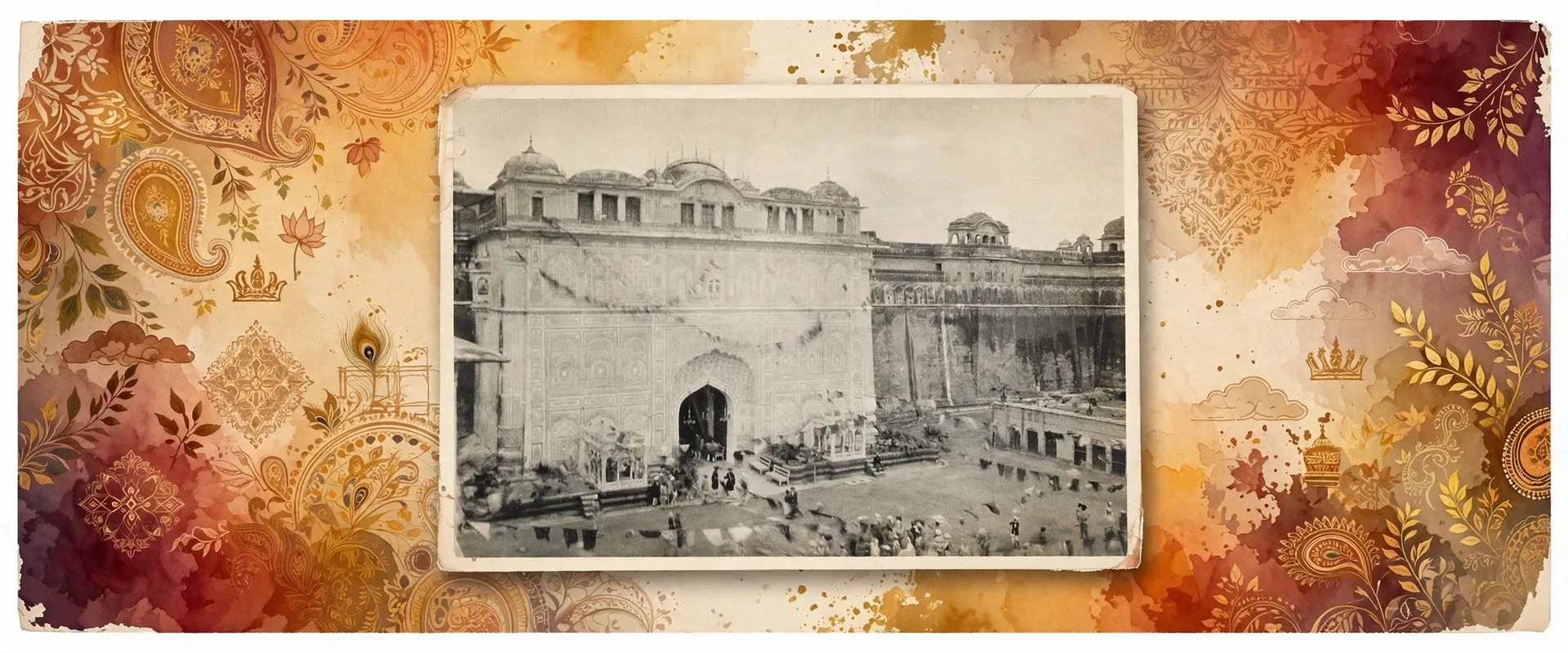
Langh Gaye Dariya (Gone are the Rivers) is a Punjabi novel by Dalip Kaur Tiwana, first published in 1990. It tells the story of the Royal Counsellor to the Maharaja of Patiala and his family, whose lives were built on court ceremony and family honour, as the newly independent nation overwhelms their old order and their story ends in tragedy.
Punjabi, Gurmukhi, with an English translation- Punjabi name
- ਲੰਘ ਗਏ ਦਰਿਆ
- Author
- Dalip Kaur Tiwana (1935 to 2020)
- Published
- 1990 (first edition)
- Language
- Punjabi (Gurmukhi)
- Form
- Novel
- Setting
- Patiala, the princely court and the first years of independent India
- English translation
- Gone are the Rivers, translated by Bhupinder Singh and S.C. Narula (1998)
Langh Gaye Dariya, in English Gone are the Rivers, is a Punjabi novel by Dalip Kaur Tiwana (1935 to 2020), first published in 1990. Its subject is the end of a world. The household of the Royal Counsellor to the Maharaja of Patiala, a family formed by the ceremony, rank and certainties of a princely court, faces a newly independent India that has no place left for the order its members were raised in, and the family's story moves towards tragedy. The English translation by Bhupinder Singh and S.C. Narula, published in 1998 in the Modern Indian Novels in Translation series, is how most readers outside Punjabi meet the book.
About the book
Patiala was one of the great princely states of Punjab, and its court was a complete society of its own, with its own ranks, rituals and codes. The Indian Novels Collective, which profiles the novel alongside Tiwana's Eho Hamara Jeevna, describes its people as used to the trappings of court in a feudal society and to unquestioning subservience to family honour. That phrase, family honour, is the key to the household: honour is not one value among others but the rule by which marriages, conduct and loyalty are all judged.
Tiwana knew this world from inside. She was educated at Patiala, where her uncle Sardar Sahib Tara Singh Sidhu was Inspector General of Prisons, and she spent her working life there as a professor at Punjabi University. Critics describe her fiction as rooted in the socio-cultural ethos of the erstwhile princely state of Patiala, addressing loneliness, rootlessness and cultural alienation, and an unrecognised longing for an anchor in the stability of the past. Langh Gaye Dariya is that longing given a family and a house.
What is Langh Gaye Dariya about?
Langh Gaye Dariya is about the Royal Counsellor to the Maharaja of Patiala and his family, and about what happens to them when independence changes the nation around them. The family is overwhelmed by the changes in the newly independent country. Its members cling to the crumbling mores of the old order, unsuccessfully, and the story ends with tragic consequences. The counsellor's authority came from the court; when the court's world dissolves, the family is left holding its code of honour in a country that has stopped rewarding it.
The title itself carries the argument. Langh gaye dariya speaks of rivers that have flowed past and gone, the rendering the English translation keeps in its title, Gone are the Rivers. A river cannot be called back, and neither can the Patiala of the durbar. The novel watches a family discover, room by room and relationship by relationship, that the water has already moved on.
Themes: honour, change and a feminine perspective
The Indian Novels Collective praises the novel for interweaving social history and ethnography with fiction from a feminine perspective, and calls it spontaneous, lyrical and compressed to the point of being a marvel of economy and elegance. The feminine perspective matters here: the costs of family honour are rarely paid by the men who proclaim it, and Tiwana's fiction is known for making those costs visible. Across her work, her characters are the downtrodden and the innocent rural folk with suppressed desires and passions, the complex inner duality of the female psyche is her chief theme, and tragedy and irony mark her fiction. In this novel the setting is a great house rather than a village, but the method is the same: an old code, tested through the inner lives of the women who must live under it.
Read beside Eho Hamara Jeevna, also in this Kosh, the novel completes a pair. That earlier book follows Bhano, a poor woman of a farming family, treated almost as a commodity. Langh Gaye Dariya stands at the opposite end of the social ladder, inside a counsellor's household at a royal court. Tiwana's subject across both is constant: what Punjab's codes of honour do to the people, and above all the women, who are made to carry them.
The author
Dalip Kaur Tiwana was born on 4 May 1935 in the village of Rabbon in Ludhiana district, in a well-to-do land-owning family, and was educated at Patiala. She took a first class first in her M.A. and a PhD from Panjab University, joined Punjabi University, Patiala as a lecturer in 1963, and rose to professor, head of the Department of Punjabi and dean of the Faculty of Languages. She wrote thirty three novels in all, of which Langh Gaye Dariya is the eighteenth in the standard lists. Her second novel, Eho Hamara Jeevna, won the Sahitya Akademi Award in 1971, Katha Kaho Urvashi won the Saraswati Samman in 2001, and she received the Padma Shri in 2004, which she renounced in 2015 in protest against rising intolerance. She died on 31 January 2020.
Reception and legacy
The novel's widest reach came through translation. Gone are the Rivers, translated by Bhupinder Singh and S.C. Narula and published by Macmillan in 1998 in the Modern Indian Novels in Translation series, carried Tiwana's Patiala to readers across India and beyond, in a series built to move the best Indian-language fiction across languages. The critical praise that has lasted is for its method as much as its story: social history and ethnography folded into fiction, told briefly and lyrically, from a feminine perspective. For readers of this Kosh, it is the natural companion to Eho Hamara Jeevna, Teeli Da Nishaan and Katha Kaho Urvashi, and the fullest picture in Tiwana's work of the princely Punjab that independence brought to an end.
ਲੰਘ ਗਏ ਦਰਿਆ ਦਲੀਪ ਕੌਰ ਟਿਵਾਣਾ (1935 ਤੋਂ 2020) ਦਾ ਪੰਜਾਬੀ ਨਾਵਲ ਹੈ, ਜੋ ਪਹਿਲੀ ਵਾਰ 1990 ਵਿੱਚ ਪ੍ਰਕਾਸ਼ਿਤ ਹੋਇਆ। ਇਸ ਦਾ ਵਿਸ਼ਾ ਇੱਕ ਸੰਸਾਰ ਦਾ ਅੰਤ ਹੈ। ਪਟਿਆਲੇ ਦੇ ਮਹਾਰਾਜੇ ਦੇ ਸ਼ਾਹੀ ਸਲਾਹਕਾਰ ਦਾ ਪਰਿਵਾਰ, ਜਿਸ ਦੀ ਜ਼ਿੰਦਗੀ ਸ਼ਾਹੀ ਦਰਬਾਰ ਦੀਆਂ ਰਸਮਾਂ, ਰੁਤਬੇ ਅਤੇ ਯਕੀਨਾਂ ਨਾਲ ਬਣੀ ਸੀ, ਨਵੇਂ ਅਜ਼ਾਦ ਭਾਰਤ ਨਾਲ ਟਕਰਾਉਂਦਾ ਹੈ, ਜਿਸ ਵਿੱਚ ਉਸ ਢਾਂਚੇ ਲਈ ਕੋਈ ਥਾਂ ਨਹੀਂ ਬਚੀ ਜਿਸ ਵਿੱਚ ਉਹ ਪਲੇ ਸਨ, ਅਤੇ ਪਰਿਵਾਰ ਦੀ ਕਹਾਣੀ ਦੁਖਾਂਤ ਵੱਲ ਵਧਦੀ ਹੈ। ਭੁਪਿੰਦਰ ਸਿੰਘ ਅਤੇ ਐਸ. ਸੀ. ਨਰੂਲਾ ਦਾ ਅੰਗਰੇਜ਼ੀ ਅਨੁਵਾਦ, ਜੋ 1998 ਵਿੱਚ ਮਾਡਰਨ ਇੰਡੀਅਨ ਨਾਵਲਜ਼ ਇਨ ਟਰਾਂਸਲੇਸ਼ਨ ਲੜੀ ਵਿੱਚ ਛਪਿਆ, ਪੰਜਾਬੀ ਤੋਂ ਬਾਹਰ ਦੇ ਜ਼ਿਆਦਾਤਰ ਪਾਠਕਾਂ ਲਈ ਇਸ ਕਿਤਾਬ ਨਾਲ ਪਹਿਲੀ ਮੁਲਾਕਾਤ ਹੈ।
ਕਿਤਾਬ ਬਾਰੇ
ਪਟਿਆਲਾ ਪੰਜਾਬ ਦੀਆਂ ਮਹਾਨ ਰਿਆਸਤਾਂ ਵਿੱਚੋਂ ਇੱਕ ਸੀ, ਅਤੇ ਇਸ ਦਾ ਦਰਬਾਰ ਆਪਣੇ ਰੁਤਬਿਆਂ, ਰਸਮਾਂ ਅਤੇ ਨੇਮਾਂ ਵਾਲਾ ਇੱਕ ਪੂਰਾ ਸਮਾਜ ਸੀ। ਇੰਡੀਅਨ ਨਾਵਲਜ਼ ਕਲੈਕਟਿਵ, ਜੋ ਇਸ ਨਾਵਲ ਨੂੰ ਟਿਵਾਣਾ ਦੇ ਏਹੋ ਹਮਾਰਾ ਜੀਵਨਾ ਨਾਲ ਰੱਖ ਕੇ ਪੇਸ਼ ਕਰਦਾ ਹੈ, ਇਸ ਦੇ ਲੋਕਾਂ ਨੂੰ ਸਾਮੰਤੀ ਸਮਾਜ ਵਿੱਚ ਦਰਬਾਰੀ ਠਾਠ ਦੇ ਆਦੀ ਅਤੇ ਪਰਿਵਾਰਕ ਇੱਜ਼ਤ ਅੱਗੇ ਬਿਨਾਂ ਸਵਾਲ ਝੁਕਣ ਵਾਲੇ ਦੱਸਦਾ ਹੈ। ਪਰਿਵਾਰਕ ਇੱਜ਼ਤ ਹੀ ਇਸ ਘਰ ਦੀ ਕੁੰਜੀ ਹੈ: ਇੱਜ਼ਤ ਕੋਈ ਇੱਕ ਕਦਰ ਨਹੀਂ, ਉਹ ਨੇਮ ਹੈ ਜਿਸ ਨਾਲ ਵਿਆਹ, ਵਰਤਾਅ ਅਤੇ ਵਫ਼ਾਦਾਰੀ ਸਭ ਪਰਖੇ ਜਾਂਦੇ ਹਨ।
ਟਿਵਾਣਾ ਇਸ ਸੰਸਾਰ ਨੂੰ ਅੰਦਰੋਂ ਜਾਣਦੀ ਸੀ। ਉਹ ਪਟਿਆਲੇ ਵਿੱਚ ਪੜ੍ਹੀ, ਜਿੱਥੇ ਉਸ ਦੇ ਚਾਚਾ ਸਰਦਾਰ ਸਾਹਿਬ ਤਾਰਾ ਸਿੰਘ ਸਿੱਧੂ ਜੇਲ੍ਹਾਂ ਦੇ ਇੰਸਪੈਕਟਰ ਜਨਰਲ ਸਨ, ਅਤੇ ਉਸ ਨੇ ਆਪਣੀ ਸਾਰੀ ਨੌਕਰੀ ਉੱਥੇ ਪੰਜਾਬੀ ਯੂਨੀਵਰਸਿਟੀ ਵਿੱਚ ਪ੍ਰੋਫੈਸਰ ਵਜੋਂ ਕੀਤੀ। ਆਲੋਚਕ ਉਸ ਦੇ ਨਾਵਲਾਂ ਨੂੰ ਪਟਿਆਲਾ ਰਿਆਸਤ ਦੇ ਸਮਾਜਿਕ ਅਤੇ ਸੱਭਿਆਚਾਰਕ ਮਾਹੌਲ ਵਿੱਚ ਜੜ੍ਹੇ ਹੋਏ ਦੱਸਦੇ ਹਨ, ਜੋ ਇਕੱਲਪਣ, ਬੇਜੜ੍ਹਤਾ ਅਤੇ ਸੱਭਿਆਚਾਰਕ ਬੇਗਾਨਗੀ ਦੀ ਗੱਲ ਕਰਦੇ ਹਨ, ਅਤੇ ਬੀਤੇ ਦੀ ਸਥਿਰਤਾ ਵਿੱਚ ਸਹਾਰੇ ਦੀ ਉਸ ਤੜਫ ਦੀ ਵੀ ਜਿਸ ਨੂੰ ਅਕਸਰ ਪਛਾਣਿਆ ਨਹੀਂ ਜਾਂਦਾ। ਲੰਘ ਗਏ ਦਰਿਆ ਉਸੇ ਤੜਫ ਨੂੰ ਇੱਕ ਪਰਿਵਾਰ ਅਤੇ ਇੱਕ ਘਰ ਦੇ ਰੂਪ ਵਿੱਚ ਪੇਸ਼ ਕਰਦਾ ਹੈ।
ਲੰਘ ਗਏ ਦਰਿਆ ਕਿਸ ਬਾਰੇ ਹੈ?
ਲੰਘ ਗਏ ਦਰਿਆ ਪਟਿਆਲੇ ਦੇ ਮਹਾਰਾਜੇ ਦੇ ਸ਼ਾਹੀ ਸਲਾਹਕਾਰ ਅਤੇ ਉਸ ਦੇ ਪਰਿਵਾਰ ਬਾਰੇ ਹੈ, ਅਤੇ ਇਸ ਬਾਰੇ ਕਿ ਅਜ਼ਾਦੀ ਨਾਲ ਦੇਸ਼ ਬਦਲਣ ਤੇ ਉਨ੍ਹਾਂ ਨਾਲ ਕੀ ਵਾਪਰਦਾ ਹੈ। ਨਵੇਂ ਅਜ਼ਾਦ ਦੇਸ਼ ਦੇ ਬਦਲਾਅ ਪਰਿਵਾਰ ਉੱਤੇ ਭਾਰੂ ਪੈ ਜਾਂਦੇ ਹਨ। ਘਰ ਦੇ ਜੀਅ ਪੁਰਾਣੇ ਢਾਂਚੇ ਦੇ ਢਹਿੰਦੇ ਨੇਮਾਂ ਨੂੰ ਫੜੀ ਰੱਖਦੇ ਹਨ, ਅਸਫ਼ਲ ਰਹਿੰਦੇ ਹਨ, ਅਤੇ ਕਹਾਣੀ ਦੁਖਦਾਈ ਨਤੀਜਿਆਂ ਨਾਲ ਮੁੱਕਦੀ ਹੈ। ਸਲਾਹਕਾਰ ਦੀ ਸੱਤਾ ਦਰਬਾਰ ਤੋਂ ਆਉਂਦੀ ਸੀ; ਜਦੋਂ ਦਰਬਾਰ ਦਾ ਸੰਸਾਰ ਖ਼ਤਮ ਹੋ ਜਾਂਦਾ ਹੈ, ਤਾਂ ਪਰਿਵਾਰ ਆਪਣੀ ਇੱਜ਼ਤ ਦਾ ਨੇਮ ਇੱਕ ਅਜਿਹੇ ਦੇਸ਼ ਵਿੱਚ ਫੜੀ ਰਹਿ ਜਾਂਦਾ ਹੈ ਜਿਸ ਨੇ ਉਸ ਦੀ ਕਦਰ ਕਰਨੀ ਛੱਡ ਦਿੱਤੀ ਹੈ।
ਸਿਰਲੇਖ ਆਪ ਹੀ ਦਲੀਲ ਹੈ। ਲੰਘ ਗਏ ਦਰਿਆ ਉਨ੍ਹਾਂ ਦਰਿਆਵਾਂ ਦੀ ਗੱਲ ਹੈ ਜੋ ਵਹਿ ਕੇ ਲੰਘ ਗਏ, ਅਤੇ ਅੰਗਰੇਜ਼ੀ ਅਨੁਵਾਦ ਨੇ ਆਪਣੇ ਸਿਰਲੇਖ Gone are the Rivers ਵਿੱਚ ਇਹੀ ਗੱਲ ਰੱਖੀ ਹੈ। ਦਰਿਆ ਨੂੰ ਵਾਪਸ ਨਹੀਂ ਬੁਲਾਇਆ ਜਾ ਸਕਦਾ, ਅਤੇ ਦਰਬਾਰ ਵਾਲੇ ਪਟਿਆਲੇ ਨੂੰ ਵੀ ਨਹੀਂ। ਨਾਵਲ ਇੱਕ ਪਰਿਵਾਰ ਨੂੰ ਵੇਖਦਾ ਹੈ ਜੋ ਕਮਰੇ ਕਮਰੇ ਅਤੇ ਰਿਸ਼ਤੇ ਰਿਸ਼ਤੇ ਵਿੱਚ ਜਾਣਦਾ ਹੈ ਕਿ ਪਾਣੀ ਪਹਿਲਾਂ ਹੀ ਅੱਗੇ ਵਹਿ ਗਿਆ ਹੈ।
ਵਿਸ਼ੇ: ਇੱਜ਼ਤ, ਬਦਲਾਅ ਅਤੇ ਇਸਤਰੀ ਨਜ਼ਰੀਆ
ਇੰਡੀਅਨ ਨਾਵਲਜ਼ ਕਲੈਕਟਿਵ ਇਸ ਨਾਵਲ ਦੀ ਤਾਰੀਫ਼ ਇਸ ਗੱਲ ਲਈ ਕਰਦਾ ਹੈ ਕਿ ਇਹ ਇਸਤਰੀ ਨਜ਼ਰੀਏ ਤੋਂ ਸਮਾਜਿਕ ਇਤਿਹਾਸ ਅਤੇ ਲੋਕ ਜੀਵਨ ਦੇ ਅਧਿਐਨ ਨੂੰ ਕਹਾਣੀ ਨਾਲ ਬੁਣਦਾ ਹੈ, ਅਤੇ ਇਸ ਨੂੰ ਸਹਿਜ, ਸੰਗੀਤਮਈ ਅਤੇ ਇੰਨਾ ਸੰਖੇਪ ਕਹਿੰਦਾ ਹੈ ਕਿ ਇਹ ਕਿਫ਼ਾਇਤ ਅਤੇ ਸੁਹਜ ਦਾ ਅਚੰਭਾ ਹੈ। ਇਸਤਰੀ ਨਜ਼ਰੀਆ ਇੱਥੇ ਮਾਇਨੇ ਰੱਖਦਾ ਹੈ: ਪਰਿਵਾਰਕ ਇੱਜ਼ਤ ਦੀ ਕੀਮਤ ਅਕਸਰ ਉਹ ਮਰਦ ਨਹੀਂ ਦਿੰਦੇ ਜੋ ਇਸ ਦਾ ਐਲਾਨ ਕਰਦੇ ਹਨ, ਅਤੇ ਟਿਵਾਣਾ ਦੇ ਨਾਵਲ ਉਹ ਕੀਮਤ ਵਿਖਾਉਣ ਲਈ ਜਾਣੇ ਜਾਂਦੇ ਹਨ। ਉਸ ਦੀ ਸਾਰੀ ਰਚਨਾ ਵਿੱਚ ਉਸ ਦੇ ਪਾਤਰ ਦੱਬੇ ਕੁਚਲੇ ਅਤੇ ਮਾਸੂਮ ਪੇਂਡੂ ਲੋਕ ਹਨ ਜਿਨ੍ਹਾਂ ਦੀਆਂ ਇੱਛਾਵਾਂ ਦਬੀਆਂ ਹੁੰਦੀਆਂ ਹਨ, ਇਸਤਰੀ ਮਨ ਦੀ ਗੁੰਝਲਦਾਰ ਅੰਦਰਲੀ ਦੁਬਿਧਾ ਉਸ ਦਾ ਮੁੱਖ ਵਿਸ਼ਾ ਹੈ, ਅਤੇ ਦੁਖਾਂਤ ਅਤੇ ਵਿਅੰਗ ਉਸ ਦੇ ਨਾਵਲਾਂ ਦੀ ਪਛਾਣ ਹਨ। ਇਸ ਨਾਵਲ ਵਿੱਚ ਮੰਚ ਪਿੰਡ ਦੀ ਥਾਂ ਇੱਕ ਵੱਡਾ ਘਰ ਹੈ, ਪਰ ਤਰੀਕਾ ਉਹੀ ਹੈ: ਇੱਕ ਪੁਰਾਣਾ ਨੇਮ, ਉਨ੍ਹਾਂ ਔਰਤਾਂ ਦੇ ਅੰਦਰਲੇ ਜੀਵਨ ਰਾਹੀਂ ਪਰਖਿਆ ਜਾਂਦਾ ਹੈ ਜਿਨ੍ਹਾਂ ਨੂੰ ਉਸ ਹੇਠ ਜੀਣਾ ਪੈਂਦਾ ਹੈ।
ਇਸ ਕੋਸ਼ ਵਿੱਚ ਮੌਜੂਦ ਏਹੋ ਹਮਾਰਾ ਜੀਵਨਾ ਨਾਲ ਰੱਖ ਕੇ ਪੜ੍ਹਿਆਂ ਇਹ ਨਾਵਲ ਇੱਕ ਜੋੜੀ ਪੂਰੀ ਕਰਦਾ ਹੈ। ਉਹ ਪਹਿਲੀ ਕਿਤਾਬ ਭਾਨੋ ਦੀ ਕਹਾਣੀ ਹੈ, ਇੱਕ ਖੇਤੀ ਪਰਿਵਾਰ ਦੀ ਗਰੀਬ ਔਰਤ, ਜਿਸ ਨਾਲ ਲਗਭਗ ਵਸਤੂ ਵਾਂਗ ਵਰਤਾਅ ਹੁੰਦਾ ਹੈ। ਲੰਘ ਗਏ ਦਰਿਆ ਸਮਾਜਿਕ ਪੌੜੀ ਦੇ ਦੂਜੇ ਸਿਰੇ ਤੇ ਖੜ੍ਹਾ ਹੈ, ਸ਼ਾਹੀ ਦਰਬਾਰ ਦੇ ਸਲਾਹਕਾਰ ਦੇ ਘਰ ਅੰਦਰ। ਦੋਹਾਂ ਵਿੱਚ ਟਿਵਾਣਾ ਦਾ ਵਿਸ਼ਾ ਇੱਕੋ ਹੈ: ਪੰਜਾਬ ਦੇ ਇੱਜ਼ਤ ਦੇ ਨੇਮ ਉਨ੍ਹਾਂ ਲੋਕਾਂ ਨਾਲ ਕੀ ਕਰਦੇ ਹਨ, ਅਤੇ ਖ਼ਾਸ ਕਰਕੇ ਉਨ੍ਹਾਂ ਔਰਤਾਂ ਨਾਲ, ਜਿਨ੍ਹਾਂ ਨੂੰ ਉਹ ਚੁੱਕਣੇ ਪੈਂਦੇ ਹਨ।
ਲੇਖਿਕਾ
ਦਲੀਪ ਕੌਰ ਟਿਵਾਣਾ ਦਾ ਜਨਮ 4 ਮਈ 1935 ਨੂੰ ਲੁਧਿਆਣਾ ਜ਼ਿਲ੍ਹੇ ਦੇ ਪਿੰਡ ਰੱਬੋਂ ਵਿੱਚ ਇੱਕ ਖੁਸ਼ਹਾਲ ਜ਼ਿਮੀਂਦਾਰ ਪਰਿਵਾਰ ਵਿੱਚ ਹੋਇਆ, ਅਤੇ ਉਹ ਪਟਿਆਲੇ ਵਿੱਚ ਪੜ੍ਹੀ। ਉਸ ਨੇ ਐਮ. ਏ. ਵਿੱਚ ਪਹਿਲਾ ਦਰਜਾ ਪਹਿਲਾ ਸਥਾਨ ਲਿਆ ਅਤੇ ਪੰਜਾਬ ਯੂਨੀਵਰਸਿਟੀ ਤੋਂ ਪੀ. ਐਚ. ਡੀ. ਕੀਤੀ, 1963 ਵਿੱਚ ਪੰਜਾਬੀ ਯੂਨੀਵਰਸਿਟੀ ਪਟਿਆਲਾ ਵਿੱਚ ਲੈਕਚਰਾਰ ਲੱਗੀ, ਅਤੇ ਪ੍ਰੋਫੈਸਰ, ਪੰਜਾਬੀ ਵਿਭਾਗ ਦੀ ਮੁਖੀ ਅਤੇ ਭਾਸ਼ਾ ਫੈਕਲਟੀ ਦੀ ਡੀਨ ਬਣੀ। ਉਸ ਨੇ ਕੁੱਲ ਤੀਹ ਤੋਂ ਵੱਧ ਨਾਵਲ ਲਿਖੇ, ਜਿਨ੍ਹਾਂ ਵਿੱਚ ਲੰਘ ਗਏ ਦਰਿਆ ਮਿਆਰੀ ਸੂਚੀਆਂ ਵਿੱਚ ਅਠਾਰ੍ਹਵਾਂ ਹੈ। ਉਸ ਦੇ ਦੂਜੇ ਨਾਵਲ ਏਹੋ ਹਮਾਰਾ ਜੀਵਨਾ ਨੂੰ 1971 ਵਿੱਚ ਸਾਹਿਤ ਅਕਾਦਮੀ ਇਨਾਮ ਮਿਲਿਆ, ਕਥਾ ਕਹੋ ਉਰਵਸ਼ੀ ਨੂੰ 2001 ਵਿੱਚ ਸਰਸਵਤੀ ਸਨਮਾਨ ਮਿਲਿਆ, ਅਤੇ 2004 ਵਿੱਚ ਉਸ ਨੂੰ ਪਦਮ ਸ਼੍ਰੀ ਮਿਲਿਆ, ਜੋ ਉਸ ਨੇ 2015 ਵਿੱਚ ਵਧਦੀ ਅਸਹਿਣਸ਼ੀਲਤਾ ਦੇ ਵਿਰੋਧ ਵਿੱਚ ਵਾਪਸ ਕਰ ਦਿੱਤਾ। ਉਸ ਦੀ ਮੌਤ 31 ਜਨਵਰੀ 2020 ਨੂੰ ਹੋਈ।
ਸਵਾਗਤ ਅਤੇ ਵਿਰਾਸਤ
ਨਾਵਲ ਦੀ ਸਭ ਤੋਂ ਵੱਡੀ ਪਹੁੰਚ ਅਨੁਵਾਦ ਰਾਹੀਂ ਆਈ। Gone are the Rivers, ਜਿਸ ਦਾ ਅਨੁਵਾਦ ਭੁਪਿੰਦਰ ਸਿੰਘ ਅਤੇ ਐਸ. ਸੀ. ਨਰੂਲਾ ਨੇ ਕੀਤਾ ਅਤੇ ਜੋ 1998 ਵਿੱਚ ਮੈਕਮਿਲਨ ਨੇ ਮਾਡਰਨ ਇੰਡੀਅਨ ਨਾਵਲਜ਼ ਇਨ ਟਰਾਂਸਲੇਸ਼ਨ ਲੜੀ ਵਿੱਚ ਛਾਪਿਆ, ਟਿਵਾਣਾ ਦੇ ਪਟਿਆਲੇ ਨੂੰ ਸਾਰੇ ਭਾਰਤ ਅਤੇ ਉਸ ਤੋਂ ਬਾਹਰ ਦੇ ਪਾਠਕਾਂ ਤੱਕ ਲੈ ਗਿਆ, ਇੱਕ ਅਜਿਹੀ ਲੜੀ ਵਿੱਚ ਜੋ ਭਾਰਤੀ ਭਾਸ਼ਾਵਾਂ ਦੇ ਸਭ ਤੋਂ ਚੰਗੇ ਨਾਵਲਾਂ ਨੂੰ ਦੂਜੀਆਂ ਭਾਸ਼ਾਵਾਂ ਵਿੱਚ ਪਹੁੰਚਾਉਣ ਲਈ ਬਣੀ ਸੀ। ਜੋ ਆਲੋਚਨਾਤਮਕ ਤਾਰੀਫ਼ ਟਿਕੀ ਹੈ, ਉਹ ਇਸ ਦੇ ਤਰੀਕੇ ਲਈ ਹੈ ਜਿੰਨੀ ਇਸ ਦੀ ਕਹਾਣੀ ਲਈ: ਸਮਾਜਿਕ ਇਤਿਹਾਸ ਅਤੇ ਲੋਕ ਜੀਵਨ ਅਧਿਐਨ ਕਹਾਣੀ ਵਿੱਚ ਬੁਣਿਆ ਹੋਇਆ, ਸੰਖੇਪ ਅਤੇ ਸੰਗੀਤਮਈ ਢੰਗ ਨਾਲ, ਇਸਤਰੀ ਨਜ਼ਰੀਏ ਤੋਂ ਕਿਹਾ ਗਿਆ। ਇਸ ਕੋਸ਼ ਦੇ ਪਾਠਕਾਂ ਲਈ ਇਹ ਏਹੋ ਹਮਾਰਾ ਜੀਵਨਾ, ਤੀਲੀ ਦਾ ਨਿਸ਼ਾਨ ਅਤੇ ਕਥਾ ਕਹੋ ਉਰਵਸ਼ੀ ਦਾ ਕੁਦਰਤੀ ਸਾਥੀ ਹੈ, ਅਤੇ ਟਿਵਾਣਾ ਦੀ ਰਚਨਾ ਵਿੱਚ ਉਸ ਰਿਆਸਤੀ ਪੰਜਾਬ ਦੀ ਸਭ ਤੋਂ ਪੂਰੀ ਤਸਵੀਰ ਹੈ ਜਿਸ ਨੂੰ ਅਜ਼ਾਦੀ ਨੇ ਖ਼ਤਮ ਕਰ ਦਿੱਤਾ।
Editions and translations
- Langh Gaye DariyaPunjabi · Gurmukhi · original, 1990 · Gurmukhi title: ਲੰਘ ਗਏ ਦਰਿਆOriginal
- Gone are the RiversEnglish translation by Bhupinder Singh and S.C. Narula · Macmillan, 1998 · Modern Indian Novels in Translation seriesTranslation
The author
Connected
More to read
Sources (3)
Jugti is free and independent. Reader support keeps the Kosh growing.
Support