
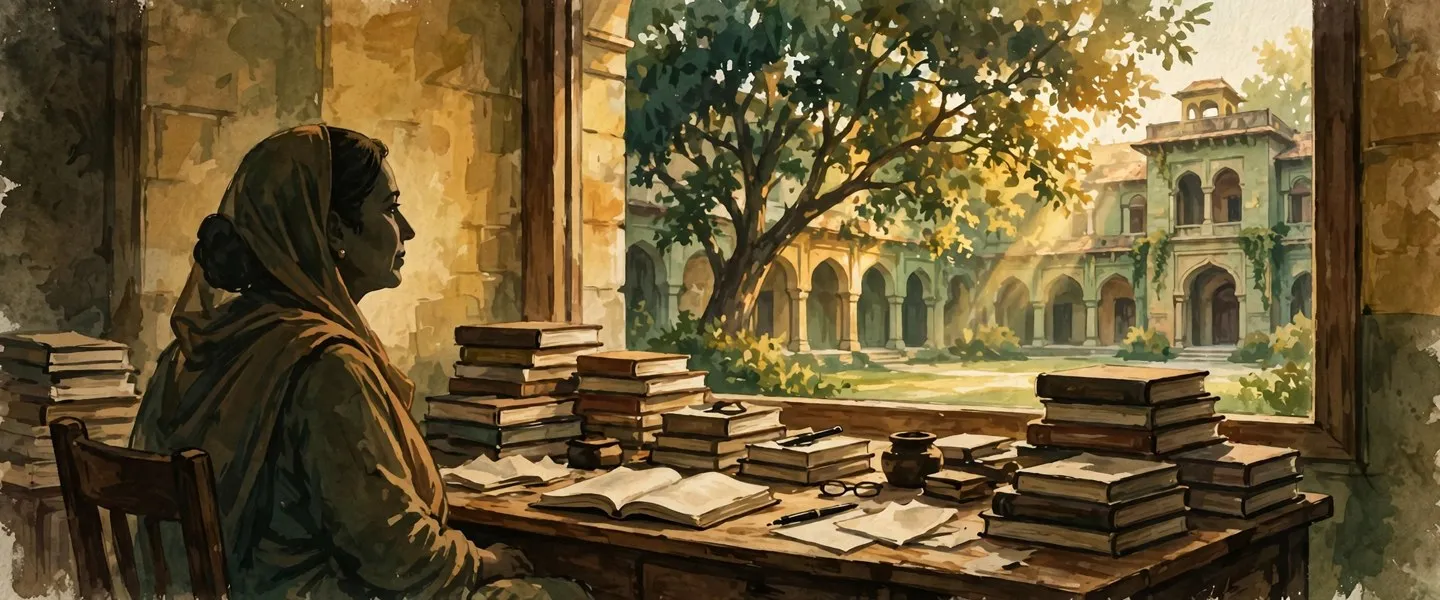
Katha Kaho Urvashi is an autobiographical Punjabi novel by Dalip Kaur Tiwana that won the Saraswati Samman, one of India's highest literary honours, in 2001. It opens on the night of the shraadhs with a professor remembering her dead father, and follows an educated Punjabi woman carrying her family, her career and her grief at once.
Punjabi, Gurmukhi, with an English translation- Punjabi name
- ਕਥਾ ਕਹੋ ਉਰਵਸ਼ੀ
- Author
- Dalip Kaur Tiwana (1935–2020)
- Language
- Punjabi, Gurmukhi
- Form
- Novel
- Kind
- Autobiographical novel
- Award
- Saraswati Samman, 2001
All 8 facts
- English edition
- Tell the Tale Urvashi (Orient Blackswan)
- Author's university
- Punjabi University, Patiala
About the book
Katha Kaho Urvashi is a Punjabi novel by Dalip Kaur Tiwana, one of the foremost novelists of modern Punjabi literature. In 2001 it won the Saraswati Samman, the award given by the K. K. Birla Foundation for an outstanding work in any of India's scheduled languages, chosen from books published in the previous ten years. The honour placed a Punjabi novel at the very top of Indian letters for that year, and it remains the crowning recognition of Tiwana's long career. The novel is autobiographical in character: its heroine is a professor, as Tiwana herself was for decades at Punjabi University, Patiala, and its griefs are drawn from a family marked by early deaths, as hers was.
The title means Tell the Tale, Urvashi, and it is under that name, Tell the Tale Urvashi, that the novel later reached English readers in an Orient Blackswan translation. Readers who come to it expecting the mythological Urvashi of the old tales should know that this is a contemporary novel: the tale being told is the life of a modern, educated Punjabi woman, told against the memory of the family she has lost.
What is Katha Kaho Urvashi about?
The novel opens on the night of the shraadhs, the days set aside for remembering the dead. A middle aged woman, a respected professor and the mother of a young child, lies in bed holding her child and waiting, in memory, for her father, who died before his time. Around that one night the book gathers the ruins of her family: the storms and accidents of life that broke it apart, and her longing for a lost world of family and spiritual values, which the father's wandering spirit seems to recognise and answer.
From that opening the novel follows a woman carrying a double load. She has a career and an intellectual life of her own, and at the same time she is the person her traditional Sikh family leans on: caring for the ageing, holding the household together, absorbing its sorrows. Tiwana's women, here and across her fiction, live under hard pressures, in a world of strained and sometimes broken relationships, yet they remain unbroken themselves, sustained, as the editor of the English translation puts it, by a core of inner strength.
Themes: women, faith and the search for release
The chief theme of Tiwana's fiction has often been described as the inner life of women: their suppressed desires, their secondary place in the family and in society, and the complex duality of the female mind. Katha Kaho Urvashi carries that theme into her own generation of educated, professional women, who won a place in the university and the workplace without being released from the duties waiting at home.
Woven through it is a spiritual search. Tiwana was a devout Sikh, and the novel wrestles with the questions her life put to her: why the young die, what the living owe the dead, and how a person finds release from attachment, the moksha her later work returns to again and again. She draws insight from Buddhism and Hinduism as well as from Sikhism, and pilgrimage runs through her writing as a picture of the search itself: struggle, wandering and self discovery on the way to peace.
The author
Dalip Kaur Tiwana was born on 4 May 1935 in the village of Rabbon in Ludhiana district, into a well to do land owning family, and was educated at Patiala. She took her M.A. with first class honours and a PhD from Panjab University, Chandigarh, joined Punjabi University, Patiala as a lecturer in 1963, and rose to Professor and Head of the Department of Punjabi and Dean of the Faculty of Languages, living on the campus as a life fellow and writer in residence. Her first novel was Agni Prikhya, and in 1971 she won the Sahitya Akademi Award for Eho Hamara Jeevna, the novel that made her name across India. Katha Kaho Urvashi stands late in a list of more than thirty novels. She received the Padma Shri in 2004, and returned it in October 2015 in protest against rising intolerance in the country. She died on 31 January 2020, aged 84.
The Saraswati Samman and the book's standing
The Saraswati Samman is not a language prize but an all India one: a single work is chosen each year from every scheduled language, and earlier Punjabi winners include the poet Harbhajan Singh. Tiwana's win for 2001, announced in January 2002, confirmed what Punjabi readers already knew, that her quiet, inward novels belonged in the first rank of Indian fiction. The English translation, Tell the Tale Urvashi, edited for Orient Blackswan, has since carried the book to readers who cannot read Punjabi, with an editor's essay that calls it her award winning autobiographical novel.
Why does Katha Kaho Urvashi still matter?
Because it gives the modern Punjabi woman, educated, working, carrying her family and her grief at once, a full inner life on the page, at a time when few novels in any Indian language were doing so. It is also a rare bridge between the two halves of Tiwana's world: the university and the ancestral home, the lecture hall and the shraadh. For readers meeting Dalip Kaur Tiwana for the first time, it is the natural place to start after Eho Hamara Jeevna, the work of her maturity, recognised in its own time as one of the finest Indian novels of its year.
ਕਿਤਾਬ ਬਾਰੇ
ਕਥਾ ਕਹੋ ਉਰਵਸ਼ੀ ਦਲੀਪ ਕੌਰ ਟਿਵਾਣਾ ਦਾ ਪੰਜਾਬੀ ਨਾਵਲ ਹੈ, ਜੋ ਆਧੁਨਿਕ ਪੰਜਾਬੀ ਸਾਹਿਤ ਦੀਆਂ ਸਭ ਤੋਂ ਵੱਡੀਆਂ ਨਾਵਲਕਾਰਾਂ ਵਿੱਚੋਂ ਇੱਕ ਹਨ। 2001 ਵਿੱਚ ਇਸ ਨੇ ਸਰਸਵਤੀ ਸਨਮਾਨ ਜਿੱਤਿਆ, ਕੇ. ਕੇ. ਬਿਰਲਾ ਫਾਊਂਡੇਸ਼ਨ ਵੱਲੋਂ ਦਿੱਤਾ ਜਾਣ ਵਾਲਾ ਉਹ ਇਨਾਮ ਜੋ ਭਾਰਤ ਦੀਆਂ ਸੂਚੀਬੱਧ ਭਾਸ਼ਾਵਾਂ ਵਿੱਚੋਂ ਕਿਸੇ ਦੀ ਵੀ ਸ਼ਾਨਦਾਰ ਰਚਨਾ ਨੂੰ ਮਿਲਦਾ ਹੈ, ਅਤੇ ਪਿਛਲੇ ਦਸ ਸਾਲਾਂ ਵਿੱਚ ਛਪੀਆਂ ਕਿਤਾਬਾਂ ਵਿੱਚੋਂ ਚੁਣਿਆ ਜਾਂਦਾ ਹੈ। ਇਸ ਸਨਮਾਨ ਨੇ ਉਸ ਸਾਲ ਇੱਕ ਪੰਜਾਬੀ ਨਾਵਲ ਨੂੰ ਭਾਰਤੀ ਸਾਹਿਤ ਦੇ ਸਭ ਤੋਂ ਉੱਚੇ ਸਥਾਨ ਉੱਤੇ ਰੱਖਿਆ, ਅਤੇ ਇਹ ਟਿਵਾਣਾ ਦੇ ਲੰਮੇ ਕਰੀਅਰ ਦੀ ਸਭ ਤੋਂ ਵੱਡੀ ਮਾਨਤਾ ਬਣਿਆ ਰਿਹਾ ਹੈ। ਨਾਵਲ ਸੁਭਾਅ ਵਿੱਚ ਆਤਮਕਥਾਤਮਕ ਹੈ: ਇਸ ਦੀ ਨਾਇਕਾ ਇੱਕ ਪ੍ਰੋਫ਼ੈਸਰ ਹੈ, ਜਿਵੇਂ ਟਿਵਾਣਾ ਖ਼ੁਦ ਦਹਾਕਿਆਂ ਤੱਕ ਪੰਜਾਬੀ ਯੂਨੀਵਰਸਿਟੀ, ਪਟਿਆਲਾ ਵਿੱਚ ਰਹੀਆਂ, ਅਤੇ ਇਸ ਦੇ ਦੁੱਖ ਉਸ ਪਰਿਵਾਰ ਤੋਂ ਲਏ ਗਏ ਹਨ ਜਿਸ ਨੂੰ ਛੋਟੀ ਉਮਰ ਦੀਆਂ ਮੌਤਾਂ ਨੇ ਤੋੜਿਆ, ਜਿਵੇਂ ਉਨ੍ਹਾਂ ਦਾ ਆਪਣਾ ਪਰਿਵਾਰ ਸੀ।
ਸਿਰਲੇਖ ਦਾ ਅਰਥ ਹੈ ਕਥਾ ਕਹੋ, ਉਰਵਸ਼ੀ, ਅਤੇ ਇਸੇ ਨਾਂ ਨਾਲ, ਟੈਲ ਦ ਟੇਲ ਉਰਵਸ਼ੀ, ਇਹ ਨਾਵਲ ਬਾਅਦ ਵਿੱਚ ਓਰੀਐਂਟ ਬਲੈਕਸਵਾਨ ਦੇ ਅਨੁਵਾਦ ਵਿੱਚ ਅੰਗਰੇਜ਼ੀ ਪਾਠਕਾਂ ਤੱਕ ਪਹੁੰਚਿਆ। ਜਿਹੜੇ ਪਾਠਕ ਪੁਰਾਣੀਆਂ ਕਥਾਵਾਂ ਵਾਲੀ ਮਿਥਿਹਾਸਕ ਉਰਵਸ਼ੀ ਦੀ ਆਸ ਨਾਲ ਇਸ ਨੂੰ ਖੋਲ੍ਹਣ, ਉਨ੍ਹਾਂ ਨੂੰ ਪਤਾ ਹੋਣਾ ਚਾਹੀਦਾ ਹੈ ਕਿ ਇਹ ਇੱਕ ਸਮਕਾਲੀ ਨਾਵਲ ਹੈ: ਜਿਹੜੀ ਕਥਾ ਕਹੀ ਜਾ ਰਹੀ ਹੈ ਉਹ ਇੱਕ ਆਧੁਨਿਕ, ਪੜ੍ਹੀ ਲਿਖੀ ਪੰਜਾਬੀ ਔਰਤ ਦੀ ਜ਼ਿੰਦਗੀ ਹੈ, ਜੋ ਉਸ ਪਰਿਵਾਰ ਦੀ ਯਾਦ ਦੇ ਸਾਹਮਣੇ ਕਹੀ ਗਈ ਹੈ ਜਿਸ ਨੂੰ ਉਸ ਨੇ ਗੁਆ ਲਿਆ ਹੈ।
ਕਥਾ ਕਹੋ ਉਰਵਸ਼ੀ ਕਿਸ ਬਾਰੇ ਹੈ?
ਨਾਵਲ ਸ਼ਰਾਧਾਂ ਦੀ ਰਾਤ ਤੋਂ ਸ਼ੁਰੂ ਹੁੰਦਾ ਹੈ, ਉਨ੍ਹਾਂ ਦਿਨਾਂ ਤੋਂ ਜੋ ਮਰਿਆਂ ਨੂੰ ਯਾਦ ਕਰਨ ਲਈ ਰੱਖੇ ਗਏ ਹਨ। ਇੱਕ ਅੱਧਖੜ ਉਮਰ ਦੀ ਔਰਤ, ਇੱਕ ਸਤਿਕਾਰਤ ਪ੍ਰੋਫ਼ੈਸਰ ਅਤੇ ਇੱਕ ਛੋਟੇ ਬੱਚੇ ਦੀ ਮਾਂ, ਆਪਣੇ ਬੱਚੇ ਨੂੰ ਛਾਤੀ ਨਾਲ ਲਾਈ ਬਿਸਤਰੇ ਵਿੱਚ ਪਈ ਯਾਦ ਵਿੱਚ ਆਪਣੇ ਪਿਤਾ ਦੀ ਉਡੀਕ ਕਰ ਰਹੀ ਹੈ, ਜੋ ਵੇਲੇ ਤੋਂ ਪਹਿਲਾਂ ਗੁਜ਼ਰ ਗਿਆ। ਉਸ ਇੱਕ ਰਾਤ ਦੇ ਆਲੇ ਦੁਆਲੇ ਕਿਤਾਬ ਉਸ ਦੇ ਪਰਿਵਾਰ ਦੇ ਖੰਡਰ ਇਕੱਠੇ ਕਰਦੀ ਹੈ: ਜ਼ਿੰਦਗੀ ਦੇ ਤੂਫ਼ਾਨ ਅਤੇ ਹਾਦਸੇ ਜਿਨ੍ਹਾਂ ਨੇ ਇਸ ਨੂੰ ਤੋੜਿਆ, ਅਤੇ ਪਰਿਵਾਰ ਅਤੇ ਰੂਹਾਨੀ ਕਦਰਾਂ ਦੀ ਉਸ ਗੁਆਚੀ ਦੁਨੀਆ ਲਈ ਉਸ ਦੀ ਤਾਂਘ, ਜਿਸ ਨੂੰ ਪਿਤਾ ਦੀ ਭਟਕਦੀ ਰੂਹ ਪਛਾਣਦੀ ਅਤੇ ਜਵਾਬ ਦਿੰਦੀ ਲੱਗਦੀ ਹੈ।
ਉਸ ਸ਼ੁਰੂਆਤ ਤੋਂ ਨਾਵਲ ਇੱਕ ਔਰਤ ਦੇ ਪਿੱਛੇ ਤੁਰਦਾ ਹੈ ਜੋ ਦੋਹਰਾ ਭਾਰ ਚੁੱਕ ਰਹੀ ਹੈ। ਉਸ ਦਾ ਆਪਣਾ ਕਰੀਅਰ ਅਤੇ ਬੌਧਿਕ ਜੀਵਨ ਹੈ, ਅਤੇ ਉਸੇ ਵੇਲੇ ਉਹੀ ਉਹ ਬੰਦਾ ਹੈ ਜਿਸ ਉੱਤੇ ਉਸ ਦਾ ਰਵਾਇਤੀ ਸਿੱਖ ਪਰਿਵਾਰ ਟਿਕਿਆ ਹੈ: ਬਜ਼ੁਰਗਾਂ ਦੀ ਸੇਵਾ ਕਰਨਾ, ਘਰ ਨੂੰ ਸਾਂਭਣਾ, ਇਸ ਦੇ ਦੁੱਖ ਆਪਣੇ ਵਿੱਚ ਸਮੇਟਣਾ। ਟਿਵਾਣਾ ਦੀਆਂ ਔਰਤਾਂ, ਇਥੇ ਅਤੇ ਉਸ ਦੀ ਸਾਰੀ ਗਲਪ ਵਿੱਚ, ਸਖ਼ਤ ਦਬਾਵਾਂ ਹੇਠ ਜਿਉਂਦੀਆਂ ਹਨ, ਤਣੇ ਅਤੇ ਕਦੇ ਕਦੇ ਟੁੱਟੇ ਰਿਸ਼ਤਿਆਂ ਦੀ ਦੁਨੀਆ ਵਿੱਚ, ਫਿਰ ਵੀ ਉਹ ਖ਼ੁਦ ਅਟੁੱਟ ਰਹਿੰਦੀਆਂ ਹਨ, ਜਿਵੇਂ ਅੰਗਰੇਜ਼ੀ ਅਨੁਵਾਦ ਦੀ ਸੰਪਾਦਕ ਕਹਿੰਦੀ ਹੈ, ਅੰਦਰੂਨੀ ਤਾਕਤ ਦੇ ਇੱਕ ਕੇਂਦਰ ਸਹਾਰੇ।
ਵਿਸ਼ੇ: ਔਰਤਾਂ, ਵਿਸ਼ਵਾਸ ਅਤੇ ਮੁਕਤੀ ਦੀ ਖੋਜ
ਟਿਵਾਣਾ ਦੀ ਗਲਪ ਦਾ ਮੁੱਖ ਵਿਸ਼ਾ ਅਕਸਰ ਔਰਤਾਂ ਦਾ ਅੰਦਰੂਨੀ ਜੀਵਨ ਕਿਹਾ ਗਿਆ ਹੈ: ਉਨ੍ਹਾਂ ਦੀਆਂ ਦੱਬੀਆਂ ਇੱਛਾਵਾਂ, ਪਰਿਵਾਰ ਅਤੇ ਸਮਾਜ ਵਿੱਚ ਉਨ੍ਹਾਂ ਦਾ ਦੂਜਾ ਸਥਾਨ, ਅਤੇ ਔਰਤ ਮਨ ਦੀ ਗੁੰਝਲਦਾਰ ਦੋਫਾੜ। ਕਥਾ ਕਹੋ ਉਰਵਸ਼ੀ ਉਸ ਵਿਸ਼ੇ ਨੂੰ ਉਸ ਦੀ ਆਪਣੀ ਪੀੜ੍ਹੀ ਦੀਆਂ ਪੜ੍ਹੀਆਂ ਲਿਖੀਆਂ, ਪੇਸ਼ੇਵਰ ਔਰਤਾਂ ਤੱਕ ਲੈ ਜਾਂਦੀ ਹੈ, ਜਿਨ੍ਹਾਂ ਨੇ ਯੂਨੀਵਰਸਿਟੀ ਅਤੇ ਕੰਮ ਵਾਲੀ ਥਾਂ ਥਾਂ ਤਾਂ ਹਾਸਲ ਕਰ ਲਈ ਪਰ ਘਰ ਉਡੀਕਦੀਆਂ ਜ਼ਿੰਮੇਵਾਰੀਆਂ ਤੋਂ ਛੁਟਕਾਰਾ ਨਾ ਮਿਲਿਆ।
ਇਸ ਵਿੱਚ ਰੂਹਾਨੀ ਖੋਜ ਬੁਣੀ ਹੋਈ ਹੈ। ਟਿਵਾਣਾ ਇੱਕ ਸ਼ਰਧਾਲੂ ਸਿੱਖ ਸਨ, ਅਤੇ ਨਾਵਲ ਉਨ੍ਹਾਂ ਸਵਾਲਾਂ ਨਾਲ ਜੂਝਦਾ ਹੈ ਜੋ ਉਨ੍ਹਾਂ ਦੀ ਜ਼ਿੰਦਗੀ ਨੇ ਉਨ੍ਹਾਂ ਸਾਹਮਣੇ ਰੱਖੇ: ਜਵਾਨ ਕਿਉਂ ਮਰਦੇ ਹਨ, ਜਿਉਂਦੇ ਮਰਿਆਂ ਦੇ ਕੀ ਕਰਜ਼ਦਾਰ ਹਨ, ਅਤੇ ਬੰਦਾ ਲਗਾਵ ਤੋਂ ਮੁਕਤੀ, ਉਹ ਮੋਕਸ਼ ਜਿਸ ਵੱਲ ਉਸ ਦੀ ਬਾਅਦ ਦੀ ਰਚਨਾ ਵਾਰ ਵਾਰ ਪਰਤਦੀ ਹੈ, ਕਿਵੇਂ ਪਾਉਂਦਾ ਹੈ। ਉਹ ਸਿੱਖੀ ਦੇ ਨਾਲ ਨਾਲ ਬੁੱਧ ਧਰਮ ਅਤੇ ਹਿੰਦੂ ਧਰਮ ਤੋਂ ਵੀ ਸੂਝ ਲੈਂਦੀਆਂ ਹਨ, ਅਤੇ ਤੀਰਥ ਯਾਤਰਾ ਉਨ੍ਹਾਂ ਦੀ ਲਿਖਤ ਵਿੱਚ ਖੋਜ ਦੀ ਤਸਵੀਰ ਬਣ ਕੇ ਤੁਰਦੀ ਹੈ: ਸ਼ਾਂਤੀ ਦੇ ਰਾਹ ਉੱਤੇ ਸੰਘਰਸ਼, ਭਟਕਣ ਅਤੇ ਆਪਣੇ ਆਪ ਦੀ ਖੋਜ।
ਲੇਖਕ
ਦਲੀਪ ਕੌਰ ਟਿਵਾਣਾ ਦਾ ਜਨਮ 4 ਮਈ 1935 ਨੂੰ ਲੁਧਿਆਣਾ ਜ਼ਿਲ੍ਹੇ ਦੇ ਪਿੰਡ ਰੱਬੋਂ ਵਿੱਚ ਇੱਕ ਖਾਂਦੇ ਪੀਂਦੇ ਜ਼ਿਮੀਂਦਾਰ ਪਰਿਵਾਰ ਵਿੱਚ ਹੋਇਆ, ਅਤੇ ਉਨ੍ਹਾਂ ਨੇ ਪਟਿਆਲੇ ਵਿੱਚ ਪੜ੍ਹਾਈ ਕੀਤੀ। ਉਨ੍ਹਾਂ ਨੇ ਪਹਿਲੇ ਦਰਜੇ ਨਾਲ ਐਮ.ਏ. ਅਤੇ ਪੰਜਾਬ ਯੂਨੀਵਰਸਿਟੀ, ਚੰਡੀਗੜ੍ਹ ਤੋਂ ਪੀ.ਐਚ.ਡੀ. ਕੀਤੀ, 1963 ਵਿੱਚ ਪੰਜਾਬੀ ਯੂਨੀਵਰਸਿਟੀ, ਪਟਿਆਲਾ ਵਿੱਚ ਲੈਕਚਰਾਰ ਲੱਗੀਆਂ, ਅਤੇ ਪ੍ਰੋਫ਼ੈਸਰ, ਪੰਜਾਬੀ ਵਿਭਾਗ ਦੀਆਂ ਮੁਖੀ ਅਤੇ ਭਾਸ਼ਾਵਾਂ ਦੀ ਫ਼ੈਕਲਟੀ ਦੀਆਂ ਡੀਨ ਬਣੀਆਂ, ਕੈਂਪਸ ਵਿੱਚ ਜੀਵਨ ਭਰ ਫ਼ੈਲੋ ਅਤੇ ਰਾਈਟਰ ਇਨ ਰੈਜ਼ੀਡੈਂਸ ਵਜੋਂ ਰਹੀਆਂ। ਉਨ੍ਹਾਂ ਦਾ ਪਹਿਲਾ ਨਾਵਲ ਅਗਨੀ ਪ੍ਰੀਖਿਆ ਸੀ, ਅਤੇ 1971 ਵਿੱਚ ਉਨ੍ਹਾਂ ਨੇ ਇਹੋ ਹਮਾਰਾ ਜੀਵਣਾ ਲਈ ਸਾਹਿਤ ਅਕਾਦਮੀ ਇਨਾਮ ਜਿੱਤਿਆ, ਉਹ ਨਾਵਲ ਜਿਸ ਨੇ ਉਨ੍ਹਾਂ ਦਾ ਨਾਂ ਸਾਰੇ ਭਾਰਤ ਵਿੱਚ ਬਣਾਇਆ। ਕਥਾ ਕਹੋ ਉਰਵਸ਼ੀ ਤੀਹ ਤੋਂ ਵੱਧ ਨਾਵਲਾਂ ਦੀ ਸੂਚੀ ਵਿੱਚ ਬਾਅਦ ਵਿੱਚ ਆਉਂਦੀ ਹੈ। ਉਨ੍ਹਾਂ ਨੂੰ 2004 ਵਿੱਚ ਪਦਮ ਸ਼੍ਰੀ ਮਿਲਿਆ, ਅਤੇ ਅਕਤੂਬਰ 2015 ਵਿੱਚ ਉਨ੍ਹਾਂ ਨੇ ਮੁਲਕ ਵਿੱਚ ਵਧ ਰਹੀ ਅਸਹਿਣਸ਼ੀਲਤਾ ਦੇ ਵਿਰੋਧ ਵਿੱਚ ਇਸ ਨੂੰ ਵਾਪਸ ਕਰ ਦਿੱਤਾ। ਉਨ੍ਹਾਂ ਦਾ ਦੇਹਾਂਤ 31 ਜਨਵਰੀ 2020 ਨੂੰ 84 ਸਾਲ ਦੀ ਉਮਰ ਵਿੱਚ ਹੋਇਆ।
ਸਰਸਵਤੀ ਸਨਮਾਨ ਅਤੇ ਕਿਤਾਬ ਦਾ ਸਥਾਨ
ਸਰਸਵਤੀ ਸਨਮਾਨ ਕਿਸੇ ਇੱਕ ਭਾਸ਼ਾ ਦਾ ਇਨਾਮ ਨਹੀਂ, ਸਾਰੇ ਭਾਰਤ ਦਾ ਹੈ: ਹਰ ਸਾਲ ਹਰ ਸੂਚੀਬੱਧ ਭਾਸ਼ਾ ਵਿੱਚੋਂ ਇੱਕੋ ਰਚਨਾ ਚੁਣੀ ਜਾਂਦੀ ਹੈ, ਅਤੇ ਪਹਿਲਾਂ ਦੇ ਪੰਜਾਬੀ ਜੇਤੂਆਂ ਵਿੱਚ ਕਵੀ ਹਰਭਜਨ ਸਿੰਘ ਸ਼ਾਮਲ ਹਨ। 2001 ਲਈ ਟਿਵਾਣਾ ਦੀ ਜਿੱਤ, ਜਿਸ ਦਾ ਐਲਾਨ ਜਨਵਰੀ 2002 ਵਿੱਚ ਹੋਇਆ, ਨੇ ਉਹੀ ਗੱਲ ਪੱਕੀ ਕੀਤੀ ਜੋ ਪੰਜਾਬੀ ਪਾਠਕ ਪਹਿਲਾਂ ਹੀ ਜਾਣਦੇ ਸਨ, ਕਿ ਉਨ੍ਹਾਂ ਦੇ ਸ਼ਾਂਤ, ਅੰਦਰ ਵੱਲ ਦੇਖਦੇ ਨਾਵਲ ਭਾਰਤੀ ਗਲਪ ਦੀ ਪਹਿਲੀ ਕਤਾਰ ਵਿੱਚ ਆਉਂਦੇ ਹਨ। ਅੰਗਰੇਜ਼ੀ ਅਨੁਵਾਦ, ਟੈਲ ਦ ਟੇਲ ਉਰਵਸ਼ੀ, ਜੋ ਓਰੀਐਂਟ ਬਲੈਕਸਵਾਨ ਲਈ ਸੰਪਾਦਿਤ ਹੋਇਆ, ਨੇ ਉਦੋਂ ਤੋਂ ਕਿਤਾਬ ਨੂੰ ਉਨ੍ਹਾਂ ਪਾਠਕਾਂ ਤੱਕ ਪਹੁੰਚਾਇਆ ਹੈ ਜੋ ਪੰਜਾਬੀ ਨਹੀਂ ਪੜ੍ਹ ਸਕਦੇ, ਇੱਕ ਸੰਪਾਦਕੀ ਲੇਖ ਨਾਲ ਜੋ ਇਸ ਨੂੰ ਉਸ ਦਾ ਇਨਾਮ ਜੇਤੂ ਆਤਮਕਥਾਤਮਕ ਨਾਵਲ ਕਹਿੰਦਾ ਹੈ।
ਕਥਾ ਕਹੋ ਉਰਵਸ਼ੀ ਅੱਜ ਵੀ ਮਹੱਤਵਪੂਰਨ ਕਿਉਂ ਹੈ?
ਕਿਉਂਕਿ ਇਹ ਆਧੁਨਿਕ ਪੰਜਾਬੀ ਔਰਤ ਨੂੰ, ਪੜ੍ਹੀ ਲਿਖੀ, ਕੰਮ ਕਰਦੀ, ਆਪਣਾ ਪਰਿਵਾਰ ਅਤੇ ਆਪਣਾ ਦੁੱਖ ਇੱਕੋ ਵੇਲੇ ਚੁੱਕੀ, ਪੰਨੇ ਉੱਤੇ ਪੂਰਾ ਅੰਦਰੂਨੀ ਜੀਵਨ ਦਿੰਦੀ ਹੈ, ਉਸ ਵੇਲੇ ਜਦੋਂ ਕਿਸੇ ਵੀ ਭਾਰਤੀ ਭਾਸ਼ਾ ਦੇ ਬਹੁਤ ਘੱਟ ਨਾਵਲ ਅਜਿਹਾ ਕਰ ਰਹੇ ਸਨ। ਇਹ ਟਿਵਾਣਾ ਦੀ ਦੁਨੀਆ ਦੇ ਦੋ ਹਿੱਸਿਆਂ ਵਿਚਕਾਰ ਇੱਕ ਦੁਰਲੱਭ ਪੁਲ ਵੀ ਹੈ: ਯੂਨੀਵਰਸਿਟੀ ਅਤੇ ਜੱਦੀ ਘਰ, ਲੈਕਚਰ ਹਾਲ ਅਤੇ ਸ਼ਰਾਧ। ਦਲੀਪ ਕੌਰ ਟਿਵਾਣਾ ਨੂੰ ਪਹਿਲੀ ਵਾਰ ਮਿਲਣ ਵਾਲੇ ਪਾਠਕਾਂ ਲਈ ਇਹੋ ਹਮਾਰਾ ਜੀਵਣਾ ਤੋਂ ਬਾਅਦ ਸ਼ੁਰੂ ਕਰਨ ਦੀ ਸੁਭਾਵਿਕ ਥਾਂ ਹੈ, ਉਸ ਦੀ ਪਰਿਪੱਕਤਾ ਦੀ ਰਚਨਾ, ਜਿਸ ਨੂੰ ਉਸ ਦੇ ਆਪਣੇ ਸਮੇਂ ਵਿੱਚ ਉਸ ਸਾਲ ਦੇ ਸਭ ਤੋਂ ਵਧੀਆ ਭਾਰਤੀ ਨਾਵਲਾਂ ਵਿੱਚੋਂ ਇੱਕ ਮੰਨਿਆ ਗਿਆ।
Editions and translations
- Katha Kaho UrvashiPunjabi · Gurmukhi · originalOriginal
- Tell the Tale UrvashiEnglish · Orient BlackswanEdition
The author
Connected
More to read
Sources (4)
Jugti is free and independent. Reader support keeps the Kosh growing.
Support