
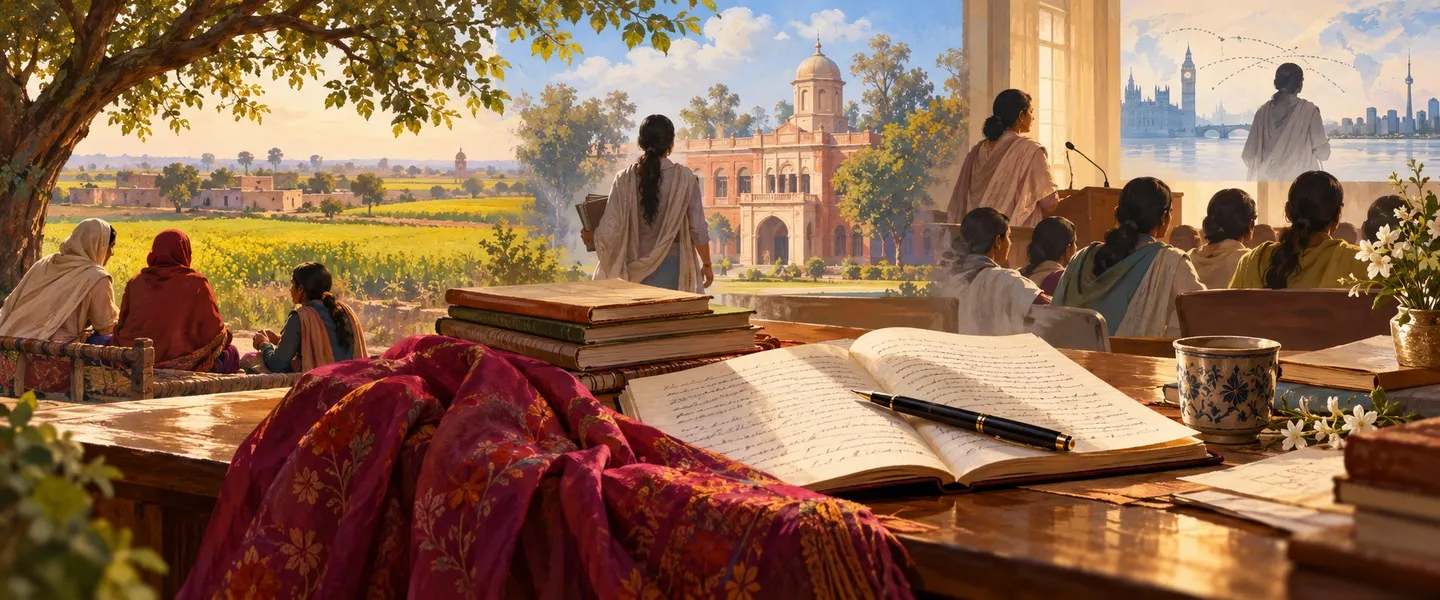
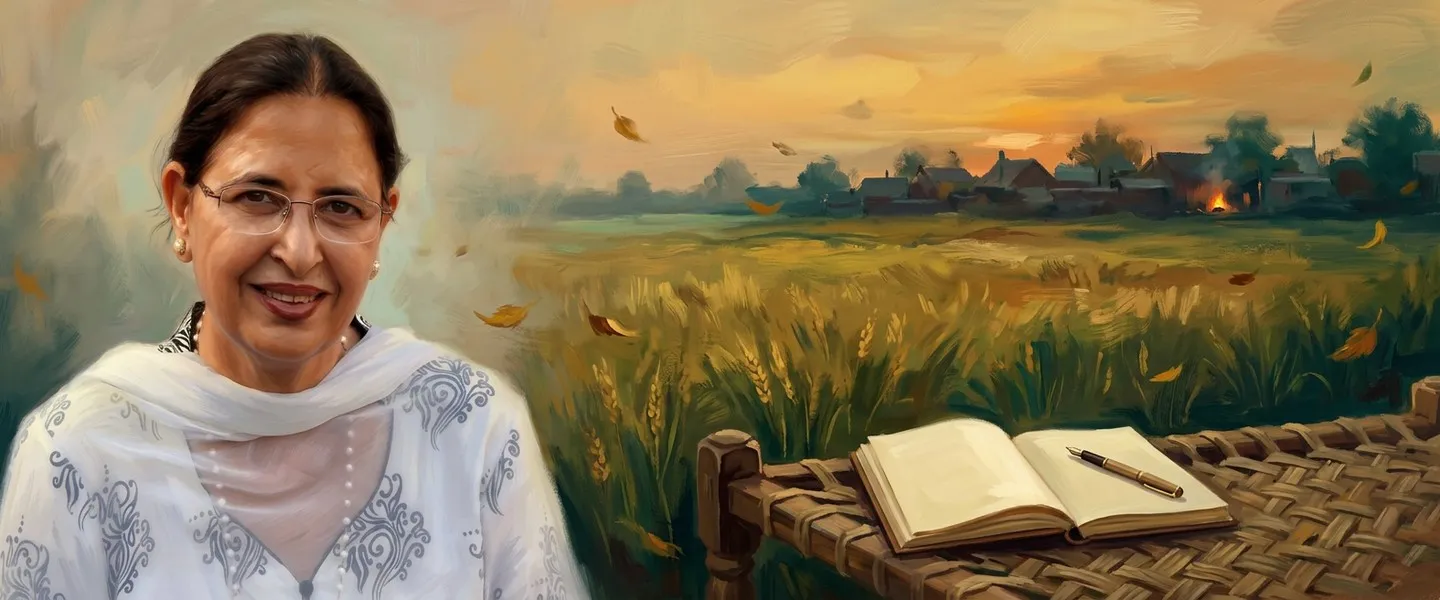
Dalip Kaur Tiwana (1935 to 2020) was a Punjabi novelist and short story writer from Rabbon in Ludhiana district, and a professor and dean at Punjabi University, Patiala. Her novel Eho Hamara Jeevna won the Sahitya Akademi Award in 1971, and she returned her Padma Shri in 2015.
- Punjabi name
- ਦਲੀਪ ਕੌਰ ਟਿਵਾਣਾ
- Born
- 4 May 1935, Rabbon village, Ludhiana district
- Died
- 31 January 2020, aged 84
- Wrote in
- Punjabi
- Known for
- Eho Hamara Jeevna, Katha Kaho Urvashi, Nange Pairan da Safar
- Honours
- Sahitya Akademi Award 1971, Saraswati Samman 2001, Padma Shri 2004 (renounced 2015)
- Academic post
- Professor of Punjabi and Dean, Punjabi University, Patiala
Dalip Kaur Tiwana (4 May 1935 to 31 January 2020) was a Punjabi novelist and short story writer from Rabbon village in Ludhiana district, and a professor at Punjabi University, Patiala. Her novel Eho Hamara Jeevna won the Sahitya Akademi Award in 1971, and Katha Kaho Urvashi later won the Saraswati Samman in 2001.
Early life and education
Tiwana was born on 4 May 1935 in Rabbon, a village in Ludhiana district, in a well to do landowning family, in what was then British India. She was educated at Patiala, where a close relative held a senior post in the princely state administration.
Her academic record set the pattern for her life. She took first class honours in her M.A., then a Ph.D. from Panjab University, Chandigarh. At a time when few women in the region reached doctoral study, that qualification opened the university career that ran alongside her fiction for the rest of her working life.
A university career at Patiala
In 1963 she joined the newly founded Punjabi University, Patiala, as a lecturer in Punjabi. She rose through the institution: professor, head of the Department of Punjabi, and dean of the faculty of languages, and she retired from those posts after a long tenure.
Her teaching reached beyond one campus. She held a UGC National Lecturer post for a year, and she lectured in England, the United States and Canada. On the Patiala campus she later lived with her family as a life fellow and writer in residence, a position that kept a working novelist at the centre of student life.
ਦਲੀਪ ਕੌਰ ਟਿਵਾਣਾ (4 ਮਈ 1935 ਤੋਂ 31 ਜਨਵਰੀ 2020) ਲੁਧਿਆਣਾ ਜ਼ਿਲ੍ਹੇ ਦੇ ਪਿੰਡ ਰੱਬੋਂ ਤੋਂ ਪੰਜਾਬੀ ਨਾਵਲਕਾਰ ਅਤੇ ਕਹਾਣੀਕਾਰ ਸਨ, ਅਤੇ ਪੰਜਾਬੀ ਯੂਨੀਵਰਸਿਟੀ, ਪਟਿਆਲਾ ਵਿੱਚ ਪ੍ਰੋਫੈਸਰ ਸਨ। ਉਨ੍ਹਾਂ ਦੇ ਨਾਵਲ 'ਇਹੋ ਹਮਾਰਾ ਜੀਵਨਾ' ਨੂੰ 1971 ਵਿੱਚ ਸਾਹਿਤ ਅਕਾਦਮੀ ਇਨਾਮ ਮਿਲਿਆ, ਅਤੇ 'ਕਥਾ ਕਹੋ ਉਰਵਸ਼ੀ' ਨੂੰ ਬਾਅਦ ਵਿੱਚ 2001 ਵਿੱਚ ਸਰਸਵਤੀ ਸਨਮਾਨ ਮਿਲਿਆ।
ਮੁੱਢਲਾ ਜੀਵਨ ਅਤੇ ਪੜ੍ਹਾਈ
ਟਿਵਾਣਾ ਦਾ ਜਨਮ 4 ਮਈ 1935 ਨੂੰ ਲੁਧਿਆਣਾ ਜ਼ਿਲ੍ਹੇ ਦੇ ਪਿੰਡ ਰੱਬੋਂ ਵਿੱਚ, ਉਸ ਸਮੇਂ ਦੇ ਬ੍ਰਿਟਿਸ਼ ਭਾਰਤ ਵਿੱਚ, ਇੱਕ ਖੁਸ਼ਹਾਲ ਜ਼ਿਮੀਂਦਾਰ ਪਰਿਵਾਰ ਵਿੱਚ ਹੋਇਆ। ਉਨ੍ਹਾਂ ਦੀ ਪੜ੍ਹਾਈ ਪਟਿਆਲਾ ਵਿੱਚ ਹੋਈ, ਜਿੱਥੇ ਇੱਕ ਨੇੜਲਾ ਰਿਸ਼ਤੇਦਾਰ ਰਿਆਸਤ ਪ੍ਰਸ਼ਾਸਨ ਵਿੱਚ ਉੱਚ ਅਹੁਦੇ ਤੇ ਸੀ।
ਉਨ੍ਹਾਂ ਦੇ ਅਕਾਦਮਿਕ ਰਿਕਾਰਡ ਨੇ ਉਨ੍ਹਾਂ ਦੀ ਜ਼ਿੰਦਗੀ ਦਾ ਰਾਹ ਬਣਾਇਆ। ਉਨ੍ਹਾਂ ਨੇ ਐੱਮ.ਏ. ਵਿੱਚ ਫਰਸਟ ਕਲਾਸ ਆਨਰਜ਼ ਲਏ, ਫਿਰ ਪੰਜਾਬ ਯੂਨੀਵਰਸਿਟੀ, ਚੰਡੀਗੜ੍ਹ ਤੋਂ ਪੀ.ਐੱਚ.ਡੀ. ਕੀਤੀ। ਉਸ ਸਮੇਂ, ਜਦੋਂ ਇਲਾਕੇ ਵਿੱਚ ਘੱਟ ਔਰਤਾਂ ਡਾਕਟਰੇਟ ਤਕ ਪਹੁੰਚਦੀਆਂ ਸਨ, ਇਸ ਯੋਗਤਾ ਨੇ ਯੂਨੀਵਰਸਿਟੀ ਦਾ ਉਹ ਕਰੀਅਰ ਖੋਲ੍ਹਿਆ ਜੋ ਉਨ੍ਹਾਂ ਦੇ ਗੱਲਪ ਨਾਲ ਸਾਰੀ ਉਮਰ ਨਾਲ ਨਾਲ ਚੱਲਿਆ।
ਪਟਿਆਲਾ ਵਿੱਚ ਯੂਨੀਵਰਸਿਟੀ ਕਰੀਅਰ
1963 ਵਿੱਚ ਉਹ ਨਵੀਂ ਬਣੀ ਪੰਜਾਬੀ ਯੂਨੀਵਰਸਿਟੀ, ਪਟਿਆਲਾ ਵਿੱਚ ਪੰਜਾਬੀ ਦੀ ਲੈਕਚਰਾਰ ਬਣੀਆਂ। ਉਹ ਸੰਸਥਾ ਵਿੱਚ ਅੱਗੇ ਵਧੀਆਂ: ਪ੍ਰੋਫੈਸਰ, ਪੰਜਾਬੀ ਵਿਭਾਗ ਦੀ ਮੁਖੀ, ਅਤੇ ਭਾਸ਼ਾਵਾਂ ਦੇ ਸੰਕਾਏ ਦੀ ਡੀਨ, ਅਤੇ ਲੰਬੀ ਸੇਵਾ ਤੋਂ ਬਾਅਦ ਉਹ ਇਨ੍ਹਾਂ ਅਹੁਦਿਆਂ ਤੋਂ ਸੇਵਾਮੁਕਤ ਹੋਈਆਂ।
ਉਨ੍ਹਾਂ ਦਾ ਅਧਿਆਪਨ ਇੱਕ ਕੈਂਪਸ ਤੋਂ ਬਾਹਰ ਵੀ ਪਹੁੰਚਿਆ। ਉਹ ਇੱਕ ਸਾਲ ਯੂ.ਜੀ.ਸੀ. ਨੈਸ਼ਨਲ ਲੈਕਚਰਾਰ ਰਹੀਆਂ, ਅਤੇ ਉਨ੍ਹਾਂ ਨੇ ਇੰਗਲੈਂਡ, ਅਮਰੀਕਾ ਅਤੇ ਕੈਨੇਡਾ ਵਿੱਚ ਭਾਸ਼ਣ ਦਿੱਤੇ। ਪਟਿਆਲਾ ਕੈਂਪਸ ਵਿੱਚ ਉਹ ਬਾਅਦ ਵਿੱਚ ਆਪਣੇ ਪਰਿਵਾਰ ਨਾਲ ਲਾਈਫ ਫੈਲੋ ਅਤੇ ਰਾਈਟਰ ਇਨ ਰੈਜ਼ੀਡੈਂਸ ਵਜੋਂ ਰਹੀਆਂ, ਜਿਸ ਅਹੁਦੇ ਨੇ ਇੱਕ ਕੰਮ ਕਰਦੇ ਨਾਵਲਕਾਰ ਨੂੰ ਵਿਦਿਆਰਥੀ ਜੀਵਨ ਦੇ ਕੇਂਦਰ ਵਿੱਚ ਰੱਖਿਆ।
She was married to Bhupinder Singh, a sociologist, poet and professor. Their son, Simranjit Singh, taught electronics engineering at Punjabi University. The family home on campus linked her three worlds: the village she came from, the university she helped build, and the fiction she wrote about both.
Why is Eho Hamara Jeevna still read?
It is still read because Bhano, its central character, gives a name and a life to women whom rural society treated as goods to be traded. The novel, her second, was first published in 1968 and appeared in book listings in 1969. It won the Sahitya Akademi Award in 1971 and was translated into English as And Such is Her Fate.
In the story, Bhano is a poor woman from a farming family. Her father arranges her marriage to Sarban of Moranwalli village. In that household she faces harassment and abuse from Sarban's brothers and friends. After Sarban dies, her father tries to sell her again. She attempts to take her own life, is saved by a man named Narain, and is accepted by him as his wife.
The point is not only the suffering. It is how little room the social order leaves her, even for simple wishes. That is why the book travelled: it was adapted as a television series on DD Punjabi in 1996 to 1997, and actor Om Puri later adapted it as a film in 2011, saying the condition of women it described still rang true decades later.
Writing women, loneliness and a changing Punjab
The Indian Novels Collective, writing about her work, places her fiction in the social world of the former princely state of Patiala, and identifies its recurring concerns: loneliness, rootlessness, cultural alienation, and a longing for stability as older ways of life gave way. Her strongest writing takes those themes into homes shaped by caste and economic difference.
Across her novels, the central figures are often downtrodden or innocent rural people, and in particular women whose desires are suppressed by custom. Educated and economically independent women appear in her work too, yet they can still struggle to assert an equal identity in family and society. Tragedy and irony, rather than easy rescue, carry much of the fiction.
Her first novel was Agni Prikhya. Other novels named in reference lists include Waat Hamari, Teeli da Nishaan, Sooraj te Samandar, Doosri Seeta, Sarkandyan de Des, Dhup Chhaan te Rukh, Lambi Udaari, Peele Pattyaan di Dastaan, Langh Gaye Dariya and Katha Kaho Urvashi. Her autobiography is Nange Pairan da Safar, a title that signals the difficult journey it records, and she also wrote literary criticism.
Honours, and the Padma Shri she returned
The honours followed the books over five decades. After the Sahitya Akademi Award in 1971, they included the Shiromani Sahitkar Award in 1987, the Saraswati Samman in 2001 for Katha Kaho Urvashi, and an honorary D.Litt. from Guru Nanak Dev University, Amritsar, in 2011. The Government of India gave her the Padma Shri in 2004, for literature and education.
On 14 October 2015 she renounced that Padma Shri. She did so in protest at rising intolerance in the country, in solidarity with other writers who were returning awards at the time. The act matched her fiction: a writer who had spent a career recording people with little power chose to give back a national honour rather than stay silent.
Legacy
Tiwana died on 31 January 2020, aged 84. She is remembered as one of the foremost novelists and short story writers of contemporary Punjabi literature, and as a widely translated author whose work helped create that contemporary literature.
Her legacy works in two places at once. In the university, she showed that a woman from a Ludhiana village could lead a Punjabi department and a faculty. In the novel, she left Bhano and a line of other women characters through whom readers in Punjab and the diaspora can still examine marriage, family honour, and the price custom charges women.
ਉਨ੍ਹਾਂ ਦਾ ਵਿਆਹ ਸਮਾਜ ਵਿਗਿਆਨੀ, ਕਵੀ ਅਤੇ ਪ੍ਰੋਫੈਸਰ ਭੁਪਿੰਦਰ ਸਿੰਘ ਨਾਲ ਹੋਇਆ ਸੀ। ਉਨ੍ਹਾਂ ਦੇ ਪੁੱਤਰ ਸਿਮਰਨਜੀਤ ਸਿੰਘ ਪੰਜਾਬੀ ਯੂਨੀਵਰਸਿਟੀ ਵਿੱਚ ਇਲੈਕਟ੍ਰਾਨਿਕਸ ਇੰਜੀਨੀਅਰਿੰਗ ਪੜ੍ਹਾਉਂਦੇ ਸਨ। ਕੈਂਪਸ ਵਿੱਚ ਪਰਿਵਾਰਕ ਘਰ ਨੇ ਉਨ੍ਹਾਂ ਦੀਆਂ ਤਿੰਨ ਦੁਨੀਆਂ ਨੂੰ ਜੋੜਿਆ: ਉਹ ਪਿੰਡ ਜਿੱਥੋਂ ਉਹ ਆਈਆਂ ਸਨ, ਉਹ ਯੂਨੀਵਰਸਿਟੀ ਜਿਸ ਨੂੰ ਬਣਾਉਣ ਵਿੱਚ ਉਨ੍ਹਾਂ ਨੇ ਮਦਦ ਕੀਤੀ, ਅਤੇ ਉਹ ਗੱਲਪ ਜੋ ਉਨ੍ਹਾਂ ਨੇ ਦੋਵਾਂ ਬਾਰੇ ਲਿਖਿਆ।
'ਇਹੋ ਹਮਾਰਾ ਜੀਵਨਾ' ਅੱਜ ਵੀ ਕਿਉਂ ਪੜ੍ਹਿਆ ਜਾਂਦਾ ਹੈ?
ਇਹ ਅੱਜ ਵੀ ਇਸ ਲਈ ਪੜ੍ਹਿਆ ਜਾਂਦਾ ਹੈ ਕਿਉਂਕਿ ਇਸ ਦੀ ਕੇਂਦਰੀ ਪਾਤਰ ਭਾਨੋ ਉਨ੍ਹਾਂ ਔਰਤਾਂ ਨੂੰ ਨਾਂ ਅਤੇ ਜੀਵਨ ਦਿੰਦੀ ਹੈ ਜਿਨ੍ਹਾਂ ਨੂੰ ਪੇਂਡੂ ਸਮਾਜ ਵੇਚਣ ਵਾਲੀ ਚੀਜ਼ ਵਾਂਗ ਵਰਤਦਾ ਸੀ। ਇਹ ਨਾਵਲ, ਉਨ੍ਹਾਂ ਦਾ ਦੂਜਾ, ਪਹਿਲਾਂ 1968 ਵਿੱਚ ਛਪਿਆ ਅਤੇ ਕਿਤਾਬ ਸੂਚੀਆਂ ਵਿੱਚ 1969 ਵਿੱਚ ਦਰਜ ਹੈ। ਇਸ ਨੂੰ 1971 ਵਿੱਚ ਸਾਹਿਤ ਅਕਾਦਮੀ ਇਨਾਮ ਮਿਲਿਆ ਅਤੇ ਇਸ ਦਾ ਅੰਗਰੇਜ਼ੀ ਅਨੁਵਾਦ 'ਐਂਡ ਸੱਚ ਇਜ਼ ਹਰ ਫੇਟ' ਨਾਂ ਨਾਲ ਆਇਆ।
ਕਹਾਣੀ ਵਿੱਚ ਭਾਨੋ ਇੱਕ ਗਰੀਬ ਕਿਸਾਨ ਪਰਿਵਾਰ ਦੀ ਔਰਤ ਹੈ। ਉਸ ਦਾ ਪਿਤਾ ਉਸ ਦਾ ਵਿਆਹ ਮੋਰਾਂਵਾਲੀ ਪਿੰਡ ਦੇ ਸਰਬਨ ਨਾਲ ਕਰਦਾ ਹੈ। ਉਸ ਘਰ ਵਿੱਚ ਉਸ ਨੂੰ ਸਰਬਨ ਦੇ ਭਰਾਵਾਂ ਅਤੇ ਦੋਸਤਾਂ ਵੱਲੋਂ ਪਰੇਸ਼ਾਨੀ ਅਤੇ ਸ਼ੋਸ਼ਣ ਦਾ ਸਾਹਮਣਾ ਕਰਨਾ ਪੈਂਦਾ ਹੈ। ਸਰਬਨ ਦੀ ਮੌਤ ਤੋਂ ਬਾਅਦ ਉਸ ਦਾ ਪਿਤਾ ਉਸ ਨੂੰ ਫਿਰ ਵੇਚਣ ਦੀ ਕੋਸ਼ਿਸ਼ ਕਰਦਾ ਹੈ। ਉਹ ਆਪਣੀ ਜਾਨ ਦੇਣ ਦੀ ਕੋਸ਼ਿਸ਼ ਕਰਦੀ ਹੈ, ਨਰੈਣ ਨਾਂ ਦਾ ਆਦਮੀ ਉਸ ਨੂੰ ਬਚਾਉਂਦਾ ਹੈ ਅਤੇ ਉਸ ਨੂੰ ਆਪਣੀ ਪਤਨੀ ਵਜੋਂ ਅਪਣਾਉਂਦਾ ਹੈ।
ਗੱਲ ਸਿਰਫ਼ ਦੁੱਖ ਦੀ ਨਹੀਂ ਹੈ। ਗੱਲ ਇਹ ਹੈ ਕਿ ਸਮਾਜਕ ਢਾਂਚਾ ਉਸ ਨੂੰ ਸਾਦੀਆਂ ਇੱਛਾਵਾਂ ਲਈ ਵੀ ਕਿੰਨੀ ਘੱਟ ਥਾਂ ਦਿੰਦਾ ਹੈ। ਇਸੇ ਲਈ ਕਿਤਾਬ ਅੱਗੇ ਵਧੀ: ਇਸ ਤੇ 1996 ਤੋਂ 1997 ਵਿੱਚ ਡੀ.ਡੀ. ਪੰਜਾਬੀ ਤੇ ਟੈਲੀਵਿਜ਼ਨ ਲੜੀ ਬਣੀ, ਅਤੇ ਅਦਾਕਾਰ ਓਮ ਪੁਰੀ ਨੇ ਬਾਅਦ ਵਿੱਚ 2011 ਵਿੱਚ ਇਸ ਤੇ ਫ਼ਿਲਮ ਬਣਾਈ, ਇਹ ਕਹਿੰਦੇ ਹੋਏ ਕਿ ਇਸ ਵਿੱਚ ਦੱਸੀ ਔਰਤਾਂ ਦੀ ਹਾਲਤ ਦਹਾਕਿਆਂ ਬਾਅਦ ਵੀ ਸੱਚ ਲੱਗਦੀ ਹੈ।
ਔਰਤਾਂ, ਇਕੱਲਾਪਣ ਅਤੇ ਬਦਲਦਾ ਪੰਜਾਬ
ਇੰਡੀਅਨ ਨਾਵਲਜ਼ ਕਲੈਕਟਿਵ ਉਨ੍ਹਾਂ ਦੇ ਕੰਮ ਬਾਰੇ ਲਿਖਦੇ ਹੋਏ ਉਨ੍ਹਾਂ ਦੇ ਗੱਲਪ ਨੂੰ ਪੁਰਾਣੀ ਪਟਿਆਲਾ ਰਿਆਸਤ ਦੇ ਸਮਾਜਕ ਸੰਸਾਰ ਵਿੱਚ ਰੱਖਦਾ ਹੈ, ਅਤੇ ਇਸ ਦੇ ਵਾਰ ਵਾਰ ਆਉਂਦੇ ਵਿਸ਼ਿਆਂ ਦੀ ਪਛਾਣ ਕਰਦਾ ਹੈ: ਇਕੱਲਾਪਣ, ਬੇਜੜ੍ਹਪਣ, ਸੱਭਿਆਚਾਰਕ ਬੇਗਾਨਗੀ, ਅਤੇ ਸਥਿਰਤਾ ਦੀ ਤਾਂਘ, ਜਦੋਂ ਪੁਰਾਣੇ ਜੀਵਨ ਢੰਗ ਖਤਮ ਹੋ ਰਹੇ ਸਨ। ਉਨ੍ਹਾਂ ਦੀ ਸਭ ਤੋਂ ਤਾਕਤਵਰ ਲਿਖਤ ਇਨ੍ਹਾਂ ਵਿਸ਼ਿਆਂ ਨੂੰ ਜਾਤ ਅਤੇ ਆਰਥਿਕ ਫ਼ਰਕ ਨਾਲ ਬਣੇ ਘਰਾਂ ਵਿੱਚ ਲੈ ਜਾਂਦੀ ਹੈ।
ਉਨ੍ਹਾਂ ਦੇ ਨਾਵਲਾਂ ਵਿੱਚ ਕੇਂਦਰੀ ਪਾਤਰ ਅਕਸਰ ਦੱਬੇ ਕੁਚਲੇ ਜਾਂ ਮਾਸੂਮ ਪੇਂਡੂ ਲੋਕ ਹੁੰਦੇ ਹਨ, ਅਤੇ ਖ਼ਾਸ ਤੌਰ ਤੇ ਉਹ ਔਰਤਾਂ ਜਿਨ੍ਹਾਂ ਦੀਆਂ ਇੱਛਾਵਾਂ ਰੀਤੀ ਰਿਵਾਜਾਂ ਹੇਠ ਦੱਬੀਆਂ ਹੁੰਦੀਆਂ ਹਨ। ਪੜ੍ਹੀਆਂ ਲਿਖੀਆਂ ਅਤੇ ਆਰਥਿਕ ਤੌਰ ਤੇ ਸੁਤੰਤਰ ਔਰਤਾਂ ਵੀ ਉਨ੍ਹਾਂ ਦੇ ਕੰਮ ਵਿੱਚ ਆਉਂਦੀਆਂ ਹਨ, ਫਿਰ ਵੀ ਉਹ ਪਰਿਵਾਰ ਅਤੇ ਸਮਾਜ ਵਿੱਚ ਬਰਾਬਰ ਪਛਾਣ ਦਾ ਦਾਅਵਾ ਕਰਨ ਲਈ ਸੰਘਰਸ਼ ਕਰ ਸਕਦੀਆਂ ਹਨ। ਆਸਾਨ ਬਚਾਅ ਦੀ ਬਜਾਏ ਦੁਖਾਂਤ ਅਤੇ ਵਿਡੰਬਣਾ ਉਨ੍ਹਾਂ ਦੇ ਬਹੁਤੇ ਗੱਲਪ ਨੂੰ ਚਲਾਉਂਦੇ ਹਨ।
ਉਨ੍ਹਾਂ ਦਾ ਪਹਿਲਾ ਨਾਵਲ 'ਅਗਨੀ ਪ੍ਰੀਖਿਆ' ਸੀ। ਹਵਾਲਾ ਸੂਚੀਆਂ ਵਿੱਚ ਦਰਜ ਹੋਰ ਨਾਵਲਾਂ ਵਿੱਚ 'ਵਾਟ ਹਮਾਰੀ', 'ਟੀਲੀ ਦਾ ਨਿਸ਼ਾਨ', 'ਸੂਰਜ ਤੇ ਸਮੁੰਦਰ', 'ਦੂਸਰੀ ਸੀਤਾ', 'ਸਰਕੰਡਿਆਂ ਦੇ ਦੇਸ', 'ਧੁੱਪ ਛਾਂ ਤੇ ਰੁੱਖ', 'ਲੰਬੀ ਉਡਾਰੀ', 'ਪੀਲੇ ਪੱਤਿਆਂ ਦੀ ਦਾਸਤਾਨ', 'ਲੰਘ ਗਏ ਦਰਿਆ' ਅਤੇ 'ਕਥਾ ਕਹੋ ਉਰਵਸ਼ੀ' ਸ਼ਾਮਲ ਹਨ। ਉਨ੍ਹਾਂ ਦੀ ਆਤਮਕਥਾ 'ਨੰਗੇ ਪੈਰਾਂ ਦਾ ਸਫ਼ਰ' ਹੈ, ਅਤੇ ਉਨ੍ਹਾਂ ਨੇ ਸਾਹਿਤਕ ਆਲੋਚਨਾ ਵੀ ਲਿਖੀ।
ਸਨਮਾਨ, ਅਤੇ ਉਹ ਪਦਮ ਸ਼੍ਰੀ ਜੋ ਉਨ੍ਹਾਂ ਨੇ ਮੋੜਿਆ
ਸਨਮਾਨ ਪੰਜ ਦਹਾਕਿਆਂ ਵਿੱਚ ਕਿਤਾਬਾਂ ਦੇ ਨਾਲ ਨਾਲ ਆਏ। 1971 ਵਿੱਚ ਸਾਹਿਤ ਅਕਾਦਮੀ ਇਨਾਮ ਤੋਂ ਬਾਅਦ ਇਨ੍ਹਾਂ ਵਿੱਚ 1987 ਵਿੱਚ ਸ਼੍ਰੋਮਣੀ ਸਾਹਿਤਕਾਰ ਸਨਮਾਨ, 2001 ਵਿੱਚ 'ਕਥਾ ਕਹੋ ਉਰਵਸ਼ੀ' ਲਈ ਸਰਸਵਤੀ ਸਨਮਾਨ, ਅਤੇ 2011 ਵਿੱਚ ਗੁਰੂ ਨਾਨਕ ਦੇਵ ਯੂਨੀਵਰਸਿਟੀ, ਅੰਮ੍ਰਿਤਸਰ ਤੋਂ ਆਨਰੇਰੀ ਡੀ.ਲਿਟ. ਸ਼ਾਮਲ ਹਨ। ਭਾਰਤ ਸਰਕਾਰ ਨੇ ਉਨ੍ਹਾਂ ਨੂੰ 2004 ਵਿੱਚ ਸਾਹਿਤ ਅਤੇ ਸਿੱਖਿਆ ਲਈ ਪਦਮ ਸ਼੍ਰੀ ਦਿੱਤਾ।
14 ਅਕਤੂਬਰ 2015 ਨੂੰ ਉਨ੍ਹਾਂ ਨੇ ਉਹ ਪਦਮ ਸ਼੍ਰੀ ਤਿਆਗ ਦਿੱਤਾ। ਉਨ੍ਹਾਂ ਨੇ ਇਹ ਦੇਸ਼ ਵਿੱਚ ਵਧਦੀ ਅਸਹਿਣਸ਼ੀਲਤਾ ਦੇ ਵਿਰੋਧ ਵਿੱਚ ਕੀਤਾ, ਉਸ ਸਮੇਂ ਇਨਾਮ ਮੋੜ ਰਹੇ ਹੋਰ ਲੇਖਕਾਂ ਨਾਲ ਇੱਕਜੁਟਤਾ ਵਿੱਚ। ਇਹ ਕਦਮ ਉਨ੍ਹਾਂ ਦੇ ਗੱਲਪ ਨਾਲ ਮੇਲ ਖਾਂਦਾ ਸੀ: ਜਿਸ ਲੇਖਕ ਨੇ ਸਾਰਾ ਕਰੀਅਰ ਘੱਟ ਤਾਕਤ ਵਾਲੇ ਲੋਕਾਂ ਨੂੰ ਦਰਜ ਕਰਨ ਵਿੱਚ ਲਾਇਆ, ਉਸ ਨੇ ਚੁੱਪ ਰਹਿਣ ਦੀ ਬਜਾਏ ਕੌਮੀ ਸਨਮਾਨ ਮੋੜਨਾ ਚੁਣਿਆ।
ਵਿਰਾਸਤ
ਟਿਵਾਣਾ ਦੀ ਮੌਤ 31 ਜਨਵਰੀ 2020 ਨੂੰ 84 ਸਾਲ ਦੀ ਉਮਰ ਵਿੱਚ ਹੋਈ। ਉਹ ਸਮਕਾਲੀ ਪੰਜਾਬੀ ਸਾਹਿਤ ਦੇ ਪ੍ਰਮੁੱਖ ਨਾਵਲਕਾਰਾਂ ਅਤੇ ਕਹਾਣੀਕਾਰਾਂ ਵਿੱਚੋਂ ਇੱਕ ਵਜੋਂ, ਅਤੇ ਵਿਆਪਕ ਤੌਰ ਤੇ ਅਨੁਵਾਦ ਹੋਏ ਲੇਖਕ ਵਜੋਂ ਯਾਦ ਕੀਤੀਆਂ ਜਾਂਦੀਆਂ ਹਨ, ਜਿਨ੍ਹਾਂ ਦੇ ਕੰਮ ਨੇ ਉਸ ਸਮਕਾਲੀ ਸਾਹਿਤ ਨੂੰ ਬਣਾਉਣ ਵਿੱਚ ਮਦਦ ਕੀਤੀ।
ਉਨ੍ਹਾਂ ਦੀ ਵਿਰਾਸਤ ਇੱਕੋ ਸਮੇਂ ਦੋ ਥਾਵਾਂ ਤੇ ਕੰਮ ਕਰਦੀ ਹੈ। ਯੂਨੀਵਰਸਿਟੀ ਵਿੱਚ, ਉਨ੍ਹਾਂ ਨੇ ਦਿਖਾਇਆ ਕਿ ਲੁਧਿਆਣਾ ਦੇ ਪਿੰਡ ਦੀ ਔਰਤ ਪੰਜਾਬੀ ਵਿਭਾਗ ਅਤੇ ਸੰਕਾਏ ਦੀ ਅਗਵਾਈ ਕਰ ਸਕਦੀ ਹੈ। ਨਾਵਲ ਵਿੱਚ, ਉਨ੍ਹਾਂ ਨੇ ਭਾਨੋ ਅਤੇ ਹੋਰ ਔਰਤ ਪਾਤਰਾਂ ਦੀ ਲੜੀ ਛੱਡੀ, ਜਿਨ੍ਹਾਂ ਰਾਹੀਂ ਪੰਜਾਬ ਅਤੇ ਪਰਵਾਸ ਦੇ ਪਾਠਕ ਅੱਜ ਵੀ ਵਿਆਹ, ਪਰਿਵਾਰਕ ਇੱਜ਼ਤ, ਅਤੇ ਰਿਵਾਜ ਔਰਤਾਂ ਤੋਂ ਲੈਂਦੇ ਮੁੱਲ ਨੂੰ ਵੇਖ ਸਕਦੇ ਹਨ।
Works
People


Places
More writers & poets
See all


Sources (3)
Jugti is free and independent. Reader support keeps the Kosh growing.
Support