
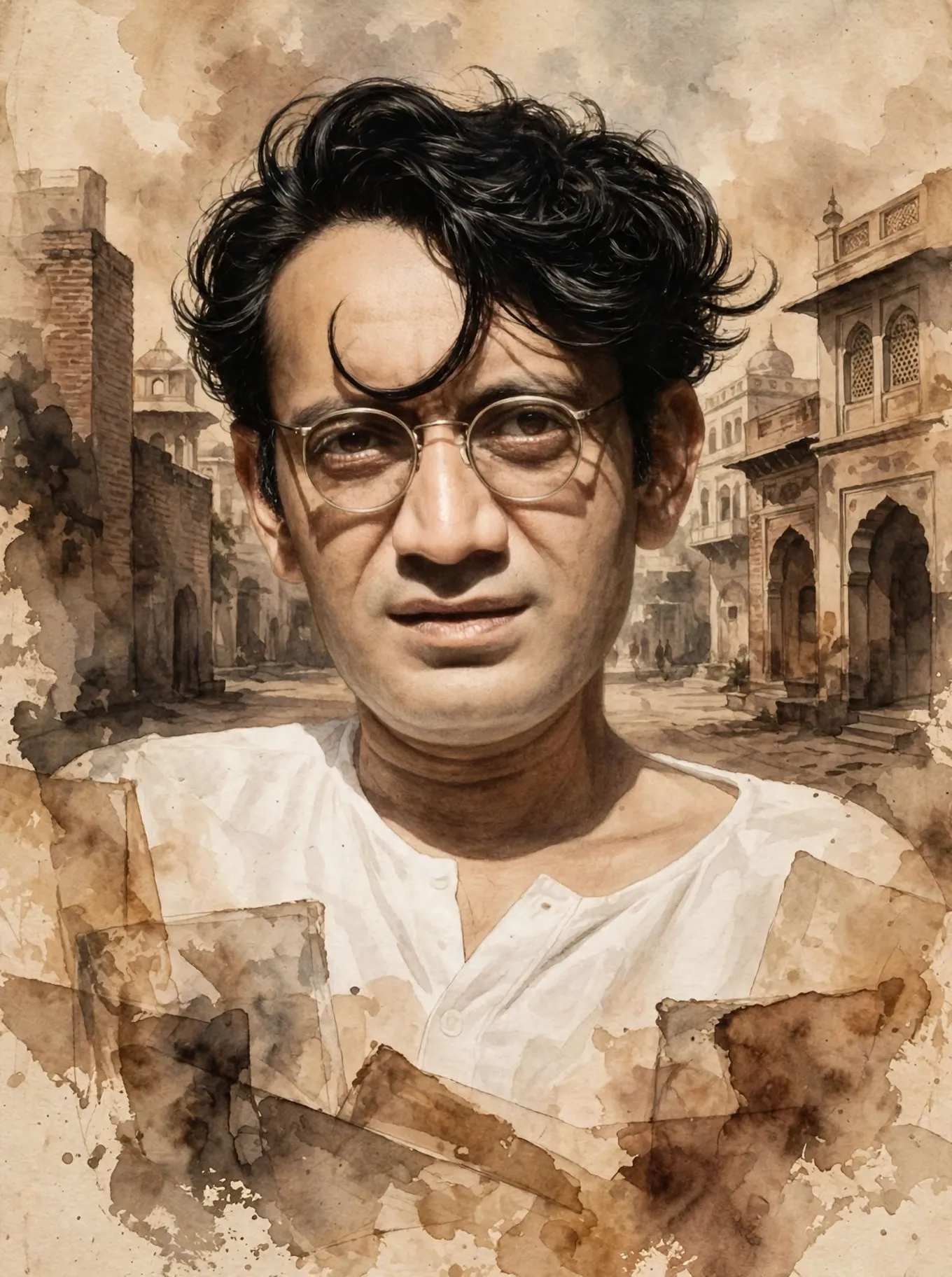
Saadat Hasan Manto was an Urdu short-story writer born in Samrala, Ludhiana district, whose unsparing stories of Partition, including Toba Tek Singh, made him one of South Asia's most read authors.
- Punjabi name
- ਸਆਦਤ ਹਸਨ ਮੰਟੋ
- Born
- 11 May 1912, Paproudi village, Samrala
- Died
- 18 January 1955, Lahore
- Home town
- Samrala
- District
- Ludhiana
- Tehsil
- Samrala
All 11 facts
- Region
- Malwa
- Occupation
- Writer
- Known for
- Toba Tek Singh; Thanda Gosht; Khol Do; Bu
- Language
- Urdu
- Honour
- Nishan-e-Imtiaz (Pakistan, 2012, posthumous)
Saadat Hasan Manto was born on 11 May 1912 in Paproudi village, near Samrala in Ludhiana district, into a Punjabi Muslim family of Kashmiri ancestry that had settled in Amritsar. His father, Khwaja Ghulam Hasan, was a sessions judge, a stern man who wanted his son to become a lawyer. Manto grew up mostly in Amritsar, and by every account he was a poor student: he failed his matriculation examination twice, once even in Urdu, the language he would one day reshape. What he did have was a restless curiosity and a love of reading that school could not measure.
Early life in Amritsar and a false start at Aligarh
Manto was educated at the Muslim High School in Amritsar and briefly at Hindu Sabha College, which he left without a degree. In 1933 the scholar Abdul Bari Alig recognised his talent, encouraged him to read the great Russian and French story writers, and pushed him to write. Manto had already written his first story, Tamasha, a searing response to the Jallianwala Bagh massacre of 1919, when he was barely out of his teens. In July 1934 he joined Aligarh Muslim University, but left within a year, after a tuberculosis scare and months in a sanatorium at Batote. His first collection of stories, Atish Paray, appeared from Lahore in 1936.
Bombay, radio and the film years
Manto moved to Bombay, the city he loved most, and found work editing the film weekly Mussawir and writing scripts and dialogue for the Hindi film industry. In 1941 he joined All India Radio in Delhi, and the two years that followed were among the most productive of his life: he wrote radio plays at speed, and his stories of Bombay life, of sex workers, pimps, actors and clerks, gained him both fame and trouble. He returned to Bombay in 1942, worked with the Filmistan studio and later Bombay Talkies, and counted actors such as Ashok Kumar among his close friends. His sketches of film people, written with affection and malice in equal measure, remain some of the sharpest writing on the early Bombay cinema.
Partition and the move to Lahore
The Partition of 1947 broke Manto's world in two. Communal tension inside the film industry and the departure of colleagues for Pakistan unsettled him, and in early 1948, after his wife Safia and their children had gone ahead, he sailed for Karachi and settled in Lahore. He never really recovered from the move. In Lahore he became the centre of the circle that gathered at the Pak Tea House, wrote for newspapers to survive, and produced, in a few feverish years, the stories on which his reputation rests. In Toba Tek Singh, an inmate of a Lahore asylum refuses to choose between India and Pakistan and dies on the border line itself. Thanda Gosht, Khol Do and Kaali Shalwar looked at the violence of Partition without flinching, and without sparing any community.
Trials for obscenity and the last years
Manto was tried six times for obscenity, three times in British India and three times in Pakistan, for stories including Kaali Shalwar, Bu, Thanda Gosht and Khol Do. He was never convicted. He defended himself with wit, arguing in court and in print that he only held up a mirror to society, and that a reader who found his stories unbearable was really finding society unbearable. The Lahore years were hard in other ways: money was short, publishers paid little, and his drinking, worsened by the trauma of migration, steadily destroyed his health. He died in Lahore on 18 January 1955, aged forty two, and was buried in the Miani Sahib Graveyard.
Why is Manto still read today?
Manto wrote twenty two collections of short stories, a novel, five collections of radio plays, essays and sketches, an output Britannica puts at more than two hundred and fifty stories. His prose is plain, fast and unsentimental, and it ends, again and again, with a twist that leaves the reader unsettled. He wrote about people his society preferred not to see, and he refused to divide them into heroes and villains. Manto himself was clear about his Punjabi roots beneath the Urdu: 'Behind my Urdu, it is the Punjabi tongue that speaks.' Pakistan awarded him its highest civilian honour, the Nishan-e-Imtiaz, in 2012, fifty seven years after his death, and two feature films, in 2015 and 2018, have told his life. For readers in Punjab, on both sides of the border, he remains the writer who told the truth about 1947 when few others would.
ਸਆਦਤ ਹਸਨ ਮੰਟੋ ਦਾ ਜਨਮ 11 ਮਈ 1912 ਨੂੰ ਲੁਧਿਆਣਾ ਜ਼ਿਲ੍ਹੇ ਦੇ ਸਮਰਾਲਾ ਨੇੜੇ ਪਿੰਡ ਪਪਰੌਦੀ ਵਿੱਚ ਹੋਇਆ। ਉਨ੍ਹਾਂ ਦਾ ਪਰਿਵਾਰ ਕਸ਼ਮੀਰੀ ਮੂਲ ਦਾ ਪੰਜਾਬੀ ਮੁਸਲਿਮ ਪਰਿਵਾਰ ਸੀ ਜੋ ਅੰਮ੍ਰਿਤਸਰ ਵਿੱਚ ਆ ਵਸਿਆ ਸੀ। ਉਨ੍ਹਾਂ ਦੇ ਪਿਤਾ ਖਵਾਜਾ ਗੁਲਾਮ ਹਸਨ ਸੈਸ਼ਨ ਜੱਜ ਸਨ, ਸਖ਼ਤ ਸੁਭਾਅ ਦੇ ਮਾਲਕ, ਜੋ ਚਾਹੁੰਦੇ ਸਨ ਕਿ ਉਨ੍ਹਾਂ ਦਾ ਬੇਟਾ ਵਕੀਲ ਬਣੇ। ਮੰਟੋ ਦਾ ਬਚਪਨ ਜ਼ਿਆਦਾਤਰ ਅੰਮ੍ਰਿਤਸਰ ਵਿੱਚ ਹੀ ਬੀਤਿਆ ਅਤੇ ਉਹ ਪੜ੍ਹਾਈ ਵਿੱਚ ਕਮਜ਼ੋਰ ਵਿਦਿਆਰਥੀ ਸਨ। ਉਹ ਮੈਟ੍ਰਿਕ ਦੀ ਪ੍ਰੀਖਿਆ ਵਿੱਚ ਦੋ ਵਾਰ ਫੇਲ੍ਹ ਹੋਏ, ਇੱਕ ਵਾਰ ਤਾਂ ਉਰਦੂ ਵਿੱਚ ਵੀ, ਉਸੇ ਭਾਸ਼ਾ ਵਿੱਚ ਜਿਸ ਨੂੰ ਇੱਕ ਦਿਨ ਉਨ੍ਹਾਂ ਨੇ ਨਵਾਂ ਰੂਪ ਦੇਣਾ ਸੀ। ਪਰ ਉਨ੍ਹਾਂ ਕੋਲ ਬੇਚੈਨ ਜਿਗਿਆਸਾ ਅਤੇ ਪੜ੍ਹਨ ਦਾ ਸ਼ੌਕ ਸੀ, ਜਿਸ ਨੂੰ ਸਕੂਲ ਨਹੀਂ ਮਾਪ ਸਕਿਆ।
ਅੰਮ੍ਰਿਤਸਰ ਦਾ ਮੁੱਢਲਾ ਜੀਵਨ ਅਤੇ ਅਲੀਗੜ੍ਹ ਦੀ ਅਧੂਰੀ ਸ਼ੁਰੂਆਤ
ਮੰਟੋ ਨੇ ਅੰਮ੍ਰਿਤਸਰ ਦੇ ਮੁਸਲਿਮ ਹਾਈ ਸਕੂਲ ਵਿੱਚ ਪੜ੍ਹਾਈ ਕੀਤੀ ਅਤੇ ਕੁਝ ਸਮਾਂ ਹਿੰਦੂ ਸਭਾ ਕਾਲਜ ਵਿੱਚ ਵੀ ਲਾਇਆ, ਜੋ ਉਨ੍ਹਾਂ ਨੇ ਡਿਗਰੀ ਤੋਂ ਬਿਨਾਂ ਛੱਡ ਦਿੱਤਾ। 1933 ਵਿੱਚ ਵਿਦਵਾਨ ਅਬਦੁਲ ਬਾਰੀ ਆਲਿਗ ਨੇ ਉਨ੍ਹਾਂ ਦੀ ਪ੍ਰਤਿਭਾ ਪਛਾਣੀ, ਉਨ੍ਹਾਂ ਨੂੰ ਰੂਸੀ ਅਤੇ ਫਰਾਂਸੀਸੀ ਕਹਾਣੀਕਾਰਾਂ ਨੂੰ ਪੜ੍ਹਨ ਲਈ ਕਿਹਾ ਅਤੇ ਲਿਖਣ ਲਈ ਉਕਸਾਇਆ। ਮੰਟੋ ਆਪਣੀ ਪਹਿਲੀ ਕਹਾਣੀ ਤਮਾਸ਼ਾ ਪਹਿਲਾਂ ਹੀ ਲਿਖ ਚੁੱਕੇ ਸਨ, ਜੋ 1919 ਦੇ ਜੱਲ੍ਹਿਆਂਵਾਲਾ ਬਾਗ ਸਾਕੇ ’ਤੇ ਤਿੱਖੀ ਪ੍ਰਤੀਕਿਰਿਆ ਸੀ। ਜੁਲਾਈ 1934 ਵਿੱਚ ਉਹ ਅਲੀਗੜ੍ਹ ਮੁਸਲਿਮ ਯੂਨੀਵਰਸਿਟੀ ਵਿੱਚ ਦਾਖਲ ਹੋਏ, ਪਰ ਇੱਕ ਸਾਲ ਦੇ ਅੰਦਰ ਹੀ ਛੱਡ ਦਿੱਤਾ, ਤਪਦਿਕ ਦੇ ਸ਼ੱਕ ਕਾਰਨ ਬਟੋਟ ਦੇ ਸੈਨੇਟੋਰੀਅਮ ਵਿੱਚ ਕੁਝ ਮਹੀਨੇ ਬਿਤਾਏ। ਉਨ੍ਹਾਂ ਦੀਆਂ ਕਹਾਣੀਆਂ ਦਾ ਪਹਿਲਾ ਸੰਗ੍ਰਹਿ ਆਤਿਸ਼ ਪਾਰੇ 1936 ਵਿੱਚ ਲਾਹੌਰ ਤੋਂ ਛਪਿਆ।
ਬੰਬਈ, ਰੇਡੀਓ ਅਤੇ ਫਿਲਮੀ ਸਾਲ
ਮੰਟੋ ਬੰਬਈ ਚਲੇ ਗਏ, ਉਹ ਸ਼ਹਿਰ ਜੋ ਉਨ੍ਹਾਂ ਨੂੰ ਸਭ ਤੋਂ ਪਿਆਰਾ ਸੀ, ਅਤੇ ਉੱਥੇ ਫਿਲਮੀ ਰਸਾਲੇ ਮੁਸੱਵਰ ਦੀ ਸੰਪਾਦਨਾ ਅਤੇ ਹਿੰਦੀ ਫਿਲਮਾਂ ਲਈ ਕਹਾਣੀਆਂ ਅਤੇ ਸੰਵਾਦ ਲਿਖਣ ਦਾ ਕੰਮ ਮਿਲਿਆ। 1941 ਵਿੱਚ ਉਹ ਆਲ ਇੰਡੀਆ ਰੇਡੀਓ, ਦਿੱਲੀ ਨਾਲ ਜੁੜੇ ਅਤੇ ਅਗਲੇ ਦੋ ਸਾਲ ਉਨ੍ਹਾਂ ਦੇ ਜੀਵਨ ਦੇ ਸਭ ਤੋਂ ਉਪਜਾਊ ਸਾਲ ਰਹੇ। ਉਨ੍ਹਾਂ ਨੇ ਤੇਜ਼ੀ ਨਾਲ ਰੇਡੀਓ ਨਾਟਕ ਲਿਖੇ ਅਤੇ ਬੰਬਈ ਦੇ ਜੀਵਨ, ਵੇਸਵਾਵਾਂ, ਦਲਾਲਾਂ, ਅਭਿਨੇਤਾਵਾਂ ਅਤੇ ਕਲਰਕਾਂ ਬਾਰੇ ਉਨ੍ਹਾਂ ਦੀਆਂ ਕਹਾਣੀਆਂ ਨੇ ਉਨ੍ਹਾਂ ਨੂੰ ਪ੍ਰਸਿੱਧੀ ਵੀ ਦਿੱਤੀ ਅਤੇ ਮੁਸੀਬਤਾਂ ਵੀ। 1942 ਵਿੱਚ ਉਹ ਬੰਬਈ ਪਰਤੇ, ਫਿਲਮਿਸਤਾਨ ਸਟੂਡੀਓ ਅਤੇ ਫਿਰ ਬੰਬਈ ਟਾਕੀਜ਼ ਨਾਲ ਕੰਮ ਕੀਤਾ, ਅਤੇ ਅਸ਼ੋਕ ਕੁਮਾਰ ਵਰਗੇ ਅਭਿਨੇਤਾ ਉਨ੍ਹਾਂ ਦੇ ਨੇੜਲੇ ਮਿੱਤਰਾਂ ਵਿੱਚੋਂ ਸਨ। ਫਿਲਮੀ ਲੋਕਾਂ ਬਾਰੇ ਉਨ੍ਹਾਂ ਦੇ ਰੇਖਾ-ਚਿੱਤਰ, ਜੋ ਪਿਆਰ ਅਤੇ ਤਿੱਖੇਪਣ ਨਾਲ ਬਰਾਬਰ ਲਿਖੇ ਗਏ, ਅੱਜ ਵੀ ਮੁੱਢਲੇ ਬੰਬਈ ਸਿਨੇਮਾ ’ਤੇ ਸਭ ਤੋਂ ਤਿੱਖੀ ਲਿਖਤ ਵਿੱਚੋਂ ਹਨ।
ਵੰਡ ਅਤੇ ਲਾਹੌਰ ਵੱਲ ਕੂਚ
1947 ਦੀ ਵੰਡ ਨੇ ਮੰਟੋ ਦੀ ਦੁਨੀਆ ਨੂੰ ਦੋ ਹਿੱਸਿਆਂ ਵਿੱਚ ਵੰਡ ਦਿੱਤਾ। ਫਿਲਮ ਇੰਡਸਟਰੀ ਅੰਦਰ ਫਿਰਕੂ ਤਣਾਅ ਅਤੇ ਸਾਥੀਆਂ ਦੇ ਪਾਕਿਸਤਾਨ ਜਾਣ ਨਾਲ ਉਹ ਬੇਚੈਨ ਹੋ ਗਏ ਅਤੇ 1948 ਦੇ ਸ਼ੁਰੂ ਵਿੱਚ, ਪਤਨੀ ਸਫ਼ੀਆ ਅਤੇ ਬੱਚਿਆਂ ਦੇ ਪਹਿਲਾਂ ਜਾਣ ਤੋਂ ਬਾਅਦ, ਉਹ ਜਹਾਜ਼ ਰਾਹੀਂ ਕਰਾਚੀ ਗਏ ਅਤੇ ਲਾਹੌਰ ਵਿੱਚ ਵਸ ਗਏ। ਇਸ ਤਬਦੀਲੀ ਤੋਂ ਉਹ ਕਦੇ ਪੂਰੀ ਤਰ੍ਹਾਂ ਸੰਭਲ ਨਹੀਂ ਸਕੇ। ਲਾਹੌਰ ਵਿੱਚ ਉਹ ਪਾਕ ਟੀ ਹਾਊਸ ਦੇ ਚੱਕਰ ਦਾ ਕੇਂਦਰ ਬਣੇ, ਗੁਜ਼ਾਰੇ ਲਈ ਅਖ਼ਬਾਰਾਂ ਲਈ ਲਿਖਿਆ ਅਤੇ ਕੁਝ ਹੀ ਤੇਜ਼ ਸਾਲਾਂ ਵਿੱਚ ਉਹ ਕਹਾਣੀਆਂ ਰਚੀਆਂ ਜਿਨ੍ਹਾਂ ’ਤੇ ਉਨ੍ਹਾਂ ਦੀ ਸਾਖ ਟਿਕੀ ਹੈ। ਟੋਬਾ ਟੇਕ ਸਿੰਘ ਵਿੱਚ ਲਾਹੌਰ ਦੇ ਪਾਗਲਖਾਨੇ ਦਾ ਇੱਕ ਕੈਦੀ ਭਾਰਤ ਅਤੇ ਪਾਕਿਸਤਾਨ ਵਿੱਚੋਂ ਚੋਣ ਕਰਨ ਤੋਂ ਇਨਕਾਰ ਕਰ ਦਿੰਦਾ ਹੈ ਅਤੇ ਸਰਹੱਦ ਦੀ ਲਕੀਰ ’ਤੇ ਹੀ ਮਰ ਜਾਂਦਾ ਹੈ। ਠੰਡਾ ਗੋਸ਼ਤ, ਖੋਲ ਦੋ ਅਤੇ ਕਾਲੀ ਸ਼ਲਵਾਰ ਨੇ ਵੰਡ ਦੇ ਹਿੰਸਕ ਚਿਹਰੇ ਵੱਲ ਬਿਨਾਂ ਝਿਜਕ ਦੇਖਿਆ ਅਤੇ ਕਿਸੇ ਵੀ ਫਿਰਕੇ ਨੂੰ ਨਹੀਂ ਬਖਸ਼ਿਆ।
ਅਸ਼ਲੀਲਤਾ ਦੇ ਮੁਕੱਦਮੇ ਅਤੇ ਆਖ਼ਰੀ ਸਾਲ
ਮੰਟੋ ’ਤੇ ਅਸ਼ਲੀਲਤਾ ਦੇ ਛੇ ਮੁਕੱਦਮੇ ਚੱਲੇ, ਤਿੰਨ ਬਰਤਾਨਵੀ ਭਾਰਤ ਵਿੱਚ ਅਤੇ ਤਿੰਨ ਪਾਕਿਸਤਾਨ ਵਿੱਚ, ਕਾਲੀ ਸ਼ਲਵਾਰ, ਬੂ, ਠੰਡਾ ਗੋਸ਼ਤ ਅਤੇ ਖੋਲ ਦੋ ਵਰਗੀਆਂ ਕਹਾਣੀਆਂ ਲਈ। ਉਹ ਕਦੇ ਦੋਸ਼ੀ ਨਹੀਂ ਠਹਿਰਾਏ ਗਏ। ਉਨ੍ਹਾਂ ਨੇ ਹਾਸੇ-ਮਜ਼ਾਕ ਨਾਲ ਆਪਣਾ ਬਚਾਅ ਕੀਤਾ ਅਤੇ ਅਦਾਲਤ ਵਿੱਚ ਅਤੇ ਛਪਾਈ ਵਿੱਚ ਦਲੀਲ ਦਿੱਤੀ ਕਿ ਉਹ ਤਾਂ ਸਮਾਜ ਨੂੰ ਸ਼ੀਸ਼ਾ ਵਿਖਾਉਂਦੇ ਹਨ, ਅਤੇ ਜਿਸ ਪਾਠਕ ਨੂੰ ਉਨ੍ਹਾਂ ਦੀਆਂ ਕਹਾਣੀਆਂ ਅਸਹਿ ਲੱਗਦੀਆਂ ਹਨ, ਅਸਲ ਵਿੱਚ ਉਸ ਨੂੰ ਸਮਾਜ ਅਸਹਿ ਲੱਗਦਾ ਹੈ। ਲਾਹੌਰ ਦੇ ਸਾਲ ਹੋਰ ਤਰ੍ਹਾਂ ਵੀ ਔਖੇ ਸਨ। ਪੈਸੇ ਦੀ ਤੰਗੀ ਰਹੀ, ਪ੍ਰਕਾਸ਼ਕਾਂ ਨੇ ਘੱਟ ਦਿੱਤਾ ਅਤੇ ਦੇਸ਼-ਤਬਦੀਲੀ ਦੇ ਸਦਮੇ ਨਾਲ ਵਧੀ ਸ਼ਰਾਬ ਦੀ ਆਦਤ ਨੇ ਉਨ੍ਹਾਂ ਦੀ ਸਿਹਤ ਨੂੰ ਲਗਾਤਾਰ ਖੋਖਲਾ ਕੀਤਾ। 18 ਜਨਵਰੀ 1955 ਨੂੰ ਲਾਹੌਰ ਵਿੱਚ 42 ਸਾਲ ਦੀ ਉਮਰ ਵਿੱਚ ਉਨ੍ਹਾਂ ਦਾ ਦੇਹਾਂਤ ਹੋ ਗਿਆ ਅਤੇ ਉਨ੍ਹਾਂ ਨੂੰ ਮਿਆਨੀ ਸਾਹਿਬ ਕਬਰਿਸਤਾਨ ਵਿੱਚ ਦਫਨਾਇਆ ਗਿਆ।
ਮੰਟੋ ਅੱਜ ਵੀ ਕਿਉਂ ਪੜ੍ਹੇ ਜਾਂਦੇ ਹਨ?
ਮੰਟੋ ਨੇ ਕਹਾਣੀਆਂ ਦੇ 22 ਸੰਗ੍ਰਹਿ, ਇੱਕ ਨਾਵਲ, ਰੇਡੀਓ ਨਾਟਕਾਂ ਦੇ ਪੰਜ ਸੰਗ੍ਰਹਿ, ਲੇਖ ਅਤੇ ਰੇਖਾ-ਚਿੱਤਰ ਲਿਖੇ, ਅਤੇ ਬ੍ਰਿਟੈਨਿਕਾ ਅਨੁਸਾਰ ਉਨ੍ਹਾਂ ਦੀਆਂ ਕਹਾਣੀਆਂ ਦੀ ਗਿਣਤੀ 250 ਤੋਂ ਵੱਧ ਹੈ। ਉਨ੍ਹਾਂ ਦੀ ਲਿਖਤ ਸਾਦੀ, ਤੇਜ਼ ਅਤੇ ਬਿਨਾਂ ਭਾਵੁਕਤਾ ਦੇ ਹੈ, ਅਤੇ ਇਹ ਵਾਰ ਵਾਰ ਅਜਿਹੇ ਮੋੜ ’ਤੇ ਮੁੱਕਦੀ ਹੈ ਜੋ ਪਾਠਕ ਨੂੰ ਬੇਚੈਨ ਕਰ ਦਿੰਦਾ ਹੈ। ਉਨ੍ਹਾਂ ਨੇ ਉਨ੍ਹਾਂ ਲੋਕਾਂ ਬਾਰੇ ਲਿਖਿਆ ਜਿਨ੍ਹਾਂ ਨੂੰ ਸਮਾਜ ਵੇਖਣਾ ਨਹੀਂ ਚਾਹੁੰਦਾ ਸੀ, ਅਤੇ ਉਨ੍ਹਾਂ ਨੂੰ ਨਾਇਕਾਂ ਅਤੇ ਖਲਨਾਇਕਾਂ ਵਿੱਚ ਵੰਡਣ ਤੋਂ ਇਨਕਾਰ ਕੀਤਾ। ਮੰਟੋ ਆਪਣੇ ਉਰਦੂ ਹੇਠਲੇ ਪੰਜਾਬੀ ਮੂਲ ਬਾਰੇ ਸਪੱਸ਼ਟ ਸਨ, 'ਮੇਰੀ ਉਰਦੂ ਦੇ ਪਿੱਛੇ ਪੰਜਾਬੀ ਜ਼ੁਬਾਨ ਬੋਲਦੀ ਹੈ।' ਪਾਕਿਸਤਾਨ ਨੇ ਉਨ੍ਹਾਂ ਦੇ ਦੇਹਾਂਤ ਤੋਂ 57 ਸਾਲ ਬਾਅਦ, 2012 ਵਿੱਚ, ਉਨ੍ਹਾਂ ਨੂੰ ਆਪਣਾ ਸਭ ਤੋਂ ਵੱਡਾ ਨਾਗਰਿਕ ਸਨਮਾਨ ਨਿਸ਼ਾਨ-ਏ-ਇਮਤਿਆਜ਼ ਦਿੱਤਾ, ਅਤੇ 2015 ਅਤੇ 2018 ਵਿੱਚ ਉਨ੍ਹਾਂ ਦੇ ਜੀਵਨ ’ਤੇ ਦੋ ਫਿਲਮਾਂ ਬਣੀਆਂ। ਸਰਹੱਦ ਦੇ ਦੋਵੇਂ ਪਾਸੇ ਪੰਜਾਬ ਦੇ ਪਾਠਕਾਂ ਲਈ ਉਹ ਉਹ ਲੇਖਕ ਹਨ ਜਿਨ੍ਹਾਂ ਨੇ 1947 ਬਾਰੇ ਸੱਚ ਕਿਹਾ, ਜਦੋਂ ਬਹੁਤ ਘੱਟ ਲੋਕ ਇਹ ਹਿੰਮਤ ਕਰਦੇ ਸਨ।
Works
People



Places
More writers & poets
See all


Jugti is free and independent. Reader support keeps the Kosh growing.
Support