
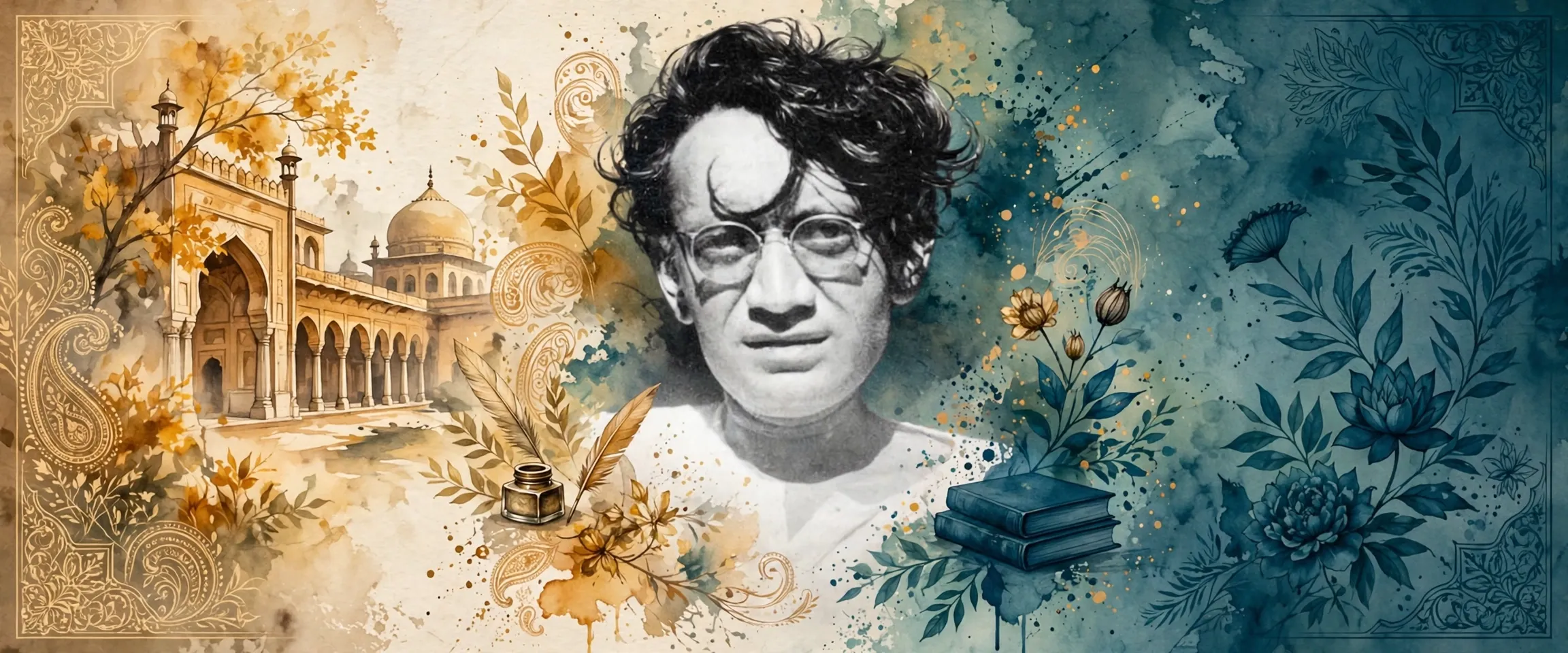
Kali Shalwar (1941) is a short story by Saadat Hasan Manto about Sultana, a sex worker in Delhi whose trade is failing and who longs for a new black shalwar to wear for Muharram. The story follows her bargain with a drifter named Shankar, who brings her the garment on the first day of Muharram, and it became one of the three stories for which the British colonial government tried Manto for obscenity.
with an English translation- Punjabi name
- کالی شلوار
- Author
- Saadat Hasan Manto
- Published
- 1941, in the collection Dhuan
- Language
- Urdu
- Form
- Short story
- Setting
- Delhi, early 1940s
All 8 facts
- Main character
- Sultana, a sex worker
- Trial
- Banned under Section 292 of the Indian Penal Code; Manto acquitted 1 June 1946
Characters
Kali Shalwar (The Black Shalwar) is a short story by Saadat Hasan Manto, published in Urdu in the early 1940s. Set in Delhi, it follows Sultana, a sex worker whose trade is failing, through the days before Muharram as she longs for a new black shalwar. It is one of the three stories for which the colonial government tried Manto for obscenity, and it remains one of his most discussed works.
About the story
Manto's collection Dhuan, published in Delhi in 1941, carried the story, and Manto himself recalled it appearing in the annual number of the Lahore magazine Adab-e Latif in 1942. It was written before Partition, when Manto was living and working in Bombay and Delhi and writing the stories of prostitutes, pimps, gamblers and labourers that made his name. The title names the garment at the story's centre: the shalwar, the loose trousers worn with a kameez, in black, the colour of mourning worn during Muharram.
What happens in Kali Shalwar?
Sultana once did good business in Ambala, where most of her clients were English soldiers. At the suggestion of her lover Khuda Bakhsh she moved to Delhi, and there her trade fell away. She lives in one of a row of identical flats the Delhi authorities built on the edge of the city to house prostitutes, across the road from a warehouse and a maze of railway tracks. She watches the trains from her balcony and sees herself in a carriage shunted off on its own, running on a track of its own until its momentum is spent.
Khuda Bakhsh is no help. He trusts in God and spends his days chasing fakirs and holy men who he believes will work miracles for him. Muharram is coming and Sultana's friends have all had black outfits made. She has no money and has sent her shirt and dupatta to be dyed. Then Shankar appears, a drifter with nothing but his wit and his tongue. He offers himself to her in exchange for what she sells. She refuses him at first, then beckons him back. She asks him for four and a half yards of black satin. He takes her silver ear drops instead, and on the first day of Muharram he returns with the black shalwar. When her friend Mukhtar comes to visit, Mukhtar is wearing Sultana's silver drops and Sultana is wearing her black shalwar.
Sultana, Khuda Bakhsh and Shankar
The three characters are drawn with Manto's usual economy. Sultana is not a symbol but a working woman with a rent to pay, electricity to pay for and a faith she keeps in her own way: she wants the black shalwar because Muharram matters to her, not because anyone tells her it should. Khuda Bakhsh, whose name means blessed by God, is the story's quiet joke: the man who trusts in God does nothing, while Shankar, who trusts in nothing but his own sharpness, is the one who delivers. Shankar is no hero either. He gets Sultana what she wants by taking from her friend, and the bargain is plain: in Sultana's world, everything, even a gift, is paid for.
Why was Kali Shalwar put on trial?
The story was banned under Section 292 of the Indian Penal Code on grounds of obscenity, and Manto had to travel from Delhi to Lahore three times to answer the charge. He was tried with Ismat Chughtai, whose story Lihaaf faced the same charge, and both were acquitted on 1 June 1946. It was one of six obscenity trials Manto faced in his life, three before Partition, in colonial India, for Dhuan, Bu and Kali Shalwar, and three afterwards in Pakistan. He was never convicted.
Manto answered the charge in his essay 'I Too Have Something to Say'. If talking about a prostitute is obscene, he argued, her existence is no less obscene, and if her business is lawful, talking about it cannot be a crime. The story, he said, simply showed the face of a corpse that society carries on its shoulders and refuses to look at.
The author
Saadat Hasan Manto (1912-1955) was born in Samrala, in Ludhiana district, and became the most widely read short story writer in Urdu. He published twenty-two collections of short stories, along with a novel, radio plays, essays and sketches. His Partition stories, above all Toba Tek Singh, are counted among the finest short fiction in South Asia. Kali Shalwar belongs to the earlier, pre-Partition half of his work, written when his subject was the Bombay and Delhi of the streets rather than the violence of 1947.
Reception and legacy
The trial made Kali Shalwar famous, and the story has stayed in print ever since, in Urdu and in English as 'The Black Shalwar'. It is taught and anthologised as one of Manto's defining stories, and the case around it is now cited in writing about censorship, free expression and the policing of literature in South Asia. What keeps the story alive is not the trial, though. It is Sultana herself: a woman with no safety net, no protector and no illusions, who gets what she needs and pays the price in full view of the reader.
ਕਾਲੀ ਸ਼ਲਵਾਰ ਸਆਦਤ ਹਸਨ ਮੰਟੋ ਦੀ ਇੱਕ ਕਹਾਣੀ ਹੈ, ਜੋ 1940 ਦੇ ਦਹਾਕੇ ਦੀ ਸ਼ੁਰੂਆਤ ਵਿੱਚ ਉਰਦੂ ਵਿੱਚ ਛਪੀ ਸੀ। ਇਹ ਦਿੱਲੀ ਦੀ ਕਹਾਣੀ ਹੈ, ਜਿਸ ਦੀ ਨਾਇਕਾ ਸੁਲਤਾਨਾ ਹੈ, ਇੱਕ ਔਰਤ ਜਿਸ ਦਾ ਧੰਦਾ ਮੰਦਾ ਪੈ ਗਿਆ ਹੈ ਅਤੇ ਜੋ ਮੁਹੱਰਮ ਲਈ ਕਾਲੀ ਸ਼ਲਵਾਰ ਚਾਹੁੰਦੀ ਹੈ। ਇਹ ਉਨ੍ਹਾਂ ਤਿੰਨ ਕਹਾਣੀਆਂ ਵਿੱਚੋਂ ਇੱਕ ਹੈ ਜਿਨ੍ਹਾਂ ਕਰਕੇ ਅੰਗਰੇਜ਼ ਸਰਕਾਰ ਨੇ ਮੰਟੋ ਉੱਤੇ ਅਸ਼ਲੀਲਤਾ ਦਾ ਮੁਕੱਦਮਾ ਚਲਾਇਆ ਸੀ, ਅਤੇ ਇਹ ਅੱਜ ਵੀ ਉਸ ਦੀਆਂ ਸਭ ਤੋਂ ਵੱਧ ਚਰਚਾ ਵਾਲੀਆਂ ਕਹਾਣੀਆਂ ਵਿੱਚੋਂ ਇੱਕ ਹੈ।
ਕਹਾਣੀ ਬਾਰੇ
ਮੰਟੋ ਦੇ ਕਹਾਣੀ ਸੰਗ੍ਰਹਿ ਧੂਆਂ ਵਿੱਚ ਇਹ ਕਹਾਣੀ 1941 ਵਿੱਚ ਦਿੱਲੀ ਤੋਂ ਛਪੀ ਸੀ, ਅਤੇ ਮੰਟੋ ਖ਼ੁਦ ਕਹਿੰਦਾ ਸੀ ਕਿ ਇਹ 1942 ਵਿੱਚ ਲਾਹੌਰ ਦੇ ਰਸਾਲੇ ਅਦਬ-ਏ-ਲਤੀਫ਼ ਦੇ ਸਾਲਾਨਾ ਅੰਕ ਵਿੱਚ ਛਪੀ ਸੀ। ਇਹ ਵੰਡ ਤੋਂ ਪਹਿਲਾਂ ਲਿਖੀ ਗਈ ਸੀ, ਜਦੋਂ ਮੰਟੋ ਬੰਬਈ ਅਤੇ ਦਿੱਲੀ ਵਿੱਚ ਰਹਿੰਦਾ ਸੀ ਅਤੇ ਉਨ੍ਹਾਂ ਲੋਕਾਂ ਦੀਆਂ ਕਹਾਣੀਆਂ ਲਿਖਦਾ ਸੀ ਜਿਨ੍ਹਾਂ ਨੂੰ ਸਮਾਜ ਨਜ਼ਰਅੰਦਾਜ਼ ਕਰਦਾ ਸੀ। ਕਹਾਣੀ ਦਾ ਨਾਂ ਉਸ ਪਹਿਰਾਵੇ ਉੱਤੇ ਹੈ ਜੋ ਕਹਾਣੀ ਦੇ ਕੇਂਦਰ ਵਿੱਚ ਹੈ: ਕਮੀਜ਼ ਨਾਲ ਪਾਈ ਜਾਣ ਵਾਲੀ ਸ਼ਲਵਾਰ, ਕਾਲੇ ਰੰਗ ਦੀ, ਜੋ ਮੁਹੱਰਮ ਵਿੱਚ ਸੋਗ ਦਾ ਰੰਗ ਹੈ।
ਕਾਲੀ ਸ਼ਲਵਾਰ ਵਿੱਚ ਕੀ ਹੁੰਦਾ ਹੈ?
ਸੁਲਤਾਨਾ ਦਾ ਧੰਦਾ ਅੰਬਾਲੇ ਵਿੱਚ ਚੰਗਾ ਚੱਲਦਾ ਸੀ, ਜਿੱਥੇ ਉਸ ਦੇ ਜ਼ਿਆਦਾਤਰ ਗਾਹਕ ਅੰਗਰੇਜ਼ ਸਿਪਾਹੀ ਹੁੰਦੇ ਸਨ। ਆਪਣੇ ਪ੍ਰੇਮੀ ਖੁਦਾ ਬਖ਼ਸ਼ ਦੀ ਸਲਾਹ ਉੱਤੇ ਉਹ ਦਿੱਲੀ ਆ ਗਈ, ਪਰ ਉੱਥੇ ਉਸ ਦਾ ਧੰਦਾ ਮੰਦਾ ਪੈ ਗਿਆ। ਉਹ ਦਿੱਲੀ ਦੇ ਕਿਨਾਰੇ ਬਣੇ ਉਨ੍ਹਾਂ ਇੱਕੋ ਜਿਹੇ ਮਕਾਨਾਂ ਵਿੱਚੋਂ ਇੱਕ ਵਿੱਚ ਰਹਿੰਦੀ ਹੈ ਜੋ ਸਰਕਾਰ ਨੇ ਅਜਿਹੀਆਂ ਔਰਤਾਂ ਲਈ ਬਣਾਏ ਸਨ, ਜਿਨ੍ਹਾਂ ਦੇ ਸਾਹਮਣੇ ਇੱਕ ਗੁਦਾਮ ਅਤੇ ਰੇਲ ਦੀਆਂ ਪਟੜੀਆਂ ਹਨ। ਉਹ ਬਾਲਕਨੀ ਤੋਂ ਰੇਲ ਗੱਡੀਆਂ ਨੂੰ ਦੇਖਦੀ ਹੈ ਅਤੇ ਆਪਣੇ ਆਪ ਨੂੰ ਉਸ ਡੱਬੇ ਵਾਂਗ ਮਹਿਸੂਸ ਕਰਦੀ ਹੈ ਜੋ ਇਕੱਲਾ ਹੀ ਪਟੜੀ ਉੱਤੇ ਚੱਲਦਾ ਰਹਿੰਦਾ ਹੈ।
ਖੁਦਾ ਬਖ਼ਸ਼ ਉਸ ਦੀ ਕੋਈ ਮਦਦ ਨਹੀਂ ਕਰਦਾ। ਉਹ ਰੱਬ ਉੱਤੇ ਭਰੋਸਾ ਰੱਖਦਾ ਹੈ ਅਤੇ ਫ਼ਕੀਰਾਂ ਤੇ ਸਾਧਾਂ ਪਿੱਛੇ ਘੁੰਮਦਾ ਰਹਿੰਦਾ ਹੈ, ਜਿਨ੍ਹਾਂ ਤੋਂ ਉਹ ਕਰਾਮਾਤ ਦੀ ਆਸ ਰੱਖਦਾ ਹੈ। ਮੁਹੱਰਮ ਨੇੜੇ ਆ ਗਿਆ ਹੈ ਅਤੇ ਸੁਲਤਾਨਾ ਦੀਆਂ ਸਹੇਲੀਆਂ ਨੇ ਕਾਲੇ ਕੱਪੜੇ ਸਿਵਾ ਲਏ ਹਨ। ਉਸ ਕੋਲ ਪੈਸੇ ਨਹੀਂ ਹਨ, ਅਤੇ ਉਸ ਨੇ ਆਪਣੀ ਕਮੀਜ਼ ਤੇ ਦੁਪੱਟਾ ਰੰਗਣ ਲਈ ਦੇ ਦਿੱਤਾ ਹੈ। ਤਦ ਸ਼ੰਕਰ ਆਉਂਦਾ ਹੈ, ਇੱਕ ਆਵਾਰਾ ਆਦਮੀ ਜਿਸ ਕੋਲ ਆਪਣੀ ਅਕਲ ਅਤੇ ਜ਼ੁਬਾਨ ਤੋਂ ਬਿਨਾਂ ਕੁਝ ਨਹੀਂ ਹੈ। ਉਹ ਸੁਲਤਾਨਾ ਨੂੰ ਆਪਣੇ ਬਦਲੇ ਉਹ ਚੀਜ਼ ਮੰਗਦਾ ਹੈ ਜੋ ਉਹ ਵੇਚਦੀ ਹੈ। ਪਹਿਲਾਂ ਉਹ ਇਨਕਾਰ ਕਰਦੀ ਹੈ, ਫਿਰ ਉਸ ਨੂੰ ਬੁਲਾ ਲੈਂਦੀ ਹੈ। ਉਹ ਉਸ ਤੋਂ ਸਾਢੇ ਚਾਰ ਗਜ਼ ਕਾਲੀ ਸਾਟਨ ਮੰਗਦੀ ਹੈ। ਉਹ ਉਸ ਦੀਆਂ ਚਾਂਦੀ ਦੀਆਂ ਬੁੰਦੀਆਂ ਲੈ ਲੈਂਦਾ ਹੈ, ਅਤੇ ਮੁਹੱਰਮ ਦੇ ਪਹਿਲੇ ਦਿਨ ਕਾਲੀ ਸ਼ਲਵਾਰ ਲੈ ਕੇ ਆ ਜਾਂਦਾ ਹੈ। ਜਦੋਂ ਉਸ ਦੀ ਸਹੇਲੀ ਮੁਖਤਾਰ ਉਸ ਨੂੰ ਮਿਲਣ ਆਉਂਦੀ ਹੈ, ਤਾਂ ਮੁਖਤਾਰ ਨੇ ਸੁਲਤਾਨਾ ਦੀਆਂ ਚਾਂਦੀ ਦੀਆਂ ਬੁੰਦੀਆਂ ਪਾਈਆਂ ਹੋਈਆਂ ਹਨ ਅਤੇ ਸੁਲਤਾਨਾ ਨੇ ਕਾਲੀ ਸ਼ਲਵਾਰ ਪਾਈ ਹੋਈ ਹੈ।
ਸੁਲਤਾਨਾ, ਖੁਦਾ ਬਖ਼ਸ਼ ਅਤੇ ਸ਼ੰਕਰ
ਮੰਟੋ ਨੇ ਤਿੰਨੇ ਪਾਤਰ ਬਹੁਤ ਘੱਟ ਸ਼ਬਦਾਂ ਵਿੱਚ ਉਭਾਰੇ ਹਨ। ਸੁਲਤਾਨਾ ਕੋਈ ਪ੍ਰਤੀਕ ਨਹੀਂ, ਇੱਕ ਕੰਮ ਕਰਨ ਵਾਲੀ ਔਰਤ ਹੈ ਜਿਸ ਨੂੰ ਕਿਰਾਇਆ ਅਤੇ ਬਿਜਲੀ ਦਾ ਬਿੱਲ ਦੇਣਾ ਹੈ, ਅਤੇ ਜਿਸ ਦਾ ਧਰਮ ਉਸ ਦਾ ਆਪਣਾ ਹੈ: ਉਹ ਕਾਲੀ ਸ਼ਲਵਾਰ ਇਸ ਲਈ ਚਾਹੁੰਦੀ ਹੈ ਕਿਉਂਕਿ ਮੁਹੱਰਮ ਉਸ ਲਈ ਮਾਇਨੇ ਰੱਖਦਾ ਹੈ। ਖੁਦਾ ਬਖ਼ਸ਼, ਜਿਸ ਦੇ ਨਾਂ ਦਾ ਮਤਲਬ ਹੈ ਰੱਬ ਦਾ ਬਖ਼ਸ਼ਿਆ ਹੋਇਆ, ਕਹਾਣੀ ਦਾ ਚੁੱਪ ਚੁਹਾਟਾ ਹੈ: ਜੋ ਆਦਮੀ ਰੱਬ ਉੱਤੇ ਭਰੋਸਾ ਕਰਦਾ ਹੈ, ਉਹ ਕੁਝ ਨਹੀਂ ਕਰਦਾ, ਜਦੋਂ ਕਿ ਸ਼ੰਕਰ, ਜੋ ਆਪਣੀ ਅਕਲ ਤੋਂ ਬਿਨਾਂ ਕਿਸੇ ਉੱਤੇ ਭਰੋਸਾ ਨਹੀਂ ਕਰਦਾ, ਉਹੀ ਹੈ ਜੋ ਉਸ ਦੀ ਮਦਦ ਕਰਦਾ ਹੈ। ਸ਼ੰਕਰ ਵੀ ਕੋਈ ਨਾਇਕ ਨਹੀਂ ਹੈ। ਉਹ ਸੁਲਤਾਨਾ ਦੀ ਚੀਜ਼ ਉਸ ਦੀ ਸਹੇਲੀ ਤੋਂ ਲੈ ਕੇ ਉਸ ਨੂੰ ਦਿੰਦਾ ਹੈ, ਅਤੇ ਸੌਦਾ ਸਾਫ਼ ਹੈ: ਸੁਲਤਾਨਾ ਦੀ ਦੁਨੀਆ ਵਿੱਚ ਹਰ ਚੀਜ਼ ਦੀ ਕੀਮਤ ਚੁਕਾਉਣੀ ਪੈਂਦੀ ਹੈ।
ਕਾਲੀ ਸ਼ਲਵਾਰ ਉੱਤੇ ਮੁਕੱਦਮਾ ਕਿਉਂ ਚੱਲਿਆ?
ਇਹ ਕਹਾਣੀ ਭਾਰਤੀ ਦੰਡ ਸੰਹਿਤਾ ਦੀ ਧਾਰਾ 292 ਤਹਿਤ ਅਸ਼ਲੀਲਤਾ ਦੇ ਦੋਸ਼ ਵਿੱਚ ਪਾਬੰਦੀਸ਼ੁਦਾ ਕਰ ਦਿੱਤੀ ਗਈ ਸੀ, ਅਤੇ ਮੰਟੋ ਨੂੰ ਇਸ ਦਾ ਜਵਾਬ ਦੇਣ ਲਈ ਦਿੱਲੀ ਤੋਂ ਲਾਹੌਰ ਤਿੰਨ ਵਾਰ ਜਾਣਾ ਪਿਆ ਸੀ। ਉਸ ਉੱਤੇ ਇਸਮਤ ਚੁਗ਼ਤਾਈ ਨਾਲ ਮੁਕੱਦਮਾ ਚੱਲਿਆ, ਜਿਸ ਦੀ ਕਹਾਣੀ ਲਿਹਾਫ਼ ਉੱਤੇ ਵੀ ਇਹੀ ਦੋਸ਼ ਸੀ, ਅਤੇ ਦੋਵੇਂ 1 ਜੂਨ 1946 ਨੂੰ ਬਰੀ ਹੋ ਗਏ ਸਨ। ਇਹ ਮੰਟੋ ਦੇ ਜੀਵਨ ਵਿੱਚ ਚੱਲੇ ਛੇ ਅਸ਼ਲੀਲਤਾ ਮੁਕੱਦਮਿਆਂ ਵਿੱਚੋਂ ਇੱਕ ਸੀ, ਜਿਨ੍ਹਾਂ ਵਿੱਚੋਂ ਤਿੰਨ ਵੰਡ ਤੋਂ ਪਹਿਲਾਂ ਅੰਗਰੇਜ਼ੀ ਭਾਰਤ ਵਿੱਚ ਧੂਆਂ, ਬੂ ਅਤੇ ਕਾਲੀ ਸ਼ਲਵਾਰ ਉੱਤੇ ਚੱਲੇ ਸਨ, ਅਤੇ ਤਿੰਨ ਬਾਅਦ ਵਿੱਚ ਪਾਕਿਸਤਾਨ ਵਿੱਚ। ਉਹ ਕਦੇ ਦੋਸ਼ੀ ਨਹੀਂ ਠਹਿਰਾਇਆ ਗਿਆ।
ਮੰਟੋ ਨੇ ਇਸ ਦੋਸ਼ ਦਾ ਜਵਾਬ ਆਪਣੇ ਲੇਖ 'ਮੈਨੂੰ ਵੀ ਕੁਝ ਕਹਿਣਾ ਹੈ' ਵਿੱਚ ਦਿੱਤਾ ਸੀ। ਉਸ ਦਾ ਕਹਿਣਾ ਸੀ ਕਿ ਜੇ ਇੱਕ ਵੇਸਵਾ ਬਾਰੇ ਗੱਲ ਕਰਨਾ ਅਸ਼ਲੀਲ ਹੈ, ਤਾਂ ਉਸ ਦੀ ਹੋਂਦ ਵੀ ਅਸ਼ਲੀਲ ਹੈ, ਅਤੇ ਜੇ ਉਸ ਦਾ ਧੰਦਾ ਕਾਨੂੰਨੀ ਹੈ, ਤਾਂ ਉਸ ਬਾਰੇ ਗੱਲ ਕਰਨਾ ਜੁਰਮ ਨਹੀਂ ਹੋ ਸਕਦਾ। ਉਸ ਦੇ ਮੁਤਾਬਕ, ਇਸ ਕਹਾਣੀ ਨੇ ਸਿਰਫ਼ ਉਸ ਲਾਸ਼ ਦਾ ਚਿਹਰਾ ਦਿਖਾਇਆ ਸੀ ਜਿਸ ਨੂੰ ਸਮਾਜ ਆਪਣੇ ਮੋਢਿਆਂ ਉੱਤੇ ਚੁੱਕੀ ਫਿਰਦਾ ਹੈ ਅਤੇ ਜਿਸ ਵੱਲ ਦੇਖਣ ਤੋਂ ਇਨਕਾਰ ਕਰਦਾ ਹੈ।
ਲੇਖਕ
ਸਆਦਤ ਹਸਨ ਮੰਟੋ (1912-1955) ਦਾ ਜਨਮ ਲੁਧਿਆਣਾ ਜ਼ਿਲ੍ਹੇ ਦੇ ਸਮਰਾਲਾ ਵਿੱਚ ਹੋਇਆ ਸੀ, ਅਤੇ ਉਹ ਉਰਦੂ ਦਾ ਸਭ ਤੋਂ ਵੱਧ ਪੜ੍ਹਿਆ ਜਾਣ ਵਾਲਾ ਕਹਾਣੀਕਾਰ ਬਣਿਆ। ਉਸ ਨੇ ਕਹਾਣੀਆਂ ਦੇ ਬਾਈ ਸੰਗ੍ਰਹਿ, ਇੱਕ ਨਾਵਲ, ਰੇਡੀਓ ਨਾਟਕ, ਲੇਖ ਅਤੇ ਰੇਖਾ ਚਿੱਤਰ ਲਿਖੇ। ਉਸ ਦੀਆਂ ਵੰਡ ਦੀਆਂ ਕਹਾਣੀਆਂ, ਖ਼ਾਸ ਕਰਕੇ ਟੋਬਾ ਟੇਕ ਸਿੰਘ, ਦੱਖਣੀ ਏਸ਼ੀਆ ਦੀ ਸਭ ਤੋਂ ਵਧੀਆ ਕਹਾਣੀਆਂ ਵਿੱਚ ਗਿਣੀਆਂ ਜਾਂਦੀਆਂ ਹਨ। ਕਾਲੀ ਸ਼ਲਵਾਰ ਉਸ ਦੇ ਕੰਮ ਦੇ ਪਹਿਲੇ, ਵੰਡ ਤੋਂ ਪਹਿਲਾਂ ਵਾਲੇ ਹਿੱਸੇ ਨਾਲ ਸਬੰਧ ਰੱਖਦੀ ਹੈ, ਜਦੋਂ ਉਸ ਦਾ ਵਿਸ਼ਾ 1947 ਦੀ ਹਿੰਸਾ ਨਹੀਂ, ਸਗੋਂ ਬੰਬਈ ਅਤੇ ਦਿੱਲੀ ਦੀਆਂ ਗਲੀਆਂ ਸਨ।
ਵਿਰਾਸਤ
ਮੁਕੱਦਮੇ ਨੇ ਕਾਲੀ ਸ਼ਲਵਾਰ ਨੂੰ ਮਸ਼ਹੂਰ ਕਰ ਦਿੱਤਾ, ਅਤੇ ਇਹ ਕਹਾਣੀ ਉਦੋਂ ਤੋਂ ਉਰਦੂ ਵਿੱਚ ਅਤੇ ਅੰਗਰੇਜ਼ੀ ਵਿੱਚ 'ਦ ਬਲੈਕ ਸ਼ਲਵਾਰ' ਦੇ ਨਾਂ ਹੇਠ ਛਪਦੀ ਆ ਰਹੀ ਹੈ। ਇਹ ਮੰਟੋ ਦੀਆਂ ਸਭ ਤੋਂ ਅਹਿਮ ਕਹਾਣੀਆਂ ਵਿੱਚੋਂ ਇੱਕ ਮੰਨੀ ਜਾਂਦੀ ਹੈ, ਅਤੇ ਇਸ ਦੇ ਆਲੇ ਦੁਆਲੇ ਦਾ ਮੁਕੱਦਮਾ ਹੁਣ ਦੱਖਣੀ ਏਸ਼ੀਆ ਵਿੱਚ ਸੈਂਸਰਸ਼ਿਪ ਅਤੇ ਬੋਲਣ ਦੀ ਆਜ਼ਾਦੀ ਬਾਰੇ ਲਿਖਤਾਂ ਵਿੱਚ ਦਰਜ ਹੁੰਦਾ ਹੈ। ਪਰ ਕਹਾਣੀ ਨੂੰ ਜਿਉਂਦਾ ਰੱਖਣ ਵਾਲੀ ਚੀਜ਼ ਮੁਕੱਦਮਾ ਨਹੀਂ ਹੈ। ਉਹ ਸੁਲਤਾਨਾ ਖ਼ੁਦ ਹੈ: ਇੱਕ ਔਰਤ ਜਿਸ ਕੋਲ ਨਾ ਕੋਈ ਸਹਾਰਾ ਹੈ, ਨਾ ਕੋਈ ਰਾਖਾ ਅਤੇ ਨਾ ਕੋਈ ਭੁਲੇਖਾ, ਜੋ ਆਪਣੀ ਲੋੜ ਦੀ ਚੀਜ਼ ਲੈਂਦੀ ਹੈ ਅਤੇ ਉਸ ਦੀ ਪੂਰੀ ਕੀਮਤ ਸਭ ਦੇ ਸਾਹਮਣੇ ਚੁਕਾਉਂਦੀ ਹੈ।
Editions and translations
- Kali ShalwarUrdu, original, in the collection Dhuan, Delhi, 1941Original
- Kali ShalwarUrdu, in the annual number of Adab-e Latif, Lahore, 1942Edition
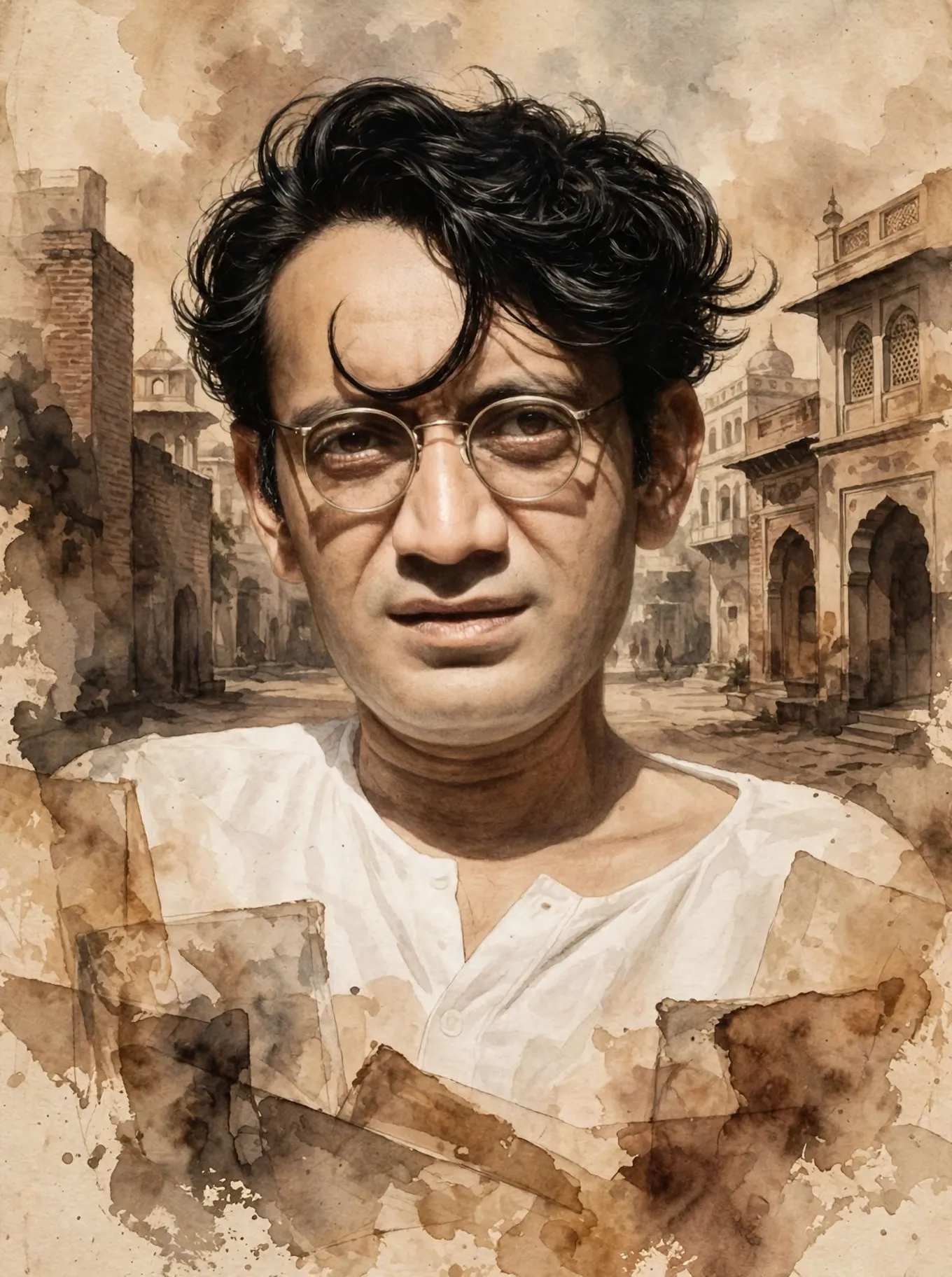
The author
Connected
More to read
Sources (4)
- Manto's Struggles with Obscenity Charges and the Judicial System, Enroute Indian History
- Anatomy of an obscenity trial, Himal Southasian
- Saadat Hasan Manto, 'I Too Have Something to Say', Annual of Urdu Studies No. 28
- Obscene and Perverse Fictions: Saadat Hasan Manto and Censorship, Litinfinite Journal
Jugti is free and independent. Reader support keeps the Kosh growing.
Support