

"Toba Tek Singh" (1955) is Saadat Hasan Manto's best known short story, a satire of the 1947 Partition set in a Lahore asylum whose inmates are to be exchanged between India and Pakistan. Its hero, the Sikh inmate Bishan Singh, dies in the no man's land between the two new borders, on a strip of ground with no name.
with an English translation- Punjabi name
- ٹوبہ ٹیک سنگھ
- Author
- Saadat Hasan Manto
- Published
- 1955
- Language
- Urdu
- Form
- Short story, satire
- Setting
- A Lahore asylum, two or three years after the 1947 Partition
All 9 facts
- Main character
- Bishan Singh, a Sikh inmate called Toba Tek Singh after his home town
- Recognition
- Named by the BBC in 2018 among the 100 stories that shaped the world
- Adaptations
- Film from a play adaptation, 2005; Pakistan Television adaptation, 2006; short film by Ketan Mehta, 2018
Characters
"Toba Tek Singh" is a short story by Saadat Hasan Manto, published in Urdu in 1955, the year of his death. Set in a Lahore asylum two or three years after the 1947 Partition, it follows Bishan Singh, a Sikh inmate who refuses to accept that his home town now lies in Pakistan. It has become the most famous story of Partition in any language: in 2018 the BBC named it among the 100 stories that shaped the world.
About the story
Manto wrote the story at the end of his life, in the Lahore he had moved to after Partition, and it appeared in 1955. A scholarly article in the Annals of King Edward Medical University calls it, by some accounts, the best short story ever written on the subject of Partition, and notes its central irony: faced with the chaos and bloodshed of those years, the response of a man committed to a mental institution appears more sane and more appropriate than the behaviour of the people around him. An essay hosted by Columbia University, quoted in the reference literature, calls the story a powerful satire and a bitter indictment of the political processes and behaviour patterns that produced Partition.
What is Toba Tek Singh about?
"Toba Tek Singh" is about the exchange of lunatics after Partition. Two or three years after 1947, the governments of India and Pakistan decide that asylum inmates, like criminal offenders, should be sorted by religion and exchanged: the Muslim inmates of Indian asylums to Pakistan, the Hindu and Sikh inmates of Pakistani asylums to India. In the Lahore asylum the news lands among men who do not know what Pakistan is. One inmate explains that Pakistan is the place in India where razors are made. Another climbs a tree, delivers an unbroken two hour speech on the subtle problem of Pakistan and Hindustan, and refuses to come down: he does not want to live in either country, he says, he will live right here in this tree.
The comedy keeps curdling. A Muslim inmate from Chiniot, once a member of the Muslim League, announces that he is Quaid-e-Azam and promptly declares war on a Sikh inmate who believes he is Master Tara Singh. A quiet radio engineer decides the situation calls for freedom from clothes and wanders the garden naked. Manto gives each madness a short paragraph, and the reader slowly sees the story's engine: the logic of the asylum, sorting human beings by the label on their file, is exactly the logic being applied outside its walls.
Bishan Singh, called Toba Tek Singh
Everyone in the asylum calls Bishan Singh by the name of his home town: Toba Tek Singh. He has been confined for fifteen years, and in all that time, the story says, he has never once sat down or lain down. He stands, day and night, and asks the one question that matters to him: where is Toba Tek Singh now, in India or in Pakistan? His relatives visit once a month. His daughter has grown older coming to see him, and still cries every time at the sight of her father. Whenever he is agitated he bursts into his famous refrain, a mash of Punjabi, Urdu and English that sounds like nonsense and lands like a verdict on both new countries: "Upar di gur gur di annexe di bedhiyana di moong di daal of di Pakistan and Hindustan of di durr phitey mun."
When the exchange comes, Bishan Singh is taken under police escort to the border, and there he is told that Toba Tek Singh, his town, has stayed in Pakistan. He refuses to cross. Through the night he stands in the no man's land between the two barbed wire fences, and before dawn he is found lying face down where he stood. Manto closes the story with the lines every reader remembers: "There, behind barbed wire, was Hindustan. Here, behind the same kind of barbed wire, was Pakistan. In between, on that piece of ground that had no name, lay Toba Tek Singh."
Themes: who is mad here?
The story's argument is made by reversal. The men certified mad ask the plain questions, where is my town, which country is the place where razors are made, why must I move at all, that the sane world of officials, forms and escorts cannot answer. Bishan Singh's refusal is the only honest geography in the story: a man who belongs to a place, told that the place has been assigned to the other side, chooses instead the strip of earth that belongs to neither. The refrain that sounds like madness is, on inspection, the story's clearest sentence, a curse aimed with perfect accuracy at the inattention of both states.
The author
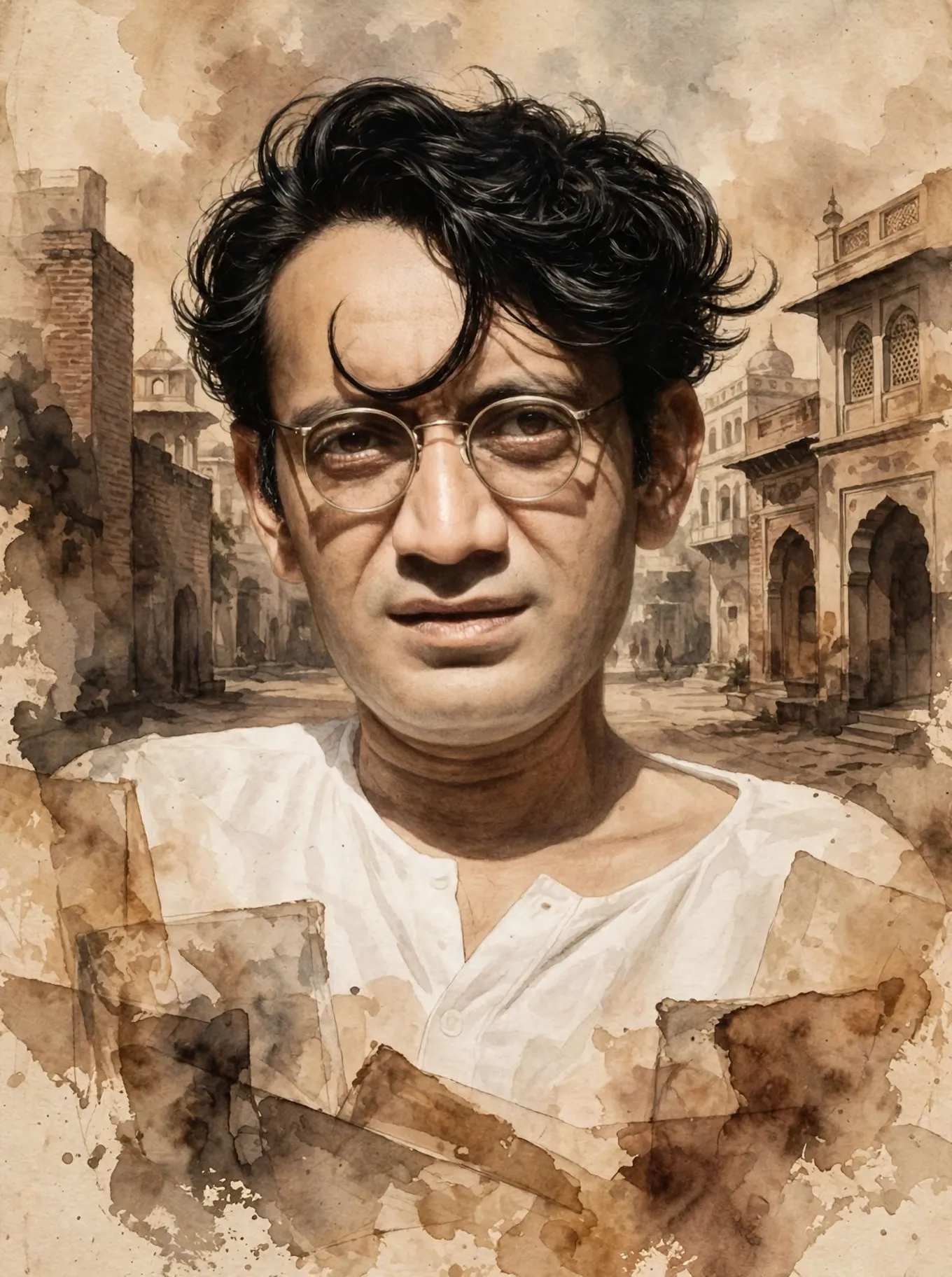
Saadat Hasan Manto (1912 to 1955) was born in Samrala, in Ludhiana district, and wrote in Urdu: twenty two collections of short stories, a novel, five series of radio plays, three collections of essays and two collections of sketches. Partition, which he opposed, became his great subject, and his unsparing stories of its violence, above all of what was done to women, made him famous and prosecuted: he was tried six times for obscenity and never convicted. "Toba Tek Singh", published in Lahore in the year he died there, is the story his whole career points towards. His life is told in his people entry in this Kosh.
Reception and legacy
No Partition story has been adapted more often. A film was made from a play adaptation in 2005 by Afia Nathaniel; Sarmad Sehbai's version aired on Pakistan Television in 2006; Ajoka Theatre performed its stage adaptation in India for the sixtieth anniversary of Partition; Ketan Mehta's short film followed in 2018, the year Nandita Das's film Manto wove the story into Manto's biography. In 2018 the BBC placed "Toba Tek Singh" among the 100 stories that shaped the world, in the company of Homer and Virginia Woolf. In 2020 the British Pakistani rapper Riz Ahmed took its name for a song on his album A Long Goodbye. Bishan Singh's unnamed strip of ground has become the standing image, in both Punjabs and far beyond them, for everyone Partition left belonging nowhere.
ਟੋਬਾ ਟੇਕ ਸਿੰਘ ਸਆਦਤ ਹਸਨ ਮੰਟੋ ਦੀ ਇੱਕ ਕਹਾਣੀ ਹੈ, ਜੋ 1955 ਵਿੱਚ ਉਰਦੂ ਵਿੱਚ ਪ੍ਰਕਾਸ਼ਿਤ ਹੋਈ, ਉਸੇ ਸਾਲ ਜਿਸ ਵਿੱਚ ਉਸ ਦੀ ਮੌਤ ਹੋਈ। 1947 ਦੀ ਵੰਡ ਤੋਂ ਦੋ ਜਾਂ ਤਿੰਨ ਸਾਲ ਬਾਅਦ ਲਾਹੌਰ ਦੇ ਇੱਕ ਪਾਗਲਖਾਨੇ ਵਿੱਚ ਸਥਿਤ, ਇਹ ਬਿਸ਼ਨ ਸਿੰਘ ਦੀ ਕਹਾਣੀ ਹੈ, ਇੱਕ ਸਿੱਖ ਕੈਦੀ ਜੋ ਇਹ ਮੰਨਣ ਤੋਂ ਇਨਕਾਰ ਕਰਦਾ ਹੈ ਕਿ ਉਸ ਦਾ ਸ਼ਹਿਰ ਹੁਣ ਪਾਕਿਸਤਾਨ ਵਿੱਚ ਹੈ। ਇਹ ਕਿਸੇ ਵੀ ਭਾਸ਼ਾ ਵਿੱਚ ਵੰਡ ਦੀ ਸਭ ਤੋਂ ਮਸ਼ਹੂਰ ਕਹਾਣੀ ਬਣ ਗਈ ਹੈ: 2018 ਵਿੱਚ ਬੀਬੀਸੀ ਨੇ ਇਸ ਨੂੰ ਦੁਨੀਆ ਨੂੰ ਆਕਾਰ ਦੇਣ ਵਾਲੀਆਂ 100 ਕਹਾਣੀਆਂ ਵਿੱਚ ਰੱਖਿਆ।
ਕਹਾਣੀ ਬਾਰੇ
ਮੰਟੋ ਨੇ ਇਹ ਕਹਾਣੀ ਆਪਣੇ ਜੀਵਨ ਦੇ ਅੰਤ ਵਿੱਚ ਲਿਖੀ, ਉਸ ਲਾਹੌਰ ਵਿੱਚ ਜਿੱਥੇ ਉਹ ਵੰਡ ਤੋਂ ਬਾਅਦ ਆ ਗਿਆ ਸੀ, ਅਤੇ ਇਹ 1955 ਵਿੱਚ ਛਪੀ। ਕਿੰਗ ਐਡਵਰਡ ਮੈਡੀਕਲ ਯੂਨੀਵਰਸਿਟੀ ਦੇ ਐਨਲਜ਼ ਵਿੱਚ ਇੱਕ ਵਿਦਵਾਨ ਲੇਖ ਇਸ ਨੂੰ, ਕੁਝ ਮਤਾਂ ਅਨੁਸਾਰ, ਵੰਡ ਦੇ ਵਿਸ਼ੇ ਉੱਤੇ ਲਿਖੀ ਸਭ ਤੋਂ ਵਧੀਆ ਕਹਾਣੀ ਕਹਿੰਦਾ ਹੈ, ਅਤੇ ਇਸ ਦੀ ਕੇਂਦਰੀ ਵਿਅੰਗ ਵੱਲ ਇਸ਼ਾਰਾ ਕਰਦਾ ਹੈ: ਉਨ੍ਹਾਂ ਸਾਲਾਂ ਦੀ ਅਫ਼ਰਾਤਫ਼ਰੀ ਅਤੇ ਖ਼ੂਨ-ਖ਼ਰਾਬੇ ਦੇ ਸਾਹਮਣੇ, ਪਾਗਲਖਾਨੇ ਵਿੱਚ ਬੰਦ ਆਦਮੀ ਦਾ ਵਿਹਾਰ ਆਲੇ ਦੁਆਲੇ ਦੇ ਲੋਕਾਂ ਨਾਲੋਂ ਵੱਧ ਸਮਝਦਾਰ ਅਤੇ ਢੁੱਕਵਾਂ ਲੱਗਦਾ ਹੈ। ਕੋਲੰਬੀਆ ਯੂਨੀਵਰਸਿਟੀ ਵੱਲੋਂ ਰੱਖਿਆ ਇੱਕ ਲੇਖ, ਜਿਸ ਦਾ ਹਵਾਲਾ ਸੰਦਰਭ ਸਾਹਿਤ ਵਿੱਚ ਆਉਂਦਾ ਹੈ, ਕਹਾਣੀ ਨੂੰ ਇੱਕ ਤਾਕਤਵਰ ਵਿਅੰਗ ਅਤੇ ਵੰਡ ਪੈਦਾ ਕਰਨ ਵਾਲੀਆਂ ਸਿਆਸੀ ਪ੍ਰਕਿਰਿਆਵਾਂ ਦੀ ਕੌੜੀ ਨਿੰਦਾ ਕਹਿੰਦਾ ਹੈ।
ਟੋਬਾ ਟੇਕ ਸਿੰਘ ਕਿਸ ਬਾਰੇ ਹੈ?
ਟੋਬਾ ਟੇਕ ਸਿੰਘ ਵੰਡ ਤੋਂ ਬਾਅਦ ਪਾਗਲਾਂ ਦੀ ਅਦਲਾ-ਬਦਲੀ ਬਾਰੇ ਹੈ। 1947 ਤੋਂ ਦੋ ਜਾਂ ਤਿੰਨ ਸਾਲ ਬਾਅਦ, ਭਾਰਤ ਅਤੇ ਪਾਕਿਸਤਾਨ ਦੀਆਂ ਸਰਕਾਰਾਂ ਫ਼ੈਸਲਾ ਕਰਦੀਆਂ ਹਨ ਕਿ ਪਾਗਲਖਾਨਿਆਂ ਦੇ ਕੈਦੀ ਵੀ, ਮੁਜਰਮਾਂ ਵਾਂਗ, ਧਰਮ ਅਨੁਸਾਰ ਵੰਡੇ ਜਾਣ ਅਤੇ ਬਦਲੇ ਜਾਣ: ਭਾਰਤੀ ਪਾਗਲਖਾਨਿਆਂ ਦੇ ਮੁਸਲਮਾਨ ਕੈਦੀ ਪਾਕਿਸਤਾਨ ਨੂੰ, ਪਾਕਿਸਤਾਨੀ ਪਾਗਲਖਾਨਿਆਂ ਦੇ ਹਿੰਦੂ ਅਤੇ ਸਿੱਖ ਕੈਦੀ ਭਾਰਤ ਨੂੰ। ਲਾਹੌਰ ਦੇ ਪਾਗਲਖਾਨੇ ਵਿੱਚ ਇਹ ਖ਼ਬਰ ਉਨ੍ਹਾਂ ਆਦਮੀਆਂ ਵਿਚਾਲੇ ਪਹੁੰਚਦੀ ਹੈ ਜੋ ਨਹੀਂ ਜਾਣਦੇ ਕਿ ਪਾਕਿਸਤਾਨ ਕੀ ਹੈ। ਇੱਕ ਕੈਦੀ ਸਮਝਾਉਂਦਾ ਹੈ ਕਿ ਪਾਕਿਸਤਾਨ ਹਿੰਦੁਸਤਾਨ ਵਿੱਚ ਉਹ ਥਾਂ ਹੈ ਜਿੱਥੇ ਉਸਤਰੇ ਬਣਦੇ ਹਨ। ਦੂਜਾ ਇੱਕ ਰੁੱਖ ਉੱਤੇ ਚੜ੍ਹ ਜਾਂਦਾ ਹੈ, ਪਾਕਿਸਤਾਨ ਅਤੇ ਹਿੰਦੁਸਤਾਨ ਦੇ ਬਾਰੀਕ ਮਸਲੇ ਉੱਤੇ ਦੋ ਘੰਟੇ ਬਿਨਾਂ ਰੁਕੇ ਭਾਸ਼ਣ ਦਿੰਦਾ ਹੈ, ਅਤੇ ਹੇਠਾਂ ਆਉਣ ਤੋਂ ਇਨਕਾਰ ਕਰ ਦਿੰਦਾ ਹੈ: ਉਹ ਕਹਿੰਦਾ ਹੈ, ਉਸ ਨੇ ਨਾ ਹਿੰਦੁਸਤਾਨ ਵਿੱਚ ਰਹਿਣਾ ਹੈ ਨਾ ਪਾਕਿਸਤਾਨ ਵਿੱਚ, ਉਹ ਇੱਥੇ ਹੀ ਇਸ ਰੁੱਖ ਉੱਤੇ ਰਹੇਗਾ।
ਹਾਸਾ ਲਗਾਤਾਰ ਕੌੜਾ ਹੁੰਦਾ ਜਾਂਦਾ ਹੈ। ਚਿਨਿਓਟ ਦਾ ਇੱਕ ਮੁਸਲਮਾਨ ਕੈਦੀ, ਜੋ ਕਦੇ ਮੁਸਲਿਮ ਲੀਗ ਦਾ ਮੈਂਬਰ ਸੀ, ਐਲਾਨ ਕਰਦਾ ਹੈ ਕਿ ਉਹ ਕਾਇਦੇ-ਆਜ਼ਮ ਹੈ ਅਤੇ ਝੱਟ ਇੱਕ ਸਿੱਖ ਕੈਦੀ ਨਾਲ ਜੰਗ ਛੇੜ ਦਿੰਦਾ ਹੈ ਜੋ ਆਪਣੇ ਆਪ ਨੂੰ ਮਾਸਟਰ ਤਾਰਾ ਸਿੰਘ ਸਮਝਦਾ ਹੈ। ਇੱਕ ਸ਼ਾਂਤ ਰੇਡੀਓ ਇੰਜੀਨੀਅਰ ਫ਼ੈਸਲਾ ਕਰਦਾ ਹੈ ਕਿ ਹਾਲਾਤ ਕੱਪੜਿਆਂ ਤੋਂ ਆਜ਼ਾਦੀ ਮੰਗਦੇ ਹਨ ਅਤੇ ਬਾਗ਼ ਵਿੱਚ ਨੰਗਾ ਘੁੰਮਦਾ ਹੈ। ਮੰਟੋ ਹਰ ਪਾਗਲਪਨ ਨੂੰ ਇੱਕ ਛੋਟਾ ਜਿਹਾ ਪੈਰਾ ਦਿੰਦਾ ਹੈ, ਅਤੇ ਪਾਠਕ ਨੂੰ ਹੌਲੀ ਹੌਲੀ ਕਹਾਣੀ ਦਾ ਇੰਜਣ ਦਿੱਸਦਾ ਹੈ: ਪਾਗਲਖਾਨੇ ਦਾ ਤਰਕ, ਮਨੁੱਖਾਂ ਨੂੰ ਉਨ੍ਹਾਂ ਦੀ ਫ਼ਾਈਲ ਉੱਤੇ ਲੱਗੇ ਲੇਬਲ ਅਨੁਸਾਰ ਵੰਡਣਾ, ਠੀਕ ਉਹੀ ਤਰਕ ਹੈ ਜੋ ਇਸ ਦੀਆਂ ਕੰਧਾਂ ਤੋਂ ਬਾਹਰ ਲਾਗੂ ਹੋ ਰਿਹਾ ਹੈ।
ਬਿਸ਼ਨ ਸਿੰਘ, ਜਿਸ ਨੂੰ ਟੋਬਾ ਟੇਕ ਸਿੰਘ ਕਹਿੰਦੇ ਹਨ
ਪਾਗਲਖਾਨੇ ਵਿੱਚ ਹਰ ਕੋਈ ਬਿਸ਼ਨ ਸਿੰਘ ਨੂੰ ਉਸ ਦੇ ਸ਼ਹਿਰ ਦੇ ਨਾਂ ਨਾਲ ਬੁਲਾਉਂਦਾ ਹੈ: ਟੋਬਾ ਟੇਕ ਸਿੰਘ। ਉਹ ਪੰਦਰਾਂ ਸਾਲਾਂ ਤੋਂ ਕੈਦ ਹੈ, ਅਤੇ ਕਹਾਣੀ ਕਹਿੰਦੀ ਹੈ ਕਿ ਇਸ ਸਾਰੇ ਸਮੇਂ ਵਿੱਚ ਉਹ ਇੱਕ ਵਾਰ ਵੀ ਨਾ ਬੈਠਾ, ਨਾ ਲੇਟਿਆ। ਉਹ ਦਿਨ ਰਾਤ ਖੜ੍ਹਾ ਰਹਿੰਦਾ ਹੈ, ਅਤੇ ਉਹ ਇੱਕ ਸਵਾਲ ਪੁੱਛਦਾ ਹੈ ਜੋ ਉਸ ਲਈ ਸਭ ਤੋਂ ਅਹਿਮ ਹੈ: ਟੋਬਾ ਟੇਕ ਸਿੰਘ ਹੁਣ ਕਿੱਥੇ ਹੈ, ਹਿੰਦੁਸਤਾਨ ਵਿੱਚ ਜਾਂ ਪਾਕਿਸਤਾਨ ਵਿੱਚ? ਉਸ ਦੇ ਰਿਸ਼ਤੇਦਾਰ ਮਹੀਨੇ ਵਿੱਚ ਇੱਕ ਵਾਰ ਮਿਲਣ ਆਉਂਦੇ ਹਨ। ਉਸ ਦੀ ਧੀ ਉਸ ਨੂੰ ਮਿਲਦੀ ਮਿਲਦੀ ਵੱਡੀ ਹੋ ਗਈ ਹੈ, ਅਤੇ ਅਜੇ ਵੀ ਹਰ ਵਾਰ ਆਪਣੇ ਪਿਤਾ ਨੂੰ ਵੇਖ ਕੇ ਰੋ ਪੈਂਦੀ ਹੈ। ਜਦੋਂ ਵੀ ਉਹ ਖਿਝਦਾ ਹੈ, ਉਹ ਆਪਣੀ ਮਸ਼ਹੂਰ ਰਟ ਵਿੱਚ ਫਟ ਪੈਂਦਾ ਹੈ, ਪੰਜਾਬੀ, ਉਰਦੂ ਅਤੇ ਅੰਗਰੇਜ਼ੀ ਦਾ ਘੋਲ ਜੋ ਬੇਮਤਲਬ ਲੱਗਦਾ ਹੈ ਅਤੇ ਦੋਵਾਂ ਨਵੇਂ ਮੁਲਕਾਂ ਉੱਤੇ ਫ਼ੈਸਲੇ ਵਾਂਗ ਡਿੱਗਦਾ ਹੈ: ਉਪਰ ਦੀ ਗੁੜ ਗੁੜ ਦੀ ਐਨੈਕਸ ਦੀ ਬੇਧਿਆਨੀ ਦੀ ਮੂੰਗ ਦੀ ਦਾਲ ਆਫ਼ ਦੀ ਪਾਕਿਸਤਾਨ ਐਂਡ ਹਿੰਦੁਸਤਾਨ ਆਫ਼ ਦੀ ਦੁੜ ਫਿੱਟੇ ਮੂੰਹ।
ਜਦੋਂ ਅਦਲਾ-ਬਦਲੀ ਆਉਂਦੀ ਹੈ, ਬਿਸ਼ਨ ਸਿੰਘ ਨੂੰ ਪੁਲਿਸ ਦੀ ਹਿਫ਼ਾਜ਼ਤ ਵਿੱਚ ਸਰਹੱਦ ਉੱਤੇ ਲਿਜਾਇਆ ਜਾਂਦਾ ਹੈ, ਅਤੇ ਉੱਥੇ ਉਸ ਨੂੰ ਦੱਸਿਆ ਜਾਂਦਾ ਹੈ ਕਿ ਟੋਬਾ ਟੇਕ ਸਿੰਘ, ਉਸ ਦਾ ਸ਼ਹਿਰ, ਪਾਕਿਸਤਾਨ ਵਿੱਚ ਰਹਿ ਗਿਆ ਹੈ। ਉਹ ਪਾਰ ਜਾਣ ਤੋਂ ਇਨਕਾਰ ਕਰ ਦਿੰਦਾ ਹੈ। ਸਾਰੀ ਰਾਤ ਉਹ ਦੋ ਕੰਡਿਆਲੀਆਂ ਵਾੜਾਂ ਵਿਚਾਲੇ ਕਿਸੇ ਦੀ ਨਾ ਹੋਈ ਧਰਤੀ ਉੱਤੇ ਖੜ੍ਹਾ ਰਹਿੰਦਾ ਹੈ, ਅਤੇ ਸਵੇਰ ਤੋਂ ਪਹਿਲਾਂ ਉਹ ਉੱਥੇ ਹੀ ਮੂੰਹ ਭਾਰ ਡਿੱਗਾ ਮਿਲਦਾ ਹੈ। ਮੰਟੋ ਕਹਾਣੀ ਨੂੰ ਉਨ੍ਹਾਂ ਸਤਰਾਂ ਨਾਲ ਬੰਦ ਕਰਦਾ ਹੈ ਜੋ ਹਰ ਪਾਠਕ ਨੂੰ ਯਾਦ ਰਹਿੰਦੀਆਂ ਹਨ: ਉੱਥੇ, ਕੰਡਿਆਲੀ ਵਾੜ ਦੇ ਪਿੱਛੇ, ਹਿੰਦੁਸਤਾਨ ਸੀ। ਇੱਥੇ, ਉਸੇ ਤਰ੍ਹਾਂ ਦੀ ਵਾੜ ਦੇ ਪਿੱਛੇ, ਪਾਕਿਸਤਾਨ ਸੀ। ਵਿਚਾਲੇ, ਧਰਤੀ ਦੇ ਉਸ ਟੁਕੜੇ ਉੱਤੇ ਜਿਸ ਦਾ ਕੋਈ ਨਾਂ ਨਹੀਂ ਸੀ, ਟੋਬਾ ਟੇਕ ਸਿੰਘ ਪਿਆ ਸੀ।
ਵਿਸ਼ੇ: ਇੱਥੇ ਪਾਗਲ ਕੌਣ ਹੈ?
ਕਹਾਣੀ ਦੀ ਦਲੀਲ ਉਲਟਾ ਕੇ ਬਣਾਈ ਗਈ ਹੈ। ਜਿਨ੍ਹਾਂ ਆਦਮੀਆਂ ਨੂੰ ਪਾਗਲ ਐਲਾਨਿਆ ਗਿਆ ਹੈ, ਉਹ ਸਾਦੇ ਸਵਾਲ ਪੁੱਛਦੇ ਹਨ, ਮੇਰਾ ਸ਼ਹਿਰ ਕਿੱਥੇ ਹੈ, ਉਸਤਰੇ ਬਣਨ ਵਾਲੀ ਥਾਂ ਕਿਹੜਾ ਮੁਲਕ ਹੈ, ਮੈਨੂੰ ਜਾਣਾ ਹੀ ਕਿਉਂ ਪਵੇ, ਜਿਨ੍ਹਾਂ ਦਾ ਜਵਾਬ ਅਫ਼ਸਰਾਂ, ਫ਼ਾਰਮਾਂ ਅਤੇ ਹਿਫ਼ਾਜ਼ਤਾਂ ਦੀ ਸਮਝਦਾਰ ਦੁਨੀਆ ਨਹੀਂ ਦੇ ਸਕਦੀ। ਬਿਸ਼ਨ ਸਿੰਘ ਦਾ ਇਨਕਾਰ ਕਹਾਣੀ ਵਿੱਚ ਇੱਕੋ ਇੱਕ ਇਮਾਨਦਾਰ ਭੂਗੋਲ ਹੈ: ਇੱਕ ਆਦਮੀ ਜੋ ਇੱਕ ਥਾਂ ਦਾ ਹੈ, ਜਿਸ ਨੂੰ ਦੱਸਿਆ ਗਿਆ ਹੈ ਕਿ ਉਹ ਥਾਂ ਦੂਜੇ ਪਾਸੇ ਦੇ ਦਿੱਤੀ ਗਈ ਹੈ, ਇਸ ਦੀ ਬਜਾਏ ਧਰਤੀ ਦੀ ਉਹ ਪੱਟੀ ਚੁਣਦਾ ਹੈ ਜੋ ਕਿਸੇ ਦੀ ਵੀ ਨਹੀਂ। ਉਹ ਰਟ ਜੋ ਪਾਗਲਪਨ ਲੱਗਦੀ ਹੈ, ਗੌਰ ਨਾਲ ਵੇਖਿਆਂ, ਕਹਾਣੀ ਦੀ ਸਭ ਤੋਂ ਸਾਫ਼ ਸਤਰ ਹੈ, ਦੋਵਾਂ ਰਿਆਸਤਾਂ ਦੀ ਬੇਧਿਆਨੀ ਵੱਲ ਪੂਰੀ ਸ਼ੁੱਧਤਾ ਨਾਲ ਨਿਸ਼ਾਨਾ ਸਾਧੀ ਇੱਕ ਸਰਾਪ।
ਲੇਖਕ
ਸਆਦਤ ਹਸਨ ਮੰਟੋ (1912 ਤੋਂ 1955) ਲੁਧਿਆਣਾ ਜ਼ਿਲ੍ਹੇ ਦੇ ਸਮਰਾਲਾ ਵਿੱਚ ਜੰਮਿਆ, ਅਤੇ ਉਰਦੂ ਵਿੱਚ ਲਿਖਿਆ: ਕਹਾਣੀਆਂ ਦੇ ਬਾਈ ਸੰਗ੍ਰਹਿ, ਇੱਕ ਨਾਵਲ, ਰੇਡੀਓ ਨਾਟਕਾਂ ਦੀਆਂ ਪੰਜ ਲੜੀਆਂ, ਲੇਖਾਂ ਦੇ ਤਿੰਨ ਸੰਗ੍ਰਹਿ ਅਤੇ ਰੇਖਾ-ਚਿੱਤਰਾਂ ਦੇ ਦੋ ਸੰਗ੍ਰਹਿ। ਵੰਡ, ਜਿਸ ਦਾ ਉਹ ਵਿਰੋਧੀ ਸੀ, ਉਸ ਦਾ ਵੱਡਾ ਵਿਸ਼ਾ ਬਣ ਗਈ, ਅਤੇ ਇਸ ਦੀ ਹਿੰਸਾ ਬਾਰੇ, ਸਭ ਤੋਂ ਵੱਧ ਔਰਤਾਂ ਨਾਲ ਜੋ ਹੋਇਆ ਉਸ ਬਾਰੇ, ਉਸ ਦੀਆਂ ਬੇਝਿਜਕ ਕਹਾਣੀਆਂ ਨੇ ਉਸ ਨੂੰ ਮਸ਼ਹੂਰ ਵੀ ਕੀਤਾ ਅਤੇ ਮੁਕੱਦਮਿਆਂ ਵਿੱਚ ਵੀ ਪਾਇਆ: ਉਸ ਉੱਤੇ ਅਸ਼ਲੀਲਤਾ ਦੇ ਛੇ ਮੁਕੱਦਮੇ ਚੱਲੇ ਅਤੇ ਉਹ ਕਦੇ ਦੋਸ਼ੀ ਨਾ ਠਹਿਰਿਆ। ਟੋਬਾ ਟੇਕ ਸਿੰਘ, ਜੋ ਲਾਹੌਰ ਵਿੱਚ ਉਸੇ ਸਾਲ ਛਪੀ ਜਿਸ ਸਾਲ ਉੱਥੇ ਉਸ ਦੀ ਮੌਤ ਹੋਈ, ਉਹ ਕਹਾਣੀ ਹੈ ਜਿਸ ਵੱਲ ਉਸ ਦਾ ਸਾਰਾ ਕੈਰੀਅਰ ਇਸ਼ਾਰਾ ਕਰਦਾ ਹੈ। ਉਸ ਦਾ ਜੀਵਨ ਇਸ ਕੋਸ਼ ਵਿੱਚ ਉਸ ਦੀ ਪੀਪਲ ਐਂਟਰੀ ਵਿੱਚ ਦੱਸਿਆ ਗਿਆ ਹੈ।
ਸਵਾਗਤ ਅਤੇ ਵਿਰਾਸਤ
ਕਿਸੇ ਵੀ ਵੰਡ ਕਹਾਣੀ ਉੱਤੇ ਇੰਨੇ ਰੂਪਾਂਤਰ ਨਹੀਂ ਬਣੇ। 2005 ਵਿੱਚ ਅਫ਼ੀਆ ਨਥਾਨੀਅਲ ਨੇ ਇੱਕ ਨਾਟਕ ਰੂਪਾਂਤਰ ਤੋਂ ਫ਼ਿਲਮ ਬਣਾਈ; ਸਰਮਦ ਸਹਿਬਾਈ ਦਾ ਰੂਪਾਂਤਰ 2006 ਵਿੱਚ ਪਾਕਿਸਤਾਨ ਟੈਲੀਵਿਜ਼ਨ ਉੱਤੇ ਆਇਆ; ਅਜੋਕਾ ਥੀਏਟਰ ਨੇ ਵੰਡ ਦੀ ਸੱਠਵੀਂ ਵਰ੍ਹੇਗੰਢ ਲਈ ਭਾਰਤ ਵਿੱਚ ਆਪਣਾ ਸਟੇਜ ਰੂਪਾਂਤਰ ਪੇਸ਼ ਕੀਤਾ; 2018 ਵਿੱਚ ਕੇਤਨ ਮਹਿਤਾ ਦੀ ਲਘੂ ਫ਼ਿਲਮ ਆਈ, ਉਸੇ ਸਾਲ ਨੰਦਿਤਾ ਦਾਸ ਦੀ ਫ਼ਿਲਮ ਮੰਟੋ ਨੇ ਕਹਾਣੀ ਨੂੰ ਮੰਟੋ ਦੀ ਜੀਵਨੀ ਵਿੱਚ ਬੁਣਿਆ। 2018 ਵਿੱਚ ਬੀਬੀਸੀ ਨੇ ਟੋਬਾ ਟੇਕ ਸਿੰਘ ਨੂੰ ਦੁਨੀਆ ਨੂੰ ਆਕਾਰ ਦੇਣ ਵਾਲੀਆਂ 100 ਕਹਾਣੀਆਂ ਵਿੱਚ ਰੱਖਿਆ, ਹੋਮਰ ਅਤੇ ਵਰਜੀਨੀਆ ਵੂਲਫ਼ ਦੀ ਸੰਗਤ ਵਿੱਚ। 2020 ਵਿੱਚ ਬ੍ਰਿਟਿਸ਼ ਪਾਕਿਸਤਾਨੀ ਰੈਪਰ ਰਿਜ਼ ਅਹਿਮਦ ਨੇ ਆਪਣੀ ਐਲਬਮ ਅ ਲੌਂਗ ਗੁੱਡਬਾਏ ਦੇ ਇੱਕ ਗੀਤ ਲਈ ਇਸ ਦਾ ਨਾਂ ਲਿਆ। ਬਿਸ਼ਨ ਸਿੰਘ ਦੀ ਬੇਨਾਮ ਧਰਤੀ ਪੱਟੀ ਦੋਵਾਂ ਪੰਜਾਬਾਂ ਵਿੱਚ, ਅਤੇ ਉਨ੍ਹਾਂ ਤੋਂ ਬਹੁਤ ਪਰੇ, ਹਰ ਉਸ ਇਨਸਾਨ ਦੀ ਖੜ੍ਹੀ ਤਸਵੀਰ ਬਣ ਗਈ ਹੈ ਜਿਸ ਨੂੰ ਵੰਡ ਨੇ ਕਿਤੇ ਦਾ ਵੀ ਨਹੀਂ ਛੱਡਿਆ।
Editions and translations
- Toba Tek SinghUrdu, original, first published 1955Original
- Toba Tek SinghEnglish translation by Frances W. Pritchett, widely reprintedTranslation
The author
Connected
More to read
Sources (2)
Jugti is free and independent. Reader support keeps the Kosh growing.
Support