

Raavi Paar and Other Stories is the best known collection of short stories by Gulzar, born Sampooran Singh Kalra in Dina in 1934, first published as Raavi Paar by Rupa and Co. in 1999 and in English by HarperCollins in 2000. Its title story follows Darshan Singh, a Sikh father fleeing Lyallpur with his family in 1947, whose wife gives birth to twins on the road to the refugee train, and whose crossing of the River Raavi becomes one of the most haunting scenes in Partition literature.
with an English translation- Punjabi name
- Raavi Paar
- Author
- Gulzar (born Sampooran Singh Kalra, 1934, Dina)
- First published
- 1999, Rupa and Co., as Raavi Paar (also known as Dustkhat in Pakistan)
- English edition
- Raavi Paar and Other Stories, HarperCollins, 2000, translated by Masooma Ali and Alok Bhalla
- Form
- Short stories
- Original languages
- Urdu and Hindi
- Setting of title story
- Lyallpur and the crossing of the River Raavi, Punjab, 1947
Characters
About the book
Raavi Paar and Other Stories is the best known book of short stories by Gulzar, the poet, lyricist and film maker born Sampooran Singh Kalra in Dina, in the part of Punjab that is now Pakistan. The stories were written in Urdu and Hindi. The original collection, titled simply Raavi Paar, was published by Rupa and Co. in 1999, and it is also known in Pakistan as Dustkhat. The English edition, Raavi Paar and Other Stories, followed from HarperCollins in 2000, in translations by Masooma Ali and Alok Bhalla, and it is the edition through which most readers who do not read Urdu or Hindi now meet the book.
Gulzar writes about Partition as an insider. He was born in 1934 in Dina, in Jhelum district, into a Sikh Kalra family, and in 1947 he himself had to migrate to India from the home he was born in. Partition split his family, he stopped his studies and came to Bombay to support himself, working small jobs, including touching up accident damaged cars in a garage, before the Progressive Writers Association circle led him towards films. Half a century later, in these stories, he returned to 1947 and to the river his title names: the Raavi, one of the five rivers of Punjab, which the new border turned into a crossing point between one home and another.
What is the title story of Raavi Paar about?
The title story follows Darshan Singh, a Sikh father in Lyallpur, the city now called Faisalabad, as the borders of Partition are drawn around him. Homes of the Sikh community are attacked every other day, and the community gathers in the gurdwara for protection, a shelter that itself faces the threat of arson. In the middle of this, Darshan Singh's wife gives birth to twins, one of them weak. There is no time or space to be joyful. Darshan Singh does not know whether to laugh or cry: fate, in the story's much quoted bargain, has given with one hand and taken away with the other.
The family boards a crowded train for India, travelling on its roof. During the journey one of the newborn twins dies. As the train passes over the River Raavi, a fellow passenger advises Darshan Singh to throw the dead child into the river and perform the last rites in that way. He picks up an infant and throws him from the train, and a moment later discovers the mistake that ends the story: he has thrown the living baby into the Raavi, while the dead one still lies on the train. Around him, as the new border approaches, the crowd takes up a slogan of celebration, and the hollowness of that sound, against a father's loss, is the note on which the story closes. Teachers of Partition literature who open their courses with this story point students to exactly that contrast.
The other stories
The title story is the heart of the book, but the collection ranges far beyond 1947. In Dhuan, a man's falling away from his faith becomes a grim public spectacle. Khauf is set in the communal anxiety of Bombay in 1993, where the lines between faiths blur in fear. Other stories turn to the world of films, which Gulzar knows from inside: Guddo, about a star struck young girl, stands behind his film Guddi, another story carries the seed of his film Lekin, and the book includes his narrative of his mentor Bimal Roy and the agony of creation, a great director's obsession with an unfinished film. Michelangelo appears, searching for the face of Jesus in an old Judas, and in one biographical story a family mistakes Gulzar himself for a child it lost in Partition.
What links the stories is not a place or a period but a way of seeing. Reviewers of the readings from the book at the Jaipur Literature Festival noted that Gulzar's stories are rooted strongly in Punjabi culture and history, while their emotions, fear, love, friendship and loneliness, are universal, and that instead of announcing political or social truths he travels through the human mind and lets the truth surface there. The poet is present in the prose throughout: short sentences, images that carry the argument, and endings that turn quietly.
Themes: a river between two homes
The Raavi of the title is more than a setting. The five rivers name Punjab itself, and in 1947 the Raavi became a line between a lost home and an uncertain one. Gulzar's refugees do not cross in triumph. They cross carrying bundles, newborn children and the dead, and again and again the stories ask where a person belongs: here, there, or in the strange no man's land in between. Reviewers have set that question beside the one Manto asks in Toba Tek Singh, the story this collection is most often compared with, and which stands beside it in this Kosh.
Faith, in these stories, is both shelter and danger. The gurdwara that shelters Darshan Singh's family has itself been attacked, and in another story a Muslim man's last wish, to be cremated after death, leaves a whole qasbah in flames. Gulzar, a Sikh who writes in Urdu and Punjabi, refuses every easy side. What his people hold on to, across the collection, is each other.
The author
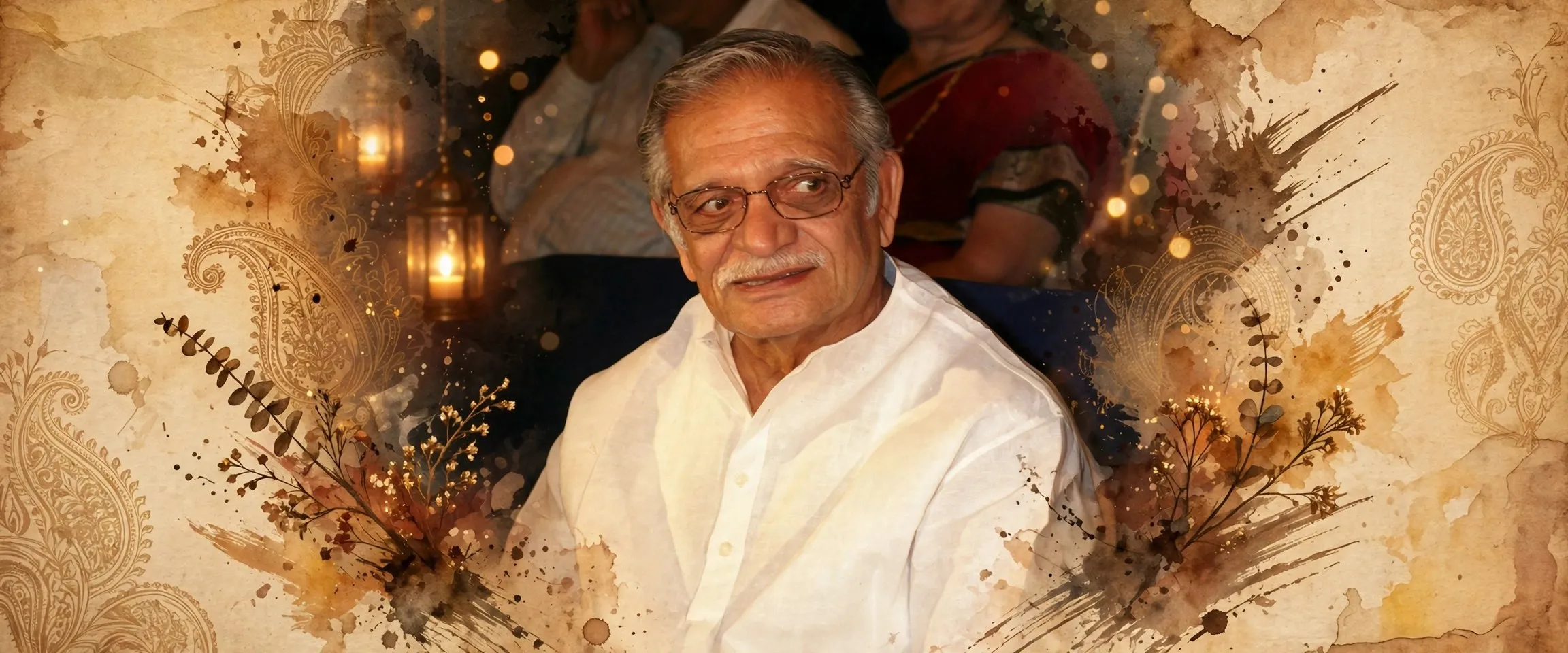
Gulzar, born Sampooran Singh Kalra on 18 August 1934 in Dina, began his film career as a lyricist with the 1963 film Bandini, under Bimal Roy and Hrishikesh Mukherjee, and went on to write lyrics, dialogues and scripts and to direct films such as Aandhi, Mausam and Maachis. He writes primarily in Urdu and Punjabi. His honours include the Sahitya Akademi Award in 2002, the Padma Bhushan in 2004, an Academy Award and a Grammy for the song Jai Ho, the Dadasaheb Phalke Award in 2013 and the Jnanpith Award in 2024, India's highest literary honour. His short stories appear in Raavi Paar and in Dhuan, published in 2001. His full story is in his Kosh entry.
Reception and legacy
The English edition was received as a major story collection, not a film maker's side work. A long review in the Purple Pencil Project calls the title story as unsettling and organically painful as Manto's Toba Tek Singh, and the collection as a whole candid and cathartic. At the Jaipur Literature Festival, Raavi Paar anchored a session of readings on Punjab, with Gulzar joined by Navdeep Singh Suri, Madan Gopal Singh and Mohammed Hanif, and the title story is now taught in Partition literature courses, often as the first story students read.
For Punjabi readers the book holds a particular place. It is the Partition writing of one of Punjab's own, a Dina born Sikh who became modern Urdu's best loved poet, and it stands in this Kosh beside the other great tellings of 1947: Khushwant Singh's Train to Pakistan, Amrita Pritam's Pinjar, Manto's Toba Tek Singh and Bhisham Sahni's Tamas. Read together, these books show how many ways Punjab found to remember the year the Raavi became a border.
ਕਿਤਾਬ ਬਾਰੇ
ਰਾਵੀ ਪਾਰ ਅਤੇ ਹੋਰ ਕਹਾਣੀਆਂ ਗੁਲਜ਼ਾਰ ਦੀ ਸਭ ਤੋਂ ਜਾਣੀ ਪਛਾਣੀ ਕਹਾਣੀ ਕਿਤਾਬ ਹੈ। ਗੁਲਜ਼ਾਰ ਕਵੀ, ਗੀਤਕਾਰ ਅਤੇ ਫਿਲਮ ਨਿਰਮਾਤਾ ਹਨ, ਜਿਨ੍ਹਾਂ ਦਾ ਜਨਮ ਸੰਪੂਰਨ ਸਿੰਘ ਕਾਲਰਾ ਵਜੋਂ ਦੀਨਾ ਵਿੱਚ ਹੋਇਆ, ਜੋ ਹੁਣ ਪਾਕਿਸਤਾਨ ਵਾਲੇ ਪੰਜਾਬ ਵਿੱਚ ਹੈ। ਇਹ ਕਹਾਣੀਆਂ ਉਰਦੂ ਅਤੇ ਹਿੰਦੀ ਵਿੱਚ ਲਿਖੀਆਂ ਗਈਆਂ। ਮੂਲ ਸੰਗ੍ਰਹਿ, ਜਿਸ ਦਾ ਨਾਂ ਸਿਰਫ਼ ਰਾਵੀ ਪਾਰ ਸੀ, 1999 ਵਿੱਚ ਰੂਪਾ ਐਂਡ ਕੰਪਨੀ ਵੱਲੋਂ ਛਪਿਆ, ਅਤੇ ਪਾਕਿਸਤਾਨ ਵਿੱਚ ਇਹ ਦਸਤਖ਼ਤ ਵਜੋਂ ਵੀ ਜਾਣਿਆ ਜਾਂਦਾ ਹੈ। ਅੰਗਰੇਜ਼ੀ ਸੰਸਕਰਨ, ਰਾਵੀ ਪਾਰ ਅਤੇ ਹੋਰ ਕਹਾਣੀਆਂ, 2000 ਵਿੱਚ ਹਾਰਪਰਕੋਲਿਨਜ਼ ਵੱਲੋਂ ਆਇਆ, ਜਿਸ ਦਾ ਅਨੁਵਾਦ ਮਾਸੂਮਾ ਅਲੀ ਅਤੇ ਆਲੋਕ ਭੱਲਾ ਨੇ ਕੀਤਾ, ਅਤੇ ਜਿਹੜੇ ਪਾਠਕ ਉਰਦੂ ਜਾਂ ਹਿੰਦੀ ਨਹੀਂ ਪੜ੍ਹਦੇ, ਉਹ ਇਸੇ ਸੰਸਕਰਨ ਰਾਹੀਂ ਇਸ ਕਿਤਾਬ ਨੂੰ ਮਿਲਦੇ ਹਨ।
ਗੁਲਜ਼ਾਰ ਵੰਡ ਬਾਰੇ ਅੰਦਰੋਂ ਜਾਣ ਕੇ ਲਿਖਦੇ ਹਨ। ਉਨ੍ਹਾਂ ਦਾ ਜਨਮ 1934 ਵਿੱਚ ਜੇਹਲਮ ਜ਼ਿਲ੍ਹੇ ਦੇ ਦੀਨਾ ਵਿੱਚ ਇੱਕ ਸਿੱਖ ਕਾਲਰਾ ਪਰਿਵਾਰ ਵਿੱਚ ਹੋਇਆ, ਅਤੇ 1947 ਵਿੱਚ ਉਨ੍ਹਾਂ ਨੂੰ ਖ਼ੁਦ ਆਪਣੇ ਜਨਮ ਘਰ ਤੋਂ ਭਾਰਤ ਵੱਲ ਪਰਵਾਸ ਕਰਨਾ ਪਿਆ। ਵੰਡ ਨੇ ਉਨ੍ਹਾਂ ਦਾ ਪਰਿਵਾਰ ਵੰਡ ਦਿੱਤਾ, ਉਨ੍ਹਾਂ ਦੀ ਪੜ੍ਹਾਈ ਛੁੱਟ ਗਈ ਅਤੇ ਉਹ ਆਪਣਾ ਗੁਜ਼ਾਰਾ ਕਰਨ ਲਈ ਬੰਬਈ ਆ ਗਏ, ਜਿੱਥੇ ਉਨ੍ਹਾਂ ਨੇ ਛੋਟੇ ਮੋਟੇ ਕੰਮ ਕੀਤੇ, ਜਿਨ੍ਹਾਂ ਵਿੱਚ ਇੱਕ ਗਰਾਜ ਵਿੱਚ ਹਾਦਸਾਗ੍ਰਸਤ ਗੱਡੀਆਂ ਨੂੰ ਰੰਗ ਕਰਨਾ ਵੀ ਸੀ, ਜਿਸ ਤੋਂ ਬਾਅਦ ਤਰੱਕੀ ਪਸੰਦ ਲੇਖਕ ਸੰਘ ਦੇ ਸਰਕਲ ਨੇ ਉਨ੍ਹਾਂ ਨੂੰ ਫਿਲਮਾਂ ਵੱਲ ਲੈ ਗਿਆ। ਅੱਧੀ ਸਦੀ ਬਾਅਦ, ਇਨ੍ਹਾਂ ਕਹਾਣੀਆਂ ਵਿੱਚ, ਉਹ 1947 ਵੱਲ ਅਤੇ ਉਸ ਦਰਿਆ ਵੱਲ ਪਰਤੇ ਜਿਸ ਦਾ ਨਾਂ ਸਿਰਲੇਖ ਵਿੱਚ ਹੈ: ਰਾਵੀ, ਪੰਜਾਬ ਦੇ ਪੰਜਾਂ ਦਰਿਆਵਾਂ ਵਿੱਚੋਂ ਇੱਕ, ਜਿਸ ਨੂੰ ਨਵੀਂ ਸਰਹੱਦ ਨੇ ਇੱਕ ਘਰ ਤੋਂ ਦੂਜੇ ਘਰ ਵਿਚਕਾਰ ਲੰਘਣ ਦਾ ਥਾਂ ਬਣਾ ਦਿੱਤਾ।
ਰਾਵੀ ਪਾਰ ਦੀ ਮੁੱਖ ਕਹਾਣੀ ਕਿਸ ਬਾਰੇ ਹੈ?
ਮੁੱਖ ਕਹਾਣੀ ਦਰਸ਼ਨ ਸਿੰਘ ਦੀ ਹੈ, ਲਾਇਲਪੁਰ ਵਿੱਚ ਰਹਿਣ ਵਾਲਾ ਇੱਕ ਸਿੱਖ ਪਿਤਾ, ਜਿਸ ਸ਼ਹਿਰ ਨੂੰ ਹੁਣ ਫੈਸਲਾਬਾਦ ਕਿਹਾ ਜਾਂਦਾ ਹੈ, ਜਦੋਂ ਵੰਡ ਦੀਆਂ ਸਰਹੱਦਾਂ ਉਸ ਦੇ ਆਲੇ ਦੁਆਲੇ ਖਿੱਚੀਆਂ ਜਾ ਰਹੀਆਂ ਹਨ। ਸਿੱਖ ਭਾਈਚਾਰੇ ਦੇ ਘਰਾਂ ਉੱਤੇ ਹਰ ਦੂਜੇ ਦਿਨ ਹਮਲੇ ਹੁੰਦੇ ਹਨ, ਅਤੇ ਭਾਈਚਾਰਾ ਸੁਰੱਖਿਆ ਲਈ ਗੁਰਦੁਆਰੇ ਵਿੱਚ ਇਕੱਠਾ ਹੁੰਦਾ ਹੈ, ਉਸ ਪਨਾਹ ਨੂੰ ਵੀ ਅੱਗ ਲੱਗਣ ਦਾ ਖ਼ਤਰਾ ਹੈ। ਇਸੇ ਦੌਰਾਨ ਦਰਸ਼ਨ ਸਿੰਘ ਦੀ ਪਤਨੀ ਜੁੜਵਾਂ ਬੱਚਿਆਂ ਨੂੰ ਜਨਮ ਦਿੰਦੀ ਹੈ, ਜਿਨ੍ਹਾਂ ਵਿੱਚੋਂ ਇੱਕ ਕਮਜ਼ੋਰ ਹੈ। ਖੁਸ਼ ਹੋਣ ਦਾ ਨਾ ਸਮਾਂ ਹੈ, ਨਾ ਥਾਂ। ਦਰਸ਼ਨ ਸਿੰਘ ਨੂੰ ਸਮਝ ਨਹੀਂ ਆਉਂਦਾ ਕਿ ਹੱਸੇ ਜਾਂ ਰੋਏ: ਕਿਸਮਤ ਨੇ, ਕਹਾਣੀ ਦੇ ਬਹੁਤ ਹਵਾਲਾ ਦਿੱਤੇ ਜਾਂਦੇ ਸੌਦੇ ਅਨੁਸਾਰ, ਇੱਕ ਹੱਥ ਨਾਲ ਦਿੱਤਾ ਅਤੇ ਦੂਜੇ ਨਾਲ ਖੋਹ ਲਿਆ।
ਪਰਿਵਾਰ ਭਾਰਤ ਵੱਲ ਜਾਣ ਵਾਲੀ ਭਰੀ ਟਰੇਨ ਉੱਤੇ ਚੜ੍ਹਦਾ ਹੈ, ਉਸ ਦੀ ਛੱਤ ਉੱਤੇ ਸਫ਼ਰ ਕਰਦਾ ਹੈ। ਸਫ਼ਰ ਦੌਰਾਨ ਨਵਜੰਮੇ ਜੁੜਵਾਂ ਬੱਚਿਆਂ ਵਿੱਚੋਂ ਇੱਕ ਦੀ ਮੌਤ ਹੋ ਜਾਂਦੀ ਹੈ। ਜਦੋਂ ਟਰੇਨ ਰਾਵੀ ਦਰਿਆ ਉੱਤੋਂ ਲੰਘਦੀ ਹੈ, ਤਾਂ ਇੱਕ ਸਾਥੀ ਮੁਸਾਫ਼ਰ ਦਰਸ਼ਨ ਸਿੰਘ ਨੂੰ ਸਲਾਹ ਦਿੰਦਾ ਹੈ ਕਿ ਮਰੇ ਬੱਚੇ ਨੂੰ ਦਰਿਆ ਵਿੱਚ ਸੁੱਟ ਕੇ ਉਸੇ ਤਰ੍ਹਾਂ ਅੰਤਿਮ ਸੰਸਕਾਰ ਕਰ ਦੇਵੇ। ਉਹ ਇੱਕ ਬੱਚੇ ਨੂੰ ਚੁੱਕ ਕੇ ਟਰੇਨ ਤੋਂ ਸੁੱਟ ਦਿੰਦਾ ਹੈ, ਅਤੇ ਇੱਕ ਪਲ ਬਾਅਦ ਉਸ ਨੂੰ ਉਹ ਗ਼ਲਤੀ ਸਪੱਸ਼ਟ ਹੁੰਦੀ ਹੈ ਜਿਸ ਉੱਤੇ ਕਹਾਣੀ ਮੁੱਕਦੀ ਹੈ: ਉਸ ਨੇ ਜਿਊਂਦੇ ਬੱਚੇ ਨੂੰ ਰਾਵੀ ਵਿੱਚ ਸੁੱਟ ਦਿੱਤਾ ਹੈ, ਜਦੋਂ ਕਿ ਮਰਿਆ ਬੱਚਾ ਅਜੇ ਟਰੇਨ ਵਿੱਚ ਹੀ ਪਿਆ ਹੈ। ਉਸ ਦੇ ਆਲੇ ਦੁਆਲੇ, ਜਦੋਂ ਨਵੀਂ ਸਰਹੱਦ ਨੇੜੇ ਆਉਂਦੀ ਹੈ, ਭੀੜ ਜਸ਼ਨ ਦਾ ਨਾਅਰਾ ਲਾਉਂਦੀ ਹੈ, ਅਤੇ ਉਸ ਆਵਾਜ਼ ਦਾ ਖੋਖਲਾਪਣ, ਇੱਕ ਪਿਤਾ ਦੇ ਨੁਕਸਾਨ ਦੇ ਸਾਹਮਣੇ, ਉਹ ਸੁਰ ਹੈ ਜਿਸ ਉੱਤੇ ਕਹਾਣੀ ਬੰਦ ਹੁੰਦੀ ਹੈ। ਵੰਡ ਸਾਹਿਤ ਪੜ੍ਹਾਉਣ ਵਾਲੇ ਅਧਿਆਪਕ, ਜੋ ਆਪਣਾ ਕੋਰਸ ਇਸ ਕਹਾਣੀ ਨਾਲ ਸ਼ੁਰੂ ਕਰਦੇ ਹਨ, ਵਿਦਿਆਰਥੀਆਂ ਦਾ ਧਿਆਨ ਬਿਲਕੁਲ ਇਸੇ ਟਕਰਾਅ ਵੱਲ ਲੈ ਜਾਂਦੇ ਹਨ।
ਬਾਕੀ ਕਹਾਣੀਆਂ
ਮੁੱਖ ਕਹਾਣੀ ਕਿਤਾਬ ਦਾ ਦਿਲ ਹੈ, ਪਰ ਸੰਗ੍ਰਹਿ 1947 ਤੋਂ ਬਹੁਤ ਅੱਗੇ ਜਾਂਦਾ ਹੈ। ਧੂਆਂ ਵਿੱਚ, ਇੱਕ ਆਦਮੀ ਦਾ ਆਪਣੇ ਧਰਮ ਤੋਂ ਦੂਰ ਹੋਣਾ ਇੱਕ ਗੰਭੀਰ ਜਨਤਕ ਤਮਾਸ਼ਾ ਬਣ ਜਾਂਦਾ ਹੈ। ਖ਼ੌਫ਼ 1993 ਦੀ ਬੰਬਈ ਦੀ ਫਿਰਕੂ ਚਿੰਤਾ ਵਿੱਚ ਵਾਪਰਦੀ ਹੈ, ਜਿੱਥੇ ਡਰ ਵਿੱਚ ਧਰਮਾਂ ਦੀਆਂ ਲੀਕਾਂ ਧੁੰਦਲੀਆਂ ਹੋ ਜਾਂਦੀਆਂ ਹਨ। ਹੋਰ ਕਹਾਣੀਆਂ ਫਿਲਮਾਂ ਦੀ ਦੁਨੀਆ ਵੱਲ ਮੁੜਦੀਆਂ ਹਨ, ਜਿਸ ਨੂੰ ਗੁਲਜ਼ਾਰ ਅੰਦਰੋਂ ਜਾਣਦੇ ਹਨ: ਗੁੱਡੋ, ਇੱਕ ਤਾਰਾ ਮਗਰ ਲੱਗੀ ਜਵਾਨ ਕੁੜੀ ਬਾਰੇ, ਉਨ੍ਹਾਂ ਦੀ ਫਿਲਮ ਗੁੱਡੀ ਦੇ ਪਿੱਛੇ ਖੜ੍ਹੀ ਹੈ, ਇੱਕ ਹੋਰ ਕਹਾਣੀ ਉਨ੍ਹਾਂ ਦੀ ਫਿਲਮ ਲੇਕਿਨ ਦਾ ਬੀਜ ਢੋਂਦੀ ਹੈ, ਅਤੇ ਕਿਤਾਬ ਵਿੱਚ ਉਨ੍ਹਾਂ ਦੇ ਗੁਰੂ ਬਿਮਲ ਰਾਏ ਅਤੇ ਸਿਰਜਣਾ ਦੀ ਪੀੜਾ ਦਾ ਬਿਰਤਾਂਤ ਵੀ ਹੈ, ਇੱਕ ਮਹਾਨ ਨਿਰਦੇਸ਼ਕ ਦਾ ਅਧੂਰੀ ਫਿਲਮ ਨਾਲ ਜਨੂੰਨ। ਮਾਈਕਲਏਂਜਲੋ ਵੀ ਆਉਂਦਾ ਹੈ, ਪੁਰਾਣੇ ਜੂਡਾਸ ਵਿੱਚ ਈਸਾ ਦਾ ਚਿਹਰਾ ਲੱਭਦਾ ਹੋਇਆ, ਅਤੇ ਇੱਕ ਜੀਵਨੀ ਕਹਾਣੀ ਵਿੱਚ ਇੱਕ ਪਰਿਵਾਰ ਗੁਲਜ਼ਾਰ ਨੂੰ ਖ਼ੁਦ ਆਪਣਾ ਉਹ ਬੱਚਾ ਸਮਝ ਬੈਠਦਾ ਹੈ ਜੋ ਉਸ ਨੇ ਵੰਡ ਵਿੱਚ ਗੁਆਇਆ ਸੀ।
ਜੋ ਗੱਲ ਕਹਾਣੀਆਂ ਨੂੰ ਜੋੜਦੀ ਹੈ ਉਹ ਕੋਈ ਥਾਂ ਜਾਂ ਸਮਾਂ ਨਹੀਂ, ਸਗੋਂ ਵੇਖਣ ਦਾ ਇੱਕ ਢੰਗ ਹੈ। ਜੈਪੁਰ ਸਾਹਿਤ ਉਤਸਵ ਵਿੱਚ ਕਿਤਾਬ ਦੇ ਪਾਠਾਂ ਦੇ ਆਲੋਚਕਾਂ ਨੇ ਨੋਟ ਕੀਤਾ ਕਿ ਗੁਲਜ਼ਾਰ ਦੀਆਂ ਕਹਾਣੀਆਂ ਪੰਜਾਬੀ ਸੱਭਿਆਚਾਰ ਅਤੇ ਇਤਿਹਾਸ ਵਿੱਚ ਡੂੰਘੀਆਂ ਜੜ੍ਹਾਂ ਰੱਖਦੀਆਂ ਹਨ, ਜਦੋਂ ਕਿ ਉਨ੍ਹਾਂ ਦੇ ਭਾਵ, ਡਰ, ਪਿਆਰ, ਦੋਸਤੀ ਅਤੇ ਇਕੱਲਾਪਣ, ਸਰਵਵਿਆਪਕ ਹਨ, ਅਤੇ ਇਹ ਕਿ ਸਿਆਸੀ ਜਾਂ ਸਮਾਜਿਕ ਸੱਚਾਈਆਂ ਦਾ ਐਲਾਨ ਕਰਨ ਦੀ ਬਜਾਏ ਉਹ ਮਨੁੱਖੀ ਮਨ ਵਿੱਚੋਂ ਲੰਘਦੇ ਹਨ ਅਤੇ ਸੱਚ ਨੂੰ ਉੱਥੇ ਉਭਰਨ ਦਿੰਦੇ ਹਨ। ਕਵੀ ਸਾਰੇ ਗੱਦ ਵਿੱਚ ਹਾਜ਼ਰ ਹੈ: ਛੋਟੇ ਵਾਕ, ਤਸਵੀਰਾਂ ਜੋ ਦਲੀਲ ਢੋਂਦੀਆਂ ਹਨ, ਅਤੇ ਅੰਤ ਜੋ ਚੁੱਪ ਚਾਪ ਮੁੜਦੇ ਹਨ।
ਵਿਸ਼ੇ: ਦੋ ਘਰਾਂ ਵਿਚਕਾਰ ਇੱਕ ਦਰਿਆ
ਸਿਰਲੇਖ ਦਾ ਰਾਵੀ ਸਿਰਫ਼ ਇੱਕ ਮਾਹੌਲ ਨਹੀਂ ਹੈ। ਪੰਜ ਦਰਿਆ ਖ਼ੁਦ ਪੰਜਾਬ ਦਾ ਨਾਂ ਹਨ, ਅਤੇ 1947 ਵਿੱਚ ਰਾਵੀ ਇੱਕ ਗੁਆਚੇ ਘਰ ਅਤੇ ਇੱਕ ਅਨਿਸ਼ਚਿਤ ਘਰ ਵਿਚਕਾਰ ਲੀਕ ਬਣ ਗਿਆ। ਗੁਲਜ਼ਾਰ ਦੇ ਸ਼ਰਨਾਰਥੀ ਜਿੱਤ ਵਿੱਚ ਨਹੀਂ ਲੰਘਦੇ। ਉਹ ਗੱਠੜੀਆਂ, ਨਵਜੰਮੇ ਬੱਚੇ ਅਤੇ ਮੁਰਦੇ ਢੋਂਦੇ ਹੋਏ ਲੰਘਦੇ ਹਨ, ਅਤੇ ਕਹਾਣੀਆਂ ਵਾਰ ਵਾਰ ਪੁੱਛਦੀਆਂ ਹਨ ਕਿ ਮਨੁੱਖ ਕਿੱਥੋਂ ਦਾ ਹੈ: ਇੱਥੋਂ, ਉੱਥੋਂ, ਜਾਂ ਵਿਚਕਾਰਲੀ ਅਜੀਬ ਬੇਜ਼ਮੀਨੀ ਥਾਂ ਤੋਂ। ਆਲੋਚਕਾਂ ਨੇ ਇਸ ਸਵਾਲ ਨੂੰ ਉਸ ਸਵਾਲ ਦੇ ਨਾਲ ਰੱਖਿਆ ਹੈ ਜੋ ਮੰਟੋ ਟੋਬਾ ਟੇਕ ਸਿੰਘ ਵਿੱਚ ਪੁੱਛਦਾ ਹੈ, ਉਹ ਕਹਾਣੀ ਜਿਸ ਨਾਲ ਇਸ ਸੰਗ੍ਰਹਿ ਦੀ ਸਭ ਤੋਂ ਵੱਧ ਤੁਲਨਾ ਹੁੰਦੀ ਹੈ, ਅਤੇ ਜੋ ਇਸ ਕੋਸ਼ ਵਿੱਚ ਇਸ ਦੇ ਨਾਲ ਖੜ੍ਹੀ ਹੈ।
ਇਨ੍ਹਾਂ ਕਹਾਣੀਆਂ ਵਿੱਚ ਧਰਮ ਪਨਾਹ ਵੀ ਹੈ ਅਤੇ ਖ਼ਤਰਾ ਵੀ। ਜਿਹੜਾ ਗੁਰਦੁਆਰਾ ਦਰਸ਼ਨ ਸਿੰਘ ਦੇ ਪਰਿਵਾਰ ਨੂੰ ਪਨਾਹ ਦਿੰਦਾ ਹੈ, ਉਸ ਉੱਤੇ ਖ਼ੁਦ ਹਮਲਾ ਹੋ ਚੁੱਕਾ ਹੈ, ਅਤੇ ਇੱਕ ਹੋਰ ਕਹਾਣੀ ਵਿੱਚ ਇੱਕ ਮੁਸਲਮਾਨ ਦੀ ਆਖਰੀ ਇੱਛਾ, ਕਿ ਮੌਤ ਤੋਂ ਬਾਅਦ ਉਸ ਦਾ ਸੰਸਕਾਰ ਕੀਤਾ ਜਾਵੇ, ਸਾਰੇ ਕਸਬੇ ਨੂੰ ਅੱਗ ਲਾ ਦਿੰਦੀ ਹੈ। ਗੁਲਜ਼ਾਰ, ਉਰਦੂ ਅਤੇ ਪੰਜਾਬੀ ਵਿੱਚ ਲਿਖਣ ਵਾਲੇ ਸਿੱਖ, ਹਰ ਸੌਖਾ ਪੱਖ ਲੈਣ ਤੋਂ ਇਨਕਾਰ ਕਰਦੇ ਹਨ। ਸਾਰੇ ਸੰਗ੍ਰਹਿ ਵਿੱਚ ਉਨ੍ਹਾਂ ਦੇ ਲੋਕ ਜਿਸ ਨੂੰ ਫੜੀ ਰੱਖਦੇ ਹਨ, ਉਹ ਇੱਕ ਦੂਜੇ ਨੂੰ ਹੈ।
ਲੇਖਕ
ਗੁਲਜ਼ਾਰ, ਜਿਨ੍ਹਾਂ ਦਾ ਜਨਮ ਸੰਪੂਰਨ ਸਿੰਘ ਕਾਲਰਾ ਵਜੋਂ 18 ਅਗਸਤ 1934 ਨੂੰ ਦੀਨਾ ਵਿੱਚ ਹੋਇਆ, ਨੇ ਆਪਣਾ ਫਿਲਮੀ ਸਫ਼ਰ 1963 ਦੀ ਫਿਲਮ ਬੰਦਿਨੀ ਨਾਲ ਗੀਤਕਾਰ ਵਜੋਂ ਸ਼ੁਰੂ ਕੀਤਾ, ਬਿਮਲ ਰਾਏ ਅਤੇ ਰਿਸ਼ੀਕੇਸ਼ ਮੁਖਰਜੀ ਦੇ ਅਧੀਨ, ਅਤੇ ਅੱਗੇ ਜਾ ਕੇ ਗੀਤ, ਸੰਵਾਦ ਅਤੇ ਸਕ੍ਰਿਪਟ ਲਿਖੇ ਅਤੇ ਆਂਧੀ, ਮੌਸਮ ਅਤੇ ਮਾਚਿਸ ਵਰਗੀਆਂ ਫਿਲਮਾਂ ਨਿਰਦੇਸ਼ਿਤ ਕੀਤੀਆਂ। ਉਹ ਮੁੱਖ ਤੌਰ ਉੱਤੇ ਉਰਦੂ ਅਤੇ ਪੰਜਾਬੀ ਵਿੱਚ ਲਿਖਦੇ ਹਨ। ਉਨ੍ਹਾਂ ਦੇ ਸਨਮਾਨਾਂ ਵਿੱਚ 2002 ਵਿੱਚ ਸਾਹਿਤ ਅਕਾਦਮੀ ਪੁਰਸਕਾਰ, 2004 ਵਿੱਚ ਪਦਮ ਭੂਸ਼ਨ, ਗੀਤ ਜੈ ਹੋ ਲਈ ਅਕਾਦਮੀ ਪੁਰਸਕਾਰ ਅਤੇ ਗ੍ਰੈਮੀ, 2013 ਵਿੱਚ ਦਾਦਾ ਸਾਹਿਬ ਫਾਲਕੇ ਪੁਰਸਕਾਰ ਅਤੇ 2024 ਵਿੱਚ ਗਿਆਨਪੀਠ ਪੁਰਸਕਾਰ, ਭਾਰਤ ਦਾ ਸਭ ਤੋਂ ਵੱਡਾ ਸਾਹਿਤਕ ਸਨਮਾਨ, ਸ਼ਾਮਲ ਹਨ। ਉਨ੍ਹਾਂ ਦੀਆਂ ਕਹਾਣੀਆਂ ਰਾਵੀ ਪਾਰ ਅਤੇ 2001 ਵਿੱਚ ਛਪੇ ਧੂਆਂ ਵਿੱਚ ਆਉਂਦੀਆਂ ਹਨ। ਉਨ੍ਹਾਂ ਦੀ ਪੂਰੀ ਕਹਾਣੀ ਉਨ੍ਹਾਂ ਦੀ ਕੋਸ਼ ਐਂਟਰੀ ਵਿੱਚ ਹੈ।
ਸਵਾਗਤ ਅਤੇ ਵਿਰਸਾ
ਅੰਗਰੇਜ਼ੀ ਸੰਸਕਰਨ ਦਾ ਸਵਾਗਤ ਇੱਕ ਵੱਡੇ ਕਹਾਣੀ ਸੰਗ੍ਰਹਿ ਵਜੋਂ ਹੋਇਆ, ਕਿਸੇ ਫਿਲਮ ਨਿਰਮਾਤਾ ਦੇ ਪਾਸੇ ਦੇ ਕੰਮ ਵਜੋਂ ਨਹੀਂ। ਪਰਪਲ ਪੈਨਸਿਲ ਪ੍ਰੋਜੈਕਟ ਦੀ ਇੱਕ ਲੰਮੀ ਸਮੀਖਿਆ ਮੁੱਖ ਕਹਾਣੀ ਨੂੰ ਮੰਟੋ ਦੇ ਟੋਬਾ ਟੇਕ ਸਿੰਘ ਜਿੰਨੀ ਹੀ ਬੇਚੈਨ ਕਰਨ ਵਾਲੀ ਅਤੇ ਜੈਵਿਕ ਤੌਰ ਉੱਤੇ ਦਰਦਨਾਕ ਕਹਿੰਦੀ ਹੈ, ਅਤੇ ਸਾਰੇ ਸੰਗ੍ਰਹਿ ਨੂੰ ਸਪੱਸ਼ਟ ਅਤੇ ਮਨ ਨੂੰ ਹਲਕਾ ਕਰਨ ਵਾਲਾ। ਜੈਪੁਰ ਸਾਹਿਤ ਉਤਸਵ ਵਿੱਚ, ਰਾਵੀ ਪਾਰ ਪੰਜਾਬ ਉੱਤੇ ਪਾਠਾਂ ਦੇ ਇੱਕ ਸੈਸ਼ਨ ਦਾ ਕੇਂਦਰ ਸੀ, ਜਿਸ ਵਿੱਚ ਗੁਲਜ਼ਾਰ ਨਾਲ ਨਵਦੀਪ ਸਿੰਘ ਸੂਰੀ, ਮਦਨ ਗੋਪਾਲ ਸਿੰਘ ਅਤੇ ਮੁਹੰਮਦ ਹਨੀਫ਼ ਸ਼ਾਮਲ ਸਨ, ਅਤੇ ਮੁੱਖ ਕਹਾਣੀ ਹੁਣ ਵੰਡ ਸਾਹਿਤ ਦੇ ਕੋਰਸਾਂ ਵਿੱਚ ਪੜ੍ਹਾਈ ਜਾਂਦੀ ਹੈ, ਅਕਸਰ ਪਹਿਲੀ ਕਹਾਣੀ ਵਜੋਂ ਜੋ ਵਿਦਿਆਰਥੀ ਪੜ੍ਹਦੇ ਹਨ।
ਪੰਜਾਬੀ ਪਾਠਕਾਂ ਲਈ ਇਸ ਕਿਤਾਬ ਦੀ ਖ਼ਾਸ ਥਾਂ ਹੈ। ਇਹ ਪੰਜਾਬ ਦੇ ਆਪਣੇ ਇੱਕ ਪੁੱਤਰ ਦੀ ਵੰਡ ਲਿਖਤ ਹੈ, ਦੀਨਾ ਵਿੱਚ ਜੰਮੇ ਸਿੱਖ ਦੀ, ਜੋ ਆਧੁਨਿਕ ਉਰਦੂ ਦਾ ਸਭ ਤੋਂ ਪਿਆਰਾ ਕਵੀ ਬਣਿਆ, ਅਤੇ ਇਹ ਇਸ ਕੋਸ਼ ਵਿੱਚ 1947 ਦੀਆਂ ਹੋਰ ਮਹਾਨ ਲਿਖਤਾਂ ਦੇ ਨਾਲ ਖੜ੍ਹੀ ਹੈ: ਖੁਸ਼ਵੰਤ ਸਿੰਘ ਦੀ ਟਰੇਨ ਟੂ ਪਾਕਿਸਤਾਨ, ਅੰਮ੍ਰਿਤਾ ਪ੍ਰੀਤਮ ਦਾ ਪਿੰਜਰ, ਮੰਟੋ ਦਾ ਟੋਬਾ ਟੇਕ ਸਿੰਘ ਅਤੇ ਭੀਸ਼ਮ ਸਾਹਨੀ ਦਾ ਤਮਸ। ਇਕੱਠੀਆਂ ਪੜ੍ਹੀਆਂ ਜਾਣ ਤਾਂ ਇਹ ਕਿਤਾਬਾਂ ਵਿਖਾਉਂਦੀਆਂ ਹਨ ਕਿ ਪੰਜਾਬ ਨੇ ਉਸ ਸਾਲ ਨੂੰ ਯਾਦ ਕਰਨ ਦੇ ਕਿੰਨੇ ਰਾਹ ਲੱਭੇ, ਜਿਸ ਸਾਲ ਰਾਵੀ ਸਰਹੱਦ ਬਣ ਗਿਆ।
Editions and translations
- Raavi PaarUrdu and Hindi · Rupa & Co., 1999Edition
- Raavi Paar and Other StoriesEnglish · HarperCollins, 2000Edition
The author
Connected
More to read
Sources (4)
Jugti is free and independent. Reader support keeps the Kosh growing.
Support