

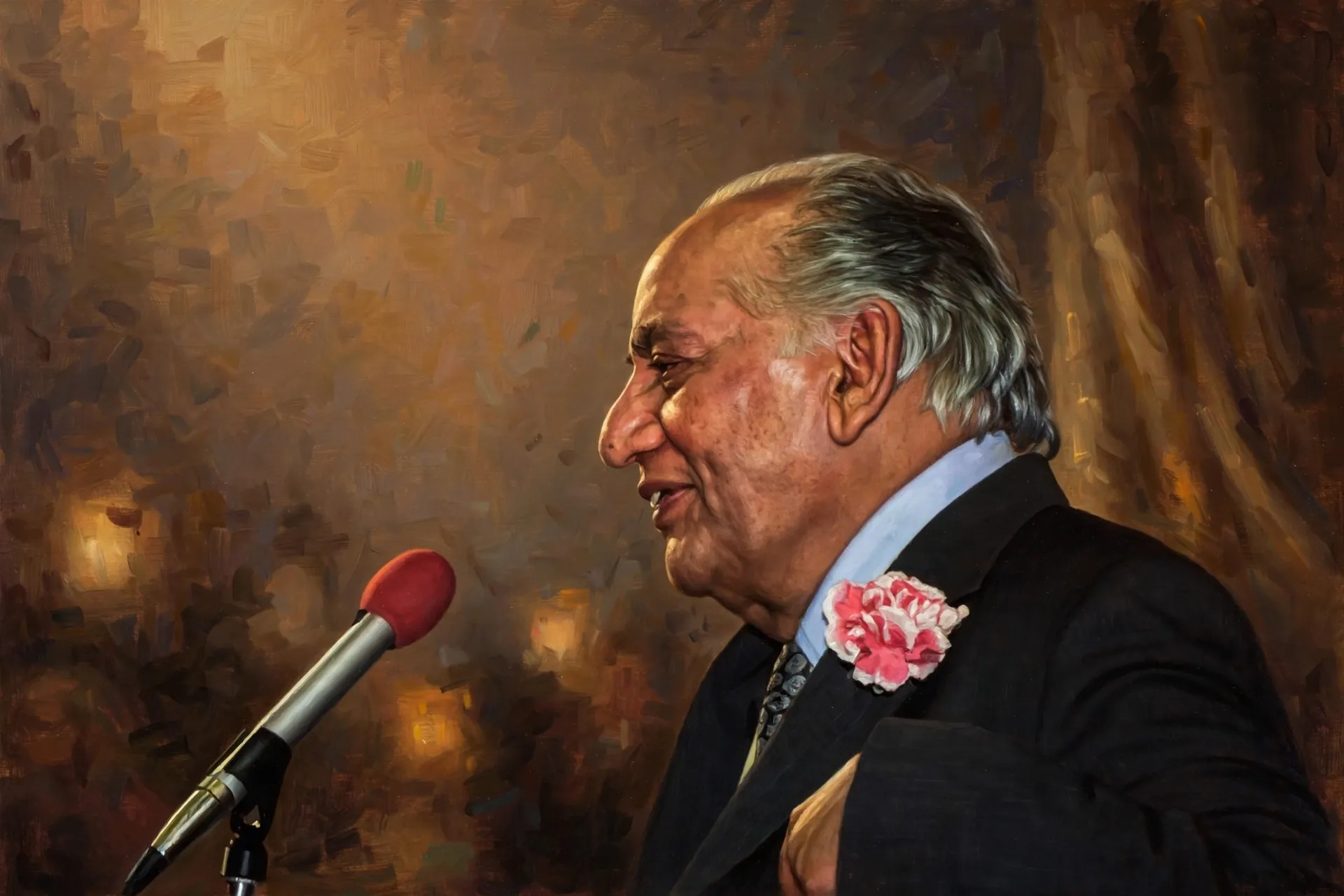
Abdullah Hussein (1931-2015) was a Pakistani Urdu novelist and short story writer from Gujrat in Punjab, best known for Udas Naslein (The Weary Generations), the 1963 novel widely regarded as a modern classic of Urdu literature. Born Muhammad Khan, he trained as a chemical engineer and worked in a cement factory before his first novel made him famous. He later lived in London for nearly four decades and kept writing about rural Punjab, Partition and migration until his death in Lahore in 2015.
- Punjabi name
- ਅਬਦੁੱਲਾ ਹੁਸੈਨ
- Born
- 14 August 1931, Gujrat, Punjab, British India (birth name Muhammad Khan)
- Died
- 4 July 2015, Lahore, Pakistan (aged 83)
- Home town
- Gujrat
- District
- Gujrat
- Tehsil
- Gujrat
All 11 facts
- Region
- West Punjab
- Occupation
- Novelist and short story writer
- Language
- Urdu
- Known for
- Udas Naslein (The Weary Generations), 1963
- Awards
- Adamjee Literary Award, 1963; Kamal-e-Fun Award
Abdullah Hussein (1931-2015), also spelled Abdullah Hussain, was a Pakistani Urdu novelist and short story writer from Gujrat in Punjab, best known for Udas Naslein (The Weary Generations), the 1963 novel widely regarded as a modern classic of Urdu literature. Born Muhammad Khan, he trained as a chemical engineer, worked in a cement factory, spent nearly four decades in London, and wrote fiction that returned again and again to rural Punjab, the Partition of India and the price of independence.
Early life in Gujrat
Abdullah Hussein was born Muhammad Khan on 14 August 1931 in Gujrat, a city in Punjab that was then part of British India and is now in Pakistan. His family had migrated from Bannu to Punjab in an earlier generation. His father worked as an excise inspector and later took up farming. Abdullah was the youngest of four children and his father's only son.
His mother died when he was only six months old, and he was brought up by his father and his eldest sister. His father was protective of the boy and kept him close, a bond that readers have often traced in the warmth of the father and son relationships in his fiction. He grew up in Gujrat and studied chemical engineering in Pakistan and Canada, a practical training that shaped the first half of his working life.
From the cement factory to fiction
After his studies Hussein worked as a chemical engineer, including a spell at a cement factory in Daudkhel in Punjab. It was there, while doing shift work, that he began writing what he first thought would be a short love story. The story kept growing, gathering characters, villages and history around it, until it became a full novel. He found his literary voice in his twenties, after his father's death, and the book that came out of those years changed Urdu fiction.
Why is Udas Naslein considered a classic?
Udas Naslein was published in 1963 and was an instant bestseller in Urdu. It won the Adamjee Literary Award, Pakistan's leading literary prize, in the year of its publication, and it has never been out of print since, running beyond its fortieth edition. Hussein later translated it himself into English as The Weary Generations, published in London in 1999.
The novel follows Naim, the son of a peasant, who marries Azra, the daughter of a rich landowner. The marriage joins two sharply different worlds, and the union is strained from the start. Naim fights for the British in the First World War and loses an arm. Invalided home, he is angered by the subjugation of his countrymen under the Raj and turns towards the opposition. Then Independence in 1947 sweeps his ideals away, as his Muslim family finds it is no longer safe in its home and must migrate to the newly created Pakistan.
Readers value the novel for more than its plot. It is also a record of rural Punjab, with loving detail about harvest ceremonies, bullock racing, village customs and the feudal order that was passing away. It carries the great events of the age inside an ordinary family's life: the First World War, the Jallianwala Bagh massacre of 1919, the Qissa Khwani Bazaar massacre of 1930 and the protests against the Simon Commission. Few Urdu novels of the time held so much history and so much village life in a single story.
Later novels and stories
Hussein did not rush his later books. After Udas Naslein he published the short story collection Nasheb in 1981, translated into English as Downfall by Degrees in Toronto in 1987. His second novel, Baagh, appeared in 1982 and took Kashmir as its subject. Wapsi Ka Safar, a novel about the journey back, followed in 1984, and its story of Pakistani immigrants in Britain was later adapted into the film Brothers in Trouble (1995) by Udayan Prasad.
The novella Qaid appeared in 1989, built around Rajjo Mir, one of the strongest women characters in his work, a woman whose acts of vengeance follow the murder of her newborn child. Raat followed in 1994, and Nadar Log in 1996 took the 1971 war between India and Pakistan as its subject, following Sarfraz, a man posted in East Pakistan who becomes a prisoner of war. His later story collection Faraib appeared in 2012. In 2000 he published Emigre Journeys, an original novel in English about Pakistani immigrants in 1960s Britain.
Hussein was known for writing in the plain, sometimes rough speech of his characters, including regional slang and words that polite critics found coarse. He believed that cleaning up that language would betray the people he was writing about. He kept his distance from literary circles and from awards and publishing fanfare, and he once asked that Nadar Log not be reviewed for six months after publication, so that ordinary readers could judge it before the critics did.
Life in London and return to Lahore
In 1970 Hussein moved to Britain and settled in Clapham in south London, where he managed an off-licence. He lived in London for nearly four decades, from 1970 until about 2010, and the experience of migration fed directly into his later writing, above all Wapsi Ka Safar and Emigre Journeys. In his later years he returned to Pakistan and settled in Lahore, where he received the Kamal-e-Fun Award, Pakistan's highest literary honour for a lifetime of creative work.
Death and legacy
Hussein had been suffering from blood cancer for several years. He was taken to hospital in Lahore after his condition worsened, then brought back to his home, where he died on 4 July 2015, aged 83. His funeral prayers were offered at his residence in Lahore. He left behind a small body of work, only a handful of novels and story collections, but Udas Naslein remains in print and in reading lists as one of the great Partition novels, and his self-translation brought one of Urdu's finest novels to readers in English who would never otherwise have met it. For Punjabi readers, his books keep alive the villages, fields and customs of a Punjab that Partition divided.
ਅਬਦੁੱਲਾ ਹੁਸੈਨ (1931-2015), ਜਿਨ੍ਹਾਂ ਨੂੰ ਅਬਦੁੱਲਾ ਹੁਸੈਨ ਵੀ ਲਿਖਿਆ ਜਾਂਦਾ ਹੈ, ਪਾਕਿਸਤਾਨ ਦੇ ਉਰਦੂ ਨਾਵਲਕਾਰ ਅਤੇ ਕਹਾਣੀਕਾਰ ਸਨ। ਉਹ ਪੰਜਾਬ ਦੇ ਗੁਜਰਾਤ ਸ਼ਹਿਰ ਤੋਂ ਸਨ ਅਤੇ ਆਪਣੇ ਨਾਵਲ ਉਦਾਸ ਨਸਲਾਂ (ਦ ਵੀਅਰੀ ਜਨਰੇਸ਼ਨਜ਼) ਕਰਕੇ ਜਾਣੇ ਜਾਂਦੇ ਹਨ। ਇਹ ਨਾਵਲ 1963 ਵਿੱਚ ਛਪਿਆ ਸੀ ਅਤੇ ਉਰਦੂ ਸਾਹਿਤ ਦਾ ਆਧੁਨਿਕ ਕਲਾਸਿਕ ਮੰਨਿਆ ਜਾਂਦਾ ਹੈ। ਉਨ੍ਹਾਂ ਦਾ ਜਨਮ ਮੁਹੰਮਦ ਖ਼ਾਨ ਵਜੋਂ ਹੋਇਆ ਸੀ। ਉਨ੍ਹਾਂ ਨੇ ਕੈਮੀਕਲ ਇੰਜੀਨੀਅਰਿੰਗ ਦੀ ਪੜ੍ਹਾਈ ਕੀਤੀ, ਸੀਮਿੰਟ ਫੈਕਟਰੀ ਵਿੱਚ ਕੰਮ ਕੀਤਾ, ਲੰਡਨ ਵਿੱਚ ਲਗਭਗ ਚਾਰ ਦਹਾਕੇ ਬਿਤਾਏ ਅਤੇ ਐਸਾ ਸਾਹਿਤ ਲਿਖਿਆ ਜੋ ਵਾਰ ਵਾਰ ਪੇਂਡੂ ਪੰਜਾਬ, ਵੰਡ ਅਤੇ ਆਜ਼ਾਦੀ ਦੀ ਕੀਮਤ ਵੱਲ ਮੁੜਦਾ ਹੈ।
ਗੁਜਰਾਤ ਵਿੱਚ ਮੁੱਢਲਾ ਜੀਵਨ
ਅਬਦੁੱਲਾ ਹੁਸੈਨ ਦਾ ਜਨਮ ਮੁਹੰਮਦ ਖ਼ਾਨ ਵਜੋਂ 14 ਅਗਸਤ 1931 ਨੂੰ ਗੁਜਰਾਤ ਵਿੱਚ ਹੋਇਆ। ਗੁਜਰਾਤ ਉਸ ਸਮੇਂ ਬਰਤਾਨਵੀ ਭਾਰਤ ਦੇ ਪੰਜਾਬ ਵਿੱਚ ਸੀ ਅਤੇ ਅੱਜ ਪਾਕਿਸਤਾਨ ਵਿੱਚ ਹੈ। ਉਨ੍ਹਾਂ ਦੇ ਪੁਰਖੇ ਪਹਿਲਾਂ ਬੰਨੂ ਤੋਂ ਪੰਜਾਬ ਆਏ ਸਨ। ਉਨ੍ਹਾਂ ਦੇ ਪਿਤਾ ਆਬਕਾਰੀ ਇੰਸਪੈਕਟਰ ਸਨ ਅਤੇ ਬਾਅਦ ਵਿੱਚ ਖੇਤੀ ਕਰਨ ਲੱਗੇ। ਅਬਦੁੱਲਾ ਚਾਰ ਭੈਣ ਭਰਾਵਾਂ ਵਿੱਚ ਸਭ ਤੋਂ ਛੋਟੇ ਸਨ ਅਤੇ ਪਿਤਾ ਦੇ ਇਕਲੌਤੇ ਪੁੱਤਰ ਸਨ।
ਉਨ੍ਹਾਂ ਦੀ ਮਾਂ ਦਾ ਦੇਹਾਂਤ ਉਦੋਂ ਹੋ ਗਿਆ ਜਦੋਂ ਉਹ ਸਿਰਫ਼ ਛੇ ਮਹੀਨਿਆਂ ਦੇ ਸਨ। ਉਨ੍ਹਾਂ ਨੂੰ ਉਨ੍ਹਾਂ ਦੇ ਪਿਤਾ ਅਤੇ ਸਭ ਤੋਂ ਵੱਡੀ ਭੈਣ ਨੇ ਪਾਲਿਆ। ਪਿਤਾ ਉਨ੍ਹਾਂ ਦੀ ਬਹੁਤ ਰਾਖੀ ਕਰਦੇ ਸਨ ਅਤੇ ਉਨ੍ਹਾਂ ਨੂੰ ਆਪਣੇ ਨੇੜੇ ਰੱਖਦੇ ਸਨ। ਇਹ ਪਿਓ ਪੁੱਤ ਦਾ ਨਿੱਘਾ ਰਿਸ਼ਤਾ ਉਨ੍ਹਾਂ ਦੀਆਂ ਲਿਖਤਾਂ ਵਿੱਚ ਵੀ ਦਿਸਦਾ ਹੈ। ਉਹ ਗੁਜਰਾਤ ਵਿੱਚ ਵੱਡੇ ਹੋਏ ਅਤੇ ਪਾਕਿਸਤਾਨ ਤੇ ਕੈਨੇਡਾ ਵਿੱਚ ਕੈਮੀਕਲ ਇੰਜੀਨੀਅਰਿੰਗ ਪੜ੍ਹੀ। ਇਸ ਪੇਸ਼ੇਵਰ ਪੜ੍ਹਾਈ ਨੇ ਉਨ੍ਹਾਂ ਦੇ ਕੰਮਕਾਜੀ ਜੀਵਨ ਦਾ ਪਹਿਲਾ ਹਿੱਸਾ ਘੜਿਆ।
ਸੀਮਿੰਟ ਫੈਕਟਰੀ ਤੋਂ ਗਲਪ ਤੱਕ
ਪੜ੍ਹਾਈ ਤੋਂ ਬਾਅਦ ਹੁਸੈਨ ਨੇ ਕੈਮੀਕਲ ਇੰਜੀਨੀਅਰ ਵਜੋਂ ਕੰਮ ਕੀਤਾ। ਕੁਝ ਸਮਾਂ ਉਹ ਪੰਜਾਬ ਦੇ ਦਾਊਦਖੇਲ ਵਿੱਚ ਸੀਮਿੰਟ ਫੈਕਟਰੀ ਵਿੱਚ ਵੀ ਰਹੇ। ਉੱਥੇ ਸ਼ਿਫਟਾਂ ਵਿੱਚ ਕੰਮ ਕਰਦਿਆਂ ਉਨ੍ਹਾਂ ਨੇ ਇੱਕ ਛੋਟੀ ਪ੍ਰੇਮ ਕਹਾਣੀ ਲਿਖਣੀ ਸ਼ੁਰੂ ਕੀਤੀ। ਉਹ ਕਹਾਣੀ ਵਧਦੀ ਗਈ। ਉਸ ਵਿੱਚ ਕਿਰਦਾਰ, ਪਿੰਡ ਅਤੇ ਇਤਿਹਾਸ ਜੁੜਦੇ ਗਏ ਅਤੇ ਅਖ਼ੀਰ ਉਹ ਪੂਰਾ ਨਾਵਲ ਬਣ ਗਈ। ਆਪਣੇ ਪਿਤਾ ਦੇ ਦੇਹਾਂਤ ਤੋਂ ਬਾਅਦ, ਵੀਹਵਿਆਂ ਵਿੱਚ, ਉਨ੍ਹਾਂ ਨੂੰ ਆਪਣੀ ਸਾਹਿਤਕ ਆਵਾਜ਼ ਮਿਲੀ। ਉਨ੍ਹਾਂ ਸਾਲਾਂ ਵਿੱਚ ਲਿਖੀ ਕਿਤਾਬ ਨੇ ਉਰਦੂ ਗਲਪ ਨੂੰ ਬਦਲ ਦਿੱਤਾ।
ਉਦਾਸ ਨਸਲਾਂ ਨੂੰ ਕਲਾਸਿਕ ਕਿਉਂ ਮੰਨਿਆ ਜਾਂਦਾ ਹੈ?
ਉਦਾਸ ਨਸਲਾਂ 1963 ਵਿੱਚ ਛਪਿਆ ਅਤੇ ਉਰਦੂ ਵਿੱਚ ਤੁਰੰਤ ਬਹੁਤ ਵਿਕਿਆ। ਛਪਣ ਵਾਲੇ ਸਾਲ ਹੀ ਇਸ ਨੂੰ ਪਾਕਿਸਤਾਨ ਦਾ ਮੋਹਰੀ ਸਾਹਿਤਕ ਇਨਾਮ, ਆਦਮਜੀ ਸਾਹਿਤਕ ਇਨਾਮ, ਮਿਲਿਆ। ਉਸ ਤੋਂ ਬਾਅਦ ਇਹ ਕਿਤਾਬ ਕਦੇ ਛਪਣੋਂ ਹਟੀ ਨਹੀਂ ਅਤੇ ਇਸ ਦੇ ਚਾਲੀ ਤੋਂ ਵੱਧ ਐਡੀਸ਼ਨ ਛਪ ਚੁੱਕੇ ਹਨ। ਹੁਸੈਨ ਨੇ ਖੁਦ ਇਸ ਦਾ ਅੰਗਰੇਜ਼ੀ ਅਨੁਵਾਦ ਕੀਤਾ, ਜੋ 1999 ਵਿੱਚ ਲੰਡਨ ਤੋਂ ਦ ਵੀਅਰੀ ਜਨਰੇਸ਼ਨਜ਼ ਨਾਂ ਹੇਠ ਛਪਿਆ।
ਨਾਵਲ ਦੀ ਕਹਾਣੀ ਨਈਮ ਦੀ ਹੈ। ਨਈਮ ਇੱਕ ਕਿਸਾਨ ਦਾ ਪੁੱਤਰ ਹੈ ਅਤੇ ਉਸ ਦਾ ਵਿਆਹ ਅਜ਼ਰਾ ਨਾਲ ਹੁੰਦਾ ਹੈ, ਜੋ ਇੱਕ ਅਮੀਰ ਜ਼ਿਮੀਦਾਰ ਦੀ ਧੀ ਹੈ। ਇਹ ਵਿਆਹ ਦੋ ਬਿਲਕੁਲ ਵੱਖਰੀਆਂ ਦੁਨੀਆਂ ਨੂੰ ਜੋੜਦਾ ਹੈ ਅਤੇ ਸ਼ੁਰੂ ਤੋਂ ਹੀ ਔਖਾ ਰਹਿੰਦਾ ਹੈ। ਨਈਮ ਪਹਿਲੇ ਵਿਸ਼ਵ ਯੁੱਧ ਵਿੱਚ ਅੰਗਰੇਜ਼ਾਂ ਵੱਲੋਂ ਲੜਦਾ ਹੈ ਅਤੇ ਆਪਣੀ ਇੱਕ ਬਾਂਹ ਗੁਆ ਬੈਠਦਾ ਹੈ। ਜ਼ਖ਼ਮੀ ਹੋ ਕੇ ਘਰ ਮੁੜਿਆ ਨਈਮ ਰਾਜ ਹੇਠ ਆਪਣੇ ਲੋਕਾਂ ਦੀ ਗੁਲਾਮੀ ਵੇਖ ਕੇ ਗੁੱਸੇ ਵਿੱਚ ਆ ਜਾਂਦਾ ਹੈ ਅਤੇ ਵਿਰੋਧ ਵੱਲ ਮੁੜਦਾ ਹੈ। ਫਿਰ 1947 ਦੀ ਆਜ਼ਾਦੀ ਉਸ ਦੇ ਸੁਪਨੇ ਤੋੜ ਦਿੰਦੀ ਹੈ, ਕਿਉਂਕਿ ਉਸ ਦੇ ਮੁਸਲਮਾਨ ਪਰਿਵਾਰ ਲਈ ਆਪਣੇ ਘਰ ਵਿੱਚ ਰਹਿਣਾ ਸੁਰੱਖਿਅਤ ਨਹੀਂ ਰਹਿੰਦਾ ਅਤੇ ਉਨ੍ਹਾਂ ਨੂੰ ਨਵੇਂ ਬਣੇ ਪਾਕਿਸਤਾਨ ਵੱਲ ਪਰਵਾਸ ਕਰਨਾ ਪੈਂਦਾ ਹੈ।
ਪਾਠਕ ਇਸ ਨਾਵਲ ਨੂੰ ਸਿਰਫ਼ ਕਹਾਣੀ ਕਰਕੇ ਨਹੀਂ, ਸਗੋਂ ਪੇਂਡੂ ਪੰਜਾਬ ਦੇ ਚਿਤਰਣ ਕਰਕੇ ਵੀ ਪਿਆਰ ਕਰਦੇ ਹਨ। ਇਸ ਵਿੱਚ ਵਾਢੀ ਦੇ ਸਮਾਗਮਾਂ, ਬਲਦਾਂ ਦੀਆਂ ਦੌੜਾਂ, ਪਿੰਡ ਦੀਆਂ ਰਸਮਾਂ ਅਤੇ ਡੁੱਬ ਰਹੀ ਜਗੀਰਦਾਰੀ ਦਾ ਸੋਹਣਾ ਚਿਤਰ ਹੈ। ਇੱਕ ਆਮ ਪਰਿਵਾਰ ਦੇ ਜੀਵਨ ਵਿੱਚ ਉਸ ਯੁੱਗ ਦੀਆਂ ਵੱਡੀਆਂ ਘਟਨਾਵਾਂ ਆਉਂਦੀਆਂ ਹਨ। ਪਹਿਲਾ ਵਿਸ਼ਵ ਯੁੱਧ, 1919 ਦਾ ਜਲ੍ਹਿਆਂਵਾਲਾ ਬਾਗ਼ ਕਤਲੇਆਮ, 1930 ਦਾ ਕਿੱਸਾ ਖਵਾਨੀ ਬਾਜ਼ਾਰ ਕਤਲੇਆਮ ਅਤੇ ਸਾਈਮਨ ਕਮਿਸ਼ਨ ਵਿਰੁੱਧ ਵਿਰੋਧ ਪ੍ਰਦਰਸ਼ਨ। ਉਸ ਸਮੇਂ ਦੇ ਬਹੁਤ ਘੱਟ ਉਰਦੂ ਨਾਵਲਾਂ ਵਿੱਚ ਇੰਨਾ ਇਤਿਹਾਸ ਅਤੇ ਇੰਨਾ ਪਿੰਡੂ ਜੀਵਨ ਇੱਕੋ ਕਹਾਣੀ ਵਿੱਚ ਮਿਲਦਾ ਹੈ।
ਬਾਅਦ ਦੇ ਨਾਵਲ ਅਤੇ ਕਹਾਣੀਆਂ
ਹੁਸੈਨ ਨੇ ਆਪਣੀਆਂ ਬਾਅਦ ਦੀਆਂ ਕਿਤਾਬਾਂ ਜਲਦੀ ਨਹੀਂ ਲਿਖੀਆਂ। ਉਦਾਸ ਨਸਲਾਂ ਤੋਂ ਬਾਅਦ ਉਨ੍ਹਾਂ ਦਾ ਕਹਾਣੀ ਸੰਗ੍ਰਹਿ ਨਸ਼ੇਬ 1981 ਵਿੱਚ ਛਪਿਆ। ਇਸ ਦਾ ਅੰਗਰੇਜ਼ੀ ਅਨੁਵਾਦ ਡਾਊਨਫ਼ਾਲ ਬਾਇ ਡਿਗਰੀਜ਼ 1987 ਵਿੱਚ ਟੋਰਾਂਟੋ ਤੋਂ ਛਪਿਆ। ਉਨ੍ਹਾਂ ਦਾ ਦੂਜਾ ਨਾਵਲ ਬਾਗ਼ 1982 ਵਿੱਚ ਆਇਆ ਅਤੇ ਇਸ ਦਾ ਵਿਸ਼ਾ ਕਸ਼ਮੀਰ ਸੀ। ਵਾਪਸੀ ਕਾ ਸਫ਼ਰ 1984 ਵਿੱਚ ਛਪਿਆ। ਬਰਤਾਨੀਆ ਵਿੱਚ ਪਾਕਿਸਤਾਨੀ ਪਰਵਾਸੀਆਂ ਦੀ ਇਸ ਕਹਾਣੀ ਉੱਤੇ ਬਾਅਦ ਵਿੱਚ ਫ਼ਿਲਮ ਬਰਦਰਜ਼ ਇਨ ਟਰਬਲ (1995) ਬਣੀ, ਜਿਸ ਦੇ ਨਿਰਦੇਸ਼ਕ ਉਦਯਨ ਪ੍ਰਸਾਦ ਸਨ।
ਉਨ੍ਹਾਂ ਦਾ ਨਾਵਲੇਟ ਕ਼ੈਦ 1989 ਵਿੱਚ ਆਇਆ। ਇਸ ਦੀ ਮੁੱਖ ਪਾਤਰ ਰੱਜੋ ਮੀਰ ਉਨ੍ਹਾਂ ਦੀਆਂ ਲਿਖਤਾਂ ਦੀਆਂ ਸਭ ਤੋਂ ਤਾਕਤਵਰ ਔਰਤ ਪਾਤਰਾਂ ਵਿੱਚੋਂ ਇੱਕ ਹੈ। ਉਹ ਆਪਣੇ ਨਵਜੰਮੇ ਬੱਚੇ ਦੇ ਕਤਲ ਦਾ ਬਦਲਾ ਲੈਂਦੀ ਹੈ। ਰਾਤ 1994 ਵਿੱਚ ਛਪਿਆ ਅਤੇ ਨਾਦਾਰ ਲੋਗ 1996 ਵਿੱਚ ਆਇਆ। ਇਸ ਦਾ ਵਿਸ਼ਾ ਭਾਰਤ ਅਤੇ ਪਾਕਿਸਤਾਨ ਵਿਚਕਾਰ 1971 ਦੀ ਜੰਗ ਹੈ। ਇਸ ਦੀ ਕਹਾਣੀ ਸਰਫ਼ਰਾਜ਼ ਦੀ ਹੈ, ਜੋ ਪੂਰਬੀ ਪਾਕਿਸਤਾਨ ਵਿੱਚ ਤਾਇਨਾਤ ਸੀ ਅਤੇ ਜੰਗੀ ਕੈਦੀ ਬਣ ਗਿਆ ਸੀ। ਉਨ੍ਹਾਂ ਦਾ ਬਾਅਦ ਦਾ ਕਹਾਣੀ ਸੰਗ੍ਰਹਿ ਫ਼ਰੇਬ 2012 ਵਿੱਚ ਛਪਿਆ। ਸੰਨ 2000 ਵਿੱਚ ਉਨ੍ਹਾਂ ਨੇ ਐਮਿਗਰੇ ਜਰਨੀਜ਼ ਨਾਂ ਦਾ ਮੂਲ ਅੰਗਰੇਜ਼ੀ ਨਾਵਲ ਲਿਖਿਆ, ਜੋ 1960 ਦੇ ਦਹਾਕੇ ਦੇ ਬਰਤਾਨੀਆ ਵਿੱਚ ਪਾਕਿਸਤਾਨੀ ਪਰਵਾਸੀਆਂ ਬਾਰੇ ਹੈ।
ਹੁਸੈਨ ਆਪਣੇ ਕਿਰਦਾਰਾਂ ਦੀ ਸਾਦੀ ਅਤੇ ਕਈ ਵਾਰ ਕੱਚੀ ਬੋਲੀ ਵਿੱਚ ਲਿਖਣ ਲਈ ਜਾਣੇ ਜਾਂਦੇ ਸਨ। ਉਨ੍ਹਾਂ ਦੀ ਭਾਸ਼ਾ ਵਿੱਚ ਇਲਾਕਾਈ ਬੋਲੀ ਅਤੇ ਐਸੇ ਸ਼ਬਦ ਸਨ ਜੋ ਸਲੀਕੇਦਾਰ ਆਲੋਚਕਾਂ ਨੂੰ ਖਰਵੇ ਲੱਗਦੇ ਸਨ। ਉਨ੍ਹਾਂ ਦਾ ਮੰਨਣਾ ਸੀ ਕਿ ਇਸ ਭਾਸ਼ਾ ਨੂੰ ਸਾਫ਼ ਕਰਨਾ ਉਨ੍ਹਾਂ ਲੋਕਾਂ ਨਾਲ ਧੋਖਾ ਹੋਵੇਗਾ ਜਿਨ੍ਹਾਂ ਬਾਰੇ ਉਹ ਲਿਖ ਰਹੇ ਸਨ। ਉਹ ਸਾਹਿਤਕ ਮਹਿਫਲਾਂ ਅਤੇ ਇਨਾਮਾਂ ਤੇ ਸ਼ੋਹਰਤ ਤੋਂ ਦੂਰ ਰਹੇ। ਉਨ੍ਹਾਂ ਨੇ ਇੱਕ ਵਾਰ ਇਹ ਵੀ ਕਿਹਾ ਸੀ ਕਿ ਨਾਦਾਰ ਲੋਗ ਛਪਣ ਤੋਂ ਛੇ ਮਹੀਨੇ ਤੱਕ ਉਸ ਦੀ ਸਮੀਖਿਆ ਨਾ ਕੀਤੀ ਜਾਵੇ, ਤਾਂ ਜੋ ਆਮ ਪਾਠਕ ਆਲੋਚਕਾਂ ਤੋਂ ਪਹਿਲਾਂ ਆਪਣੀ ਰਾਇ ਬਣਾ ਸਕਣ।
ਲੰਡਨ ਵਿੱਚ ਜੀਵਨ ਅਤੇ ਲਾਹੌਰ ਵਾਪਸੀ
ਸੰਨ 1970 ਵਿੱਚ ਹੁਸੈਨ ਬਰਤਾਨੀਆ ਚਲੇ ਗਏ ਅਤੇ ਦੱਖਣੀ ਲੰਡਨ ਦੇ ਕਲੈਫਮ ਇਲਾਕੇ ਵਿੱਚ ਰਹਿਣ ਲੱਗੇ, ਜਿੱਥੇ ਉਹ ਇੱਕ ਸ਼ਰਾਬ ਦੀ ਦੁਕਾਨ ਚਲਾਉਂਦੇ ਸਨ। ਉਹ 1970 ਤੋਂ ਲਗਭਗ 2010 ਤੱਕ, ਕਰੀਬ ਚਾਰ ਦਹਾਕੇ, ਲੰਡਨ ਵਿੱਚ ਰਹੇ। ਪਰਵਾਸ ਦਾ ਇਹ ਤਜਰਬਾ ਉਨ੍ਹਾਂ ਦੀਆਂ ਬਾਅਦ ਦੀਆਂ ਲਿਖਤਾਂ ਵਿੱਚ ਸਿੱਧਾ ਆਇਆ, ਖ਼ਾਸ ਕਰਕੇ ਵਾਪਸੀ ਕਾ ਸਫ਼ਰ ਅਤੇ ਐਮਿਗਰੇ ਜਰਨੀਜ਼ ਵਿੱਚ। ਆਪਣੇ ਆਖ਼ਰੀ ਸਾਲਾਂ ਵਿੱਚ ਉਹ ਪਾਕਿਸਤਾਨ ਮੁੜ ਆਏ ਅਤੇ ਲਾਹੌਰ ਵਿੱਚ ਰਹਿਣ ਲੱਗੇ। ਉੱਥੇ ਉਨ੍ਹਾਂ ਨੂੰ ਕਮਾਲ-ਏ-ਫ਼ਨ ਇਨਾਮ ਮਿਲਿਆ, ਜੋ ਸਾਰੀ ਉਮਰ ਦੇ ਸਿਰਜਣਾਤਮਕ ਕੰਮ ਲਈ ਪਾਕਿਸਤਾਨ ਦਾ ਸਭ ਤੋਂ ਵੱਡਾ ਸਾਹਿਤਕ ਸਨਮਾਨ ਹੈ।
ਦੇਹਾਂਤ ਅਤੇ ਵਿਰਾਸਤ
ਹੁਸੈਨ ਕਈ ਸਾਲਾਂ ਤੋਂ ਖੂਨ ਦੇ ਕੈਂਸਰ ਤੋਂ ਪੀੜਤ ਸਨ। ਹਾਲਤ ਵਿਗੜਨ ਉੱਤੇ ਉਨ੍ਹਾਂ ਨੂੰ ਲਾਹੌਰ ਦੇ ਹਸਪਤਾਲ ਲਿਜਾਇਆ ਗਿਆ ਅਤੇ ਫਿਰ ਘਰ ਵਾਪਸ ਲਿਆਂਦਾ ਗਿਆ, ਜਿੱਥੇ 4 ਜੁਲਾਈ 2015 ਨੂੰ 83 ਸਾਲ ਦੀ ਉਮਰ ਵਿੱਚ ਉਨ੍ਹਾਂ ਦਾ ਦੇਹਾਂਤ ਹੋ ਗਿਆ। ਉਨ੍ਹਾਂ ਦੀ ਨਮਾਜ਼-ਏ-ਜਨਾਜ਼ਾ ਲਾਹੌਰ ਵਿੱਚ ਉਨ੍ਹਾਂ ਦੇ ਘਰ ਹੀ ਅਦਾ ਕੀਤੀ ਗਈ। ਉਨ੍ਹਾਂ ਨੇ ਥੋੜ੍ਹੀਆਂ ਕਿਤਾਬਾਂ ਛੱਡੀਆਂ, ਸਿਰਫ਼ ਕੁਝ ਨਾਵਲ ਅਤੇ ਕਹਾਣੀ ਸੰਗ੍ਰਹਿ। ਪਰ ਉਦਾਸ ਨਸਲਾਂ ਅੱਜ ਵੀ ਛਪ ਰਹੀ ਹੈ ਅਤੇ ਵੰਡ ਦੇ ਮਹਾਨ ਨਾਵਲਾਂ ਵਿੱਚ ਗਿਣੀ ਜਾਂਦੀ ਹੈ। ਉਨ੍ਹਾਂ ਦੇ ਆਪਣੇ ਅੰਗਰੇਜ਼ੀ ਅਨੁਵਾਦ ਨੇ ਉਰਦੂ ਦੇ ਇਸ ਵਧੀਆ ਨਾਵਲ ਨੂੰ ਉਨ੍ਹਾਂ ਅੰਗਰੇਜ਼ੀ ਪਾਠਕਾਂ ਤੱਕ ਪਹੁੰਚਾਇਆ ਜੋ ਨਹੀਂ ਤਾਂ ਇਸ ਨੂੰ ਕਦੇ ਮਿਲਦੇ ਹੀ ਨਾ। ਪੰਜਾਬੀ ਪਾਠਕਾਂ ਲਈ ਉਨ੍ਹਾਂ ਦੀਆਂ ਕਿਤਾਬਾਂ ਉਸ ਪੰਜਾਬ ਦੇ ਪਿੰਡ, ਖੇਤ ਅਤੇ ਰਸਮਾਂ ਨੂੰ ਜਿਉਂਦਾ ਰੱਖਦੀਆਂ ਹਨ ਜਿਸ ਨੂੰ ਵੰਡ ਨੇ ਵੰਡ ਦਿੱਤਾ ਸੀ।
People


Places

More writers & poets
See all


Sources (4)
Jugti is free and independent. Reader support keeps the Kosh growing.
Support