

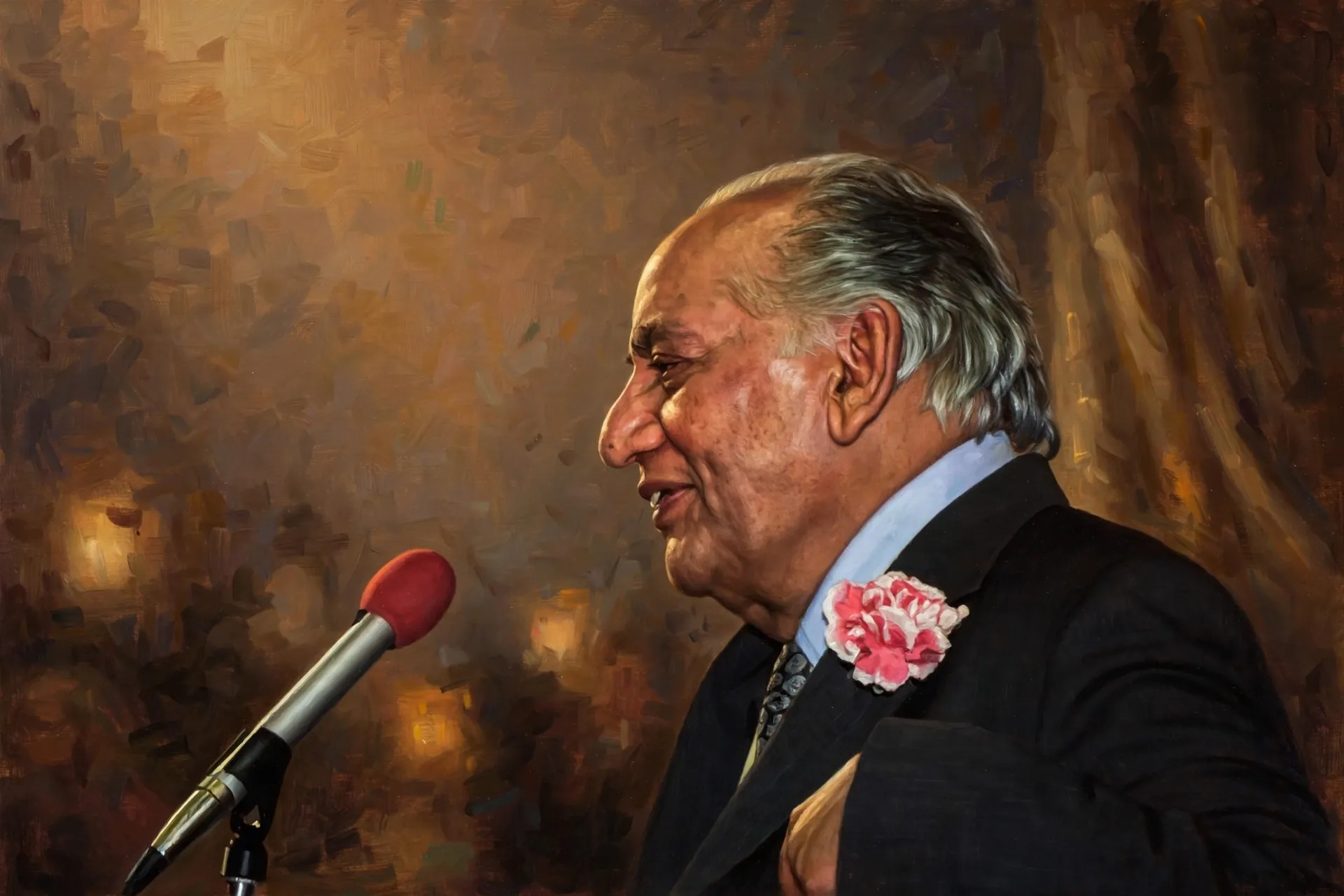
Ashfaq Ahmed (22 August 1925 to 7 September 2004) was a writer, playwright and broadcaster born in Muktsar, Punjab, who became one of the best known Urdu voices in Pakistan. His radio programme Talqeen Shah, his television plays and his later talks and books titled Zavia mixed storytelling with Sufi reflection, and he received the Pride of Performance and the Sitara-i-Imtiaz.
- Punjabi name
- ਅਸ਼ਫ਼ਾਕ ਅਹਿਮਦ
- Born
- 22 August 1925, Muktsar, Punjab, British India
- Died
- 7 September 2004, Lahore, Punjab, Pakistan (aged 79)
- Home town
- Sri Muktsar Sahib
- District
- Sri Muktsar Sahib
- Tehsil
- Sri Muktsar Sahib
All 12 facts
- Region
- Malwa
- Education
- MA in Urdu literature, Government College Lahore; diplomas in Italian and French; diploma in radio broadcasting, New York University
- Occupation
- Writer, playwright and broadcaster
- Known works
- Talqeen Shah; Aik Mohabbat Sau Afsanay; Gadariya; Tota Kahani; Zavia
- Honours
- Pride of Performance (1979); Sitara-i-Imtiaz
- Family
- Wife Bano Qudsia, writer
Ashfaq Ahmed (22 August 1925 to 7 September 2004) was a Muktsar-born Pakistani writer, playwright and broadcaster who wrote in Urdu for radio, television and print. His radio programme Talqeen Shah and his television talks Zavia made him a household voice across Pakistan, while more than thirty books carried his stories, plays and spiritual reflections.
Early life in Muktsar and the move to Lahore
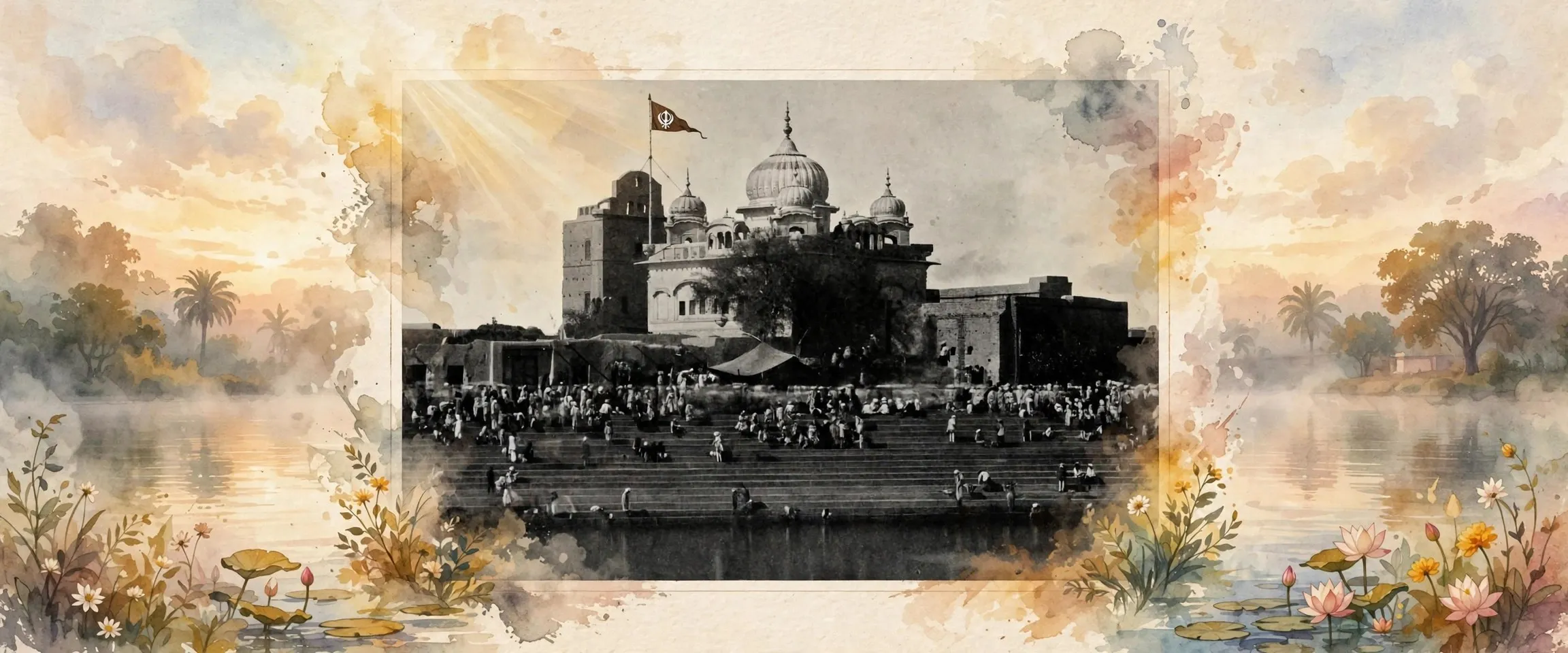
Ashfaq Ahmed was born on 22 August 1925 in Muktsar, in Punjab, British India. The town is known today as Sri Muktsar Sahib, in the Malwa region of Indian Punjab. He was born into a Pashtun family of the Mohmand tribe and received his early education in Muktsar. Writing came early: as a boy he was already writing stories, and they were published in Phool, a magazine for children.
Shortly before the Partition of India in 1947, he migrated to Pakistan and settled in Lahore, the city that stayed his home for the rest of his life. His early working life in the new country included work for Radio Azad Kashmir, the broadcasting service set up in the first years after independence. The move from a small Malwa town to Lahore placed him at the centre of Urdu literary life, and Lahore's colleges, radio studios and publishers shaped everything he wrote afterwards.
Education, teaching and the years in Europe
In Lahore he completed a Master of Arts degree in Urdu literature from Government College Lahore. Among his fellow students there was Bano Qudsia, who later became his wife and one of the best known Urdu novelists of her generation. After his degree he served as a lecturer at Dayal Singh College in Lahore for two years.
He then moved to Rome, where he worked as an Urdu newscaster for Radio Rome and taught Urdu at the University of Rome. His years in Europe were also years of study: he earned a diploma in Italian from the University of Rome and a diploma in French from the University of Grenoble in France, and he later took a specialised diploma in radio broadcasting from New York University. Few Urdu writers of his generation carried that mix of a Government College education, European languages and formal training in broadcasting.
What was Talqeen Shah, and why did it make him famous?
Talqeen Shah was the radio programme Ashfaq Ahmed began at Radio Pakistan in 1962, built around a preacher character whose sermons held a mirror up to everyday behaviour. The character projected a man of dual personality, and through him Ahmed exposed the hypocrisy he saw in society, in a voice that listeners in towns and villages took as their own. It ran as a weekly feature for decades and made him one of the most recognisable broadcasters in Pakistan.
Radio suited him. He had joined Radio Pakistan as a script writer after returning from Europe, and Talqeen Shah turned that studio craft into a public role: part storyteller, part moral commentator, always speaking in simple language about ordinary people. Long before television made his face familiar, his voice was already a fixture of Pakistani homes.
Writing, editing and the Urdu board
His reputation as a writer of fiction came with the short story Gadariya (The Shepherd), which brought him early fame in 1955. He went on to write more than thirty books: short story collections, plays, essays and a travelogue, Safar Dar Safar. Readers and critics noted a prose style that drew Punjabi literary words into Urdu, giving his Urdu a flavour that was recognisably his own. After returning from Europe he also published his own monthly literary magazine, Dastaango (Story Teller), and he was made editor of the popular Urdu weekly Lail-o-Nahar, in place of the poet Sufi Ghulam Mustafa Tabassum.
In 1966 he was appointed director of the Markazi Urdu Board in Lahore, the body later renamed the Urdu Science Board, and he is credited with helping to build up the Central Board for the Development of Urdu in Lahore from his own resources. He also served as an adviser in the federal Education Ministry during the period of General Zia-ul-Haq. In 1968 he tried cinema, writing and directing the Urdu film Dhoop Aur Sayay. It failed at the box office, though Ahmed argued that its content had been ahead of its time.
Television, Zavia and the turn to Sufism
Television carried his plays to a far larger audience. His drama series Aik Mohabbat Sau Afsanay, shown in 1975 and 1976 and based on his story collection of the same name, was appreciated in India as well as Pakistan. Other television work included Tota Kahani, Uchhay Burj Lahore De, Man Chalay Ka Sauda and Hairat Kadah. The leading actors of Lahore television in the late 1970s and 1980s built much of their reputations in his plays and in those of Bano Qudsia.
In his later years his writing and speaking turned increasingly towards Sufism, a tendency his friends linked to his close association with the writers Qudrat Ullah Shahab and Mumtaz Mufti. On Pakistan Television he appeared in Baithak and then in Zavia, where he sat with a mostly young audience and answered their questions about life, faith and conduct in short, plain spoken reflections. The Zavia talks were later collected in book form, and for many younger readers the books, rather than the plays, are where his voice is met first.
Honours, death and legacy
The Government of Pakistan honoured him with the President's Pride of Performance award in 1979 and with the Sitara-i-Imtiaz, its awards for his services to literature and broadcasting. Ashfaq Ahmed died in Lahore on 7 September 2004, aged 79, of pancreatic cancer, and he was buried in Model Town, Lahore.
At a tribute in Islamabad in November 2004, National Language Authority chairman Fateh Muhammad Malik said that Ahmed's death had left a vacuum in the literary world of Pakistan, and Pakistan Academy of Letters chairman Iftikhar Arif remembered him as a dynamic literary figure whose priorities had always included the welfare of ordinary people. His standing rests on that double reach: a serious Urdu writer who was also, for four decades, a familiar voice in homes that might never open his books.
ਅਸ਼ਫ਼ਾਕ ਅਹਿਮਦ (22 ਅਗਸਤ 1925 ਤੋਂ 7 ਸਤੰਬਰ 2004) ਮੁਕਤਸਰ ਵਿੱਚ ਜਨਮੇ ਪਾਕਿਸਤਾਨੀ ਲੇਖਕ, ਨਾਟਕਕਾਰ ਅਤੇ ਪ੍ਰਸਾਰਕ ਸਨ, ਜਿਨ੍ਹਾਂ ਨੇ ਰੇਡੀਓ, ਟੈਲੀਵਿਜ਼ਨ ਅਤੇ ਛਪਾਈ ਲਈ ਉਰਦੂ ਵਿੱਚ ਲਿਖਿਆ। ਉਨ੍ਹਾਂ ਦੇ ਰੇਡੀਓ ਪ੍ਰੋਗਰਾਮ ਤਲਕੀਨ ਸ਼ਾਹ ਅਤੇ ਟੈਲੀਵਿਜ਼ਨ ਗੱਲਬਾਤ ਜ਼ਾਵੀਆ ਨੇ ਉਨ੍ਹਾਂ ਨੂੰ ਸਾਰੇ ਪਾਕਿਸਤਾਨ ਵਿੱਚ ਘਰ ਘਰ ਦੀ ਆਵਾਜ਼ ਬਣਾ ਦਿੱਤਾ, ਜਦਕਿ ਤੀਹ ਤੋਂ ਵੱਧ ਕਿਤਾਬਾਂ ਵਿੱਚ ਉਨ੍ਹਾਂ ਦੀਆਂ ਕਹਾਣੀਆਂ, ਨਾਟਕ ਅਤੇ ਰੂਹਾਨੀ ਵਿਚਾਰ ਛਪੇ।
ਮੁਕਤਸਰ ਵਿੱਚ ਮੁੱਢਲਾ ਜੀવન ਅਤੇ ਲਾਹੌਰ ਵੱਲ ਜਾਣਾ
ਅਸ਼ਫ਼ਾਕ ਅਹਿਮਦ ਦਾ ਜਨਮ 22 ਅਗਸਤ 1925 ਨੂੰ ਬ੍ਰਿਟਿਸ਼ ਭਾਰਤ ਦੇ ਪੰਜਾਬ ਦੇ ਮੁਕਤਸਰ ਵਿੱਚ ਹੋਇਆ। ਇਸ ਸ਼ਹਿਰ ਨੂੰ ਅੱਜ ਸ੍ਰੀ ਮੁਕਤਸਰ ਸਾਹਿਬ ਕਿਹਾ ਜਾਂਦਾ ਹੈ, ਜੋ ਭਾਰਤੀ ਪੰਜਾਬ ਦੇ ਮਾਲਵਾ ਇਲਾਕੇ ਵਿੱਚ ਹੈ। ਉਨ੍ਹਾਂ ਦਾ ਜਨਮ ਮੁਹਮੰਦ ਕਬੀਲੇ ਦੇ ਇੱਕ ਪਸ਼ਤੂਨ ਪਰਿਵਾਰ ਵਿੱਚ ਹੋਇਆ ਅਤੇ ਉਨ੍ਹਾਂ ਨੇ ਮੁੱਢਲੀ ਸਿੱਖਿਆ ਮੁਕਤਸਰ ਵਿੱਚ ਹੀ ਲਈ। ਲਿਖਣਾ ਛੋਟੀ ਉਮਰ ਵਿੱਚ ਹੀ ਸ਼ੁਰੂ ਹੋ ਗਿਆ ਸੀ: ਬਚਪਨ ਵਿੱਚ ਹੀ ਉਹ ਕਹਾਣੀਆਂ ਲਿਖਦੇ ਸਨ, ਜੋ ਬੱਚਿਆਂ ਦੇ ਰਸਾਲੇ ਫੂਲ ਵਿੱਚ ਛਪਦੀਆਂ ਸਨ।
1947 ਵਿੱਚ ਭਾਰਤ ਦੀ ਵੰਡ ਤੋਂ ਥੋੜ੍ਹਾ ਪਹਿਲਾਂ ਉਹ ਪਾਕਿਸਤਾਨ ਚਲੇ ਗਏ ਅਤੇ ਲਾਹੌਰ ਵਿੱਚ ਵੱਸ ਗਏ, ਜੋ ਸ਼ਹਿਰ ਸਾਰੀ ਉਮਰ ਉਨ੍ਹਾਂ ਦਾ ਘਰ ਰਿਹਾ। ਨਵੇਂ ਮੁਲਕ ਵਿੱਚ ਉਨ੍ਹਾਂ ਦੇ ਮੁੱਢਲੇ ਕੰਮ ਵਿੱਚ ਰੇਡੀਓ ਆਜ਼ਾਦ ਕਸ਼ਮੀਰ ਲਈ ਕੰਮ ਵੀ ਸ਼ਾਮਲ ਸੀ, ਜੋ ਆਜ਼ਾਦੀ ਤੋਂ ਬਾਅਦ ਦੇ ਪਹਿਲੇ ਸਾਲਾਂ ਵਿੱਚ ਬਣੀ ਪ੍ਰਸਾਰਣ ਸੇਵਾ ਸੀ। ਮਾਲਵੇ ਦੇ ਛੋਟੇ ਜਿਹੇ ਸ਼ਹਿਰ ਤੋਂ ਲਾਹੌਰ ਜਾਣ ਨਾਲ ਉਹ ਉਰਦੂ ਸਾਹਿਤਕ ਜੀਵਨ ਦੇ ਕੇਂਦਰ ਵਿੱਚ ਆ ਗਏ, ਅਤੇ ਲਾਹੌਰ ਦੇ ਕਾਲਜਾਂ, ਰੇਡੀਓ ਸਟੂਡੀਓਆਂ ਅਤੇ ਪ੍ਰਕਾਸ਼ਕਾਂ ਨੇ ਉਨ੍ਹਾਂ ਦੀ ਬਾਅਦ ਵਾਲੀ ਸਾਰੀ ਲਿਖਤ ਨੂੰ ਘੜਿਆ।
ਸਿੱਖਿਆ, ਅਧਿਆਪਨ ਅਤੇ ਯੂਰਪ ਦੇ ਸਾਲ
ਲਾਹੌਰ ਵਿੱਚ ਉਨ੍ਹਾਂ ਨੇ ਗਵਰਨਮੈਂਟ ਕਾਲਜ ਲਾਹੌਰ ਤੋਂ ਉਰਦੂ ਸਾਹਿਤ ਵਿੱਚ ਐਮ. ਏ. ਦੀ ਡਿਗਰੀ ਲਈ। ਉੱਥੇ ਉਨ੍ਹਾਂ ਦੇ ਸਾਥੀ ਵਿਦਿਆਰਥੀਆਂ ਵਿੱਚ ਬਾਨੋ ਕੁਦਸੀਆ ਵੀ ਸਨ, ਜੋ ਮਗਰੋਂ ਉਨ੍ਹਾਂ ਦੀ ਪਤਨੀ ਬਣੀਆਂ ਅਤੇ ਆਪਣੀ ਪੀੜ੍ਹੀ ਦੀਆਂ ਸਭ ਤੋਂ ਜਾਣੀਆਂ ਪਛਾਣੀਆਂ ਉਰਦੂ ਨਾਵਲਕਾਰਾਂ ਵਿੱਚੋਂ ਇੱਕ ਬਣੀਆਂ। ਡਿਗਰੀ ਤੋਂ ਬਾਅਦ ਉਹ ਦੋ ਸਾਲ ਲਾਹੌਰ ਦੇ ਦਿਆਲ ਸਿੰਘ ਕਾਲਜ ਵਿੱਚ ਲੈਕਚਰਾਰ ਰਹੇ।
ਫਿਰ ਉਹ ਰੋਮ ਚਲੇ ਗਏ, ਜਿੱਥੇ ਉਨ੍ਹਾਂ ਨੇ ਰੇਡੀਓ ਰੋਮ ਲਈ ਉਰਦੂ ਖ਼ਬਰਾਂ ਪੜ੍ਹੀਆਂ ਅਤੇ ਰੋਮ ਯੂਨੀਵਰਸਿਟੀ ਵਿੱਚ ਉਰਦੂ ਪੜ੍ਹਾਈ। ਯੂਰਪ ਦੇ ਸਾਲ ਉਨ੍ਹਾਂ ਲਈ ਪੜ੍ਹਾਈ ਦੇ ਸਾਲ ਵੀ ਸਨ: ਉਨ੍ਹਾਂ ਨੇ ਰੋਮ ਯੂਨੀਵਰਸਿਟੀ ਤੋਂ ਇਤਾਲਵੀ ਵਿੱਚ ਅਤੇ ਫ਼ਰਾਂਸ ਦੀ ਗ੍ਰੇਨੋਬਲ ਯੂਨੀਵਰਸਿਟੀ ਤੋਂ ਫ਼ਰਾਂਸੀਸੀ ਵਿੱਚ ਡਿਪਲੋਮੇ ਲਏ, ਅਤੇ ਮਗਰੋਂ ਨਿਊਯਾਰਕ ਯੂਨੀਵਰਸਿਟੀ ਤੋਂ ਰੇਡੀਓ ਪ੍ਰਸਾਰਣ ਵਿੱਚ ਖ਼ਾਸ ਡਿਪਲੋਮਾ ਵੀ ਕੀਤਾ। ਉਨ੍ਹਾਂ ਦੀ ਪੀੜ੍ਹੀ ਦੇ ਬਹੁਤ ਘੱਟ ਉਰਦੂ ਲੇਖਕਾਂ ਕੋਲ ਗਵਰਨਮੈਂਟ ਕਾਲਜ ਦੀ ਪੜ੍ਹਾਈ, ਯੂਰਪੀ ਭਾਸ਼ਾਵਾਂ ਅਤੇ ਪ੍ਰਸਾਰਣ ਦੀ ਰਸਮੀ ਸਿਖਲਾਈ ਦਾ ਇਹ ਮੇਲ ਸੀ।
ਤਲਕੀਨ ਸ਼ਾਹ ਕੀ ਸੀ, ਅਤੇ ਇਸ ਨੇ ਉਨ੍ਹਾਂ ਨੂੰ ਮਸ਼ਹੂਰ ਕਿਉਂ ਕੀਤਾ?
ਤਲਕੀਨ ਸ਼ਾਹ ਉਹ ਰੇਡੀਓ ਪ੍ਰੋਗਰਾਮ ਸੀ ਜੋ ਅਸ਼ਫ਼ਾਕ ਅਹਿਮਦ ਨੇ 1962 ਵਿੱਚ ਰੇਡੀਓ ਪਾਕਿਸਤਾਨ ਤੋਂ ਸ਼ੁਰੂ ਕੀਤਾ, ਜੋ ਇੱਕ ਉਪਦੇਸ਼ਕ ਪਾਤਰ ਦੇ ਆਲੇ ਦੁਆਲੇ ਘੁੰਮਦਾ ਸੀ, ਜਿਸ ਦੇ ਉਪਦੇਸ਼ ਰੋਜ਼ਾਨਾ ਵਿਹਾਰ ਨੂੰ ਸ਼ੀਸ਼ਾ ਦਿਖਾਉਂਦੇ ਸਨ। ਉਹ ਪਾਤਰ ਦੋਹਰੇ ਸੁਭਾਅ ਵਾਲੇ ਮਨੁੱਖ ਨੂੰ ਪੇਸ਼ ਕਰਦਾ ਸੀ, ਅਤੇ ਉਸ ਰਾਹੀਂ ਅਹਿਮਦ ਨੇ ਸਮਾਜ ਵਿੱਚ ਦਿਖਣ ਵਾਲੇ ਪਖੰਡ ਨੂੰ ਨੰਗਾ ਕੀਤਾ, ਉਸ ਆਵਾਜ਼ ਵਿੱਚ ਜਿਸ ਨੂੰ ਸ਼ਹਿਰਾਂ ਅਤੇ ਪਿੰਡਾਂ ਦੇ ਸਰੋਤੇ ਆਪਣੀ ਆਵਾਜ਼ ਸਮਝਦੇ ਸਨ। ਇਹ ਹਫ਼ਤਾਵਾਰੀ ਫ਼ੀਚਰ ਦਹਾਕਿਆਂ ਤੱਕ ਚੱਲਿਆ ਅਤੇ ਉਨ੍ਹਾਂ ਨੂੰ ਪਾਕਿਸਤਾਨ ਦੇ ਸਭ ਤੋਂ ਪਛਾਣੇ ਜਾਣ ਵਾਲੇ ਪ੍ਰਸਾਰਕਾਂ ਵਿੱਚੋਂ ਇੱਕ ਬਣਾ ਗਿਆ।
ਰੇਡੀਓ ਉਨ੍ਹਾਂ ਨੂੰ ਬਹੁਤ ਰਾਸ ਆਇਆ। ਯੂਰਪ ਤੋਂ ਪਰਤ ਕੇ ਉਹ ਰੇਡੀਓ ਪਾਕਿਸਤਾਨ ਵਿੱਚ ਸਕ੍ਰਿਪਟ ਲੇਖਕ ਵਜੋਂ ਭਰਤੀ ਹੋਏ ਸਨ, ਅਤੇ ਤਲਕੀਨ ਸ਼ਾਹ ਨੇ ਉਸ ਸਟੂਡੀਓ ਹੁਨਰ ਨੂੰ ਜਨਤਕ ਭੂਮਿਕਾ ਵਿੱਚ ਬਦਲ ਦਿੱਤਾ: ਕੁਝ ਕਿੱਸਾਕਾਰ, ਕੁਝ ਨੈਤਿਕ ਟਿੱਪਣੀਕਾਰ, ਹਮੇਸ਼ਾ ਆਮ ਲੋਕਾਂ ਬਾਰੇ ਸਾਦੀ ਭਾਸ਼ਾ ਵਿੱਚ ਗੱਲ ਕਰਨ ਵਾਲੇ। ਟੈਲੀਵਿਜ਼ਨ ਨੇ ਉਨ੍ਹਾਂ ਦਾ ਚਿਹਰਾ ਜਾਣਿਆ ਪਛਾਣਿਆ ਬਣਾਉਣ ਤੋਂ ਬਹੁਤ ਪਹਿਲਾਂ, ਉਨ੍ਹਾਂ ਦੀ ਆਵਾਜ਼ ਪਾਕਿਸਤਾਨੀ ਘਰਾਂ ਦਾ ਹਿੱਸਾ ਬਣ ਚੁੱਕੀ ਸੀ।
ਲਿਖਤ, ਸੰਪਾਦਨ ਅਤੇ ਉਰਦੂ ਬੋਰਡ
ਕਹਾਣੀਕਾਰ ਵਜੋਂ ਉਨ੍ਹਾਂ ਦੀ ਪਛਾਣ ਕਹਾਣੀ ਗਡਰੀਆ ਨਾਲ ਬਣੀ, ਜਿਸ ਨੇ 1955 ਵਿੱਚ ਉਨ੍ਹਾਂ ਨੂੰ ਮੁੱਢਲੀ ਸ਼ੋਹਰਤ ਦਿੱਤੀ। ਮਗਰੋਂ ਉਨ੍ਹਾਂ ਨੇ ਤੀਹ ਤੋਂ ਵੱਧ ਕਿਤਾਬਾਂ ਲਿਖੀਆਂ: ਕਹਾਣੀ ਸੰਗ੍ਰਹਿ, ਨਾਟਕ, ਲੇਖ ਅਤੇ ਇੱਕ ਸਫ਼ਰਨਾਮਾ, ਸਫ਼ਰ ਦਰ ਸਫ਼ਰ। ਪਾਠਕਾਂ ਅਤੇ ਆਲੋਚਕਾਂ ਨੇ ਉਨ੍ਹਾਂ ਦੀ ਉਸ ਗੱਦ ਸ਼ੈਲੀ ਵੱਲ ਧਿਆਨ ਦਿੱਤਾ, ਜੋ ਪੰਜਾਬੀ ਸਾਹਿਤਕ ਸ਼ਬਦਾਂ ਨੂੰ ਉਰਦੂ ਵਿੱਚ ਲਿਆਉਂਦੀ ਸੀ ਅਤੇ ਉਨ੍ਹਾਂ ਦੀ ਉਰਦੂ ਨੂੰ ਆਪਣੀ ਪਛਾਣ ਵਾਲਾ ਸੁਆਦ ਦਿੰਦੀ ਸੀ। ਯੂਰਪ ਤੋਂ ਪਰਤ ਕੇ ਉਨ੍ਹਾਂ ਨੇ ਆਪਣਾ ਮਹੀਨਾਵਾਰ ਸਾਹਿਤਕ ਰਸਾਲਾ ਦਾਸਤਾਨਗੋ ਵੀ ਕੱਢਿਆ, ਅਤੇ ਉਨ੍ਹਾਂ ਨੂੰ ਕਵੀ ਸੂਫ਼ੀ ਗੁਲਾਮ ਮੁਸਤਫ਼ਾ ਤਬੱਸੁਮ ਦੀ ਥਾਂ ਲੋਕਪ੍ਰਿਯ ਉਰਦੂ ਹਫ਼ਤਾਵਾਰੀ ਲੈਲੋ ਨਹਾਰ ਦਾ ਸੰਪਾਦਕ ਬਣਾਇਆ ਗਿਆ।
1966 ਵਿੱਚ ਉਨ੍ਹਾਂ ਨੂੰ ਲਾਹੌਰ ਵਿੱਚ ਮਰਕਜ਼ੀ ਉਰਦੂ ਬੋਰਡ ਦਾ ਡਾਇਰੈਕਟਰ ਲਾਇਆ ਗਿਆ, ਜਿਸ ਅਦਾਰੇ ਦਾ ਨਾਂ ਮਗਰੋਂ ਉਰਦੂ ਸਾਇੰਸ ਬੋਰਡ ਪੈ ਗਿਆ, ਅਤੇ ਕਿਹਾ ਜਾਂਦਾ ਹੈ ਕਿ ਉਨ੍ਹਾਂ ਨੇ ਆਪਣੇ ਸਾਧਨਾਂ ਨਾਲ ਲਾਹੌਰ ਵਿੱਚ ਉਰਦੂ ਦੇ ਵਿਕਾਸ ਲਈ ਕੇਂਦਰੀ ਬੋਰਡ ਖੜ੍ਹਾ ਕਰਨ ਵਿੱਚ ਮਦਦ ਕੀਤੀ। ਉਹ ਜਨਰਲ ਜ਼ਿਆ ਉਲ ਹੱਕ ਦੇ ਦੌਰ ਵਿੱਚ ਸੰਘੀ ਸਿੱਖਿਆ ਮੰਤਰਾਲੇ ਵਿੱਚ ਸਲਾਹਕਾਰ ਵੀ ਰਹੇ। 1968 ਵਿੱਚ ਉਨ੍ਹਾਂ ਨੇ ਸਿਨੇਮਾ ਵੱਲ ਵੀ ਕਦਮ ਰੱਖਿਆ ਅਤੇ ਉਰਦੂ ਫ਼ਿਲਮ ਧੂਪ ਔਰ ਸਾਏ ਲਿਖੀ ਅਤੇ ਨਿਰਦੇਸ਼ਿਤ ਕੀਤੀ। ਇਹ ਬਾਕਸ ਆਫ਼ਿਸ ਉੱਤੇ ਅਸਫ਼ਲ ਰਹੀ, ਪਰ ਅਹਿਮਦ ਦਾ ਕਹਿਣਾ ਸੀ ਕਿ ਇਸ ਦੀ ਸਮੱਗਰੀ ਆਪਣੇ ਸਮੇਂ ਤੋਂ ਅੱਗੇ ਸੀ।
ਟੈਲੀਵਿਜ਼ਨ, ਜ਼ਾਵੀਆ ਅਤੇ ਸੂਫ਼ੀਵਾਦ ਵੱਲ ਮੋੜ
ਟੈਲੀਵਿਜ਼ਨ ਨੇ ਉਨ੍ਹਾਂ ਦੇ ਨਾਟਕਾਂ ਨੂੰ ਬਹੁਤ ਵੱਡੇ ਦਰਸ਼ਕਾਂ ਤੱਕ ਪਹੁੰਚਾਇਆ। ਉਨ੍ਹਾਂ ਦੀ ਨਾਟਕ ਲੜੀ ਇੱਕ ਮੁਹੱਬਤ ਸੌ ਅਫ਼ਸਾਨੇ, ਜੋ 1975 ਅਤੇ 1976 ਵਿੱਚ ਦਿਖਾਈ ਗਈ ਅਤੇ ਉਨ੍ਹਾਂ ਦੇ ਇਸੇ ਨਾਂ ਦੇ ਕਹਾਣੀ ਸੰਗ੍ਰਹਿ ਉੱਤੇ ਅਧਾਰਤ ਸੀ, ਨੂੰ ਪਾਕਿਸਤਾਨ ਦੇ ਨਾਲ ਨਾਲ ਭਾਰਤ ਵਿੱਚ ਵੀ ਸਲਾਹਿਆ ਗਿਆ। ਟੈਲੀਵਿਜ਼ਨ ਲਈ ਉਨ੍ਹਾਂ ਦੇ ਹੋਰ ਕੰਮਾਂ ਵਿੱਚ ਤੋਤਾ ਕਹਾਣੀ, ਉੱਚੇ ਬੁਰਜ ਲਾਹੌਰ ਦੇ, ਮਨ ਚਲੇ ਕਾ ਸੌਦਾ ਅਤੇ ਹੈਰਤ ਕਦਾਹ ਸ਼ਾਮਲ ਸਨ। 1970ਵਿਆਂ ਦੇ ਅੰਤ ਅਤੇ 1980ਵਿਆਂ ਵਿੱਚ ਲਾਹੌਰ ਟੈਲੀਵਿਜ਼ਨ ਦੇ ਮੋਹਰੀ ਅਦਾਕਾਰਾਂ ਨੇ ਆਪਣੀ ਪਛਾਣ ਦਾ ਵੱਡਾ ਹਿੱਸਾ ਉਨ੍ਹਾਂ ਦੇ ਅਤੇ ਬਾਨੋ ਕੁਦਸੀਆ ਦੇ ਨਾਟਕਾਂ ਵਿੱਚ ਕੰਮ ਕਰਕੇ ਬਣਾਇਆ।
ਬਾਅਦ ਦੇ ਸਾਲਾਂ ਵਿੱਚ ਉਨ੍ਹਾਂ ਦੀ ਲਿਖਤ ਅਤੇ ਗੱਲਬਾਤ ਸੂਫ਼ੀਵਾਦ ਵੱਲ ਵੱਧ ਤੋਂ ਵੱਧ ਮੁੜਦੀ ਗਈ, ਜਿਸ ਰੁਝਾਨ ਨੂੰ ਉਨ੍ਹਾਂ ਦੇ ਦੋਸਤ ਲੇਖਕ ਕੁਦਰਤਉੱਲਾ ਸ਼ਹਾਬ ਅਤੇ ਮੁਮਤਾਜ਼ ਮੁਫ਼ਤੀ ਨਾਲ ਉਨ੍ਹਾਂ ਦੀ ਨੇੜਤਾ ਨਾਲ ਜੋੜਦੇ ਸਨ। ਪਾਕਿਸਤਾਨ ਟੈਲੀਵਿਜ਼ਨ ਉੱਤੇ ਉਹ ਬੈਠਕ ਵਿੱਚ ਅਤੇ ਫਿਰ ਜ਼ਾਵੀਆ ਵਿੱਚ ਆਏ, ਜਿੱਥੇ ਉਹ ਜ਼ਿਆਦਾਤਰ ਨੌਜਵਾਨ ਦਰਸ਼ਕਾਂ ਨਾਲ ਬੈਠ ਕੇ ਜੀਵਨ, ਈਮਾਨ ਅਤੇ ਆਚਰਨ ਬਾਰੇ ਉਨ੍ਹਾਂ ਦੇ ਸਵਾਲਾਂ ਦੇ ਜਵਾਬ ਛੋਟੇ, ਸਾਦੇ ਬੋਲਾਂ ਵਾਲੇ ਵਿਚਾਰਾਂ ਵਿੱਚ ਦਿੰਦੇ ਸਨ। ਜ਼ਾਵੀਆ ਦੀਆਂ ਗੱਲਾਂ ਮਗਰੋਂ ਕਿਤਾਬੀ ਰੂਪ ਵਿੱਚ ਛਪੀਆਂ, ਅਤੇ ਬਹੁਤ ਸਾਰੇ ਨੌਜਵਾਨ ਪਾਠਕਾਂ ਲਈ ਨਾਟਕਾਂ ਦੀ ਥਾਂ ਇਹੀ ਕਿਤਾਬਾਂ ਹਨ, ਜਿੱਥੇ ਉਨ੍ਹਾਂ ਦੀ ਆਵਾਜ਼ ਪਹਿਲਾਂ ਮਿਲਦੀ ਹੈ।
ਸਨਮਾਨ, ਮੌਤ ਅਤੇ ਵਿਰਾਸਤ
ਪਾਕਿਸਤਾਨ ਸਰਕਾਰ ਨੇ ਸਾਹਿਤ ਅਤੇ ਪ੍ਰਸਾਰਣ ਵਿੱਚ ਉਨ੍ਹਾਂ ਦੀਆਂ ਸੇਵਾਵਾਂ ਲਈ ਉਨ੍ਹਾਂ ਨੂੰ 1979 ਵਿੱਚ ਰਾਸ਼ਟਰਪਤੀ ਦਾ ਪ੍ਰਾਈਡ ਆਫ਼ ਪਰਫ਼ਾਰਮੈਂਸ ਅਤੇ ਸਿਤਾਰਾ ਏ ਇਮਤਿਆਜ਼਼ ਦਿੱਤਾ। ਅਸ਼ਫ਼ਾਕ ਅਹਿਮਦ ਦੀ ਮੌਤ 7 ਸਤੰਬਰ 2004 ਨੂੰ ਲਾਹੌਰ ਵਿੱਚ 79 ਸਾਲ ਦੀ ਉਮਰ ਵਿੱਚ ਪੈਨਕ੍ਰਿਆਟਿਕ ਕੈਂਸਰ ਨਾਲ ਹੋਈ, ਅਤੇ ਉਨ੍ਹਾਂ ਨੂੰ ਲਾਹੌਰ ਦੇ ਮਾਡਲ ਟਾਊਨ ਵਿੱਚ ਦਫ਼ਨਾਇਆ ਗਿਆ।
ਨਵੰਬਰ 2004 ਵਿੱਚ ਇਸਲਾਮਾਬਾਦ ਵਿੱਚ ਇੱਕ ਸ਼ਰਧਾਂਜਲੀ ਸਮਾਗਮ ਵਿੱਚ ਰਾਸ਼ਟਰੀ ਭਾਸ਼ਾ ਅਥਾਰਟੀ ਦੇ ਚੇਅਰਮੈਨ ਫ਼ਤਿਹ ਮੁਹੰਮਦ ਮਲਿਕ ਨੇ ਕਿਹਾ ਕਿ ਅਹਿਮਦ ਦੀ ਮੌਤ ਨੇ ਪਾਕਿਸਤਾਨ ਦੇ ਸਾਹਿਤਕ ਸੰਸਾਰ ਵਿੱਚ ਖਲਾਅ ਪੈਦਾ ਕਰ ਦਿੱਤਾ ਹੈ, ਅਤੇ ਪਾਕਿਸਤਾਨ ਅਕੈਡਮੀ ਆਫ਼ ਲੈਟਰਜ਼ ਦੇ ਚੇਅਰਮੈਨ ਇਫ਼ਤਿਖ਼ਾਰ ਆਰਿਫ਼ ਨੇ ਉਨ੍ਹਾਂ ਨੂੰ ਇੱਕ ਗਤੀਸ਼ੀਲ ਸਾਹਿਤਕ ਸ਼ਖ਼ਸੀਅਤ ਵਜੋਂ ਯਾਦ ਕੀਤਾ, ਜਿਨ੍ਹਾਂ ਦੀਆਂ ਤਰਜੀਹਾਂ ਵਿੱਚ ਹਮੇਸ਼ਾ ਆਮ ਲੋਕਾਂ ਦੀ ਭਲਾਈ ਸ਼ਾਮਲ ਰਹੀ। ਉਨ੍ਹਾਂ ਦੀ ਥਾਂ ਇਸ ਦੋਹਰੀ ਪਹੁੰਚ ਉੱਤੇ ਟਿਕੀ ਹੈ: ਇੱਕ ਗੰਭੀਰ ਉਰਦੂ ਲੇਖਕ, ਜੋ ਚਾਰ ਦਹਾਕਿਆਂ ਤੱਕ ਉਨ੍ਹਾਂ ਘਰਾਂ ਵਿੱਚ ਵੀ ਜਾਣੀ ਪਛਾਣੀ ਆਵਾਜ਼ ਰਿਹਾ, ਜੋ ਸ਼ਾਇਦ ਉਨ੍ਹਾਂ ਦੀਆਂ ਕਿਤਾਬਾਂ ਕਦੇ ਨਾ ਖੋਲ੍ਹਣ।
People


Places

More writers & poets
See all


Sources (5)
Jugti is free and independent. Reader support keeps the Kosh growing.
Support