
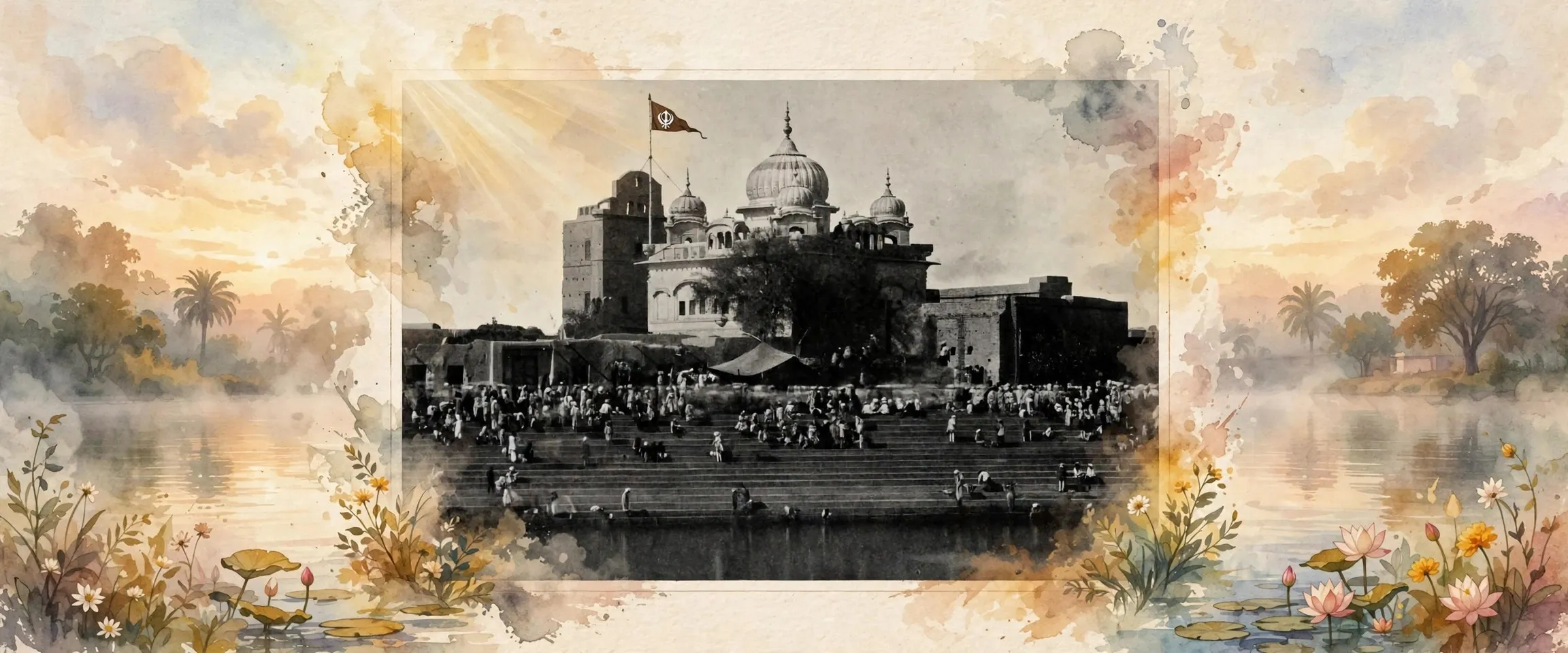
Sri Muktsar Sahib is a historic city in the Malwa region of Punjab, India — the site of Guru Gobind Singh Ji's 1705 Battle of Muktsar, where forty Sikhs won the liberation that gave the city its name: the Pool of Liberation. It is home to Gurdwara Tuti Ganddi Sahib and the annual Mela Maghi, one of the largest Sikh gatherings in Punjab.
- Facts
- Type
- City
- Country
- India
- State
- Punjab
- District
- Sri Muktsar Sahib
- Region
- Malwa
- Coordinates
- 30°29′N 74°31′E
- Population
- 117,085 (2011 census; 14th largest city in Punjab)
- Earlier name
- Khidrana / Khidrane di dhab
- Named
- 1705, after the Battle of Muktsar
- Renamed
- Sri Muktsar Sahib (February 2012)
- Known for
- Battle of Muktsar, Gurdwara Tuti Ganddi Sahib, Mela Maghi
- Nearby
- Bathinda (53 km), Ferozepur (52 km), Faridkot (50 km), Abohar (56 km)
Sri Muktsar Sahib (ਮੁਕਤਸਰ), usually called Muktsar, is a historic city in southwestern Punjab's Malwa region and the headquarters of Sri Muktsar Sahib district. It takes its name from the Battle of Muktsar of 1705, where Guru Gobind Singh Ji's Khalsa faced the Mughal army and forty Sikhs won the liberation — mukti — that gave the city its name: the Pool of Liberation.
The town grew around a great holy pool and the shrines that remember the battle. Every January, hundreds of thousands of devotees gather here for Mela Maghi, one of the largest religious gatherings of the Sikhs, to take a dip in the same sarovar.
Khidrana di Dhab: the name before Muktsar
The present city was once a semi-desert terrain called Khidrana or Khidrane di dhab, settled near a lake. The Sutlej is said to have shifted its course as far east as Muktsar in historical times, levelling whatever lay in its way — which is why the area carries almost no ancient buildings. Brar Jats of the region, under Chaudary Kapura, fought alongside Guru Gobind Singh Ji and the Chali Mukte against the Mughal armies.
The Battle of Muktsar, 1705
After the siege of Anandpur Sahib in 1704, forty Sikhs led by Maha Singh had written bedava — formal disclaimers — and left Guru Gobind Singh Ji. Shamed by Mai Bhago (Mata Bhag Kaur), they rode back to seek him out and met the Mughal army of Wazir Khan at Khidrane di Dhab. From a mound (tibbi) the Guru showered arrows on the imperial troops; thirst, searing heat and the Sikhs' fierce resistance forced the Mughals to retreat.
When the dead were being gathered, Maha Singh was found still alive. The Guru embraced him and, at his request, tore up the bedava — declaring the forty Guru Gobind Singh Ji's liberated ones, the muktas. From that mukti, and the sar (sarovar) by which it happened, the place took its name: Muktsar, the Pool of Liberation.
The gurdwaras of Muktsar
The main shrine is Gurdwara Tuti Ganddi Sahib, built by the first Sikh residents who settled here after 1743. Its large holy pool has the darbar sahib on its western bank, and the shrine stands in memory of the forty muktas. Tuti gandi means “broken ties” — the Guru's tearing of the bedava document.
In the same complex, near the southeastern corner of the pool, stands Gurdwara Tambu Sahib, built by Maharaja Mohinder Singh of Patiala. About 50 metres from the sarovar is Gurdwara Shahidganj Sahib, built by Raja Wazir Singh of Faridkot, where the Guru is believed to have cremated the martyrs. Gurdwara Tibbi Sahib marks the mound from which the Guru directed the battle; some 200 metres east, Gurdwara Rakabsar Sahib recalls the spot where his horse's stirrup (rakab) snapped. Gurdwara Sri Datansar Sahib and, on the Muktsar–Bathinda road, Gurdwara Taran Taran Sahib are also tied to Guru Gobind Singh Ji's stay here.
Mela Maghi
Every January the city hosts Mela Maghi, the annual tribute to the forty martyrs. Devotees arrive in huge numbers on 13 January at the gurdwaras, and the main event falls on 14 January, the day after Lohri — counted among the most important of all Sikh religious gatherings. Taking a dip in the holy pool is considered pious; despite the biting cold, sangats come from across Punjab, Haryana and Rajasthan. The fair runs for more than a fortnight, with stalls and rides, and political parties hold major rallies in the city during the mela.
The city today
Sri Muktsar Sahib became a district headquarters in November 1995 — earlier a tehsil of Ferozepur from 1947 to 1972, then of Faridkot — and was officially renamed Sri Muktsar Sahib in February 2012. The 2011 census put its population at 117,085, making it Punjab's 14th largest city. In May 2005 the city unveiled Mukt-e-Minar, an 81-foot khanda ringed by forty rings — among the world's tallest khandas — marking 300 years since the last Mughal–Khalsa battle.
The second Sikh Guru, Guru Angad Dev Ji, was born at Matte-di-Sarai (Sarainaga) in this same district, about 16 km east of the city. Muktsar is known for the Muktsari kurta pajama and the Muktsari jutti, and its people speak the Malwai dialect of Punjabi. Nearby cities include Bathinda (53 km), Ferozepur (52 km), Faridkot (50 km) and Abohar (56 km).
Why is it called Muktsar?
In 1705 Guru Gobind Singh Ji tore up the bedava letters of the forty Sikhs who died fighting beside him at Khidrana, declaring them liberated — muktas. The pool (sar) where this happened gave the place its name: Muktsar, the Pool of Liberation.
What happens at Mela Maghi?
On 13–14 January devotees gather at the gurdwaras, take a dip in the holy pool, and pay obeisance at the shrines of the forty martyrs. The fair extends for over a fortnight with stalls and rides, and major political rallies are held in the city during the mela.
ਸ੍ਰੀ ਮੁਕਤਸਰ ਸਾਹਿਬ (ਜਿਸਨੂੰ ਆਮ ਤੌਰ ’ਤੇ ਮੁਕਤਸਰ ਕਿਹਾ ਜਾਂਦਾ ਹੈ) ਪੰਜਾਬ ਦੇ ਦੱਖਣ-ਪੱਛਮ ਵਿੱਚ ਮਾਲਵਾ ਖੇਤਰ ਦਾ ਇਤਿਹਾਸਕ ਸ਼ਹਿਰ ਹੈ ਅਤੇ ਸ੍ਰੀ ਮੁਕਤਸਰ ਸਾਹਿਬ ਜ਼ਿਲ੍ਹੇ ਦਾ ਮੁੱਖ-ਸਥਾਨ ਹੈ ਇਸ ਦਾ ਨਾਂ 1705 ਦੀ ਮੁਕਤਸਰ ਦੀ ਜੰਗ ਤੋਂ ਪਿਆ — ਇੱਥੇ ਗੁਰੂ ਗੋਬਿੰਦ ਸਿੰਘ ਜੀ ਦੇ ਖ਼ਾਲਸੇ ਨੇ ਮੁਗ਼ਲ ਫ਼ੌਜ ਦਾ ਸਾਹਮਣਾ ਕੀਤਾ ਅਤੇ ਚਾਲੀ ਸਿੰਘਾਂ ਨੇ ਮੁਕਤੀ ਪ੍ਰਾਪਤ ਕੀਤੀ ਉਨ੍ਹਾਂ ਚਾਲੀਆਂ ਦੀ ਮੁਕਤੀ ਤੋਂ ਹੀ ਸ਼ਹਿਰ ਦਾ ਨਾਂ ਮੁਕਤਸਰ ਪਿਆ — ਮੁਕਤੀ ਦਾ ਸਰੋਵਰ
ਇਹ ਸ਼ਹਿਰ ਇੱਕ ਵੱਡੇ ਪਵਿੱਤਰ ਸਰੋਵਰ ਅਤੇ ਜੰਗ ਦੀ ਯਾਦ ਦੁਹਰਾਉਂਦੇ ਗੁਰਦੁਆਰਿਆਂ ਦੇ ਦੁਆਲੇ ਵਸਿਆ ਹੈ ਹਰ ਜਨਵਰੀ ਵਿੱਚ ਲੱਖਾਂ ਸ਼ਰਧਾਲੂ ਇੱਥੇ ਮੇਲਾ ਮਾਘੀ ਲਈ ਇਕੱਠੇ ਹੁੰਦੇ ਹਨ — ਸਿੱਖਾਂ ਦੇ ਸਭ ਤੋਂ ਵੱਡੇ ਧਾਰਮਿਕ ਇਕੱਠਾਂ ਵਿੱਚੋਂ ਇੱਕ — ਅਤੇ ਉਸੇ ਸਰੋਵਰ ਵਿੱਚ ਇਸਨਾਨ ਕਰਦੇ ਹਨ
ਖਿਦਰਾਣੇ ਦੀ ਢਾਬ: ਮੁਕਤਸਰ ਤੋਂ ਪਹਿਲਾਂ ਦਾ ਨਾਂ
ਅੱਜ ਦਾ ਸ੍ਰੀ ਮੁਕਤਸਰ ਸਾਹਿਬ ਪਹਿਲਾਂ ਖਿਦਰਾਣਾ ਜਾਂ ਖਿਦਰਾਣੇ ਦੀ ਢਾਬ ਵਜੋਂ ਜਾਣਿਆ ਜਾਂਦਾ ਅਰਧ-ਰੇਗਿਸਤਾਨੀ ਇਲਾਕਾ ਸੀ, ਜੋ ਇੱਕ ਝੀਲ ਦੇ ਨੇੜੇ ਵਸਿਆ ਹੋਇਆ ਸੀ ਕਿਹਾ ਜਾਂਦਾ ਹੈ ਕਿ ਸਤਲੁਜ ਦਰਿਆ ਆਪਣਾ ਰਾਹ ਬਦਲਦਾ ਰਹਿੰਦਾ ਸੀ ਅਤੇ ਇਤਿਹਾਸਕ ਸਮੇਂ ਵਿੱਚ ਇਹ ਮੁਕਤਸਰ ਤੱਕ ਪੂਰਬ ਵੱਲ ਵਗਦਾ ਸੀ ਚੌਧਰੀ ਕਪੂਰੇ ਦੀ ਅਗਵਾਈ ਹੇਠ ਬਰਾੜ ਜੱਟਾਂ ਨੇ ਗੁਰੂ ਗੋਬਿੰਦ ਸਿੰਘ ਜੀ ਅਤੇ ਚਾਲੀ ਮੁਕਤਿਆਂ ਦੇ ਨਾਲ ਮਿਲ ਕੇ ਮੁਗ਼ਲ ਫ਼ੌਜਾਂ ਨਾਲ ਜੰਗ ਲੜੀ
ਮੁਕਤਸਰ ਦੀ ਜੰਗ, 1705
1704 ਵਿੱਚ ਆਨੰਦਪੁਰ ਸਾਹਿਬ ਦੇ ਘੇਰੇ ਮਗਰੋਂ ਚਾਲੀ ਸਿੰਘ — ਮਹਾ ਸਿੰਘ ਦੀ ਅਗਵਾਈ ਹੇਠ — ਗੁਰੂ ਗੋਬਿੰਦ ਸਿੰਘ ਜੀ ਨੂੰ ਬੇਦਾਵੇ (ਤਿਆਗ-ਪੱਤਰ) ਲਿਖ ਕੇ ਛੱਡ ਗਏ ਸਨ ਮਾਈ ਭਾਗੋ (ਮਾਤਾ ਭਾਗ ਕੌਰ) ਦੀ ਪ੍ਰੇਰਨਾ ਨਾਲ ਉਹ ਵਾਪਸ ਮੁੜੇ ਅਤੇ ਖਿਦਰਾਣੇ ਦੀ ਢਾਬ ਨੇੜੇ ਵਜ਼ੀਰ ਖ਼ਾਨ ਦੀ ਫ਼ੌਜ ਨਾਲ ਲੜੇ ਗੁਰੂ ਜੀ ਨੇ ਟਿੱਬੀ ਤੋਂ ਤੀਰਾਂ ਦੀ ਵਰਖਾ ਕੀਤੀ ਪਿਆਸ, ਗਰਮੀ ਅਤੇ ਸਿੰਘਾਂ ਦੇ ਡਟਵੇਂ ਵਿਰੋਧ ਅੱਗੇ ਮੁਗ਼ਲ ਫ਼ੌਜ ਨੂੰ ਪਿੱਛੇ ਹਟਣਾ ਪਿਆ
ਜੰਗ ਤੋਂ ਬਾਅਦ ਜਦੋਂ ਸ਼ਹੀਦਾਂ ਨੂੰ ਇਕੱਠਾ ਕੀਤਾ ਜਾ ਰਿਹਾ ਸੀ, ਮਹਾ ਸਿੰਘ ਅਜੇ ਜਿਉਂਦਾ ਮਿਲਿਆ ਗੁਰੂ ਜੀ ਨੇ ਉਸ ਨੂੰ ਗਲ ਨਾਲ ਲਾਇਆ ਅਤੇ ਉਸ ਦੀ ਬੇਨਤੀ ’ਤੇ ਬੇਦਾਵਾ ਪਾੜ ਦਿੱਤਾ — ਚਾਲੀਆਂ ਨੂੰ ਮੁਕਤੇ ਕਰਾਰ ਦਿੱਤਾ ਇਸੇ ‘ਮੁਕਤੀ’ ਤੋਂ ਅਤੇ ਉਸ ਸਰ (ਸਰੋਵਰ) ਤੋਂ, ਜਿਸ ਕੋਲ ਇਹ ਵਾਪਰਿਆ, ਇਸ ਥਾਂ ਦਾ ਨਾਂ ਮੁਕਤਸਰ ਪਿਆ — ਮੁਕਤੀ ਦਾ ਸਰੋਵਰ
ਮੁਕਤਸਰ ਦੇ ਗੁਰਦੁਆਰੇ
ਇੱਥੋਂ ਦਾ ਮੁੱਖ ਗੁਰਦੁਆਰਾ ਗੁਰਦੁਆਰਾ ਟੁੱਟੀ ਗੰਢੀ ਸਾਹਿਬ ਹੈ, ਜੋ 1743 ਤੋਂ ਬਾਅਦ ਵਸੇ ਪਹਿਲੇ ਸਿੱਖ ਵਾਸੀਆਂ ਨੇ ਬਣਵਾਇਆ ਸੀ ਇਸ ਦਾ ਵੱਡਾ ਪਵਿੱਤਰ ਸਰੋਵਰ ਹੈ ਅਤੇ ਦਰਬਾਰ ਸਾਹਿਬ ਸਰੋਵਰ ਦੇ ਪੱਛਮੀ ਕੰਢੇ ’ਤੇ ਹੈ ਇਹ ਅਸਥਾਨ ਦਸਵੇਂ ਪਾਤਸ਼ਾਹ ਲਈ ਲੜਦੇ ਸ਼ਹੀਦ ਹੋਏ ਚਾਲੀ ਮੁਕਤਿਆਂ ਦੀ ਯਾਦ ਵਿੱਚ ਹੈ ‘ਟੁੱਟੀ ਗੰਢੀ’ ਦਾ ਅਰਥ ਹੈ ‘ਟੁੱਟੇ ਹੋਏ ਬੰਧਨ’ — ਗੁਰੂ ਜੀ ਵੱਲੋਂ ਬੇਦਾਵਾ ਪਾੜਨ ਦੀ ਯਾਦ
ਇਸੇ ਕੰਪਲੈਕਸ ਵਿੱਚ, ਸਰੋਵਰ ਦੇ ਦੱਖਣ-ਪੂਰਬੀ ਕੋਨੇ ਨੇੜੇ, ਗੁਰਦੁਆਰਾ ਤੰਬੂ ਸਾਹਿਬ ਹੈ, ਜੋ ਪਟਿਆਲੇ ਦੇ ਮਹਾਰਾਜਾ ਮੋਹਿੰਦਰ ਸਿੰਘ ਨੇ ਬਣਵਾਇਆ ਸੀ ਸਰੋਵਰ ਤੋਂ ਕਰੀਬ 50 ਮੀਟਰ ਦੂਰ ਗੁਰਦੁਆਰਾ ਸ਼ਹੀਦਗੰਜ ਸਾਹਿਬ ਹੈ, ਜੋ ਫਰੀਦਕੋਟ ਦੇ ਰਾਜਾ ਵਜ਼ੀਰ ਸਿੰਘ ਨੇ ਬਣਵਾਇਆ — ਕਿਹਾ ਜਾਂਦਾ ਹੈ ਕਿ ਗੁਰੂ ਜੀ ਨੇ ਇੱਥੇ ਸ਼ਹੀਦਾਂ ਦਾ ਸਸਕਾਰ ਕੀਤਾ ਸੀ ਗੁਰਦੁਆਰਾ ਟਿੱਬੀ ਸਾਹਿਬ ਉਸ ਟਿੱਬੀ ’ਤੇ ਹੈ, ਜਿੱਥੋਂ ਗੁਰੂ ਜੀ ਨੇ ਜੰਗ ਦਾ ਨਜ਼ਾਰਾ ਦੇਖਿਆ ਸੀ ਇਸ ਤੋਂ ਕਰੀਬ 200 ਮੀਟਰ ਪੂਰਬ ਗੁਰਦੁਆਰਾ ਰਕਾਬਸਰ ਸਾਹਿਬ ਹੈ, ਜਿੱਥੇ ਸਿੱਖ ਇਤਿਹਾਸ ਅਨੁਸਾਰ ਗੁਰੂ ਜੀ ਦੇ ਘੋੜੇ ਦੀ ਰਕਾਬ ਟੁੱਟ ਗਈ ਸੀ ਗੁਰਦੁਆਰਾ ਦਾਤਣਸਰ ਸਾਹਿਬ ਅਤੇ ਮੁਕਤਸਰ–ਬਠਿੰਡਾ ਸੜਕ ’ਤੇ ਗੁਰਦੁਆਰਾ ਤਾਰਨ ਤਾਰਨ ਸਾਹਿਬ ਵੀ ਗੁਰੂ ਗੋਬਿੰਦ ਸਿੰਘ ਜੀ ਦੇ ਇੱਥੋਂ ਦੇ ਠਹਿਰਾਅ ਨਾਲ ਜੁੜੇ ਹੋਏ ਹਨ
ਮੇਲਾ ਮਾਘੀ
ਹਰ ਜਨਵਰੀ ਵਿੱਚ ਸ਼ਹਿਰ ਵਿੱਚ ਮੇਲਾ ਮਾਘੀ ਲੱਗਦਾ ਹੈ — ਚਾਲੀ ਸ਼ਹੀਦਾਂ ਨੂੰ ਸਾਲਾਨਾ ਸ਼ਰਧਾਂਜਲੀ 13 ਜਨਵਰੀ ਨੂੰ ਗੁਰਦੁਆਰਿਆਂ ਵਿੱਚ ਸ਼ਰਧਾਲੂ ਵੱਡੀ ਗਿਣਤੀ ਵਿੱਚ ਪਹੁੰਚਦੇ ਹਨ ਅਤੇ ਮੁੱਖ ਸਮਾਗਮ 14 ਜਨਵਰੀ ਨੂੰ ਹੁੰਦਾ ਹੈ — ਲੋਹੜੀ ਤੋਂ ਅਗਲੇ ਦਿਨ — ਜੋ ਸਿੱਖਾਂ ਦੇ ਸਭ ਤੋਂ ਅਹਿਮ ਧਾਰਮਿਕ ਇਕੱਠਾਂ ਵਿੱਚ ਗਿਣਿਆ ਜਾਂਦਾ ਹੈ ਪਵਿੱਤਰ ਸਰੋਵਰ ਵਿੱਚ ਇਸਨਾਨ ਕਰਨਾ ਪੁੰਨ ਮੰਨਿਆ ਜਾਂਦਾ ਹੈ ਕੜਾਕੇ ਦੀ ਠੰਢ ਦੇ ਬਾਵਜੂਦ ਪੰਜਾਬ, ਹਰਿਆਣਾ ਅਤੇ ਰਾਜਸਥਾਨ ਤੋਂ ਸੰਗਤਾਂ ਆਉਂਦੀਆਂ ਹਨ ਮੇਲਾ ਦੋ ਹਫ਼ਤਿਆਂ ਤੋਂ ਵੱਧ ਚੱਲਦਾ ਹੈ — ਦੁਕਾਨਾਂ ਅਤੇ ਝੂਲੇ ਲੱਗਦੇ ਹਨ ਅਤੇ ਸ਼ਹਿਰ ਵਿੱਚ ਸਿਆਸੀ ਪਾਰਟੀਆਂ ਵੱਡੀਆਂ ਰੈਲੀਆਂ ਕਰਦੀਆਂ ਹਨ
ਅੱਜ ਦਾ ਸ਼ਹਿਰ
ਸ੍ਰੀ ਮੁਕਤਸਰ ਸਾਹਿਬ ਨਵੰਬਰ 1995 ਵਿੱਚ ਜ਼ਿਲ੍ਹਾ ਮੁੱਖ-ਸਥਾਨ ਬਣਿਆ — ਇਸ ਤੋਂ ਪਹਿਲਾਂ 1947 ਤੋਂ 1972 ਤੱਕ ਇਹ ਫ਼ਿਰੋਜ਼ਪੁਰ ਜ਼ਿਲ੍ਹੇ ਦੀ ਤਹਿਸੀਲ ਰਿਹਾ ਅਤੇ ਫਿਰ ਫਰੀਦਕੋਟ ਦਾ — ਅਤੇ ਫਰਵਰੀ 2012 ਵਿੱਚ ਇਸ ਦਾ ਨਾਂ ਅਧਿਕਾਰਤ ਤੌਰ ’ਤੇ ਸ੍ਰੀ ਮੁਕਤਸਰ ਸਾਹਿਬ ਰੱਖਿਆ ਗਿਆ 2011 ਦੀ ਜਨਗਣਨਾ ਮੁਤਾਬਕ ਇੱਥੋਂ ਦੀ ਆਬਾਦੀ 1,17,085 ਸੀ — ਪੰਜਾਬ ਦਾ 14ਵਾਂ ਸਭ ਤੋਂ ਵੱਡਾ ਸ਼ਹਿਰ ਮਈ 2005 ਵਿੱਚ ਸ਼ਹਿਰ ਵਿੱਚ ਮੁਕਤੇ-ਮੀਨਾਰ ਦਾ ਉਦਘਾਟਨ ਹੋਇਆ — 81 ਫੁੱਟ ਉੱਚਾ ਖੰਡਾ, ਜਿਸ ਦੇ ਦੁਆਲੇ 40 ਛੱਲੇ ਹਨ — ਜੋ ਆਖ਼ਰੀ ਮੁਗ਼ਲ–ਖ਼ਾਲਸਾ ਜੰਗ ਦੇ 300 ਸਾਲ ਪੂਰੇ ਹੋਣ ਦੀ ਯਾਦ ਦੁਹਰਾਉਂਦਾ ਹੈ
ਦੂਜੇ ਪਾਤਸ਼ਾਹ ਗੁਰੂ ਅੰਗਦ ਦੇਵ ਜੀ ਦਾ ਜਨਮ ਇਸੇ ਜ਼ਿਲ੍ਹੇ ਦੇ ਪਿੰਡ ਮੱਤੇ ਦੀ ਸਰਾਏ (ਸਰਾਈਨਗਾ) ਵਿੱਚ ਹੋਇਆ ਸੀ, ਜੋ ਸ਼ਹਿਰ ਤੋਂ ਕਰੀਬ 16 ਕਿਲੋਮੀਟਰ ਪੂਰਬ ਹੈ ਮੁਕਤਸਰੀ ਕੁੜਤਾ-ਪਜਾਮਾ ਅਤੇ ਮੁਕਤਸਰੀ ਜੁੱਤੀ ਮਸ਼ਹੂਰ ਹਨ ਅਤੇ ਇੱਥੇ ਮਲਵਈ ਪੰਜਾਬੀ ਬੋਲੀ ਜਾਂਦੀ ਹੈ ਨੇੜਲੇ ਸ਼ਹਿਰ ਹਨ: ਬਠਿੰਡਾ (53 ਕਿਮੀ), ਫ਼ਿਰੋਜ਼ਪੁਰ (52 ਕਿਮੀ), ਫਰੀਦਕੋਟ (50 ਕਿਮੀ) ਅਤੇ ਅਬੋਹਰ (56 ਕਿਮੀ)
ਮੁਕਤਸਰ ਦਾ ਨਾਂ ਮੁਕਤਸਰ ਕਿਉਂ ਪਿਆ?
1705 ਵਿੱਚ ਗੁਰੂ ਗੋਬਿੰਦ ਸਿੰਘ ਜੀ ਨੇ ਖਿਦਰਾਣੇ ਵਿਖੇ ਲੜਦੇ ਸ਼ਹੀਦ ਹੋਏ ਚਾਲੀ ਸਿੰਘਾਂ ਦੇ ਬੇਦਾਵੇ ਪਾੜ ਦਿੱਤੇ ਅਤੇ ਉਨ੍ਹਾਂ ਨੂੰ ਮੁਕਤੇ ਕਰਾਰ ਦਿੱਤਾ ਜਿਸ ਸਰੋਵਰ ਕੋਲ ਇਹ ਵਾਪਰਿਆ, ਉਸ ਤੋਂ ਇਸ ਥਾਂ ਦਾ ਨਾਂ ਮੁਕਤਸਰ ਪਿਆ — ਮੁਕਤੀ ਦਾ ਸਰੋਵਰ
ਮੇਲਾ ਮਾਘੀ ਵਿੱਚ ਕੀ ਹੁੰਦਾ ਹੈ?
13–14 ਜਨਵਰੀ ਨੂੰ ਸ਼ਰਧਾਲੂ ਗੁਰਦੁਆਰਿਆਂ ਵਿੱਚ ਇਕੱਠੇ ਹੁੰਦੇ ਹਨ, ਪਵਿੱਤਰ ਸਰੋਵਰ ਵਿੱਚ ਇਸਨਾਨ ਕਰਦੇ ਹਨ ਅਤੇ ਚਾਲੀ ਸ਼ਹੀਦਾਂ ਦੇ ਅਸਥਾਨਾਂ ਦੇ ਦਰਸ਼ਨ ਕਰਦੇ ਹਨ ਮੇਲਾ ਦੋ ਹਫ਼ਤਿਆਂ ਤੋਂ ਵੱਧ ਚੱਲਦਾ ਹੈ — ਦੁਕਾਨਾਂ ਅਤੇ ਝੂਲੇ ਲੱਗਦੇ ਹਨ ਅਤੇ ਮੇਲੇ ਦੌਰਾਨ ਸ਼ਹਿਰ ਵਿੱਚ ਵੱਡੀਆਂ ਸਿਆਸੀ ਰੈਲੀਆਂ ਵੀ ਹੁੰਦੀਆਂ ਹਨ