
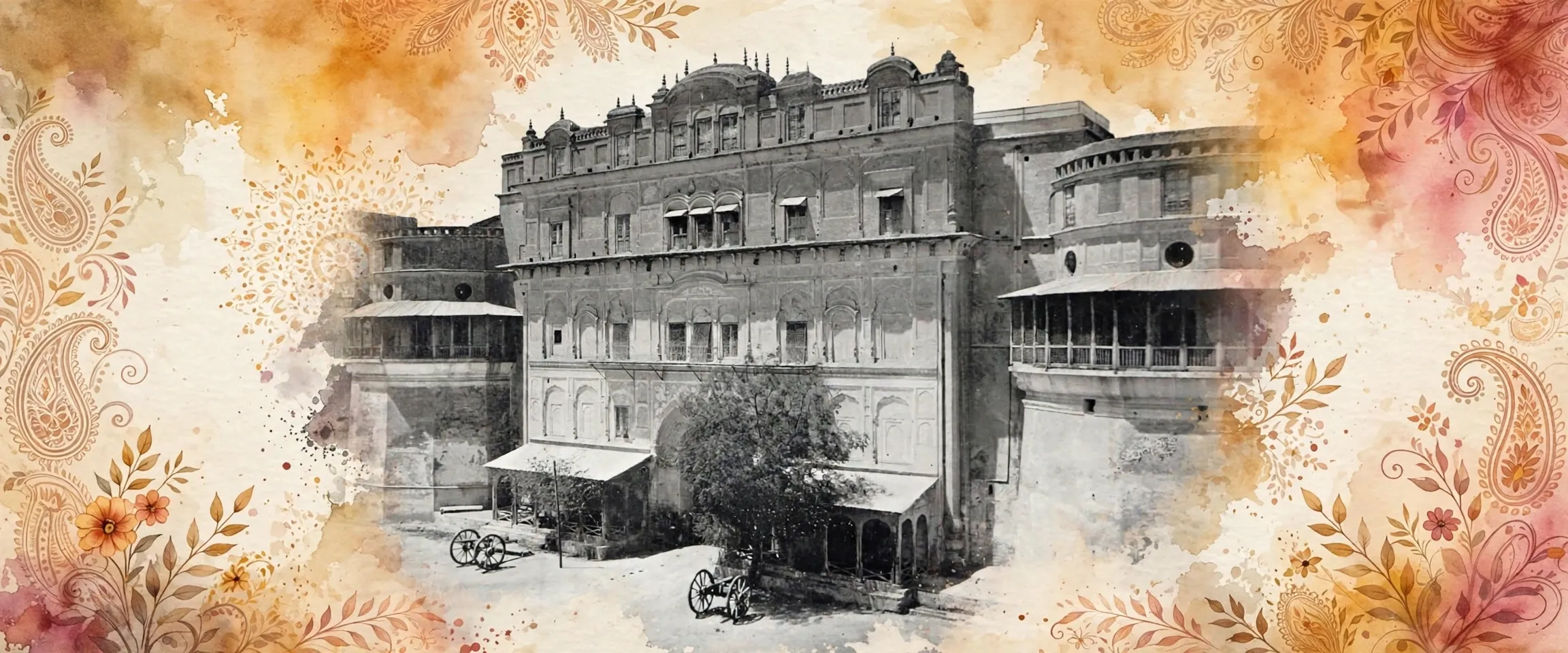
Faridkot (ਫ਼ਰੀਦਕੋਟ) is a historic city in Punjab’s Malwa region named after the 13th-century Sufi saint Baba Farid. Once the capital of the Faridkot princely state, it is home to the Qila Mubarak fort, Gurdwara Tilla Baba Farid, and the annual Aagman Purab festival.
- Facts
- Type
- City
- District
- Faridkot
- Region
- Malwa
- Location
- Punjab, India
- Founded
- 13th century (as Mokalhar)
- Named after
- Baba Farid
- Known for
- Qila Mubarak; Aagman Purab festival
- Population
- 87,695 (2011 census)
- Coordinates
- 30.67°N, 74.76°E
A city named for a Sufi saint
Faridkot (ਫ਼ਰੀਦਕੋਟ) is a city in the south-western part of Punjab, India, and the headquarters of Faridkot district. The city is named in honour of Baba Farid, the revered 13th-century Sufi saint whose shrine stands at Pakpattan in present-day Pakistan.
The town was founded in the 13th century as Mokalhar by Raja Mokalsi, the grandson of Rai Munj, a Bhatti chief of Bhatnair in Rajasthan. According to popular folklore, the Raja renamed Mokalhar to Faridkot after Baba Farid visited the town — possibly after an incident in which the saint was briefly detained and then released by the Raja’s soldiers. It remained the capital during the reign of Mokalsi’s sons Jairsi and Wairsi.
Capital of a princely state
The foundation of the modern city as a princely state was laid in 1763 by Hamir Singh. From 1807 to 1809 the city was briefly under the rule of Maharaja Ranjit Singh, before being restored to the reigning Brar family through British intervention. The city continued as the capital of Faridkot State under British suzerainty until 1947.
After independence it became part of the Patiala & East Punjab States Union (PEPSU) in 1948. Faridkot was carved out as a separate district on 7 August 1972 from Bathinda and Ferozepur districts, and in November 1995 the district was trifurcated when Muktsar and Moga became independent districts. Today Faridkot also serves as the headquarters of the Faridkot Division, established in 1995 and covering the Faridkot, Bathinda and Mansa districts.
Qila Mubarak: the fort of Faridkot
The city’s landmark is Qila Mubarak, or Faridkot Fort — a historic fortress spread over ten acres and associated with the princely state of Faridkot. Originally constructed by Raja Mokalsi, it was renovated and extended by successive rulers: Hamir Singh reconstructed it in 1775, and Raja Bikram Singh and Raja Balbir Singh built the present main structure in 1890.
The fort’s Sheesh Mahal is famed for its concave and convex glasswork and mirror work, with murals painted by Pahari artists around 1875–1900 — including frescoes of Krishna, from whom the Faridkot rulers traced their ancestry. After the death of Raja Harinder Singh, the last ruler of Faridkot State, a decades-long legal dispute over the fort’s ownership was settled in 2022 in favour of the two former princesses of Faridkot State, Amrit Kaur and Deepinder Kaur.
Aagman Purab: the festival of Baba Farid’s arrival
Every year Faridkot holds a three-day festival from 21 to 23 September to commemorate the arrival of Baba Farid in the city. On 23 September a grand parade departs from Tilla Baba Farid and reaches Godari Sahib, drawing devotees from across the region.
Education, transport and today
The city houses Baba Farid University of Health Sciences, the premier medical university of Punjab. Guru Gobind Singh Medical College and Hospital was established in 1978, while Government Brajindra College was set up in 1942 and the Desh Bhagat Pandit Chetan Dev Government College of Education in 1945 by the Faridkot royalty.
Faridkot is well connected by road through National Highway 54, and Faridkot railway station lies on the Bathinda–Firozpur line. As of the 2011 census the city had a population of 87,695.
Why is Faridkot named after Baba Farid?
Folklore holds that Raja Mokalsi renamed his town Mokalhar to Faridkot after a visit by the 13th-century Sufi saint Baba Farid, honouring the saint whose shrine is at Pakpattan in Pakistan.
When is Aagman Purab celebrated in Faridkot?
Aagman Purab is celebrated for three days every year from 21 to 23 September, ending with a grand parade from Tilla Baba Farid to Godari Sahib on 23 September.
ਸੂਫੀ ਸੰਤ ਦੇ ਨਾਂ ਉੱਤੇ ਵਸਿਆ ਸ਼ਹਿਰ
ਫ਼ਰੀਦਕੋਟ (ਫ਼ਰੀਦਕੋਟ) ਭਾਰਤ ਦੇ ਪੰਜਾਬ ਦੇ ਦੱਖਣ-ਪੱਛਮੀ ਹਿੱਸੇ ਦਾ ਇੱਕ ਸ਼ਹਿਰ ਹੈ ਅਤੇ ਫ਼ਰੀਦਕੋਟ ਜ਼ਿਲ੍ਹੇ ਦਾ ਮੁੱਖ ਦਫ਼ਤਰ ਹੈ। ਇਸ ਸ਼ਹਿਰ ਦਾ ਨਾਂ ਤੇਰ੍ਹਵੀਂ ਸਦੀ ਦੇ ਸਤਿਕਾਰਤ ਸੂਫੀ ਸੰਤ ਬਾਬਾ ਫ਼ਰੀਦ ਦੇ ਸਨਮਾਨ ਵਿੱਚ ਰੱਖਿਆ ਗਿਆ ਹੈ, ਜਿਨ੍ਹਾਂ ਦਾ ਦਰਗਾਹ ਅਜੋਕੇ ਪਾਕਿਸਤਾਨ ਦੇ ਪਾਕਪਤਨ ਵਿਖੇ ਹੈ।
ਇਸ ਕਸਬੇ ਦੀ ਨੀਂਹ ਤੇਰ੍ਹਵੀਂ ਸਦੀ ਵਿੱਚ ਰਾਜਾ ਮੋਕਲਸੀ ਨੇ ਮੋਕਲਹਰ ਦੇ ਰੂਪ ਵਿੱਚ ਰੱਖੀ ਸੀ — ਉਹ ਰਾਏ ਮੁੰਜ ਦੇ ਪੋਤੇ ਸਨ, ਜੋ ਰਾਜਸਥਾਨ ਦੇ ਭਟਨੇਰ ਦੇ ਭੱਟੀ ਮੁਖੀ ਸਨ। ਲੋਕ-ਕਥਾ ਅਨੁਸਾਰ ਰਾਜੇ ਨੇ ਮੋਕਲਹਰ ਦਾ ਨਾਂ ਬਾਬਾ ਫ਼ਰੀਦ ਦੇ ਦੌਰੇ ਤੋਂ ਬਾਅਦ ਫ਼ਰੀਦਕੋਟ ਰੱਖ ਦਿੱਤਾ — ਕਿਹਾ ਜਾਂਦਾ ਹੈ ਕਿ ਇੱਕ ਵਾਰ ਬਾਬਾ ਫ਼ਰੀਦ ਨੂੰ ਰਾਜੇ ਦੇ ਸਿਪਾਹੀਆਂ ਨੇ ਥੋੜ੍ਹੀ ਦੇਰ ਹਿਰਾਸਤ ਵਿੱਚ ਰੱਖਿਆ ਅਤੇ ਫਿਰ ਰਿਹਾ ਕਰ ਦਿੱਤਾ ਸੀ। ਮੋਕਲਸੀ ਦੇ ਪੁੱਤਰਾਂ ਜੈਰਸੀ ਅਤੇ ਵੈਰਸੀ ਦੇ ਰਾਜ ਦੌਰਾਨ ਵੀ ਇਹ ਰਾਜਧਾਨੀ ਰਿਹਾ।
ਇੱਕ ਰਿਆਸਤ ਦੀ ਰਾਜਧਾਨੀ
ਆਧੁਨਿਕ ਸ਼ਹਿਰ ਦੀ ਰਿਆਸਤ ਵਜੋਂ ਨੀਂਹ 1763 ਵਿੱਚ ਹਮੀਰ ਸਿੰਘ ਨੇ ਰੱਖੀ। 1807 ਤੋਂ 1809 ਤੱਕ ਇਹ ਸ਼ਹਿਰ ਥੋੜ੍ਹੇ ਸਮੇਂ ਲਈ ਮਹਾਰਾਜਾ ਰਣਜੀਤ ਸਿੰਘ ਦੇ ਅਧੀਨ ਰਿਹਾ, ਫਿਰ ਬ੍ਰਿਟਿਸ਼ ਦਖ਼ਲ ਨਾਲ ਇਸਨੂੰ ਬਰਾੜ ਪਰਿਵਾਰ ਨੂੰ ਵਾਪਸ ਕਰ ਦਿੱਤਾ ਗਿਆ। 1947 ਤੱਕ ਇਹ ਸ਼ਹਿਰ ਬ੍ਰਿਟਿਸ਼ ਅਧੀਨ ਫ਼ਰੀਦਕੋਟ ਰਿਆਸਤ ਦੀ ਰਾਜਧਾਨੀ ਰਿਹਾ।
ਆਜ਼ਾਦੀ ਤੋਂ ਬਾਅਦ 1948 ਵਿੱਚ ਇਹ ਪਟਿਆਲਾ ਅਤੇ ਪੂਰਬੀ ਪੰਜਾਬ ਰਾਜ ਸੰਘ (ਪੈਪਸੂ) ਦਾ ਹਿੱਸਾ ਬਣਿਆ। 7 ਅਗਸਤ 1972 ਨੂੰ ਬਠਿੰਡਾ ਅਤੇ ਫ਼ਿਰੋਜ਼ਪੁਰ ਜ਼ਿਲ੍ਹਿਆਂ ਵਿੱਚੋਂ ਫ਼ਰੀਦਕੋਟ ਨੂੰ ਵੱਖਰਾ ਜ਼ਿਲ੍ਹਾ ਬਣਾਇਆ ਗਿਆ, ਅਤੇ ਨਵੰਬਰ 1995 ਵਿੱਚ ਜ਼ਿਲ੍ਹੇ ਦਾ ਤਿੰਨ-ਭਾਗੀ ਵੰਡ ਹੋਇਆ ਜਦੋਂ ਮੁਕਤਸਰ ਅਤੇ ਮੋਗਾ ਆਜ਼ਾਦ ਜ਼ਿਲ੍ਹੇ ਬਣੇ। ਅੱਜ ਫ਼ਰੀਦਕੋਟ 1995 ਵਿੱਚ ਸਥਾਪਤ ਫ਼ਰੀਦਕੋਟ ਡਿਵੀਜ਼ਨ ਦਾ ਵੀ ਮੁੱਖ ਦਫ਼ਤਰ ਹੈ, ਜਿਸ ਵਿੱਚ ਫ਼ਰੀਦਕੋਟ, ਬਠਿੰਡਾ ਅਤੇ ਮਾਨਸਾ ਜ਼ਿਲ੍ਹੇ ਸ਼ਾਮਲ ਹਨ।
ਕਿਲ੍ਹਾ ਮੁਬਾਰਕ: ਫ਼ਰੀਦਕੋਟ ਦਾ ਕਿਲ੍ਹਾ
ਸ਼ਹਿਰ ਦਾ ਮੁੱਖ ਨਿਸ਼ਾਨ ਕਿਲ੍ਹਾ ਮੁਬਾਰਕ ਹੈ, ਜਿਸਨੂੰ ਫ਼ਰੀਦਕੋਟ ਦਾ ਕਿਲ੍ਹਾ ਵੀ ਕਿਹਾ ਜਾਂਦਾ ਹੈ — ਇਹ ਦਸ ਏਕੜ ਵਿੱਚ ਫੈਲਿਆ ਇੱਕ ਇਤਿਹਾਸਕ ਕਿਲ੍ਹਾ ਹੈ ਜੋ ਫ਼ਰੀਦਕੋਟ ਰਿਆਸਤ ਨਾਲ ਜੁੜਿਆ ਹੋਇਆ ਹੈ। ਇਸਨੂੰ ਮੂਲ ਰੂਪ ਵਿੱਚ ਰਾਜਾ ਮੋਕਲਸੀ ਨੇ ਬਣਵਾਇਆ ਸੀ; ਬਾਅਦ ਵਿੱਚ ਹਮੀਰ ਸਿੰਘ ਨੇ 1775 ਵਿੱਚ ਇਸਦਾ ਪੁਨਰਨਿਰਮਾਣ ਕੀਤਾ ਅਤੇ ਰਾਜਾ ਬਿਕਰਮ ਸਿੰਘ ਤੇ ਰਾਜਾ ਬਲਬੀਰ ਸਿੰਘ ਨੇ 1890 ਵਿੱਚ ਇਸਦੀ ਮੌਜੂਦਾ ਮੁੱਖ ਇਮਾਰਤ ਬਣਵਾਈ।
ਕਿਲ੍ਹੇ ਦਾ ਸ਼ੀਸ਼ ਮਹਿਲ ਆਪਣੇ ਅਵਤਲ-ਉੱਤਲ ਸ਼ੀਸ਼ੇ ਦੇ ਕੱਮ ਅਤੇ ਆਈਨਾਕਾਰੀ ਲਈ ਮਸ਼ਹੂਰ ਹੈ, ਜਿੱਥੇ 1875–1900 ਦੇ ਆਸਪਾਸ ਪਹਾੜੀ ਕਲਾਕਾਰਾਂ ਦੀਆਂ ਬਣਾਈਆਂ ਮੂਰਤਾਂ ਹਨ — ਇਨ੍ਹਾਂ ਵਿੱਚ ਕ੍ਰਿਸ਼ਨ ਦੀਆਂ ਤਸਵੀਰਾਂ ਵੀ ਹਨ, ਜਿਨ੍ਹਾਂ ਤੋਂ ਫ਼ਰੀਦਕੋਟ ਦੇ ਸ਼ਾਸਕ ਆਪਣੀ ਵੰਸ਼ਾਵਲੀ ਜੋੜਦੇ ਸਨ। ਫ਼ਰੀਦਕੋਟ ਰਿਆਸਤ ਦੇ ਆਖ਼ਰੀ ਸ਼ਾਸਕ ਰਾਜਾ ਹਰਿੰਦਰ ਸਿੰਘ ਦੀ ਮੌਤ ਤੋਂ ਬਾਅਦ ਕਿਲ੍ਹੇ ਦੀ ਮਲਕੀਅਤ ਨੂੰ ਲੈ ਕੇ ਦਹਾਕਿਆਂ ਚੱਲਿਆ ਕਾਨੂੰਨੀ ਵਿਵਾਦ 2022 ਵਿੱਚ ਫ਼ਰੀਦਕੋਟ ਰਿਆਸਤ ਦੀਆਂ ਦੋ ਸਾਬਕਾ ਰਾਜਕੁਮਾਰੀਆਂ, ਅੱਮ੍ਰਿਤ ਕੌਰ ਅਤੇ ਦੀਪਿੰਦਰ ਕੌਰ ਦੇ ਹੱਕ ਵਿੱਚ ਨਿਪਟਿਆ।
ਆਗਮਨ ਪੁਰਬ: ਬਾਬਾ ਫ਼ਰੀਦ ਦੇ ਆਗਮਨ ਦਾ ਤਿਉਹਾਰ
ਹਰ ਸਾਲ ਫ਼ਰੀਦਕੋਟ ਵਿੱਚ ਬਾਬਾ ਫ਼ਰੀਦ ਦੇ ਸ਼ਹਿਰ ਆਗਮਨ ਦੀ ਯਾਦ ਵਿੱਚ 21 ਤੋਂ 23 ਸਤੰਬਰ ਤੱਕ ਤਿੰਨ ਦਿਨਾਂ ਦਾ ਤਿਉਹਾਰ ਮਨਾਇਆ ਜਾਂਦਾ ਹੈ। 23 ਸਤੰਬਰ ਨੂੰ ਟਿੱਲਾ ਬਾਬਾ ਫ਼ਰੀਦ ਤੋਂ ਇੱਕ ਸ਼ਾਨਦਾਰ ਨਗਰ ਕੀਰਤਨ ਨਿਕਲਦਾ ਹੈ ਜੋ ਗੋਦੜੀ ਸਾਹਿਬ ਪਹੁੰਚਦਾ ਹੈ, ਜਿਸ ਵਿੱਚ ਇਲਾਕੇ ਭਰ ਤੋਂ ਸ਼ਰਧਾਲੂ ਸ਼ਾਮਲ ਹੁੰਦੇ ਹਨ।
ਸਿੱਖਿਆ, ਆਵਾਜ਼ਾਈ ਅਤੇ ਅੱਜ ਦਾ ਫ਼ਰੀਦਕੋਟ
ਇਸ ਸ਼ਹਿਰ ਵਿੱਚ ਬਾਬਾ ਫ਼ਰੀਦ ਯੂਨੀਵਰਸਿਟੀ ਆਫ਼ ਹੈਲਥ ਸਾਇਨਸਿਜ਼ ਹੈ, ਜੋ ਪੰਜਾਬ ਦੀ ਪ੍ਰਮੁੱਖ ਮੈਡੀਕਲ ਯੂਨੀਵਰਸਿਟੀ ਹੈ। ਗੁਰੂ ਗੋਬਿੰਦ ਸਿੰਘ ਮੈਡੀਕਲ ਕਾਲਜ ਅਤੇ ਹਸਪਤਾਲ 1978 ਵਿੱਚ ਸਥਾਪਤ ਹੋਇਆ, ਜਦੋਂ ਕਿ ਸਰਕਾਰੀ ਬ੍ਰਜਿੰਦਰਾ ਕਾਲਜ 1942 ਵਿੱਚ ਅਤੇ ਦੇਸ਼ ਭਗਤ ਪੰਡਿਤ ਚੇਤਨ ਦੇਵ ਸਰਕਾਰੀ ਸਿੱਖਿਆ ਕਾਲਜ 1945 ਵਿੱਚ ਫ਼ਰੀਦਕੋਟ ਸ਼ਾਹੀ ਪਰਿਵਾਰ ਵੱਲੋਂ ਸਥਾਪਤ ਕੀਤਾ ਗਿਆ।
ਫ਼ਰੀਦਕੋਟ ਰਾਸ਼ਟਰੀ ਰਾਜਮਾਰਗ 54 ਰਾਹੀਂ ਸੜਕੀ ਆਵਾਜ਼ਾਈ ਨਾਲ ਚੰਗੀ ਤਰ੍ਹਾਂ ਜੁੜਿਆ ਹੈ, ਅਤੇ ਫ਼ਰੀਦਕੋਟ ਰੇਲਵੇ ਸਟੇਸ਼ਨ ਬਠਿੰਡਾ–ਫ਼ਿਰੋਜ਼ਪੁਰ ਲਾਈਨ ਉੱਤੇ ਸਥਿਤ ਹੈ। 2011 ਦੀ ਮਰਦਮਸ਼ੁਮਾਰੀ ਅਨੁਸਾਰ ਸ਼ਹਿਰ ਦੀ ਆਬਾਦੀ 87,695 ਸੀ।
ਫ਼ਰੀਦਕੋਟ ਦਾ ਨਾਂ ਬਾਬਾ ਫ਼ਰੀਦ ਦੇ ਨਾਂ ਉੱਤੇ ਕਿਉਂ ਰੱਖਿਆ ਗਿਆ?
ਲੋਕ-ਕਥਾ ਅਨੁਸਾਰ ਰਾਜਾ ਮੋਕਲਸੀ ਨੇ ਆਪਣੇ ਕਸਬੇ ਮੋਕਲਹਰ ਦਾ ਨਾਂ ਤੇਰ੍ਹਵੀਂ ਸਦੀ ਦੇ ਸੂਫੀ ਸੰਤ ਬਾਬਾ ਫ਼ਰੀਦ ਦੇ ਦੌਰੇ ਤੋਂ ਬਾਅਦ ਫ਼ਰੀਦਕੋਟ ਰੱਖ ਦਿੱਤਾ — ਉਸ ਸੰਤ ਦੇ ਸਨਮਾਨ ਵਿੱਚ ਜਿਨ੍ਹਾਂ ਦਾ ਦਰਗਾਹ ਪਾਕਿਸਤਾਨ ਦੇ ਪਾਕਪਤਨ ਵਿਖੇ ਹੈ।
ਫ਼ਰੀਦਕੋਟ ਵਿੱਚ ਆਗਮਨ ਪੁਰਬ ਕਦੋਂ ਮਨਾਇਆ ਜਾਂਦਾ ਹੈ?
ਆਗਮਨ ਪੁਰਬ ਹਰ ਸਾਲ 21 ਤੋਂ 23 ਸਤੰਬਰ ਤੱਕ ਤਿੰਨ ਦਿਨ ਮਨਾਇਆ ਜਾਂਦਾ ਹੈ; 23 ਸਤੰਬਰ ਨੂੰ ਟਿੱਲਾ ਬਾਬਾ ਫ਼ਰੀਦ ਤੋਂ ਗੋਦੜੀ ਸਾਹਿਬ ਤੱਕ ਸ਼ਾਨਦਾਰ ਨਗਰ ਕੀਰਤਨ ਨਿਕਲਦਾ ਹੈ।