
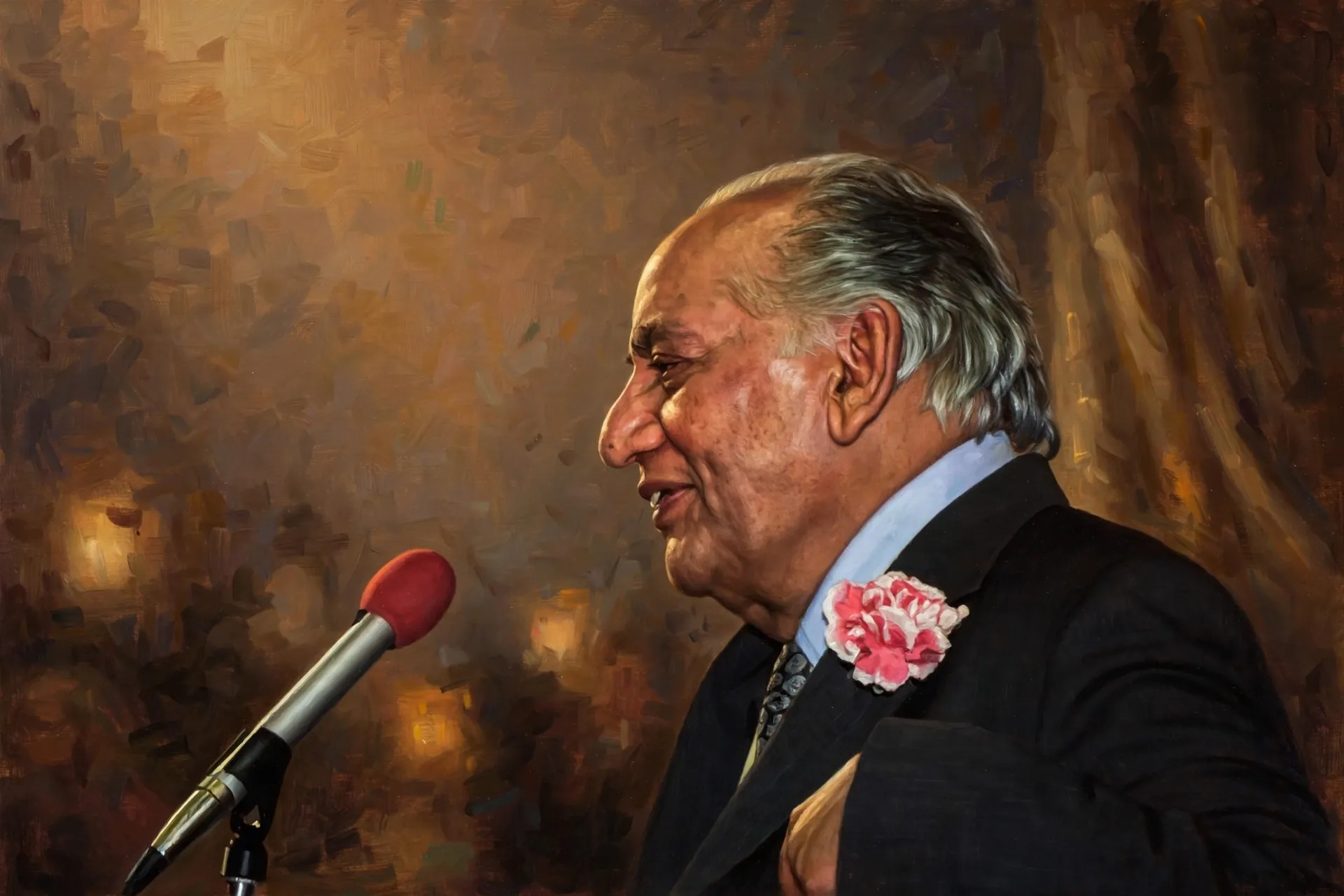
Faiz Ahmad Faiz was an Urdu poet born near Sialkot in Punjab whose poetry of love and resistance made him one of the most beloved poets of the subcontinent.
- Punjabi name
- ਫ਼ੈਜ਼ ਅਹਿਮਦ ਫ਼ੈਜ਼
- Born
- 13 February 1911, Kala Qader village, Sialkot district
- Died
- 20 November 1984, Lahore
- Home town
- Sialkot
- District
- Sialkot (birthplace now in Narowal district), Punjab, Pakistan
- Region
- Majha
All 9 facts
- Occupation
- Poet and journalist
- Known for
- Hum Dekhenge; Subh-e-Azadi; Naqsh-e-Faryadi
- Honours
- Lenin Peace Prize, 1962; Nishan-e-Imtiaz (Pakistan, 1990, posthumous)
Faiz Ahmad Faiz was born on 13 February 1911 in Kala Qader village, in what was then Sialkot district in Punjab and is today Narowal district in Pakistan; the village has since been renamed Faiz Nagar in his honour. He came from a Punjabi Jatt family of the Sidhu clan, and his father, Sultan Muhammad Khan, was a prominent barrister who had worked in British government service and written a biography of the Afghan ruler Amir Abdur Rahman. The family was based in Sialkot city, and it was there, in the schools and literary gatherings of that city, that Faiz grew up.
Education in Sialkot and Lahore
Faiz began with religious studies at a mosque school in Sialkot, where his teacher was the scholar Muhammad Ibrahim Mir Sialkoti, then attended the Scotch Mission School and Murray College in Sialkot. At Government College, Lahore, he took an honours degree in Arabic, and at Oriental College he completed a master's degree in English literature in 1932. He began teaching in 1935, lecturing in English, first in Amritsar and from 1937 at Hailey College of Commerce in Lahore. In 1936 he became the first secretary of the Progressive Writers' Movement, and between 1938 and 1946 he edited the literary monthly Adab-e-Latif. His first collection, Naqsh-e-Faryadi, appeared in 1941 and announced a new voice in Urdu poetry, one that joined the classical love lyric to the politics of a colonised people.
Soldier, editor and the Rawalpindi Conspiracy Case
During the Second World War Faiz served in the British Indian Army, commissioned in 1942 in the public relations wing, rising to lieutenant colonel and receiving an MBE in 1945, before resigning in 1947. In the new state of Pakistan he edited the Pakistan Times and the Urdu daily Imroze, and became a vice-president of the Pakistan Trade Union Federation. In March 1951 he was arrested in the Rawalpindi Conspiracy Case, accused with military officers of plotting against the government of Prime Minister Liaquat Ali Khan. He spent about four years in prison. The years behind bars produced two of his finest collections, Dast-e-Saba and Zindan Nama, and fixed his image in the public mind: the poet who would not bend.
What is Faiz's most famous poem?
Faiz's best known single work is probably Hum Dekhenge, 'We Shall See', written in 1979 against the military rule of General Zia-ul-Haq and sung, famously, by Iqbal Bano at a packed Lahore concert in 1986, in defiance of the regime. Its promise that the crowns of tyrants will fall turned it into an anthem far beyond Pakistan, and it is still sung at protests across South Asia, in Punjab on both sides of the border. His poem Subh-e-Azadi, written in August 1947, took the opposite mood: a dawn of freedom that had not turned out as hoped. Poems such as Mujh Se Pehli Si Mohabbat show the other Faiz, the lyric poet of love and loss, and it is the joining of the two, romance and resistance in one voice, that made him unique.
Exile, return and honours
Faiz's later career carried him across the world. He received the Lenin Peace Prize in 1962, the first Asian poet to be so honoured, and he was nominated for the Nobel Prize in Literature. He served as an aide to Prime Minister Zulfikar Ali Bhutto, and after Bhutto was overthrown and executed, Faiz lived for some years in self-exile in Beirut, editing the magazine Lotus, before returning to Lahore in 1982. He had married Alys Faiz in 1941, and their two daughters are Salima and Muneeza. Pakistan awarded him the Nishan-e-Imtiaz after his death, in 1990.
Death in Lahore and his place in Punjabi hearts
Faiz died in Lahore on 20 November 1984 and was buried in the Model Town Graveyard. He wrote in Urdu, and his formal education was in Arabic and English, yet Punjab claims him without hesitation: he was a son of Sialkot soil, his themes were the dignity of ordinary people, and his verse has been sung in Punjabi homes for generations, set to music by singers across the subcontinent. Few poets anywhere have been loved equally by scholars and by crowds. His birth centenary in 2011 was marked across Pakistan and India with conferences, commemorative stamps and new editions of his collected work. In the words his admirers return to most, his poetry insists that suffering is real, but so is the morning that follows it.
ਫ਼ੈਜ਼ ਅਹਿਮਦ ਫ਼ੈਜ਼ ਦਾ ਜਨਮ 13 ਫਰਵਰੀ 1911 ਨੂੰ ਕਾਲਾ ਕਾਦਰ ਪਿੰਡ ਵਿੱਚ ਹੋਇਆ, ਜੋ ਉਸ ਸਮੇਂ ਪੰਜਾਬ ਦੇ ਸਿਆਲਕੋਟ ਜ਼ਿਲ੍ਹੇ ਵਿੱਚ ਸੀ ਅਤੇ ਅੱਜ ਪਾਕਿਸਤਾਨ ਦੇ ਨਾਰੋਵਾਲ ਜ਼ਿਲ੍ਹੇ ਵਿੱਚ ਹੈ। ਪਿੰਡ ਦਾ ਨਾਂ ਉਨ੍ਹਾਂ ਦੇ ਸਨਮਾਨ ਵਿੱਚ ਬਾਅਦ ਵਿੱਚ ਫ਼ੈਜ਼ ਨਗਰ ਰੱਖਿਆ ਗਿਆ। ਉਹ ਸਿੱਧੂ ਗੋਤ ਦੇ ਪੰਜਾਬੀ ਜੱਟ ਪਰਿਵਾਰ ਤੋਂ ਸਨ, ਅਤੇ ਉਨ੍ਹਾਂ ਦੇ ਪਿਤਾ ਸੁਲਤਾਨ ਮੁਹੰਮਦ ਖਾਨ ਇੱਕ ਪ੍ਰਸਿੱਧ ਵਕੀਲ ਸਨ, ਜਿਨ੍ਹਾਂ ਨੇ ਬਰਤਾਨਵੀ ਸਰਕਾਰ ਦੀ ਸੇਵਾ ਕੀਤੀ ਸੀ ਅਤੇ ਅਫਗਾਨ ਹਾਕਮ ਅਮੀਰ ਅਬਦੁਰ ਰਹਿਮਾਨ ਦੀ ਜੀਵਨੀ ਲਿਖੀ ਸੀ। ਪਰਿਵਾਰ ਸਿਆਲਕੋਟ ਸ਼ਹਿਰ ਵਿੱਚ ਰਹਿੰਦਾ ਸੀ, ਅਤੇ ਫ਼ੈਜ਼ ਉੱਥੋਂ ਦੇ ਸਕੂਲਾਂ ਅਤੇ ਸਾਹਿਤਕ ਮਹਿਫਲਾਂ ਵਿੱਚ ਹੀ ਵੱਡੇ ਹੋਏ।
ਸਿਆਲਕੋਟ ਅਤੇ ਲਾਹੌਰ ਵਿੱਚ ਪੜ੍ਹਾਈ
ਫ਼ੈਜ਼ ਨੇ ਸਿਆਲਕੋਟ ਦੀ ਇੱਕ ਮਸੀਤ ਦੇ ਸਕੂਲ ਵਿੱਚ ਧਾਰਮਿਕ ਪੜ੍ਹਾਈ ਨਾਲ ਸ਼ੁਰੂਆਤ ਕੀਤੀ, ਜਿੱਥੇ ਉਨ੍ਹਾਂ ਦੇ ਅਧਿਆਪਕ ਵਿਦਵਾਨ ਮੁਹੰਮਦ ਇਬਰਾਹੀਮ ਮੀਰ ਸਿਆਲਕੋਟੀ ਸਨ, ਫਿਰ ਉਹ ਸਿਆਲਕੋਟ ਦੇ ਸਕਾਚ ਮਿਸ਼ਨ ਸਕੂਲ ਅਤੇ ਮਰੀ ਕਾਲਜ ਵਿੱਚ ਪੜ੍ਹੇ। ਗੌਰਮਿੰਟ ਕਾਲਜ, ਲਾਹੌਰ ਤੋਂ ਉਨ੍ਹਾਂ ਨੇ ਅਰਬੀ ਵਿੱਚ ਆਨਰਜ਼ ਦੀ ਡਿਗਰੀ ਲਈ ਅਤੇ ਓਰੀਐਂਟਲ ਕਾਲਜ ਤੋਂ 1932 ਵਿੱਚ ਅੰਗਰੇਜ਼ੀ ਸਾਹਿਤ ਵਿੱਚ ਐਮ.ਏ. ਕੀਤੀ। 1935 ਵਿੱਚ ਉਨ੍ਹਾਂ ਨੇ ਅੰਗਰੇਜ਼ੀ ਪੜ੍ਹਾਉਣੀ ਸ਼ੁਰੂ ਕੀਤੀ, ਪਹਿਲਾਂ ਅੰਮ੍ਰਿਤਸਰ ਵਿੱਚ ਅਤੇ 1937 ਤੋਂ ਲਾਹੌਰ ਦੇ ਹੇਲੀ ਕਾਲਜ ਆਫ਼ ਕਾਮਰਸ ਵਿੱਚ। 1936 ਵਿੱਚ ਉਹ ਤਰੱਕੀ-ਪਸੰਦ ਲੇਖਕਾਂ ਦੀ ਲਹਿਰ ਦੇ ਪਹਿਲੇ ਸਕੱਤਰ ਬਣੇ ਅਤੇ 1938 ਤੋਂ 1946 ਤੱਕ ਸਾਹਿਤਕ ਮਾਸਿਕ ਅਦਬ-ਏ-ਲਤੀਫ਼ ਦੇ ਸੰਪਾਦਕ ਰਹੇ। ਉਨ੍ਹਾਂ ਦਾ ਪਹਿਲਾ ਸੰਗ੍ਰਹਿ ਨਕਸ਼-ਏ-ਫਰਿਆਦੀ 1941 ਵਿੱਚ ਆਇਆ ਅਤੇ ਉਰਦੂ ਸ਼ਾਇਰੀ ਵਿੱਚ ਇੱਕ ਨਵੀਂ ਆਵਾਜ਼ ਦਾ ਐਲਾਨ ਕੀਤਾ, ਜਿਸ ਨੇ ਰਵਾਇਤੀ ਪ੍ਰੇਮ-ਕਾਵਿ ਨੂੰ ਗੁਲਾਮ ਲੋਕਾਂ ਦੀ ਸਿਆਸਤ ਨਾਲ ਜੋੜਿਆ।
ਫੌਜੀ, ਸੰਪਾਦਕ ਅਤੇ ਰਾਵਲਪਿੰਡੀ ਸਾਜ਼ਿਸ਼ ਕੇਸ
ਦੂਜੀ ਵਿਸ਼ਵ ਜੰਗ ਦੌਰਾਨ ਫ਼ੈਜ਼ ਨੇ ਬਰਤਾਨਵੀ ਭਾਰਤੀ ਫੌਜ ਵਿੱਚ ਸੇਵਾ ਕੀਤੀ, 1942 ਵਿੱਚ ਜਨ-ਸੰਪਰਕ ਸ਼ਾਖਾ ਵਿੱਚ ਕਮਿਸ਼ਨ ਮਿਲਿਆ, ਲੈਫਟੀਨੈਂਟ ਕਰਨਲ ਦੇ ਅਹੁਦੇ ਤੱਕ ਪਹੁੰਚੇ ਅਤੇ 1945 ਵਿੱਚ MBE ਮਿਲਿਆ, ਫਿਰ 1947 ਵਿੱਚ ਅਸਤੀਫਾ ਦੇ ਦਿੱਤਾ। ਨਵੇਂ ਰਾਜ ਪਾਕਿਸਤਾਨ ਵਿੱਚ ਉਨ੍ਹਾਂ ਨੇ ਪਾਕਿਸਤਾਨ ਟਾਈਮਜ਼ ਅਤੇ ਉਰਦੂ ਰੋਜ਼ਾਨਾ ਇਮਰੋਜ਼ ਦੀ ਸੰਪਾਦਨਾ ਕੀਤੀ ਅਤੇ ਪਾਕਿਸਤਾਨ ਟਰੇਡ ਯੂਨੀਅਨ ਫੈਡਰੇਸ਼ਨ ਦੇ ਉਪ-ਪ੍ਰਧਾਨ ਬਣੇ। ਮਾਰਚ 1951 ਵਿੱਚ ਉਨ੍ਹਾਂ ਨੂੰ ਰਾਵਲਪਿੰਡੀ ਸਾਜ਼ਿਸ਼ ਕੇਸ ਵਿੱਚ ਗ੍ਰਿਫਤਾਰ ਕੀਤਾ ਗਿਆ, ਜਿਸ ਵਿੱਚ ਉਨ੍ਹਾਂ ’ਤੇ ਫੌਜੀ ਅਫਸਰਾਂ ਨਾਲ ਮਿਲ ਕੇ ਪ੍ਰਧਾਨ ਮੰਤਰੀ ਲਿਆਕਤ ਅਲੀ ਖਾਨ ਦੀ ਸਰਕਾਰ ਵਿਰੁੱਧ ਸਾਜ਼ਿਸ਼ ਦਾ ਦੋਸ਼ ਲਾਇਆ ਗਿਆ। ਉਨ੍ਹਾਂ ਨੇ ਲਗਭਗ ਚਾਰ ਸਾਲ ਜੇਲ੍ਹ ਵਿੱਚ ਕੱਟੇ। ਕੈਦ ਦੇ ਸਾਲਾਂ ਨੇ ਉਨ੍ਹਾਂ ਦੇ ਦੋ ਸਭ ਤੋਂ ਵਧੀਆ ਸੰਗ੍ਰਹਿ, ਦਸਤ-ਏ-ਸਬਾ ਅਤੇ ਜ਼ਿੰਦਾਨ ਨਾਮਾ, ਪੈਦਾ ਕੀਤੇ ਅਤੇ ਲੋਕਾਂ ਦੇ ਮਨ ਵਿੱਚ ਉਨ੍ਹਾਂ ਦੀ ਤਸਵੀਰ ਪੱਕੀ ਕਰ ਦਿੱਤੀ, ਉਹ ਸ਼ਾਇਰ ਜੋ ਝੁਕਦਾ ਨਹੀਂ।
ਫ਼ੈਜ਼ ਦੀ ਸਭ ਤੋਂ ਮਸ਼ਹੂਰ ਨਜ਼ਮ ਕਿਹੜੀ ਹੈ?
ਫ਼ੈਜ਼ ਦੀ ਸਭ ਤੋਂ ਜਾਣੀ-ਪਛਾਣੀ ਇੱਕਲੀ ਰਚਨਾ ਸ਼ਾਇਦ ਹਮ ਦੇਖੇਂਗੇ ਹੈ, ਜੋ 1979 ਵਿੱਚ ਜਨਰਲ ਜ਼ਿਆ-ਉਲ-ਹੱਕ ਦੇ ਫੌਜੀ ਰਾਜ ਵਿਰੁੱਧ ਲਿਖੀ ਗਈ ਅਤੇ 1986 ਵਿੱਚ ਲਾਹੌਰ ਦੇ ਭਰੇ ਸਮਾਗਮ ਵਿੱਚ ਇਕਬਾਲ ਬਾਨੋ ਨੇ ਸਰਕਾਰ ਦੀ ਅਣਦੇਖੀ ਕਰਕੇ ਗਾ ਕੇ ਮਸ਼ਹੂਰ ਕੀਤੀ। ਇਸ ਦਾ ਇਹ ਵਾਅਦਾ ਕਿ ਜ਼ਾਲਮਾਂ ਦੇ ਤਾਜ ਡਿੱਗਣਗੇ, ਇਸ ਨੂੰ ਪਾਕਿਸਤਾਨ ਤੋਂ ਕਿਤੇ ਅੱਗੇ ਦਾ ਗੀਤ ਬਣਾ ਗਿਆ, ਅਤੇ ਇਹ ਅੱਜ ਵੀ ਸਰਹੱਦ ਦੇ ਦੋਵੇਂ ਪਾਸੇ ਪੰਜਾਬ ਸਮੇਤ ਸਾਰੇ ਦੱਖਣੀ ਏਸ਼ੀਆ ਵਿੱਚ ਵਿਰੋਧ ਪ੍ਰਦਰਸ਼ਨਾਂ ਵਿੱਚ ਗਾਈ ਜਾਂਦੀ ਹੈ। ਉਨ੍ਹਾਂ ਦੀ ਨਜ਼ਮ ਸੁਬਹ-ਏ-ਆਜ਼ਾਦੀ, ਜੋ ਅਗਸਤ 1947 ਵਿੱਚ ਲਿਖੀ ਗਈ, ਇਸ ਦੇ ਉਲਟ ਭਾਵ ਲਿਆਉਂਦੀ ਹੈ, ਆਜ਼ਾਦੀ ਦੀ ਉਹ ਸਵੇਰ ਜੋ ਉਮੀਦ ਵਰਗੀ ਨਹੀਂ ਨਿਕਲੀ। ਮੁਝ ਸੇ ਪਹਿਲੀ ਸੀ ਮੁਹੱਬਤ ਵਰਗੀਆਂ ਨਜ਼ਮਾਂ ਦੂਜੇ ਫ਼ੈਜ਼ ਨੂੰ ਵਿਖਾਉਂਦੀਆਂ ਹਨ, ਮੁਹੱਬਤ ਅਤੇ ਵਿਛੋੜੇ ਦੇ ਗੀਤਕਾਰ ਨੂੰ, ਅਤੇ ਇਨ੍ਹਾਂ ਦੋਹਾਂ ਦਾ ਇੱਕੋ ਆਵਾਜ਼ ਵਿੱਚ ਮਿਲਣਾ, ਰੁਮਾਂਸ ਅਤੇ ਵਿਰੋਧ, ਹੀ ਉਨ੍ਹਾਂ ਨੂੰ ਵਿਲੱਖਣ ਬਣਾਉਂਦਾ ਹੈ।
ਜਲਾਵਤਨੀ, ਵਾਪਸੀ ਅਤੇ ਸਨਮਾਨ
ਫ਼ੈਜ਼ ਦਾ ਬਾਅਦ ਦਾ ਕਰੀਅਰ ਉਨ੍ਹਾਂ ਨੂੰ ਸਾਰੀ ਦੁਨੀਆ ਵਿੱਚ ਲੈ ਗਿਆ। 1962 ਵਿੱਚ ਉਨ੍ਹਾਂ ਨੂੰ ਲੈਨਿਨ ਸ਼ਾਂਤੀ ਪੁਰਸਕਾਰ ਮਿਲਿਆ, ਇਸ ਸਨਮਾਨ ਨੂੰ ਪਾਉਣ ਵਾਲੇ ਉਹ ਪਹਿਲੇ ਏਸ਼ੀਆਈ ਸ਼ਾਇਰ ਸਨ, ਅਤੇ ਉਨ੍ਹਾਂ ਨੂੰ ਸਾਹਿਤ ਦੇ ਨੋਬਲ ਪੁਰਸਕਾਰ ਲਈ ਨਾਮਜ਼ਦ ਵੀ ਕੀਤਾ ਗਿਆ। ਉਨ੍ਹਾਂ ਨੇ ਪ੍ਰਧਾਨ ਮੰਤਰੀ ਜ਼ੁਲਫਕਾਰ ਅਲੀ ਭੁੱਟੋ ਦੇ ਸਹਿਯੋਗੀ ਵਜੋਂ ਸੇਵਾ ਕੀਤੀ, ਅਤੇ ਭੁੱਟੋ ਨੂੰ ਹਟਾਏ ਜਾਣ ਅਤੇ ਫਾਂਸੀ ਤੋਂ ਬਾਅਦ ਫ਼ੈਜ਼ ਕੁਝ ਸਾਲ ਬੇਰੂਤ ਵਿੱਚ ਸਵੈ-ਜਲਾਵਤਨੀ ਵਿੱਚ ਰਹੇ, ਰਸਾਲੇ ਲੋਟਸ ਦੀ ਸੰਪਾਦਨਾ ਕੀਤੀ, ਫਿਰ 1982 ਵਿੱਚ ਲਾਹੌਰ ਪਰਤ ਆਏ। 1941 ਵਿੱਚ ਉਨ੍ਹਾਂ ਦਾ ਵਿਆਹ ਐਲਿਸ ਫ਼ੈਜ਼ ਨਾਲ ਹੋਇਆ ਸੀ, ਅਤੇ ਉਨ੍ਹਾਂ ਦੀਆਂ ਦੋ ਧੀਆਂ ਸਲੀਮਾ ਅਤੇ ਮੁਨੀਜ਼ਾ ਹਨ। ਪਾਕਿਸਤਾਨ ਨੇ ਉਨ੍ਹਾਂ ਦੇ ਦੇਹਾਂਤ ਤੋਂ ਬਾਅਦ 1990 ਵਿੱਚ ਉਨ੍ਹਾਂ ਨੂੰ ਨਿਸ਼ਾਨ-ਏ-ਇਮਤਿਆਜ਼ ਦਿੱਤਾ।
ਲਾਹੌਰ ਵਿੱਚ ਦੇਹਾਂਤ ਅਤੇ ਪੰਜਾਬੀ ਦਿਲਾਂ ਵਿੱਚ ਥਾਂ
ਫ਼ੈਜ਼ ਦਾ ਦੇਹਾਂਤ 20 ਨਵੰਬਰ 1984 ਨੂੰ ਲਾਹੌਰ ਵਿੱਚ ਹੋਇਆ ਅਤੇ ਉਨ੍ਹਾਂ ਨੂੰ ਮਾਡਲ ਟਾਊਨ ਕਬਰਿਸਤਾਨ ਵਿੱਚ ਦਫਨਾਇਆ ਗਿਆ। ਉਨ੍ਹਾਂ ਨੇ ਉਰਦੂ ਵਿੱਚ ਲਿਖਿਆ ਅਤੇ ਉਨ੍ਹਾਂ ਦੀ ਰਸਮੀ ਪੜ੍ਹਾਈ ਅਰਬੀ ਅਤੇ ਅੰਗਰੇਜ਼ੀ ਵਿੱਚ ਸੀ, ਫਿਰ ਵੀ ਪੰਜਾਬ ਬਿਨਾਂ ਝਿਜਕ ਉਨ੍ਹਾਂ ਨੂੰ ਆਪਣਾ ਮੰਨਦਾ ਹੈ। ਉਹ ਸਿਆਲਕੋਟ ਦੀ ਮਿੱਟੀ ਦੇ ਪੁੱਤਰ ਸਨ, ਉਨ੍ਹਾਂ ਦੇ ਵਿਸ਼ੇ ਆਮ ਲੋਕਾਂ ਦੀ ਇੱਜ਼ਤ ਸਨ, ਅਤੇ ਉਨ੍ਹਾਂ ਦੀ ਸ਼ਾਇਰੀ ਪੀੜ੍ਹੀਆਂ ਤੋਂ ਪੰਜਾਬੀ ਘਰਾਂ ਵਿੱਚ ਗਾਈ ਜਾਂਦੀ ਹੈ, ਸਾਰੇ ਉਪਮਹਾਂਦੀਪ ਦੇ ਗਾਇਕਾਂ ਨੇ ਇਸ ਨੂੰ ਸੰਗੀਤ ਦਿੱਤਾ ਹੈ। ਬਹੁਤ ਘੱਟ ਸ਼ਾਇਰਾਂ ਨੂੰ ਵਿਦਵਾਨਾਂ ਅਤੇ ਭੀੜਾਂ ਨੇ ਬਰਾਬਰ ਪਿਆਰ ਕੀਤਾ ਹੈ। 2011 ਵਿੱਚ ਉਨ੍ਹਾਂ ਦਾ ਜਨਮ ਸ਼ਤਾਬਦੀ ਵਰ੍ਹਾ ਪਾਕਿਸਤਾਨ ਅਤੇ ਭਾਰਤ ਭਰ ਵਿੱਚ ਕਾਨਫਰੰਸਾਂ, ਯਾਦਗਾਰੀ ਡਾਕ ਟਿਕਟਾਂ ਅਤੇ ਉਨ੍ਹਾਂ ਦੀਆਂ ਸਮੁੱਚੀਆਂ ਰਚਨਾਵਾਂ ਦੇ ਨਵੇਂ ਐਡੀਸ਼ਨਾਂ ਨਾਲ ਮਨਾਇਆ ਗਿਆ। ਜਿਨ੍ਹਾਂ ਸ਼ਬਦਾਂ ਵੱਲ ਉਨ੍ਹਾਂ ਦੇ ਪ੍ਰਸ਼ੰਸਕ ਸਭ ਤੋਂ ਵੱਧ ਪਰਤਦੇ ਹਨ, ਉਨ੍ਹਾਂ ਵਿੱਚ ਉਨ੍ਹਾਂ ਦੀ ਸ਼ਾਇਰੀ ਇਹ ਕਹਿੰਦੀ ਹੈ ਕਿ ਦੁੱਖ ਅਸਲੀ ਹੈ, ਪਰ ਉਸ ਤੋਂ ਬਾਅਦ ਆਉਣ ਵਾਲੀ ਸਵੇਰ ਵੀ ਅਸਲੀ ਹੈ।
People


Places

More writers & poets
See all


Jugti is free and independent. Reader support keeps the Kosh growing.
Support