
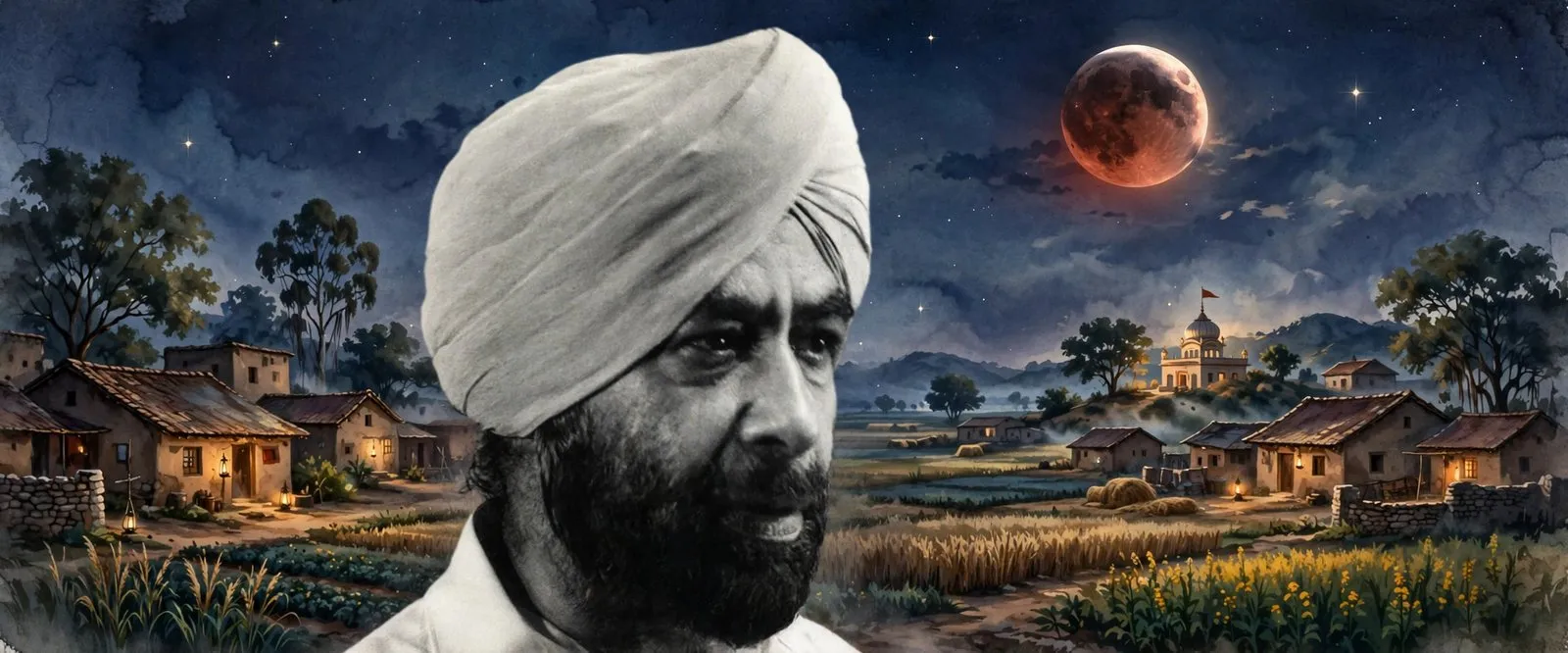
Grahan (1942), which means eclipse, is Rajinder Singh Bedi's second collection of Urdu short stories. Its title story follows Holi, a poor young woman whose fate is eclipsed like the moon: ill treated by her husband and mother-in-law, she flees her home only to be assaulted by a man she trusted. The collection is a landmark of Urdu fiction, praised for the way Bedi weaves myth and superstition into everyday Punjabi life.
with an English translation- Punjabi name
- گرہن
- Author
- Rajinder Singh Bedi (1915 to 1984)
- Published
- 1942
- Language
- Urdu
- Form
- Short stories, the author's second collection
- First collection
- Daan-o-Daam (1940)
All 9 facts
- Title story
- Grahan (The Eclipse)
- English translation
- The Eclipse in Selected Short Stories (Sahitya Akademi, 1989)
- Also spelled
- Grehan
Characters
About the book
Grahan is the second collection of short stories by Rajinder Singh Bedi, published in 1942. It followed his first collection, Daan-o-Daam (The Catch), published two years earlier, and it confirmed him as one of the leading Urdu writers of his generation. Bedi wrote in Urdu, the language of his schooling in Lahore, and his stories are set among the Punjabis he knew: villagers, small traders, labourers and the women who held their households together.
The book appeared when Bedi was 27 and working for All India Radio in Lahore. Partition was still five years away, and Bedi was already known as a careful craftsman who weighed every word. In the foreword to Grahan he set out his method plainly: when something came within his observation, he did not describe it in its everyday realistic detail, but as it emerged in his mind, as a blend of imagination and reality.
What does Grahan mean?
Grahan means eclipse, the darkening of the moon or the sun. In Hindu belief an eclipse happens when the demons Rahu and Ketu swallow the moon, and the time is feared as unlucky. Bedi takes that belief and turns it into the frame of his title story, where a woman's life is eclipsed in the same way. The title is sometimes spelled Grehan, which is the same Urdu word written another way.
The title story: an eclipse on earth
The story opens on a lunar eclipse, and running beside it is an earthly eclipse happening to a woman. Holi is a poor, helpless woman, entirely at the mercy of her husband and his family. Her mother-in-law is the Rahu of the story, and her husband the Ketu, both preying on her: he sucks her blood, as the critic Gopi Chand Narang puts it, and imposes a husband's tyranny on her.
Holi tries to escape. She leaves her in-laws' house to seek refuge with her parents, an attempt to slip out from under the eclipse. But the cruelty of society proves worse than the designs of the eclipse itself. On the way she falls into the hands of Kathu Ram, a hand on the coastal launch who has known her since childhood in her father's village. He takes her to a room in a local inn on the pretext of sheltering her for the night, and tries to force himself on her. The beautiful moon is ravished by Ketu, tarnished by one eclipse and then by another.
ਕਿਤਾਬ ਬਾਰੇ
ਗ੍ਰਹਿਣ ਰਜਿੰਦਰ ਸਿੰਘ ਬੇਦੀ ਦਾ ਦੂਜਾ ਕਹਾਣੀ ਸੰਗ੍ਰਹਿ ਹੈ, ਜੋ 1942 ਵਿੱਚ ਛਪਿਆ। ਇਹ ਉਸ ਦੇ ਪਹਿਲੇ ਸੰਗ੍ਰਹਿ ਦਾਣਾ-ਓ-ਦਾਮ (ਸ਼ਿਕਾਰ) ਤੋਂ ਦੋ ਸਾਲ ਬਾਅਦ ਆਇਆ, ਜੋ 1940 ਵਿੱਚ ਛਪਿਆ ਸੀ, ਅਤੇ ਇਸ ਨੇ ਉਸ ਨੂੰ ਆਪਣੀ ਪੀੜ੍ਹੀ ਦੇ ਮੋਹਰੀ ਉਰਦੂ ਲੇਖਕਾਂ ਵਿੱਚੋਂ ਇੱਕ ਬਣਾ ਦਿੱਤਾ। ਬੇਦੀ ਉਰਦੂ ਵਿੱਚ ਲਿਖਦਾ ਸੀ, ਜੋ ਲਾਹੌਰ ਵਿੱਚ ਉਸ ਦੀ ਪੜ੍ਹਾਈ ਦੀ ਭਾਸ਼ਾ ਸੀ, ਅਤੇ ਉਸ ਦੀਆਂ ਕਹਾਣੀਆਂ ਉਹਨਾਂ ਪੰਜਾਬੀਆਂ ਬਾਰੇ ਹਨ ਜਿਨ੍ਹਾਂ ਨੂੰ ਉਹ ਜਾਣਦਾ ਸੀ: ਪਿੰਡ ਵਾਸੀ, ਛੋਟੇ ਵਪਾਰੀ, ਮਜ਼ਦੂਰ ਅਤੇ ਉਹ ਔਰਤਾਂ ਜਿਨ੍ਹਾਂ ਨੇ ਆਪਣੇ ਘਰ ਸੰਭਾਲੇ ਹੋਏ ਸਨ।
ਜਦੋਂ ਇਹ ਕਿਤਾਬ ਆਈ, ਬੇਦੀ 27 ਸਾਲ ਦਾ ਸੀ ਅਤੇ ਲਾਹੌਰ ਵਿੱਚ ਆਲ ਇੰਡੀਆ ਰੇਡੀਓ ਵਿੱਚ ਕੰਮ ਕਰਦਾ ਸੀ। ਵੰਡ ਵਿੱਚ ਅਜੇ ਪੰਜ ਸਾਲ ਬਾਕੀ ਸਨ, ਅਤੇ ਬੇਦੀ ਪਹਿਲਾਂ ਹੀ ਇੱਕ ਸਾਵਧਾਨ ਕਾਰੀਗਰ ਵਜੋਂ ਜਾਣਿਆ ਜਾਂਦਾ ਸੀ ਜੋ ਹਰ ਸ਼ਬਦ ਤੋਲਦਾ ਸੀ। ਗ੍ਰਹਿਣ ਦੀ ਭੂਮਿਕਾ ਵਿੱਚ ਉਸ ਨੇ ਆਪਣਾ ਤਰੀਕਾ ਸਾਫ਼ ਦੱਸਿਆ: ਜਦੋਂ ਕੁਝ ਉਸ ਦੇ ਧਿਆਨ ਵਿੱਚ ਆਉਂਦਾ ਸੀ, ਉਹ ਉਸ ਨੂੰ ਉਸ ਦੇ ਰੋਜ਼ਾਨਾ ਯਥਾਰਥਵਾਦੀ ਵੇਰਵੇ ਵਿੱਚ ਨਹੀਂ ਲਿਖਦਾ ਸੀ, ਸਗੋਂ ਜਿਵੇਂ ਉਹ ਉਸ ਦੇ ਮਨ ਵਿੱਚ ਉੱਭਰਦਾ ਸੀ, ਕਲਪਨਾ ਅਤੇ ਯਥਾਰਥ ਦੇ ਮੇਲ ਵਜੋਂ।
ਗ੍ਰਹਿਣ ਦਾ ਕੀ ਮਤਲਬ ਹੈ?
ਗ੍ਰਹਿਣ ਦਾ ਮਤਲਬ ਹੈ ਚੰਦ ਜਾਂ ਸੂਰਜ ਦਾ ਹਨੇਰਾ ਹੋ ਜਾਣਾ। ਹਿੰਦੂ ਮਾਨਤਾ ਵਿੱਚ ਗ੍ਰਹਿਣ ਉਦੋਂ ਹੁੰਦਾ ਹੈ ਜਦੋਂ ਰਾਹੂ ਅਤੇ ਕੇਤੂ ਦੈਂਤ ਚੰਦ ਨੂੰ ਨਿਗਲ ਲੈਂਦੇ ਹਨ, ਅਤੇ ਇਸ ਸਮੇਂ ਨੂੰ ਅਸ਼ੁਭ ਮੰਨਿਆ ਜਾਂਦਾ ਹੈ। ਬੇਦੀ ਇਸ ਮਾਨਤਾ ਨੂੰ ਲੈਂਦਾ ਹੈ ਅਤੇ ਇਸ ਨੂੰ ਆਪਣੀ ਮੁੱਖ ਕਹਾਣੀ ਦਾ ਢਾਂਚਾ ਬਣਾ ਦਿੰਦਾ ਹੈ, ਜਿੱਥੇ ਇੱਕ ਔਰਤ ਦਾ ਜੀਵਨ ਉਸੇ ਤਰ੍ਹਾਂ ਗ੍ਰਹਿਣ ਹੇਠ ਆ ਜਾਂਦਾ ਹੈ। ਇਹ ਸਿਰਲੇਖ ਕਈ ਵਾਰ ਗ੍ਰੇਹਣ ਵੀ ਲਿਖਿਆ ਜਾਂਦਾ ਹੈ, ਜੋ ਉਸੇ ਉਰਦੂ ਸ਼ਬਦ ਨੂੰ ਲਿਖਣ ਦਾ ਇੱਕ ਹੋਰ ਤਰੀਕਾ ਹੈ।
ਮੁੱਖ ਕਹਾਣੀ: ਧਰਤੀ ਉੱਤੇ ਗ੍ਰਹਿਣ
ਕਹਾਣੀ ਚੰਦ ਗ੍ਰਹਿਣ ਨਾਲ ਸ਼ੁਰੂ ਹੁੰਦੀ ਹੈ, ਅਤੇ ਉਸ ਦੇ ਨਾਲ ਨਾਲ ਇੱਕ ਔਰਤ ਨਾਲ ਹੋ ਰਹੀ ਧਰਤੀ ਉੱਤੇ ਗ੍ਰਹਿਣ ਵਰਗੀ ਘਟਨਾ ਚੱਲਦੀ ਹੈ। ਹੋਲੀ ਇੱਕ ਗ਼ਰੀਬ, ਬੇਸਹਾਰਾ ਔਰਤ ਹੈ, ਜੋ ਪੂਰੀ ਤਰ੍ਹਾਂ ਆਪਣੇ ਪਤੀ ਅਤੇ ਉਸ ਦੇ ਪਰਿਵਾਰ ਦੀ ਦਇਆ ਉੱਤੇ ਹੈ। ਉਸ ਦੀ ਸੱਸ ਕਹਾਣੀ ਦੀ ਰਾਹੂ ਹੈ, ਅਤੇ ਉਸ ਦਾ ਪਤੀ ਕੇਤੂ, ਦੋਵੇਂ ਉਸ ਦਾ ਸ਼ੋਸ਼ਣ ਕਰਦੇ ਹਨ: ਉਹ ਉਸ ਦਾ ਖ਼ੂਨ ਚੂਸਦਾ ਹੈ, ਜਿਵੇਂ ਆਲੋਚਕ ਗੋਪੀ ਚੰਦ ਨਾਰੰਗ ਕਹਿੰਦਾ ਹੈ, ਅਤੇ ਉਸ ਉੱਤੇ ਪਤੀ ਦਾ ਜ਼ੁਲਮ ਥੋਪਦਾ ਹੈ।
ਹੋਲੀ ਭੱਜਣ ਦੀ ਕੋਸ਼ਿਸ਼ ਕਰਦੀ ਹੈ। ਉਹ ਆਪਣੇ ਸਹੁਰੇ ਘਰ ਤੋਂ ਨਿਕਲ ਕੇ ਆਪਣੇ ਮਾਪਿਆਂ ਕੋਲ ਪਨਾਹ ਲੈਣ ਜਾਂਦੀ ਹੈ, ਗ੍ਰਹਿਣ ਤੋਂ ਬਚਣ ਦੀ ਕੋਸ਼ਿਸ਼। ਪਰ ਸਮਾਜ ਦੀ ਬੇਰਹਿਮੀ ਗ੍ਰਹਿਣ ਦੀਆਂ ਚਾਲਾਂ ਨਾਲੋਂ ਵੀ ਬੁਰੀ ਨਿਕਲਦੀ ਹੈ। ਰਸਤੇ ਵਿੱਚ ਉਹ ਕੱਥੂ ਰਾਮ ਦੇ ਹੱਥ ਆ ਜਾਂਦੀ ਹੈ, ਜੋ ਸਮੁੰਦਰੀ ਕਿਸ਼ਤੀ ਦਾ ਮਲਾਹ ਹੈ ਅਤੇ ਉਸ ਨੂੰ ਉਸ ਦੇ ਪਿਤਾ ਦੇ ਪਿੰਡ ਦੇ ਬਚਪਨ ਤੋਂ ਜਾਣਦਾ ਹੈ। ਉਹ ਉਸ ਨੂੰ ਰਾਤ ਲਈ ਪਨਾਹ ਦੇਣ ਦੇ ਬਹਾਨੇ ਇੱਕ ਸਥਾਨਕ ਸਰਾਂ ਦੇ ਕਮਰੇ ਵਿੱਚ ਲੈ ਜਾਂਦਾ ਹੈ ਅਤੇ ਉਸ ਨਾਲ ਜ਼ਬਰਦਸਤੀ ਕਰਨ ਦੀ ਕੋਸ਼ਿਸ਼ ਕਰਦਾ ਹੈ। ਸੁੰਦਰ ਚੰਦ ਕੇਤੂ ਤੋਂ ਹਾਰ ਜਾਂਦਾ ਹੈ, ਇੱਕ ਗ੍ਰਹਿਣ ਤੋਂ ਅਤੇ ਫਿਰ ਦੂਜੇ ਤੋਂ ਕਲੰਕਿਤ।
The story is short, but it carries Bedi's whole method. A folk belief gives the plot its shape, while the people in it are drawn from real Punjabi life: a mother-in-law's jealousy, a husband's violence, a poor woman with nowhere safe to go. The eclipse passes, the moon comes back, but what Holi loses does not.
How Bedi wrote: myth inside everyday life
Grahan is where Bedi first made myth do the work of plot. In the title story he blends the lunar eclipse into a woman's fate so that the two cannot be pulled apart, and the same habit of finding an inner meaning in an outer fact runs through the collection. In one story a shoe lying over another shoe foretells a journey, and the journey turns out to be the old Rahman's last, to meet his married daughter. In another, a labourer boring a hole for a water pipe breaks through to underground water on the same night a girl elopes with him, the earth giving way as her old life does.
Bedi was a deliberate writer, and his friends teased him for it. Manto once told him: You think too much. You think before you write. You think while you are writing and also after you have finished writing. Bedi answered that a Sikh might lack many things but was sure of one: he was a master craftsman, and whatever he built, he built to perfection, making sure every part rang true. The stories in Grahan show that care: nothing in them is loose, and the suggestion does more work than the statement.
The author
Rajinder Singh Bedi (1915 to 1984) was born in the village of Dhallewali in Sialkot district, now in Pakistan, and educated in Lahore. He was one of the three great Urdu story writers of his time, alongside Saadat Hasan Manto and Krishan Chander, and the one most praised for his portraits of women. His novel Ek Chadar Maili Si won the Sahitya Akademi Award in 1965, and after Partition he became one of Hindi cinema's most respected writers, writing the dialogue for Madhumati, Devdas, Anupama, Satyakam and Abhimaan, and directing the classic Dastak in 1970.
Reception and legacy
Grahan has stayed in print in Urdu, with a Maktaba Jamia edition in 1992, and its title story is available in English as The Eclipse in Rajinder Singh Bedi: Selected Short Stories, published by the Sahitya Akademi in 1989 and edited by Gopi Chand Narang. Narang calls the story the moment when Bedi's use of myth grew into the hallmark of his work, the seed of the stories he wrote after Independence, including Give Me Your Sorrows and his novel Ek Chadar Maili Si. A film titled Grahan, with story credit to Bedi, appeared in 1972, and the Government of Punjab now gives a Rajinder Singh Bedi Award for Urdu literature in his memory.
For readers coming to Bedi for the first time, Grahan is the place to start after Ek Chadar Maili Si: it is shorter, sharper, and it shows the writer at the moment he found the method that made him famous.
ਕਹਾਣੀ ਛੋਟੀ ਹੈ, ਪਰ ਇਸ ਵਿੱਚ ਬੇਦੀ ਦਾ ਪੂਰਾ ਤਰੀਕਾ ਹੈ। ਇੱਕ ਲੋਕ ਮਾਨਤਾ ਕਹਾਣੀ ਨੂੰ ਆਕਾਰ ਦਿੰਦੀ ਹੈ, ਜਦੋਂ ਕਿ ਇਸ ਦੇ ਲੋਕ ਅਸਲ ਪੰਜਾਬੀ ਜੀਵਨ ਤੋਂ ਲਏ ਗਏ ਹਨ: ਸੱਸ ਦੀ ਈਰਖਾ, ਪਤੀ ਦੀ ਹਿੰਸਾ, ਇੱਕ ਗ਼ਰੀਬ ਔਰਤ ਜਿਸ ਕੋਲ ਕੋਈ ਸੁਰੱਖਿਅਤ ਥਾਂ ਨਹੀਂ। ਗ੍ਰਹਿਣ ਲੰਘ ਜਾਂਦਾ ਹੈ, ਚੰਦ ਵਾਪਸ ਆ ਜਾਂਦਾ ਹੈ, ਪਰ ਹੋਲੀ ਜੋ ਗੁਆਉਂਦੀ ਹੈ, ਉਹ ਵਾਪਸ ਨਹੀਂ ਆਉਂਦਾ।
ਬੇਦੀ ਦੀ ਲਿਖਣ ਸ਼ੈਲੀ: ਰੋਜ਼ਾਨਾ ਜੀਵਨ ਵਿੱਚ ਮਿੱਥ
ਗ੍ਰਹਿਣ ਉਹ ਥਾਂ ਹੈ ਜਿੱਥੇ ਬੇਦੀ ਨੇ ਪਹਿਲੀ ਵਾਰ ਮਿੱਥ ਨੂੰ ਕਹਾਣੀ ਦਾ ਕੰਮ ਕਰਨ ਦਿੱਤਾ। ਮੁੱਖ ਕਹਾਣੀ ਵਿੱਚ ਉਹ ਚੰਦ ਗ੍ਰਹਿਣ ਨੂੰ ਇੱਕ ਔਰਤ ਦੀ ਕਿਸਮਤ ਨਾਲ ਇਸ ਤਰ੍ਹਾਂ ਮਿਲਾਉਂਦਾ ਹੈ ਕਿ ਦੋਵਾਂ ਨੂੰ ਵੱਖ ਨਹੀਂ ਕੀਤਾ ਜਾ ਸਕਦਾ, ਅਤੇ ਬਾਹਰੀ ਤੱਥ ਵਿੱਚ ਅੰਦਰੂਨੀ ਅਰਥ ਲੱਭਣ ਦੀ ਇਹੀ ਆਦਤ ਪੂਰੇ ਸੰਗ੍ਰਹਿ ਵਿੱਚ ਚੱਲਦੀ ਹੈ। ਇੱਕ ਕਹਾਣੀ ਵਿੱਚ ਇੱਕ ਜੁੱਤੀ ਦਾ ਦੂਜੀ ਜੁੱਤੀ ਉੱਤੇ ਪਿਆ ਹੋਣਾ ਇੱਕ ਸਫ਼ਰ ਦੀ ਨਿਸ਼ਾਨੀ ਹੈ, ਅਤੇ ਉਹ ਸਫ਼ਰ ਬੁੱਢੇ ਰਹਿਮਾਨ ਦਾ ਆਖ਼ਰੀ ਸਫ਼ਰ ਨਿਕਲਦਾ ਹੈ, ਆਪਣੀ ਵਿਆਹੀ ਧੀ ਨੂੰ ਮਿਲਣ ਲਈ। ਇੱਕ ਹੋਰ ਕਹਾਣੀ ਵਿੱਚ ਇੱਕ ਮਜ਼ਦੂਰ ਪਾਣੀ ਦੀ ਪਾਈਪ ਲਈ ਮਿੱਟੀ ਵਿੱਚ ਮੋਰੀ ਕਰਦਾ ਹੈ ਅਤੇ ਉਸੇ ਰਾਤ ਧਰਤੀ ਹੇਠਲਾ ਪਾਣੀ ਫੁੱਟਦਾ ਹੈ ਜਿਸ ਰਾਤ ਇੱਕ ਕੁੜੀ ਉਸ ਨਾਲ ਭੱਜ ਜਾਂਦੀ ਹੈ, ਧਰਤੀ ਉਸੇ ਤਰ੍ਹਾਂ ਰਸਤਾ ਦਿੰਦੀ ਹੈ ਜਿਵੇਂ ਉਸ ਦਾ ਪੁਰਾਣਾ ਜੀਵਨ।
ਬੇਦੀ ਇੱਕ ਸੋਚਿਆ ਸਮਝਿਆ ਲੇਖਕ ਸੀ, ਅਤੇ ਉਸ ਦੇ ਦੋਸਤ ਇਸ ਲਈ ਉਸ ਦਾ ਮਜ਼ਾਕ ਉਡਾਉਂਦੇ ਸਨ। ਮੰਟੋ ਨੇ ਇੱਕ ਵਾਰ ਉਸ ਨੂੰ ਕਿਹਾ ਸੀ: ਤੂੰ ਬਹੁਤ ਸੋਚਦਾ ਹੈਂ। ਤੂੰ ਲਿਖਣ ਤੋਂ ਪਹਿਲਾਂ ਸੋਚਦਾ ਹੈਂ। ਤੂੰ ਲਿਖਦੇ ਸਮੇਂ ਸੋਚਦਾ ਹੈਂ ਅਤੇ ਲਿਖਣ ਤੋਂ ਬਾਅਦ ਵੀ ਸੋਚਦਾ ਹੈਂ। ਬੇਦੀ ਨੇ ਹੱਸ ਕੇ ਜਵਾਬ ਦਿੱਤਾ ਸੀ ਕਿ ਇੱਕ ਸਿੱਖ ਵਿੱਚ ਭਾਵੇਂ ਕਈ ਕਮੀਆਂ ਹੋਣ, ਇੱਕ ਗੱਲ ਵਿੱਚ ਉਹ ਪੱਕਾ ਹੈ: ਉਹ ਇੱਕ ਮਾਹਰ ਕਾਰੀਗਰ ਹੈ, ਅਤੇ ਜੋ ਕੁਝ ਉਹ ਬਣਾਉਂਦਾ ਹੈ, ਉਹ ਪੂਰਾ ਬਣਾਉਂਦਾ ਹੈ, ਇਹ ਯਕੀਨੀ ਬਣਾ ਕੇ ਕਿ ਹਰ ਹਿੱਸਾ ਸੱਚਾ ਵੱਜੇ। ਗ੍ਰਹਿਣ ਦੀਆਂ ਕਹਾਣੀਆਂ ਇਹ ਸਾਵਧਾਨੀ ਦਿਖਾਉਂਦੀਆਂ ਹਨ: ਇਹਨਾਂ ਵਿੱਚ ਕੁਝ ਵੀ ਢਿੱਲਾ ਨਹੀਂ, ਅਤੇ ਸੰਕੇਤ ਬਿਆਨ ਨਾਲੋਂ ਵਧੇਰੇ ਕੰਮ ਕਰਦਾ ਹੈ।
ਲੇਖਕ ਬਾਰੇ
ਰਜਿੰਦਰ ਸਿੰਘ ਬੇਦੀ (1915 ਤੋਂ 1984) ਸਿਆਲਕੋਟ ਜ਼ਿਲ੍ਹੇ ਦੇ ਪਿੰਡ ਢੱਲੇਵਾਲੀ ਵਿੱਚ ਪੈਦਾ ਹੋਇਆ, ਜੋ ਹੁਣ ਪਾਕਿਸਤਾਨ ਵਿੱਚ ਹੈ, ਅਤੇ ਲਾਹੌਰ ਵਿੱਚ ਪੜ੍ਹਿਆ। ਉਹ ਆਪਣੇ ਸਮੇਂ ਦੇ ਤਿੰਨ ਮਹਾਨ ਉਰਦੂ ਕਹਾਣੀਕਾਰਾਂ ਵਿੱਚੋਂ ਇੱਕ ਸੀ, ਸਆਦਤ ਹਸਨ ਮੰਟੋ ਅਤੇ ਕ੍ਰਿਸ਼ਨ ਚੰਦਰ ਦੇ ਨਾਲ, ਅਤੇ ਔਰਤਾਂ ਦੇ ਚਿਤਰਣ ਲਈ ਸਭ ਤੋਂ ਵੱਧ ਪ੍ਰਸ਼ੰਸਾ ਪ੍ਰਾਪਤ ਕੀਤੀ। ਉਸ ਦੇ ਨਾਵਲ ਇੱਕ ਚਾਦਰ ਮੈਲੀ ਸੀ ਨੇ 1965 ਵਿੱਚ ਸਾਹਿਤ ਅਕਾਦਮੀ ਪੁਰਸਕਾਰ ਜਿੱਤਿਆ, ਅਤੇ ਵੰਡ ਤੋਂ ਬਾਅਦ ਉਹ ਹਿੰਦੀ ਸਿਨੇਮਾ ਦੇ ਸਭ ਤੋਂ ਸਤਿਕਾਰੇ ਲੇਖਕਾਂ ਵਿੱਚੋਂ ਇੱਕ ਬਣ ਗਿਆ, ਜਿਸ ਨੇ ਮਧੁਮਤੀ, ਦੇਵਦਾਸ, ਅਨੁਪਮਾ, ਸਤਿਆਕਾਮ ਅਤੇ ਅਭਿਮਾਨ ਦੇ ਸੰਵਾਦ ਲਿਖੇ, ਅਤੇ 1970 ਵਿੱਚ ਕਲਾਸਿਕ ਦਸਤਕ ਦਾ ਨਿਰਦੇਸ਼ਨ ਕੀਤਾ।
ਸਵਾਗਤ ਅਤੇ ਵਿਰਾਸਤ
ਗ੍ਰਹਿਣ ਉਰਦੂ ਵਿੱਚ ਛਪਦਾ ਰਿਹਾ ਹੈ, 1992 ਵਿੱਚ ਮਕਤਬਾ ਜਾਮੀਆ ਦਾ ਛਾਪਾ ਆਇਆ, ਅਤੇ ਇਸ ਦੀ ਮੁੱਖ ਕਹਾਣੀ ਅੰਗਰੇਜ਼ੀ ਵਿੱਚ ਦੀ ਐਕਲਿਪਸ ਵਜੋਂ ਮਿਲਦੀ ਹੈ, ਰਜਿੰਦਰ ਸਿੰਘ ਬੇਦੀ: ਚੁਣੀਆਂ ਕਹਾਣੀਆਂ ਵਿੱਚ, ਜੋ 1989 ਵਿੱਚ ਸਾਹਿਤ ਅਕਾਦਮੀ ਨੇ ਛਾਪੀਆਂ ਅਤੇ ਗੋਪੀ ਚੰਦ ਨਾਰੰਗ ਨੇ ਸੰਪਾਦਿਤ ਕੀਤੀਆਂ। ਨਾਰੰਗ ਇਸ ਕਹਾਣੀ ਨੂੰ ਉਹ ਪਲ ਕਹਿੰਦਾ ਹੈ ਜਦੋਂ ਮਿੱਥ ਦੀ ਬੇਦੀ ਦੀ ਵਰਤੋਂ ਉਸ ਦੀ ਪਛਾਣ ਬਣ ਗਈ, ਉਹ ਬੀਜ ਜਿਸ ਤੋਂ ਆਜ਼ਾਦੀ ਤੋਂ ਬਾਅਦ ਦੀਆਂ ਕਹਾਣੀਆਂ ਉੱਗੀਆਂ, ਜਿਸ ਵਿੱਚ ਆਪਣੇ ਦੁੱਖ ਮੁਝੇ ਦੇ ਦੋ ਅਤੇ ਉਸ ਦਾ ਨਾਵਲ ਇੱਕ ਚਾਦਰ ਮੈਲੀ ਸੀ ਸ਼ਾਮਲ ਹਨ। ਗ੍ਰਹਿਣ ਨਾਂ ਦੀ ਇੱਕ ਫ਼ਿਲਮ, ਜਿਸ ਦੀ ਕਹਾਣੀ ਦਾ ਸਿਹਰਾ ਬੇਦੀ ਨੂੰ ਜਾਂਦਾ ਹੈ, 1972 ਵਿੱਚ ਆਈ, ਅਤੇ ਪੰਜਾਬ ਸਰਕਾਰ ਹੁਣ ਉਸ ਦੀ ਯਾਦ ਵਿੱਚ ਉਰਦੂ ਸਾਹਿਤ ਲਈ ਰਜਿੰਦਰ ਸਿੰਘ ਬੇਦੀ ਪੁਰਸਕਾਰ ਦਿੰਦੀ ਹੈ।
ਜੋ ਪਾਠਕ ਪਹਿਲੀ ਵਾਰ ਬੇਦੀ ਨੂੰ ਪੜ੍ਹ ਰਹੇ ਹਨ, ਉਹਨਾਂ ਲਈ ਗ੍ਰਹਿਣ ਇੱਕ ਚਾਦਰ ਮੈਲੀ ਸੀ ਤੋਂ ਬਾਅਦ ਸ਼ੁਰੂ ਕਰਨ ਦੀ ਥਾਂ ਹੈ: ਇਹ ਛੋਟਾ ਹੈ, ਤਿੱਖਾ ਹੈ, ਅਤੇ ਇਹ ਲੇਖਕ ਨੂੰ ਉਸ ਪਲ ਦਿਖਾਉਂਦਾ ਹੈ ਜਦੋਂ ਉਸ ਨੇ ਉਹ ਤਰੀਕਾ ਲੱਭਿਆ ਜਿਸ ਨੇ ਉਸ ਨੂੰ ਮਸ਼ਹੂਰ ਕੀਤਾ।
Editions and translations
- GrahanUrdu, Maktaba Jamia, 1992Edition
The author

Connected
More to read
Sources (2)
Jugti is free and independent. Reader support keeps the Kosh growing.
Support