
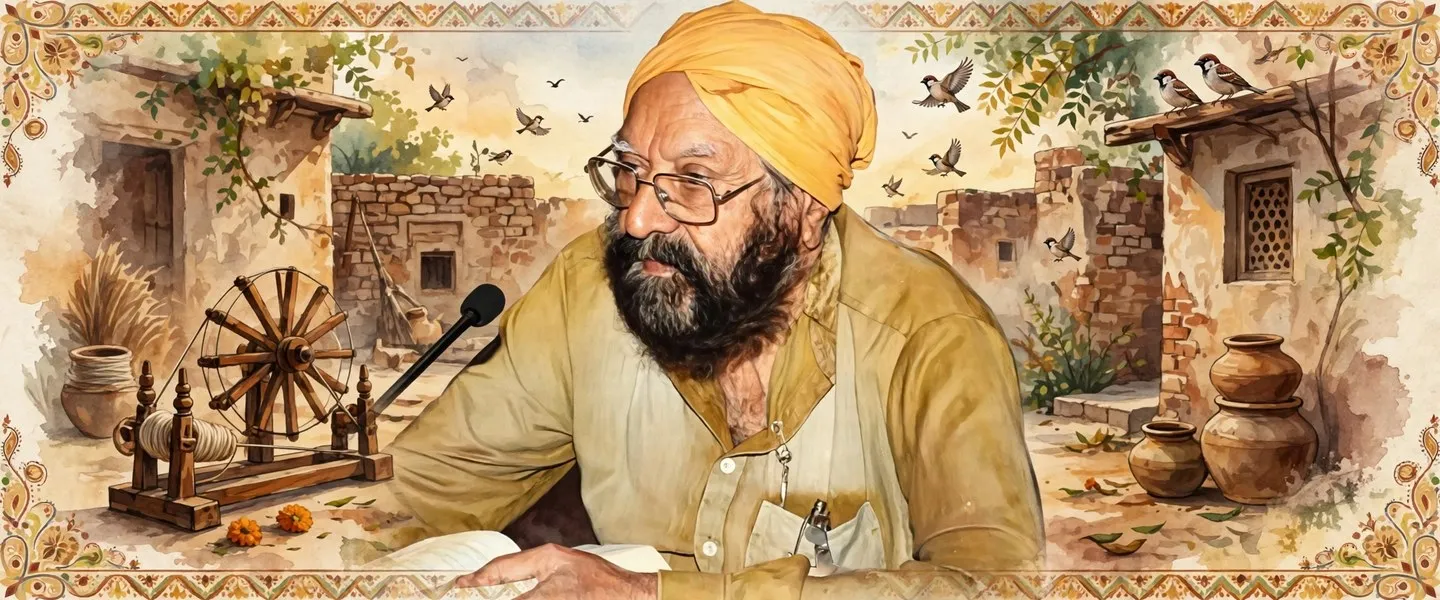
The Portrait of a Lady is a 2009 collection of Khushwant Singh's short stories, published by Penguin Books India, that gathers work from more than fifty years of writing. It takes its title from Singh's best-loved story, an autobiographical portrait of his grandmother, and it remains the fullest single volume of his short fiction.
English- Author
- Khushwant Singh
- Published
- 2009
- Publisher
- Penguin Books India
- Pages
- 480
- Language
- English
- Form
- Short stories
All 8 facts
- Title story
- The Portrait of a Lady
- Title story first published
- In The Mark of Vishnu and Other Stories (1950)
Characters
About the book
The Portrait of a Lady is a collection of short stories by Khushwant Singh, published by Penguin Books India in 2009. It runs to 480 pages and brings together the short fiction Singh wrote over more than half a century, from his earliest stories to one written in 2008, when he was 93. The book takes its name from its most famous piece, the portrait of Singh's grandmother, and it is the fullest single volume of his work in the short form.
Singh first made his name as a writer through the short story, and the range on display here is wide: village Punjab and Delhi drawing rooms, soldiers and clerks, lovers and widows, satire and quiet tragedy. The publisher quotes reviewers who praise the stories as modest, restrained and well crafted, with a gift for exact description.
The story behind the title
The story that gives the book its name is an autobiographical sketch of Singh's grandmother, first published in his debut collection, The Mark of Vishnu and Other Stories (1950). The narrator remembers her as old and wrinkled for the whole twenty years he knew her, short and slightly bent, dressed always in spotless white, her lips moving in prayer as she told the beads of her rosary. He finds it hard to believe she was ever young, yet calls her beautiful, like a winter landscape in the mountains.
In the village the two are inseparable. She wakes him, gets him ready for school, and walks with him to the temple school, where she reads the scriptures while he learns his lessons, and on the way home they feed the stray dogs with stale chapatis. The move to the city changes everything: he goes to an English school, she cannot help with his lessons, and she disapproves of a curriculum with no place for God and the scriptures, and of music lessons most of all. At university he gets a room of his own and their daily friendship ends. She spends her days at her spinning wheel, praying, and her happiest half hour feeding the sparrows in the courtyard.
When he leaves to study abroad for five years she sees him off at the station without a show of feeling, praying silently. On his return she breaks her routine for the only time he can remember: she does not pray that evening, but gathers the neighbourhood women, beats an old drum and sings of the homecoming of warriors. The next morning she falls ill, tells the family her end is near, and dies peacefully at prayer, her rosary slipping from her fingers. When her body is carried out, thousands of sparrows sit silent around the house and refuse the bread offered to them.
ਕਿਤਾਬ ਬਾਰੇ
ਦ ਪੋਰਟਰੇਟ ਆਫ਼ ਅ ਲੇਡੀ ਖੁਸ਼ਵੰਤ ਸਿੰਘ ਦੀਆਂ ਛੋਟੀਆਂ ਕਹਾਣੀਆਂ ਦਾ ਸੰਗ੍ਰਹਿ ਹੈ, ਜੋ ਪੈਂਗੁਇਨ ਬੁਕਸ ਇੰਡੀਆ ਨੇ 2009 ਵਿੱਚ ਛਾਪਿਆ। ਇਹ 480 ਸਫ਼ਿਆਂ ਦੀ ਕਿਤਾਬ ਹੈ ਅਤੇ ਇਸ ਵਿੱਚ ਲੇਖਕ ਦੀਆਂ ਪੰਜਾਹ ਸਾਲਾਂ ਤੋਂ ਵੱਧ ਸਮੇਂ ਵਿੱਚ ਲਿਖੀਆਂ ਕਹਾਣੀਆਂ ਇਕੱਠੀਆਂ ਕੀਤੀਆਂ ਗਈਆਂ ਹਨ, ਪਹਿਲੀਆਂ ਕਹਾਣੀਆਂ ਤੋਂ ਲੈ ਕੇ 2008 ਵਿੱਚ ਲਿਖੀ ਗਈ ਕਹਾਣੀ ਤੱਕ, ਜਦੋਂ ਉਹ 93 ਸਾਲਾਂ ਦੇ ਸਨ। ਕਿਤਾਬ ਦਾ ਨਾਂ ਉਸ ਦੀ ਸਭ ਤੋਂ ਮਸ਼ਹੂਰ ਕਹਾਣੀ ਤੋਂ ਲਿਆ ਗਿਆ ਹੈ, ਜੋ ਉਸ ਦੀ ਦਾਦੀ ਬਾਰੇ ਹੈ, ਅਤੇ ਇਹ ਉਸ ਦੀ ਛੋਟੀ ਕਹਾਣੀ ਦਾ ਸਭ ਤੋਂ ਪੂਰਾ ਸੰਗ੍ਰਹਿ ਹੈ।
ਸਿੰਘ ਨੇ ਲੇਖਕ ਵਜੋਂ ਆਪਣੀ ਪਛਾਣ ਛੋਟੀ ਕਹਾਣੀ ਰਾਹੀਂ ਬਣਾਈ ਸੀ, ਅਤੇ ਇਸ ਸੰਗ੍ਰਹਿ ਵਿੱਚ ਉਸ ਦੀ ਵਿਸ਼ਾਲ ਰੇਂਜ ਦਿਖਾਈ ਦਿੰਦੀ ਹੈ: ਪੰਜਾਬ ਦੇ ਪਿੰਡ ਅਤੇ ਦਿੱਲੀ ਦੇ ਡਰਾਇੰਗ ਰੂਮ, ਫ਼ੌਜੀ ਅਤੇ ਕਲਰਕ, ਪ੍ਰੇਮੀ ਅਤੇ ਵਿਧਵਾਵਾਂ, ਵਿਅੰਗ ਅਤੇ ਹੌਲੀ ਤ੍ਰਾਸਦੀ। ਪ੍ਰਕਾਸ਼ਕ ਵੱਲੋਂ ਹਵਾਲਾ ਦਿੱਤੀਆਂ ਗਈਆਂ ਸਮੀਖਿਆਵਾਂ ਕਹਾਣੀਆਂ ਨੂੰ ਸਾਦੀਆਂ, ਸੰਜਮੀ ਅਤੇ ਚੰਗੀ ਤਰ੍ਹਾਂ ਗੁੰਦੀਆਂ ਹੋਈਆਂ ਦੱਸਦੀਆਂ ਹਨ, ਜਿਨ੍ਹਾਂ ਵਿੱਚ ਸਹੀ ਵਰਣਨ ਦੀ ਖ਼ੂਬੀ ਹੈ।
ਸਿਰਲੇਖ ਵਾਲੀ ਕਹਾਣੀ
ਜਿਸ ਕਹਾਣੀ ਤੋਂ ਕਿਤਾਬ ਦਾ ਨਾਂ ਲਿਆ ਗਿਆ ਹੈ, ਉਹ ਸਿੰਘ ਦੀ ਦਾਦੀ ਦਾ ਆਤਮਕਥਾਤਮਕ ਚਿੱਤਰ ਹੈ, ਜੋ ਪਹਿਲੀ ਵਾਰ ਉਸ ਦੇ ਪਹਿਲੇ ਕਹਾਣੀ ਸੰਗ੍ਰਹਿ, ਦ ਮਾਰਕ ਆਫ਼ ਵਿਸ਼ਨੂੰ ਐਂਡ ਅਦਰ ਸਟੋਰੀਜ਼ (1950), ਵਿੱਚ ਛਪੀ ਸੀ। ਬਿਆਨਕਰਤਾ ਉਸ ਨੂੰ ਉਨ੍ਹਾਂ ਵੀਹ ਸਾਲਾਂ ਦੌਰਾਨ ਹਮੇਸ਼ਾ ਬੁੱਢੀ ਅਤੇ ਝੁਰੜੀਆਂ ਵਾਲੀ ਯਾਦ ਕਰਦਾ ਹੈ, ਜਿੰਨਾ ਚਿਰ ਉਹ ਉਸ ਨੂੰ ਜਾਣਦਾ ਸੀ: ਛੋਟੀ, ਥੋੜ੍ਹੀ ਝੁਕੀ ਹੋਈ, ਹਮੇਸ਼ਾ ਚਿੱਟੇ ਕੱਪੜਿਆਂ ਵਿੱਚ, ਉਸ ਦੇ ਬੁੱਲ੍ਹ ਪ੍ਰਾਰਥਨਾ ਵਿੱਚ ਹਿੱਲਦੇ ਅਤੇ ਉਸ ਦੇ ਹੱਥ ਮਾਲਾ ਫੇਰਦੇ। ਉਸ ਨੂੰ ਯਕੀਨ ਕਰਨਾ ਮੁਸ਼ਕਲ ਲੱਗਦਾ ਹੈ ਕਿ ਉਹ ਕਦੇ ਜਵਾਨ ਸੀ, ਪਰ ਉਹ ਉਸ ਨੂੰ ਸੁੰਦਰ ਕਹਿੰਦਾ ਹੈ, ਪਹਾੜਾਂ ਵਿੱਚ ਸਰਦੀਆਂ ਦੇ ਦ੍ਰਿਸ਼ ਵਾਂਗ।
ਪਿੰਡ ਵਿੱਚ ਦੋਵੇਂ ਅਲੱਗ ਨਹੀਂ ਹੁੰਦੇ ਸਨ। ਉਹ ਉਸ ਨੂੰ ਸਵੇਰੇ ਜਗਾਉਂਦੀ, ਸਕੂਲ ਲਈ ਤਿਆਰ ਕਰਦੀ ਅਤੇ ਮੰਦਰ ਨਾਲ ਲੱਗੇ ਸਕੂਲ ਤੱਕ ਉਸ ਦੇ ਨਾਲ ਜਾਂਦੀ, ਜਿੱਥੇ ਉਹ ਧਾਰਮਿਕ ਗ੍ਰੰਥ ਪੜ੍ਹਦੀ ਜਦੋਂ ਉਹ ਆਪਣੇ ਸਬਕ ਸਿੱਖਦਾ, ਅਤੇ ਘਰ ਵਾਪਸੀ ਤੇ ਉਹ ਬਾਸੀ ਰੋਟੀਆਂ ਨਾਲ ਆਵਾਰਾ ਕੁੱਤਿਆਂ ਨੂੰ ਖੁਆਉਂਦੇ। ਸ਼ਹਿਰ ਜਾਣ ਨਾਲ ਸਭ ਕੁਝ ਬਦਲ ਗਿਆ: ਉਹ ਅੰਗਰੇਜ਼ੀ ਸਕੂਲ ਜਾਣ ਲੱਗਾ, ਉਹ ਉਸ ਦੇ ਸਬਕਾਂ ਵਿੱਚ ਮਦਦ ਨਹੀਂ ਕਰ ਸਕਦੀ ਸੀ, ਅਤੇ ਉਸ ਨੂੰ ਉਹ ਪਾਠਕ੍ਰਮ ਪਸੰਦ ਨਹੀਂ ਸੀ ਜਿਸ ਵਿੱਚ ਰੱਬ ਅਤੇ ਗ੍ਰੰਥਾਂ ਲਈ ਕੋਈ ਥਾਂ ਨਹੀਂ ਸੀ, ਅਤੇ ਸੰਗੀਤ ਦੀਆਂ ਕਲਾਸਾਂ ਸਭ ਤੋਂ ਵੱਧ ਨਾਪਸੰਦ ਸਨ। ਯੂਨੀਵਰਸਿਟੀ ਵਿੱਚ ਉਸ ਨੂੰ ਆਪਣਾ ਕਮਰਾ ਮਿਲ ਗਿਆ ਅਤੇ ਉਨ੍ਹਾਂ ਦੀ ਰੋਜ਼ਾਨਾ ਦੋਸਤੀ ਖ਼ਤਮ ਹੋ ਗਈ। ਉਹ ਆਪਣੇ ਦਿਨ ਚਰਖੇ ਤੇ ਬਿਤਾਉਂਦੀ, ਪ੍ਰਾਰਥਨਾ ਕਰਦੀ, ਅਤੇ ਵਿਹੜੇ ਵਿੱਚ ਚਿੜੀਆਂ ਨੂੰ ਖੁਆਉਣਾ ਉਸ ਦਾ ਸਭ ਤੋਂ ਖ਼ੁਸ਼ੀ ਭਰਿਆ ਅੱਧਾ ਘੰਟਾ ਹੁੰਦਾ।
ਜਦੋਂ ਉਹ ਪੰਜ ਸਾਲਾਂ ਲਈ ਵਿਦੇਸ਼ ਪੜ੍ਹਨ ਗਿਆ, ਤਾਂ ਉਸ ਨੇ ਉਸ ਨੂੰ ਸਟੇਸ਼ਨ ਤੇ ਬਿਨਾਂ ਕੋਈ ਭਾਵਨਾ ਦਿਖਾਏ ਵਿਦਾ ਕੀਤਾ, ਚੁੱਪਚਾਪ ਪ੍ਰਾਰਥਨਾ ਕਰਦੀ ਹੋਈ। ਉਸ ਦੇ ਵਾਪਸ ਆਉਣ ਤੇ ਉਸ ਨੇ ਆਪਣੀ ਰੁਟੀਨ ਇੱਕੋ ਵਾਰ ਤੋੜੀ: ਉਸ ਸ਼ਾਮ ਉਸ ਨੇ ਪ੍ਰਾਰਥਨਾ ਨਹੀਂ ਕੀਤੀ, ਸਗੋਂ ਆਂਢ-ਗੁਆਂਢ ਦੀਆਂ ਔਰਤਾਂ ਨੂੰ ਇਕੱਠਾ ਕੀਤਾ, ਪੁਰਾਣਾ ਢੋਲ ਲਿਆ ਅਤੇ ਯੋਧਿਆਂ ਦੇ ਘਰ ਪਰਤਣ ਦੇ ਗੀਤ ਗਾਏ। ਅਗਲੀ ਸਵੇਰ ਉਹ ਬਿਮਾਰ ਪੈ ਗਈ, ਪਰਿਵਾਰ ਨੂੰ ਦੱਸਿਆ ਕਿ ਉਸ ਦਾ ਅੰਤ ਨੇੜੇ ਹੈ, ਅਤੇ ਪ੍ਰਾਰਥਨਾ ਕਰਦਿਆਂ ਸ਼ਾਂਤੀ ਨਾਲ ਚਲੀ ਗਈ, ਮਾਲਾ ਉਸ ਦੀਆਂ ਉਂਗਲਾਂ ਤੋਂ ਸਰਕ ਗਈ। ਜਦੋਂ ਉਸ ਦਾ ਸਰੀਰ ਬਾਹਰ ਲਿਜਾਇਆ ਗਿਆ, ਤਾਂ ਹਜ਼ਾਰਾਂ ਚਿੜੀਆਂ ਘਰ ਦੇ ਆਲੇ-ਦੁਆਲੇ ਚੁੱਪਚਾਪ ਬੈਠੀਆਂ ਸਨ ਅਤੇ ਉਨ੍ਹਾਂ ਨੇ ਪੇਸ਼ ਕੀਤੀ ਰੋਟੀ ਨੂੰ ਛੂਹਿਆ ਤੱਕ ਨਹੀਂ।
What else is in the collection?
The volume holds the stories Singh wrote across his whole career. The contents run from early pieces such as The Mark of Vishnu, Karma and A Punjab Pastorale to later work such as Zora Singh, The Mulberry Tree and The Maharani of Chootiapuram, written in 2008. Many of his best known stories are here, including The Rape, The Great Difference, The Interview, The Man with a Clear Conscience and The Bottompincher.
Read together, they show a writer who returned again and again to the same ground: Punjab before and after Partition, the small vanities of official life, the comedy of manners among Delhi's middle classes, and the gap between tradition and the modern city. The stories are short, plainly told, and often end on a twist of irony rather than a moral.
Themes across the stories
Three concerns run through the collection. The first is the Punjab of Singh's childhood, its villages, its speech and its certainties, set against the city that pulls the young away. The second is the comedy of Indian official and social life, which Singh treats with a satirist's eye and very little sentiment. The third is ageing and death, handled without consolation: the grandmother dies at prayer, old soldiers fade, and the past is remembered rather than recovered.
Singh's prose stays plain throughout. He favours short sentences, concrete detail and dialogue over description, and he lets a character's habits, a turban, a rosary, a pair of spectacles, do the work of a paragraph of explanation.
The author
Khushwant Singh (1915-2014) was born in Hadali, in the Khushab district of Punjab, now in Pakistan, and became one of India's best known writers and columnists. He edited The Illustrated Weekly of India, the National Herald and the Hindustan Times, and his books include the novels Train to Pakistan (1956), I Shall Not Hear the Nightingale, Delhi and The Company of Women, and the two-volume A History of the Sikhs. His autobiography, Truth, Love and a Little Malice, appeared in 2002. He wrote The Sunset Club, his last novel, at the age of 95.
Why is the book still read?
The collection is the standard way into Singh's short fiction, and the title story has had a second life in Indian classrooms: it is the first chapter of Hornbill, the NCERT English textbook for Class 11, so generations of Indian schoolchildren have met Singh through his grandmother. For readers coming to Singh through Train to Pakistan, the stories show the same eye for character and the same dry humour in a shorter, sharper form, and for Punjabi readers they preserve a record of a Punjab that changed beyond recognition in the writer's own lifetime.
ਸੰਗ੍ਰਹਿ ਵਿੱਚ ਹੋਰ ਕੀ ਹੈ?
ਇਸ ਸੰਗ੍ਰਹਿ ਵਿੱਚ ਸਿੰਘ ਦੇ ਸਾਰੇ ਜੀਵਨ ਦੀਆਂ ਕਹਾਣੀਆਂ ਹਨ। ਸੂਚੀ ਪਹਿਲੀਆਂ ਕਹਾਣੀਆਂ ਜਿਵੇਂ ਦ ਮਾਰਕ ਆਫ਼ ਵਿਸ਼ਨੂੰ, ਕਰਮਾ ਅਤੇ ਅ ਪੰਜਾਬ ਪਾਸਟੋਰਲ ਤੋਂ ਸ਼ੁਰੂ ਹੋ ਕੇ ਬਾਅਦ ਦੀਆਂ ਕਹਾਣੀਆਂ ਜਿਵੇਂ ਜ਼ੋਰਾ ਸਿੰਘ, ਦ ਮਲਬਰੀ ਟ੍ਰੀ ਅਤੇ ਦ ਮਹਾਰਾਣੀ ਆਫ਼ ਛੂਟਿਆਪੁਰਮ ਤੱਕ ਜਾਂਦੀ ਹੈ, ਜੋ 2008 ਵਿੱਚ ਲਿਖੀ ਗਈ ਸੀ। ਸਭ ਤੋਂ ਜਾਣੀਆਂ-ਪਛਾਣੀਆਂ ਕਹਾਣੀਆਂ ਇੱਥੇ ਹਨ: ਦ ਰੇਪ, ਦ ਗ੍ਰੇਟ ਡਿਫ਼ਰੈਂਸ, ਦ ਇੰਟਰਵਿਊ, ਦ ਮੈਨ ਵਿਦ ਅ ਕਲੀਅਰ ਕਾਂਸ਼ੀਅੰਸ ਅਤੇ ਦ ਬਾਟਮਪਿੰਚਰ।
ਇਕੱਠੀਆਂ ਪੜ੍ਹਨ ਤੇ ਇਹ ਕਹਾਣੀਆਂ ਇੱਕ ਲੇਖਕ ਨੂੰ ਦਿਖਾਉਂਦੀਆਂ ਹਨ ਜੋ ਵਾਰ-ਵਾਰ ਉਸੇ ਧਰਤੀ ਤੇ ਪਰਤਦਾ ਸੀ: ਵੰਡ ਤੋਂ ਪਹਿਲਾਂ ਅਤੇ ਬਾਅਦ ਦਾ ਪੰਜਾਬ, ਸਰਕਾਰੀ ਜੀਵਨ ਦੀਆਂ ਛੋਟੀਆਂ ਖ਼ੂਬਸੂਰਤੀਆਂ, ਦਿੱਲੀ ਦੇ ਮੱਧ ਵਰਗ ਦੀ ਹਾਸਰਸ ਜੀਵਨ ਸ਼ੈਲੀ, ਅਤੇ ਪਰੰਪਰਾ ਤੇ ਆਧੁਨਿਕ ਸ਼ਹਿਰ ਵਿਚਕਾਰ ਪਾੜਾ। ਕਹਾਣੀਆਂ ਛੋਟੀਆਂ ਹਨ, ਸਾਦੇ ਢੰਗ ਨਾਲ ਦੱਸੀਆਂ ਗਈਆਂ ਹਨ, ਅਤੇ ਅਕਸਰ ਨੈਤਿਕ ਸਿੱਖਿਆ ਦੀ ਥਾਂ ਵਿਅੰਗ ਭਰੇ ਮੋੜ ਤੇ ਖ਼ਤਮ ਹੁੰਦੀਆਂ ਹਨ।
ਕਹਾਣੀਆਂ ਦੇ ਵਿਸ਼ੇ
ਸੰਗ੍ਰਹਿ ਵਿੱਚ ਤਿੰਨ ਗੱਲਾਂ ਵਾਰ-ਵਾਰ ਆਉਂਦੀਆਂ ਹਨ। ਪਹਿਲੀ ਹੈ ਸਿੰਘ ਦੇ ਬਚਪਨ ਦਾ ਪੰਜਾਬ: ਉਸ ਦੇ ਪਿੰਡ, ਉਸ ਦੀ ਬੋਲੀ ਅਤੇ ਉਸ ਦੀਆਂ ਨਿਸ਼ਚਤਤਾਵਾਂ, ਸ਼ਹਿਰ ਦੇ ਮੁਕਾਬਲੇ ਜੋ ਨੌਜਵਾਨਾਂ ਨੂੰ ਦੂਰ ਖਿੱਚ ਲੈਂਦਾ ਹੈ। ਦੂਜੀ ਹੈ ਭਾਰਤੀ ਸਰਕਾਰੀ ਅਤੇ ਸਮਾਜਿਕ ਜੀਵਨ ਦੀ ਹਾਸਰਸ ਨਕਲ, ਜਿਸ ਨੂੰ ਸਿੰਘ ਵਿਅੰਗਕਾਰ ਦੀ ਨਜ਼ਰ ਨਾਲ ਅਤੇ ਬਹੁਤ ਘੱਟ ਭਾਵੁਕਤਾ ਨਾਲ ਦੇਖਦਾ ਹੈ। ਤੀਜੀ ਹੈ ਬੁਢਾਪਾ ਅਤੇ ਮੌਤ, ਜਿਸ ਨੂੰ ਬਿਨਾਂ ਕਿਸੇ ਦਿਲਾਸੇ ਦੇ ਪੇਸ਼ ਕੀਤਾ ਗਿਆ ਹੈ: ਦਾਦੀ ਪ੍ਰਾਰਥਨਾ ਕਰਦਿਆਂ ਚਲੀ ਜਾਂਦੀ ਹੈ, ਬੁੱਢੇ ਫ਼ੌਜੀ ਮੱਧਮ ਪੈ ਜਾਂਦੇ ਹਨ, ਅਤੇ ਅਤੀਤ ਨੂੰ ਯਾਦ ਕੀਤਾ ਜਾਂਦਾ ਹੈ, ਮੁੜ ਪ੍ਰਾਪਤ ਨਹੀਂ ਕੀਤਾ ਜਾਂਦਾ।
ਸਿੰਘ ਦੀ ਭਾਸ਼ਾ ਸਾਰੀਆਂ ਕਹਾਣੀਆਂ ਵਿੱਚ ਸਾਦੀ ਰਹਿੰਦੀ ਹੈ। ਉਹ ਛੋਟੇ ਵਾਕਾਂ, ਠੋਸ ਵੇਰਵਿਆਂ ਅਤੇ ਸੰਵਾਦ ਨੂੰ ਵਰਣਨ ਤੋਂ ਵੱਧ ਤਰਜੀਹ ਦਿੰਦਾ ਹੈ, ਅਤੇ ਉਹ ਕਿਰਦਾਰ ਦੀਆਂ ਆਦਤਾਂ, ਪੱਗ, ਮਾਲਾ ਜਾਂ ਐਨਕਾਂ ਨੂੰ ਵਿਆਖਿਆ ਦੇ ਪੈਰੇ ਦਾ ਕੰਮ ਕਰਨ ਦਿੰਦਾ ਹੈ।
ਲੇਖਕ ਬਾਰੇ
ਖੁਸ਼ਵੰਤ ਸਿੰਘ (1915-2014) ਦਾ ਜਨਮ ਹਡਾਲੀ ਵਿੱਚ ਹੋਇਆ ਸੀ, ਜੋ ਪੰਜਾਬ ਦੇ ਖੁਸ਼ਾਬ ਜ਼ਿਲ੍ਹੇ ਵਿੱਚ ਹੈ ਅਤੇ ਹੁਣ ਪਾਕਿਸਤਾਨ ਵਿੱਚ ਹੈ, ਅਤੇ ਉਹ ਭਾਰਤ ਦੇ ਸਭ ਤੋਂ ਜਾਣੇ-ਪਛਾਣੇ ਲੇਖਕਾਂ ਅਤੇ ਕਾਲਮਨਵੀਸਾਂ ਵਿੱਚੋਂ ਇੱਕ ਬਣ ਗਿਆ। ਉਸ ਨੇ ਦ ਇਲਸਟਰੇਟਿਡ ਵੀਕਲੀ ਆਫ਼ ਇੰਡੀਆ, ਨੈਸ਼ਨਲ ਹੈਰਲਡ ਅਤੇ ਹਿੰਦੁਸਤਾਨ ਟਾਈਮਜ਼ ਦਾ ਸੰਪਾਦਨ ਕੀਤਾ, ਅਤੇ ਉਸ ਦੀਆਂ ਕਿਤਾਬਾਂ ਵਿੱਚ ਟ੍ਰੇਨ ਟੂ ਪਾਕਿਸਤਾਨ (1956), ਆਈ ਸ਼ੈਲ ਨਾਟ ਹੀਅਰ ਦ ਨਾਈਟਿੰਗੇਲ, ਦਿੱਲੀ ਅਤੇ ਦ ਕੰਪਨੀ ਆਫ਼ ਵੂਮਨ ਵਰਗੇ ਨਾਵਲ, ਅਤੇ ਦੋ ਜਿਲਦਾਂ ਵਾਲਾ ਅ ਹਿਸਟਰੀ ਆਫ਼ ਦ ਸਿੱਖਸ ਸ਼ਾਮਲ ਹਨ। ਉਸ ਦੀ ਆਤਮਕਥਾ, ਟਰੁਥ, ਲਵ ਐਂਡ ਅ ਲਿਟਲ ਮੈਲਿਸ, 2002 ਵਿੱਚ ਛਪੀ। ਉਸ ਨੇ ਆਪਣਾ ਆਖ਼ਰੀ ਨਾਵਲ, ਦ ਸਨਸੈੱਟ ਕਲੱਬ, 95 ਸਾਲ ਦੀ ਉਮਰ ਵਿੱਚ ਲਿਖਿਆ।
ਕਿਤਾਬ ਅੱਜ ਕਿਉਂ ਪੜ੍ਹੀ ਜਾਂਦੀ ਹੈ?
ਇਹ ਸੰਗ੍ਰਹਿ ਸਿੰਘ ਦੀ ਛੋਟੀ ਕਹਾਣੀ ਤੱਕ ਪਹੁੰਚਣ ਦਾ ਮਿਆਰੀ ਰਸਤਾ ਹੈ, ਅਤੇ ਸਿਰਲੇਖ ਵਾਲੀ ਕਹਾਣੀ ਨੂੰ ਭਾਰਤੀ ਕਲਾਸਰੂਮਾਂ ਵਿੱਚ ਦੂਜਾ ਜੀਵਨ ਮਿਲਿਆ ਹੈ: ਇਹ ਹਾਰਨਬਿਲ ਦਾ ਪਹਿਲਾ ਪਾਠ ਹੈ, ਜੋ ਐੱਨਸੀਈਆਰਟੀ ਦੀ ਗਿਆਰ੍ਹਵੀਂ ਜਮਾਤ ਦੀ ਅੰਗਰੇਜ਼ੀ ਪਾਠ ਪੁਸਤਕ ਹੈ, ਇਸ ਲਈ ਭਾਰਤੀ ਸਕੂਲੀ ਬੱਚਿਆਂ ਦੀਆਂ ਪੀੜ੍ਹੀਆਂ ਸਿੰਘ ਨੂੰ ਉਸ ਦੀ ਦਾਦੀ ਰਾਹੀਂ ਮਿਲੀਆਂ ਹਨ। ਟ੍ਰੇਨ ਟੂ ਪਾਕਿਸਤਾਨ ਰਾਹੀਂ ਸਿੰਘ ਤੱਕ ਪਹੁੰਚਣ ਵਾਲੇ ਪਾਠਕਾਂ ਲਈ ਇਹ ਕਹਾਣੀਆਂ ਉਸ ਦੀ ਕਿਰਦਾਰ ਪਛਾਣਨ ਦੀ ਉਹੀ ਨਜ਼ਰ ਅਤੇ ਉਹੀ ਸੁੱਕਾ ਹਾਸਾ ਛੋਟੇ, ਤਿੱਖੇ ਰੂਪ ਵਿੱਚ ਦਿਖਾਉਂਦੀਆਂ ਹਨ, ਅਤੇ ਪੰਜਾਬੀ ਪਾਠਕਾਂ ਲਈ ਇਹ ਇੱਕ ਅਜਿਹੇ ਪੰਜਾਬ ਦਾ ਰਿਕਾਰਡ ਸਾਂਭਦੀਆਂ ਹਨ ਜੋ ਲੇਖਕ ਦੇ ਆਪਣੇ ਜੀਵਨ ਕਾਲ ਵਿੱਚ ਪਛਾਣ ਤੋਂ ਪਰੇ ਬਦਲ ਗਿਆ।
Editions and translations
- The Portrait of a Lady: Collected StoriesEnglish · Penguin Books India · 2009 · 480 pagesEdition
- The Mark of Vishnu and Other StoriesEnglish · Saturn Press, London · 1950 · the collection where the title story first appearedEdition
The author

Connected
More to read
Sources (3)
Jugti is free and independent. Reader support keeps the Kosh growing.
Support